It’s time to help contribute for biggest aquarium gallery online

SUBMIT HEREVIEW GALLERY

Caridina pareparensis parvidentata (Malawa Shrimp)

Overview

The Malawa Shrimp (Caridina pareparensis parvidentata), also known as the Sulawesi Algae Shrimp or Domestic Shrimp, is a highly adaptable and active freshwater shrimp. While many Sulawesi shrimp are notoriously difficult to keep, the Malawa Shrimp is incredibly hardy, making it an excellent choice for aquarists of all skill levels.

Image of sulawesi algae shrimp domestic shrimp malawa shrimp caridina pareparensis parvidentata

Distribution and Habitat

Endemic to the river systems of Sulawesi, Indonesia, this species thrives in flowing streams rather than the ancient, high-pH lakes that house other famous Sulawesi shrimp. Their natural habitat consists of oxygen-rich waters with plenty of rocks, leaf litter, and natural biofilm, which has made them highly adaptable to various aquarium conditions.

Description of Malawa Shrimp

Malawa Shrimp are small, typically reaching 1 to 1.5 inches in length. They lack the solid, opaque colors of selectively bred shrimp, instead boasting a wild, natural appearance. Their bodies are largely translucent, adorned with intricate speckles, tiger-like stripes, and bands. Depending on their environment and mood, they can display hues of reddish-brown, grey, or subtle orange.

Image of sulawesi algae shrimp domestic shrimp malawa shrimp caridina pareparensis parvidentata

Keeping and Caring for Malawa Shrimp

These shrimp are celebrated for their resilience. They can tolerate a wide range of water parameters and are forgiving of minor beginner mistakes, making them one of the easiest Caridina species to keep.

Tank size:

A minimum tank size of 5 gallons is recommended for a starting colony. Because they breed rapidly, a 10-gallon tank or larger will provide more stability and room for the population to grow.

Water Parameters:

Temperature

They are comfortable in temperatures ranging from 70°F to 86°F (21°C - 30°C), making them suitable for both unheated and heated aquariums.

pH

A pH level between 7.0 and 8.5 is ideal. They prefer neutral to slightly alkaline water, reflecting their natural Sulawesi origins.

Hardness

They adapt well to moderate hardness. Aim for a General Hardness (GH) of 4-15 dGH and a Carbonate Hardness (KH) of 2-10 dKH.

Ammonia, Nitrite, Nitrate

Ammonia and Nitrite must always be at 0 ppm. Nitrates should be kept as low as possible, ideally below 20 ppm, through regular water changes and plant filtration.

Lighting

Standard aquarium lighting is perfectly fine. Moderate lighting helps promote the growth of natural algae and biofilm, which serves as their primary food source.

Water flow

A gentle to moderate water flow is preferred. Sponge filters are highly recommended as they provide adequate filtration, gentle flow, and a grazing surface for the shrimp.

Decorations and Plants

Provide plenty of hiding spaces using driftwood, rocks, and dense vegetation. Mosses (like Java Moss) and floating plants are highly beneficial, offering shelter for molting adults and newborn shrimplets.

Adding the Malawa Shrimp

Always use the drip acclimation method when introducing Malawa Shrimp to a new tank. Drip tank water into their container slowly over 1.5 to 2 hours to help them adjust to the new temperature and water chemistry, minimizing stress and preventing shock.

Image of sulawesi algae shrimp domestic shrimp malawa shrimp caridina pareparensis parvidentata

Some Feeding Tips

Malawa Shrimp are excellent scavengers. While they will constantly graze on naturally occurring biofilm and soft algae, their diet should be supplemented with high-quality shrimp pellets, algae wafers, and occasional blanched vegetables like spinach or zucchini. Remove uneaten food after a few hours to maintain water quality.

Dangers of Malawa Shrimp in the Planted Aquarium

There are virtually no dangers to keeping Malawa Shrimp in a planted tank. They are completely plant-safe and will only consume dead or decaying plant matter. The only minor concern is their rapid breeding; in a heavily populated tank, they might outcompete slower-eating shrimp species for food.

Tank mates & Compatibility

These shrimp are peaceful and do well with small, non-aggressive nano fish like rasboras, small tetras, and Otocinclus catfish. They are also compatible with snails. Interestingly, because they belong to a different lineage, they will not crossbreed with Neocaridina species (like Cherry Shrimp) or most other common Caridina species, making them a great addition to mixed-shrimp tanks.

Breeding Malawa Shrimp

Breeding Malawa Shrimp is incredibly easy and requires no special intervention. As long as both males and females are present in a well-fed, clean environment, they will breed prolifically. The females carry eggs under their abdomen until they hatch into fully formed, miniature versions of the adults. There is no complex larval stage, and the shrimplets will immediately begin foraging alongside the adults.

Conclusion

The Malawa Shrimp (Caridina pareparensis parvidentata) is a phenomenal, underrated species in the aquarium hobby. Their extreme hardiness, active behavior, and unique wild-type patterns make them a fascinating alternative to more common dwarf shrimp. Whether you are a beginner looking for an easy cleanup crew or an experienced hobbyist wanting a bustling, low-maintenance colony, the Malawa Shrimp is a perfect choice.

Shrimp info

Size: 1.0 - 1.5 inches (2.5 - 3.8 cm)
Difficulty level: Beginner
Temperature : 70°F - 86°F (21°C - 30°C)
pH: 7.0 - 8.5
Color Form: Brown, Grey
Leave your comments
Lastest on Shrimps
  • Caridina pareparensis parvidentata (Malawa Shrimp)

    Meet the Malawa Shrimp (Caridina pareparensis parvidentata), a hardy and active freshwater invertebrate from the rivers of Sulawesi. Often called the Sulawesi Algae Shrimp, this resilient species is an exceptional algae eater and a fantastic, easy-to-breed alternative to Amano or Neocaridina shrimp for aquarists of all skill levels.
  • Caridina pareparensis parvidentata (Malawa Shrimp)

    Meet the Malawa Shrimp (Caridina pareparensis parvidentata), an incredibly hardy and active freshwater species from Sulawesi. Often called the Sulawesi Algae Shrimp, this beginner-friendly invertebrate is a voracious algae eater and prolific breeder, making it a fantastic, low-maintenance alternative to standard dwarf shrimp for any planted aquarium.
  • Caridina pareparensis parvidentata (Malawa Shrimp)

    Meet the Malawa Shrimp, an incredibly hardy and active invertebrate from Indonesia. Often called the Sulawesi Algae Shrimp, this species breaks the stereotype of fragile Sulawesi shrimp. With its voracious appetite for algae and rapid breeding rate, it is the perfect, forgiving choice for both novice and experienced aquarists.
  • Neocaridina davidi (Yellow Fire Shrimp)

    Brighten up your freshwater aquarium with the stunning Yellow Fire Shrimp! A vibrant color morph of the hardy Neocaridina davidi, these cheerful little invertebrates are perfect for beginners. They act as excellent cleanup crews, peacefully grazing on algae and biofilm while adding a brilliant splash of sunshine to your aquascape.
  • Caridina pareparensis parvidentata (Malawa Shrimp)

    Meet the Malawa Shrimp, also known as the Sulawesi Algae Shrimp. Unlike its famously sensitive cousins from the Sulawesi lakes, this hardy, adaptable species thrives in a variety of water conditions. Boasting striking, tiger-like stripes and a voracious appetite for algae, it's a fantastic, low-maintenance addition to any freshwater aquarium.
  • Neocaridina davidi (Red Sakura Shrimp)

    The Red Sakura Shrimp is a striking, deeply colored variant of the popular Cherry Shrimp. Known for its nearly solid red carapace and hardy nature, this Neocaridina davidi morph is perfect for beginners. They add a vibrant pop of color to any planted tank while serving as an excellent cleanup crew.
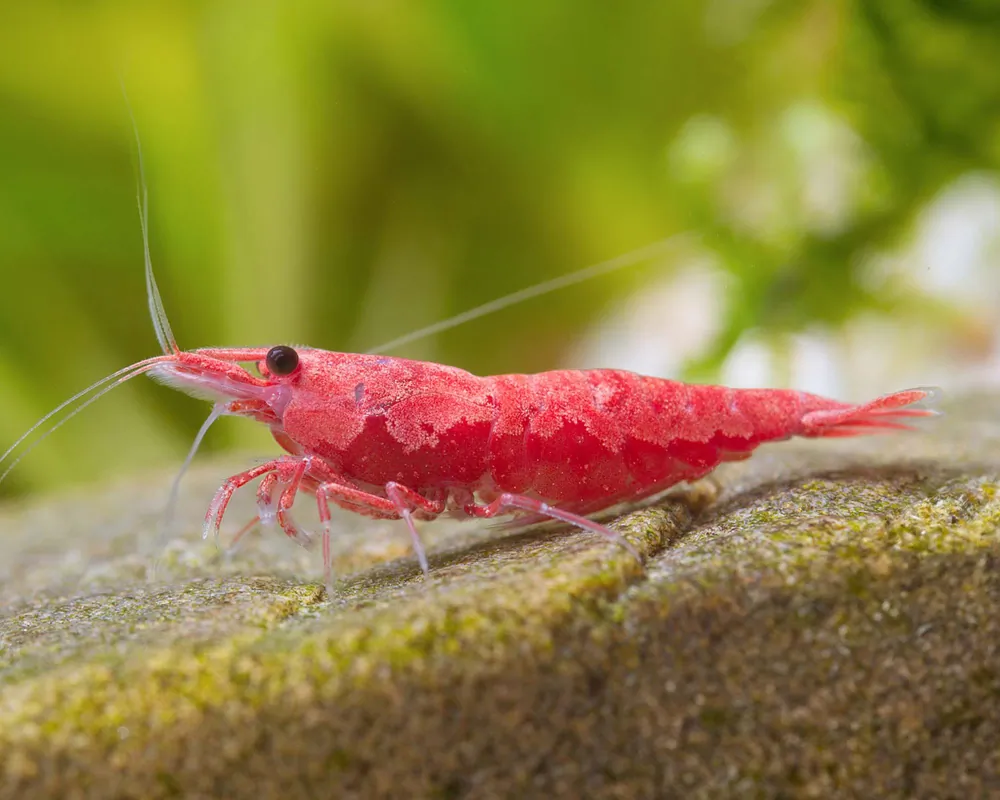
  • Neocaridina davidi (Red Cherry Shrimp / Fire Red Shrimp)

    Add a splash of vibrant color to your aquarium with the Red Cherry Shrimp! Also known as the Fire Red Shrimp, this hardy and active Neocaridina davidi morph is perfect for beginners. They are excellent algae eaters, constantly grazing and bringing lively energy to any planted freshwater tank.
  • Caridina logemanni (Red Bee Shrimp K4 DNZ)

    The Red Bee Shrimp K4 (DNZ) is a stunning and highly sought-after freshwater dwarf shrimp. Known for its striking, opaque red and white bands, this German-bred Caridina logemanni variant adds vibrant contrast to planted aquariums. While slightly demanding regarding water parameters, their active nature makes them incredibly rewarding.
  • Neocaridina davidi (Orange Fire Shrimp)

    Add a burst of vibrant citrus color to your aquarium with the Orange Fire Shrimp, also known as the Sunkist or Sakura Orange Shrimp. These hardy, active, and peaceful Neocaridina are perfect for beginners, eagerly grazing on algae and adding lively energy to any planted freshwater setup.
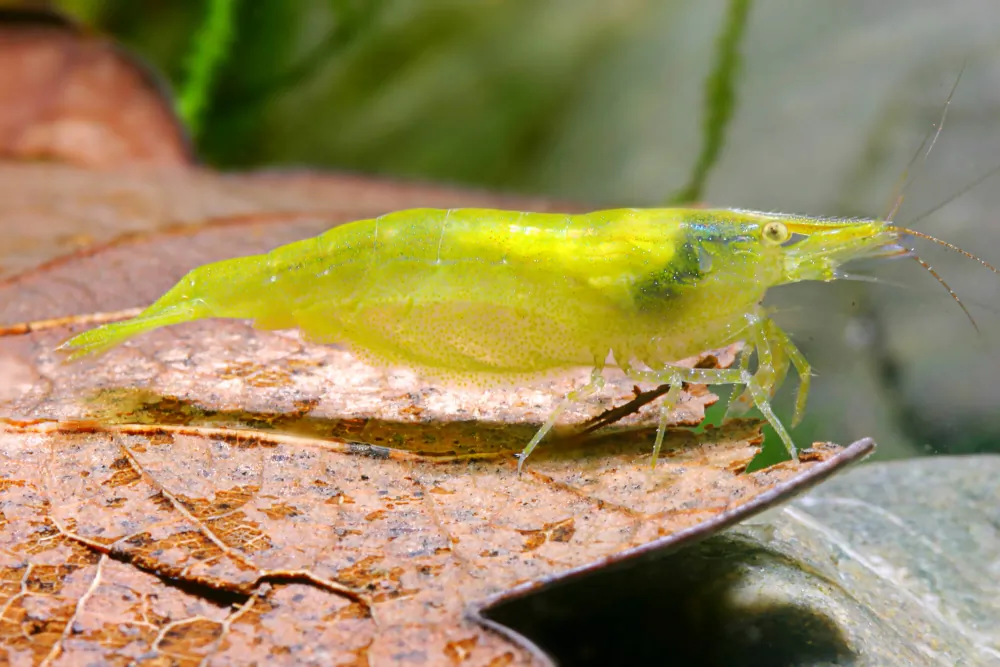
  • Caridina babaulti (Green Babaulti Shrimp)

    Add a splash of vibrant neon to your freshwater aquarium with the Green Babaulti Shrimp! Known for their striking, leaf-green coloration and active foraging behavior, these unique dwarf shrimp are a captivating choice for aquascapers looking to diversify their cleanup crew with a truly eye-catching and peaceful species.
  • Neocaridina davidi var. Blue Jelly (Blue Jelly Shrimp)

    Dive into the mesmerizing world of the Blue Jelly Shrimp. Known for its stunning, translucent icy-blue coloration, this peaceful and hardy invertebrate is a favorite among aquarists. Perfect for beginners, the Blue Jelly adds a refreshing splash of color while tirelessly cleaning your tank's ecosystem by grazing on algae and biofilm.
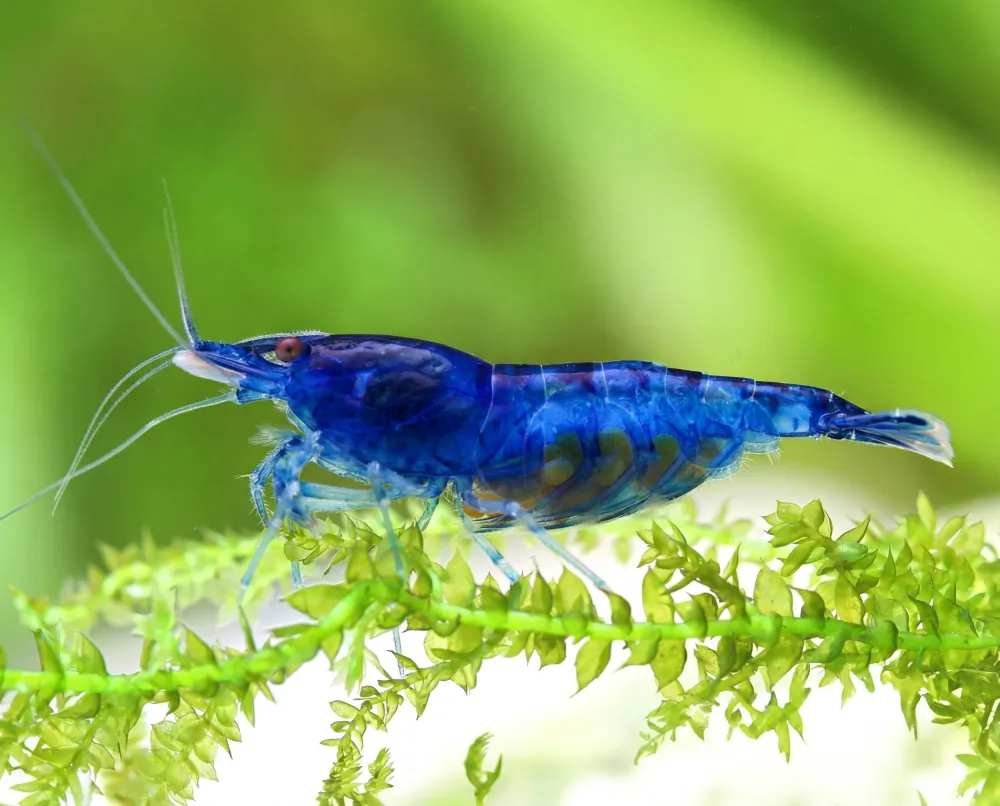
  • Neocaridina davidi (Blue Dream / Blue Velvet Shrimp)

    Dive into the mesmerizing world of Blue Dream and Blue Velvet shrimp. These stunning variations of Neocaridina davidi boast deep, captivating blue hues that instantly elevate any freshwater setup. Known for their hardiness and active nature, they are the perfect addition for both novice and experienced aquarists seeking vibrant color.
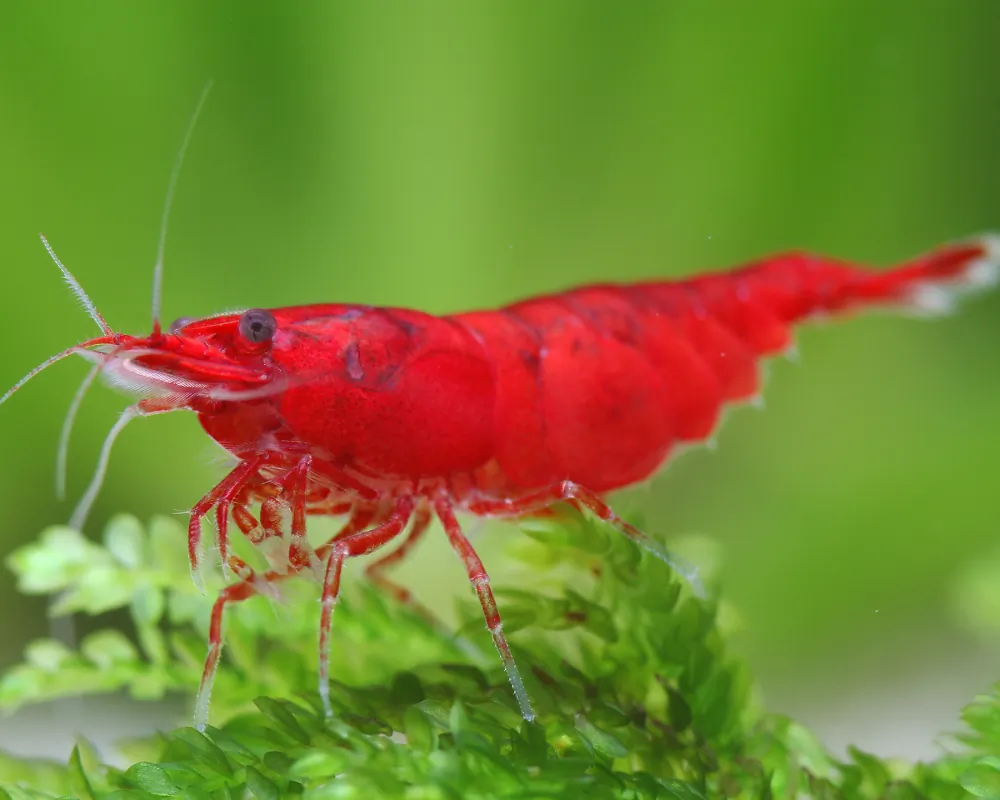
  • Neocaridina davidi (Bloody Mary Shrimp)

    The Bloody Mary Shrimp is a captivating variant of Neocaridina davidi, selectively bred for its intense, opaque red coloration. Originating from Taiwan, these vibrant freshwater crustaceans have quickly become a favorite among aquarists, celebrated for their striking appearance, peaceful demeanor, and relatively easy care, making them an excellent choice for both beginners and experienced shrimp keepers.
  • Caridina multidentata (Amano Shrimp)

    The Amano Shrimp, scientifically known as Caridina multidentata, hails from the rivers of Japan and Taiwan. Renowned for its insatiable appetite for algae, it was popularized by Takashi Amano himself, becoming an indispensable clean-up crew member and a staple in planted aquariums worldwide. Its hardy nature makes it an excellent choice for both beginners and experienced aquarists.
  • Ghost Shrimp

    Ghost Shrimp, also called Glass Shrimp are one of the easiest species of freshwater shrimp to keep. They are primarily translucent, small and highly active. Ghost shrimp are extremely popular due to their low price. Ghost shrimp can often be purchased en mass for as little as 20-50 cents each. This price makes them attractive to prospective owners but also as a live feeder for larger carnivorous fish. Ghost Shrimp are scavengers and do an excellent job of cleaning the aquarium of rotting debris and algae. They are effective at actively reducing nitrates within the aquarium and having a very low biomass footprint.
  • Crystal Red Shrimp

    Crystal Red Shrimp also known as CRS are a rare and unusual shrimp easily identified by their unique red and white striped markings. The CRS reportedly came to be from a single mutation involving the black bumble bee shrimp in Japan.