Overview
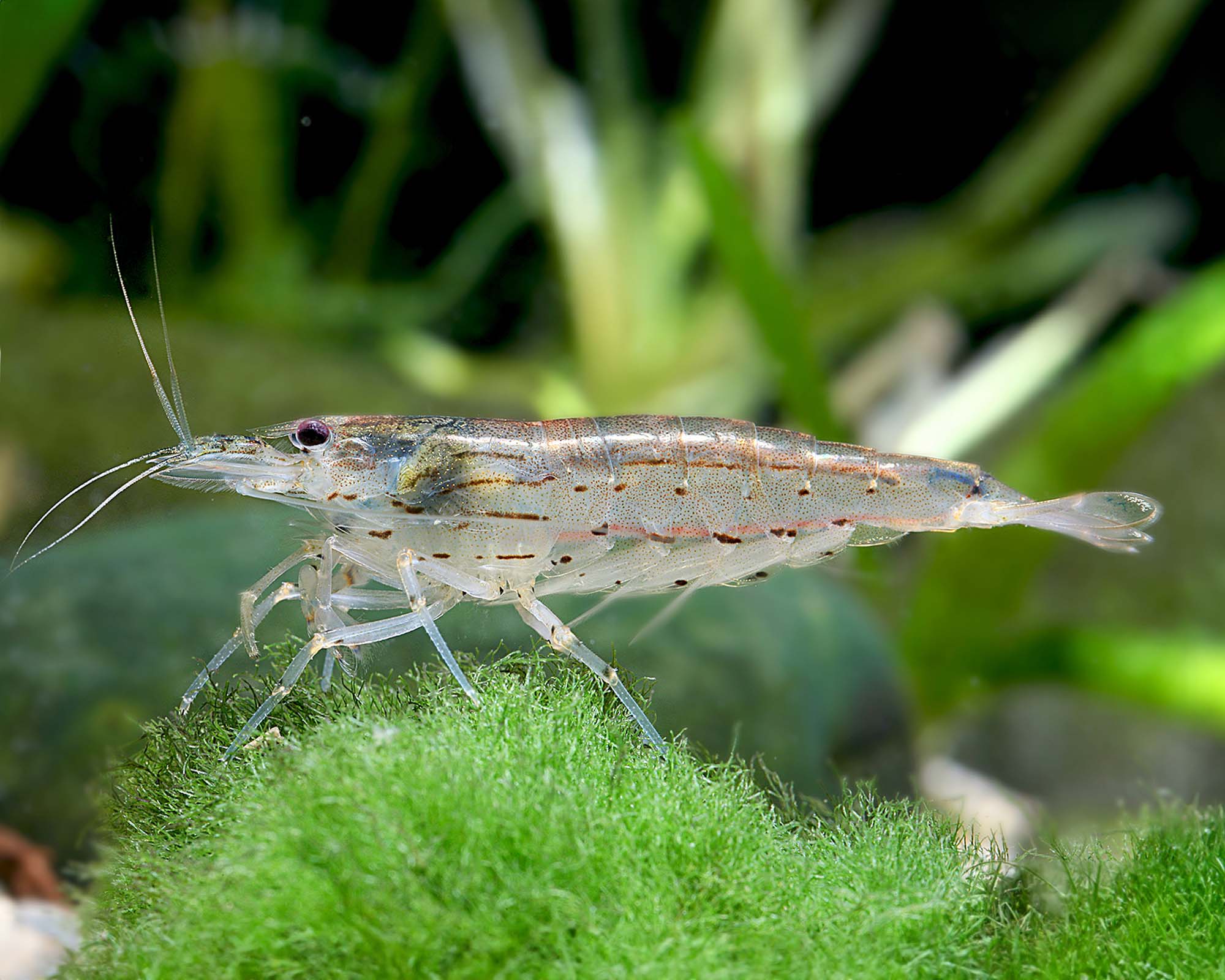
Amano Shrimp (Caridina multidentata), also known as Yamato Shrimp, are freshwater dwarf shrimp highly valued in the aquarium hobby for their exceptional algae-eating capabilities. Unlike many other dwarf shrimp species, they are not primarily kept for their vibrant coloration, but rather for their utility in maintaining a clean and balanced aquarium environment. They are robust, peaceful, and relatively easy to care for, making them a popular choice for community tanks and planted setups.

Distribution and Habitat
Caridina multidentata originates from the Yamato River in Japan and other rivers in Japan and Taiwan. In their natural habitat, they are found in clear, flowing freshwater streams and rivers, often among submerged vegetation and rocky substrates. These environments typically have stable water parameters and a rich supply of biofilm and detritus, which form a significant part of their diet.

Description of Amano Shrimp
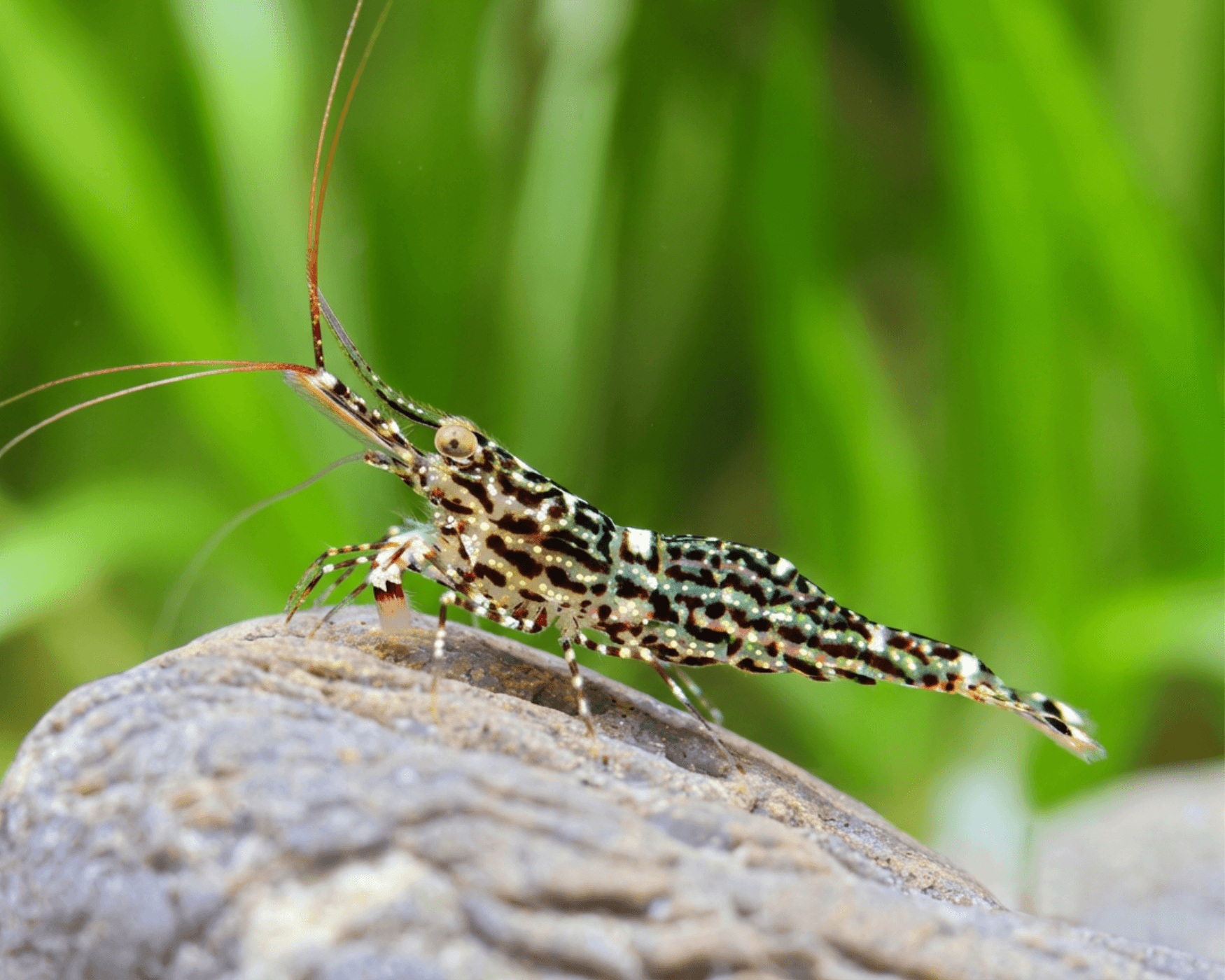
Amano Shrimp are typically translucent or light greyish-brown, often exhibiting a pattern of broken reddish-brown dashes or dots along their sides. These markings can vary in intensity and pattern depending on the individual shrimp's diet, stress levels, and environment. Females are generally larger than males, reaching up to 5 cm (2 inches), while males are usually around 3.5-4 cm (1.4-1.6 inches). They possess a distinct rostrum (snout) and numerous small legs, which they use for grazing on surfaces. Their eyes are typically dark and prominent.


Keeping and Caring for Amano Shrimp
Amano Shrimp are considered one of the hardiest freshwater shrimp species, making them suitable for beginners. They are highly adaptable to a range of water conditions, provided the environment is stable and free from sudden fluctuations. A well-cycled tank is crucial for their health and longevity.
Tank size:
A minimum tank size of 10 gallons (38 liters) is recommended for a small group of Amano Shrimp. Larger tanks are always better, especially if keeping a larger colony or integrating them into a community setup.
Water Parameters:
Maintaining stable water parameters is key to the health of Amano Shrimp.
Temperature
22-26°C (72-79°F) is ideal, though they can tolerate a slightly wider range. Avoid extreme fluctuations.
pH
A pH range of 6.5-7.5 is generally suitable. They can adapt to slightly acidic or alkaline conditions, but stability is more important than hitting a precise number.
Hardness
Amano Shrimp thrive in moderately hard water. A GH (General Hardness) of 6-10 dGH and a KH (Carbonate Hardness) of 3-6 dKH are recommended. This provides essential minerals for molting.
Ammonia, Nitrite, Nitrate
Like all aquatic invertebrates, Amano Shrimp are highly sensitive to ammonia and nitrite, which should always be at 0 ppm. Nitrates should be kept below 20 ppm, ideally below 10 ppm. Regular water changes are essential to maintain low nitrate levels.
Lighting
Standard aquarium lighting suitable for plants is perfectly fine for Amano Shrimp. They do not have specific lighting requirements themselves, but adequate lighting promotes algae growth, which is a natural food source for them.
Water flow
Moderate water flow is appreciated, mimicking their natural riverine habitats. This also helps distribute nutrients and oxygen throughout the tank.
Decorations and Plants
Amano Shrimp thrive in heavily planted aquariums. Plants provide ample surface area for grazing on biofilm and algae, as well as crucial hiding spots, especially during molting when they are most vulnerable. Driftwood, rocks, and caves also offer shelter and additional surfaces for foraging.

Adding the Amano Shrimp
When introducing Amano Shrimp to a new tank, it is crucial to acclimate them slowly to the new water parameters. Drip acclimation over several hours is the preferred method to minimize stress and prevent osmotic shock.
Some Feeding Tips
While Amano Shrimp are renowned algae eaters, they also benefit from supplemental feeding. High-quality shrimp pellets, blanched vegetables (like zucchini, spinach), and algae wafers are excellent additions to their diet. They will also graze on biofilm, detritus, and leftover fish food. Ensure they get enough food, especially if the tank is very clean, to prevent them from potentially nibbling on delicate plants.

Dangers of Amano Shrimp in the Planted Aquarium
While generally beneficial, Amano Shrimp can sometimes develop a taste for certain soft-leaved or delicate plants if their primary food sources (algae, biofilm, supplemental foods) are insufficient. This is relatively rare but can occur, especially with plants like Riccia or certain mosses. Providing ample food usually mitigates this risk.
Tank mates & Compatibility
Amano Shrimp are peaceful and can be kept with other non-aggressive, small to medium-sized fish that won't view them as food. Good tank mates include small tetras, rasboras, Otocinclus catfish, peaceful dwarf cichlids (like German Blue Rams), and other dwarf shrimp species (though cross-breeding is not an issue with other Caridina or Neocaridina species). Avoid large, aggressive, or predatory fish that could eat the shrimp.
Breeding Amano Shrimp
Breeding Amano Shrimp in a home aquarium is challenging due to their complex life cycle. Females carry eggs (which are visible under their swimmerets) for about 3-4 weeks. Once hatched, the larvae are planktonic and require brackish water to survive and develop. They pass through several larval stages, feeding on microscopic organisms, before metamorphosing into miniature freshwater shrimp. Replicating the specific salinity changes and food sources needed for larval development is difficult in a typical home aquarium, making successful breeding rare without dedicated efforts.

Conclusion
The Amano Shrimp is an invaluable addition to any freshwater planted aquarium. Its unparalleled algae-eating prowess, combined with its hardy and peaceful nature, makes it a highly sought-after invertebrate. While breeding them presents a unique challenge, their contribution to tank cleanliness and overall ecosystem health is undeniable, earning them a permanent place in the hearts of aquarists worldwide.
 - 1.webp)
 - 1.webp)
Leave your comments