Overview
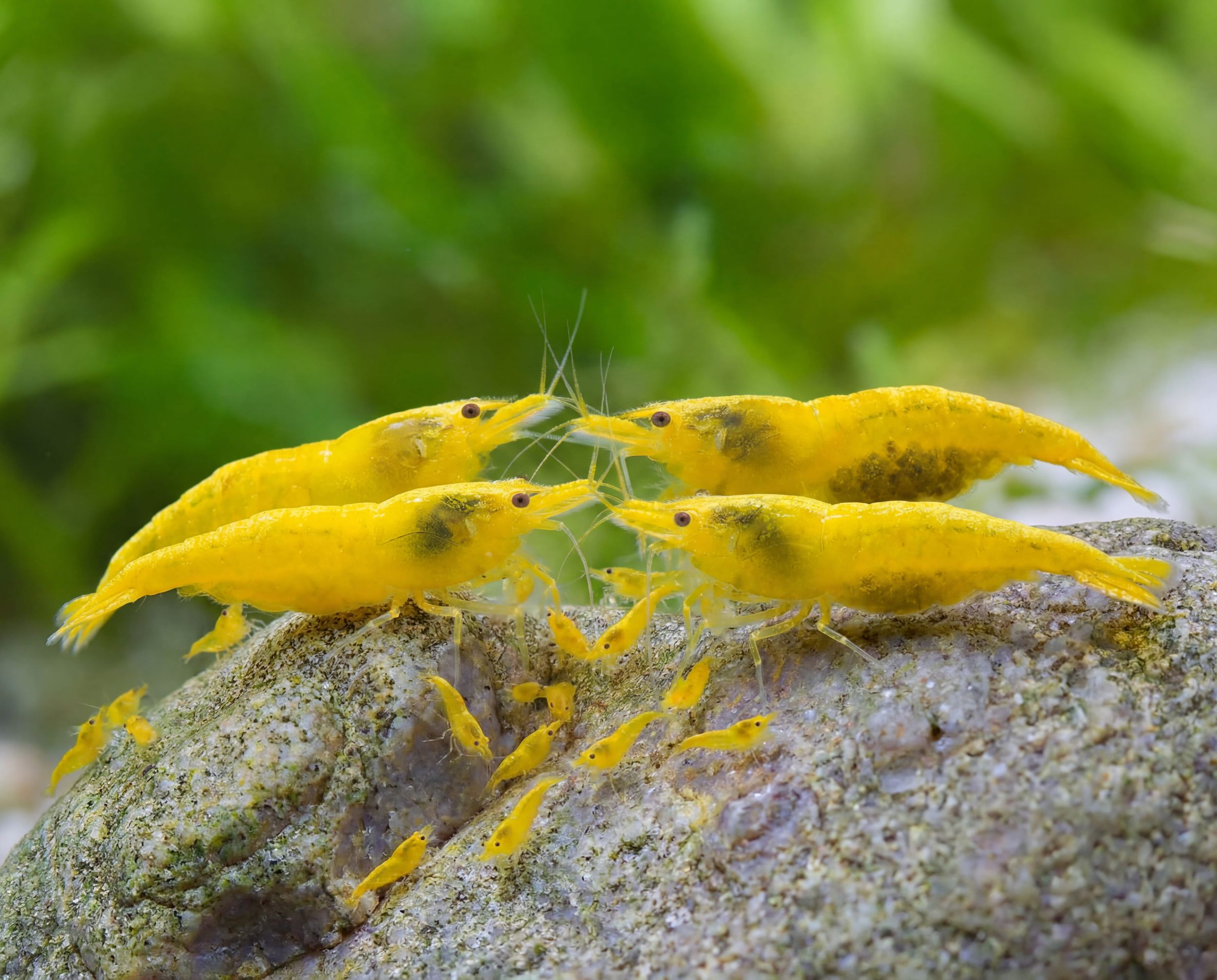
The Yellow Fire Shrimp, a spectacular color variant of the popular Neocaridina davidi, is a favorite among freshwater aquarium enthusiasts. Known for their striking, sunny-yellow coloration, they bring life, movement, and a beautiful contrast to green aquarium plants. Because they share the hardy genetics of the Cherry Shrimp, they are highly adaptable and incredibly easy to care for, making them a top choice for both novice and experienced aquarists.

Distribution and Habitat
The wild Neocaridina davidi originates from the slow-moving freshwater streams, ponds, and rivers of Taiwan and parts of China. However, the Yellow Fire Shrimp does not exist in the wild. It is the result of years of selective breeding in the aquarium hobby to isolate and intensify the yellow pigmentation. In their natural-style habitat, these shrimp thrive in environments rich in vegetation, leaf litter, and biofilm.

Description of Yellow Fire Shrimp
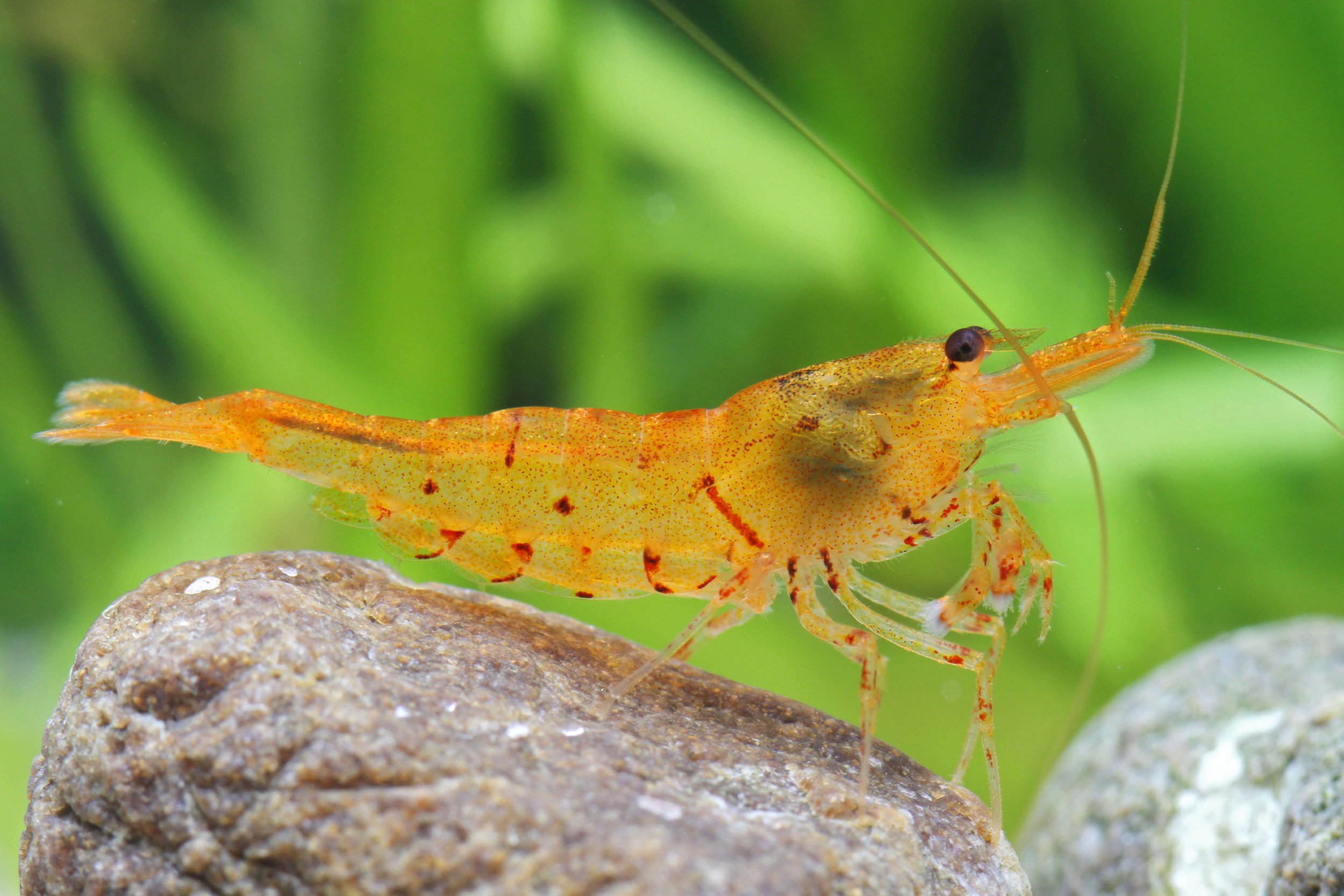
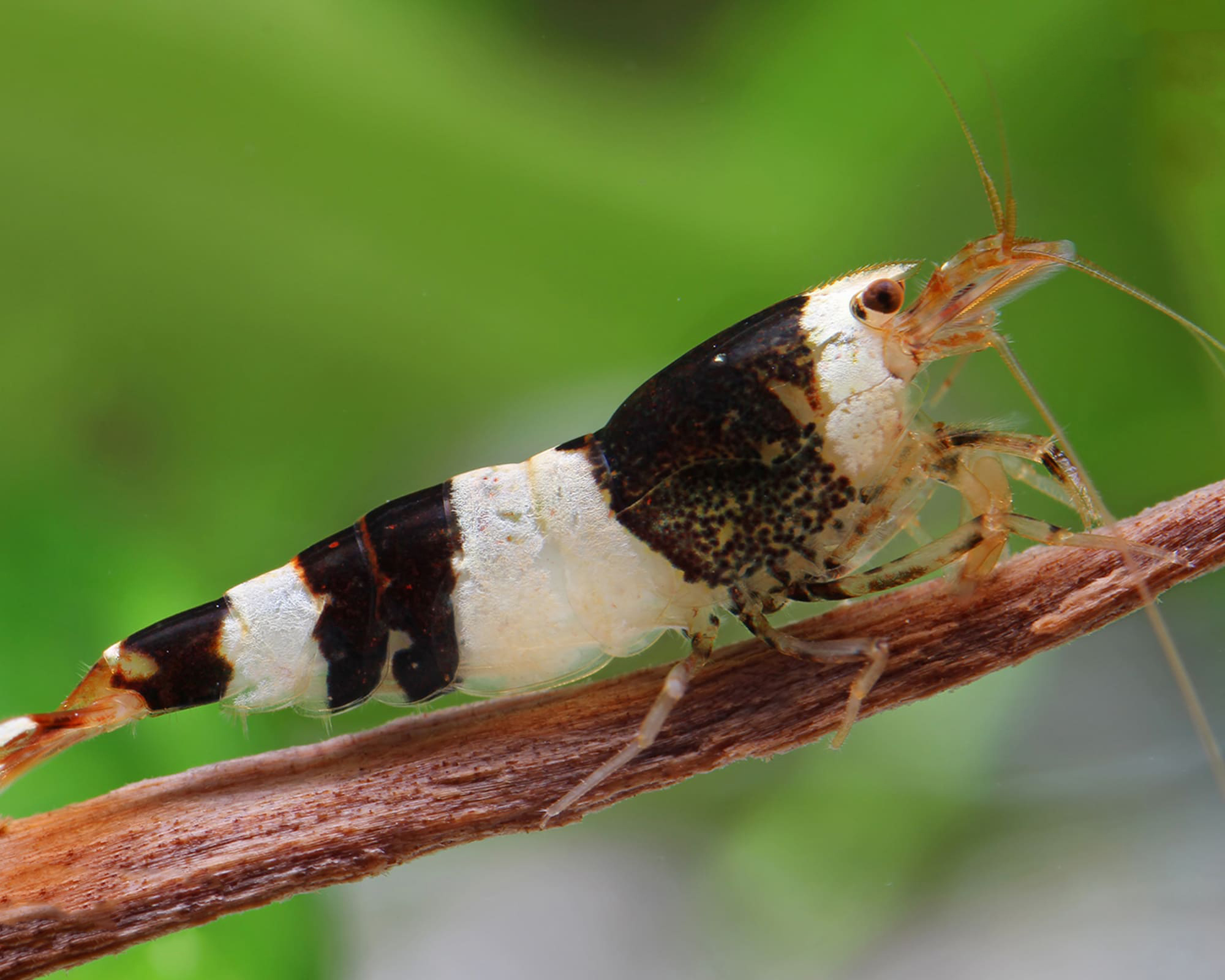
Yellow Fire Shrimp are characterized by their brilliant yellow bodies. The intensity of the color can range from a slightly translucent lemon-yellow to a solid, opaque neon gold, often referred to as "Neon Yellow" or "Golden" depending on the grade. Females are generally larger, more brightly colored, and feature a curved underbelly. When mature, females will often display a "saddle" (undeveloped eggs in the ovaries behind the head) or carry bright yellow-green eggs under their pleopods (swimmerets). Males are slightly smaller, more slender, and sometimes have a slightly clearer or less intense yellow hue.

Keeping and Caring for Yellow Fire Shrimp
Caring for Yellow Fire Shrimp is incredibly straightforward, provided their environment remains stable. They are highly forgiving of minor water parameter fluctuations, though consistency is key to their long-term health and vibrant coloration. A well-cycled tank with plenty of surface area for grazing is essential.

Tank size:
A minimum tank size of 5 gallons is recommended for a small colony. However, a 10-gallon tank or larger is ideal, as larger water volumes are easier to keep stable and provide more grazing area for the growing population.
Water Parameters:
Yellow Fire Shrimp are adaptable, but they thrive best when kept within standard Neocaridina parameters. Stability is far more important than chasing exact numbers.
Temperature
They prefer temperatures between 65°F and 80°F (18°C - 27°C). Room temperature is often sufficient, but a heater can be used to prevent sudden drops.
pH
A pH level between 6.5 and 8.0 is perfectly suitable, with slightly alkaline water often favoring better shell development.
Hardness
General Hardness (GH) should be between 4 and 8 dGH, and Carbonate Hardness (KH) between 3 and 15 dKH. Adequate minerals are crucial for healthy molting.
Ammonia, Nitrite, Nitrate
Ammonia and Nitrite must always be at 0 ppm. Nitrates should be kept as low as possible, ideally below 20 ppm, through regular water changes and live plants.
Lighting
Standard aquarium lighting is fine. The lighting should primarily be tailored to the needs of the live plants in the tank. Bright lighting will also help their yellow colors pop beautifully against dark substrates.
Water flow
Gentle water flow is highly recommended. Sponge filters are the gold standard for shrimp tanks, as they provide gentle filtration, excellent surface agitation, and a fantastic grazing surface for shrimp to pick at biofilm.
Decorations and Plants
A planted tank is a paradise for Yellow Fire Shrimp. Mosses (like Java Moss or Christmas Moss) are essential, providing hiding spots for babies and trapping food particles. Cholla wood, driftwood, and botanical leaf litter (such as Indian Almond leaves or skeleton leaves) offer natural hiding spaces and promote the growth of essential biofilm.

Adding the Yellow Fire Shrimp
When introducing Yellow Fire Shrimp to a new aquarium, drip acclimation is crucial. This process should take 1 to 2 hours, allowing the shrimp to slowly adjust to the temperature and water chemistry of their new home, which drastically reduces shock and stress-related molting issues.
Some Feeding Tips
These shrimp are omnivorous scavengers. While they will constantly graze on naturally occurring biofilm and soft algae, their diet should be supplemented 2-3 times a week. Offer high-quality shrimp pellets, algae wafers, and blanched vegetables like zucchini, spinach, or cucumber. Remove any uneaten food after a few hours to prevent water quality degradation.

Dangers of Yellow Fire Shrimp in the Planted Aquarium
Yellow Fire Shrimp pose absolutely no danger to a planted aquarium. They will not consume healthy plant matter, focusing only on decaying leaves, algae, and biofilm. The real dangers in a planted tank are actually *to* the shrimp: ensure that any liquid fertilizers used are free of heavy metals like copper, which is highly toxic to all invertebrates. Additionally, be cautious with CO2 injection, as excessive levels can suffocate them.
Tank mates & Compatibility
Yellow Fire Shrimp are incredibly peaceful and have no means of defending themselves. The best tank mates are other peaceful invertebrates like Ramshorn, Nerite, or Mystery snails. If you wish to keep them with fish, choose small, peaceful nano species such as Corydoras (Pygmy Corys), Otocinclus catfish, or small rasboras. Avoid large, aggressive, or carnivorous fish like cichlids, goldfish, or bettas, as they will quickly turn your colorful shrimp into a snack.
Breeding Yellow Fire Shrimp
Breeding Yellow Fire Shrimp is incredibly easy and happens naturally if water parameters are stable and food is plentiful. Females will develop a saddle of eggs and, after molting, will mate with a male. The female then moves the fertilized eggs to her underbelly, where she will fan them to keep them oxygenated. After roughly 30 days, she will release fully formed, miniature shrimplets. Providing plenty of moss and leaf litter ensures the babies have safe places to hide and plenty of biofilm to eat until they grow larger.

Conclusion
The Yellow Fire Shrimp is a fantastic, low-maintenance addition to the freshwater hobby. Their bright, cheerful coloration makes them stand out brilliantly against dark substrates and lush green plants. Whether you are setting up your very first nano tank or adding a cleanup crew to an established aquascape, these hardy and active little invertebrates are sure to bring endless enjoyment to your aquatic display.
Leave your comments