Identification
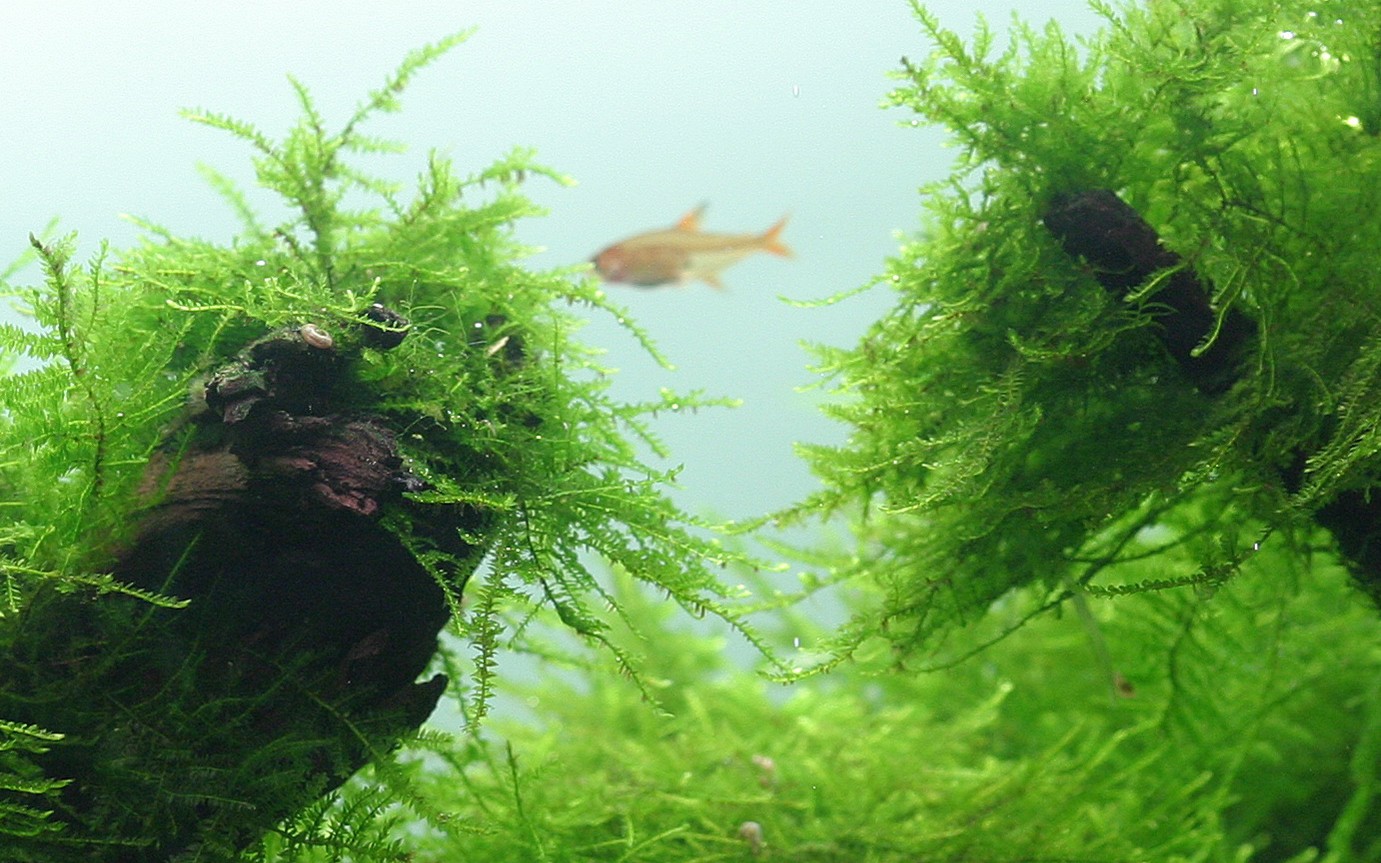
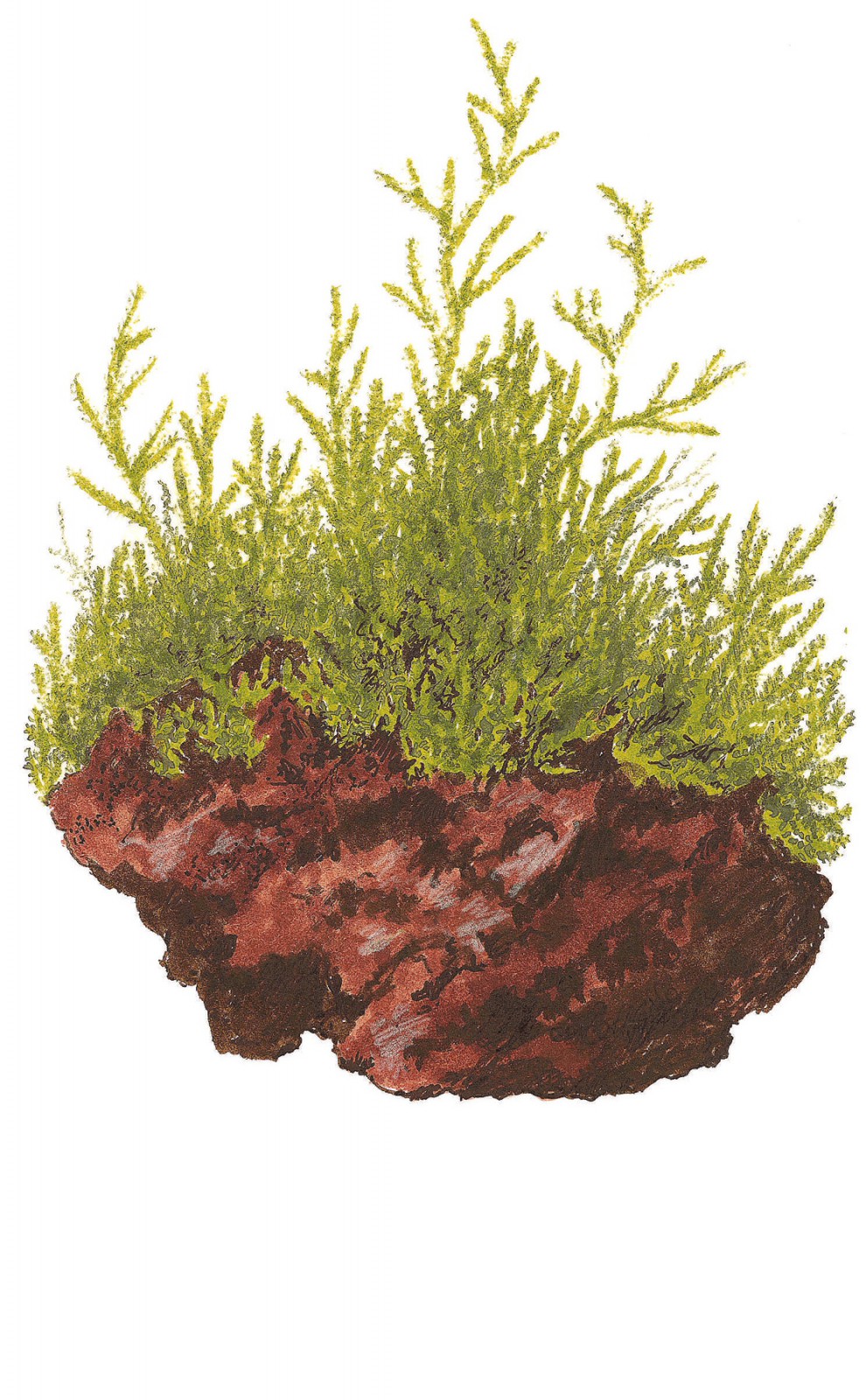
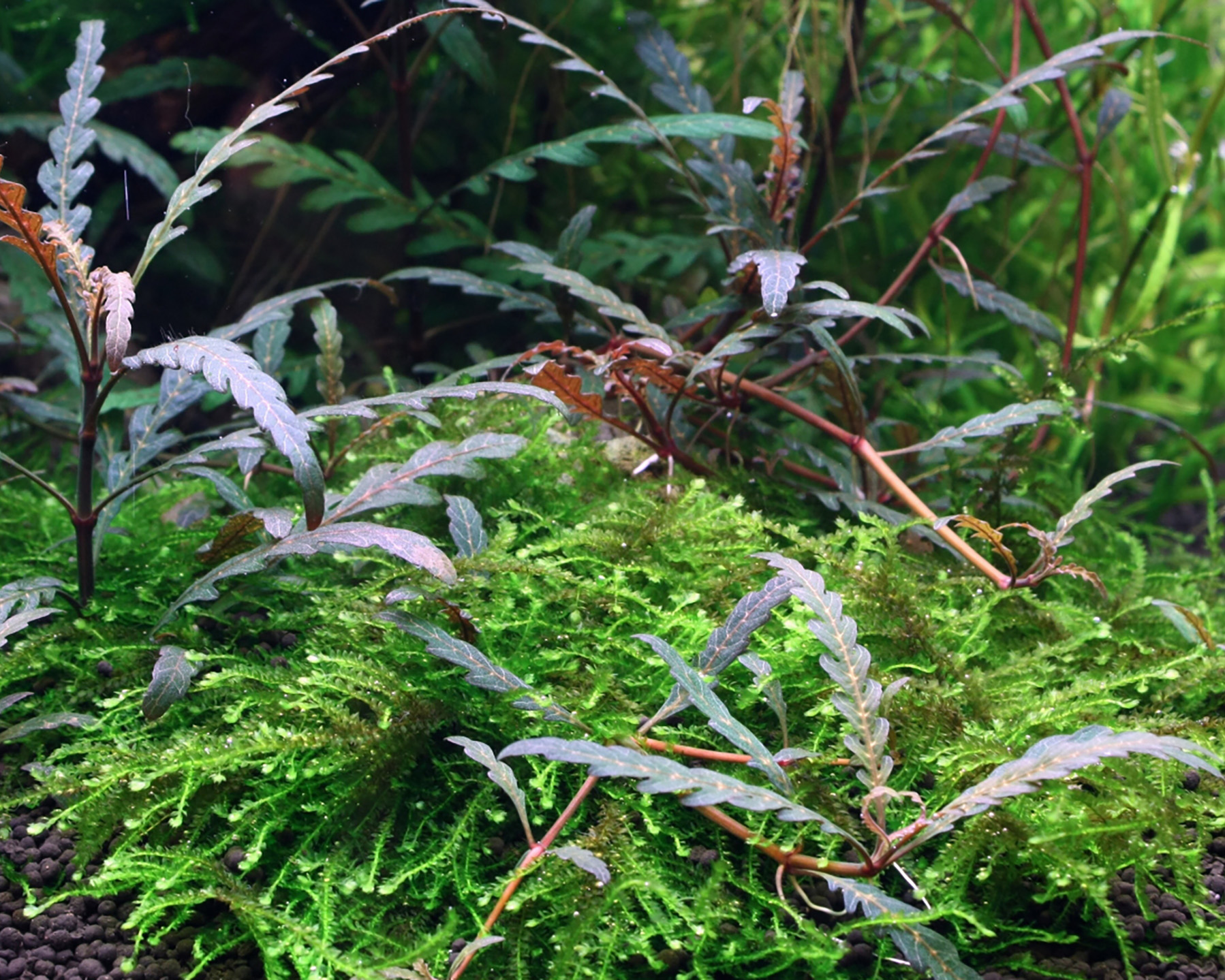
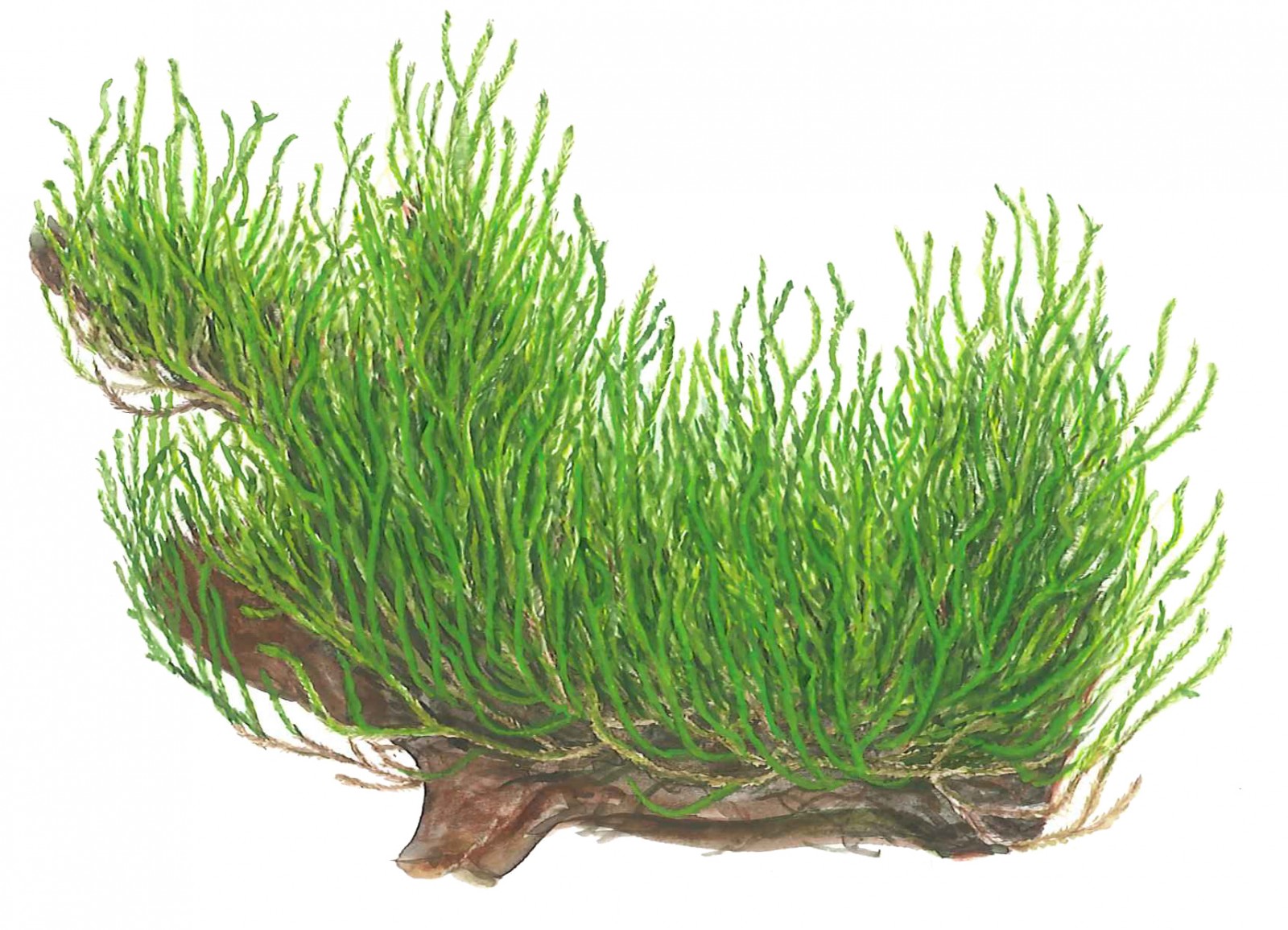
Taxiphyllum barbieri is a small, branched moss commonly sold as Java moss. Its shoots form loose to dense green cushions or trailing mats, especially when attached to hardscape. Aquarium trade names can be inconsistent, and the photographs do not provide enough detail for a definitive species-level identification beyond the supplied source label.
Placement and attachment
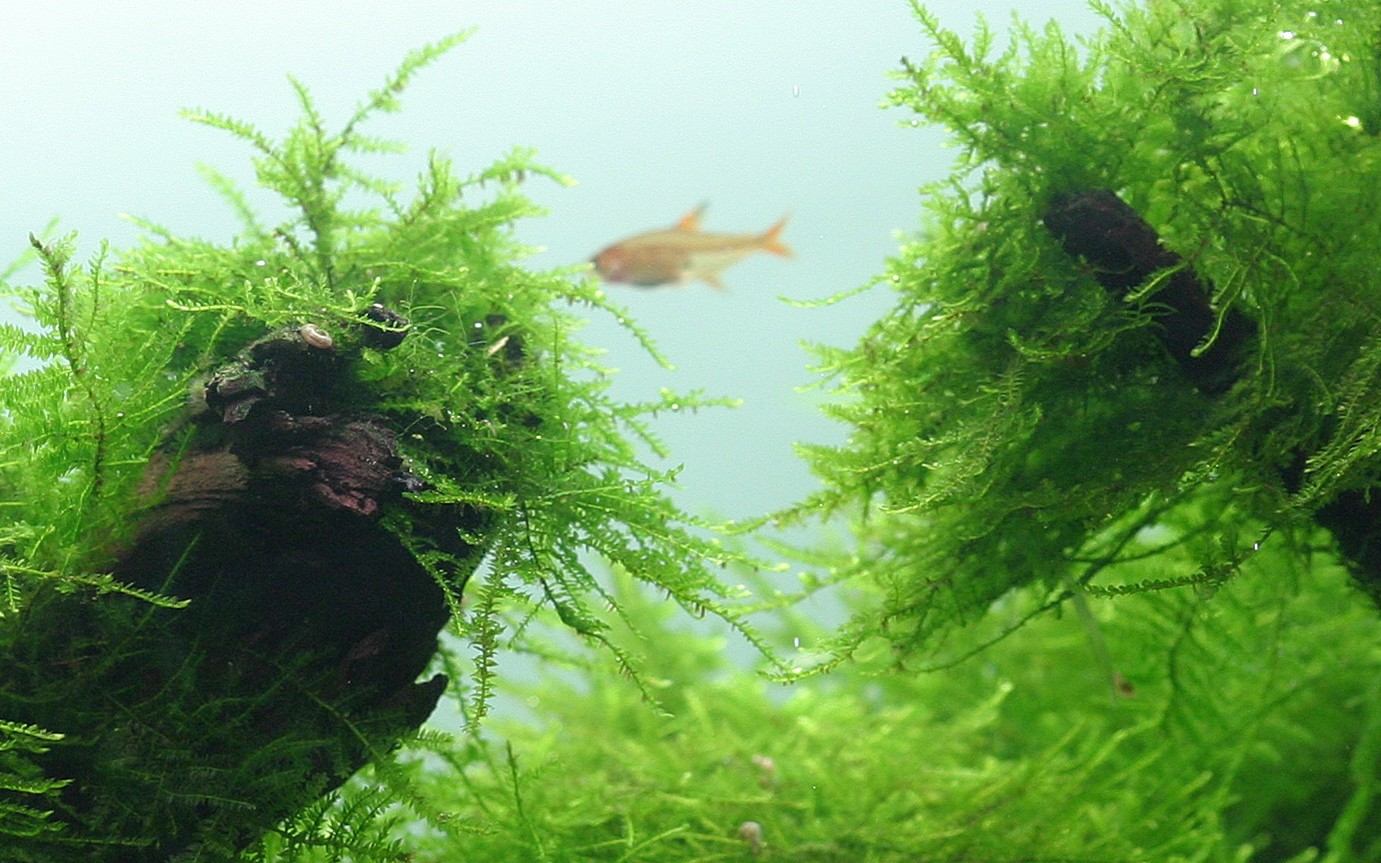
Use Java moss on driftwood, rocks, mesh or other inert surfaces. Spread a thin layer over the surface and secure it with fine thread, fishing line or aquarium-safe glue. Avoid burying it deeply in substrate, where trapped debris can cause deterioration. It gradually attaches by fine rhizoids and can be trimmed after establishment.
Light and water conditions
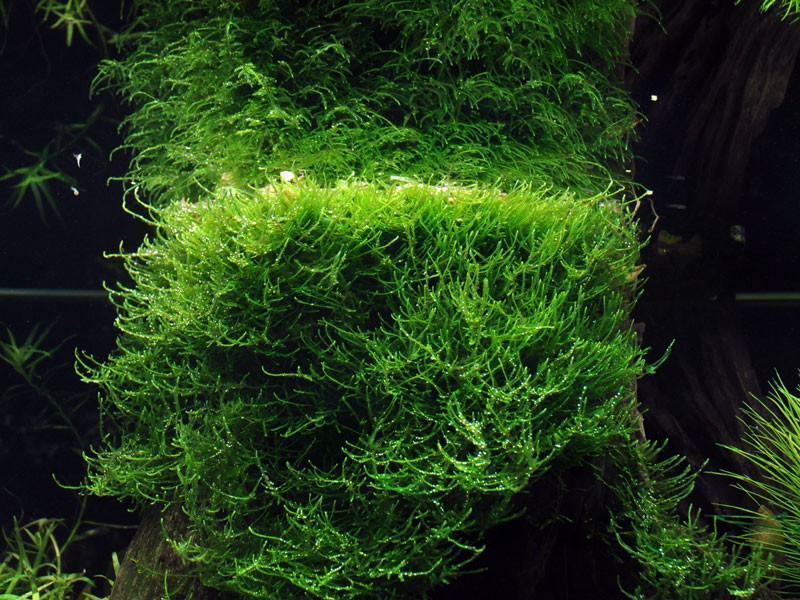
Low to moderate aquarium lighting is generally adequate. Stable water quality, gentle circulation and regular maintenance are more important than intense light. Carbon dioxide supplementation is optional, although added carbon and balanced nutrients can promote denser growth. Avoid excessive light or nutrient accumulation, which can encourage algae within the moss.
Maintenance and propagation
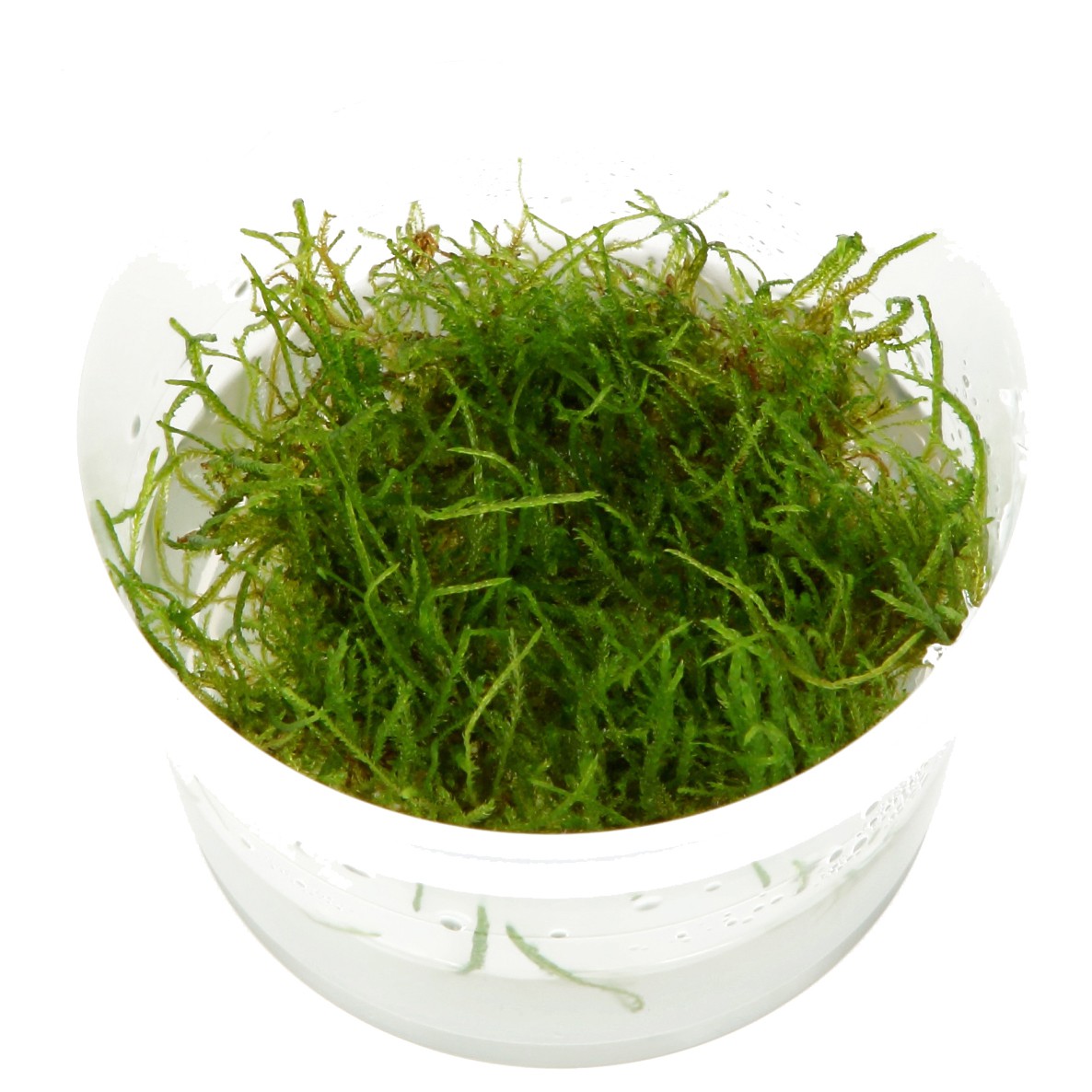
Trim overgrown portions with clean scissors to maintain the desired shape and improve circulation through the mat. Remove loose fragments and siphon away debris during water changes. Propagation is simple: divide healthy shoots or small clumps and attach them to new surfaces. Keep the moss from covering slow-growing plants or clogging filter intakes.
Leave your comments