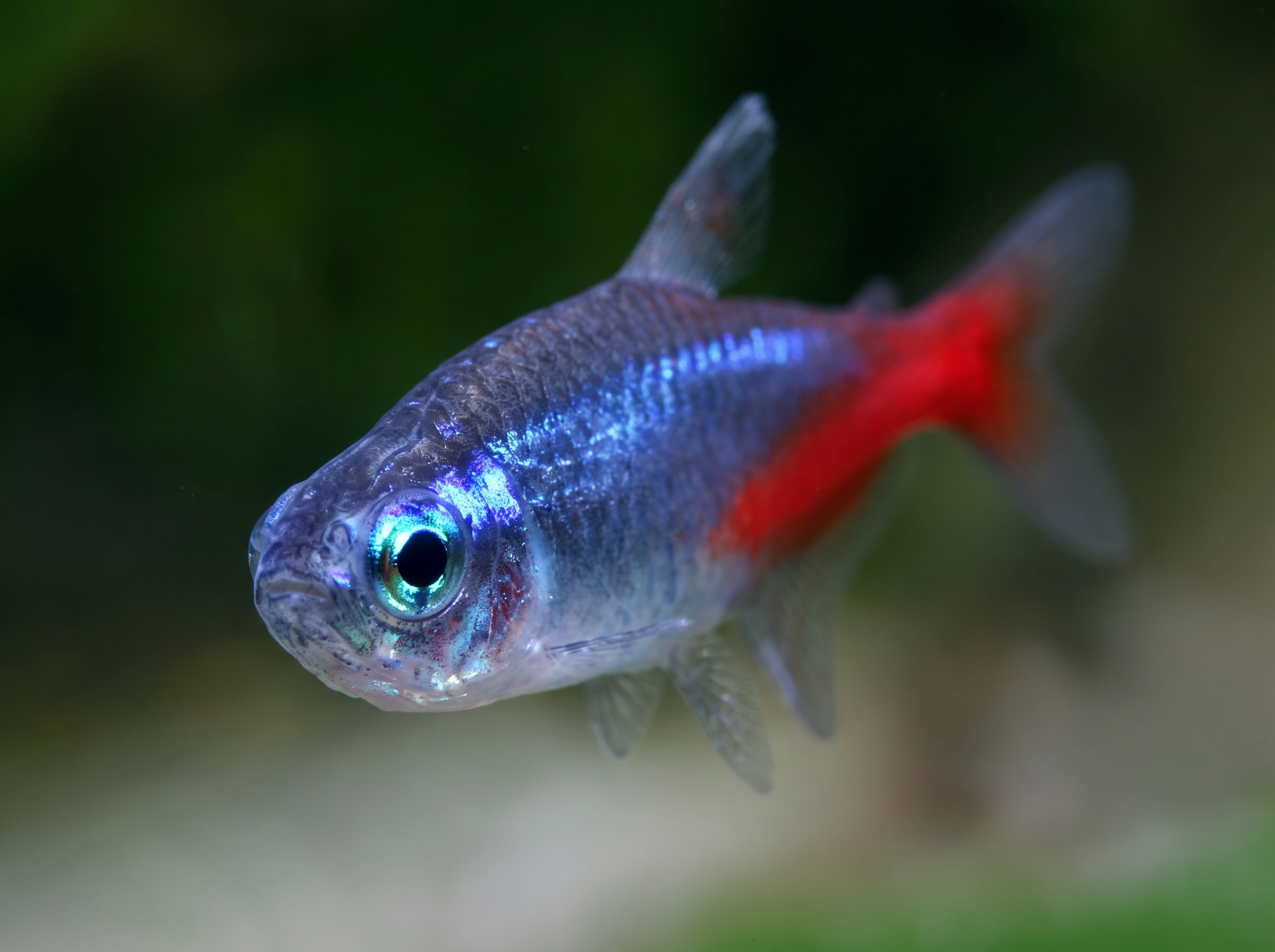
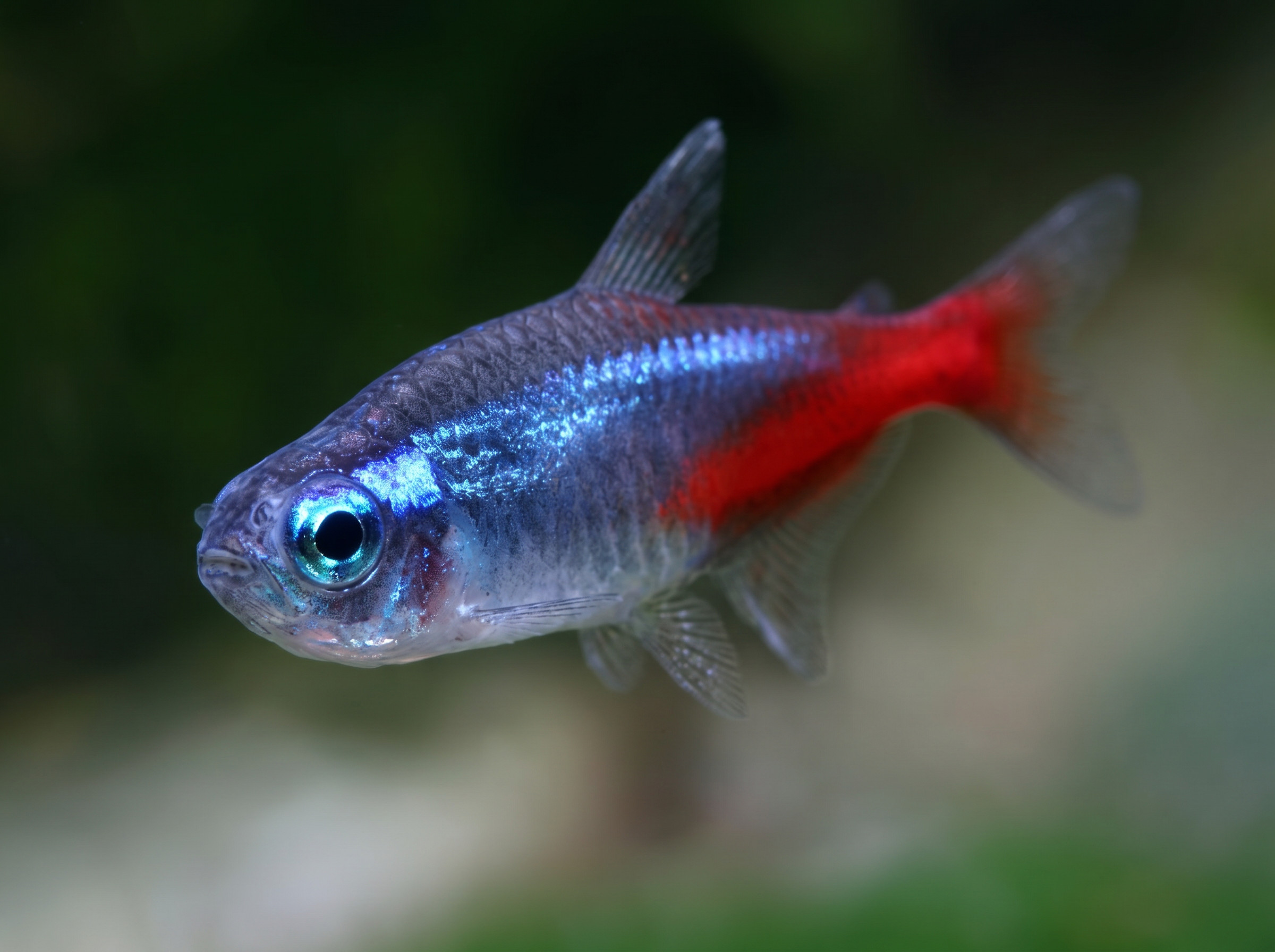
The Iconic Neon Tetra
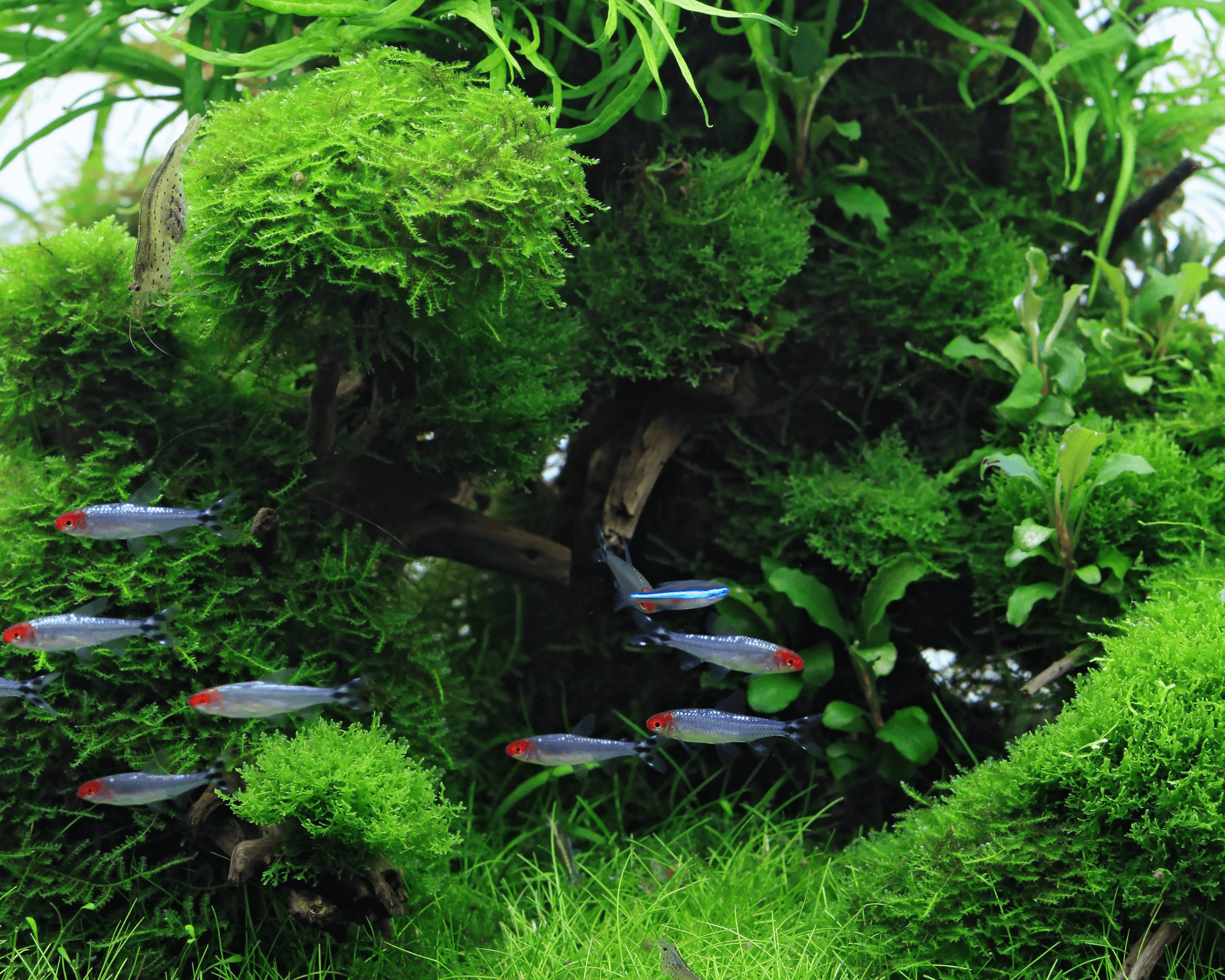
Neon tetras are a staple for a reason. Their brilliant blue and red stripes provide an immediate pop of color against lush green aquatic plants. These schooling fish are best kept in groups of at least six to feel secure and display their most natural behavior. They thrive in soft, slightly acidic water and are peaceful, making them ideal companions for other small community fish. Because they inhabit the middle layers of the tank, they leave the surface and substrate areas open for other species, helping you maximize the visual impact of your planted layout.
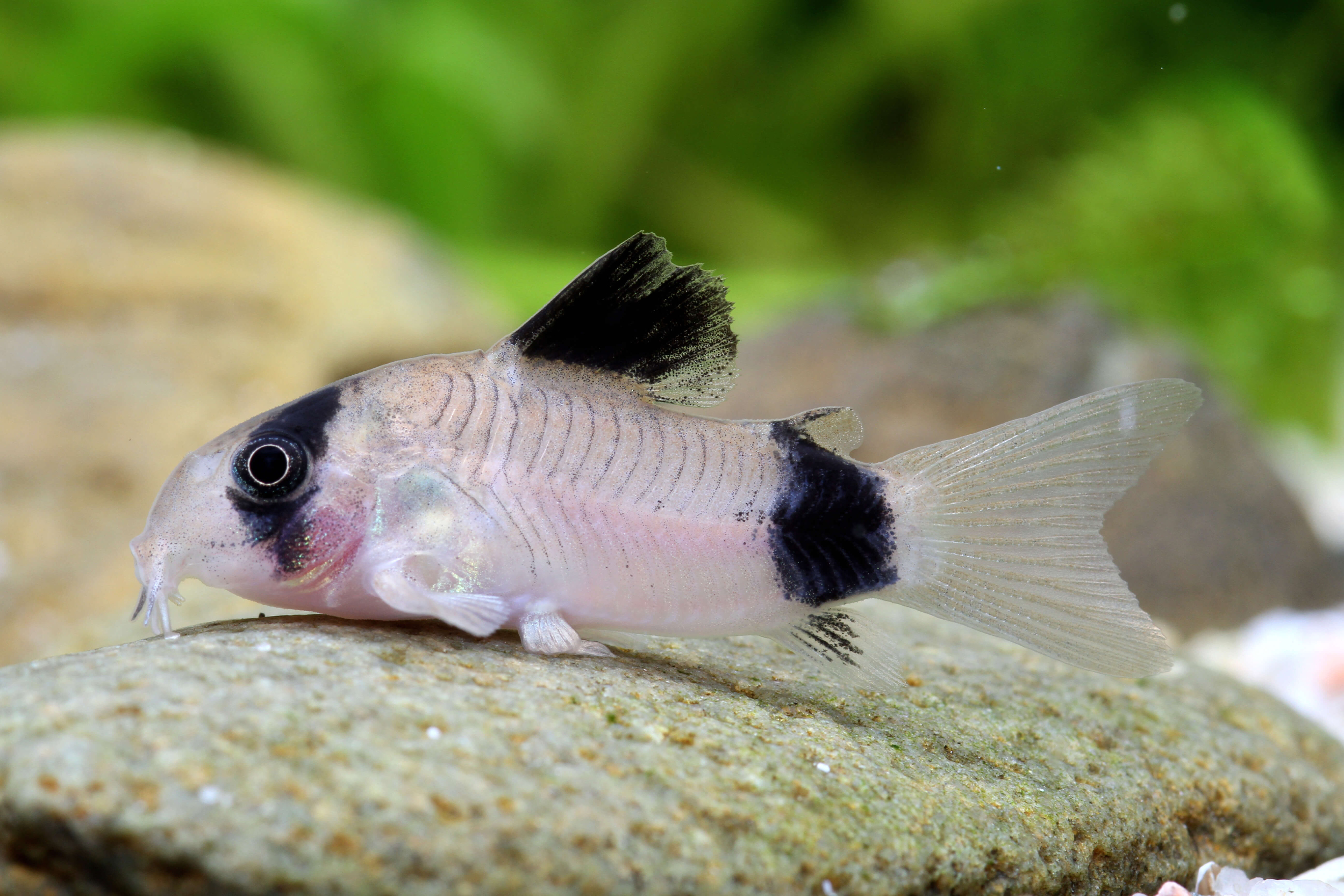
The Peaceful Panda Cory
Panda Corydoras are essential for any planted community tank. These active, bottom-dwelling catfish are famous for their unique black-and-white markings and their tireless scavenging habits. They do an excellent job of cleaning up leftover food that falls to the substrate, which helps maintain water quality. As social fish, they should be kept in groups of five or more. Their gentle nature makes them perfectly safe for delicate plants and other tank mates. Ensure they have access to a fine, soft sand substrate to protect their delicate barbels as they sift through the bottom.
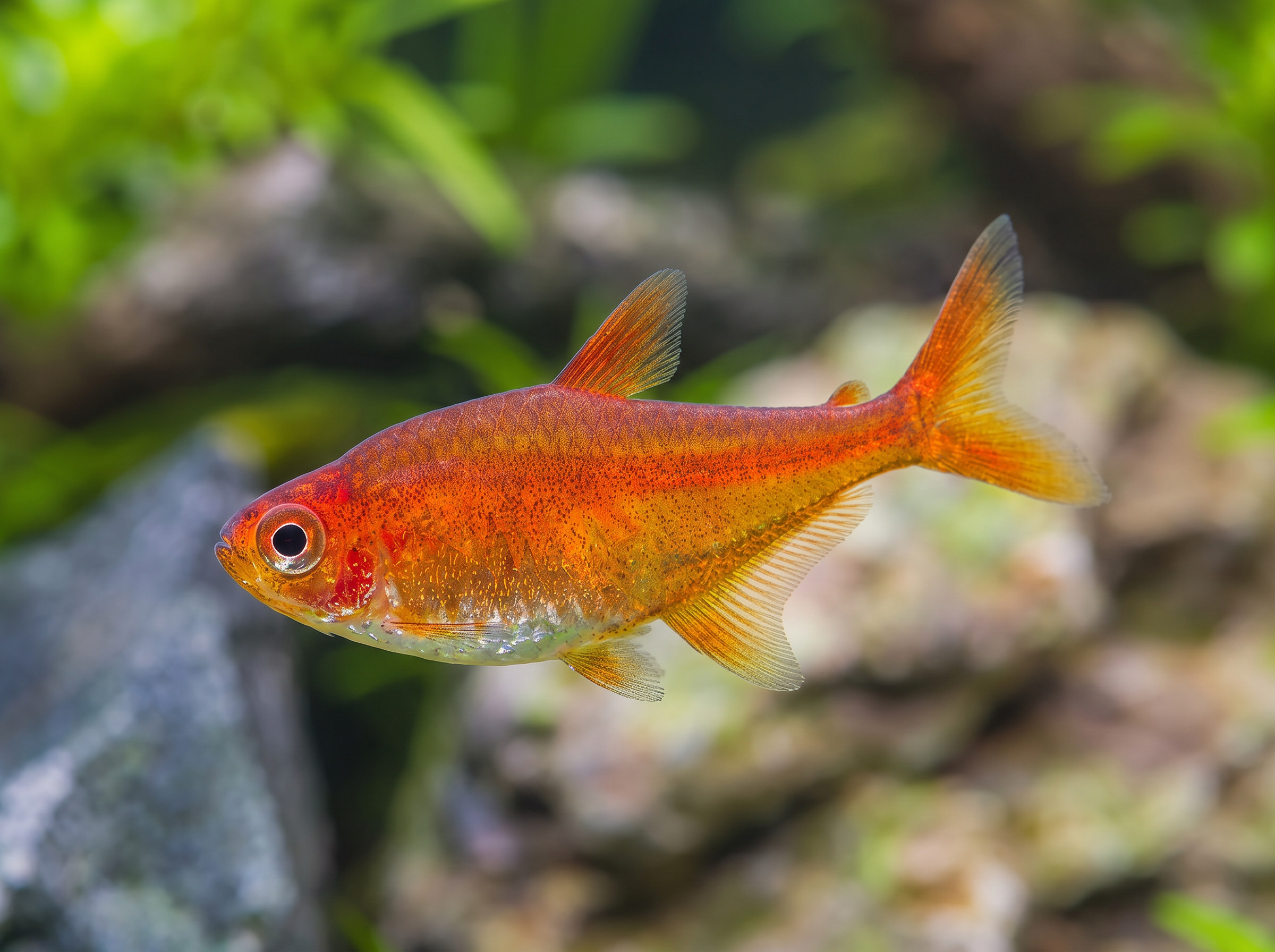
Sparkling Tetra for Nano Tanks
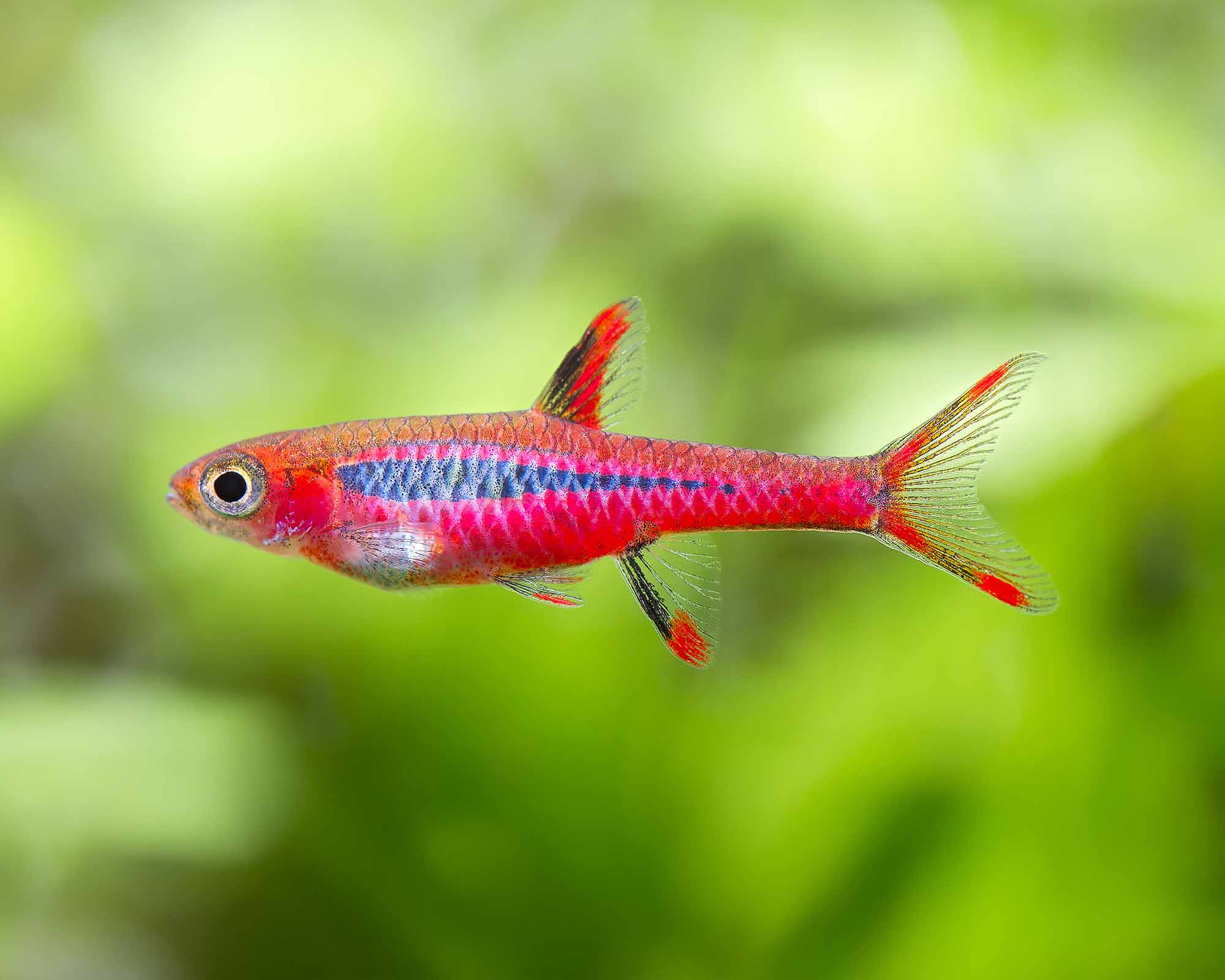
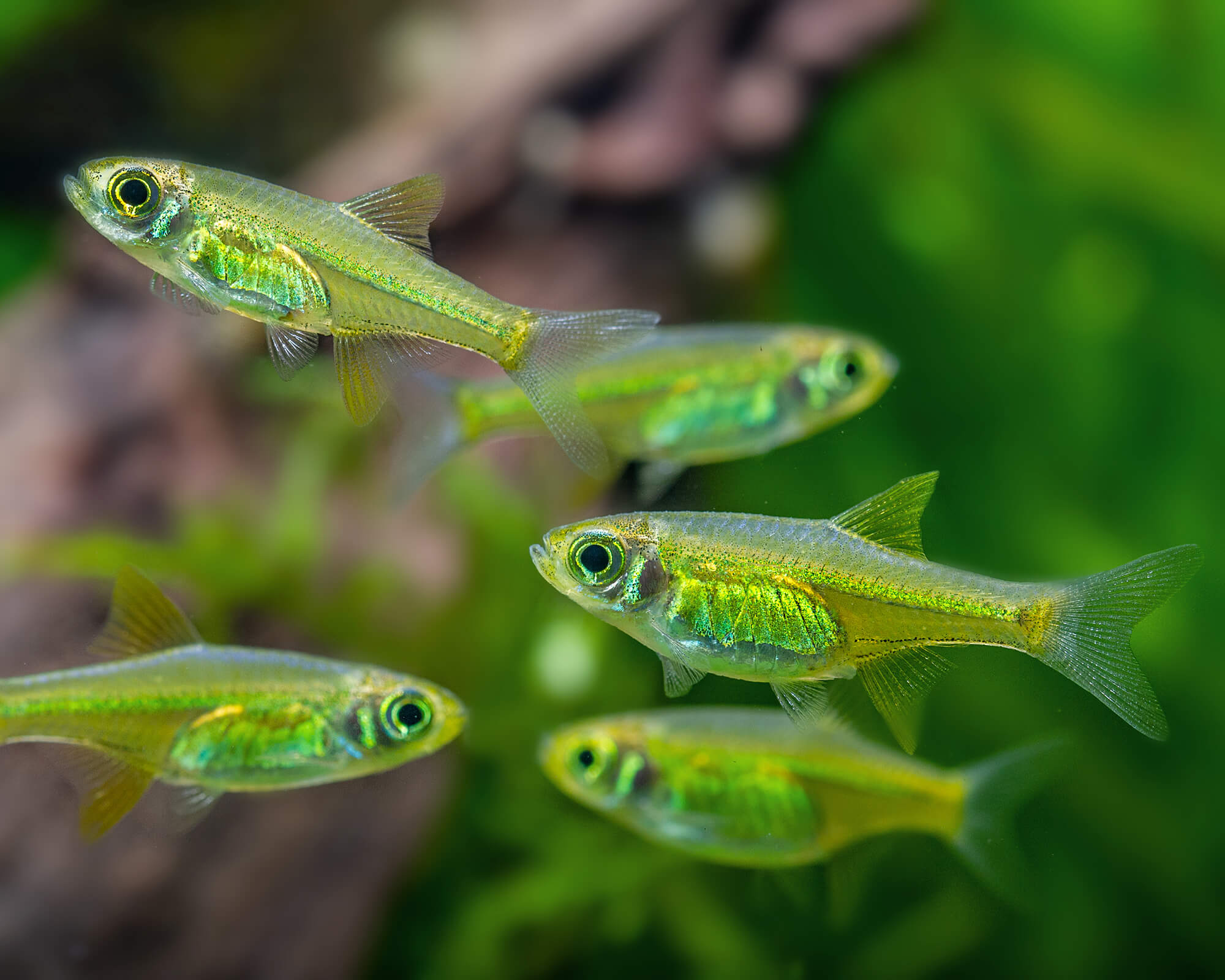
If you are working with a smaller planted tank, the Sparkling tetra is a fantastic choice. These fish are remarkably vibrant, often displaying iridescent scales that shimmer under proper lighting. They are generally peaceful and occupy the middle to lower water columns. Because of their small size, they are perfect for nano setups where you want to maintain a high density of plants without overcrowding the swimming space. They pair well with small, peaceful invertebrates, as they are not aggressive and generally ignore other tank inhabitants that they cannot swallow whole.
The Elegant Zebra Danio
Zebra danios are exceptionally hardy and bring a lively energy to any aquarium. Their distinctive horizontal stripes make them easily recognizable, and the veil-tail varieties add an extra level of elegance to your display. They are top-to-middle swimmers, constantly exploring the upper reaches of the tank. Because they are such active swimmers, they prefer longer tanks where they have room to dart back and forth. They are very compatible with most other community fish, though their high energy can sometimes overwhelm very shy species, so choose their tank mates with care.
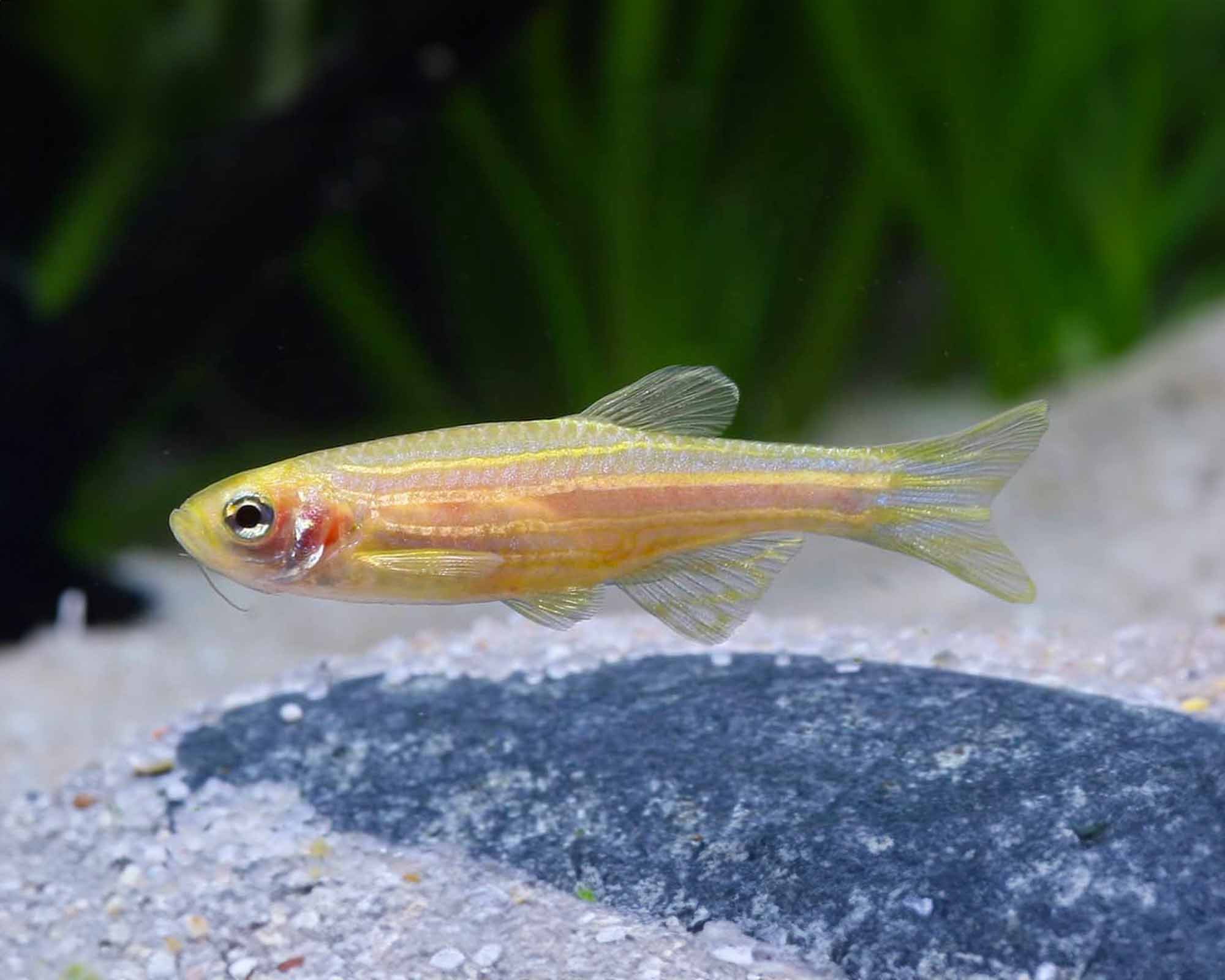
Golden Antenna Catfish for Algae Control
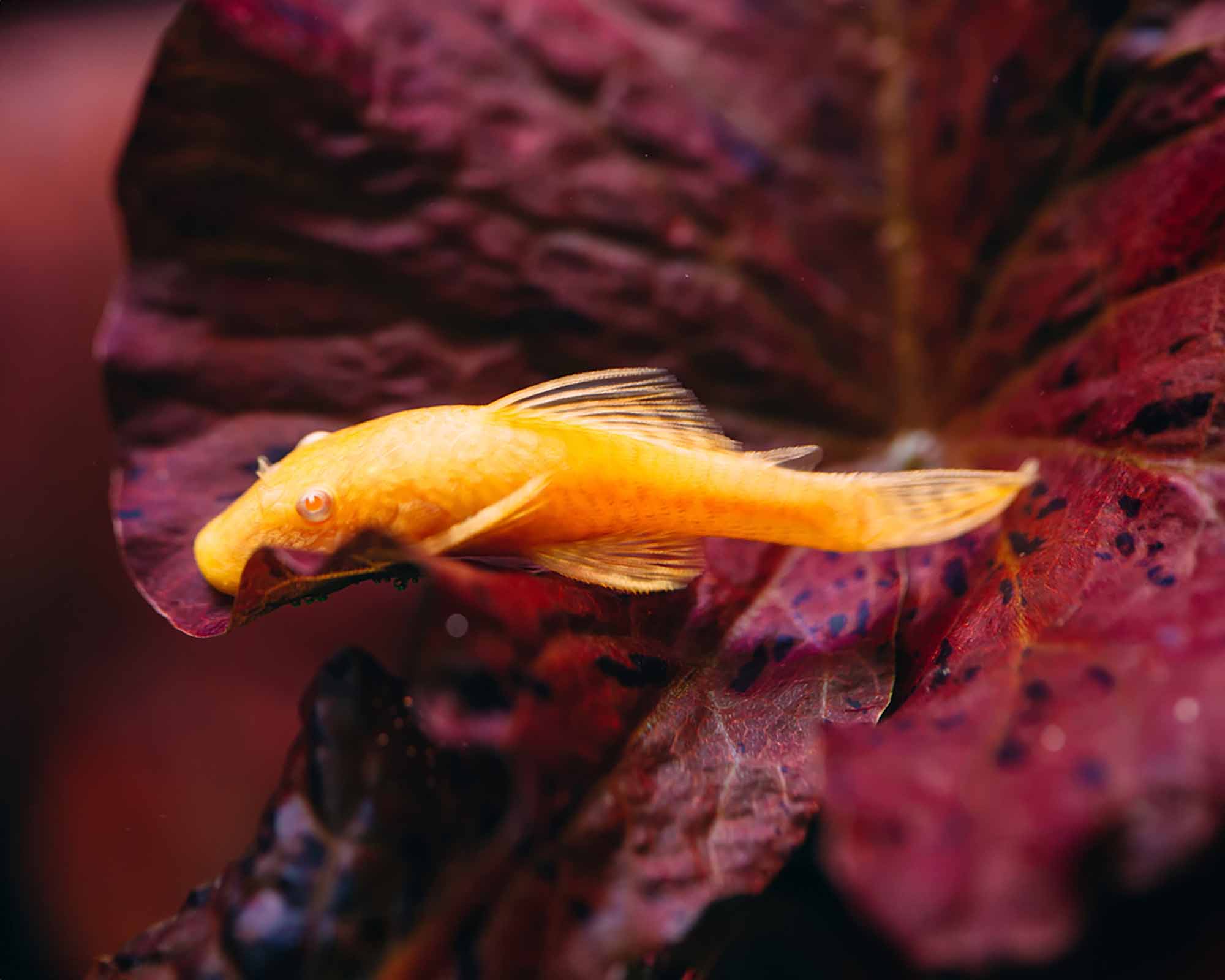
The Golden Antenna Catfish, or albino Ancistrus, is one of the most useful fish you can add to a planted aquarium. Unlike some other pleco species that can grow quite large, these remain relatively compact, making them suitable for most standard community tanks. They are excellent at cleaning algae from glass, rocks, and plant leaves. Their bright golden coloration stands out beautifully against dark substrate and green foliage. While they are generally peaceful, they can be a bit territorial with their own kind, so one or two in a medium-sized tank is usually sufficient.
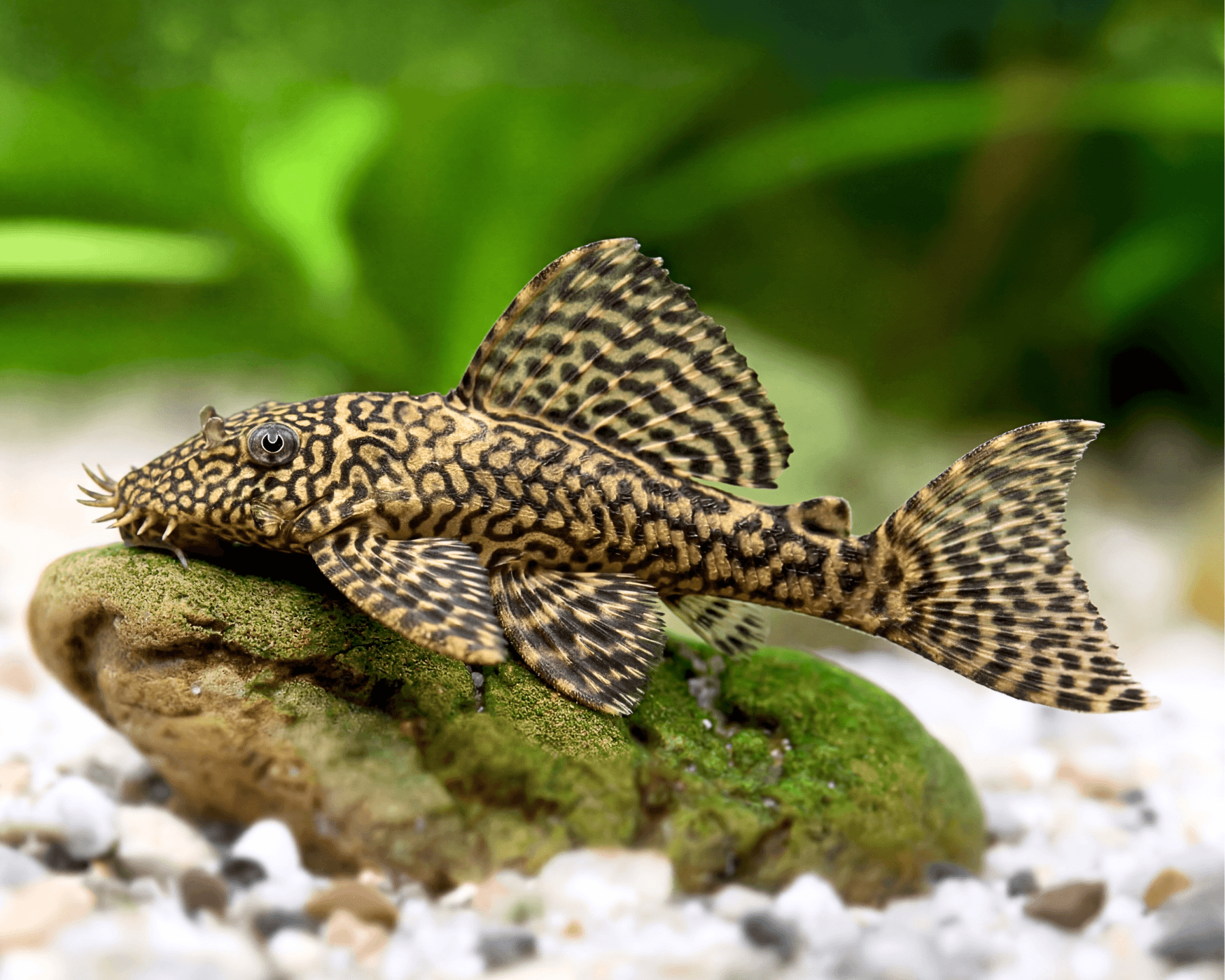
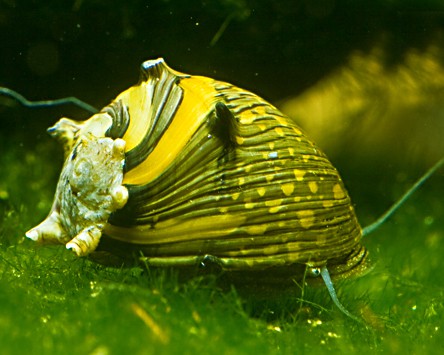
The Charming Honeycomb Snail
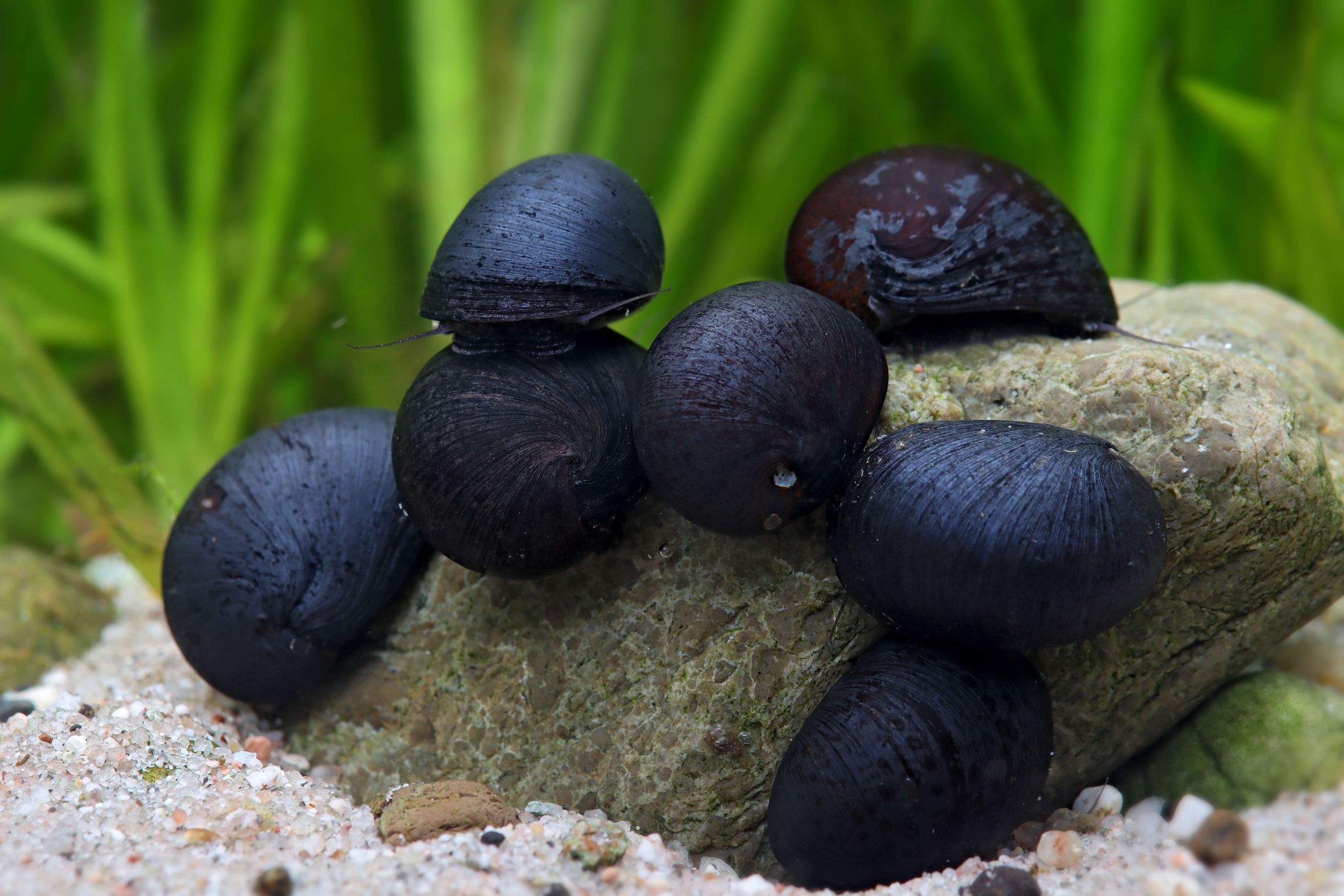
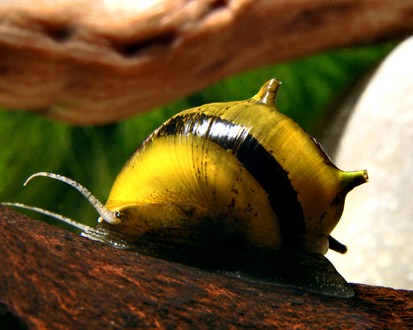
Aquarium snails are the unsung heroes of the planted tank, and the Honeycomb snail is both functional and aesthetically pleasing. They are excellent at cleaning up decaying plant matter and excess food, which helps keep the nitrogen cycle stable. Unlike some pest snails that can overrun a tank, these are generally easy to manage. Their patterned shells add a unique texture to the hardscape. They are safe for your plants and coexist peacefully with all types of fish and shrimp, making them an ideal addition to a balanced, low-maintenance ecosystem.
The Vibrant Endler Guppy
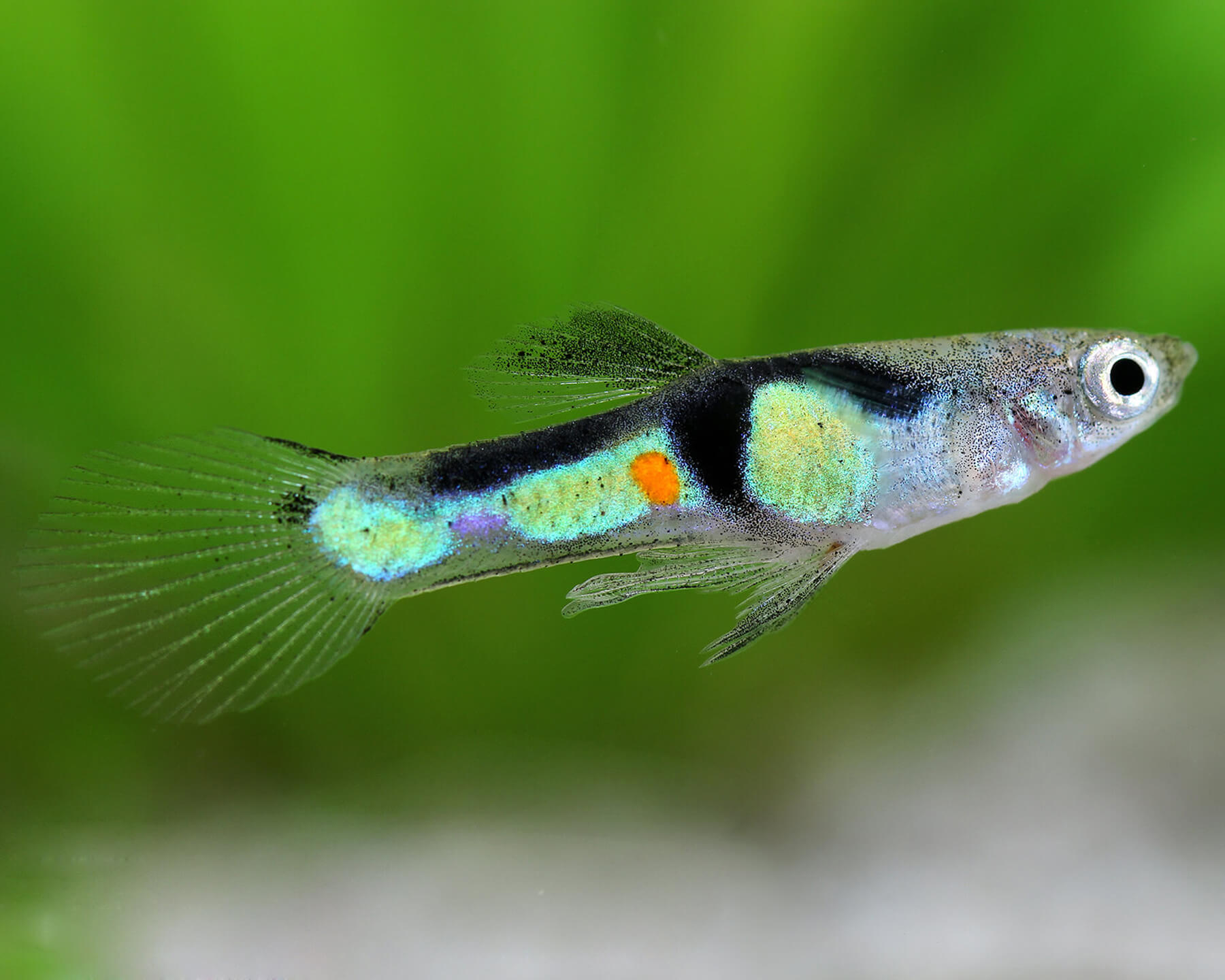
Endler guppies are like living jewels for your aquarium. Their intense, neon-like colors—ranging from bright orange to metallic green—make them stand out in any planted environment. They are small, hardy, and very active, providing constant movement in the middle and upper levels of the tank. Because they are prolific breeders, it is often best to keep males only if you want to avoid an overpopulated tank. They are peaceful and thrive in a variety of water conditions, making them a great choice for beginner aquarists who want a colorful, high-energy community.
The Hardy Sumatran Barb
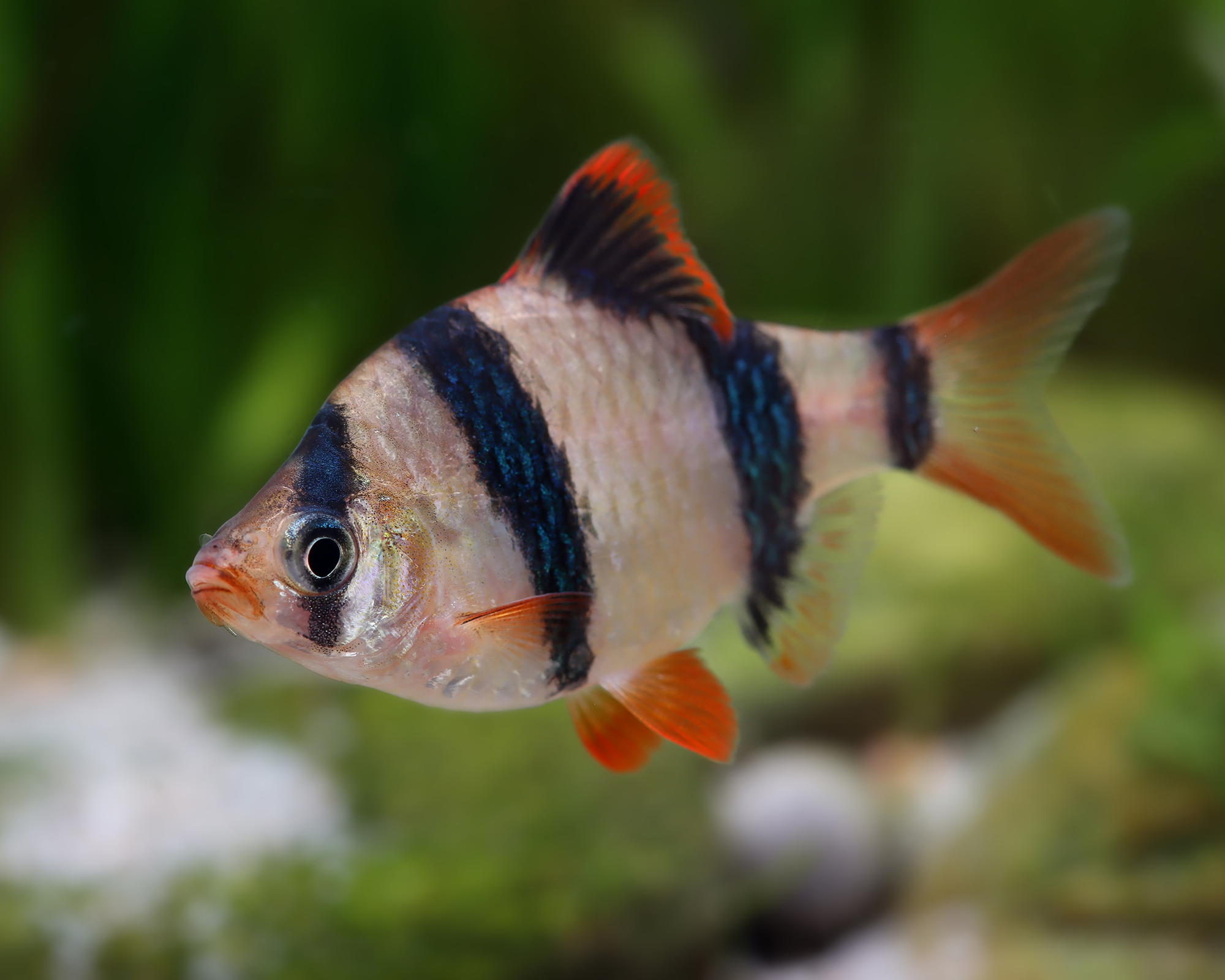
Sumatran barbs, or Tiger barbs, are known for their bold, active personality and striking vertical stripes. While they have a reputation for being nippy, this behavior is significantly reduced when they are kept in large schools of eight or more. In a well-planted tank with plenty of swimming space, they focus their attention on each other rather than tank mates. Their dynamic behavior and distinct look make them a centerpiece species. They are best paired with other fast-moving fish and should be avoided in tanks with long-finned, slow-moving species like fancy guppies or bettas.
The Elegant Lemon Tetra
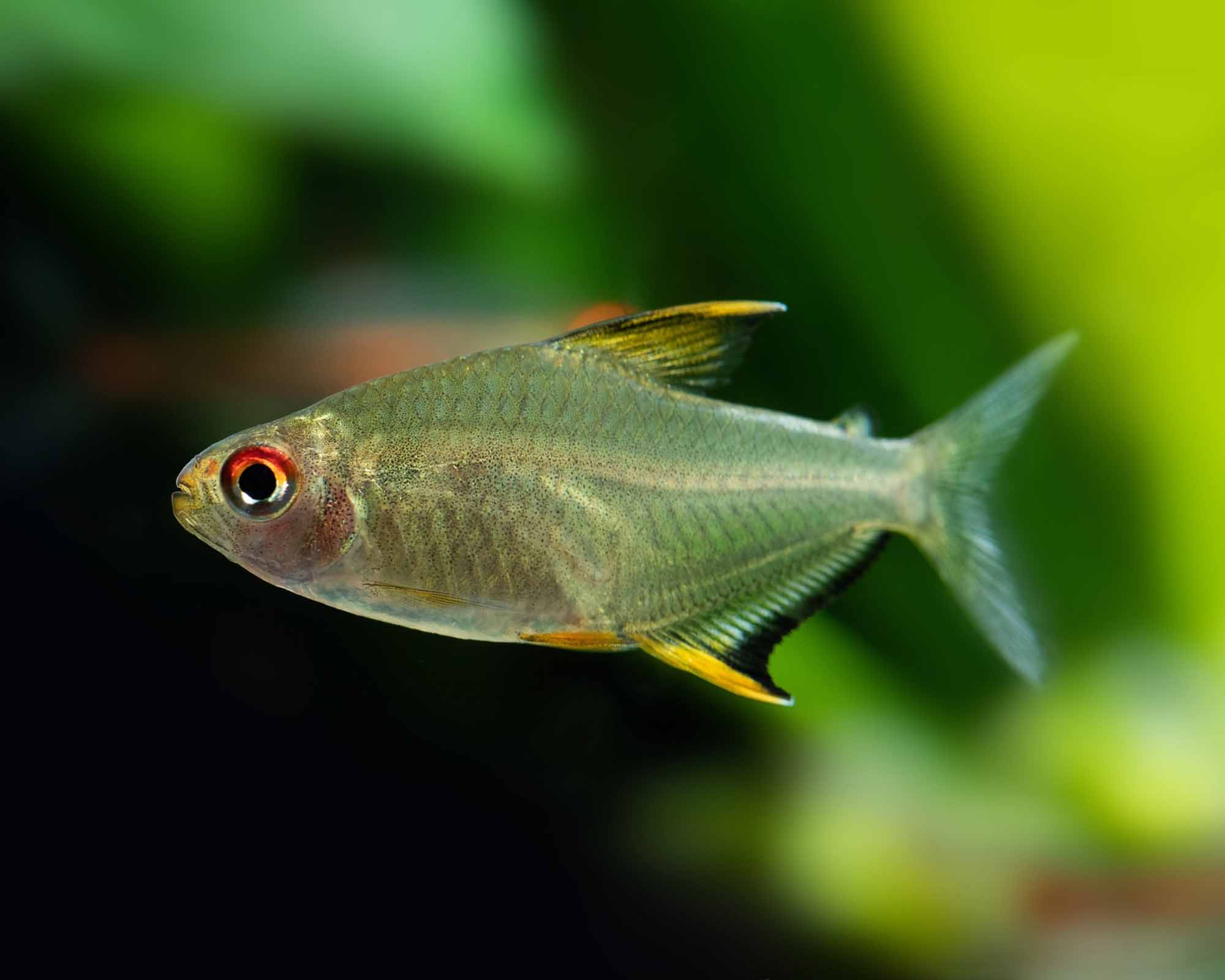
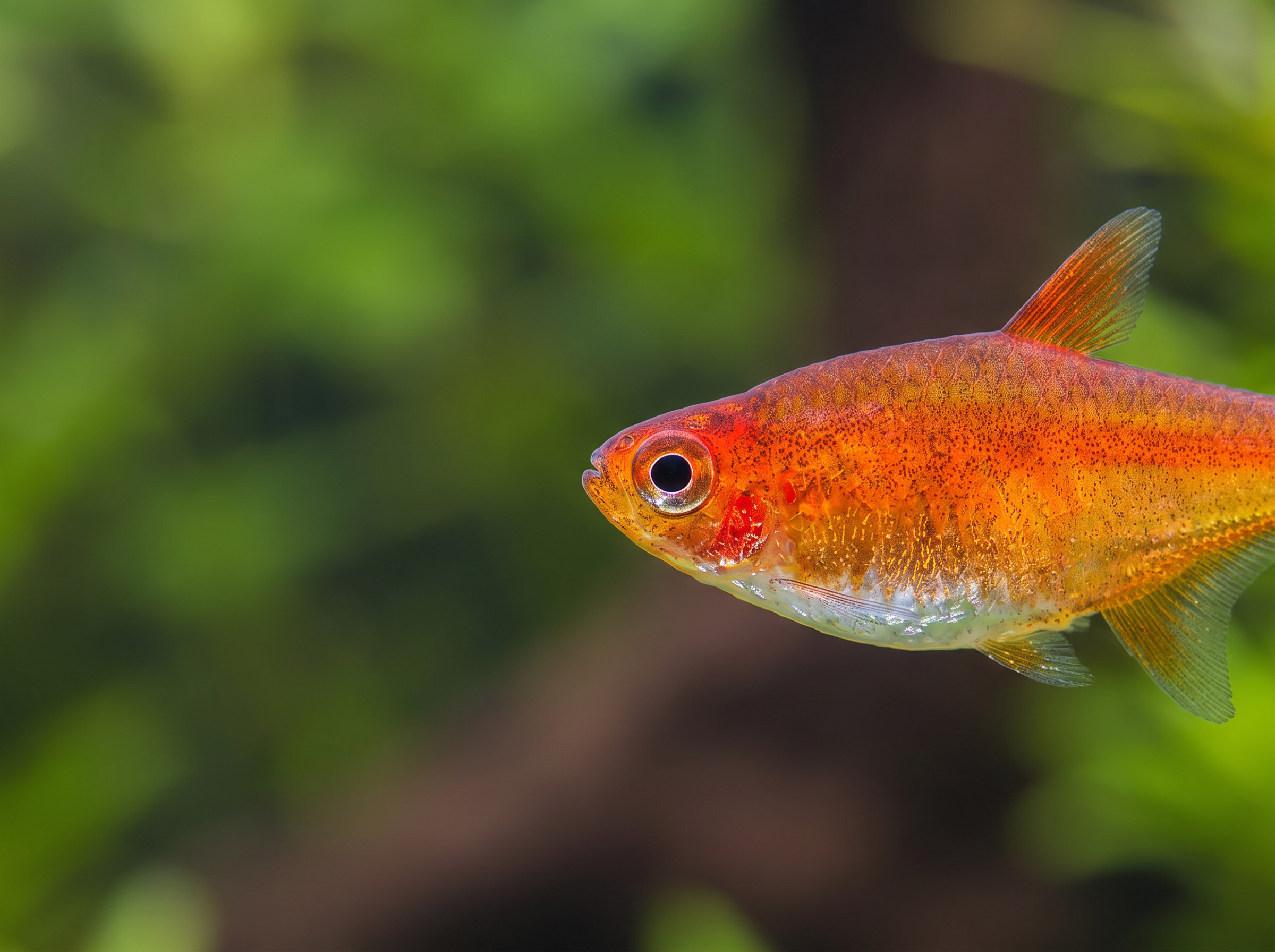
Lemon tetras are a sophisticated choice for a planted community. They have a subtle, translucent yellow body that catches the light beautifully, especially when the fish are in peak health. They are peaceful, schooling fish that prefer to be in groups of six or more. Their calm demeanor makes them excellent neighbors for other small, non-aggressive fish. They appreciate a well-planted tank with some shaded areas, which allows them to feel safe and show off their best colors. They are a great mid-level fish that adds a touch of class to any aquascape.
The Graceful Mosaic Gourami
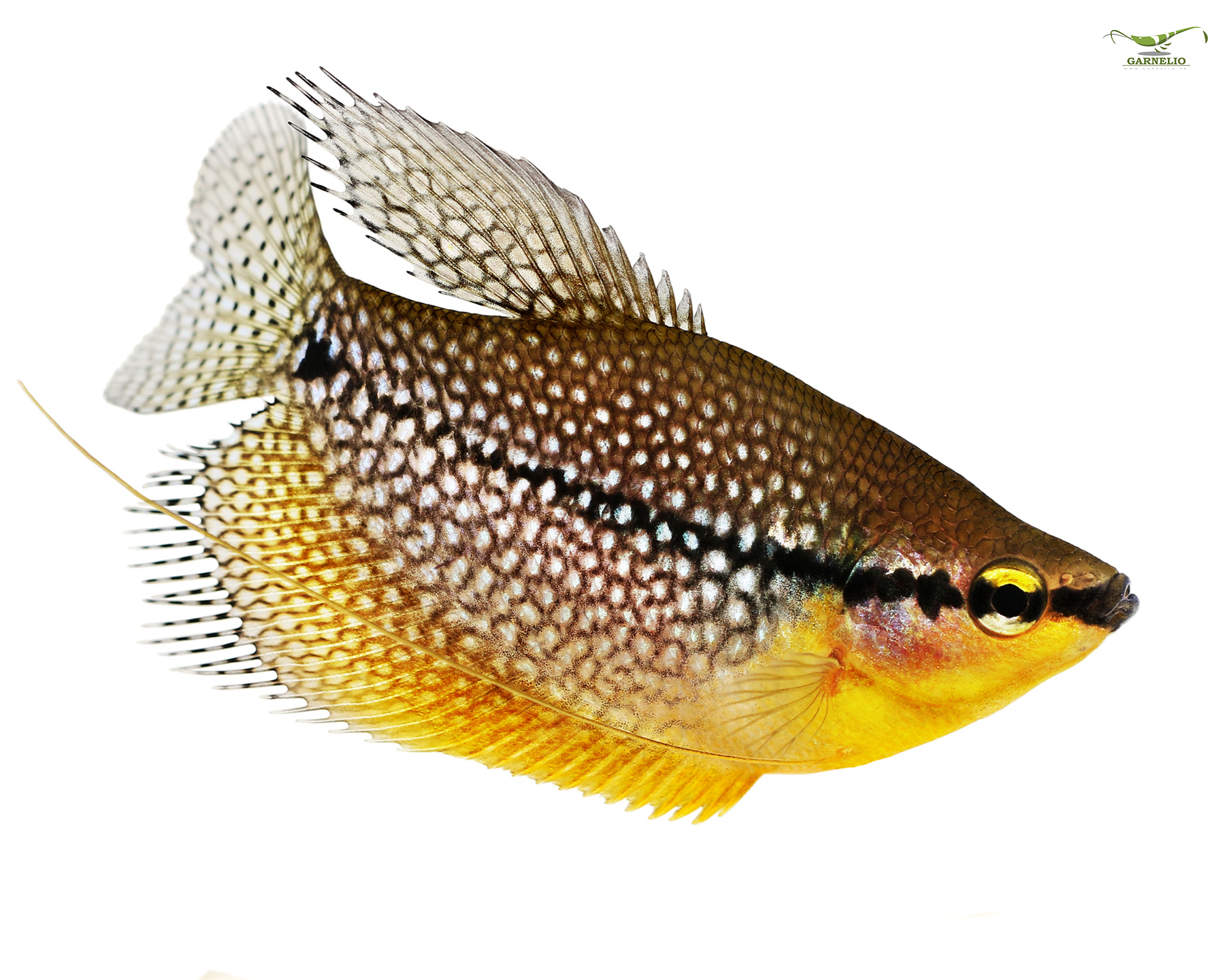
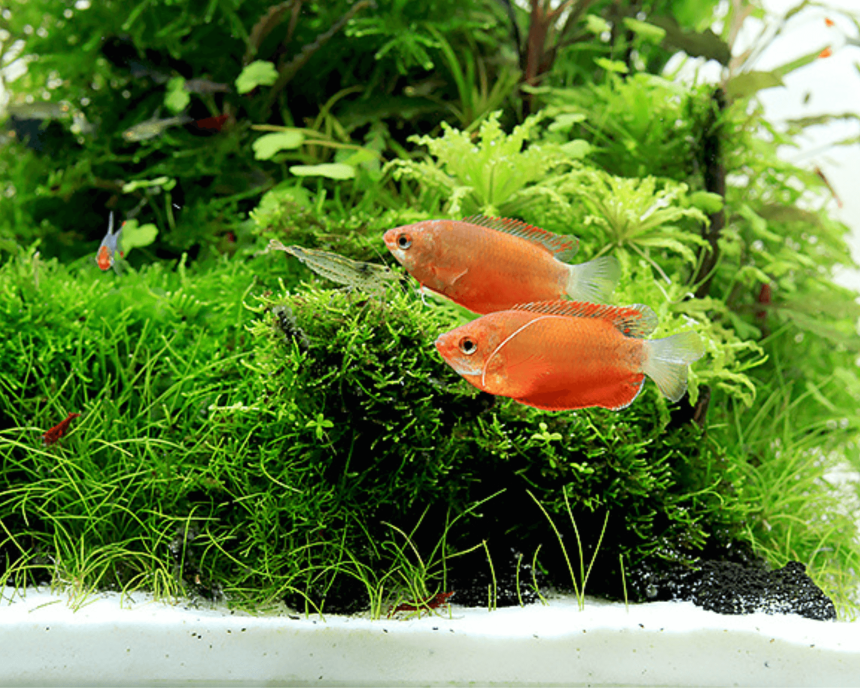
For a larger, centerpiece fish that remains peaceful, the Mosaic Gourami is an excellent option. Known for their intricate, lace-like patterns and gentle nature, they add a sense of calm to the aquarium. They are labyrinth fish, meaning they have a special organ that allows them to breathe atmospheric air, so it is important to leave a small gap between the water surface and the tank lid. They are slow swimmers and should not be kept with aggressive or overly boisterous tank mates. In a peaceful community, they will gracefully explore the plants, often interacting with their environment.
The Colorful Red Phantom Tetra
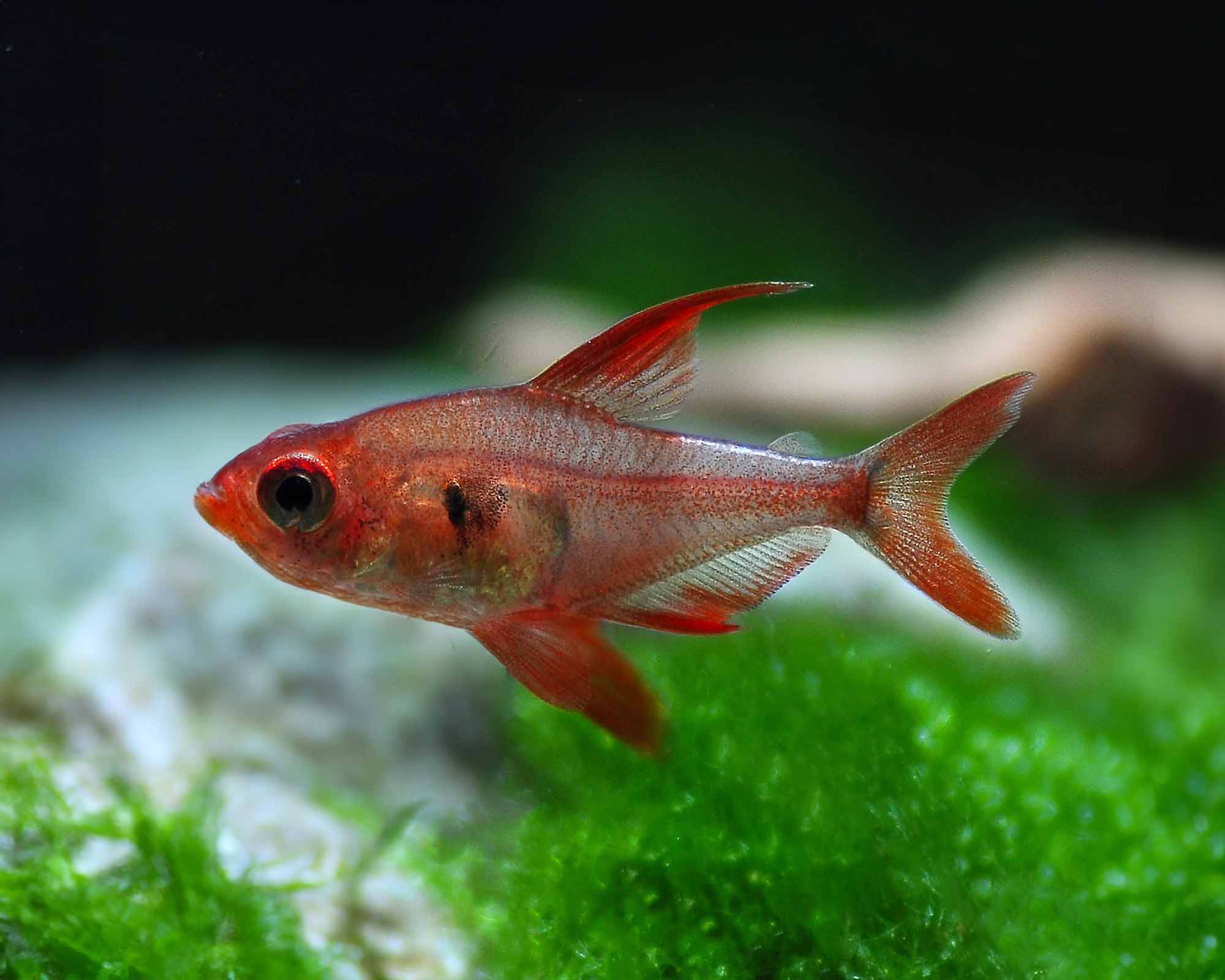
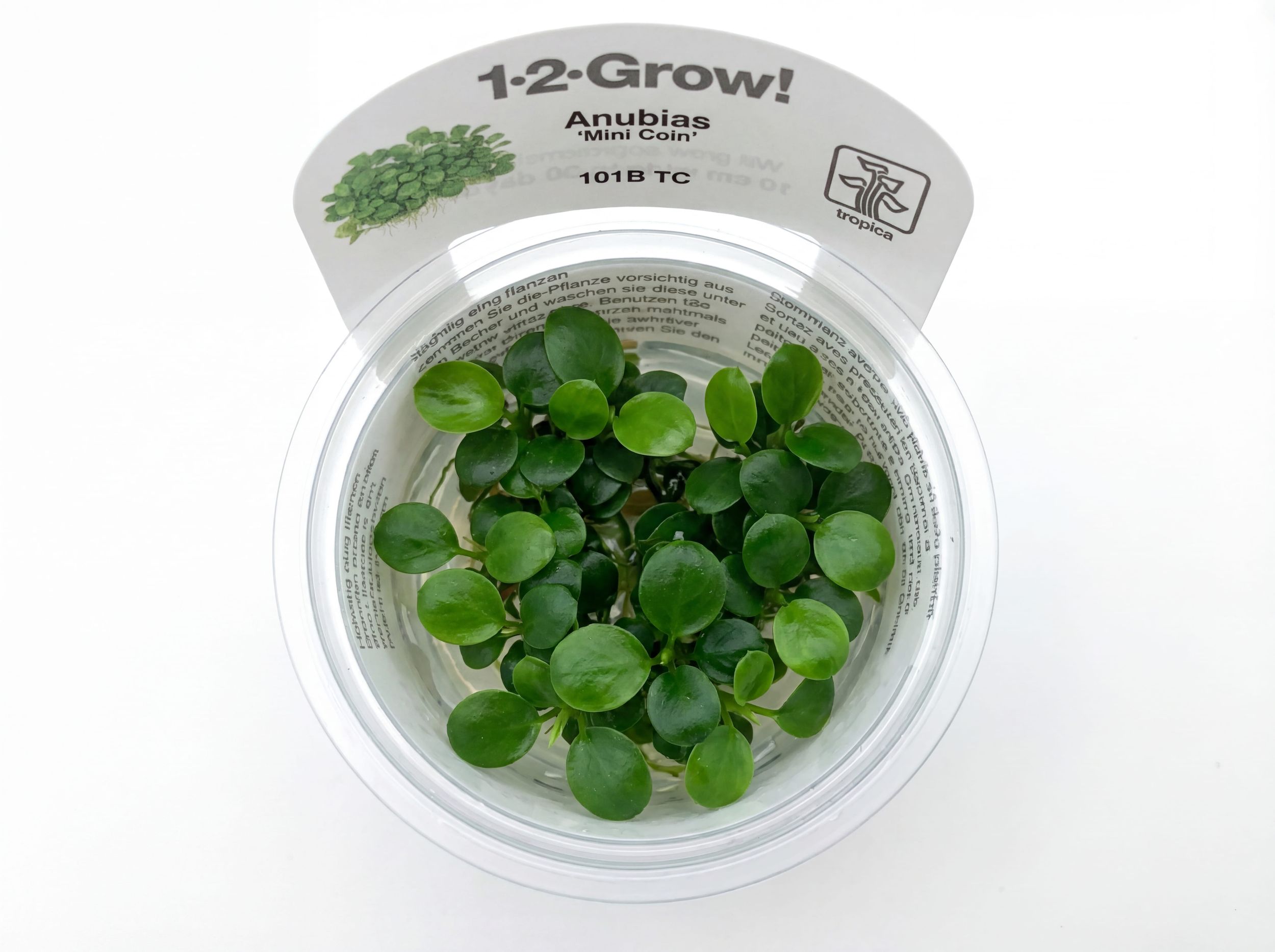
The Red Phantom tetra is a stunning fish that brings a deep, rich red hue to the planted tank. They have a delicate, almost translucent quality that looks beautiful against a backdrop of deep green plants like Anubias or Java Fern. Like most tetras, they are schooling fish and should be kept in groups of at least six. They are peaceful and generally keep to the middle layers of the aquarium. They are well-suited for community tanks and pair wonderfully with other small, peaceful species, adding a sophisticated splash of color that is not too overwhelming.
The Unique Spotted Barb
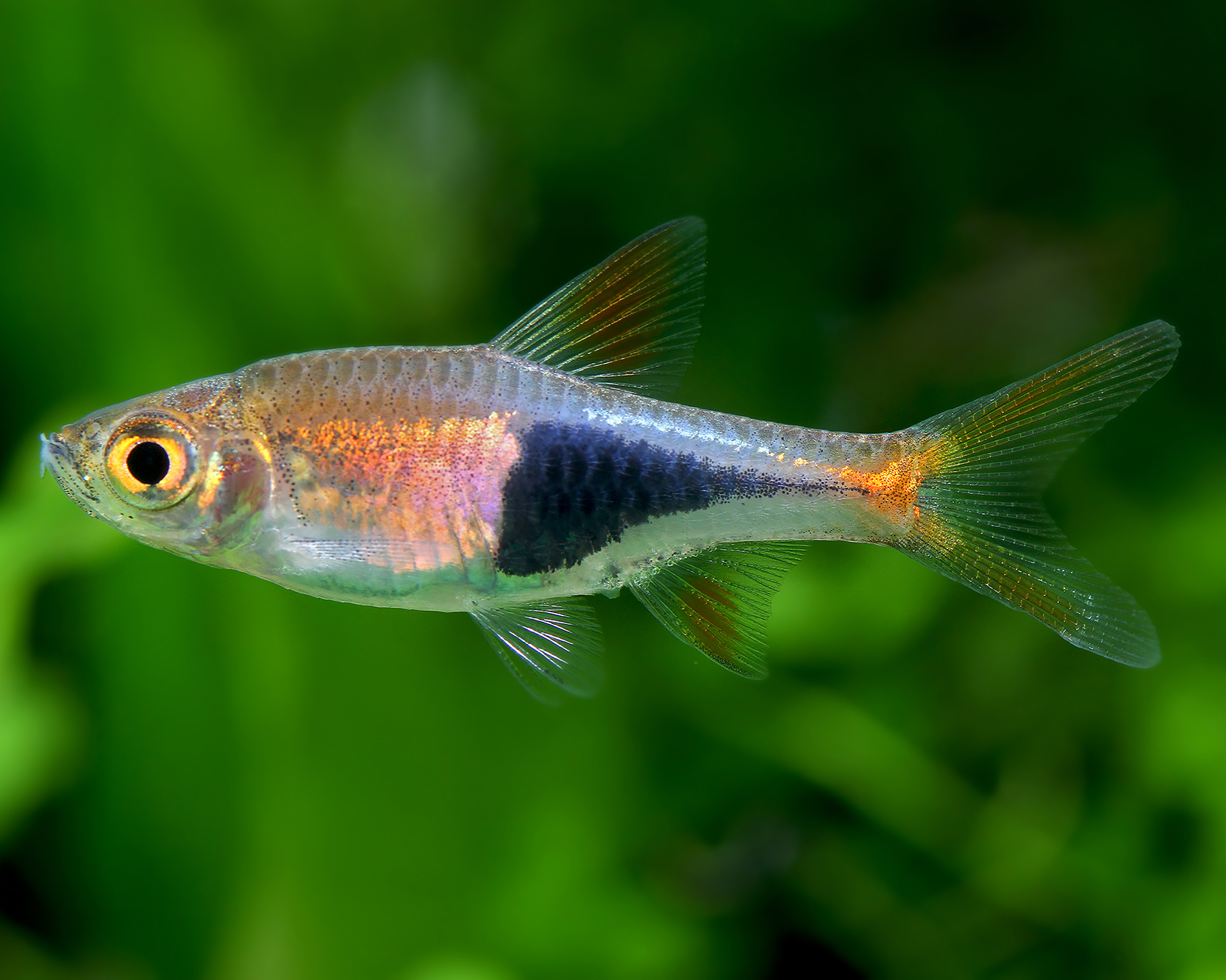
The Spotted Barb, often known as the Harlequin Rasbora, is a classic choice for the planted tank. Their iconic black triangular patch provides a high-contrast focal point that looks incredible in aquascaped tanks. They are extremely peaceful and stay relatively small, making them perfect for nano community tanks. They school tightly, creating a visually cohesive group that moves gracefully through the water. They are very hardy and adapt well to a wide range of water parameters, making them an ideal choice for both beginners and experienced aquarists looking for a reliable, beautiful community fish.
Frequently Asked Questions
Can I keep shrimp with these fish?
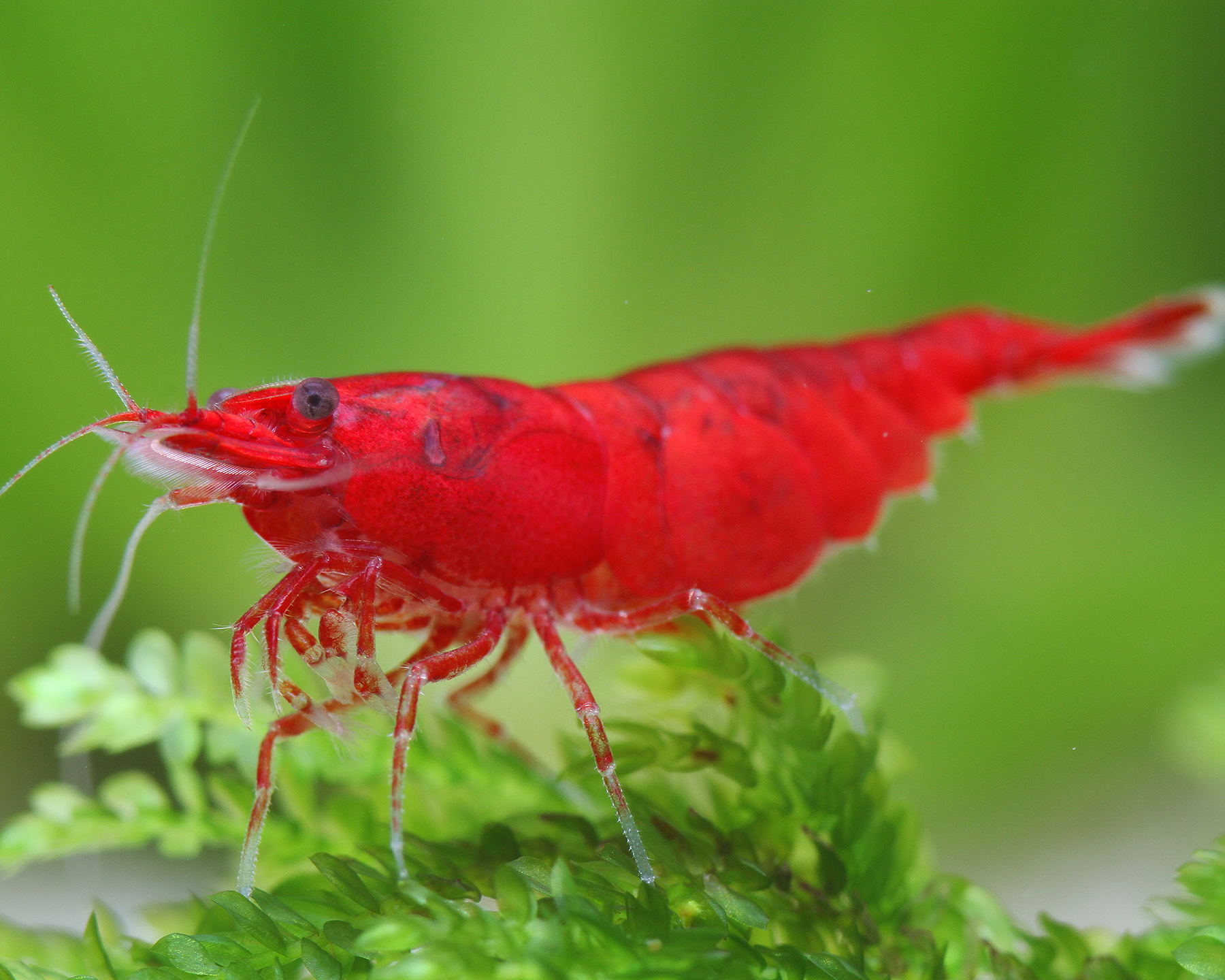
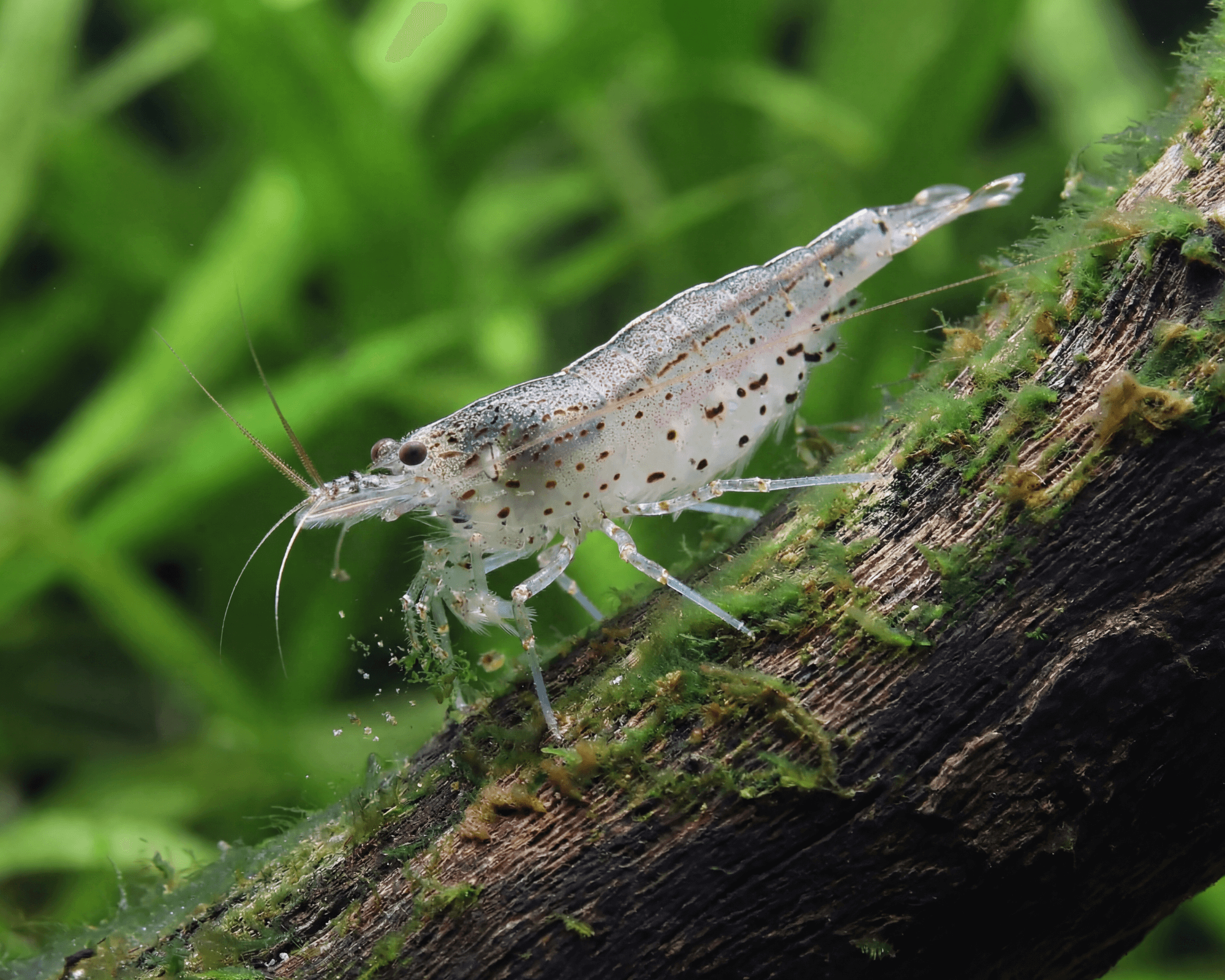
Yes, most of the fish listed are peaceful, but always ensure your tank has plenty of dense plants like mosses to provide hiding spots for shrimp to escape and molt safely.
What is the best way to introduce new fish to a planted tank?
Always drip-acclimate your new fish to match your tank's water parameters and quarantine them if possible. Introduce them slowly to reduce stress.
How many fish can I have in my planted tank?
The number depends on your tank size, filtration capacity, and the amount of plants. A good rule of thumb is to start slow and test your water weekly to ensure bio-load is managed.
Leave your comments