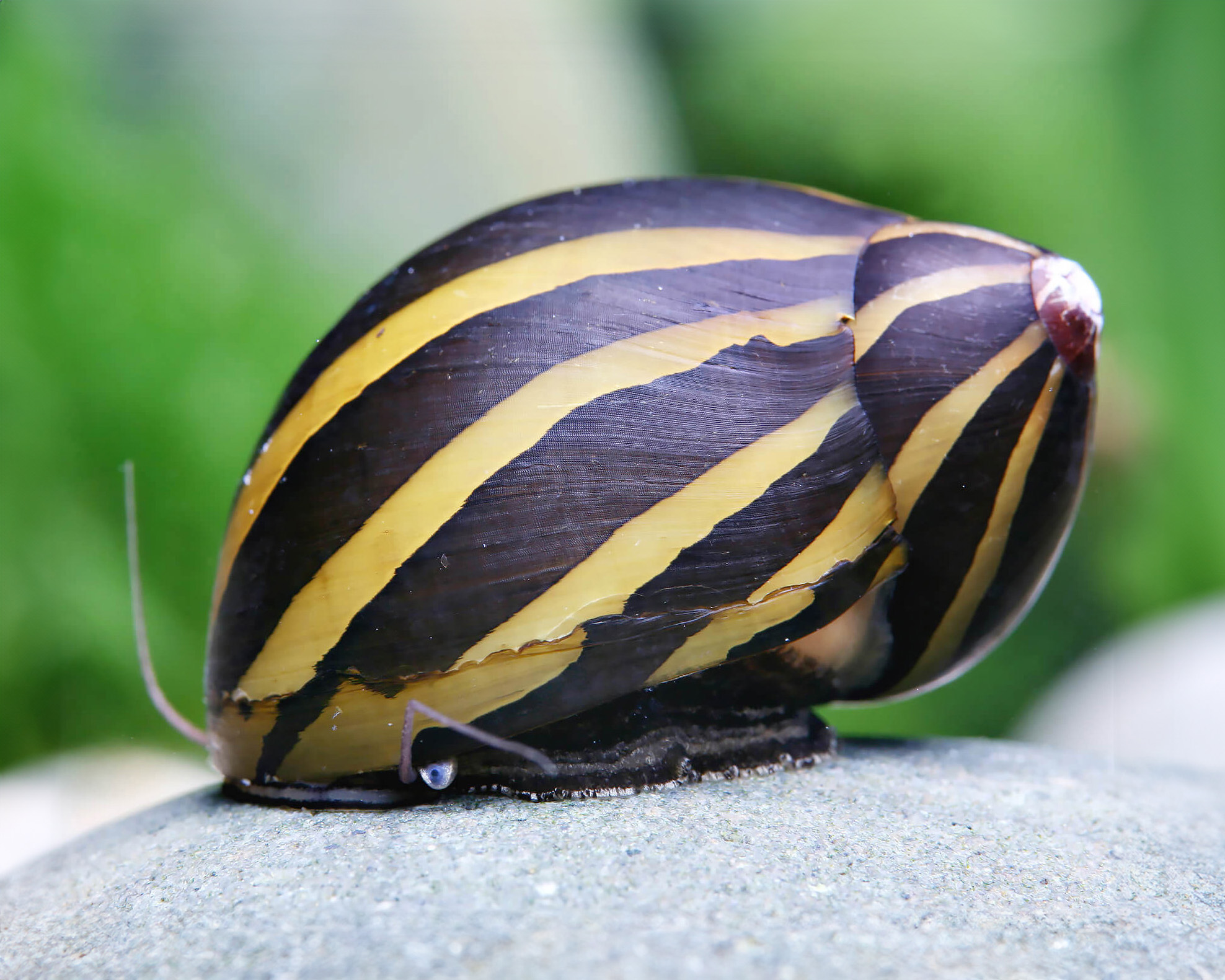
The Master Algae Cleaners: Racing Snails
Racing snails, such as the classic Zebra Racing Snail, are the gold standard for algae control in planted tanks. These snails are highly efficient at grazing on diatoms and green spot algae found on glass, rocks, and plant leaves. Because they do not reproduce in freshwater, you do not have to worry about a population explosion. They prefer tanks with a stable pH above 7.0 and plenty of surface area to graze. Ensure your tank is well-established before adding them, as they require a consistent supply of biofilm and algae to thrive in your home aquarium.
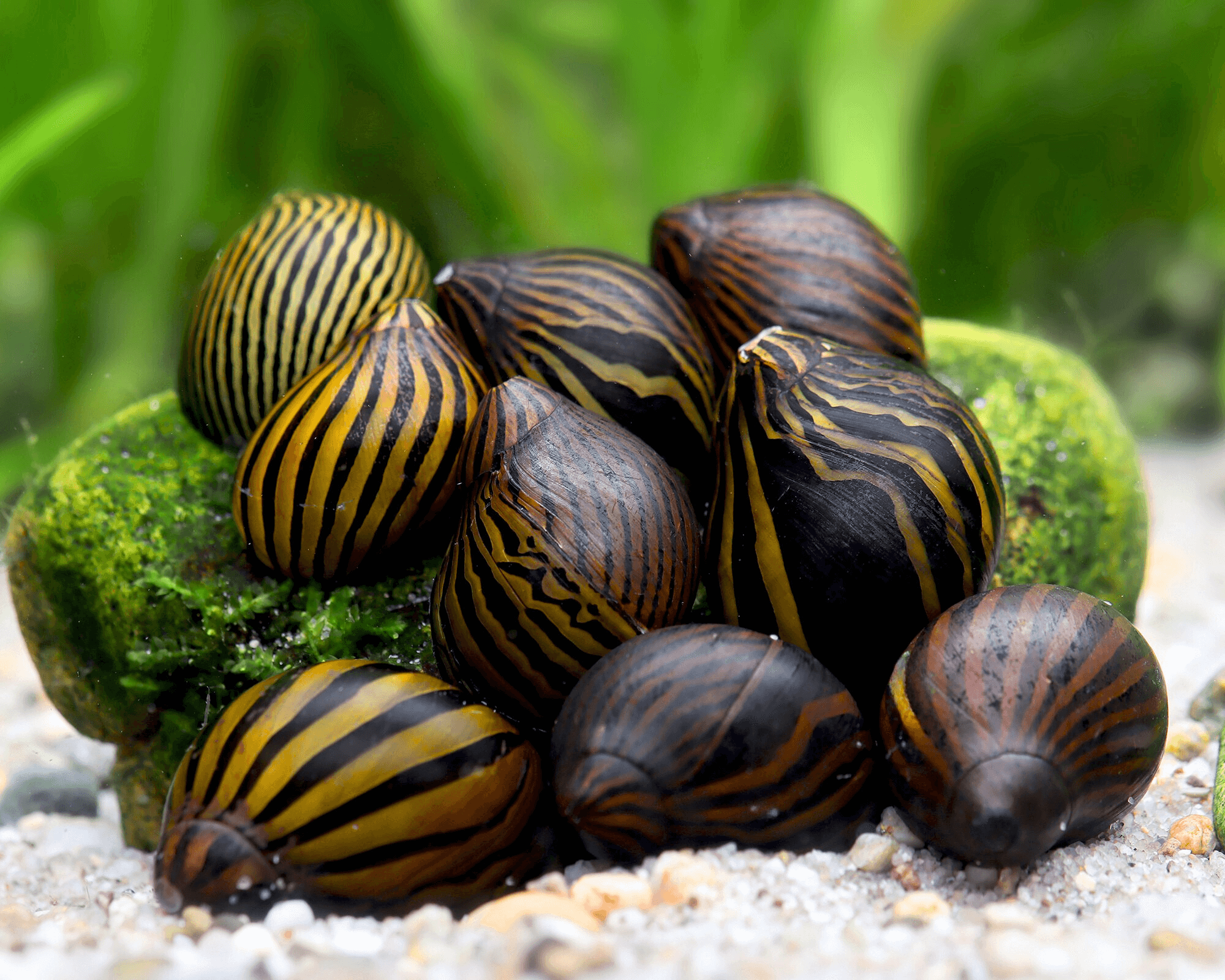
Substrate Aerators: Malayan Trumpet Snails
If you use a sand or fine gravel substrate, Malayan Trumpet Snails are an invaluable addition. These nocturnal creatures spend much of their time burrowing through the substrate, which helps prevent the buildup of anaerobic gas pockets and keeps your plant roots healthy. Their constant movement aerates the soil, allowing nutrients to reach roots more effectively. While they are prolific breeders, their population typically remains proportional to the amount of available food. They are incredibly hardy and can adapt to a wide range of water conditions, making them a low-maintenance choice for almost any community tank.
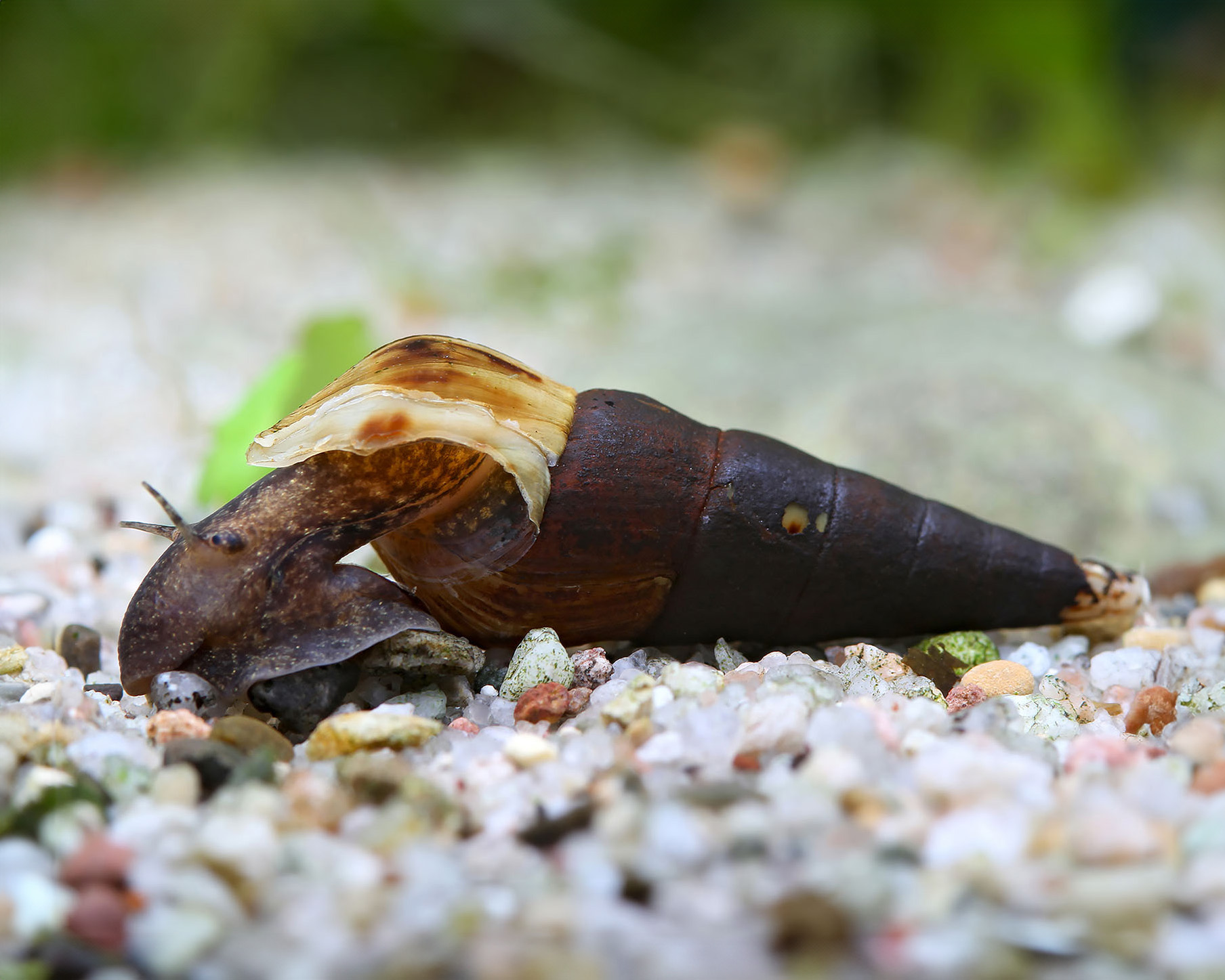
Adding Texture with Antlered Snails
Antlered snails are small, decorative, and highly functional. Their unique shells, adorned with tiny spikes, make them a visual standout in a nano aquascape. Aside from their appearance, they are excellent at cleaning hard-to-reach corners and narrow plant leaves where larger snails might struggle. They are peaceful, non-aggressive, and safe for both live plants and shrimp. Because they remain quite small, they are perfect for nano tanks under 10 gallons (38 liters). They are best kept in groups, as they are social creatures that enjoy exploring the tank's decor together.
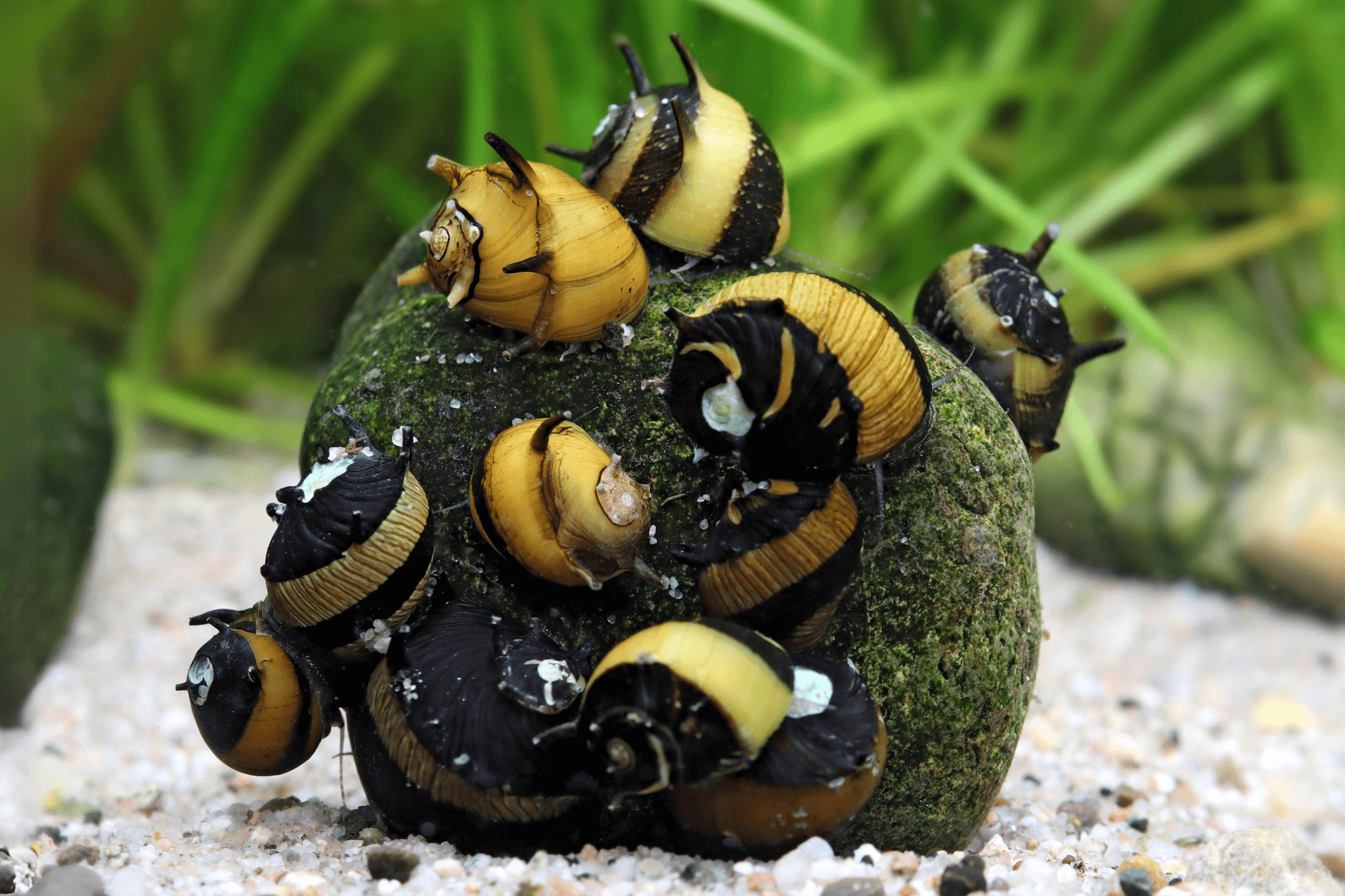
The Elegant Piano Snail
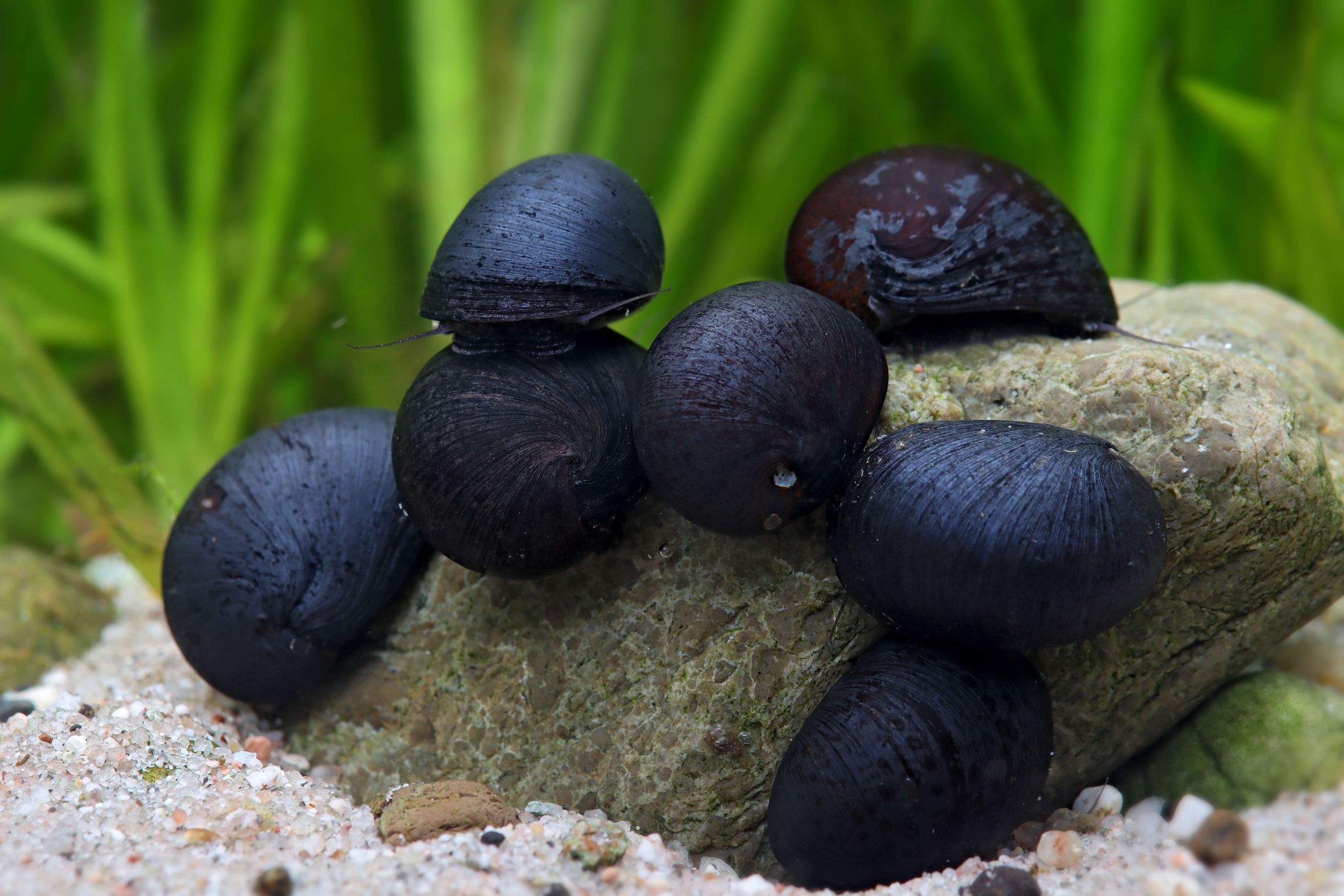
The Piano Snail is a live-bearing species that brings a sophisticated look to a planted tank. With their smooth, dark shells and graceful movement, they are often used as display animals rather than just cleaners. They are known to feed on brush algae and detritus, helping to keep the environment tidy. Piano Snails prefer temperatures between 72 and 78 degrees Fahrenheit (22 to 26 degrees Celsius) and appreciate a diet supplemented with high-quality sinking pellets. They are very peaceful and will not harm delicate plant shoots, making them an excellent choice for a well-maintained, high-tech planted aquarium.
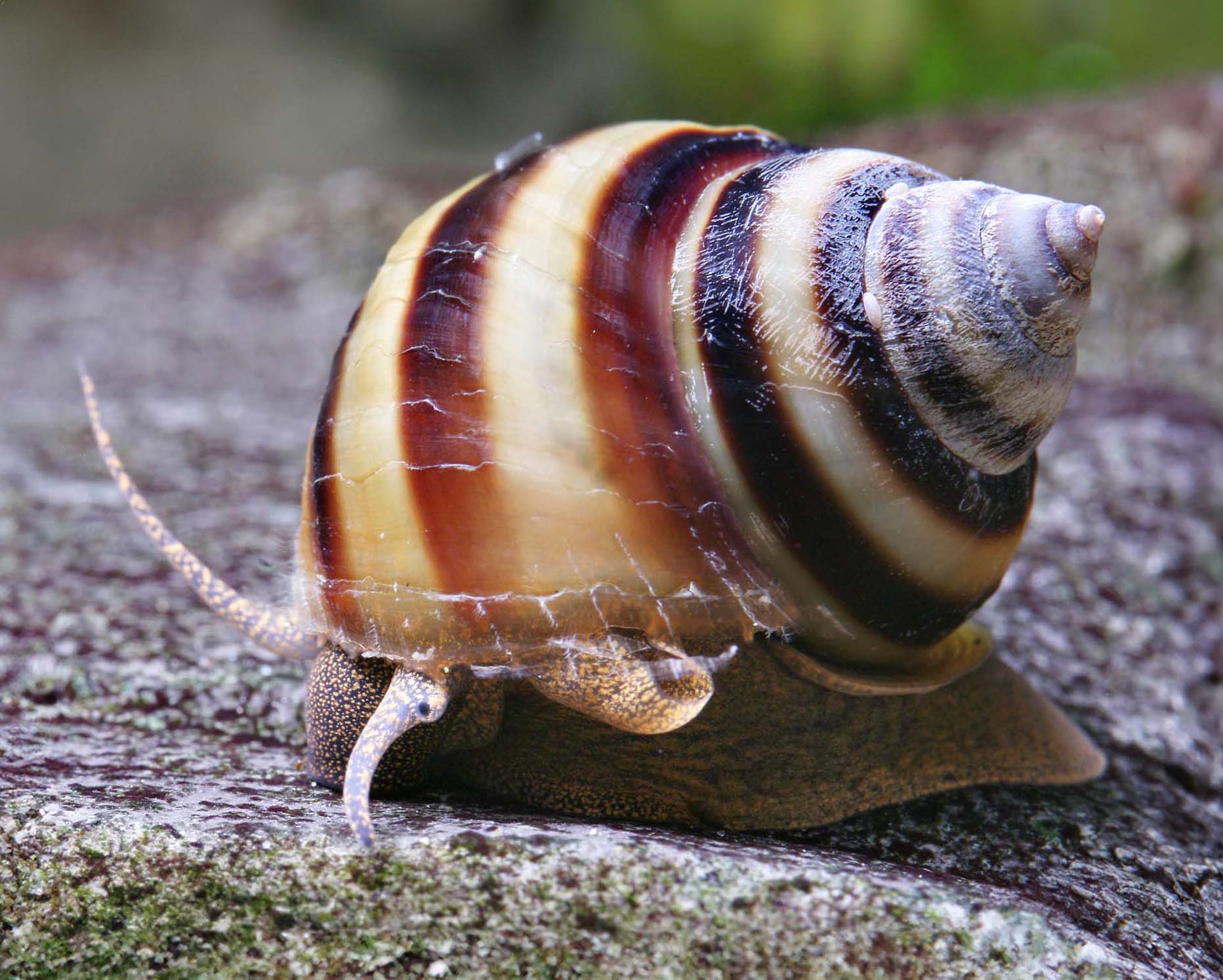
Colorful Ramshorn Snails
Ramshorn snails come in a variety of vibrant colors, including pink, blue, and orange, making them a favorite for aquarists who want to add a splash of color to their tank. These snails are scavengers that excel at cleaning up uneaten fish food and decaying plant matter, preventing ammonia spikes. While they can reproduce quickly if overfed, they are very easy to control by limiting food input. They are hardy and adaptable, thriving in most freshwater conditions. Their interesting shell shape and active personality make them a charming addition to any community setup.
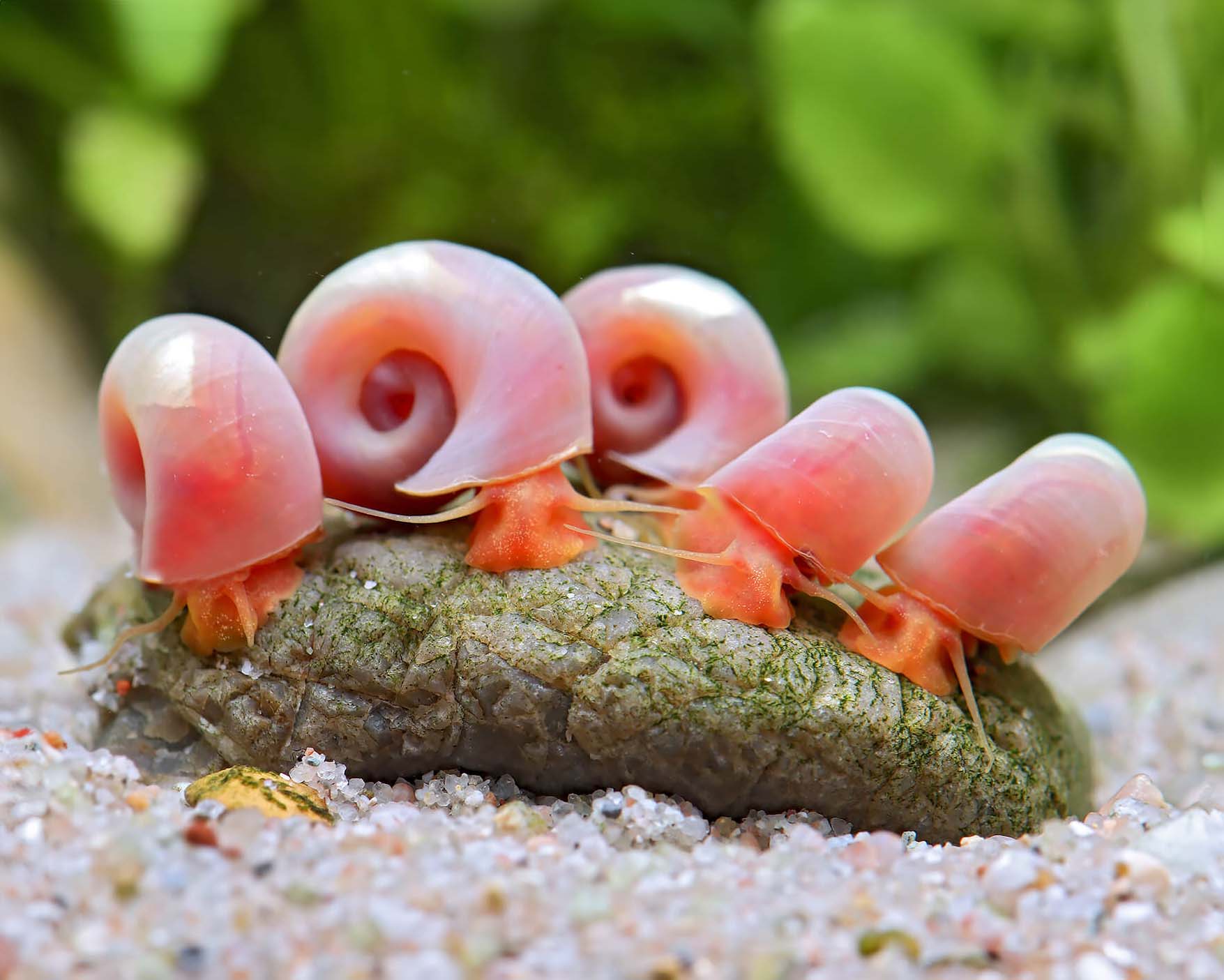
The Striking Tylomelania Snails
Tylomelania snails, often called Rabbit Snails, are perhaps the most impressive snails for a larger planted aquarium. With their long, elephant-like snouts and textured shells, they are truly unique. They require more space than smaller species and prefer a tank of at least 20 gallons (75 liters). Rabbit Snails are generally peaceful but can be curious about soft-leaved plants; providing them with supplemental vegetables like blanched zucchini can help keep them focused on their diet. They are slow-moving and prefer a sandy substrate where they can navigate easily without damaging their delicate bodies.
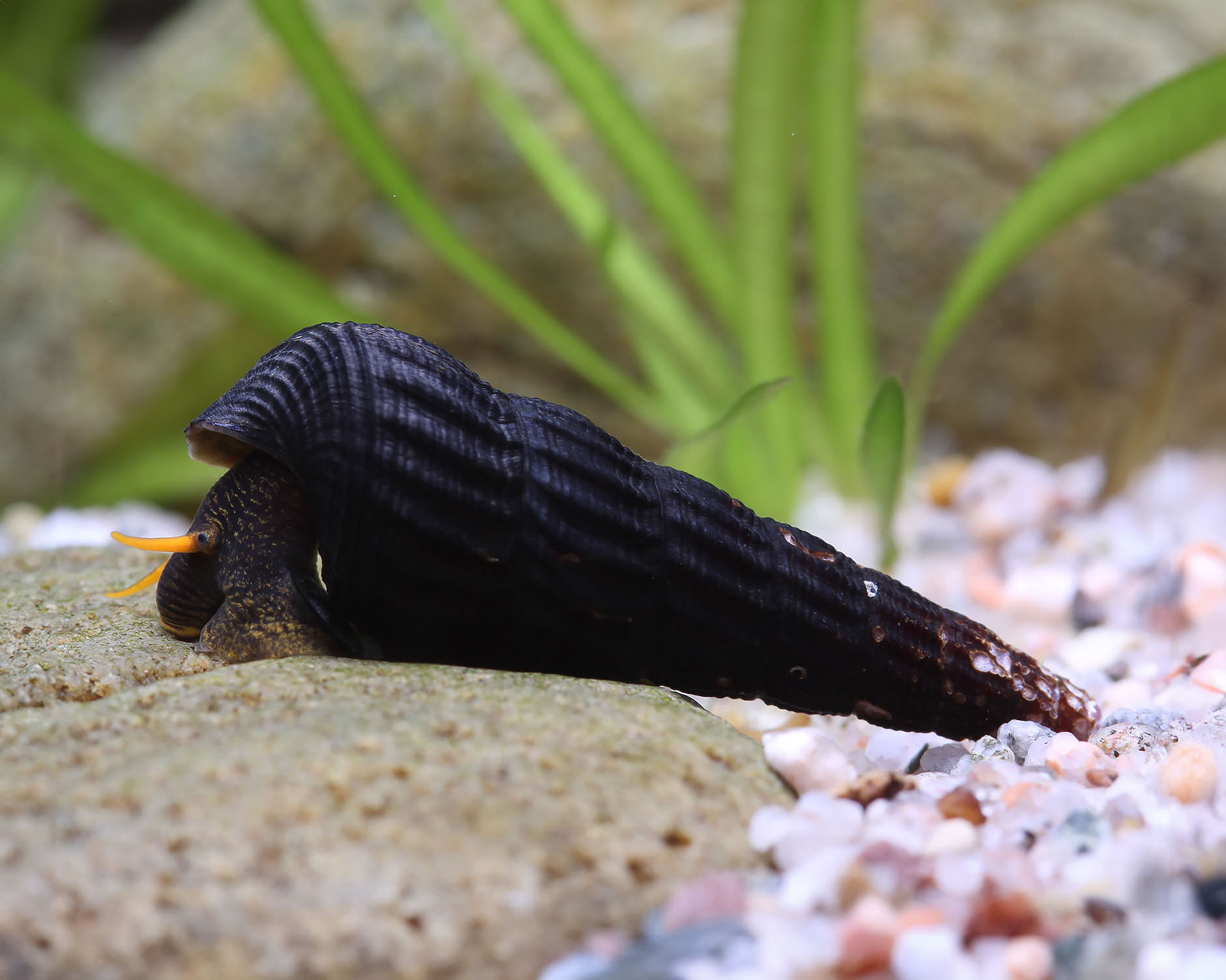
Managing Pests with Predatory Snails
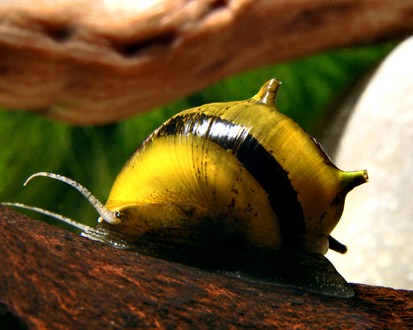
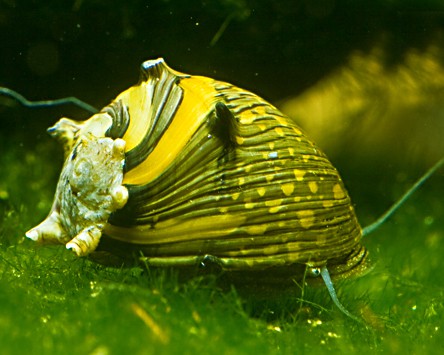
If you find that common pest snails are taking over your aquarium, the Ivory Predatory Snail, or Assassin Snail, is the natural solution. These snails are specifically known for hunting other, smaller snail species. They are attractive in their own right, featuring a spiral shell with bold, dark stripes. While effective at population control, they should only be added if you have an existing pest problem or are prepared to provide them with protein-rich food like frozen bloodworms once the prey population is exhausted. They are generally safe for larger snails and shrimp but should be monitored in very small tanks.
%20-%201.webp)
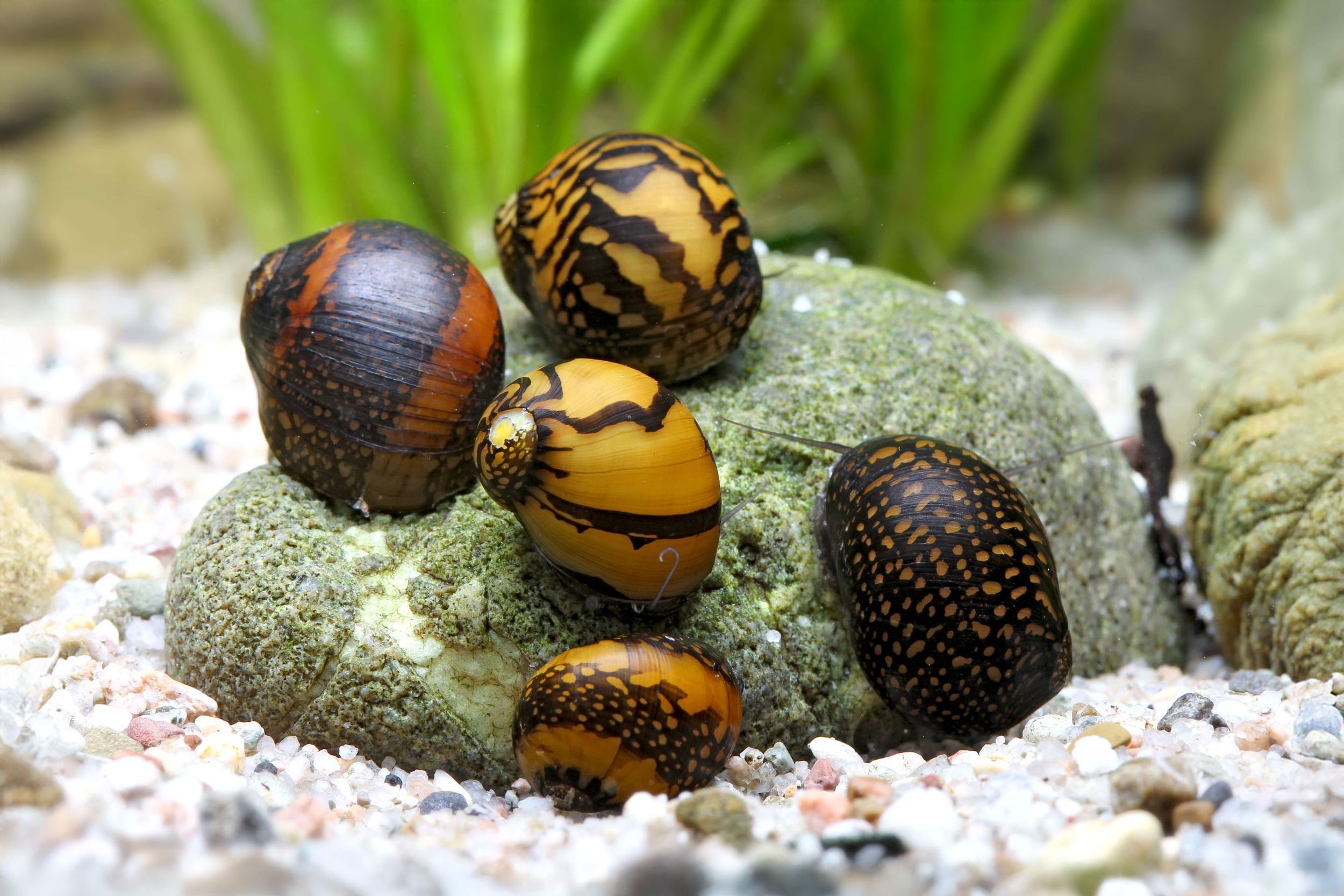
Unique Shell Patterns: Batik Snails
Batik snails are prized for their intricate, camouflage-like shell patterns. Like other Nerite snails, they are exceptional algae eaters that focus primarily on biofilms and soft algae. They do not eat live plants and are completely safe for your aquascaping efforts. Because they require brackish water to breed, you will never face an overpopulation issue in your freshwater tank. They are quite hardy and adapt well to various lighting conditions, making them a reliable choice for beginners who want a functional and visually interesting cleaner for their aquarium glass and hardscape.
Frequently Asked Questions
Do aquarium snails eat live plants?
Most of the species recommended here, such as Nerite and Racing snails, do not eat healthy live plants. They prefer algae, biofilm, and decaying plant matter. Some species like Rabbit Snails may graze on very soft plants if they are underfed, so providing supplemental food is recommended.
How do I prevent snails from overpopulating my tank?
Overpopulation is almost always a result of overfeeding. Snails breed based on the availability of food. By feeding your fish sparingly and removing excess detritus, you can keep snail populations at a manageable level.
Are snails compatible with freshwater shrimp?
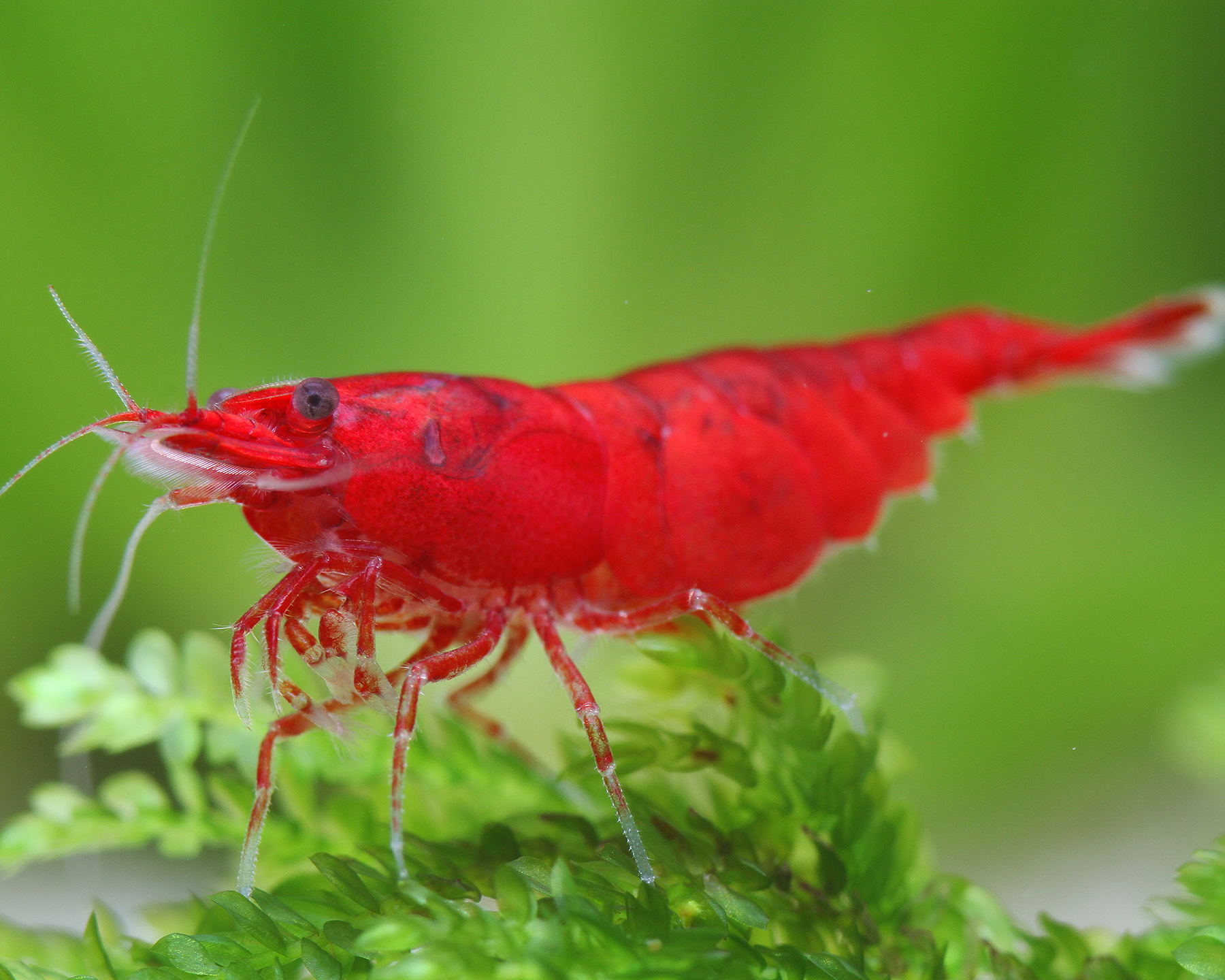
Yes, most freshwater snails and shrimp are highly compatible. Both groups share similar water parameters and benefit from a clean, planted environment. Just ensure the tank has enough food for both populations to thrive.
Leave your comments