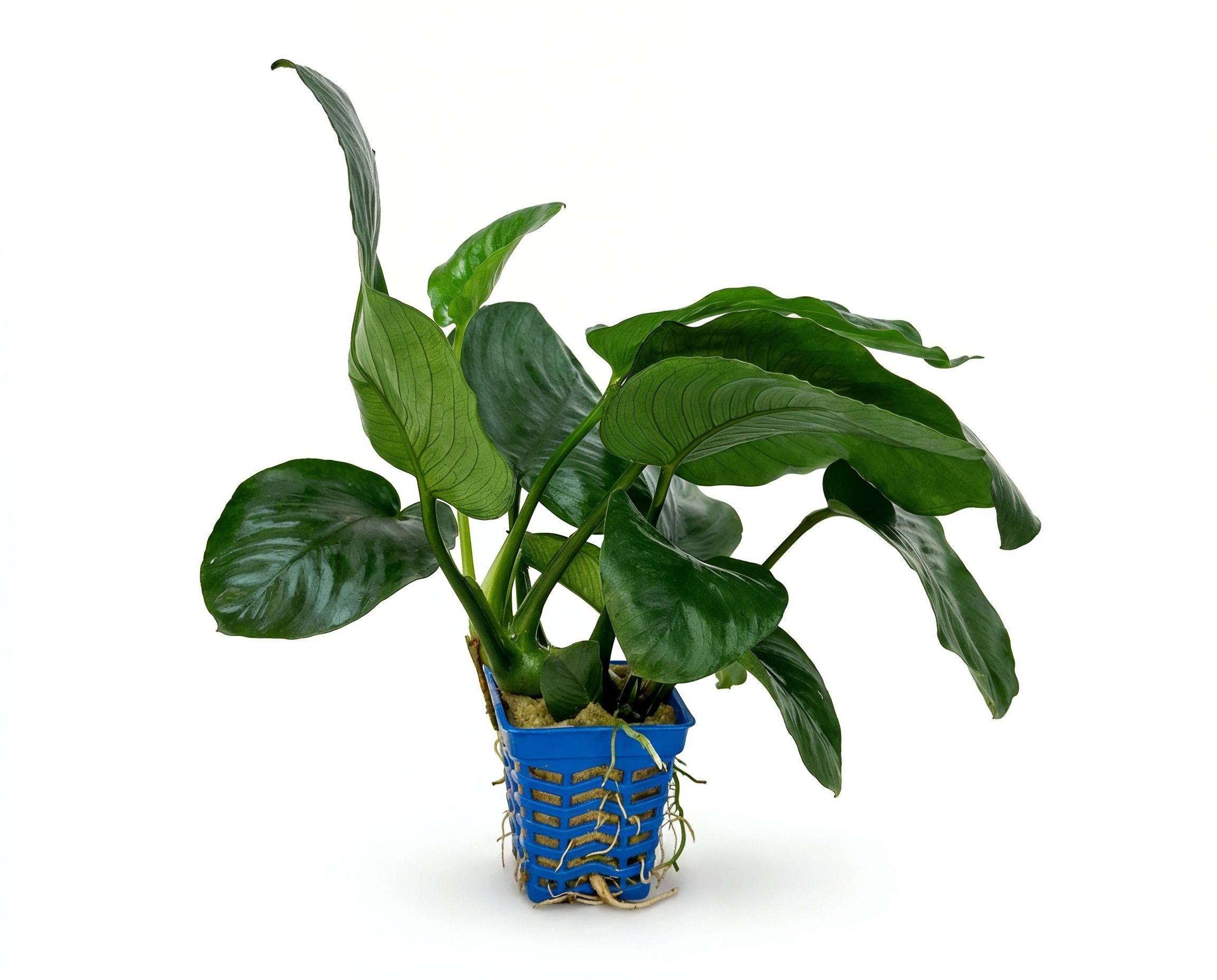
Anubias: The Ultimate Beginner Epiphyte
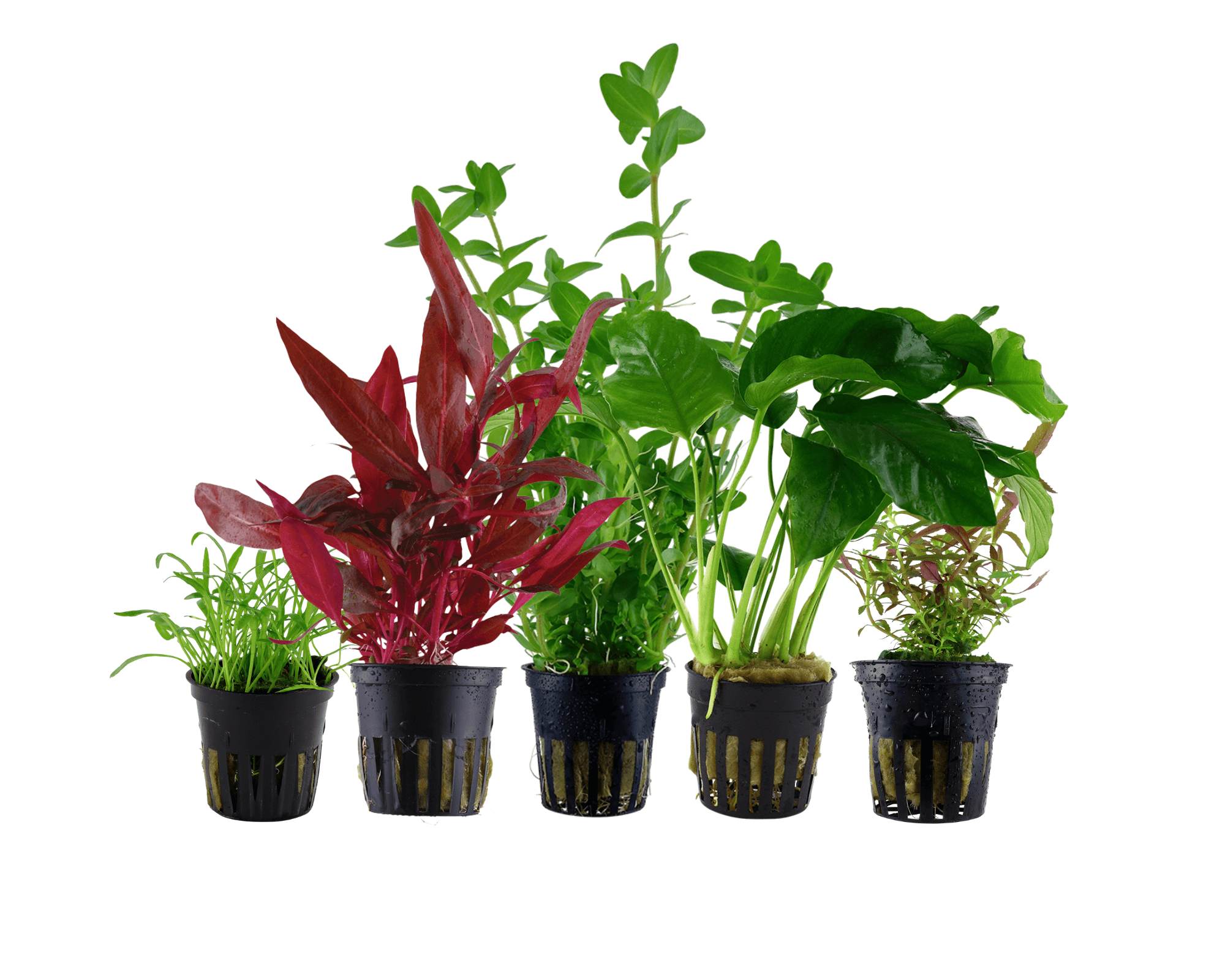
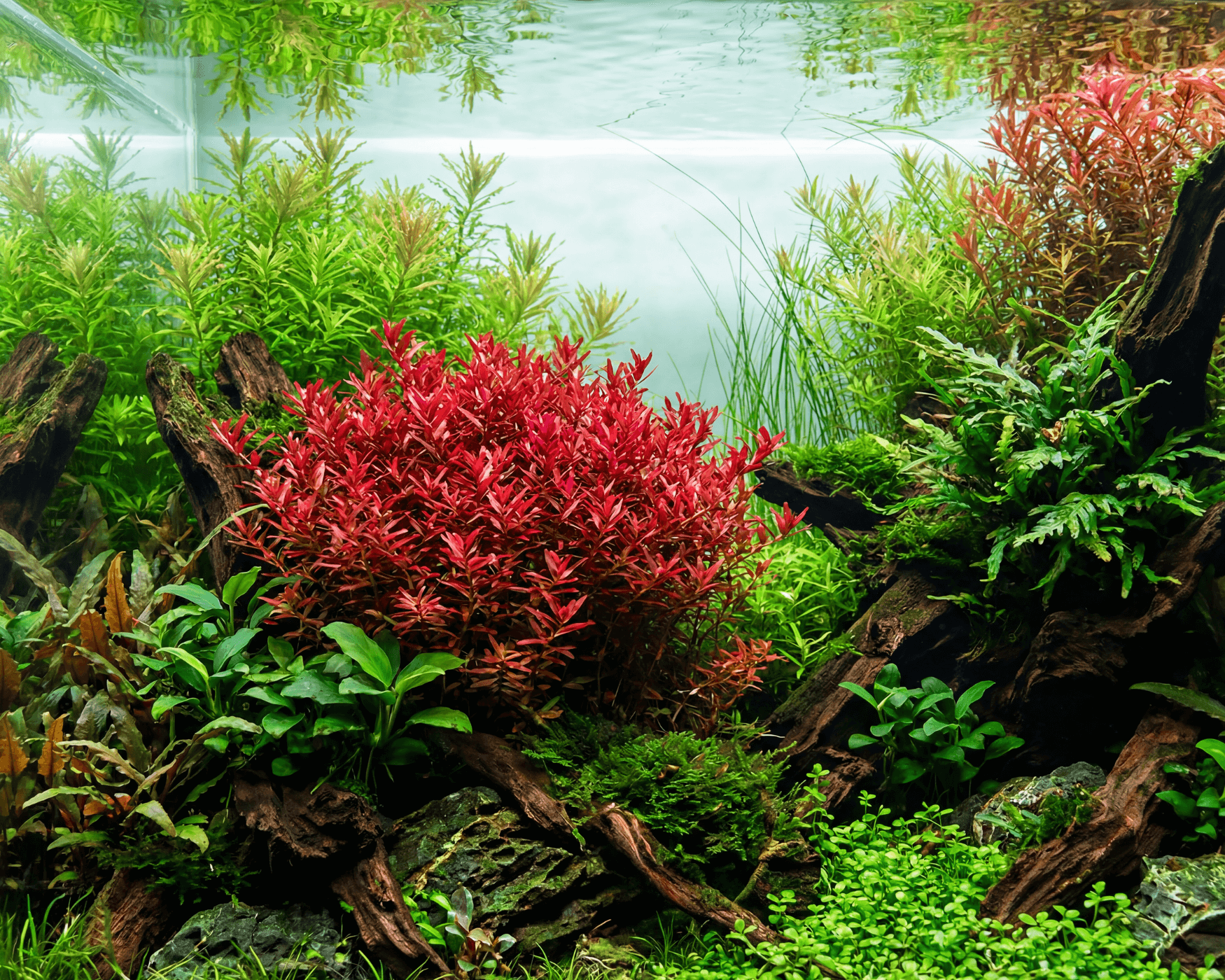
Anubias barteri is a staple for any planted tank due to its incredible resilience. These plants prefer to be attached to driftwood or lava rocks rather than buried in the substrate, which prevents their rhizomes from rotting. They are slow-growing and have thick, dark green leaves that are unpalatable to most herbivorous fish, making them an excellent choice for community tanks. Because they thrive in low to moderate light, they are perfect for beginners who want a lush look without complex CO2 injection systems. Their sturdy nature allows them to handle fluctuating water parameters well, providing a reliable foundation for your aquascape.
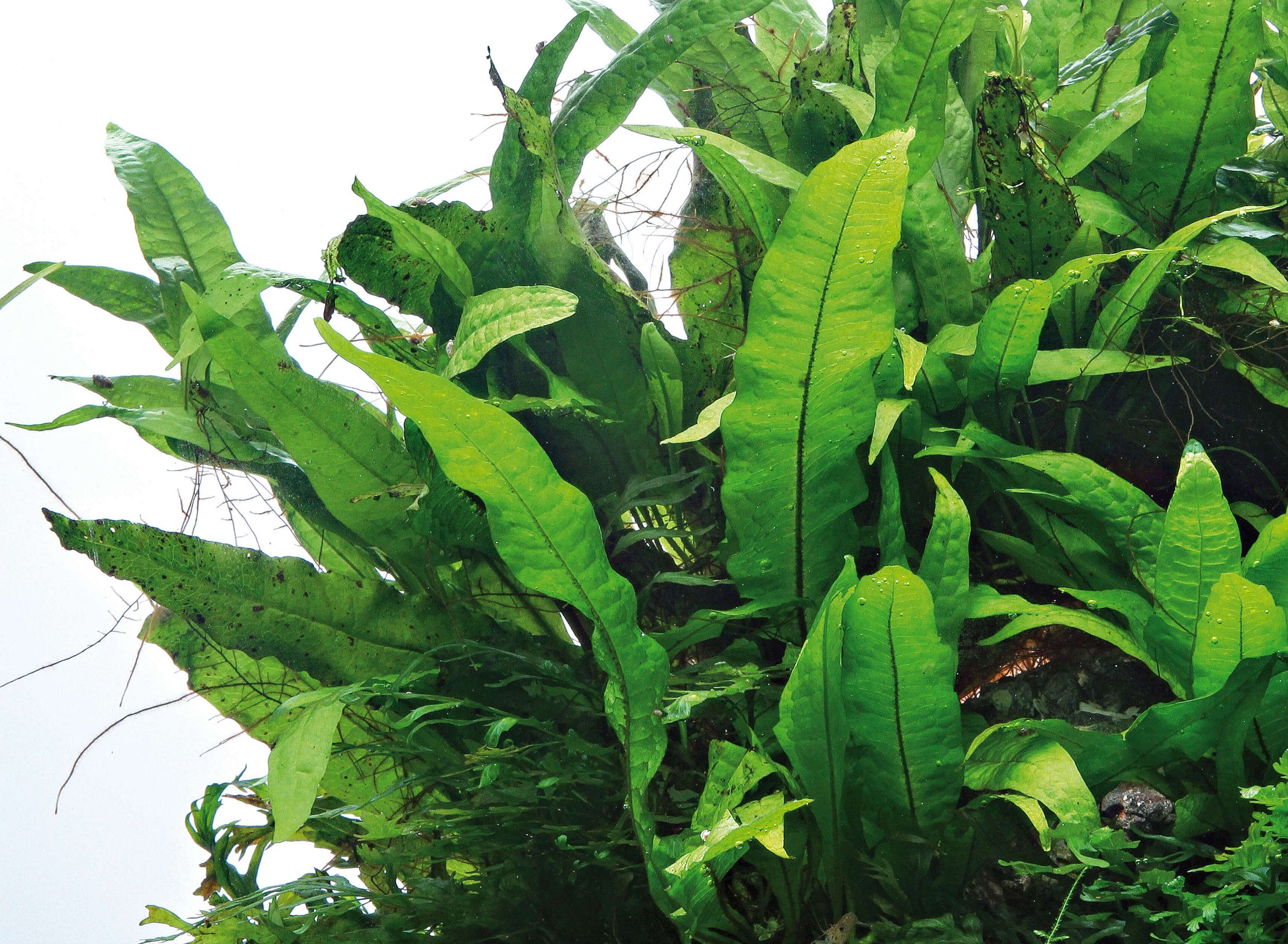
Java Fern: Low-Maintenance Greenery
Microsorum pteropus, commonly known as Java Fern, is another essential epiphyte that excels in low-light environments. Like Anubias, it should be attached to hardscape elements rather than planted directly into the gravel. It is highly adaptable and can tolerate a wide range of water temperatures and pH levels, making it incredibly forgiving for newcomers. Java Fern produces small plantlets on the tips of its leaves, which can be detached to propagate new growth throughout your tank. Its long, flowing leaves provide excellent cover for timid fish and shrimp, helping them feel secure in a busy community environment.
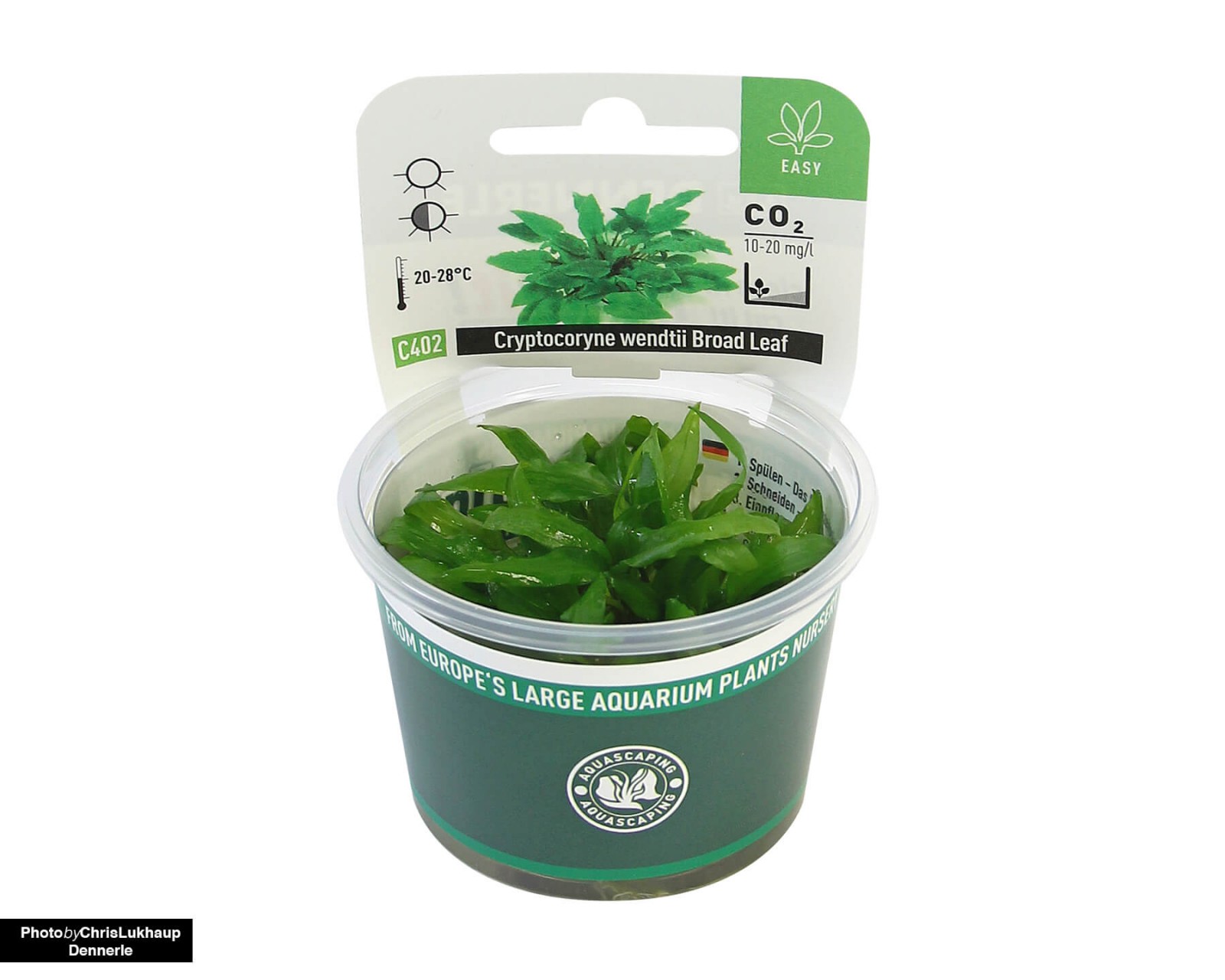
Cryptocoryne: Reliable Substrate Growers
Cryptocoryne wendtii is a versatile and popular choice for the mid-ground of your aquarium. These plants are known for their ability to adapt to various lighting conditions and water chemistries. Once established, they can spread through runners to form dense, attractive clusters. While they may experience some leaf melt when first introduced to a new environment, they usually bounce back quickly with new, healthier growth. They are excellent for providing a natural look in the middle of your tank and are generally ignored by most fish, making them a safe bet for a diverse community setup.
Vallisneria: Creating a Vertical Background
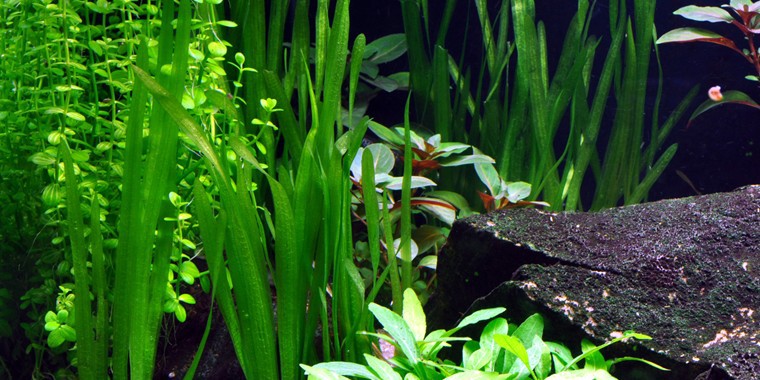
For those looking to add height to the back of their aquarium, Vallisneria americana is an ideal candidate. This grass-like plant grows rapidly and can reach the water surface, creating a beautiful swaying effect in the current. It is very easy to propagate as it sends out runners, eventually filling in the back of your tank with lush, green foliage. Vallisneria prefers a nutrient-rich substrate and moderate lighting. It is generally compatible with most freshwater fish, although it is best to avoid keeping it with large, destructive cichlids that might uproot the delicate root systems.
Java Moss: Perfect for Shrimp and Fry
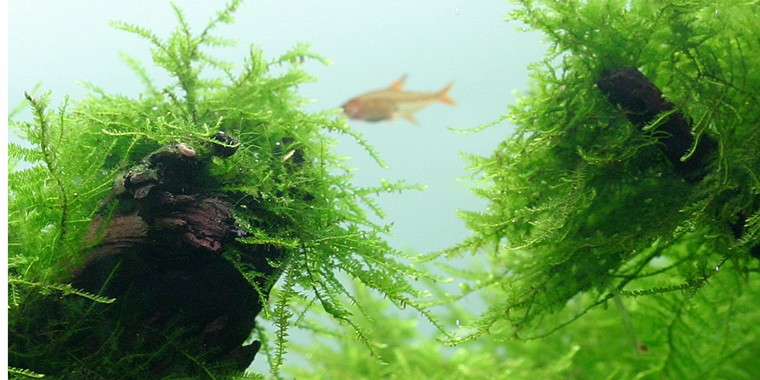
Taxiphyllum barbieri, or Java Moss, is an incredibly versatile plant that can be used to cover wood, rocks, or even the back wall of an aquarium. It is a favorite among breeders because its dense, tangled structure provides a perfect sanctuary for baby fish and microscopic organisms that shrimp love to graze on. Java Moss is extremely hardy and requires very little maintenance, though it does benefit from occasional trimming to keep it looking tidy. It is an essential component for nano tanks where you want to maximize the survival rate of your smaller, more delicate livestock.
Staurogyne repens: A Hardy Foreground Carpet
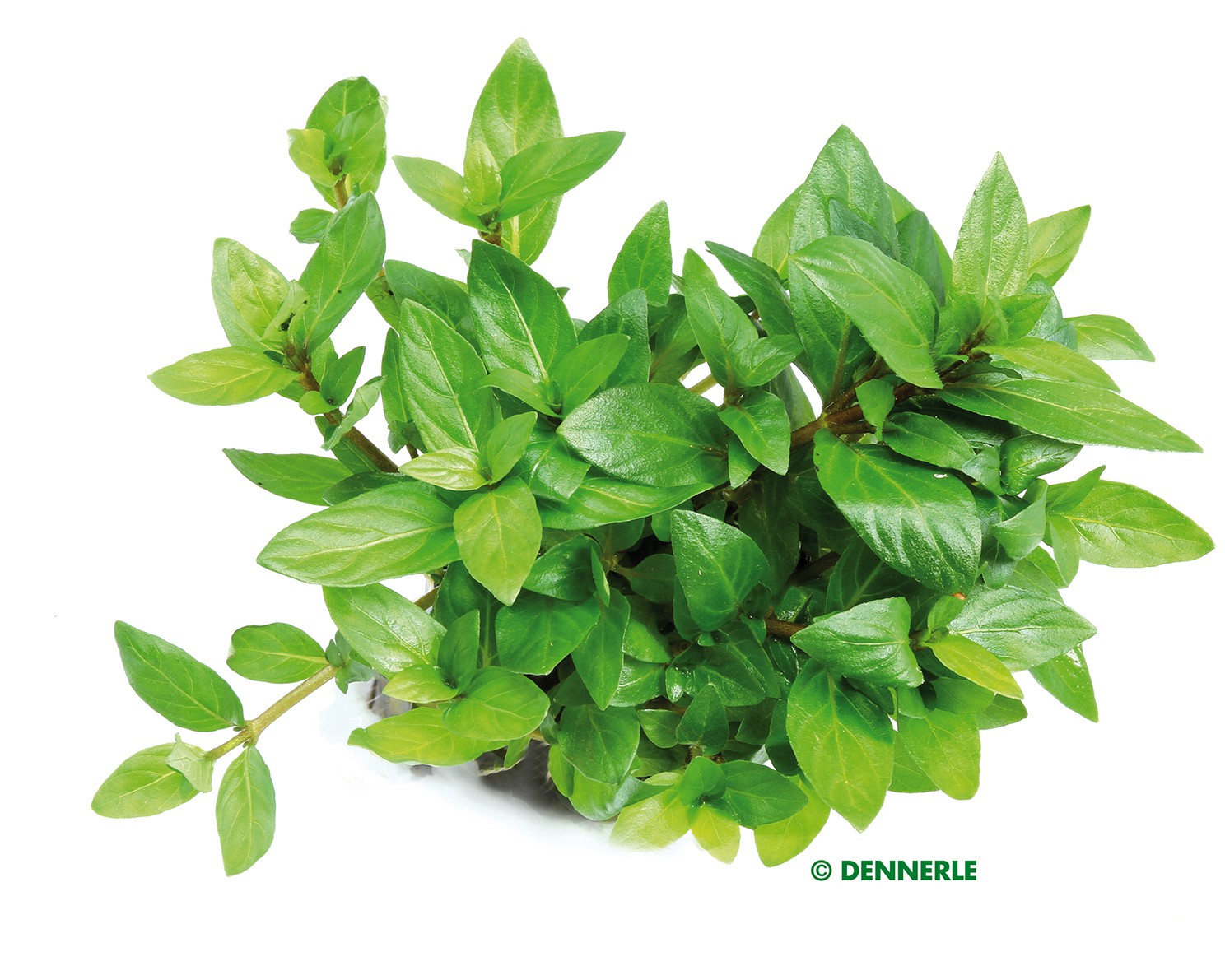
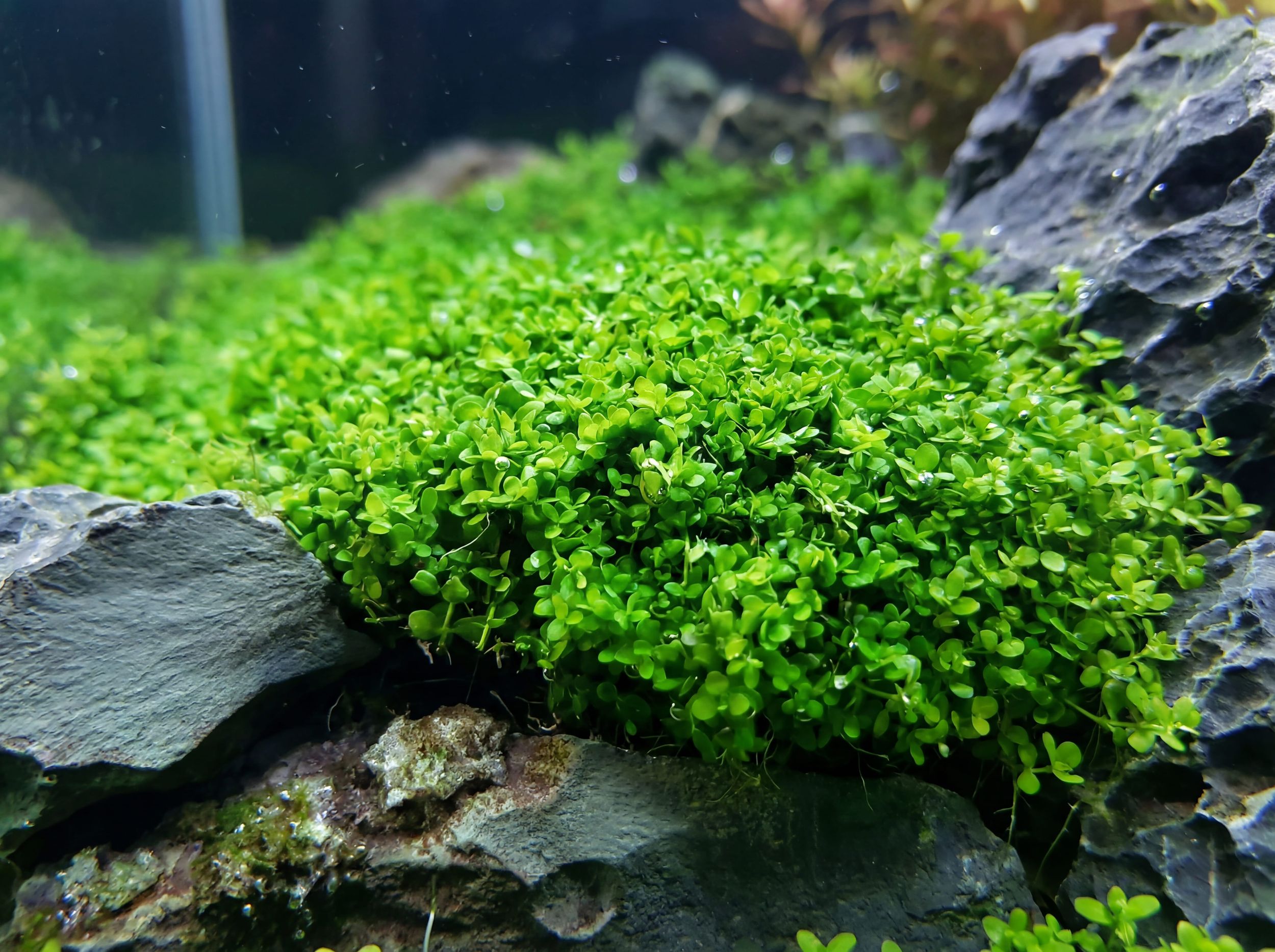
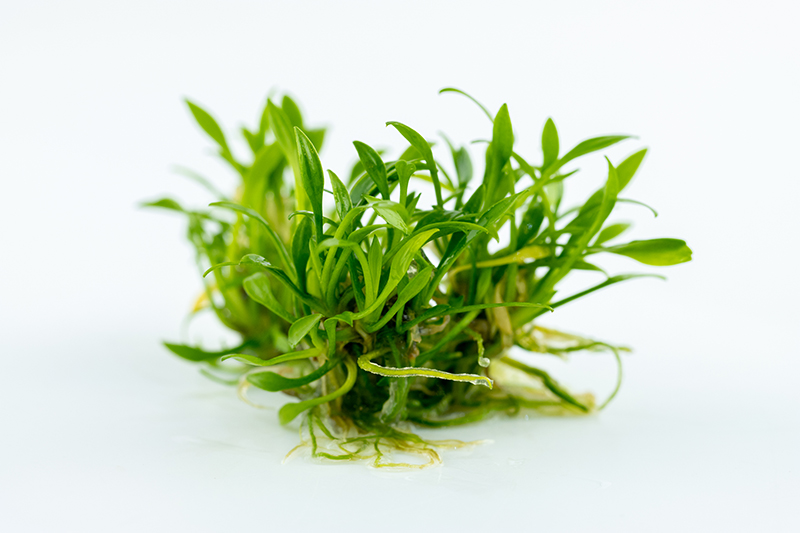
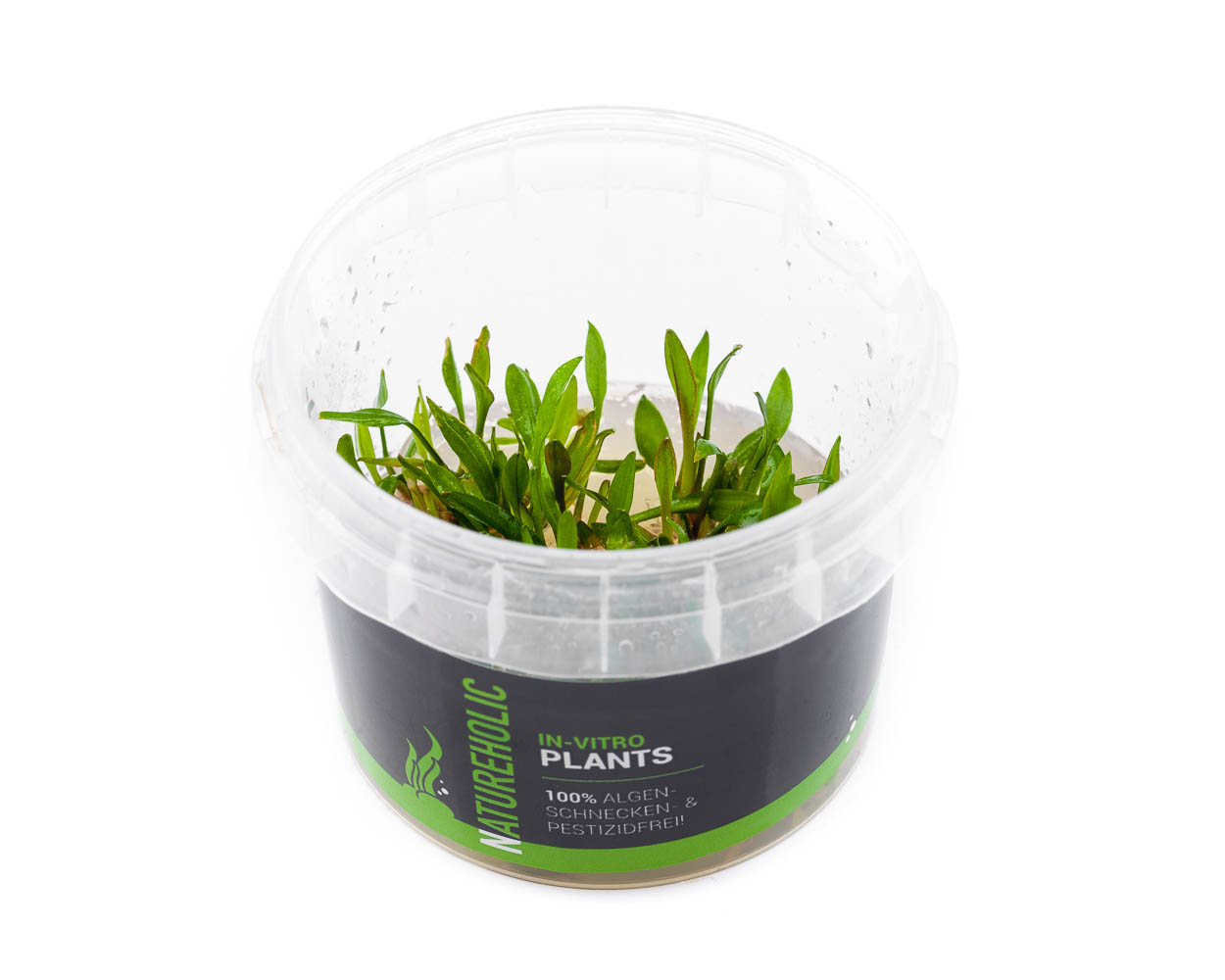
If you want a foreground plant that is easier to manage than traditional carpeting species, Staurogyne repens is a fantastic option. This plant grows horizontally, forming a low, bushy cluster that looks great in the front of a tank. It is much more robust than many other foreground plants, making it suitable for beginners who do not want to deal with the complexities of high-tech carpet maintenance. It thrives in moderate light and appreciates a good substrate fertilizer. Its bright green, compact leaves provide a stunning contrast against darker rocks or wood, significantly enhancing the visual depth of your aquarium.
Bacopa caroliniana: A Splash of Color
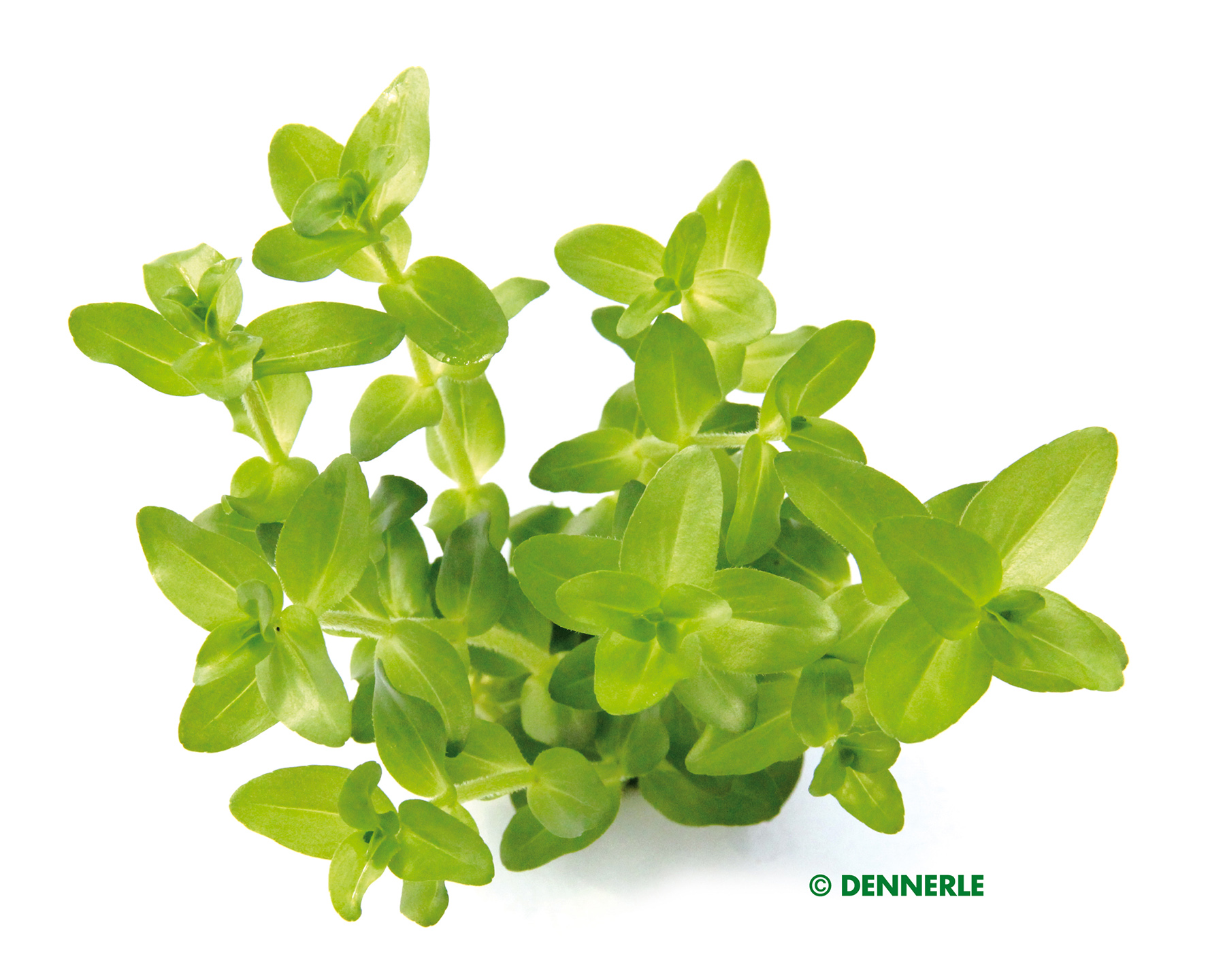
Bacopa caroliniana is a stem plant that offers a unique, slightly reddish hue under good lighting conditions, adding a touch of color to your aquascape. It grows vertically and can be easily propagated by taking cuttings and replanting them into the substrate. This plant is very hardy and can tolerate a wide variety of water conditions, making it a great choice for those transitioning from basic setups to more colorful planted displays. Its lemon-scented leaves are a nice bonus, and it provides a great structural element when planted in groups along the mid-ground or background of your aquarium.
Adding Life: Compatible Nano Livestock
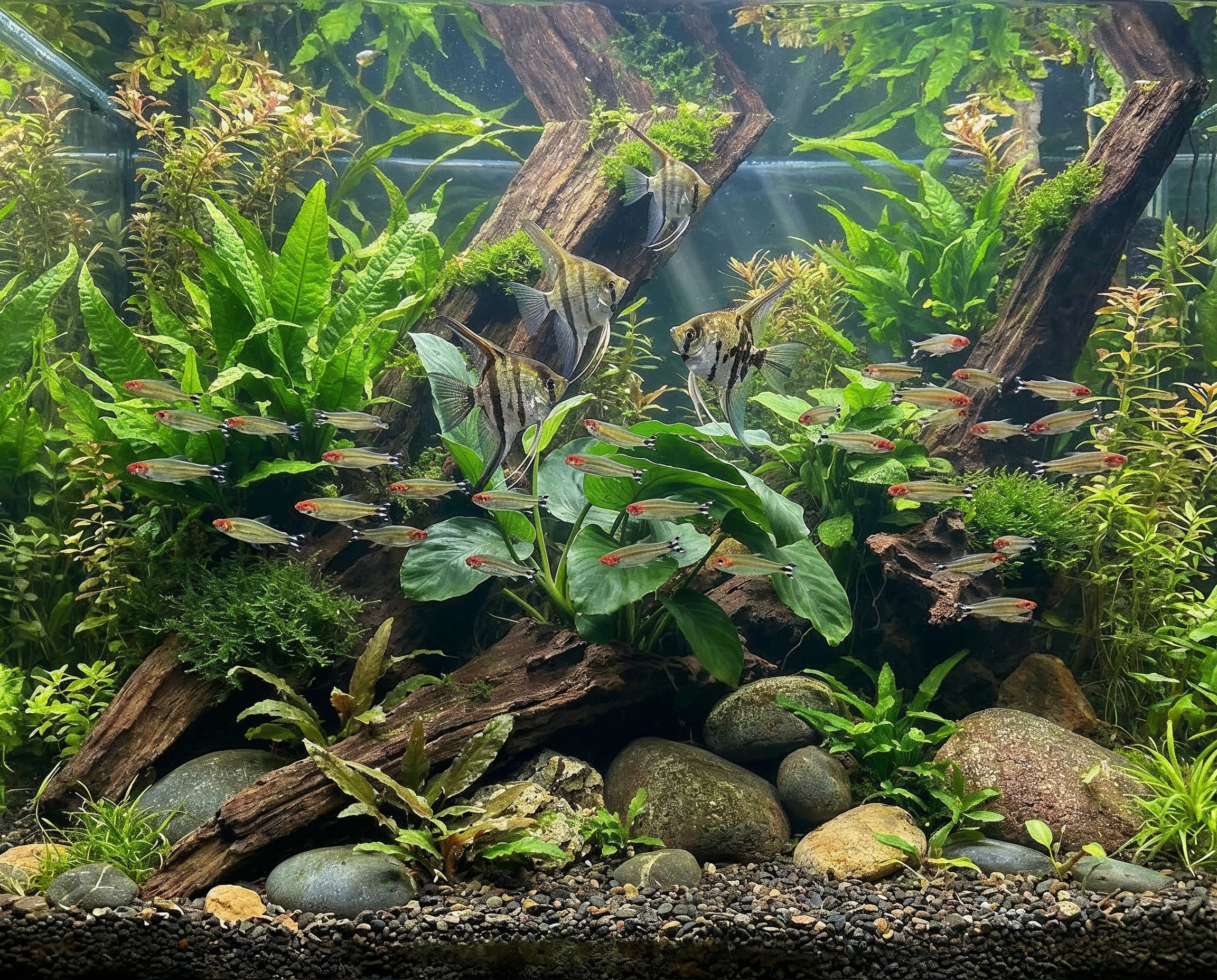
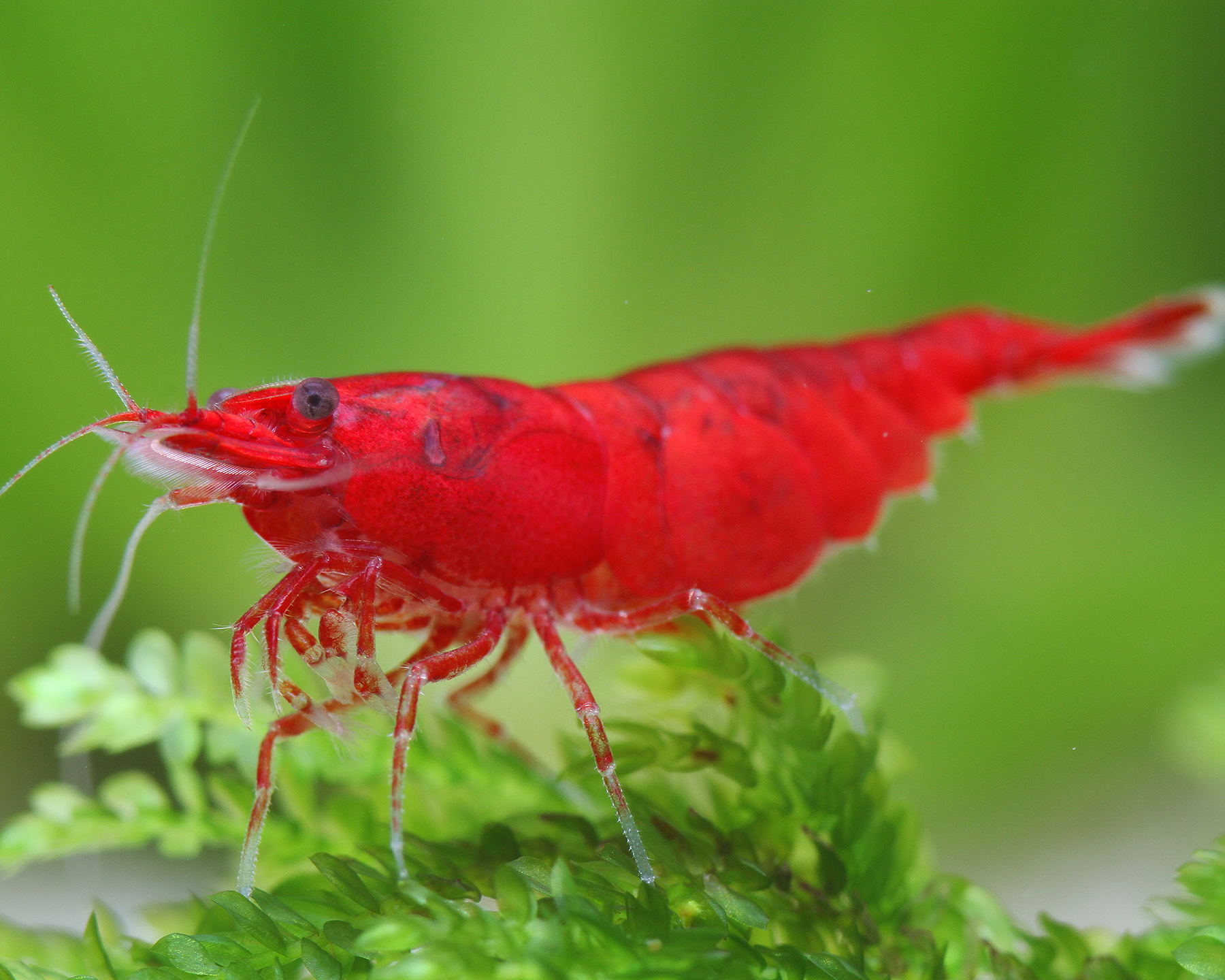
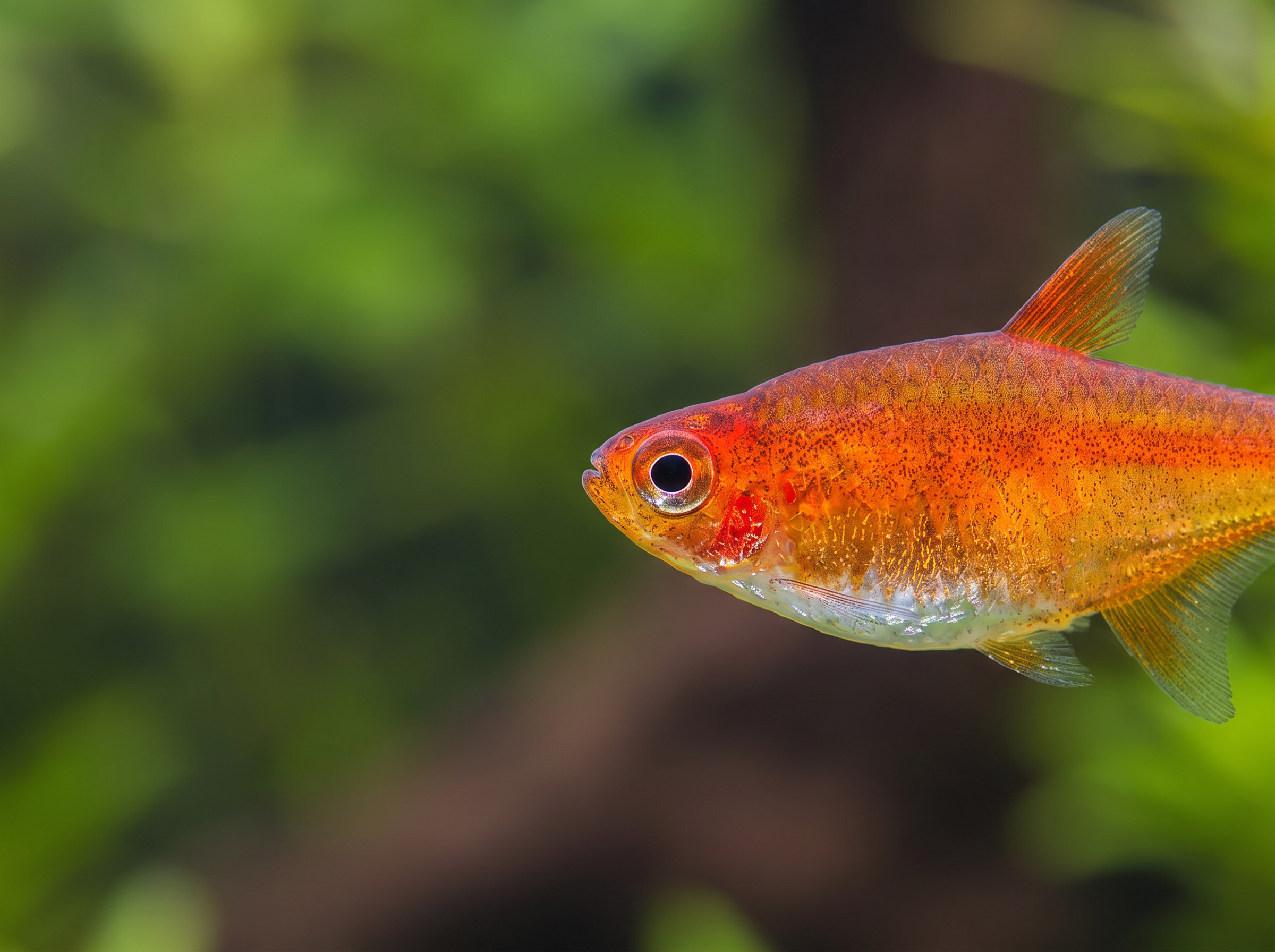
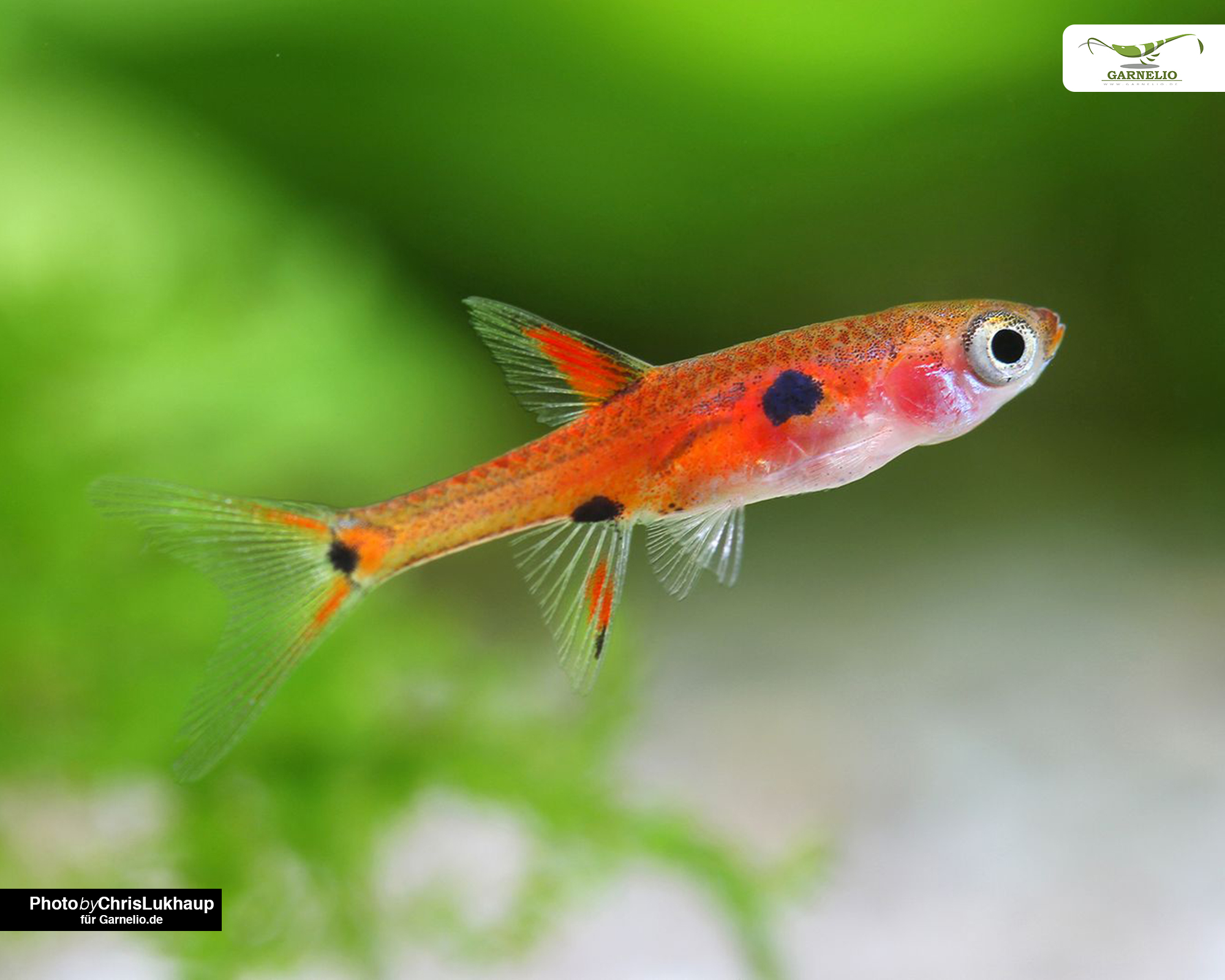
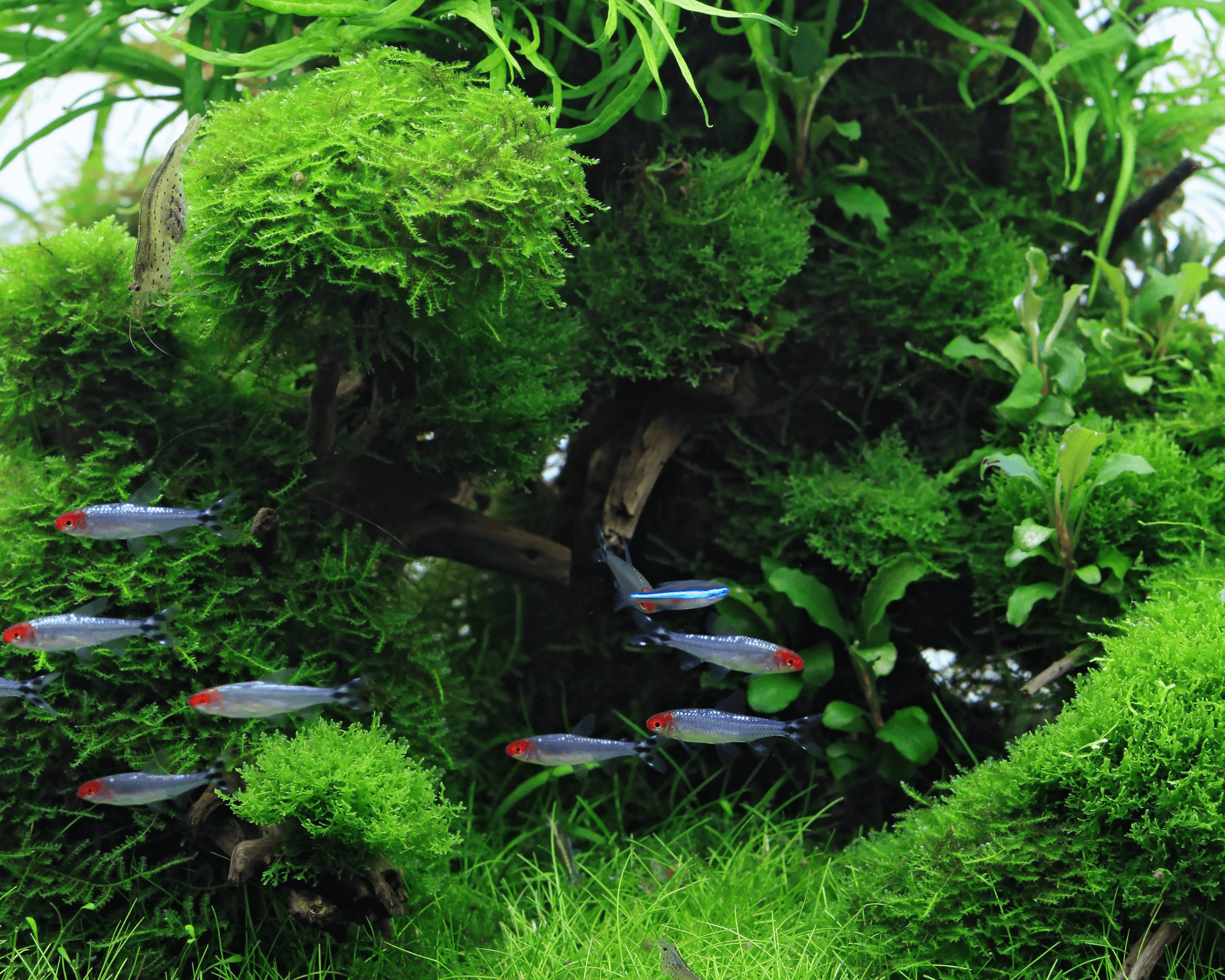
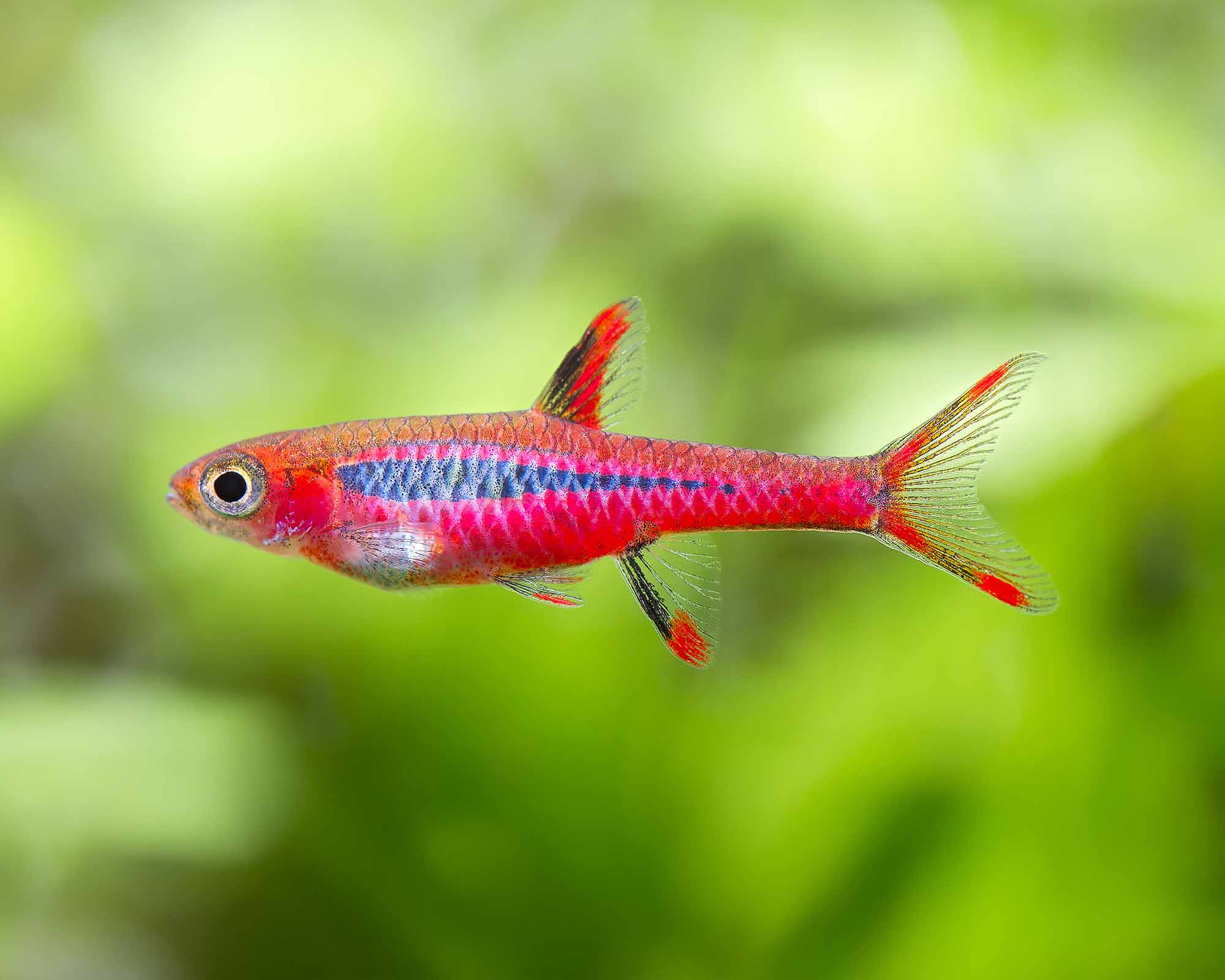
Integrating small, colorful livestock is the final step in completing your planted tank. Cherry shrimp and peaceful nano fish like neon tetras or ember tetras thrive in environments with ample plant cover. These animals are generally non-aggressive and will not harm your plants, provided they are fed a balanced diet. Always ensure your tank is fully cycled before adding any livestock. The presence of plants helps keep water quality stable, which is crucial for the health of your shrimp and fish. Start with a small, compatible group to allow the ecosystem to mature and find its balance before adding more inhabitants.
Frequently Asked Questions
Do I need special soil for these aquarium plants?
While many hardy plants like Anubias and Java Fern get their nutrients from the water column, plants like Cryptocoryne and Vallisneria benefit significantly from a nutrient-rich substrate or root tabs to support their growth.
Can I keep shrimp with all types of fish?
No. While shrimp are compatible with many small, peaceful fish, larger or aggressive species may view them as food. Stick to nano community fish like tetras or rasboras for the best results.
How often should I trim my aquarium plants?
Trimming frequency depends on the growth rate of the species. Fast-growing stem plants may need trimming every two weeks, while slow-growing epiphytes like Anubias may only require attention when leaves become damaged or overgrown.
 - 2.webp)
Leave your comments