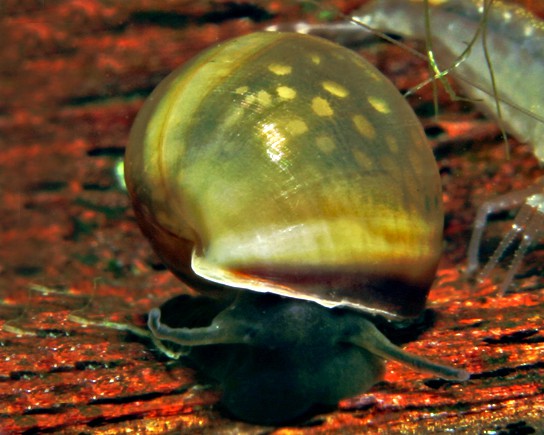
Start by identifying the snail before trying to control it
Small snails are often misidentified, and the difference matters. Bubble or bladder snails have elongated, relatively thin shells and can appear soon after plants are added. Ramshorns carry rounded, coil-shaped shells and may be brown, pink, blue, or orange. Trumpet snails have pointed shells and spend much of the day in the substrate. These hitchhikers are usually scavengers, not plant predators, but they can reproduce rapidly when food is abundant. Photograph the shell shape, antennae, and crawling behavior before choosing a treatment. Removing the wrong species, especially a useful burrowing snail, can create more work without solving the underlying food surplus.
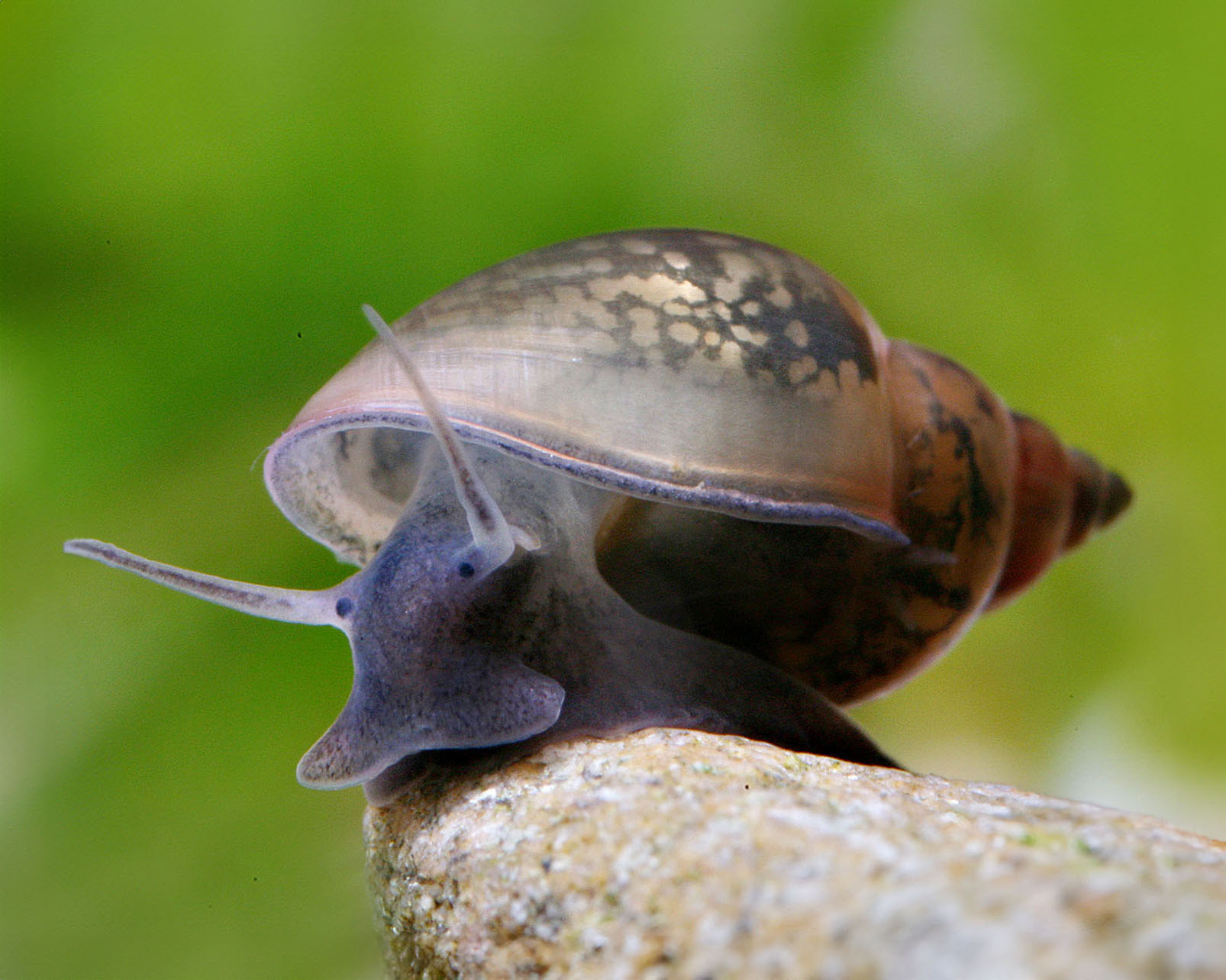
A population boom is usually a feeding and waste signal
Snails can only maintain a large population when the aquarium supplies enough calories. Uneaten flakes, sinking pellets, dead leaves, algae films, and mulm hidden among dense plants all count as food. Begin control by feeding fish smaller portions and checking whether food disappears promptly, rather than starving the entire community. Remove decaying leaves, wipe excess algae from hardscape, and siphon accessible debris during water changes. In a shrimp tank, do not strip the aquarium completely: biofilm is important food for young shrimp. The goal is to reduce excess food while preserving a stable grazing surface for the livestock you intentionally keep.
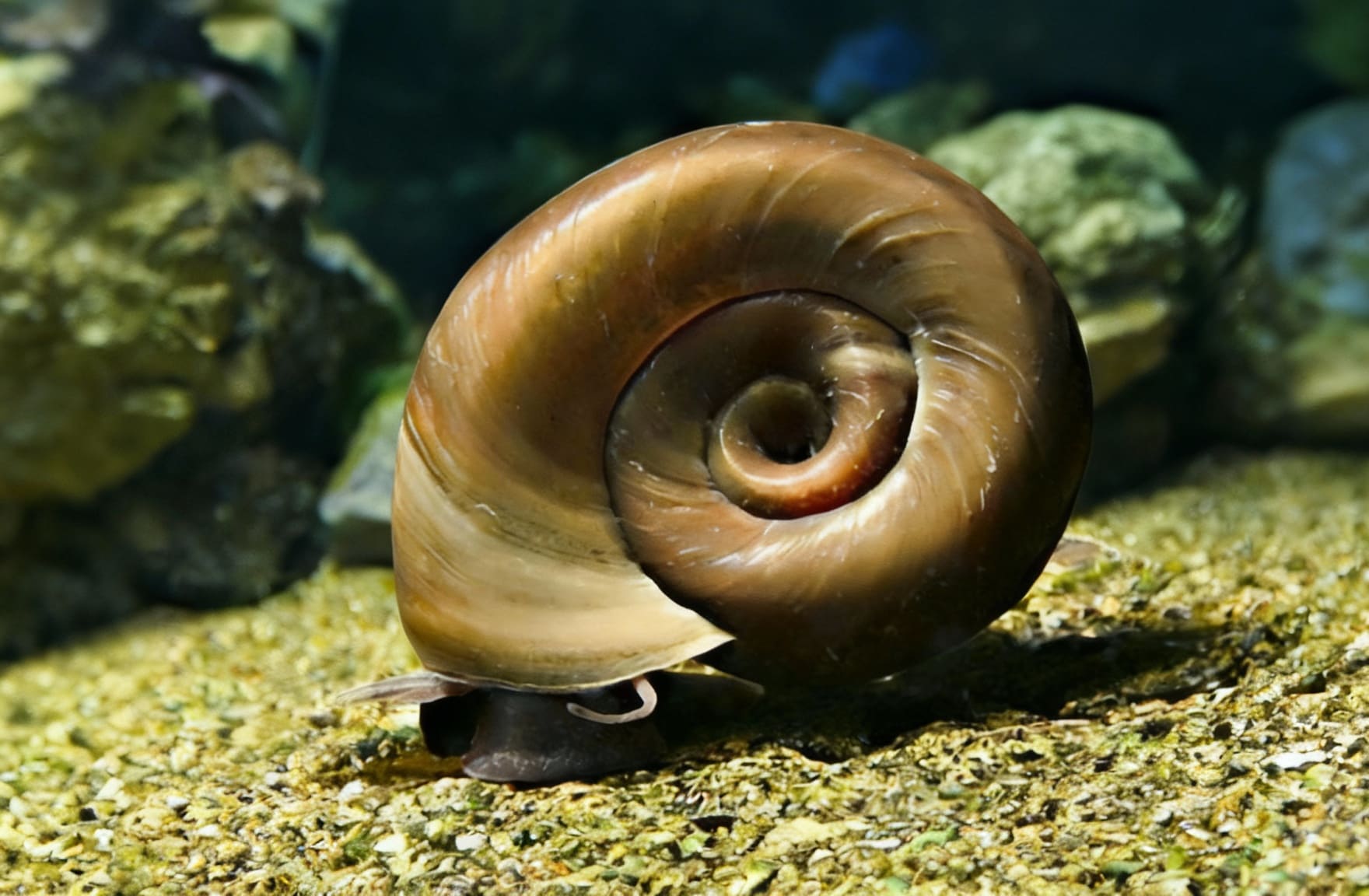
Understand which snails can multiply from one arrival
Some common hitchhikers are hermaphroditic and may arrive already carrying sperm, so one unnoticed snail can eventually produce a colony. Ramshorns and bladder snails commonly lay gelatinous egg clutches on glass, leaves, and equipment, making early removal possible if you inspect regularly. Many trumpet snails are live-bearing, which means you may see no obvious egg patch before young appear. This difference changes the best strategy: scrape visible clutches for egg-laying species, but focus on food control and trapping for burrowing live-bearers. Population growth also varies with temperature, food supply, and the number of hiding places in the aquascape.
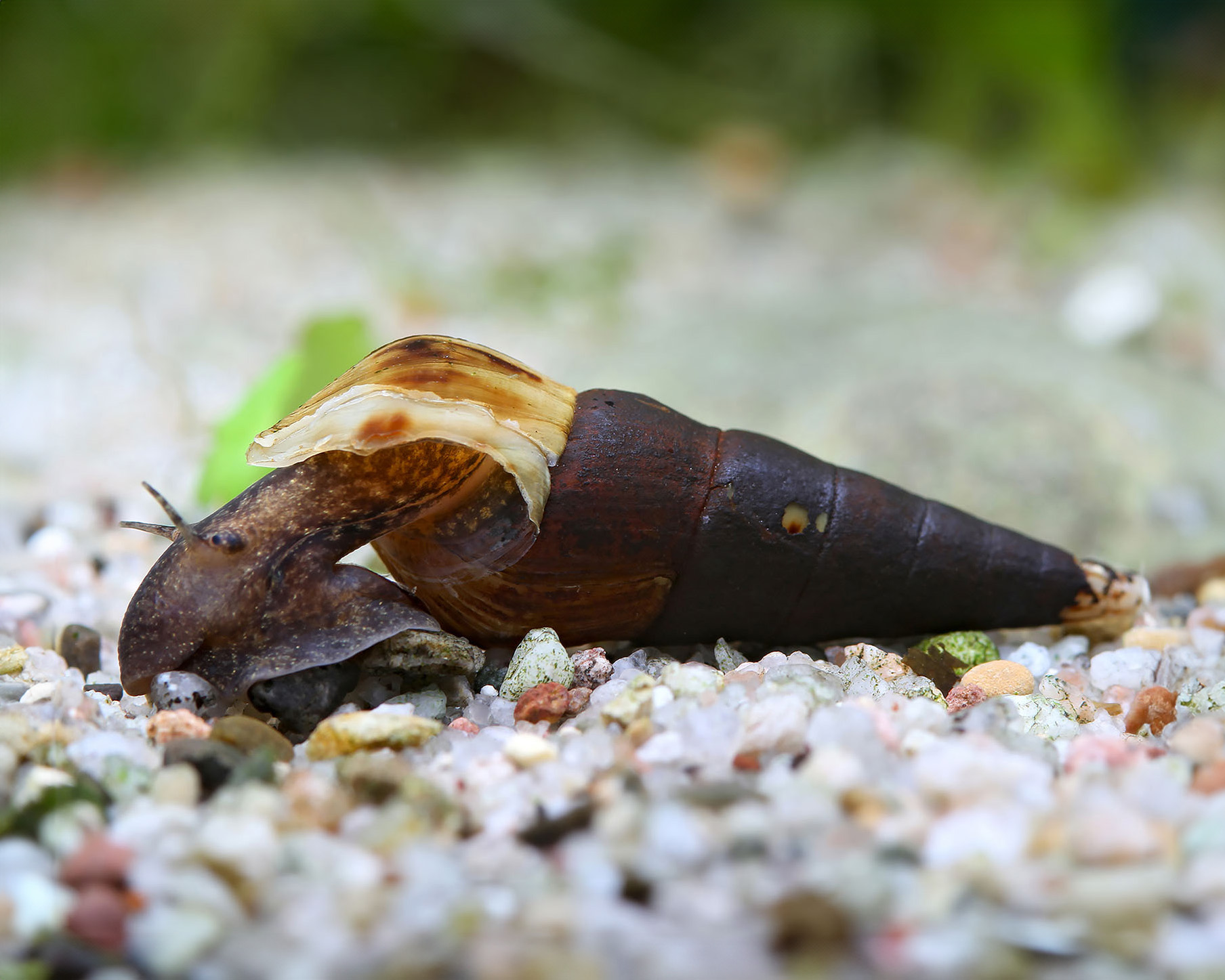
Use plant quarantine to prevent the next outbreak
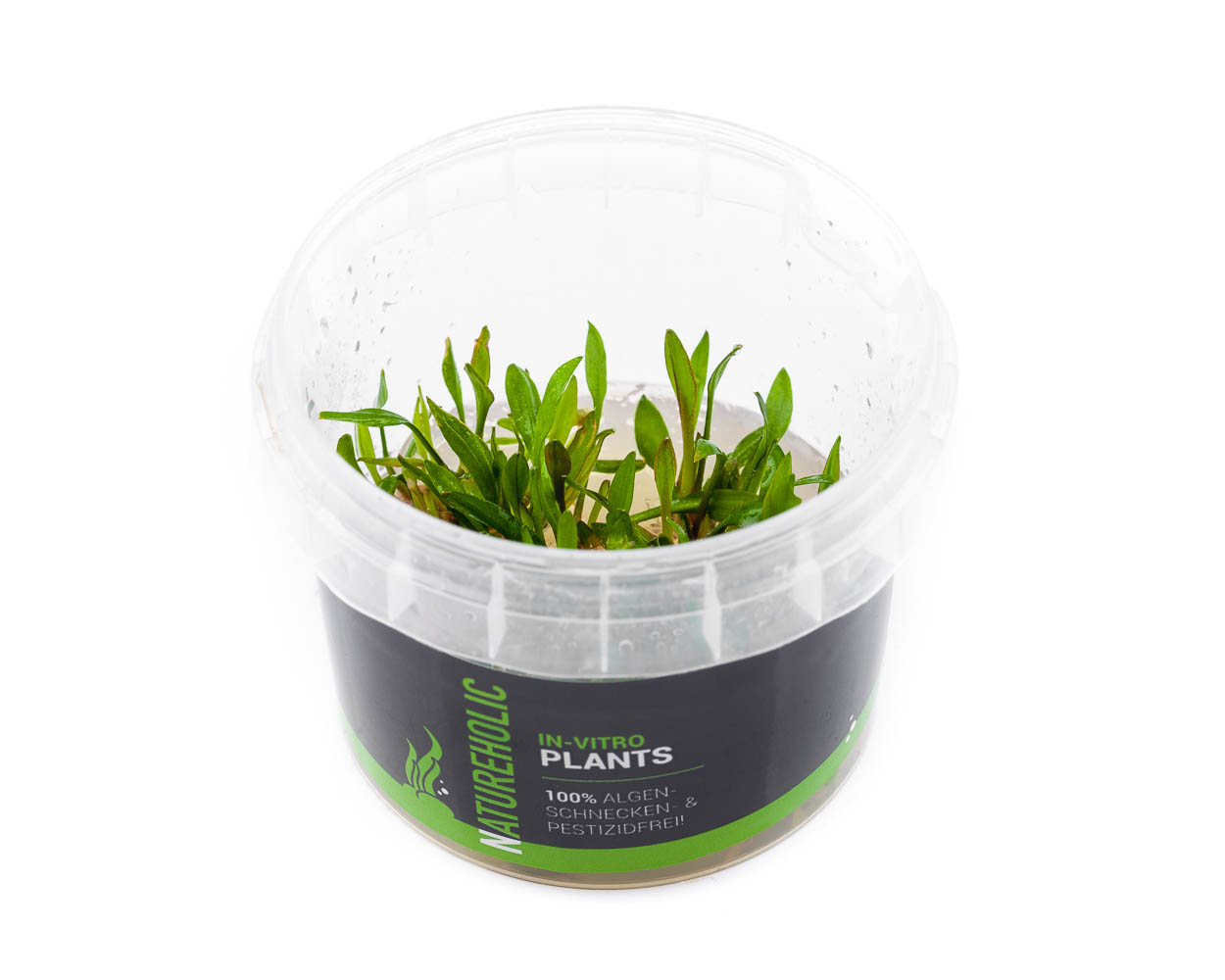
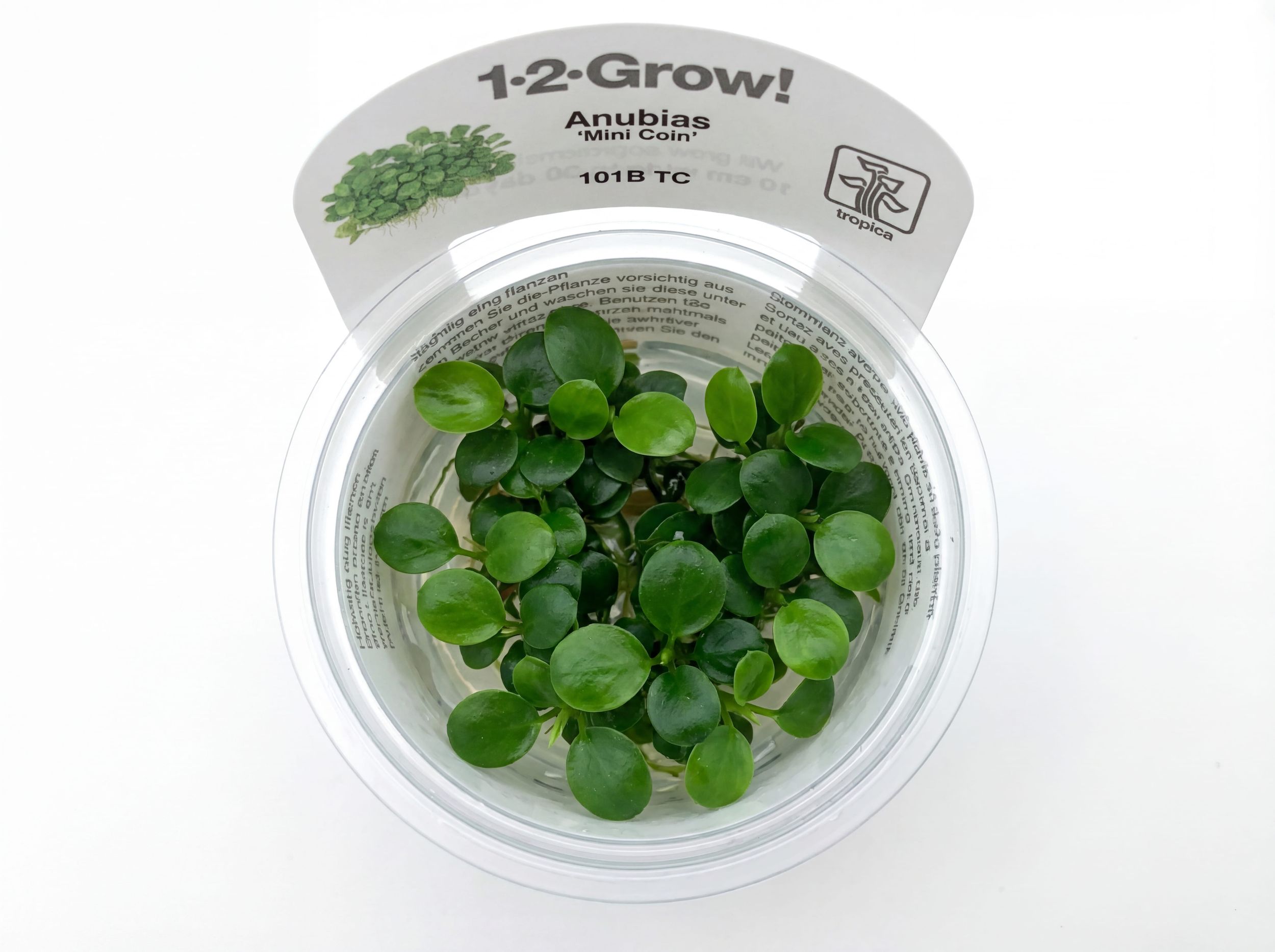
The easiest snail population to control is the one that never enters the aquarium. Inspect new plants, especially dense stems, floating plants, and root bundles, for adults and transparent egg clutches. A separate observation container makes it easier to spot hatchlings before planting. Tissue-culture plants are another option when you want to minimize hitchhikers, although they still need careful rinsing and gradual acclimation. Do not rely on a quick dip as a universal solution: some treatments can damage delicate plants, mosses, shrimp, fish, or beneficial organisms. Quarantine and physical inspection are slower, but they are the least disruptive prevention methods.

Choose nerite snails when you want grazing without a freshwater colony
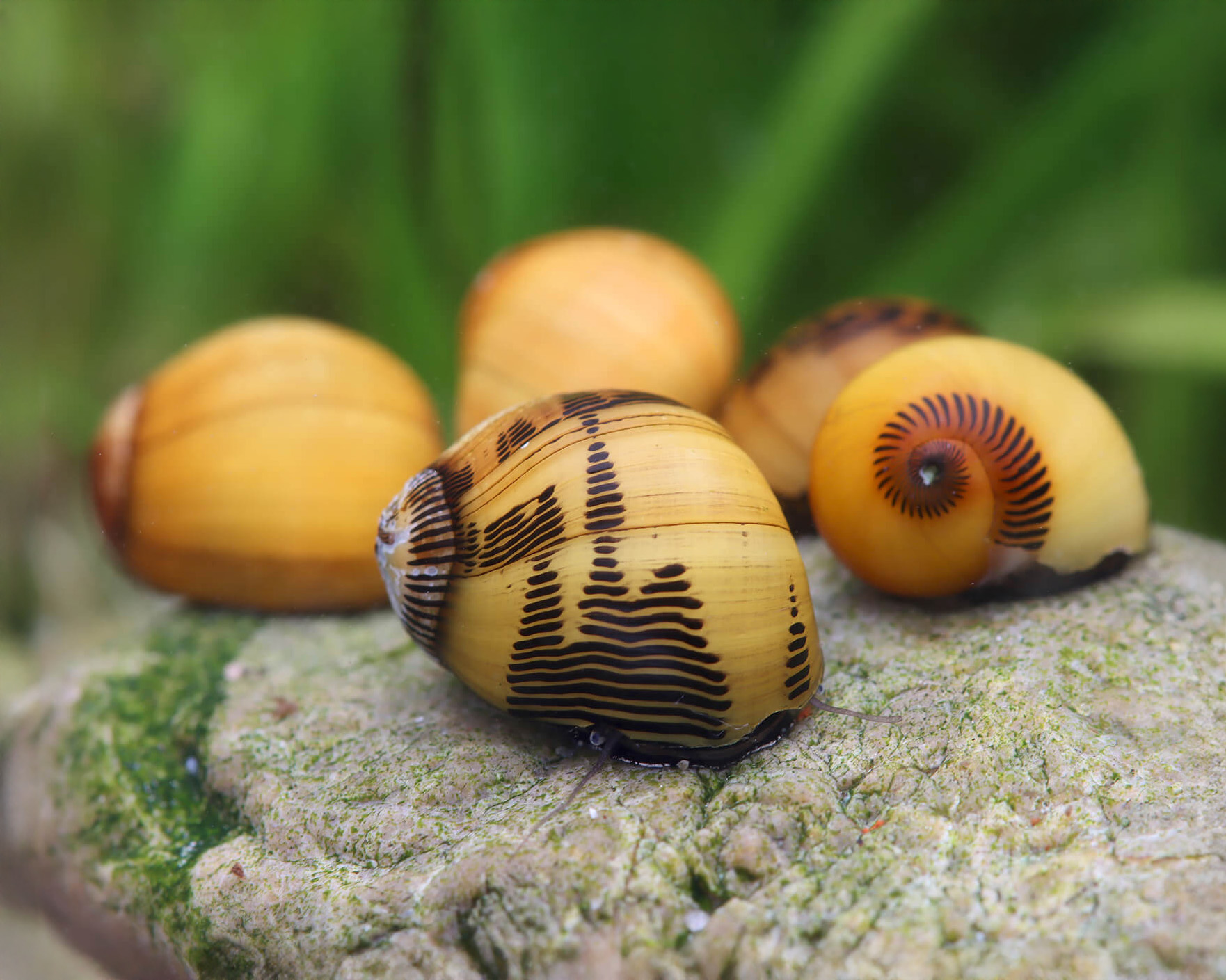
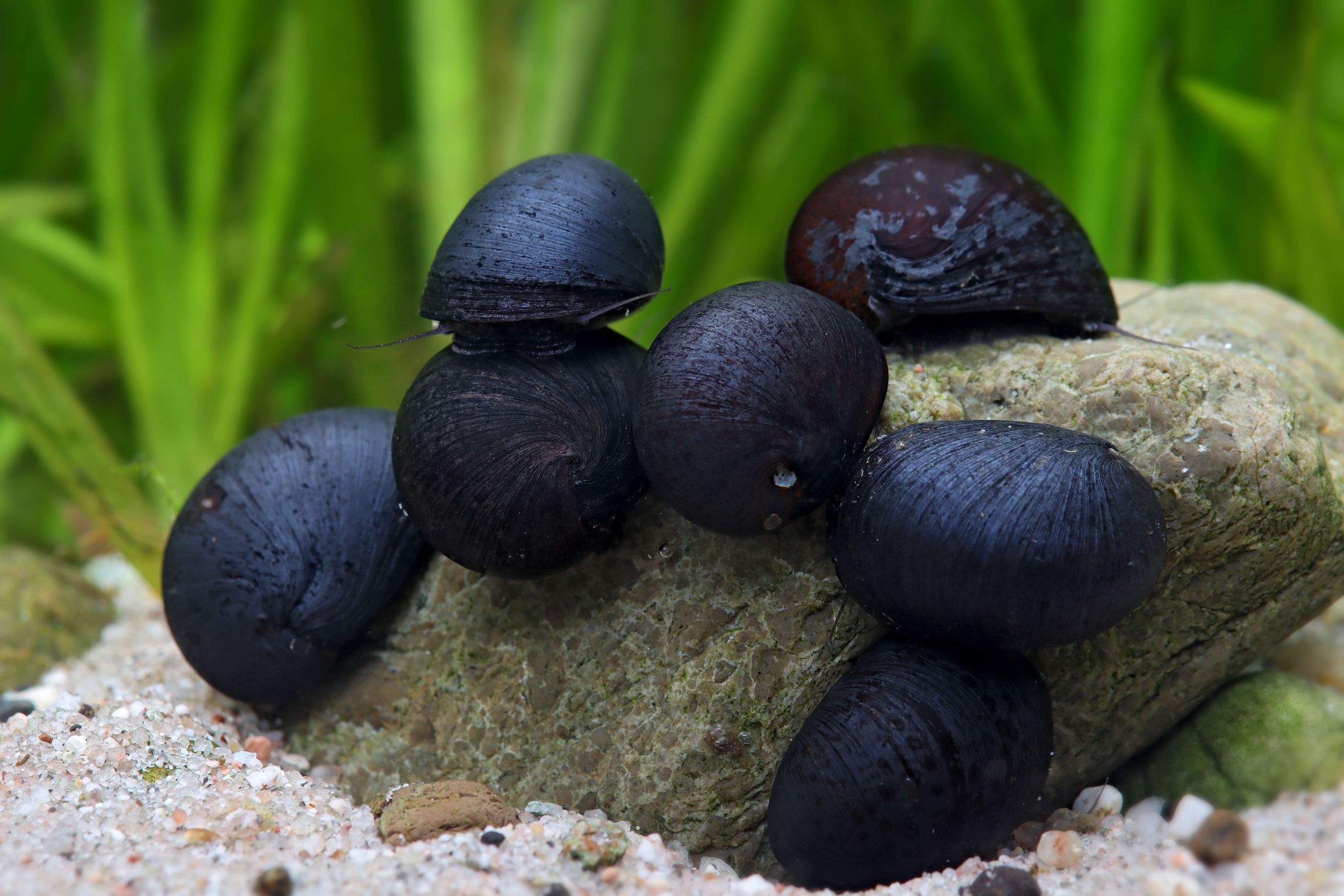
Nerite-type racing snails are useful when the goal is algae grazing with little risk of a self-sustaining freshwater population. Adults may lay small, hard white capsules on glass, wood, or rocks, but those eggs generally do not develop into a freshwater infestation. They still need an established tank with adequate algae and biofilm, and they may struggle in a spotless aquarium that offers too little natural food. Nerites can climb out through uncovered gaps, so check the lid and rim. They are usually compatible with peaceful fish and shrimp, but avoid placing them with species that harass or repeatedly overturn snails.
Keep assassin snails as a targeted predator, not a default cure
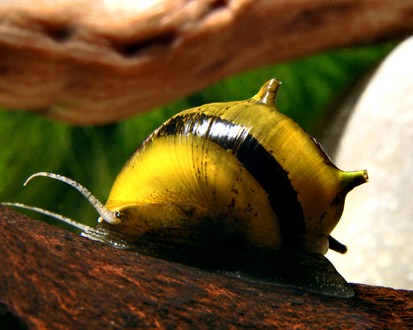
Predatory snails such as Clea helena can reduce populations of smaller snails, but they change the aquarium’s food web rather than making the problem disappear. They may eat bladder snails, ramshorns, and other small species, yet control speed depends on predator numbers, prey availability, and hiding places. Once the prey colony declines, the assassins still need suitable food. Their presence can also make it difficult to maintain a peaceful cleanup crew of smaller snails. Use them when you deliberately want predation and can provide species-appropriate care. They are not the first choice for a shrimp-focused tank or an aquarium intended to preserve mixed snail varieties.
%20-%201.webp)
Treat trumpet snails as substrate workers with a population limit
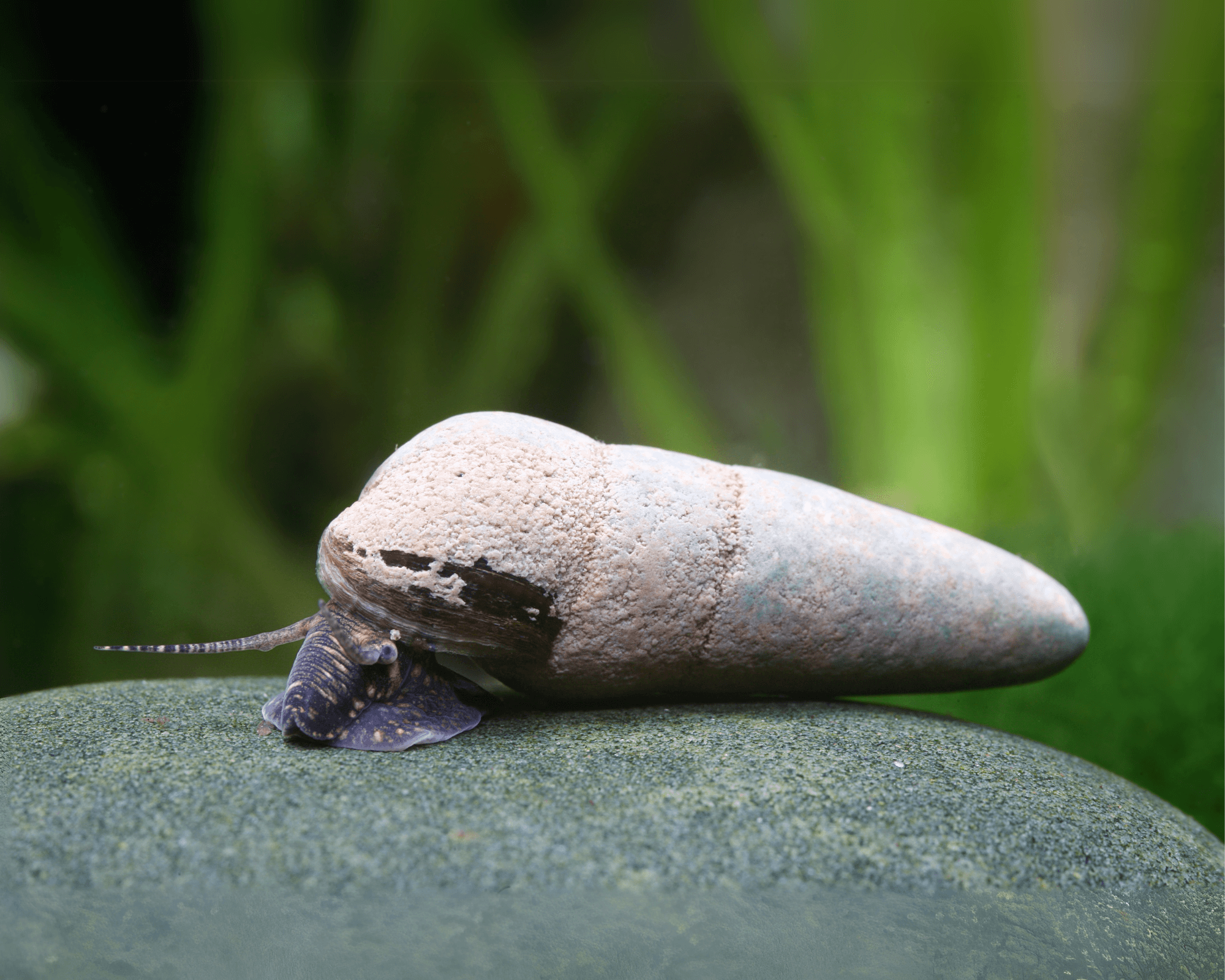
Pointed trumpet snails spend much of their time below the substrate and emerge more visibly after dark or when food enters the tank. Their burrowing can help keep compacted areas from becoming stagnant, but a large colony may signal excess organic matter in the substrate or overfeeding. Because they are difficult to count and may produce young without an obvious egg clutch, manual removal alone is rarely enough. Feed deliberately, vacuum only accessible waste, and use a baited trap overnight when numbers exceed your preference. Avoid stripping the entire substrate at once in a mature planted aquarium, where beneficial microbes and plant roots depend on stability.
Slow live-bearing snails need a different population plan
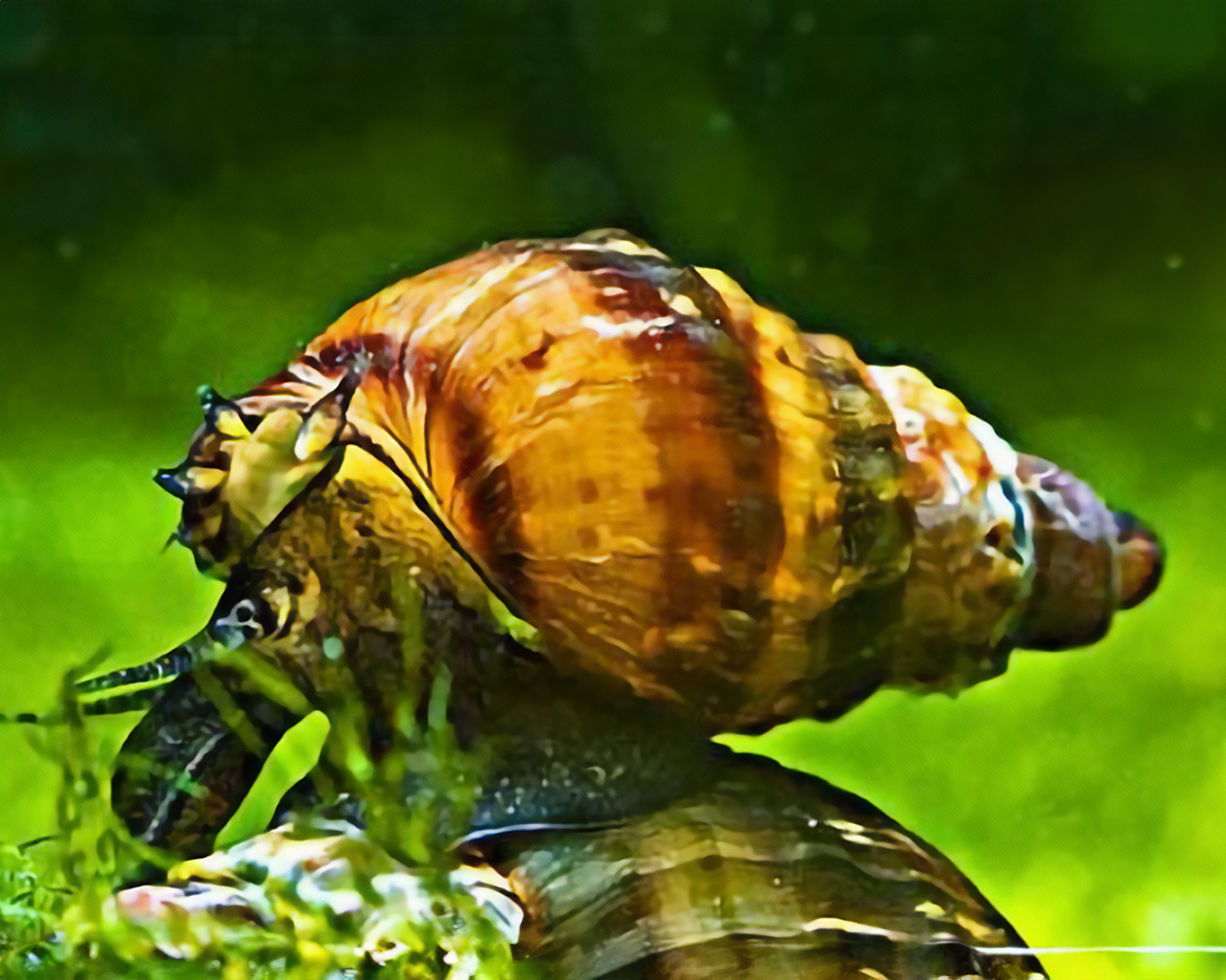
Large live-bearing snails such as Tylomelania are not managed like tiny hitchhikers. They generally reproduce more slowly, produce fewer visible young at a time, and require more food and floor space per adult. That makes them easier to keep as a planned display group, but not automatically easy for a small aquarium. Confirm the adult size, temperature range, calcium needs, and feeding requirements of the particular form before purchase. In a planted tank, offer sinking foods and natural grazing surfaces without allowing leftovers to accumulate. A small, intentional group is usually easier to manage than a mixed collection acquired without knowing adult size or reproductive behavior.
Build a repeatable control routine instead of chasing every baby
A practical routine has four parts: inspect the glass and leaves weekly, remove visible egg clutches when appropriate, offer less food than the tank can leave behind, and trap excess snails periodically. A small vegetable bait or sinking food placed after lights-out can collect many nocturnal snails for removal the next morning. Rehome healthy extras when possible. Avoid copper medications, salt treatments, or broad chemical remedies in planted aquariums unless you have confirmed that every fish, shrimp, plant, and filter organism can tolerate them. Population control is usually safer when it is gradual. A stable, smaller colony is more realistic than total eradication.
%20-%20Neritpteron%20taitense%20-%201.webp)
Frequently Asked Questions
Will aquarium snails eat healthy live plants?
Most common bladder, ramshorn, and trumpet snails mainly consume algae, soft waste, leftover food, and damaged plant tissue rather than healthy leaves. If plants are disappearing, check the species identification, plant condition, and other livestock before blaming every snail.
Can one aquarium snail start an infestation?
Yes, depending on the species. Some hitchhiker snails can store sperm, self-fertilize, or reproduce without a visible mating event. Others need a mate. The safest response is early inspection, removal of egg clutches when visible, and tighter control of excess food.
What is the safest way to reduce snails in a shrimp tank?
Reduce uneaten food, remove decaying plant material, and use a baited trap or careful hand removal. Avoid adding predatory snails automatically, because they may disrupt the invertebrate community and do not address the food surplus that caused the boom.
Do nerite snails reproduce in freshwater aquariums?
Nerites may lay eggs in freshwater, but their larvae generally require different conditions to complete development. They can still add visible egg capsules to hardscape and may need supplemental food if the aquarium has little algae or biofilm.
Should I remove every snail from a planted aquarium?
Not necessarily. A small population can consume leftover food, algae, and soft detritus. Focus on whether numbers are affecting appearance, competing with chosen livestock, or indicating overfeeding. Keeping the colony modest is usually more sustainable than attempting complete eradication.
Leave your comments