
Rotala is a genus of aquatic plants belonging to the Lythraceae family. They are popular choices for aquascapers due to their vibrant colors, ranging from green to red, and diverse shapes and sizes. Here are some of the most popular types of Rotala:
Table of contents
Rotala Types
- Rotala Rotundifolia
- Rotala Indica
- Rotala Wallichii
- Rotala Hra
- Rotala Vietnam H'ra
- Rotala Green
- Rotala Nanjenshan
- Rotala Macrandra
Care guide
Rotala rotundifolia
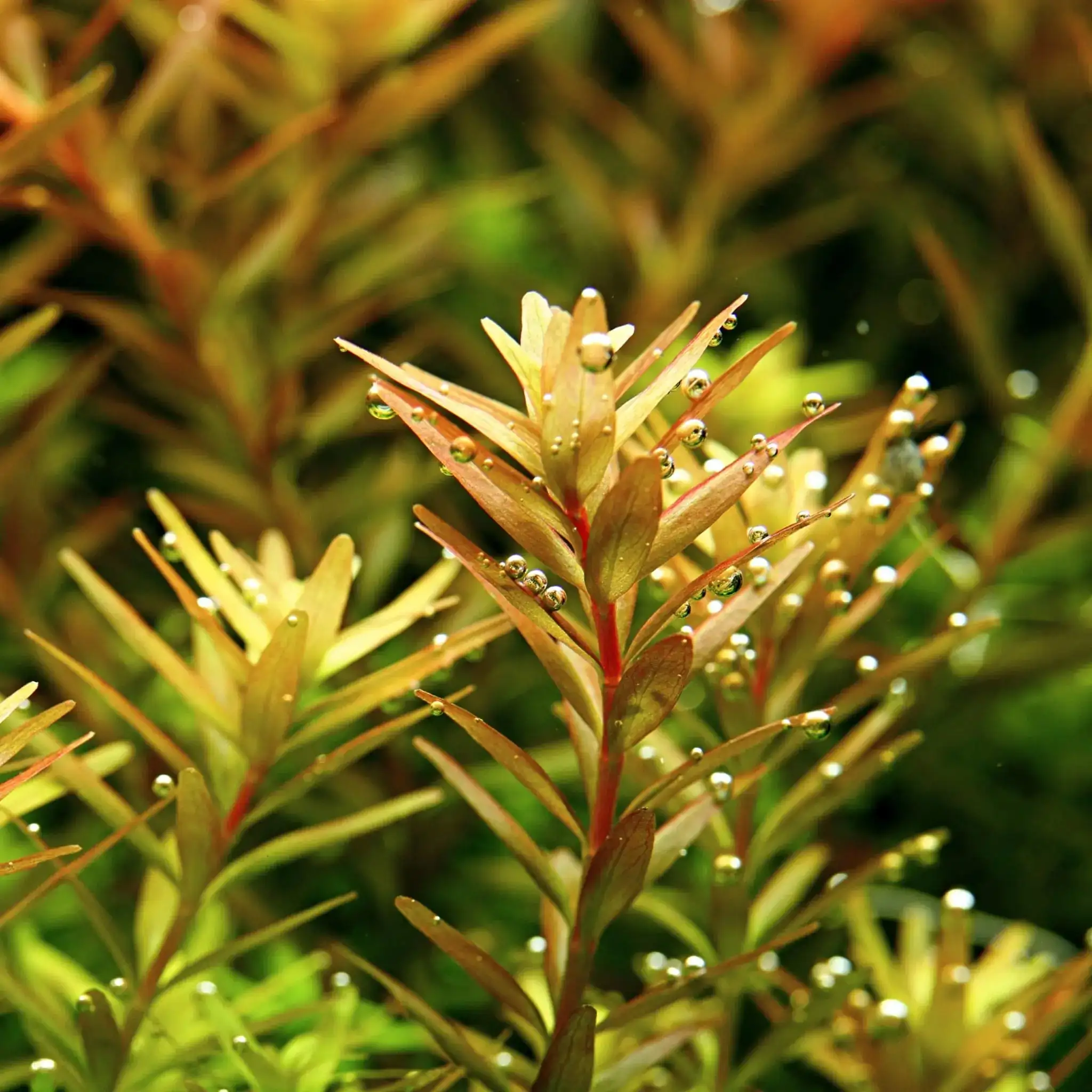
It is native to South East Asia (China, Myanmar, Vietnam) and Japan, has a very fast growth, and with its reddish-orange color, which assumes with presence of light, but green if there is little light, it gives a nice contrast with the greens of the other plants. The Latin name means “from the round leaves”, and in fact the plant grown out of the water, in the hydroponic crops of large aquarium plants, has beautiful round leaves, but when it is placed in the tank, completely submerged, the new leaves that develop in water are not absolutely round, but thin and elongated even 2-3 cm or more. It grows very quickly and requires a lot of light to maintain its natural reddish color (in addition to a fair fertilization with iron). It is found quite frequently in commerce. It tends to form aerial roots that cling and everything and easily intermingle, as its stems behave almost like they were stolons, bending towards the ground to propagate. It can reach incredible lengths. If planted too thick, the lower part suffers the lack of light and loses the leaves.
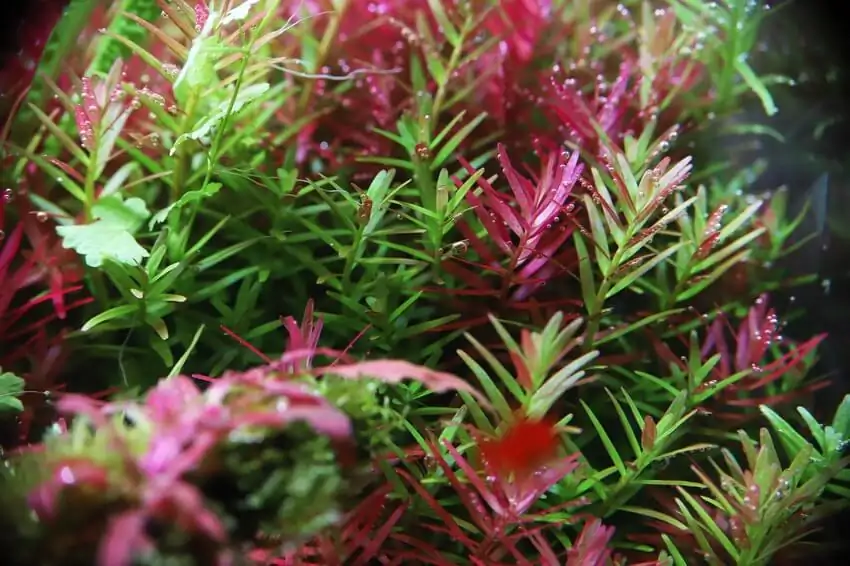
This versatile species has roundish leaves that can grow in shades of green, pink, or red, depending on the light conditions and nutrients available. It can be an excellent foreground or mid-ground plant.
The joy of choosing and searching
Rotala rotundifolia varies in color and leaf shape from region to region, and some enthusiasts collect them. In a layout, selecting a type that fits your vision is one of the pleasures of collecting Rotala rotundifolia. “BIO Mizukusa no Mori” and “Wabi-Kusa” monoculture series have a lineup of Rotala rotundifolia types recommended for layouts, but there are actually many more types hidden in “Wabi-Kusa” mixed types…
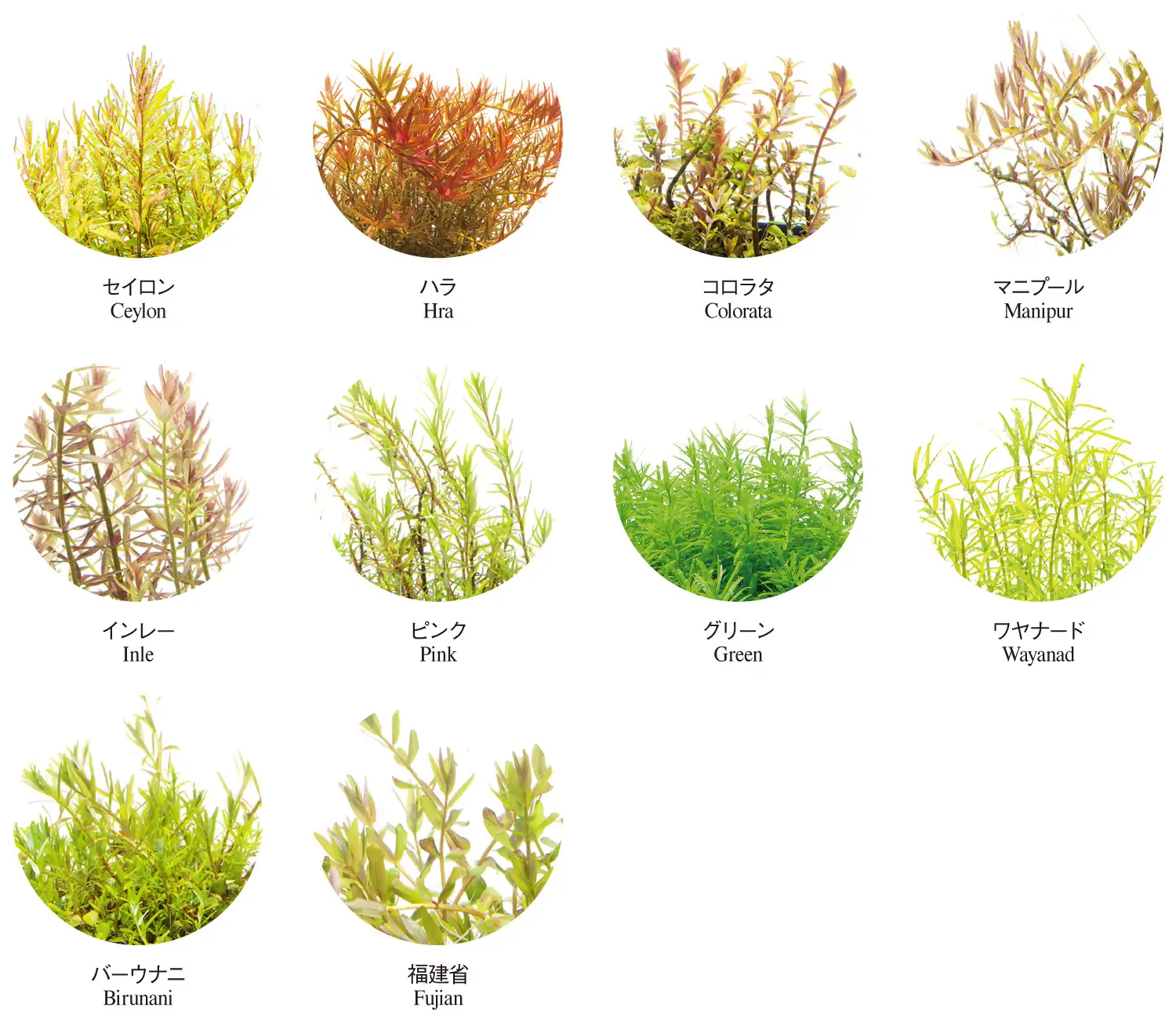
We would like to introduce some of the variations of Rotala rotundifolia planted in the mixed type “Wabi-Kusa”. The fascinating individuality is revealed by becoming submerged leaves. It is like a treasure hunt.
Round leaves, pretty flowers
Rotala rotundifolia, which is attractive in the water with its bright colors, looks rather plain above water, but the Fujian and Inle types develop pretty, glossy leaves with nearly round oval leaves. Most types have pretty pink to purple flowers, and as for Rotala rotundifolia ‘Green’, they are alba (white flowers). With “Wabi-Kusa”, flowering season of Rotala rotundifolia is from spring to summer.
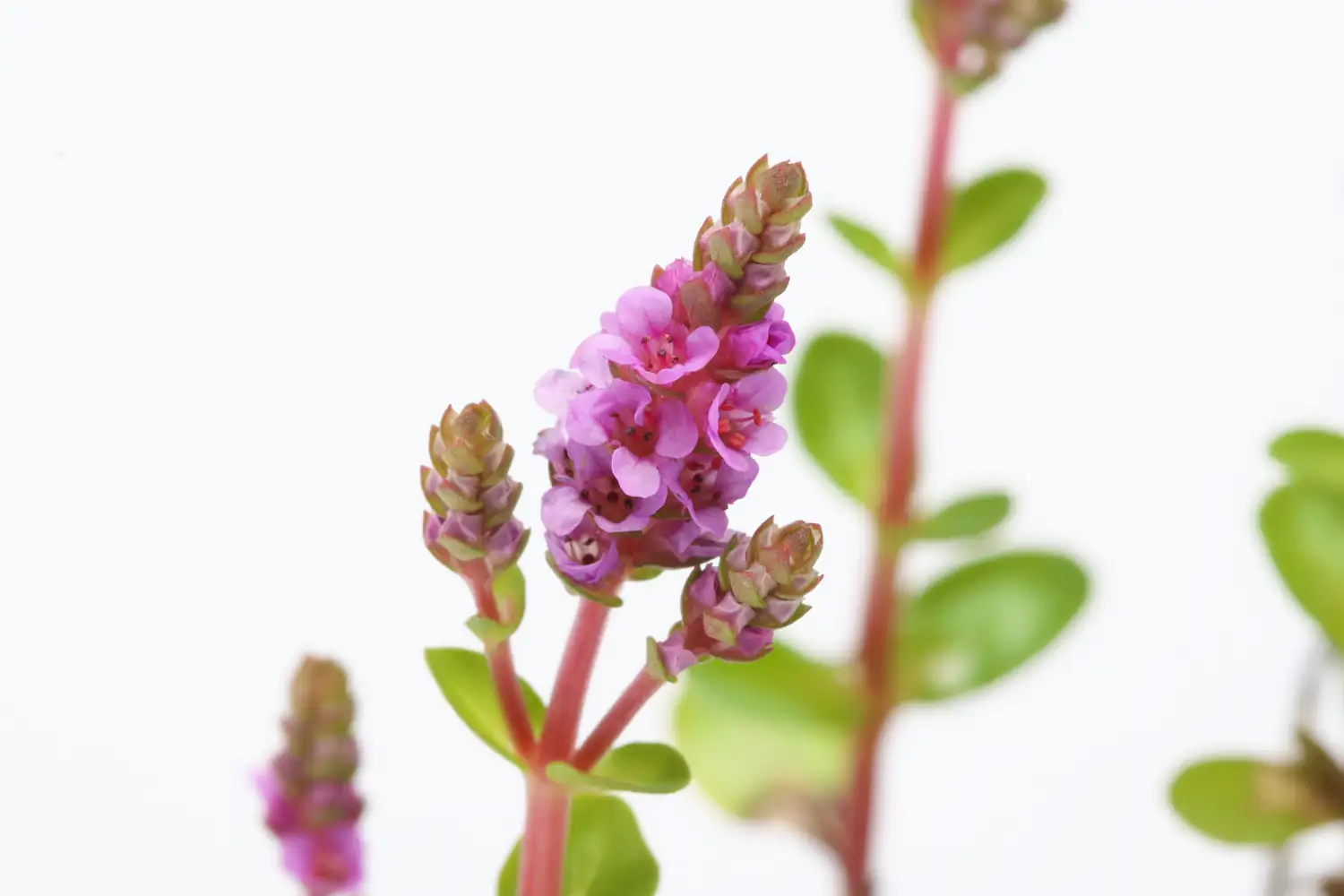
Rotala rotundifolia ‘Spikey’ flowers, considered a variation of Rotala rotundifolia. They bloom all at once, and “Wabi-Kusa” in the blooming season is a must-see.
Rotala indica 'Bonsai'
Known as Rotala ‘Bonsai’ is a very small plant suitable also for Nano Aquariums. It is a kind of medium difficulty that needs good light, fertile background, CO2 and careful fertilization. It is cultivated in groups by planting the stems very close together. With bright light the tips become a very intense orange and the plants remain low and compact. With less intense light the stems tend to stretch a little longer, remaining almost green.
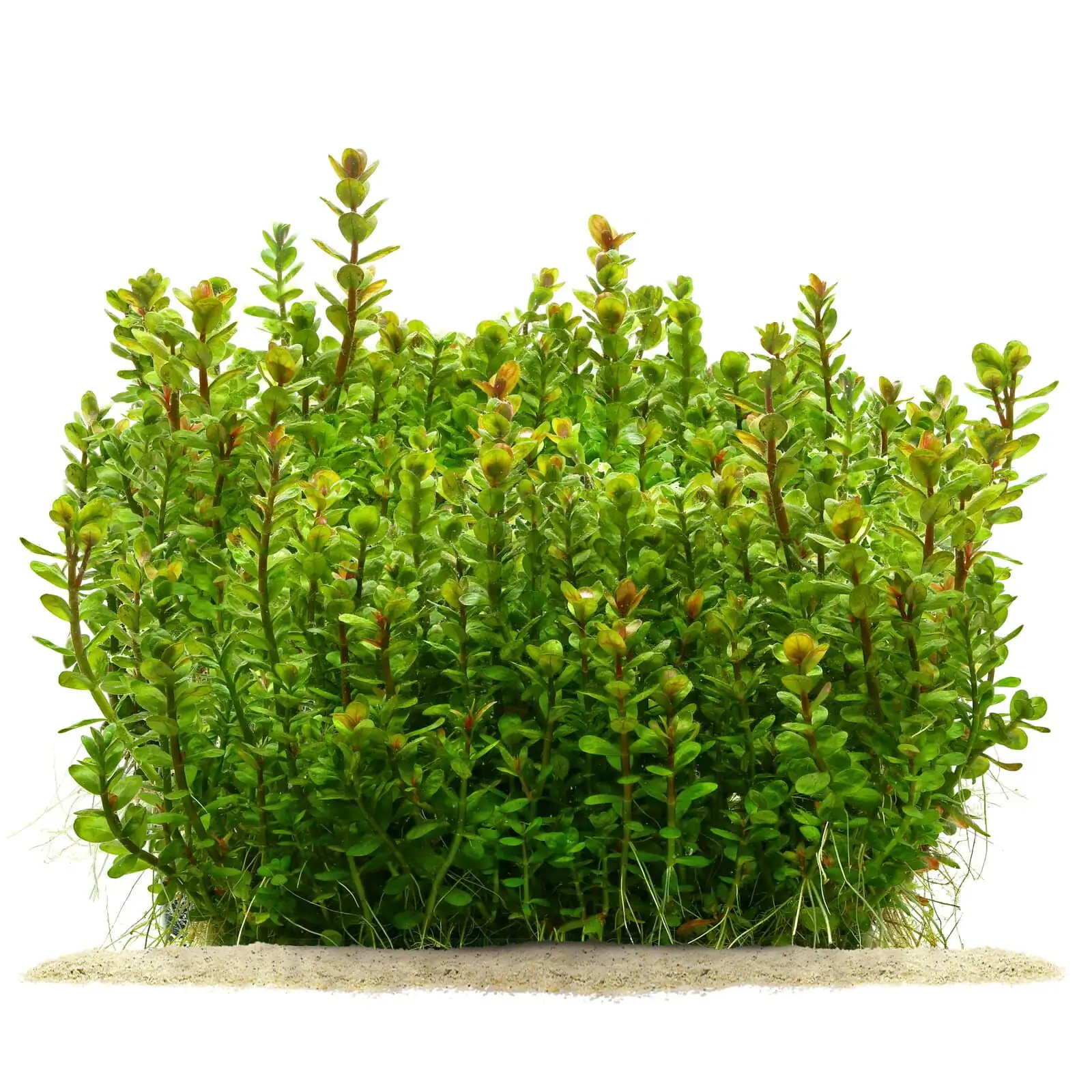
This species has small, narrow leaves that grow in whorls around the stem. It can be an excellent background plant or a mid-ground plant in larger aquariums.
Rotala wallichii
The Rotala Wallichii consists of a single stem, which in submerged form generally does not branch, but can reach up to 40-45 cm in height. It is a whorled plant, that is, with the leaves arranged all around the node, like the spokes of a bicycle. The name “Rotala”, assigned by Linnaeus to this genus of plants, derives precisely from this characteristic, common to several species. This arrangement concerns both the emerged and the submerged form, but the general appearance is very different. Under the leaves the leaves are thin, very thick and numerous and there can be up to 15 for each whorl. In emergence, however, they widen up to 4 – 5 mm, assuming an elliptical shape, but it is rare that there are more than 5-6 on the same node.
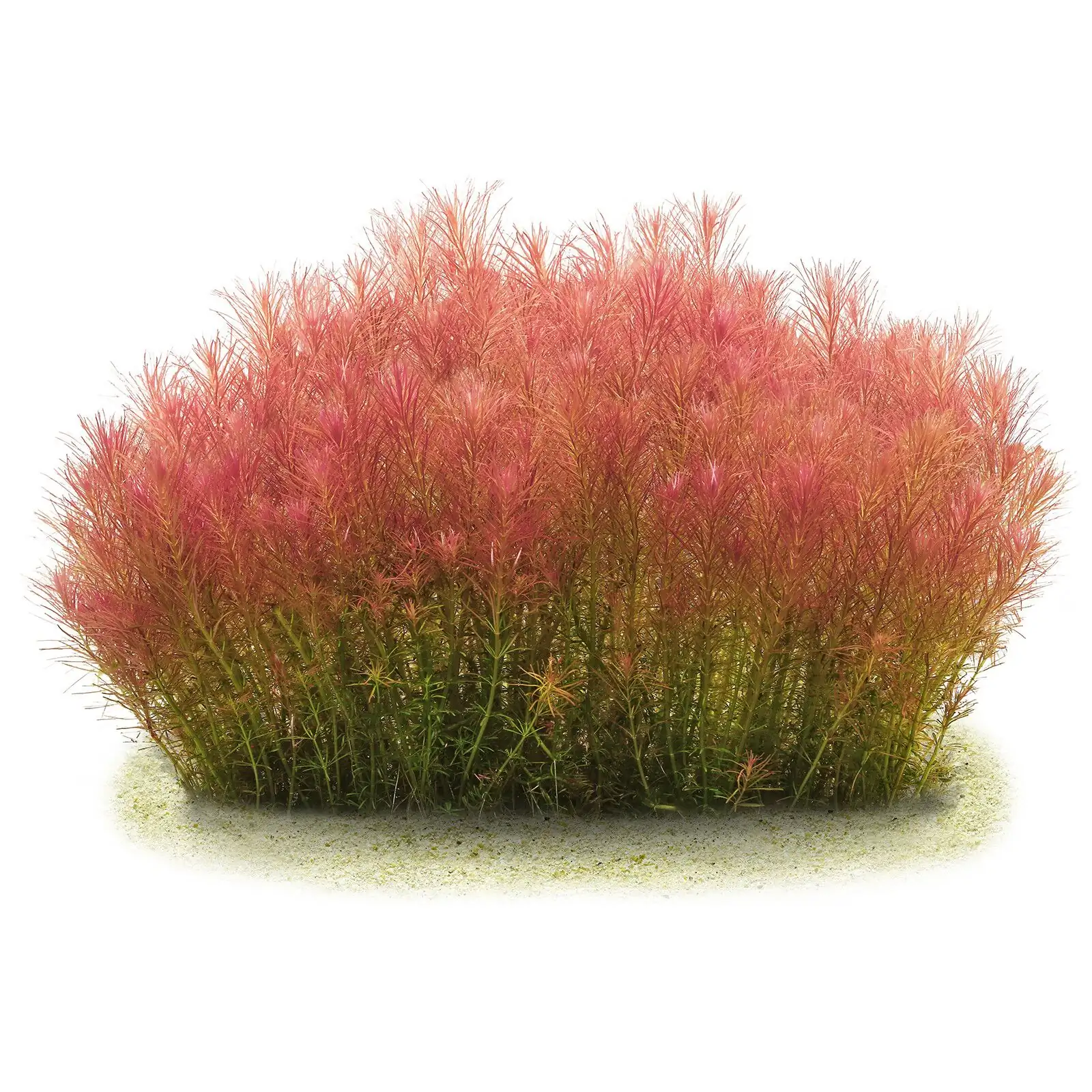
This species has long, narrow leaves that can grow in shades of green, red, or orange, depending on the lighting and nutrient conditions. It can be an excellent background or mid-ground plant.
Rotala Hra
This is a beautiful and popular species with red, spoon-shaped leaves. It requires moderate to high light and CO2 injection to thrive.
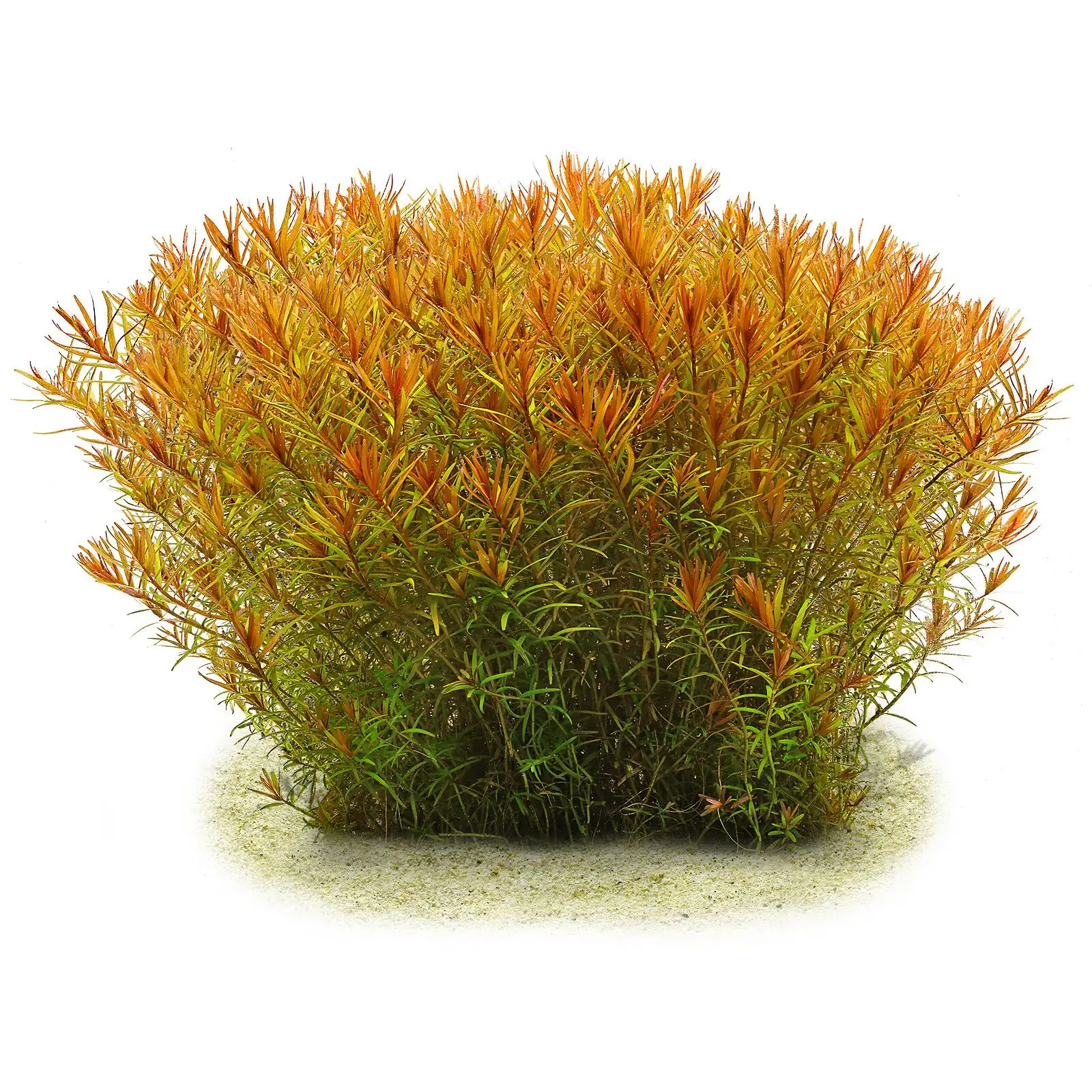
Rotala hra is a beautiful and popular aquarium plant. It is a stem plant with narrow, lanceolate leaves that can grow in shades of green, red, or orange, depending on the lighting and nutrient conditions. Under strong light, the leaves can become a beautiful wine red. It is native to Vietnam and is named after the H'ra people who live in the region where it was first discovered.
This is a stunning red Rotala variety with slightly larger, rounder leaves compared to the Rotala Hra. It also requires moderate to high light and CO2 injection.
Rotala hra is a relatively easy plant to care for. It prefers moderate to high lighting and CO2 injection for optimal growth and coloration. It can grow in a wide range of pH and temperature conditions, but it does best in slightly acidic water with a temperature of 72-78 degrees Fahrenheit.
Rotala hra can be propagated by stem cuttings. Simply cut a healthy stem with at least two nodes and plant it in the substrate. The cutting should root within a few weeks.
Rotala hra is a great choice for both beginners and experienced aquarists. It is a beautiful and easy-to-care-for plant that can add a splash of color to any aquarium.
Rotala Vietnam H'ra
Rotala Vietnam H'ra is a beautiful and popular aquarium plant. It is a stem plant with narrow, lanceolate leaves that can grow in shades of green, red, or orange, depending on the lighting and nutrient conditions. Under strong light, the leaves can become a beautiful deep red. It is native to Vietnam and is named after the H'ra people who live in the region where it was first discovered.
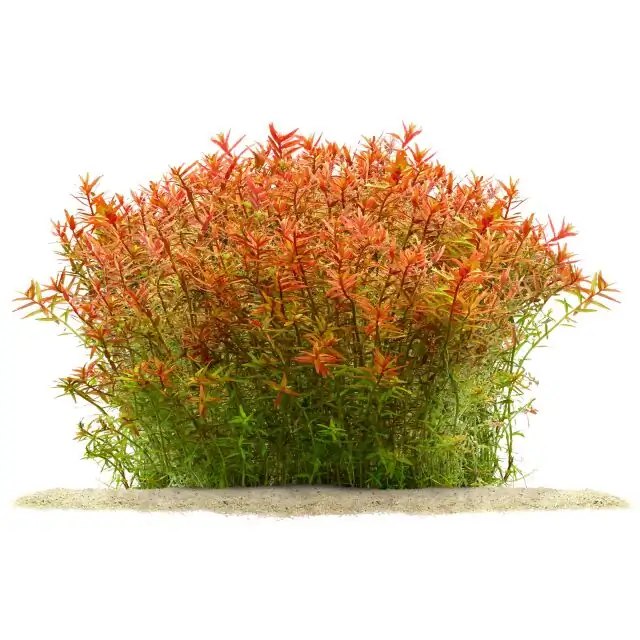
Rotala Vietnam H'ra is a relatively easy plant to care for. It prefers moderate to high lighting and CO2 injection for optimal growth and coloration. It can grow in a wide range of pH and temperature conditions, but it does best in slightly acidic water with a temperature of 72-78 degrees Fahrenheit.
Rotala Vietnam H'ra can be propagated by stem cuttings. Simply cut a healthy stem with at least two nodes and plant it in the substrate. The cutting should root within a few weeks.
Rotala Vietnam H'ra is a great choice for both beginners and experienced aquarists. It is a beautiful and easy-to-care-for plant that can add a splash of color to any aquarium.
Rotala Green
Rotala green is a beautiful and easy-to-care-for aquarium plant. It is a stem plant with narrow, lanceolate leaves that can grow in shades of green. It is native to Southeast Asia.
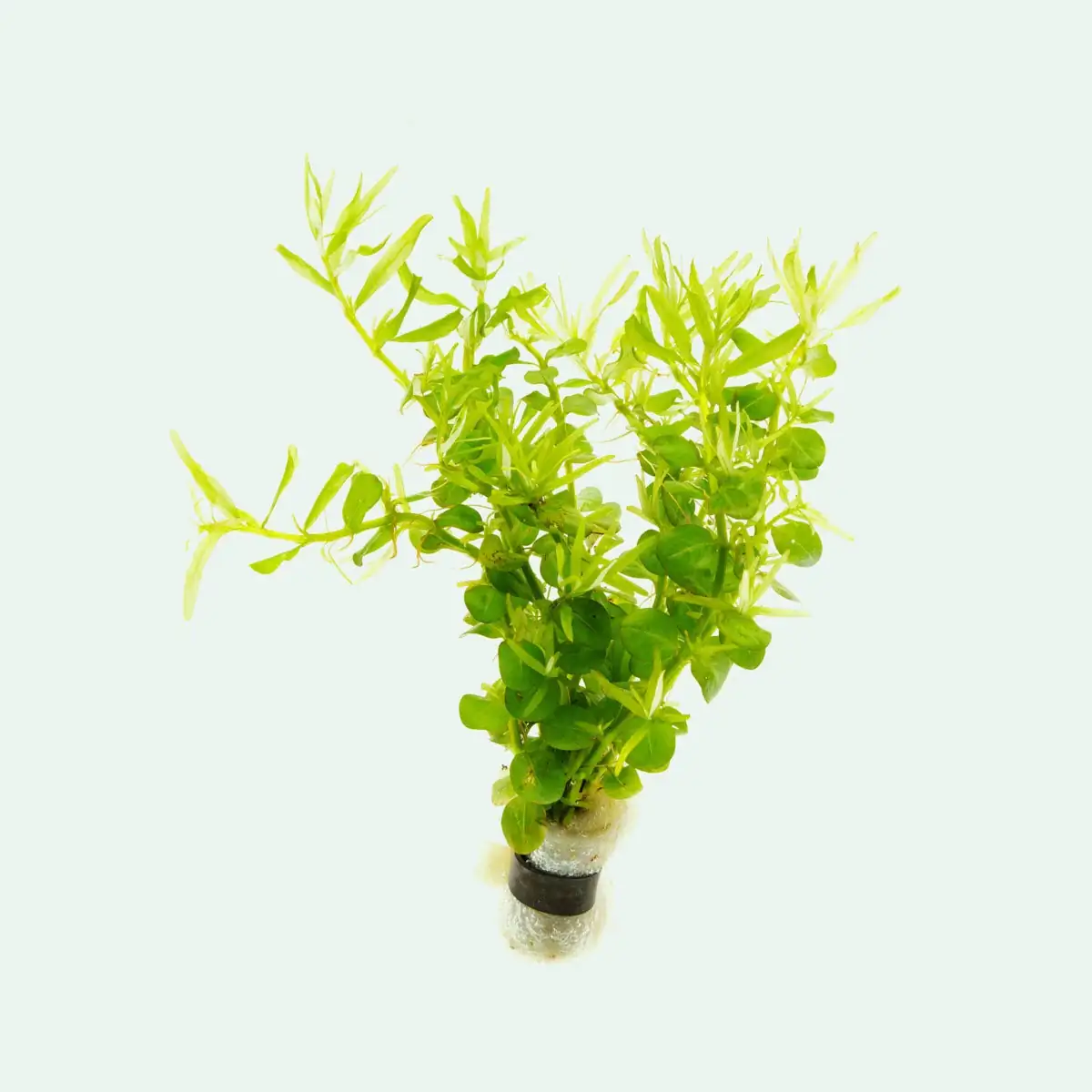
As the name suggests, this Rotala variety comes in various shades of green. It's a good choice for low-tech aquariums as it doesn't require high light or CO2 supplementation.
Rotala Nanjenshan
Rotala Nanjenshan is a beautiful midground plant with needle-like leaves that can turn a deep red under strong light. It's a delicate fine-leaved plant originating from Taiwan, where it has only been found in a single location near the town of Nanjenshan.
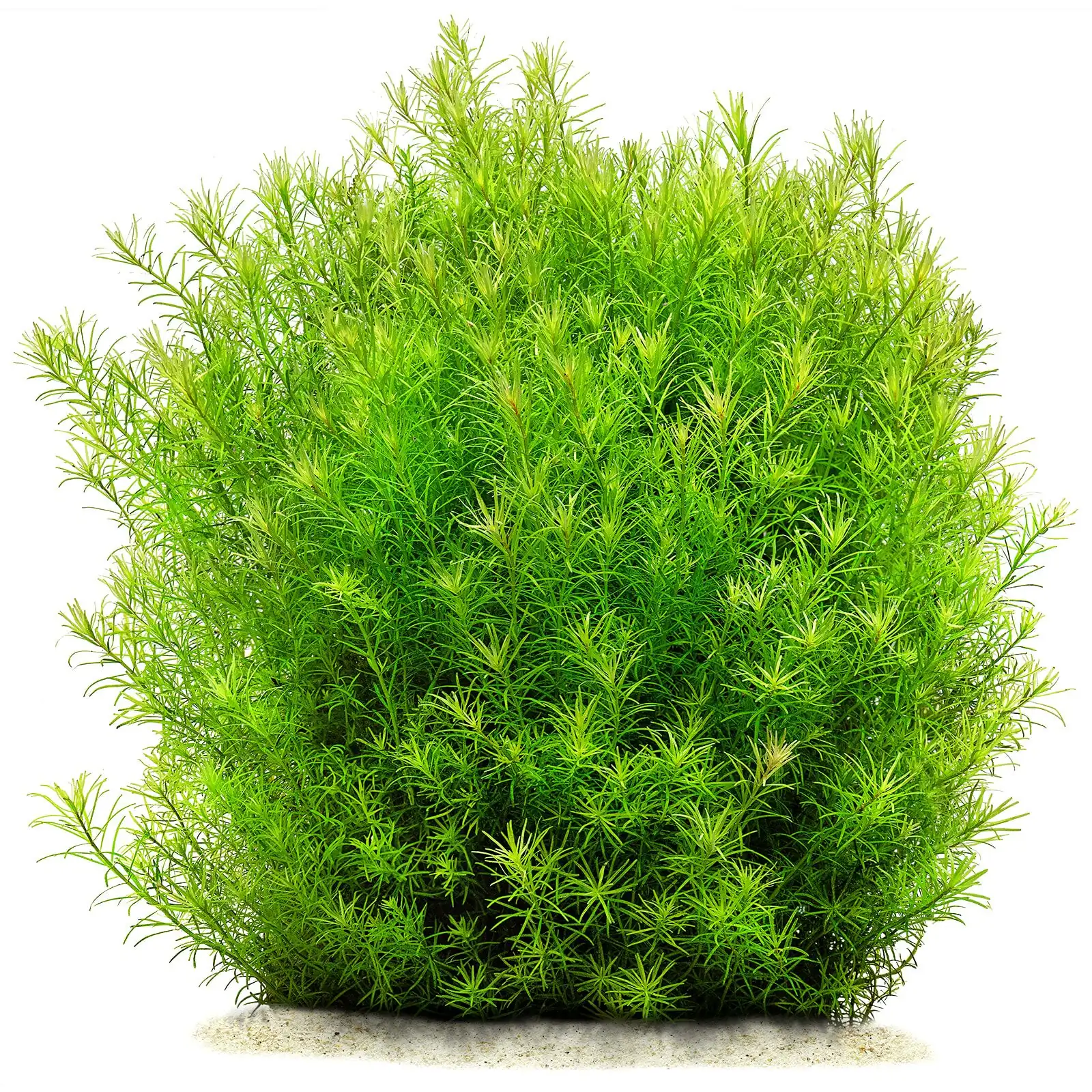
This is a beautiful midground plant with needle-like leaves that can turn a deep red under strong light. It does best with moderate to high light and CO2 injection.
Rotala Macrandra
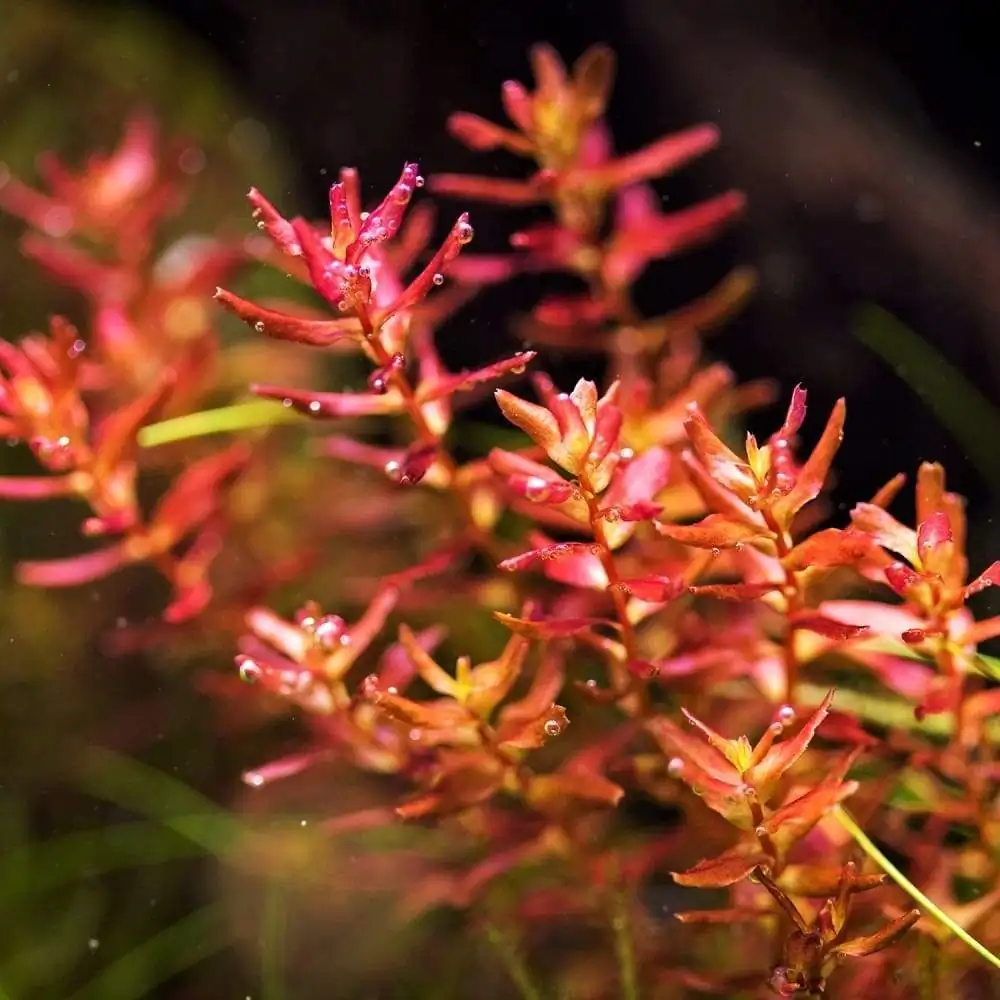
Rotala Macrandra, also known as the Giant Red Rotala, is a stunning deep red stem plant native to flowing waters in southern India. It's a popular choice for aquascapers due to its vibrant color and interesting texture.
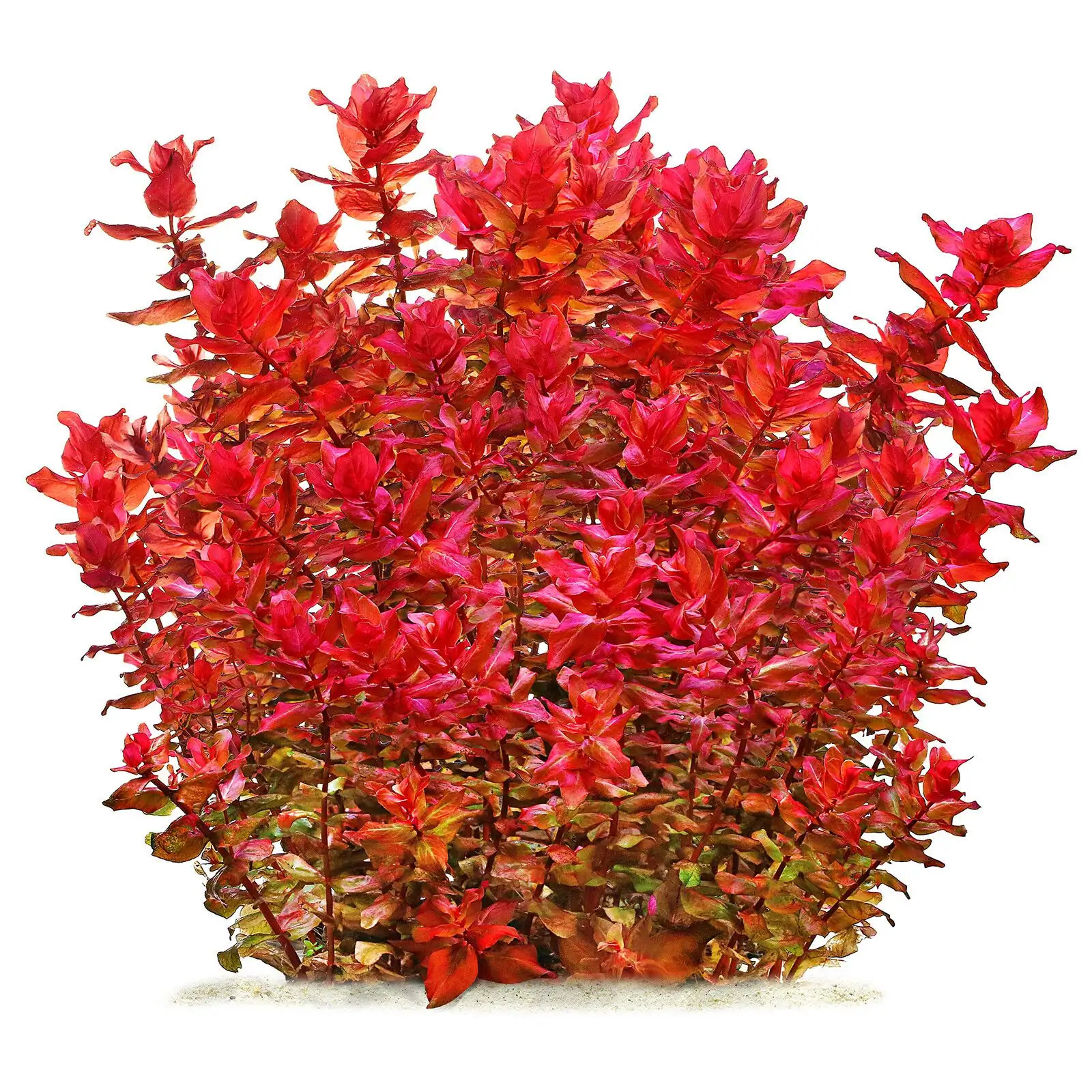
Type of marsh Rotala with prostrate bearing and green color in emergence, has an erect bearing and color from pinkish brown to red / orange submerged. Opposite leaves, two for whorl, which in submergence are presented with oval shape, slightly sharp, with wavy margin, pinnate rib and without petiole. In submergence the single stems can reach 40/50 cm in height.
Care guide
Rotala is a diverse genus of aquatic plants known for their vibrant colors and interesting shapes. They're a popular choice for aquascapers, but their care requirements can vary depending on the species. Here's a guide to some popular Rotala varieties and their specific needs:
Lighting
Low Light (Less than 0.5 watts per liter):
Rotala Green - thrives in low light, perfect for beginners.
Moderate Light (0.5 to 1 watt per liter):
Rotala Indica - adaptable to various light levels.
Rotala Bonsai - grows well in moderate light.
High Light (1 watt per liter or more):
Rotala Rotundifolia - benefits from increased light for vivid colors.
Rotala Nanjenshan - requires high light for red coloration.
Rotala Hra - thrives under strong light for optimal growth and red leaves.
Rotala Vietnam H'RA - similar light needs to Rotala Hra.
Rotala Wallichii - prefers high light for best colors.
CO2 Injection
Not Required:
Rotala Green - low-tech option, doesn't need CO2.
Rotala Indica - can grow without CO2 injection.
Rotala Bonsai - doesn't require CO2 supplementation.
Recommended for Optimal Growth and Coloration:
Rotala Rotundifolia - benefits from CO2 for richer colors.
Rotala Nanjenshan - CO2 helps achieve deep red hues.
Rotala Hra - requires CO2 for vibrant red leaves.
Rotala Vietnam H'RA - thrives with CO2 injection for best results.
Rotala Wallichii - CO2 enhances growth and coloration.
Here's a table summarizing the care requirements for some popular Rotala:
| Species | Lighting | CO2 | Care Level | Notes |
|---|---|---|---|---|
| Rotala Green | Low | Not Required | Easy | Great for beginners |
| Rotala Indica | Moderate | Not Required | Easy | Adaptable to various conditions |
| Rotala Rotundifolia | Moderate-High | Recommended | Moderate | Benefits from CO2 for richer colors |
| Rotala Nanjenshan | High | Recommended | Moderate | Requires high light for red coloration |
| Rotala Hra | High | Recommended | Difficult | Demanding plant, needs strong light and CO2 |
| Rotala Vietnam H'RA | High | Recommended | Difficult | Similar care needs to Rotala Hra |
| Rotala Wallichii | Moderate-High | Recommended | Moderate-Difficult | Can be challenging, thrives under high light and CO2 |
Remember, this is a general guide, and specific needs may vary slightly depending on the cultivar. With proper care, Rotala can add a beautiful pop of color and interesting texture to your freshwater aquarium.
Nutrients
Iron Supplementation is Important for All Rotala Species: Regularly add iron fertilizer to promote healthy growth. Fertilizer application is not mandatory for maintaining this plant species, although it is essential you supply them with fertilizers containing micronutrients like iron to promote healthy growth and development.
Also, maintaining nitrates below 5ppm and phosphates above 1ppm will enhance its lush reddish appearance.
Planting and Trimming
Planting
Rotala is perfect for a variety of aquascaping projects. It is popular for its ease of cultivation and beautiful growth pattern. It is widely used in Nature style and Dutch aquascapes because of the contrast and depth it adds to aquariums. As I have already mentioned, Rotala is best suited for background and mid-ground placement.
This plant comes available in pots. To plant this species: remove it from the pot, disinfect and rinse thoroughly. Next up is to plant individual stems in the substrate, make a hole in the substrate, and insert the plant.
Ensure to maintain a distance of 3 – 4 cm (1 – 1.5. inches) between the Rotalas’ to avoid overcrowding.
Note: if you dose the plants with liquid fertilizer at this early stage, it will kick off healthy growth. Iron and potassium supplements should be provided in the right quantities to boost development and combat adverse growth conditions.
Trimming
Rotala requires regular trimming to gain density (form dense bushes). Trimming should be done initially about 10 cm (4 inches) below the final height that you want the plant’s tops to be at.
As the tops grow out, cut the ones that grow faster than the rest, the reason for this is to allow the shoots to branch and the canopy to gain density as it grows upwards. Afterward, dispose of trimmed parts or replant them, the choice is yours to make
Water type, Temperature, Hardness, and pH
Water temperature: Rotala can tolerate a wide range of temperature conditions, but it will thrive best in tropical aquariums with a temperature between the range of 20 – 28 °C (68 – 82 °F). It can equally withstand relatively cool temperatures.
Note: The submerged Rotala rotundifolia found in the remote valley in Wenzhou city, Zhejiang Province, China, is able to survive across the winter under a temperature as low as 4 °C.
pH: The pH of the tank water provided can fluctuate from 6 – 8. Always test the water parameters at regular intervals using a testing kit.
Hardness: You are required to ensure that water hardness is maintained at 4 – 15 °dGH.
Problems associated with Rotala
Chlorosis and necrosis at leaf margins: This is a condition in which the plant’s leaves produce insufficient chlorophyll. Chlorophyll is very essential and responsible for the green coloration of leaves. When a plant is suffering from chlorosis, the leaves are pale, yellow or yellow-white in color.
The major cause of this condition is lack of iron – which is actively involved in the formation of chlorophyll, nitrogen deficiency, and high acidic (less than 5.0 pH) or alkalinic pH. To remedy this condition, dose plant with chelated iron and ensure that the optimal pH level is always maintained in the tank.
Stunted growth: The plant will exhibit signs of stunting once the nitrates level is too low or when you do not dose enough trace elements. This condition also occurs when there is no or inadequate CO2. Remedy these inadequacies and tone up the light intensity as well, it will aid their recovery.
Losing its lower leaves: It is a good sign that Rotala rotundifolia does not get enough light. Also, if planted too thick, the lower part suffers a lack of light and loses the leaves.
Rotala and Tankmates
Rotala is easily compatible with most kinds of freshwater fish and other aquatic species because it is hardy and non-toxic. The plant is tough, durable, and grows relatively fast, therefore, it cannot be totally eaten up by hostile fish species.
Rotala is compatible with:
Fish (like Guppy, Molly, Swordtail, Angelfish, Loaches (Clown loach, Coolie loach), Discus, Platies, Tetras, Zebra Danio, Otocinclus Catfish, etc.)
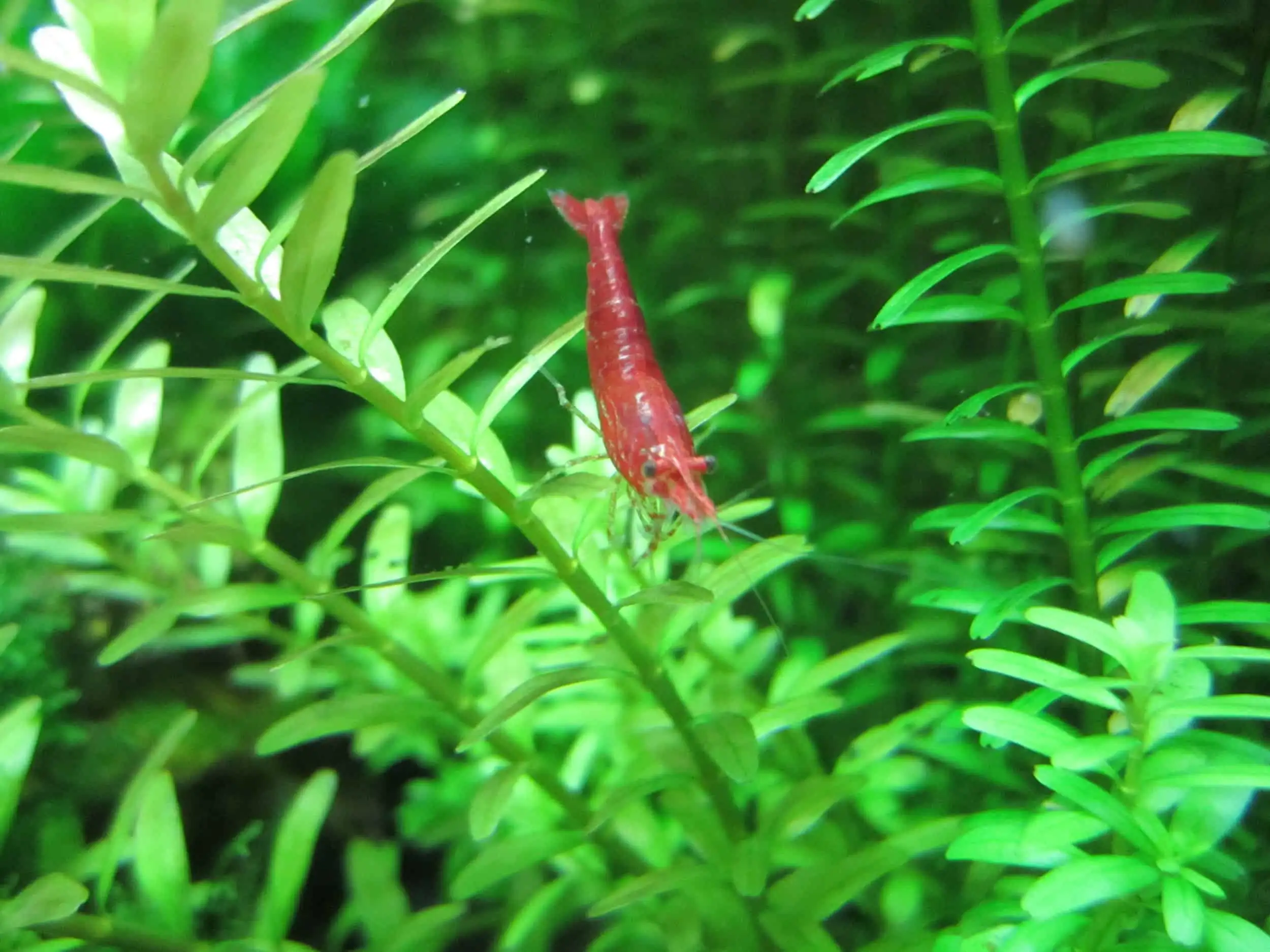
Shrimp (All varieties of Neocaridina (Red Cherry Shrimp, Blue Velvet Shrimp, Black Rose, Snowball shrimp, Orange Sakura, Green Jade, Rili Shrimp, etc) or Caridina species (for example, Crystal Red Shrimp, Caridina cf. babaulti, Blue Tiger Shrimp, etc.), Amano shrimp, Ghost shrimp, Bamboo shrimp, Vampire shrimp, ). Basically, you can keep any shrimp species with it. They will love it!
Snails (for example, Ramshorn snails, Nerite snails, Malaysian Trumpet snails, Japanese trapdoor snails, Mystery snails,).
Be careful with snails that can harm or try to devour the plant. Check out the list of freshwater snails here.
You should avoid hostile and aggressive fish species that will waste no time in tearing up the plants and fighting other fish in the tank. They include Oscars, Cichlids like Frontosa, Texas Cichlids, Red Devil, and Jack Dempsey.
Do not keep Rotala with crayfish or crabs. It is a well-known fact that these invertebrates are plant destructive (read my introduction to crayfish care). They will eat and uproot everything in the tank. Therefore, the best choice will be to have floater plants.
For compatible plants, you can plant Rotala together with, for example, Anubias Nana, Anachris, Java fern, and Water wisteria. You need to pick plants, which will not compete with Rotala for the nutrients in the substrate, can live in its shade or floaters.
In Conclusion
Rotala is a perfect plant for both beginners and experienced aquarists. The plant is a great addition to aquariums, suitable for mid-ground & background placement, and its bright green & red hues add an aesthetically pleasing contrast to any kind of tank.
The lush vibrant foliage of this plant creates an impressive highlight, you can mix it with other plants of varying colors too for a more artistic and lively effect in the tank. Rotala is perfect for shrimp tanks as well, inverts will use them for their foraging, breeding and molting activities.












Leave your comments