AquaLibs presents AquaRank Discover the world’s leading aquascapers

Explore transparent rankings built from published results across the world’s leading aquascaping contests.

12 Colorful & Compatible Freshwater Fish for Your Community Aquarium

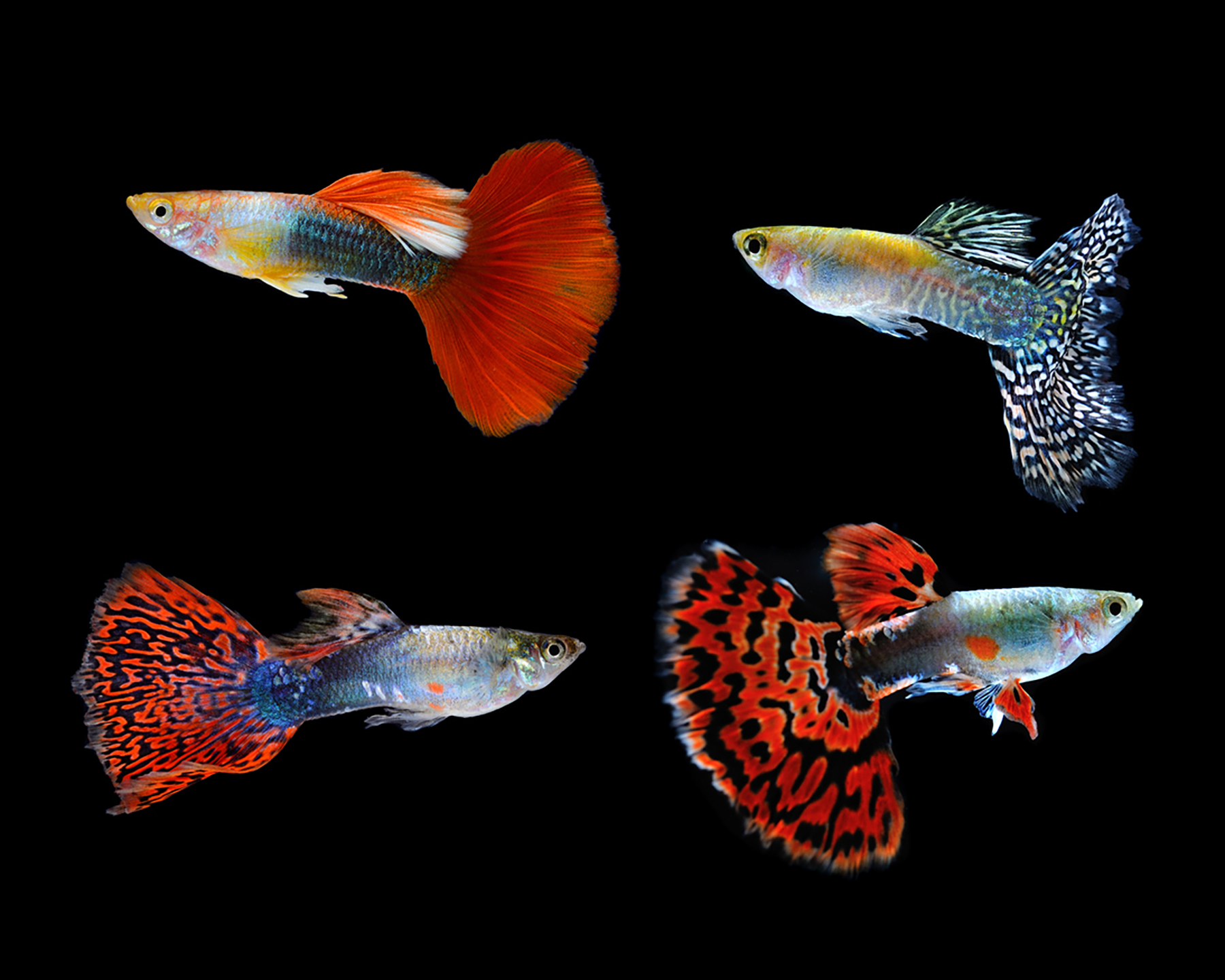
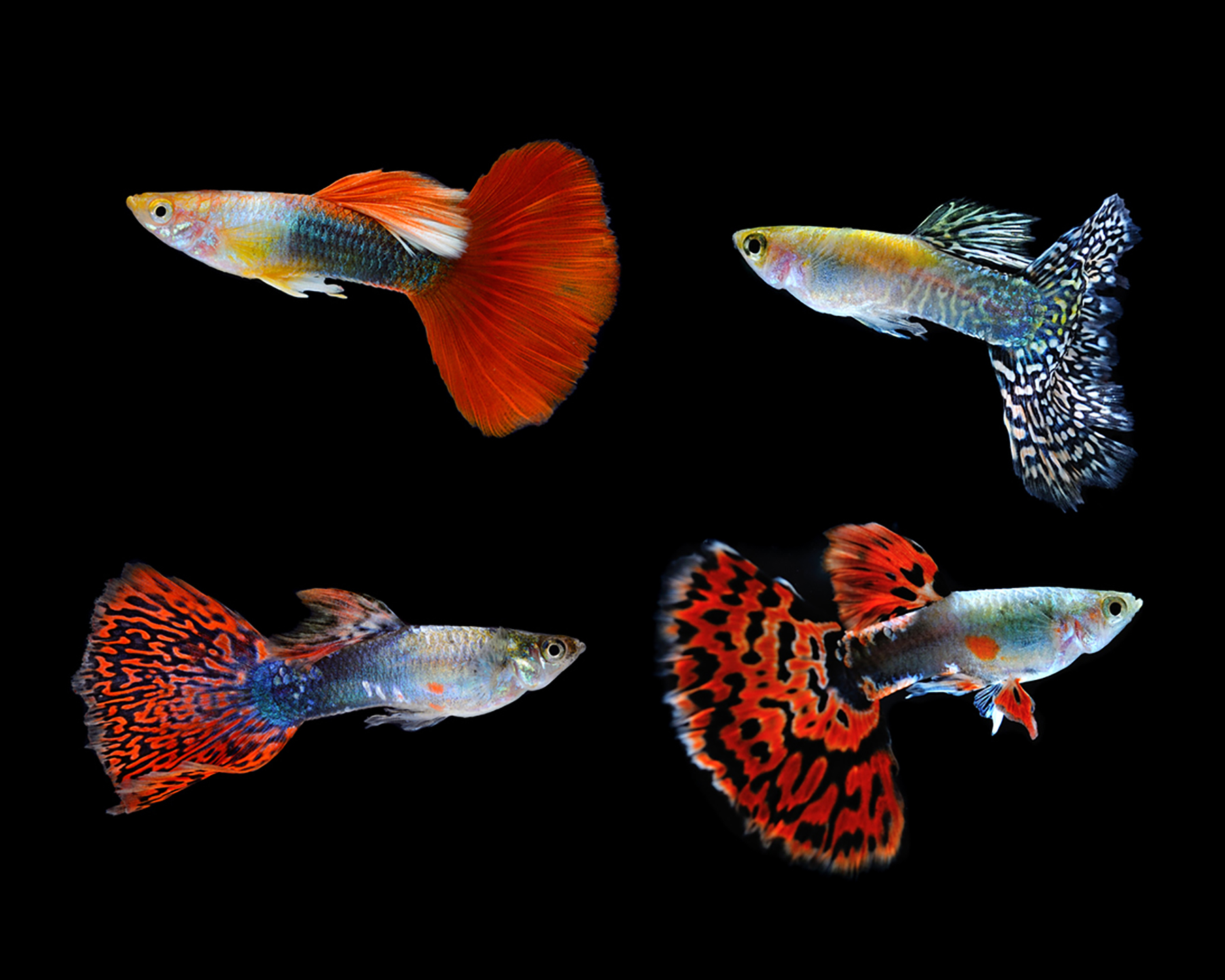
The Ever-Popular Guppy: A Splash of Living Jewels

Guppies are a cornerstone of many freshwater aquariums, beloved for their incredible diversity of colors, patterns, and fin shapes. These small, active livebearers are generally peaceful and thrive in community tanks with other docile species. They prefer well-planted tanks with plenty of swimming space. While easy to care for, be mindful of their prolific breeding; keeping only males or a larger ratio of females to males can help manage population growth. Guppies are hardy and adapt to a range of water conditions, making them an excellent choice for beginners looking for vibrant activity.
The Ever-Popular Guppy: A Splash of Living Jewels

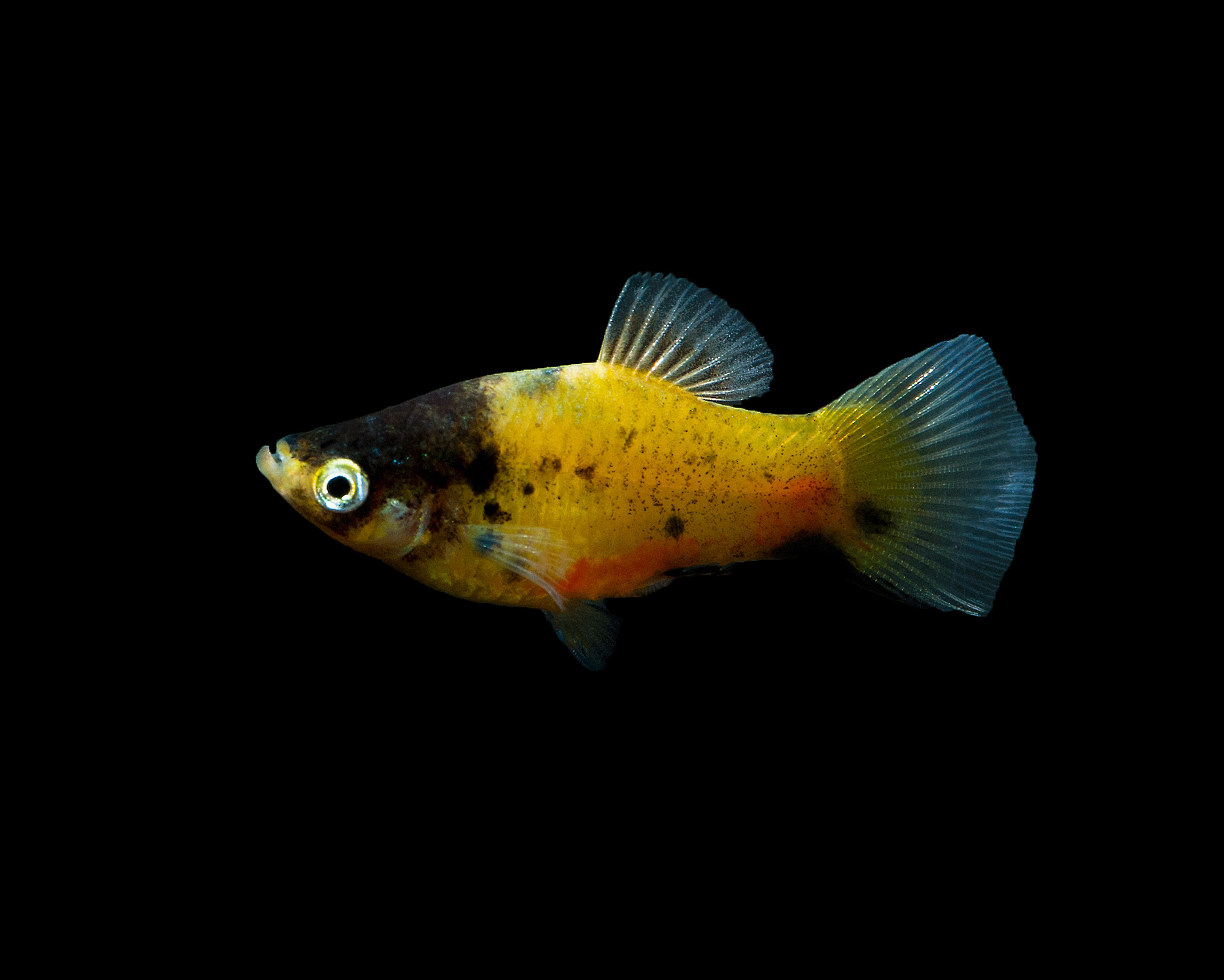
Bumblebee Platies: Bright Hues and Easy Care

Platies are another fantastic choice for adding color and activity to a community tank. The Bumblebee Platy, with its striking yellow and black patterns, is particularly eye-catching. Like guppies, platies are livebearers, meaning they give birth to live fry. They are exceptionally peaceful and tolerate a wide range of water conditions, making them ideal for new aquarists. They enjoy well-planted aquariums with open swimming areas and will happily graze on algae and leftover food. Platies are social fish and do best in groups of three or more, adding a cheerful dynamic to your setup.
Bumblebee Platies: Bright Hues and Easy Care

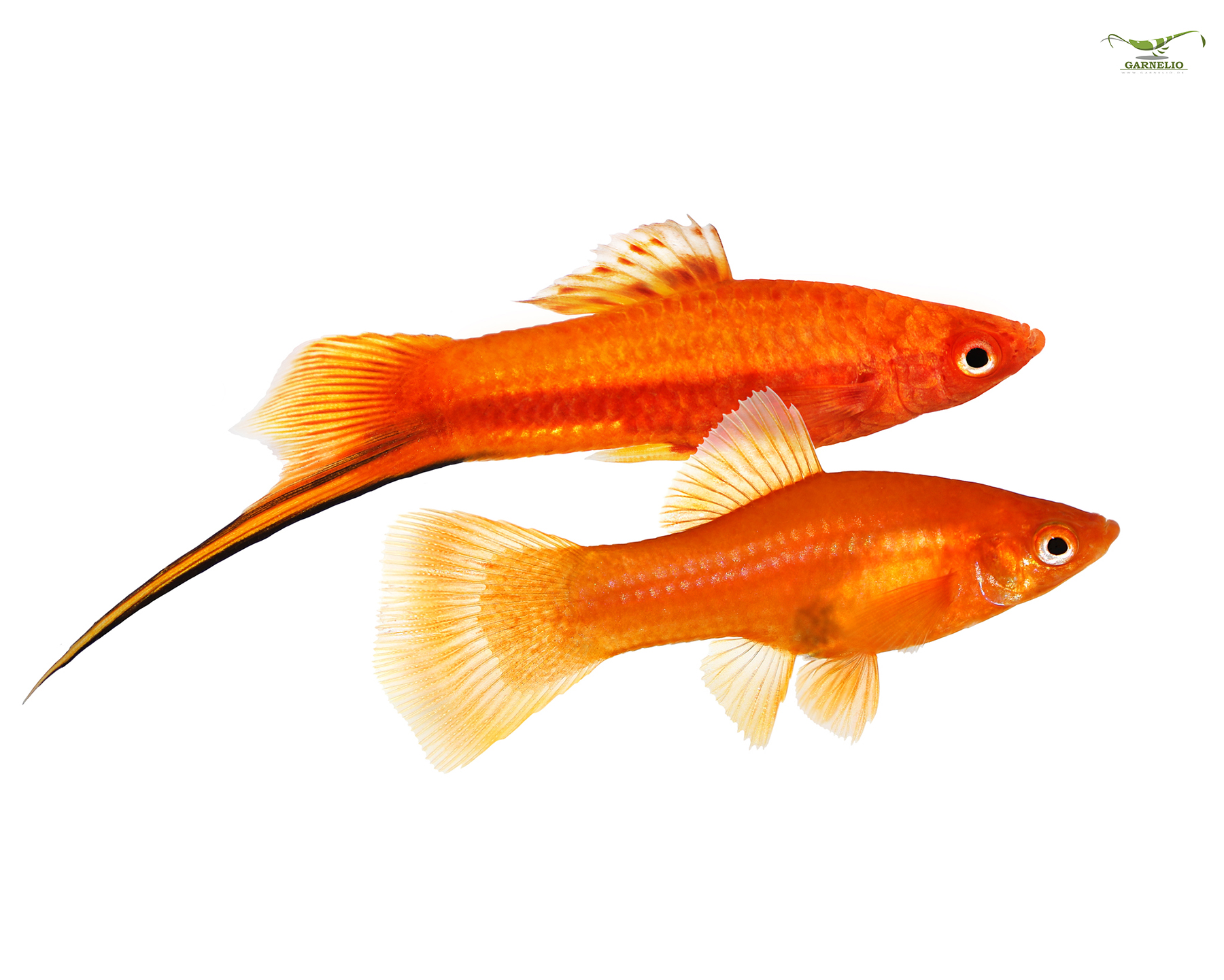
Red Swordtails: Elegant Swimmers with a Fiery Tail

Swordtails are renowned for their vibrant colors and the distinctive "sword" extension on the male's caudal fin. The Red Swordtail offers a bold splash of color and is an active, generally peaceful livebearer suitable for larger community tanks. Males can be territorial with each other, so it's best to keep only one male or several with more females to diffuse aggression. They appreciate planted tanks with open spaces for swimming. Swordtails are hardy and can adapt to various water parameters, making them a robust addition for aquarists seeking both beauty and resilience.
Red Swordtails: Elegant Swimmers with a Fiery Tail

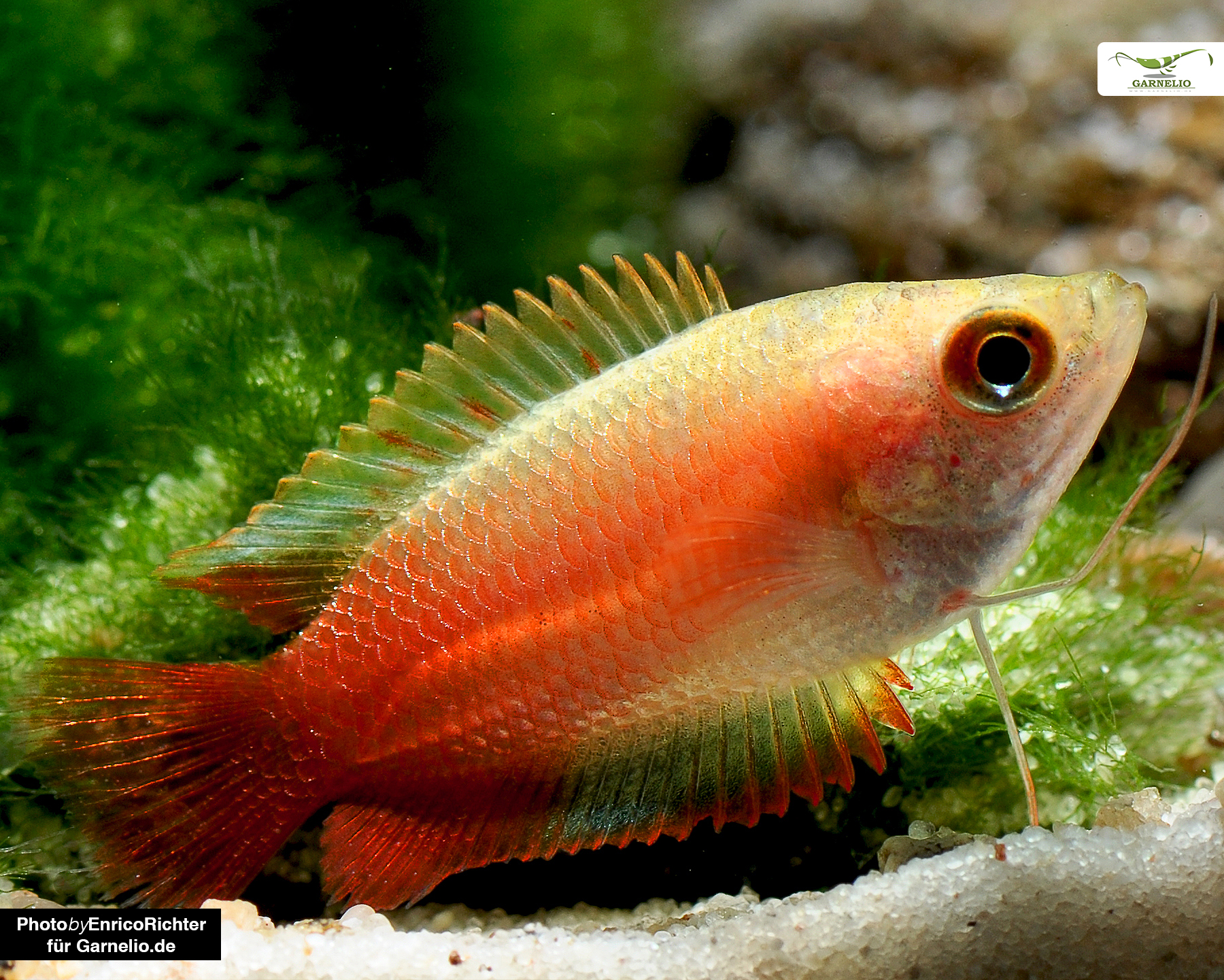
Honey Gouramis: Gentle Giants of Golden Charm

The Honey Gourami is a truly peaceful and captivating fish, known for its beautiful golden-orange coloration, especially in males during breeding. These labyrinth fish are shy and prefer a well-planted tank with floating vegetation to provide cover. They are excellent community tank inhabitants, getting along well with most other peaceful species of similar size. Unlike some larger gouramis, Honey Gouramis are less prone to aggression, making them a safe bet for a tranquil environment. They are relatively small, reaching about 2 inches (5 cm), and enjoy a varied diet.
Honey Gouramis: Gentle Giants of Golden Charm

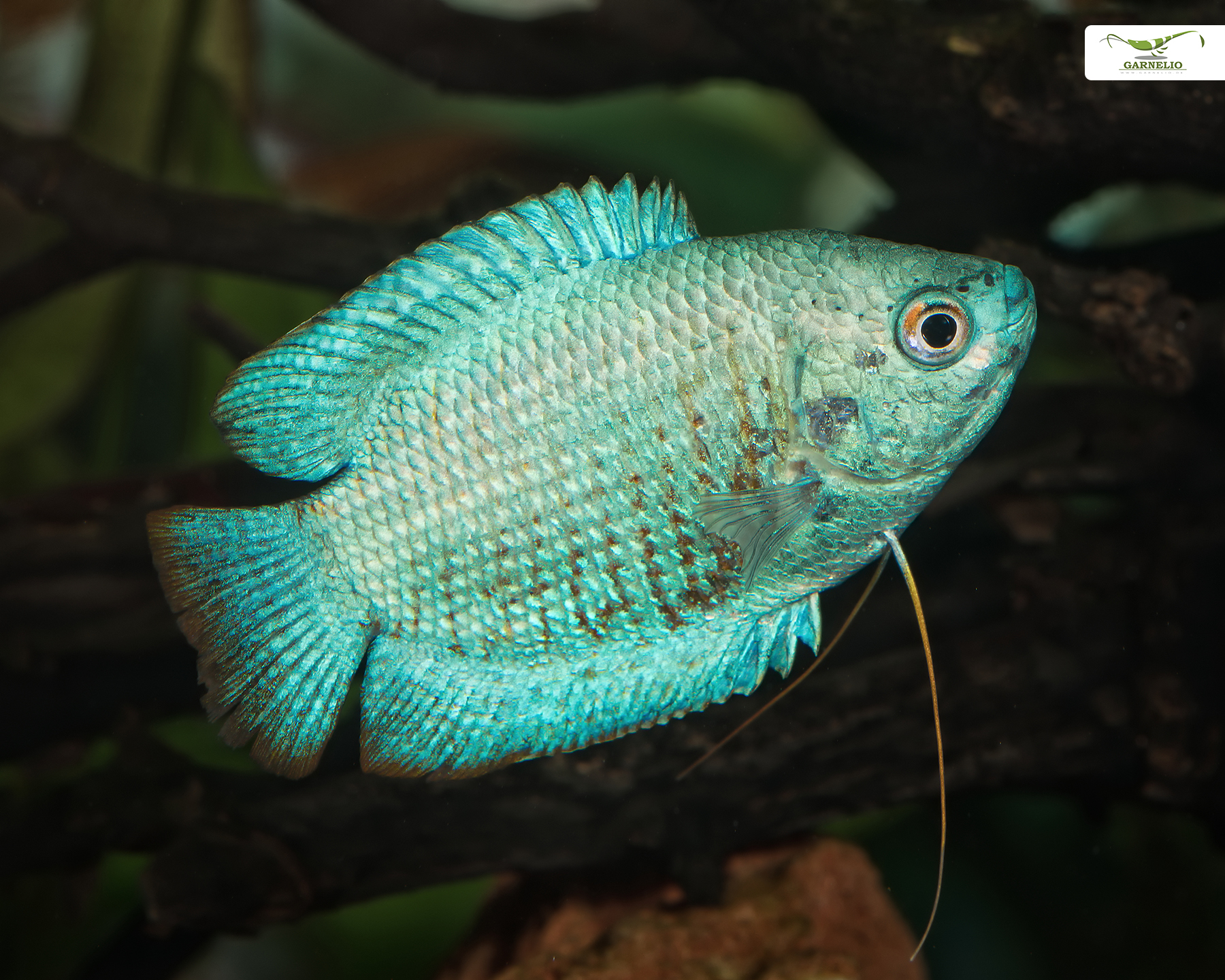
Blue Dwarf Gourami: A Dazzling, Compact Centerpiece

Dwarf Gouramis are popular for their vivid colors and inquisitive personalities. The Blue Dwarf Gourami showcases stunning shades of blue and red, making it a focal point in any aquarium. While generally peaceful, males can be territorial with other male gouramis or similar-looking fish, especially in smaller tanks. It's best to keep a single male or a male-female pair in a community setup. They thrive in planted tanks with calm water and plenty of hiding spots. Their unique labyrinth organ allows them to breathe atmospheric air, adding to their fascination.
Blue Dwarf Gourami: A Dazzling, Compact Centerpiece

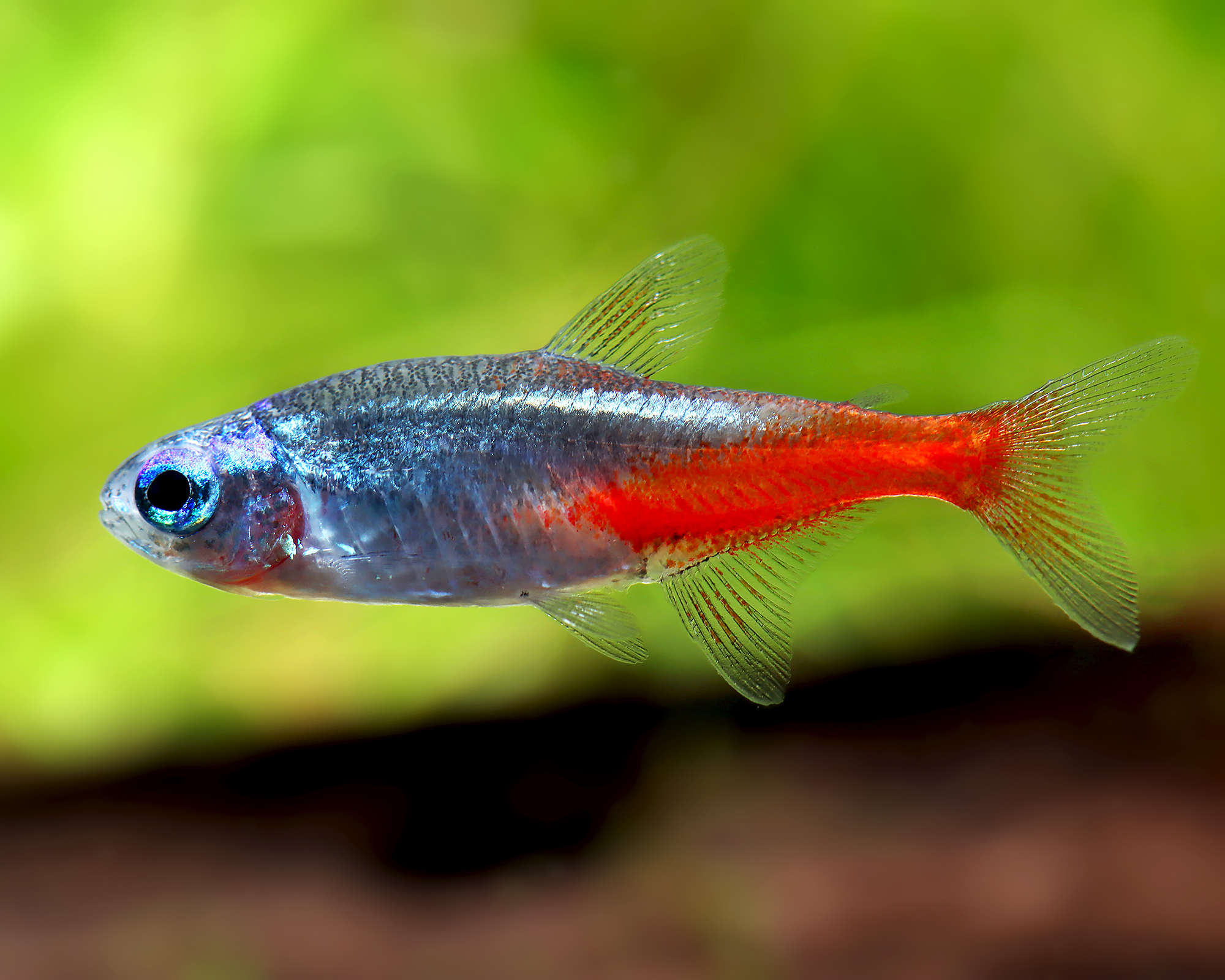
Neon Tetras: The Iconic, Shimmering School

No list of colorful community fish is complete without the Neon Tetra. Famous for their iridescent blue and red stripes, these small schooling fish create a mesmerizing display as they move in unison. They are incredibly peaceful and thrive in established community tanks with stable water parameters. Neon Tetras feel most secure and display their best colors when kept in schools of six or more. They prefer dimly lit tanks with dense planting and soft, acidic water. Avoid keeping them with large, aggressive tank mates who might see them as food.
Neon Tetras: The Iconic, Shimmering School

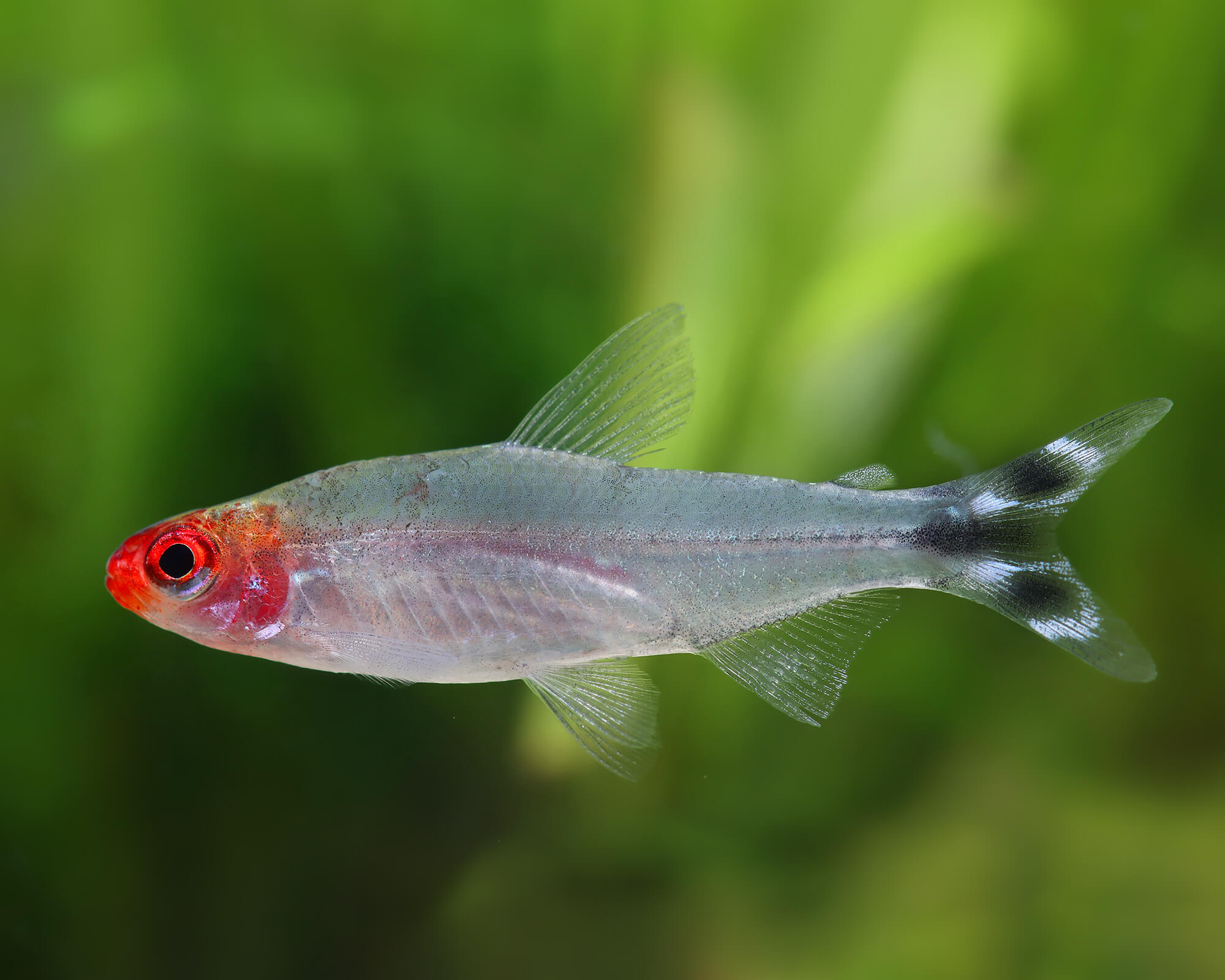
Rummy Nose Tetras: A Living Thermometer for Your Tank

Rummy Nose Tetras are easily identifiable by their bright red faces and distinctive black and white striped tails. They are highly sought after for their tight schooling behavior and peaceful nature, making them a superb addition to any community aquarium. Beyond their beauty, their red nose fades if they are stressed or if water quality is poor, serving as a useful indicator of tank health. They prefer soft, acidic water and appreciate a well-planted environment. Keep them in schools of at least six for optimal health and display.
Rummy Nose Tetras: A Living Thermometer for Your Tank

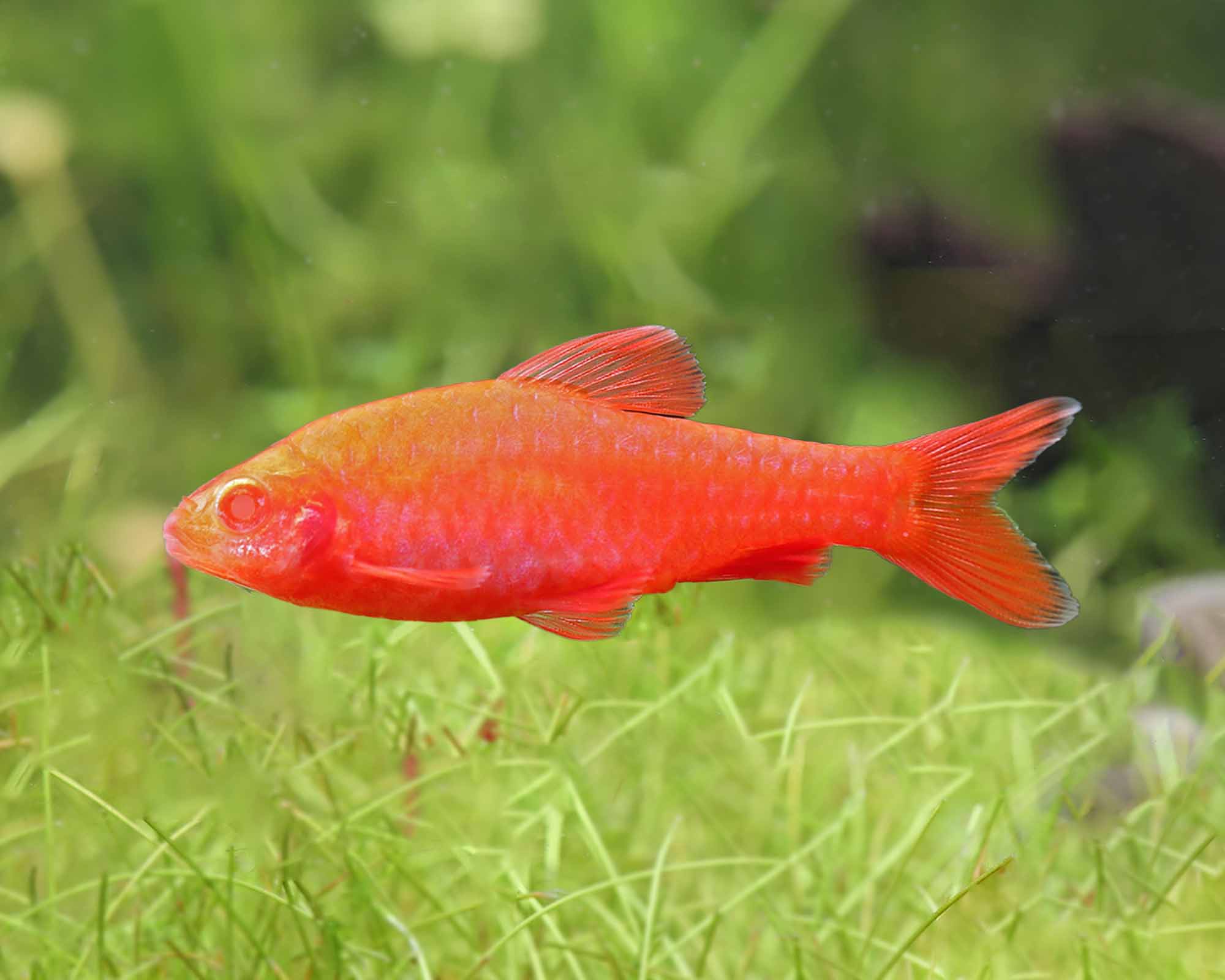
Cherry Barbs: Active, Peaceful, and Bursting with Red

Cherry Barbs are a wonderful choice for aquarists seeking an active, yet peaceful, schooling fish. Males display a striking cherry-red coloration, especially during courtship, while females are a more subdued reddish-brown. Unlike some of their barb relatives, Cherry Barbs are not known for fin-nipping, making them compatible with fish like guppies and angelfish. They thrive in well-planted tanks with plenty of open swimming space and appreciate a varied diet. Keep them in groups of six or more to see their natural schooling behavior and vibrant colors.
Cherry Barbs: Active, Peaceful, and Bursting with Red

Emperor Tetras: Regal Elegance for Your Aquarium

Emperor Tetras are a sophisticated choice for a community tank, showcasing a unique combination of purple, yellow, and black hues, along with distinctively elongated fins in males. They are peaceful and graceful swimmers that add an air of elegance to any setup. While they appreciate being in a group, their schooling is looser than that of Neon or Rummy Nose Tetras. They thrive in well-planted tanks with subdued lighting and get along well with other similarly sized, peaceful fish. Provide them with good water quality to maintain their stunning appearance.
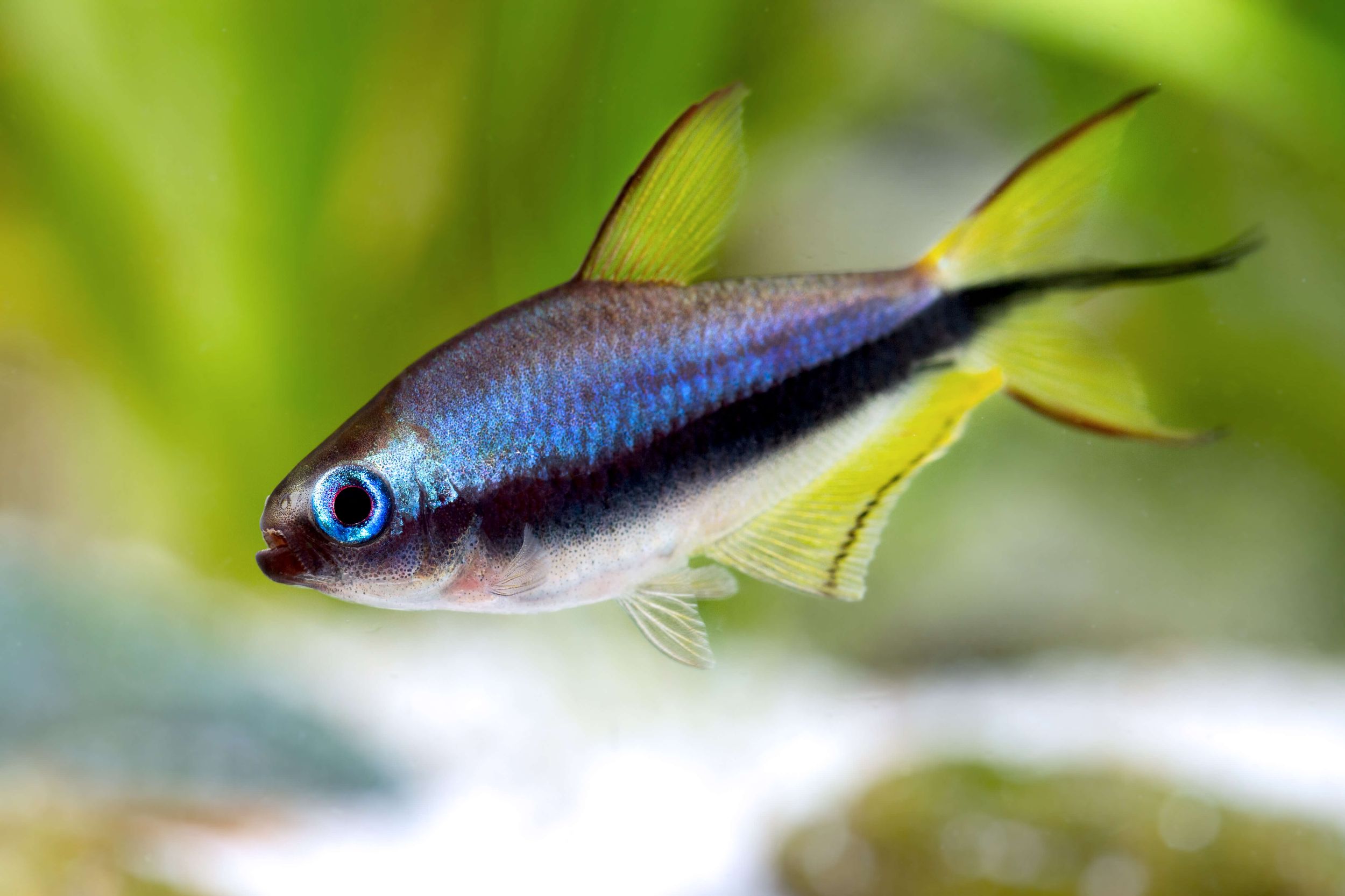
Emperor Tetras: Regal Elegance for Your Aquarium

Gold Ram Cichlid: A Peaceful Dwarf Cichlid Gem

The Gold Ram Cichlid, a color morph of the popular German Blue Ram, is a stunning dwarf cichlid known for its vibrant gold and orange coloration, often with iridescent blue spots. These fish are peaceful for cichlids and can be kept in community tanks with other docile species, provided they have plenty of hiding spots and territories. They are sensitive to water quality and prefer soft, acidic water with stable parameters. Rams are best kept in pairs and are fascinating to observe, especially during breeding, when their colors intensify.
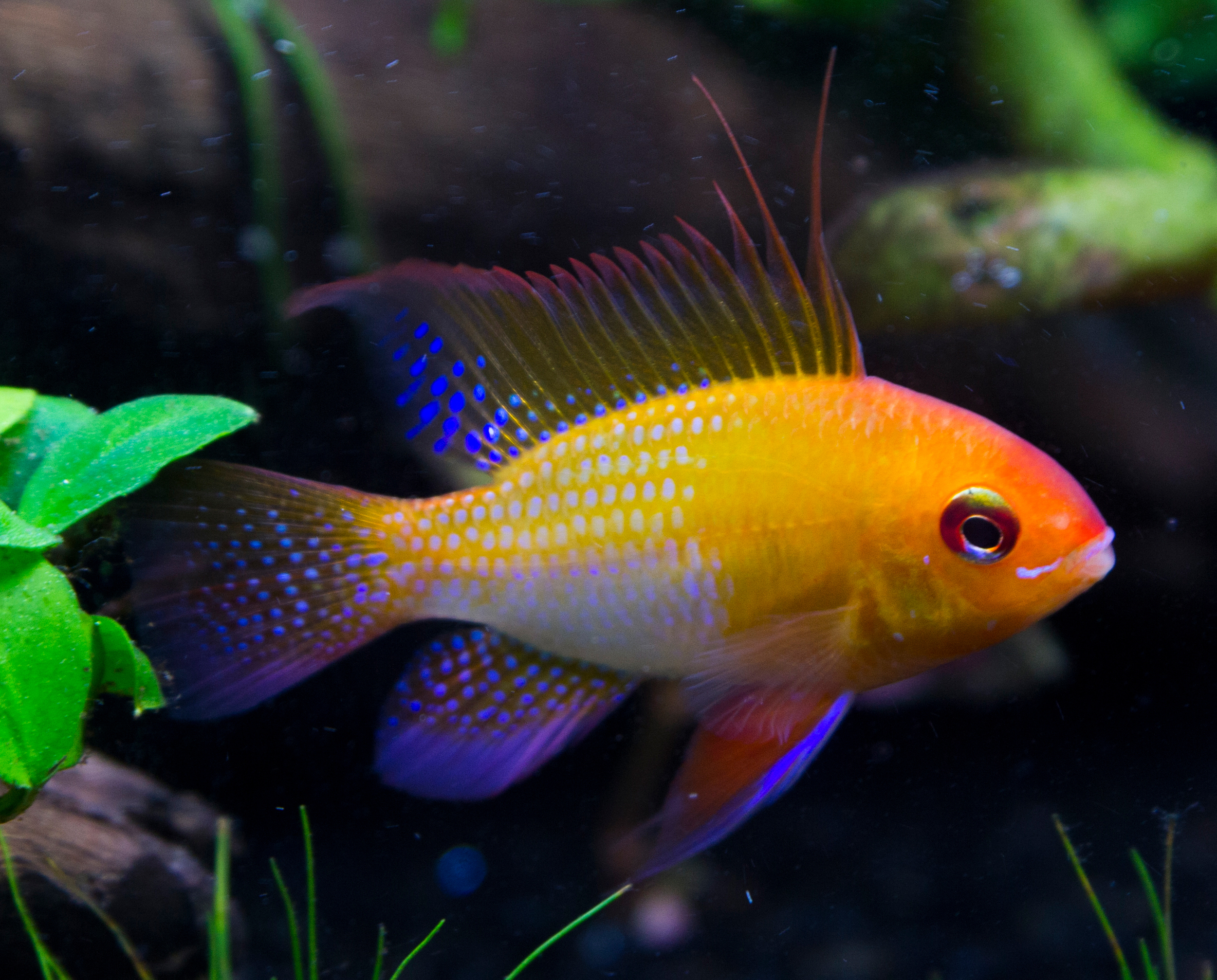
Gold Ram Cichlid: A Peaceful Dwarf Cichlid Gem

Sterbai Corydoras: The Spotted, Peaceful Bottom Dweller

While not as brightly colored as some other fish on this list, the Sterbai Corydoras adds essential activity and charm to the bottom of your community tank. Known for its distinct black and white spotted pattern and orange pectoral fins, this corydoras is highly active and peaceful. They are schooling fish and should always be kept in groups of at least six to ensure their well-being and natural behavior. Provide a soft, sandy substrate to protect their delicate barbels as they forage for food. They are excellent tank cleaners, consuming leftover food.
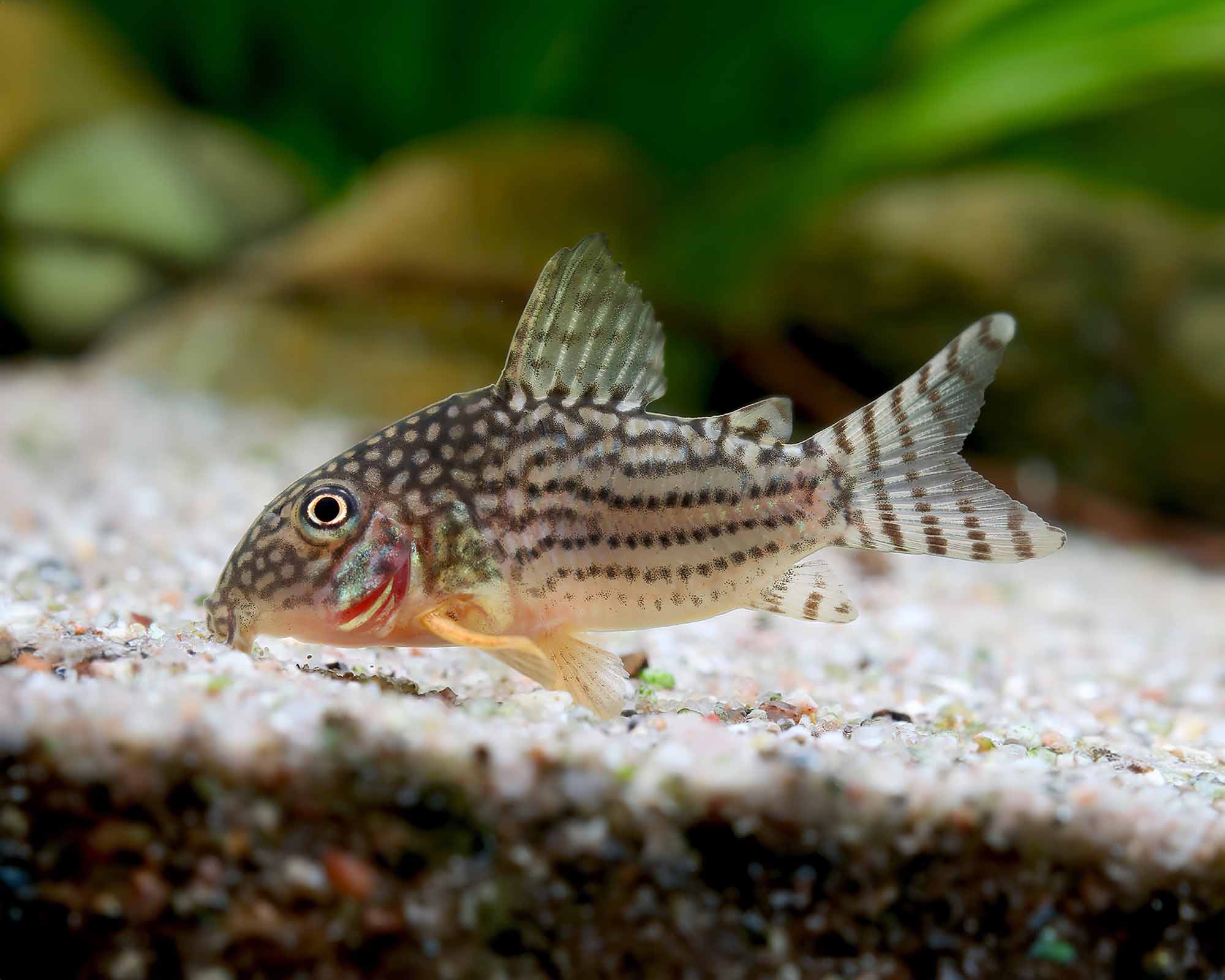
Sterbai Corydoras: The Spotted, Peaceful Bottom Dweller

Angelfish: Majestic Centerpieces with a Graceful Presence

Angelfish are iconic freshwater cichlids, admired for their distinctive triangular shape and flowing fins. Available in a variety of color mixes, they can make a majestic centerpiece in a larger community tank. While generally peaceful, Angelfish can be semi-aggressive, especially when breeding, and their predatory instincts mean they may eat very small fish like Neon Tetras. They require a tall aquarium (at least 20 inches or 50 cm high) with plenty of vertical decor and open swimming space. Introduce them to tank mates of similar size and temperament.
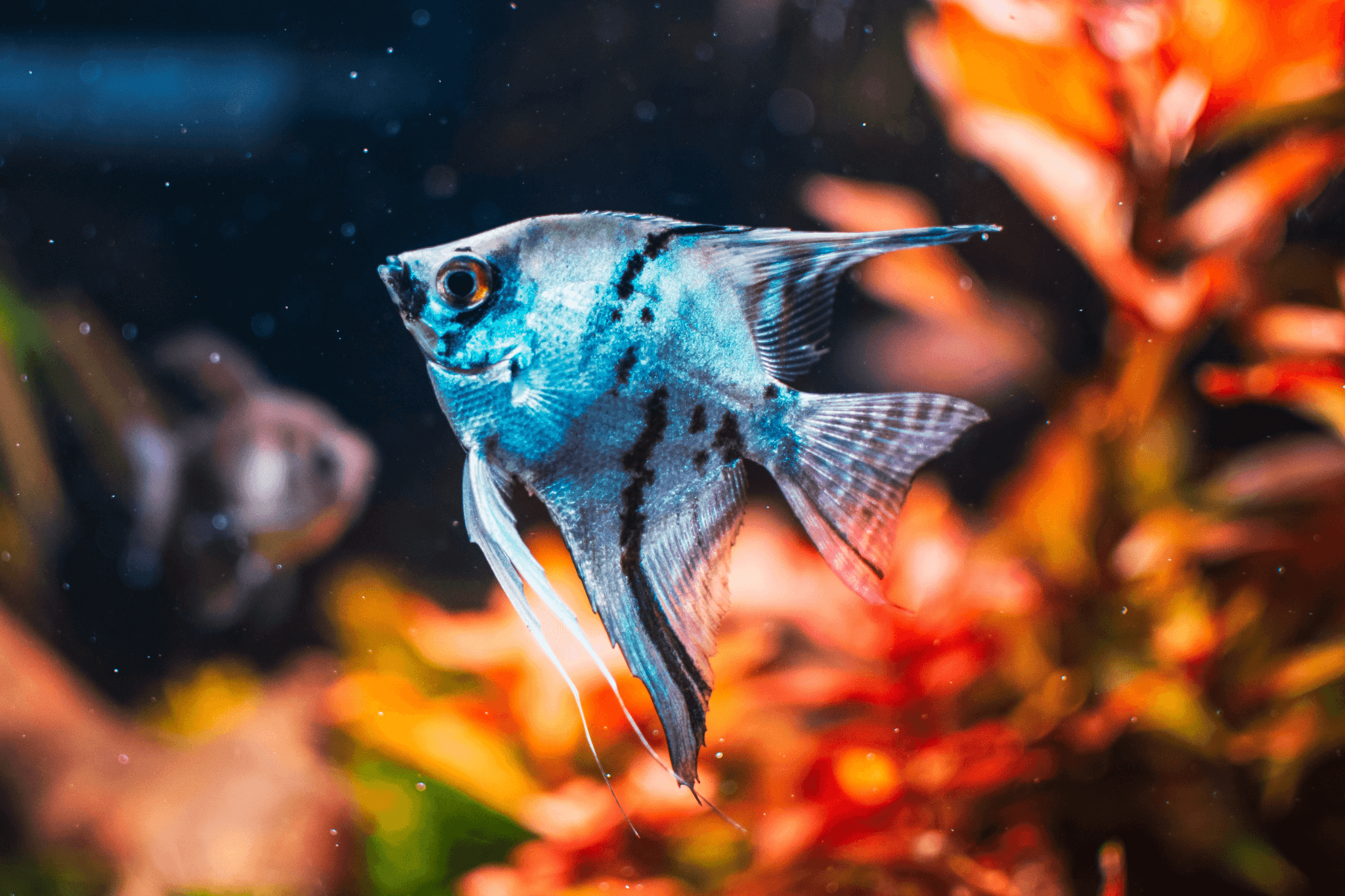
Angelfish: Majestic Centerpieces with a Graceful Presence

Frequently Asked Questions

What is the minimum tank size for a colorful community aquarium?

For a diverse community of smaller, peaceful fish, a 20-gallon (75-liter) tank is a good starting point. However, if you plan to keep larger species like Angelfish or want more variety, a 30-gallon (115-liter) or larger tank is recommended to provide ample space and stability.

What water parameters are best for most colorful freshwater community fish?

Most colorful freshwater community fish thrive in stable water conditions. Aim for a temperature between 74-78°F (23-26°C), a pH between 6.5-7.5, and moderate hardness (GH 5-15 dH). Always research the specific needs of each species you intend to keep to ensure compatibility.

Can I mix all the fish on this list in one tank?

While many fish on this list are peaceful, it's crucial to consider individual species' needs and temperaments. For example, Angelfish may predate on very small fish like Neon Tetras. Always introduce new fish carefully, provide adequate space and hiding spots, and observe interactions closely to ensure harmony.

What are some easy live plants to add to a colorful community tank?

Easy live plants that complement colorful fish include Anubias (various species), Java Fern, Amazon Sword, Cryptocoryne, and various stem plants like Water Wisteria. These plants provide hiding spots, improve water quality, and enhance the natural beauty of your aquarium without requiring complex care.

Leave your comments
Latest on News & Press
  • Vietnam flag and bold IAPLC 2026 typography celebrating two Top 7 awards.

    Vietnam at IAPLC 2026: Two Top 7 Awards, 29 Top 300 Places.

    Vietnam has plenty to celebrate at IAPLC 2026. Ha Le Trinh wins the Gold Prize at world rank 2, while Minh Toan Nguyen earns a Bronze Prize at rank 6. Together, they give Vietnamese aquascaping two places among the contest’s seven leading awards—and two striking aquariums for the international community to discover.
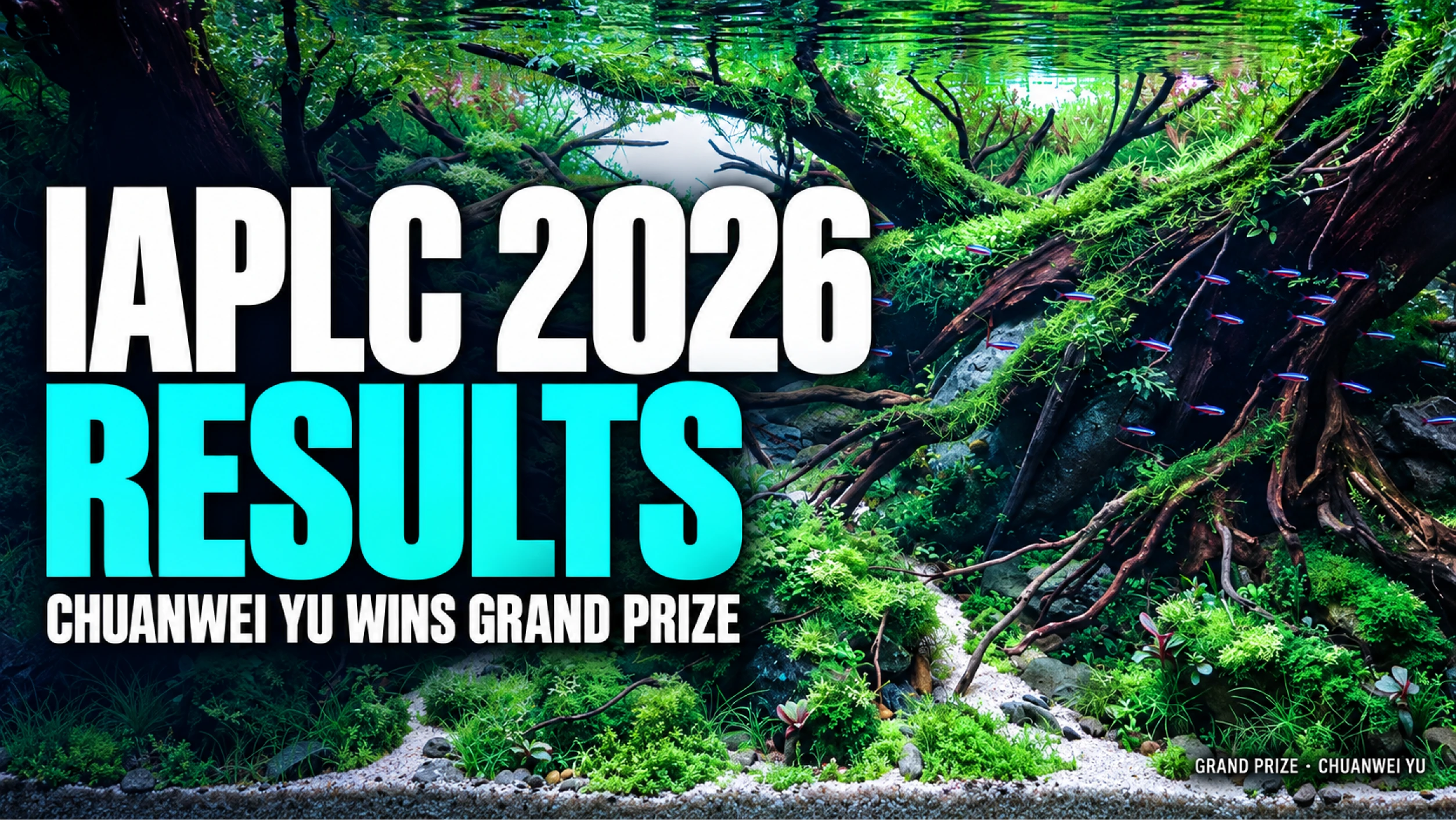
  • IAPLC 2026 results editorial cover adapted from Chuanwei Yu’s Grand Prize aquascape.

    IAPLC 2026 Results: Chuanwei Yu Wins Grand Prize

    Chuanwei Yu of China has won the IAPLC 2026 Grand Prize, leading a season that also brings a proud moment for Vietnam: Ha Le Trinh takes second place and Minh Toan Nguyen finishes sixth.
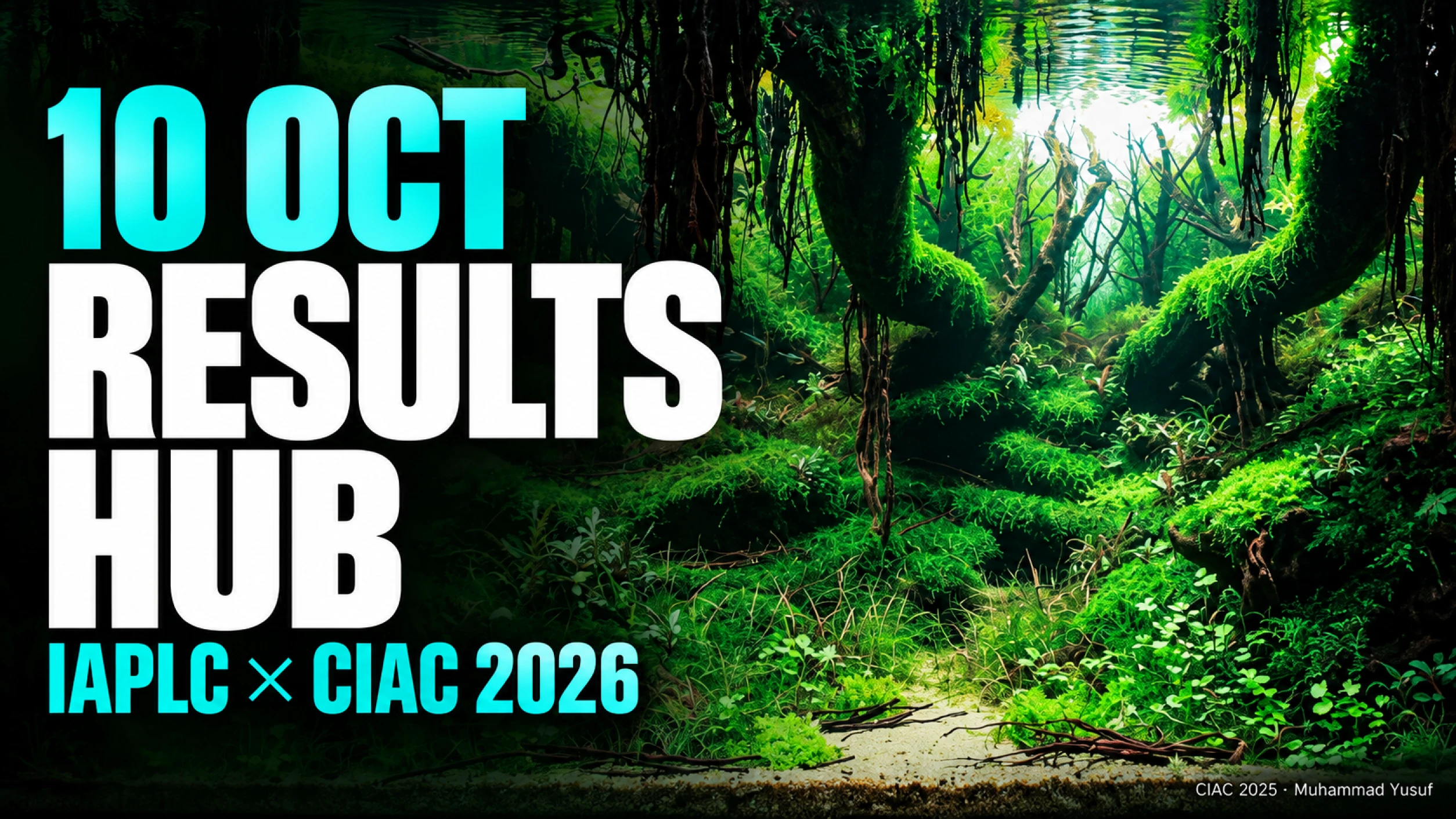
  • October 10 IAPLC and CIAC 2026 results hub cover, with an archived CIAC 2025 aquascape by Muhammad Yusuf.

    IAPLC & CIAC 2026 Results Hub: Your October 10 Guide

    Two competitions. One date. A new collection of aquascapes for the world to discover. IAPLC and CIAC have both scheduled their 2026 results announcements for Saturday, October 10. This AquaLibs guide brings together the confirmed schedule, official channels, archive galleries and reading to help you follow the day.
  • IAPLC 2025 Revisited editorial cover adapted from Josh Sim’s 2025 Grand Prize aquascape.

    IAPLC 2025 Revisited: 12 Aquascapes Before the 2026 Reveal

    Before the next champion is revealed, there is time for one more look at the aquariums that made the previous season memorable.
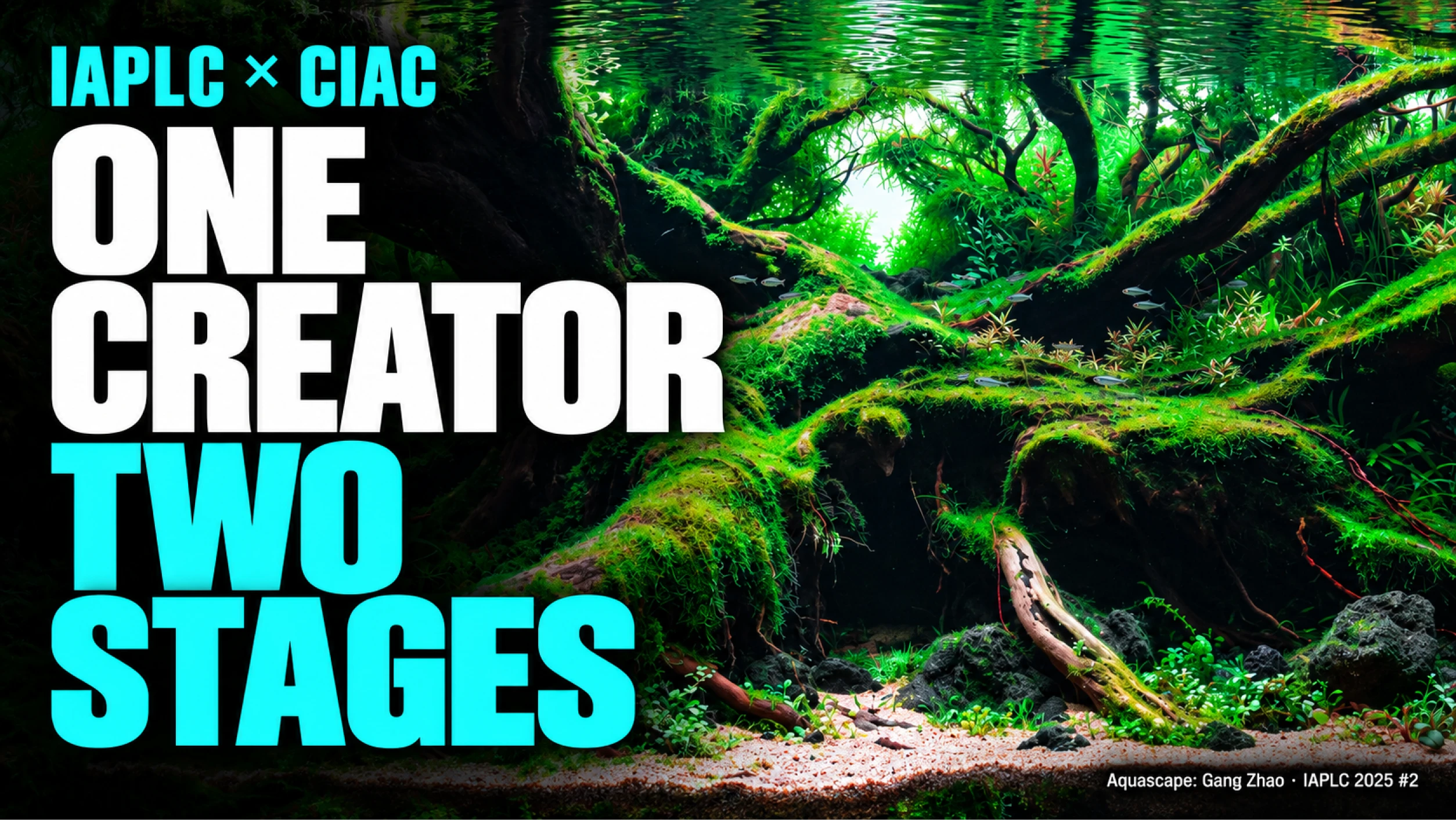
  • IAPLC and CIAC One Creator Two Stages cover based on Gang Zhao's IAPLC 2025 second-place forest aquascape.

    One Aquascaper, Two Stages: Five Journeys Across IAPLC and CIAC.

    Aquascaping results are usually read one competition at a time. Follow the author's name across IAPLC and CIAC, however, and a richer story comes into view: a double championship, two very different layouts in one season, or a striking work discovered through a second gallery.
  • CIAC Country Map 2024–2025 editorial cover with bold white and turquoise typography beside an illuminated globe.

    CIAC Country Rankings: Comparing the 2024 and 2025 Top 30

    A CIAC results list is also a meeting point for aquascaping communities around the world. Read the country column alongside the photographs, and another story emerges: established names holding their ground, more works reaching the leading positions, and communities finding new reasons to celebrate.
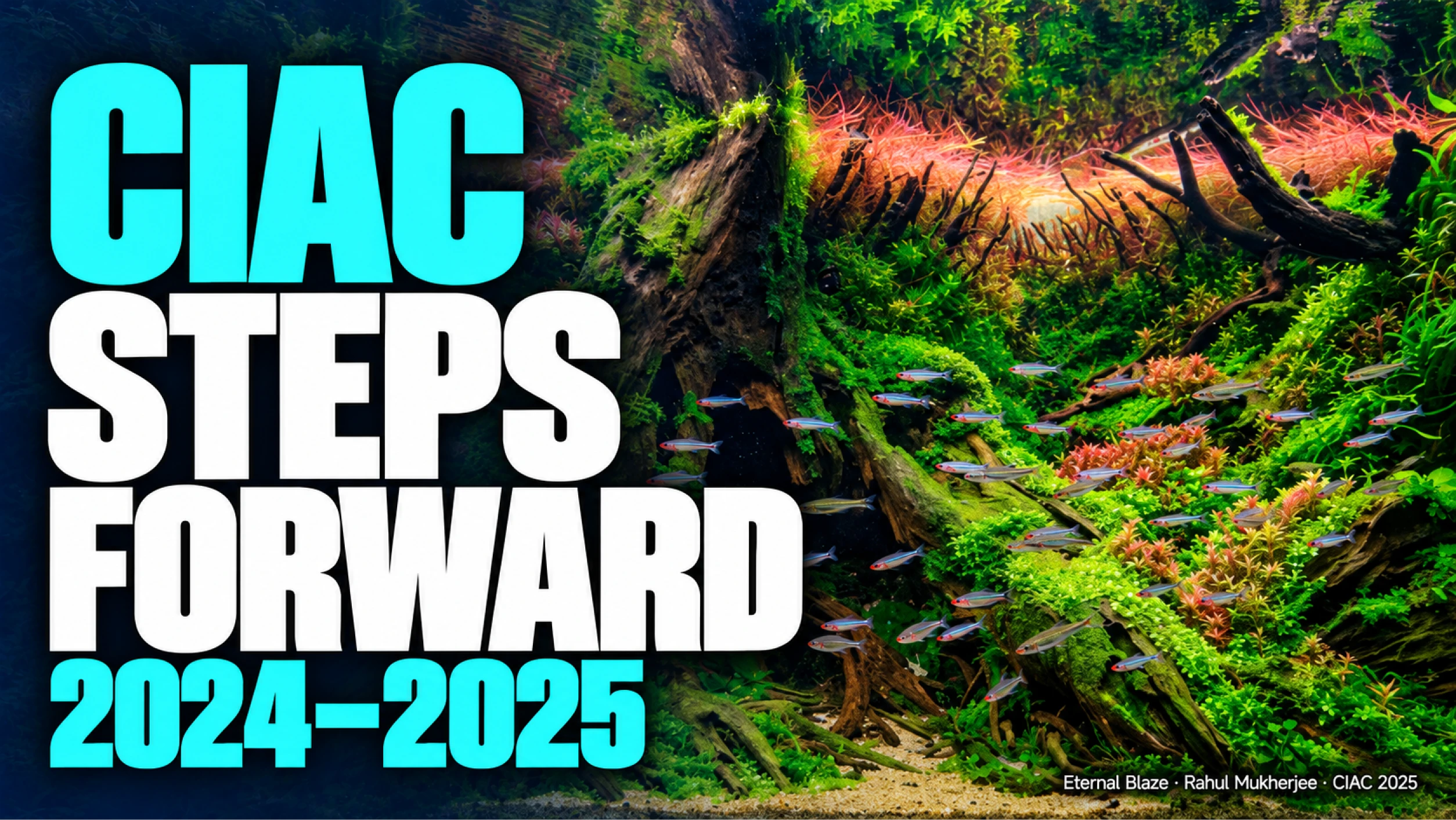
  • CIAC Steps Forward 2024–2025 cover featuring Eternal Blaze by Rahul Mukherjee, sixth in CIAC 2025.

    CIAC 2024–2025: Five Notable Steps Forward

    In 2024, Rahul Mukherjee finished 63rd in CIAC's Aquascaping Group. In 2025, he reached sixth place. That 57-place advance is one of five compelling stories we can discover by putting two seasons of results—and their photographs—together.
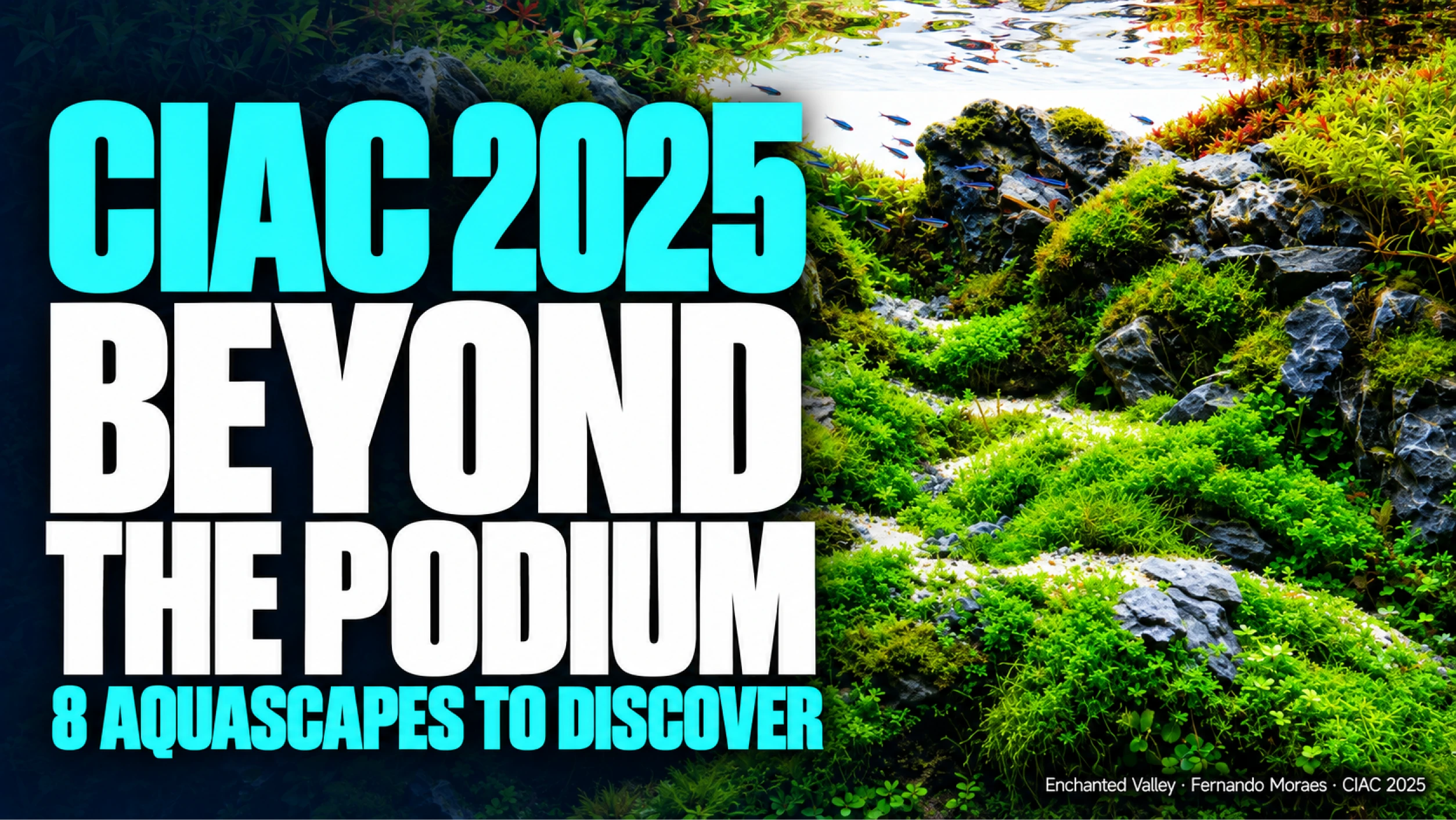
  • CIAC 2025 Beyond the Podium cover featuring Enchanted Valley by Fernando Moraes, ranked 24th in the Aquascaping Group.

    Beyond the Podium: Eight CIAC 2025 Aquascapes Worth a Closer Look

    The first three places make the headlines. Keep scrolling through the CIAC 2025 aquascapes, however, and the gallery opens into a much wider landscape: shaded forests, weathered roots, bright rock valleys and fish that give an underwater scene its sense of life.
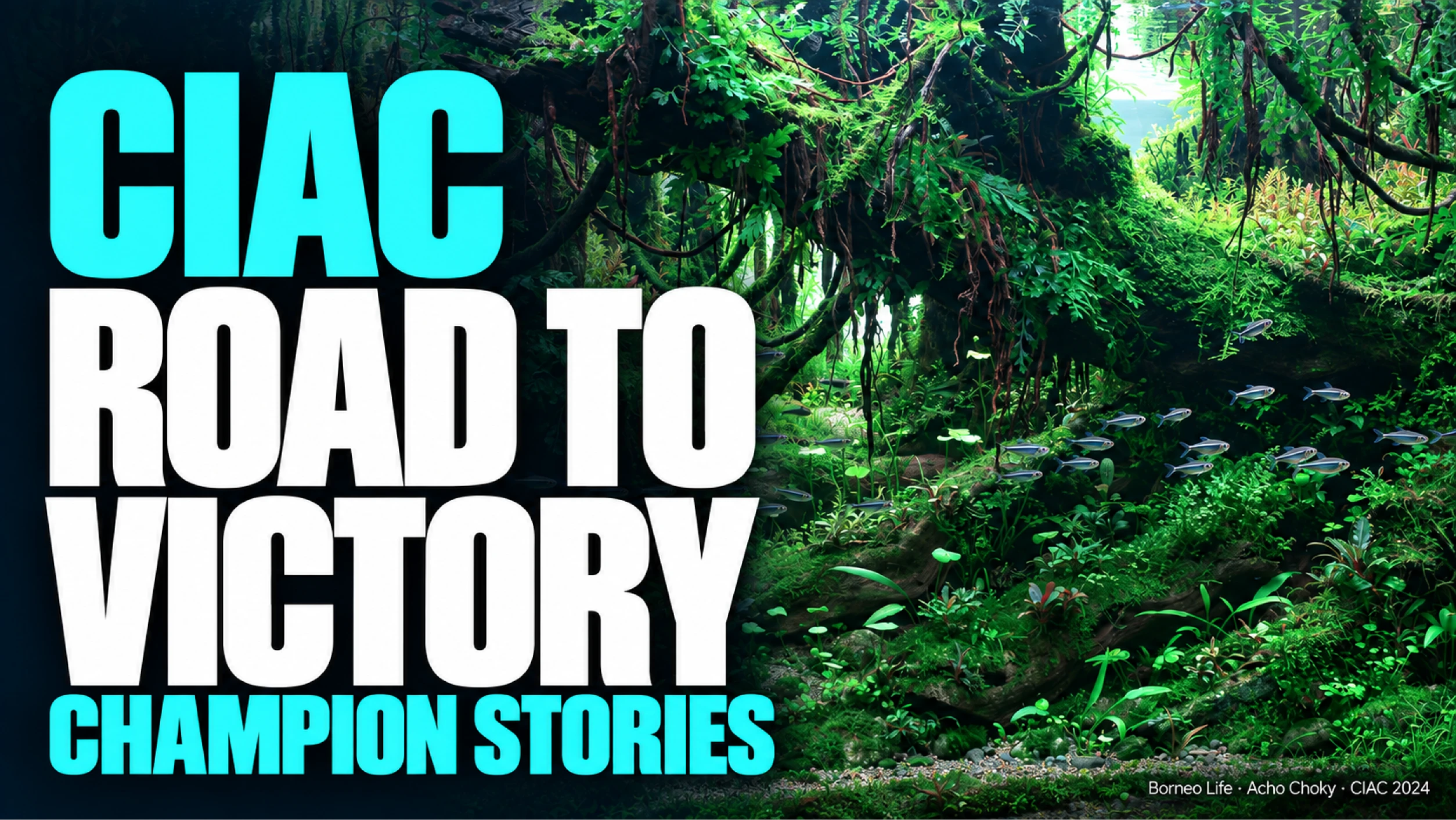
  • CIAC Champions: The Stories Behind Their Winning Aquascapes

    CIAC Champions: The Stories Behind Their Winning Aquascapes

    Every CIAC results announcement gives the aquascaping community a new collection of works to discuss, study and remember. Behind the winning photograph is a longer story: earlier competitions, ideas developed across seasons, and the practical work of bringing a landscape to life.
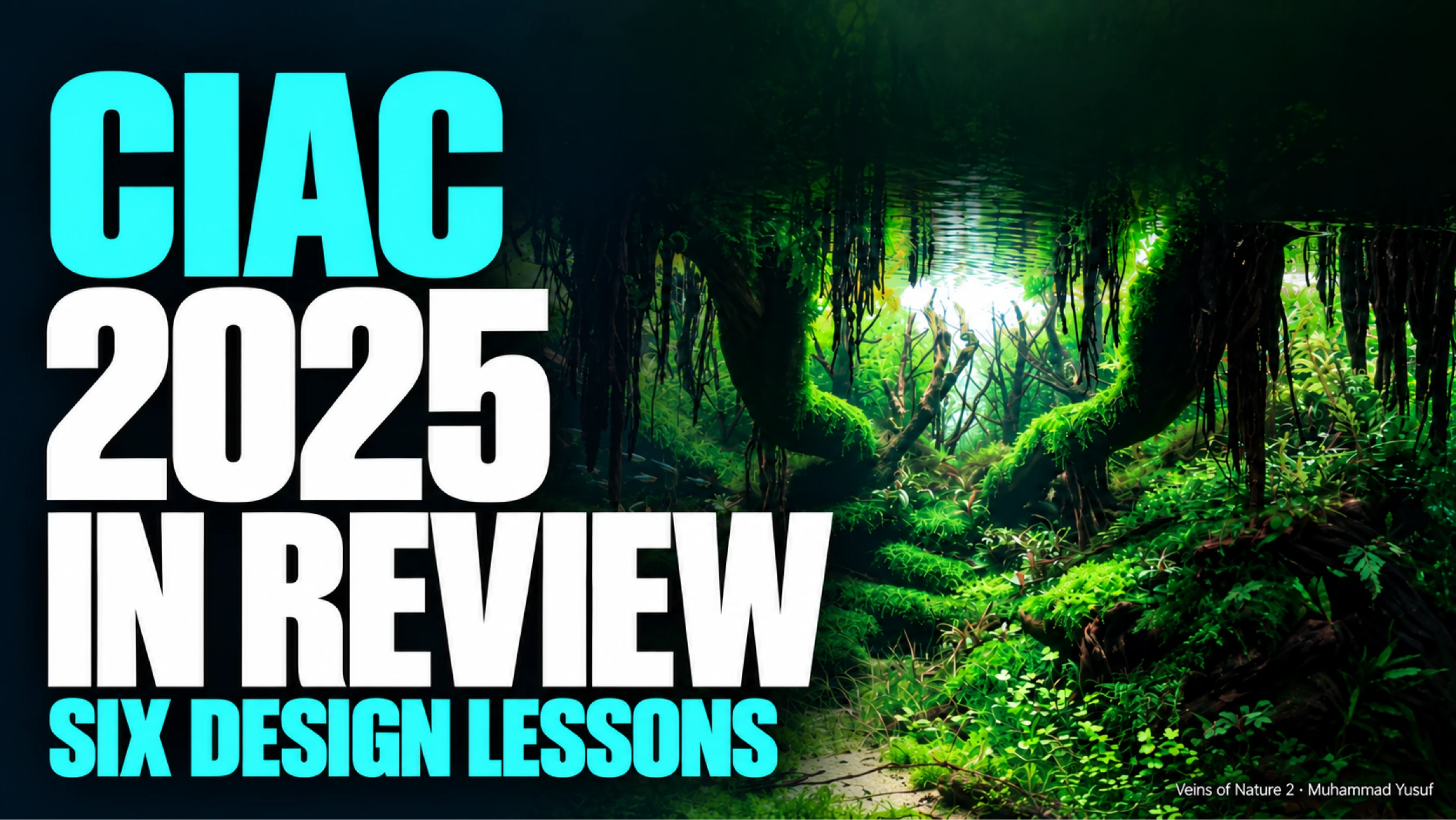
  • CIAC 2025 Review: Six Lessons Before the 2026 Results

    CIAC 2025 Review: Six Lessons Before the 2026 Results

    Before the CIAC 2026 results arrive on October 10, there is time to look again at the aquascapes that made the previous season memorable. The most useful question is not simply which work finished highest. It is how each composition earned our attention—and what we notice when we return to it.
  • IAPLC 2025 in Review: Top 300 Aquascaping Styles Before the 2026 Results

    IAPLC 2025 in Review: Top 300 Aquascaping Styles Before the 2026 Results

    Before a new IAPLC winner is revealed, the previous season deserves a closer look. Which aquascaping styles filled the TOP 300 in 2025? Did the same visual families become more common in the TOP 100, TOP 27 and TOP 7? And what can those layouts teach us about depth, planting and the way fish bring a composition to life?
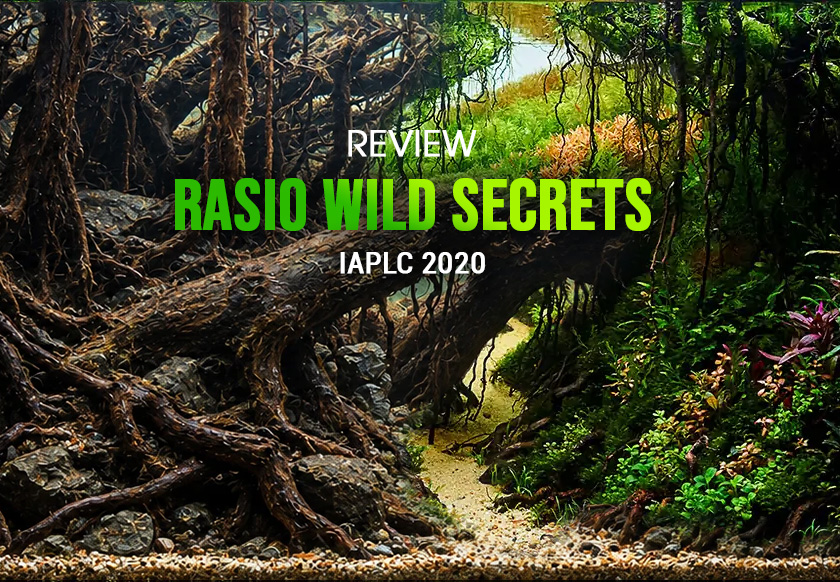
  • Rasio Wild Secrets - Heri Amir / Indonesia - Honour Prize  IAPLC 2020 - Rooted Forest Canopy Framing a Bright Sandy Underwater Trail

    Rasio Wild Secrets - Heri Amir / Indonesia - Honour Prize IAPLC 2020 - Rooted Forest Canopy Framing a Bright Sandy Underwater Trail

    This image presents a densely planted underwater scene organized around a pale sandy trail that recedes beneath an arch of roots and foliage. A school of small fish occupies the upper-left and central water, while layered greens, reddish plant accents and hanging root-like forms create strong vertical depth. The composition is highly atmospheric and technically controlled, with darkness at the edges directing attention toward the illuminated opening. Because the photograph does not reveal maintenance history, livestock identification or construction details beneath the planting, those aspects are judged conservatively from visible evidence only.
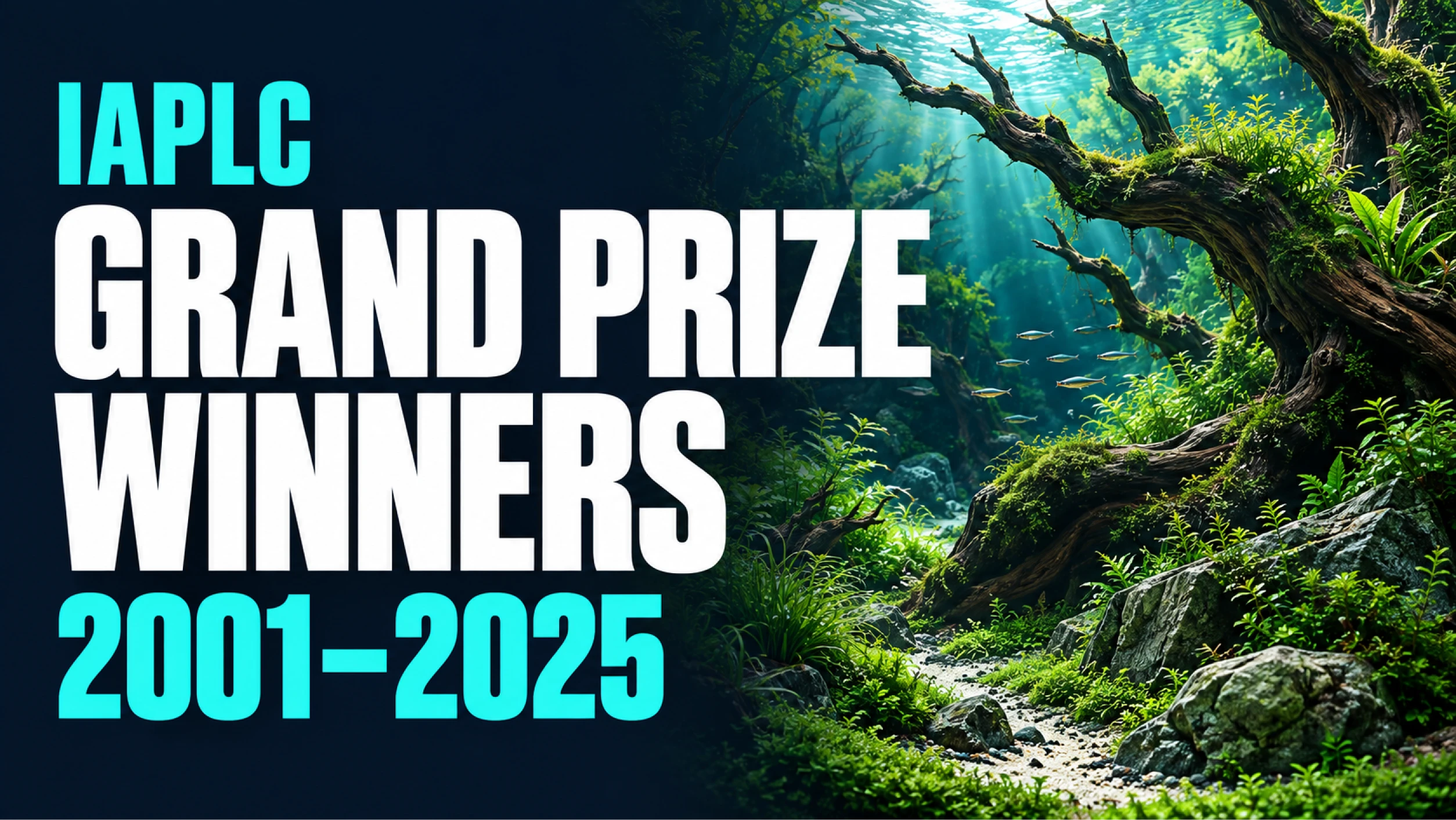
  • IAPLC GRAND PRIZE WINNERS · 2001–2025

    Every IAPLC Grand Prize Winner, 2001–2025: Design Trends, National Milestones and the Amano Legacy

    Twenty-five years. Twenty-five winning aquascapes. Twenty-two individual champions. The history of the IAPLC Grand Prize is a record of how aquascaping has expanded its visual language—from lush planted habitats and open swimming spaces to forests, rock corridors, caves and intricately constructed underwater worlds.
  • IAPLC 2026 Fresh Faces cover with bold typography and new aquatic plant growth.

    IAPLC 2026 TOP 300: 8 Fresh Faces to Follow

    The IAPLC 2026 TOP 300 nominee list offers an opportunity to discover creators whose next work could become a new source of inspiration. Alongside familiar champions are names with a different recent story: a finish outside the Top 300 in 2025, followed by a nomination in 2026.
  • Whispering Shadows - Luis Carlos Galarraga / Brazil - Bronze Prize IAPLC 2020 - Jagged Rocky Valley Framed by Moss and Schooling Fish

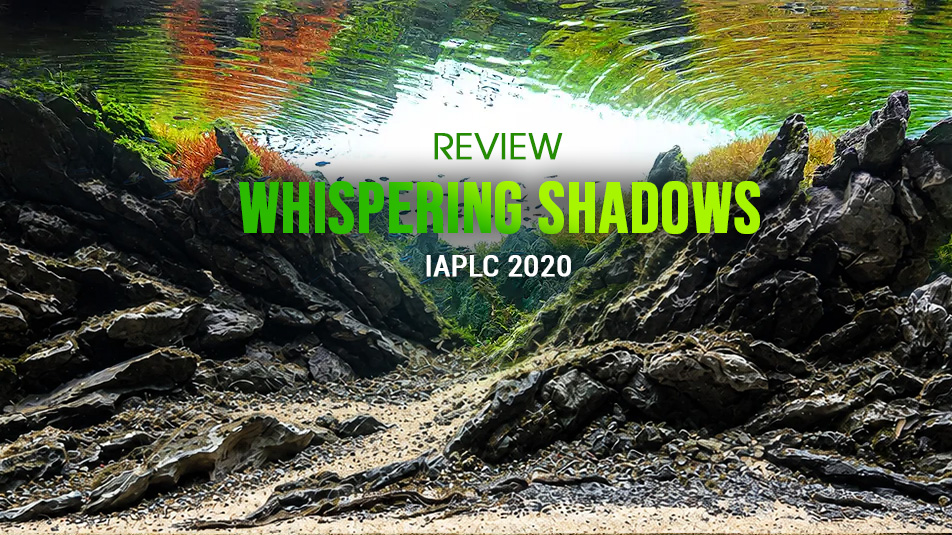
    Whispering Shadows - Luis Carlos Galarraga / Brazil - Bronze Prize IAPLC 2020 - Jagged Rocky Valley Framed by Moss and Schooling Fish

    This image presents a densely planted rocky aquascape organized around a bright central opening that reads as a submerged valley. Dark, sharply layered stones establish the structure, while mosses and fine foliage soften their edges without obscuring the main geological rhythm. Small schooling fish add scale and movement across the upper and middle water, although their exact species and ecological requirements cannot be confirmed from the image alone. The result is a convincing naturalistic scene with strong depth, an unusually effective water-surface transition, and a few areas where planting density and visual control could be refined.
  • IAPLC 2020 - Rank 6 - Layered Jungle Stream with Schooling Fish and Bright Opening

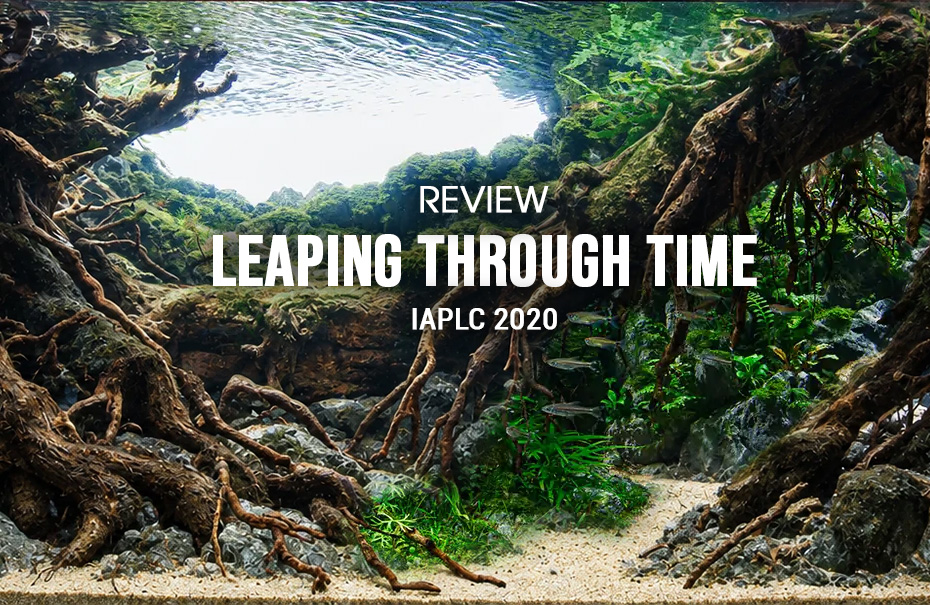
    Leaping through time - Jheng Yu Lyu / Chinese Taipei - Bronze Prize IAPLC 2020 - Layered Jungle Stream with Schooling Fish and Bright Opening

    This image presents a densely planted underwater landscape built around a shaded, forest-like stream. Dark framing vegetation and arching wood create a strong tunnel effect, while a pale central opening supplies depth and directs attention toward the rear of the composition. A group of small fish occupies the middle water, reinforcing the impression of a living habitat. The scene is highly immersive and technically ambitious, although the darkness at both sides and the very dense planting make some structural relationships difficult to read. Scores below are editorial estimates based only on this image, not official contest results.