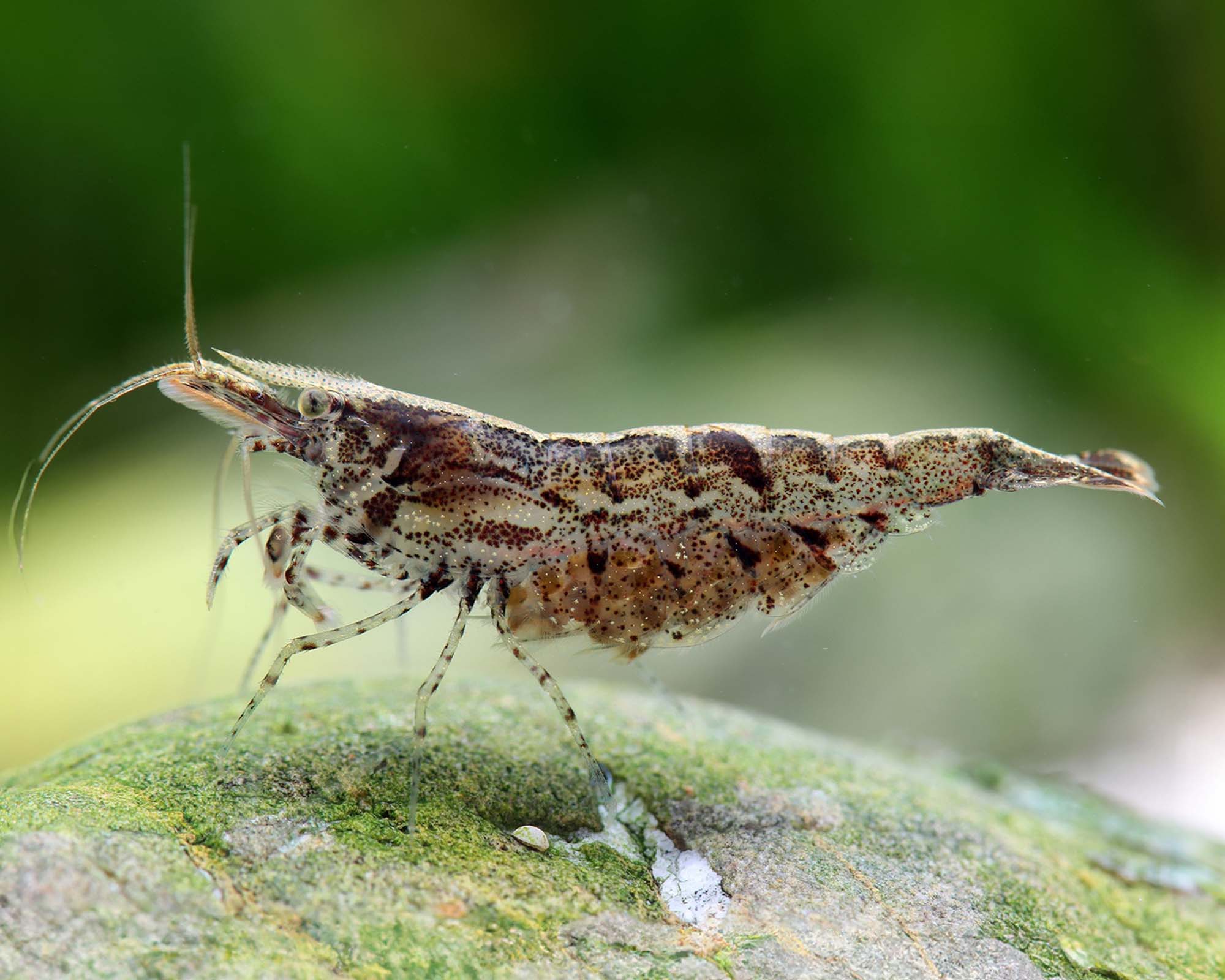
Taxonomy and Habitat
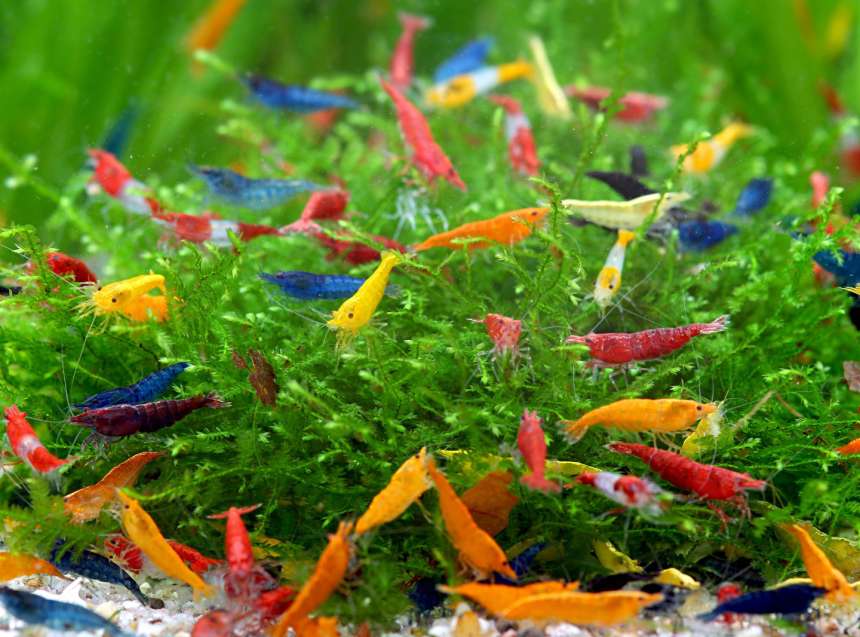
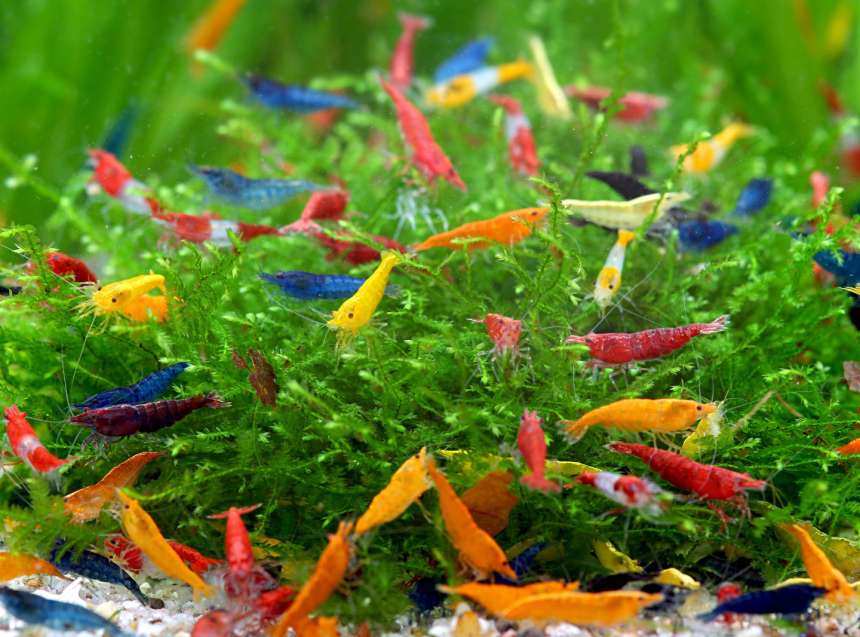
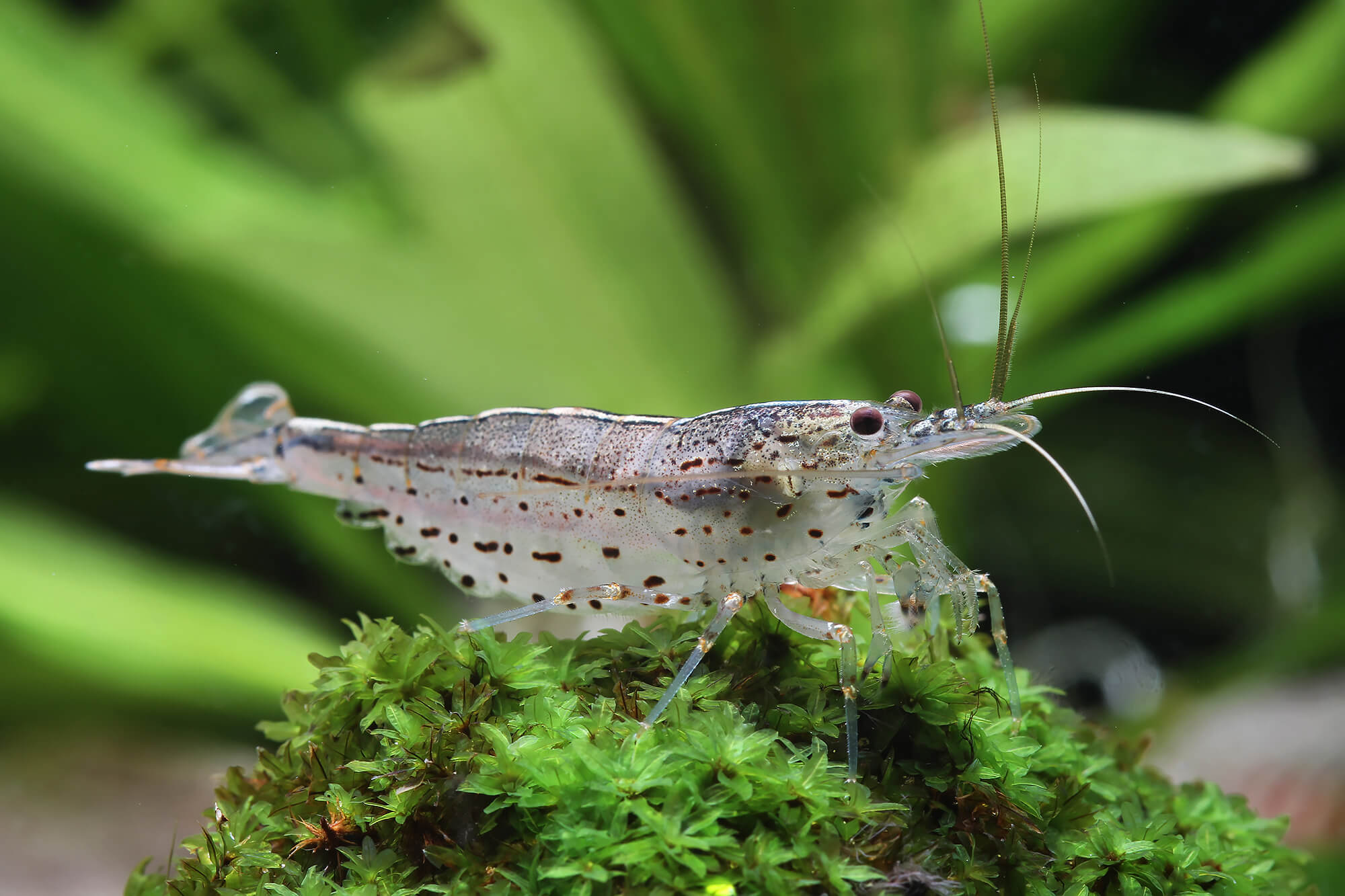
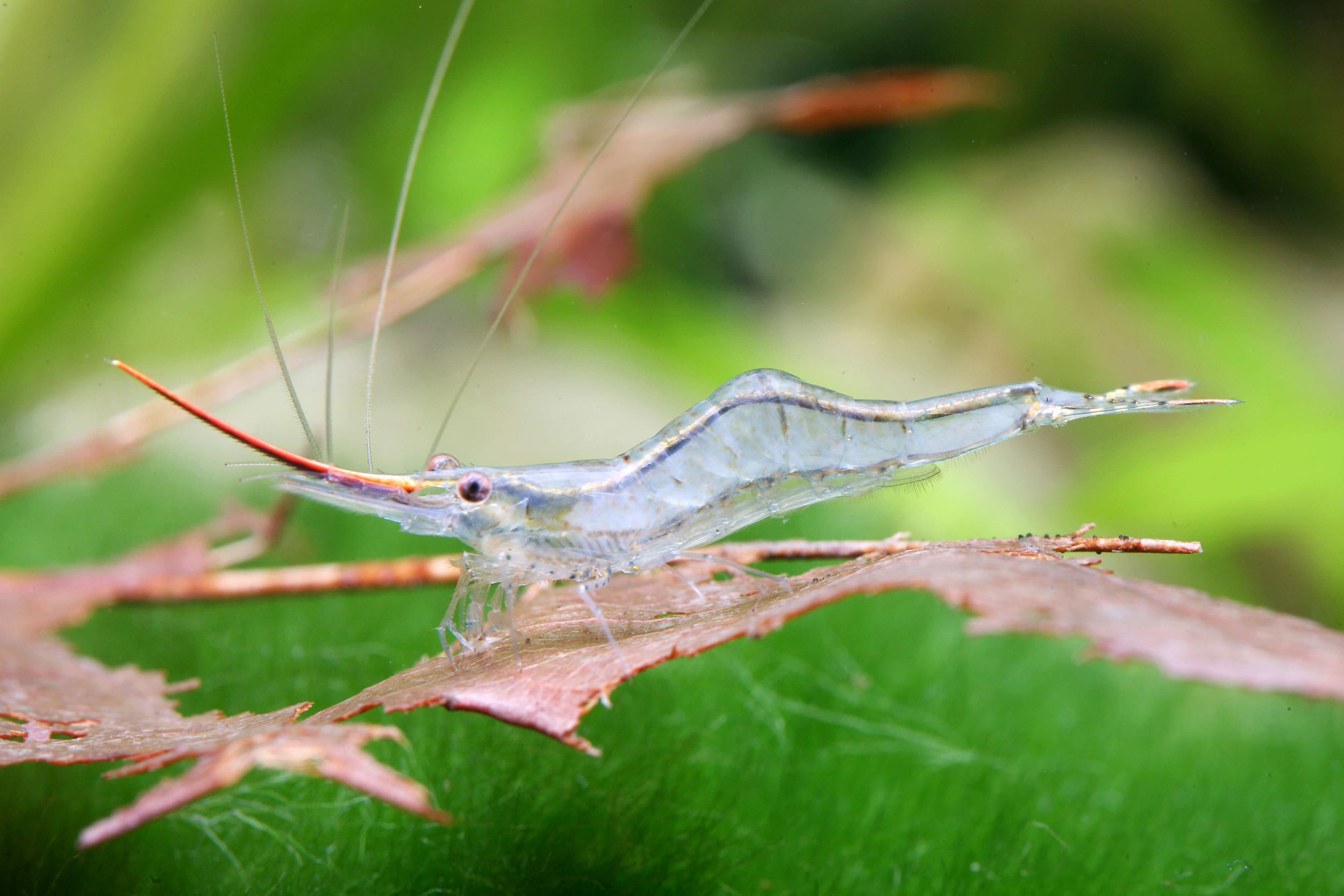
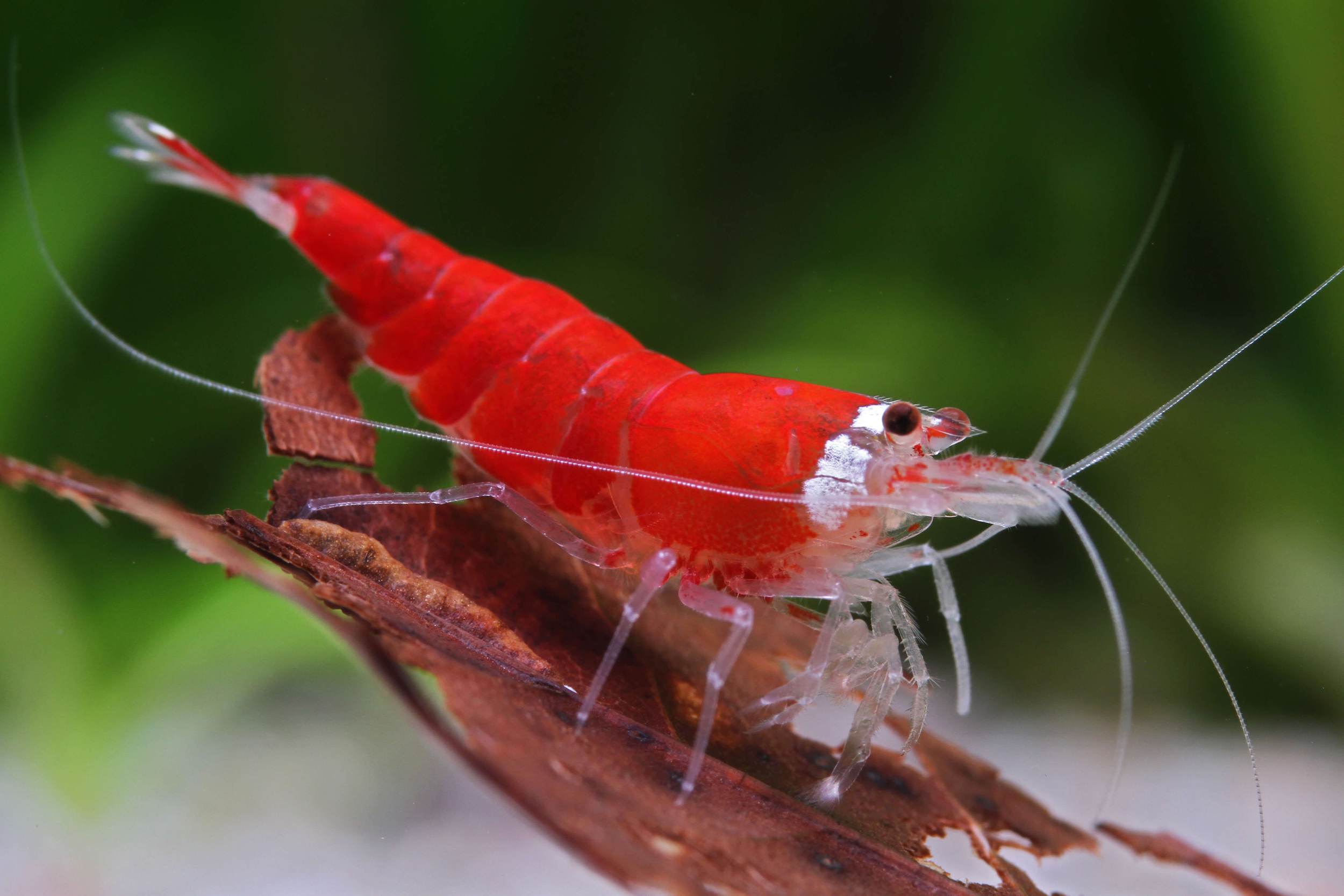
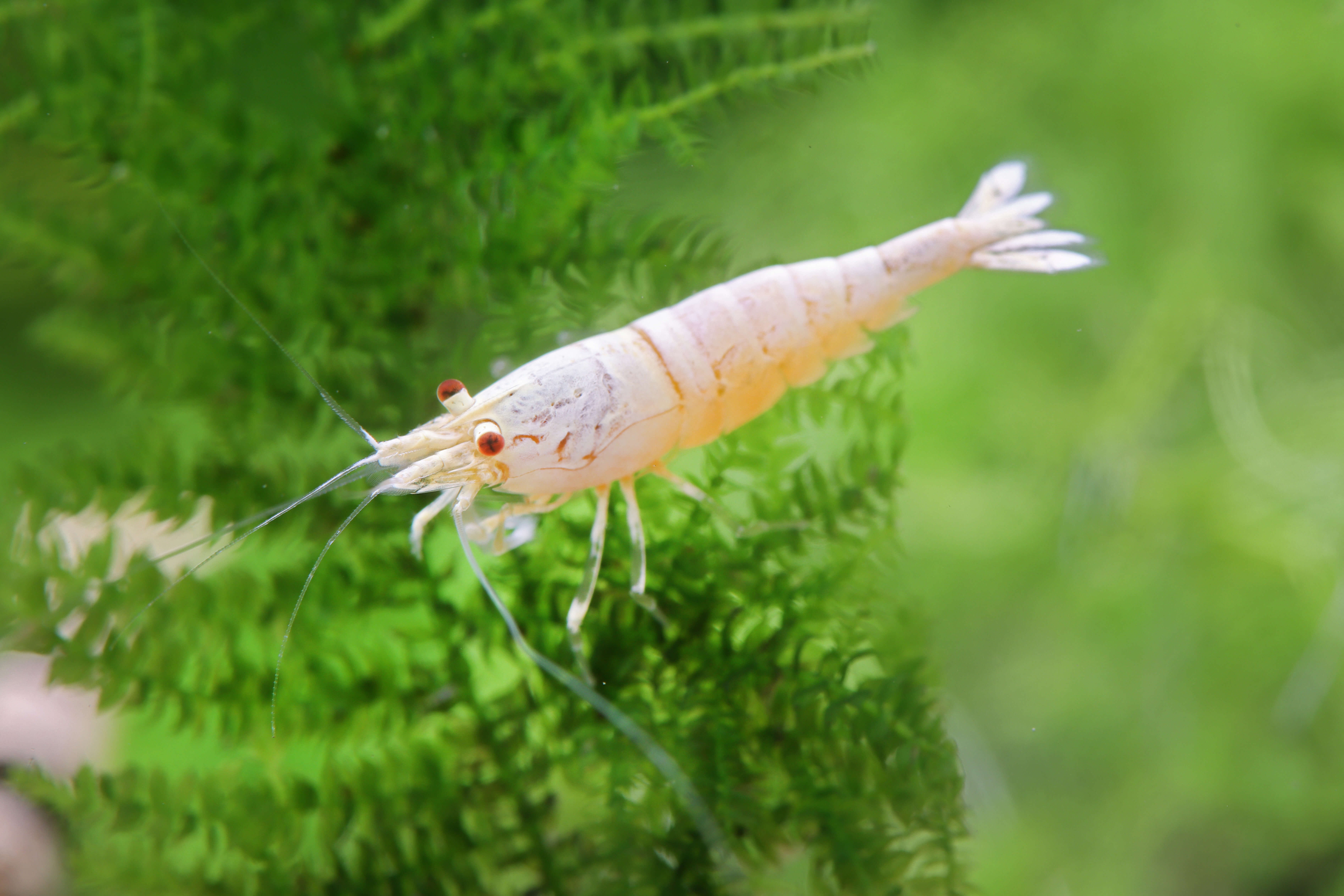
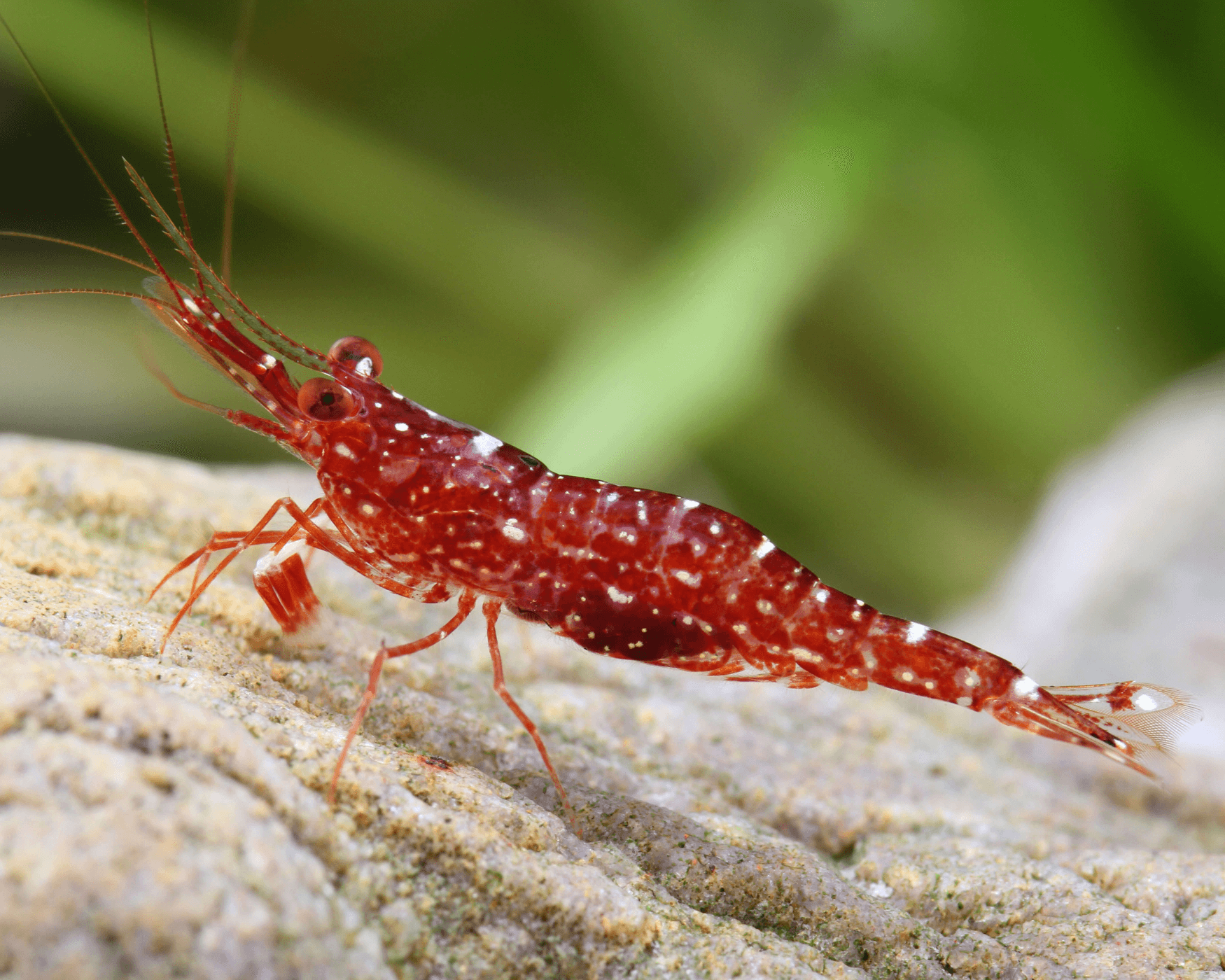
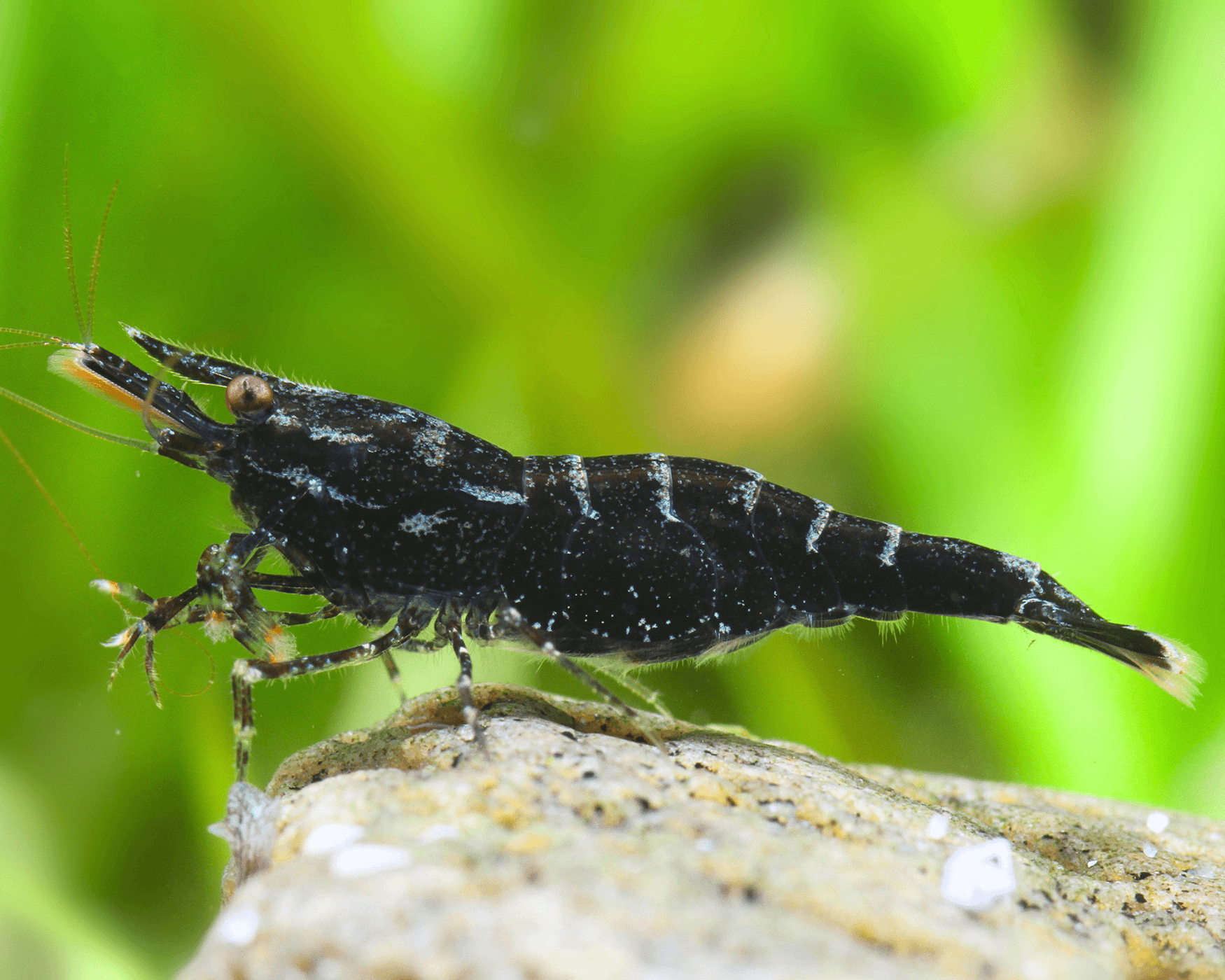
Neocaridina davidi belongs to the Atyidae family. Originally native to various freshwater streams and ponds in East Asia, they are highly adaptable to different water conditions. In the wild, they are typically found in areas with dense vegetation, which provides them with both food sources and protection from predators.
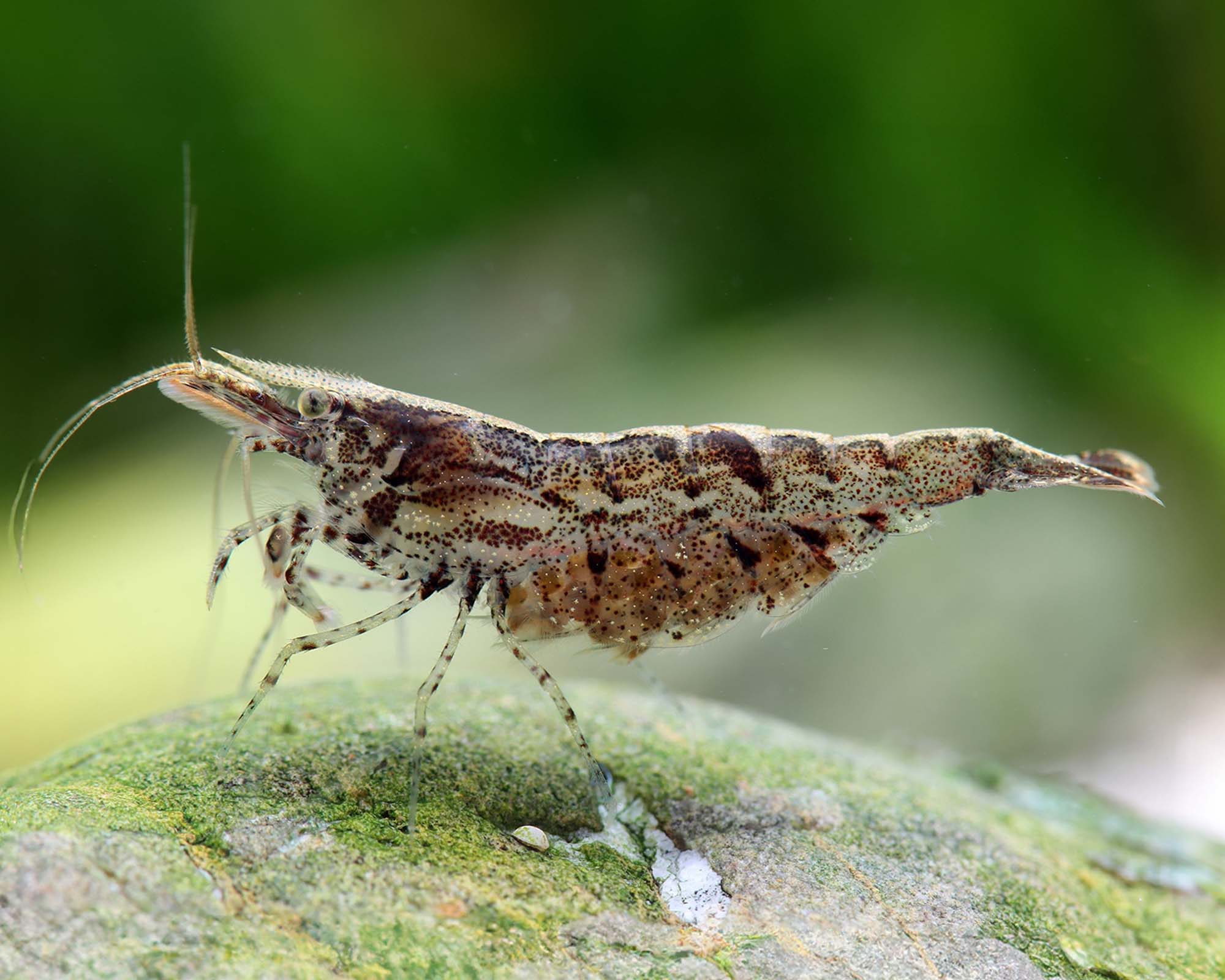
Water Parameters
These shrimp thrive in a wide range of water conditions. A stable pH between 6.5 and 8.0 and a temperature range of 18 to 28 degrees Celsius are ideal. They prefer well-cycled tanks with low nitrate levels. Providing a stable environment is more critical than hitting specific target numbers, as they are sensitive to sudden fluctuations.
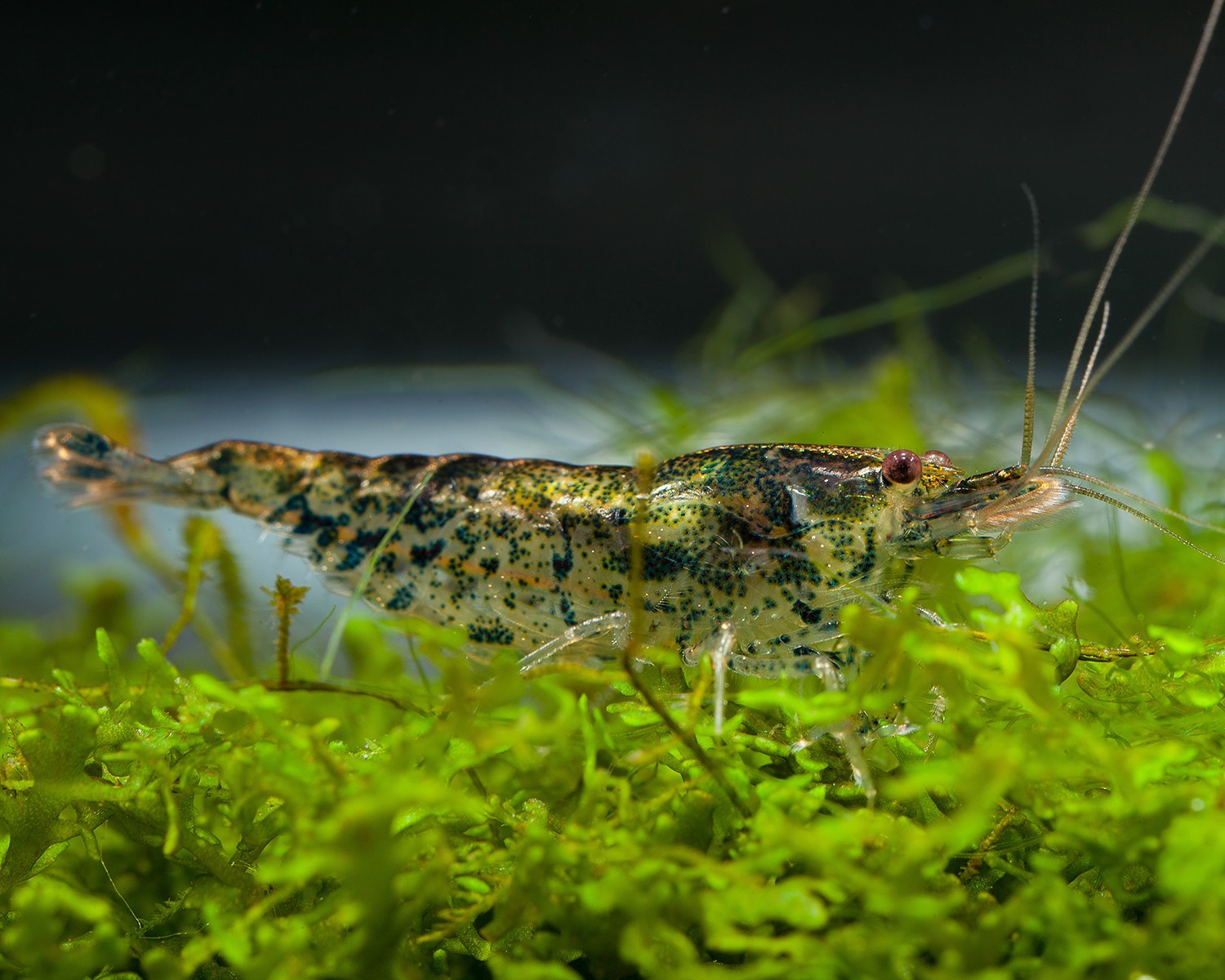
Feeding
As omnivorous scavengers, they primarily feed on biofilm, decaying plant matter, and algae present in the tank. To ensure optimal health and coloration, supplement their diet with high-quality sinking shrimp pellets, blanched vegetables, or specialized mineral foods. Do not overfeed, as excess food can degrade water quality.
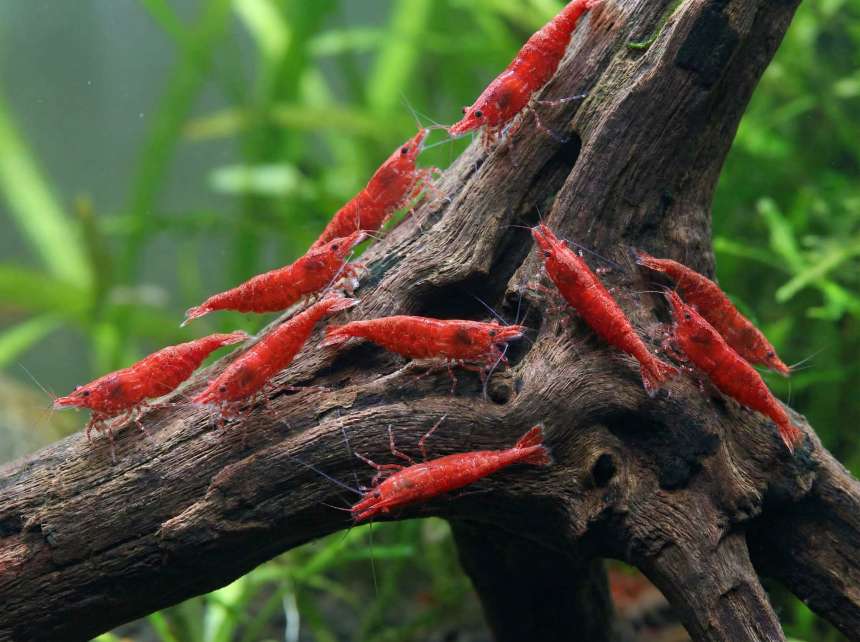
Tank Mates
Due to their small size, they should be housed with peaceful tank mates. Small, non-aggressive fish like nano tetras or otocinclus are suitable. Avoid large or predatory fish that may view shrimp as a snack. They are safest in species-only tanks or with other peaceful invertebrates like snails.
Molting and Breeding
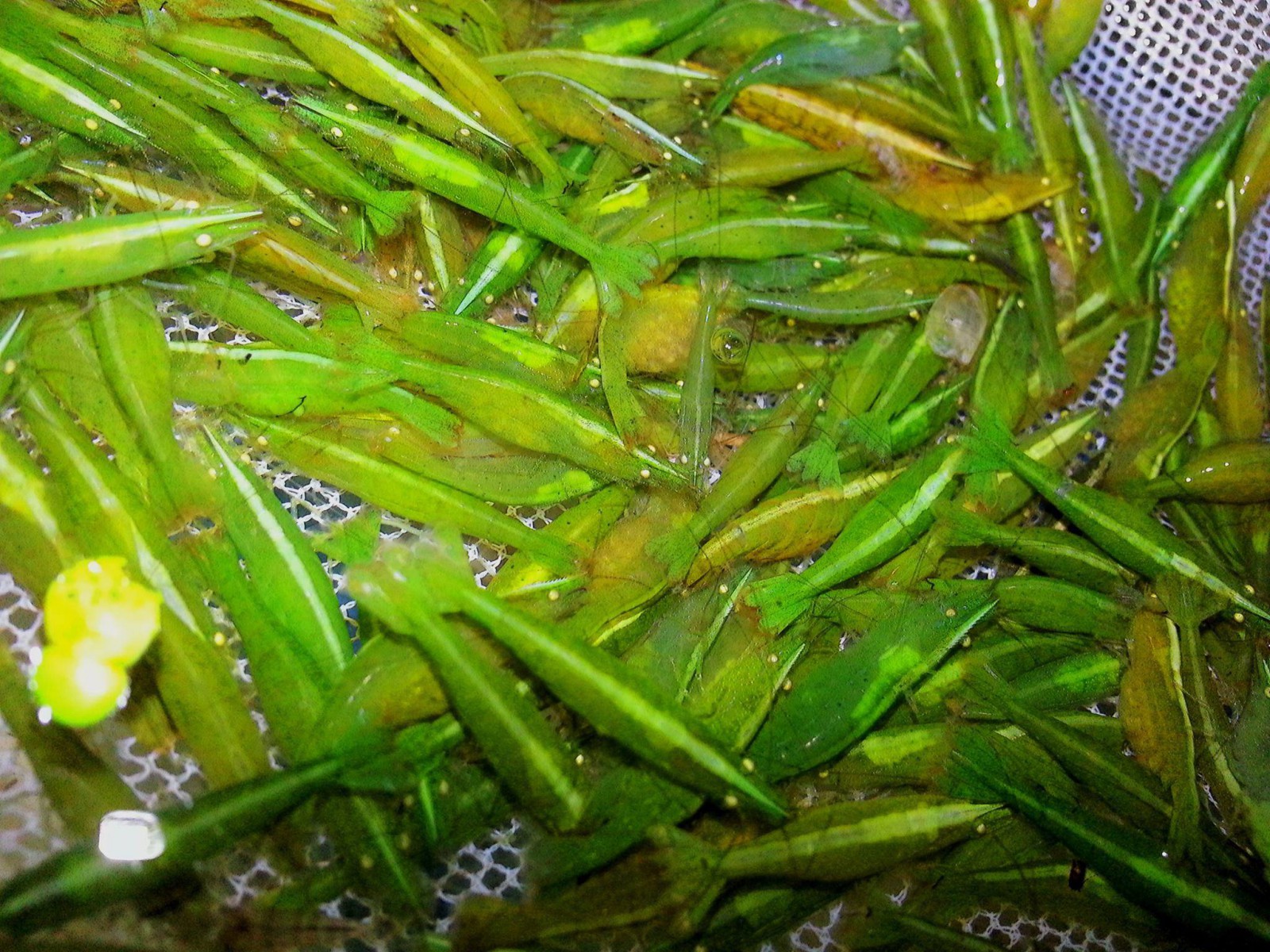
Shrimp must molt their exoskeleton to grow. Ensure the water contains sufficient minerals, specifically calcium and magnesium, to support successful molting. If conditions are favorable, they breed readily in freshwater. Females carry eggs under their abdomen until they hatch into miniature versions of the adults, requiring no specialized larval stage.
Leave your comments