Taxonomy and identification
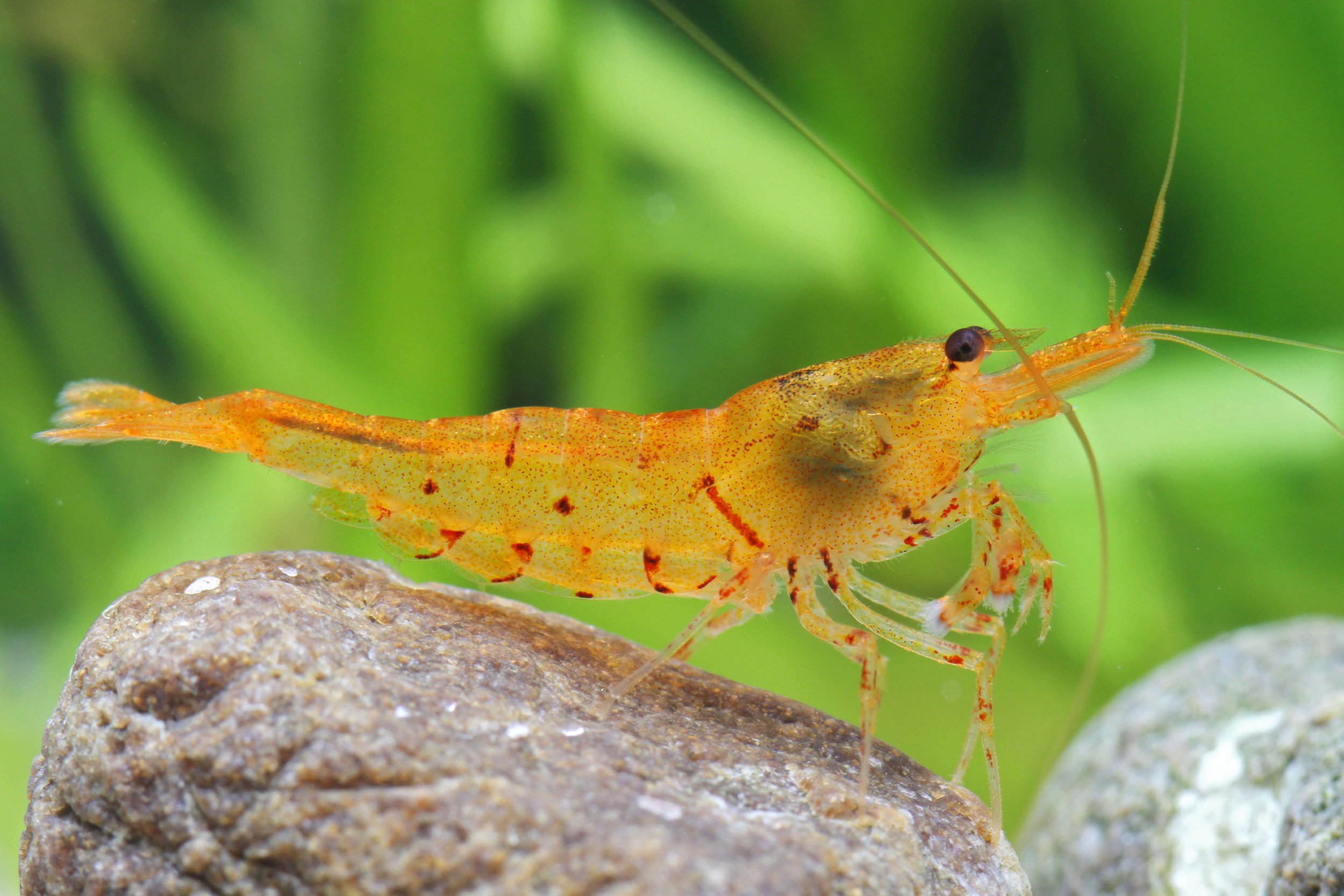
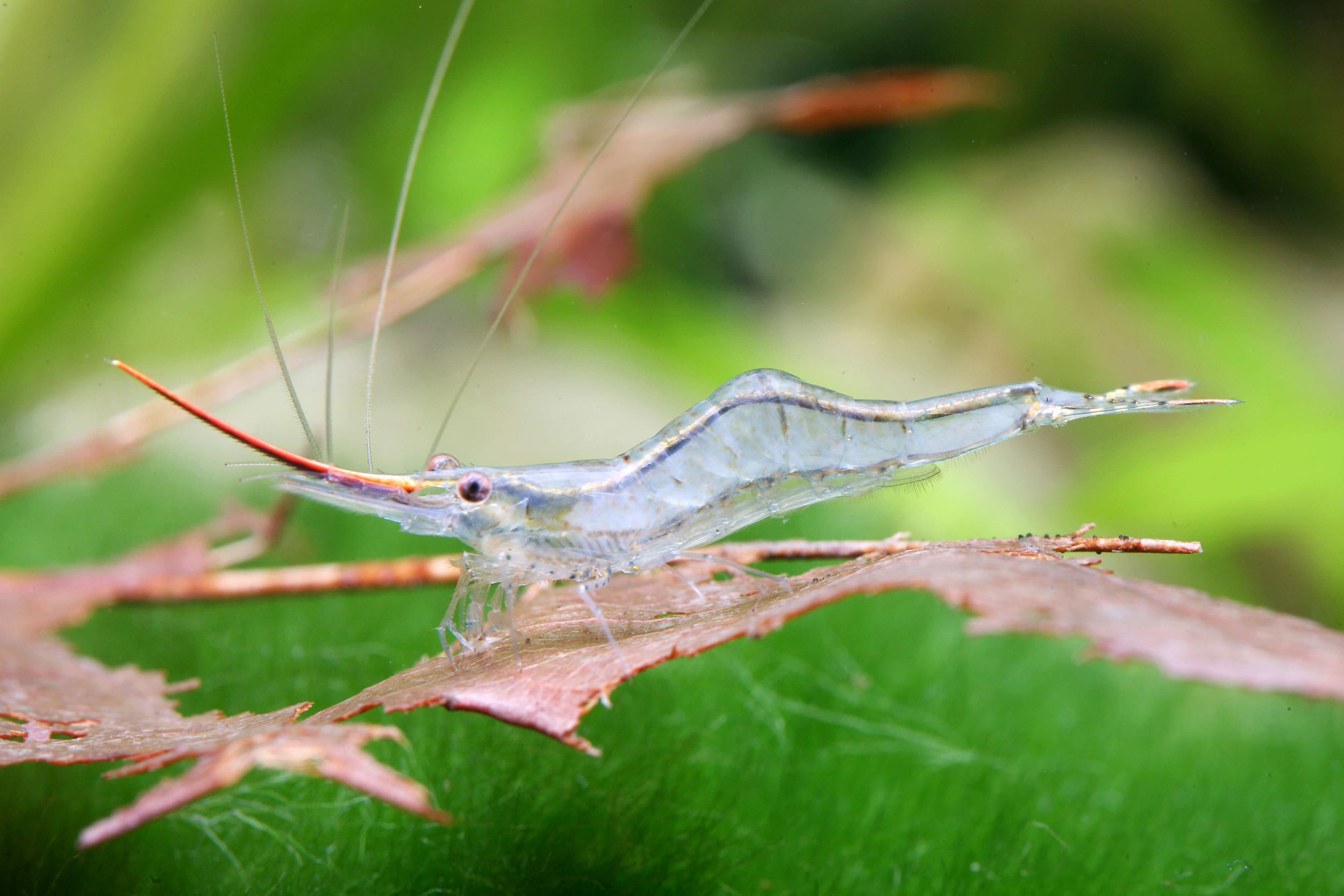
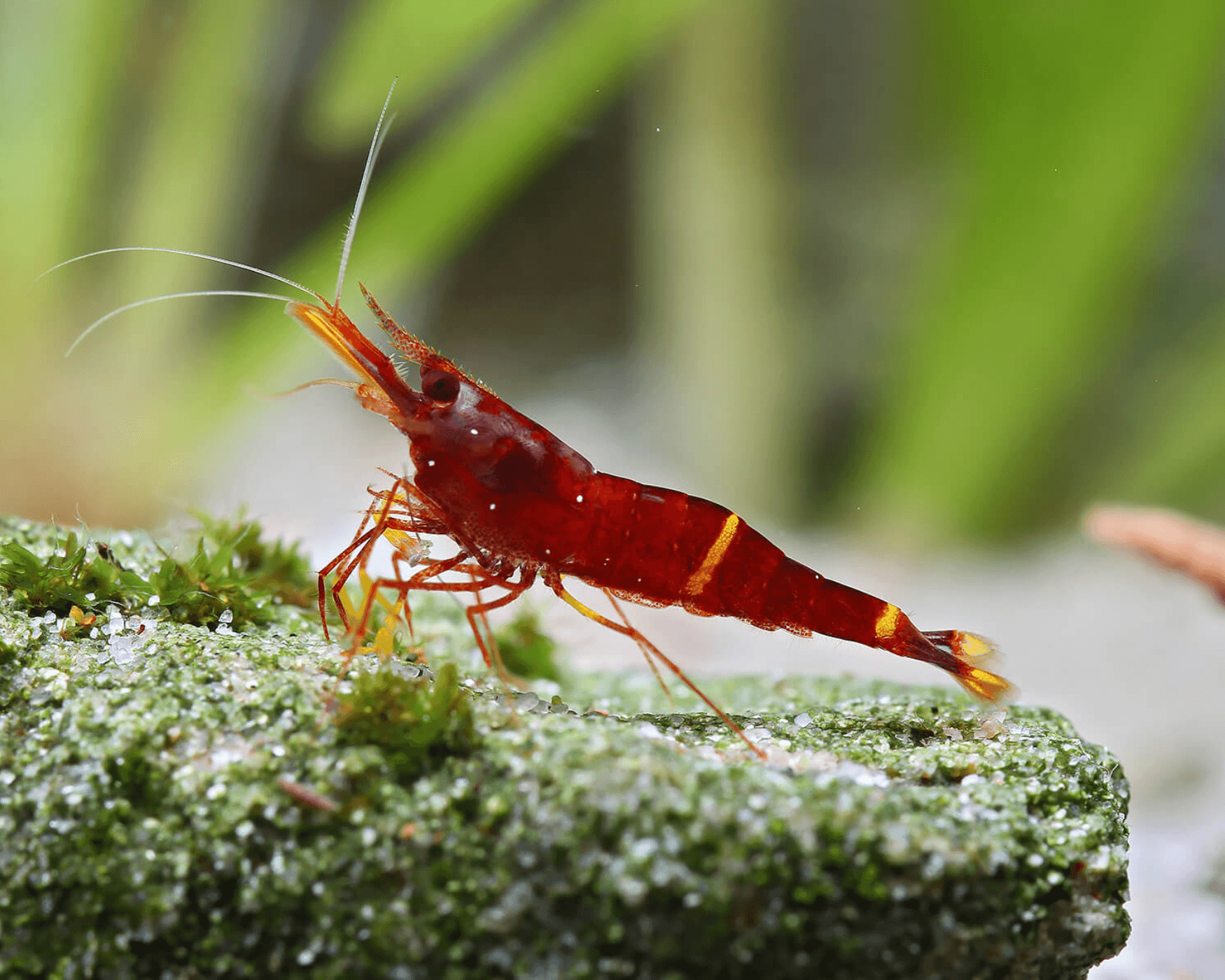
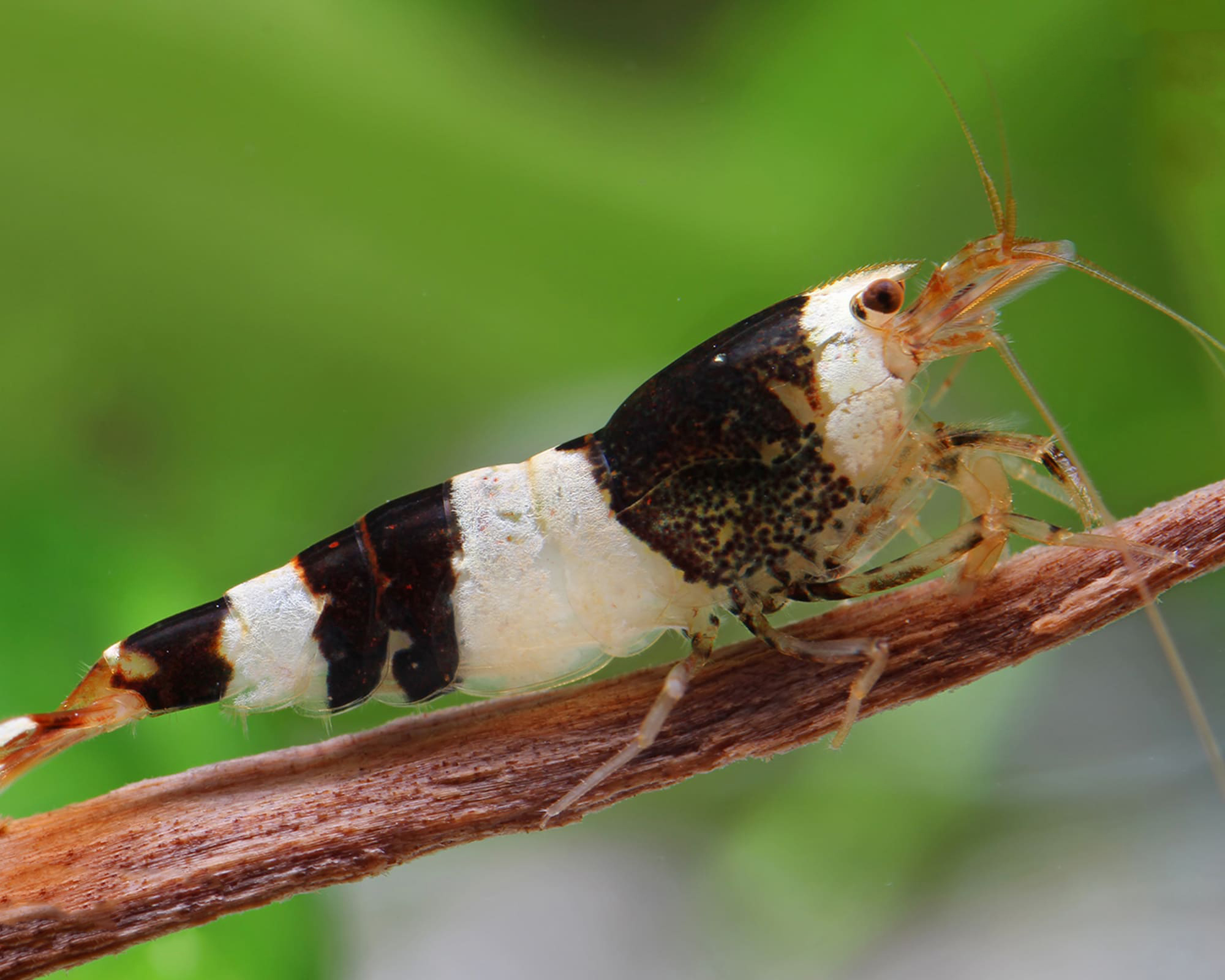
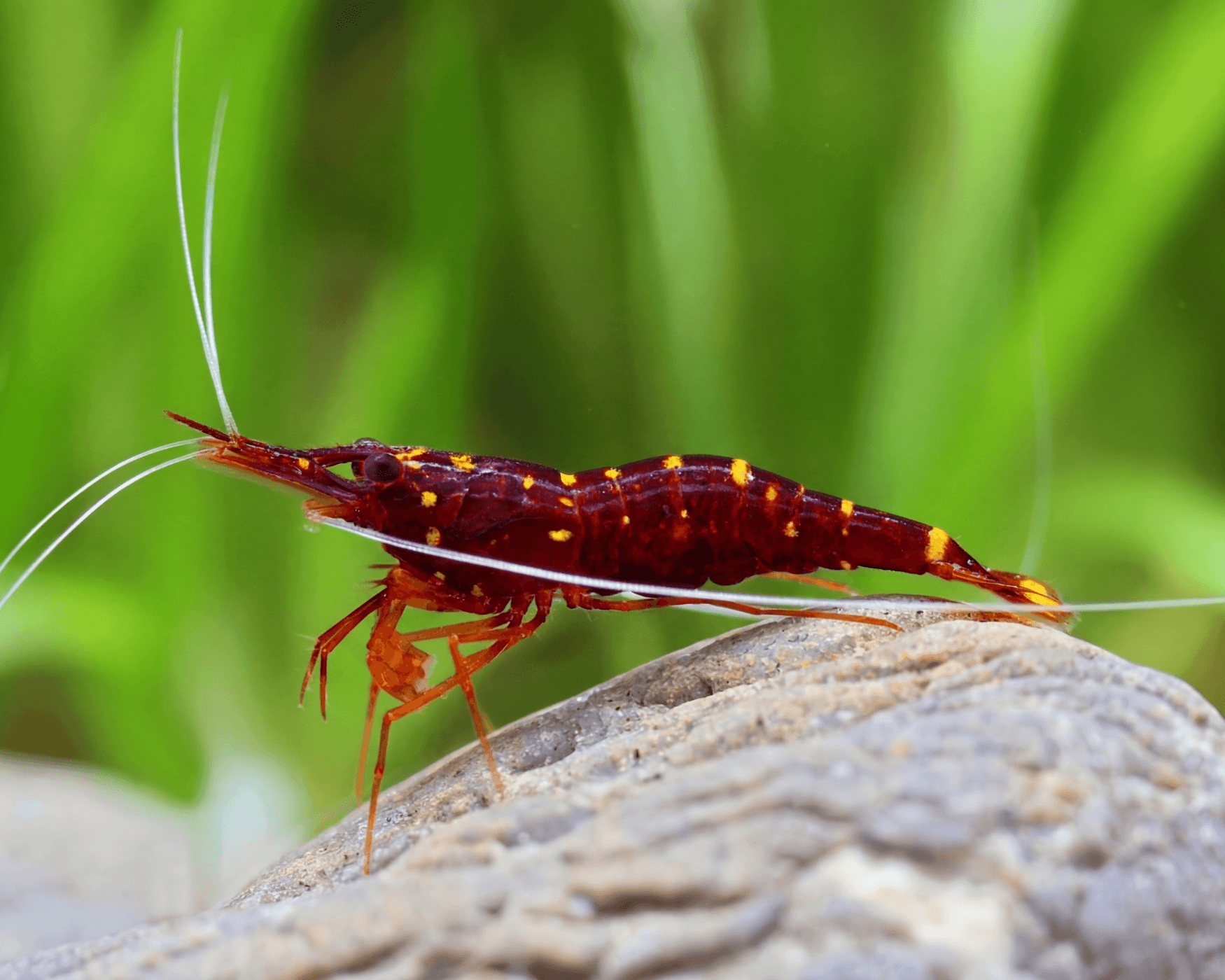
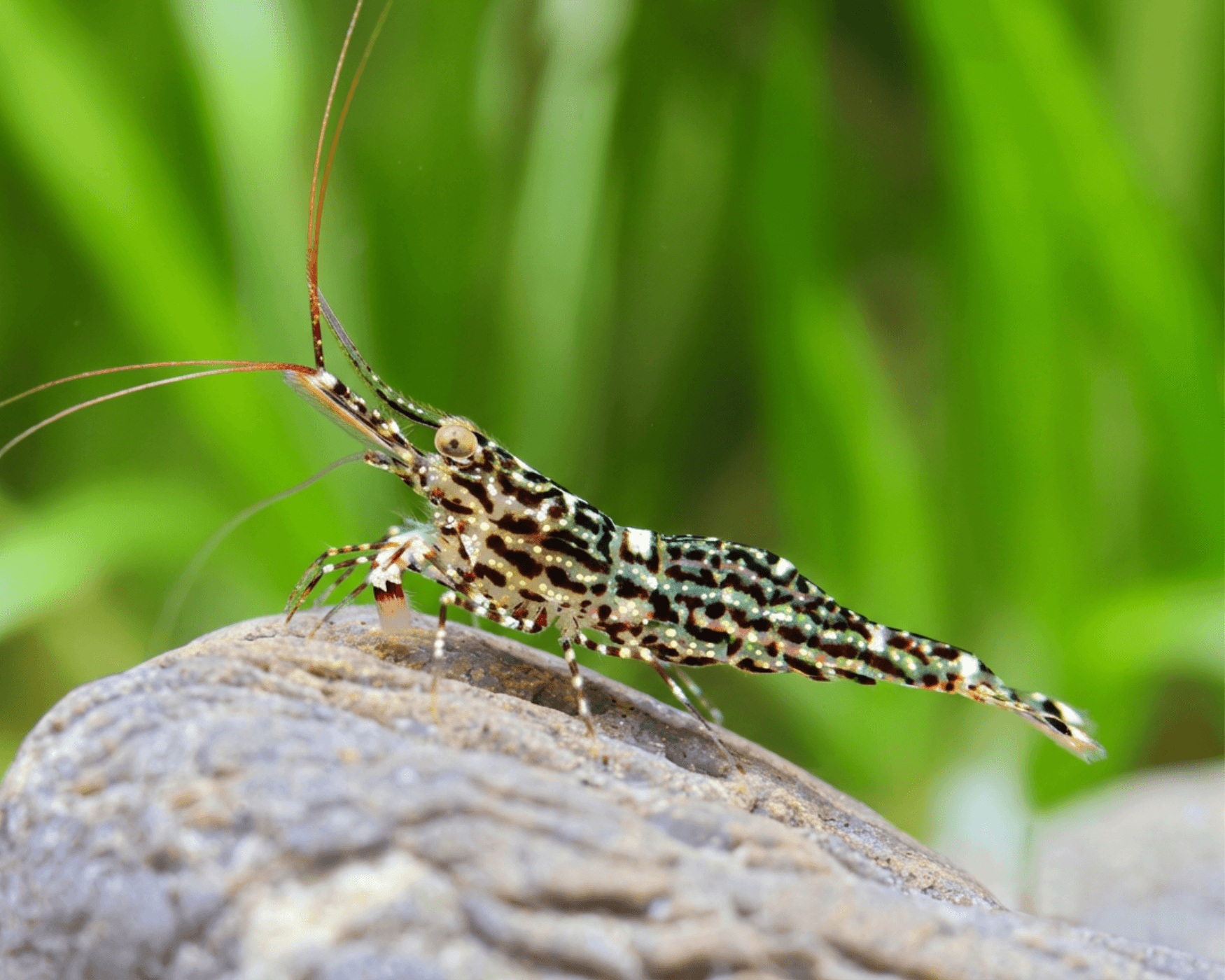
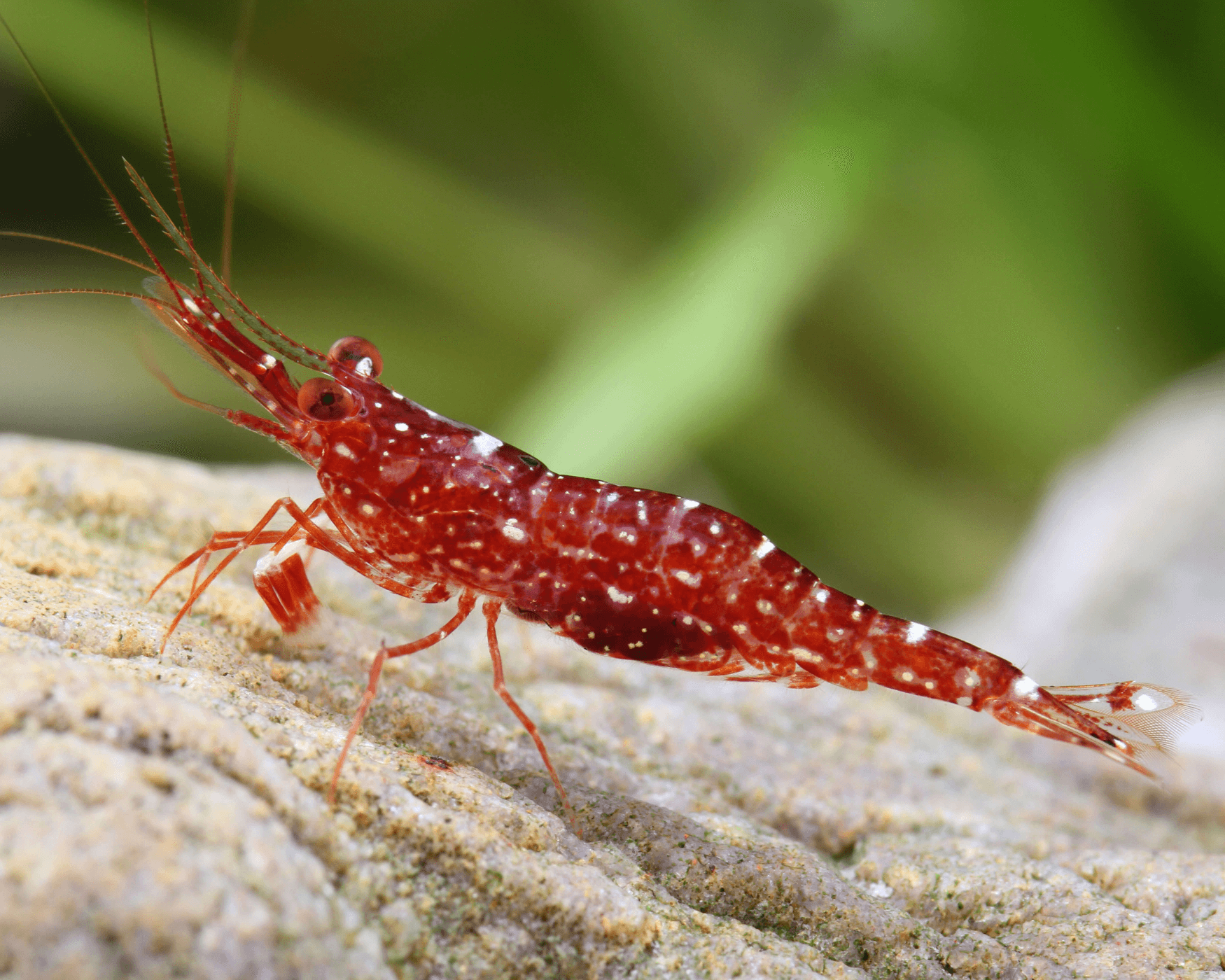
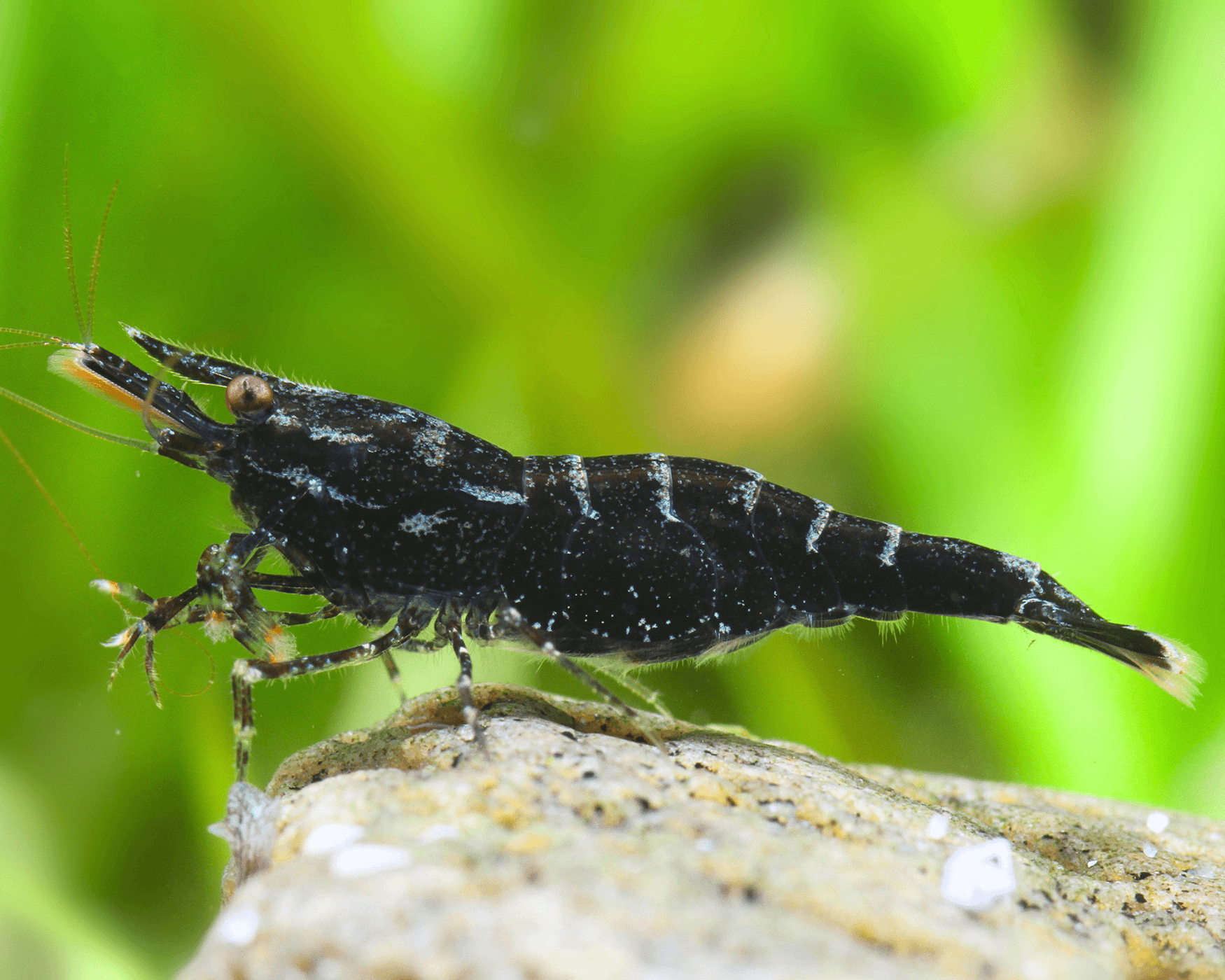
The accepted species name is Caridina cantonensis, a freshwater caridean shrimp in the family Atyidae. Golden Tiger is a trade and breeding-line name rather than a formal scientific taxon. The image shows a translucent golden-yellow shrimp with orange-red speckling and darker markings, consistent with a tiger-type C. cantonensis, but the precise strain or grade cannot be verified from the available evidence.
Natural habitat
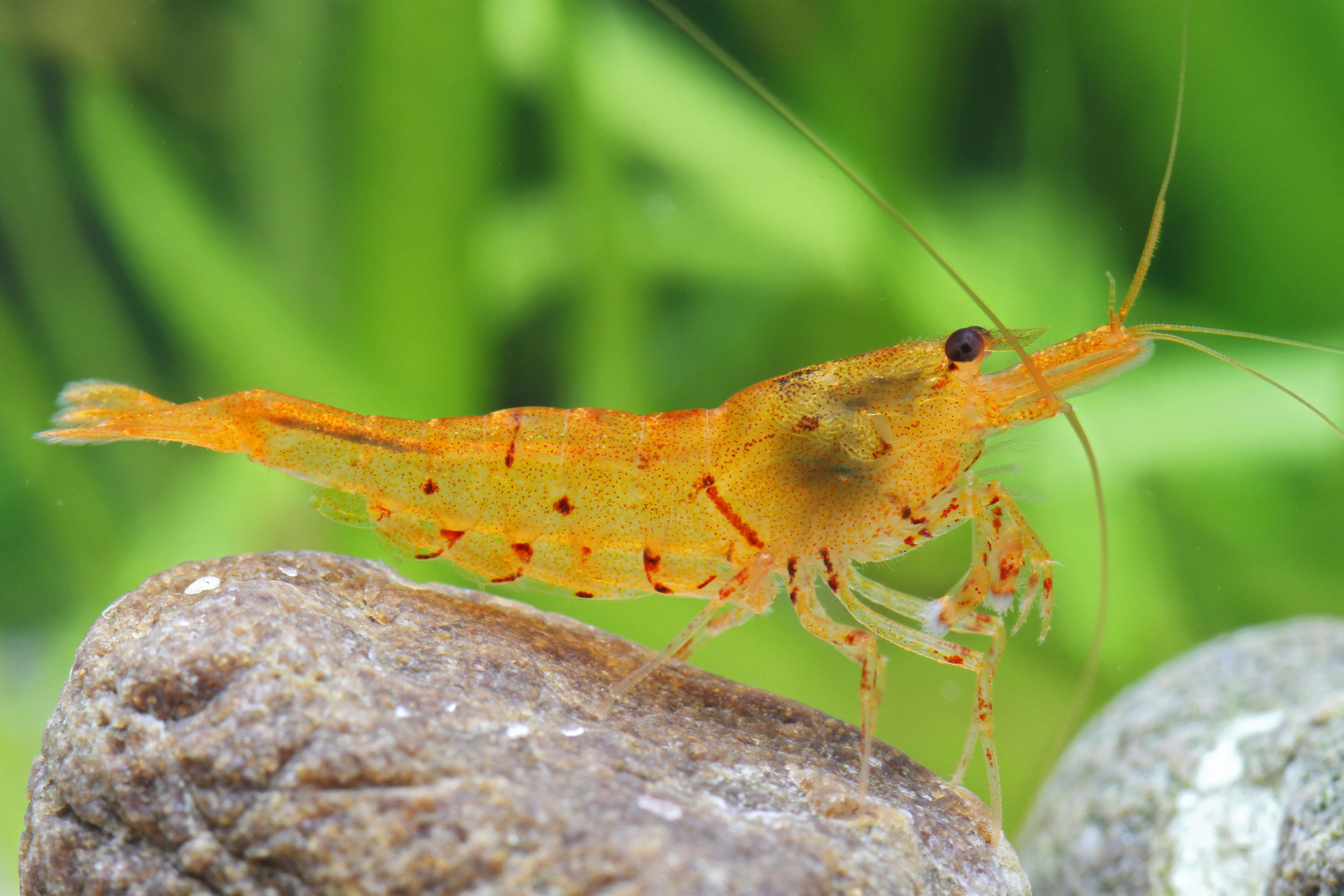
Caridina cantonensis is associated with clear, cool, oxygen-rich freshwater habitats in southern China and nearby regions, including streams and flowing waters. These environments provide stones, leaf litter, wood, aquatic plants, and surfaces covered with microorganisms. Aquarium specimens are commonly captive-bred, so the original wild locality of a particular Golden Tiger line may be unknown.
Aquarium conditions
Use a mature, fully cycled aquarium with stable conditions and ample biofilm. Soft, slightly acidic water is generally appropriate, with low ammonia and nitrite and minimal nitrate. Use remineralized reverse-osmosis water when needed, and maintain enough calcium and magnesium for a suitable general hardness and successful molts. Avoid abrupt changes in temperature, pH, conductivity, or mineral content. A sponge filter or a guarded intake provides gentle circulation and protects juveniles.
Feeding
Allow natural biofilm and aufwuchs to form on plants, wood, and hardscape. Supplement with small portions of shrimp food, blanched vegetables, or other appropriately formulated foods. Feed sparingly and remove uneaten food before it decomposes. A varied diet containing plant matter and adequate protein supports growth and reproduction, while excessive feeding can damage water quality.
Tank mates
The safest companions are other peaceful dwarf shrimp of compatible water requirements and small, non-predatory snails. Most fish may eat shrimplets, even when they do not harm adults. If breeding is the priority, use a species-only aquarium or choose very small, calm fish only with the expectation that juvenile survival may be lower. Do not mix unrelated Caridina lines if preserving a specific color pattern is important, because crossbreeding can produce unpredictable offspring.
Molting and health
Shrimp periodically shed the old exoskeleton to grow. Provide stable parameters, hiding places, biofilm, and adequate mineral availability; newly molted shrimp are vulnerable and should not be disturbed. Do not remove a normal shed exoskeleton, since it can be eaten and recycled. Sudden deaths, failed molts, or persistent lethargy commonly indicate instability, unsuitable minerals, pollutants, overheating, or poor acclimation rather than a need for medication. Copper-containing treatments can be dangerous to shrimp.
Breeding
Caridina cantonensis has direct development: females carry eggs beneath the abdomen until fully formed young hatch. In a mature, stable aquarium, a berried female can release miniature shrimplets that graze immediately on biofilm and fine foods. Provide moss, dense plants, leaf litter, and sponge filtration for shelter. Avoid large water changes and sudden parameter shifts while females are carrying eggs. Selective breeding requires separating preferred offspring and tracking parentage; the name Golden Tiger alone does not guarantee identical offspring.
Leave your comments