AquaLibs presents AquaRank Discover the world’s leading aquascapers

Explore transparent rankings built from published results across the world’s leading aquascaping contests.

Egeria densa (Brazilian waterweed)

Identification

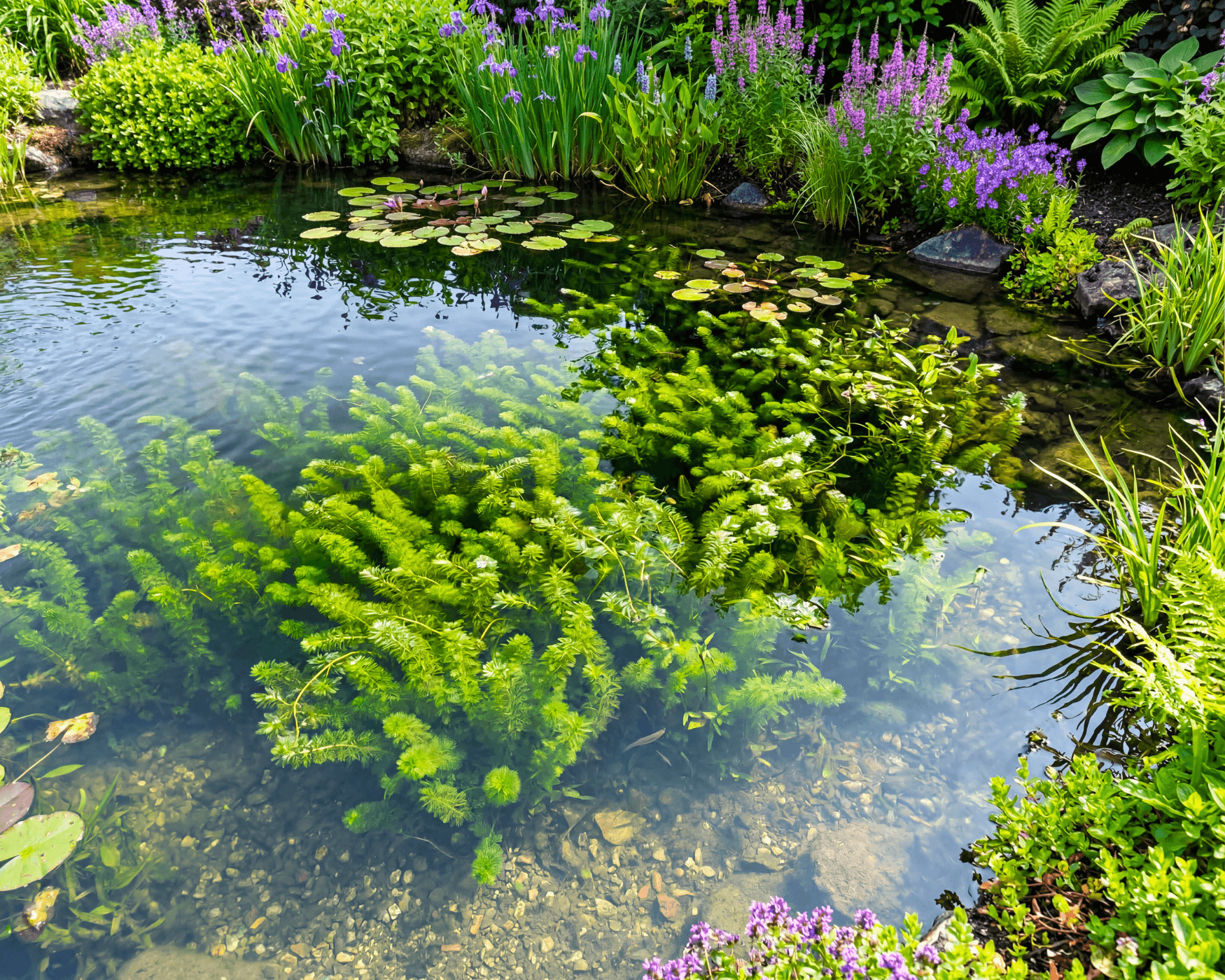
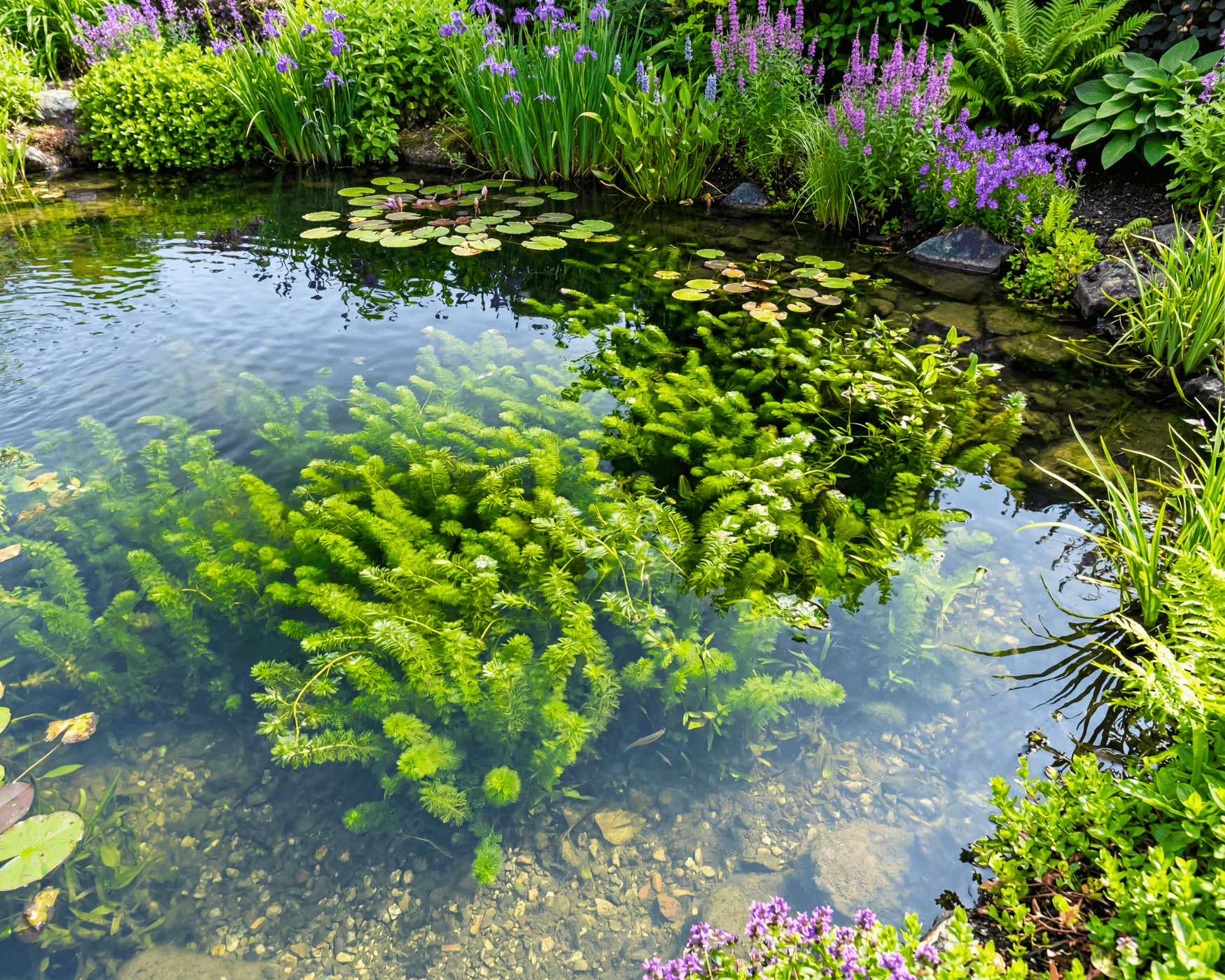
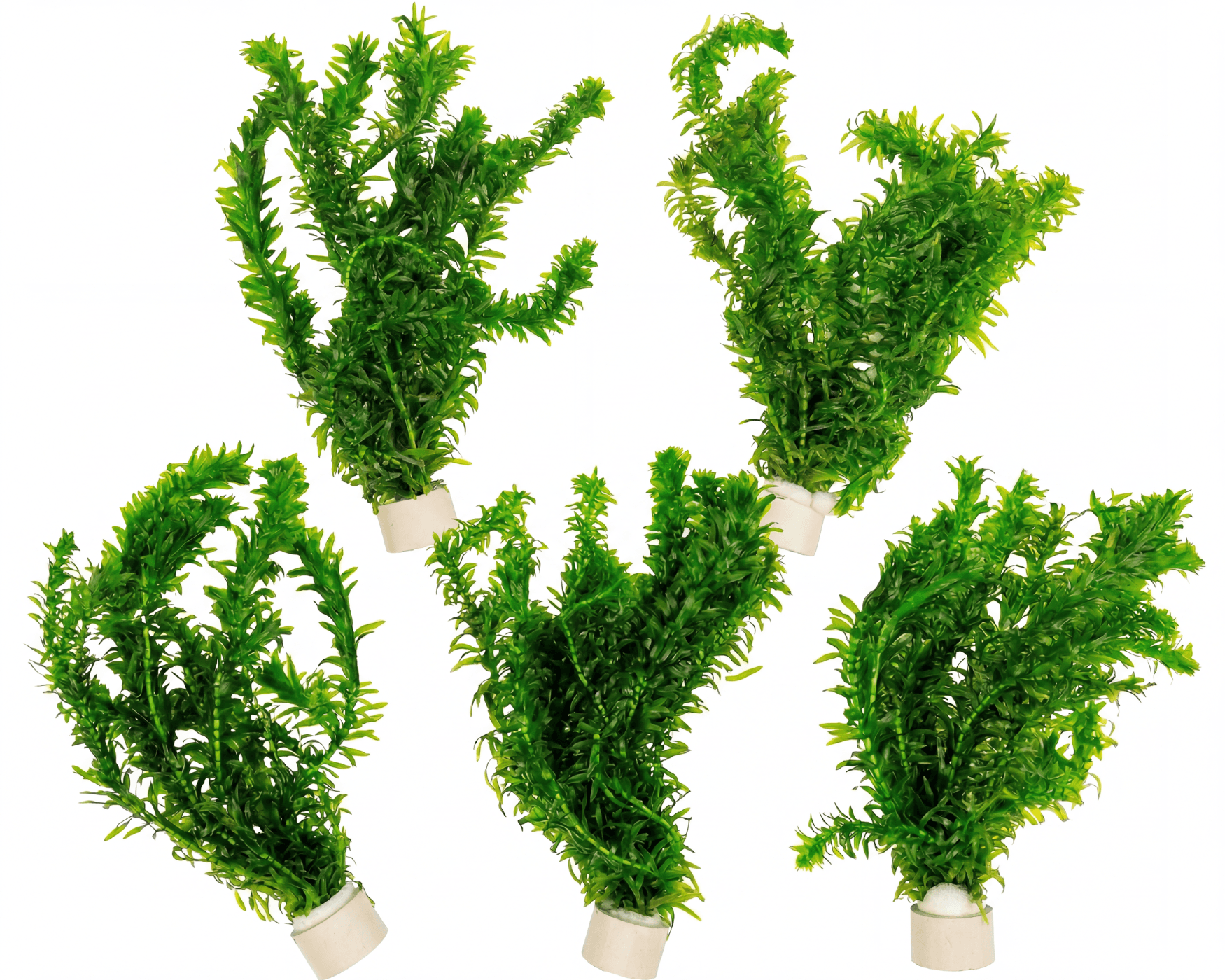
The supplied name lists both Elodea densa and Egeria densa. Egeria densa is the currently used name for Brazilian waterweed, while Elodea densa is a commonly encountered older or trade designation. The plant has branching stems and narrow leaves arranged in whorls. Because several related oxygenating plants look similar, identification should be treated as probable rather than certain without close examination of leaf arrangement and flowers.
Identification

Aquarium placement

Plant rooted or weighted stem cuttings in the background, leaving space between groups for water circulation and light. The stems may also be allowed to float temporarily, but anchored planting gives a tidier display. It is suitable for larger aquariums and can provide shelter for fry and small invertebrates.
Aquarium placement

Light and water

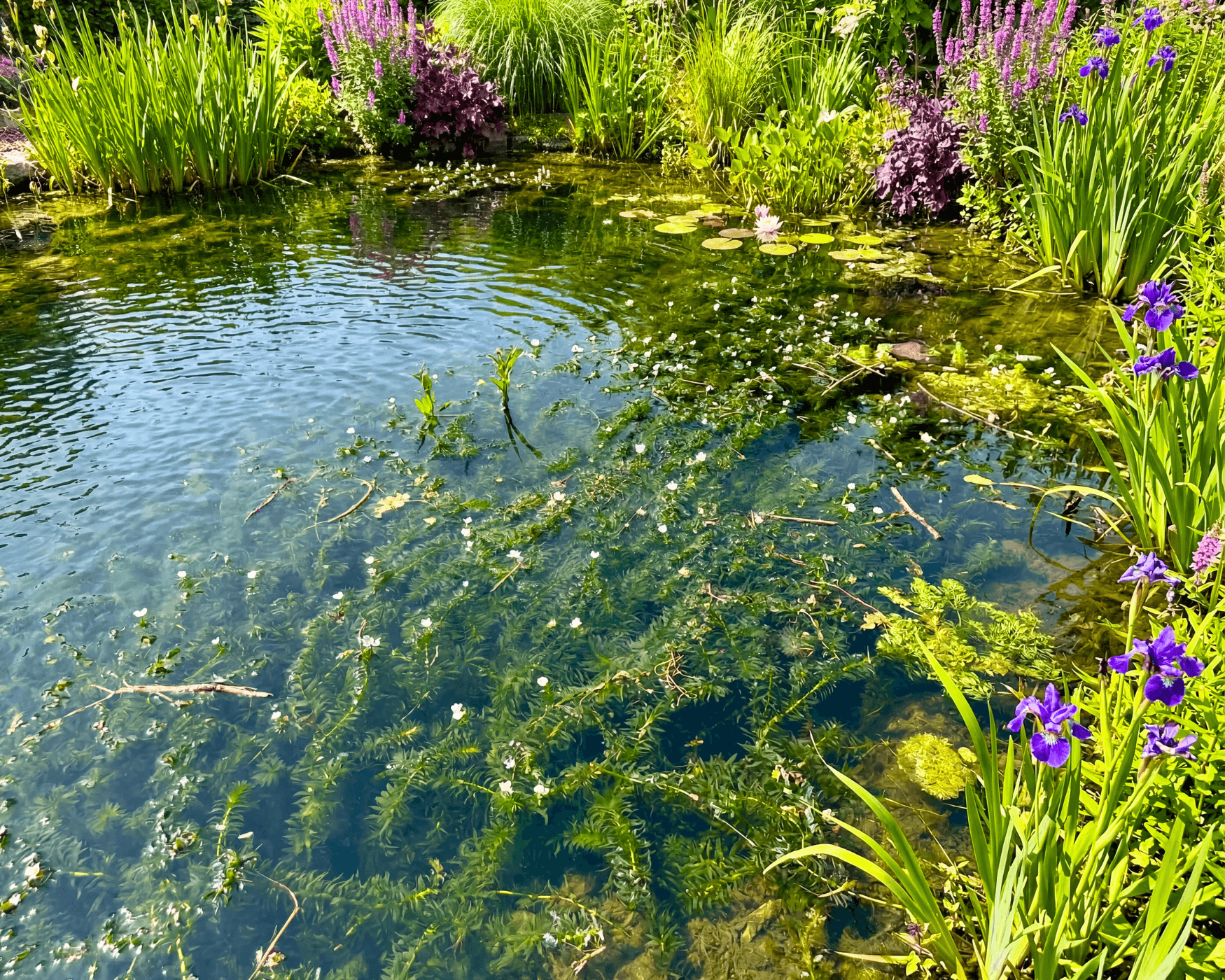
Low to medium aquarium lighting is usually sufficient, although stronger light can produce denser growth. Maintain stable, clean water with regular partial changes and good circulation. Egeria densa tolerates a broad range of common freshwater conditions. It generally grows without added carbon dioxide, while a complete supply of nutrients supports stronger new growth.
Light and water

Pruning and propagation

Propagation is straightforward: cut healthy stem sections and replant the upper portions in the substrate. Remove yellowing or decaying leaves and thin crowded stems regularly. Trimming prevents the plant from shading slower-growing species and helps maintain circulation through the group. Avoid burying excessive foliage; only the lower stem needs to be held in place.

Pond considerations

This plant can be used in suitable outdoor ponds, but it may become invasive where conditions allow unrestricted spread. Do not release aquarium or pond material into natural waterways. Check local rules before outdoor cultivation, and dispose of trimmings securely rather than placing them near drains, streams, or wetlands.
Plant info

  • Colors: Green, Dark green
  • Difficulty: Easy
  • Origin: South America
  • Usage: Background
  • Type: Submerged stem plant
  • Growth rate: Fast
  • Height: 30-100 cm
  • Light demand: Low
  • CO2: Low
Related on Plants
Leave your comments
Latest on Plants
  • Alternanthera reineckii 'Mini' (Dwarf Red Alternanthera)

    Alternanthera reineckii 'Mini' (Dwarf Red Alternanthera)

    Medium
    Foreground
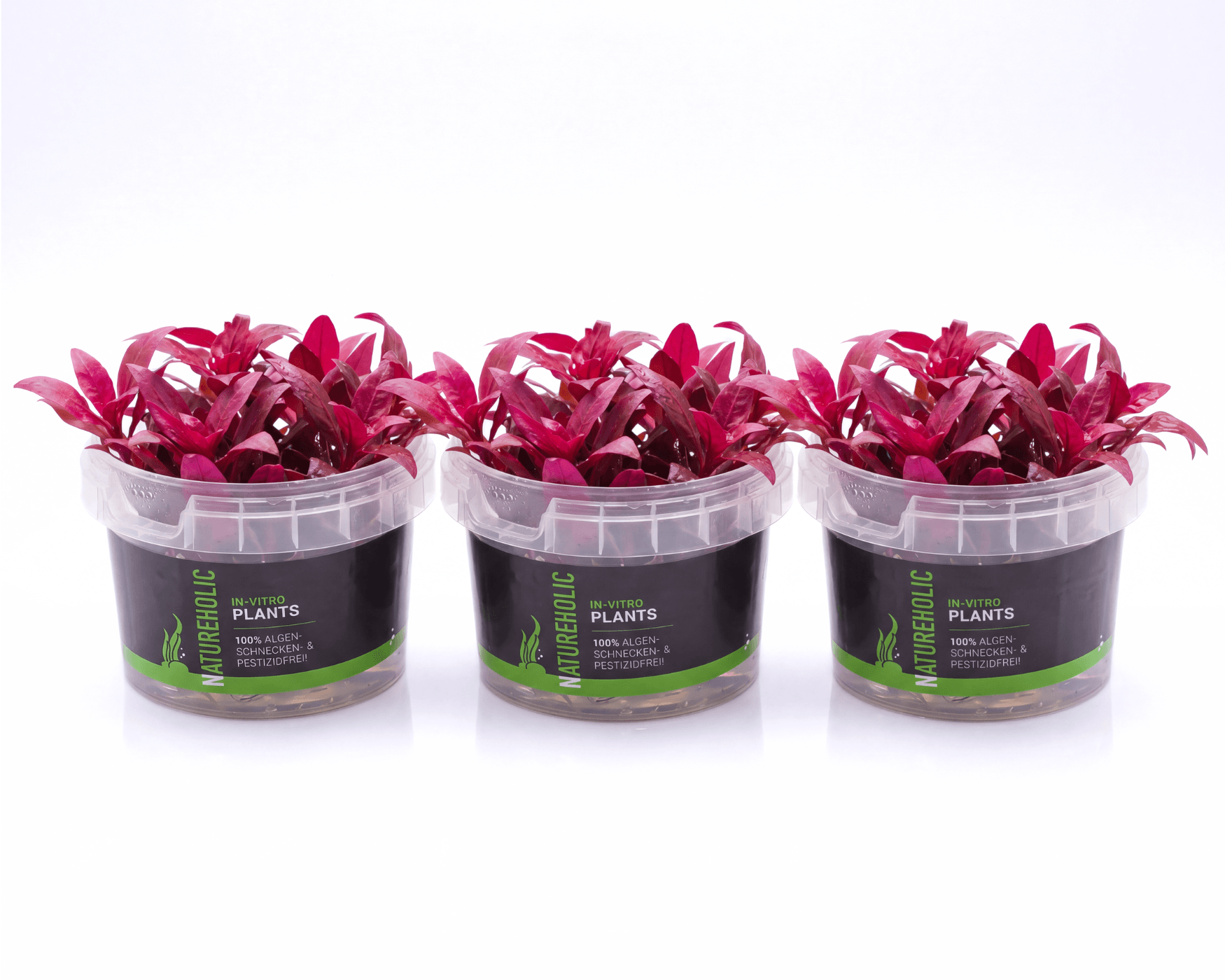
    Alternanthera reineckii 'Mini' is a compact cultivated form of the red-stemmed aquarium plant Alternanthera reineckii. It develops narrow to lance-shaped leaves in pink, red, and burgundy shades, with stronger coloration under suitable light and carbon availability. Its small stature makes it useful in the foreground or lower middle area of planted aquariums. Identification as the 'Mini' cultivar is based on the supplied product name; cultivar status and appearance can vary among commercial lines.
  • Aegagropila linnaei (Marimo)

    Aegagropila linnaei (Marimo)

    Easy
    Foreground
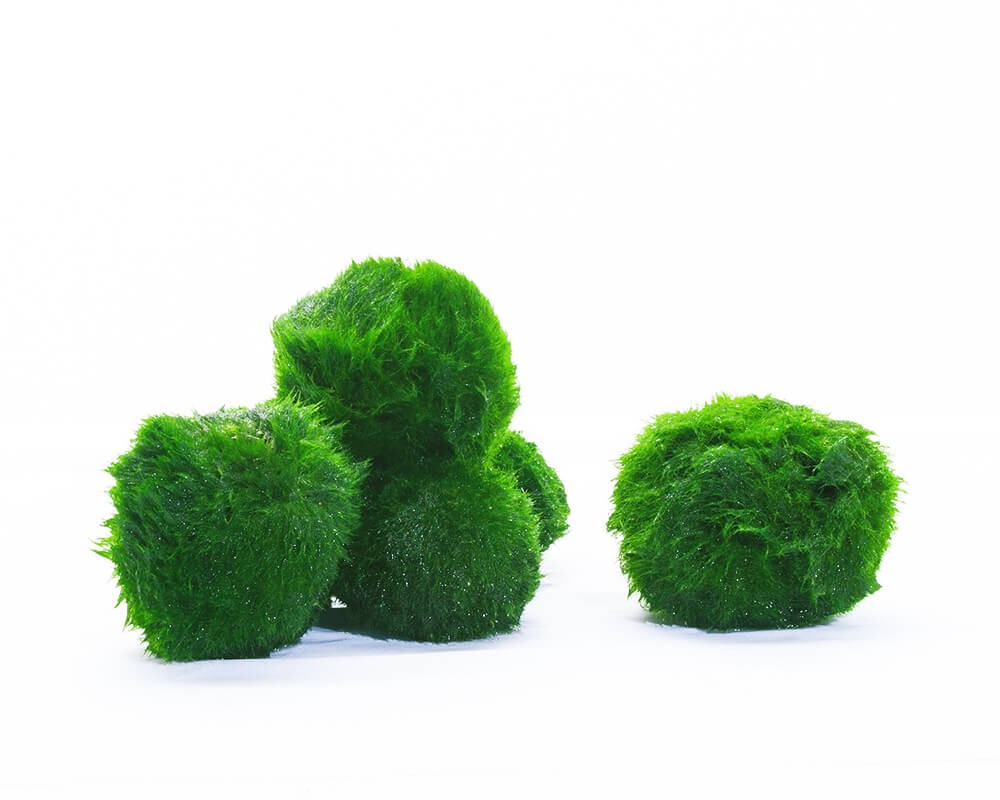
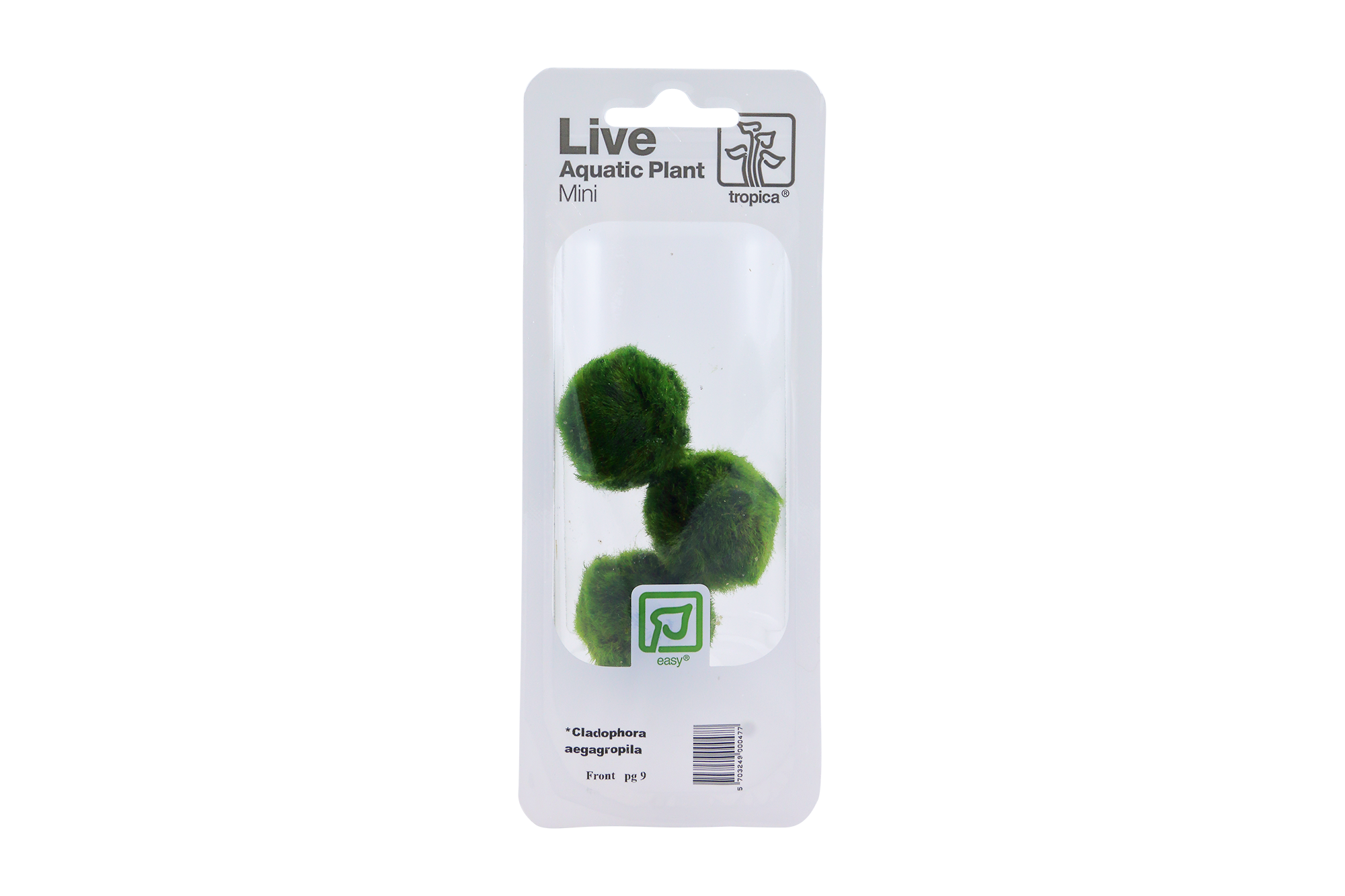
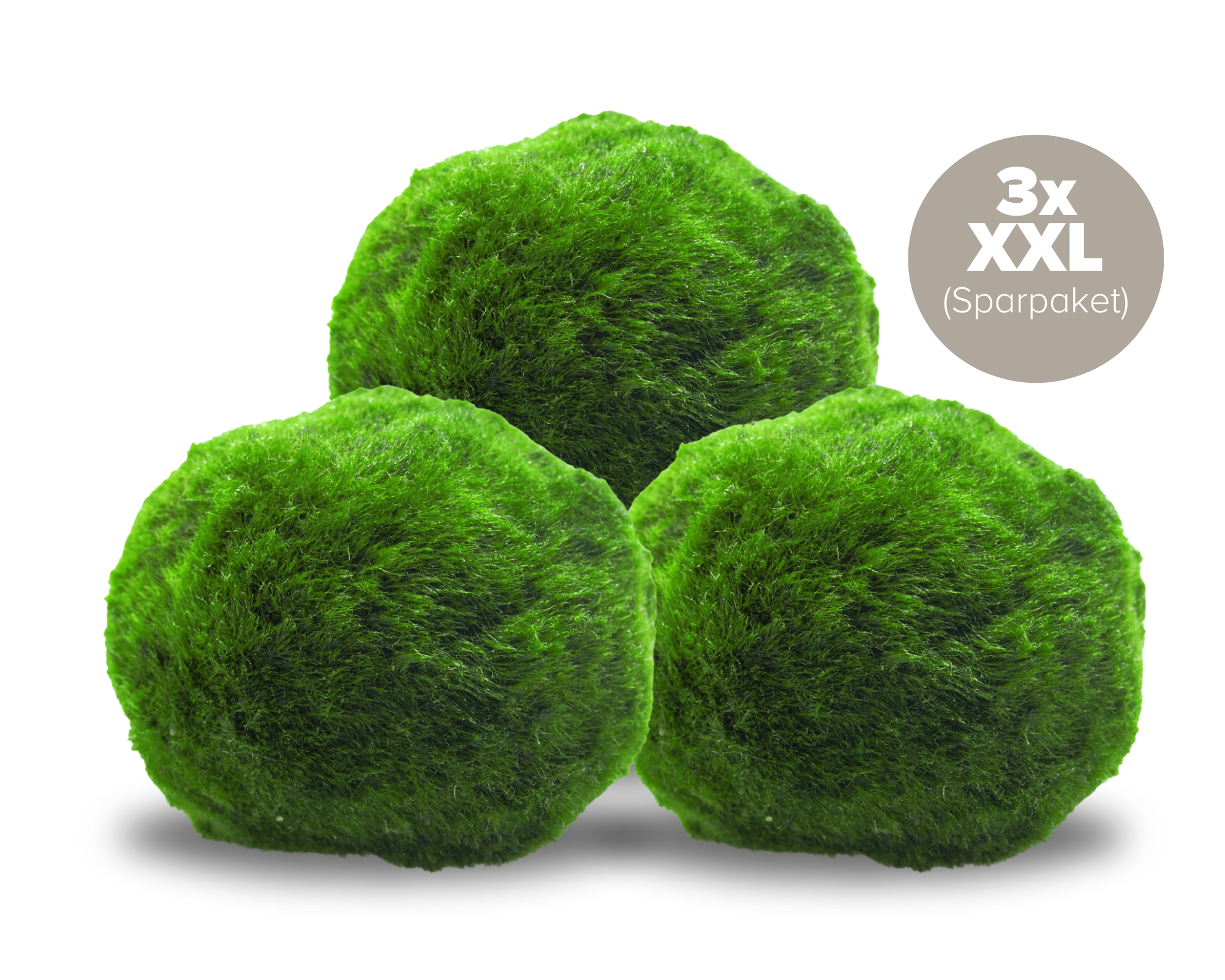
    Aegagropila linnaei is a freshwater filamentous green alga that forms rounded colonies commonly called marimo or moss balls. The supplied name and images are consistent with this species, although commercial balls may be shaped or cultivated in ways that obscure their natural form. It is slow growing, undemanding and useful as a low-maintenance foreground or supporting feature in cool to temperate aquariums.
  • Aegagropila linnaei (Marimo moss ball)

    Aegagropila linnaei (Marimo moss ball)

    Easy
    Supporting plants
    Aegagropila linnaei is a freshwater filamentous green alga that can form rounded colonies commonly sold as marimo moss balls. The supplied product description and images are consistent with this identification, although photographs alone cannot confirm species-level identity. It is not a true moss or vascular plant. Its slow growth, undemanding nature, and ability to collect suspended particles make it a useful decorative aquarium organism when kept clean and gently circulated.
  • Aegagropila linnaei (Marimo moss ball)

    Aegagropila linnaei (Marimo moss ball)

    Easy
    Foreground
    Aegagropila linnaei is a freshwater filamentous green alga that forms rounded colonies commonly called marimo or moss balls. It is not a true moss or flowering plant. The supplied product name and images are consistent with this identification, although the exact collection or cultivation origin and individual size cannot be confirmed. It is a slow-growing, undemanding aquarium organism suited to cool or temperate community aquariums with gentle circulation.
  • Anubias barteri var. nana (Dwarf Anubias)

    Anubias barteri var. nana (Dwarf Anubias)

    Easy
    On rock or root
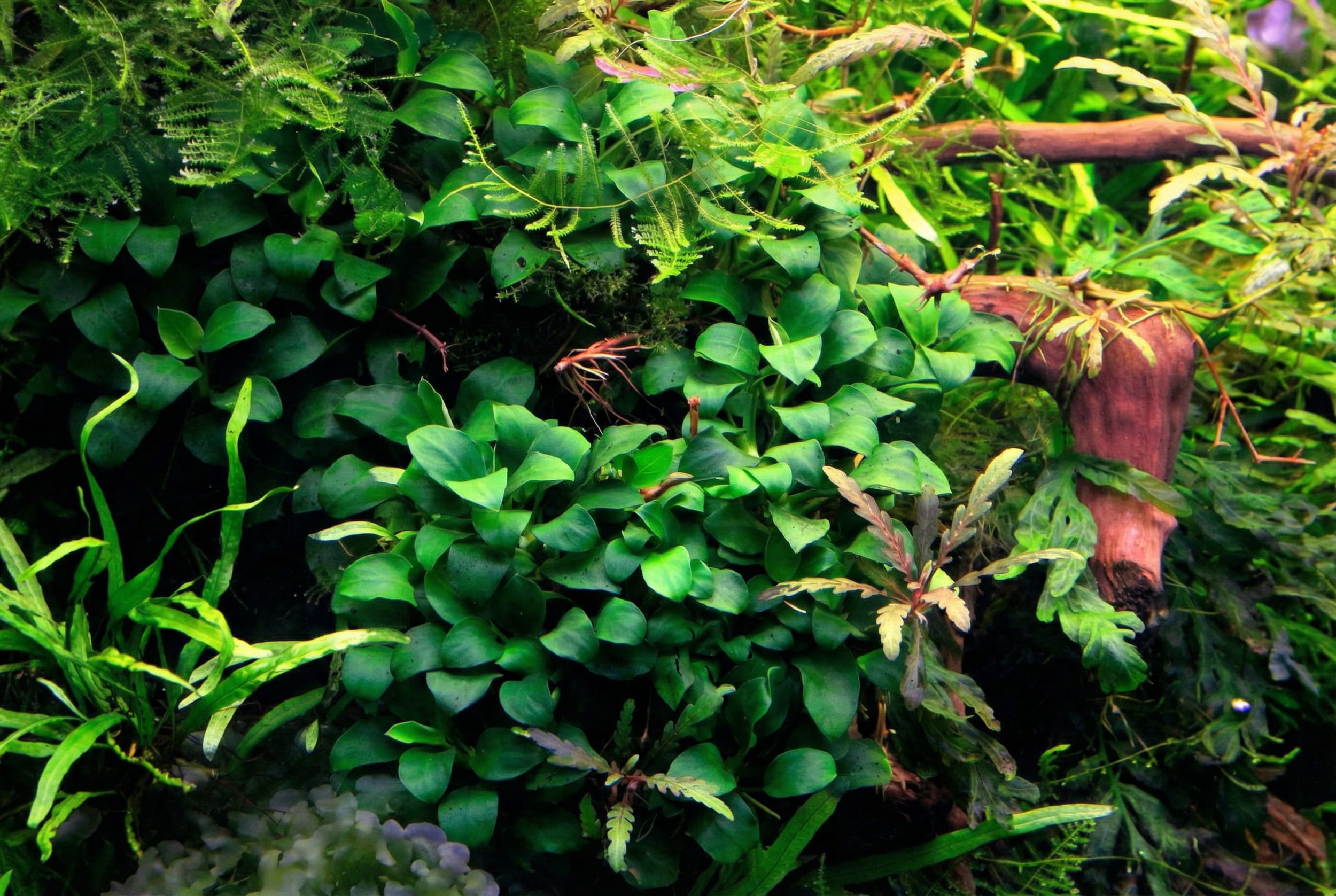
    Anubias barteri var. nana is a small, slow-growing rhizomatous plant widely used in freshwater aquariums. Its thick, dark green leaves tolerate low light and browsing by many herbivorous fish. The plant is usually attached to wood or rock rather than deeply buried. The supplied label identifies it as Anubias barteri var. nana; cultivar identity within the Anubias barteri group can be difficult to confirm from a general photograph alone.
  • Hemianthus micranthemoides (Pearl weed)

    Hemianthus micranthemoides (Pearl weed)

    Medium
    Middleground
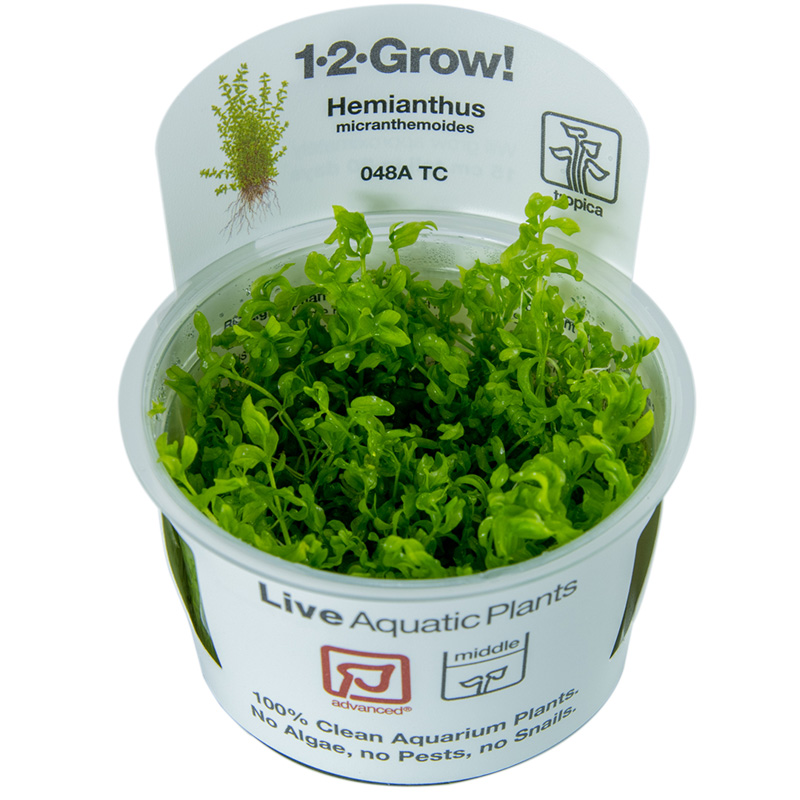
    Hemianthus micranthemoides is a small, fast-growing stem plant used for dense midground groups or a trimmed foreground. Its narrow, bright green leaves form compact cushions under strong light and adequate carbon dioxide, while lower light encourages more open, upward growth. The trade name and identification should be treated cautiously because this plant has been confused with closely related Micranthemum species in the aquarium trade.
  • Monosolenium tenerum (Zartes Lebermoos)

    Monosolenium tenerum (Zartes Lebermoos)

    Medium
    On rock or root
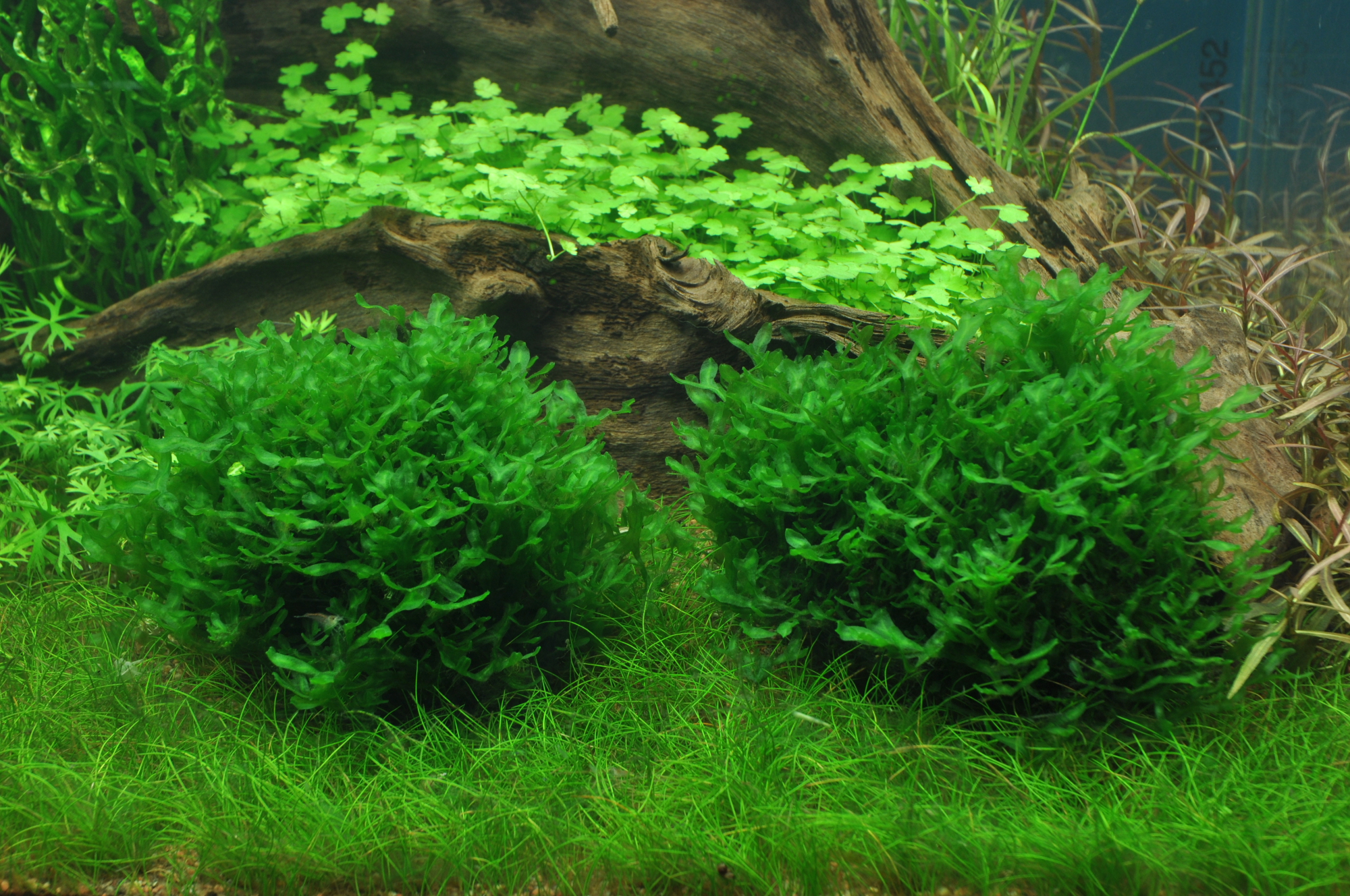
    Monosolenium tenerum is a delicate aquatic liverwort with broad, repeatedly branched green thalli. It forms loose to dense cushions and is most effective when attached to porous rock or aquarium wood rather than buried in substrate. The supplied product label supports this identification, although liverworts can be difficult to distinguish from one another from photographs alone. Stable water conditions, moderate light and a steady carbon supply help maintain compact, healthy growth.
  • Eriocaulon cinereum (Wool stem)

    Eriocaulon cinereum (Wool stem)

    Advanced
    Foreground
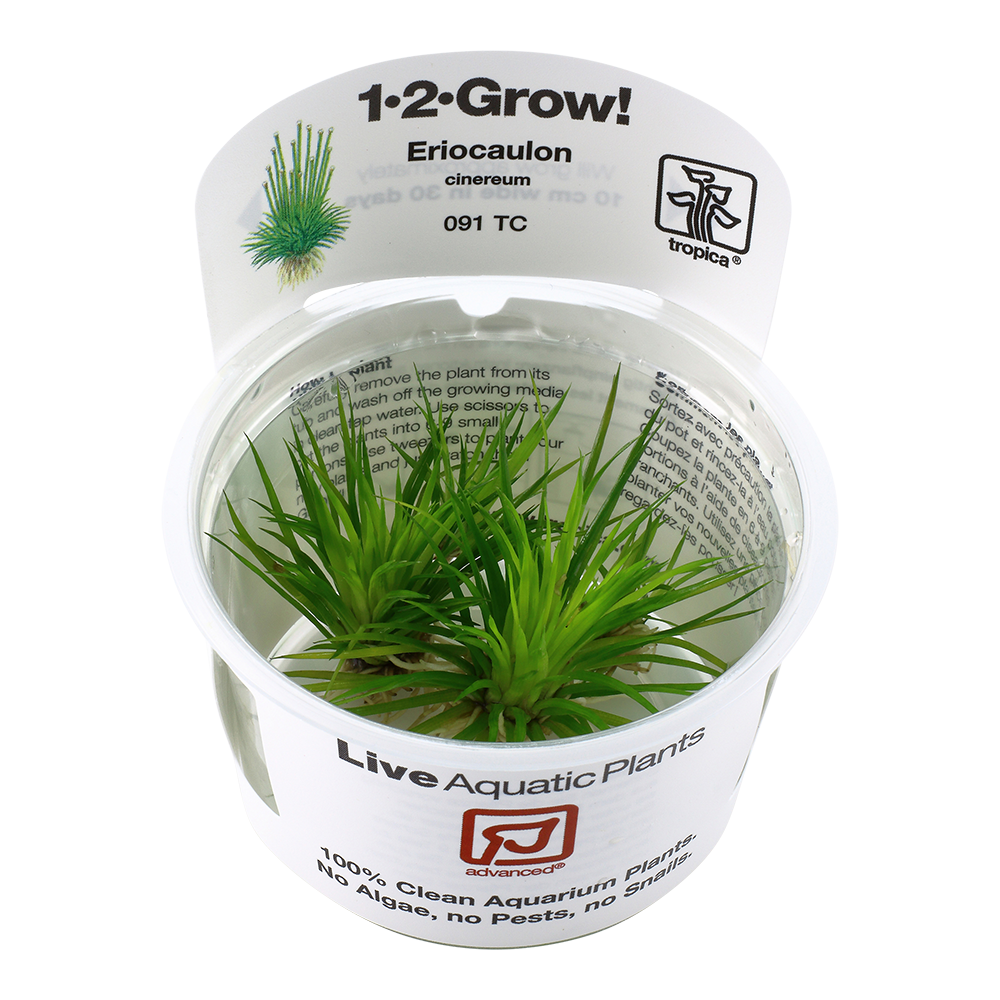
    Eriocaulon cinereum is a small rosette-forming aquatic plant with narrow green leaves and distinctive slender flower stalks. It is a demanding species that generally performs best in soft, slightly acidic water, nutrient-rich substrate, strong light and reliable carbon dioxide supplementation. The supplied label supports the identification, although cultivated Eriocaulon plants can be difficult to distinguish without flowers or specialist examination.
  • Hygrophila polysperma 'White' (White water wisteria)

    Hygrophila polysperma 'White' (White water wisteria)

    Easy
    Background
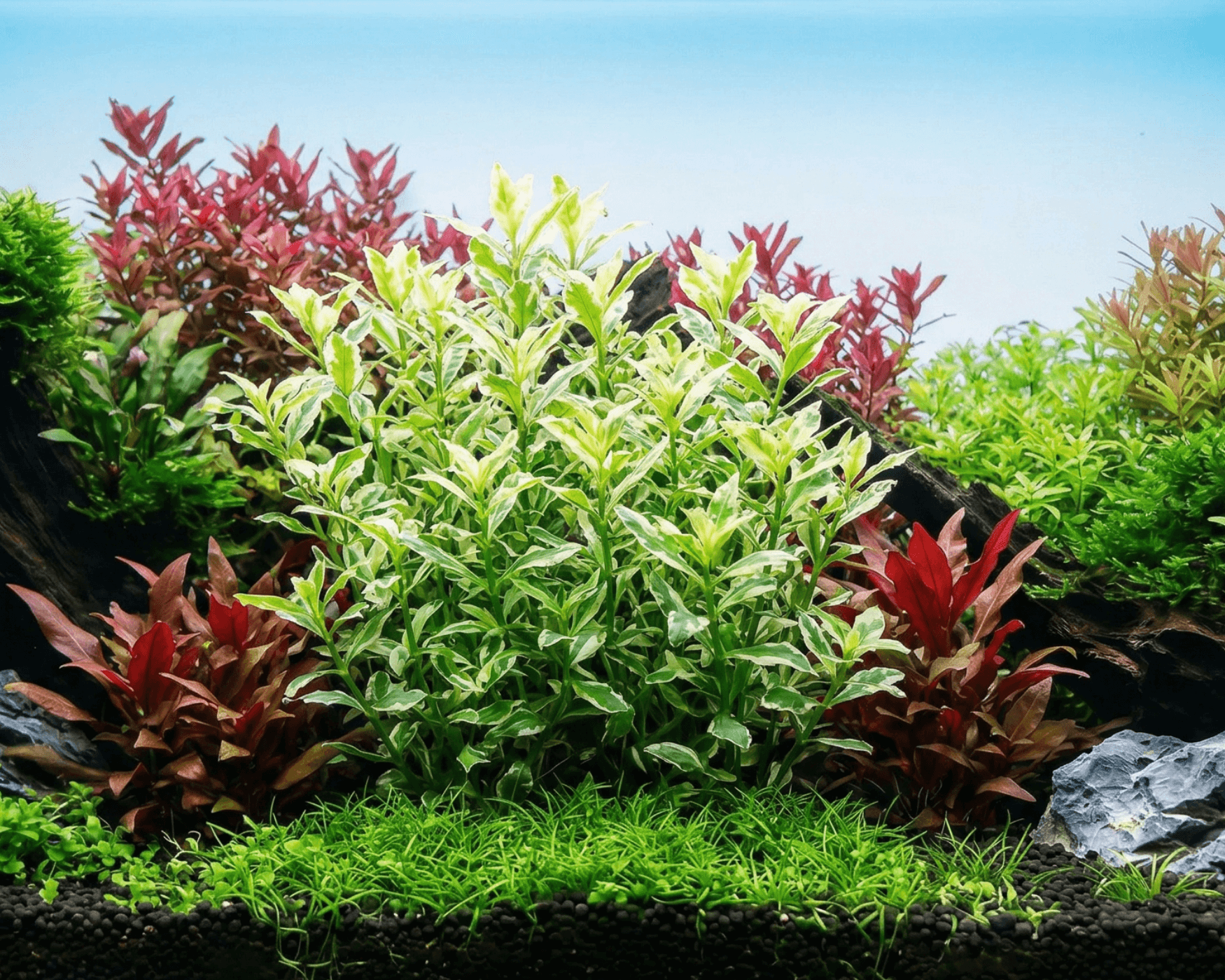
    Hygrophila polysperma 'White' is a variegated aquarium stem plant sold under this cultivar name. Its narrow leaves show irregular pale green to white areas, while new growth may appear more yellow-green. The supplied label supports identification as Hygrophila polysperma 'White', although cultivar names and appearance can vary between growers. It grows quickly under suitable conditions and is best maintained by regular trimming and replanting of healthy stem cuttings.
  • Vesicularia ferriei 'Weeping' (Weeping Moss)

    Vesicularia ferriei 'Weeping' (Weeping Moss)

    Easy
    On rock or root
    Weeping Moss is a cultivated aquarium moss sold under the name Vesicularia ferriei 'Weeping'. Its pendant, branching shoots form a soft, trailing cover over wood and rock rather than a flat carpet. It is generally undemanding, but clean water, moderate circulation and regular trimming help maintain an attractive shape. The exact distinction between this commercial form and other similar Vesicularia mosses can be difficult from photographs alone, so the identification here follows the supplied product label.
  • Heteranthera zosterifolia (Stargrass)

    Heteranthera zosterifolia (Stargrass)

    Easy
    Middleground
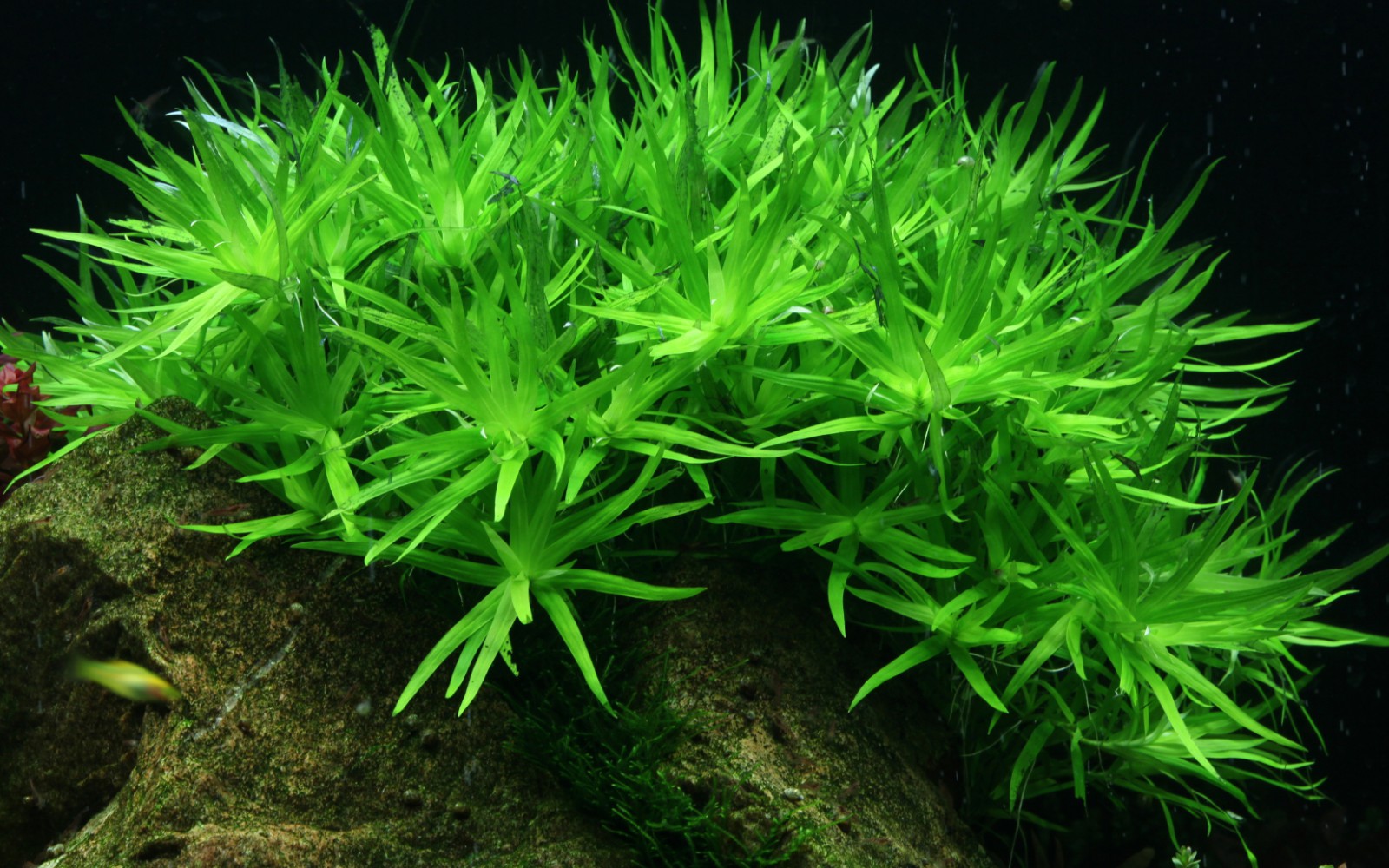
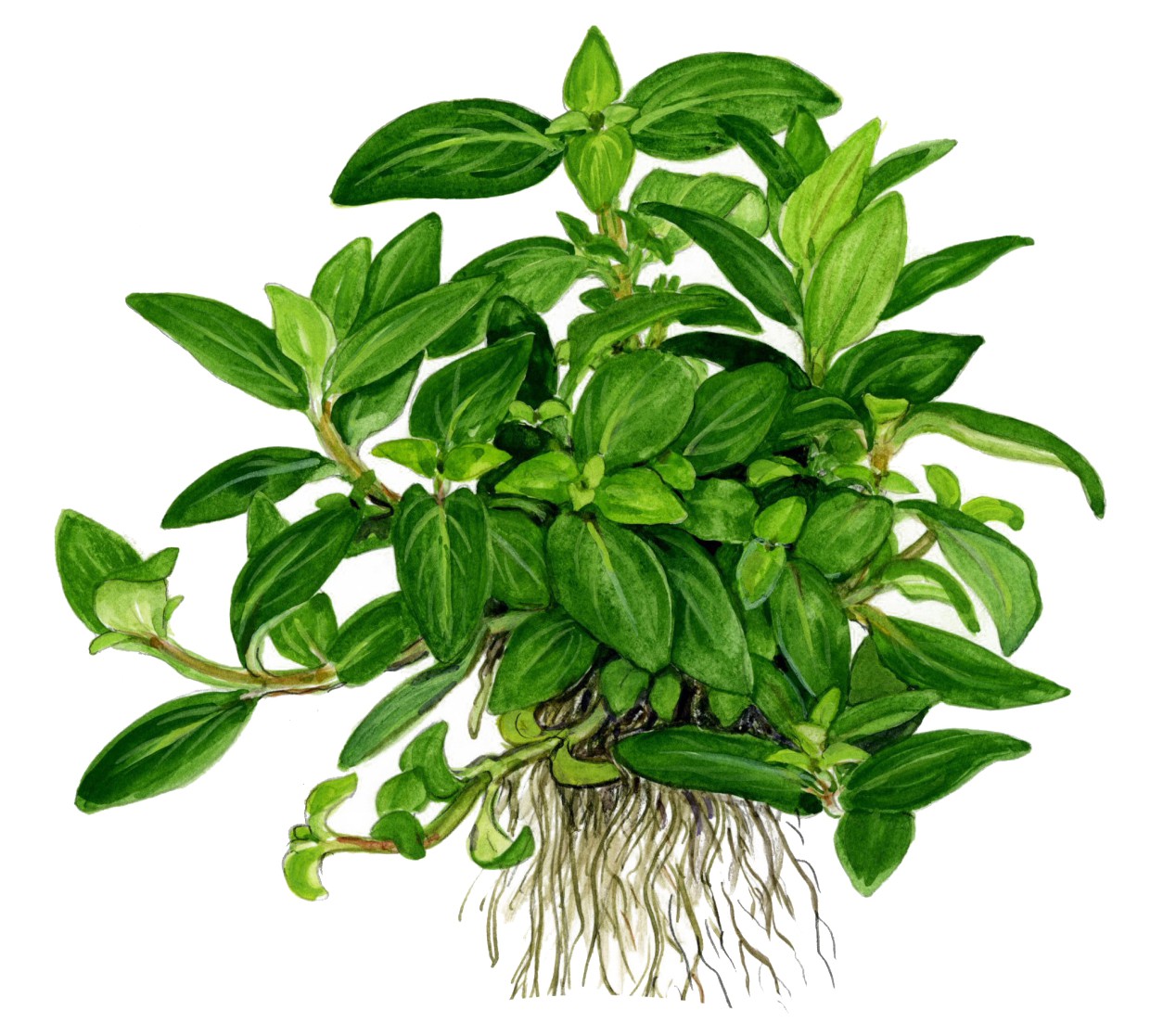
    Heteranthera zosterifolia is a fast-growing South American stem plant commonly known as stargrass. It forms dense, bright green shoots with narrow leaves arranged around the stems, making it useful for filling the middle or background of a planted aquarium. The supplied label identifies this plant as Heteranthera zosterifolia, and the pictured morphology is consistent with that identification, although confirmation from flowers or a verified specimen is not available.
  • Taxiphyllum alternans (Taiwan Moss)

    Taxiphyllum alternans (Taiwan Moss)

    Easy
    On rock or root
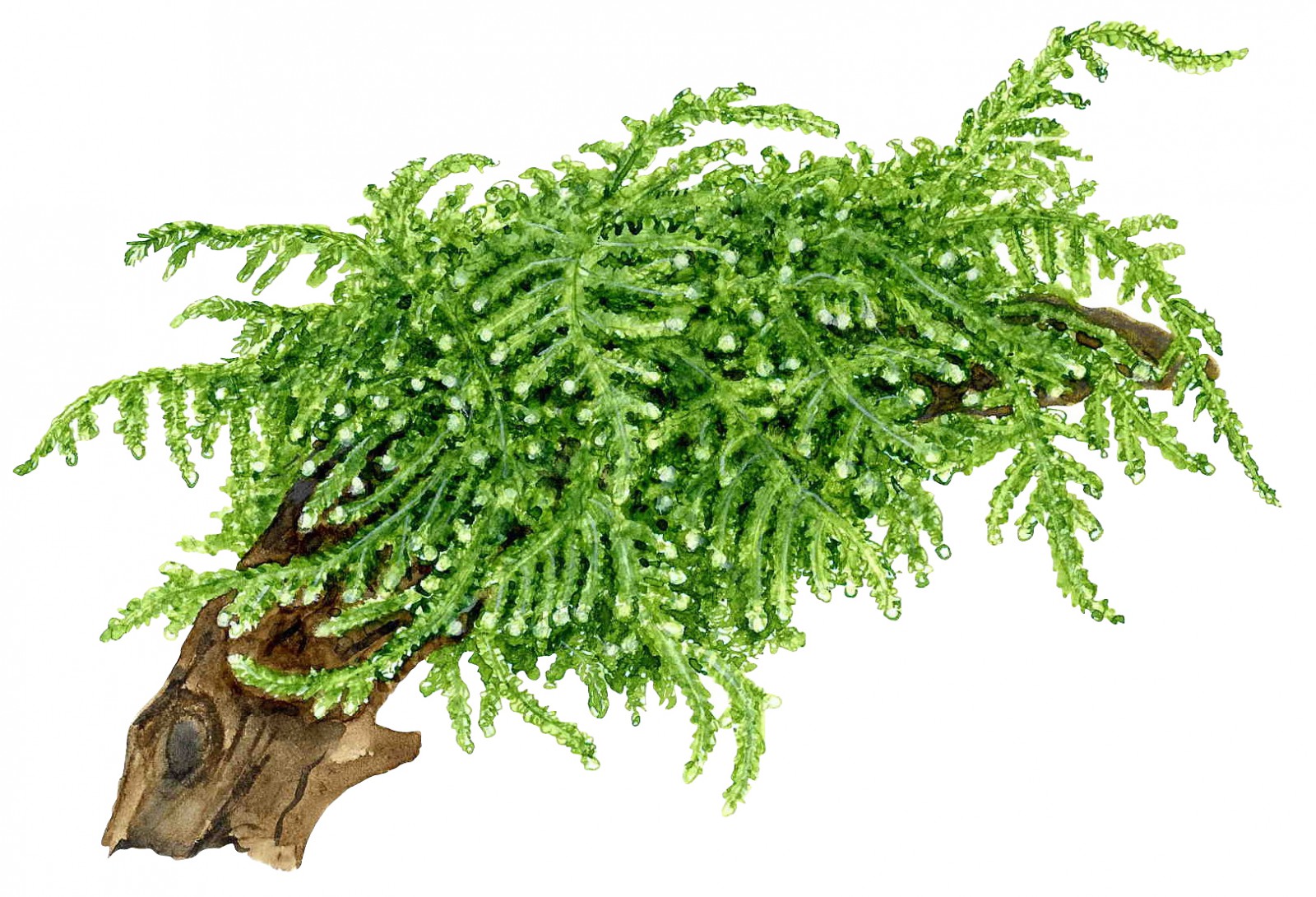
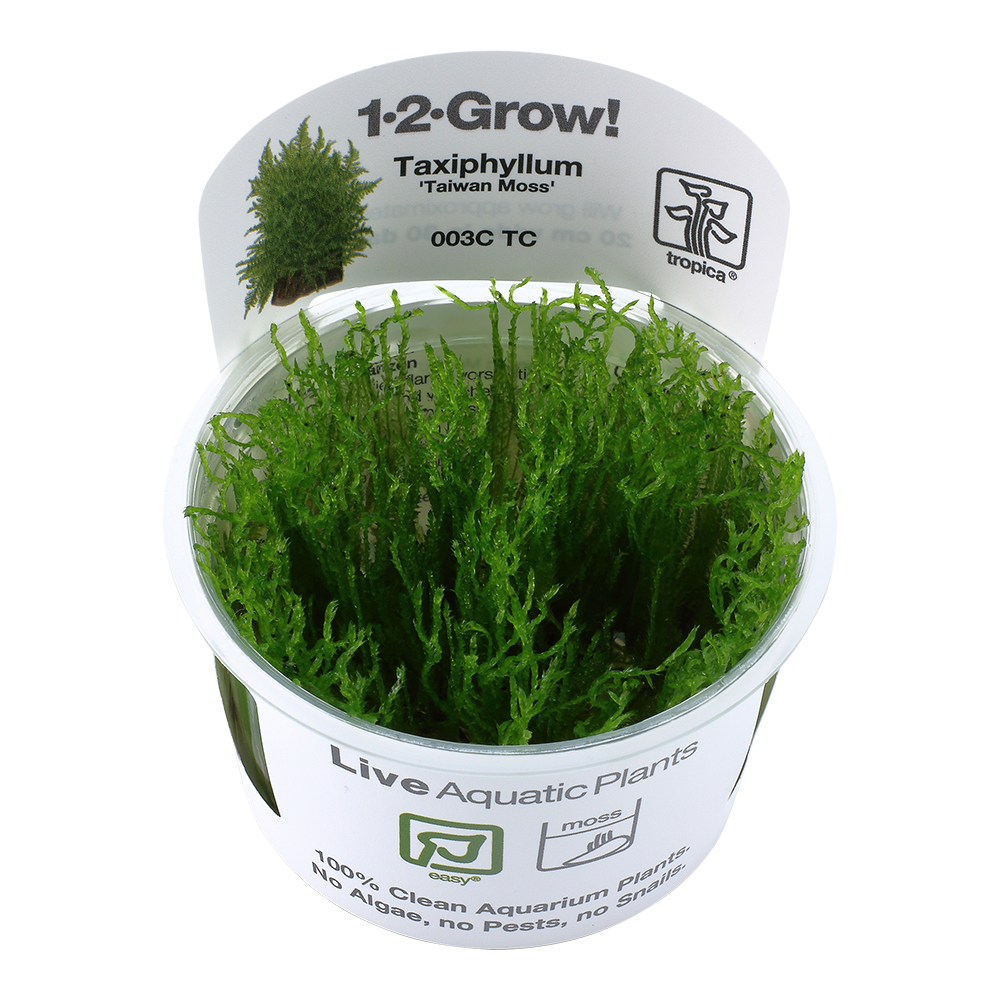
    Taiwan Moss is a finely branched aquatic moss commonly traded as Taxiphyllum alternans. It forms bright to medium green, upright and somewhat feathery growth that can create texture on hardscape. The commercial name is well established, but moss identification from appearance alone can be difficult, so this listing should be treated as a conservative identification rather than a definitive specimen-level determination.
  • Proserpinaca palustris 'Cuba' (Mermaid Weed)

    Proserpinaca palustris 'Cuba' (Mermaid Weed)

    Advanced
    Middleground
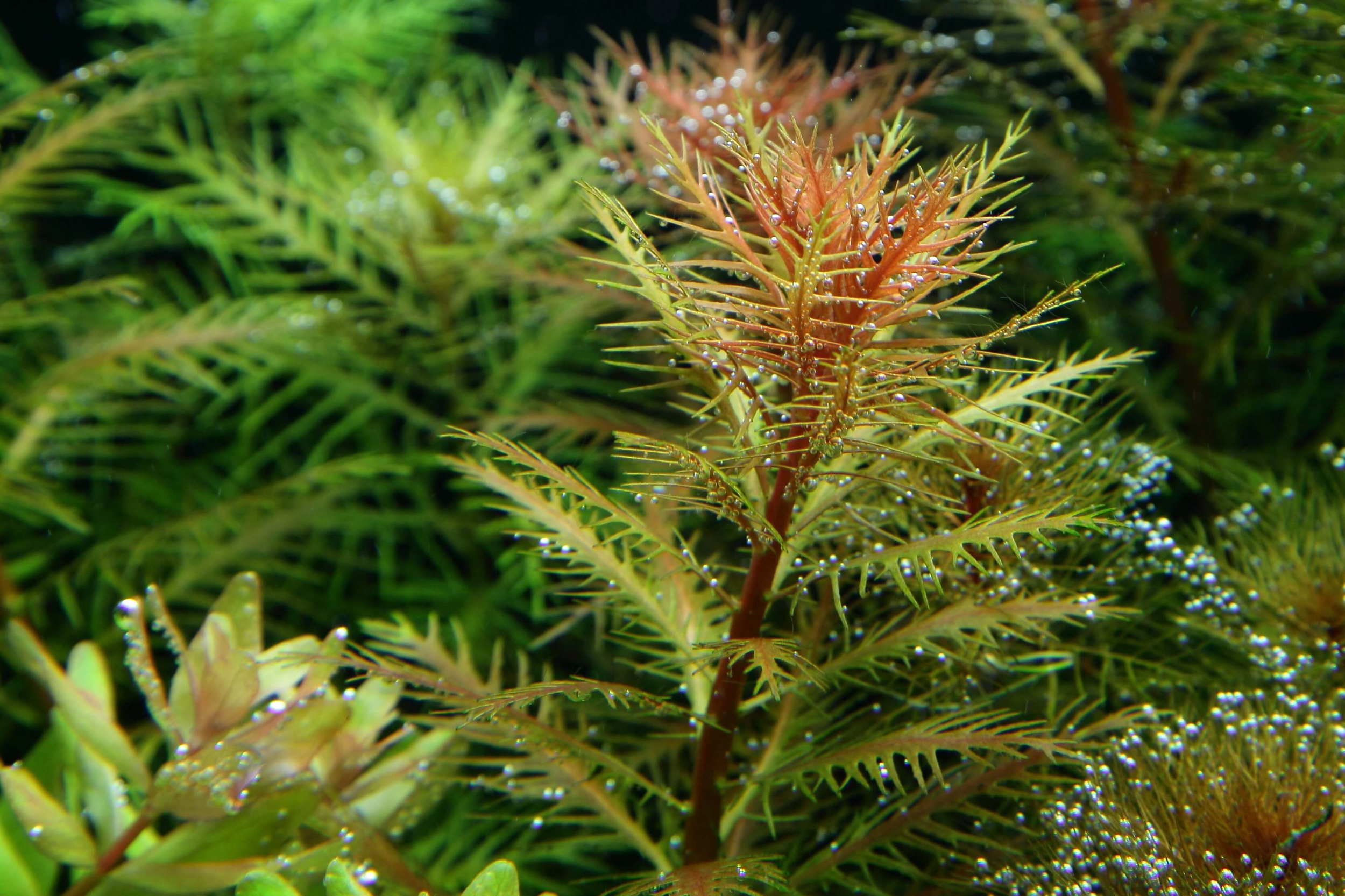
    Proserpinaca palustris 'Cuba', often sold as Cuban mermaid weed, is a distinctive stem plant with finely divided leaves that can develop orange to red tones under strong light. The supplied trade name supports identification as the Cuba form, although appearance can vary with submerged or emersed growth and cultivation conditions. It is best suited to planted aquariums where stable carbon dioxide, adequate fertilisation and regular trimming can be provided.
  • Spirodela polyrrhiza (Giant Duckweed)

    Spirodela polyrrhiza (Giant Duckweed)

    Easy
    Supporting plants
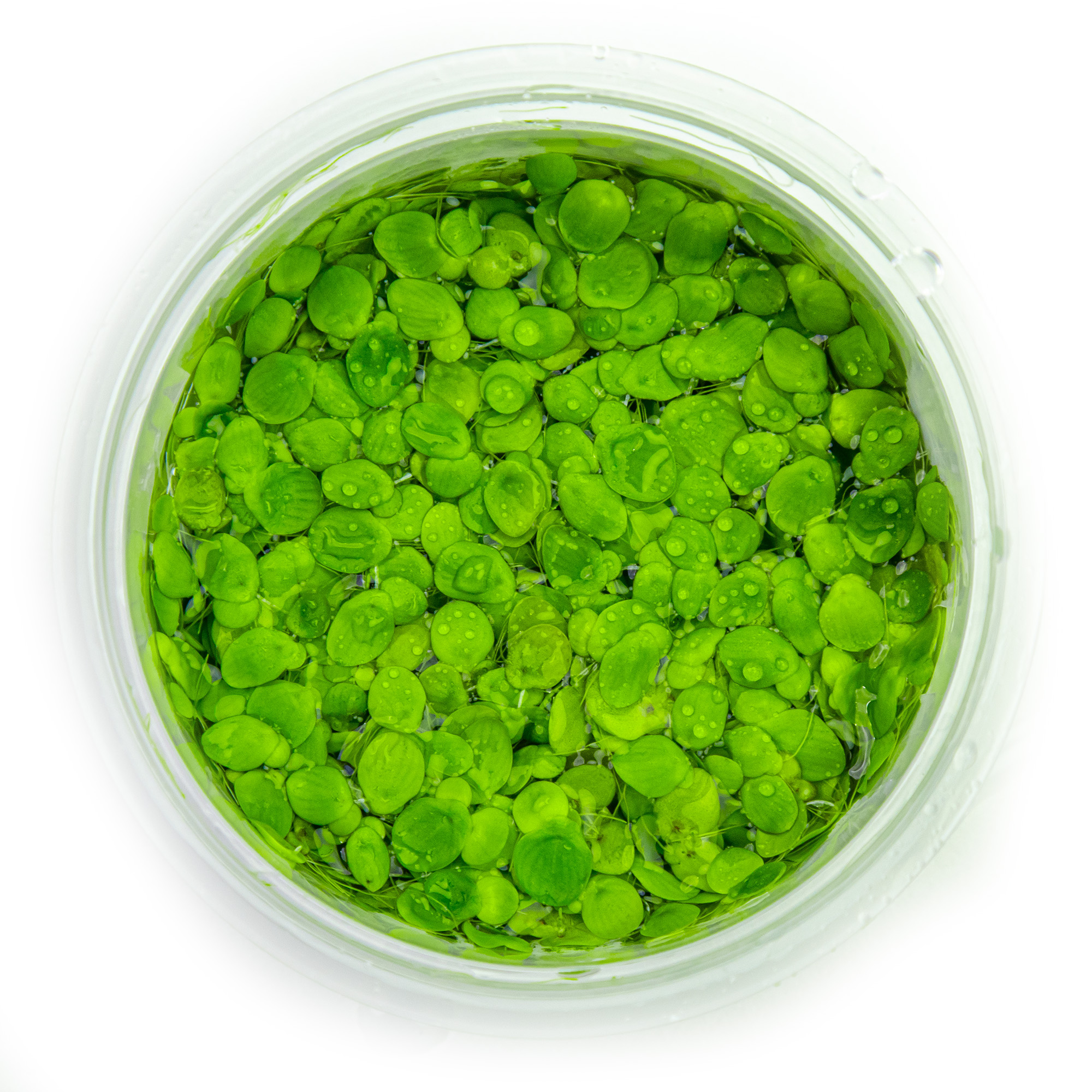
    Spirodela polyrrhiza is a small floating aquatic plant commonly known as giant duckweed. It forms clusters of green, rounded to oval fronds on the water surface, with fine roots hanging below. The supplied plant is consistent with this identification, although definitive separation from similar duckweeds may require close examination of frond structure and root characters. It grows rapidly in suitable aquariums and is best used where surface cover is wanted.
  • Staurogyne repens (Creeping Staurogyne)

    Staurogyne repens (Creeping Staurogyne)

    Easy
    Foreground
    Staurogyne repens is a compact South American stem plant valued for forming a low, leafy foreground or midground planting. Its creeping habit develops best when stems are planted individually and trimmed regularly. It tolerates a range of aquarium conditions, but stronger light, reliable nutrition and carbon availability generally produce denser growth. The supplied material is consistent with this species, although cultivar or trade-form variation cannot be excluded from images alone.
  • Salvinia natans (Small tussock fern)

    Salvinia natans (Small tussock fern)

    Easy
    Supporting plants
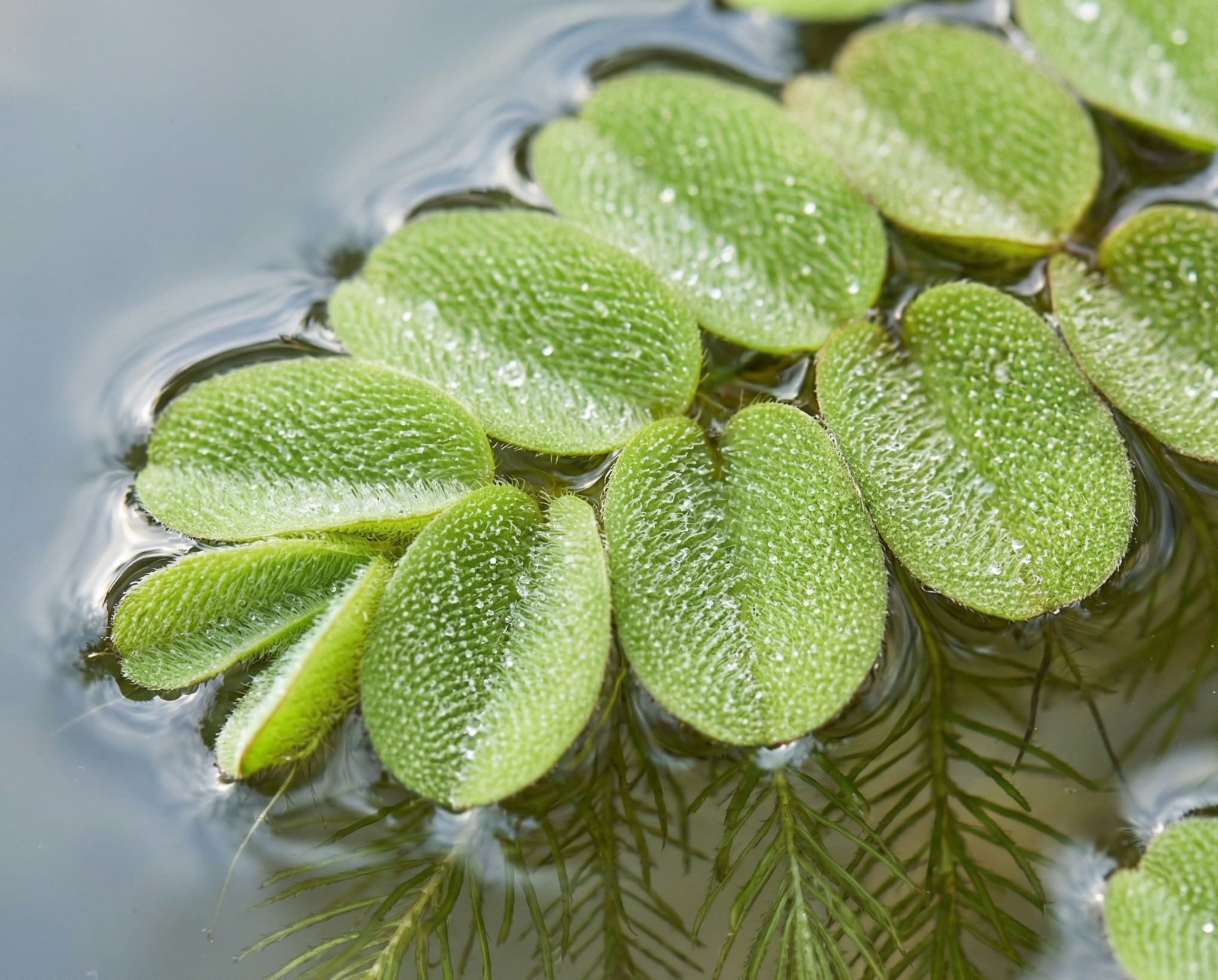
    Salvinia natans is a small floating fern with paired, oval green leaves and a finely divided submerged frond that resembles roots. It forms a useful surface cover and provides shelter for small aquatic animals, but can quickly shade submerged plants when conditions are favorable. Identification is based on the supplied source label and visible form; closely related Salvinia species can look similar, so confirmation from a specialist may be needed for specimens lacking diagnostic features.