AquaLibs presents AquaRank Discover the world’s leading aquascapers

Explore transparent rankings built from published results across the world’s leading aquascaping contests.

When to Cut, Replant, or Leave an Aquarium Plant Alone

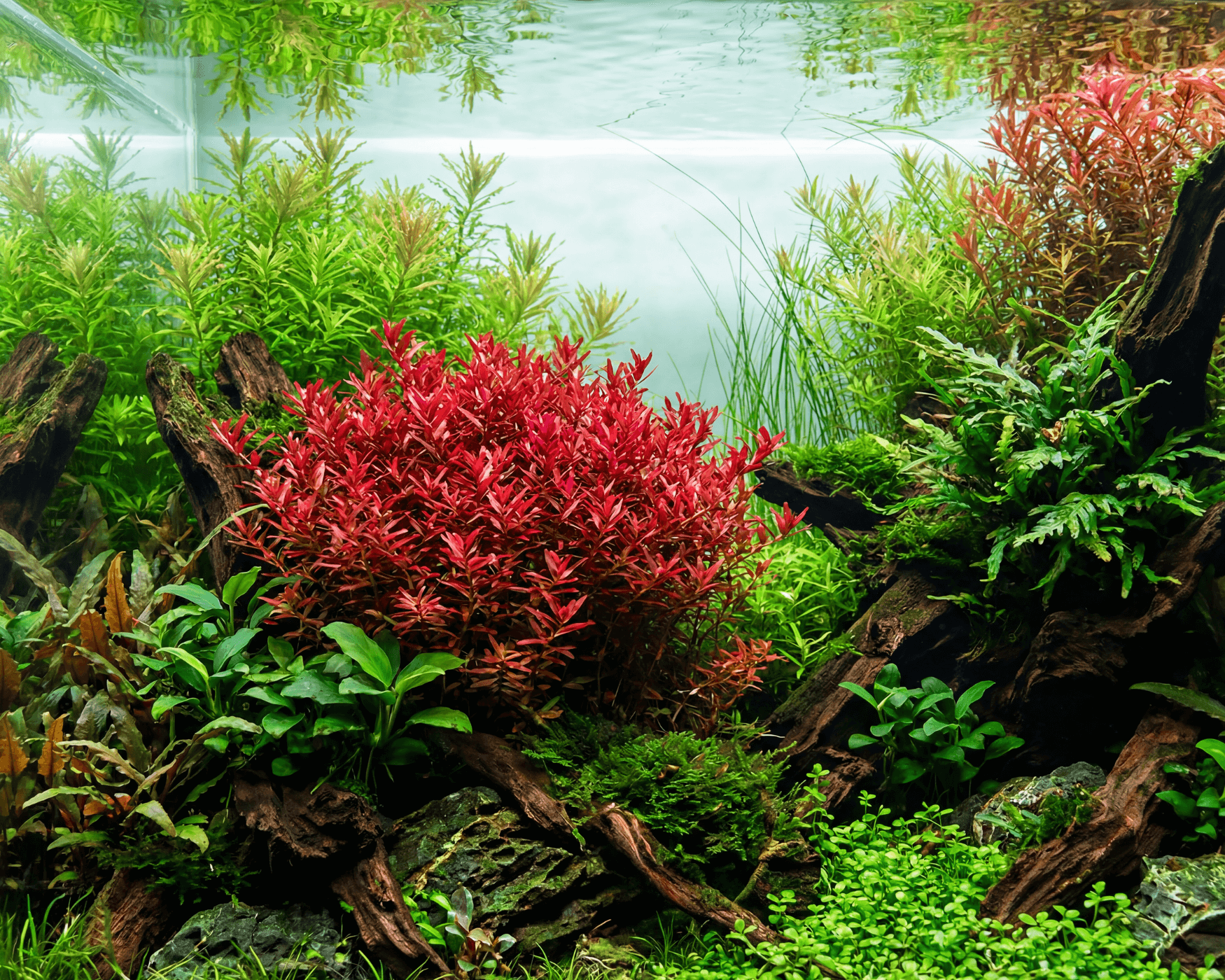
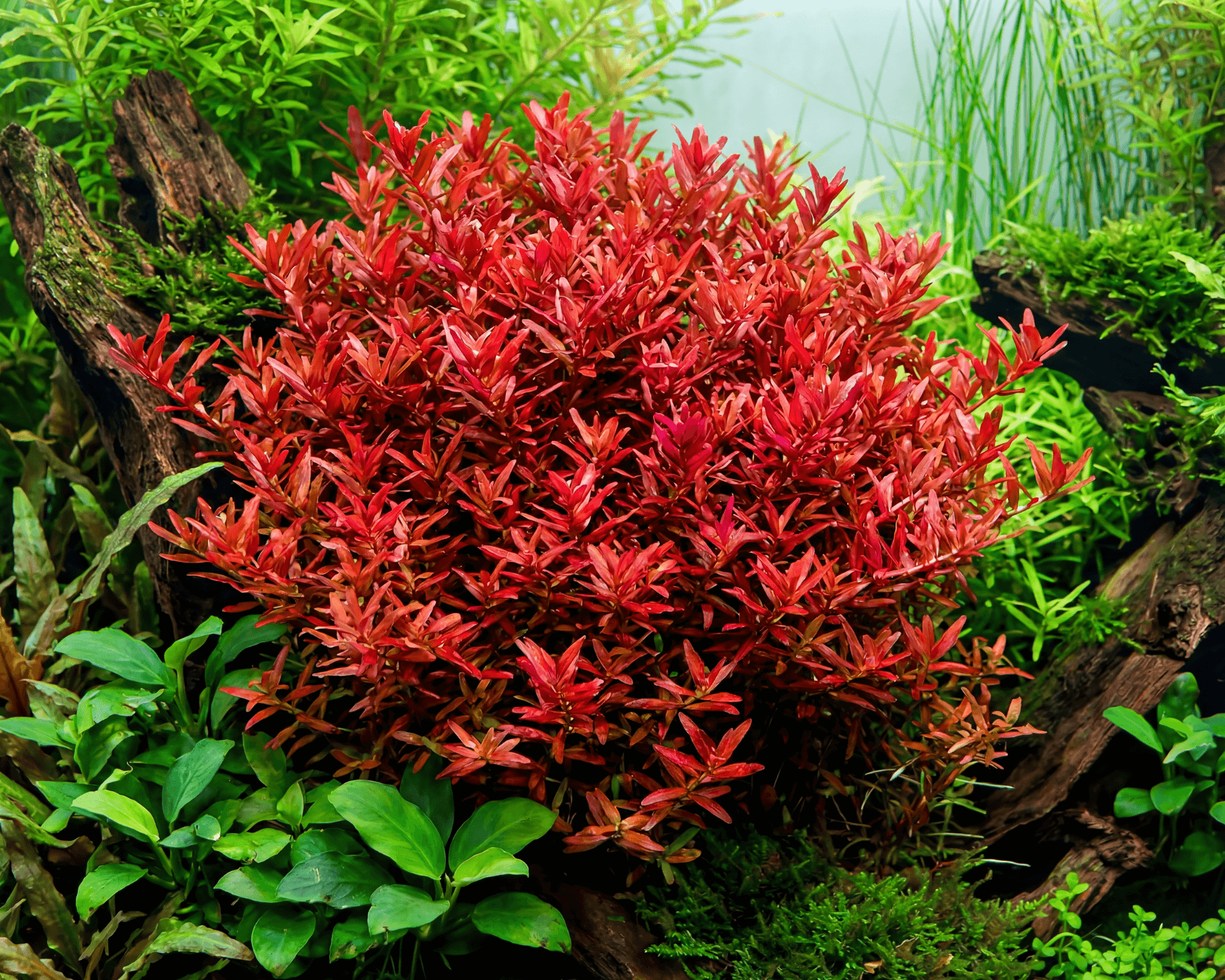
Start with the plant’s growth point, not its height

Before making a cut, identify where new growth comes from. Stem plants extend from nodes along a vertical stem, so they can usually be topped and replanted. Rhizome plants such as Anubias grow from a thick horizontal stem and should not be buried or chopped casually. Rosette plants send leaves from a central crown, while runners produce connected daughter plants. Mosses spread across a surface, and floating plants multiply at the waterline. This simple classification prevents the most common pruning mistake: treating every plant like a stem. It also helps you decide whether the goal is shaping, propagation, thinning, or removing damaged growth.
Start with the plant’s growth point, not its height

Turn side shoots into cover without creating a thicket

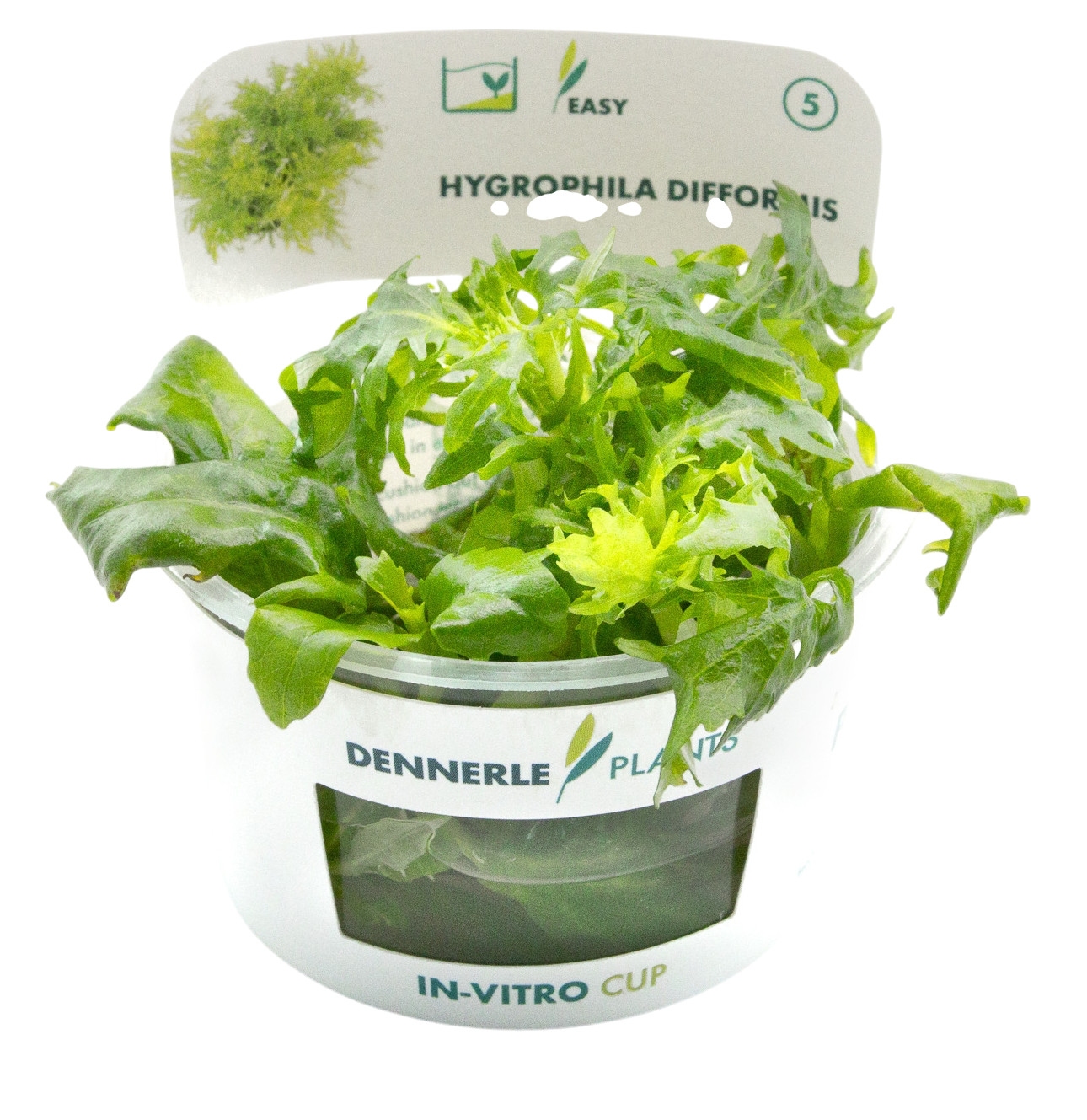
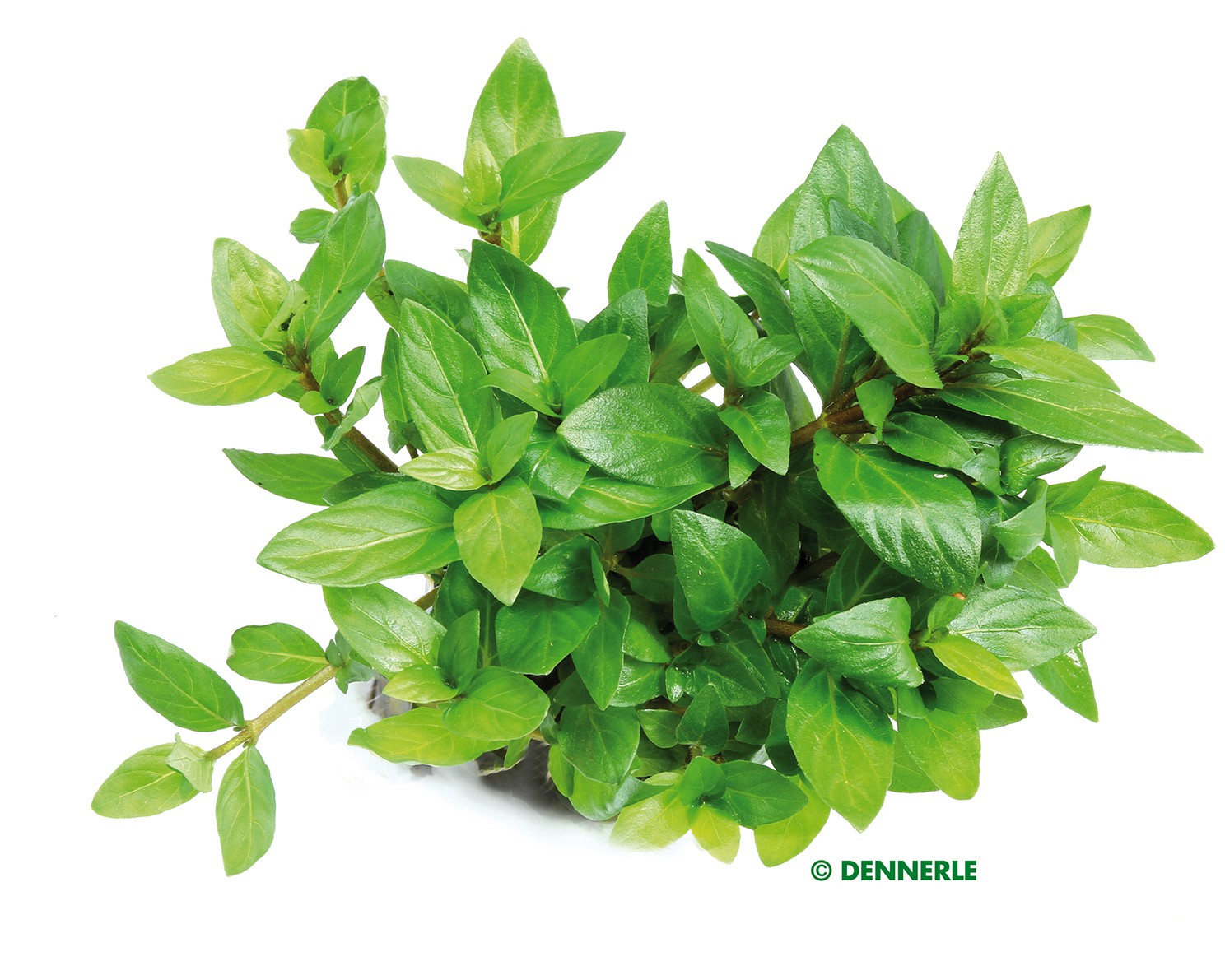
Some plants produce side shoots that quickly change the shape of a small aquarium. Hygrophila difformis can provide excellent shelter for shrimp and young fish, but an unchecked clump may block light and consume swimming space. Thin from the outside first, removing weak, crowded, or damaged stems before healthy ones. Replant only the strongest cuttings in open areas, and discard loose fragments that could decay in the substrate. Keep a clear lane near the front glass and around equipment. This creates layered cover rather than a solid wall, giving livestock places to retreat while preserving circulation and visibility.
Turn side shoots into cover without creating a thicket

Leave rhizome plants alone more often than you cut them

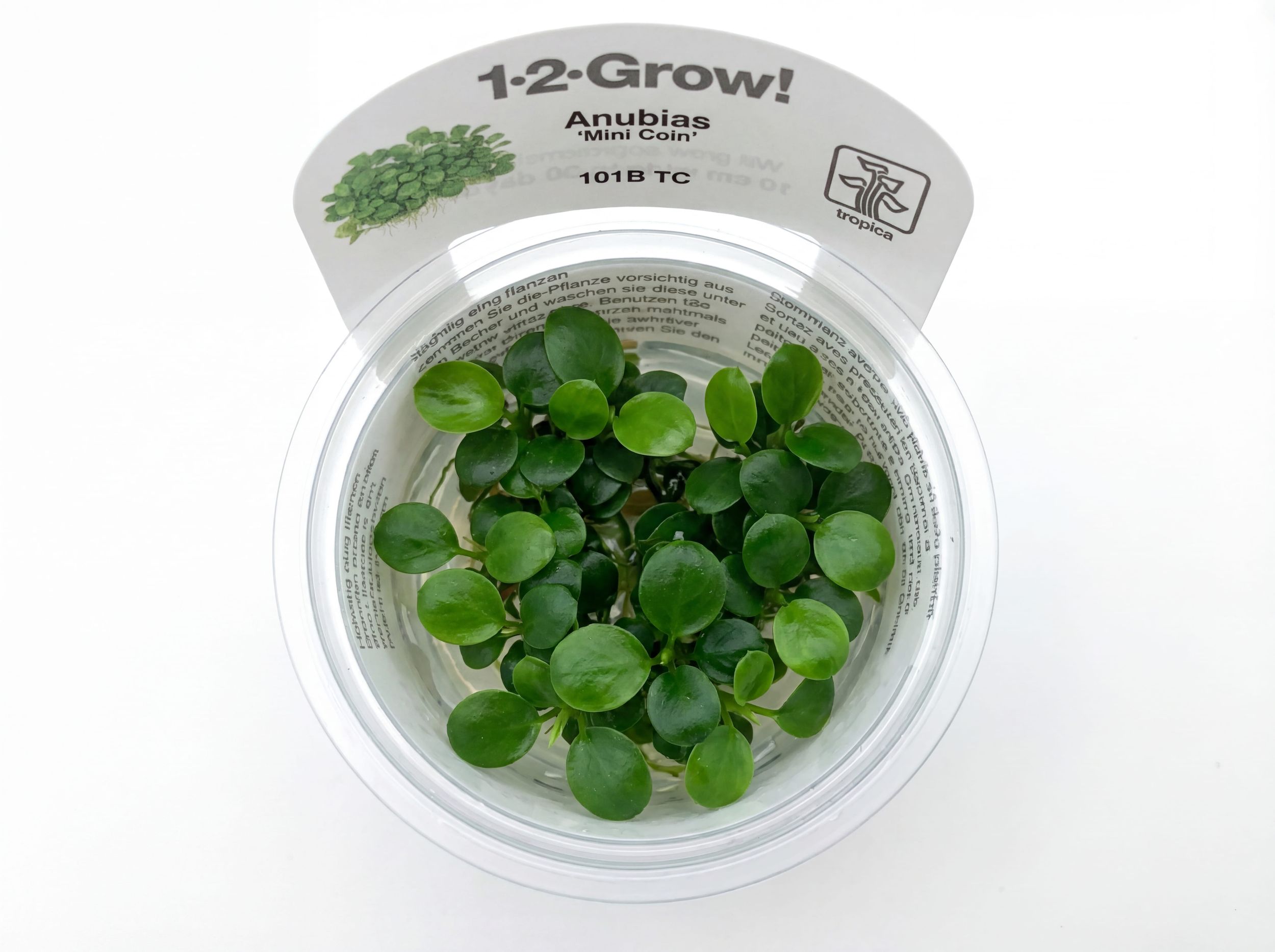
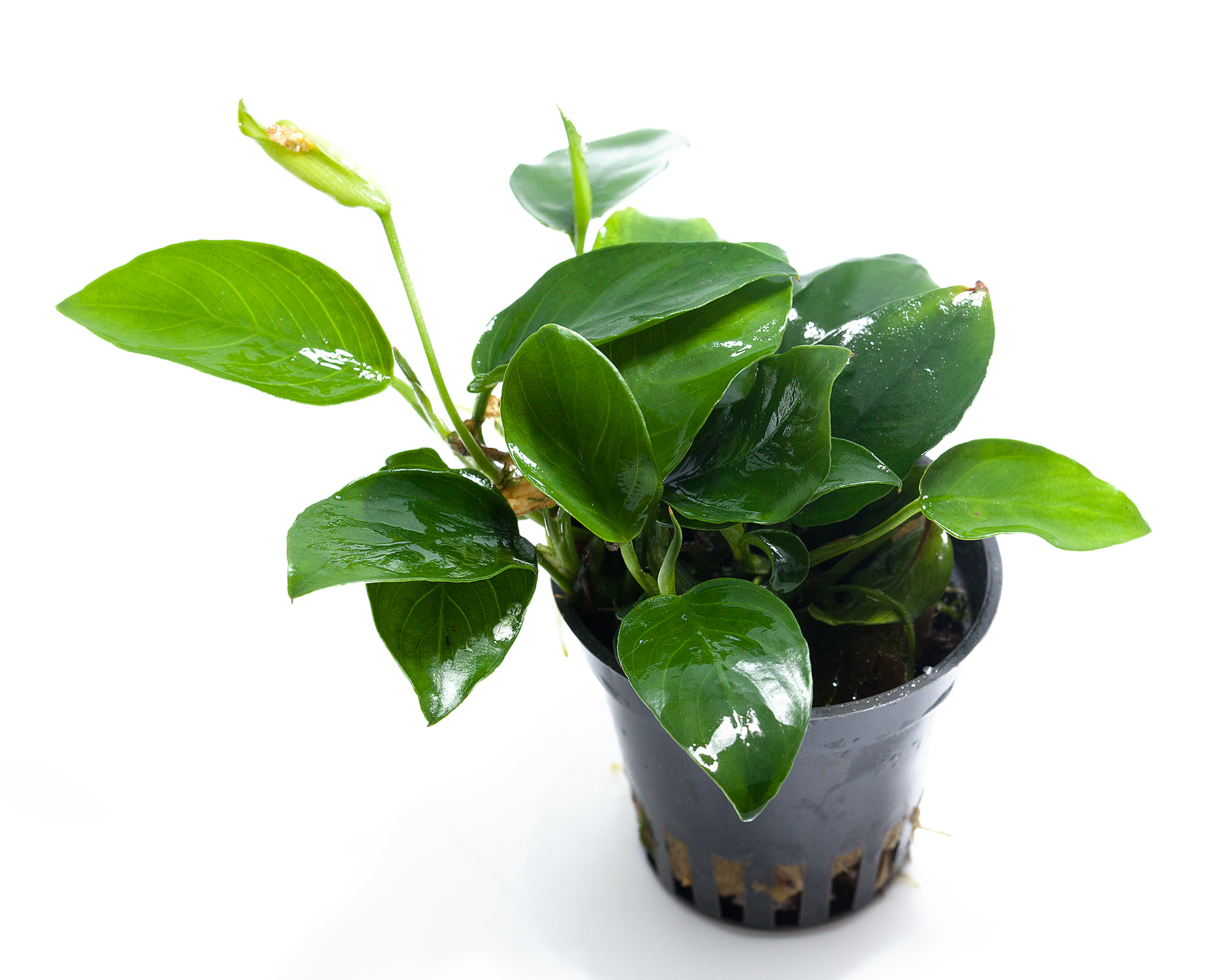
Anubias is usually a shaping plant, not a frequent propagation plant. Its thick rhizome should remain exposed above the substrate, attached to wood or rock with thread, glue made for aquarium use, or careful placement. Remove yellowing leaves close to the rhizome with clean scissors, but avoid burying the rhizome while replanting. If the plant has become too large, divide the rhizome only when each section retains healthy leaves and roots. Small Anubias varieties are useful in nano tanks because they grow slowly and create shelter without demanding constant trimming. Their slow pace is a maintenance advantage, not a sign that they need aggressive intervention.
Leave rhizome plants alone more often than you cut them

Control moss by thinning its surface, not just its edges

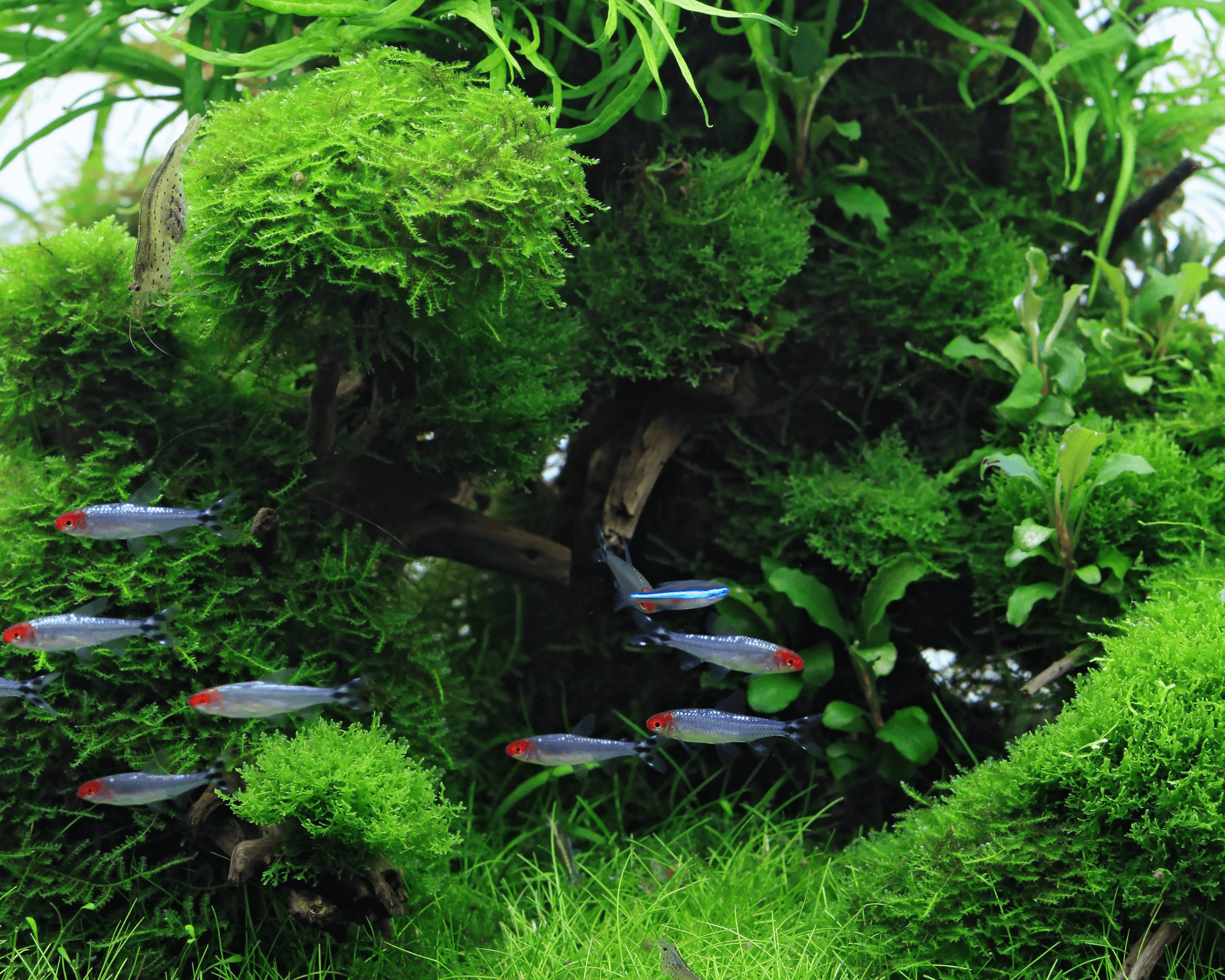
Moss can quietly become one of the densest parts of a planted aquarium. A thick clump may collect food, mulm, and shed leaves, reducing the grazing surface available to shrimp. Trim moss in small sections with sharp scissors, then remove the loose pieces with a net or siphon. If the clump is attached to wood or mesh, keep the attachment intact and shape the outer layer rather than tearing out the whole mat. In a nano tank, a thin, open moss pad often provides better shrimp habitat than a heavy ball of growth. Inspect beneath the surface after trimming for trapped debris.
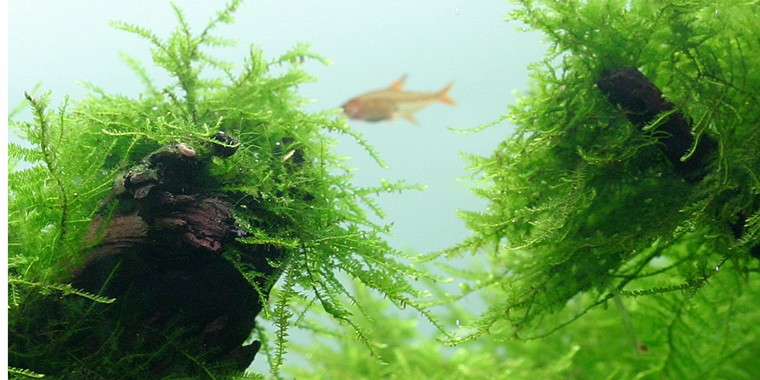
Control moss by thinning its surface, not just its edges

Separate runners before they conquer the foreground

Rosette plants and carpeting species may spread by runners or by forming connected daughter plants. This is useful propagation, but it can also erase the intended boundary between foreground, midground, and open sand. Wait until a daughter plant has several leaves and visible roots, then cut the connecting runner and replant it in a prepared gap. If you want to keep a compact group, remove unwanted runners early rather than pulling mature plants from the substrate later. Handle Cryptocoryne gently because disturbance can cause temporary leaf loss. New leaves are a better measure of recovery than the appearance of older foliage.
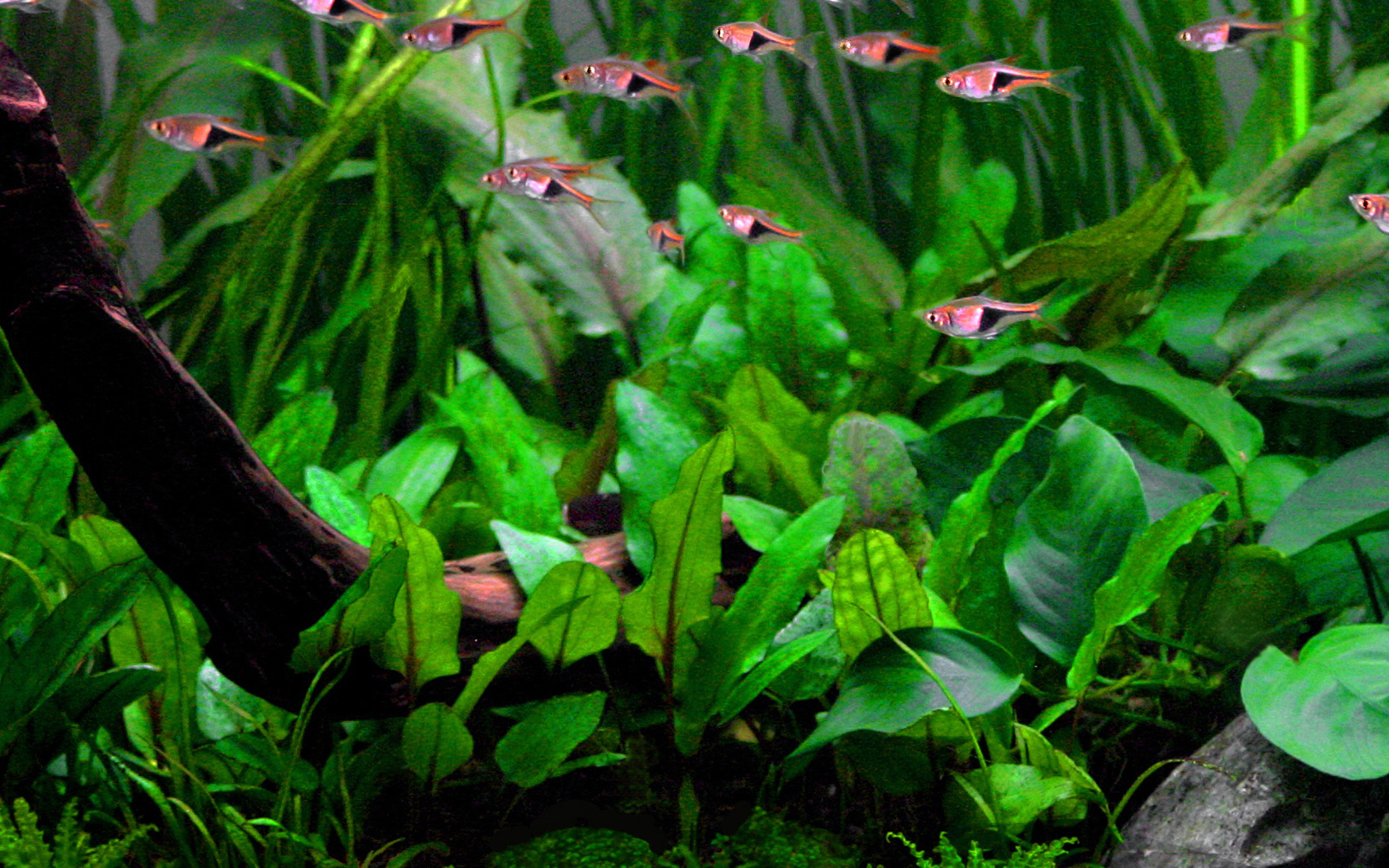
Separate runners before they conquer the foreground

Replant carpet trimmings only when they are clean and rooted

A carpet such as Micranthemum tweediei can be propagated by dividing a healthy mat into small plugs, but loose fragments are not automatically useful cuttings. Remove algae-covered or decaying pieces, separate the clean growth, and press each plug lightly into the substrate without burying all of its leaves. Trim before the carpet becomes a thick, floating layer that traps debris underneath. Keep the newly divided sections stable while they root, especially if bottom-feeding fish or large snails disturb the foreground. For shrimp tanks, an open carpet with visible substrate gaps is easier to clean than an overgrown mat.
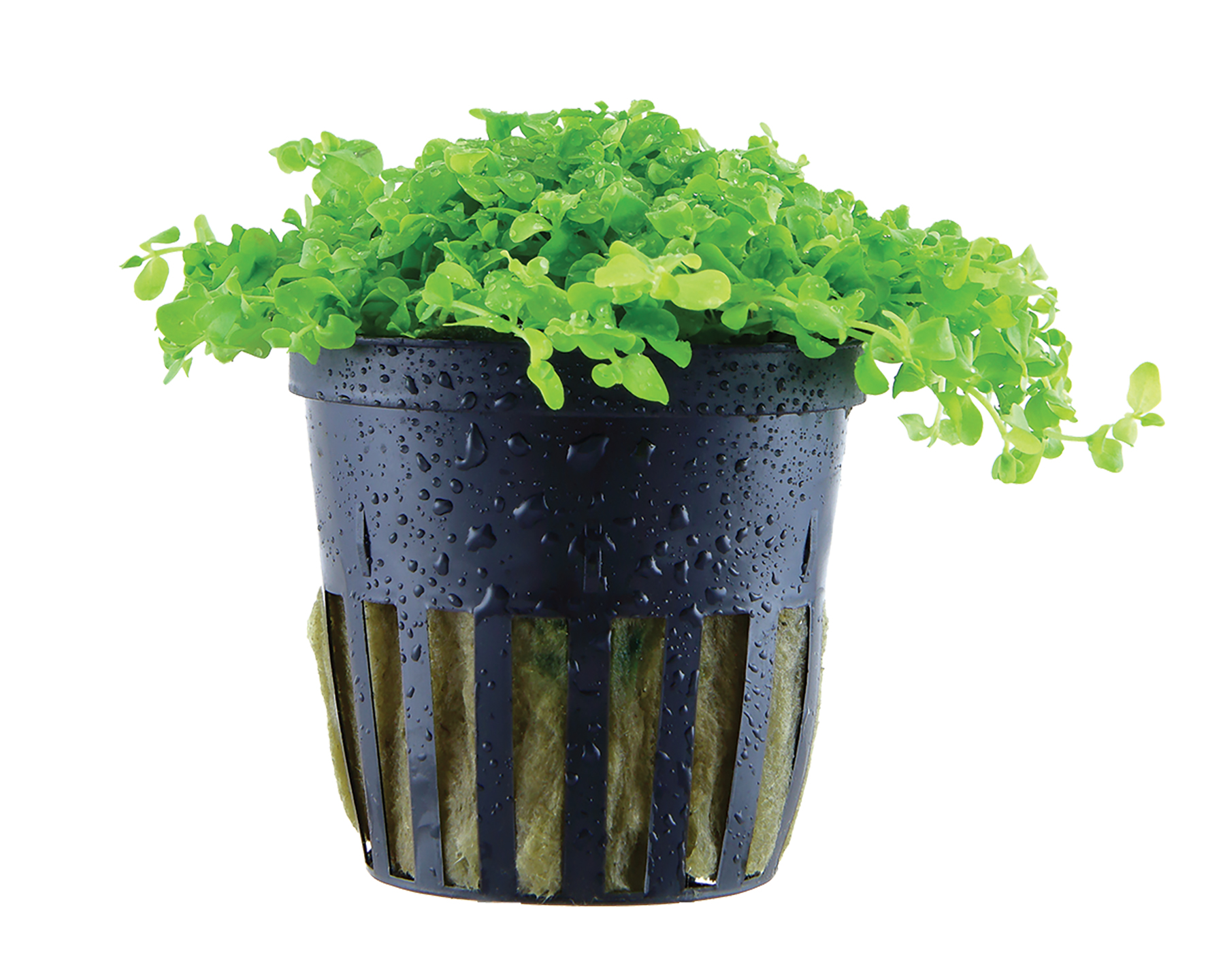
Replant carpet trimmings only when they are clean and rooted

Use floating plants as a light-control tool

Floating plants can protect shrimp and reduce glare, but they mature quickly and may cover the entire surface. Instead of removing everything when the tank becomes dark, establish a floating-free zone above the main plant group or filter outlet. Scoop out excess plants during routine maintenance, checking that roots are not trapping food or blocking surface movement. Keep enough cover for shy livestock, particularly in a bright nano aquarium, but leave open water for gas exchange and feeding. If the plant is multiplying faster than you can use it, never release it outdoors. Bag unwanted material and dispose of it responsibly.
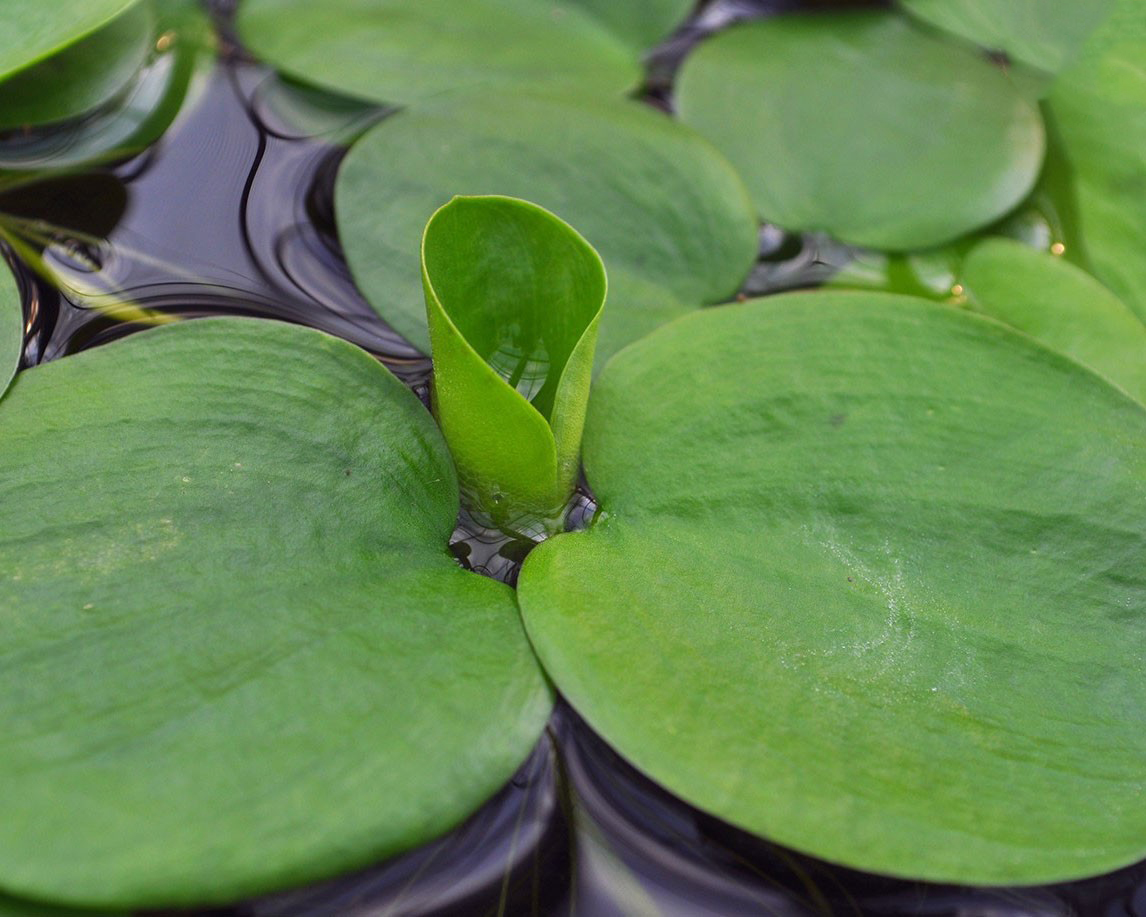
Use floating plants as a light-control tool

Shape slow plants by removing leaves, not chasing height

Small foreground and midground plants often need selective leaf removal rather than repeated topping. Staurogyne repens can be pinched or cut back to encourage branching, but a severe cut may leave an open patch while it regrows. Remove leaves that are yellow, algae-covered, or shading healthier growth, and preserve compact stems with strong new shoots. Use tweezers to replant healthy pieces in bare spaces, keeping the crown above the substrate. This approach works well in mixed nano communities because it preserves low cover for shrimp while preventing the plant from covering caves, feeding areas, or the front viewing pane.
Shape slow plants by removing leaves, not chasing height

Treat long runners and surface leaves as design decisions

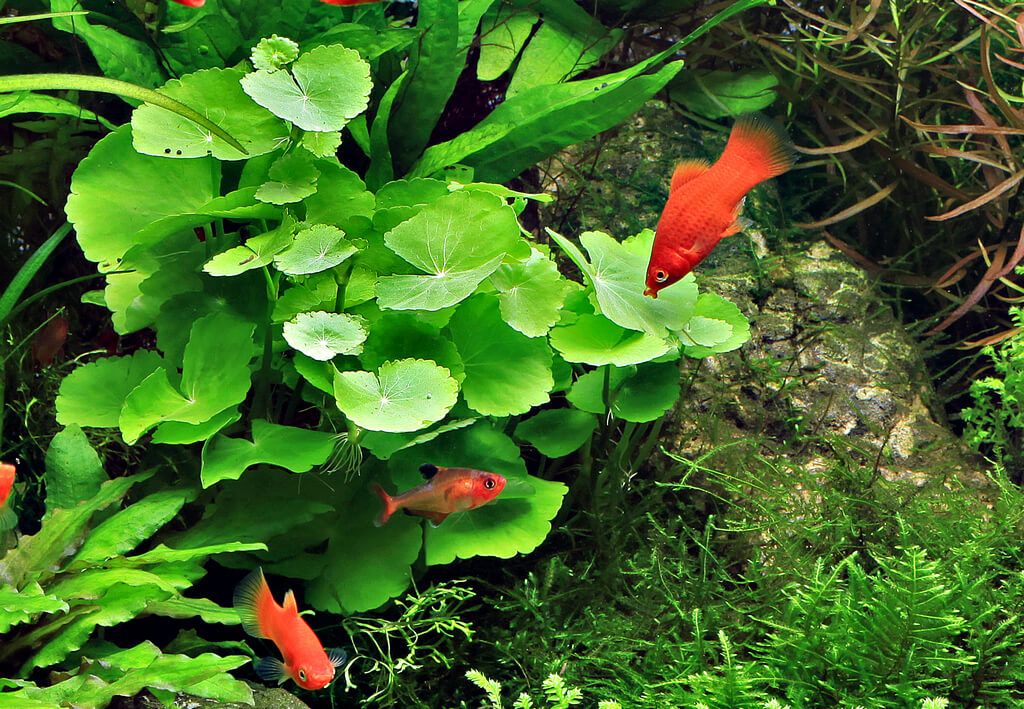
Brazilian pennywort can be rooted, floated, or trained along hardscape, so pruning is really a choice about how much open water you want. Cut long stems back to a node and replant the healthy sections, or remove them when they begin shading slower plants. Floating leaves can offer shrimp and small fish a sense of security, but dense surface growth may reduce light below and complicate feeding. In a community aquarium, keep a visible feeding zone and enough open surface for observation. In a nano tank, one controlled strand can be attractive; several unchecked strands can quickly dominate the layout.
Treat long runners and surface leaves as design decisions

Frequently Asked Questions

How often should aquarium plants be pruned?

Prune when growth begins to shade lower leaves, block equipment, cross a planned boundary, or reduce useful swimming and feeding space. Small, regular trims are usually less disruptive than an occasional severe cut.

Can I replant every aquarium plant cutting?

No. Healthy stem tops and some runners replant readily, while loose moss fragments, damaged leaves, and rhizome pieces without healthy growth may fail. Identify the plant’s propagation method before replanting.

Should I prune plants before adding shrimp?

Do major shaping before introducing shrimp when possible. After shrimp are established, use smaller trims so you preserve grazing surfaces, hiding places, and biofilm-covered structure.

What should I do with aquarium plant trimmings?

Replant clean, healthy cuttings, share them, or compost suitable plant material away from waterways. Remove decaying fragments from the aquarium so they do not collect debris or add unnecessary organic waste.

Why did my plant melt after pruning or replanting?

Some plants respond to disturbance by losing older leaves while producing new submerged growth. Keep the crown or rhizome positioned correctly, maintain stable conditions, remove decomposing leaves, and judge recovery by new growth rather than old foliage.
Leave your comments
Latest on Aquarium Base
  • How Swimming Space Should Shape a Planted Aquarium Stocking Plan

    How Swimming Space Should Shape a Planted Aquarium Stocking Plan

    A planted aquarium can look spacious in a photograph while offering very little usable room for fish. Dense stems may block a school’s cruising path, driftwood can divide territories, and a tall centerpiece plant may leave bottom dwellers with nowhere to forage. The most reliable stocking plans begin with behavior and swimming space, then use plants to shape movement rather than simply fill empty areas. This guide compares practical layouts for schooling fish, surface-oriented livebearers, bottom groups, bettas, shrimp, and snails. The goal is not to fit the most livestock into a tank, but to create a layout in which every inhabitant has somewhere appropriate to swim, feed, rest, and retreat.
  • What Aquarium Snails Actually Remove From a Planted Tank—and What They Leave Behind

    What Aquarium Snails Actually Remove From a Planted Tank—and What They Leave Behind

    Aquarium snails can make a planted tank look cleaner, but “cleaner” does not always mean fewer nutrients. Their real contribution depends on what they graze, where they forage, and how much food the aquarium receives. Some scrape soft algae from glass and leaves, some consume leftover food and decaying plant tissue, and some work through the substrate. Others are poor algae eaters but useful for population control. This guide separates visible cleanup from actual nutrient removal so you can choose snails for a specific job rather than expecting one species to solve every algae or detritus problem.
  • Why Freshwater Shrimp Die in a Planted Tank—and How to Prevent the Next Crash

    Why Freshwater Shrimp Die in a Planted Tank—and How to Prevent the Next Crash

    Freshwater shrimp rarely fail for just one reason. A colony may look healthy until a water change, new plant, feeding mistake, failed molt, or aggressive tank mate exposes a weakness that was already developing. The useful question is not simply, “What killed my shrimp?” It is, “What changed before the losses began, and how can I remove that trigger?” This guide uses common failure patterns to diagnose planted-tank problems, compare shrimp choices, and build a repeatable prevention plan for Neocaridina, Amano shrimp, and more sensitive Caridina varieties.
  • Which Aquarium Plant Fits Your Tank? A Light, Flow, Substrate, and Time-Matching Guide

    Which Aquarium Plant Fits Your Tank? A Light, Flow, Substrate, and Time-Matching Guide

    The easiest aquarium plant is not automatically the best plant for your aquarium. A slow-growing Anubias may suit a shaded shrimp tank, while a fast stem plant may be better for someone who wants quick nutrient uptake and does not mind weekly trimming. Light, water movement, planting method, substrate and available maintenance time all change the decision. This guide uses those constraints to match plants with colorful freshwater fish, shrimp, snails and nano aquariums without pretending that every species belongs in the same setup. Start with the conditions you can provide, then choose plants that will grow comfortably within them.
  • How to Design a Planted Aquarium Around Color, Movement, and Scale

    How to Design a Planted Aquarium Around Color, Movement, and Scale

    A planted aquarium becomes easier to plan when livestock is treated as part of the aquascape rather than added after it. Color determines where the eye lands, movement creates rhythm, and adult scale controls whether the layout feels spacious or crowded. This design approach is especially useful in nano aquariums, where one active fish or oversized centerpiece can dominate the entire view. Start with the visual effect you want, then match it to compatible behavior, water conditions, tank dimensions and plant cover. The result may be a colorful community of small schooling fish, a shrimp-and-snail display, or a single feature fish surrounded by quiet movement.
  • How to Prevent Snail Shell Erosion in a Planted Aquarium

    How to Prevent Snail Shell Erosion in a Planted Aquarium

    Aquarium snails can look healthy while their shells slowly weaken. Pale patches, pits, rough edges and widening holes are often blamed on a lack of calcium, but shell health depends on a larger system: dissolved minerals, carbonate buffering, acidity, diet, water changes and the snail species itself. This guide helps you choose snails that suit your planted aquarium, identify chemistry problems before they become severe and add minerals without destabilizing shrimp, fish or plants. The goal is not to chase a perfect number. It is to build stable water chemistry that supports shell growth over months and years.
  • How Many Freshwater Shrimp Should You Keep in a Planted Aquarium?

    How Many Freshwater Shrimp Should You Keep in a Planted Aquarium?

    A planted aquarium can turn a small group of freshwater shrimp into a self-sustaining colony, but that success creates a new management question: how many shrimp can the tank support? The answer depends less on a fixed number than on species, plant density, feeding, filtration, tank size, and whether fish share the aquarium. This guide compares practical colony-starting choices, explains why some shrimp reproduce easily while others do not, and shows how to prevent a planted tank from becoming overcrowded without disrupting its natural balance.
  • Can a No-CO2 Nano Aquarium Still Look Lush? A Practical Plant-and-Livestock Plan

    Can a No-CO2 Nano Aquarium Still Look Lush? A Practical Plant-and-Livestock Plan

    A low-tech planted aquarium can be attractive, stable, and full of movement without injected CO2—but it will not behave like a high-light aquascape. Growth is usually slower, carpeting plants may stay patchy, and dramatic red color can depend on light, nutrients, and plant maturity. The most reliable approach is to design around modest expectations: use dependable plants for structure, add moss and cover for shrimp, choose livestock by adult size and behavior, and keep lighting restrained. This guide helps you decide what belongs in a no-CO2 nano aquarium before you buy plants, fish, shrimp, or snails.
  • How to Build a Peaceful Planted Community Tank Without Sacrificing Your Shrimp

    How to Build a Peaceful Planted Community Tank Without Sacrificing Your Shrimp

    A peaceful community aquarium is not created by choosing only small or attractive animals. It depends on matching adult size, swimming level, temperament, water preferences, group needs and hunting behavior. The most important decision is whether your priority is a display of active fish, a growing shrimp colony or a low-maintenance planted habitat with snails. This guide uses a compatibility-first approach for nano and community aquariums, showing where colorful freshwater fish fit, which beginner plants provide useful cover and when a shrimp-and-snail setup is safer than a mixed tank.
  • Do Aquarium Snails Really Clean a Planted Tank? A Myth-Busting Care Guide

    Do Aquarium Snails Really Clean a Planted Tank? A Myth-Busting Care Guide

    Aquarium snails can be useful in planted tanks, but they are not a substitute for testing, water changes, algae control, or sensible feeding. The phrase “cleanup crew” makes them sound like a maintenance service, when each snail has a narrower job: grazing soft algae, scavenging leftovers, processing decaying plant material, or disturbing the substrate. This guide separates popular claims from practical care so you can choose snails based on your tank’s actual needs. It also explains why a sudden snail population boom is usually information about feeding and available food, not proof that the snails themselves are causing the problem.
  • Should You Feed Shrimp in a Planted Tank? A Low-Waste Algae-Control Plan

    Should You Feed Shrimp in a Planted Tank? A Low-Waste Algae-Control Plan

    Freshwater shrimp can help manage algae in a planted aquarium, but feeding them too generously can undermine the balance you are trying to create. The practical goal is not to keep shrimp constantly full. It is to provide enough natural grazing, occasional supplemental food, and stable water conditions without leaving decomposing leftovers behind. This guide explains how to choose shrimp for the job, how to tell whether they need extra food, and how to adjust lighting, planting, stocking, and maintenance when algae becomes excessive. It also separates the needs of Amano shrimp, Neocaridina varieties, and more sensitive Caridina types so your cleanup plan does not create a new water-quality problem.
  • Why Aquarium Plants Fail After Planting—and How to Recover Without Starting Over

    Why Aquarium Plants Fail After Planting—and How to Recover Without Starting Over

    A planted aquarium rarely fails because every plant is unsuitable. More often, a good plant is placed incorrectly, exposed to an abrupt change, or paired with livestock before the layout has stabilized. The useful question is not “Which replacement plant should I buy?” but “What changed, and what can I correct without disturbing everything again?” This recovery guide follows that decision from the first planting choice through lighting, algae, substrate, and nano-livestock compatibility. Use the images as visual checkpoints: identify the plant’s growth type, correct the specific mistake, then give the tank time to respond before making another major change.
  • Before You Buy: A Feeding and Bioload Plan for a Planted Freshwater Aquarium

    Before You Buy: A Feeding and Bioload Plan for a Planted Freshwater Aquarium

    A planted aquarium can look self-sustaining, but fish, shrimp and snails still turn food into waste. The most reliable way to choose compatible freshwater livestock is to plan the feeding routine and maintenance burden before choosing the animals. A small group of tiny fish may need specialized foods and frequent observation, while livebearers can create more waste through unexpected fry. Easy plants can help stabilize a tank, but they do not cancel overfeeding or poor stocking decisions. This guide compares practical community options and shows how to build a colorful planted aquarium around the work you can realistically maintain.
  • When Aquarium Snails Multiply: A Planted-Tank Population Control Plan

    When Aquarium Snails Multiply: A Planted-Tank Population Control Plan

    A sudden wave of tiny snails can make a planted aquarium feel out of control, but the population is usually responding to available food rather than attacking the tank. The useful question is not how to eliminate every snail. It is which species reproduce quickly, what is feeding them, and whether their numbers fit your livestock plan. This guide compares common hitchhikers, non-breeding freshwater algae grazers, slower live-bearing snails, and predators so you can choose a control method without damaging plants, shrimp, fish, or beneficial microorganisms.
  • Will Your Freshwater Shrimp Survive the Next Molt? A Water-Quality Decision Guide

    Will Your Freshwater Shrimp Survive the Next Molt? A Water-Quality Decision Guide

    Freshwater shrimp rarely fail because an aquarium is not attractive enough. They fail when the water changes faster than their bodies can adapt, especially during molting. The right shrimp for a planted nano aquarium is therefore not simply the one with the most appealing color. It is the one whose mineral needs match your source water, substrate and maintenance routine. This guide compares practical choices from Neocaridina, Caridina, Amano and Sulawesi groups, then connects each choice to the details that determine survival: GH, KH, TDS, temperature, mature biofilm, safe tank mates and controlled water changes.
  • 12 Beginner-Friendly Aquarium Plants and Invertebrates for Nano Setups

    12 Beginner-Friendly Aquarium Plants and Invertebrates for Nano Setups

    Starting a nano aquarium is an incredibly rewarding hobby, but choosing the right inhabitants and flora is crucial for long-term success. For beginners, the key is selecting hardy, low-maintenance aquatic plants that provide essential oxygen and shelter, paired with peaceful, colorful invertebrates that help keep the tank clean. This guide explores 12 easy-to-care-for aquarium plants and their perfect companions, ensuring your setup remains vibrant and healthy with minimal effort. Whether you are aiming for a lush green carpet or a dense jungle aesthetic, these selections offer the perfect foundation for a thriving community aquarium.