Start with the outcome you actually want
Tank-mate advice changes depending on whether you want a display aquarium or a growing shrimp colony. If keeping adult shrimp visible is the priority, a small peaceful community may work with dense planting and careful observation. If you want large numbers of young shrimp, a species-only aquarium remains the safest design. Baby shrimp are tiny, slow, and vulnerable immediately after leaving the berried female, so even fish that ignore adults may pick them off. Decide whether occasional losses are acceptable before choosing livestock. This single decision prevents the common mistake of adding attractive nano fish and then wondering why the colony never increases.
Use a three-level compatibility test
Evaluate each possible tank mate in three separate categories: adult-shrimp safety, shrimplet safety, and water-condition compatibility. A species may pass the first test but fail the second. It may also be peaceful yet unsuitable because its preferred temperature, hardness, pH, or feeding routine conflicts with the shrimp. Look at mouth size, hunting style, swimming level, and whether the animal actively searches through moss and leaf litter. Treat “shrimp-safe” as “lower risk,” not as a promise. For breeding-focused tanks, only animals that pass all three tests deserve serious consideration.
Why Neocaridina are usually the easier community choice
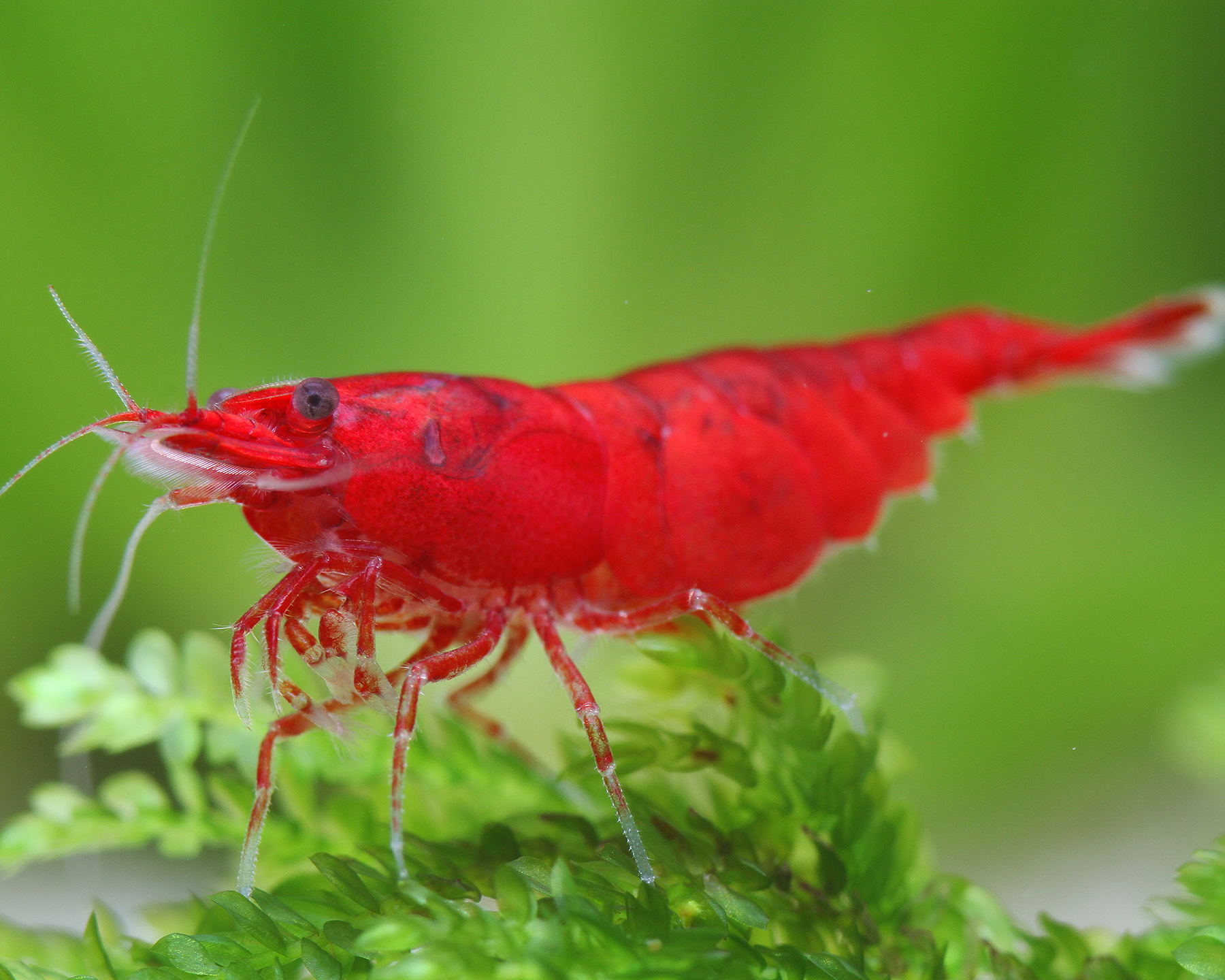
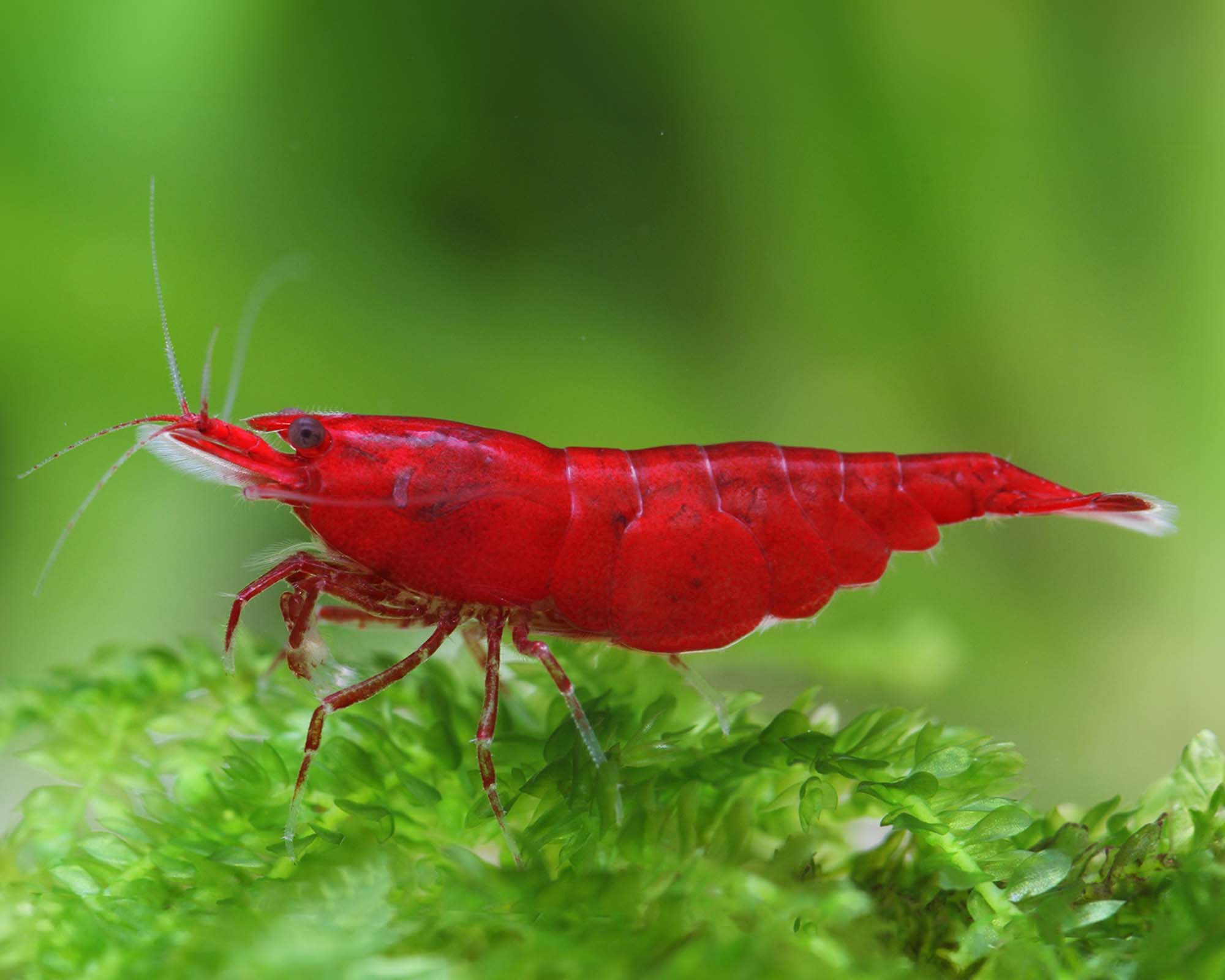
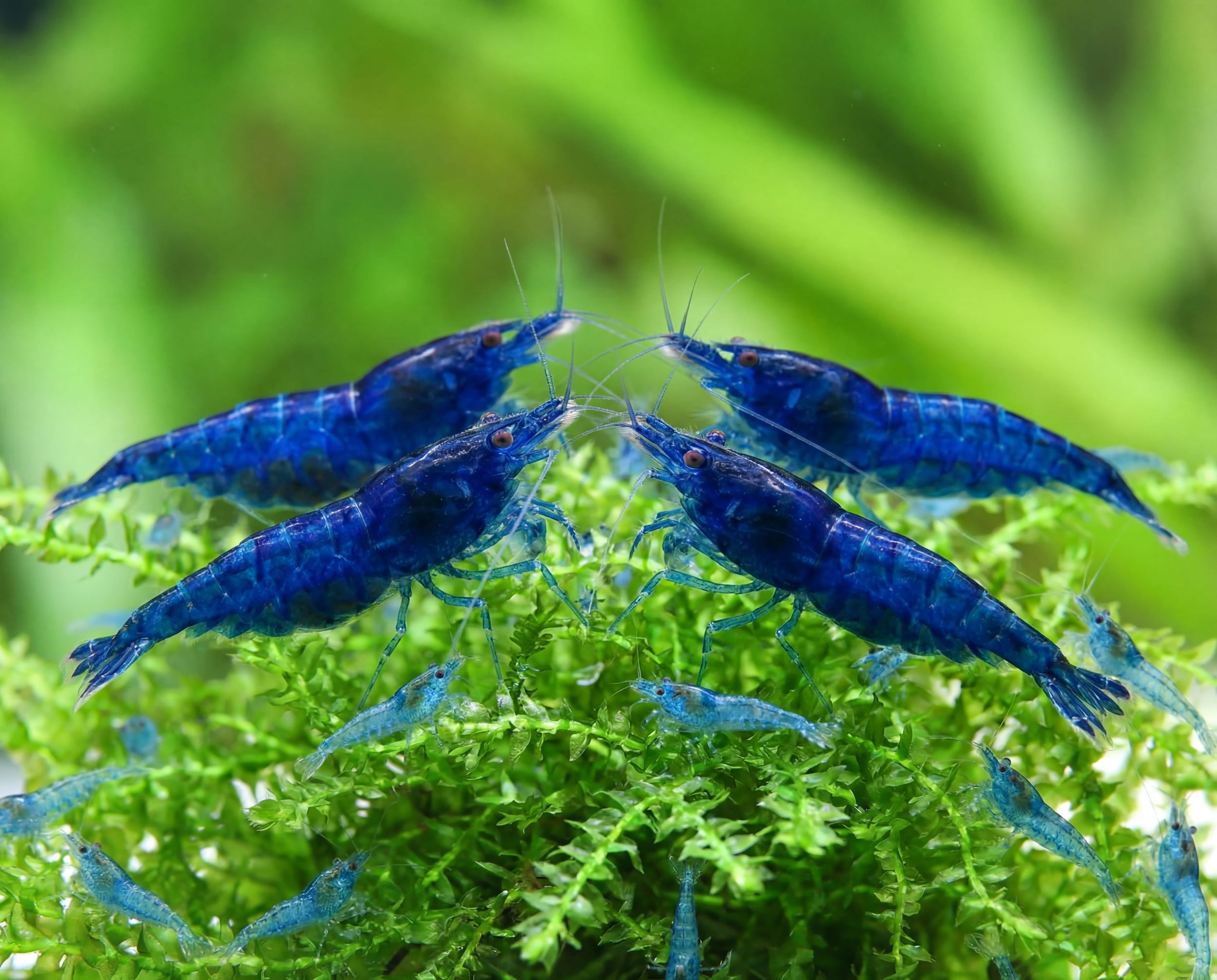
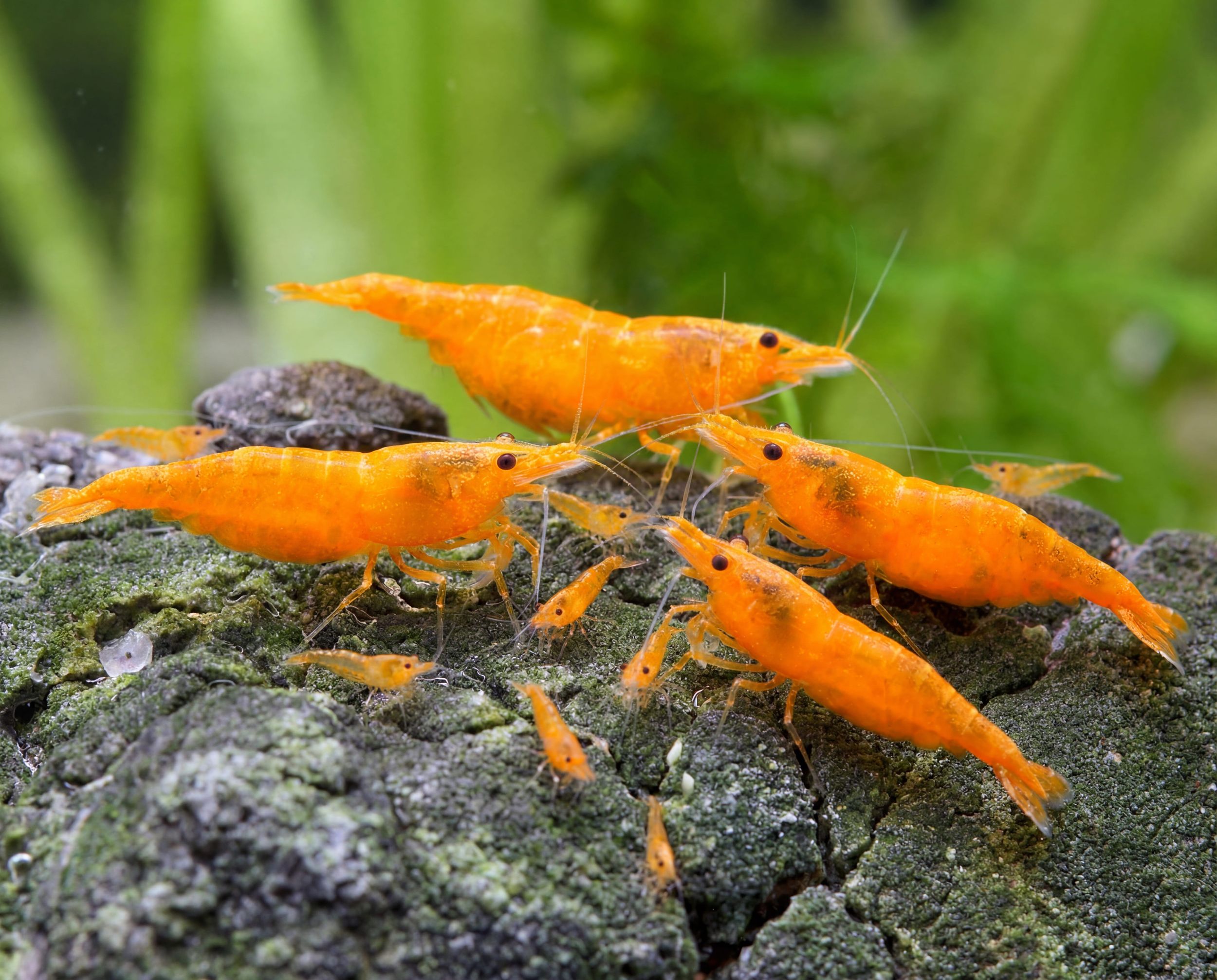
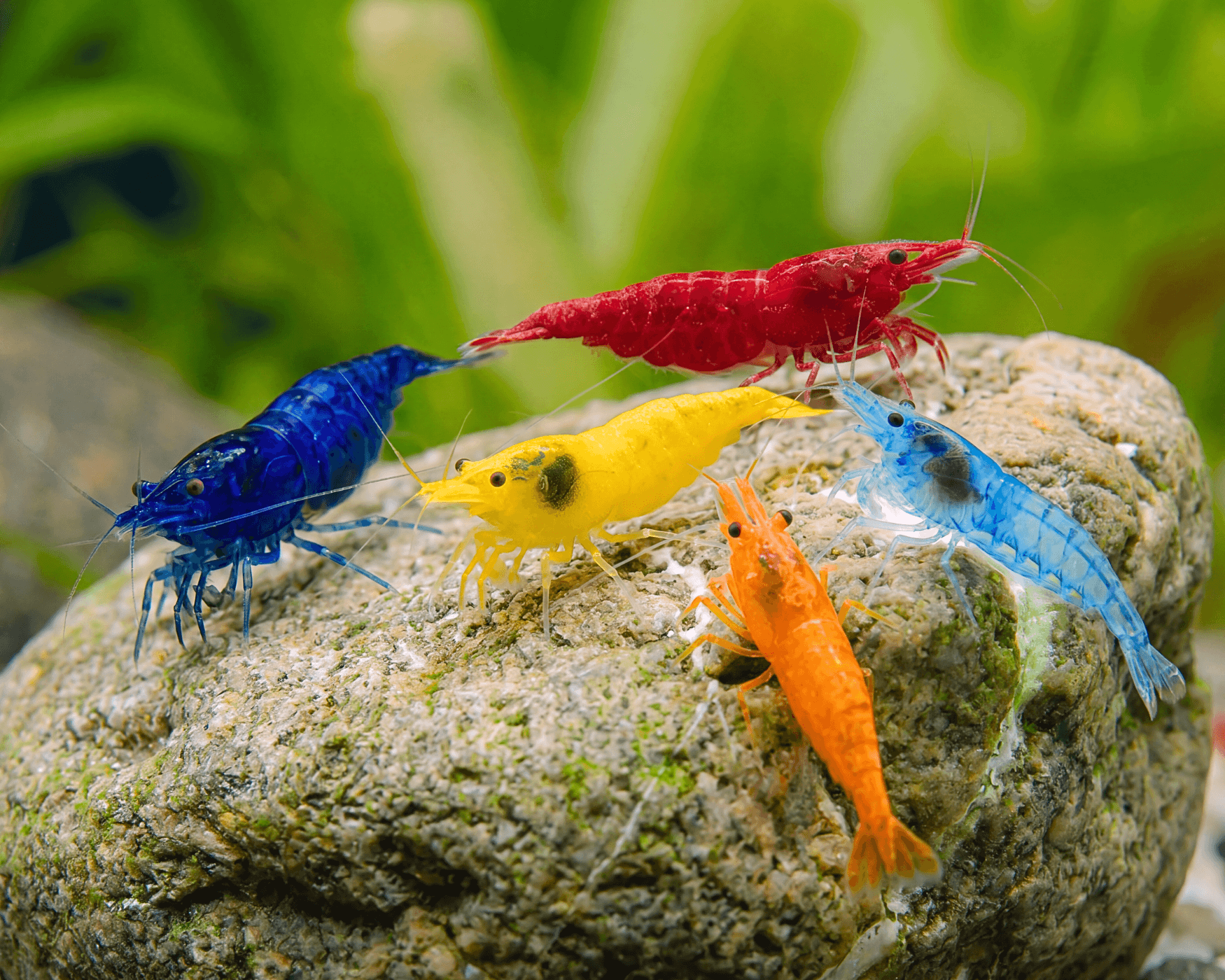
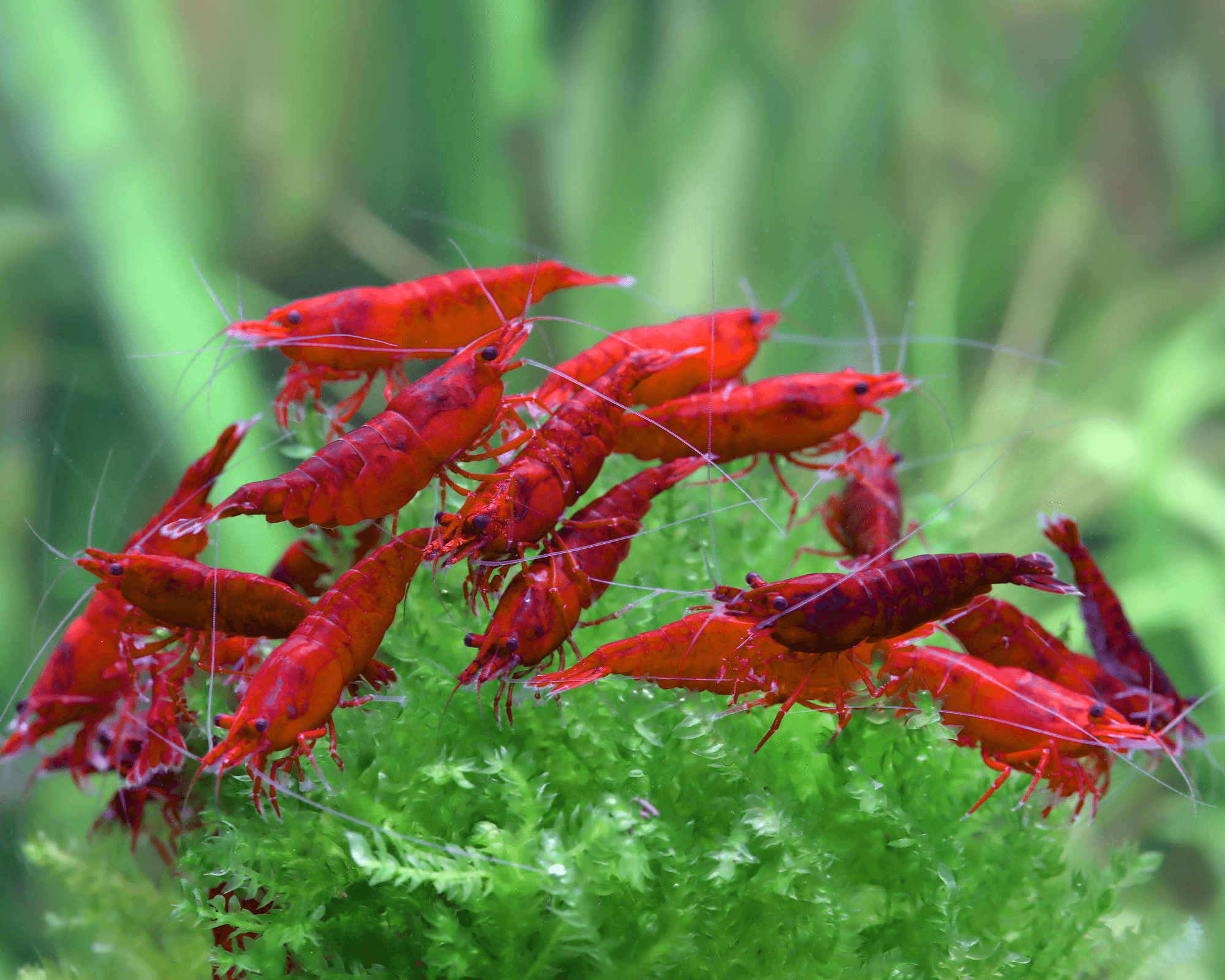
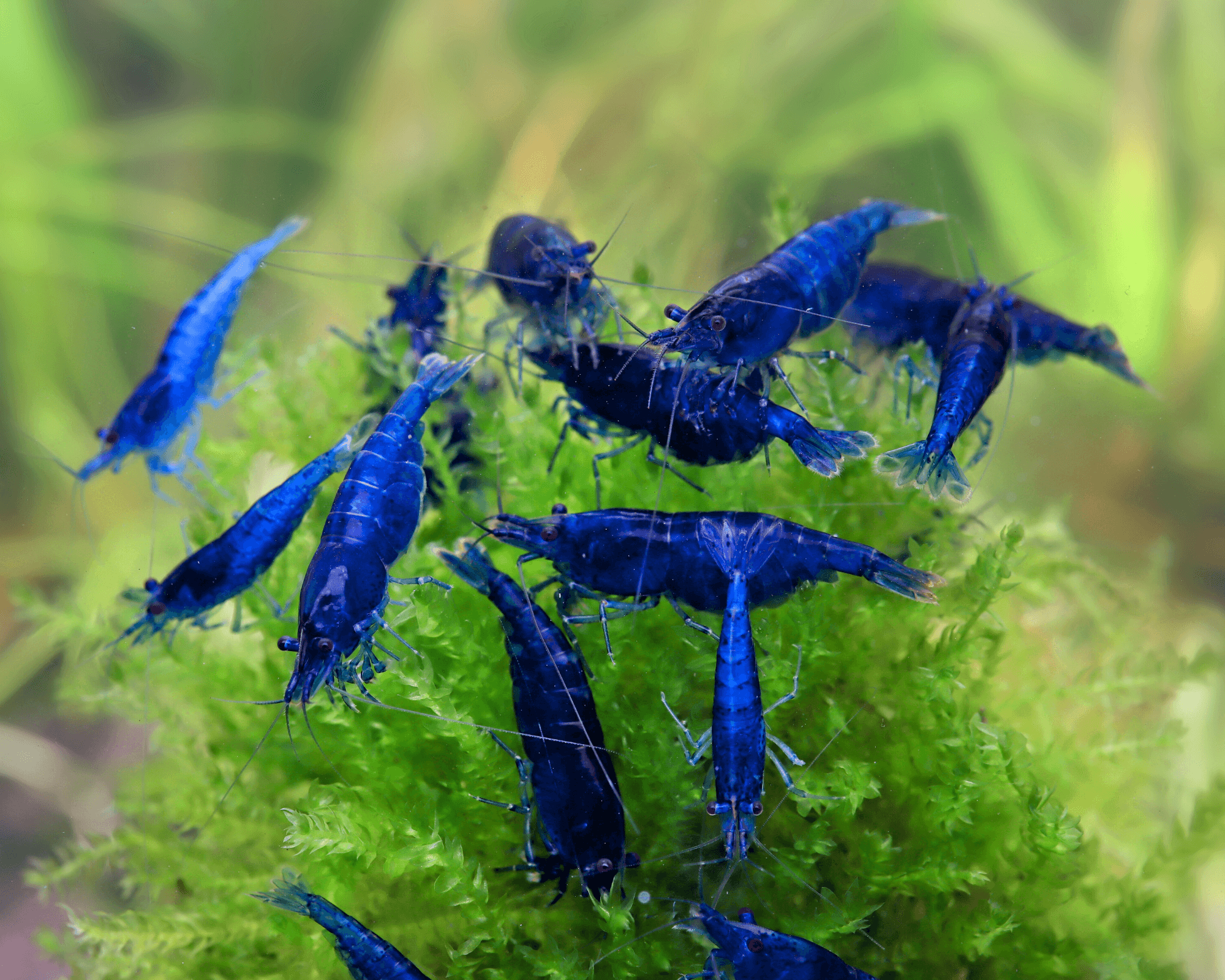
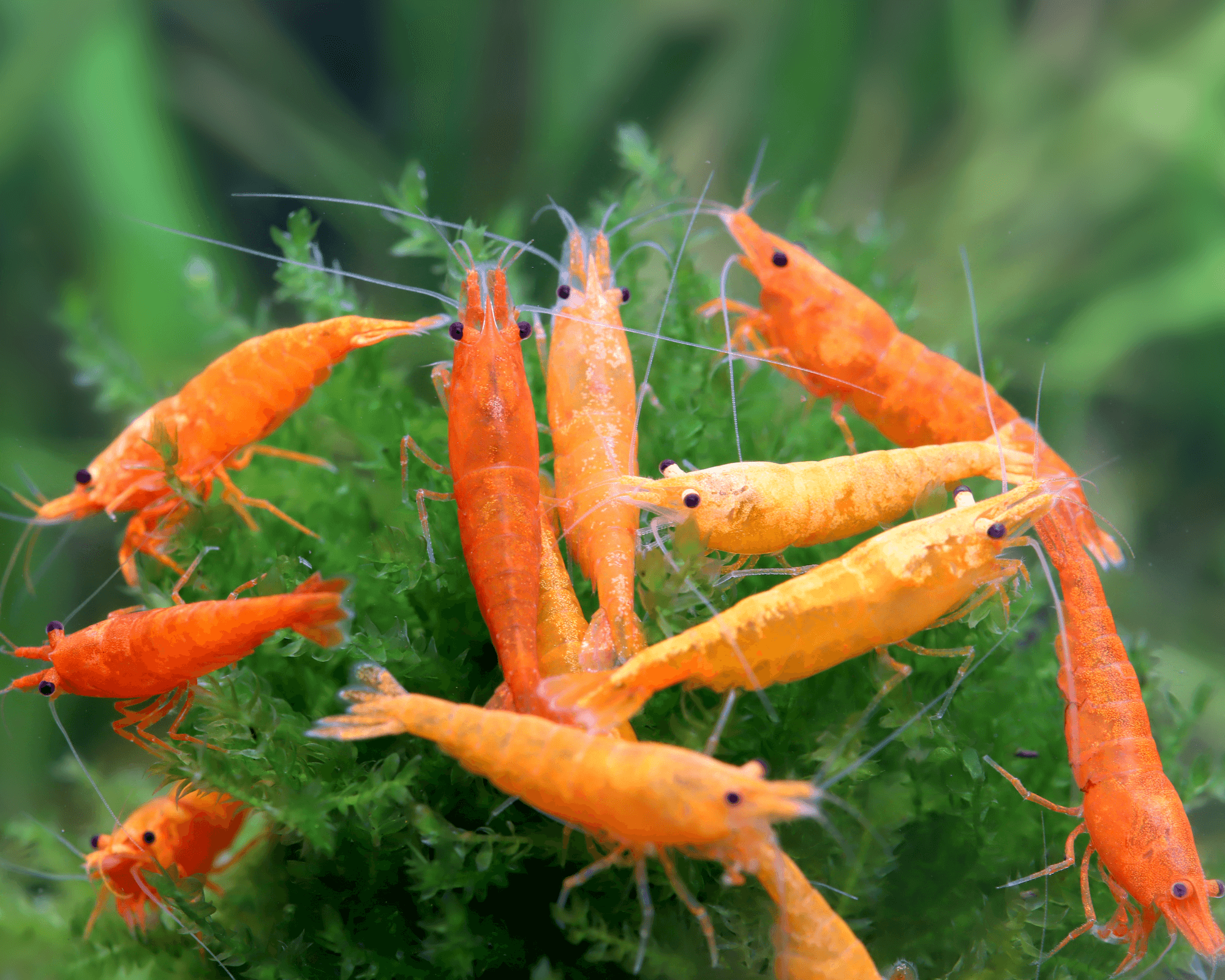
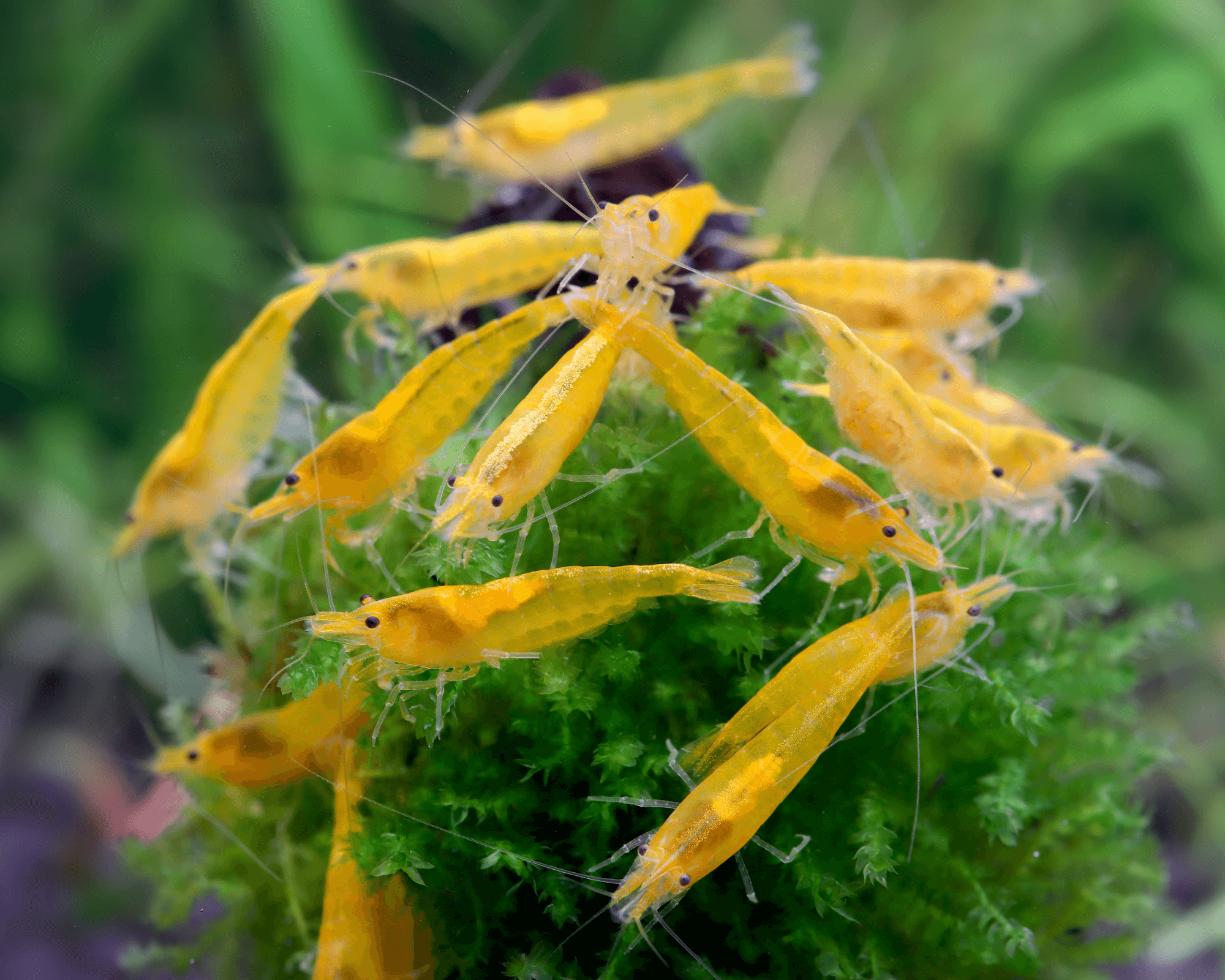
Red Cherry, Bloody Mary, Blue Dream, Orange Fire, and Yellow Fire shrimp are color forms of Neocaridina davidi. Their broad availability and adaptable nature make them a practical starting point for a planted community aquarium, provided the water is stable and mature. Color does not change the basic predator risk: a yellow or blue shrimplet is just as vulnerable as a red one. Mixing several Neocaridina colors can also produce less predictable offspring over time. If your goal is a consistent color line, keep one selected variety. If your goal is a lively mixed colony, accept changing patterns and prioritize cover over color matching.
Caridina need a stricter compatibility plan
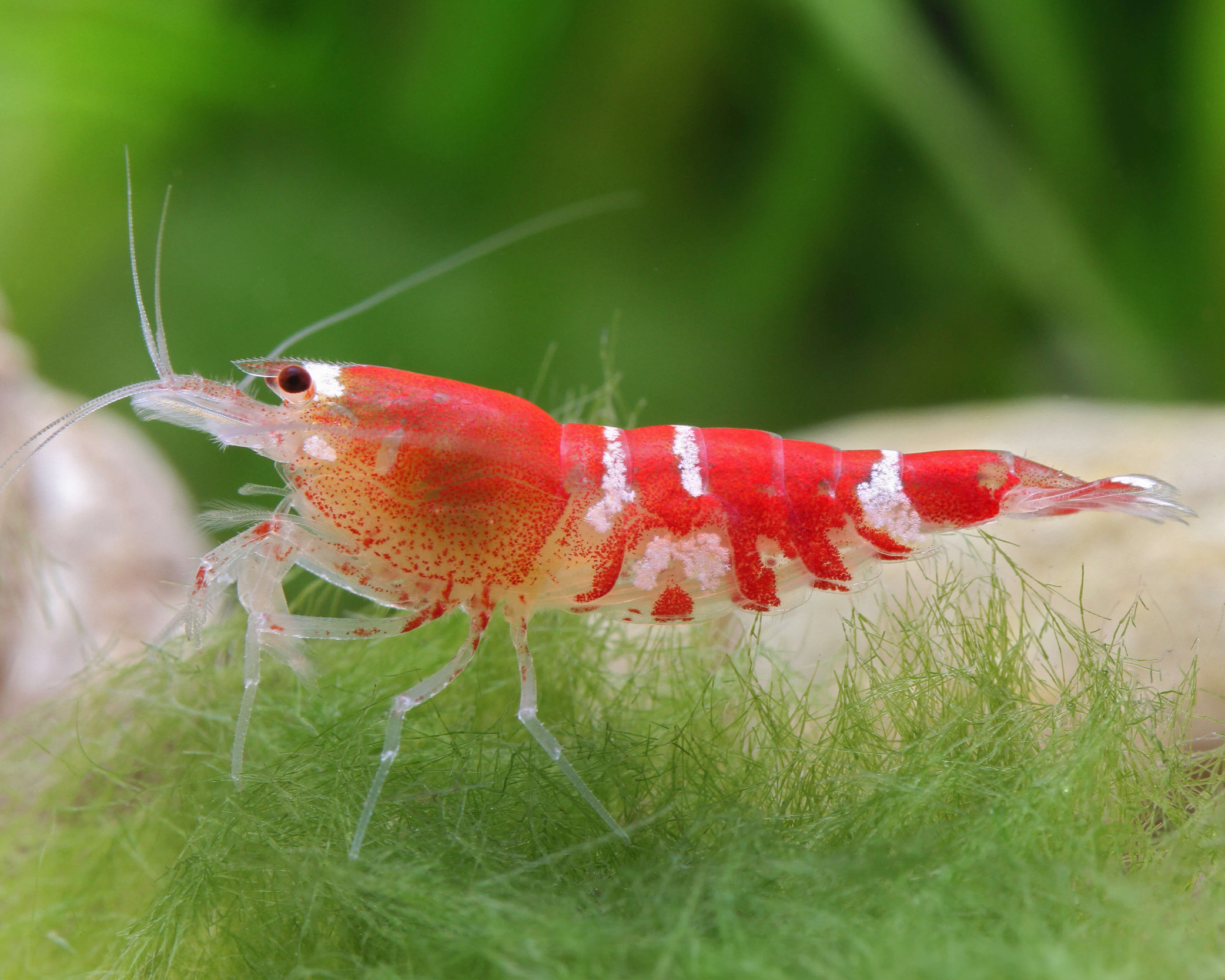
Crystal Red and other bee-type Caridina can be excellent planted-tank inhabitants, but they should not automatically be grouped with Neocaridina simply because both are dwarf shrimp. Their preferred water chemistry and long-term stability needs may differ, and sudden changes are especially risky around molting and breeding. Choose tank mates only after confirming that the entire aquarium can support the shrimp, not just the fish. In a mixed community, avoid using livestock that demands frequent medication, rapid parameter changes, or heavy feeding. A quiet, mature aquarium with stable conditions is more valuable to Caridina than a long list of colorful companions.
The lowest-risk companions are usually not fish
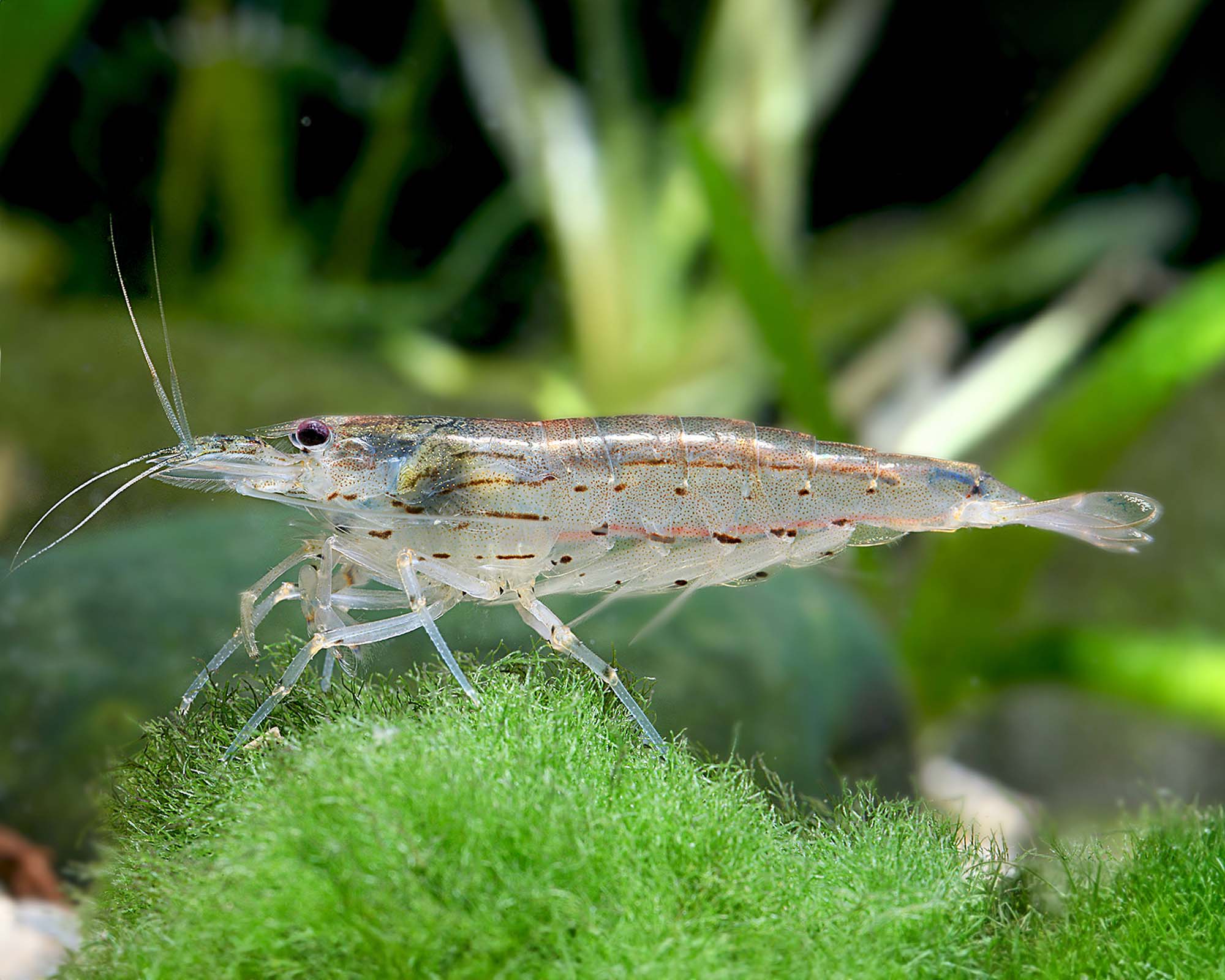
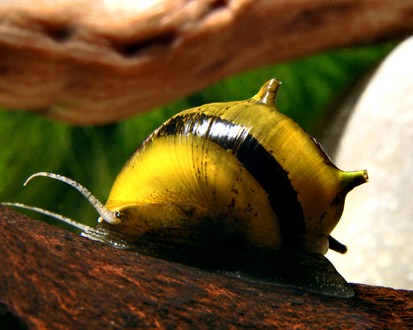
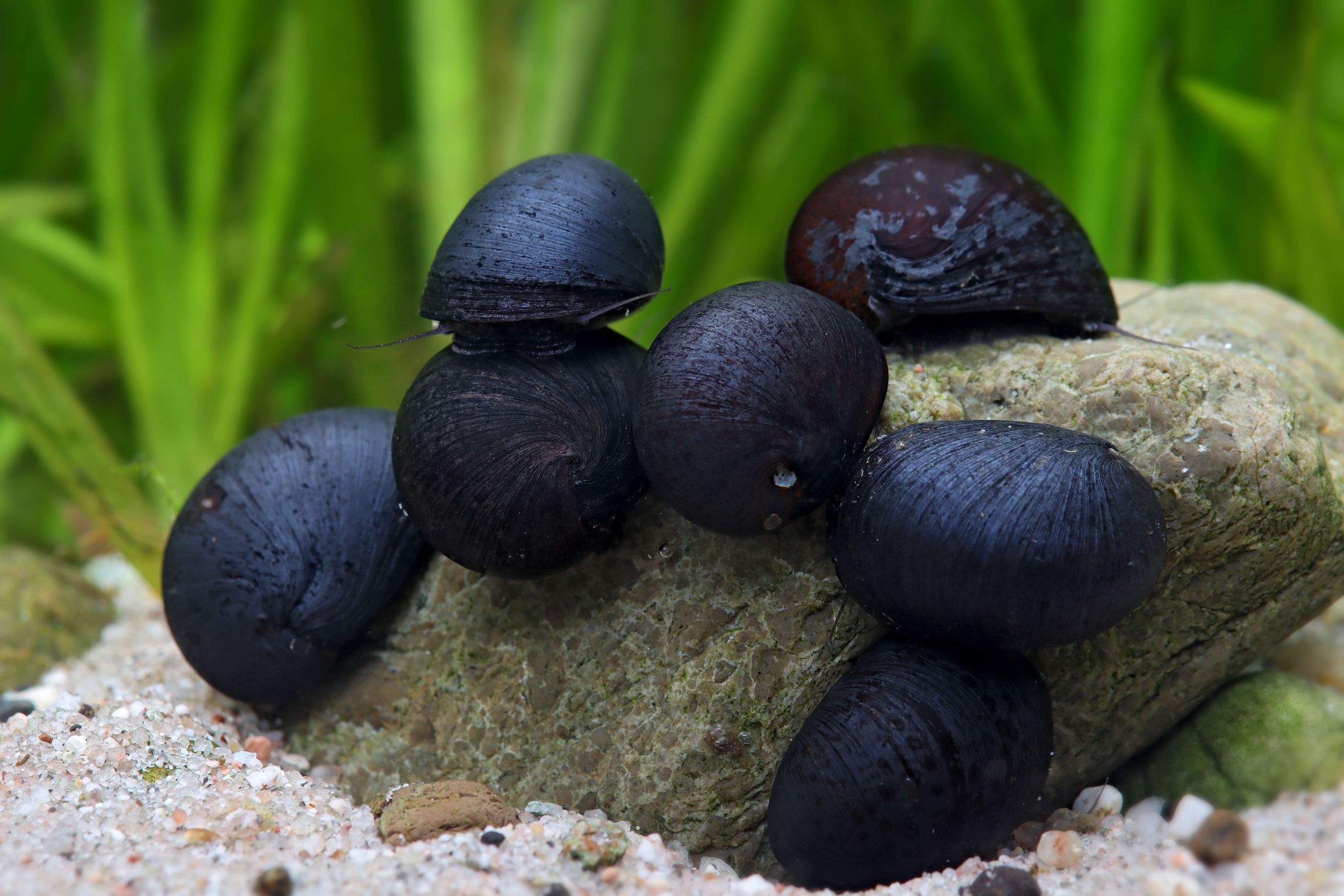
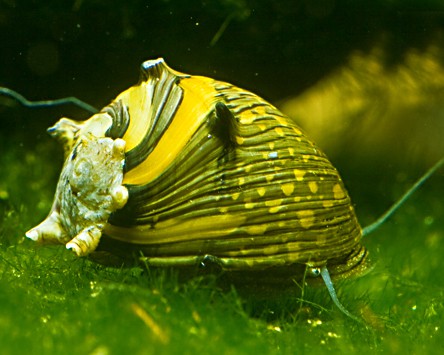
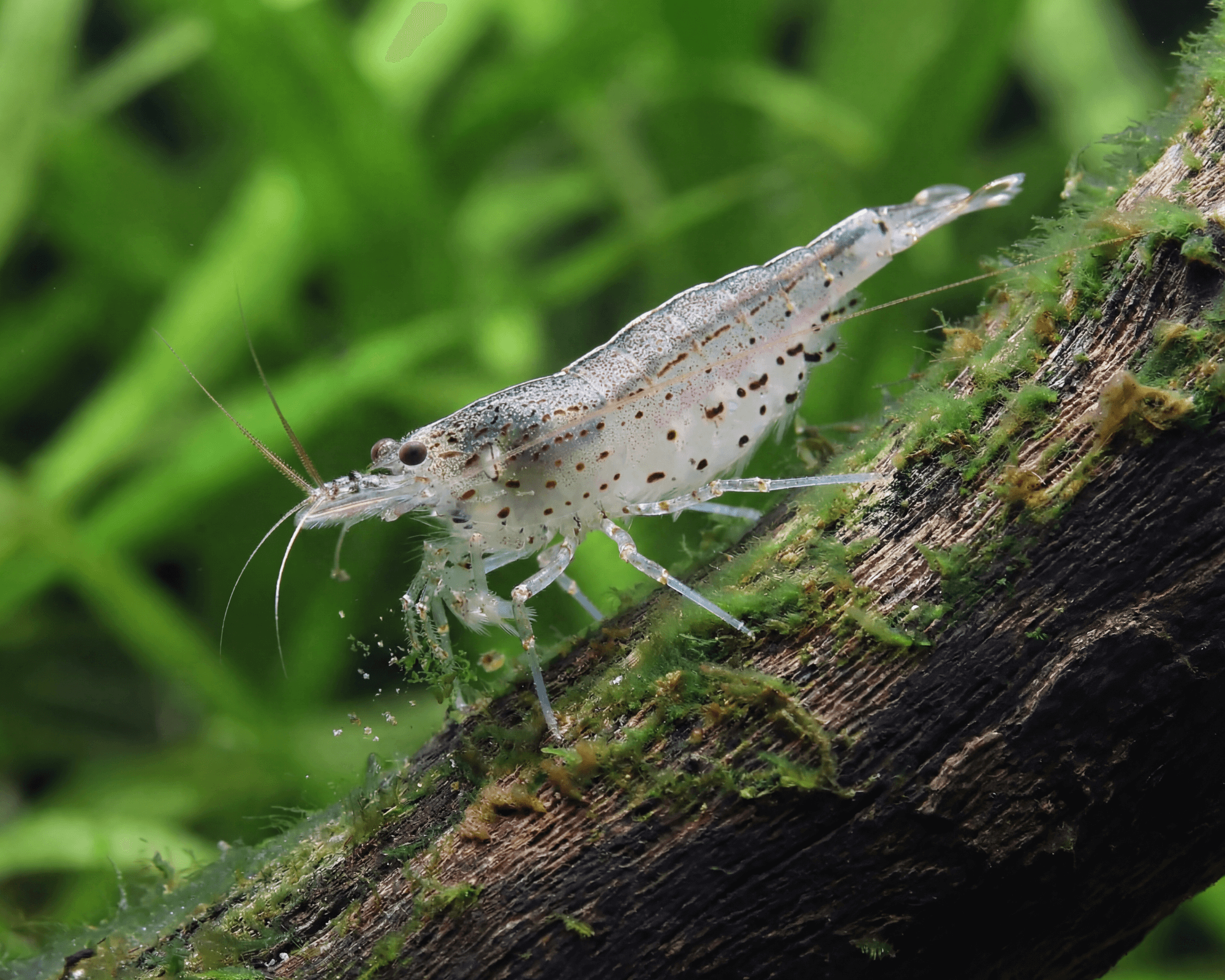
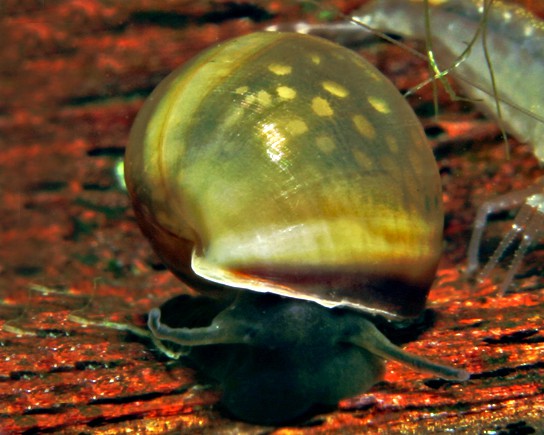
If protecting young shrimp is the main objective, freshwater snails and adult Amano shrimp are generally easier choices than fish. Snails do not patrol the aquarium with the same predatory behavior as fish, although they still add bioload and compete for food. Amano shrimp are larger than Neocaridina and are useful scavengers, but they are not a breeding substitute: their larvae require a different life-cycle setup, and they may compete for feeding space. Keep portions modest and watch whether smaller shrimp still reach food. For a colony-first nano aquarium, shrimp plus carefully selected snails is often the simplest community design.
If you add fish, choose by hunting opportunity
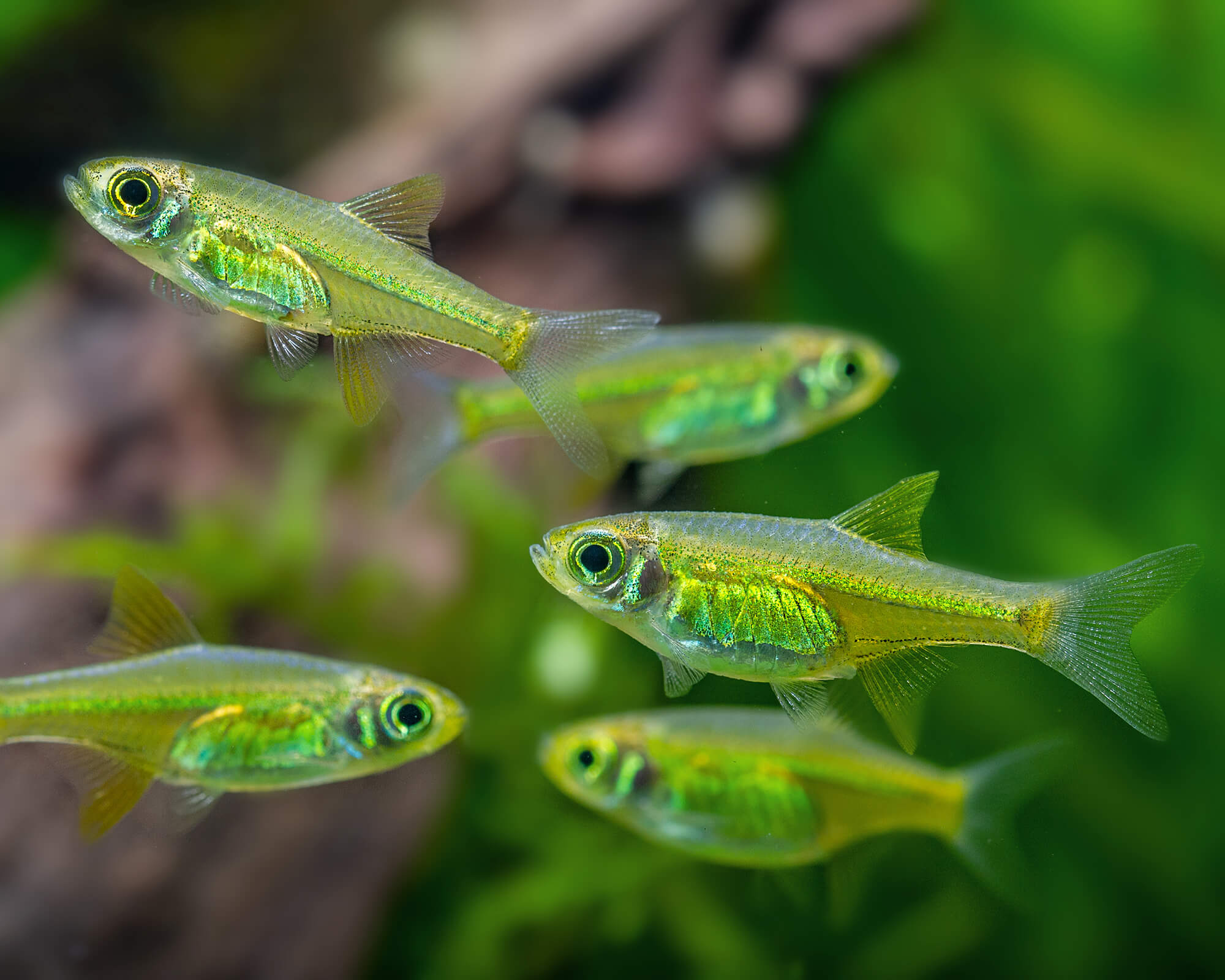
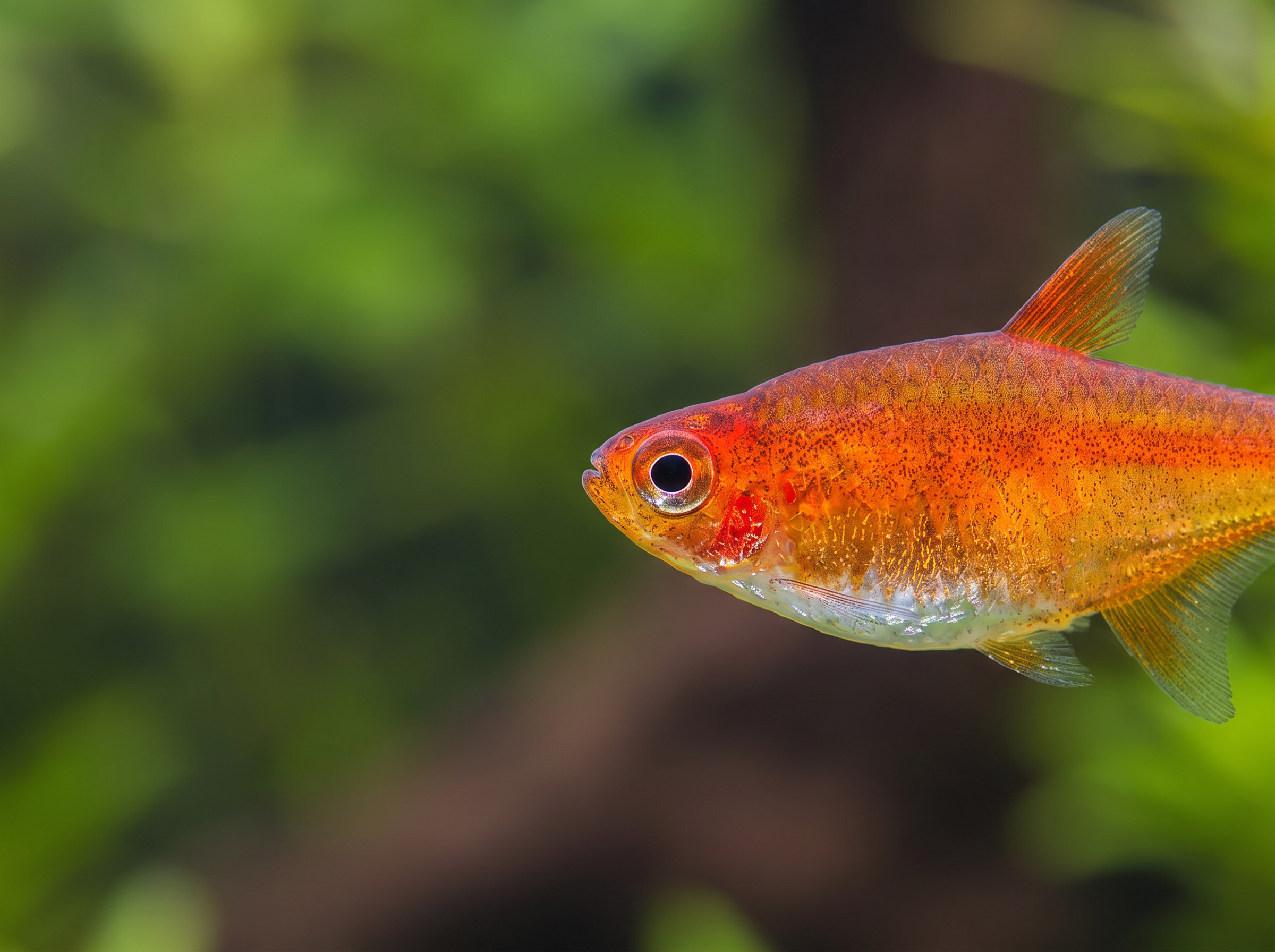
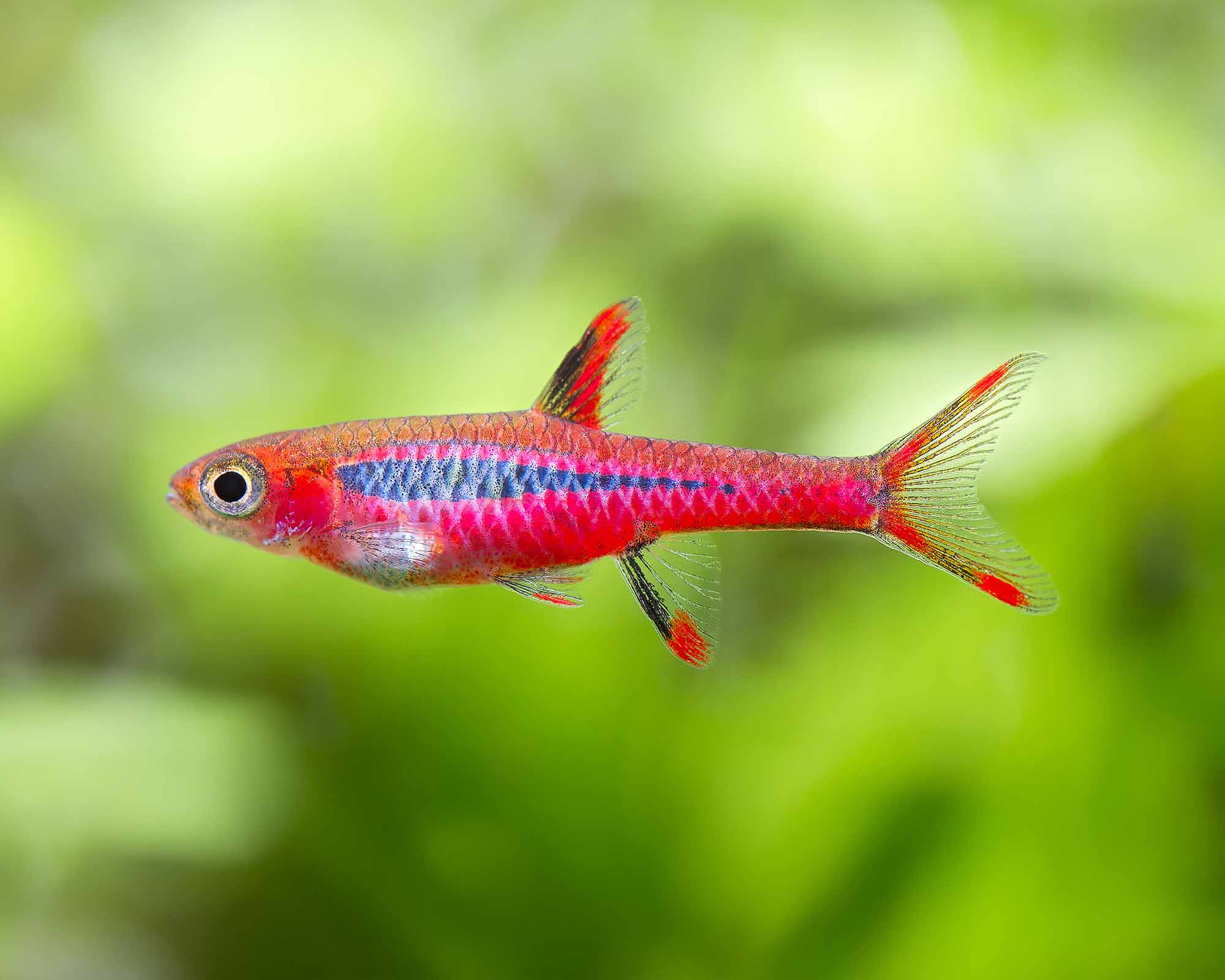
Small rasboras, otocinclus, pygmy corydoras, and other peaceful nano fish are often considered lower-risk companions, but none should be treated as completely safe for shrimplets. Fish that constantly inspect plants, substrate, and hardscape have more opportunities to find babies. Fish with larger mouths, fast feeding responses, or a habit of chasing moving prey present greater danger. Add fish only after the shrimp colony is established, and observe whether shrimp continue grazing openly. If adults hide all day or young shrimp disappear between sightings, the aquarium is telling you the combination is not working for a breeding goal.
Build cover that works at baby-shrimp scale
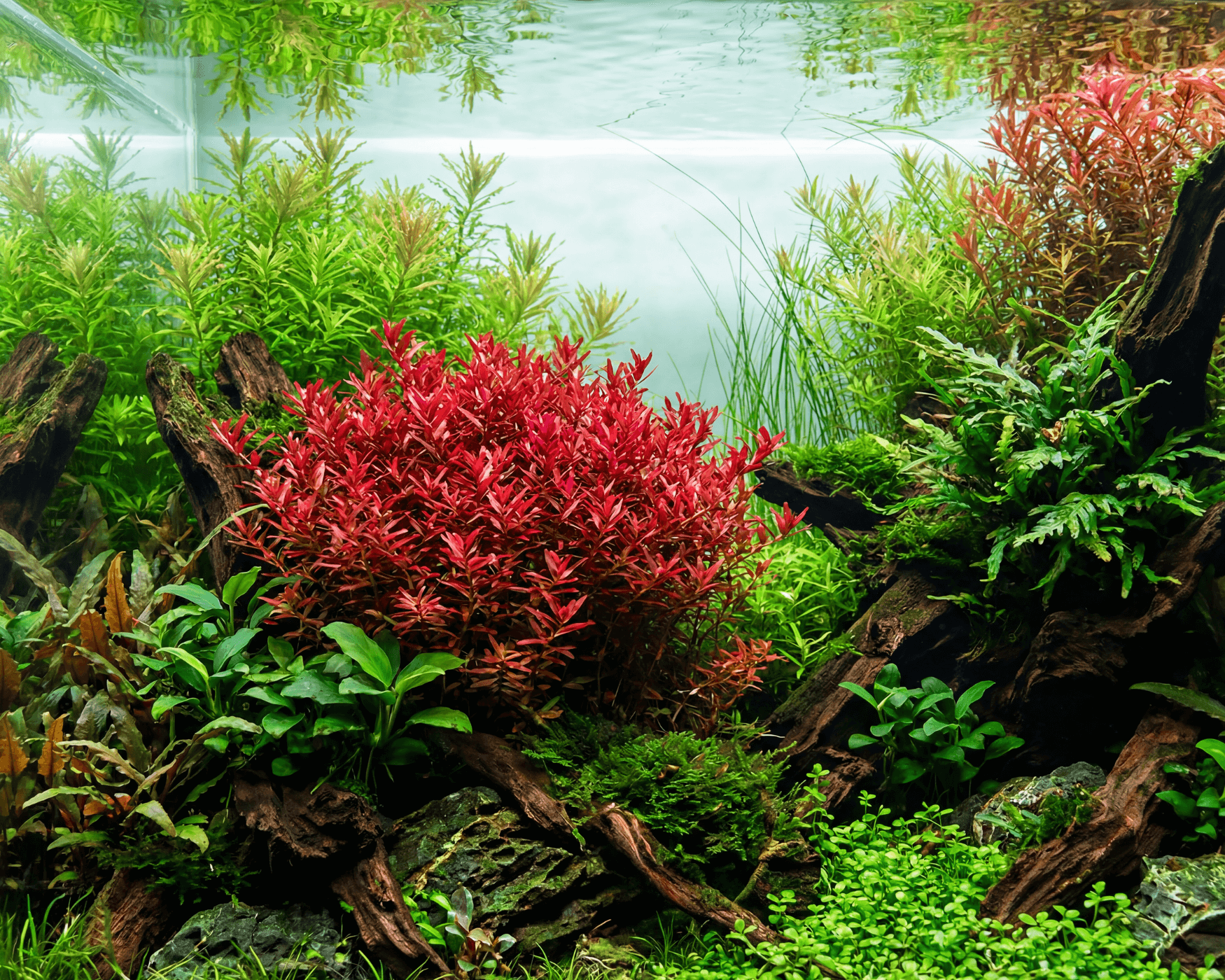
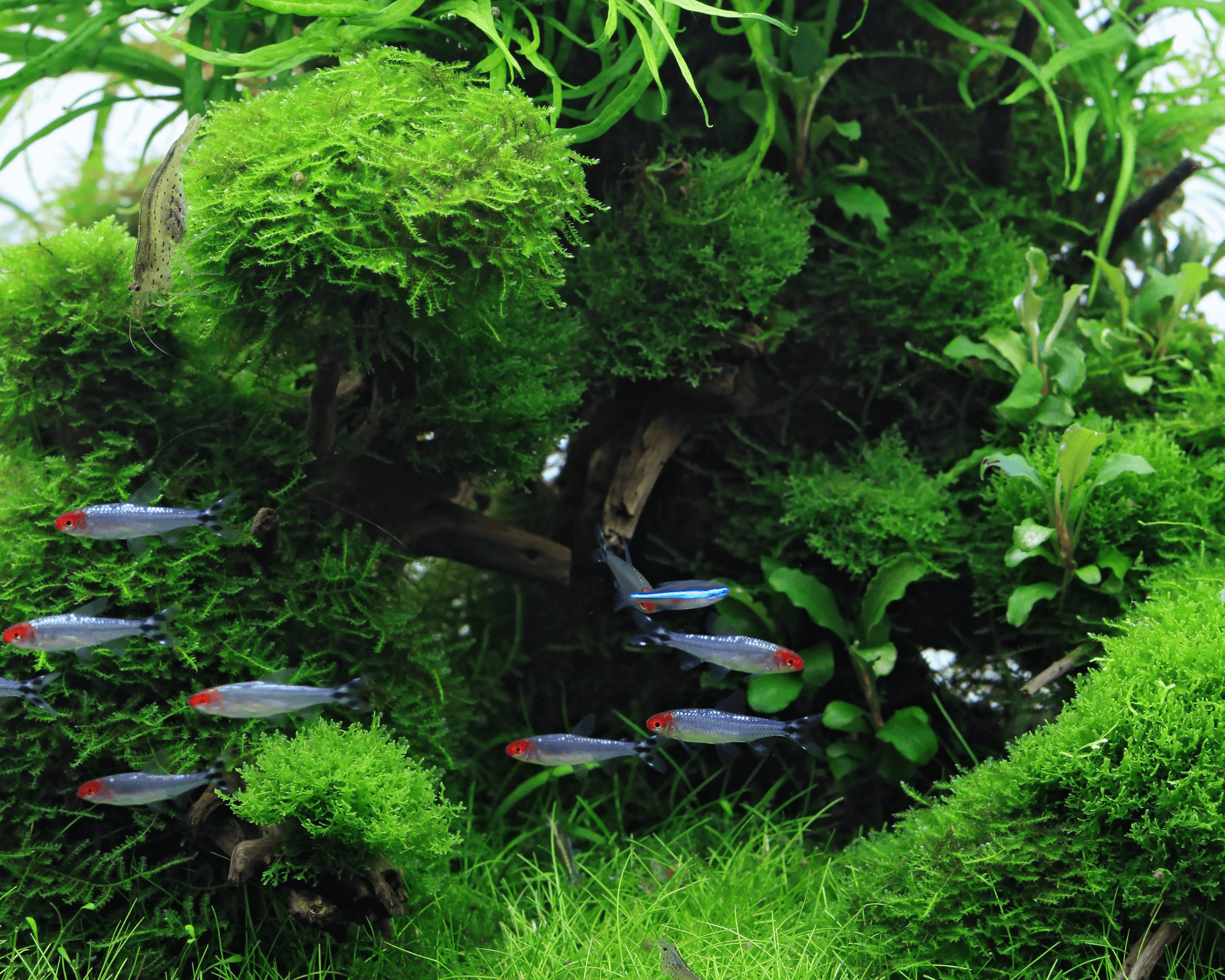
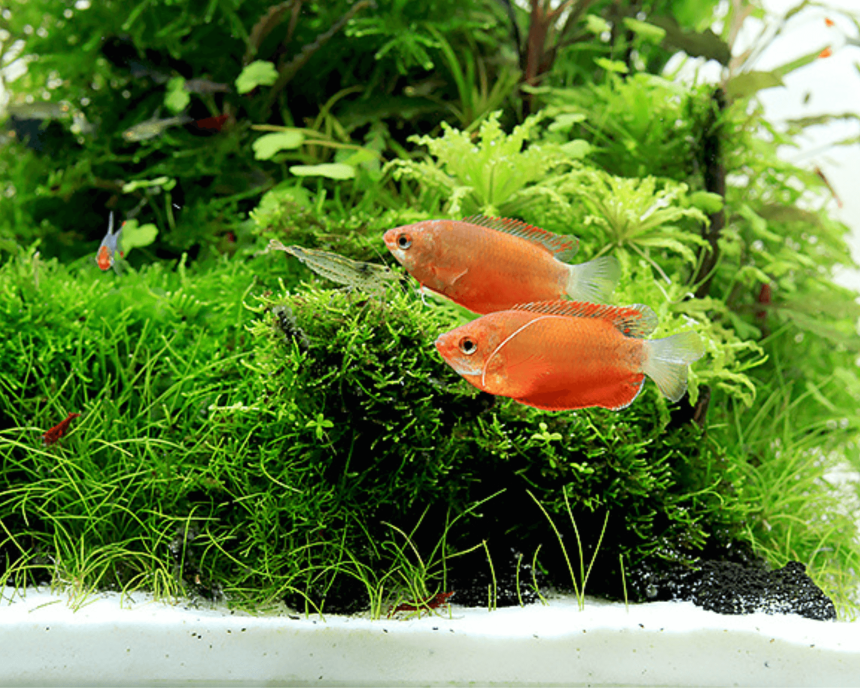
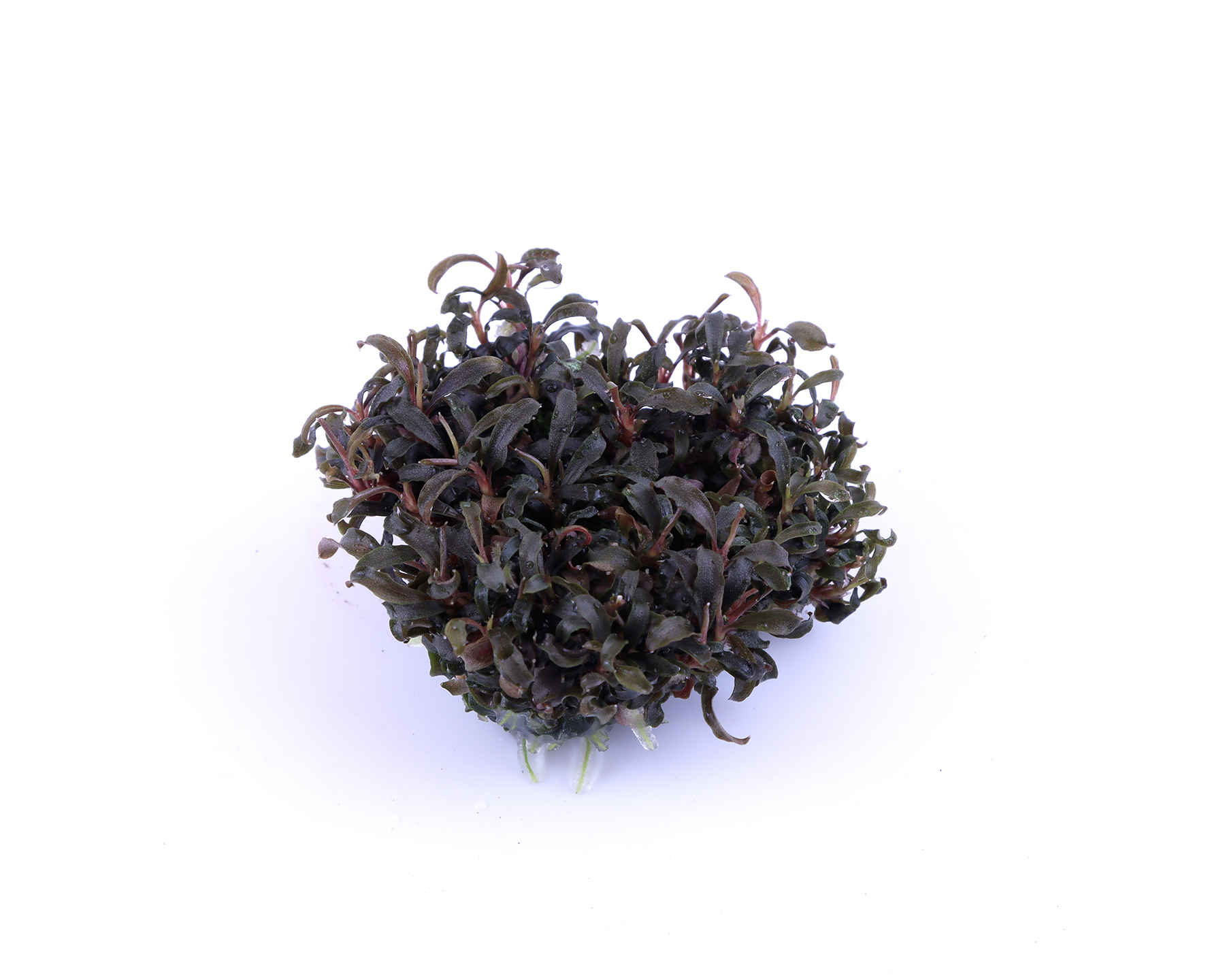
A few large-leaved plants do not provide the same protection as dense fine-textured growth. Moss, fine stem plants, floating roots, leaf litter, and small crevices create surfaces where shrimplets can graze and retreat. Christmas moss is useful as a visual example because its branching structure offers more refuge than a single broad leaf. Arrange cover in connected zones rather than one isolated clump, giving shrimp several routes away from open water. Keep some mature biofilm surfaces undisturbed. Plants reduce encounters, but they cannot turn a hunting fish into a guaranteed safe tank mate.
Add fish last, not first
A breeding colony has a better chance when shrimp enter a mature planted aquarium before fish are introduced. This allows adults to settle, graze, molt, and reproduce while the tank develops biofilm and natural hiding places. Adding fish first can make newly introduced shrimp spend their early weeks under constant pressure. After the colony is established, add only a modest fish group and monitor the result for several weeks. Avoid making several livestock changes at once, because you will not know whether losses came from predation, water instability, competition, or an overloaded filter.
Feeding can reduce competition, but not predation
Target feeding may help shrimp reach food when fish are present, but it does not remove the underlying risk. Use small portions placed near cover, and remove leftovers before they decay. Feeding fish at the opposite end of the aquarium can reduce crowding during meals, while powdered or finely crushed shrimp foods can reach young animals in moss and leaf litter. Do not compensate for disappearing shrimplets by adding excessive food. That usually increases waste, encourages nuisance organisms, and can destabilize water quality. A colony that survives because the tank is clean and sheltered is more resilient than one supported by constant overfeeding.
Use this final decision rule before buying
Choose a species-only shrimp tank when breeding success matters most, especially in a small aquarium. Choose shrimp and snails when you want low conflict with simple maintenance. Choose shrimp with lower-risk nano fish only when you accept that some young may be eaten and you can provide dense, mature cover. Reject any fish that is aggressive, highly predatory, large-mouthed, or incompatible with the shrimp’s water needs. Finally, plan for the adult size and behavior of every animal, not the size shown at purchase. The safest community is the one whose losses and compromises you already accept.
Frequently Asked Questions
Is any fish completely safe with baby shrimp?
No fish should be considered completely safe for shrimplets. Some small, peaceful species may leave many babies alone in a dense planted aquarium, but opportunistic feeding can still occur. A species-only shrimp tank offers the highest survival rate.
Are snails safer than fish with freshwater shrimp?
Usually, yes. Common peaceful aquarium snails do not actively hunt shrimplets, although they still contribute to bioload and may compete for food. Choose snails that fit the aquarium’s water chemistry and expected adult size.
Should I add fish before or after shrimp?
Add shrimp to a mature, stable planted aquarium first, allow the colony to settle and reproduce, then consider adding a small fish group. This gives young shrimp more established cover and biofilm before predators arrive.
Can Amano shrimp live with Neocaridina?
Often, yes, when their water conditions and feeding plan overlap. Amano shrimp are larger scavengers, but they do not replace a breeding colony and may compete for food. Provide enough hiding and feeding space for smaller shrimp.
Will dense plants guarantee baby shrimp survival?
No. Dense moss, fine plants, floating roots, and small crevices improve survival by reducing encounters, but determined fish may still find some shrimplets. Plants lower risk; they do not eliminate predation.
Leave your comments