AquaLibs presents AquaRank Discover the world’s leading aquascapers

Explore transparent rankings built from published results across the world’s leading aquascaping contests.

A Livestock Load Sheet for Planted Aquariums: Turn Fish Choices Into a Care Plan

Start With Food, Not Fish Count

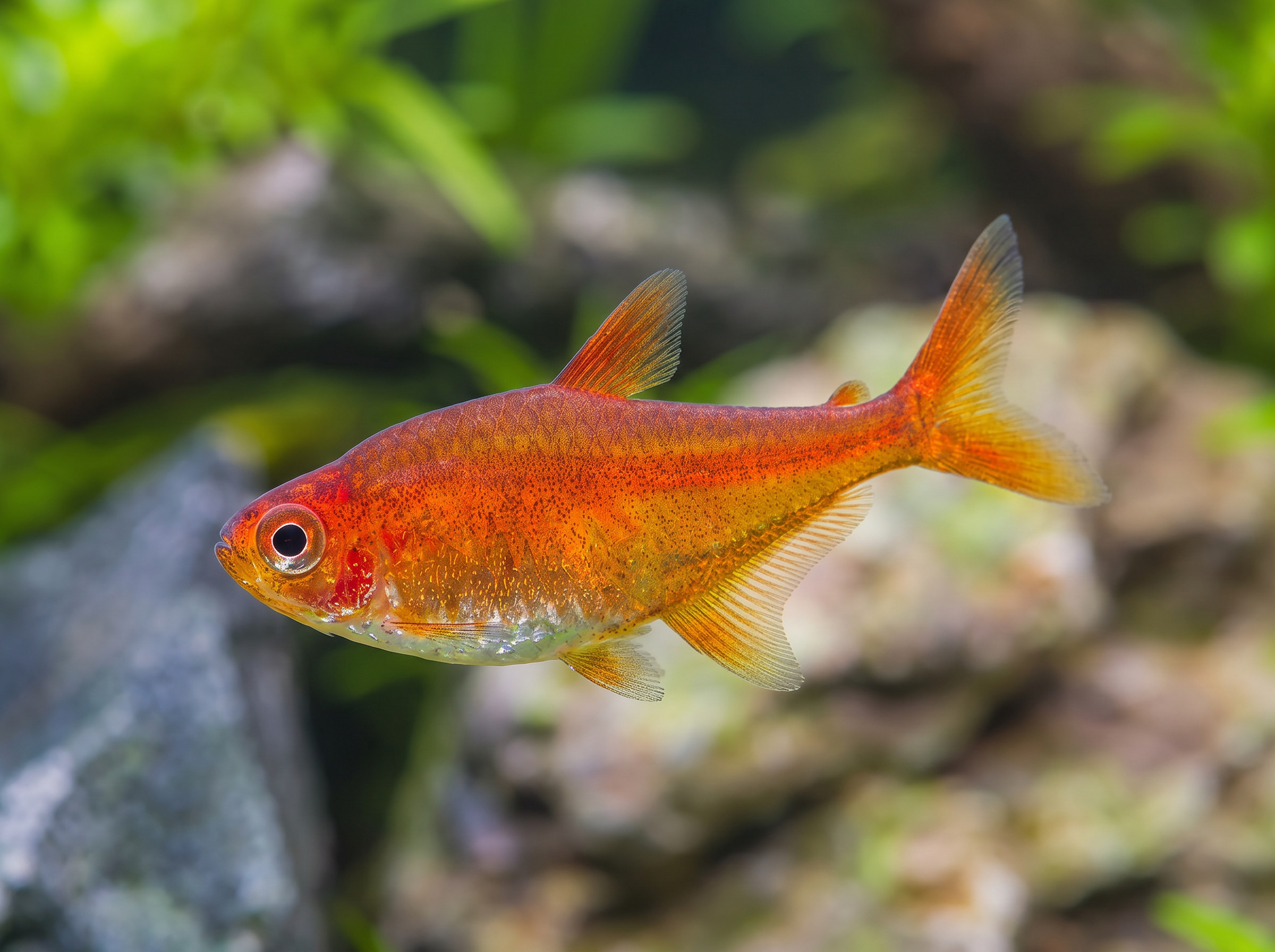
Fish count is an incomplete way to estimate aquarium workload. A small group of active fish may demand more food than a larger group of tiny, lightly fed nano species. Before buying, write down what each animal eats, where it feeds, and whether it needs daily or occasional offerings. Flake and micro-pellet foods are convenient, but uneaten particles still become organic waste. Bottom fish, shrimp, and snails may also need sinking foods when the upper-water fish consume everything first. Treat the feeding plan as the tank’s main load calculation: less food usually means less waste, slower filter fouling, and fewer nuisance-algae problems. ([aqueon.com](https://www.aqueon.com/-/media/project/oneweb/aqueon/files/us/product-catalog/cgp_2024catalog_aq.pdf?utm_source=openai))
Start With Food, Not Fish Count

Choose a School That Matches Your Routine

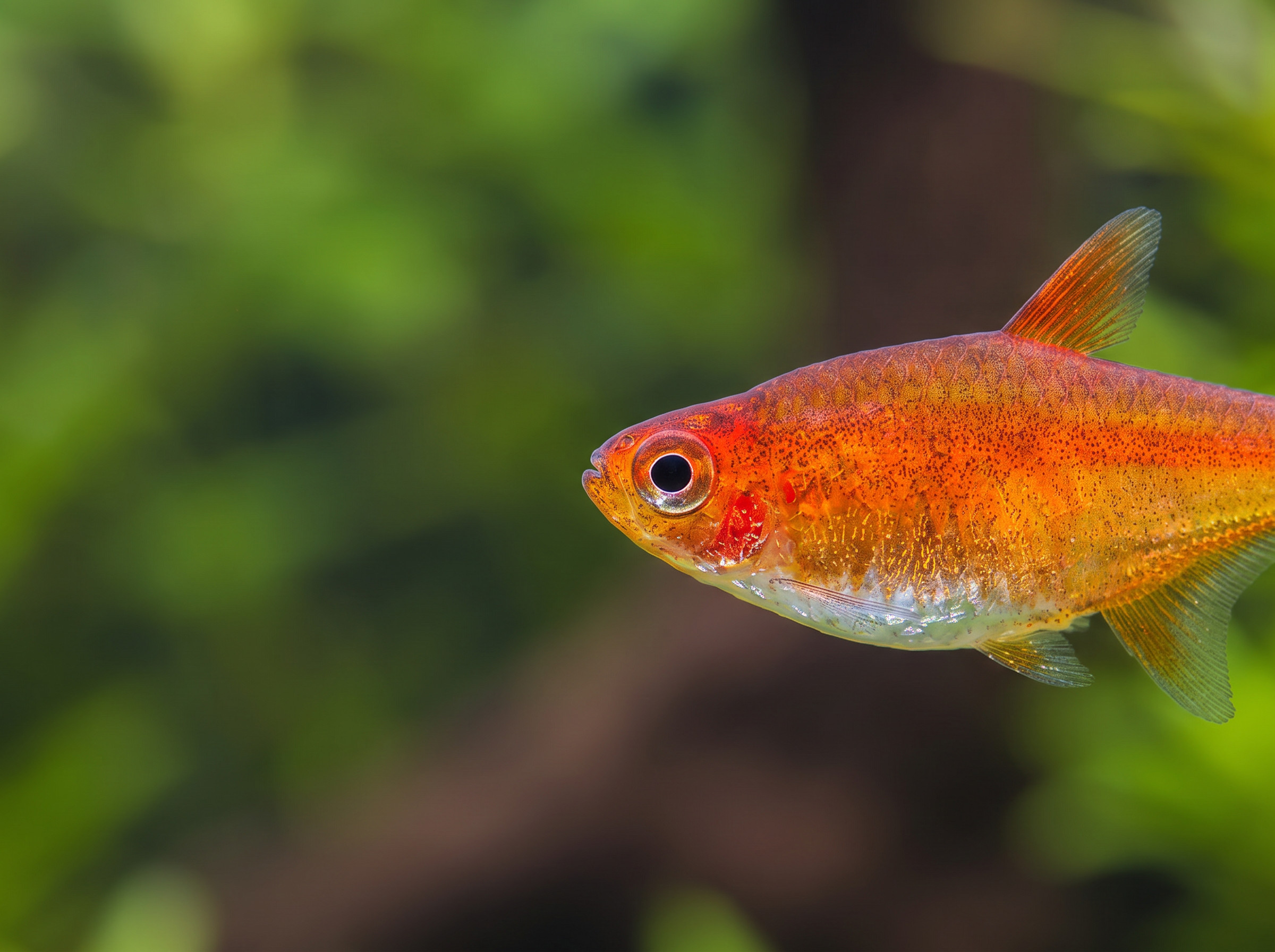
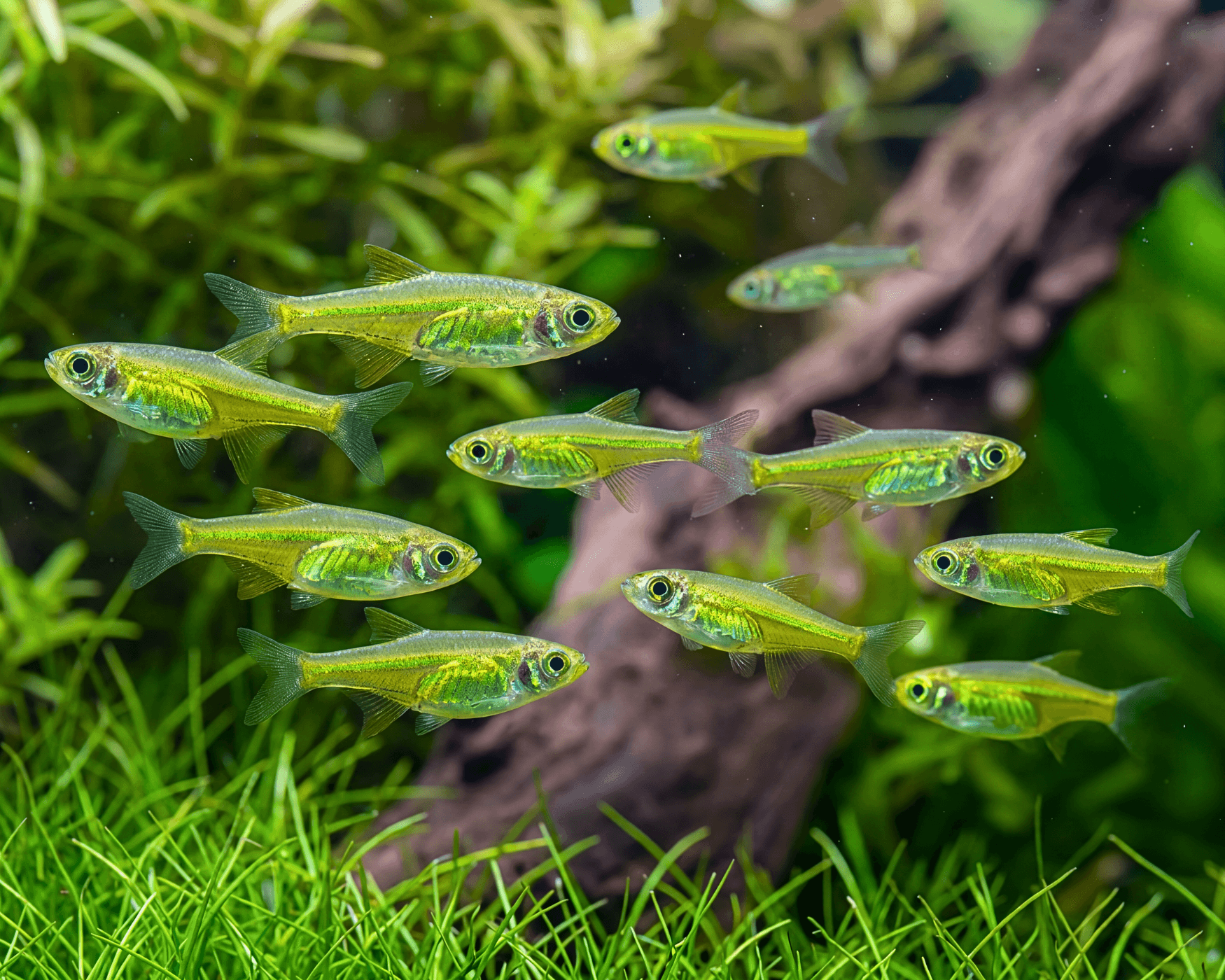
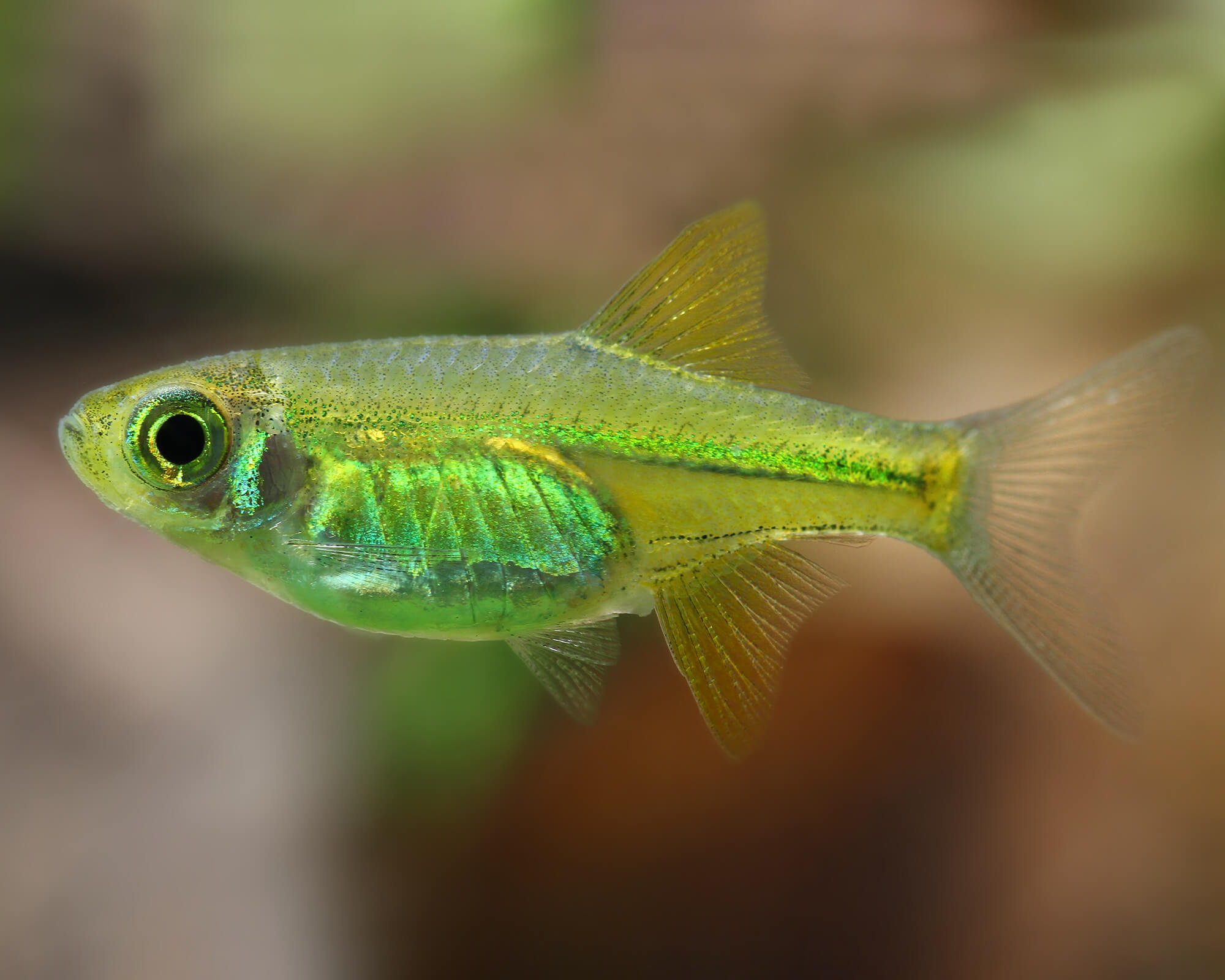
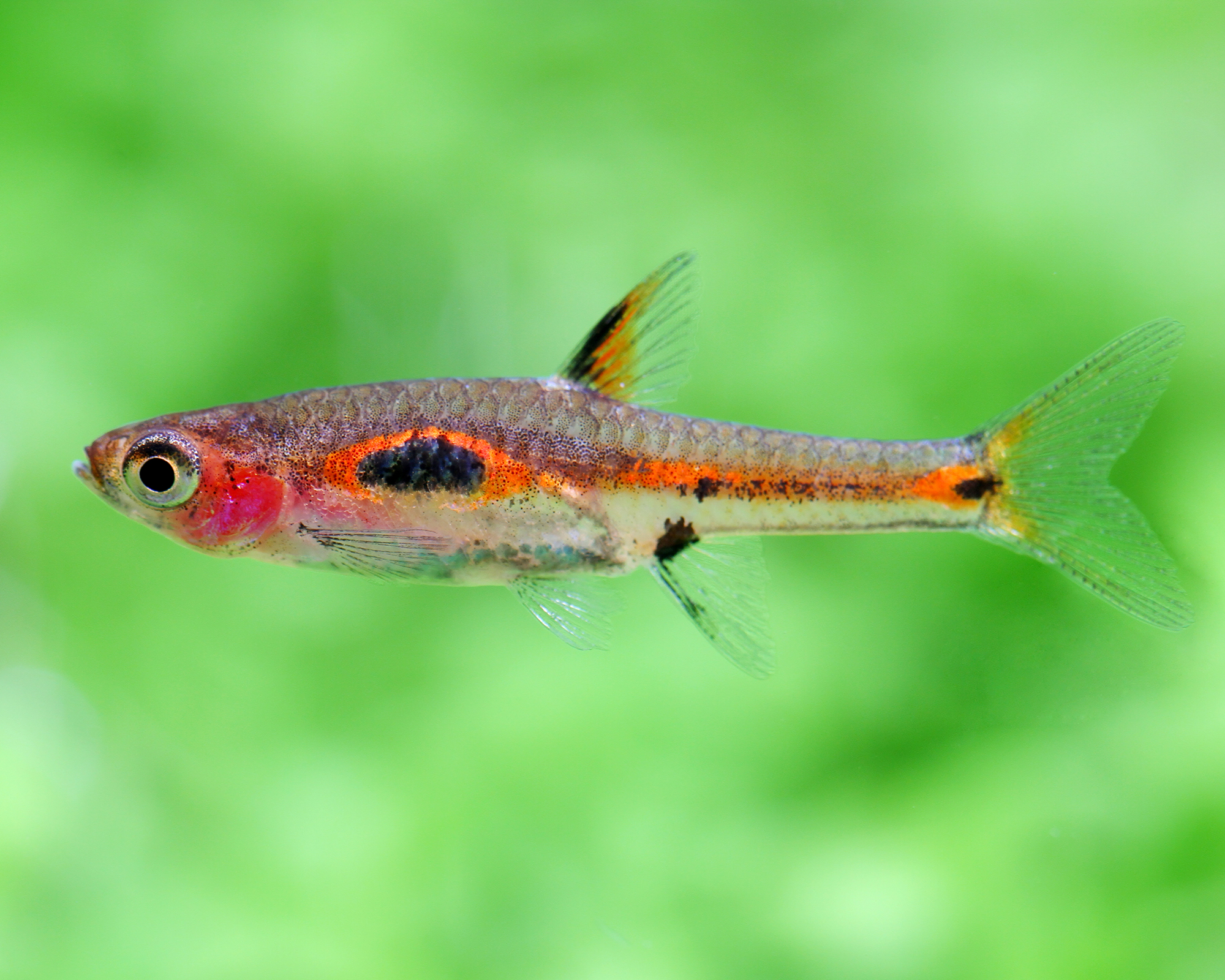
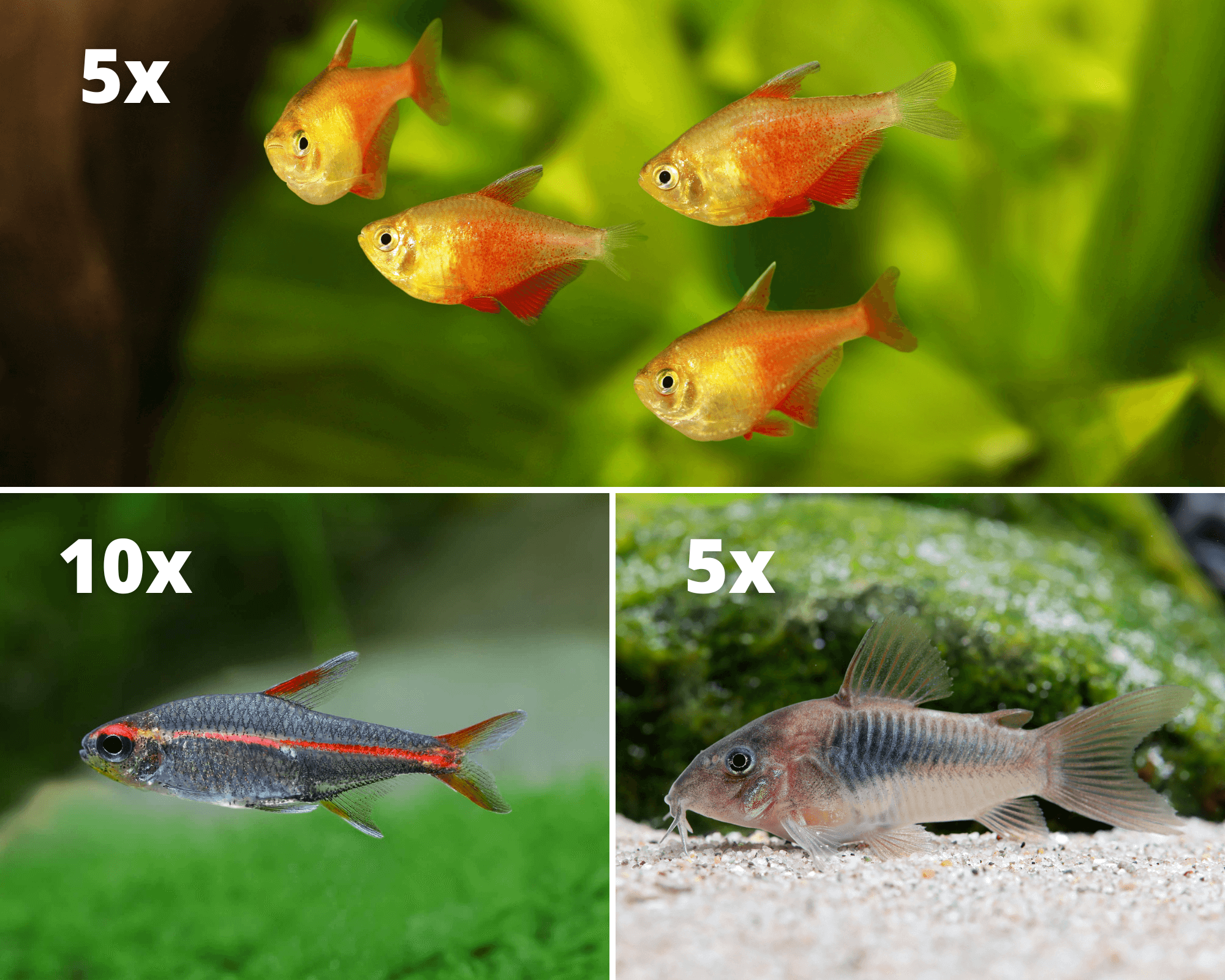
Small schooling fish can be excellent planted-aquarium livestock, but their maintenance consequences differ. Ember tetras and other tiny schooling species generally suit a carefully planned community better than larger, more demanding fish because their portions are easier to control. Green kubotai rasboras offer a different visual effect, with quick movement that can make a planted tank feel active without adding a large-bodied fish. Whichever school you choose, buy enough for natural social behavior while leaving capacity for quarantine, gradual stocking, and future plant growth. A modest school that is fed precisely is usually easier to manage than several small groups competing for the same feeding space.
Choose a School That Matches Your Routine

Treat Livebearers as a Reproduction Commitment

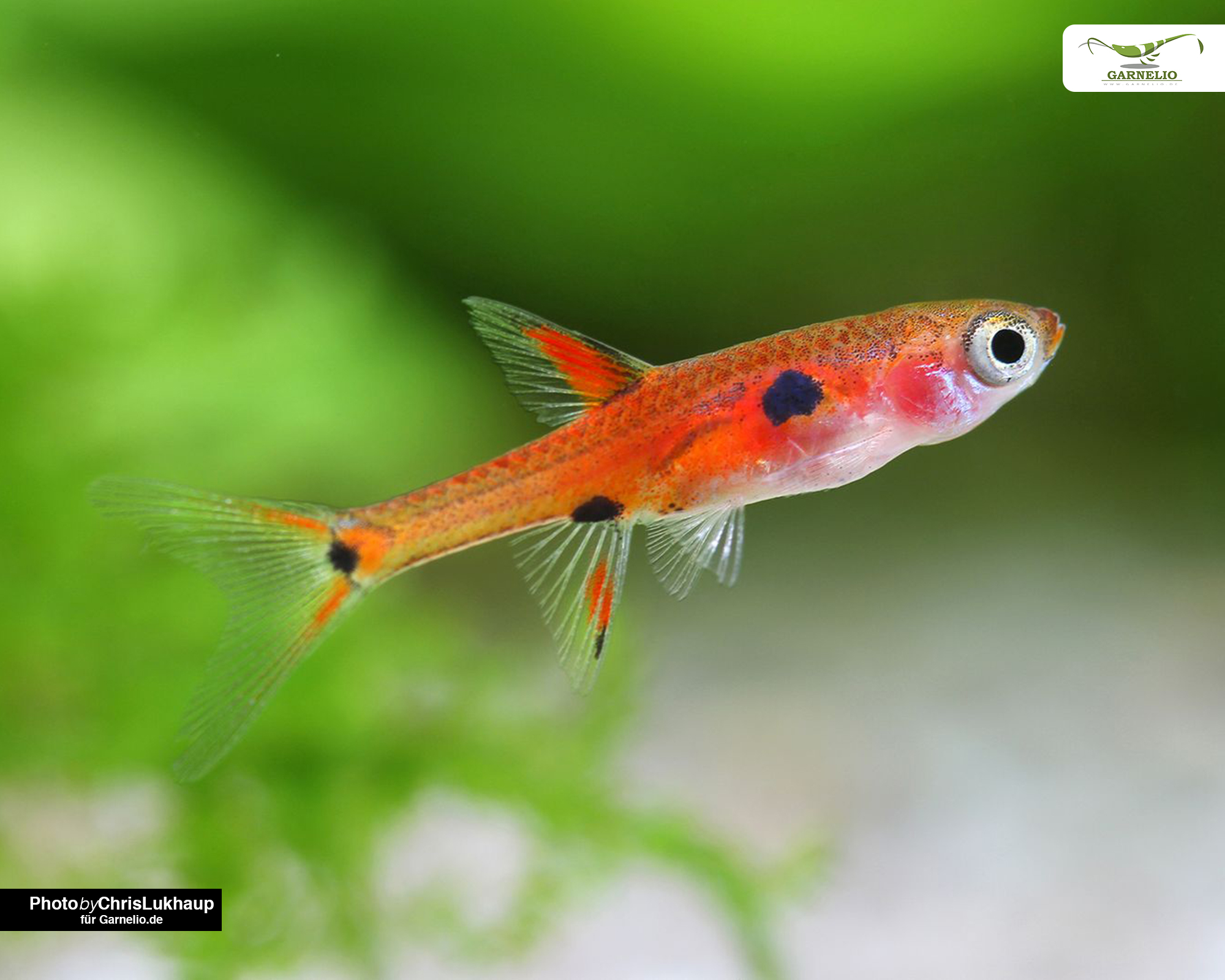
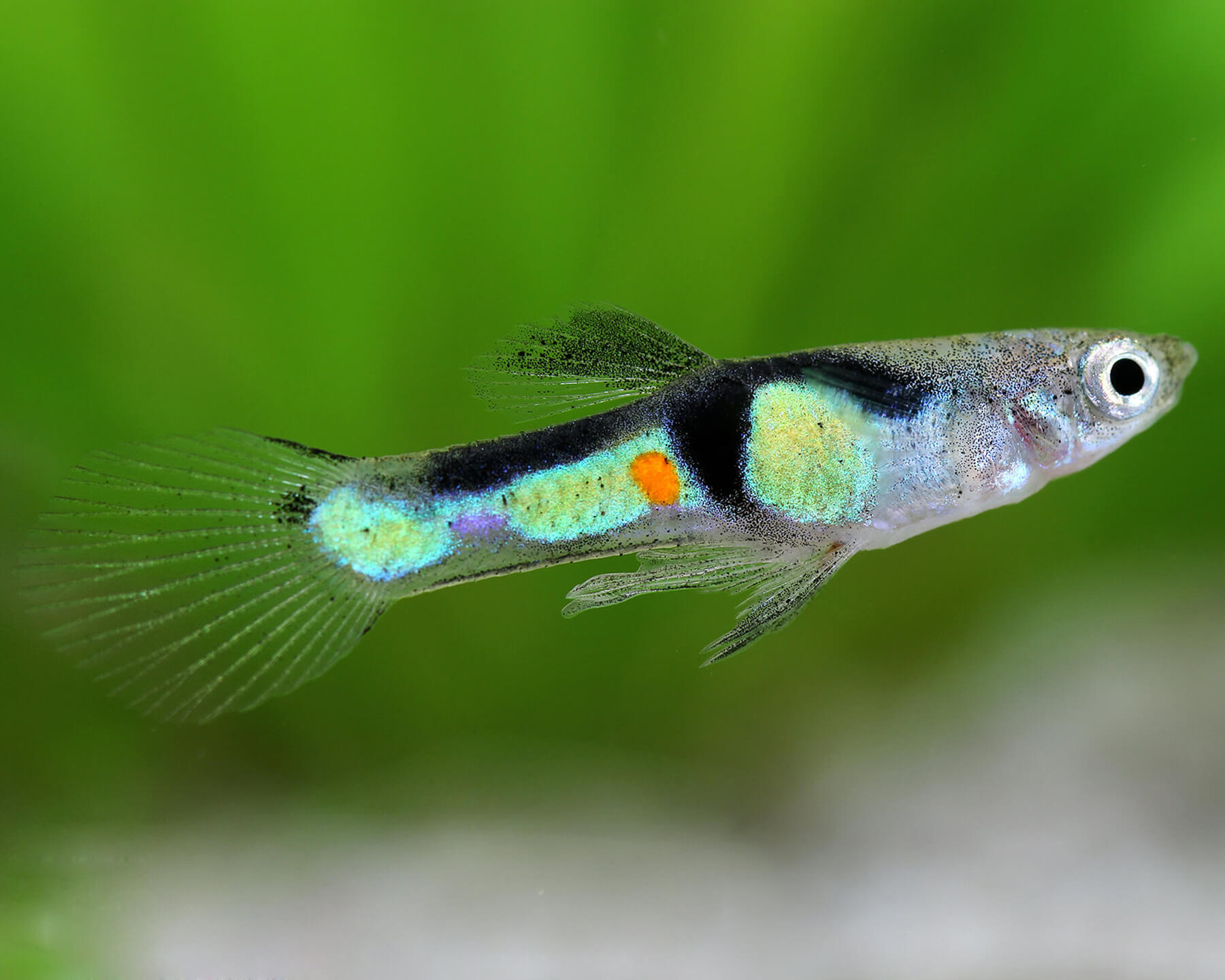
Endler-type livebearers are colorful and engaging, but purchasing a few fish can become a population-management decision. Mixed-sex groups may produce fry, and surviving young increase feeding demand, waste, crowding, and the frequency of rehoming decisions. Dense plants can protect fry rather than control them. If you want predictable maintenance, consider a single-sex group from a reliable source, while recognizing that sexing mistakes can happen. If breeding is welcome, plan for extra grow-out space, additional water changes, and a method for placing juveniles. The important pre-purchase question is not whether livebearers fit the tank today, but whether their likely population fits it several months from now.
Treat Livebearers as a Reproduction Commitment

Bottom Fish Add a Separate Feeding Problem

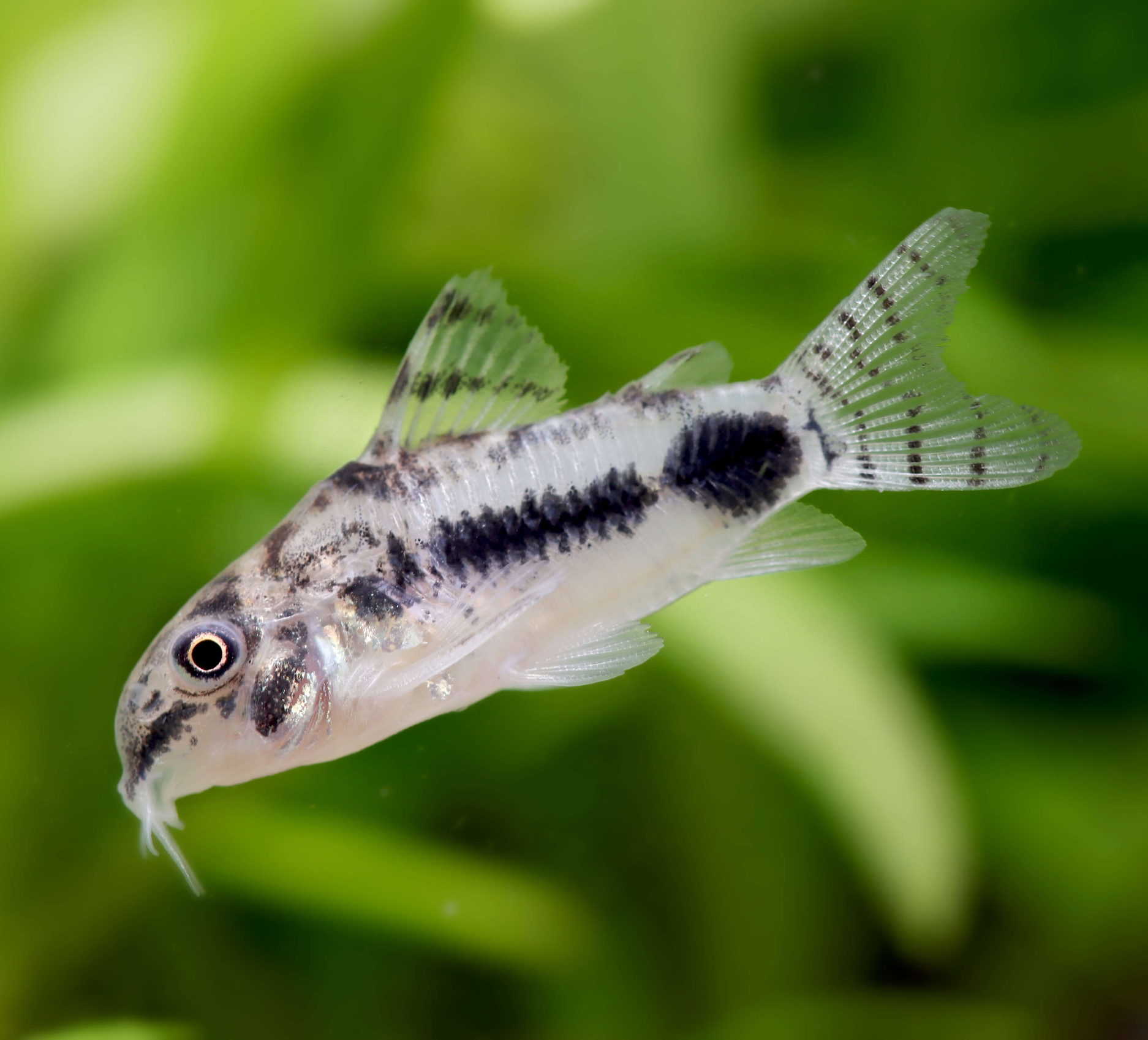
A planted aquarium can appear lightly stocked while the substrate zone is busy. Corydoras and other bottom-oriented fish need access to appropriate foods rather than leftovers that happen to reach the floor. In a community tank, fast midwater fish may take too much food before bottom dwellers find it. That creates a difficult compromise: feeding more can support the bottom group but also raises waste and algae pressure. Smaller corydoras, such as habrosus-type fish, still require a suitable social group and a mature, clean substrate area. Plan feeding locations, observe who eats, and remove uneaten food instead of assuming plants or snails will process it.
Bottom Fish Add a Separate Feeding Problem

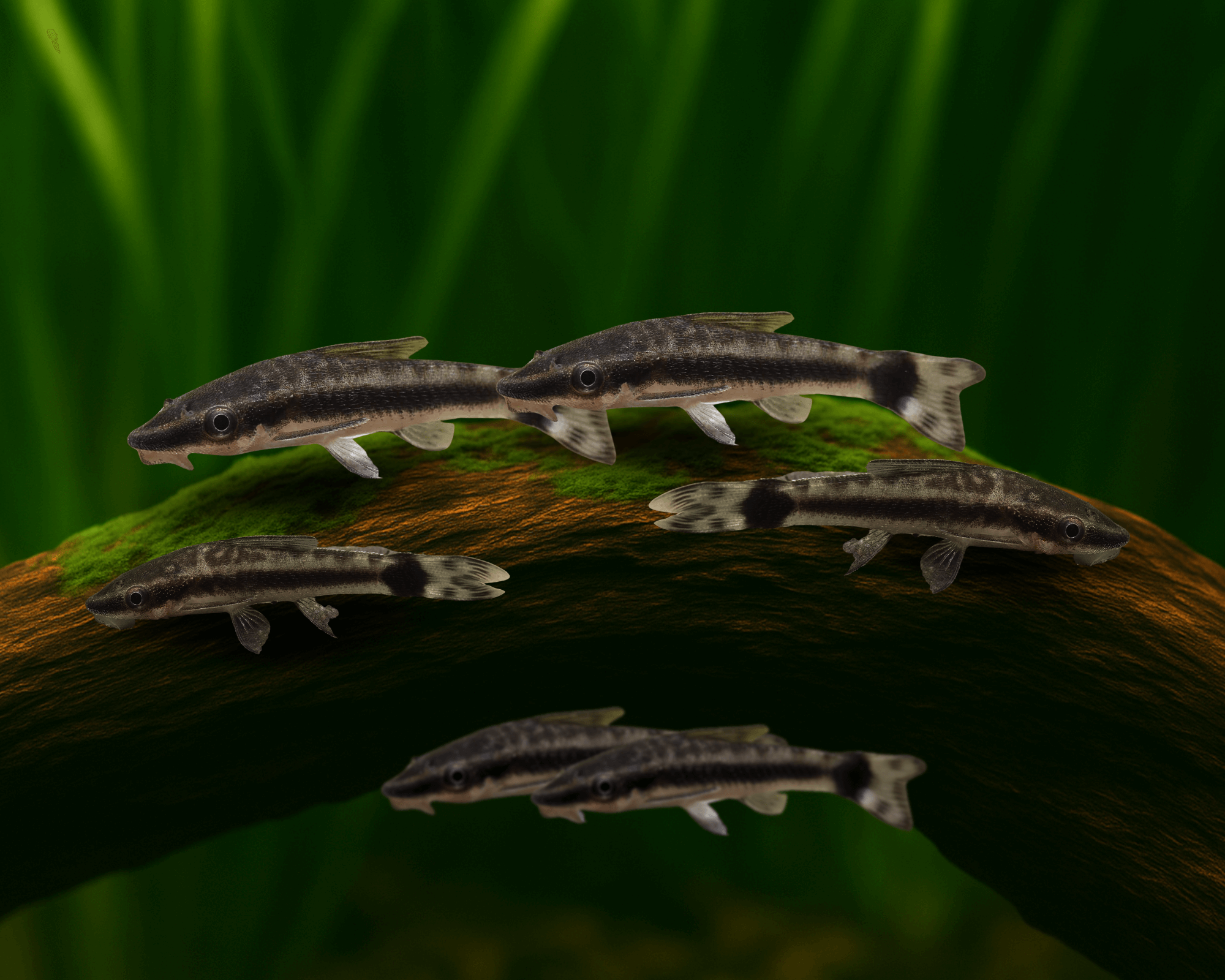
Do Not Count Shrimp and Snails as Free Cleanup

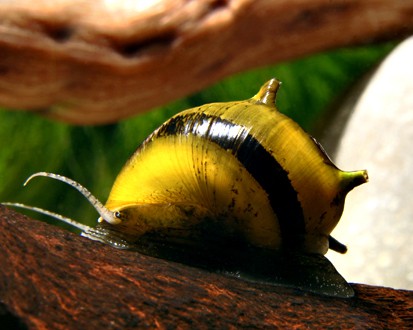
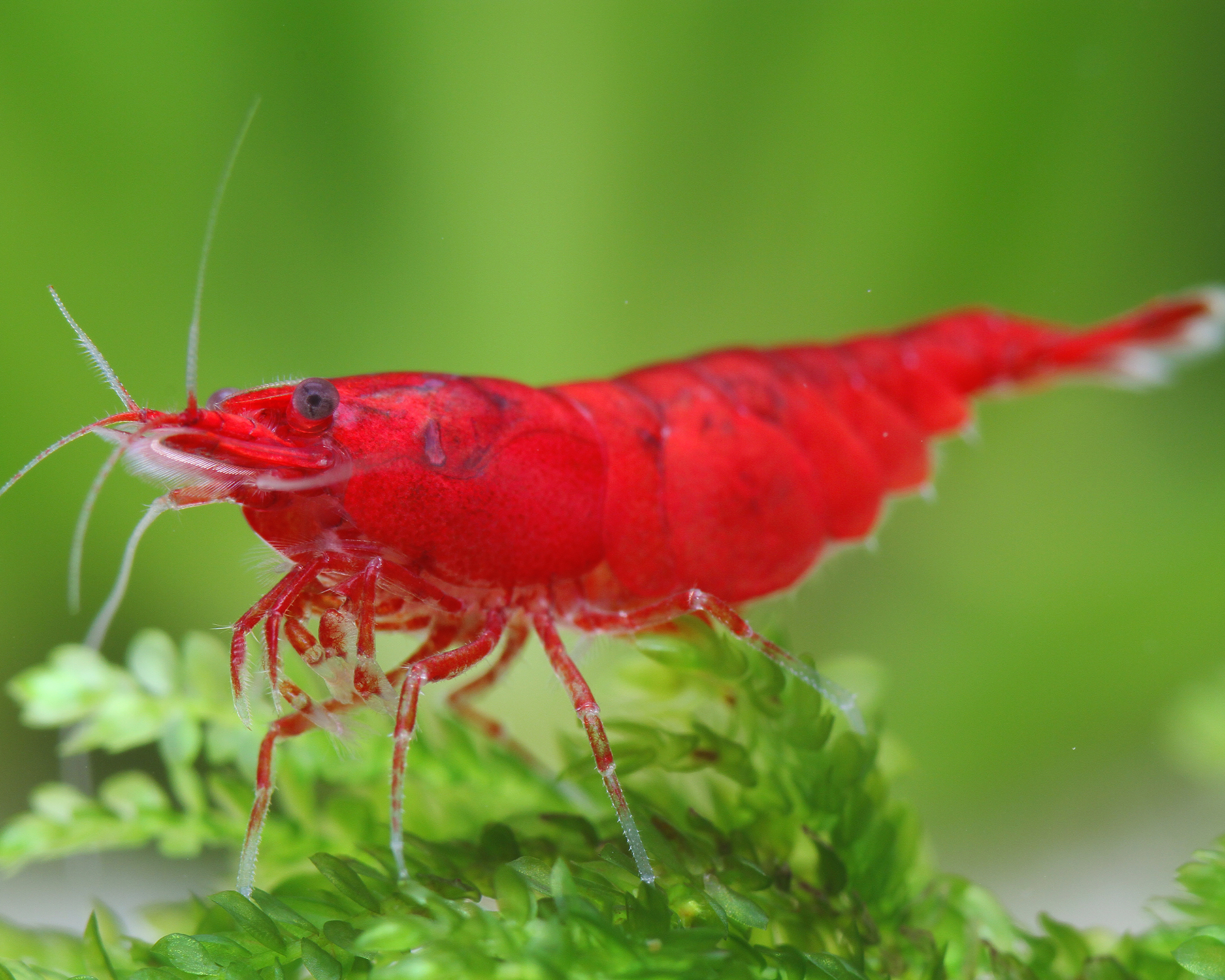
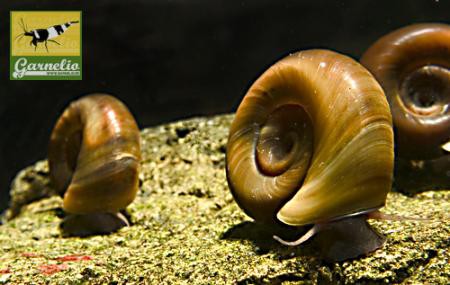
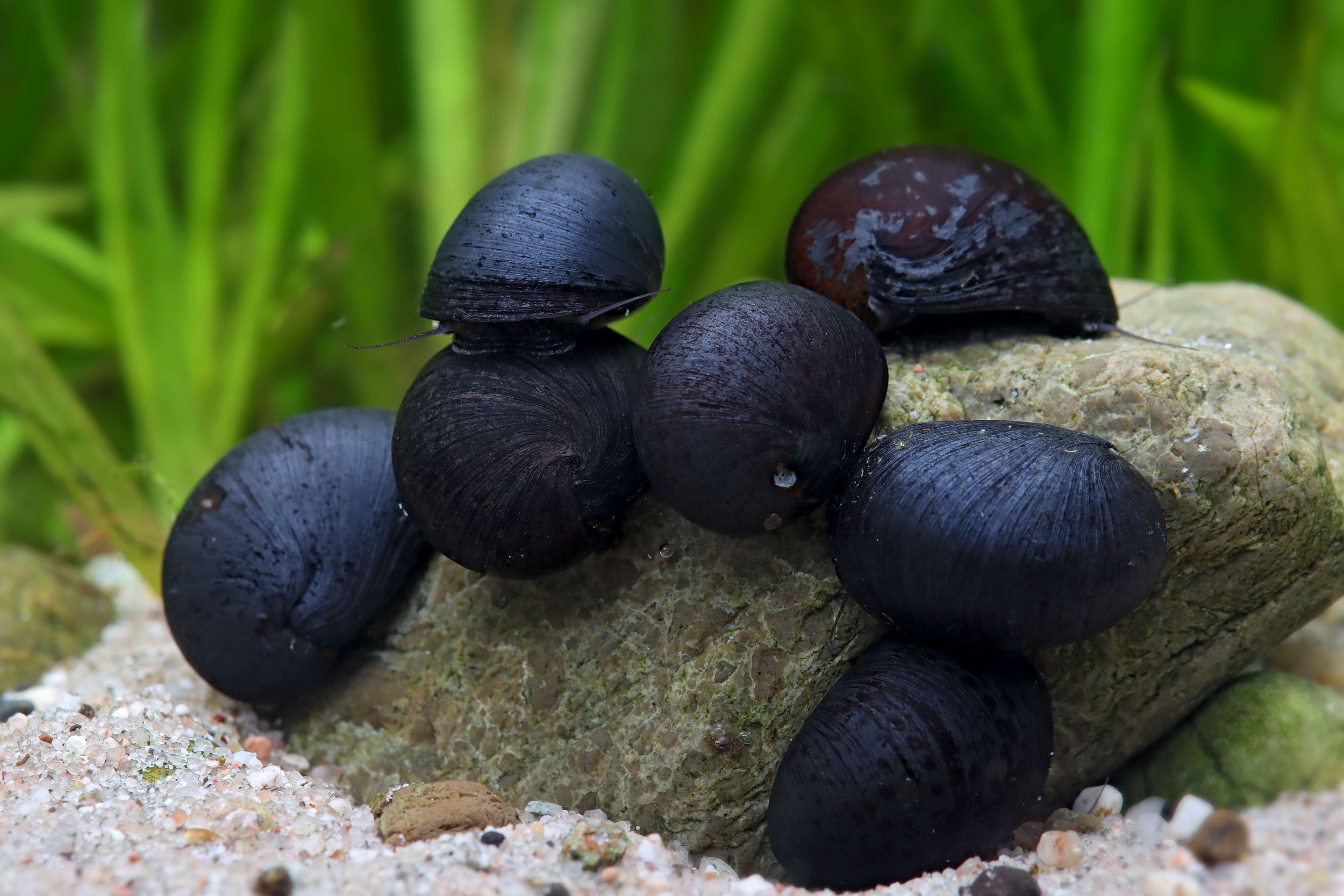
Freshwater shrimp and snails can consume algae, biofilm, soft plant matter, or leftover food, but they do not make excess feeding disappear. Shrimp are vulnerable to fish that hunt small animals, while snails may multiply when the aquarium regularly receives more food than the visible livestock can use. Some snails also need reliable mineral availability for shell growth, and shrimp need stable water conditions around molting. Add them because their behavior fits the aquarium, not because they promise to replace maintenance. A planted tank with shrimp or snails still needs careful feeding, water testing, removal of decaying material, and regular water changes. ([ornamentalfish.org](https://ornamentalfish.org/what-we-do/advice-information/care-sheets/caresheets-tropical-freshwater-invertebrates/how-to-look-after-freshwater-shrimp-and-snails/?utm_source=openai))
Do Not Count Shrimp and Snails as Free Cleanup

Let Plants Buffer the System—Without Outsourcing Care

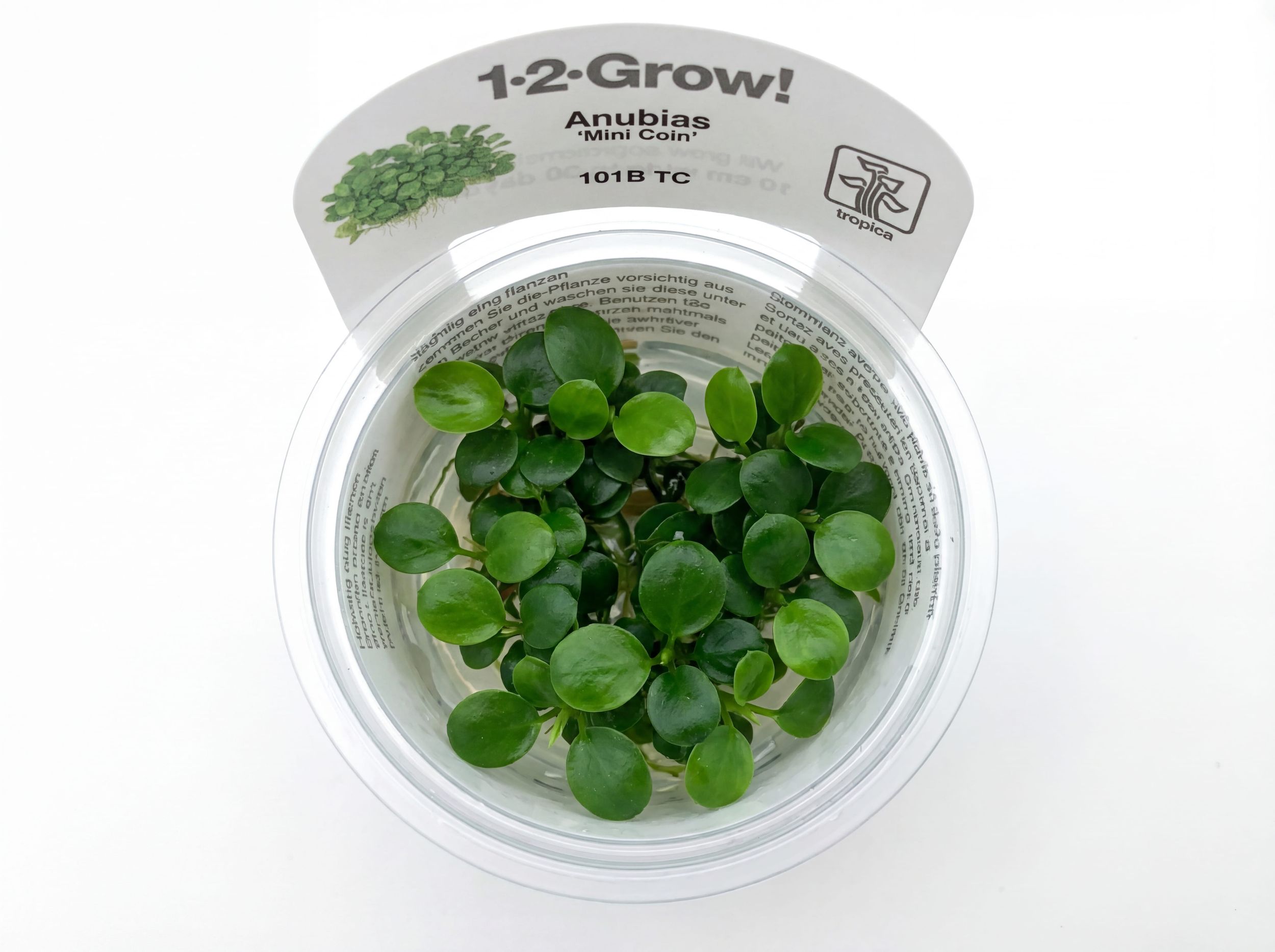
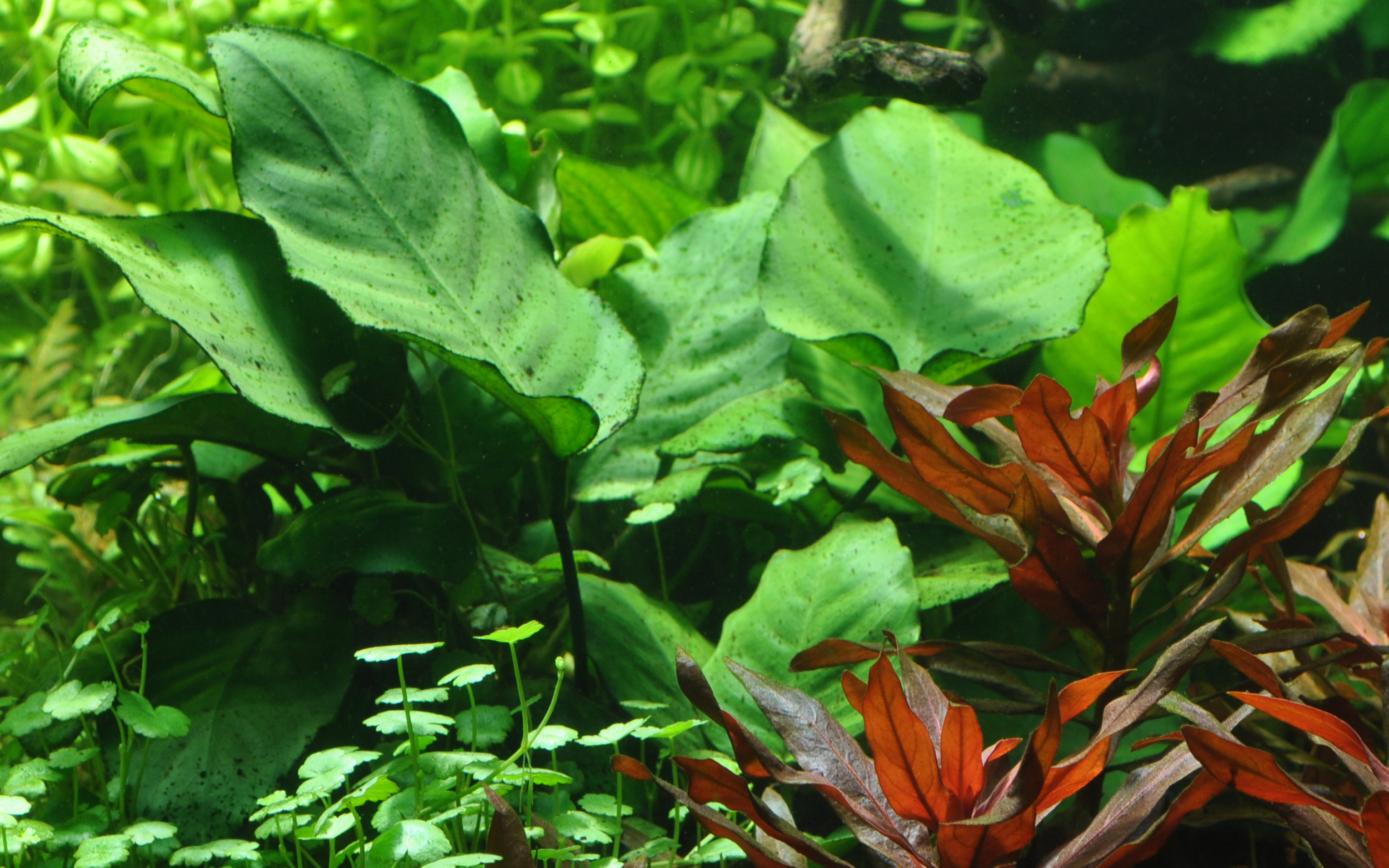
Easy plants can absorb nutrients, provide cover, and give shrimp or small fish more grazing surfaces, but plant mass is not a substitute for filtration or maintenance. Fast-growing stems and floating plants may help consume dissolved nutrients, yet they also require thinning, replanting, and removal of shaded or decaying leaves. Slow growers create less pruning work but may provide less immediate nutrient uptake. Before buying livestock, estimate the mature plant density and leave clear access to the substrate, filter intake, and front glass. A heavily planted aquarium can be forgiving, but an overgrown aquarium can make observation, gravel cleaning, and targeted feeding much harder.
Let Plants Buffer the System—Without Outsourcing Care

Use Mouth Size and Temperament as Load Factors

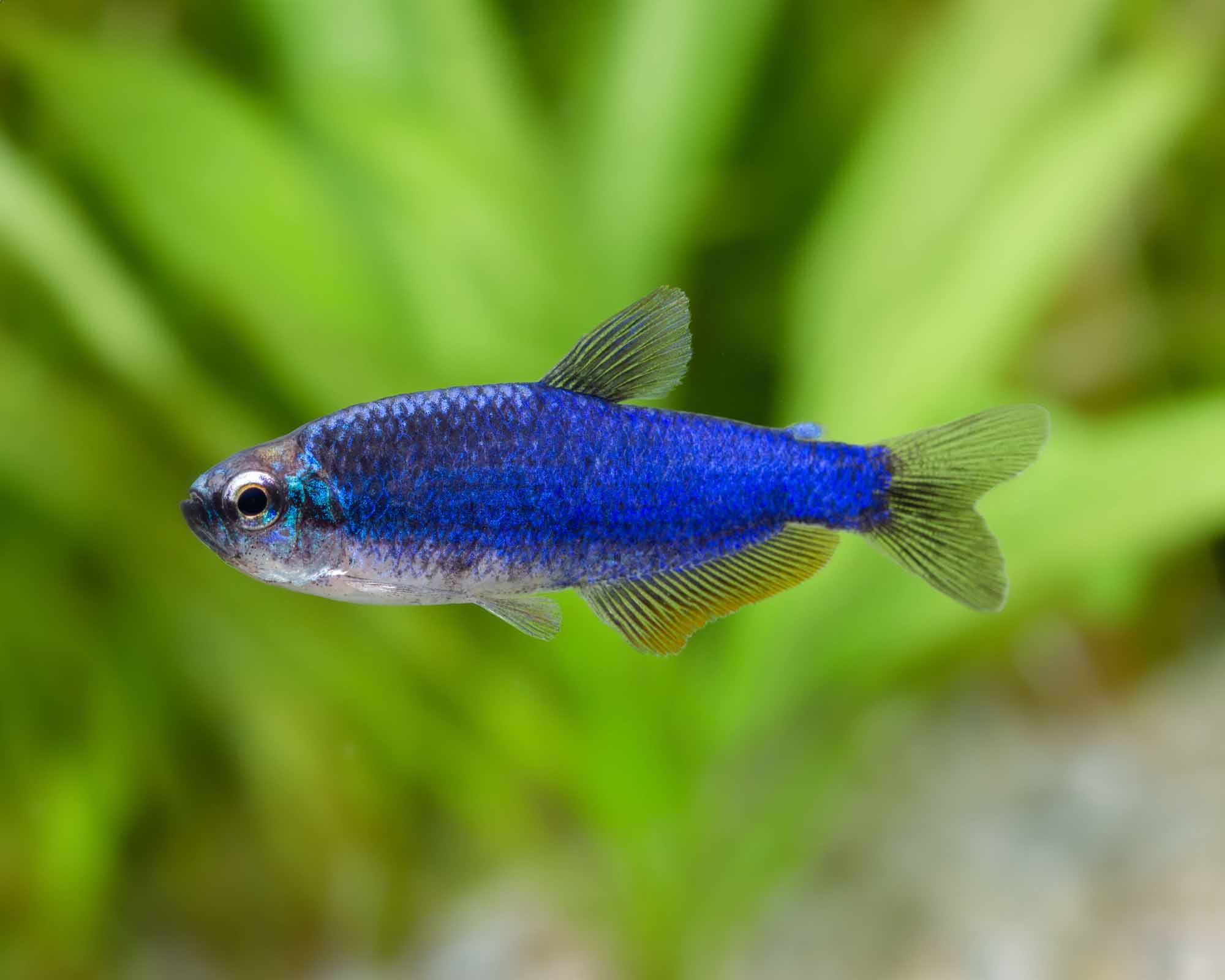
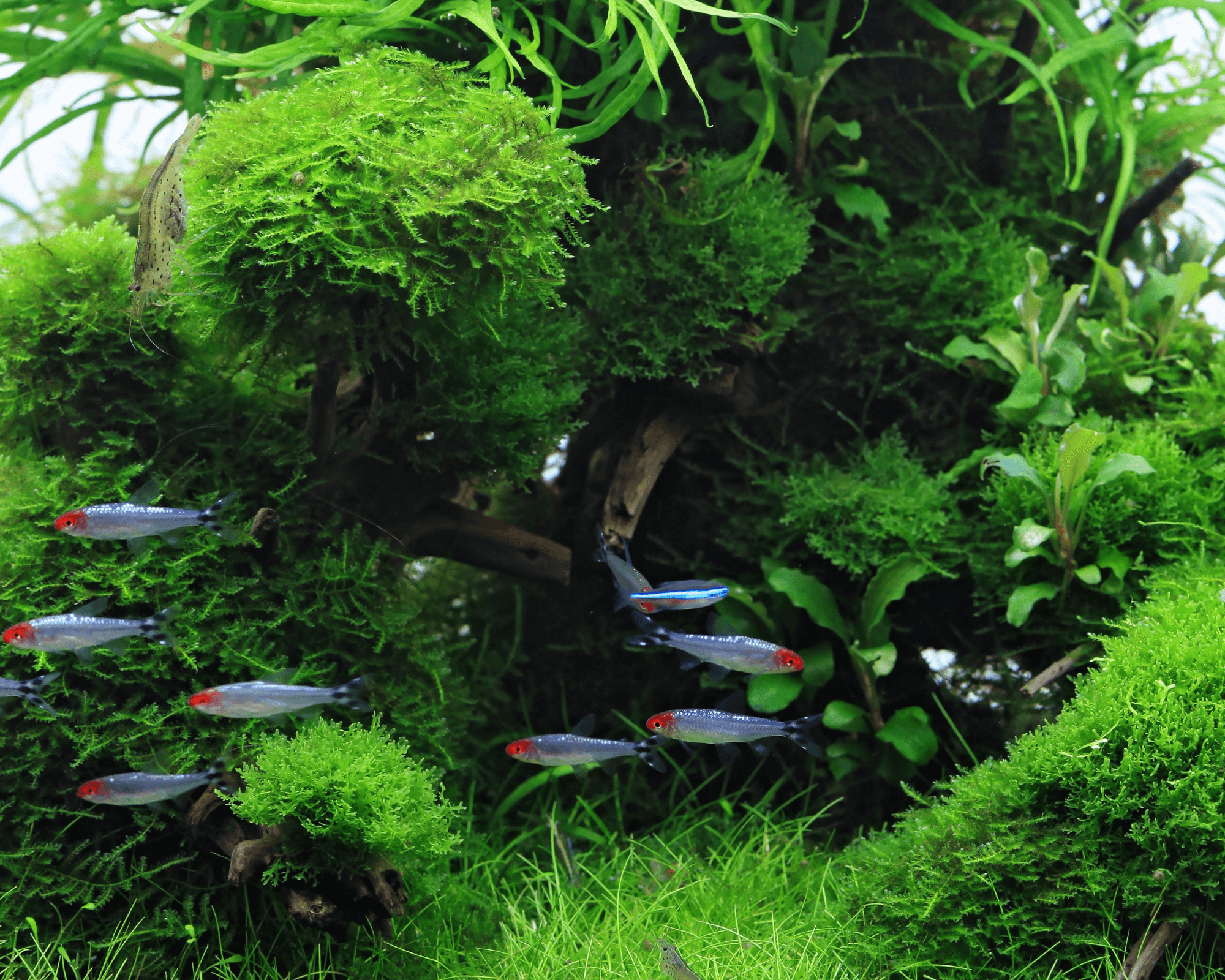
Compatibility is not only about water temperature and pH. A peaceful-looking fish may still eat shrimplets, compete aggressively at feeding time, or disturb bottom-dwelling tank mates. Tiny rasboras and similar fish are often safer companions for adult dwarf shrimp than larger fish, but no fish community guarantees shrimplet survival. Neon tetras, for example, may be manageable in a suitable planted community yet still investigate very small young shrimp. Build dense moss, fine-leaved plants, and hardscape retreats if colony survival matters. If the priority is breeding shrimp, a species-focused aquarium usually creates a simpler feeding and population plan than a mixed fish community. ([ornamentalfish.org](https://ornamentalfish.org/what-we-do/advice-information/care-sheets/caresheets-tropical-freshwater-invertebrates/how-to-look-after-freshwater-shrimp-and-snails/?utm_source=openai))
Use Mouth Size and Temperament as Load Factors

Separate Display Goals From Maintenance Goals

A colorful school may provide movement, while a bottom group adds activity near the substrate and a shrimp colony brings close-up detail. Combining every appealing role can make the aquarium harder to feed and observe. A nano tank often works better with one primary fish group plus a carefully chosen invertebrate, rather than several partial schools. A larger aquarium gives more room for separate feeding zones and stronger visual layering, but it still needs gradual stocking. Decide what should be the main attraction before purchase. Then ask whether each additional species improves the display enough to justify its food, waste, compatibility risk, and maintenance share.
Separate Display Goals From Maintenance Goals

Build the Weekly Chore List Before Stocking

Write the routine in practical terms: daily observation, feeding, removal of uneaten food, weekly testing when the tank is new or changing, partial water changes, glass cleaning, plant trimming, and filter maintenance when flow declines. Add special tasks for the livestock you choose, such as monitoring livebearer fry, checking shrimp molts, or counting snails when food availability changes. New fish should be added gradually so the biological filter and your observations can keep pace with the increased load. A livestock plan that looks attractive on purchase day may be unsuitable if it turns a simple weekly routine into several separate feeding and cleaning sessions. ([natureaquariums.com](https://natureaquariums.com/pages/explore-freshwater-aquariums?utm_source=openai))
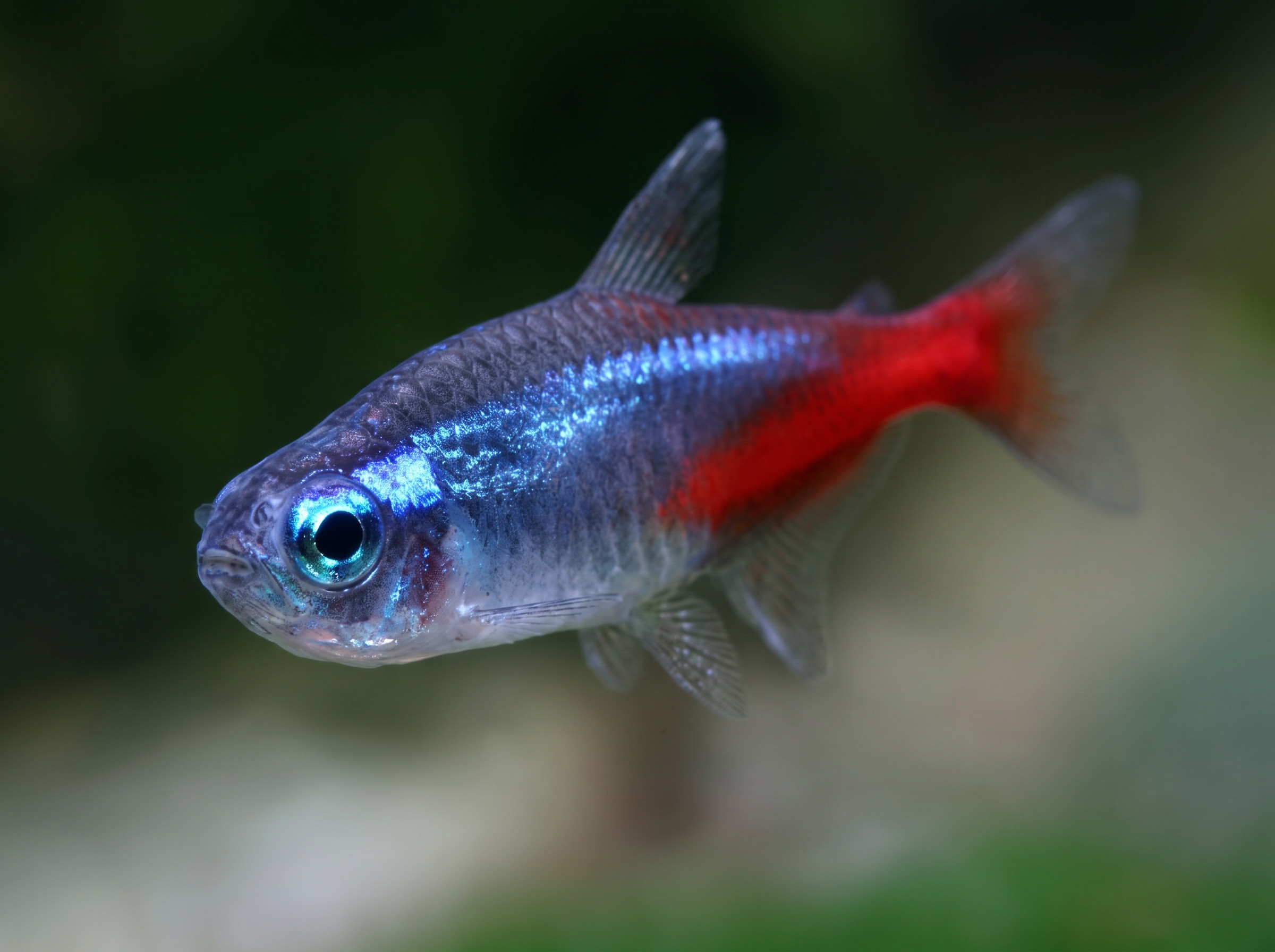
Build the Weekly Chore List Before Stocking

Use a Three-Question Purchase Check

Before paying for any fish, shrimp, or snail, answer three questions. First, what will this animal eat when the tank’s natural algae and biofilm are scarce? Second, what happens to the population, waste, or feeding demand if it grows or reproduces? Third, can you still reach the substrate, filter, plants, and glass after the aquarium is fully stocked? If any answer is vague, delay the purchase and research the species’ adult size, social needs, diet, water requirements, and tank-mate risks. The best planted aquarium is not the one containing the most species. It is the one whose food input and maintenance workload you can sustain.
Use a Three-Question Purchase Check

Frequently Asked Questions

Do live plants reduce aquarium bioload?

Plants can absorb some dissolved nutrients and provide biological surfaces, but they do not cancel fish waste, uneaten food, oxygen demands, or the need for filtration and water changes. Plant growth also creates pruning and debris-removal work.

Are shrimp suitable for a community planted aquarium?

Sometimes. Adult shrimp may coexist with very small, non-predatory fish, but eggs and shrimplets are more vulnerable. Dense cover improves their chances, while a shrimp-only aquarium gives the colony the strongest survival prospects.

Can aquarium snails replace regular cleaning?

No. Snails may consume algae, biofilm, soft plant matter, or leftovers, but they also produce waste. A sudden increase in snails often indicates that excess food is entering the aquarium.

What is the easiest feeding strategy for a new planted aquarium?

Feed small portions, watch whether the livestock consumes them promptly, and adjust based on behavior and water quality. Use species-appropriate foods and provide sinking food only when bottom dwellers can reach it.

Should I add fish, shrimp, and snails at the same time?

Usually not. Establish and test the aquarium first, then add livestock gradually. Staggering additions makes it easier to identify feeding problems, observe compatibility, and respond to rising waste before the whole community is affected. ([natureaquariums.com](https://natureaquariums.com/pages/explore-freshwater-aquariums?utm_source=openai))
Leave your comments
Latest on Aquarium Base
  • The Shell Ledger: Match Freshwater Snails to Minerals, Buffering, and Maintenance

    The Shell Ledger: Match Freshwater Snails to Minerals, Buffering, and Maintenance

    A planted aquarium can look mature while quietly wearing down a snail’s shell. Soft source water, active aquasoil, acidic driftwood, heavy plant growth, neglected water changes, and insufficient food can all shape long-term shell health. The answer is not simply to add calcium. First match the snail group to the chemistry your fish, shrimp, plants, and maintenance routine can support. Then manage minerals gradually, watch new shell growth, and control waste before adding more livestock. This guide uses common snail types as decision points, helping you build a planted tank that remains attractive, compatible, and chemically stable over time.
  • What Happens After the Eggs Hatch? A Tank-Mate Plan for Freshwater Shrimp

    What Happens After the Eggs Hatch? A Tank-Mate Plan for Freshwater Shrimp

    A planted aquarium can look peaceful while quietly losing every young shrimp. Adult Neocaridina may thrive beside small fish, yet newly released shrimplets are tiny enough to become opportunistic food. The right tank-mate decision depends on your goal: displaying a few colorful adults, or building a colony that regularly produces survivors. This guide ranks common companions by practical risk, explains how plants and feeding change the odds, and separates shrimp-safe behavior from simple marketing claims. It also highlights an important boundary: Neocaridina, bee shrimp, and Sulawesi shrimp do not share identical water requirements, even when they are all sold as freshwater aquarium shrimp.
  • Which Plant Shapes Make a Nano Community Aquarium Feel Larger?

    Which Plant Shapes Make a Nano Community Aquarium Feel Larger?

    A small planted aquarium can look crowded even when it is lightly stocked. The usual problem is not a lack of color; it is that every plant has the same visual weight, the livestock occupy the same level, and the foreground becomes a wall of leaves. A better approach is to design in layers. Use fine textures to suggest distance, broad leaves to anchor the middle, taller stems to frame open swimming space, and color only where you want the eye to pause. This also makes compatibility easier: fish retain a clear route, shrimp gain cover, and snails can graze without turning the layout into an impenetrable thicket.
  • Will Your Colorful Planted Aquarium Stay Manageable? Count Food, Waste, and Work First

    Will Your Colorful Planted Aquarium Stay Manageable? Count Food, Waste, and Work First

    A planted aquarium can make a mixed community look effortless, but plants do not erase the consequences of feeding livestock. Every fish meal becomes waste, every growing population adds pressure, and every algae-eating animal still needs suitable food when the glass is clean. Before buying colorful fish, shrimp, or snails, decide how much feeding, testing, pruning, and water changing you can sustain. The most attractive stocking plan is not always the easiest one. This guide compares practical combinations for planted aquariums, explains where compatibility breaks down, and shows how easy plants can reduce work without turning the tank into a maintenance-free system.
  • The Planted-Tank Mineral Budget: Choose Aquarium Snails That Can Keep Their Shells

    The Planted-Tank Mineral Budget: Choose Aquarium Snails That Can Keep Their Shells

    A planted aquarium can look mature, stable, and biologically active while still being a poor long-term home for some snails. Shell health depends on more than algae: dissolved minerals, carbonate buffering, acidity, diet, source-water consistency, and the chemistry created by plants, wood, aquasoil, and water changes all matter. The practical question is not simply which snail cleans best. It is whether your tank can supply minerals and maintain stable conditions without undermining your plants, shrimp, or fish. This guide compares several common freshwater snail groups and builds a maintenance plan around shell growth, erosion prevention, feeding, and long-term water-quality control.
  • The Mouth-Size Test: Choosing Planted-Aquarium Companions Around Shrimplet Survival

    The Mouth-Size Test: Choosing Planted-Aquarium Companions Around Shrimplet Survival

    A planted aquarium can look peaceful while still being dangerous to newborn shrimp. Adult Neocaridina may graze openly beside small fish, yet their newly hatched young can disappear within hours. The key question is not simply whether a tank mate is peaceful or small. It is whether the smallest shrimp can avoid its feeding path, fit through its mouth, and find enough biofilm-rich cover to grow. This guide uses a practical risk test for freshwater shrimp tank mates, from fish and snails to larger shrimp, while keeping water chemistry and stocking goals in view.
  • A Layered Look for Planted Aquariums: Match Texture, Scale, and Color to Your Livestock

    A Layered Look for Planted Aquariums: Match Texture, Scale, and Color to Your Livestock

    A planted aquarium can contain plenty of color and still look shallow. The usual problem is not a lack of red leaves or bright livestock; it is that every plant has the same visual weight. Fine stems, broad leaves, low carpets, moss, open water, and dark gaps all create different layers for the eye to read. This approach also helps livestock look more intentional. Small schooling fish need clear swimming lanes, shrimp need textured cover, and snails need surfaces where food actually collects. Use the plant groups below as a design framework for building depth without turning a nano aquarium into an overcrowded thicket.
  • The Fish You Choose Sets the Chore List: Feeding and Bioload in a Planted Aquarium

    The Fish You Choose Sets the Chore List: Feeding and Bioload in a Planted Aquarium

    A planted aquarium can look like a self-cleaning ecosystem, but every fish still turns food into waste, and every feeding decision affects water quality. The most useful question is not which species looks best beside your plants. It is which livestock plan fits the time, food, filtration, and maintenance you can provide every week. A small school may need carefully sized meals, a livebearer group may produce unexpected fry, and a bottom-feeding community can require extra food that is easy to overprovide. Use the fish profiles below as planning lanes, then add shrimp, snails, and plants only after the primary feeding and bioload plan makes sense.
  • A Snail Census for Planted Tanks: Match Reproduction to Food, Space, and Tank Mates

    A Snail Census for Planted Tanks: Match Reproduction to Food, Space, and Tank Mates

    A few aquarium snails can be useful residents, but a sudden wave of juveniles changes the maintenance needs of a planted aquarium. The solution is not always removing every snail. First determine what is driving reproduction: excess food, decaying plant matter, heavy mulm, or a species that naturally breeds readily in freshwater. Then match the response to your livestock. A shrimp-first nano tank may need feeding adjustments and manual removal, while a larger planted display may accommodate burrowing snails or a carefully selected predator. This visual guide helps you build a population-control plan without sacrificing healthy plants, peaceful tank mates, or useful cleanup behavior.
  • Read the Shell, Not the Color: A Mineral and Water-Change Guide to Freshwater Shrimp Survival

    Read the Shell, Not the Color: A Mineral and Water-Change Guide to Freshwater Shrimp Survival

    A freshwater shrimp can look healthy, graze actively, and still fail during its next molt. The danger is often hidden in the water: insufficient hardness, unstable pH, sudden TDS changes, depleted minerals, or a tank mate that finds a freshly molted shrimp before its shell hardens. This guide turns molting into a practical aquarium decision. You will learn how to match shrimp types to water chemistry, read the warning signs around a failed molt, plan safer water changes, and build a planted tank where adults, juveniles, snails, and easy plants can coexist without competing for stability.
  • The Planting Map for a Planted Aquarium: Give Every Cluster a Visual Job

    The Planting Map for a Planted Aquarium: Give Every Cluster a Visual Job

    A planted aquarium can contain good plants and still look disorganized if every cluster is asked to do the same job. The more useful question is not simply “Which plant should I buy?” but “What should this plant do from the front glass?” Assign some plants to create a low visual floor, others to frame the focal point, soften equipment, or provide cover for shrimp and snails. This approach works especially well in nano and beginner aquariums, where a single fast-growing stem or oversized rosette can dominate the entire view. Use the planting map below to connect plant height, texture, color, swimming space, and livestock behavior before you start digging in the substrate.
  • Which Nano School Should Lead Your Planted Aquarium? A Side-by-Side Fish Selection Guide

    Which Nano School Should Lead Your Planted Aquarium? A Side-by-Side Fish Selection Guide

    Choosing between small schooling fish is harder than comparing colors at the store. Ember tetras, kubotai rasboras, neon tetras, dwarf rasboras, and other nano species may all look suitable for a planted aquarium, yet they create very different displays. Some are calm and warm-toned, some flash across open water, and some are so tiny that larger tank mates become a serious risk. This practical comparison focuses on the decision that matters: which school best fits your aquarium’s size, planting style, water conditions, and invertebrate plans? Use the guide to choose one strong centerpiece school instead of mixing several undersized groups.
  • A Planted Tank’s Snail Shift: Compare Grazers, Burrowers, Scavengers, and Predators

    A Planted Tank’s Snail Shift: Compare Grazers, Burrowers, Scavengers, and Predators

    Aquarium snails do not all perform the same cleanup job. One type may polish hardscape and glass, another may disappear into the substrate, while a third can reduce a population of unwanted snails. The useful question is not simply which snail eats algae. It is what kind of work you want done, how visible you want the animal to be, and whether you can manage its breeding or feeding demands. This guide compares common freshwater snail behaviors for planted aquariums, with special attention to nano tanks, shrimp compatibility, plant safety, shell care, and the trade-offs that are easy to miss at the store.
  • Design the Scape Around the Shrimp: A Color-Contrast Guide for Planted Aquariums

    Design the Scape Around the Shrimp: A Color-Contrast Guide for Planted Aquariums

    A shrimp can look brilliant in a store photograph and nearly disappear in your aquarium. The difference is often not the animal but the visual field around it: substrate tone, background, plant color, rock texture, driftwood, and open viewing space. Designing around shrimp color does not mean sacrificing water quality or plant health. It means choosing a compatible shrimp group first, then building contrast that makes its markings readable. This guide compares practical color-line choices and shows how hardscape can either frame a colony or camouflage it. Use the visual recommendations as a design tool, while treating water chemistry, stability, cover, and tank mates as non-negotiable care requirements.
  • Why Your Planted Aquarium Looks Flat—and How to Rebuild Its Depth

    Why Your Planted Aquarium Looks Flat—and How to Rebuild Its Depth

    A planted aquarium can contain plenty of color and still look surprisingly flat. The missing ingredient is usually visual layering: fine leaves need a broad counterpoint, small plants need a larger form behind them, and bright livestock need calmer areas that let them stand out. This approach helps you choose easy aquarium plants, colorful freshwater fish, shrimp, and snails as parts of one readable composition rather than as unrelated purchases. The goal is not to fill every gap. It is to create a foreground, middle distance, background, and open-water route that remain attractive as plants grow and livestock move through the layout.
  • Which Livestock Plan Leaves Room to Swim? A Nano-to-Medium Planted Aquarium Guide

    Which Livestock Plan Leaves Room to Swim? A Nano-to-Medium Planted Aquarium Guide

    A planted aquarium can look spacious while offering less usable room than its glass dimensions suggest. Substrate, driftwood, rocks, dense stems, floating plants, and territories all reduce the space livestock can actually use. The safest approach is not to count colorful animals one by one, but to choose a movement pattern and leave capacity for adult size, social needs, feeding, and maintenance. This guide compares practical stocking directions for nano and medium planted tanks, including small shoals, centerpiece fish, bottom dwellers, shrimp, and snails. Use the image-led choices below to decide what your aquarium should do before you decide what to buy.