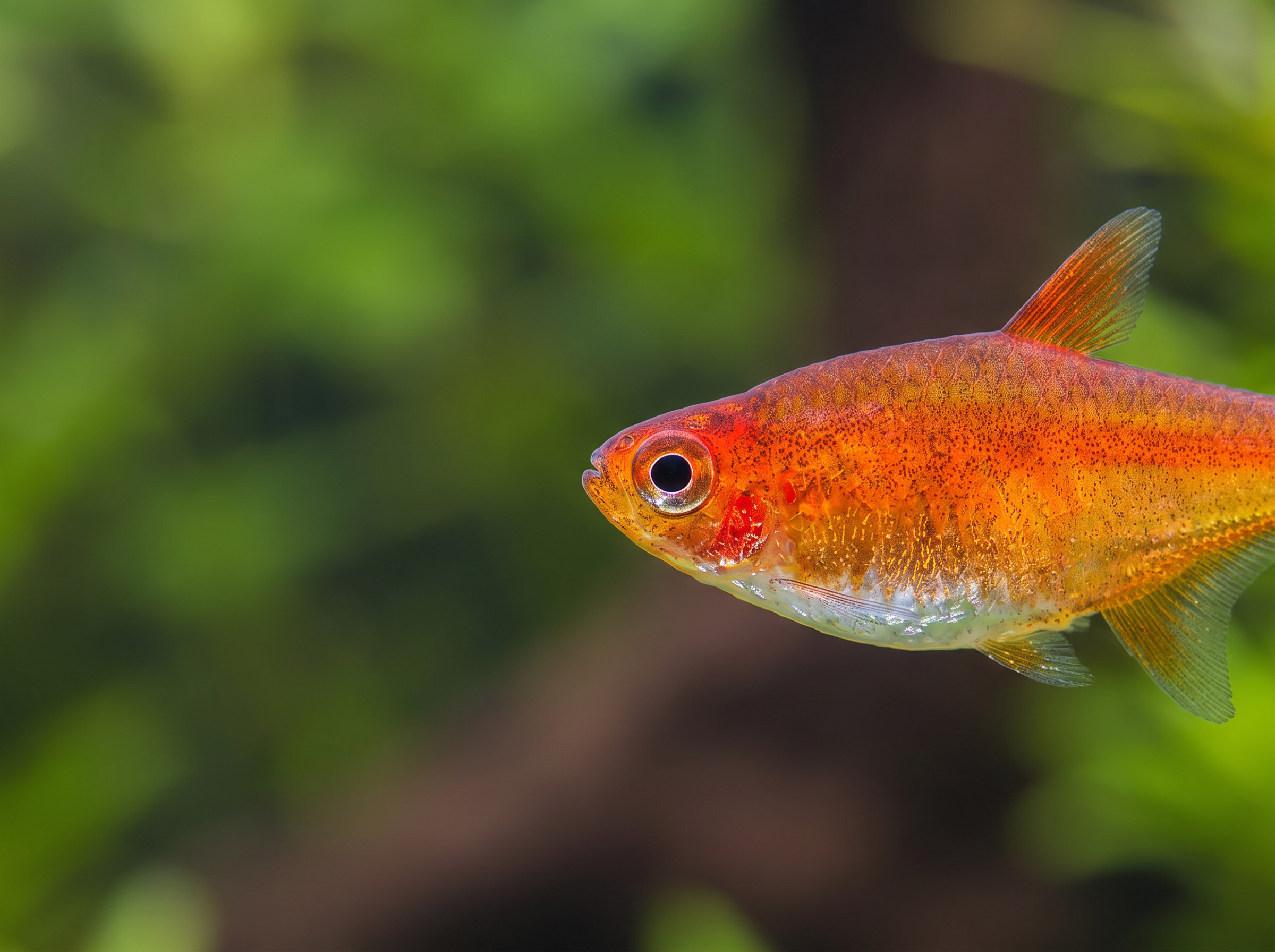
Start with the visual effect you want
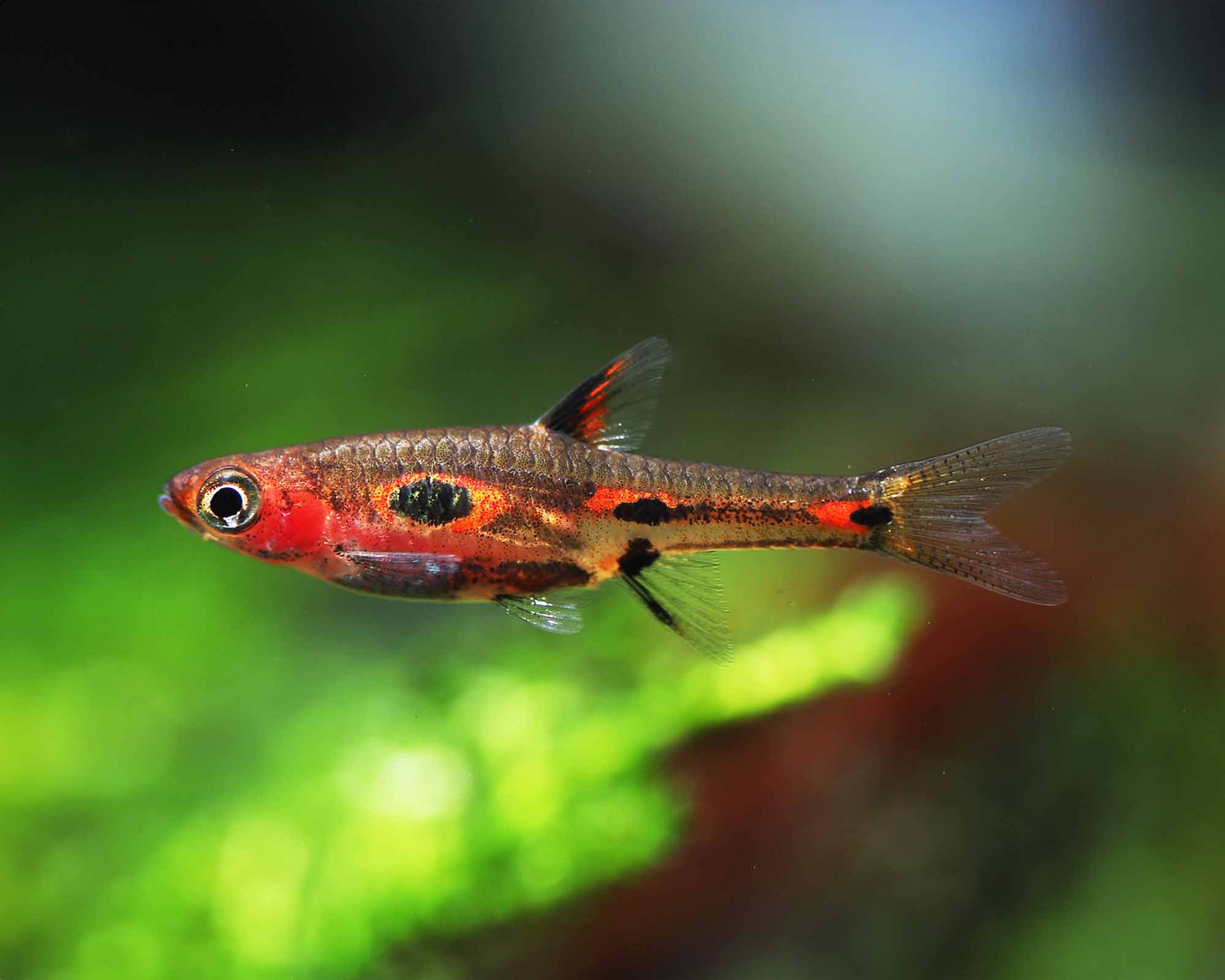
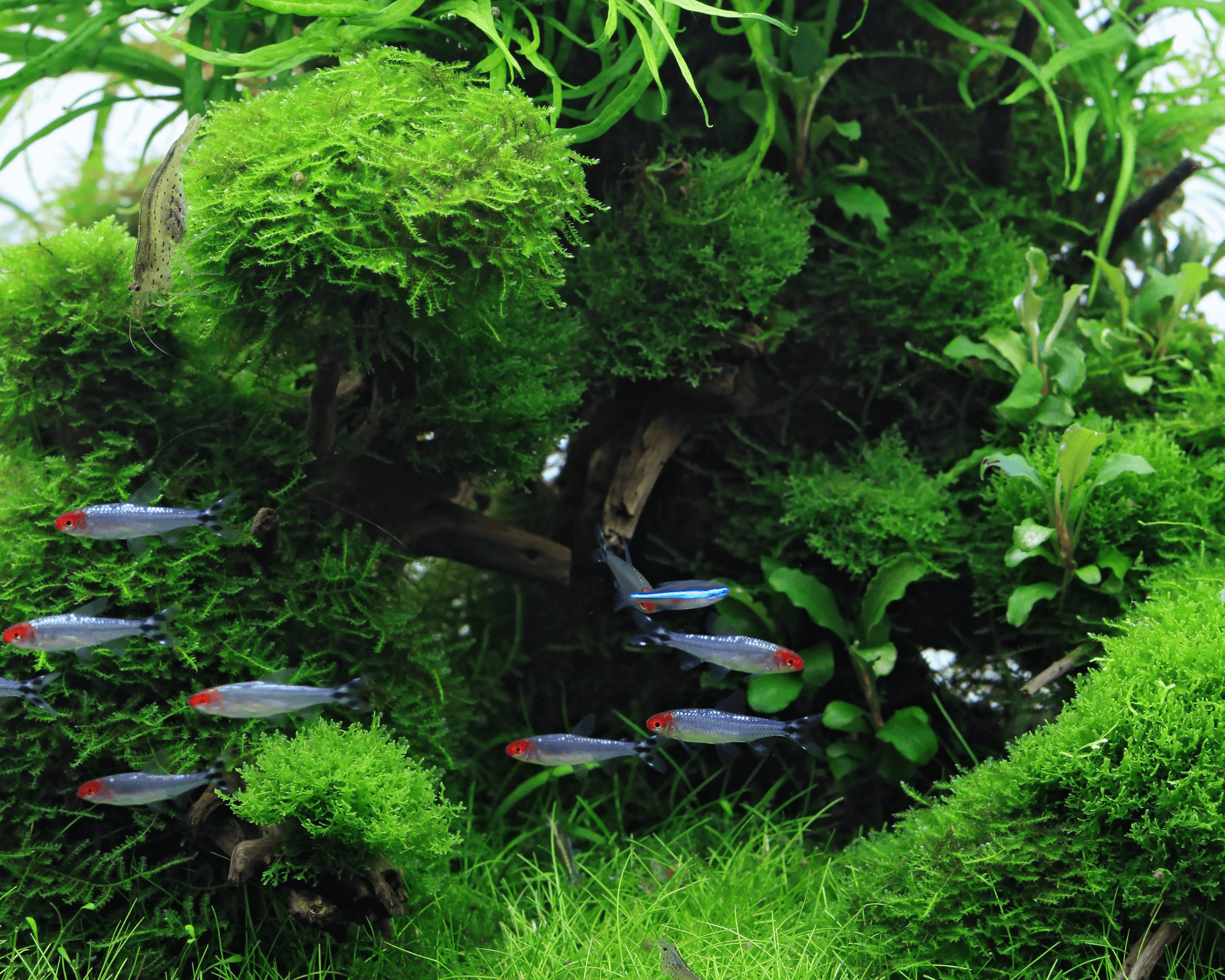
Choose ember tetras if you want a warm, copper-orange school that reads as one glowing group through moss, stem plants, and darker backgrounds. Choose green kubotai rasboras if you prefer small flashes of lime green moving through fine leaves and open spaces. Ember tetras usually create a softer, more cohesive color field, while kubotai rasboras look busier and more animated. Neither choice is automatically better. The decision should match the aquascape: warm wood, reddish plants, and dark substrate suit embers, while bright green foliage, pale stone, and a clean layout can make kubotai color stand out. Avoid combining several tiny schools unless the aquarium has enough length and cover for each group.
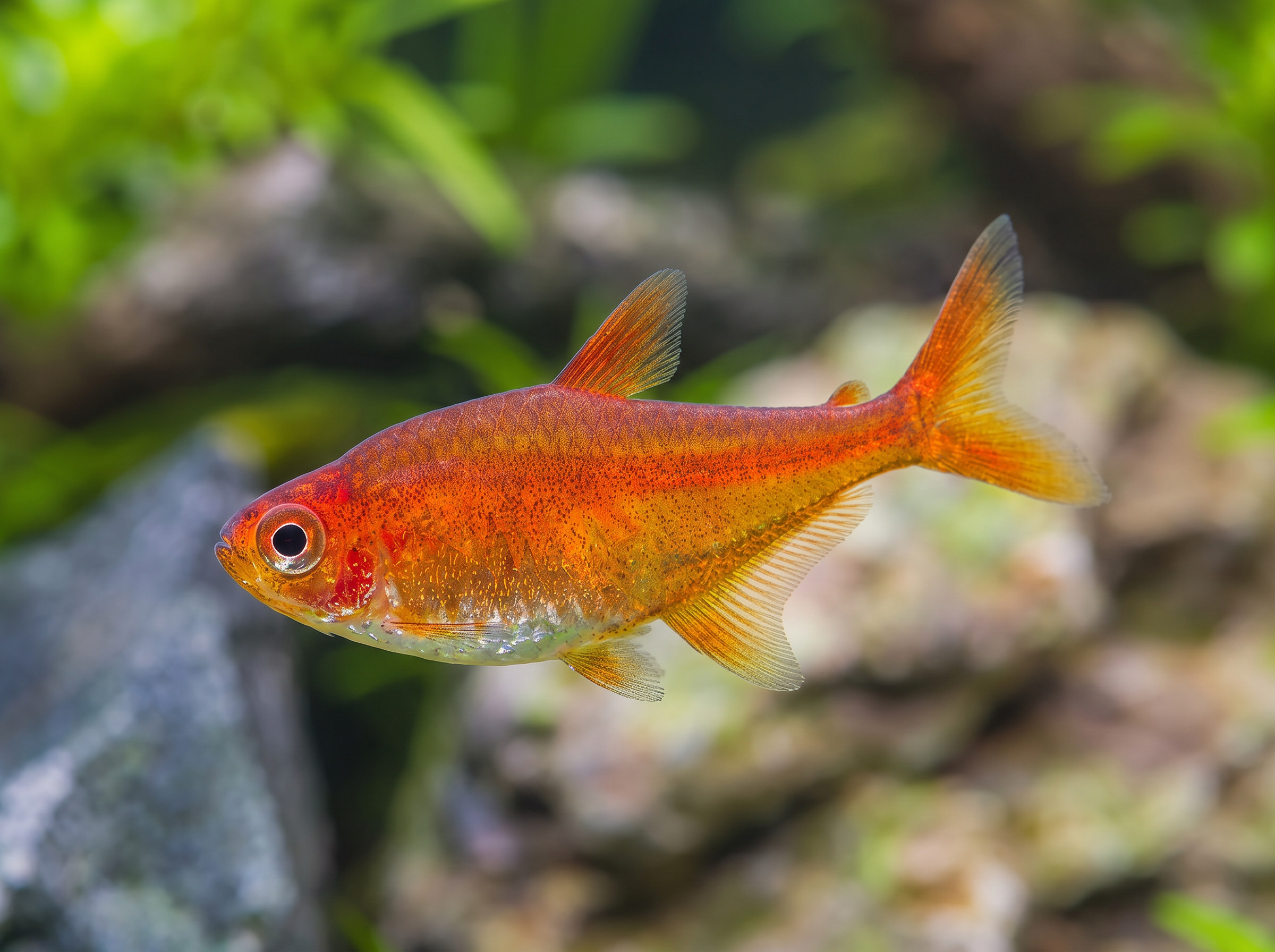
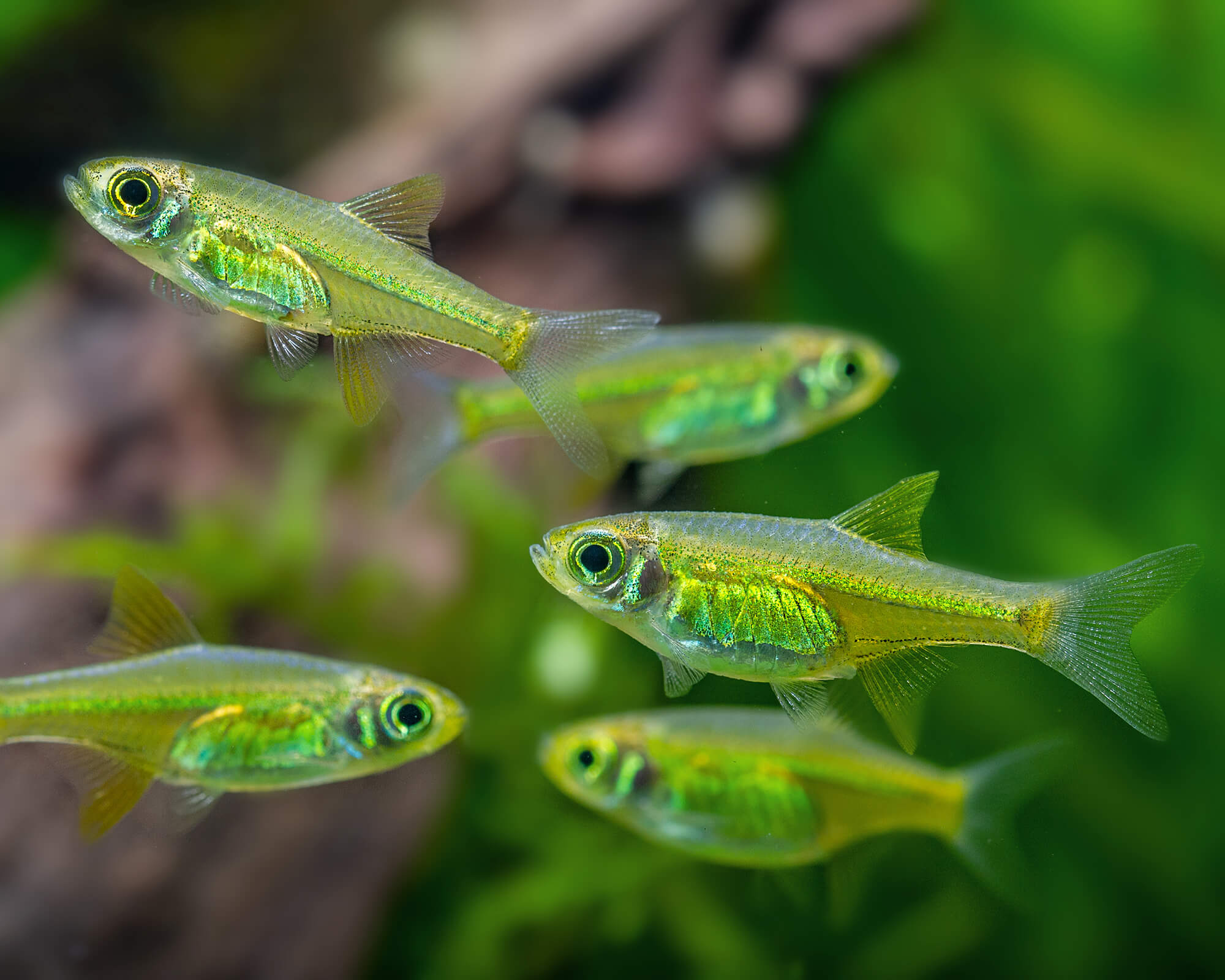
Green kubotai rasboras reward movement and contrast
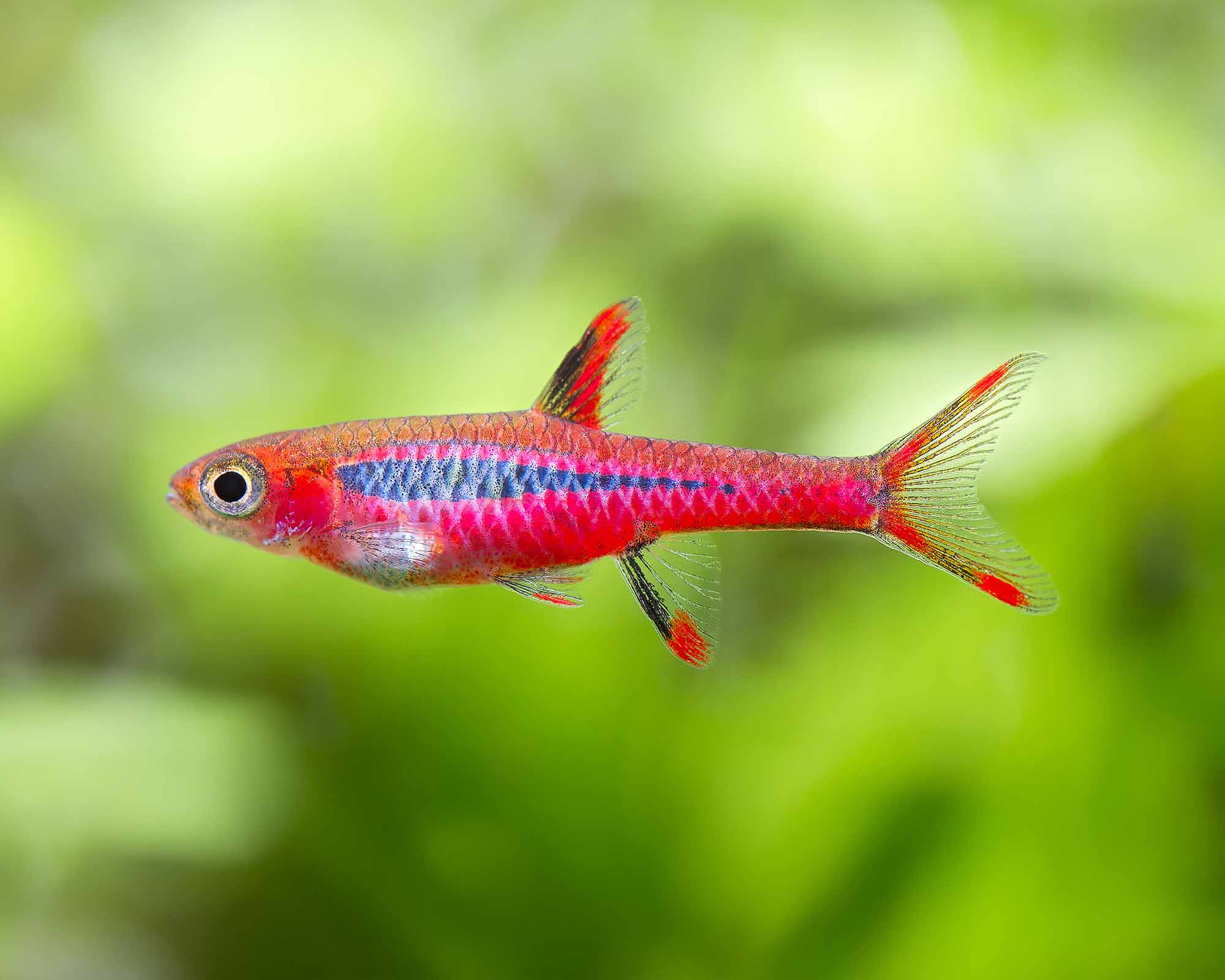
Green kubotai rasboras are better for aquarists who enjoy quick, darting movement and a school that constantly changes shape. Their green bodies can disappear briefly among dense plants, then flash into view when they cross open water. Give them a planted structure with visual breaks, but retain a clear swimming lane in front. They are peaceful community fish, yet their active feeding response can make them a poor match for extremely timid species or slow eaters. Kubotai also look most intentional when kept as one substantial school instead of being diluted among several other nano fish. In a small planted aquarium, their movement may feel more energetic than an ember tetra display.
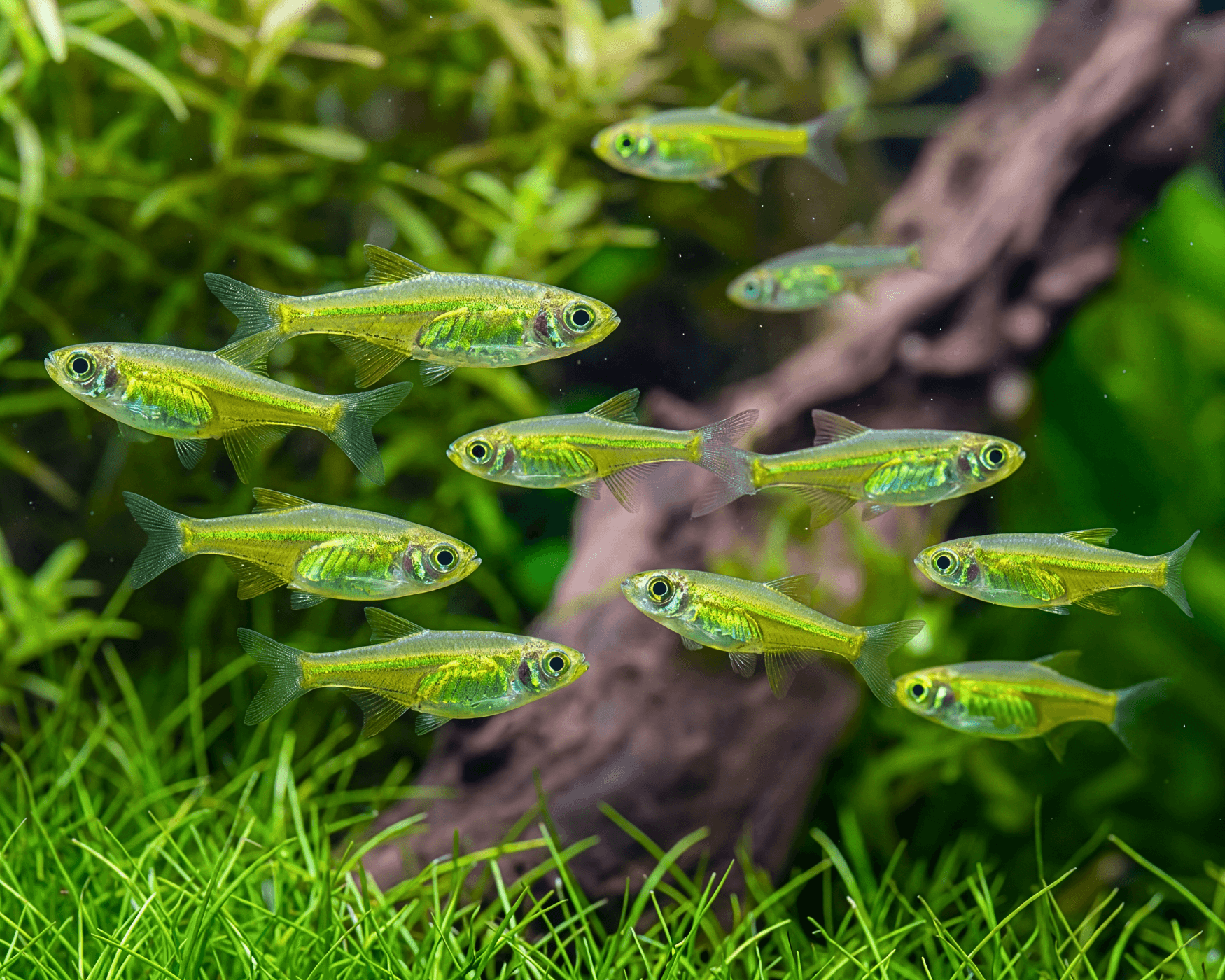
Compare them with neon and cardinal tetras before buying
Neon and cardinal tetras create a different visual scale. Their horizontal blue-and-red pattern is more graphic and immediately noticeable than the single-color glow of ember tetras or kubotai rasboras. They also benefit from a longer aquarium because their schooling movement uses more lateral space. Cardinal tetras generally make the stronger choice for a larger planted community with stable conditions and room for a confident group. Neons can suit a similar layout, but the exact fish quality and acclimation history matter. If your aquarium is short, heavily planted, or designed around shrimp and gentle movement, embers may be easier to integrate. If the tank has open length, a tetra school can become the main visual feature.
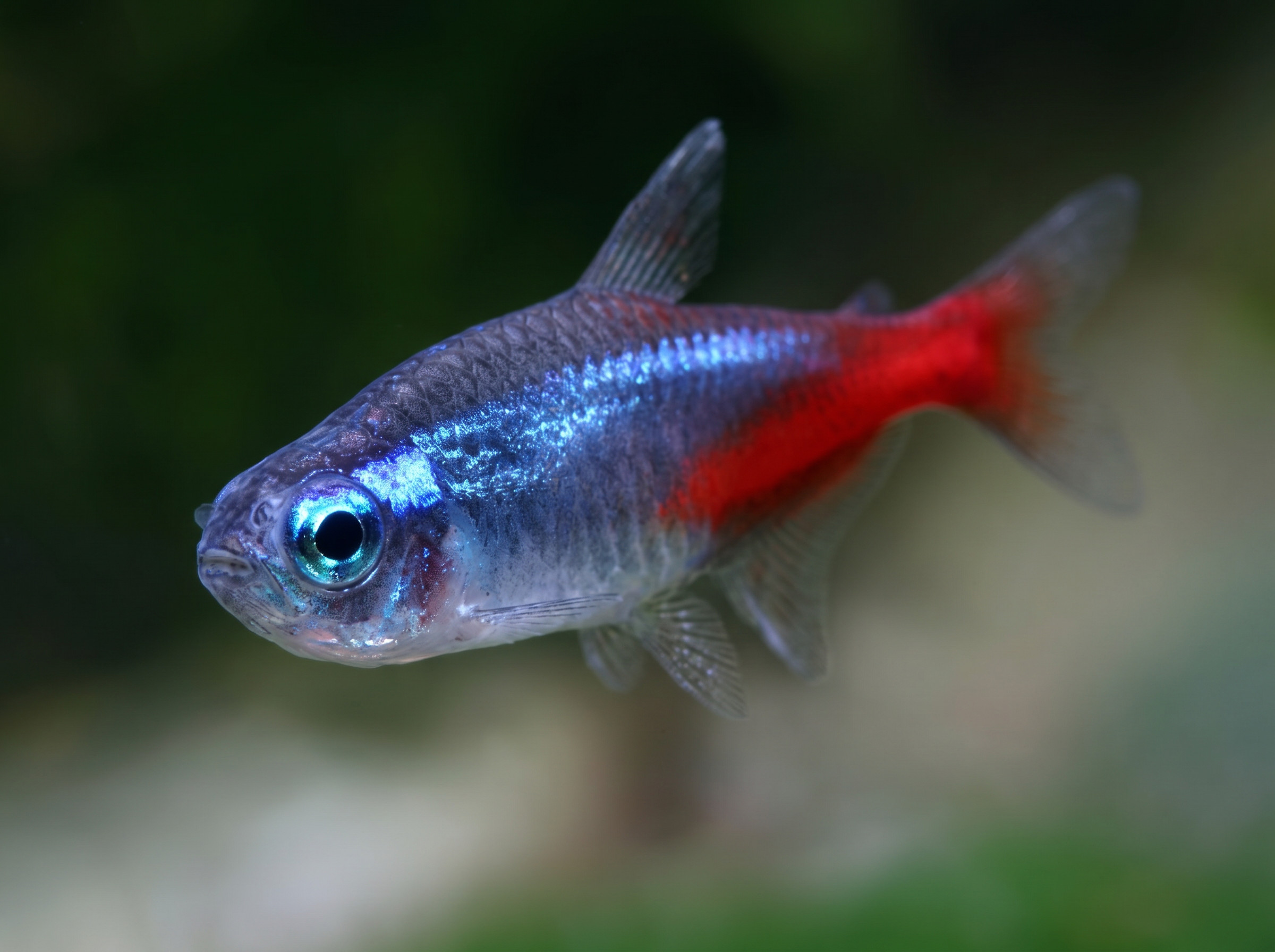
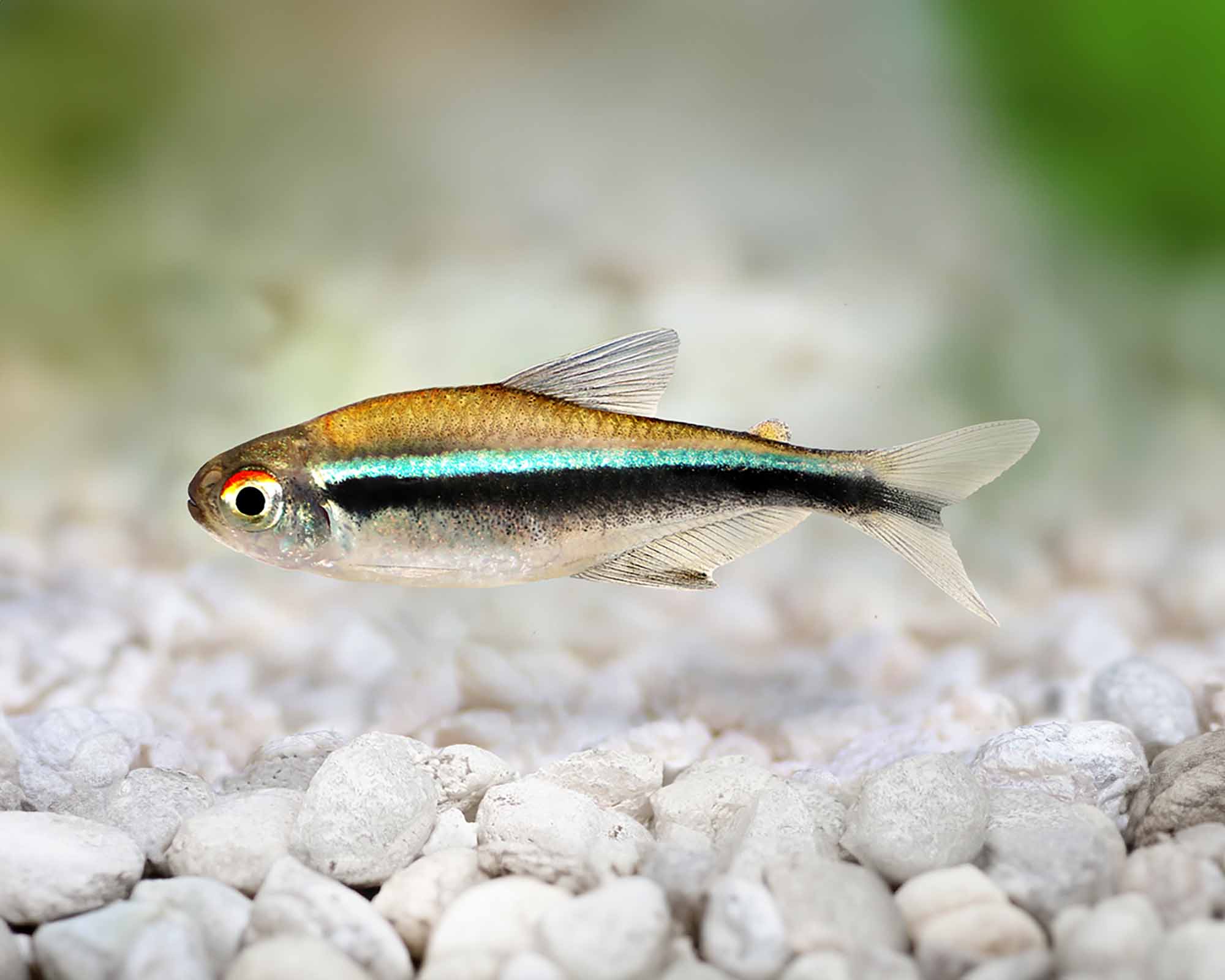
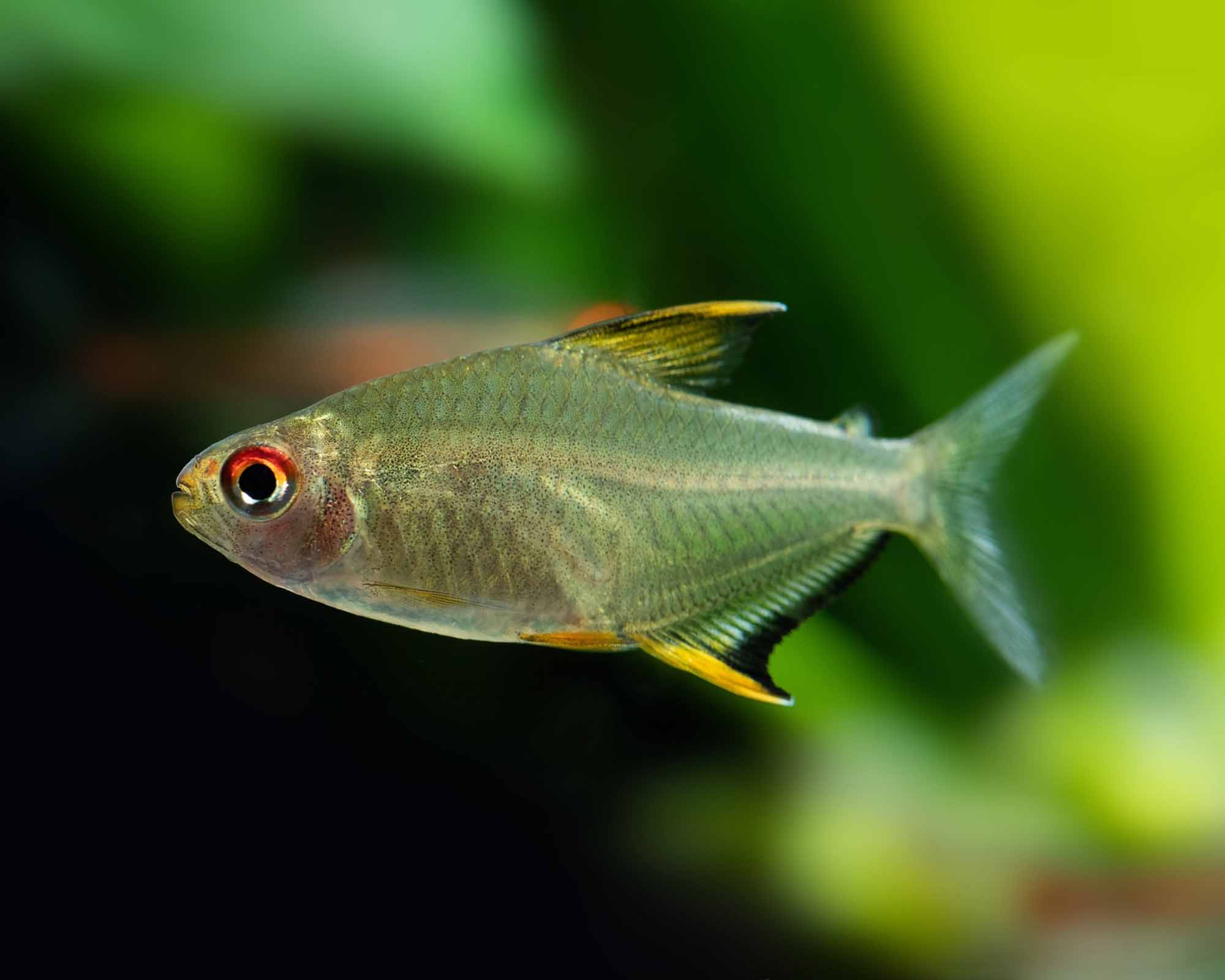
Black neon and lemon tetras are better for a larger footprint
Black neon and lemon tetras are peaceful options, but they usually make more sense when the aquarium offers greater swimming length than a compact nano setup. Black neons bring a dark, reflective stripe that looks excellent over green plants and pale substrate. Lemon tetras add a soft yellow tone and can make a South American-style layout feel cohesive. Both are schooling fish, so their needs are not met by purchasing only a few colorful individuals. Compared with embers or kubotai rasboras, they can make a small planted aquarium feel visually crowded sooner. Choose them when you want a midwater school with more presence, not simply because the fish look attractive in a store tank.
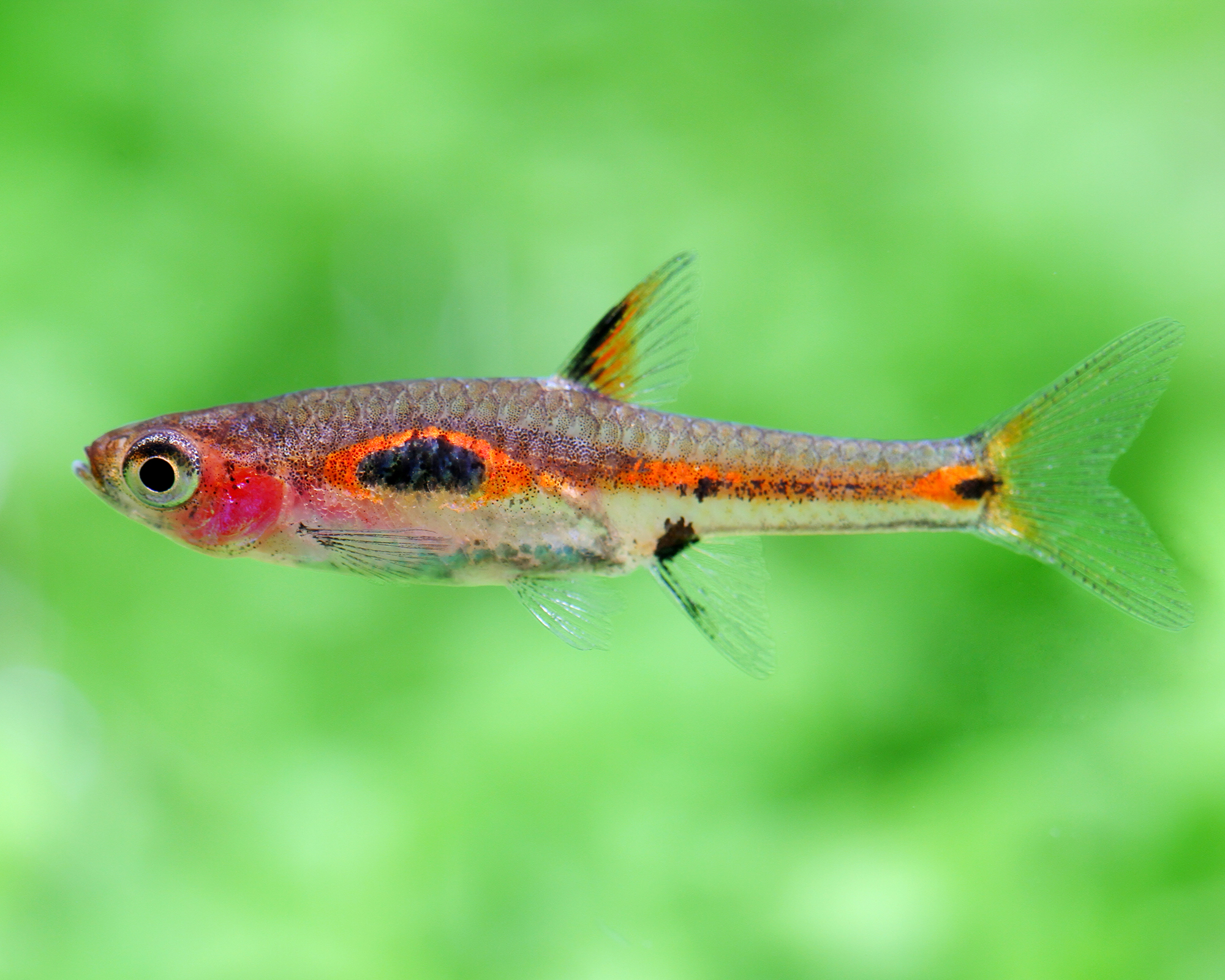
Boraras species are the delicate alternative
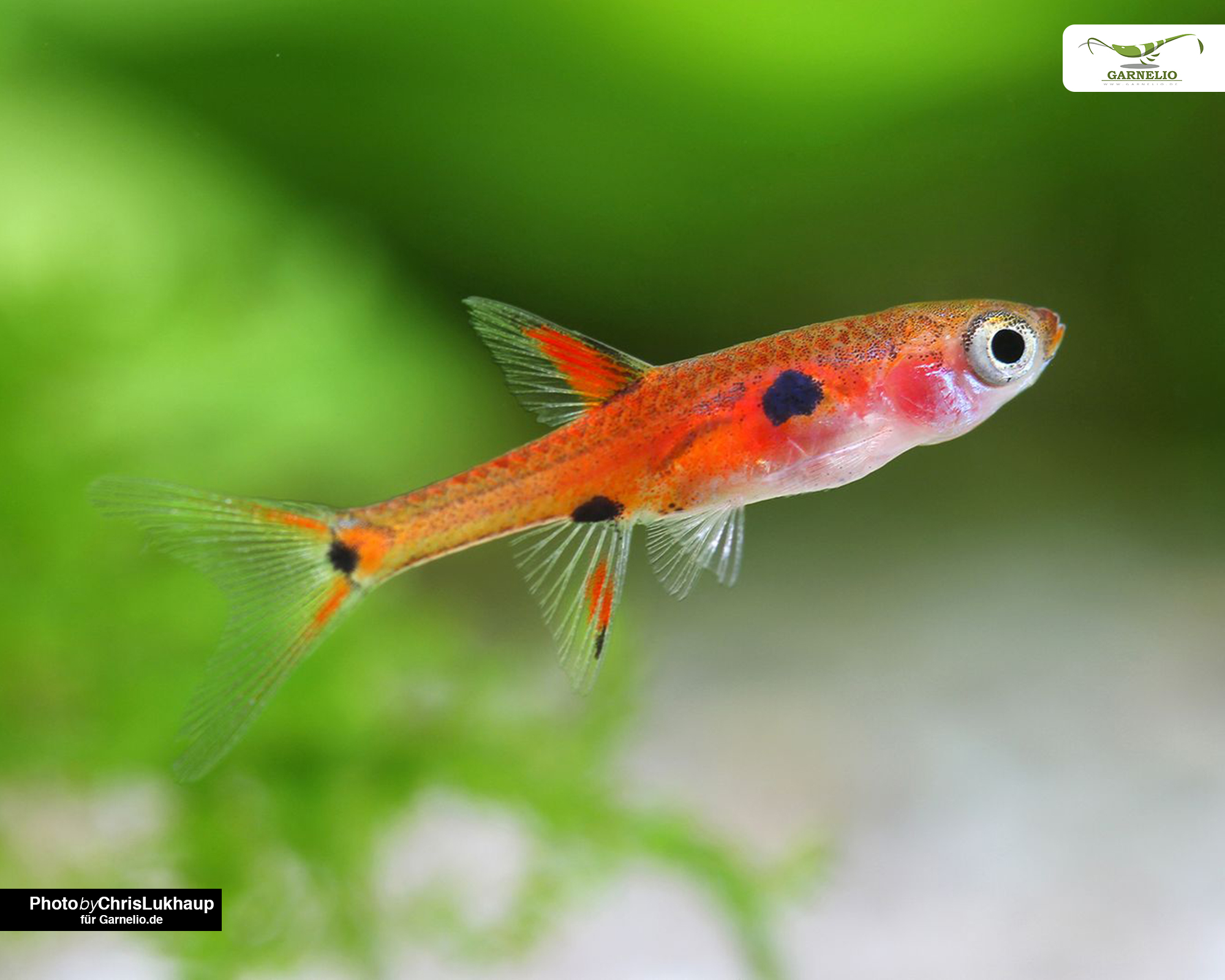
Small Boraras species, including the fish sold as dwarf or spotted rasboras, are worth considering when your priority is scale rather than bold movement. They can look exceptional in a mature planted aquarium with moss, floating roots, leaf litter, and subdued flow. Their small mouths and reserved behavior make careful feeding especially important. They are less forgiving of boisterous tank mates than many standard community fish, and they may spend more time hidden if the aquarium is bare or brightly exposed. Choose Boraras when you want a quiet, miniature display and are prepared to maintain a stable, mature environment. Choose embers or kubotai when you want fish that are generally easier to observe during normal activity.
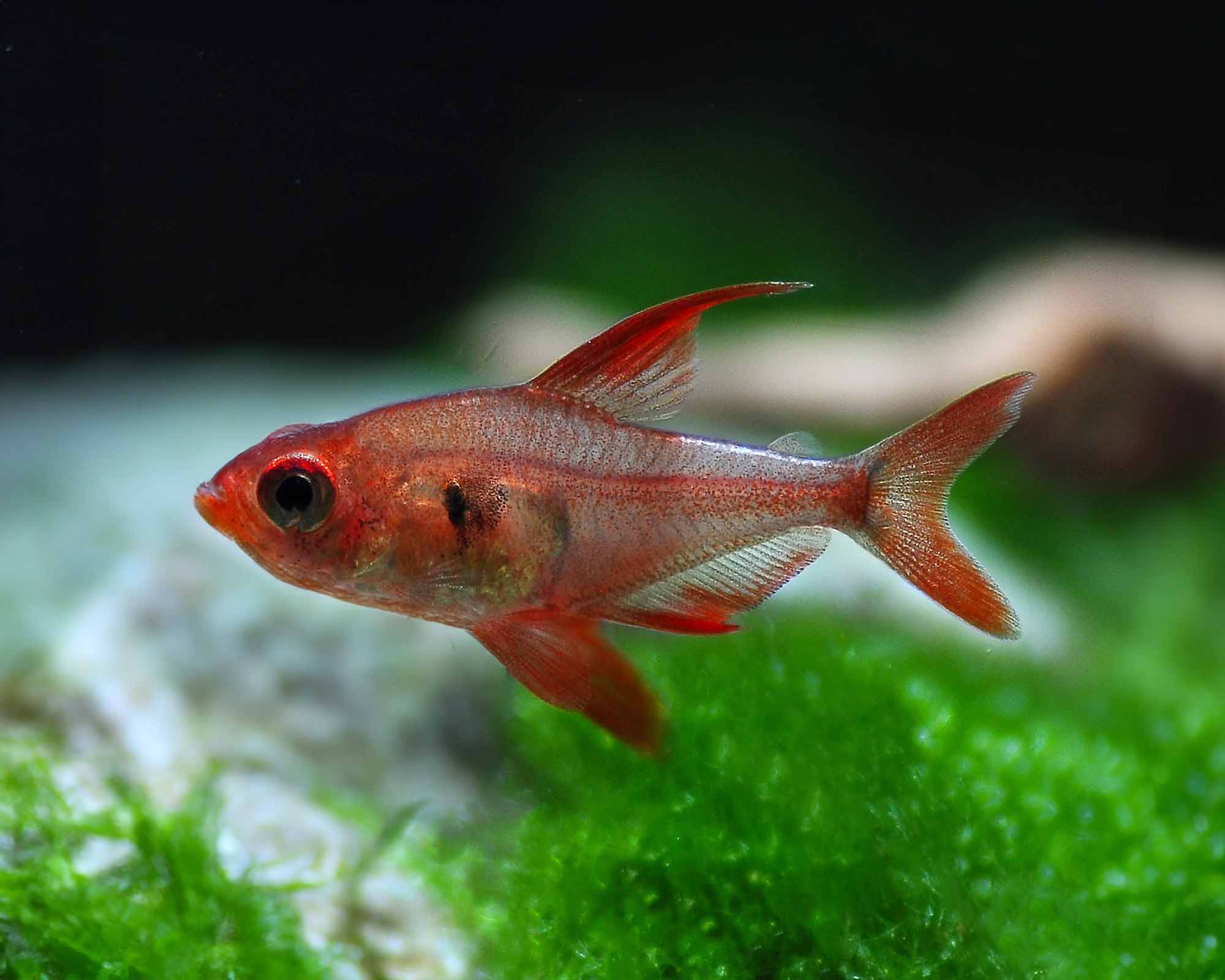
Red phantom tetras change the scale of the composition
Red phantom tetras can provide a deeper red presence, but they are not simply larger ember tetras. Their body shape, activity, and group behavior give them more visual weight, so they need a layout with enough open water to avoid looking cramped. They are a better fit for a medium planted community aquarium than for a tiny desktop tank. Use tall plants and wood to divide territories while preserving a central swimming route. Their stronger presence can work well with peaceful bottom fish, but adding them to an existing nano school may create too many competing focal points. If you want one compact, delicate school, choose embers; if you want a more substantial red midwater group, consider red phantoms.
Use water and temperature as a tie-breaker
Color should be the final tie-breaker, not the first. Before choosing a school, compare the aquarium’s established temperature, pH, hardness, flow, and maintenance routine with the needs of the fish you are considering. Closely related-looking species can still prefer different conditions, and local tap water may make one choice easier than another. Avoid forcing a fish into unsuitable water simply to match a color palette. Stable conditions matter more than chasing an exact number. If you keep shrimp or snails, prioritize a mature planted aquarium with gentle acclimation and enough biofilm-producing surfaces. A fish that matches your existing water and maintenance habits is usually the safer long-term choice.
Plan tank mates around feeding speed and adult size
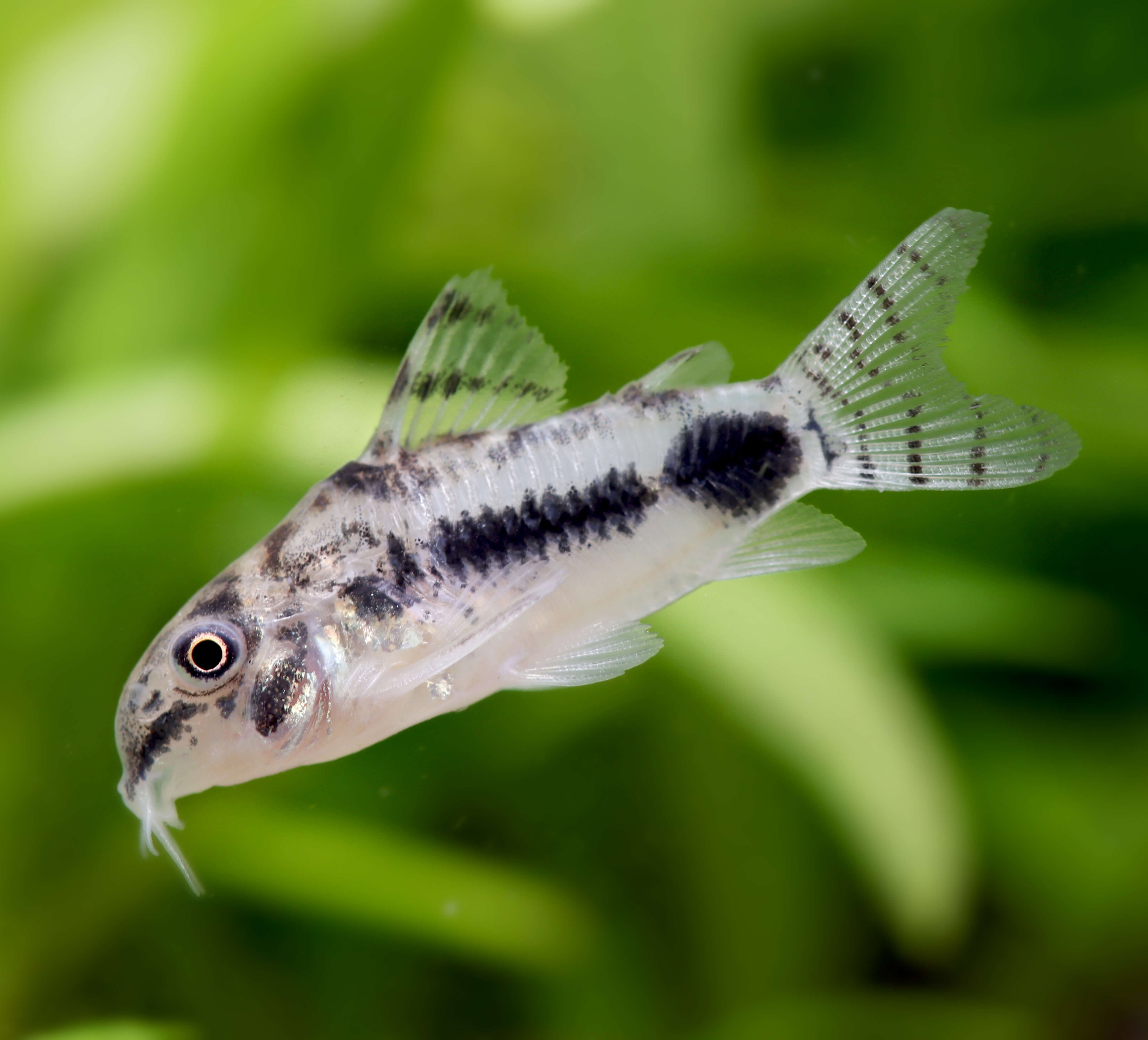
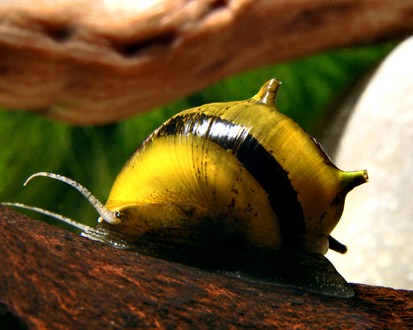
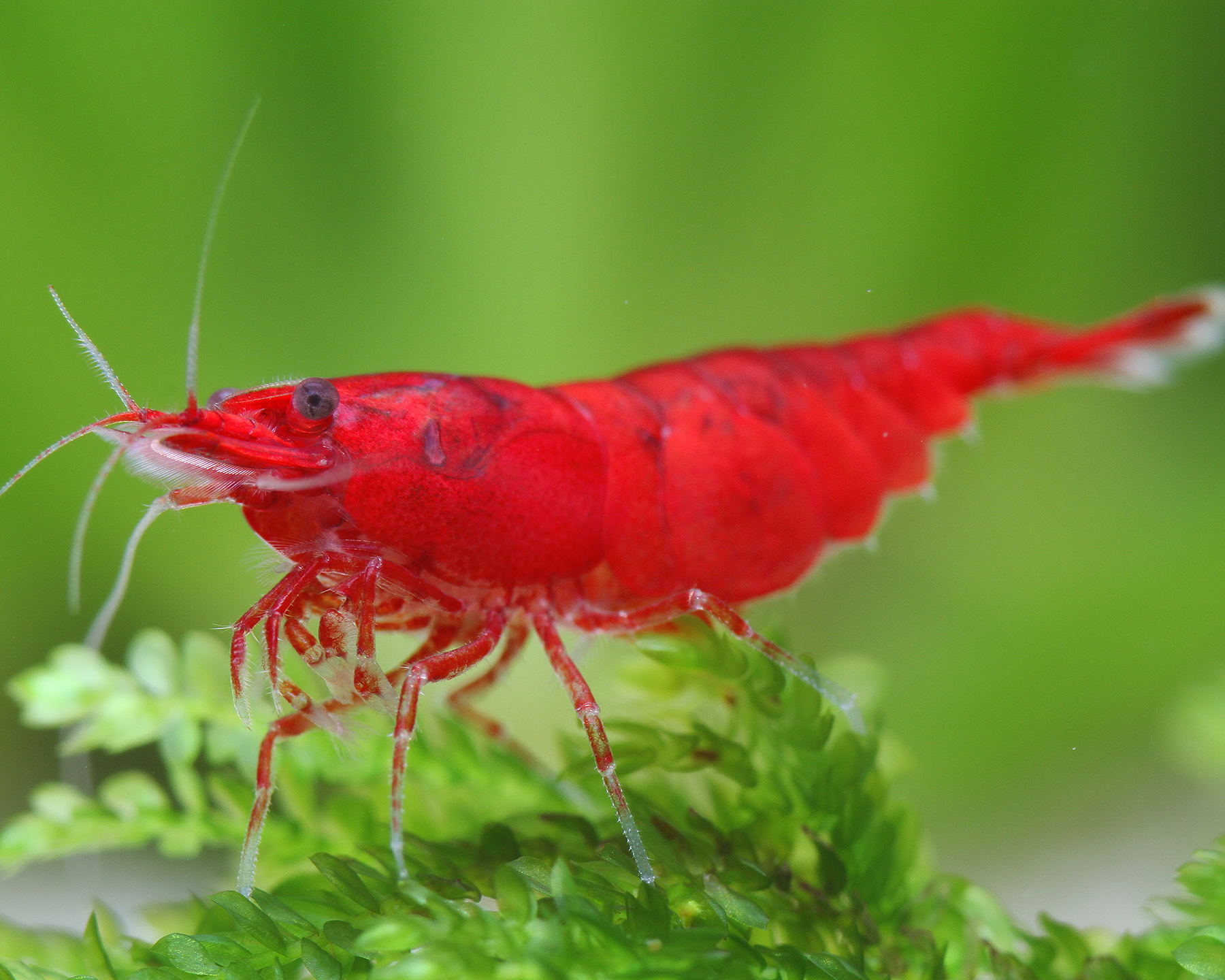
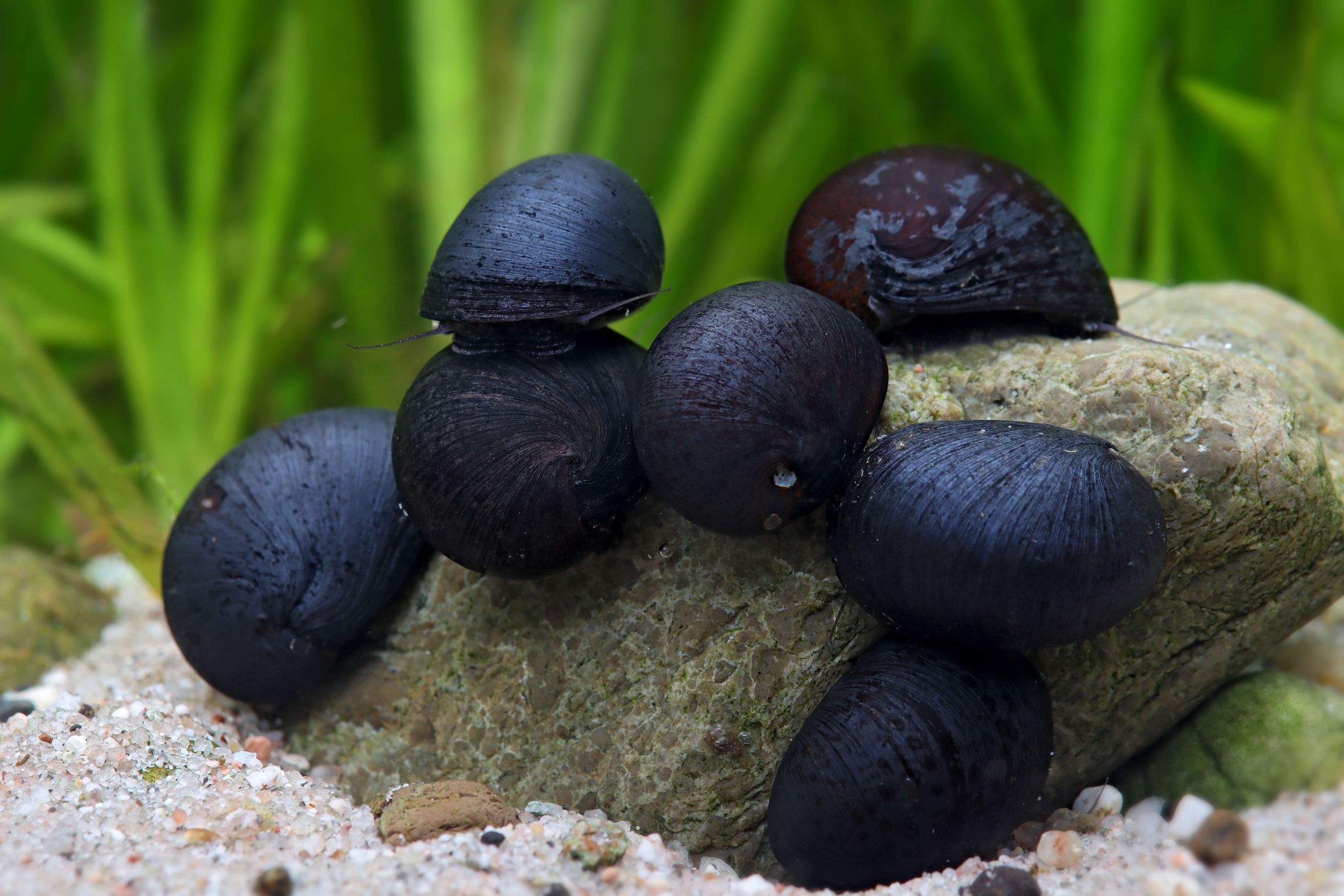
The most compatible tank mates are not merely peaceful; they also use space differently and can eat without competing aggressively. Ember tetras and kubotai rasboras can work with small Corydoras, peaceful snails, and adult Neocaridina shrimp when the aquarium is mature and well planted. Survival of baby shrimp is less predictable because most fish will investigate tiny shrimplets. Avoid combining a small school with larger gouramis, aggressive barbs, territorial cichlids, or fast fish that dominate feeding. In a limited aquarium, one schooling species plus a carefully chosen bottom group is often more successful than several half-sized schools. Leave hiding places around moss, roots, and dense plant bases.
Make the final choice with a simple decision rule
Choose ember tetras when you want warm color, calm schooling, and a soft visual relationship with plants. Choose green kubotai rasboras when you want lime-green flashes, more active movement, and strong contrast against a clean aquascape. Choose neon or cardinal tetras when the aquarium is longer and the blue-red pattern should become the main attraction. Choose Boraras when the tank is mature, quiet, and designed around miniature scale. Choose black neon, lemon, or red phantom tetras when you have enough swimming room for fish with greater visual presence. Once you select one school, build the planting around its behavior instead of trying to make every attractive fish fit together.
Frequently Asked Questions
Are ember tetras or green kubotai rasboras better for a planted nano aquarium?
Either can work, but the better choice depends on the aquarium’s footprint and desired movement. Ember tetras usually create a calmer orange display, while kubotai rasboras provide quicker green flashes. Keep one proper school and avoid overcrowding the midwater.
Can ember tetras live with shrimp in a planted aquarium?
They can often live with adult dwarf shrimp in a mature, well-planted aquarium, but no small fish guarantees the survival of newly hatched shrimp. Moss, dense plant growth, and feeding cover improve the odds.
Are green kubotai rasboras suitable for beginners?
They can be suitable when the aquarium is cycled, stable, and planted, but their small size makes poor acclimation, weak feeding routines, and sudden water changes more serious. Buy healthy fish and introduce them gradually.
Can I keep ember tetras, kubotai rasboras, and neon tetras together?
You can in a sufficiently large, mature community aquarium, but mixing several small schools is not automatically better. In a nano aquarium, choose one main school so the fish have adequate group size and open swimming space.
Which plants help small schooling fish feel secure?
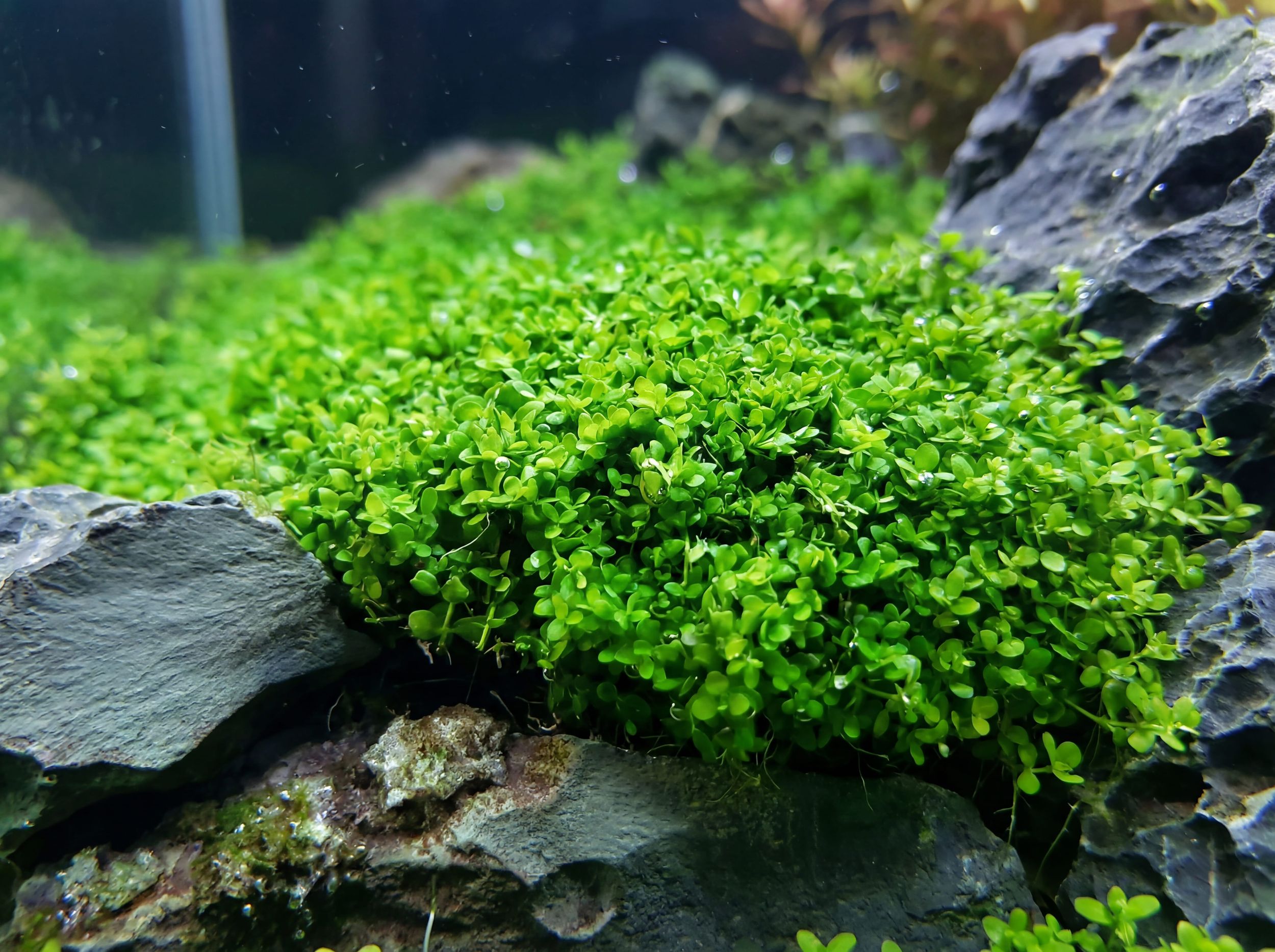
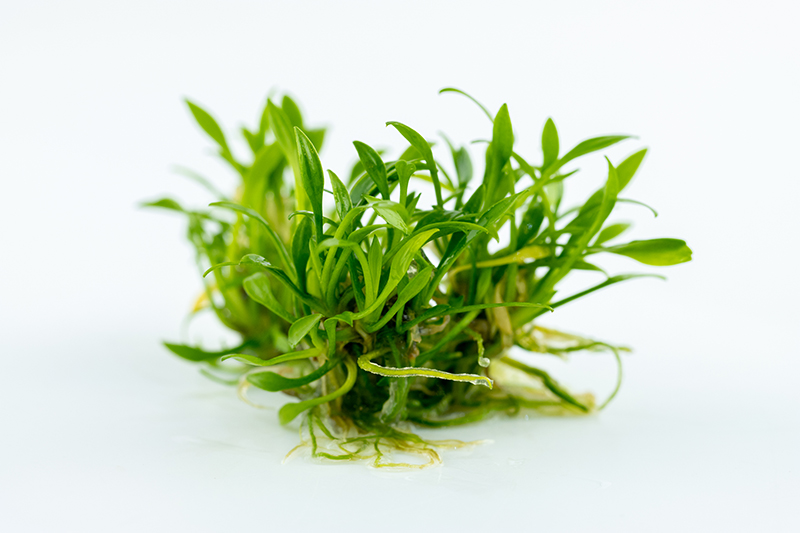
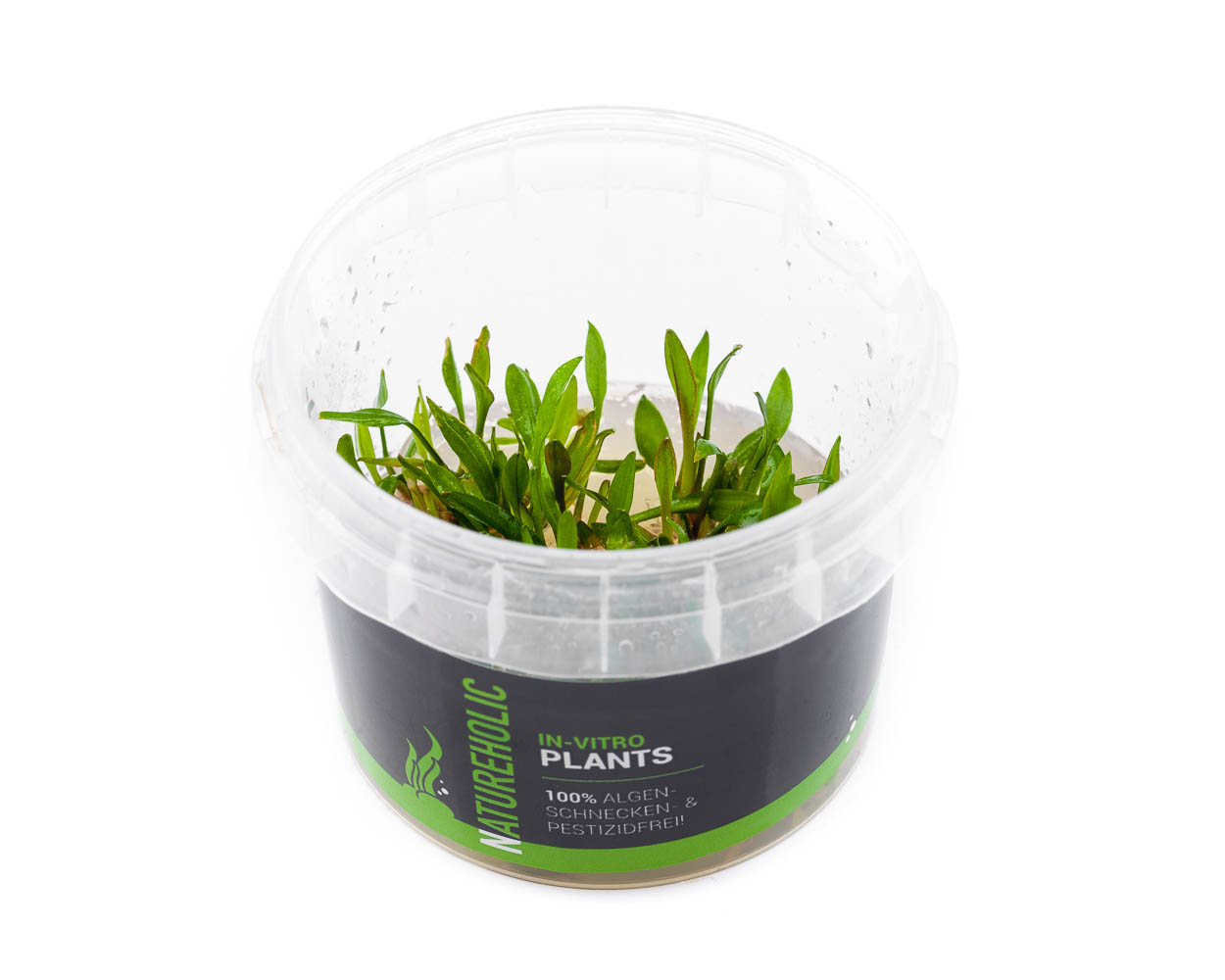
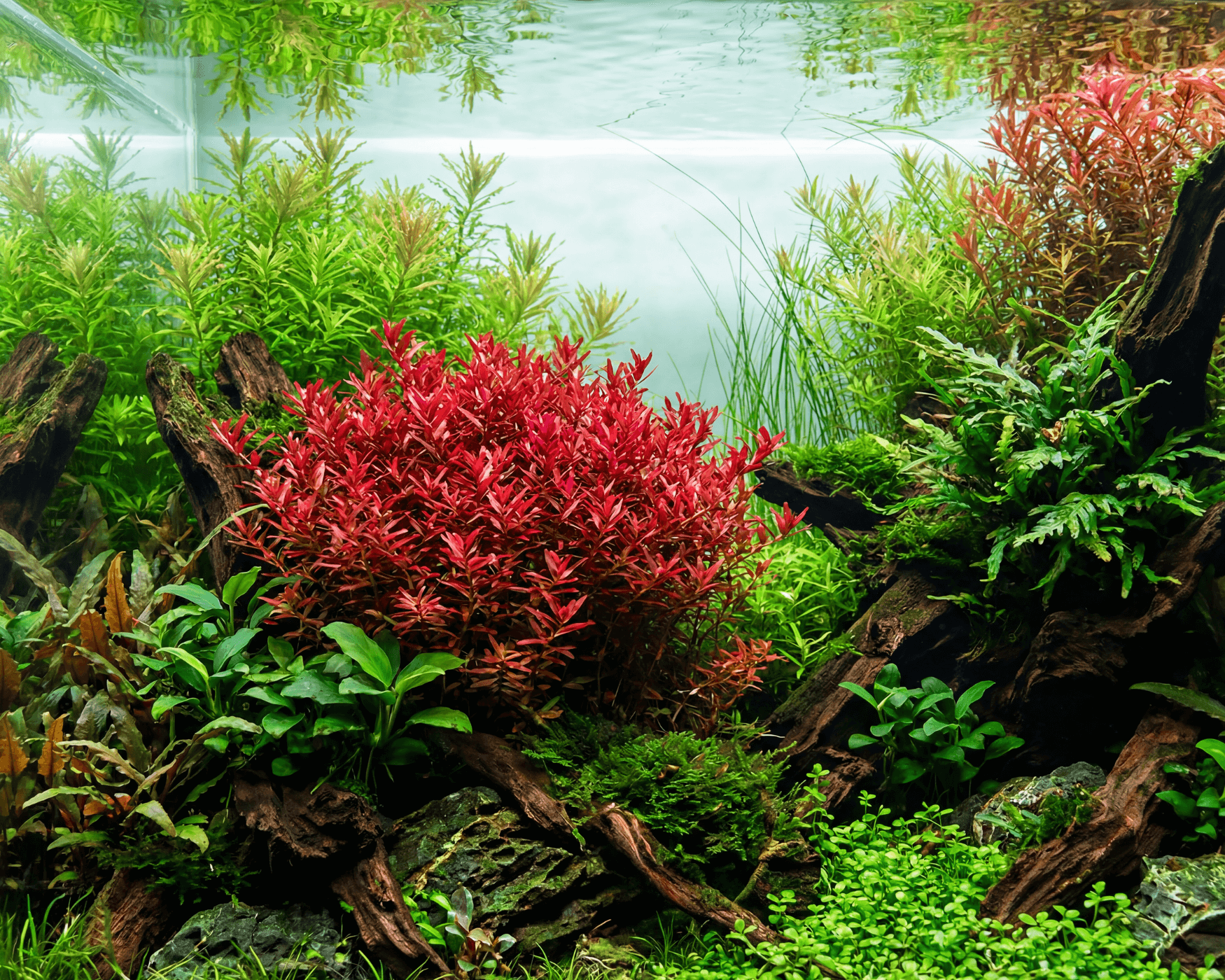
Use a combination of fine-leaved stems, moss, floating plants, and taller background growth. Leave an open swimming lane in front or through the center, and avoid filling every part of the aquarium with dense vegetation.
Leave your comments