AquaLibs presents AquaRank Discover the world’s leading aquascapers

Explore transparent rankings built from published results across the world’s leading aquascaping contests.

Who the hell is ADA?

At that time, I suddenly ran out of words: whether it is niche art, the world's most awesome waterscape art, fish tank landscaping, or Hermès (Rolls-Royce) in the waterscape world... I always feel that these words do not exist. So appropriate.

Special thanks to everyone for your trust! Indeed, there are too many symbols on ADA. It is niche and independent: it has created the art of natural aquascape, produced the products required for water features, and created a distinct ADA style. This style can directly change your living space, allowing you to easily have the most authentic, comfortable and comfortable "nature" at home and in the office. Today, we have a good chat with you.

Origin of ADA

The full name of ADA is: Aqua Design Amano Co.,LTD. The world's most professional natural aquascape brand. Originated in Niigata, Japan, it was officially founded in 1982 by Mr. Amano Takahashi, a famous Japanese natural photographer and world waterscape artist.

Who the hell is ADA?

At present, ADA has more than 400 dealerships in Japan and over 1,000 dealers around the world.

Who the hell is ADA?

Who the hell is ADA?

Who the hell is ADA?


Natural aquascaping art

As the pioneer of a new art field, ADA's brand introduces special literature and art: If you don't cherish tiny lives, how can you talk about nature.

This is also the first sentence on the title page of the new ADA manual. It is the slogan that ADA has used for many years. Seeing this sentence, it is estimated that many friends who came into contact with ADA for the first time, Totally out of my mind.

In fact, before this ADA has a more deeply rooted slogan: nature in glass. This sentence, It is also the name of the most well-known collection of works by Mr. Amano, the founder of ADA. Compared with the first sentence, this sentence gives a clear outline of ADA.

If you want to summarize ADA in one sentence, a more intuitive expression is: Created another world in the fish tank.

This world, the "Art of natural aquascaping":

In fish tanks of various sizes, natural materials such as sinking wood, stone, and aquatic plants are used to design and produce water landscapes, restore nature, and perform photosynthesis on their own.

In the 1980s, this art created by ADA, Breaking the world's only gardening style "Dutch waterscape", It was a sensation, and it has become synonymous with natural waterscapes since its development.

Who the hell is ADA?

The 4-meter aquarium that Mr. Amano has been running for 18 years. Occupying a corner of the living room, it can be said to be the best artwork, the vibrant nature

The exhibition hall of Niigata Headquarters displays water features ranging from 180cm to 30cm. similar fish tanks, Just put it anywhere in the house, Raise a few more fish, Stop in front of the waterscape every day, Watching the fish swim around is very healing

Who the hell is ADA?

Who the hell is ADA?

 The big waterscape has a relaxed and happy feeling like entering the Amazon by mistake, so that the heart has a small home, very comfortable

Who the hell is ADA?

Who the hell is ADA?

Who the hell is ADA?

The small waterscape has a throbbing throbbing, as if opening up the memory of running in the mountains in childhood, making people relax instantly

Who the hell is ADA?

The mini suspended tank can also become a small and elegant "green nature" in the study, bedroom and desk.

How is ADA style made?

These make everyone feel relaxed and happy, That is the "ADA style" we have been talking about. Where does "ADA style" come from? from true nature.

First, natural aquascaping, It is based on "nature". Reproduce the natural process through landscaping : Sometimes, it is to completely "copy" the nature in reality; Sometimes, the essence is extracted from various natural landscapes, and then "nature" is constructed .

Many people like the former, and many people like the latter. In ADA landscaping, there are a lot of the former and the latter. The most vivid metaphor for this "ADA style" that is infinitely close to nature is : "Cheating" the fish s eyes.

Who the hell is ADA?

Amazon Live @ Photo by Amano Nao

Who the hell is ADA?

 Waterscape works @ Amano Taka. 1996

Who the hell is ADA?

Amazon Live @ Photo by Amano Nao

Who the hell is ADA?

Waterscape works @ Amano Taka. 1995

Secondly, this ADA style that is infinitely close to nature, It is also reflected in the design of the products required for landscaping. Let the product try not to affect the viewer when using it, Turn the tangible into the intangible. Not only let the fish show the body color and movement that can only be seen in nature, It also enables the viewers of the waterscape to gain the greatest visual enjoyment.

A man who dedicated his life to aquatic plants landscaping

When it comes to the admirable "ADA style", we have to mention the man in the video, The founder of ADA: Mr. Amano Takahashi. The godfather of natural aquascaping.

Who the hell is ADA?

Mr. Amano's experience is very "simple": A fan of nature photography and a fan of the underwater world. He has spent his life looking for inspiration all over the world, The tropical rain forests of Amazon and Borneo are familiar to him like a second hometown.

Who the hell is ADA?

Who the hell is ADA?

Mr. Amano also visited Guilin, Huangshan and other places in China.

Who the hell is ADA?

Photo by Amano Takahashi

He gained a deeper understanding of nature from walking, It not only presents an unprecedented natural aquarium-style aquatic plant landscaping, Moreover, in order to realize the landscaping, he independently developed a new ADA landscaping product. For example, the method he pioneered to add carbon dioxide to grass tanks is still used today.

Who the hell is ADA?

Who the hell is ADA?

More valuable is that He left behind a large number of precious photographic works of major tropical rainforests, It has played an important role in the environmental protection of these areas and the discovery of new biological species.

Therefore, Mr. Amano Takahashi published 2 photo albums in his lifetime, He has also published waterscape and ecological landscape photography works in major magazines and newspapers around the world. and started a monthly magazine.

In 2015, Mr. Amano Takao passed away due to illness. At the age of 61, a generation of legends has left us.

Who the hell is ADA?

But a few months before Mr. The largest aquarium in Europe - Lisbon Oceanarium in Portugal Leaving behind an unprecedented 40-meter giant natural water feature.

This is after Tokyo Sumida Aquarium, Mr. Ye Shang's second super-large water feature masterpiece.

Who the hell is ADA?

Who the hell is ADA?

Products made for art

Global patented artwork

ADA not only created exciting natural waterscape art, And the full set of equipment and equipment required for the production and production of landscaping, At ADA, art and product are inextricably linked. its full line of products, All are produced according to actual landscaping needs. And continue to improve, the coverage is very comprehensive.

Who the hell is ADA?

filtering system

This art-based product, In order to ensure the practicality, professionalism and aesthetics that are almost "perverted", Adhere to the material of glass and stainless steel, Produced one by one through the hands of a craftsman, Most of the original imported from Japan, and handmade, Curable perfectionists and Virgos.

Who the hell is ADA?

trim tool

Moreover, most of the products are exclusive global patents. With high performance, simple and elegant design, Let each product not particularly highlight its own existence, It can make people better appreciate the beauty of the waterscape itself.

Top professional waterscape designers from all over the world, All take pride in using and owning ADA products.

Who the hell is ADA?

The carbon dioxide system perfectly restores the natural ecosystem in the fish tank, making aquatic animals and plants return to the original and natural ecological landscape

DOOA series

The main feature is a small, lightweight, cute and miniature water feature. There are water, underwater, very charming. 30cm water and land, suspension tank, tree culture medium...... Feel free to move anywhere you like.

Who the hell is ADA?

The organizer of the world's top waterscape competition "World Aquatic Plant Landscape Competition (IAPLC)"

Who the hell is ADA?

Who the hell is ADA?

2019 World Aquatic Plant Landscape Competition, 72 countries around the world, a total of 1867 works were submitted

Who the hell is ADA?

Who the hell is ADA?

Who the hell is ADA?

Who the hell is ADA?

Who the hell is ADA?


Leave your comments
Latest on News & Press
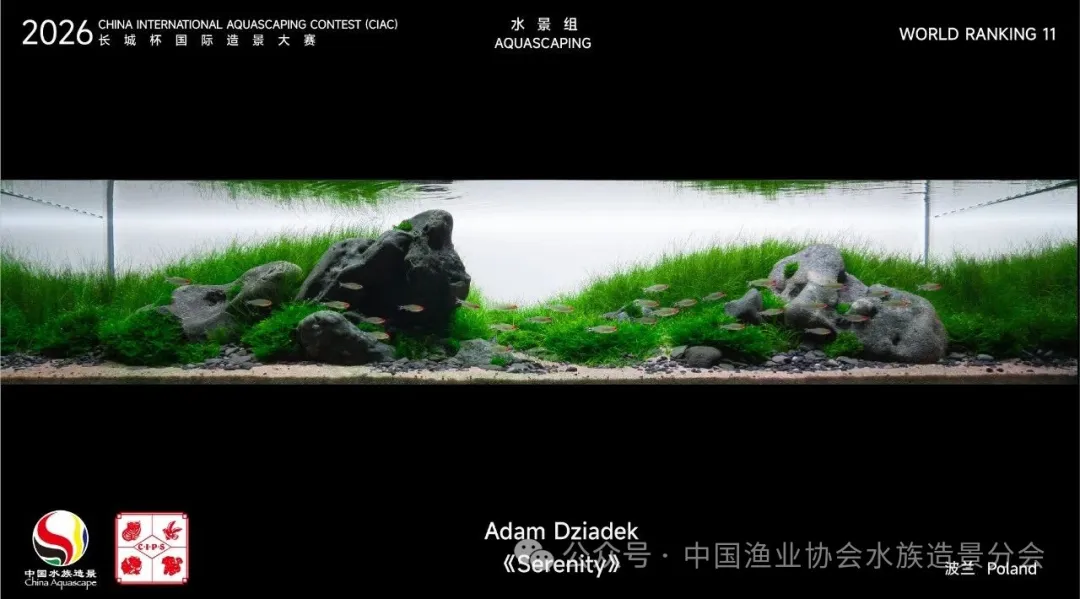
  • Serenity · Adam Dziadek · CIAC 2026

    When Minimalism Is Harder: What 2026 Iwagumi Entries Reveal About Competition-Ready Design

    Iwagumi looks simple because it removes visual clutter. In practice, that restraint makes every stone angle, substrate line, plant mass and patch of empty water easier to judge. This visual case study examines stone-led and Iwagumi-inspired layouts from the supplied 2026 CIAC and AGA catalogue. No IAPLC image was supplied, so the IAPLC comparison is limited to general design principles rather than named works or results.
  • Why CIAC 2026 Puts Plant Condition Ahead of Aquascape Drama

    Why CIAC 2026 Puts Plant Condition Ahead of Aquascape Drama

    The published scoring structure for the CIPS International Aquascaping Contest makes one priority clear: a dramatic layout is not enough if the plants are weak, faded, or poorly maintained. Aquatic plant condition is worth 60 points, compared with 30 for maintenance skills and 10 for photography. That balance gives contestants a practical preparation plan—grow a healthy aquarium first, then present it clearly.
  • The Art of Thai Aquascape 2026: What a Public Aquascaping Festival Can Teach Tank Builders

    The Art of Thai Aquascape 2026: What a Public Aquascaping Festival Can Teach Tank Builders

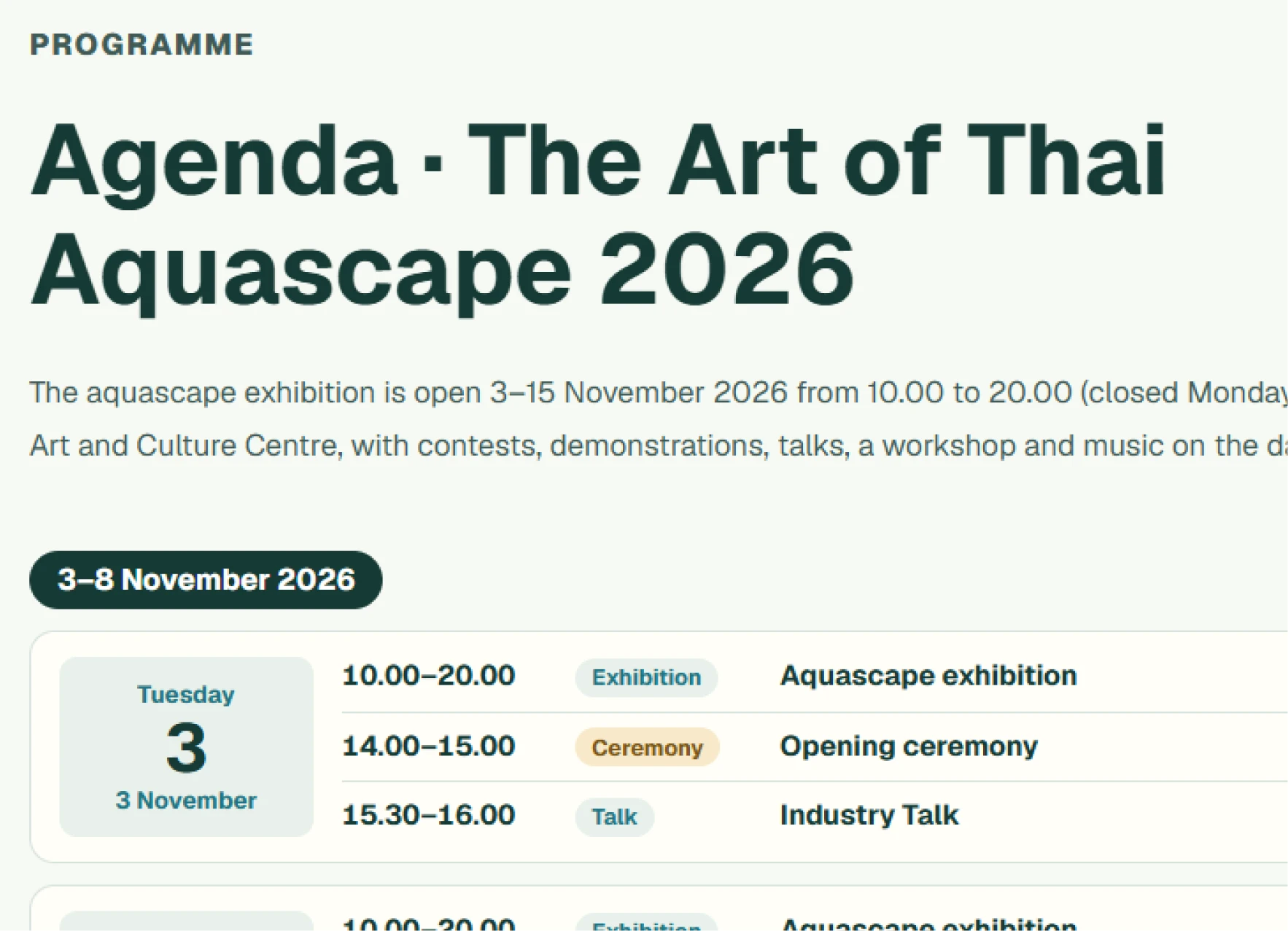
    The Art of Thai Aquascape 2026 will turn the Bangkok Art and Culture Centre into a public showcase from November 3 to 15, 2026. Its programme combines an exhibition with professional and newcomer contests, demonstrations, talks, a photography workshop and performances. For hobbyists, that mix offers more than a reason to visit: it provides a useful framework for building, refining and presenting a planted aquarium.
  • EAPLC 2026 Aquascape Lessons by Tank Size: From Nano Focal Points to Large-Scale Perspective

    EAPLC 2026 Aquascape Lessons by Tank Size: From Nano Focal Points to Large-Scale Perspective

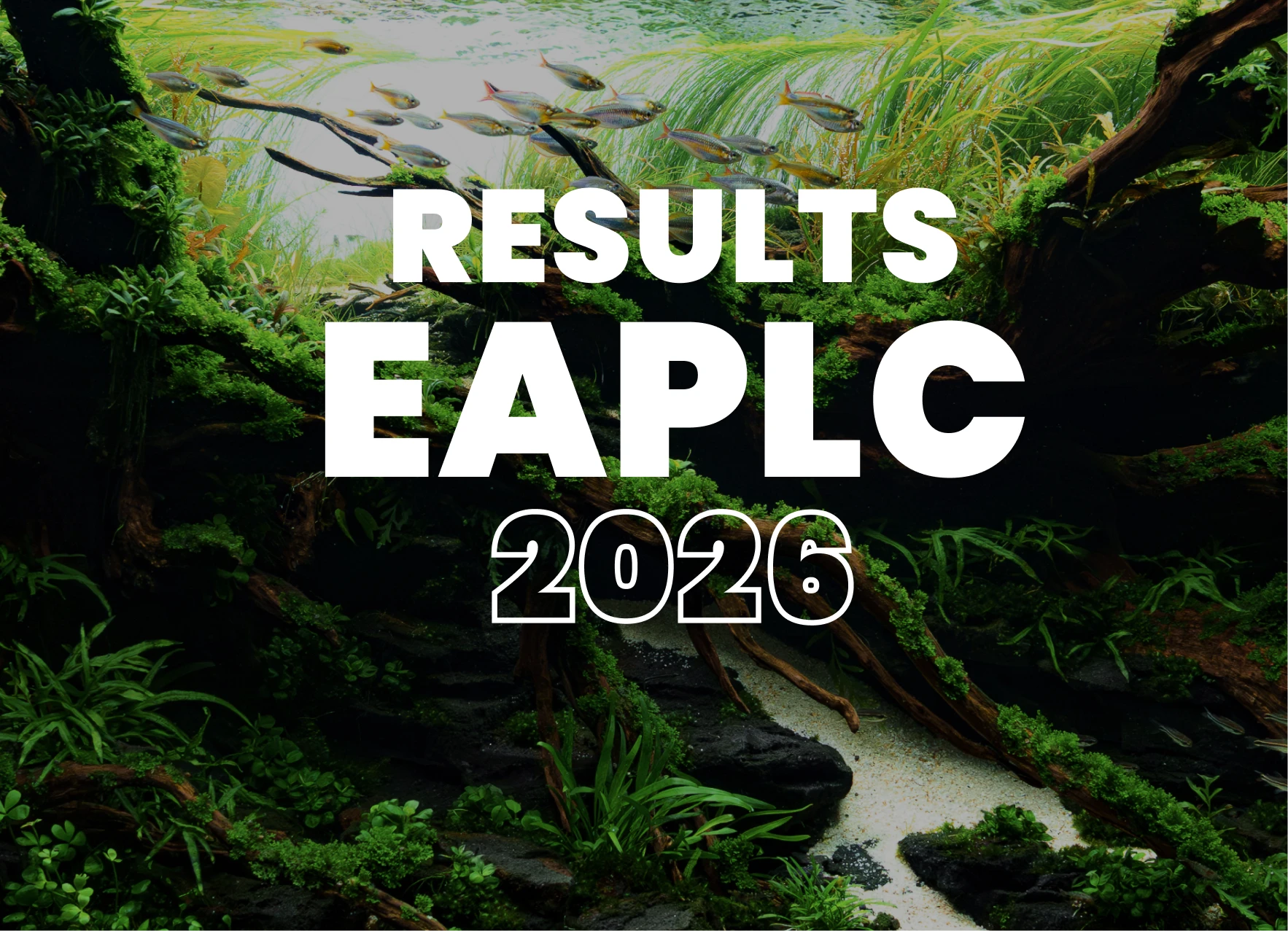
    The official EAPLC 2026 results offer more than a list of category winners. They provide useful case studies in how composition, planting, hardscape, and livestock work together at different scales. These observations are not fixed rules or mandatory formulas, but practical ideas aquascapers can adapt to their own tanks.
  • AGA 2026 Results: Chuanwei Yu Wins Best of Show

    AGA 2026 Results: Chuanwei Yu Wins Best of Show

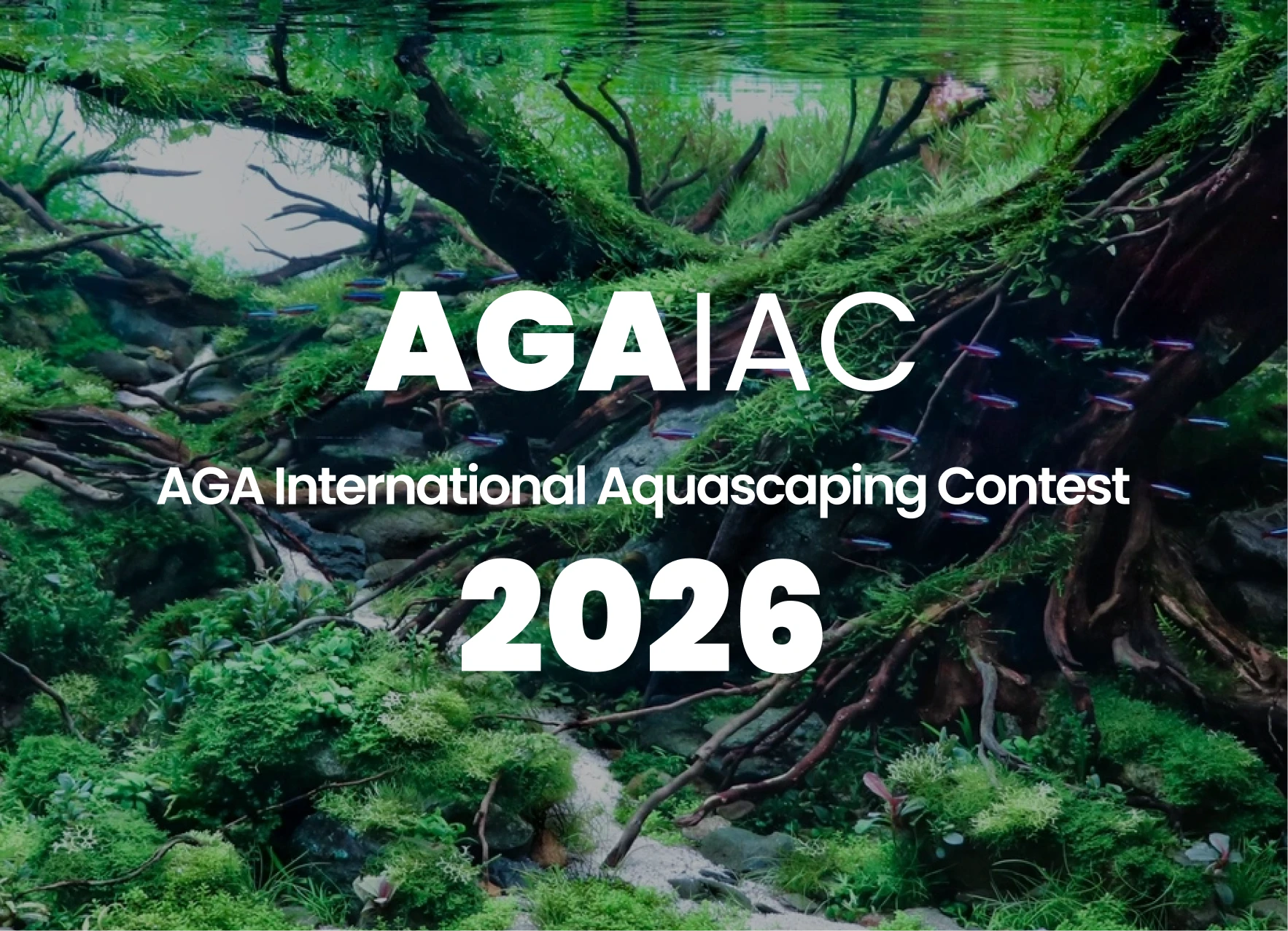
    Chuanwei Yu (余传威) of China has won Best of Show at the 2026 AGA International Aquascaping Contest with All Begins to Nature (万物自然). The Aquatic Garden 220L+ winner also took first place in the combined Aquatic Garden standings. Announced on November 7, the official AGA 2026 results cover 422 entries from 343 contestants across 54 countries.
  • Analyse Spain aquascapes at IAPLC 2026, then explore the country’s results, contributing creators and competition history on AquaRank Nations.

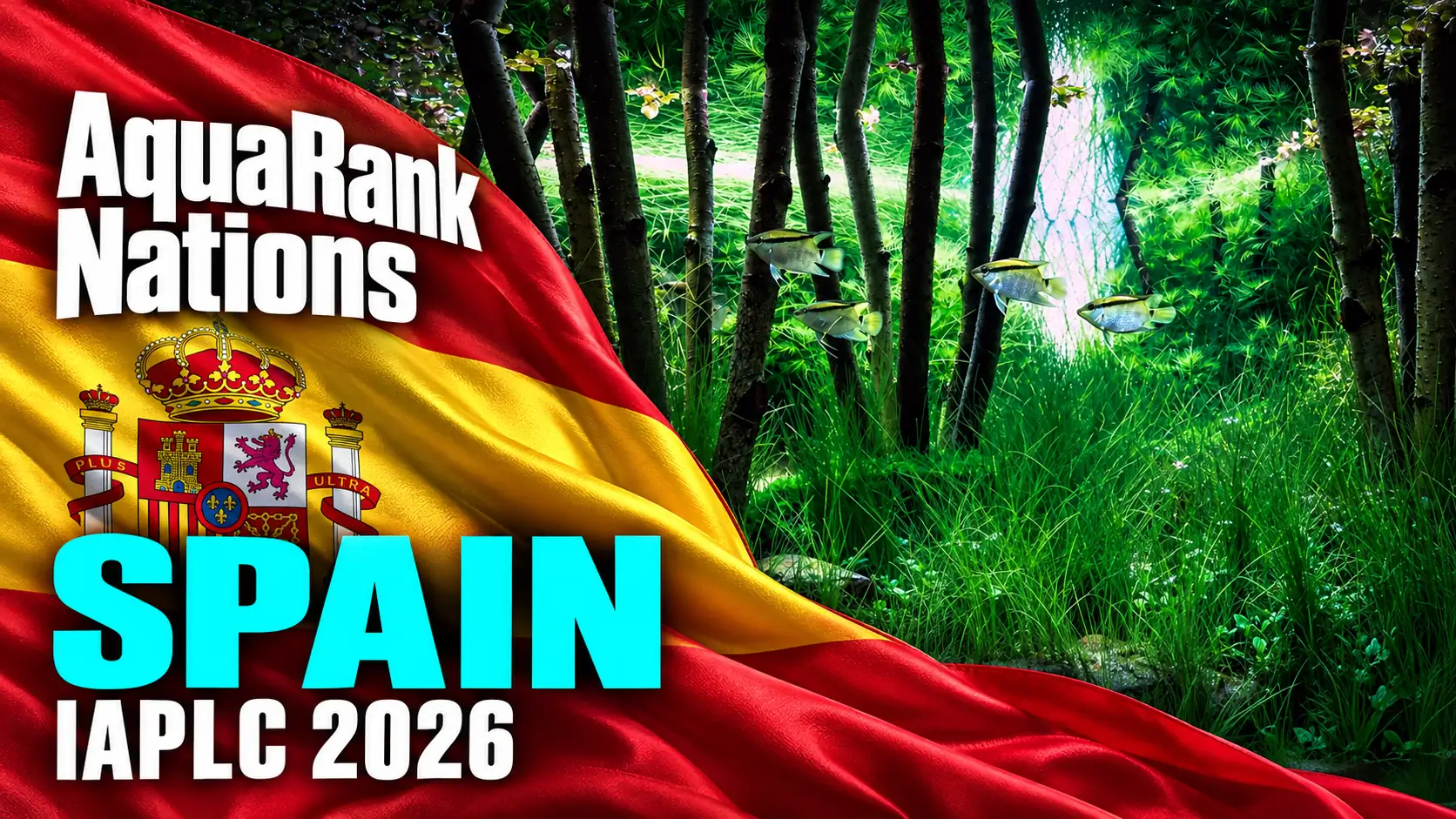
    Spain at IAPLC 2026: Roberto Buenadicha’s Forest and the Space Between Trunks

    Roberto Buenadicha’s aquarium is the only Spanish work in the published ranks 1–300. Its slender dark trunks, fine green planting and conspicuous pale fish make it a rewarding individual study. This instalment returns to the older Spain introduction through one photograph, keeping the scope small enough for the evidence available.
  • Analyse France aquascapes at IAPLC 2026, then explore the country’s results, contributing creators and competition history on AquaRank Nations.

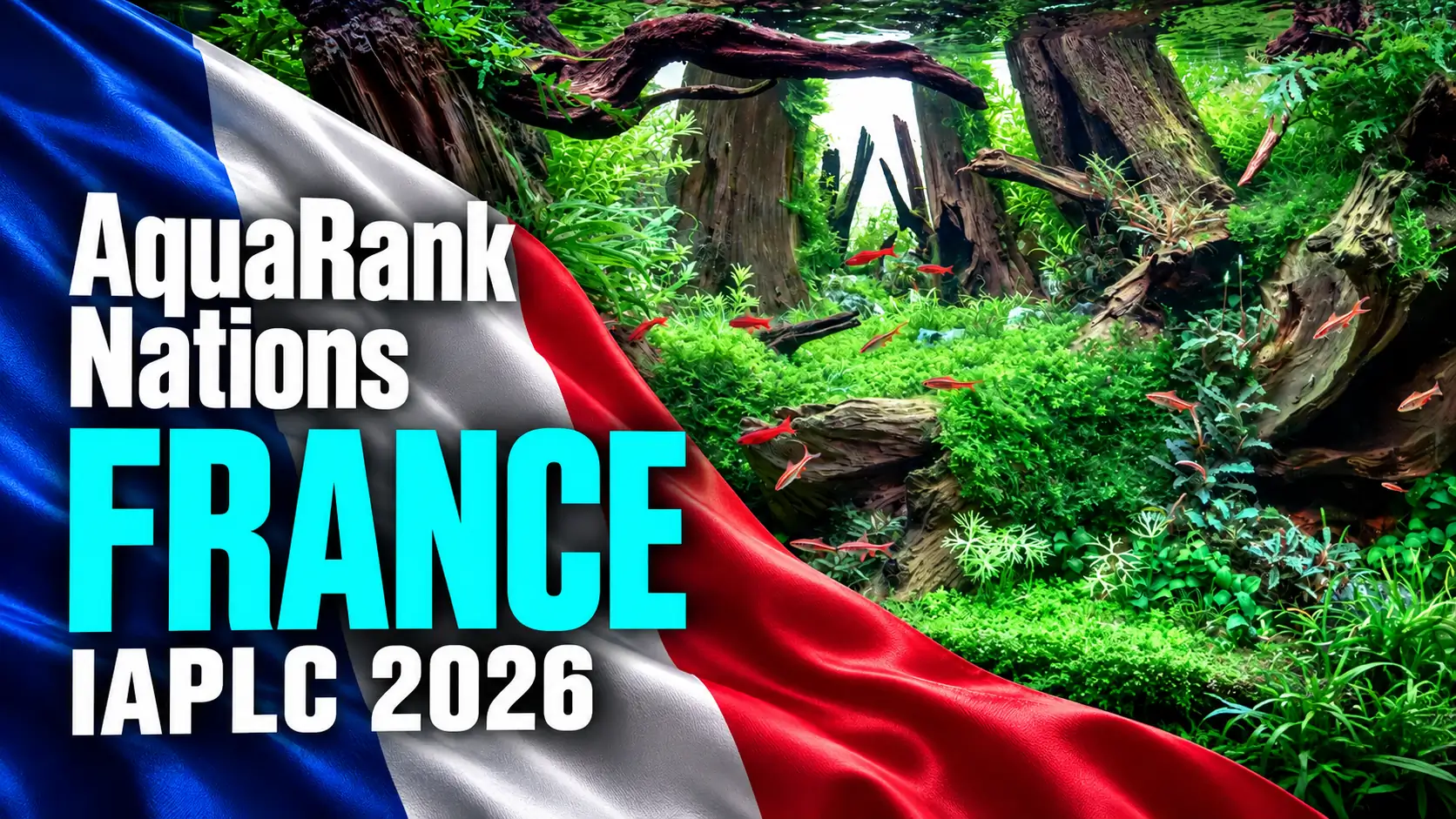
    France at IAPLC 2026: A Close Reading of Jean Christophe Grosset’s Woodland

    Only one French work appears in the published ranks 1–300. That gives this instalment a different task: a close reading of Jean Christophe Grosset’s aquarium, with the older country introduction as context. The photograph deserves attention for its own wood, planting and fish relationships, rather than being made to represent every French aquascaper.
  • Analyse Singapore aquascapes at IAPLC 2026, then explore the country’s results, contributing creators and competition history on AquaRank Nations.

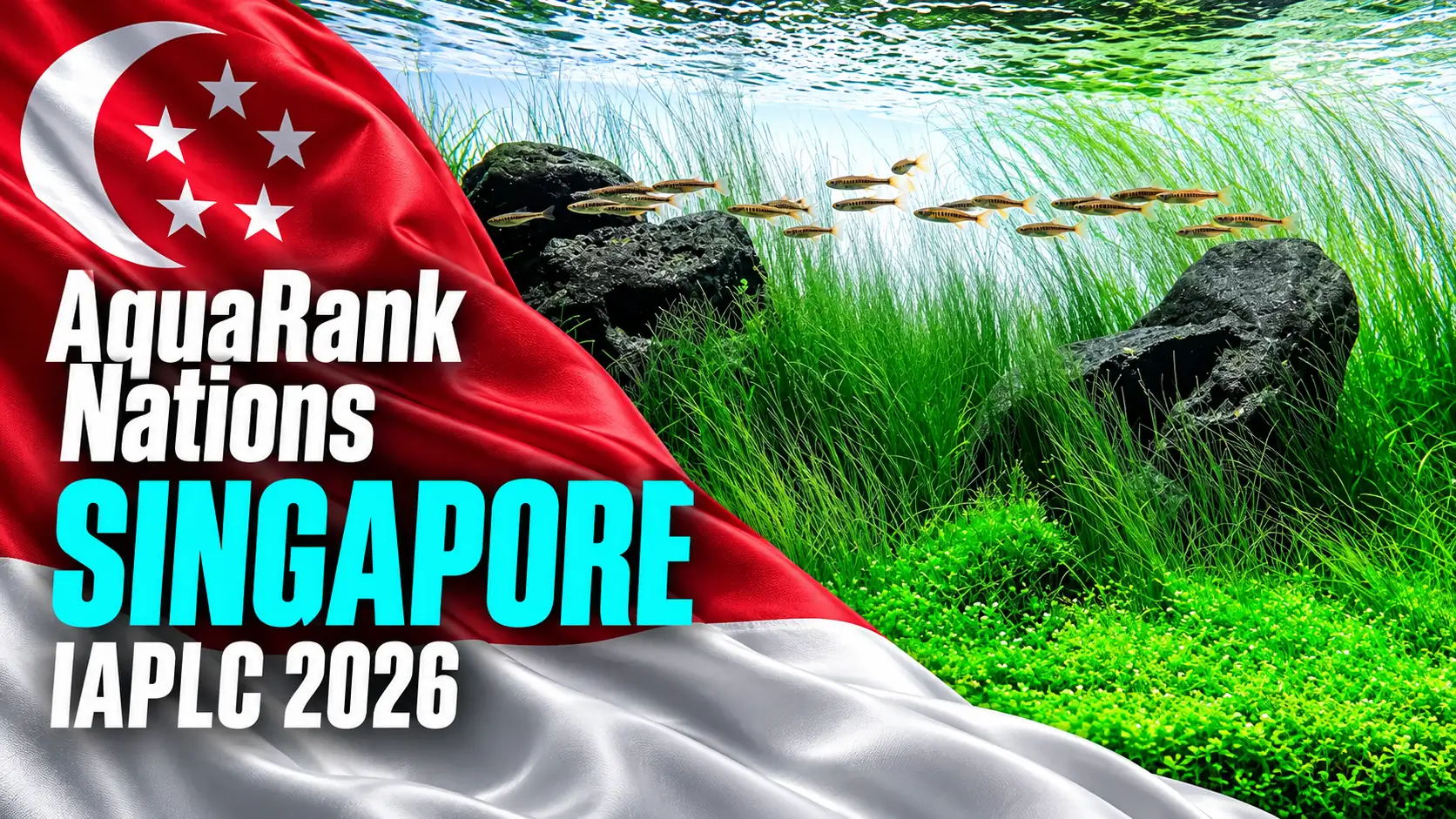
    Singapore at IAPLC 2026: Open Stone and an Enclosed Planted Passage

    Two Singaporean works appear in the published ranks 1–300, and they offer an unusually clear contrast. One makes open water and two main stones central; the other encloses a small rear opening within dense planting and roots. The pair is useful precisely because it does not support one simple visual label.
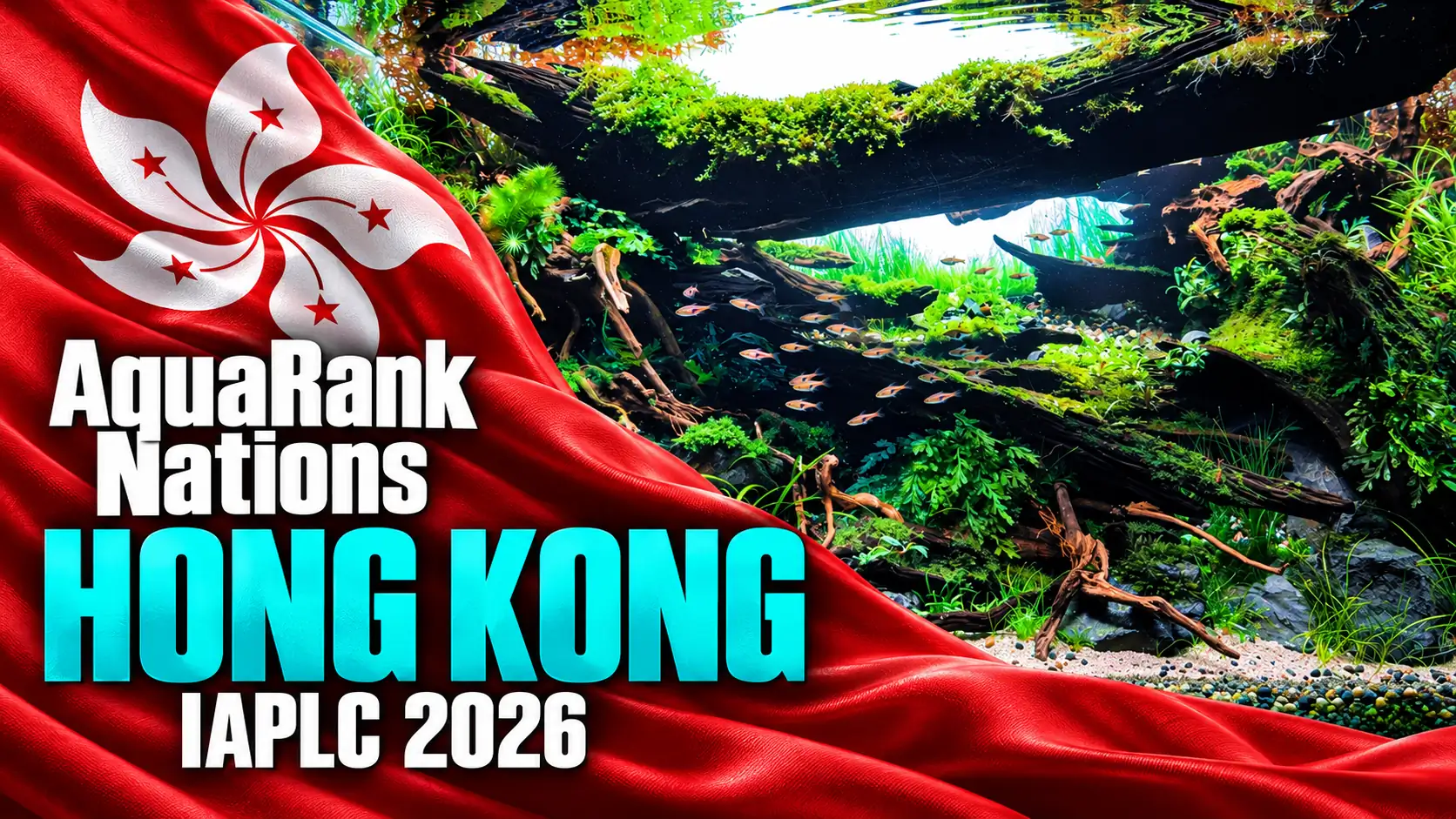
  • Analyse Hong Kong aquascapes at IAPLC 2026, then explore the country’s results, contributing creators and competition history on AquaRank Nations.

    Hong Kong at IAPLC 2026: Three Studies in Light, Layers and Visual Impact

    A low timber ceiling, blue-toned terraces and converging planted diagonals create three visibly different aquariums. Hong Kong’s represented works at ranks 1–300 offer a compact study of visual impact beyond the season’s leading awards. Looking at them closely is more informative than treating the cutoff count as a verdict on an entire aquascaping community.
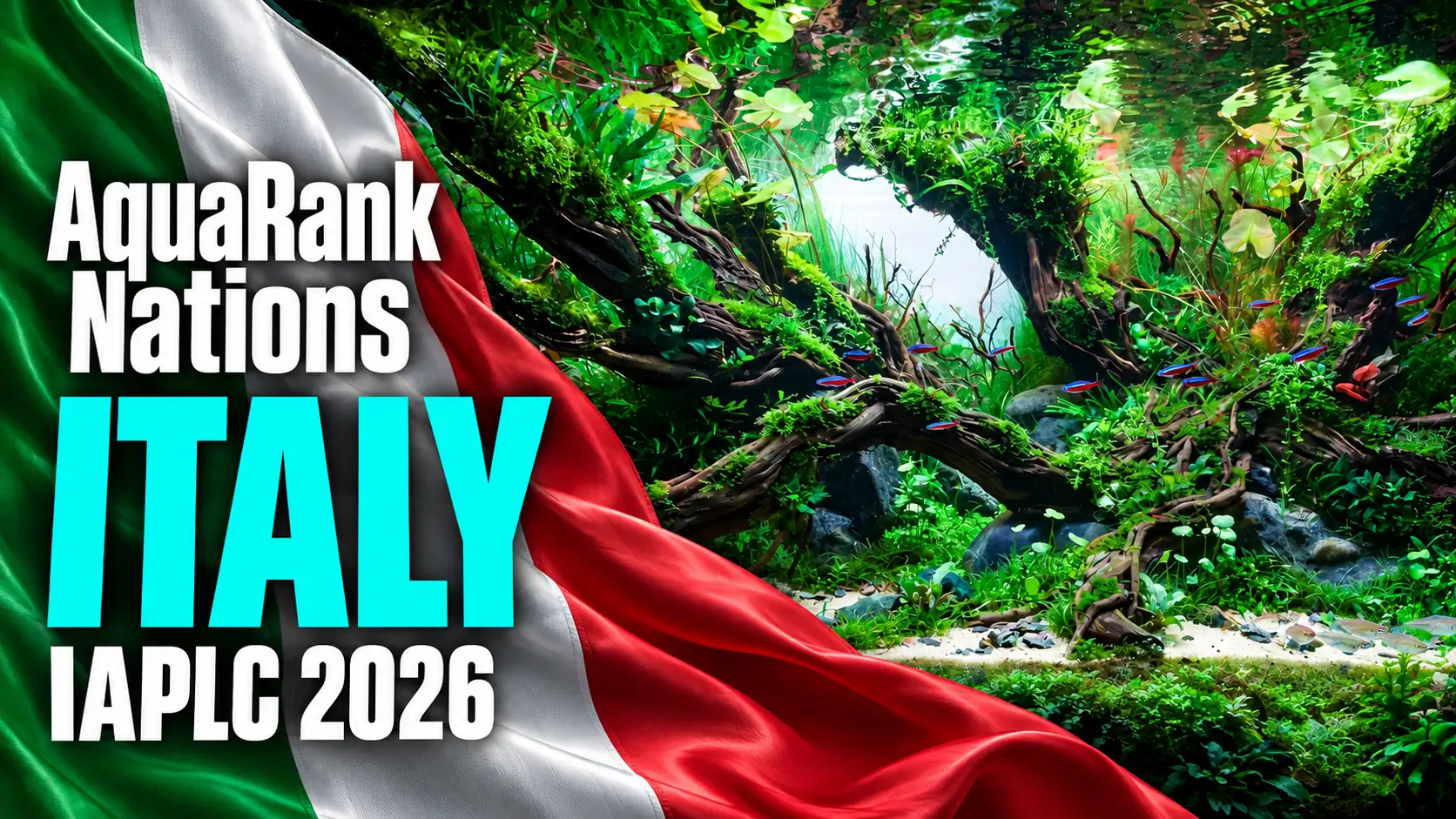
  • Analyse Italy aquascapes at IAPLC 2026, then explore the country’s results, contributing creators and competition history on AquaRank Nations.

    Italy at IAPLC 2026: Calm Routes and More Dramatic Planted Frames

    A clear route through planted banks can feel quiet; a coloured ridge beneath a dark frame can feel theatrical. The four Italian photographs selected for this study offer both experiences. Together, they make a useful contemporary comparison with an archive that once placed particular emphasis on calm, enduring-looking compositions.
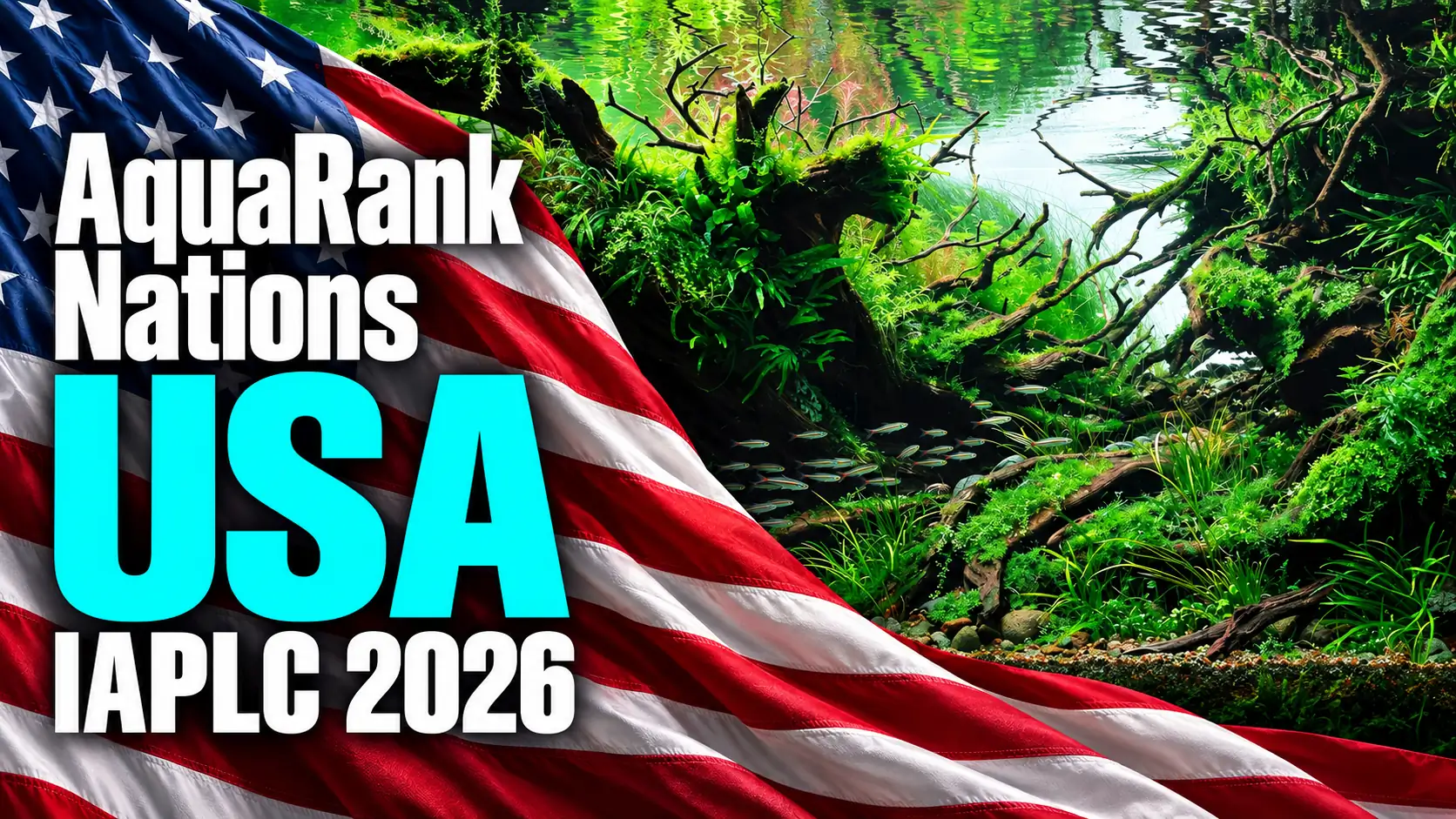
  •  Analyse United States aquascapes at IAPLC 2026, then explore the country’s results, contributing creators and competition history on AquaRank Nations.

    United States at IAPLC 2026: Four Distinct Readings of a Wooded Aquarium

    The four American photographs selected here all contain important wood structures, yet they do not produce one uniform wooded scene. A broad canopy, a low diagonal, a fine-leaved light window and an exposed timber subject organise attention differently. That variation lets us discuss design diversity through specific decisions rather than a broad national label.
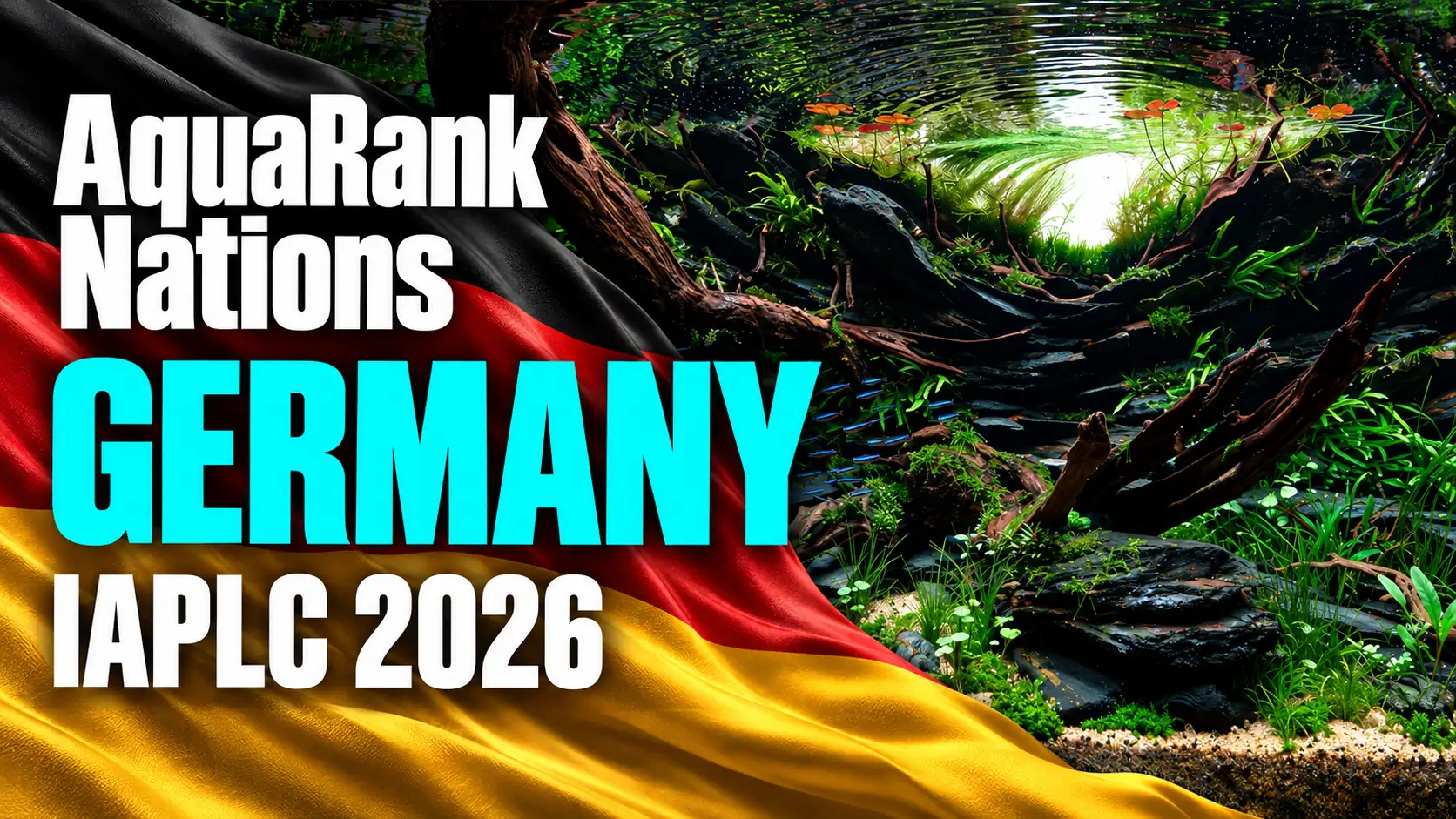
  • Analyse Germany aquascapes at IAPLC 2026, then explore the country’s results, contributing creators and competition history on AquaRank Nations.

    Germany at IAPLC 2026: Four Ways to Balance Hardscape and Open Water

    A dark wooded frame, a rocky valley, a brighter mixed scene and green-covered root contours make this German selection particularly useful for comparison. The photographs share an interest in separating materials from the water around them, but achieve it through different outlines and lighting relationships.
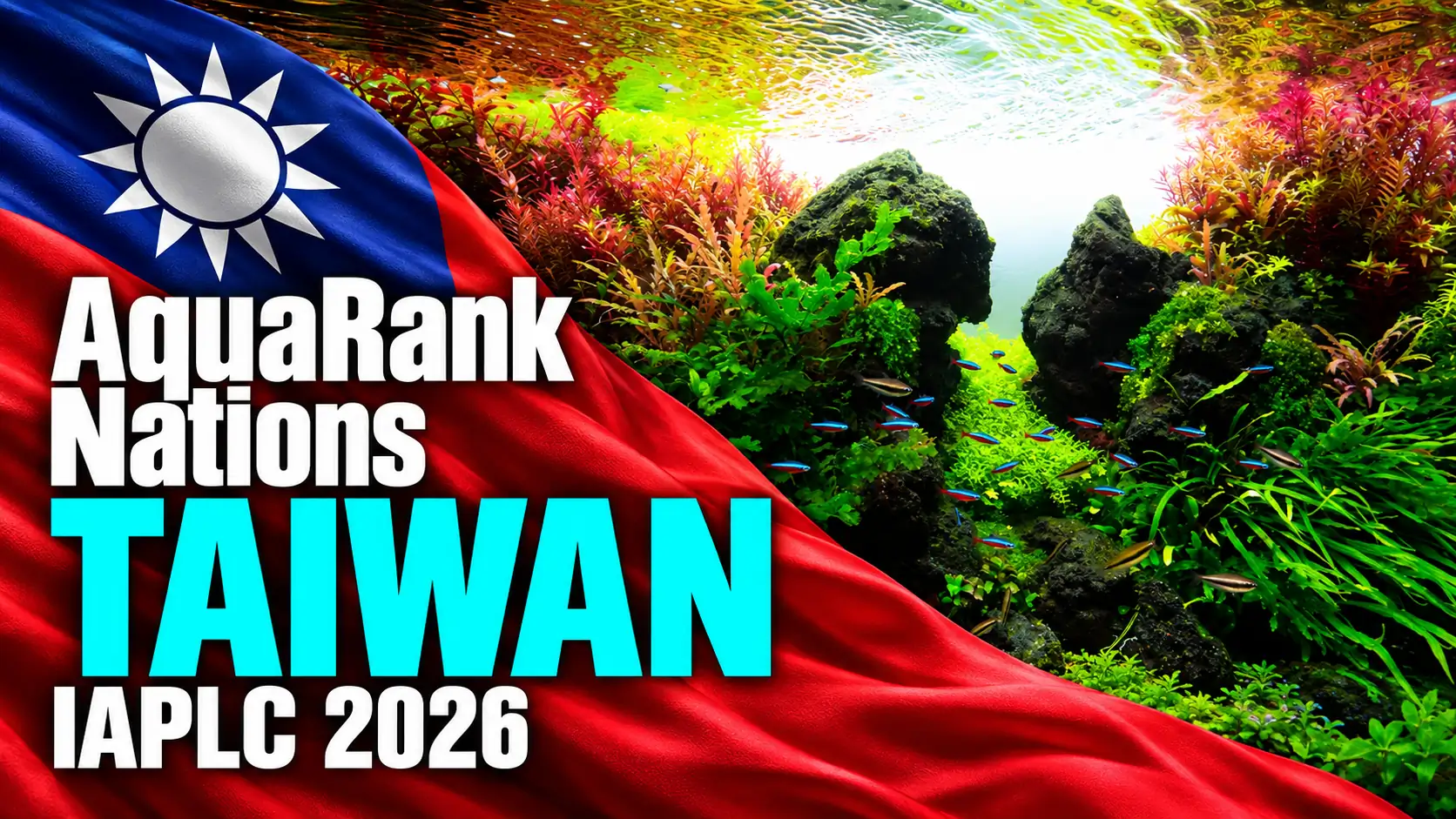
  • Analyse Taiwan aquascapes at IAPLC 2026, then explore the country’s results, contributing creators and competition history on AquaRank Nations.

    Taiwan at IAPLC 2026: Planted Contours and Changing Routes into Depth

    Dense foliage, planted wood ridges and a low central route create different senses of distance in this four-work selection. The photographs are particularly rewarding when viewed through changes in leaf shape and planting height. They offer a present-season comparison with an archive that once described both graceful composition and more contemporary experimentation.
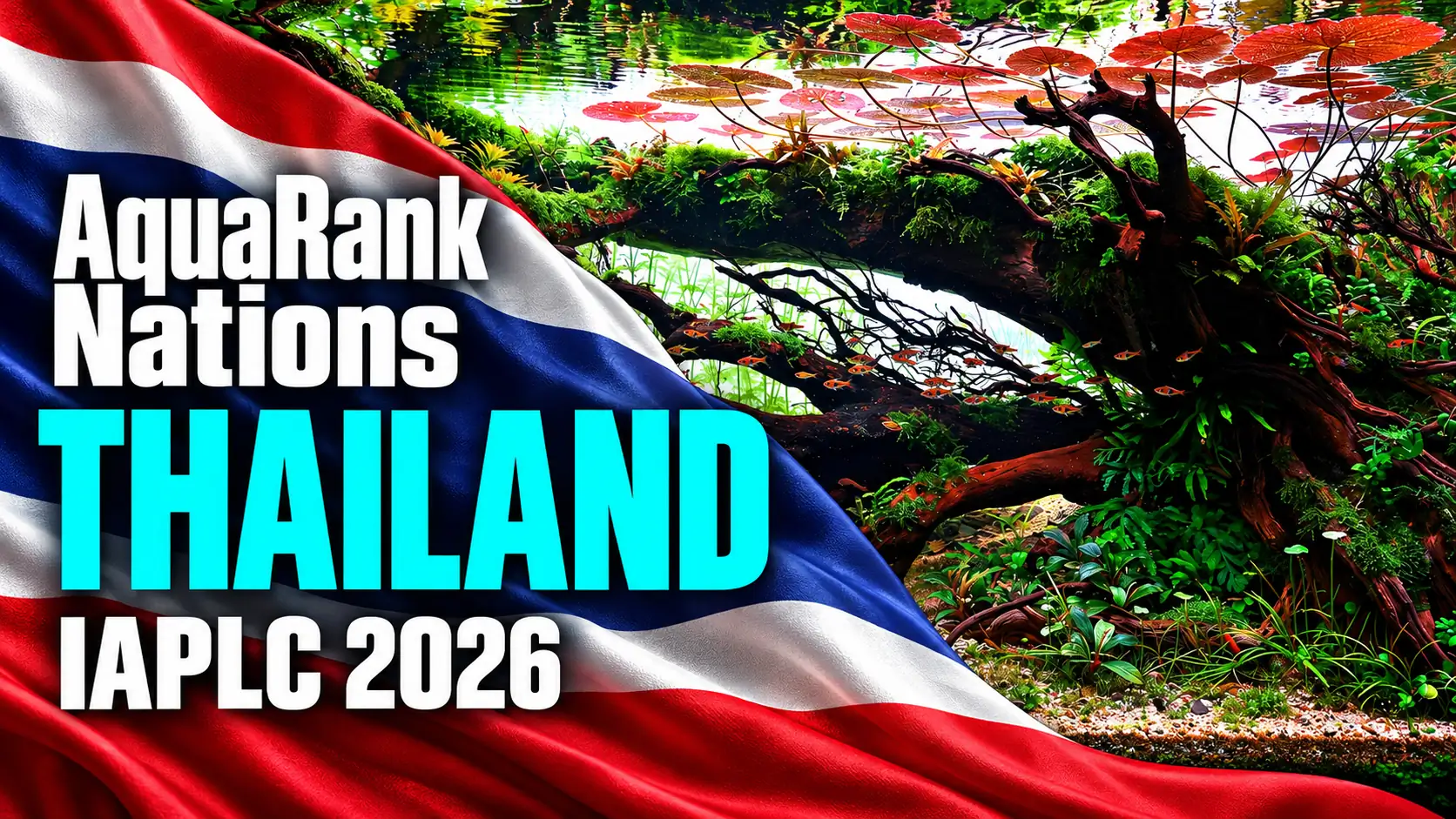
  •  Analyse Thailand aquascapes at IAPLC 2026, then explore the country’s results, contributing creators and competition history on AquaRank Nations.

    Thailand at IAPLC 2026: Surface Colour, Green Arches and Open Rockwork

    Three Thai aquariums in the published Top 300 present contrasting visual priorities. MAGIC LEAVES makes the water surface a signature; another work carries a route beneath planted arches; a third exposes rock peaks against rounded greenery. This small group gives a useful reason to look beyond the first shared award photograph.
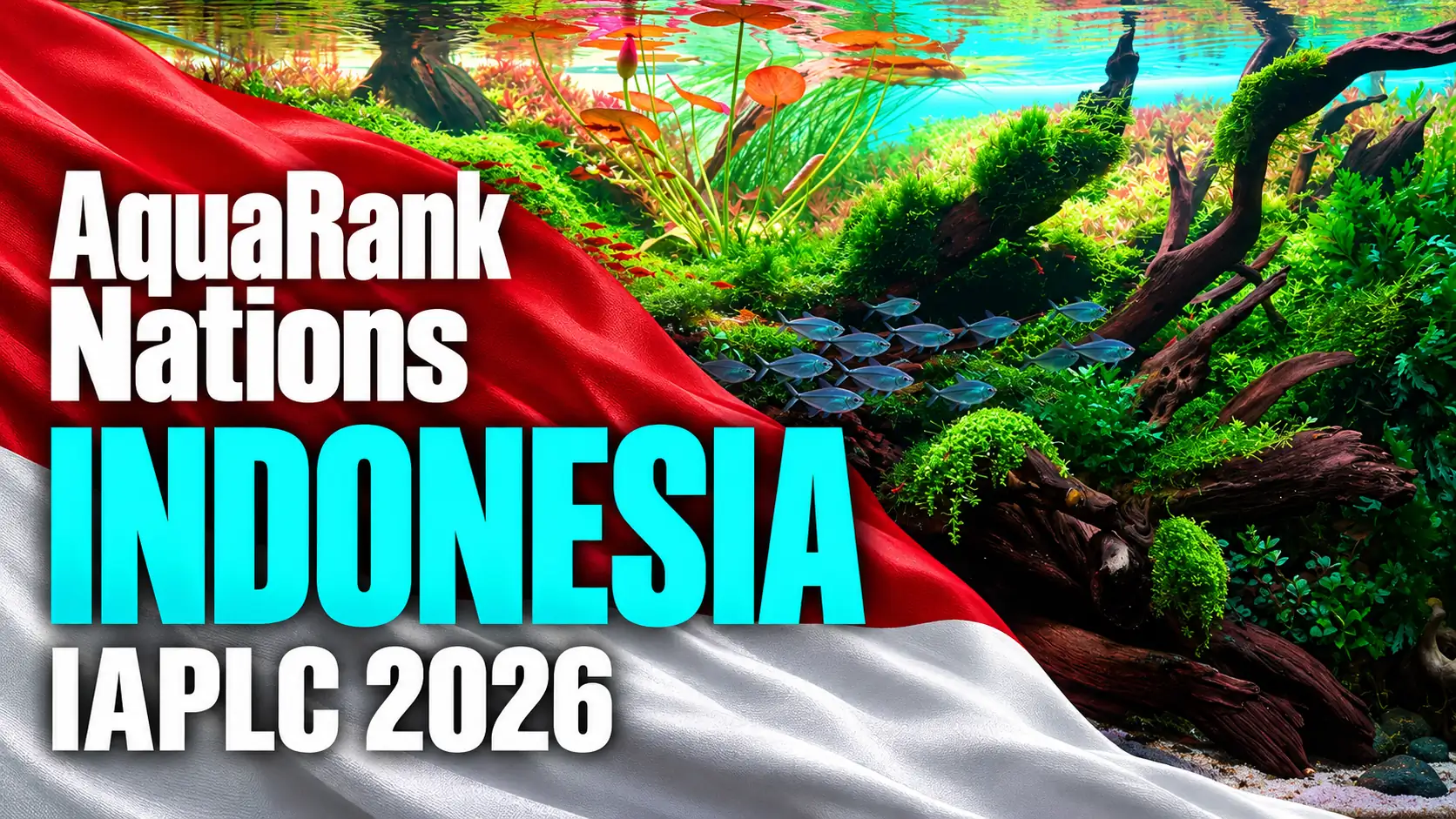
  • Analyse Indonesia aquascapes at IAPLC 2026, then explore the country’s results, contributing creators and competition history on AquaRank Nations.

    Indonesia at IAPLC 2026: Forest Craft Through Four Different Frames

    The four Indonesian works published at ranks 1–300 offer a compact comparison. A coloured surface canopy, a dominant trunk, a dense grove and a wood-and-rock opening all reward close attention. The small group makes it possible to examine every represented work in this range, while keeping the conclusions specific to this season and cutoff.
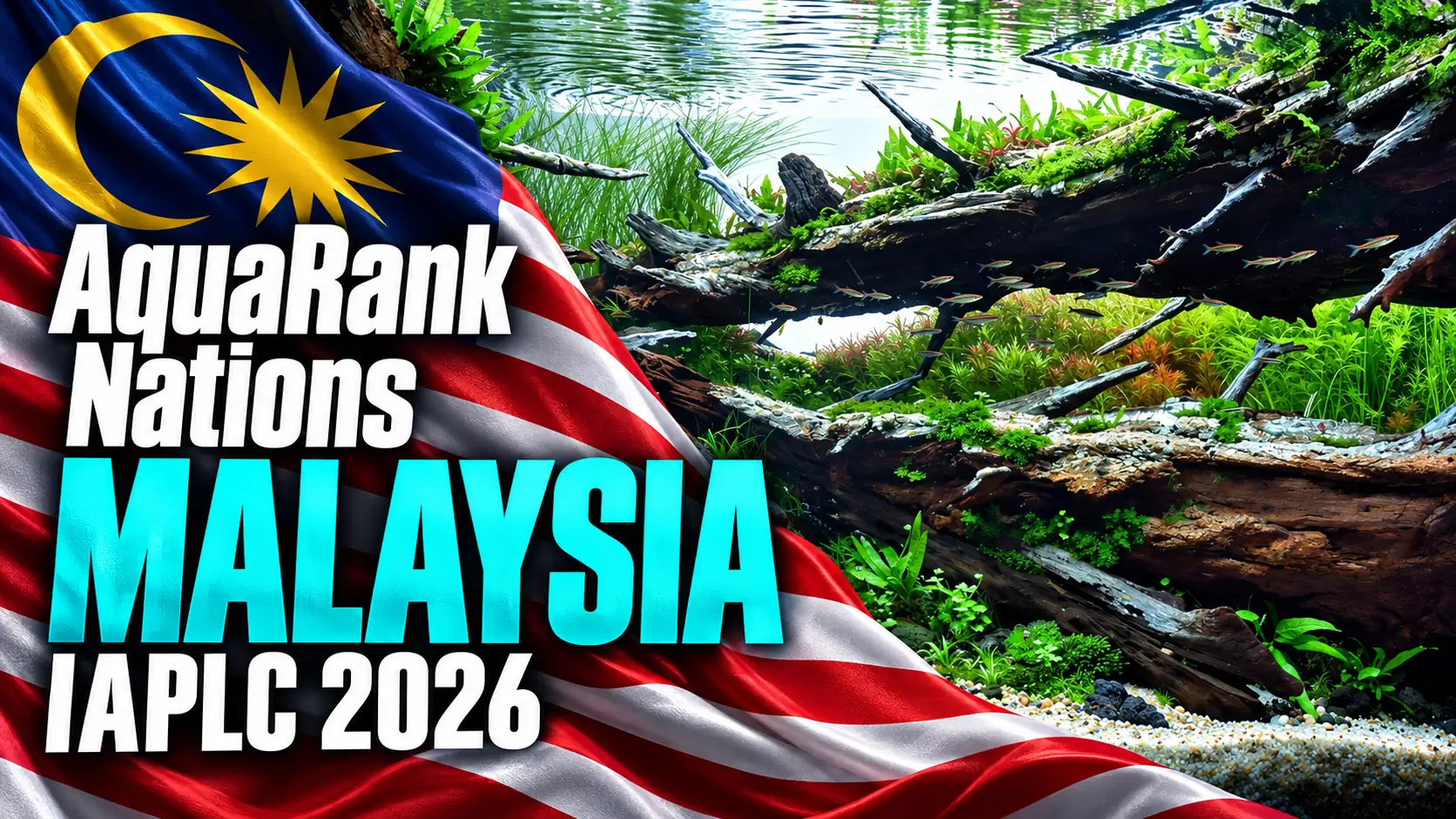
  • Analyse Malaysia aquascapes at IAPLC 2026, then explore the country’s results, contributing creators and competition history on AquaRank Nations.

    Malaysia at IAPLC 2026: Wood, Plant Texture and the Visual Role of Fish

    A bright gap between broad wood layers, a fine-leaved canopy and a conspicuous individual fish offer three different entrances to this Malaysian selection. The photographs invite attention to the space inhabited by fish as well as the hardscape around it. They also show why a creator’s reputation and a new aquarium’s visual decisions should be discussed separately.