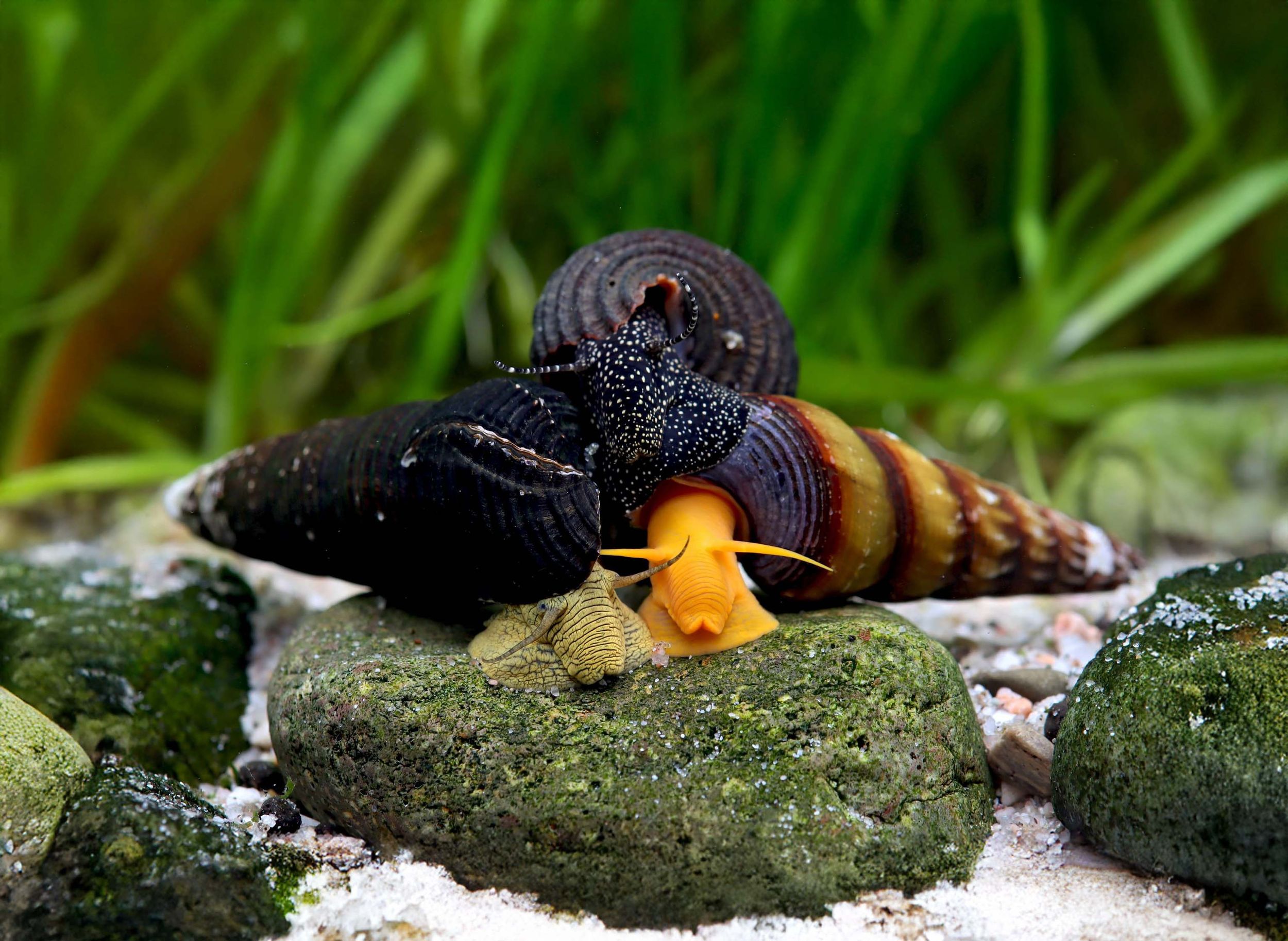
Taxonomy and Origin
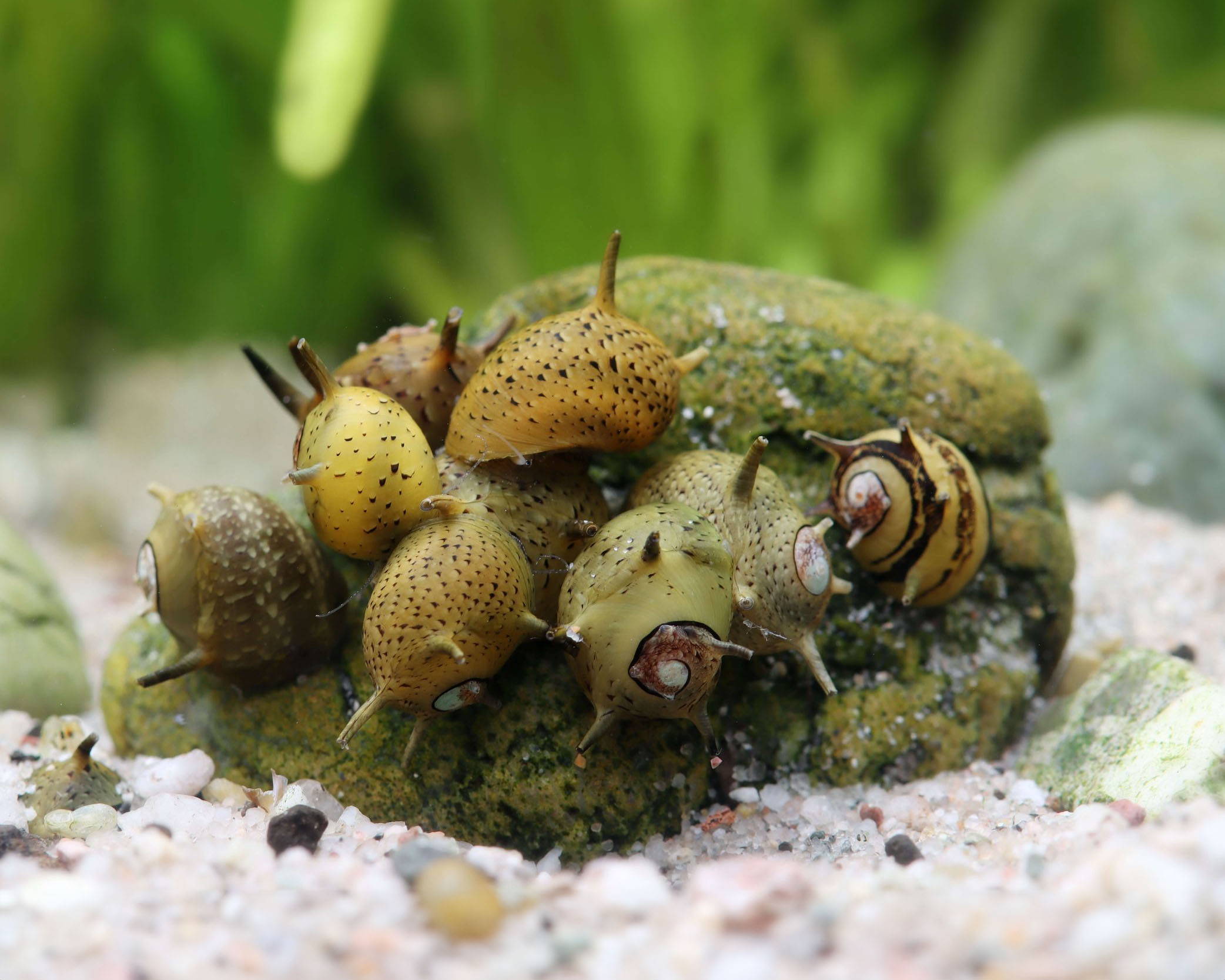
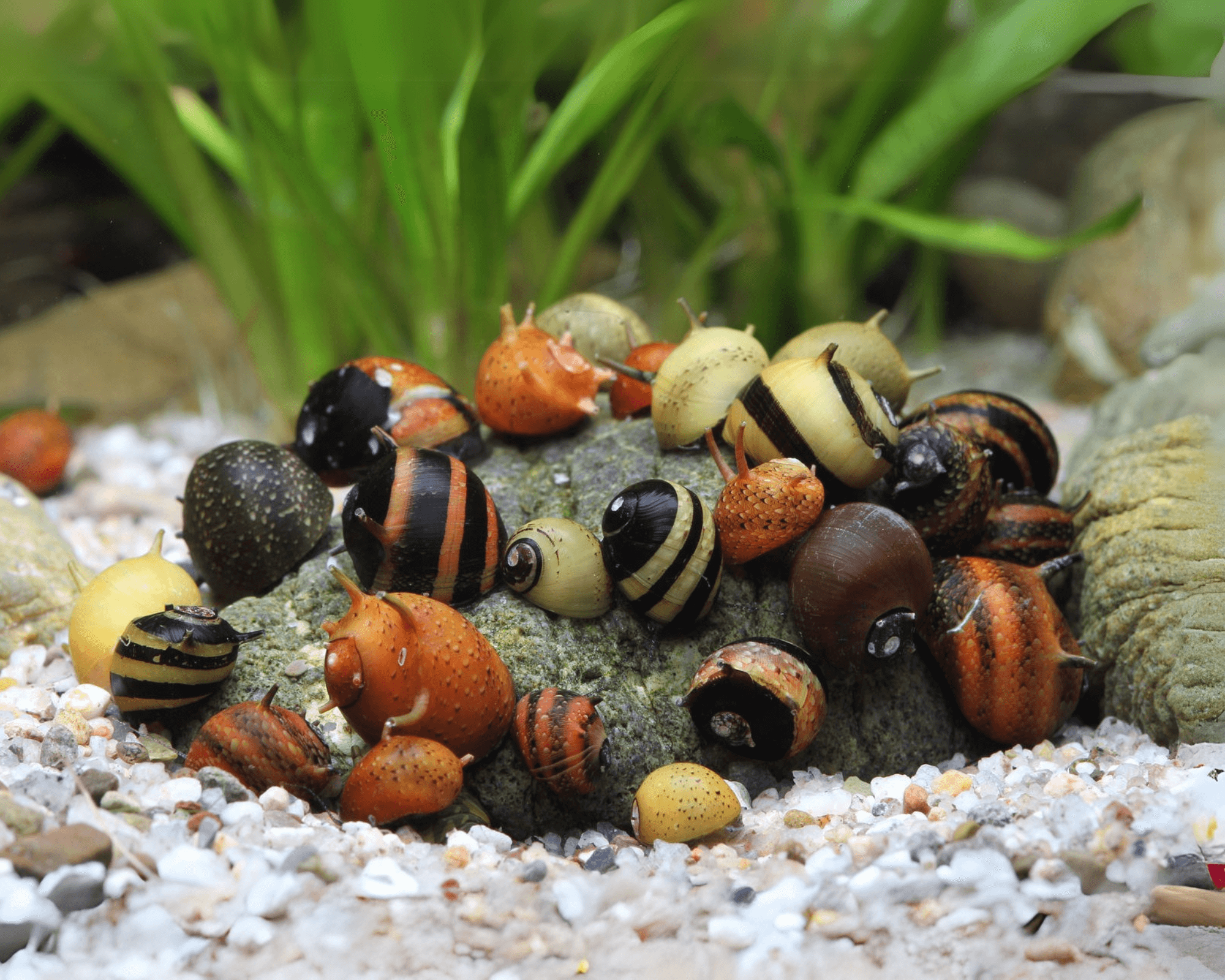
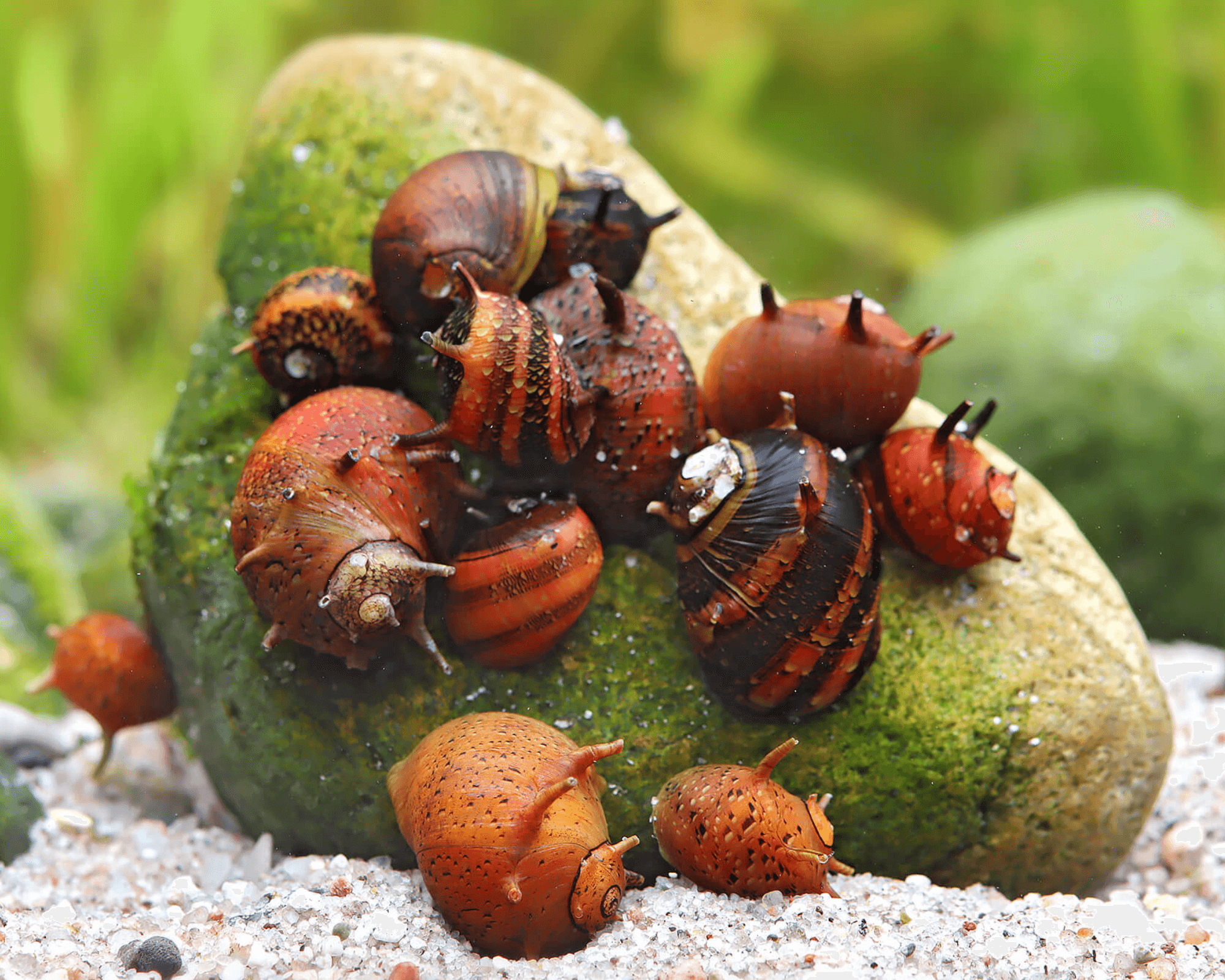
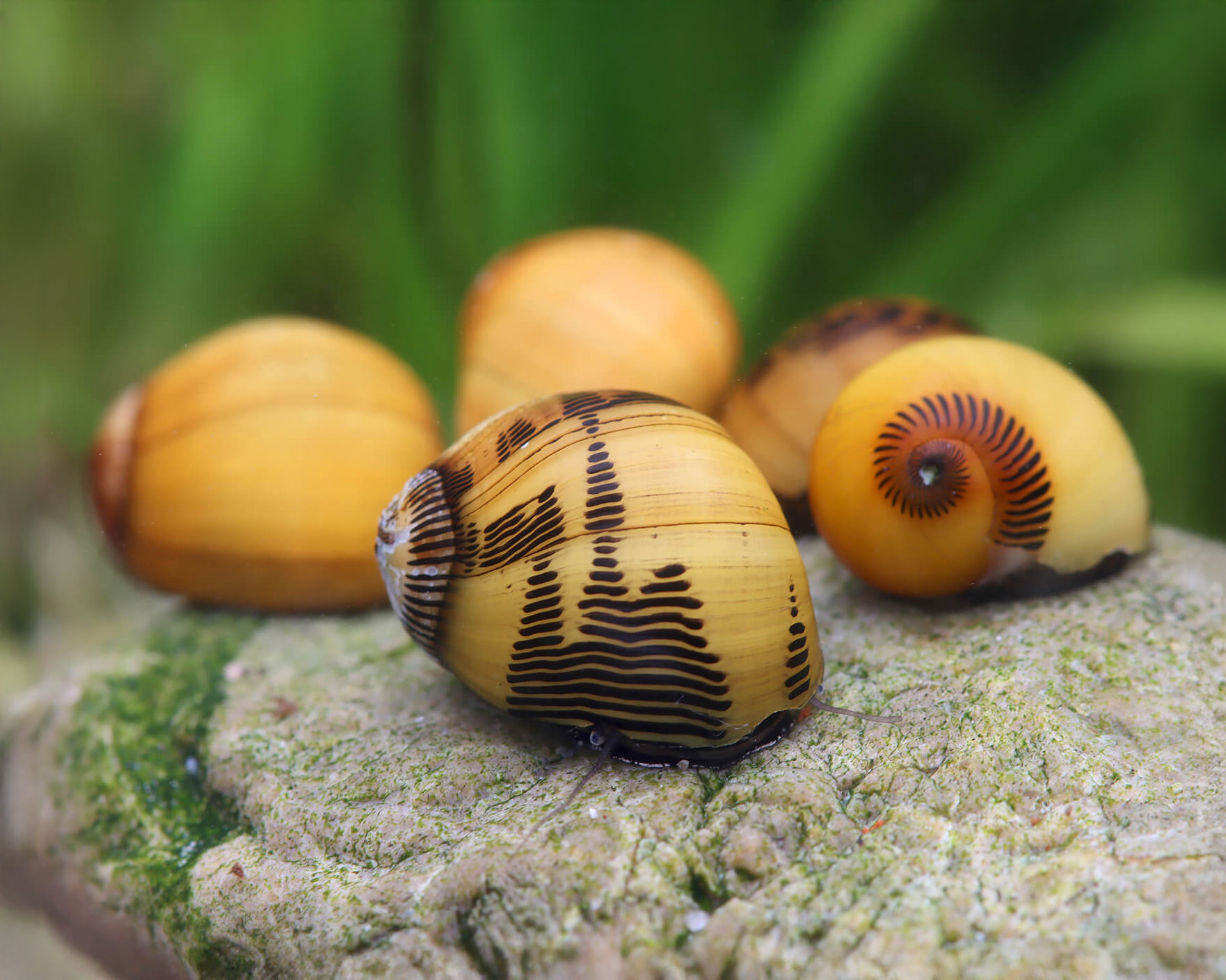
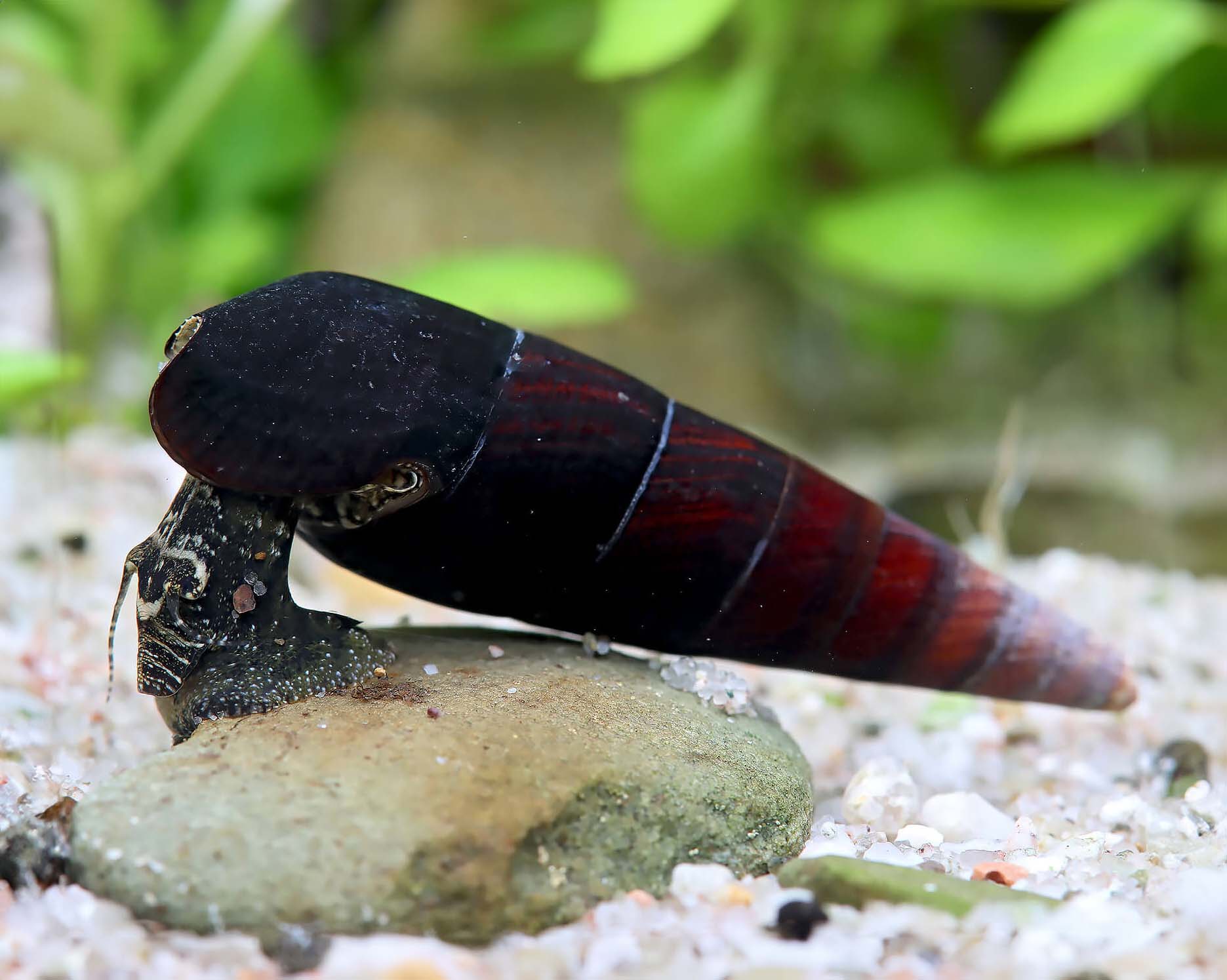
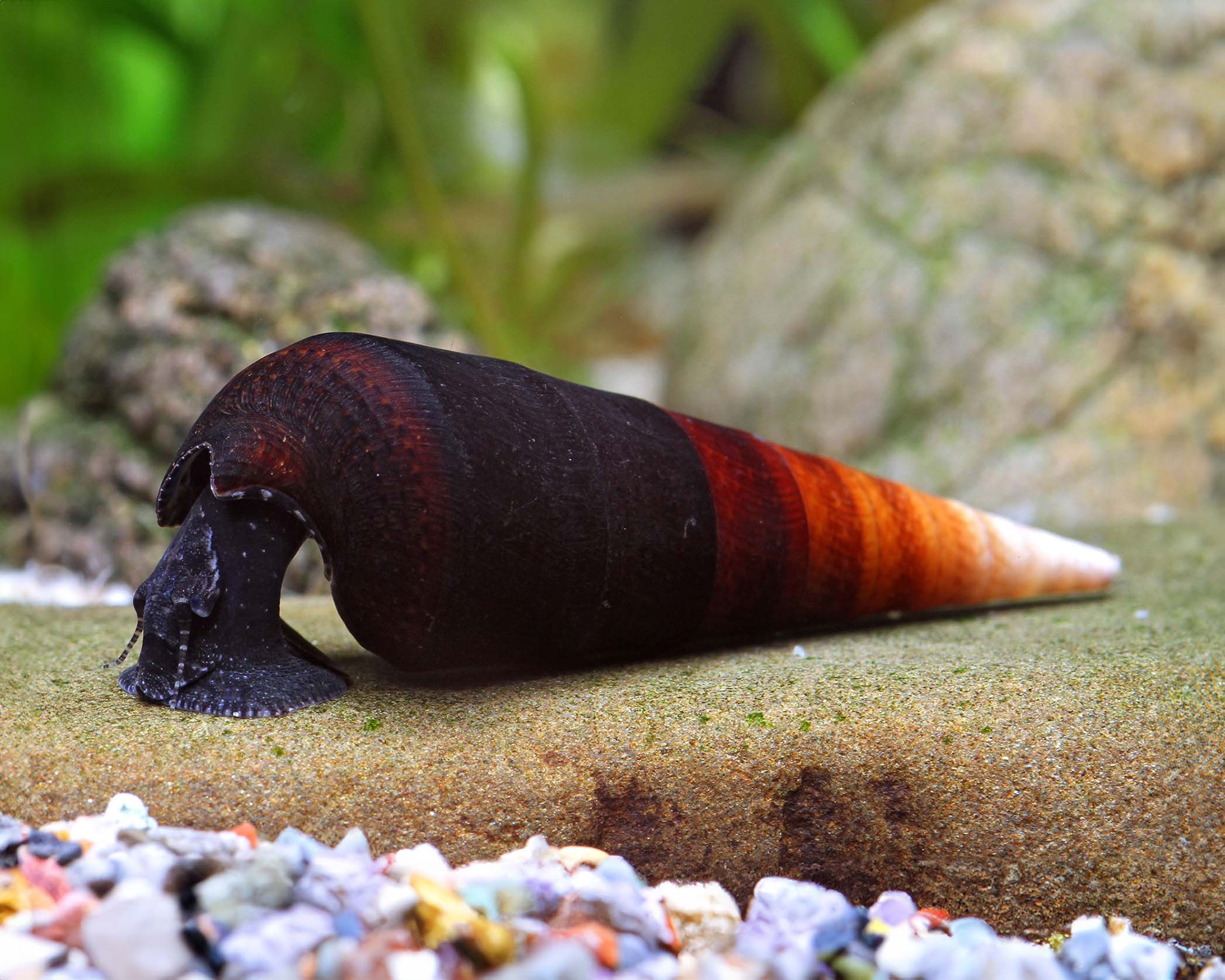
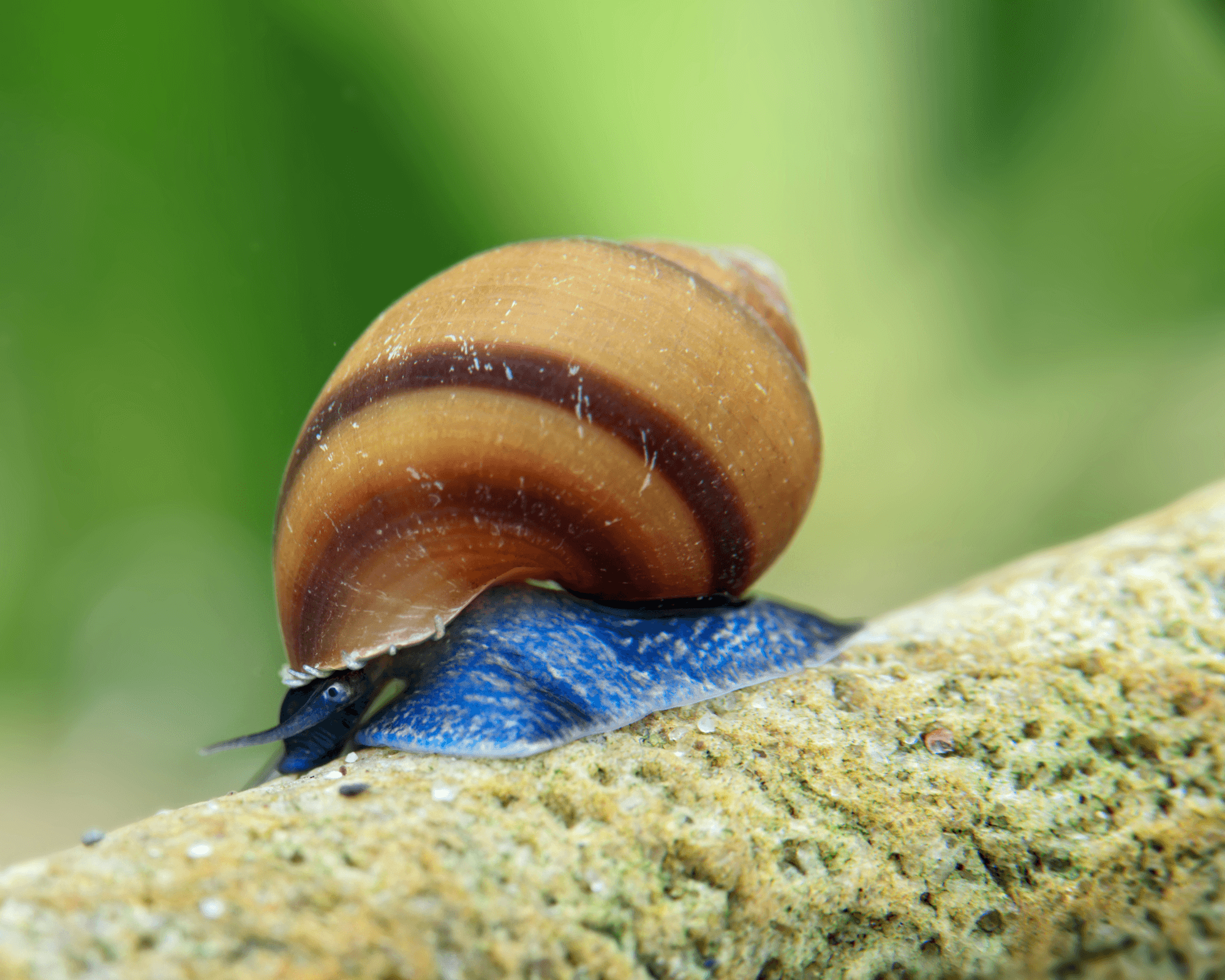
These snails belong to the Pachychilidae family and originate from the ancient lake systems of Sulawesi, Indonesia. They are characterized by their tower-shaped shells and distinct, often brightly colored bodies. Because many species share similar morphological traits and occupy overlapping habitats, distinguishing between specific Tylomelania species is difficult without expert analysis.

Habitat and Environment
They require a stable, warm environment that mimics their native, alkaline lake waters. A sandy substrate is essential, as they enjoy burrowing. They are sensitive to fluctuations in water quality and require well-oxygenated water with a moderate current. Hard water is necessary to maintain their shell integrity and prevent erosion over time.

Diet and Feeding
Tylomelania are primarily detritivores and opportunistic scavengers. In the aquarium, they readily accept high-quality sinking pellets, blanched vegetables like zucchini or spinach, and organic debris. Providing a varied diet is crucial for their health. While they may graze on biofilm, they should not be relied upon as the sole cleaner for algae.
Plant Safety and Behavior
These snails are generally considered plant-safe, though they may occasionally nibble on soft or decaying plant tissue if they are not receiving sufficient supplementary food. They are peaceful inhabitants that do not bother fish. They are most active during the day, making them excellent display animals in a community aquarium.
Reproduction and Population Control
Tylomelania are gonochoristic, meaning they have distinct sexes, and they are livebearers. Females produce a single, fully developed offspring encased in a protective egg sac. Because the reproductive rate is very slow compared to other common aquarium snails, they are unlikely to become a pest, and population control is rarely necessary.
 - 1.webp)

 DNZ - 1.webp)

Leave your comments