Taxonomy and identification
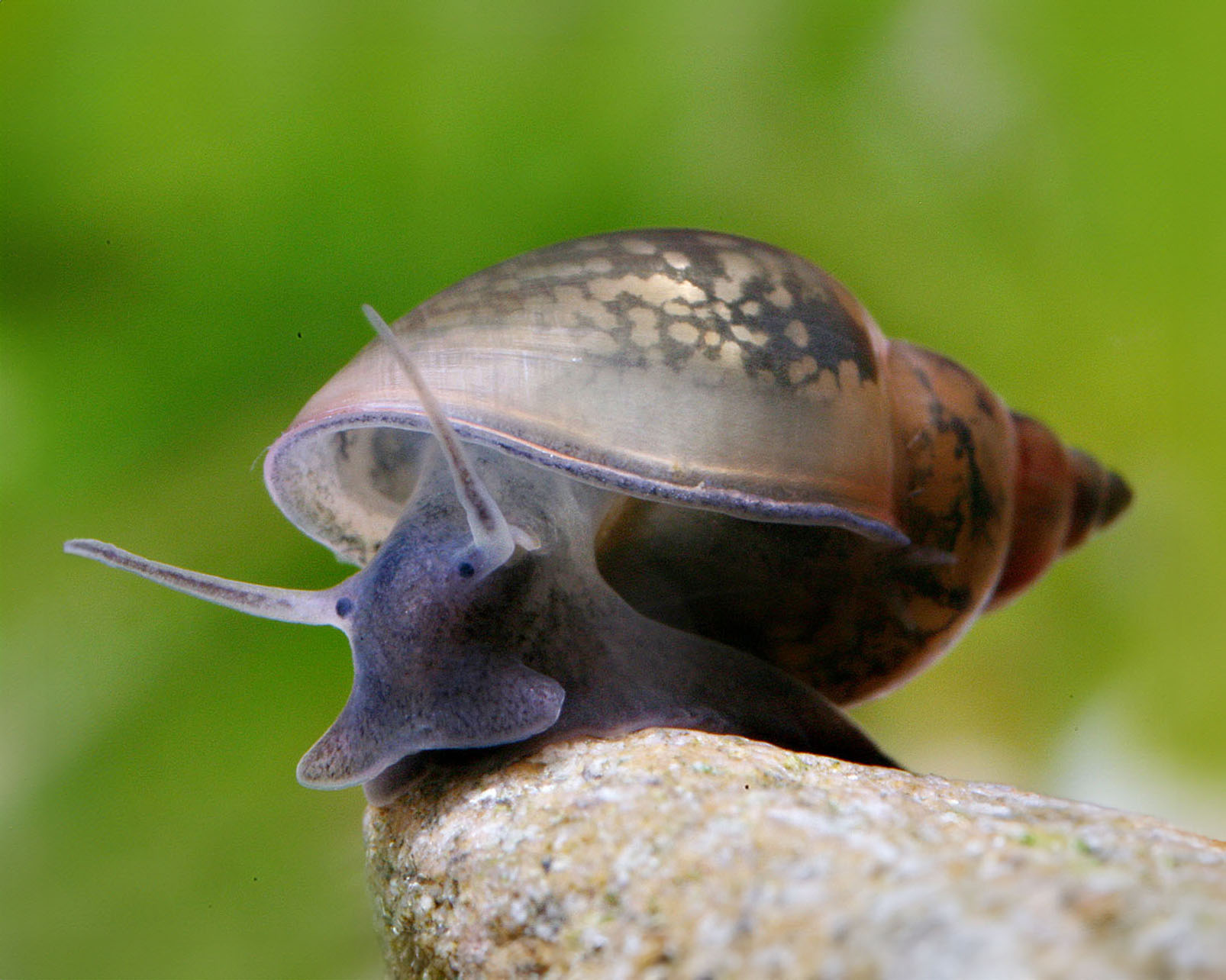
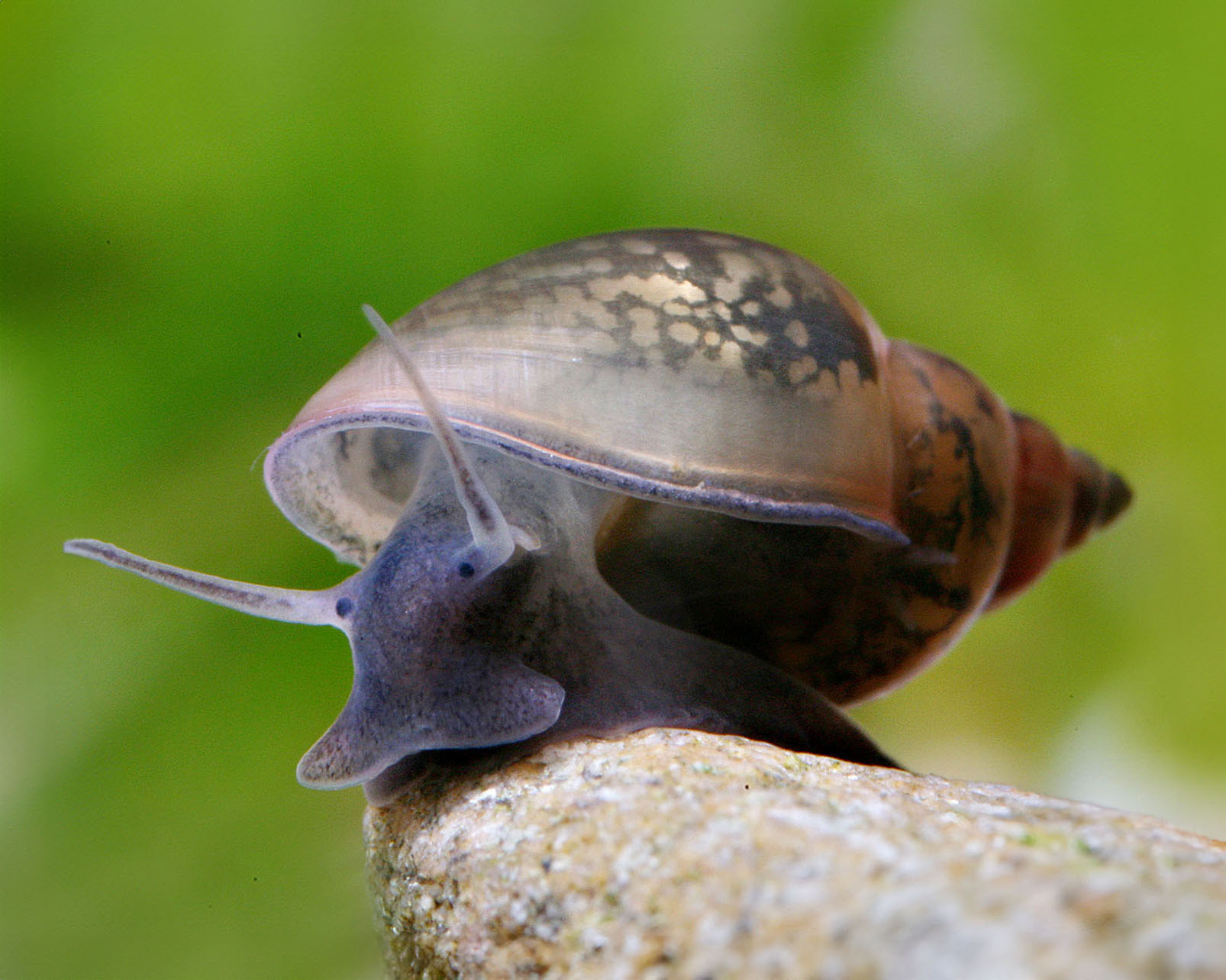
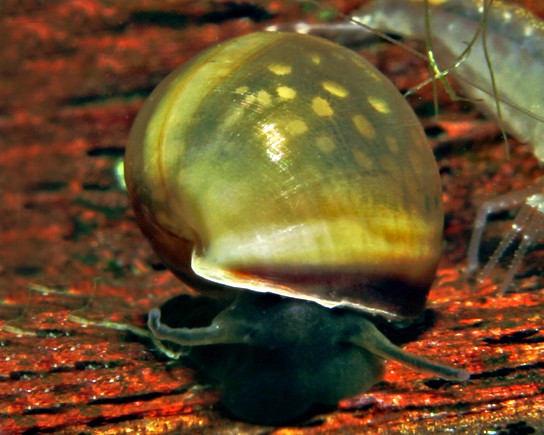
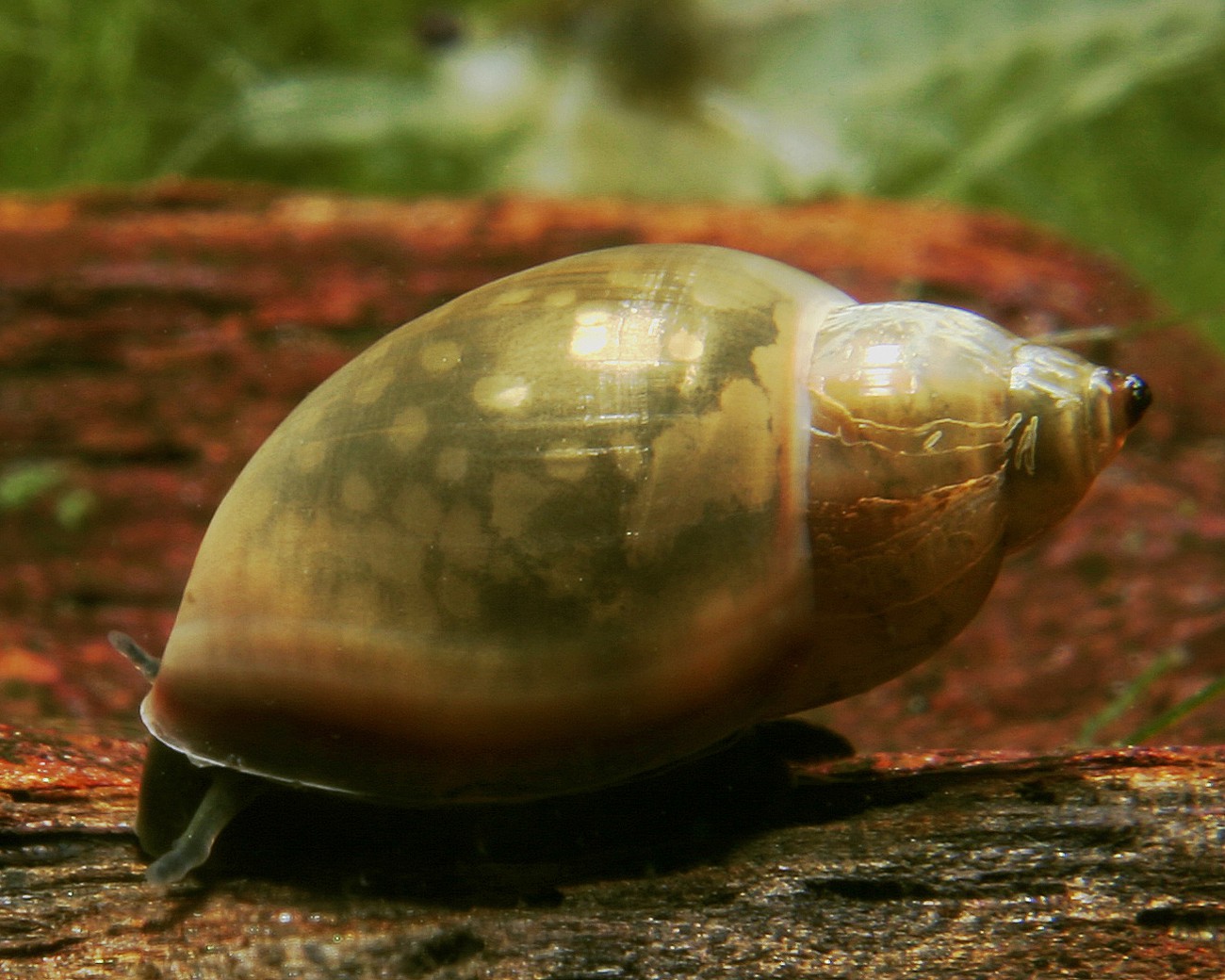
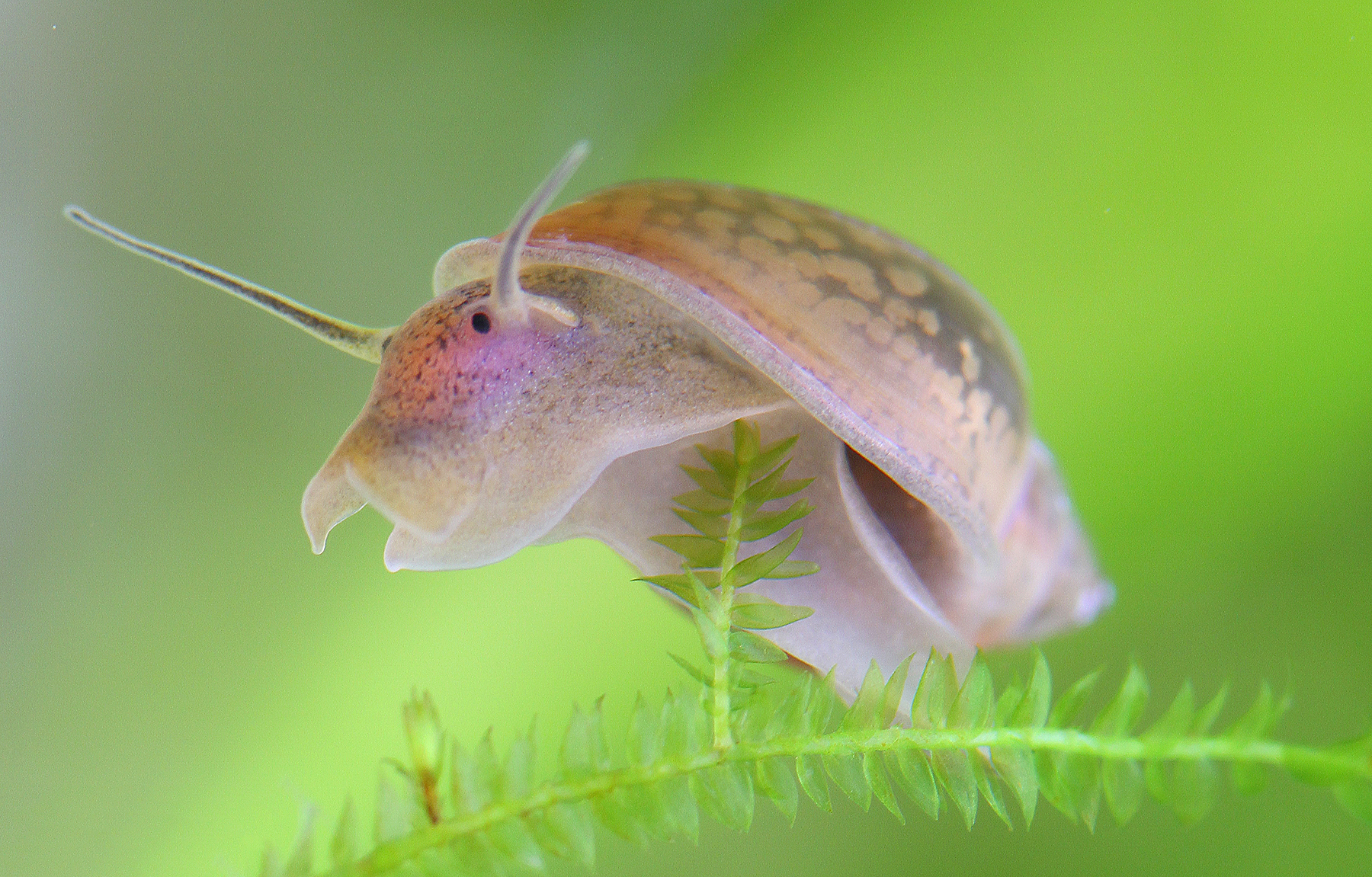
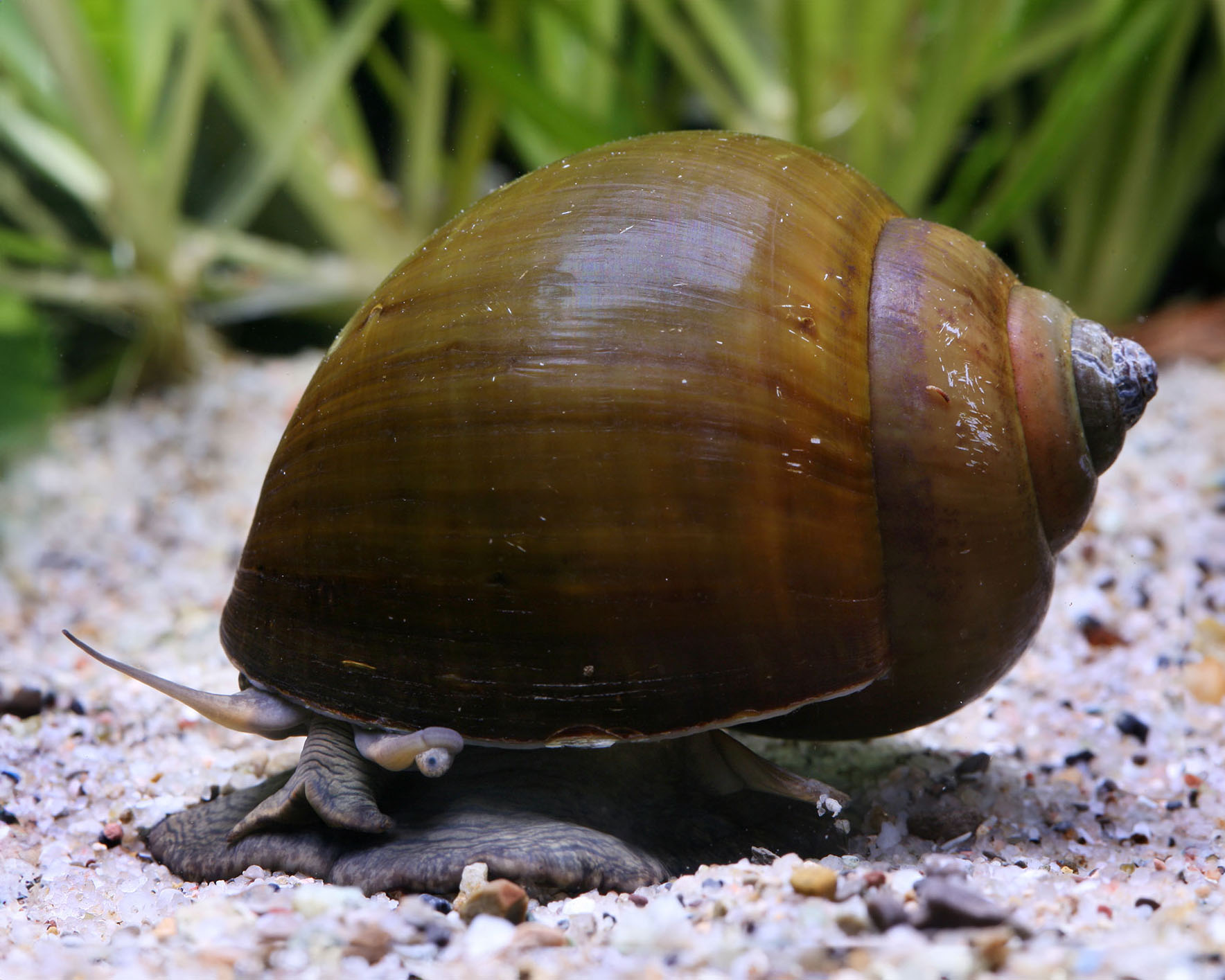
Physa is a genus of freshwater snails in the family Physidae. “Bubble snail” is an aquarium common name and does not establish a precise species identification. Physa-type snails typically have a smooth, thin, left-coiling shell, a relatively pointed spire and a broad foot. Similar pond and bladder snails can be confused with them, so species-level identification should not be inferred from photographs alone.
Natural habitat
Physa species occur in freshwater habitats such as ponds, ditches, wetlands, slow-moving edges and planted waters. They tolerate changing conditions and often reach aquariums on plants, décor or equipment. In tanks they use glass, leaves, substrate and hardscape, including surfaces carrying algae or biofilm.
Water parameters and aquarium care
Use stable, clean, oxygenated freshwater and avoid sudden changes. A temperature of 18–28 °C and pH of 6.5–8.0 are reasonable general targets for Physa-type snails. Moderate mineral content and available calcium support shell maintenance; very soft or acidic water can cause shell erosion. Ammonia and nitrite should remain undetectable, and copper-based medications should be avoided because copper is toxic to snails.
Feeding
Bubble snails browse algae, bacterial biofilm, uneaten fish food, decaying plant matter and other organic deposits. They are useful scavengers but do not replace routine maintenance or reliably control established algae. In a clean, lightly stocked aquarium they may need occasional supplemental food, such as a small amount of algae wafer or blanched vegetable. Remove uneaten food to prevent unnecessary population growth.
Plant safety
Physa snails generally graze the film on plant surfaces rather than healthy plant tissue. They are normally safe with established live plants, although they may consume softened, damaged or decomposing leaves. Large numbers can indicate excess food or decaying material rather than an attack on vigorous plants. Inspect new plants because egg clutches or small snails may be attached.
Reproduction
Physa snails are simultaneous hermaphrodites and can reproduce readily when food is abundant; a single introduced snail may potentially produce offspring after mating or, depending on the species and circumstances, through self-fertilisation. They deposit transparent gelatinous egg capsules containing multiple developing embryos on glass, leaves, décor and other submerged surfaces. Young snails hatch as miniature versions of adults, so population increases can be rapid.
Population control
Control begins with reducing excess food, removing decaying leaves, vacuuming accumulated waste and avoiding overfeeding fish. Manually remove visible snails and scrape egg capsules during maintenance. A vegetable bait or commercial snail trap can collect individuals for relocation or humane disposal. Quarantine and inspect new plants to prevent introduction. Do not release aquarium snails outdoors, and avoid chemical treatments unless their risks to fish, shrimp, plants and biological filtration are fully understood.
 - Neritpteron taitense - 1.webp)
 - 1.webp)
Leave your comments