The first distinction: eating waste is not exporting waste
When a snail grazes algae or eats a fragment of decaying leaf, it removes that material from the glass, hardscape, or substrate. It then digests part of it and releases waste back into the aquarium. That makes the tank look tidier and can speed decomposition, but it does not make nutrients disappear. A snail is better understood as a processor and recycler than as a permanent waste-removal system. This distinction matters in planted tanks because a snail may reduce visible film while the aquarium still needs plant growth, sensible feeding, filtration, and water changes to control dissolved nutrients. Nerite-type algae grazers are useful precisely because they focus on surfaces without normally damaging healthy plants.
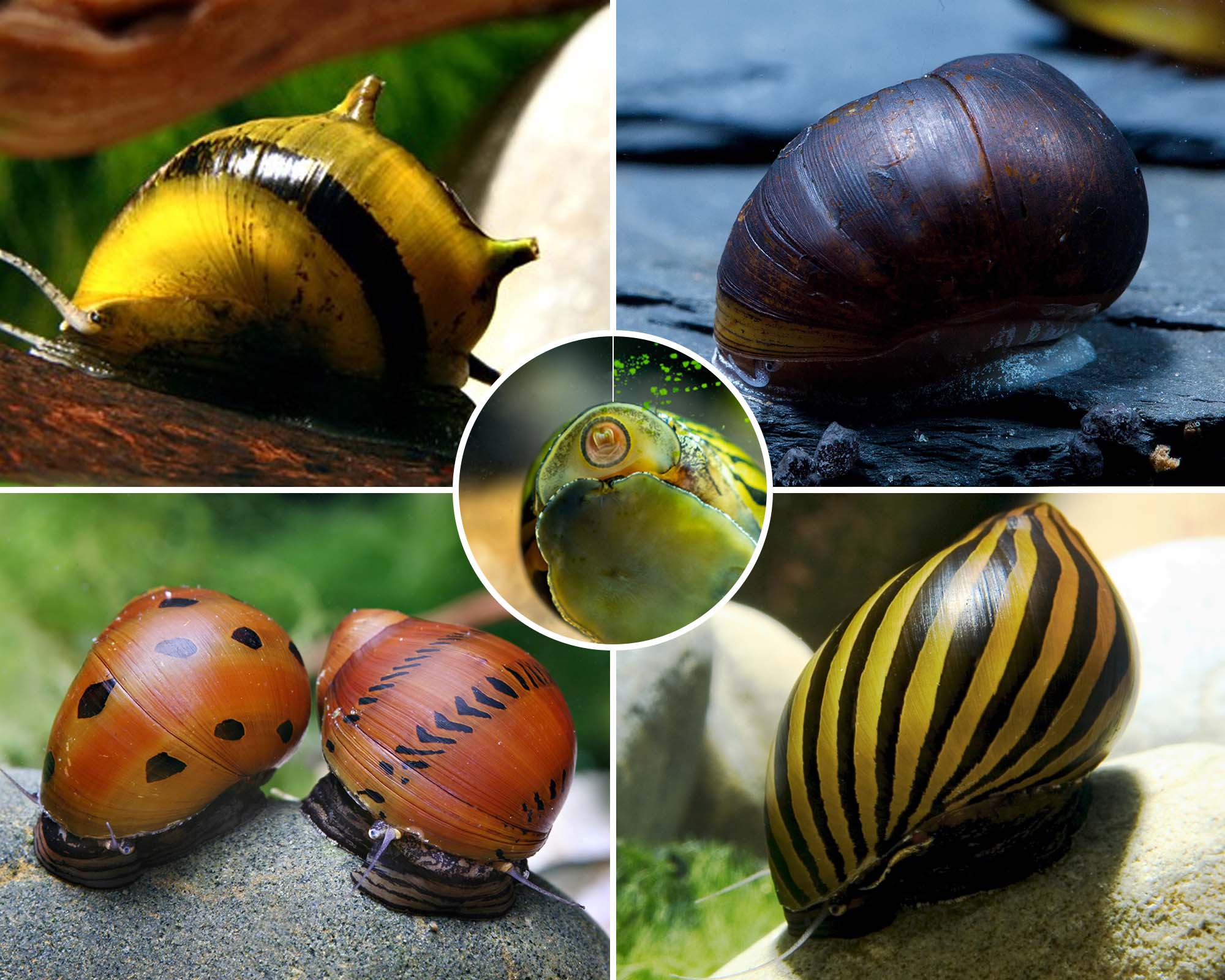
Choose a snail by the material you want removed
Different snails specialize in different cleanup jobs. Surface grazers are most useful for soft films, diatoms, and some green growth on glass, rocks, and broad leaves. Ramshorns and bladder snails also pick through uneaten food, biofilm, and dying plant tissue. Burrowing trumpet snails contribute more to substrate activity than to glass cleaning. Large apple-snail relatives or unidentified plant-eating species deserve extra caution in a planted aquascape. Before buying, name the actual problem: hard green spots, brown dust, leftover food, decaying leaves, or compacted substrate. The right snail is the one whose feeding behavior matches that material, not simply the one marketed as an algae eater.
Nerites are surface specialists, not tank janitors
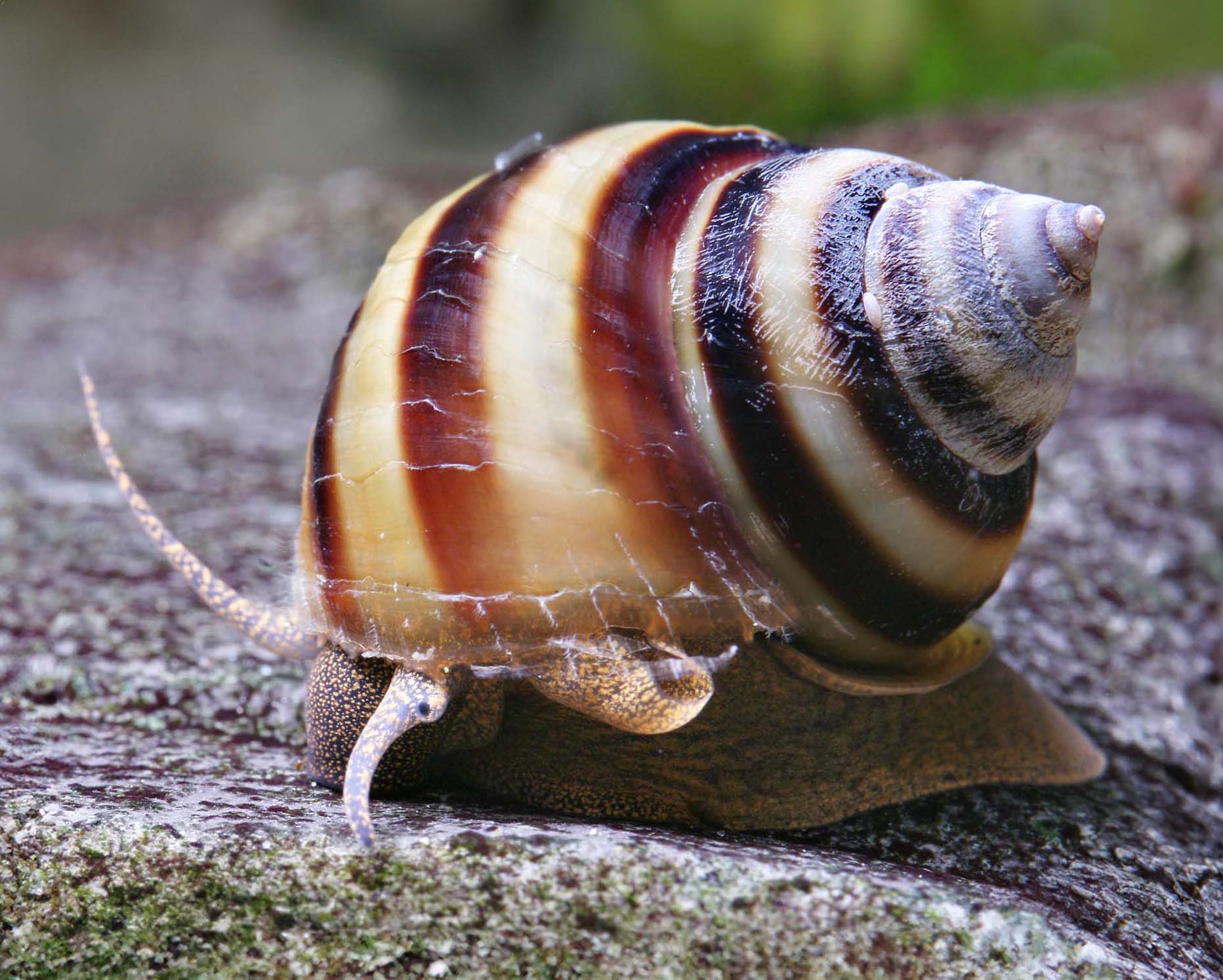
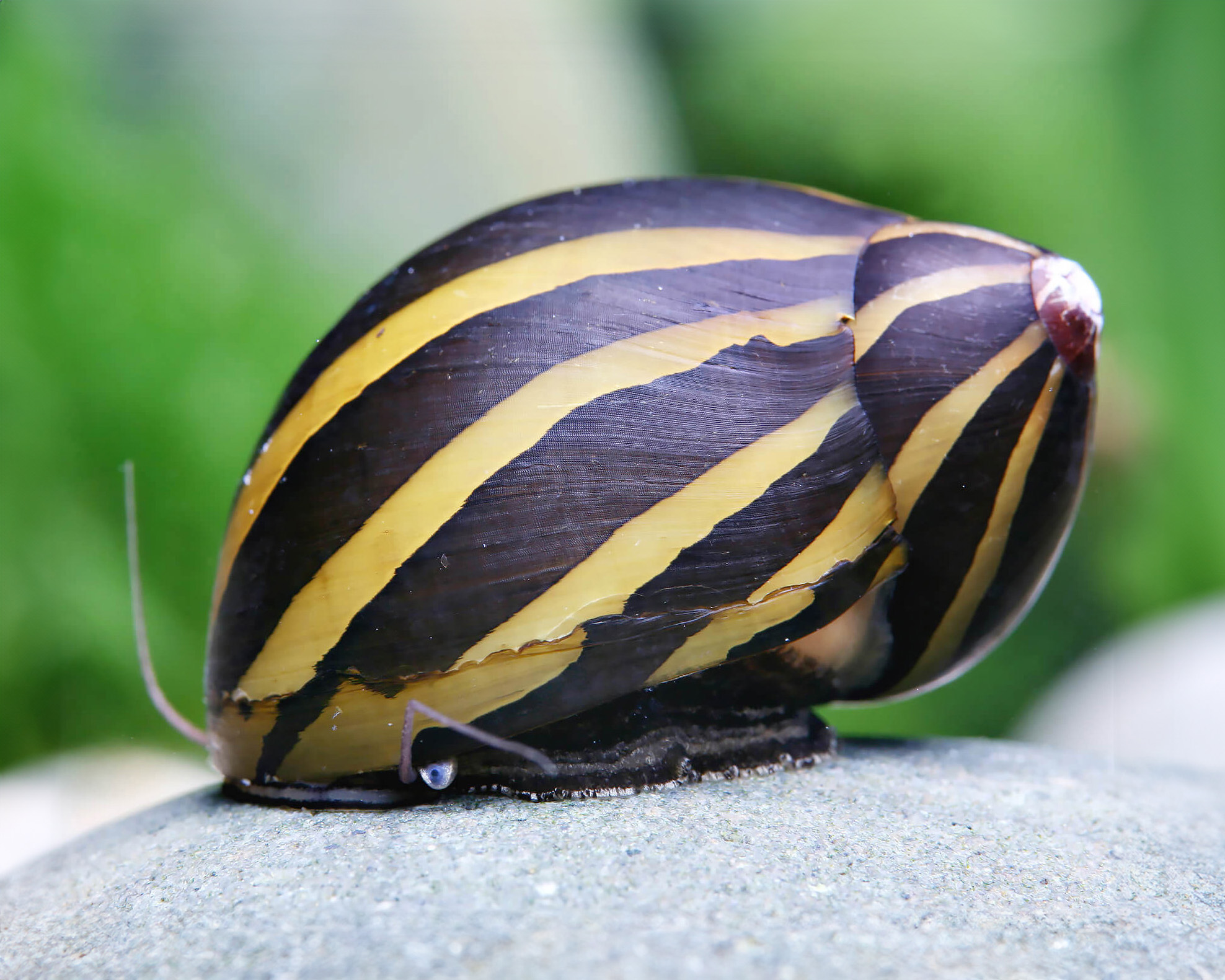
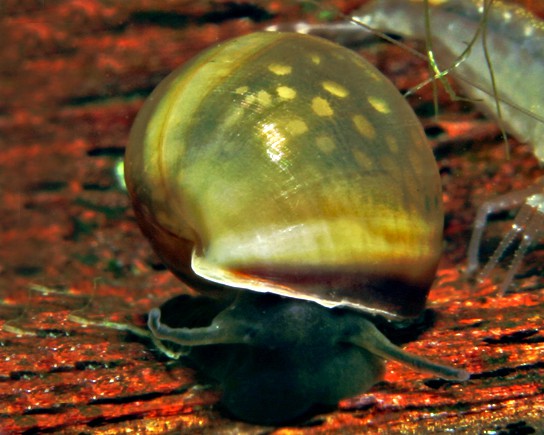
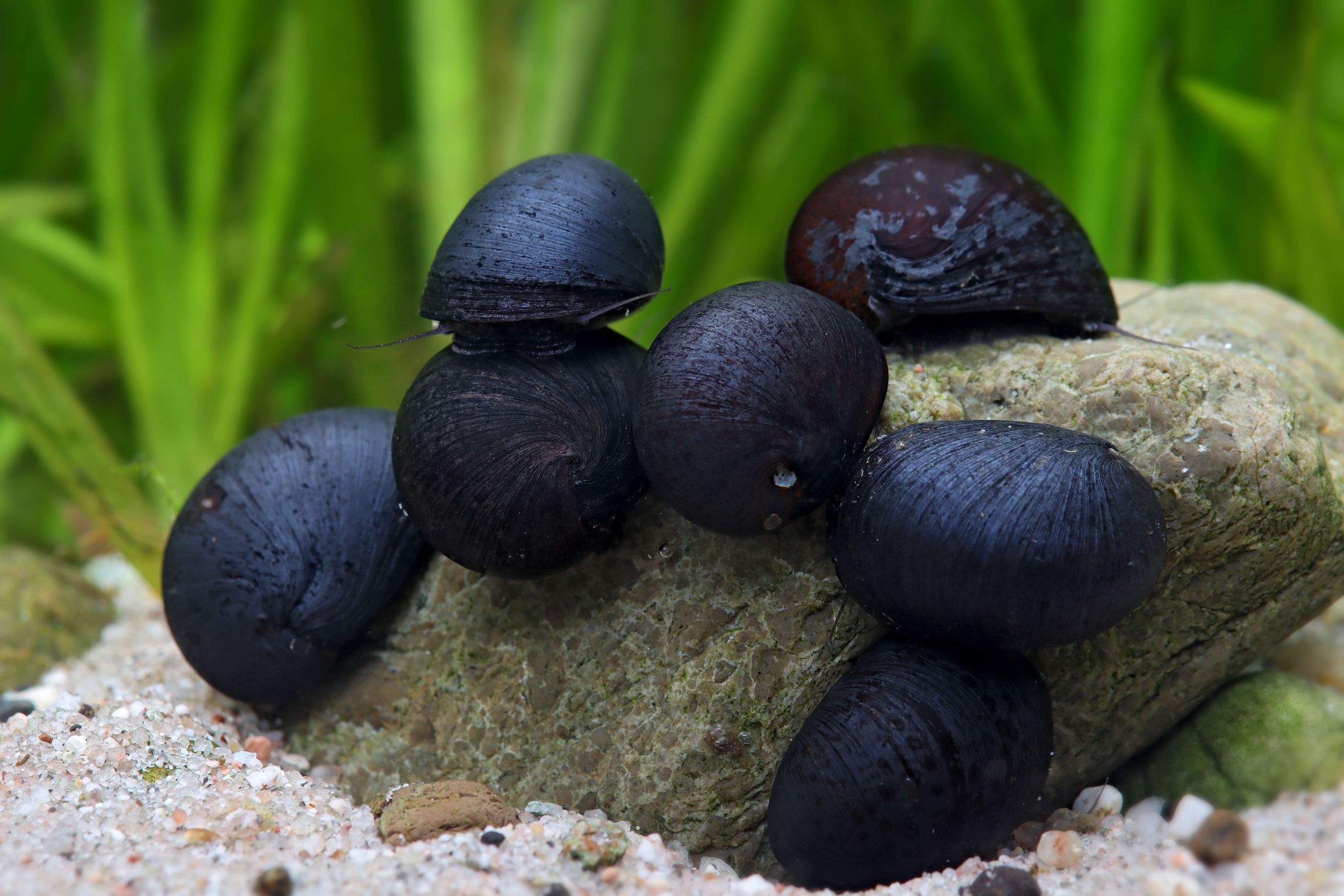
Nerite-style snails are often the clearest choice when the main issue is algae on glass, rocks, and décor. Their rasping mouthparts can remove soft films and some stubborn growth that shrimp only pick at. They are generally valued in planted tanks because they do not usually consume healthy leaves. However, they can run short of food in a spotless or newly established aquarium, especially when fish and shrimp receive most available food. They may also leave hard white egg spots on décor, even though their young generally do not develop through a normal freshwater life cycle. Avoid them with puffers, snail-eating loaches, or fish that harass exposed feelers.
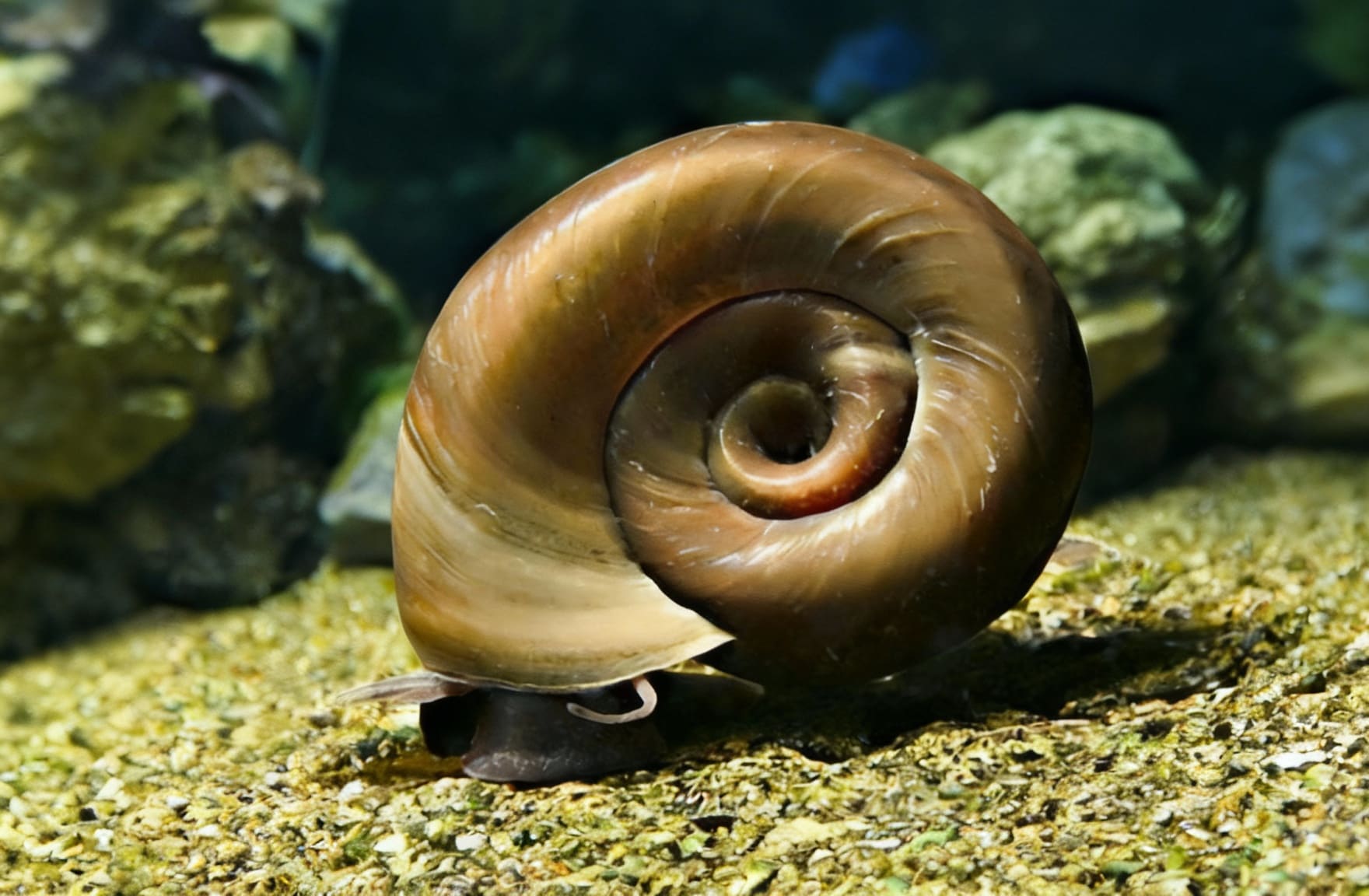
Ramshorns turn leftovers and weak leaves into a population signal
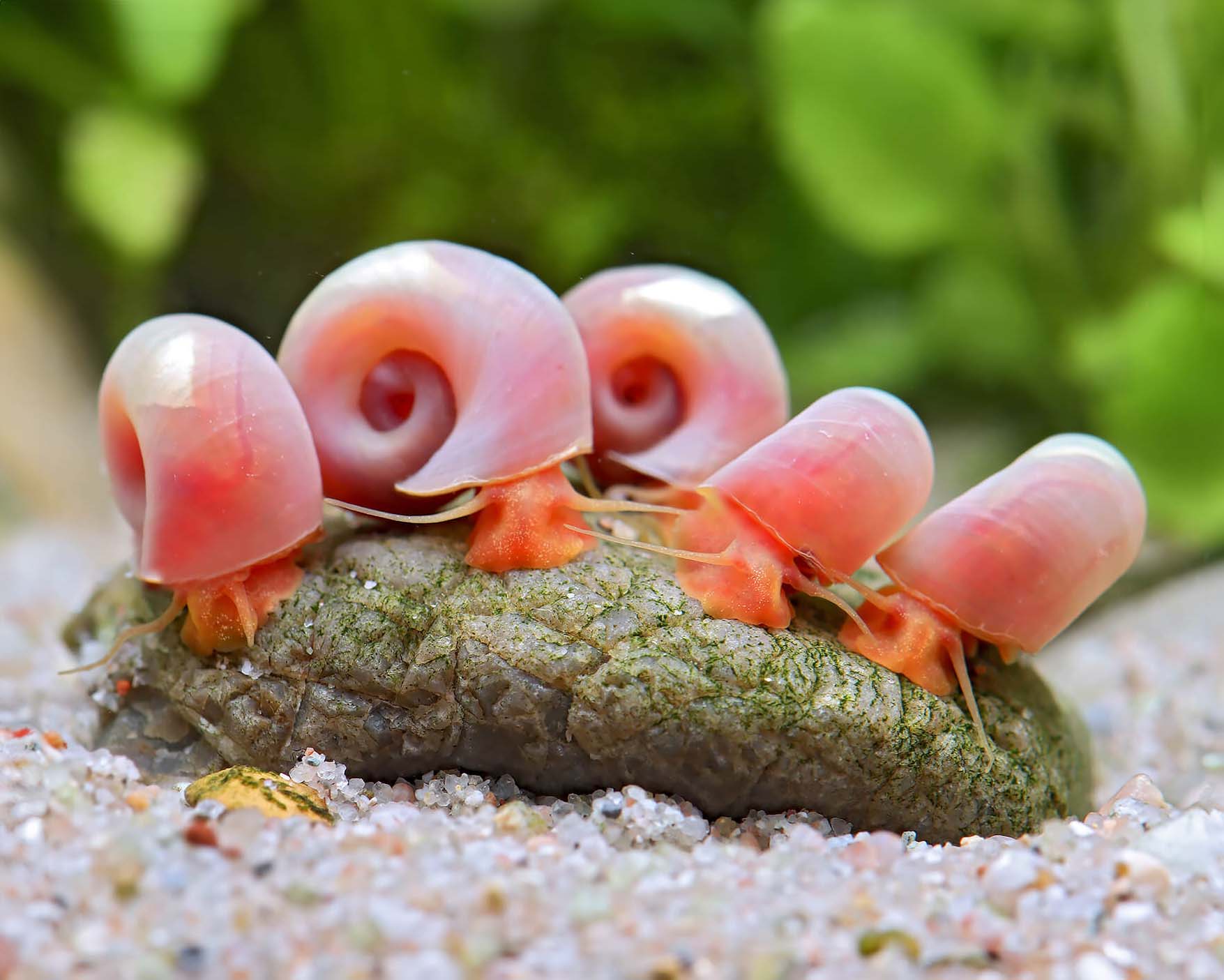
Ramshorn snails are flexible recyclers. They graze biofilm and soft algae, locate missed fish food, and consume leaves that are already melting or damaged. In a planted tank, that can prevent soft organic material from sitting unnoticed among stems. Their numbers also provide useful feedback: a sudden increase usually means the aquarium is receiving more edible material than the plants, fish, shrimp, and existing snails are using. That does not make ramshorns inherently harmful. It means the population is revealing the feeding balance. If you want stable numbers, reduce excess food and remove failing leaves rather than trying to eliminate every snail.
Bladder snails help with fine cleanup but rarely fix an algae outbreak
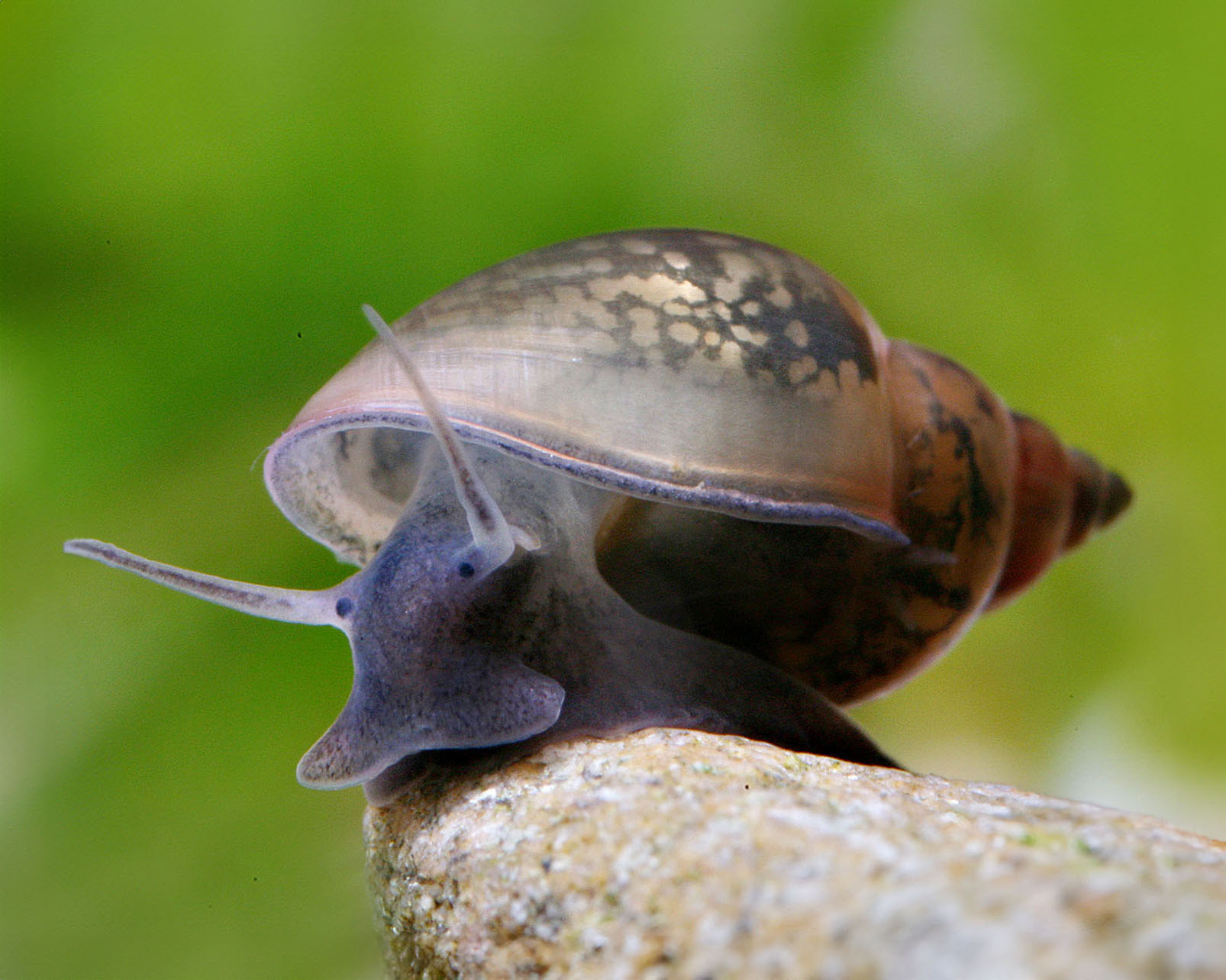
Small bladder-type snails can reach narrow gaps that larger animals miss. They browse on biofilm, soft algae, uneaten food, and dead organic matter around plant bases and hardscape. Their benefit is strongest in a mature aquarium with moderate food input, where they quietly process small leftovers. They are not a cure for thick hair algae, severe green spot algae, cloudy water, or a nutrient imbalance. Because they reproduce readily when food is abundant, a visible population boom is better treated as a feeding and maintenance clue than as a reason to add predators immediately. They are compatible with many peaceful planted communities, but fish that eat snails can make them unsuitable.
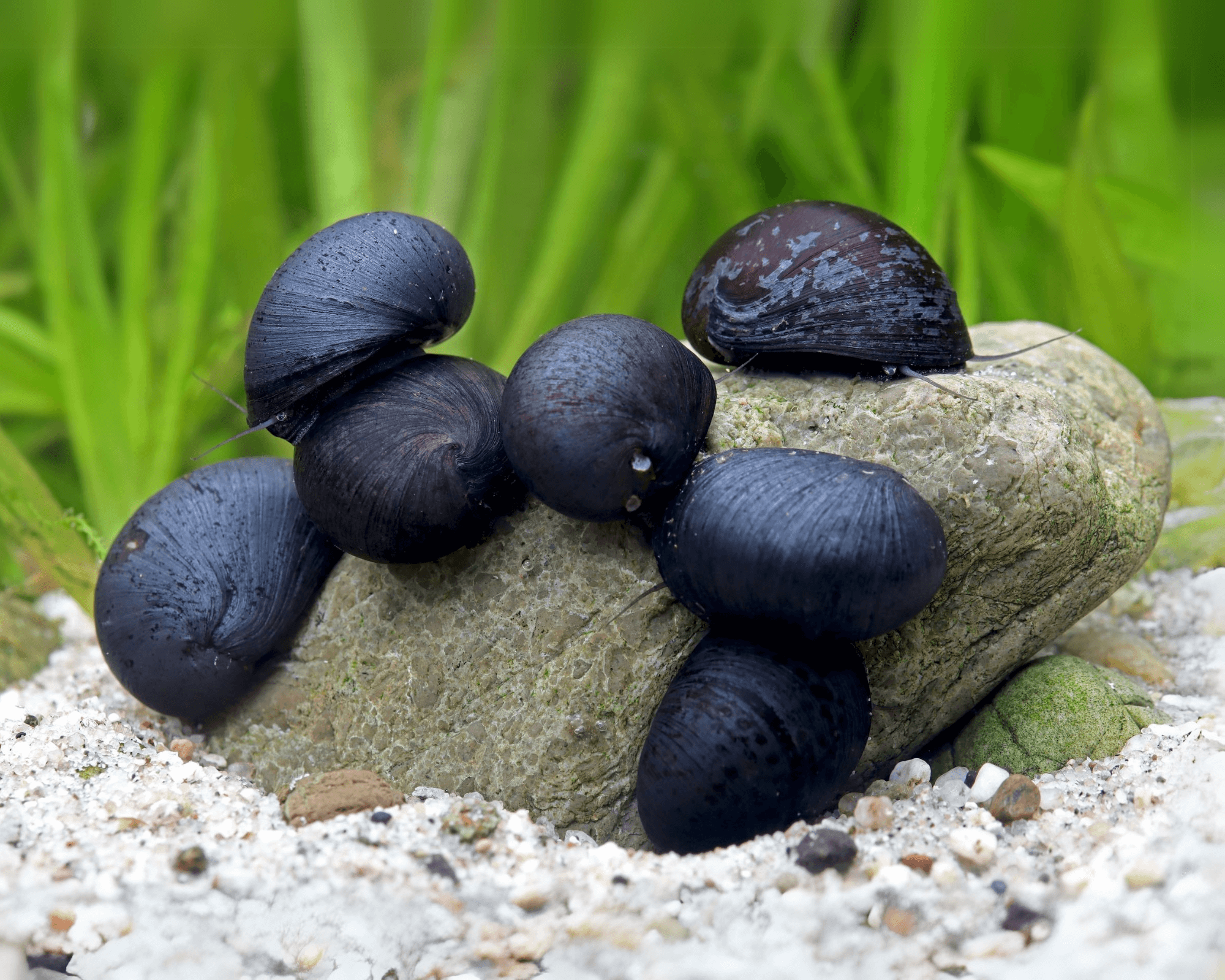
Trumpet snails work below the visible surface
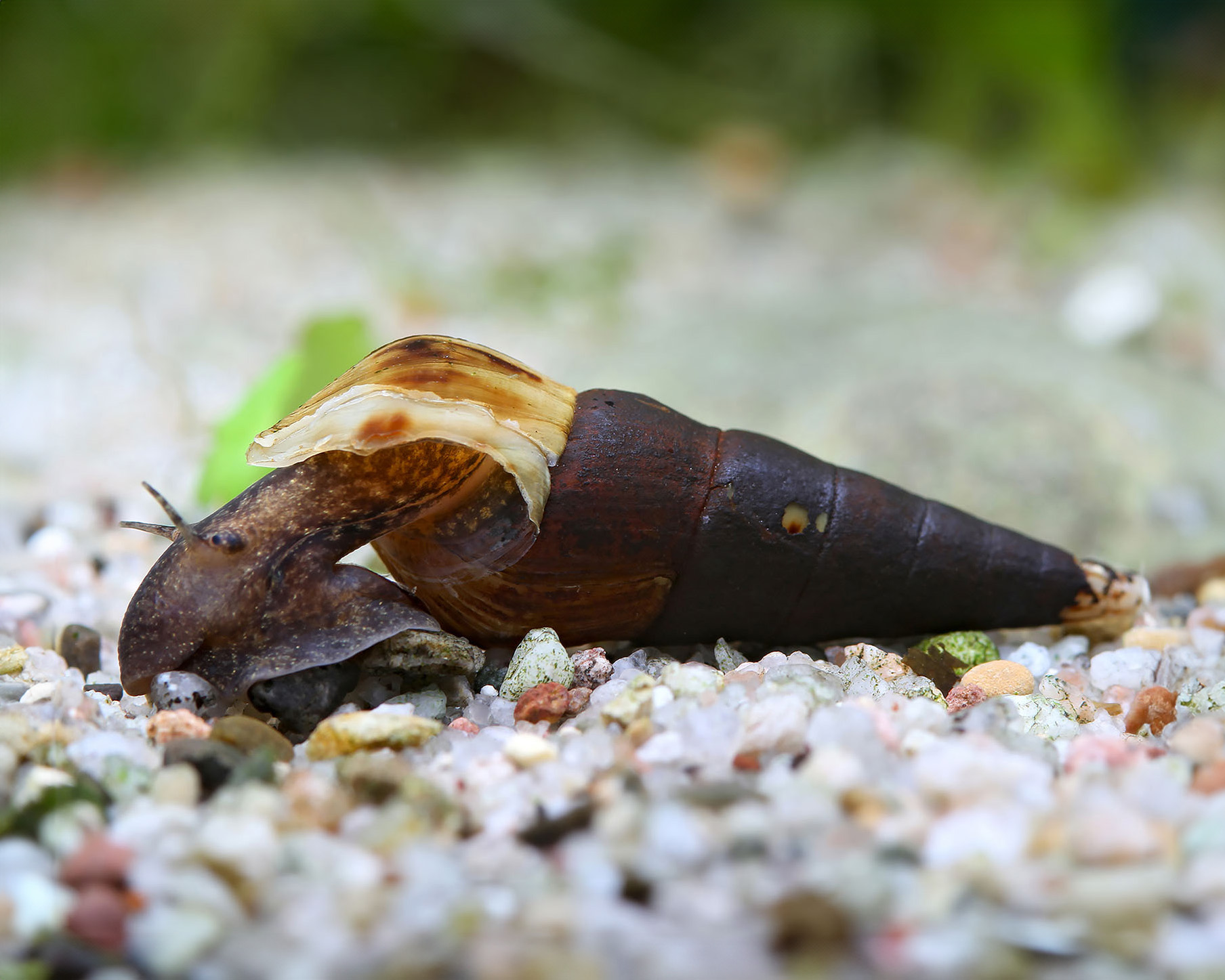
Malaysian trumpet-type snails and similar burrowing snails contribute in a different way. They move through loose substrate, consume organic particles, and bring some fine debris into contact with microorganisms and plant roots. This can be useful in planted tanks where dense growth makes routine substrate access difficult. Their activity is not the same as vacuuming waste away, and they cannot correct anaerobic pockets, poor circulation, or heavy overfeeding on their own. They may also become numerous enough to bother aquarists who prefer a spotless substrate. Treat them as substrate recyclers and an early warning system for excess food, not as a replacement for occasional debris removal.
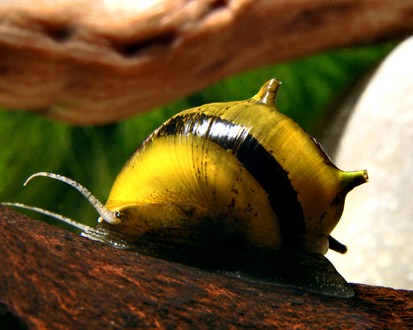
Large Tylomelania bring more presence—and more feeding responsibility
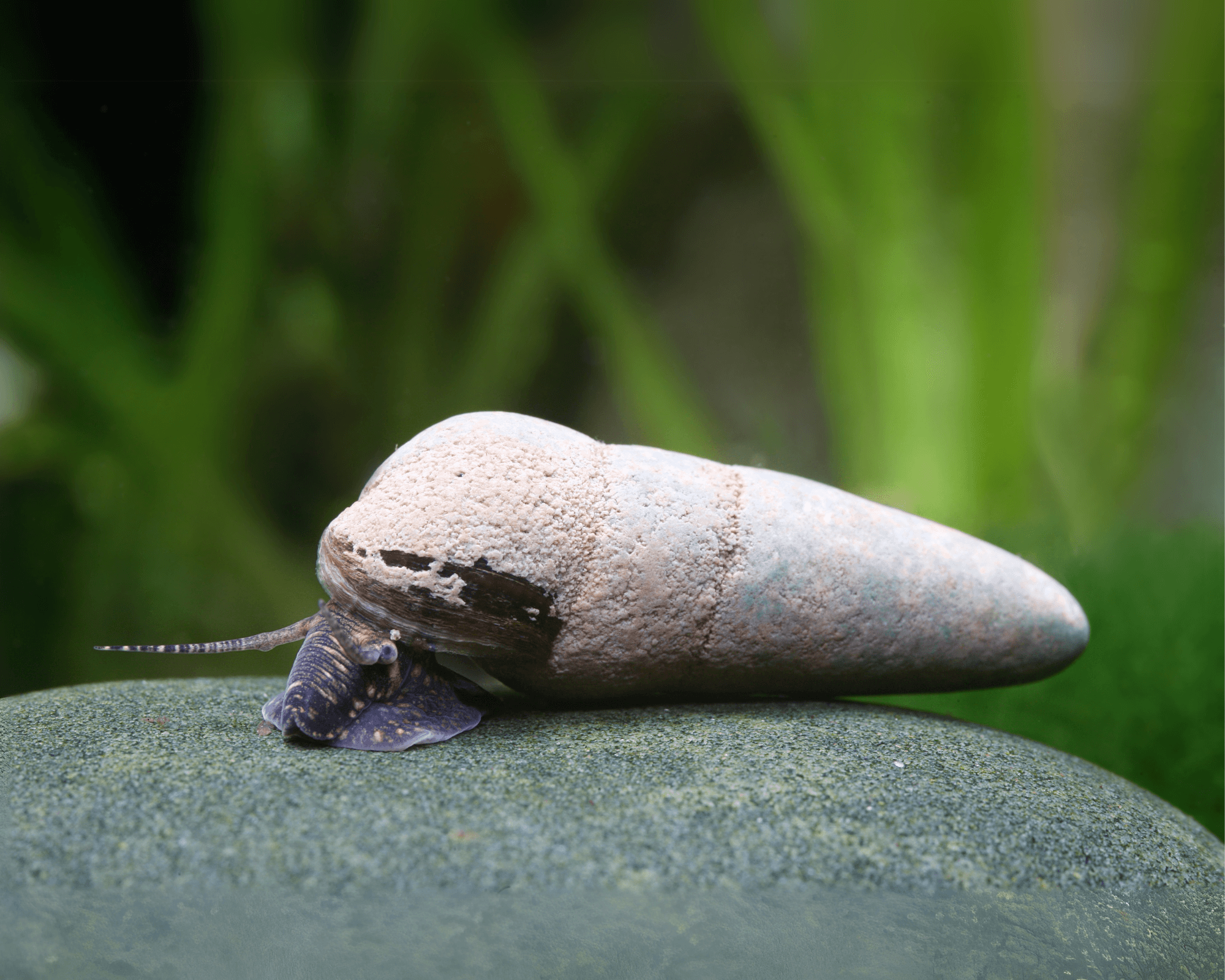
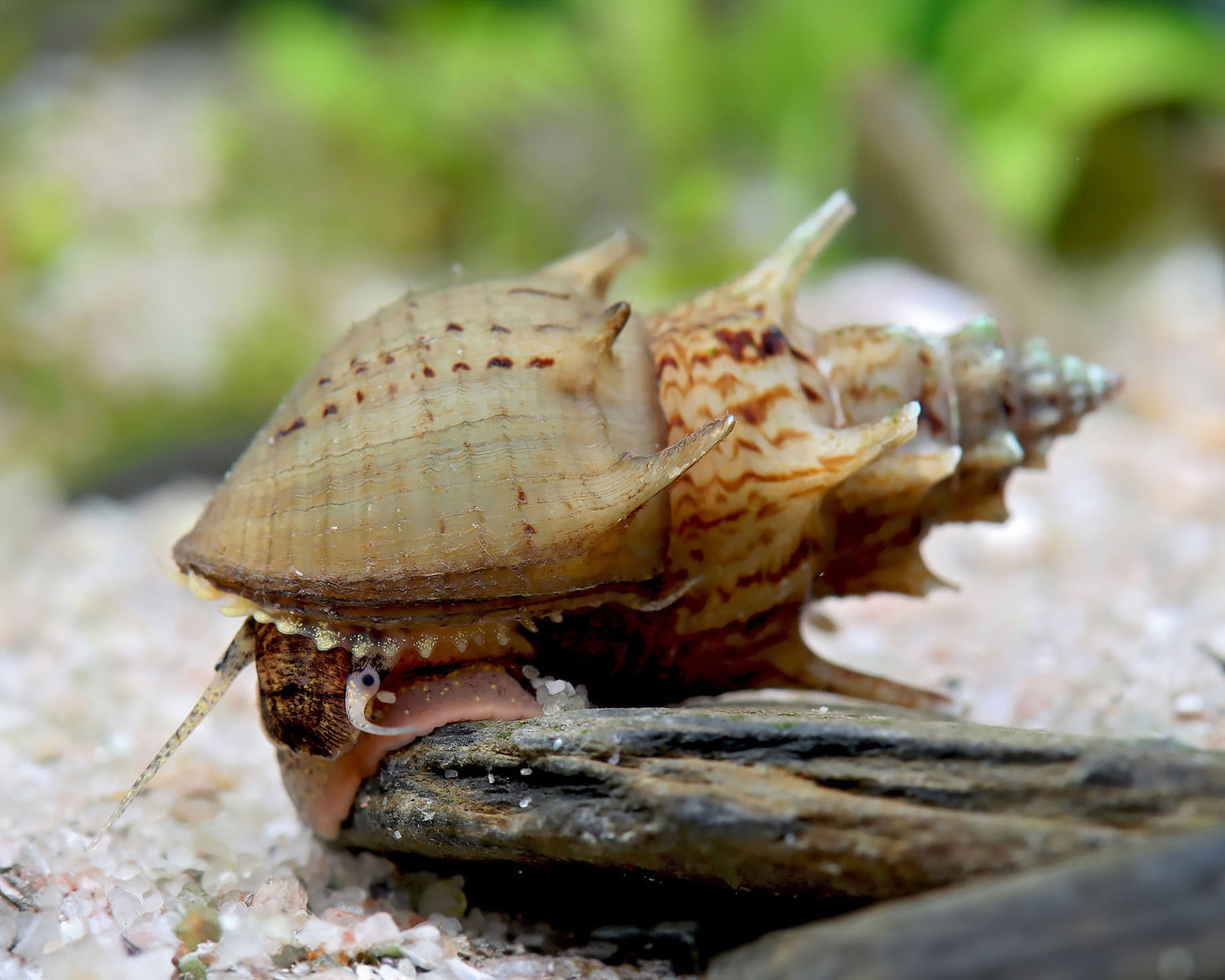
Tylomelania and other large-bodied snails can be striking additions to a planted aquarium, but their role is usually broader than dedicated algae control. They browse surfaces and process soft organic matter, yet their size means they produce more waste than tiny hitchhiker snails. They also need reliable food in tanks where natural grazing is limited. Their compatibility depends on aquarium volume, temperature, mineral availability, and tank mates; a small, heavily stocked nano aquarium may not offer enough stable food or room. Choose them for their behavior and appearance only after confirming that the aquarium can support their adult size and ongoing dietary needs.
A snail cannot remove algae that the aquarium keeps producing
If light, nutrients, and feeding continue to favor algae growth, adding snails may only spread the work among more animals. A few snails can scrape surfaces, but they cannot consume a fast-growing mat as quickly as it develops. Start by matching light duration to plant growth, removing severely affected leaves, improving circulation where detritus collects, and feeding fish only what they can finish. Then select a snail that targets the remaining material. In a shrimp or nano community, avoid adding a large cleanup crew simply because algae is visible. Small tanks have less food and less water volume to absorb mistakes.
Compatibility is about mouths, shells, and available food
A peaceful snail may still be a poor match for a community aquarium. Puffers, many loaches, some cichlids, and even persistent fin-nipping fish can injure or consume snails. Copper-based medications and some contaminated treatments can also be dangerous to snails and shrimp. On the other hand, a snail may starve when a tank is too clean or when shrimp and fish consume every sinking food before it reaches the bottom. Check adult size, feeding behavior, shell requirements, and escape risk before purchase. In planted nano tanks, a small population of unobtrusive grazers is often more practical than a visually impressive but food-demanding species.
Assassin snails solve a different problem entirely
Assassin snails are useful when the problem is an unwanted population of other snails, not algae or detritus. They hunt and consume fellow gastropods, so they can change the balance in a tank filled with ramshorns, bladder snails, or trumpet snails. That makes them a control tool rather than a cleanup crew. Once prey becomes scarce, their feeding needs still have to be considered, and they may not be suitable if you want to preserve a mixed snail community. Do not add them expecting clear glass or cleaner leaves. First reduce excess feeding and decide whether the original snail population is actually causing harm.
%20-%201.webp)
Frequently Asked Questions
Do aquarium snails remove nutrients from a planted tank?
Not permanently. Snails consume algae, leftover food, and decaying material, then convert part of it into body mass and waste. They redistribute and process nutrients, while plants, filtration, water changes, and physical removal determine how much leaves the aquarium.
Which aquarium snails are most useful for algae on glass?
Nerite-type snails are commonly chosen for surface grazing, especially on soft films and some green growth. They still need enough natural algae or supplemental food, and they are not suitable for aquariums with snail-eating fish.
Do ramshorn and bladder snails eat healthy aquarium plants?
They usually prefer biofilm, algae, leftover food, and damaged or decaying plant tissue. If they gather on a healthy-looking leaf, inspect it closely; melting tissue or trapped food may be attracting them. Excessive numbers usually indicate abundant food.
Are trumpet snails good for planted aquarium substrate?
They can help process organic particles and move through loose substrate, but they do not replace gravel cleaning or solve poor circulation. Their population should be managed through feeding practices, especially in small aquariums.
 - 2.webp)
Leave your comments