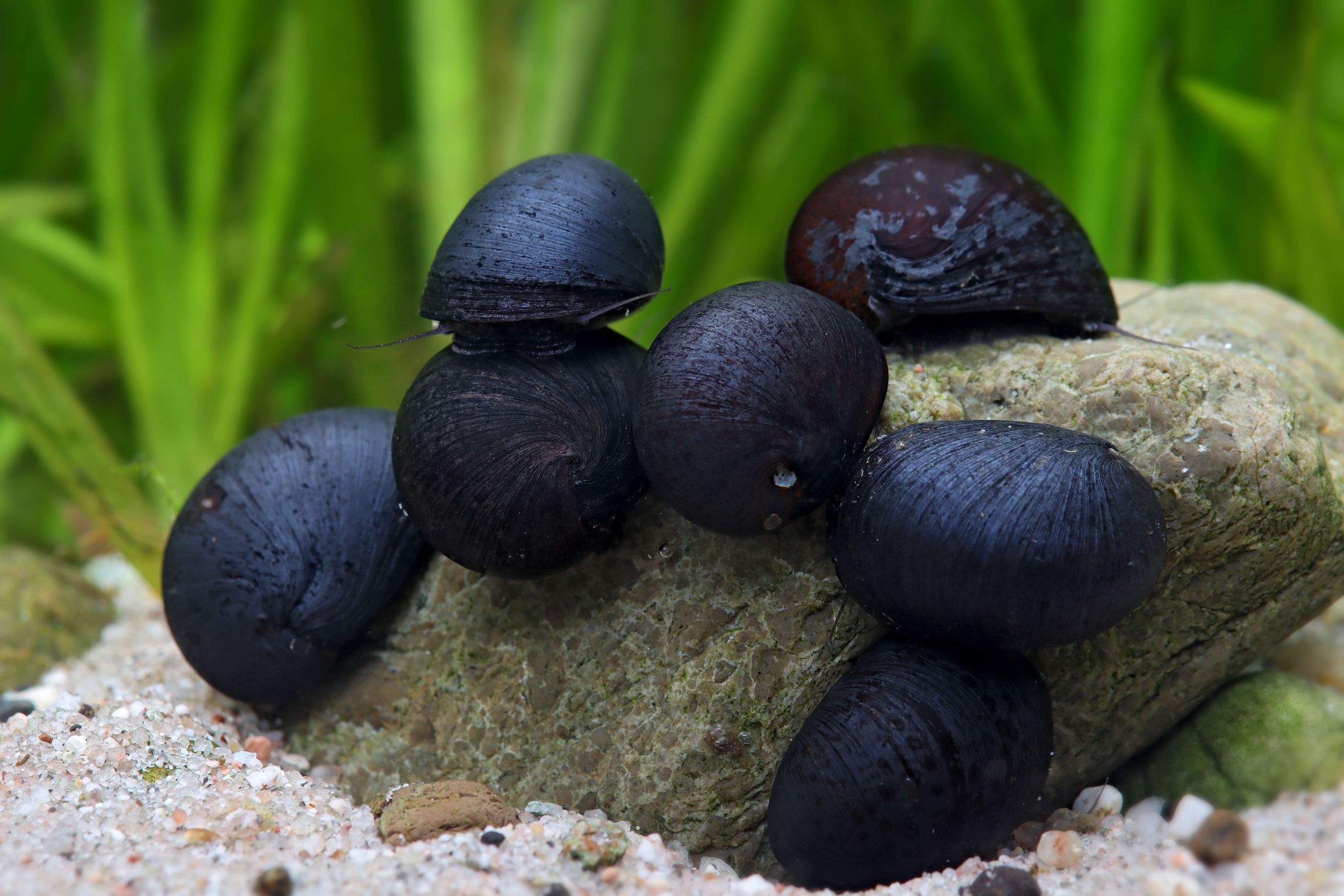
Start with GH, KH and pH instead of adding calcium blindly
Shell problems are easier to solve when you separate three related measurements. General hardness, or GH, reflects dissolved minerals including calcium and magnesium. Carbonate hardness, or KH, indicates the water’s buffering capacity and helps resist rapid acidification. pH shows how acidic or alkaline the water is, but it does not reveal the mineral content by itself. Test all three before adding crushed coral, cuttlebone or a remineralizer. A tank can have a reasonable pH but insufficient GH, or adequate GH with weak KH and unstable acidity. Record readings before and after water changes so you can identify the real trend rather than reacting to one test.
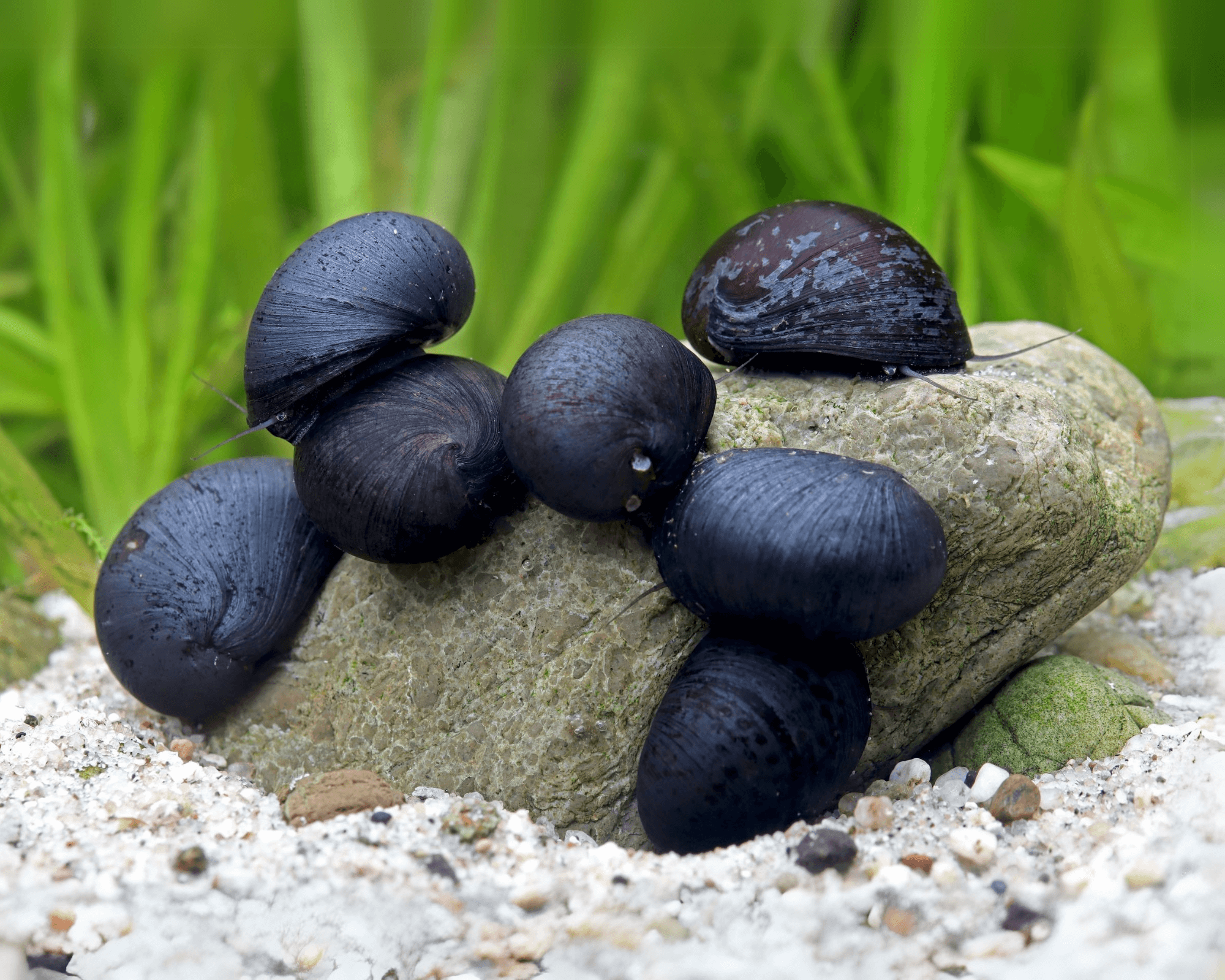
Match the snail to the water you can maintain
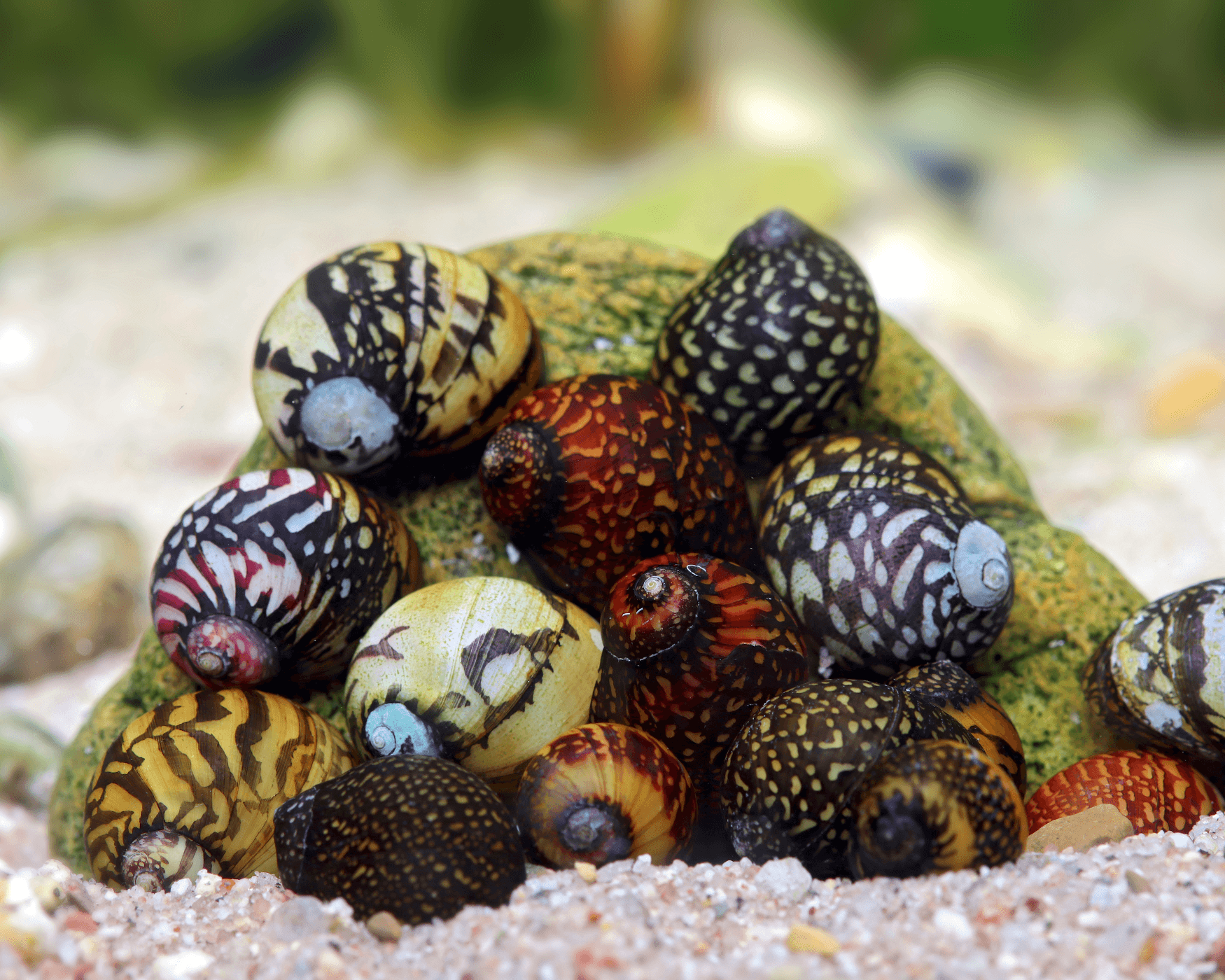
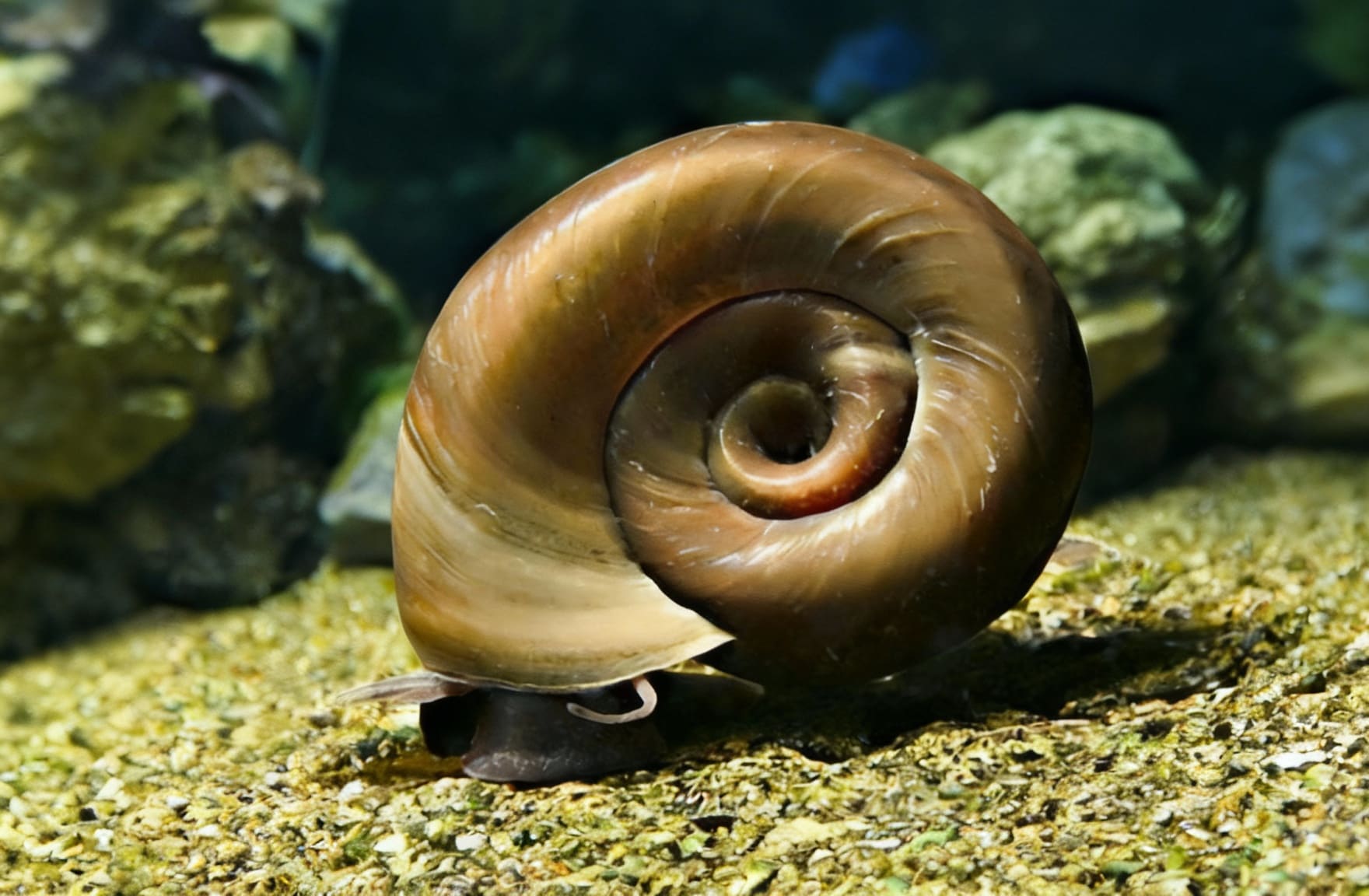
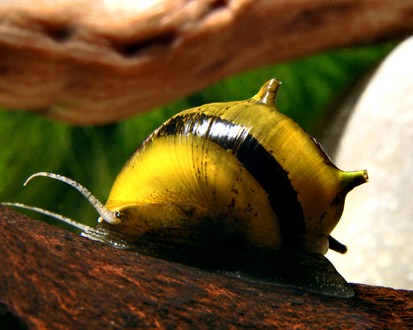
The safest snail is not necessarily the most attractive one; it is the species that fits your established water chemistry. Nerite and racing snails are commonly chosen for algae control, but many are collected from mineral-rich environments and may struggle in very soft, acidic water. Ramshorns, bladder snails and some trumpet snails are often more adaptable, though their populations can rise when excess food is available. Larger Tylomelania and rabbit-type snails may need more food, floor space and stable minerals than a small nano aquarium can provide. Treat trade labels as starting points, then verify the seller’s care information and avoid mixing species with sharply different requirements.
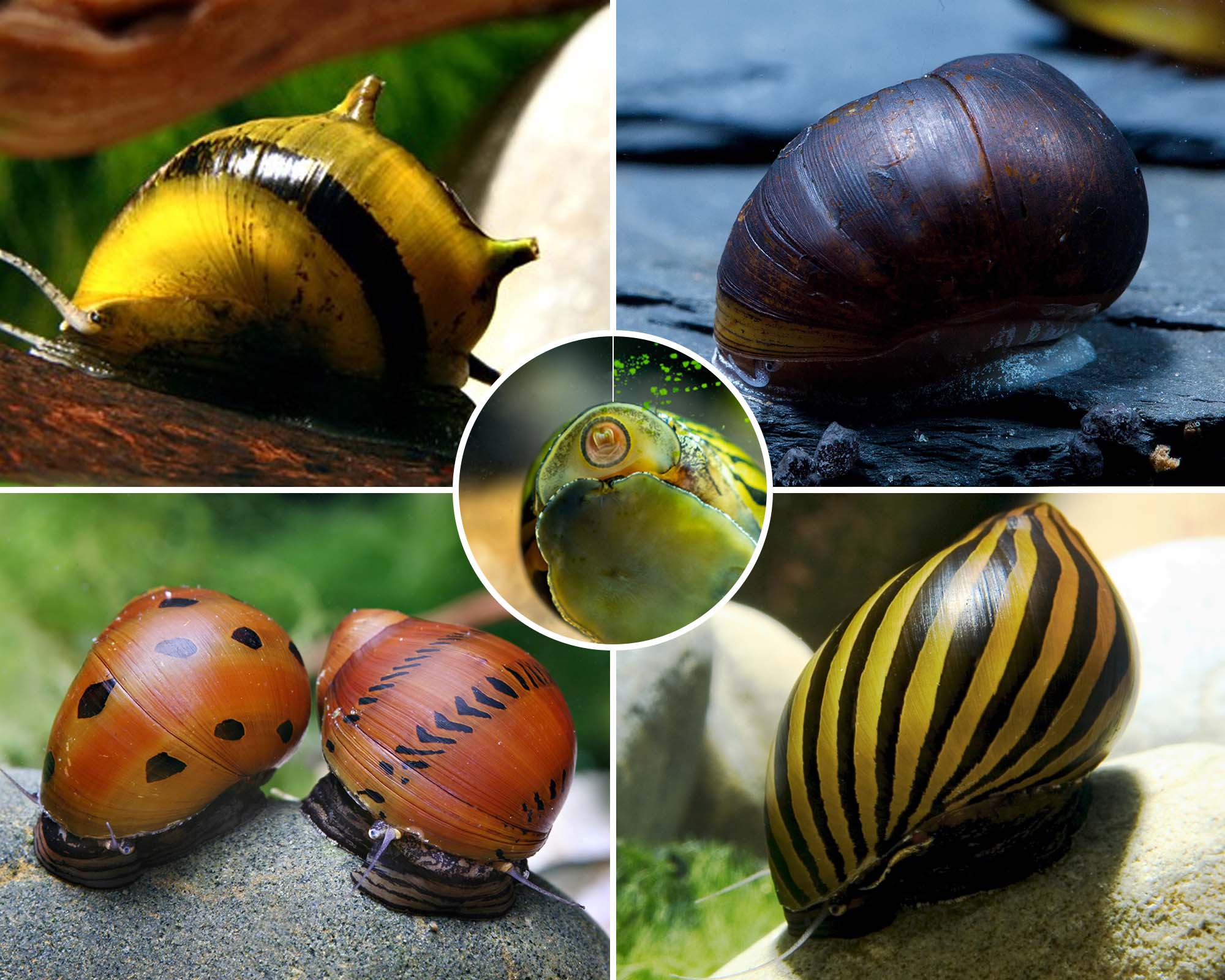
Plan for the active-soil and RO-water problem before buying snails
Aquasoil and reverse-osmosis water can create excellent planted-tank conditions while making snail care more demanding. Active substrates may consume carbonate hardness and lower pH, while RO water contains very few minerals until it is remineralized. That combination can be unsuitable for shell-dependent livestock unless you deliberately manage GH, KH and water-change consistency. Decide whether your priority is soft-water plant growth, shrimp breeding or long-term snail shell preservation. If you use soft water, choose a snail tolerant of that setup only after checking its history and condition, and test regularly. Do not add a large mineral dose suddenly to compensate for months of depleted chemistry.
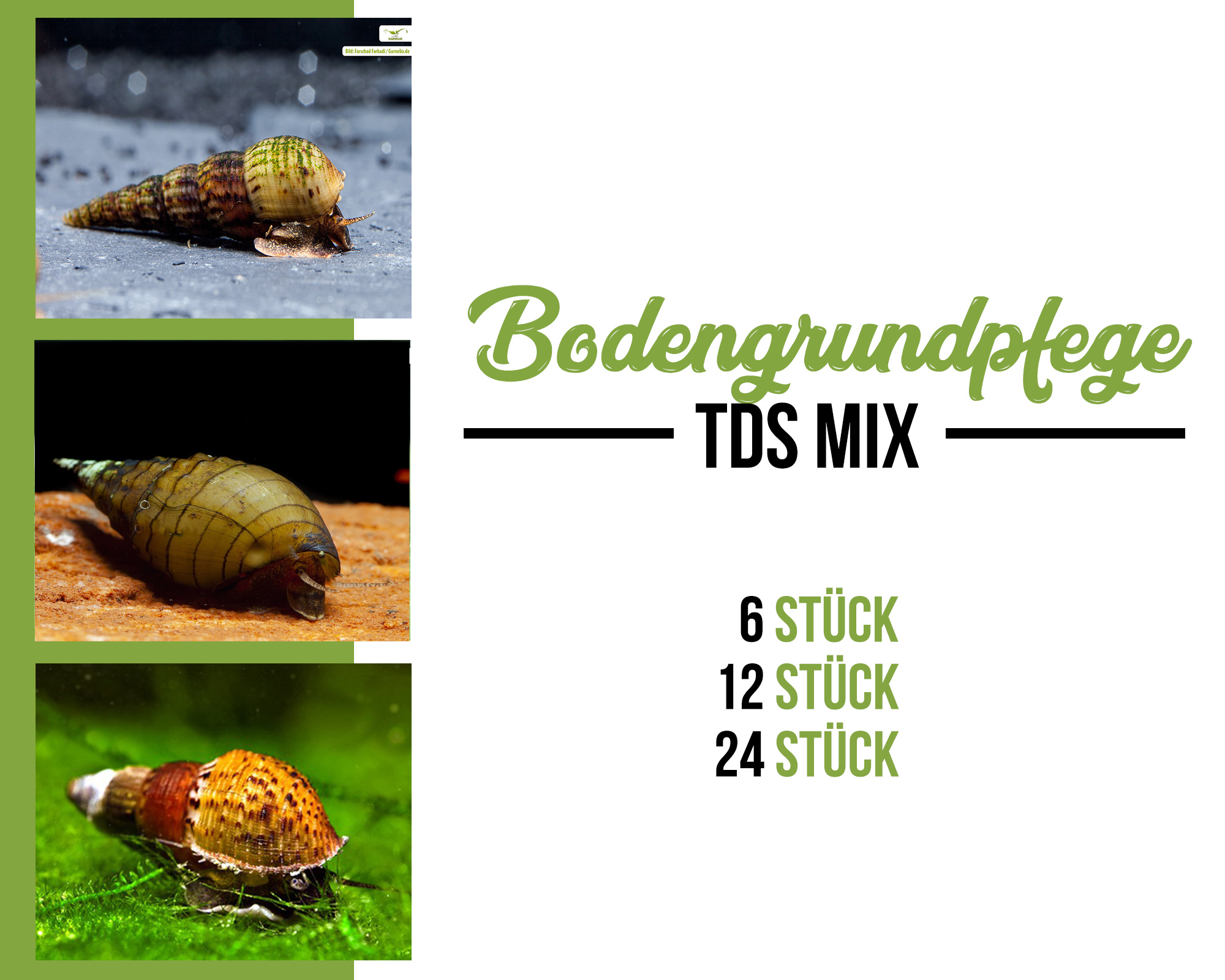
Use mineral sources as controlled tools, not permanent insurance
Crushed coral, aragonite, cuttlebone and commercial remineralizers can contribute calcium or carbonate, but each behaves differently. A small media bag of coral may gradually raise buffering capacity, while a prepared remineralizer gives more control during water changes. Cuttlebone can provide a slow calcium source, although it may float until waterlogged and should not be treated as a substitute for testing. Add one change at a time, measure the result and keep a written dose record. In shrimp tanks, sudden hardness or pH shifts can be more dangerous than moderately soft water. Avoid combining several products simply because shell damage looks urgent.
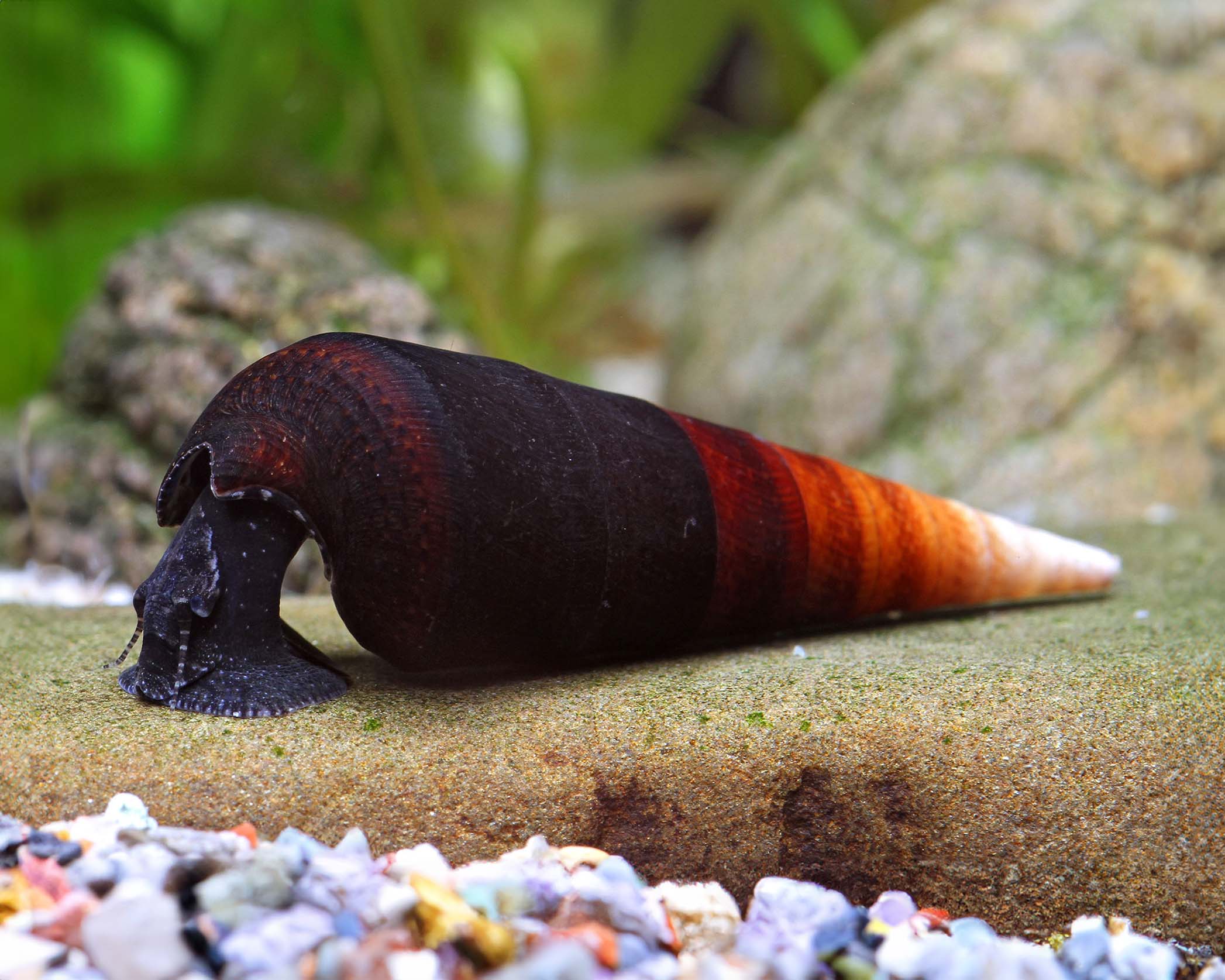
Support new shell growth with a varied, low-waste diet
Water chemistry protects the existing shell, but nutrition supports the new shell formed as the snail grows. Algae, biofilm, softened vegetables and a suitable sinking food can all contribute to a practical diet. Larger snails often need supplemental feeding when a clean planted aquarium produces little algae. Offer small portions and remove leftovers before they decompose. Overfeeding can increase snail numbers, raise organic waste and intensify nighttime oxygen demand, creating another water-quality problem. Calcium-rich food may help, but it cannot reliably overcome acidic, unstable water. Watch the newest shell growth near the opening: smooth, solid growth is more encouraging than trying to repair every mark on older shell.
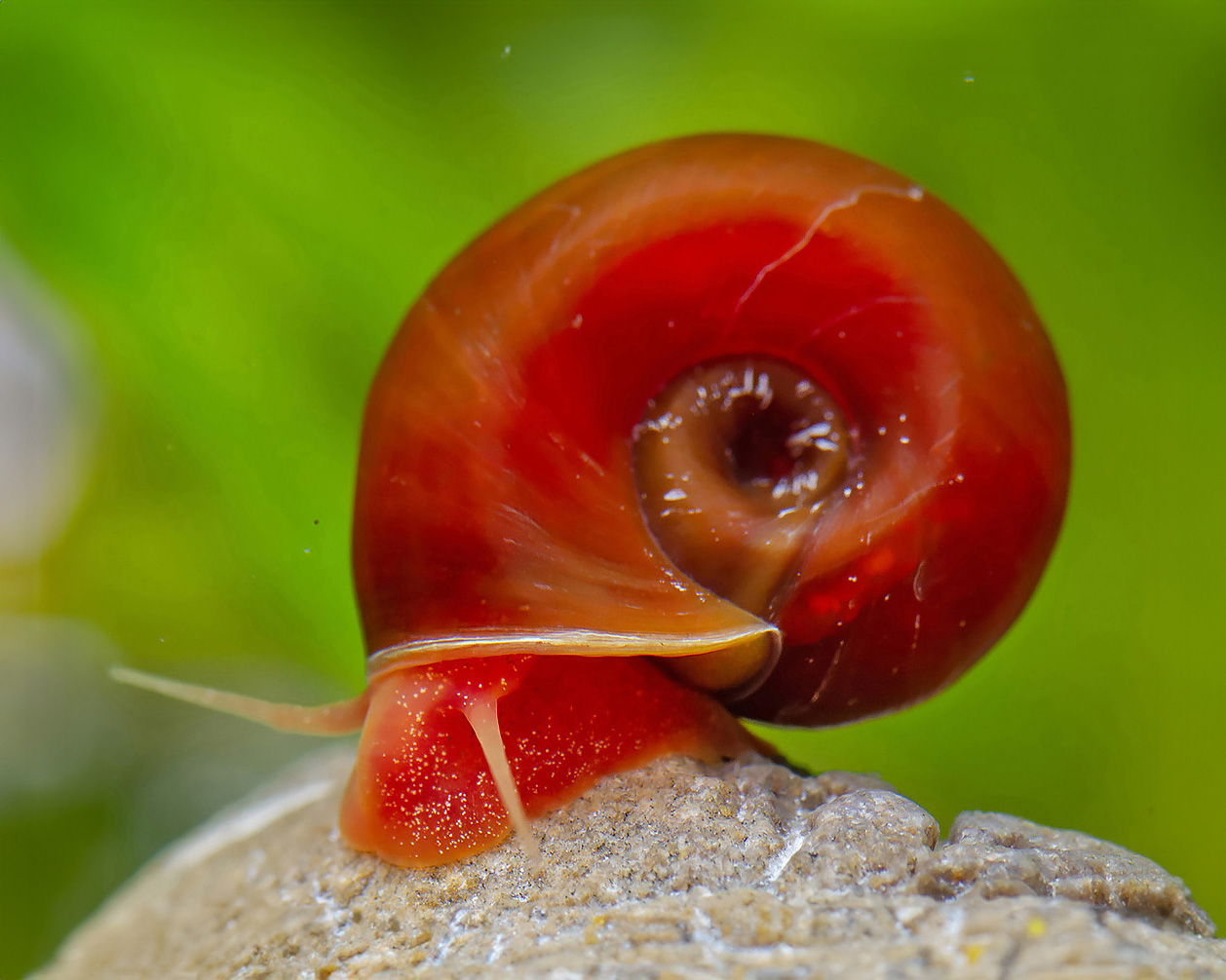
Choose algae grazers with enough food and safe escape prevention
Nerite and racing snails are appealing in planted aquariums because they generally focus on algae and biofilm rather than healthy leaves. Their limitation is food availability: a spotless nano tank may not produce enough natural grazing area for several adults. Supplement carefully with algae-based foods if needed, while avoiding a feeding routine that clouds the water. These snails may also climb above the waterline, especially around mineral deposits or an open rim. Use a secure lid and inspect the tank’s edges regularly. They are often compatible with peaceful shrimp, but boisterous fish, loaches and puffers can injure or eat them.
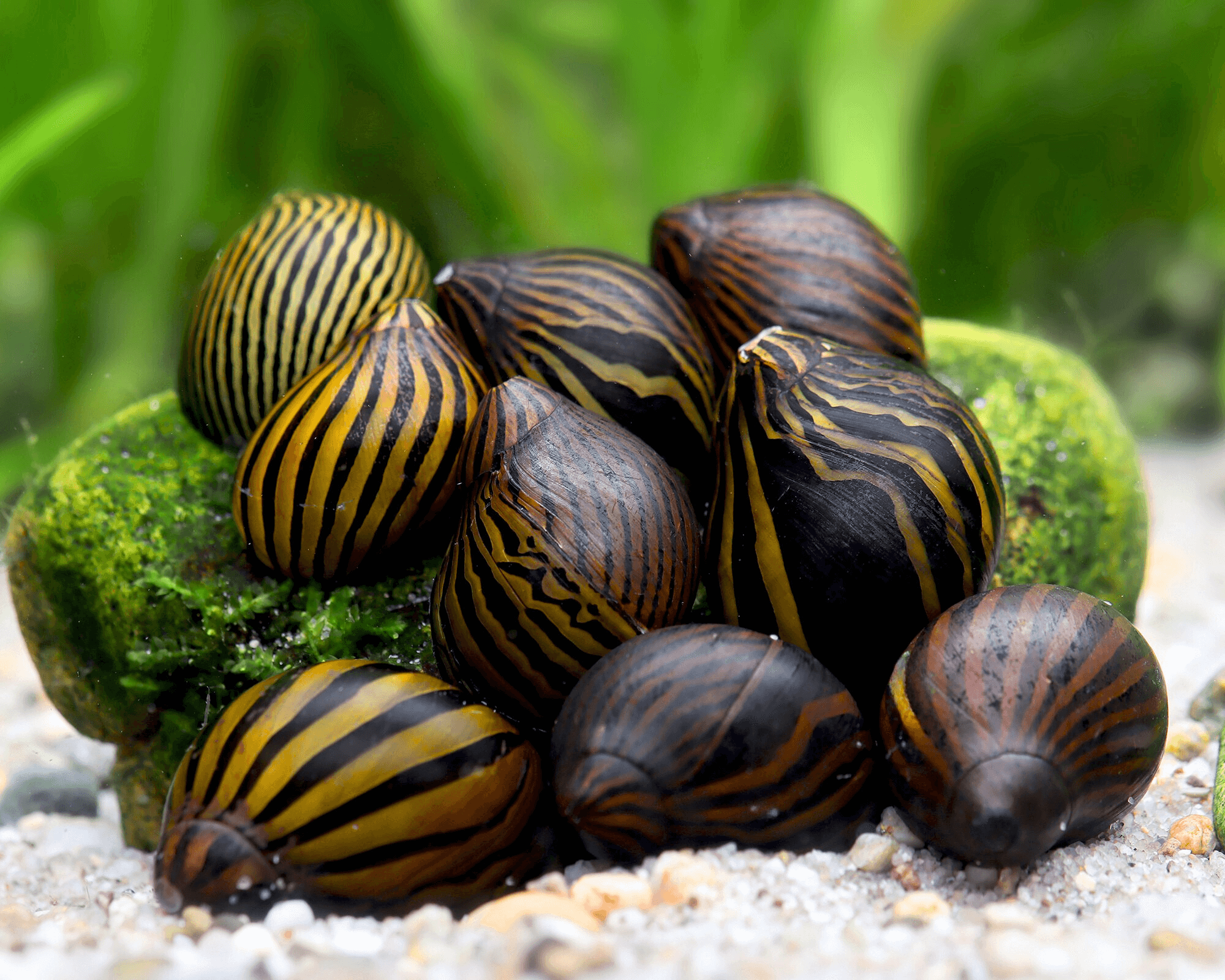
Use burrowing snails only when the substrate and food supply suit them
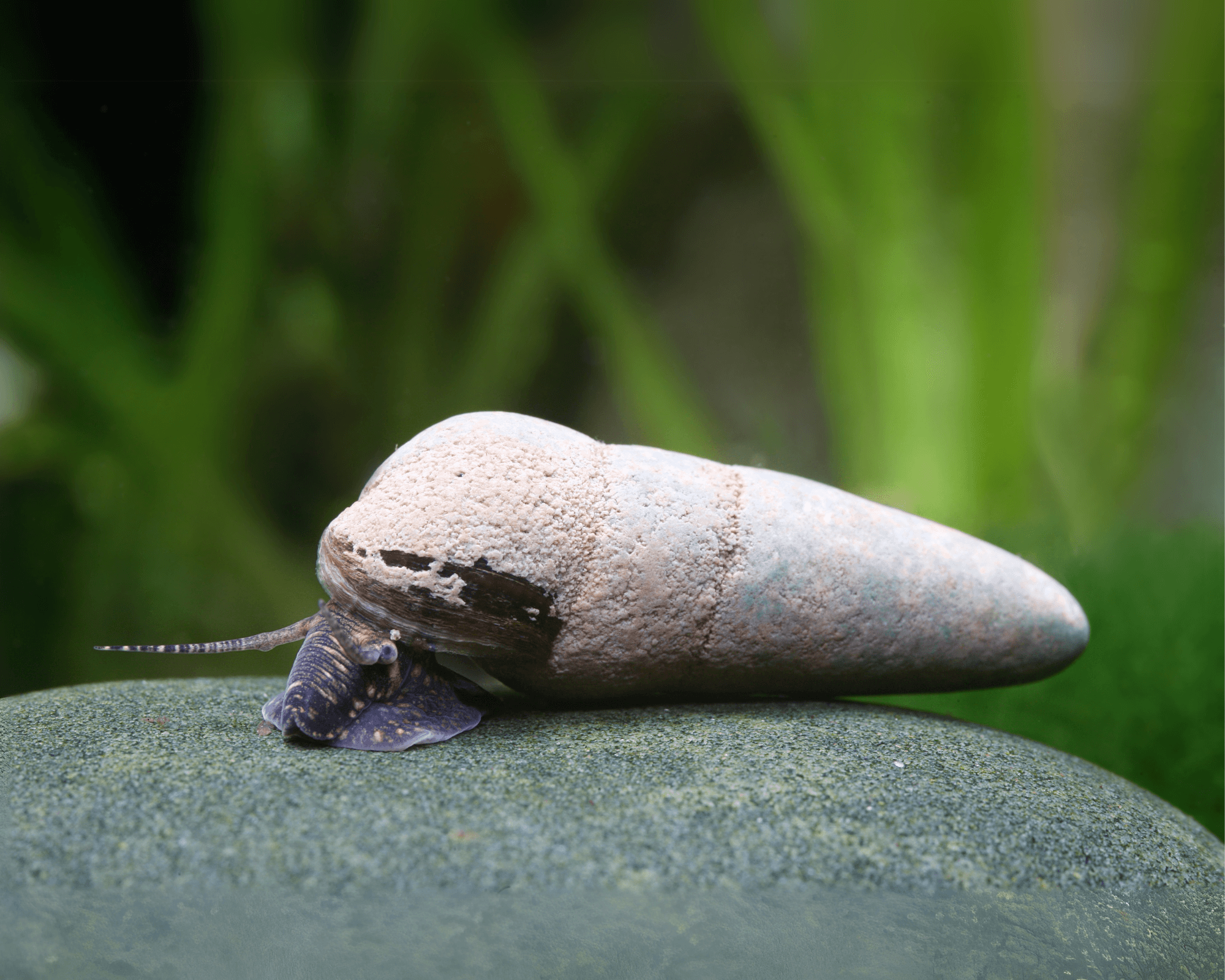
Malaysian trumpet and related tower snails spend much of their time moving through the substrate, where they consume leftover food and organic debris. This behavior can be useful in a planted aquarium, especially when compacted areas need biological activity, but it does not replace gravel vacuuming or sensible feeding. They can reproduce rapidly when food is abundant, and a small tank may become crowded before the keeper notices. Their shells also reflect the same water chemistry concerns as other snails. If you keep them, control population through feeding and maintenance rather than relying on chemical snail killers, which may harm shrimp and other invertebrates.
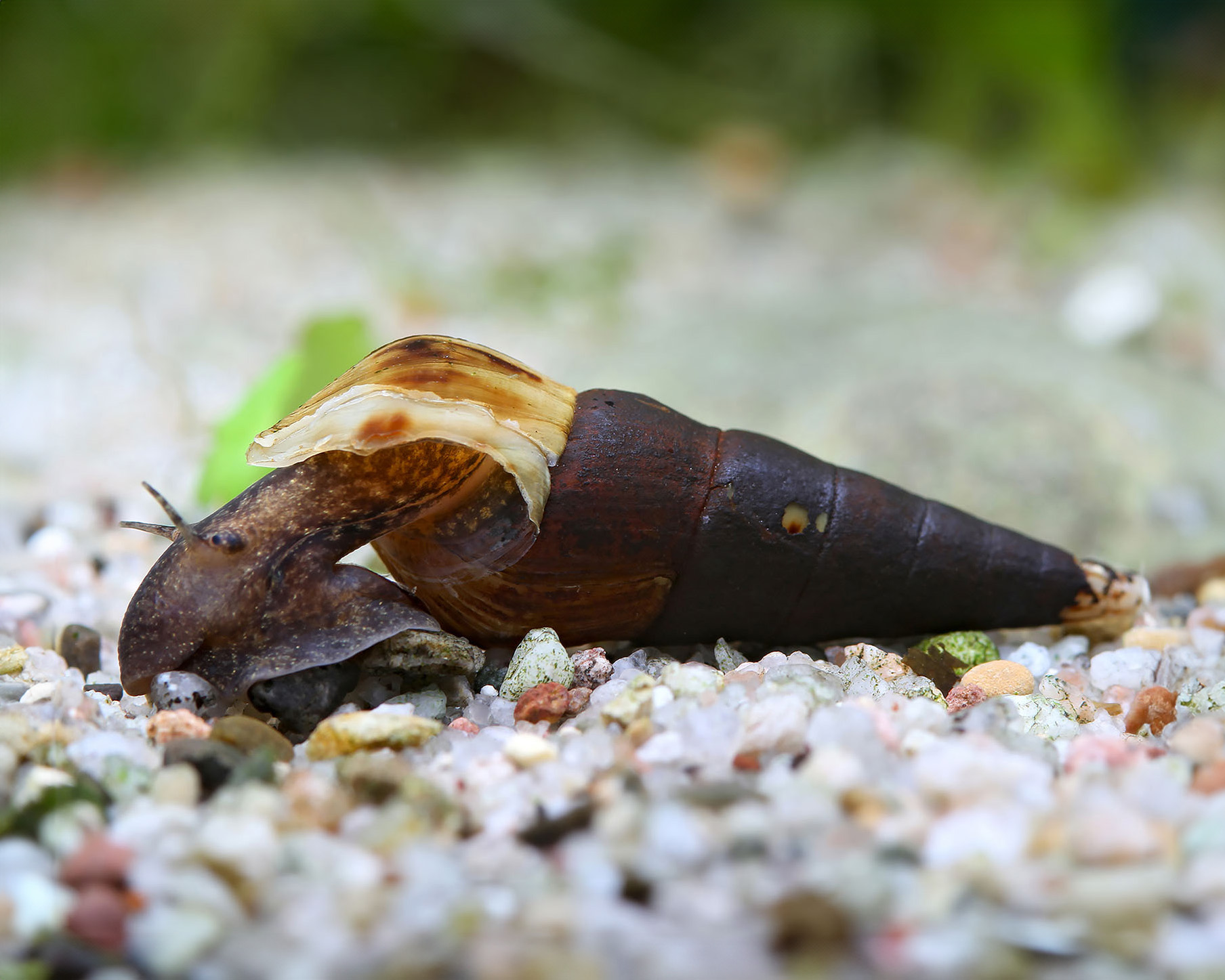
Treat shell appearance as a timeline, not an instant diagnosis
A white edge, shallow pit or worn apex does not always identify one single problem. Older shell damage may remain visible even after water quality improves, while smooth new growth near the shell opening can show that conditions are becoming more supportive. Compare photographs taken several weeks apart and record GH, KH, pH, temperature and water-change dates. Check for physical damage from rough décor, aggressive tank mates or falls. Also inspect whether the snail is eating and moving normally. If erosion continues despite stable chemistry and adequate food, reassess the species, source, age and possible exposure to copper-based medications.
Build compatibility around chemistry before behavior
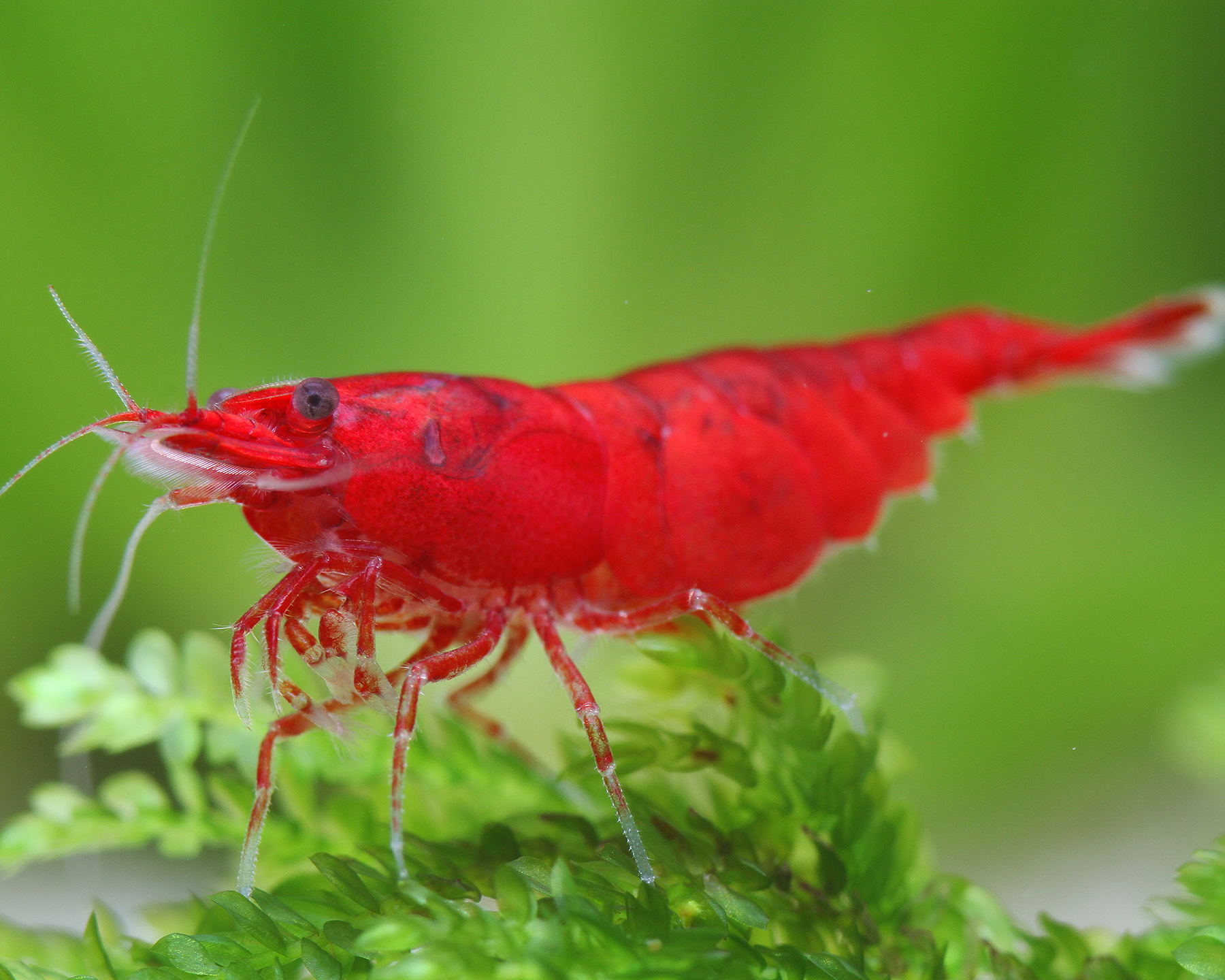
A planted community tank may contain fish, shrimp and snails with overlapping but not identical needs. Neocaridina shrimp often benefit from mineral availability for molting, while some soft-water fish and delicate plants may be stressed by a large increase in hardness. Peaceful shrimp generally coexist with many nonpredatory snails, but assassin snails and some larger fish can change that plan. Avoid selecting livestock from a photo-based list without comparing their water requirements, adult size and feeding pressure. In a nano aquarium, the most compatible combination is usually one modest snail type, a restrained food supply and enough plant cover for shrimp to avoid disturbance.
Use a monthly shell-health and water-quality routine
Long-term prevention is easier than emergency correction. Once a month, test GH, KH and pH on the same day as a planned water change, and compare the results with your source water. Inspect shell edges, body condition, activity and the amount of uneaten food. Check that the filter is moving water, the lid prevents escapes and no copper medication has entered the system. If hardness is falling, adjust the remineralization method gradually during future water changes instead of making a dramatic correction. If shell damage is worsening, pause livestock additions and simplify the tank until the chemistry is stable. Consistency matters more than chasing a single ideal reading.
Frequently Asked Questions
Does aquarium salt repair a snail shell?
Aquarium salt is not a dependable shell-repair treatment and can create compatibility problems with plants, shrimp and other sensitive livestock. Test GH, KH and pH first, then correct the underlying water-quality issue gradually with an appropriate remineralization method.
Can a snail have shell erosion even when GH is high?
Yes. GH measures overall mineral hardness rather than every form of calcium available to the snail. Low KH, acidic conditions, unstable pH, physical damage, poor nutrition or species-specific needs can contribute even when GH appears adequate.
Is crushed coral safe in a planted aquarium?
Crushed coral can gradually increase carbonate hardness and mineral availability, but its effect depends on the amount used, water chemistry and substrate. Start conservatively, test regularly and avoid adding it without considering shrimp, fish and plant requirements.
Which aquarium snails are least likely to overpopulate?
Nerite and many racing snails generally do not produce a rapidly growing freshwater population, although they may lay eggs that do not develop fully. Ramshorns, bladder snails and trumpet snails can multiply when excess food is available, so population control begins with feeding control.
Can shell damage be reversed?
Existing shell holes and pits usually cannot be restored to their original appearance. However, stable mineral-rich water, suitable food and reduced acidity may support smoother new growth. Judge progress by the newest shell near the opening rather than by old damage alone.
 - 2.webp)
Leave your comments