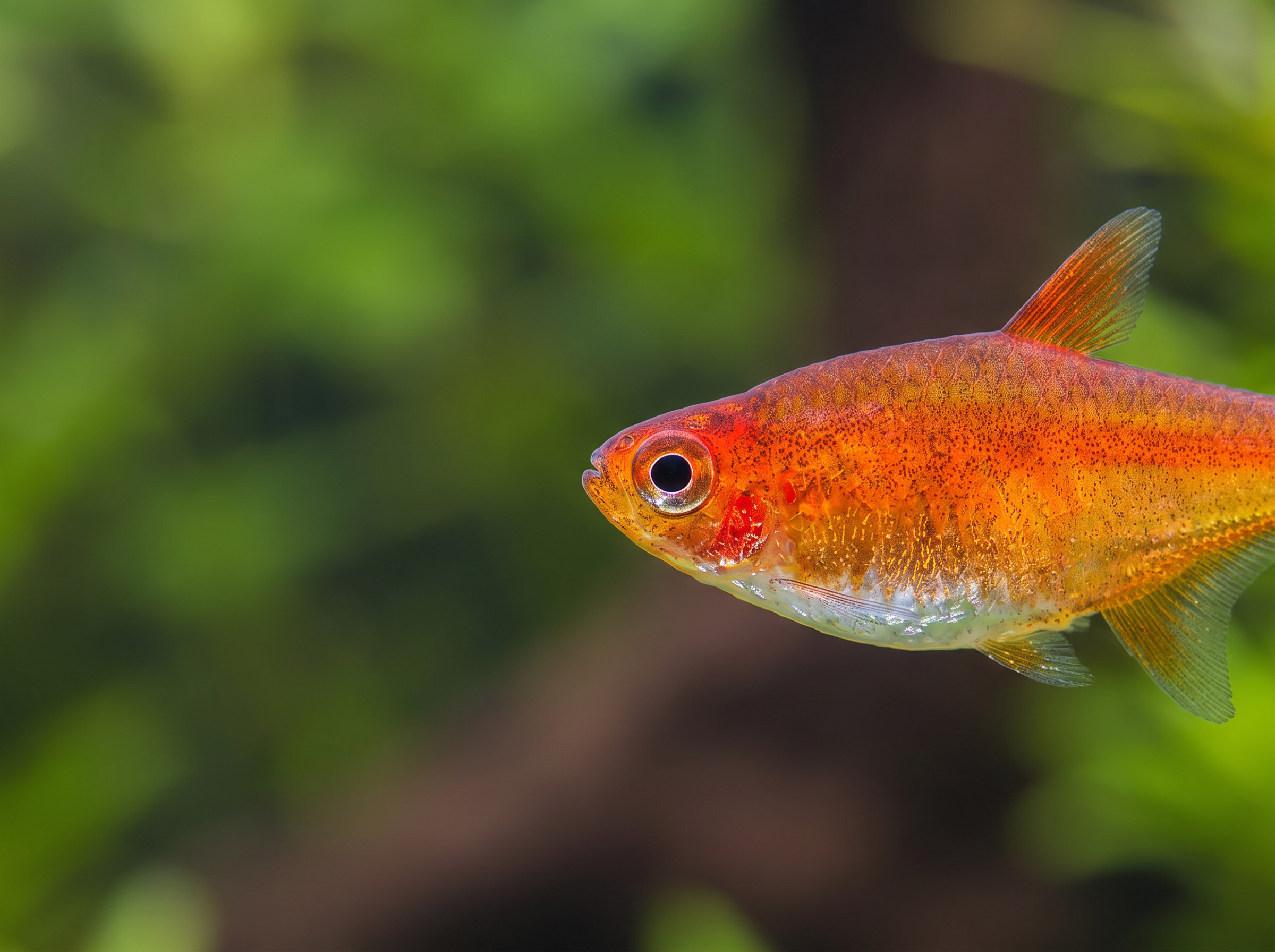
Start with the visual role, not the species name
Before choosing livestock, decide what each animal should do inside the composition. A school can create a moving horizontal band, bottom dwellers can add activity near the substrate, and a centerpiece fish can provide a slower focal point. This prevents the common mistake of combining several attractive species that all compete for the same visual space. In a nano aquarium, choose one dominant role and one supporting role rather than trying to reproduce a large community in miniature. Also separate visual compatibility from biological compatibility: fish may share a color palette but still differ in temperature, water chemistry, group size or temperament.
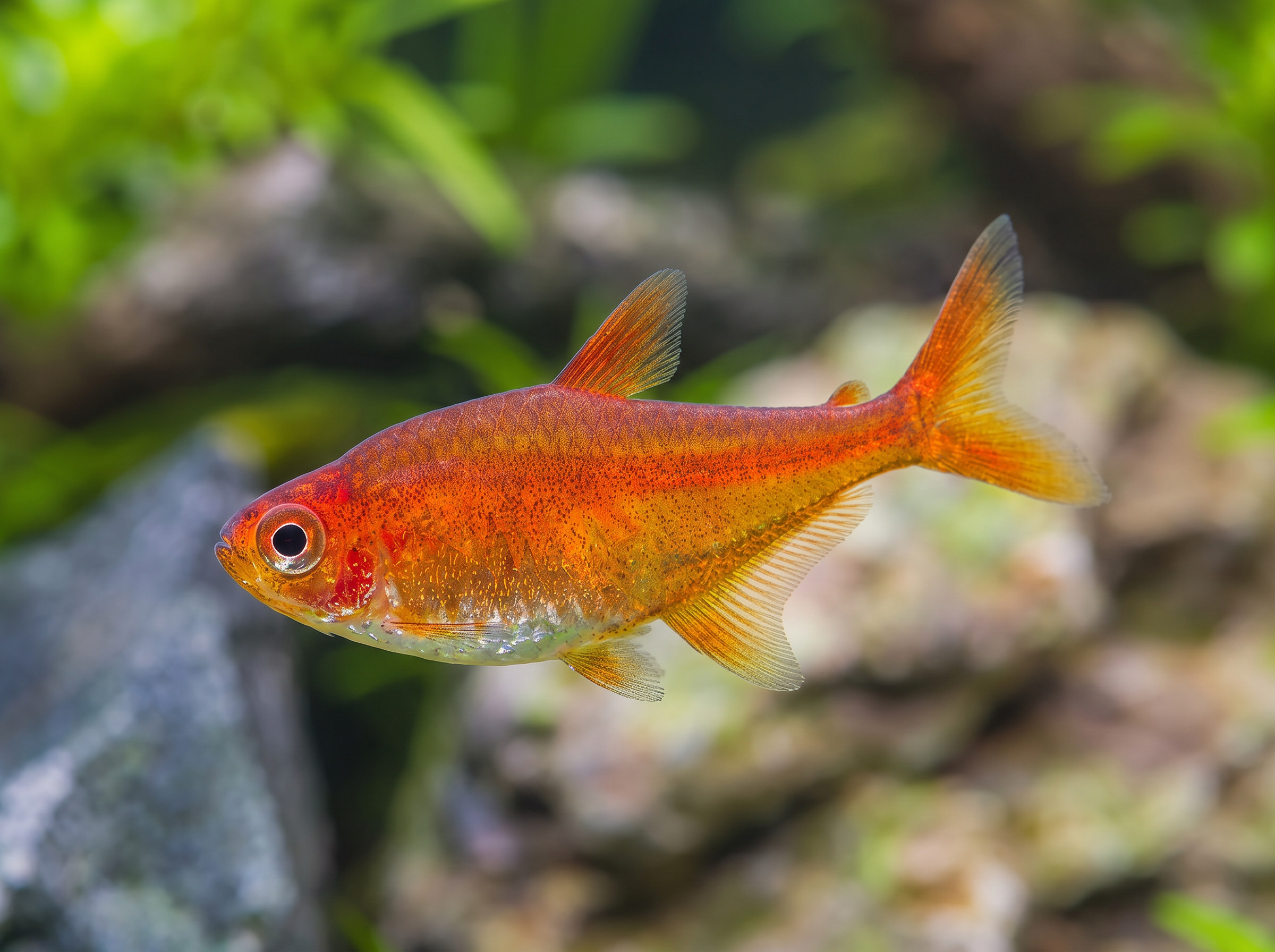
Use color contrast to make plants and livestock readable
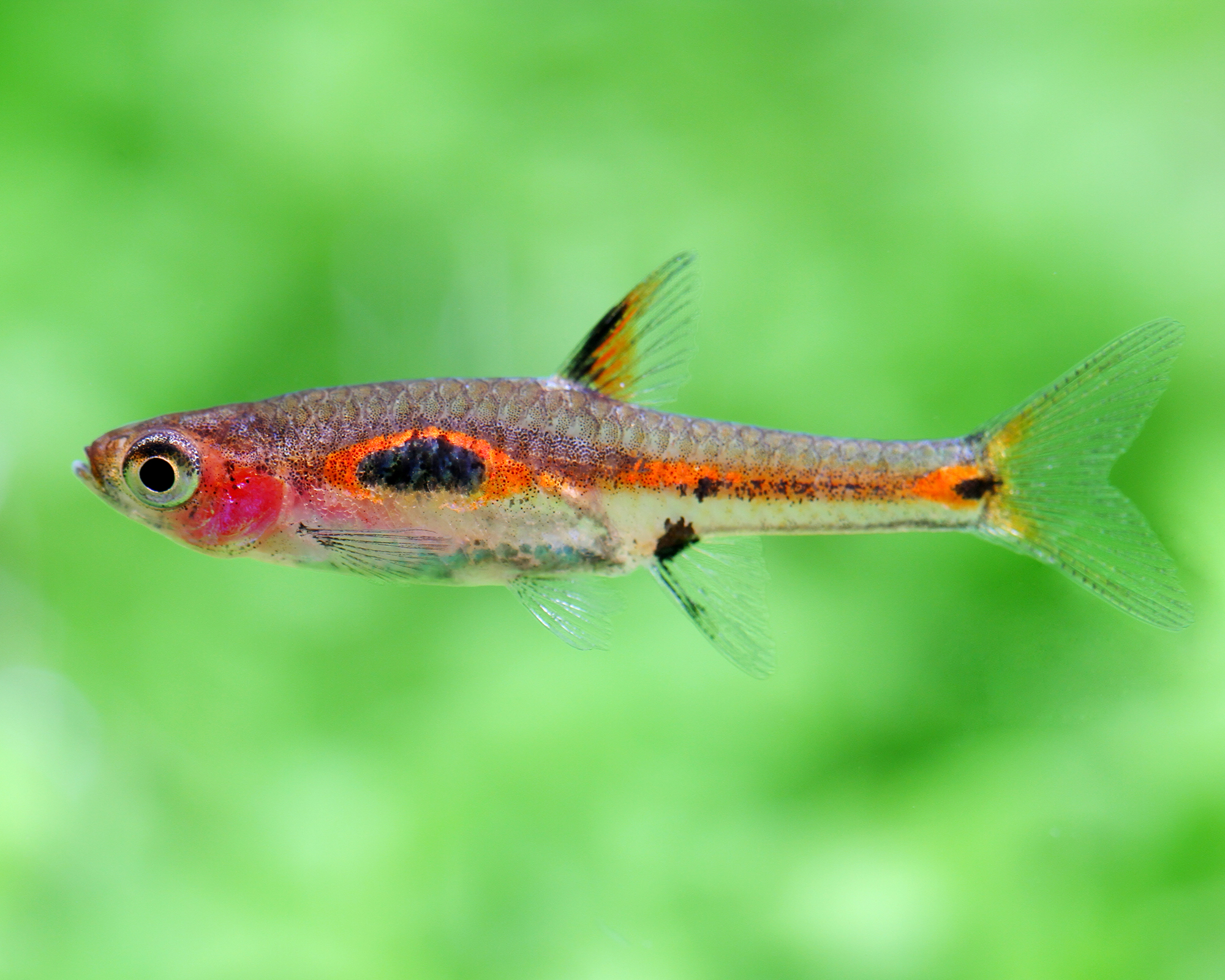
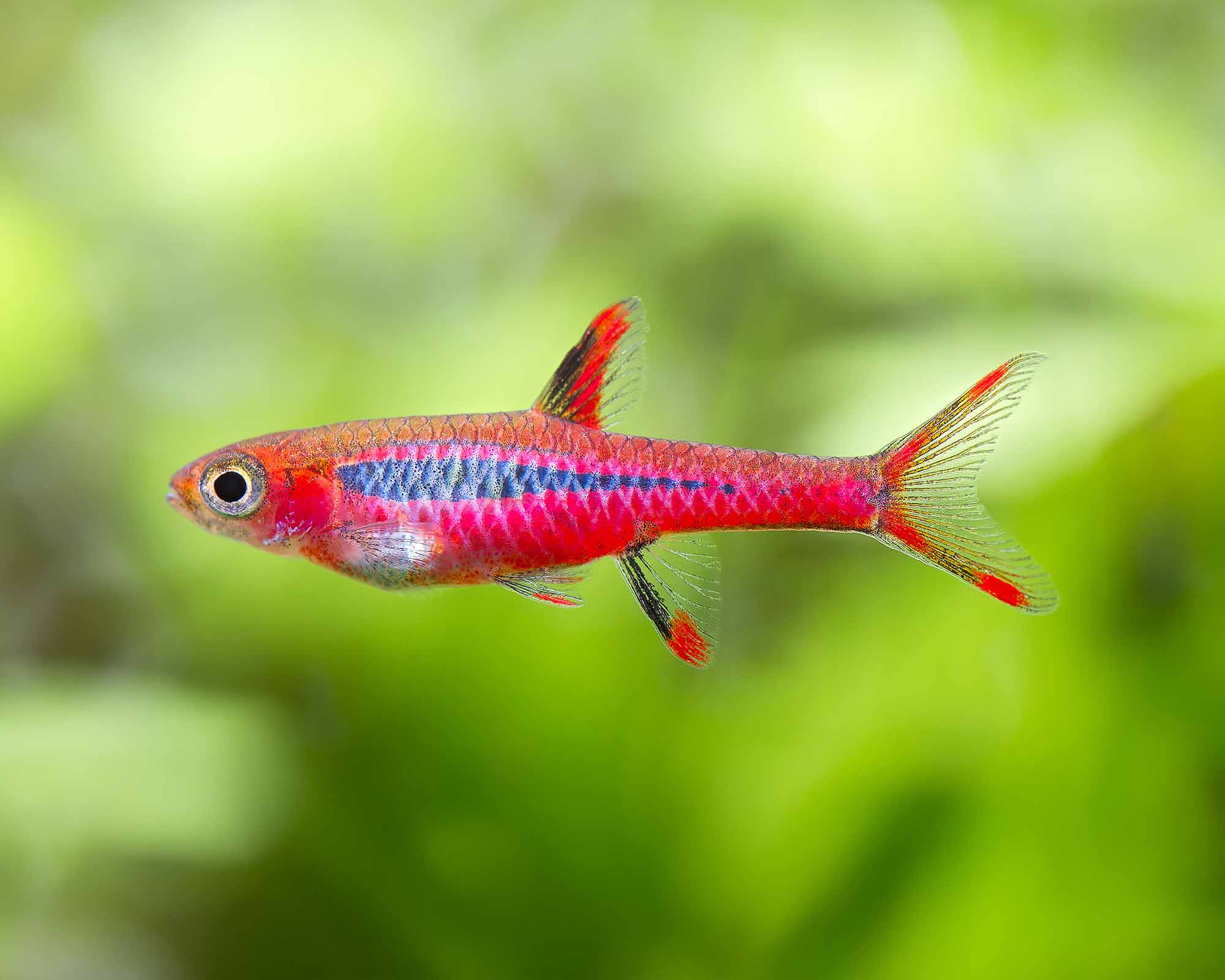
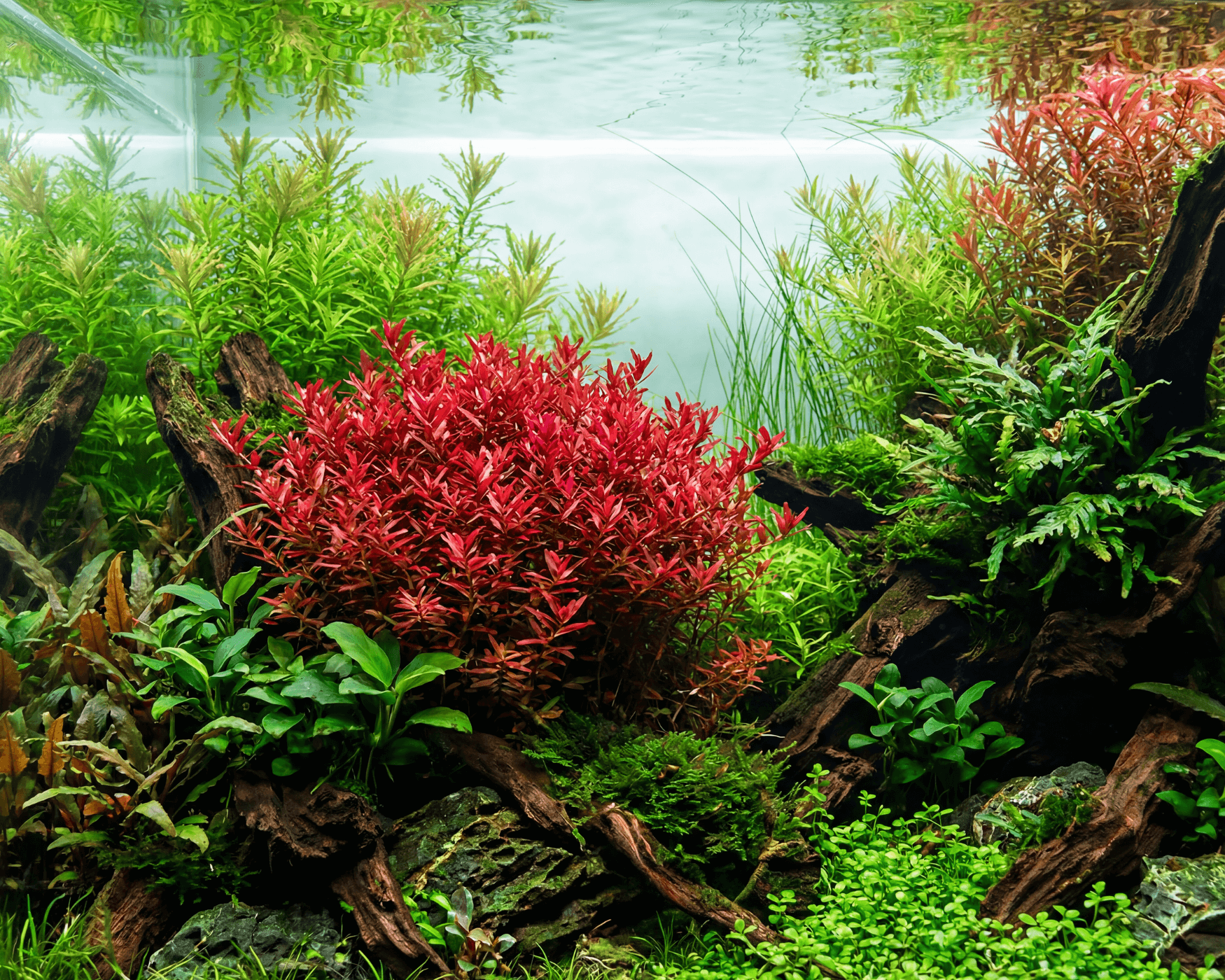
Color works best when it has a background. Orange fish can disappear against reddish stems but stand out over green foliage; blue fish often look stronger against dark wood, moss or shadowed plants. A restrained palette usually looks more deliberate than several unrelated colors competing at once. Ember tetras, for example, can act as a warm accent in a mostly green aquascape, while blue or silver fish can create a cooler counterpoint. Think in terms of one main color, one supporting color and neutral areas. Substrate, hardscape and plant texture should provide enough visual rest for the animals to remain visible without making the aquarium feel overdecorated.
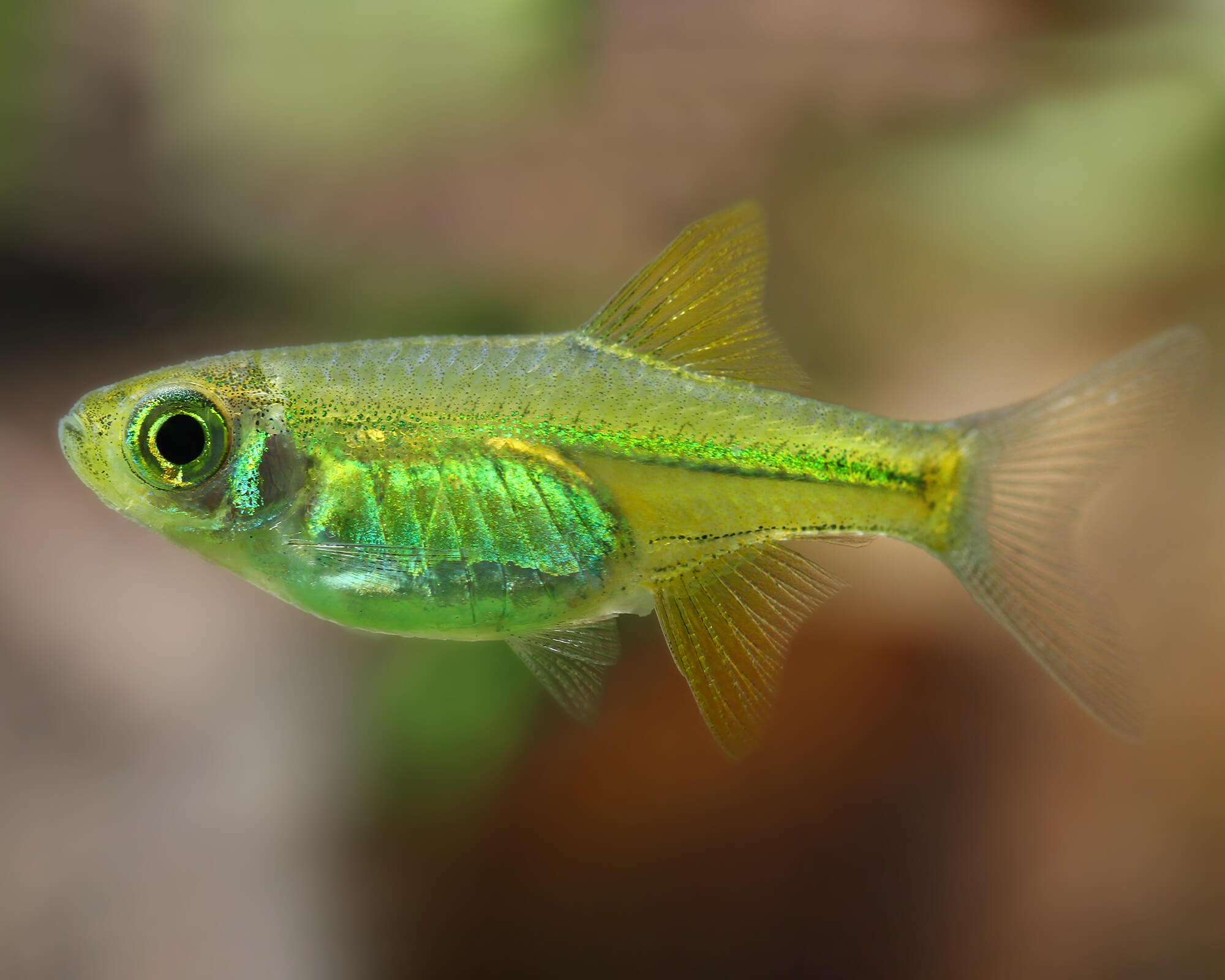
Choose schooling fish for horizontal movement
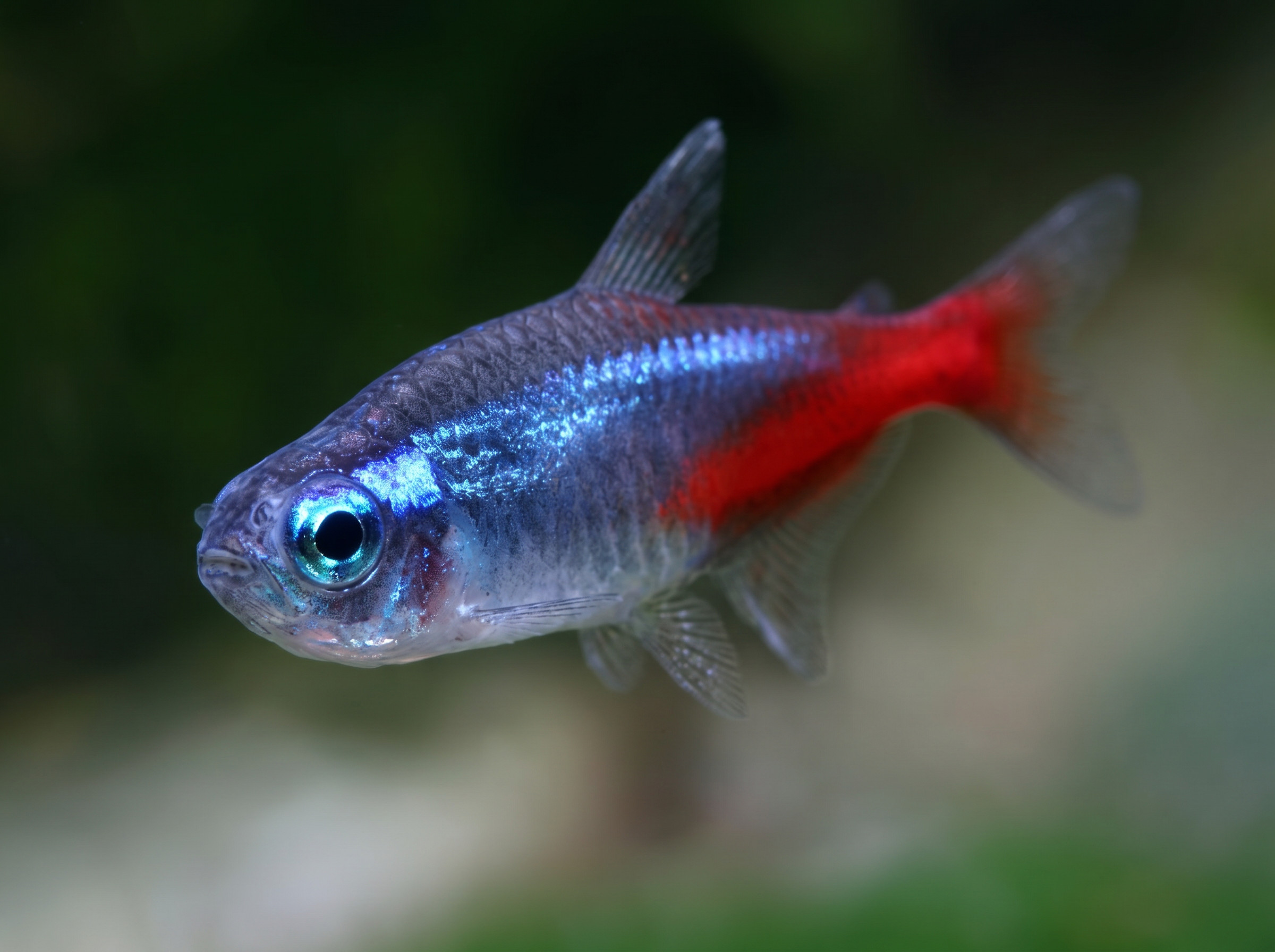
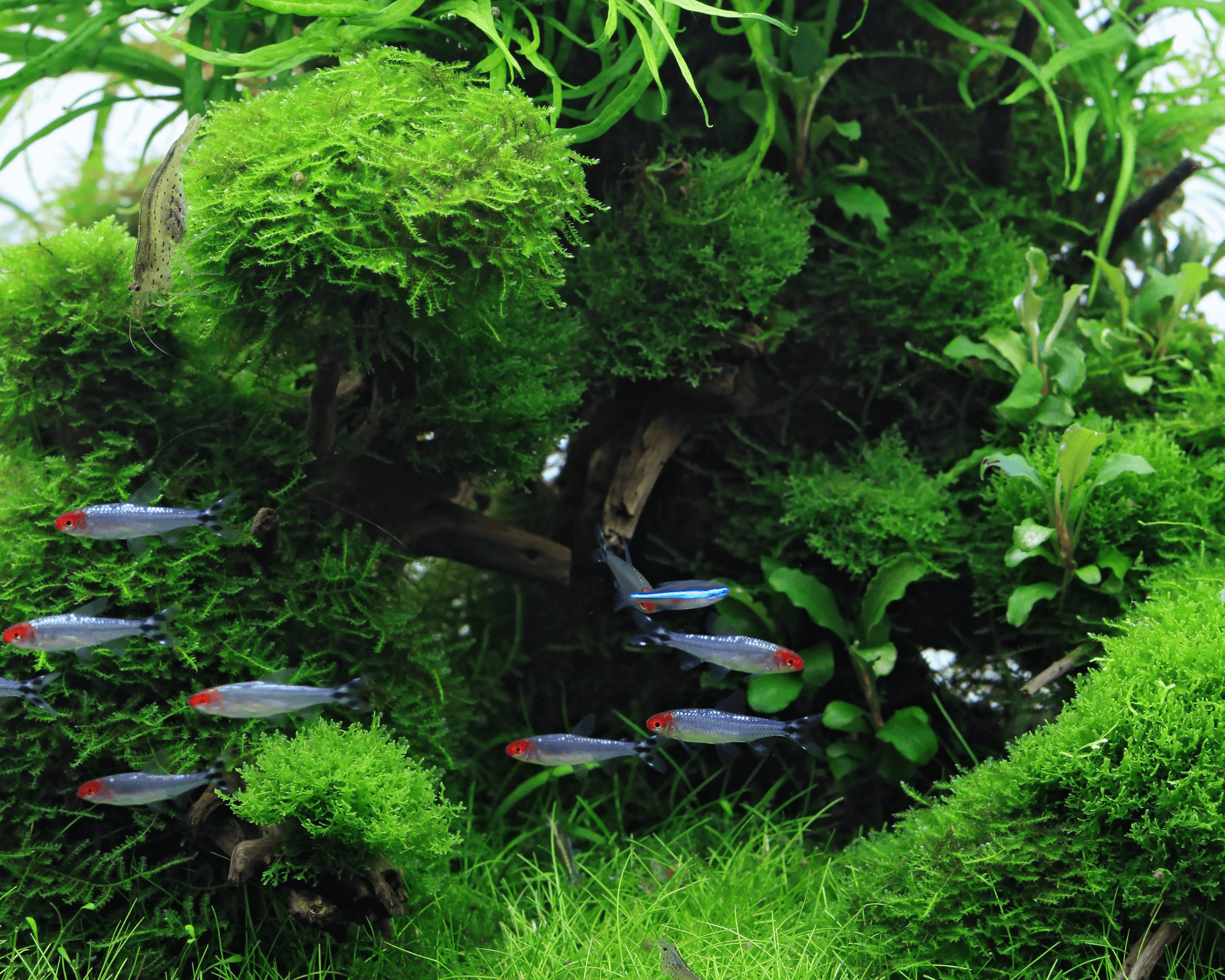
Small schooling fish are useful when the aquascape needs motion across the middle or upper water column. Their effect depends on swimming style as much as color. A calm, cohesive group can make a long tank feel larger, while scattered or nervous movement may make a small cube look busy. Choose a species that can be kept in an appropriate group for the aquarium’s footprint, and avoid mixing several tiny schools in a tank that cannot provide enough swimming length. Neon tetras, for instance, are more suitable to a properly sized community aquarium than an extremely small desktop setup. Let the tank dimensions decide whether a species belongs in the plan.
Add vertical movement only when the tank has room for it
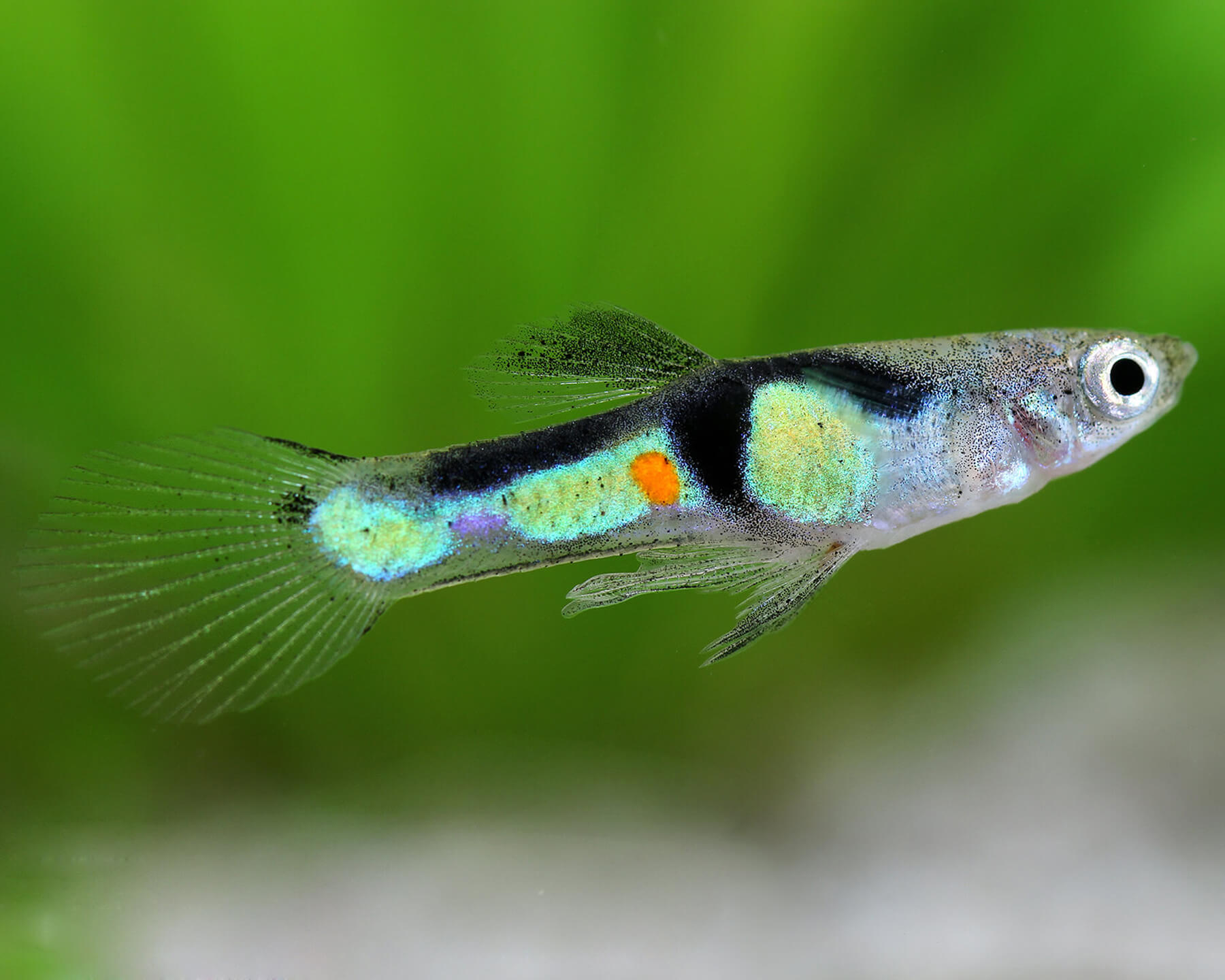
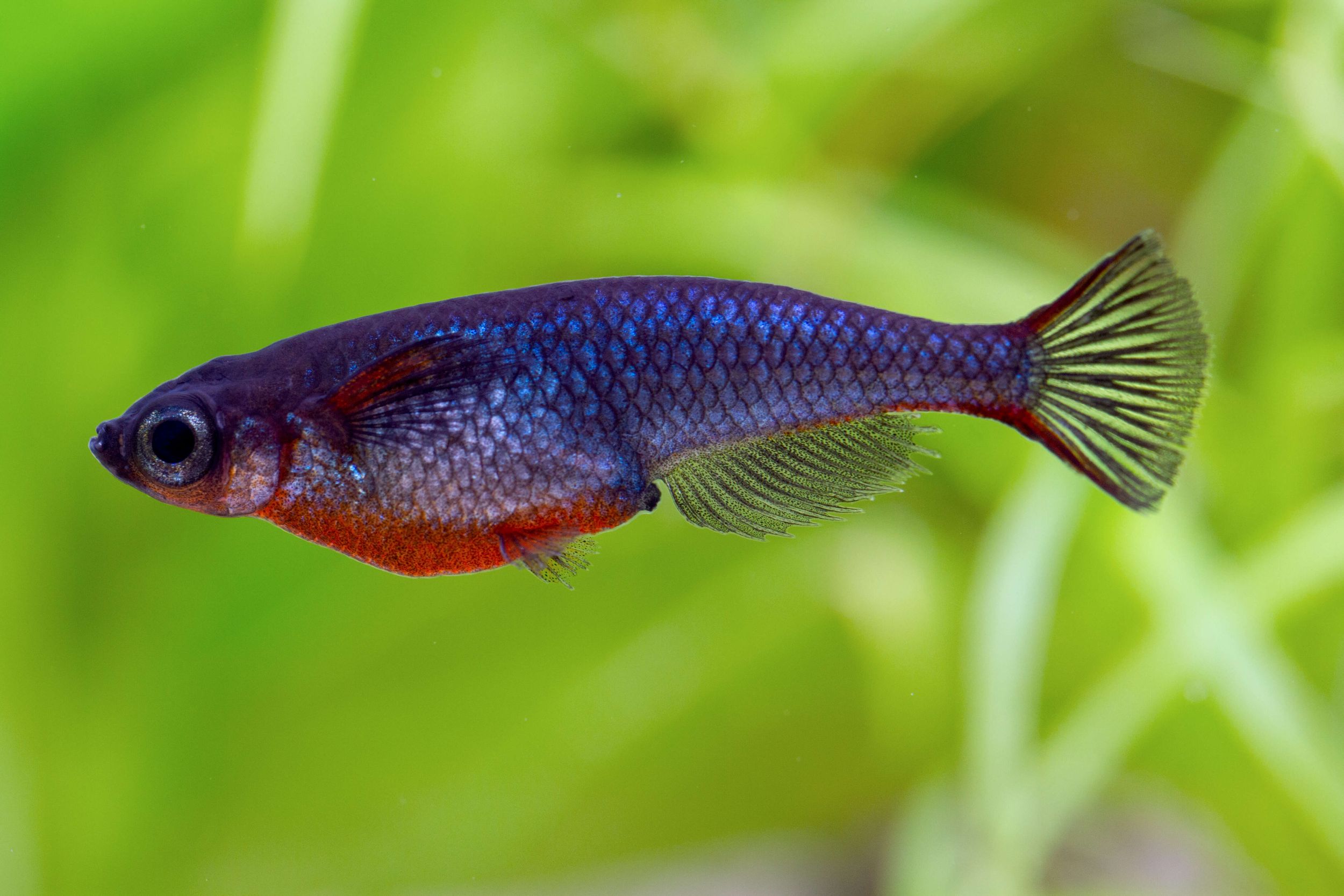
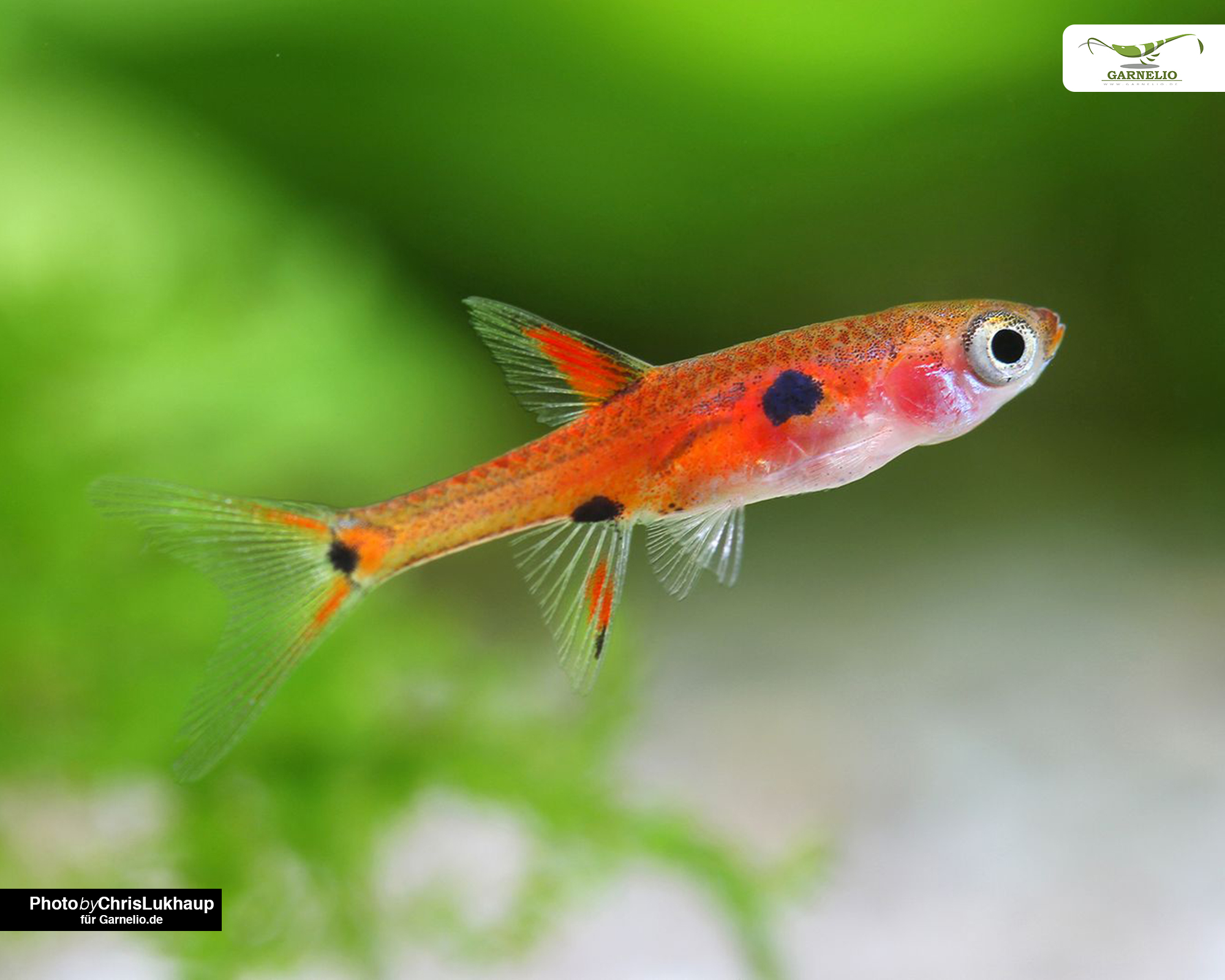
A planted aquarium with tall stems, floating plants or open upper water can benefit from livestock that uses vertical space. Livebearers such as Endler guppies bring energetic movement and strong color near the surface and middle levels, but their activity and reproduction can quickly change the visual balance. Males and females also create different stocking outcomes, so decide whether breeding is acceptable before purchase. In a compact aquarium, active livebearers may overwhelm slower tank mates or make the layout feel constantly crowded. They are generally better suited to a mature, appropriately sized community than to a tiny shrimp-focused display where calm behavior and low bioload are the priority.
Use adult scale to protect the sense of depth
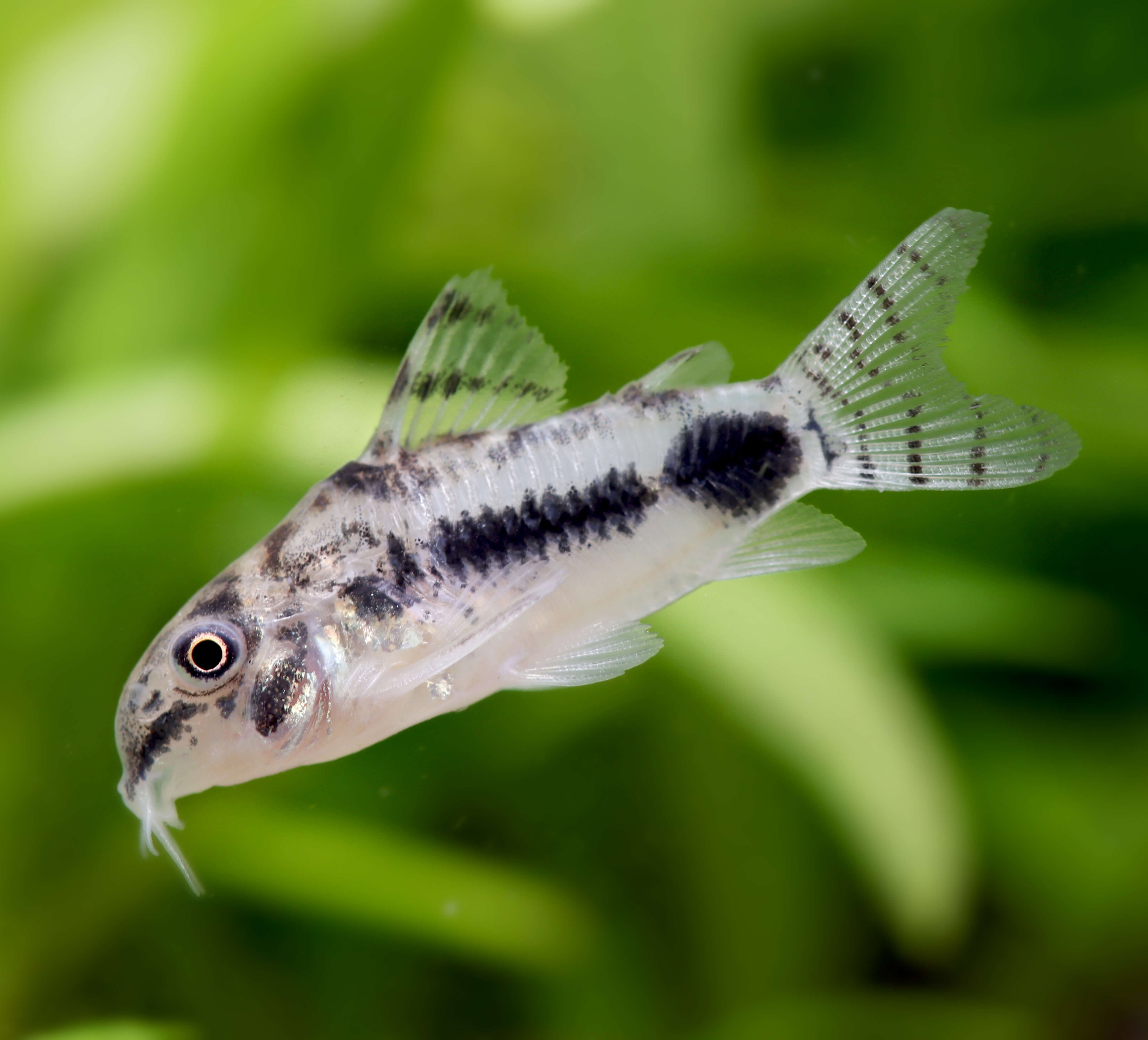
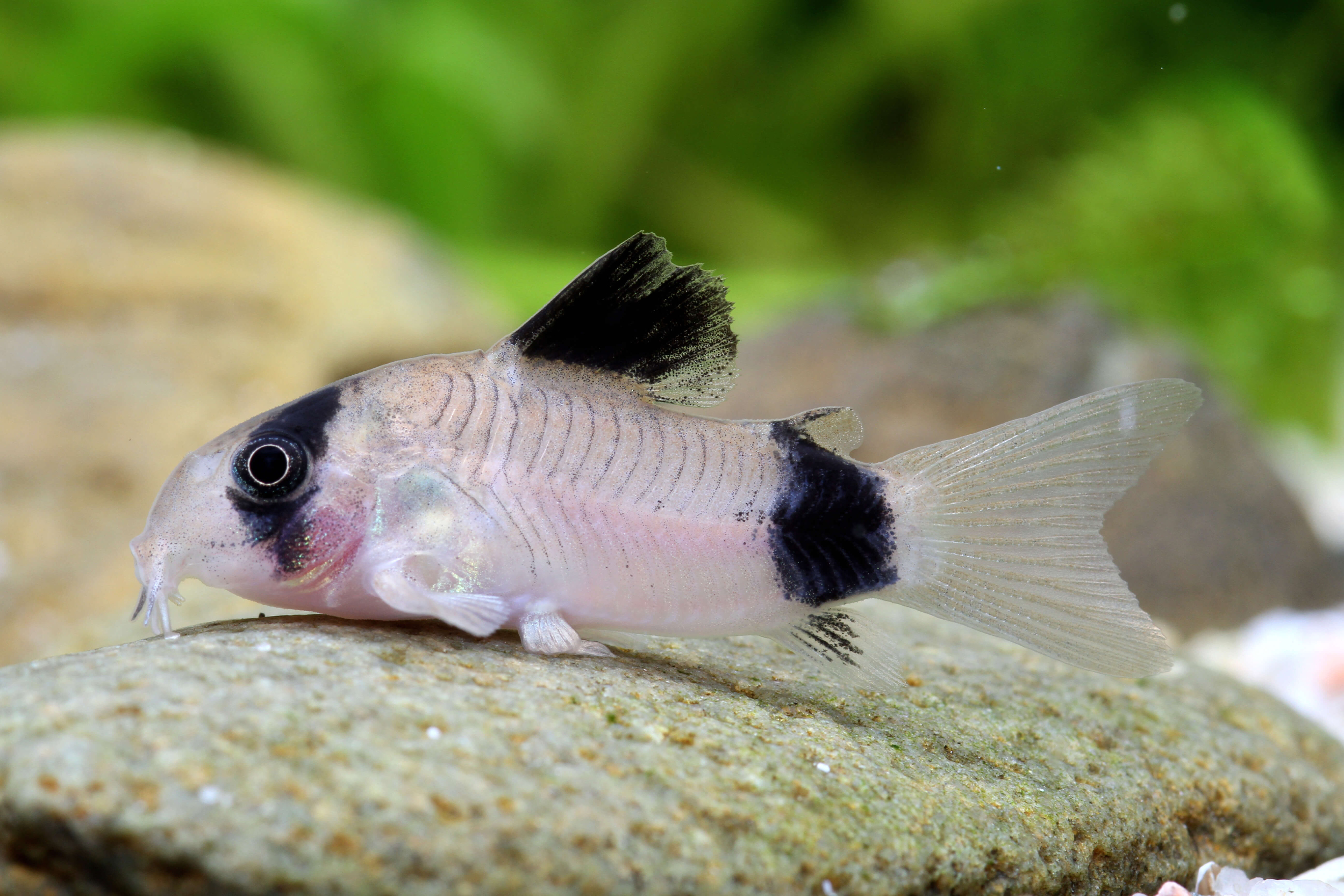
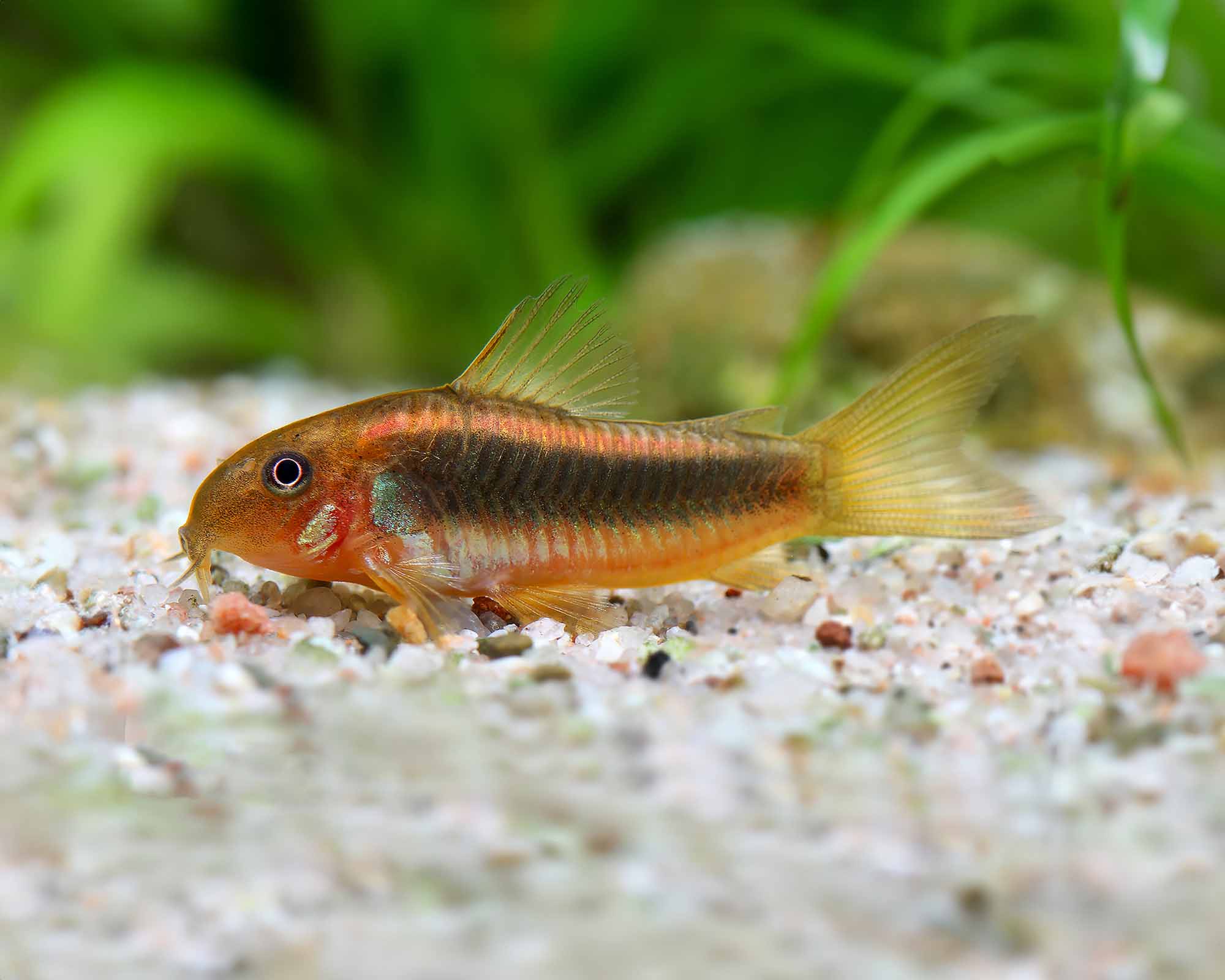
Scale is one of the most overlooked aquascaping decisions. A fish that looks small at the store may become visually dominant once adult fins, body depth or group behavior are considered. Corydoras habrosus can provide a small-scale foreground presence, but they still need suitable floor space, social companions and a soft, clean substrate. In a shallow nano tank, even a modest bottom group can reduce open floor area. Use fine-leaved plants and small hardscape near the front to reinforce scale, then reserve larger leaves or taller wood for the background. The goal is not to fill every zone; it is to create believable proportion.
Make the centerpiece match the aquascape’s pace
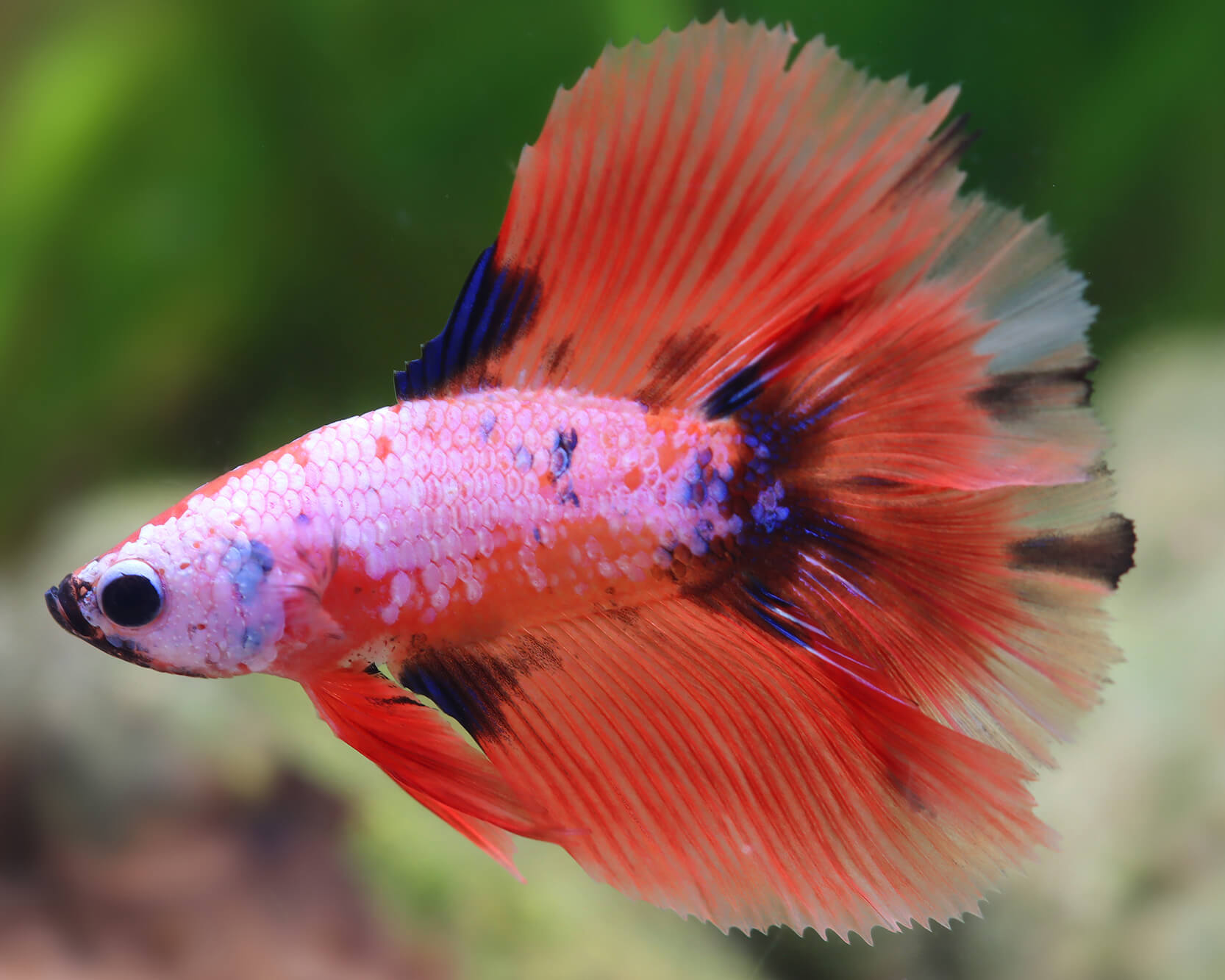
A centerpiece fish should reinforce the layout rather than interrupt it. A betta can work as a solitary focal animal in a planted aquarium, especially when broad leaves, shaded resting areas and gentle flow support its behavior. However, individual temperament varies, and a betta is not automatically compatible with shrimp, small fish or long-finned tank mates. Its presence may also change the design from a community scene to a single-subject composition. If you want several moving groups, a betta may be less suitable than peaceful schooling fish. Choose the centerpiece only after deciding whether the aquarium should feel calm and intimate or active and communal.
Build a shrimp-focused composition around cover and contrast
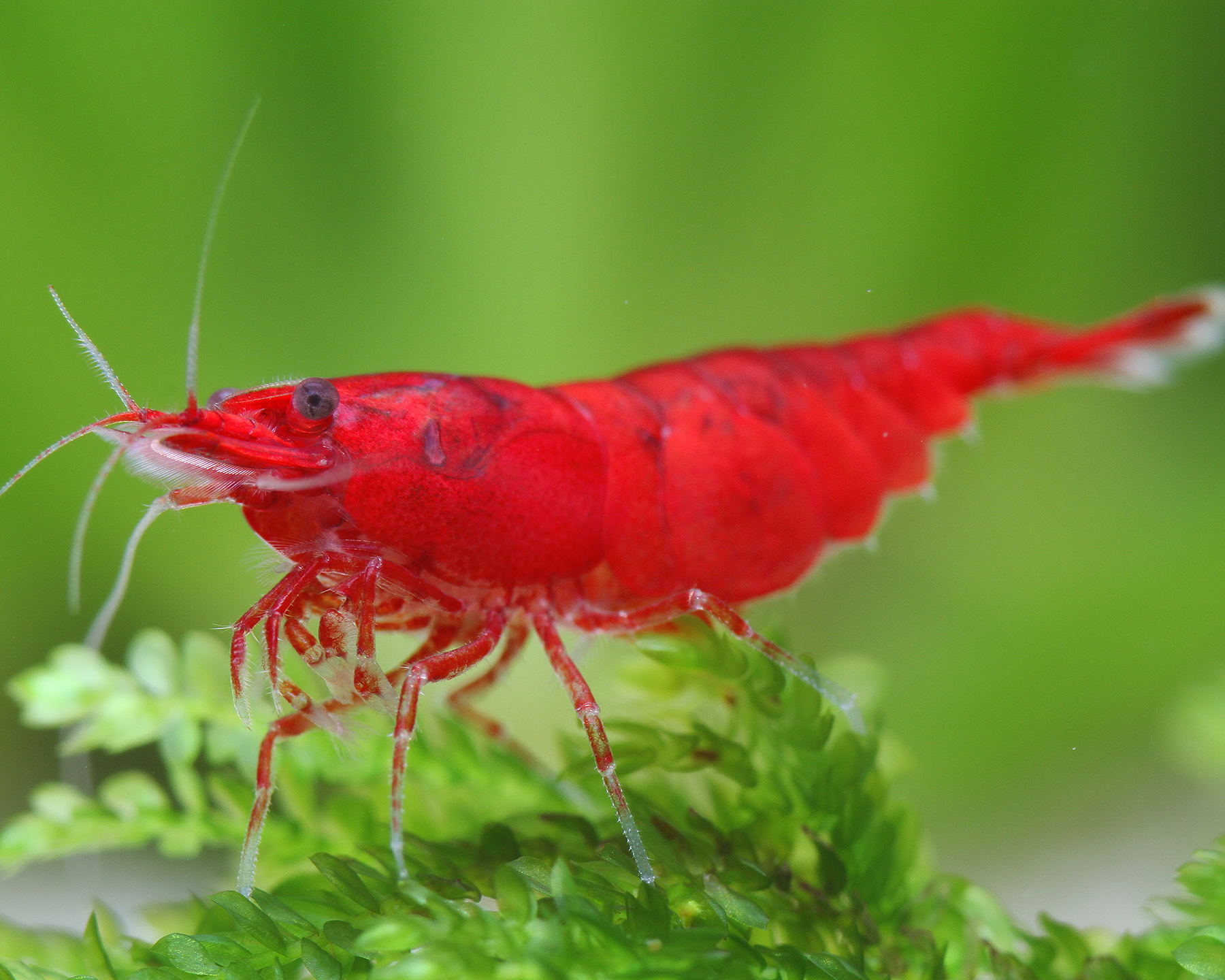
Colorful freshwater shrimp are most effective visually when the aquascape gives them surfaces to explore and places to disappear. Moss, fine plants, leaf litter and small crevices provide useful cover, while dark substrate or green foliage can make red, yellow or blue Neocaridina easier to see. Fish compatibility is never guaranteed: even peaceful nano fish may eat shrimplets, and a feature fish may hunt adult shrimp. If colony growth matters, a shrimp-and-snail aquarium is usually a safer design direction than a mixed community. If fish are essential, use dense cover and accept that juvenile survival may be lower. Stability matters more than chasing a particular color grade.
Treat snails as texture and maintenance partners
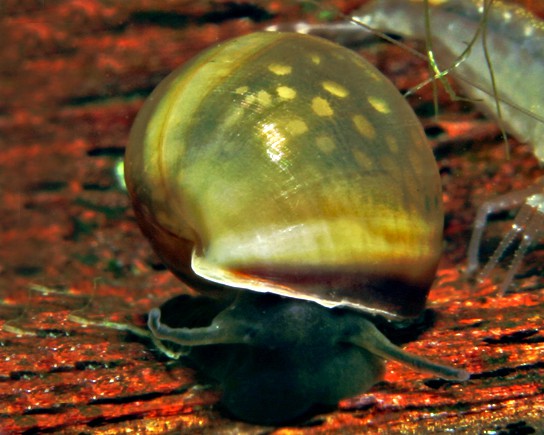
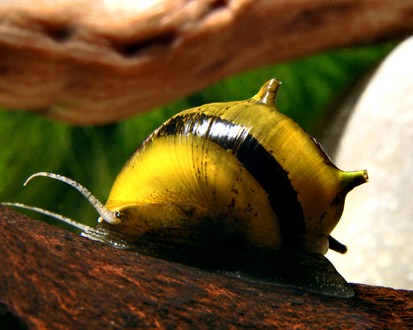
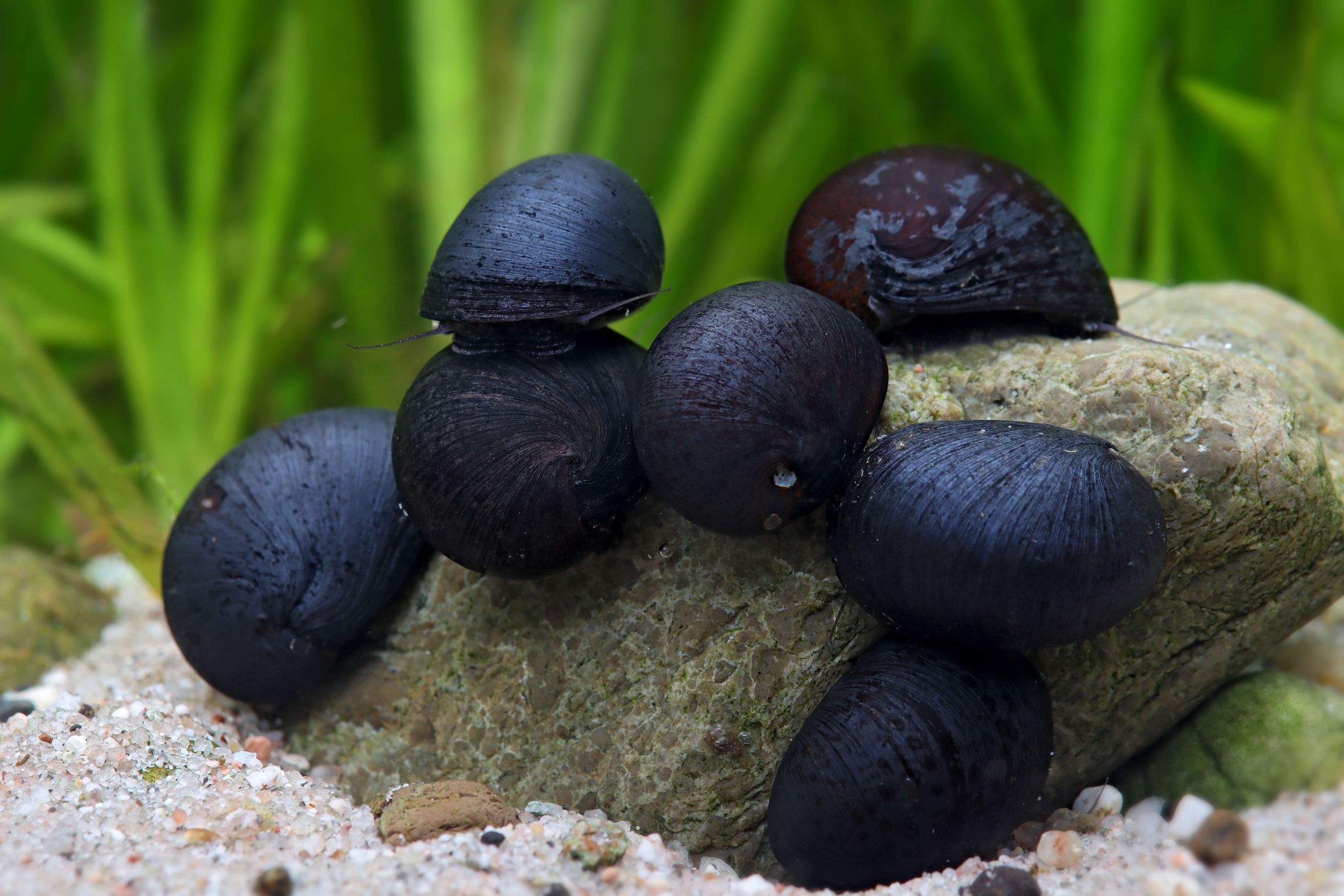
Aquarium snails can add slow, deliberate movement that balances active fish. Nerite-type snails are often chosen for planted displays because they graze surfaces without becoming a schooling distraction, although they may not reproduce successfully in ordinary freshwater. Ramshorn and bladder snails can contribute useful cleanup but may multiply when excess food is available. Their shells also become part of the color and texture plan, especially against dark substrate or pale stone. Do not treat snails as a substitute for maintenance: they consume some algae and leftover food, but they still add bioload and require adequate food, minerals and stable water. Match the snail to the tank’s food supply and long-term goals.
Choose beginner plants that support the composition
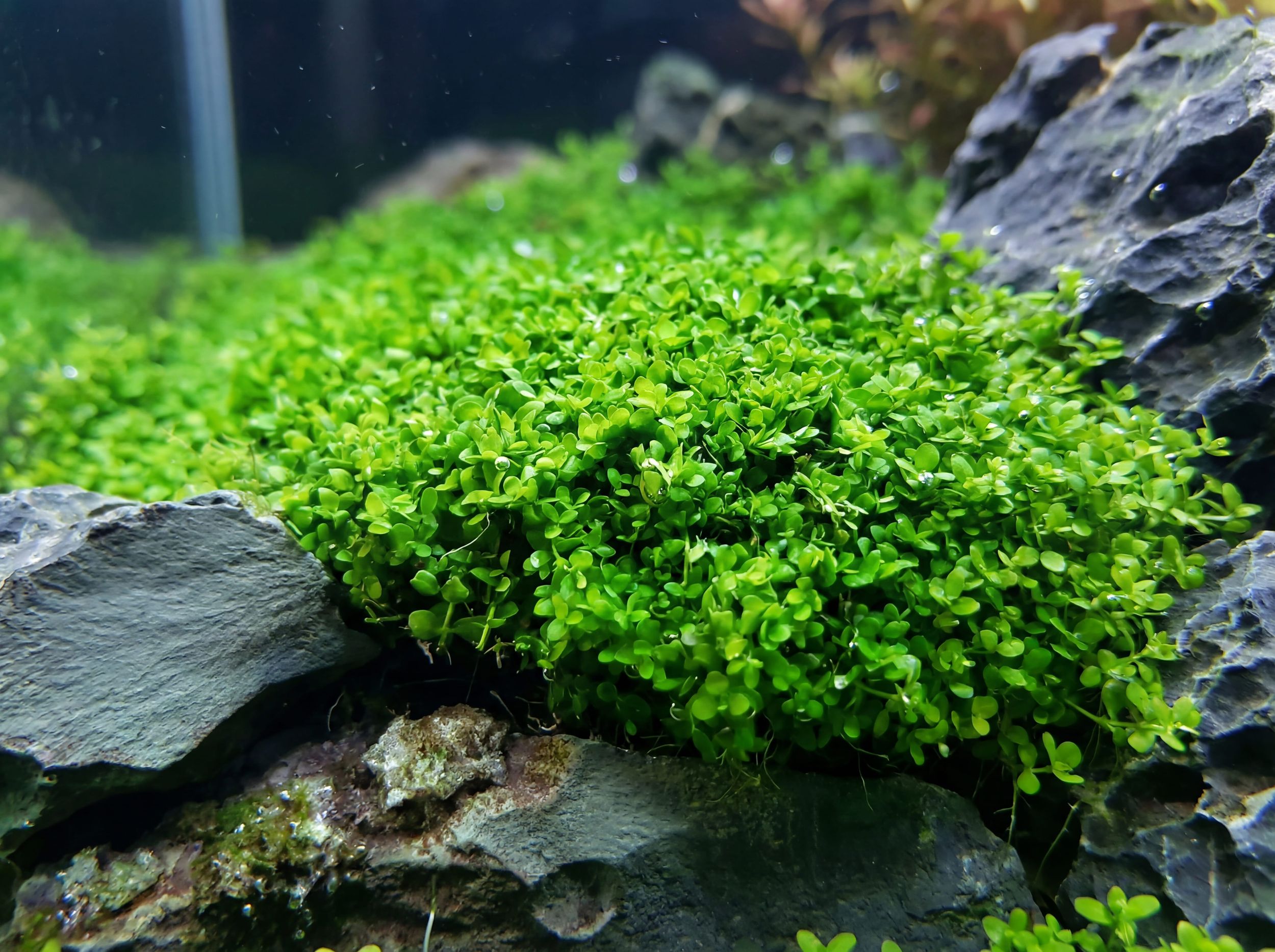
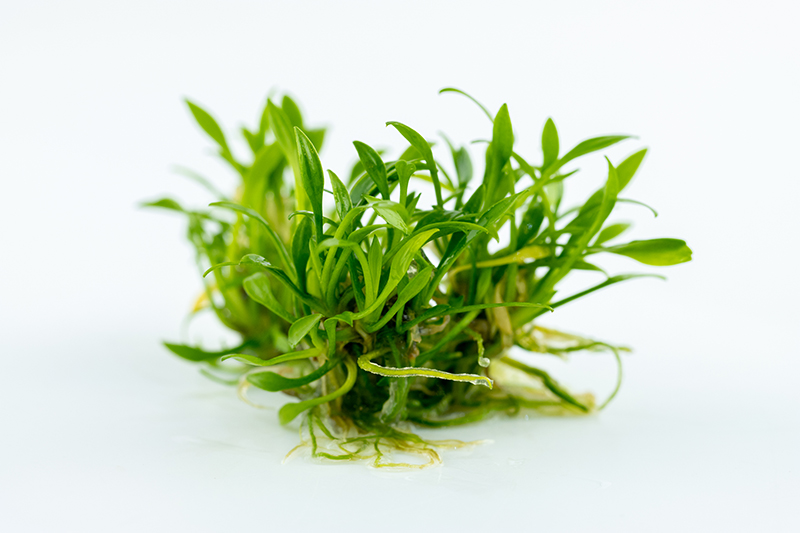
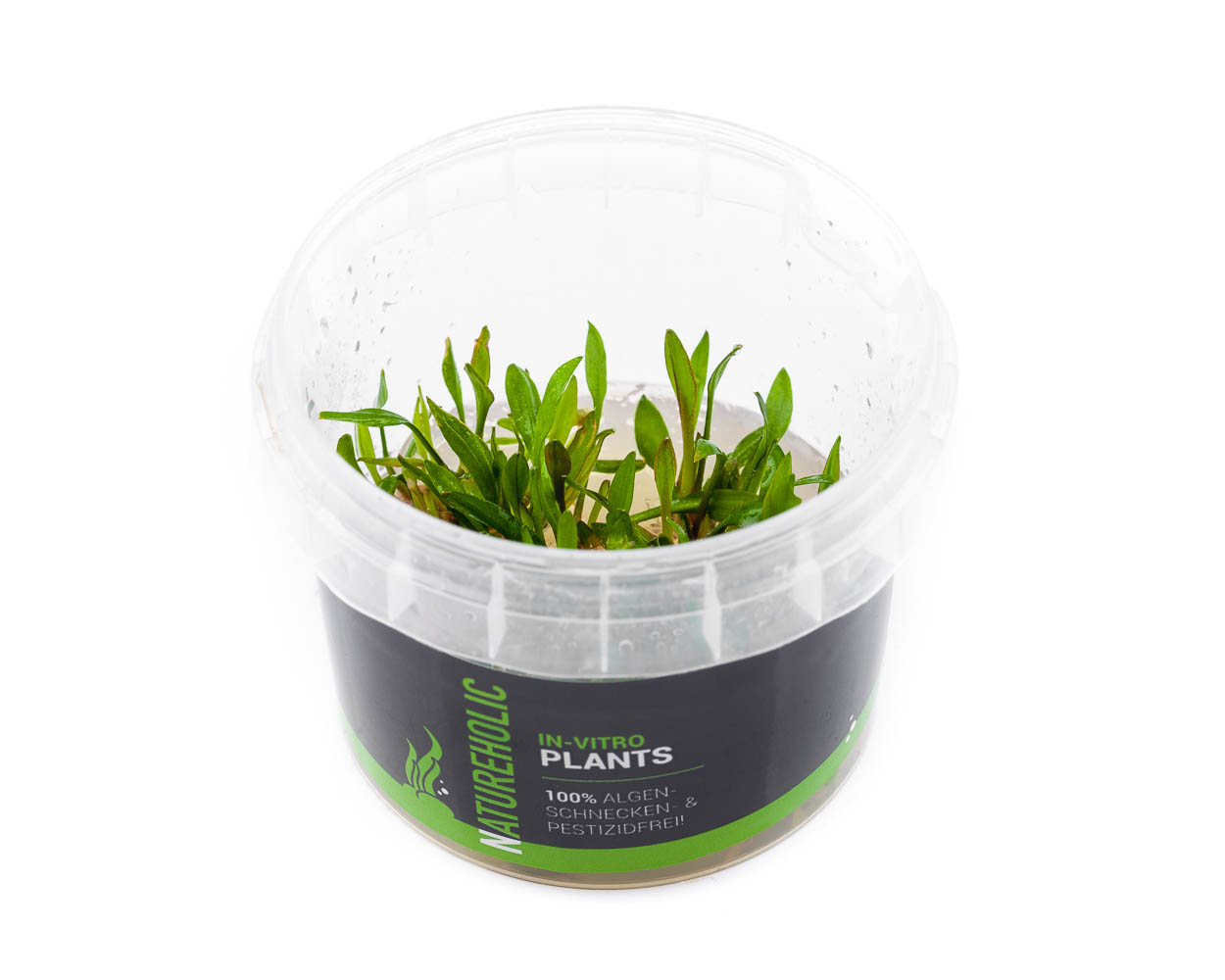
Easy plants should be selected for their design job as well as their tolerance. Anubias and Java fern can anchor hardscape without demanding a nutrient-rich substrate, while Cryptocoryne adds midground volume and Java moss creates fine texture and shrimp cover. Vallisneria or other tall plants can frame the background, but they may spread and reduce open swimming space. In low-tech aquariums, moderate light and consistent maintenance are usually more forgiving than intense lighting aimed at rapid growth. Avoid packing every area immediately. Leave open water for schooling fish, shaded zones for timid livestock and visible surfaces where shrimp or snails can be observed.
Use a compatibility-first design test before buying
Test the planned aquarium in five steps. First, identify the tank’s actual footprint and water conditions. Second, choose one visual priority: a school, a centerpiece, a shrimp colony or a calm invertebrate display. Third, select plants that create the cover and swimming lanes that priority requires. Fourth, check adult size, social needs, feeding behavior and likely predation for every proposed tank mate. Finally, remove any animal that requires a different temperature, chemistry range or social setup. A colorful aquarium is successful when its livestock can live well and remain visually legible. When in doubt, simplify the stocking plan and let plants, hardscape and negative space provide the variety.
Frequently Asked Questions
What is the easiest colorful combination for a planted nano aquarium?
A shrimp-and-snail setup is usually the simplest colorful option for a small planted aquarium because it avoids schooling requirements and reduces the risk of fish eating shrimplets. Choose one Neocaridina color line, add suitable cover such as moss, and introduce livestock only after the aquarium is mature and stable.
Can colorful freshwater fish, shrimp and snails live together?
Sometimes, but compatibility depends on adult fish size, mouth shape, temperament, tank footprint, plant cover and the value you place on shrimp breeding. Snails are often easier to combine with peaceful fish than shrimp are. Even small fish may eat baby shrimp, so dense cover is important.
Which beginner plants work well with colorful fish and shrimp?
Anubias, Java fern, Java moss and many Cryptocoryne varieties are useful starting points because they tolerate moderate conditions and provide structure or cover. Fast-growing stem plants can also help absorb nutrients, but plant choice should match lighting, substrate, flow and whether the aquarium uses injected carbon dioxide.
How many fish colors should a planted aquarium have?
There is no fixed number, but one dominant color with one supporting accent usually creates a clearer composition than many unrelated colors. Use plants, substrate and wood as neutral elements that help fish colors remain visible. In a nano aquarium, fewer species usually produce a calmer and more intentional result.
Are nano fish automatically suitable for a five-gallon aquarium?
No. Small adult size does not remove the need for social groups, swimming length, stable water and appropriate temperature. Many schooling fish are better suited to longer aquariums than small cubes. A five-gallon setup is often more predictable as a shrimp, snail or single-fish display, depending on the species and local care guidance.
 - 2.webp)
Leave your comments