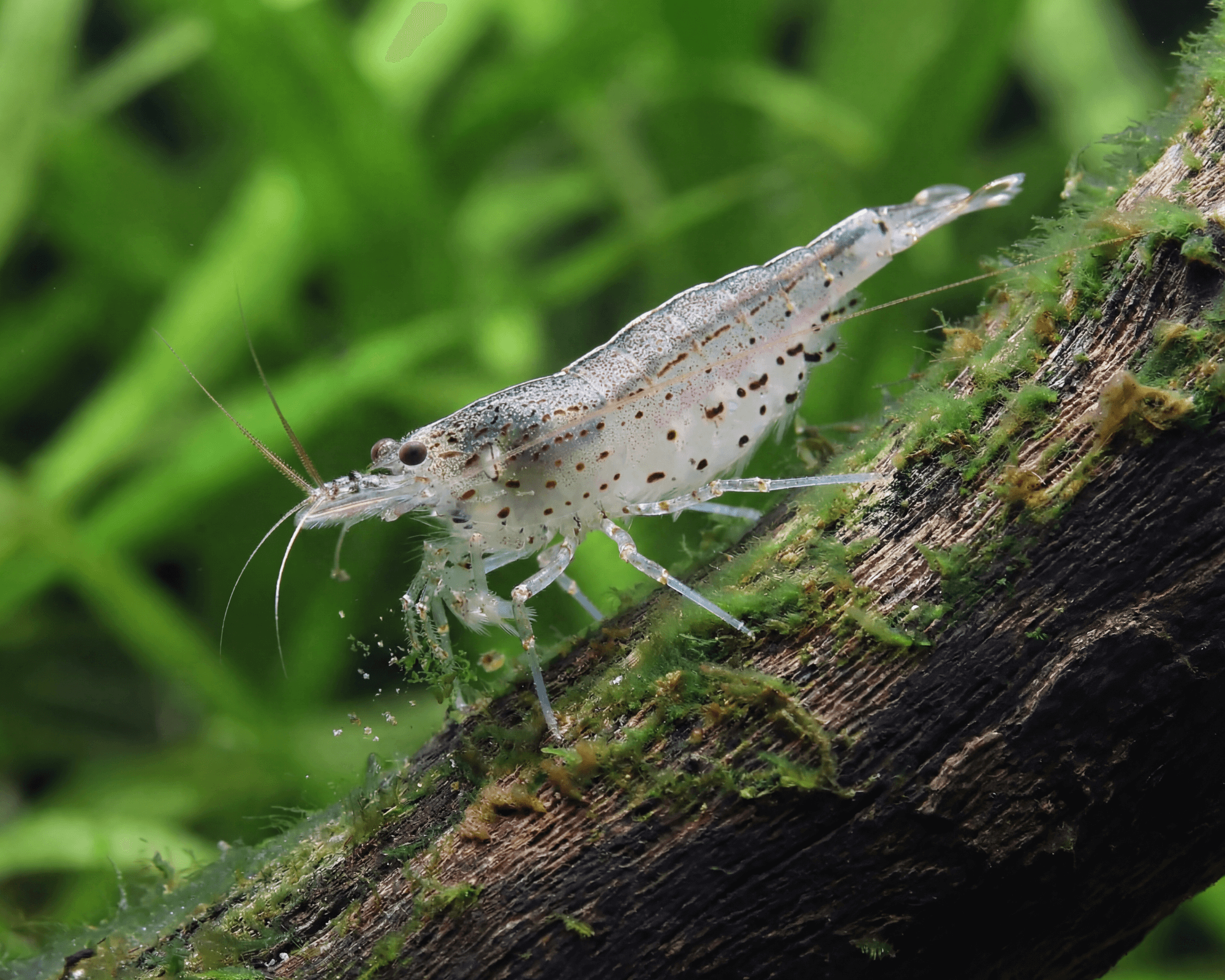
Start with the right expectation: shrimp reduce algae, but they do not replace tank balance
Shrimp are excellent grazers of biofilm, soft algae, plant debris, and uneaten particles, but they are not a cure for unlimited light, excess nutrients, or heavy feeding. Amano shrimp are usually the stronger algae-control choice because they are larger and more persistent grazers. Neocaridina varieties contribute useful surface grazing while also adding color to a planted display. The decision is less about finding a single perfect cleanup animal and more about matching the shrimp to the size of the aquarium, the type of algae, and the amount of food already entering the system. If algae returns quickly, correct the cause instead of continually adding shrimp.
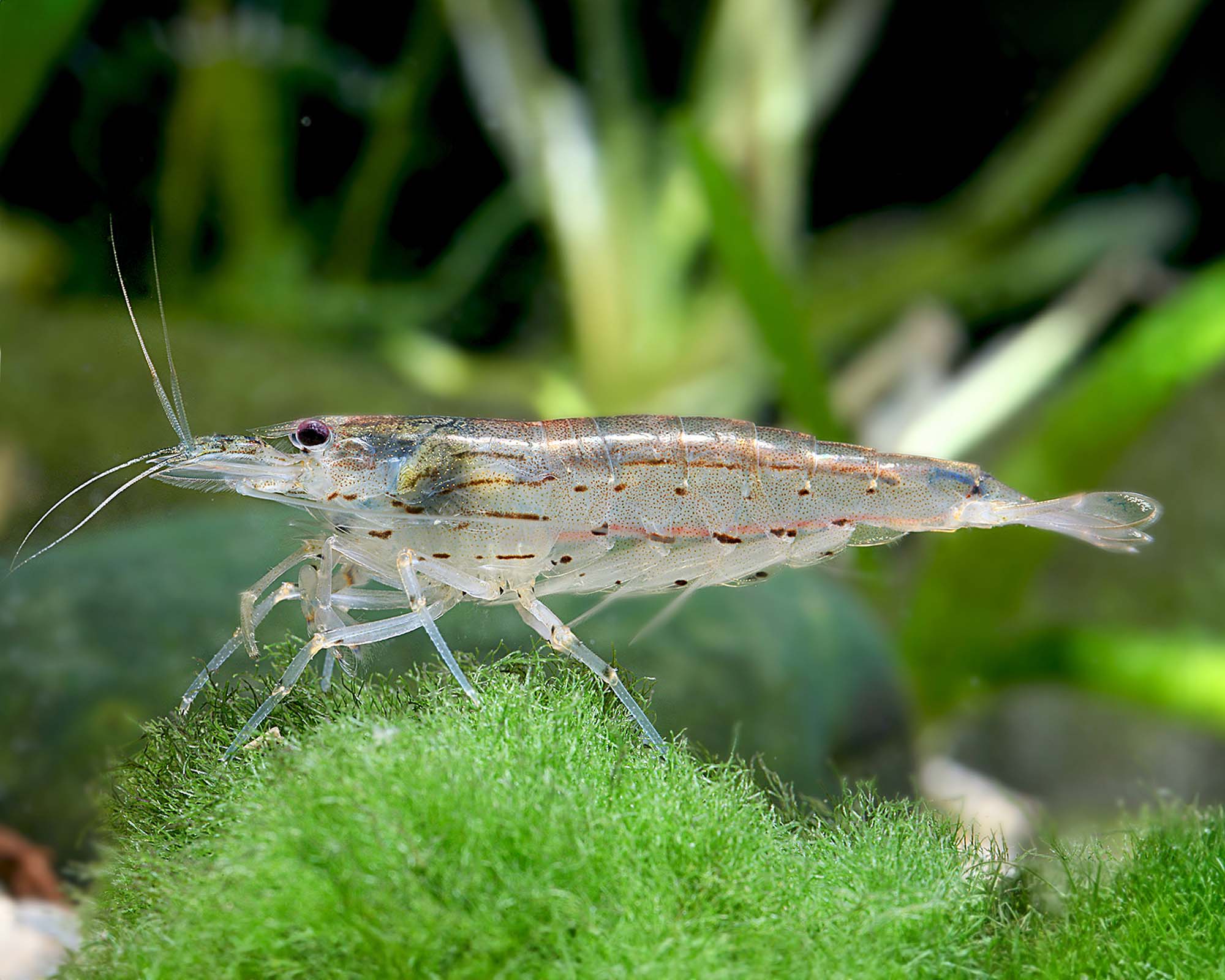
Choose Amano shrimp when algae control matters more than colony growth
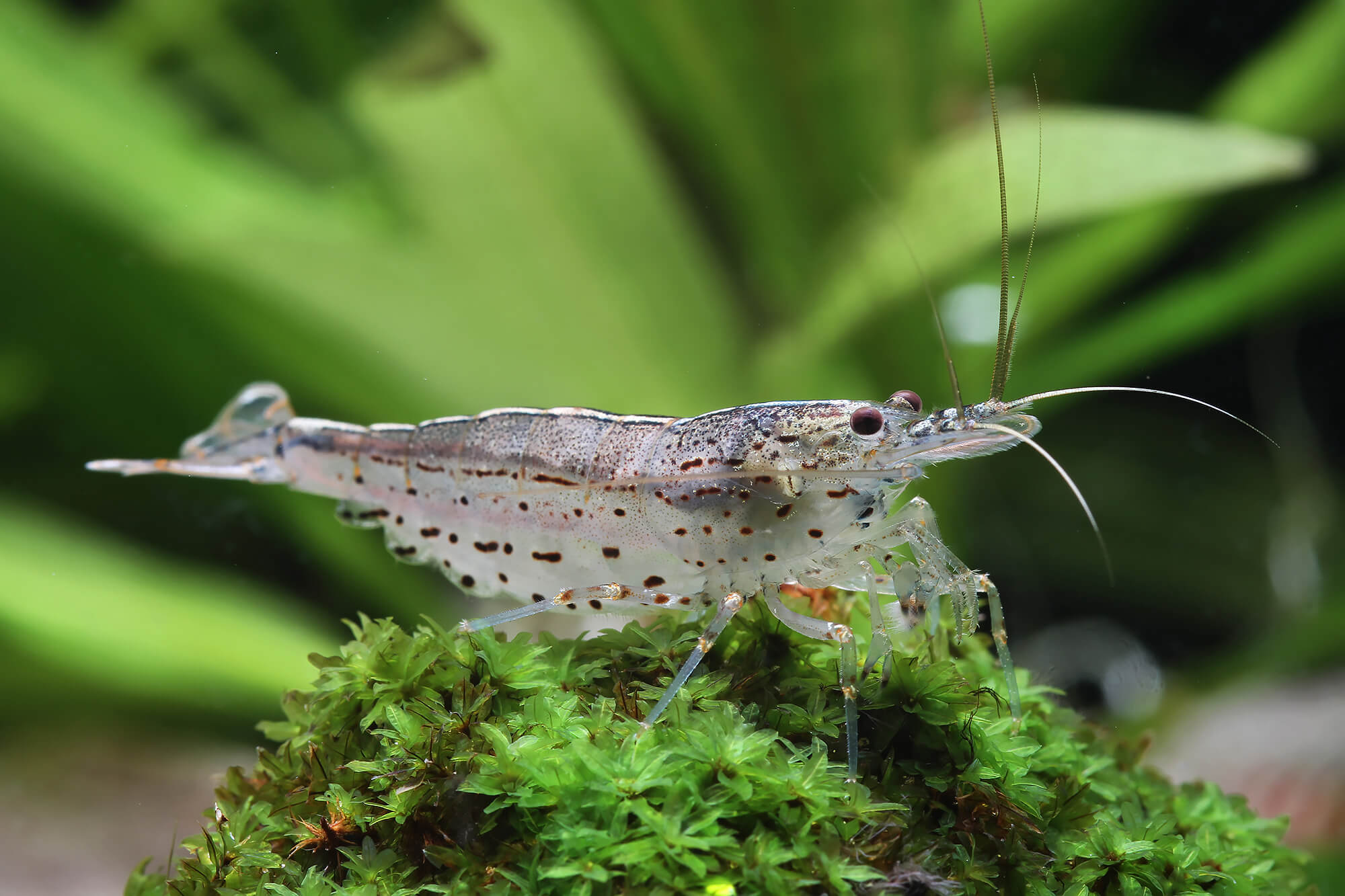
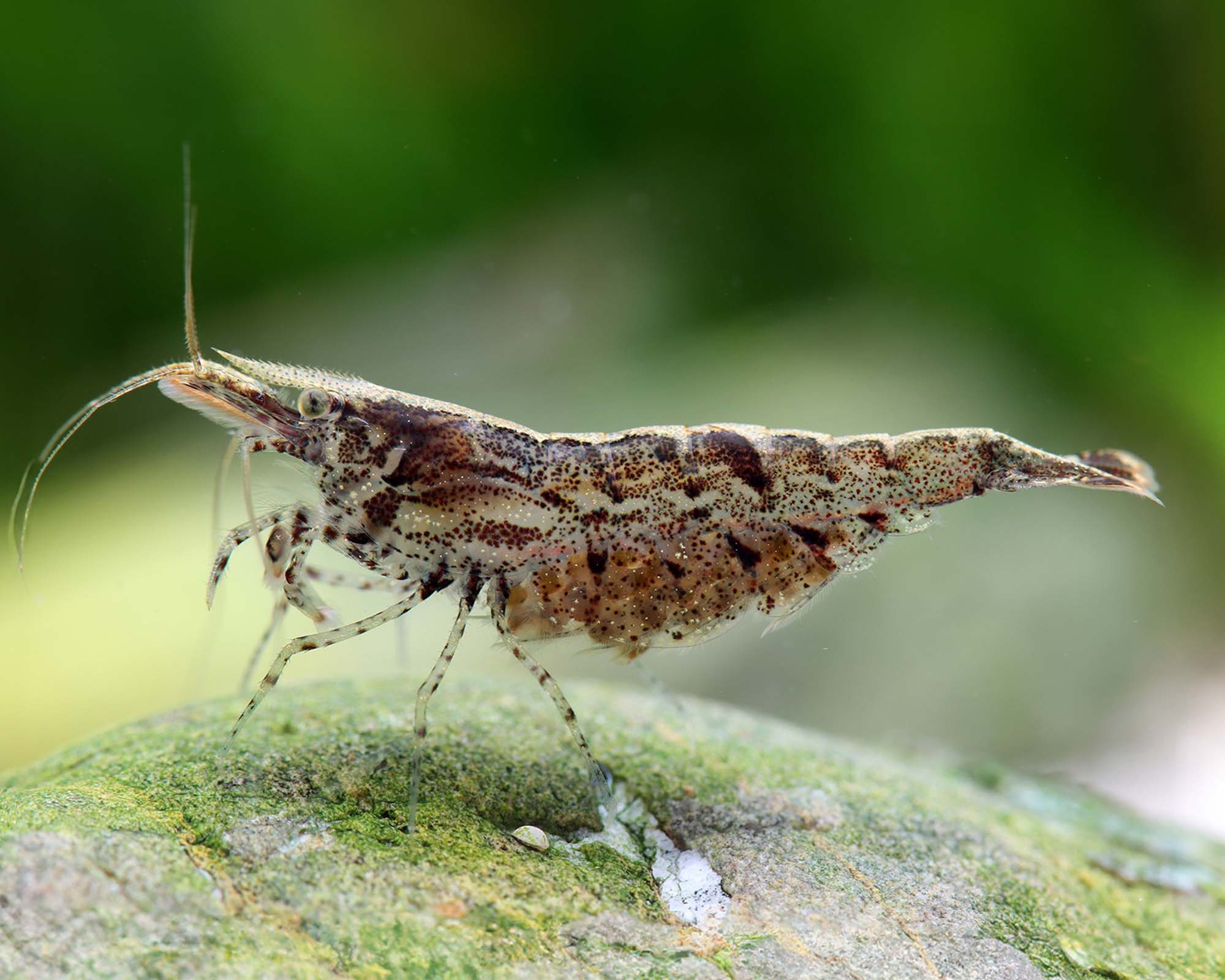
Amano shrimp are a practical choice for planted community aquariums where the main goal is reducing soft green growth and leftover food. They are larger than most Neocaridina and are less likely to disappear in a tank with peaceful small fish, although fish may still eat newly molted or juvenile shrimp. They generally need mature surfaces to graze and should not be treated as disposable algae equipment. Amano shrimp also do not normally establish a self-sustaining freshwater colony because their larvae require different rearing conditions. That makes them useful for predictable algae assistance, but it also means you must plan for adult size, group behavior, and long-term replacement.
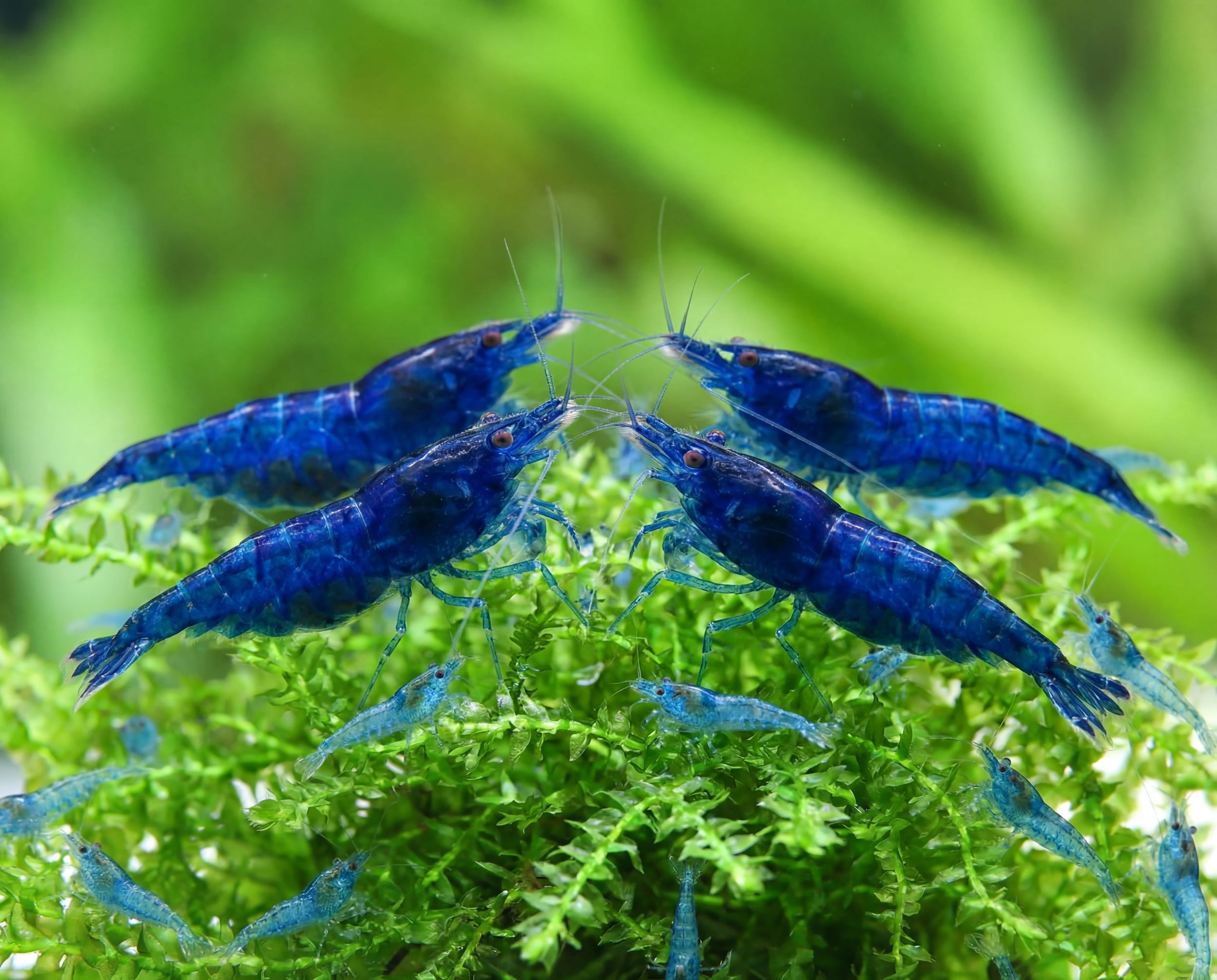
Use Neocaridina colors when you want visible shrimp and modest algae grazing
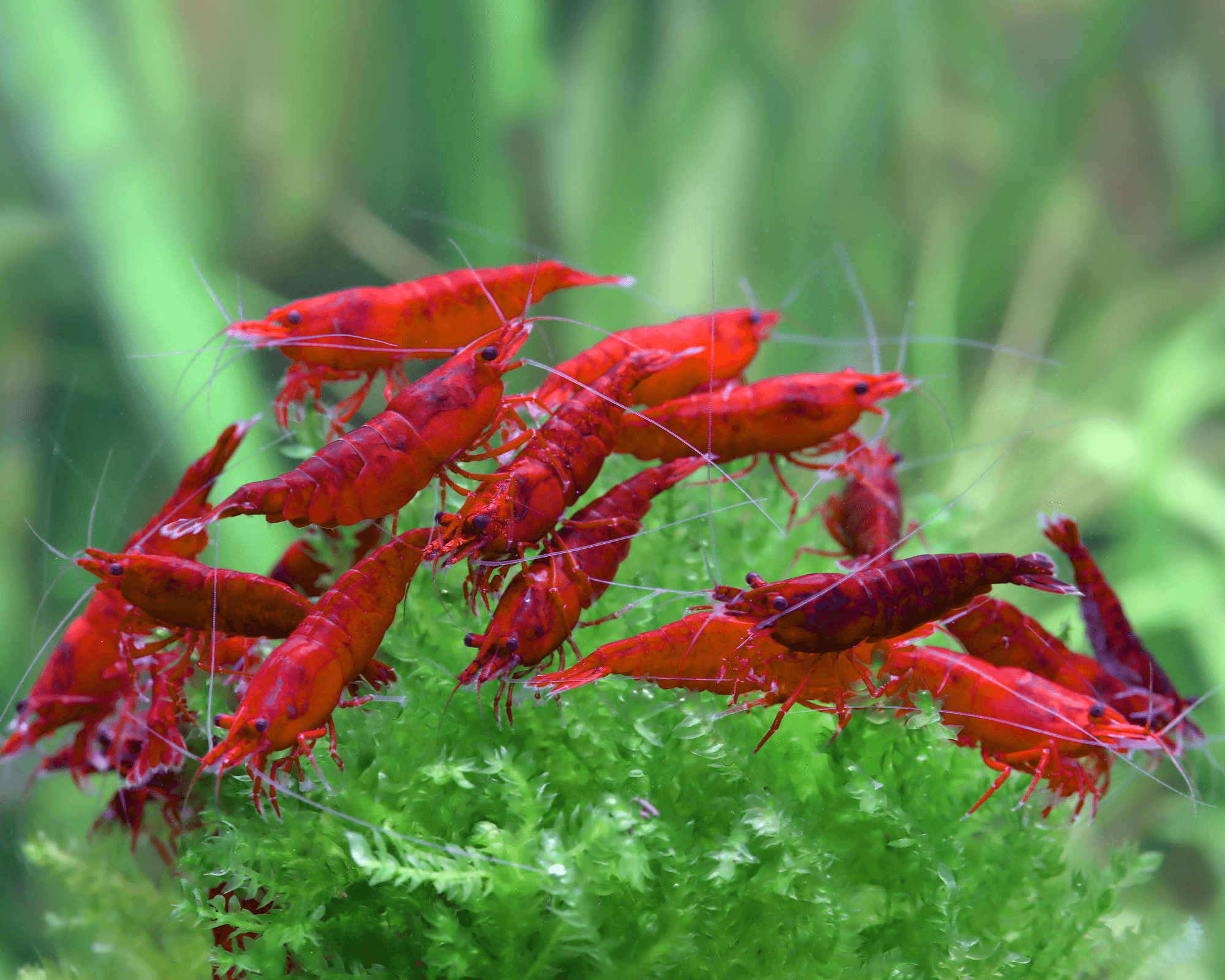
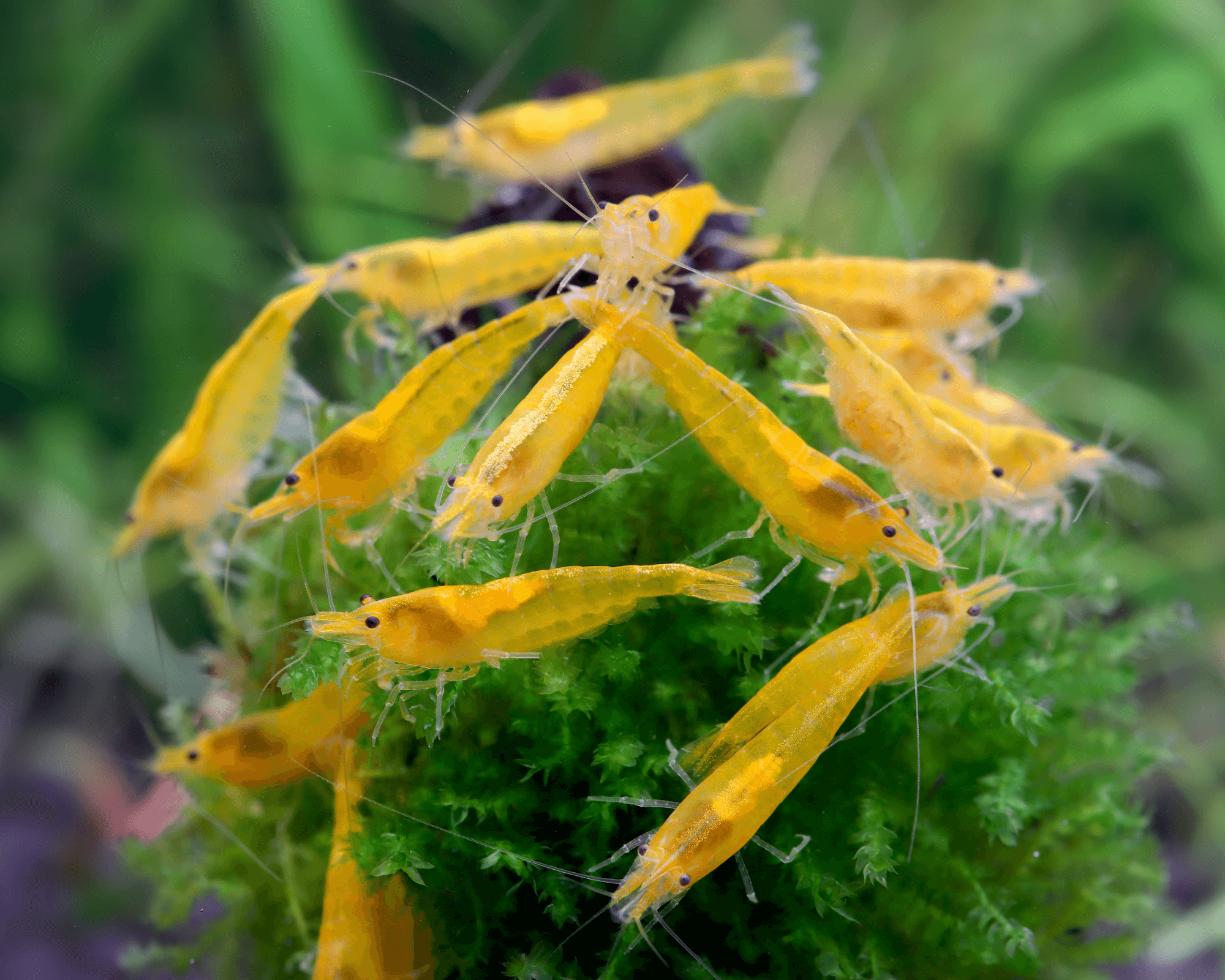
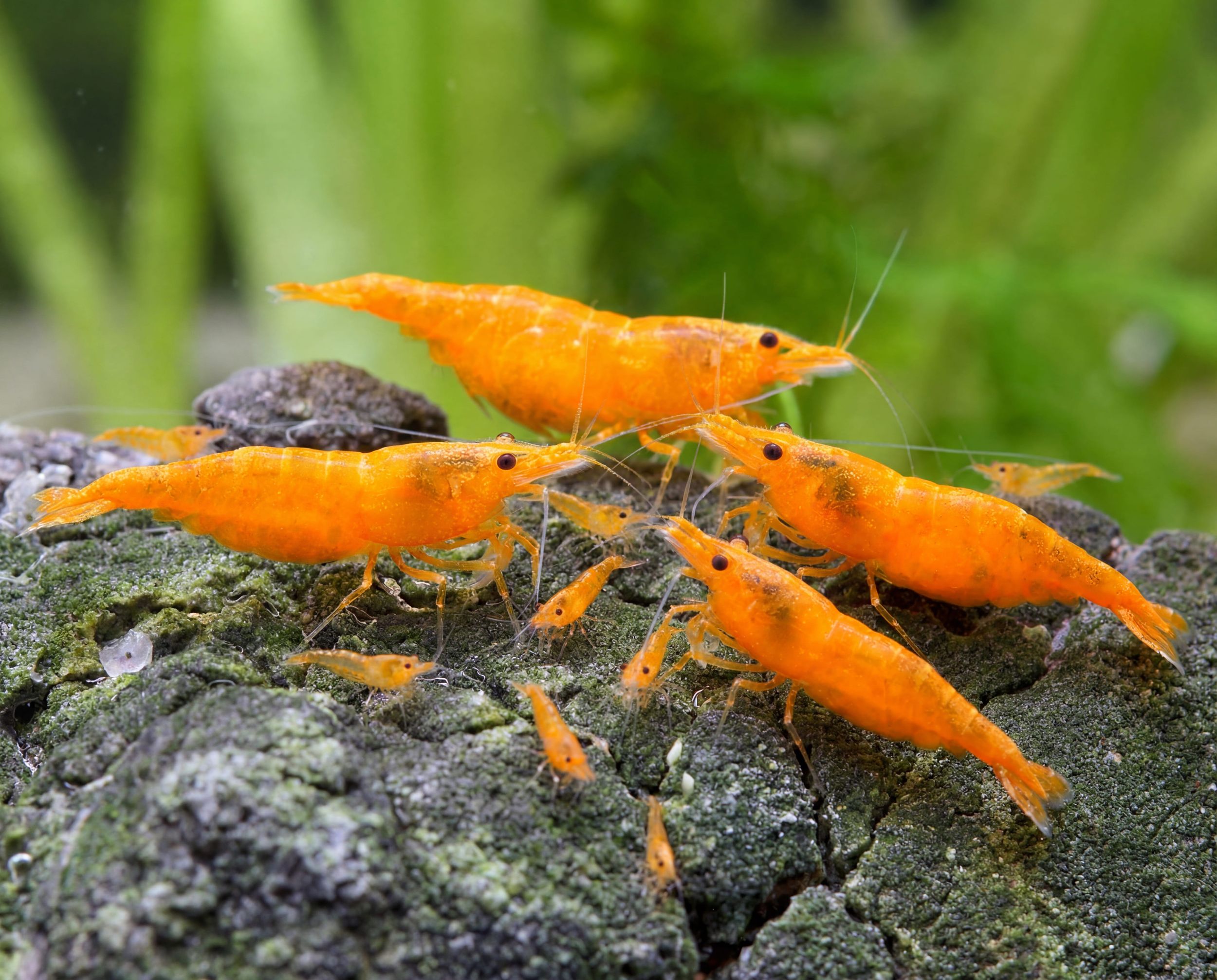
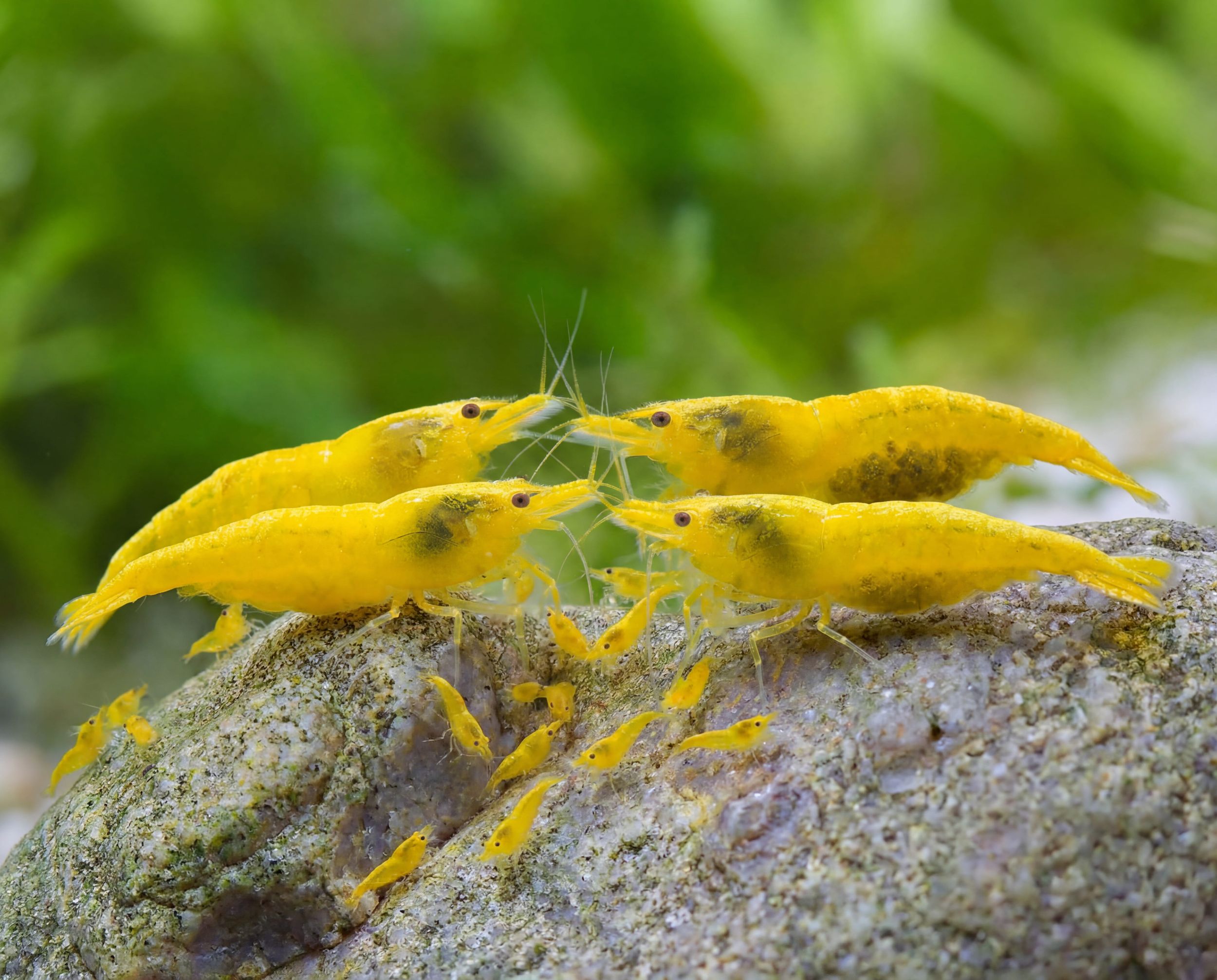
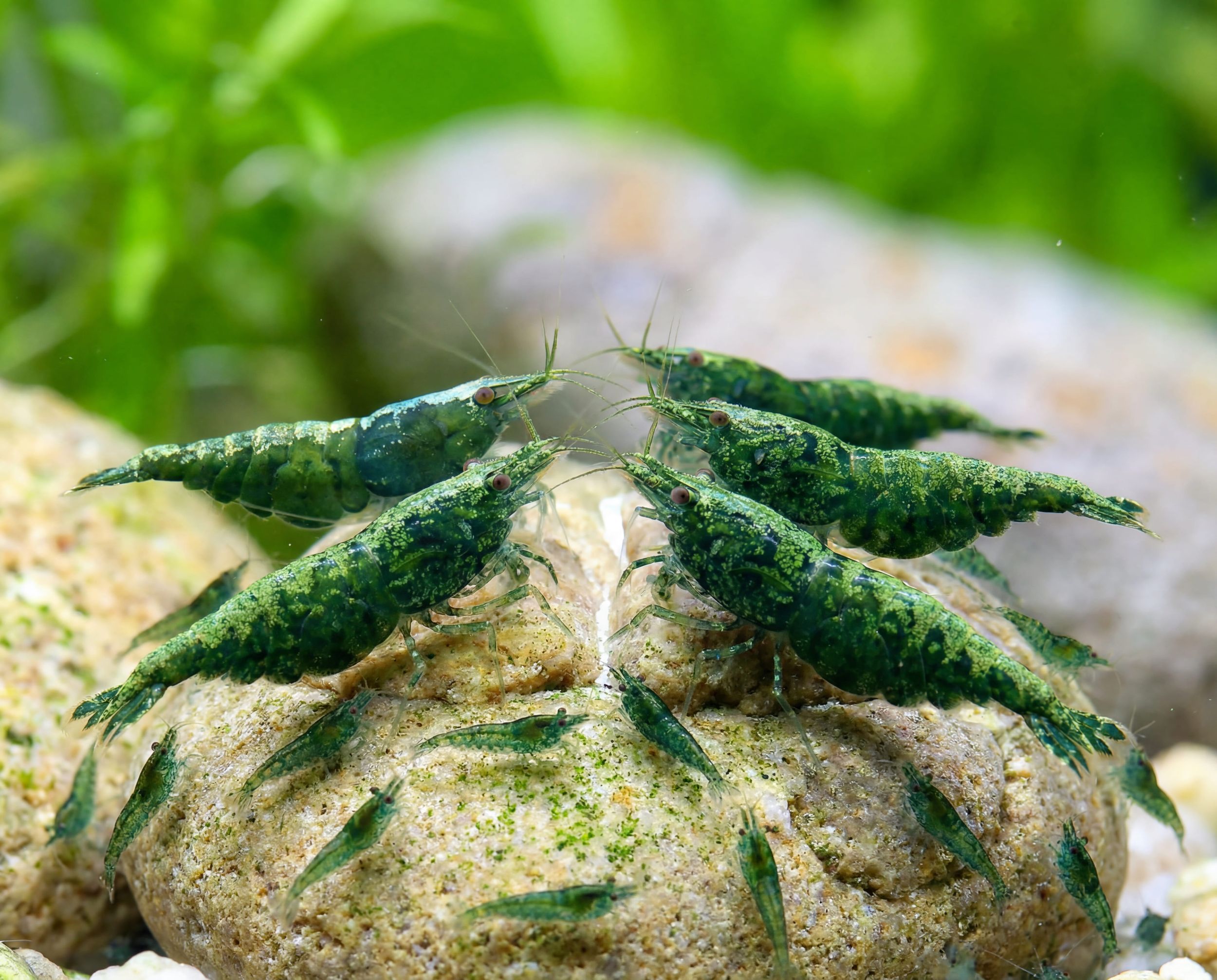
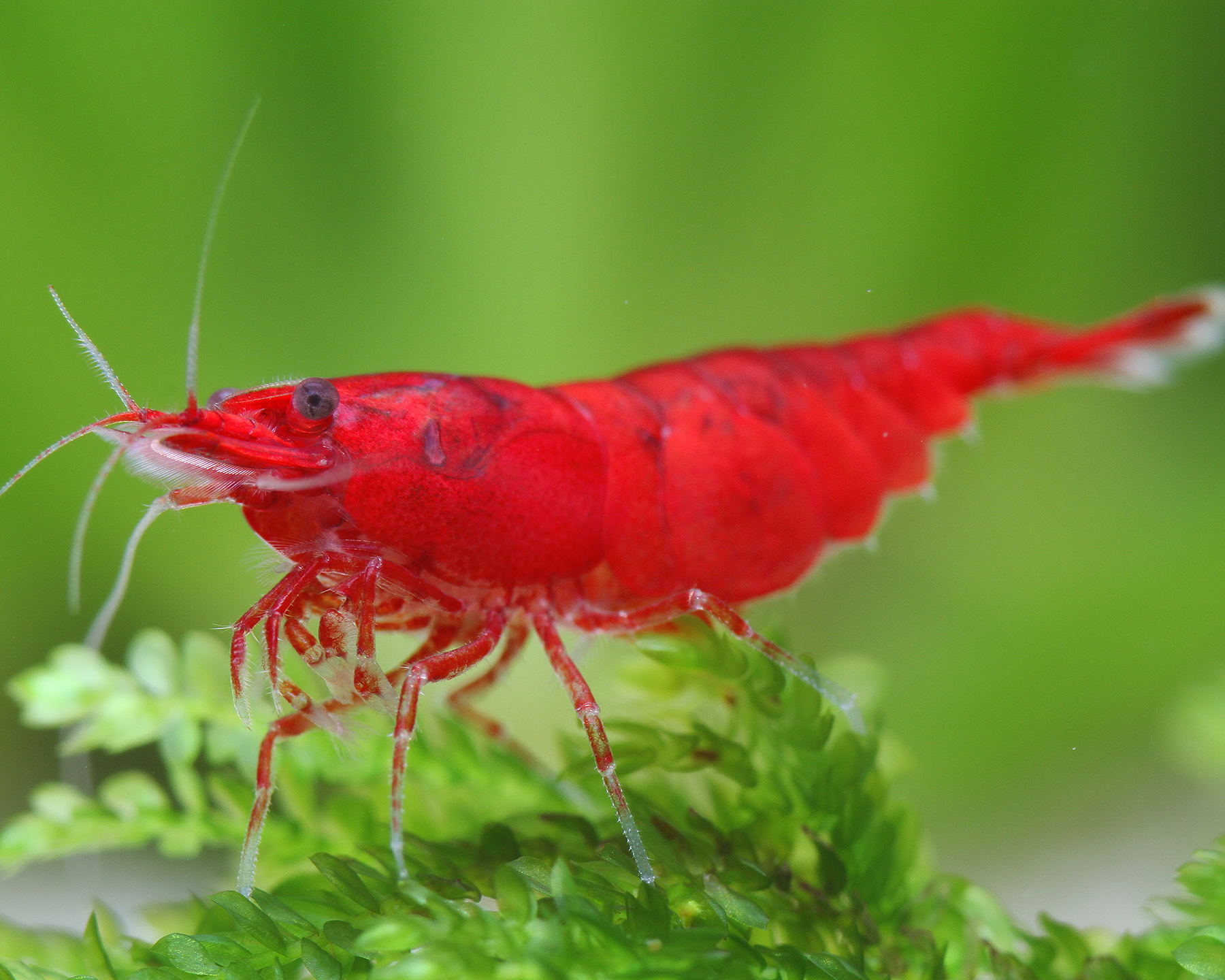
Red Cherry, Blue Dream, Yellow Fire, Orange Fire, and Green Jade shrimp are color forms of Neocaridina that can work well in stable planted aquariums. Their small size makes them attractive for nano displays, but it also makes them more vulnerable to fish, sudden parameter changes, and competition at feeding time. They spend much of the day picking over moss, wood, rocks, substrate, and plant leaves. In a mature tank with abundant biofilm, supplemental food may be needed only occasionally. If you mix different Neocaridina color lines, offspring may gradually become less predictable in color. For a display-focused colony, keep one color line rather than combining every available shade.
Feed by observation, not by the number of shrimp in the tank
A common mistake is estimating food from the apparent size of the colony and then adding more whenever shrimp gather at the feeding dish. Shrimp naturally cluster around food, so a crowded feeding response does not always mean they were underfed. Begin with a very small portion that the group can mostly consume within a few hours. Remove or siphon leftovers instead of allowing them to soften in the substrate. In a mature planted aquarium, skip supplemental feeding when grazing surfaces are plentiful and the shrimp remain active. Increase food gradually after molting periods, population growth, or the addition of fish, but reduce it again if cloudy water, rising nitrate, or persistent leftovers appear.
Build a grazing surface before adding more food
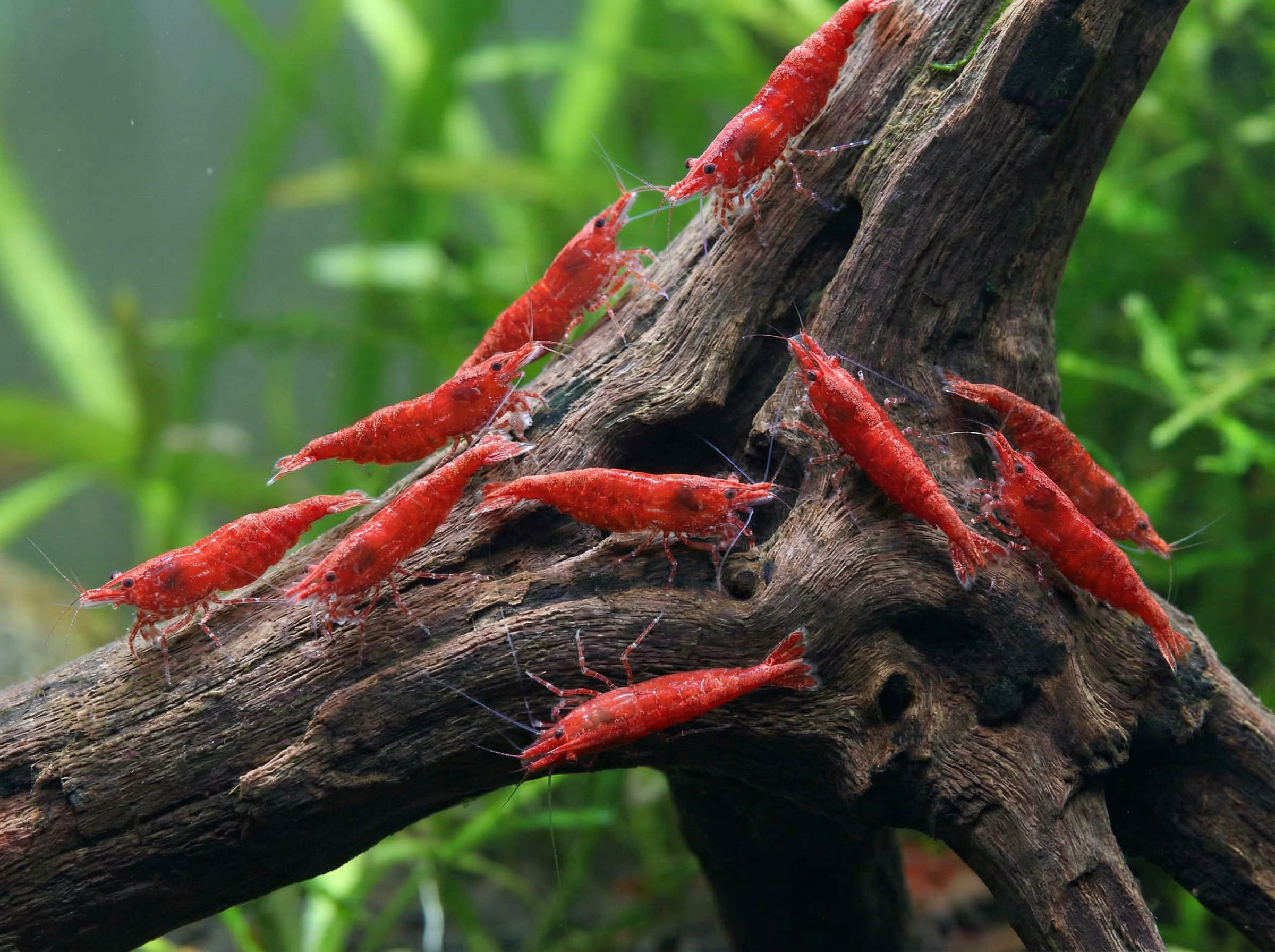
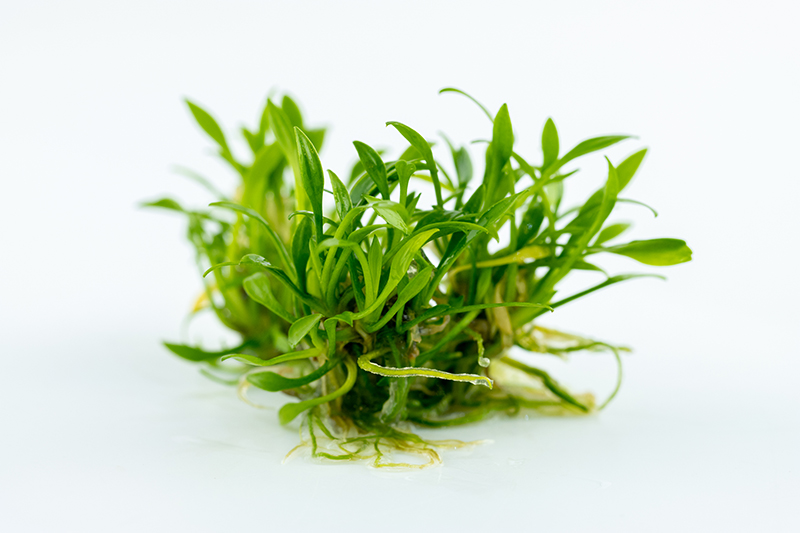
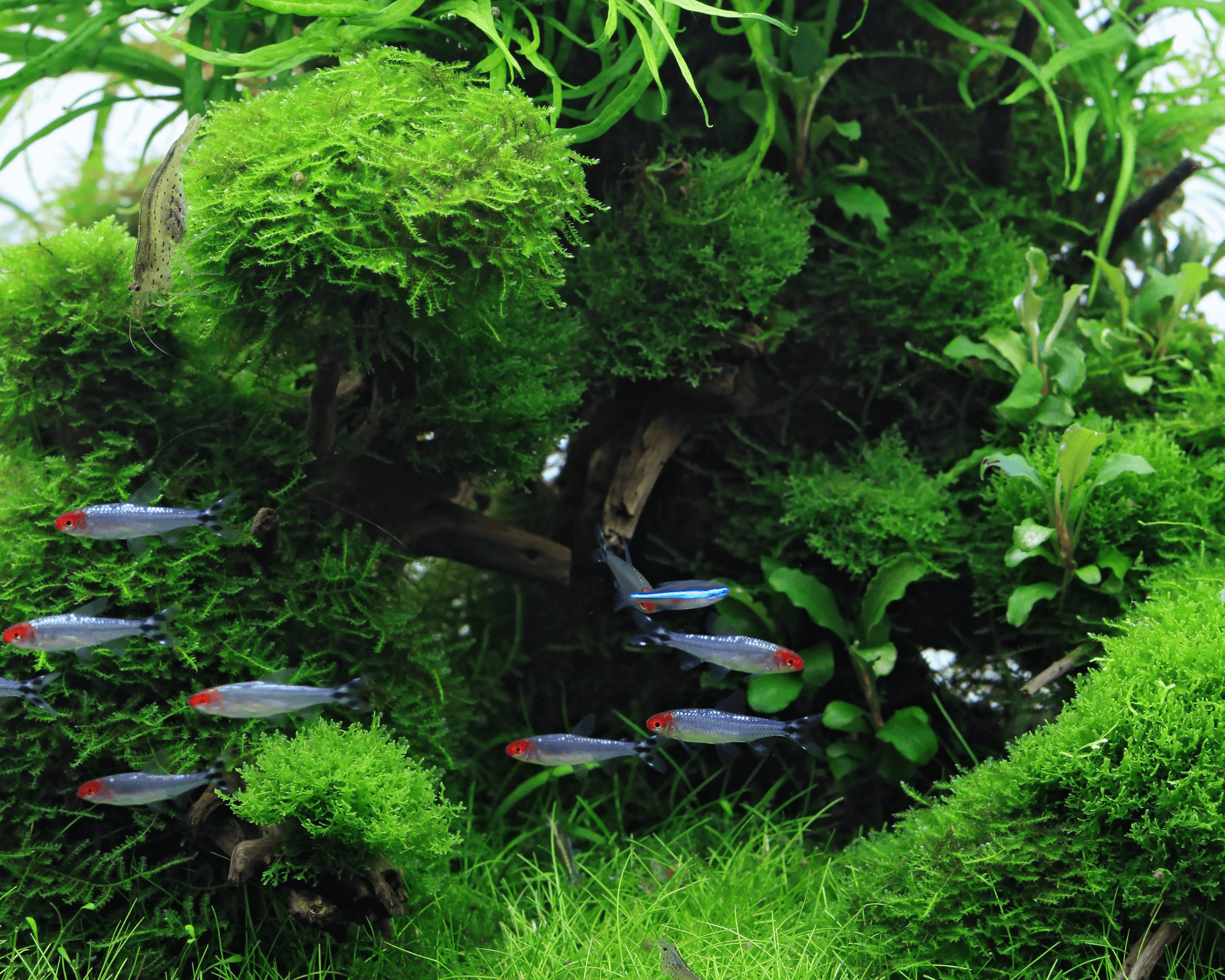
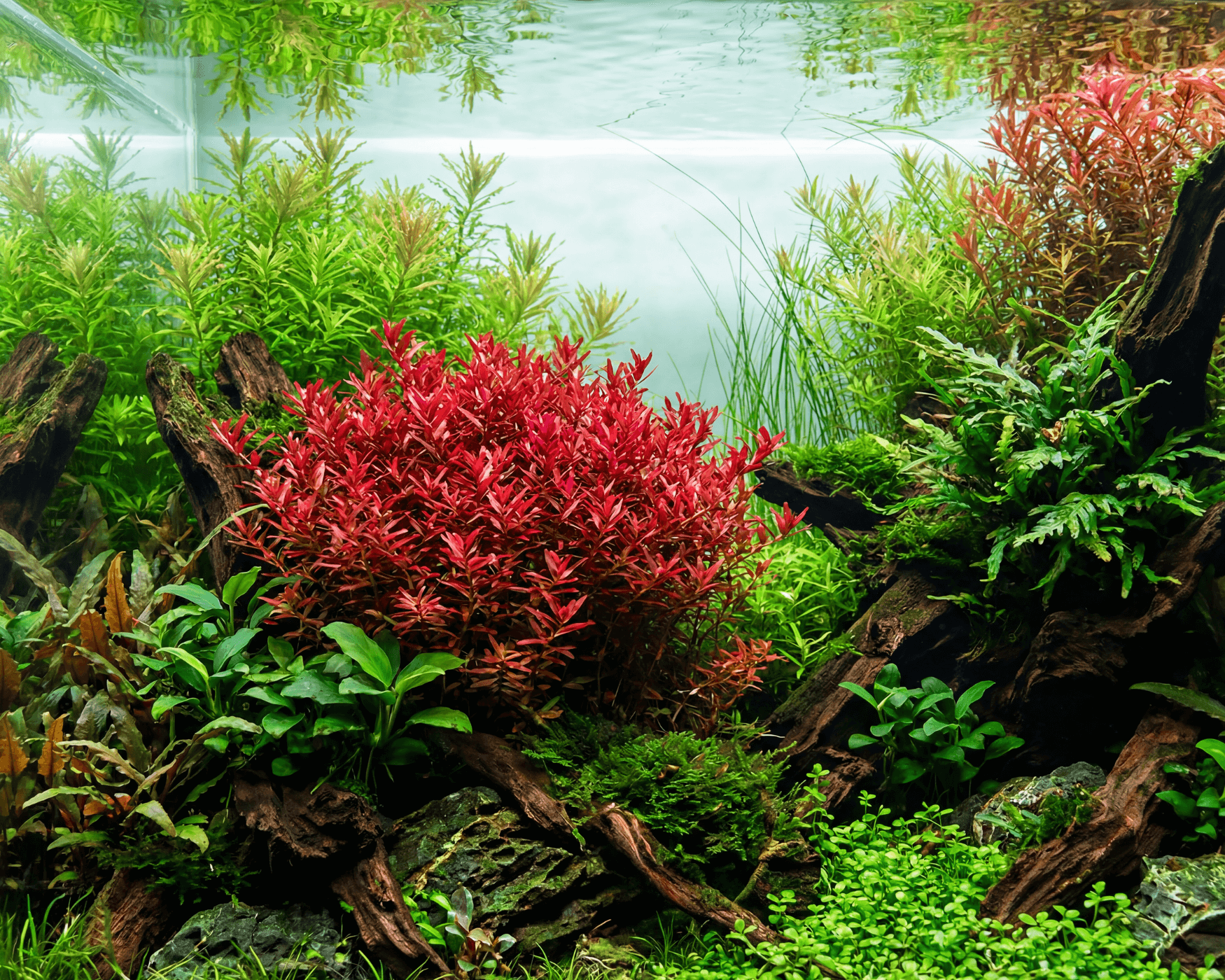
Shrimp do best when the aquarium offers many places to browse rather than one feeding spot that receives all the attention. Moss, fine-leaved plants, wood, rock, leaf litter, and textured hardscape collect biofilm and microscopic food organisms. A sponge prefilter and gentle-flow areas can also provide productive grazing zones. Avoid polishing every surface until it looks sterile; a planted shrimp aquarium should have some natural film. This does not mean allowing thick nuisance algae to cover plants. Instead, remove heavy growth by hand while preserving a thin layer of usable biofilm elsewhere. A well-established tank often needs less prepared food than a newly arranged aquascape, even when both contain the same number of shrimp.
Match the shrimp to the water, not just to the color palette
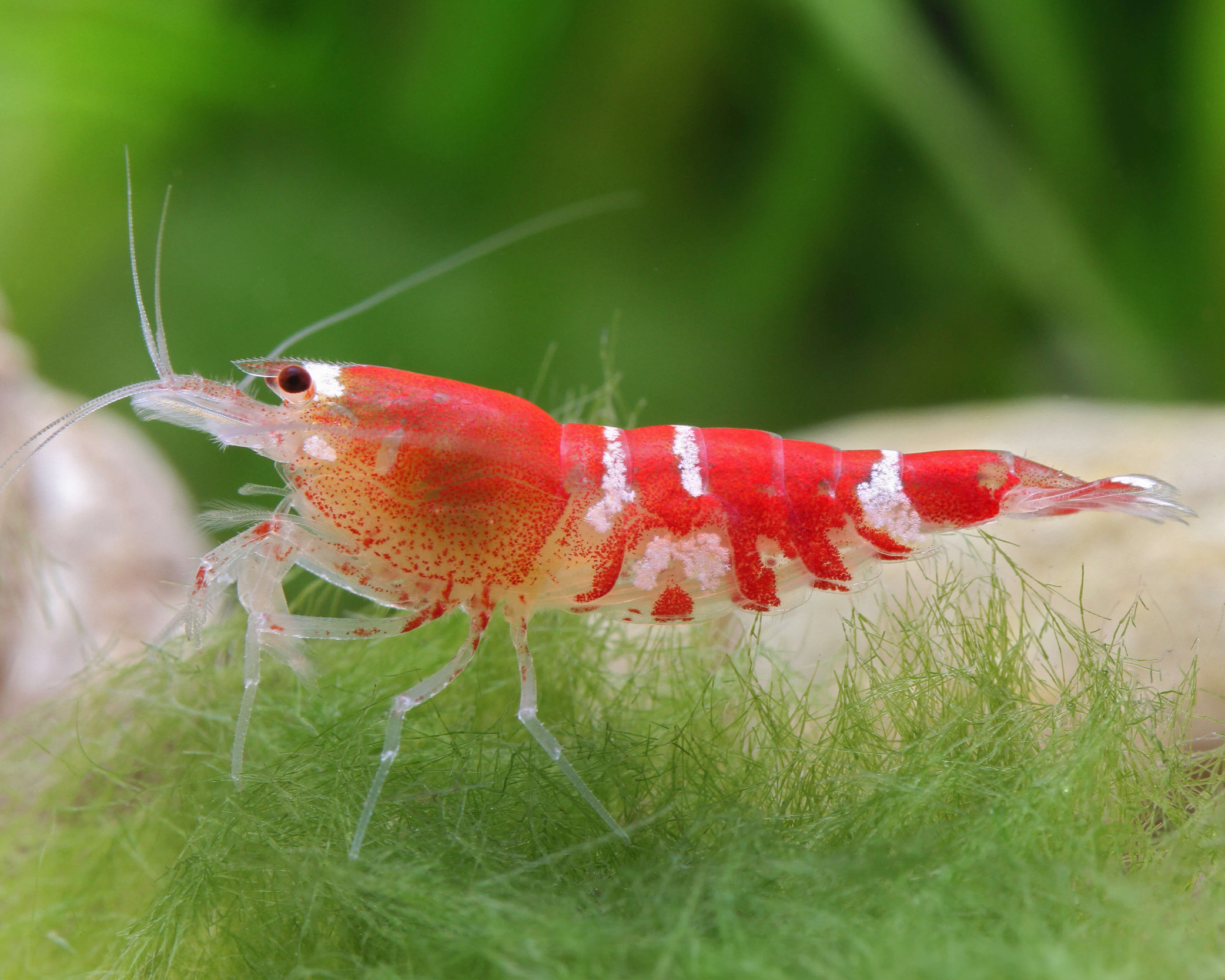
Color is a poor compatibility test. Neocaridina generally tolerate a broader range of aquarium conditions than many selectively bred Caridina, while bee and crystal shrimp often require more carefully managed mineral content, hardness, and stability. Do not place all colorful shrimp under one care plan simply because they are similar in size. Check the source water, substrate, temperature, pH, general hardness, and carbonate hardness before choosing a species. Avoid abrupt changes during water changes, and use remineralized water when the selected shrimp require it. The safest planted community is usually built around one compatible shrimp group rather than a mixture of animals with conflicting mineral and water-quality needs.
Let algae control begin with light and nutrients
When algae grows faster than shrimp can graze, adjust the conditions that encourage it. Start by reviewing the photoperiod, direct sunlight, fertilizer dosing, plant growth, and the amount of food reaching the tank. Shortening the light period modestly, blocking sun, removing damaged leaves, and improving plant mass can help without destabilizing the aquarium. Avoid making several drastic changes at once, because shrimp respond poorly to sudden shifts. Manual removal is often the fastest way to reduce a severe patch while the tank rebalances. Shrimp are most useful after the excess growth has been reduced, when they can maintain cleaner surfaces instead of being expected to reverse a complete algae takeover.
Protect feeding time when shrimp share space with fish or snails
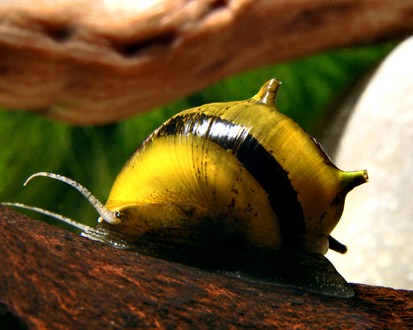
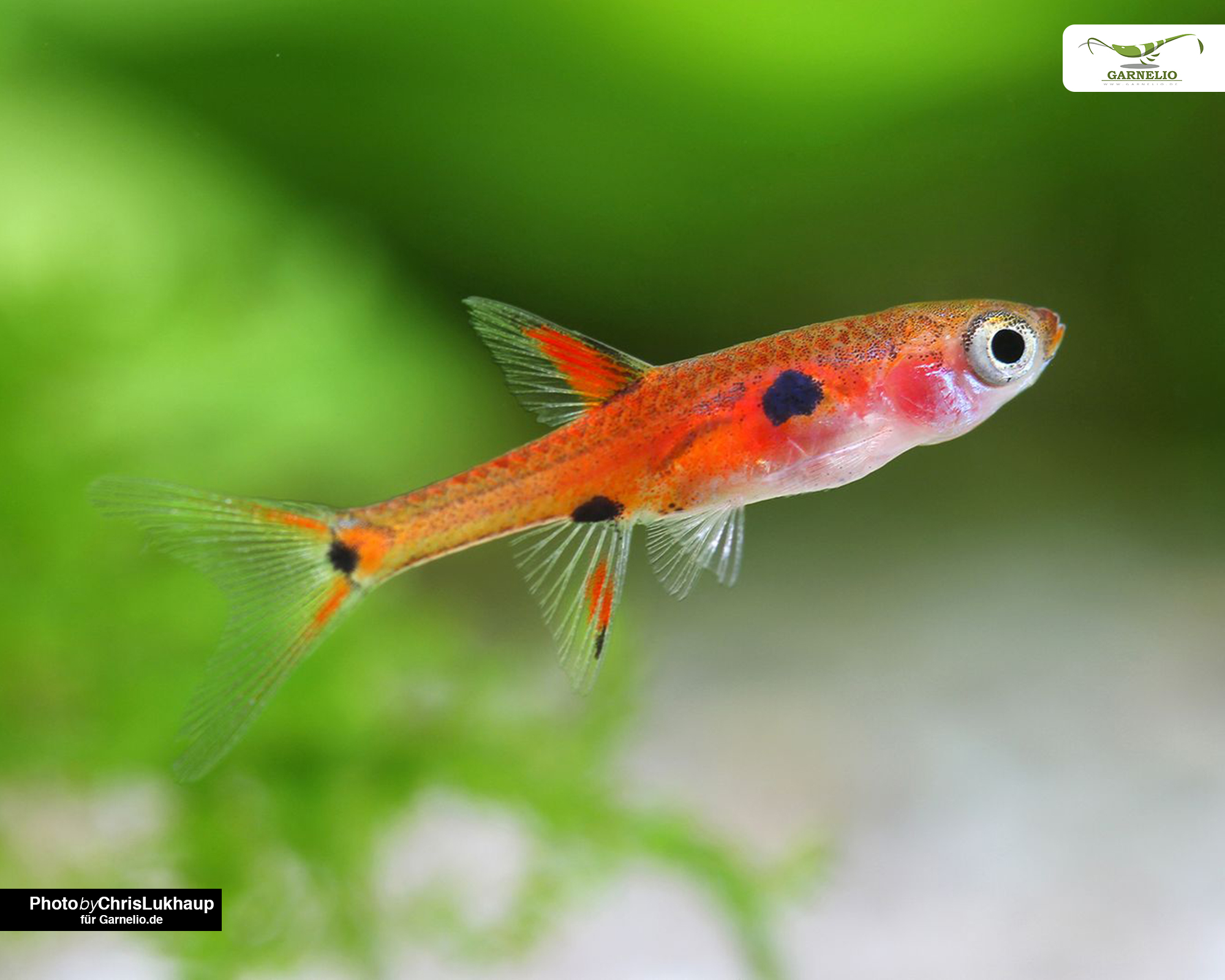
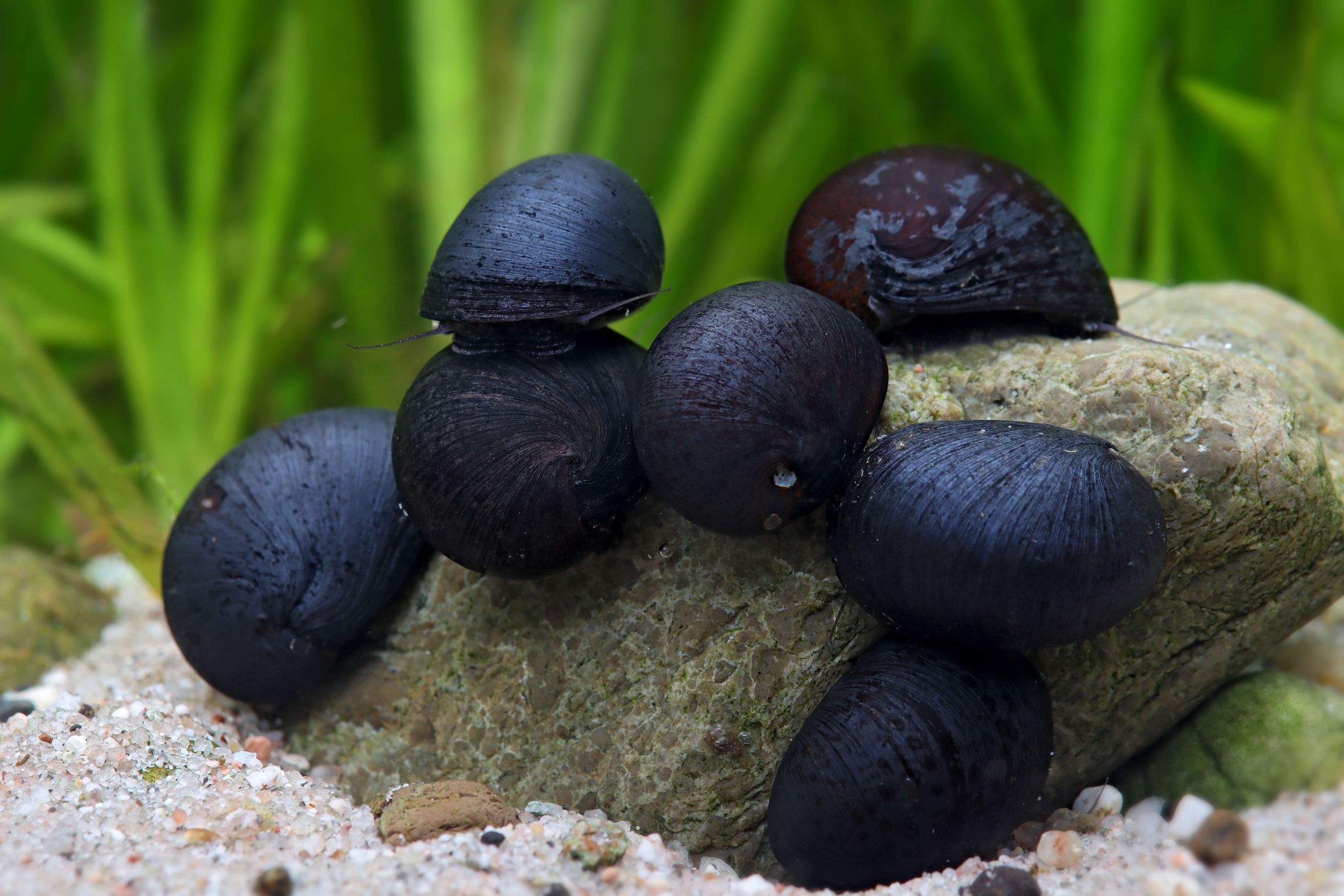
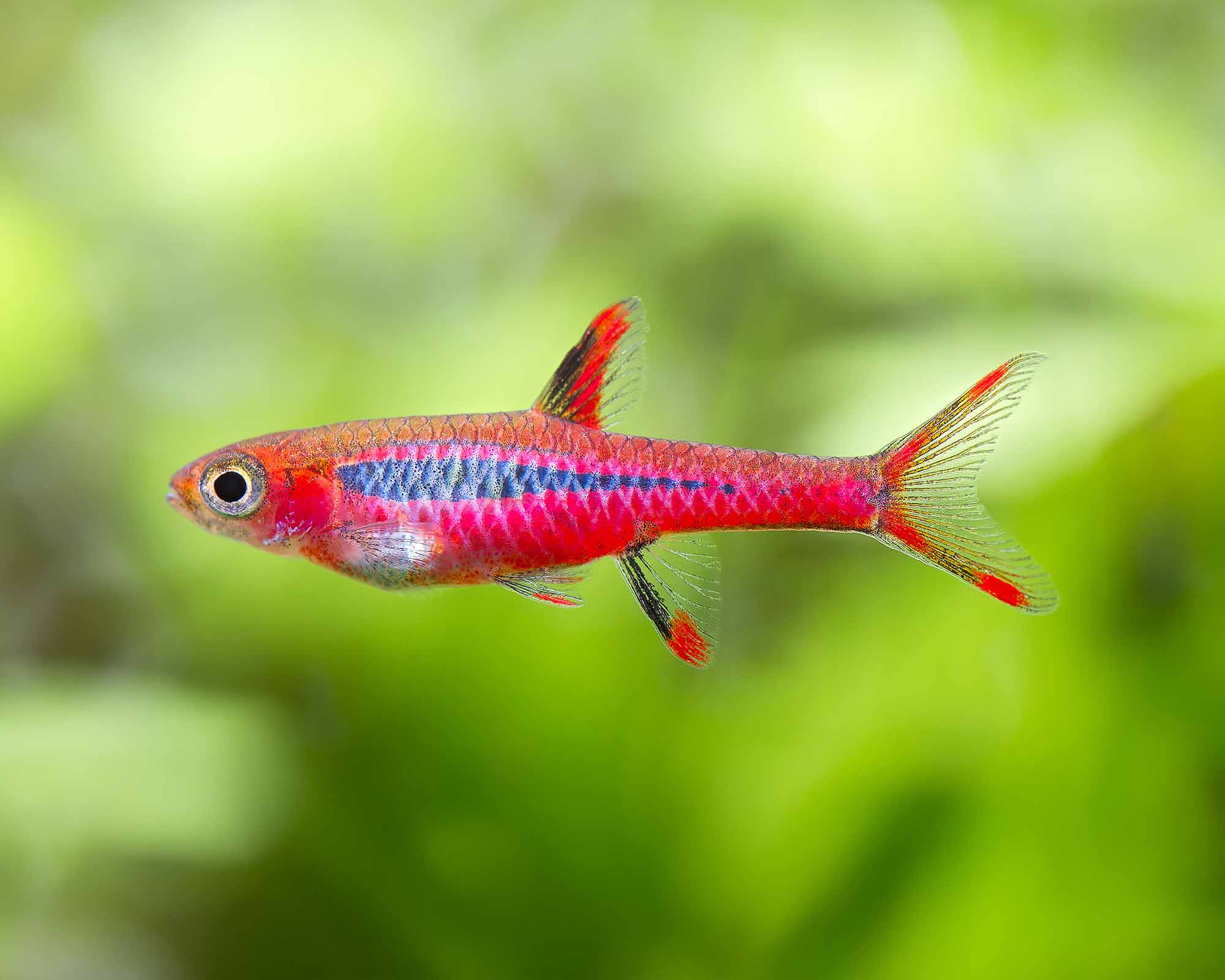
Peaceful fish may still outcompete shrimp for prepared food, and larger or more active tank mates can make shy shrimp retreat. Feed fish at one end of the aquarium and place a small shrimp portion in a sheltered area after the fish have settled. Feeding after lights out may help, but observe the tank because some fish remain active at night. Snails are usually compatible, yet they also consume foods intended for shrimp and add to the total waste load. In a nano aquarium, consider whether the tank has enough surface area and hiding places before adding another cleanup species. Compatibility is about feeding pressure and behavior, not only aggression.
Use plant-safe foods carefully, especially in a small aquarium
Prepared shrimp foods, algae wafers, blanched vegetables, and mineral supplements can all be useful, but none should be added automatically. Choose one food at a time so you can see how the aquarium responds. Break wafers or sticks into small portions, and avoid leaving vegetables in the tank long enough to decay. Be cautious with medications, fertilizers, and plant treatments that contain copper or other ingredients unsuitable for invertebrates. In a small tank, even a seemingly minor excess can affect water quality quickly. Feed less when natural grazing is strong, test more often after changing the diet, and keep a record of which foods produce leftovers or trigger unusual water cloudiness.
Use a weekly decision check instead of a rigid feeding calendar
A simple weekly review keeps feeding and algae control connected. Look at the glass, plant leaves, hardscape, substrate, shrimp behavior, and any uneaten food. If shrimp are grazing actively and the tank is clean, maintain or reduce supplemental feeding. If surfaces are bare, the colony is growing, or shrimp appear unusually competitive, offer a small additional portion and reassess. If algae is spreading, do not respond by feeding more; inspect light exposure, plant health, stocking, and nutrient buildup. Test ammonia and nitrite whenever the tank appears unstable, and check nitrate as part of routine maintenance. Small, deliberate corrections are safer than a large cleanup followed by a large feeding increase.
A practical shrimp plan for a stable planted nano aquarium
For a small planted aquarium, begin with a mature biological filter, dense plant cover, and a conservative shrimp population. Choose Neocaridina if you want a colorful colony with relatively forgiving care, or choose Amano shrimp when algae assistance is the priority and adult size fits the layout. Add no prepared food until you see how much natural grazing the tank provides. Then offer a tiny portion occasionally, remove leftovers, and record the result. Keep fish stocking light if breeding is important, because many community fish eat shrimplets. The most stable plan is intentionally boring: steady water changes, moderate lighting, careful feeding, and enough surfaces for shrimp to graze between meals.
Frequently Asked Questions
How often should I feed freshwater shrimp in a planted tank?
There is no universal schedule. In a mature planted aquarium, shrimp may obtain much of their diet from biofilm, algae, plant debris, and missed fish food. Offer a very small supplemental portion only when natural grazing appears limited or the colony is growing. Remove leftovers and adjust based on water quality rather than feeding automatically every day.
Are Amano shrimp or Neocaridina better for algae control?
Amano shrimp are usually the stronger choice for active algae grazing because they are larger and persistent foragers. Neocaridina also graze algae and biofilm, while offering more color variety and the possibility of freshwater breeding. Amano shrimp are better for maintenance-focused community tanks; Neocaridina are often better for a colorful shrimp colony.
Can overfeeding shrimp cause algae?
Yes. Uneaten shrimp food decomposes and adds nutrients that can support algae growth. Overfeeding can also contribute to cloudy water and unstable conditions. Start with less food than you think the colony needs, observe how quickly it disappears, and remove anything left behind.
Will shrimp eliminate hair algae from a planted aquarium?
Shrimp may graze some soft or fine algae, but they should not be expected to eliminate an established outbreak. Reduce excessive light, remove heavy growth manually, improve plant health, and review feeding and stocking. Shrimp work best as part of a broader algae-control plan.
Can colorful freshwater shrimp live with fish and snails?
Many peaceful community fish and aquarium snails can share space with adult shrimp, but compatibility depends on species, size, behavior, and feeding competition. Fish may eat shrimplets, and snails increase the total bioload. Provide dense cover and avoid overcrowding, especially in nano aquariums.
Leave your comments