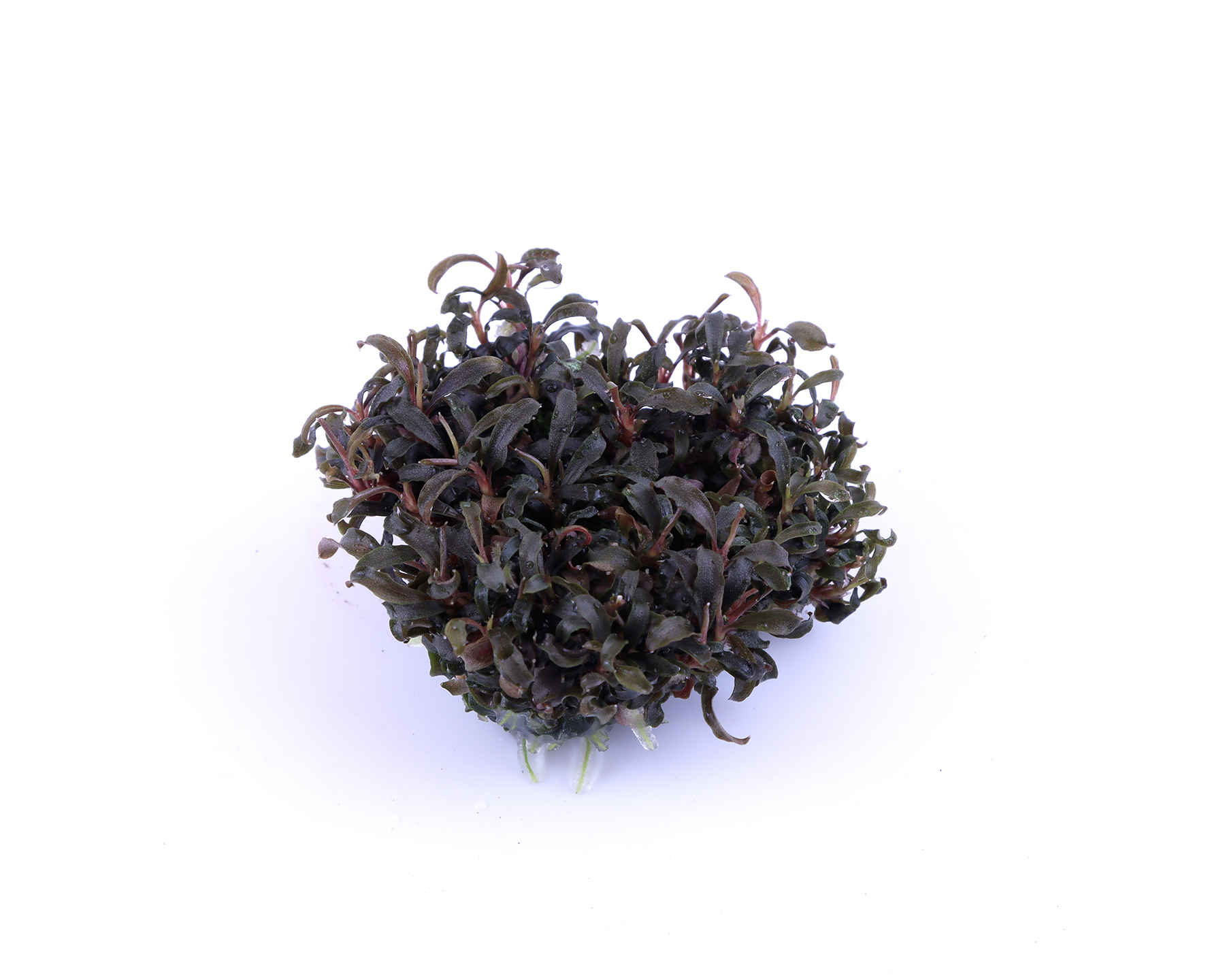
Start by identifying how the plant actually grows
The first planting mistake is treating every aquarium plant like a rooted bunch. Rhizome plants such as Anubias, Bucephalandra, and Java fern should be attached to wood, rock, or another support, while rooted plants need their roots in the substrate. Stem plants are usually planted as separate cuttings with space around each stem. Before pushing anything into the gravel, look for a thick horizontal rhizome, a distinct crown, or a soft stem. That simple inspection prevents most placement errors. In a nano aquarium, it also helps you choose plants that leave swimming room for small fish and grazing surfaces for shrimp.

If you buried a rhizome, rescue it before it turns soft
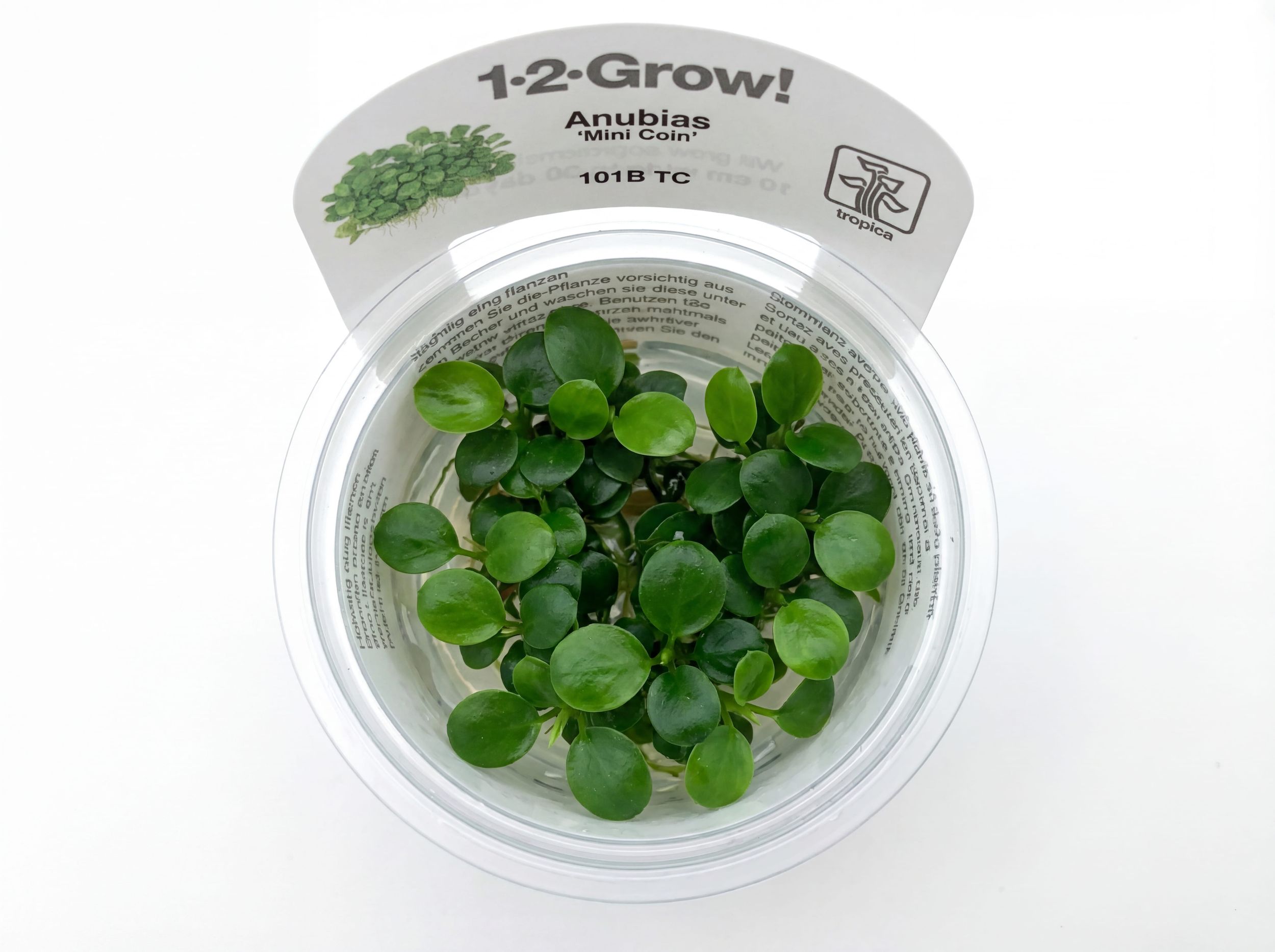
A buried rhizome is one of the most recoverable aquarium planting mistakes if you act early. Gently lift the plant, rinse away loose substrate, and inspect the horizontal stem. Remove only tissue that is clearly mushy or black, then attach the firm portion to hardscape with thread, aquarium-safe glue, or a plant holder. Keep the rhizome fully exposed; only the fine roots should contact the substrate. Do not repeatedly pull and replant a healthy-looking specimen. Anubias, Bucephalandra, and Java fern can lose older leaves while adapting, but a firm rhizome with new growth is a reason to wait rather than restart. ([aquakeepers.com](https://aquakeepers.com/en/guides/beginner/what-is-a-rhizome/?utm_source=openai))
%20-%201.webp)
Do not mistake normal transition melt for total failure
Cryptocoryne and several other plants may shed leaves after moving from emersed growth to life underwater. The leaves can become transparent, ragged, or collapse while the root system remains viable. Your recovery job is to remove leaves that are disintegrating, keep the crown at the substrate surface, and avoid changing light, fertilizer, and water chemistry all at once. Look for new leaves emerging from the center over time. If the crown is firm, leave it in place. This is different from a plant that was buried too deeply, has a rotting crown, or is being uprooted by fish. Melting leaves can also add organic waste, so remove decaying material before it fuels algae. ([aquakeepers.com](https://aquakeepers.com/en/guides/beginner/plant-melting-explained/?utm_source=openai))
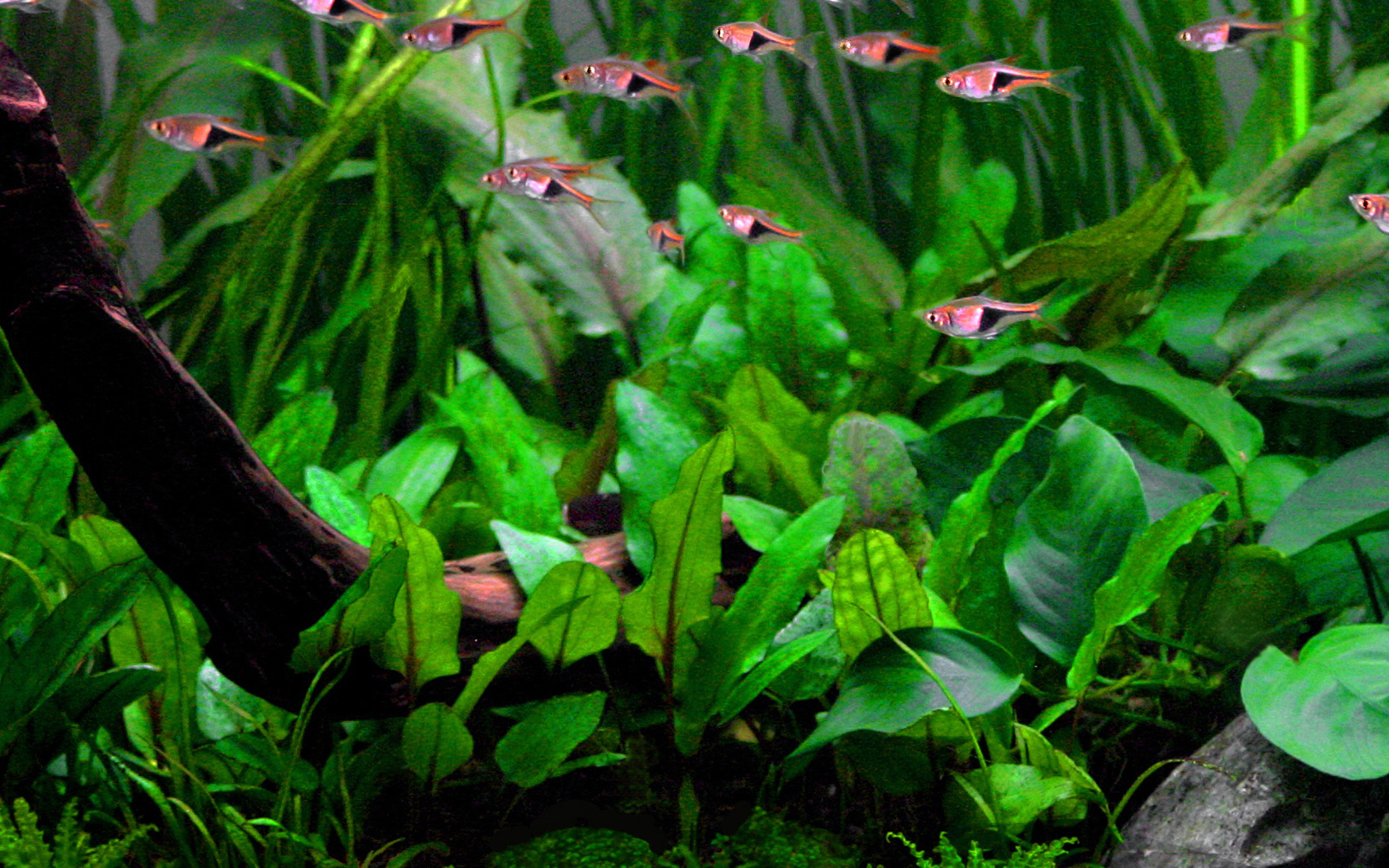
When a rooted plant floats, improve the planting—not the force
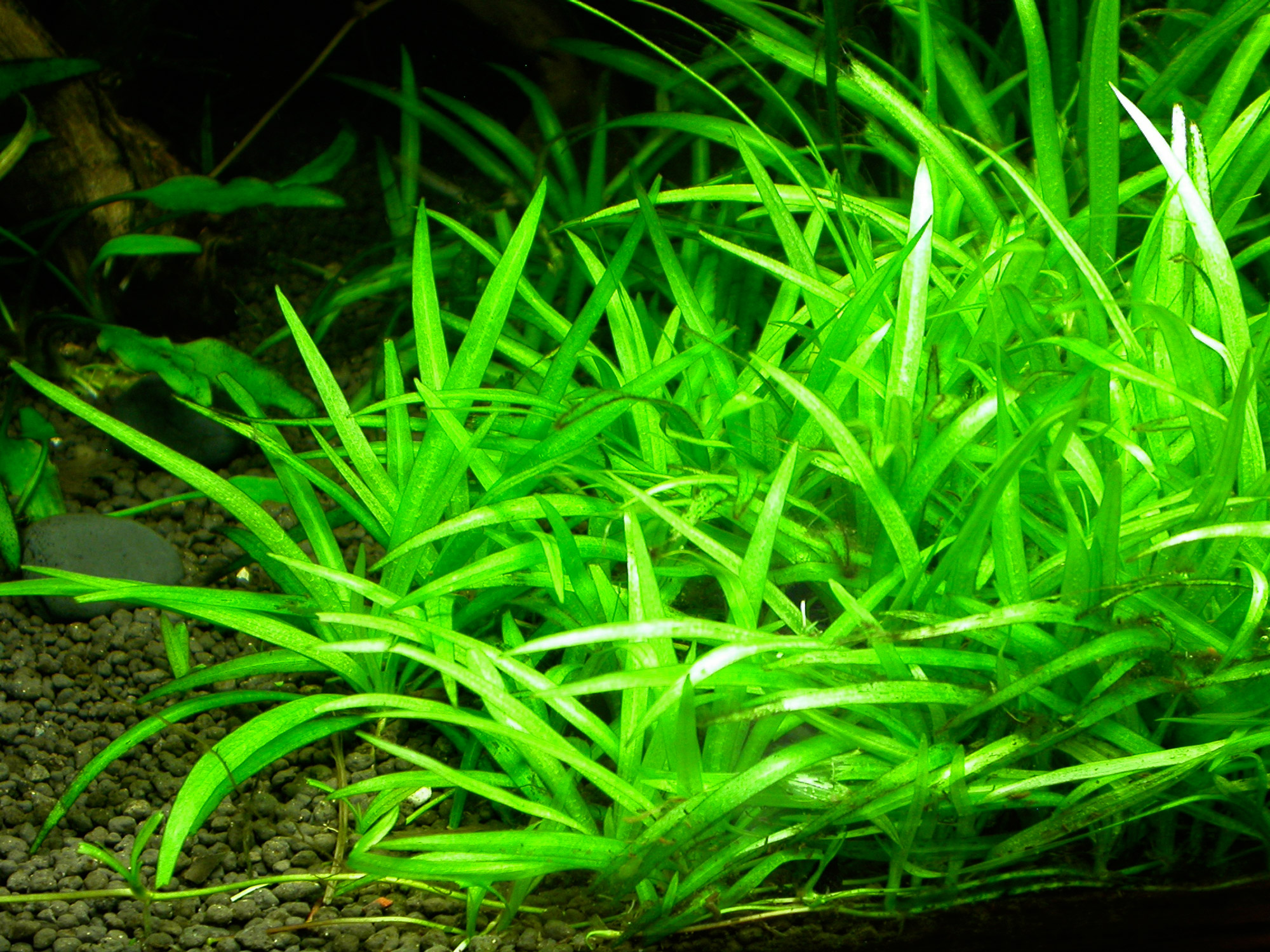
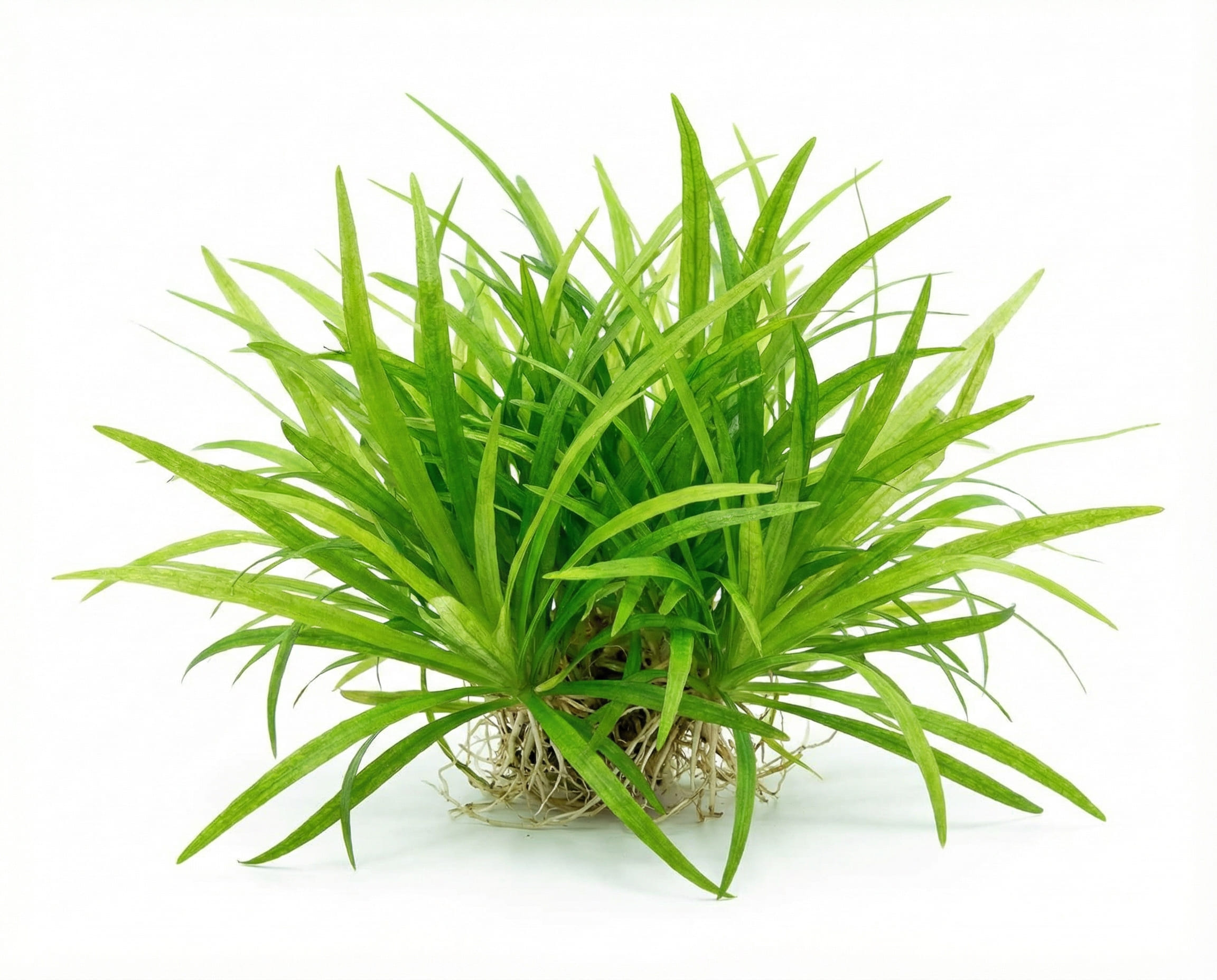
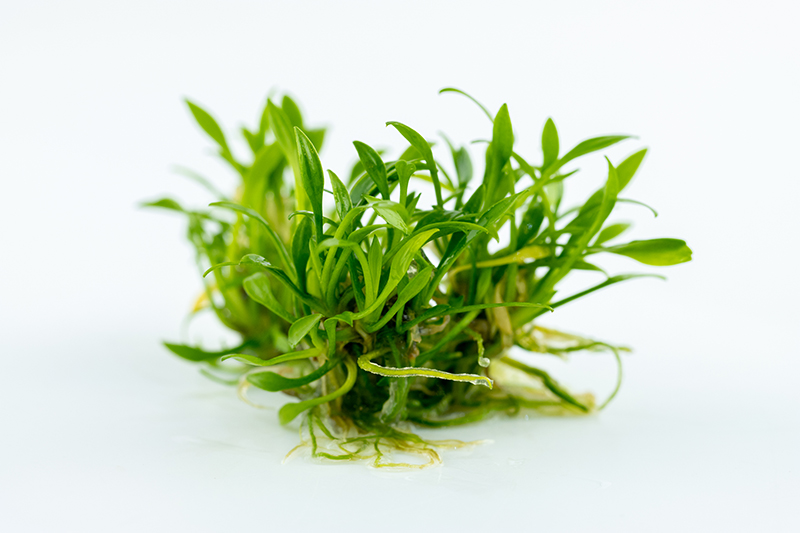
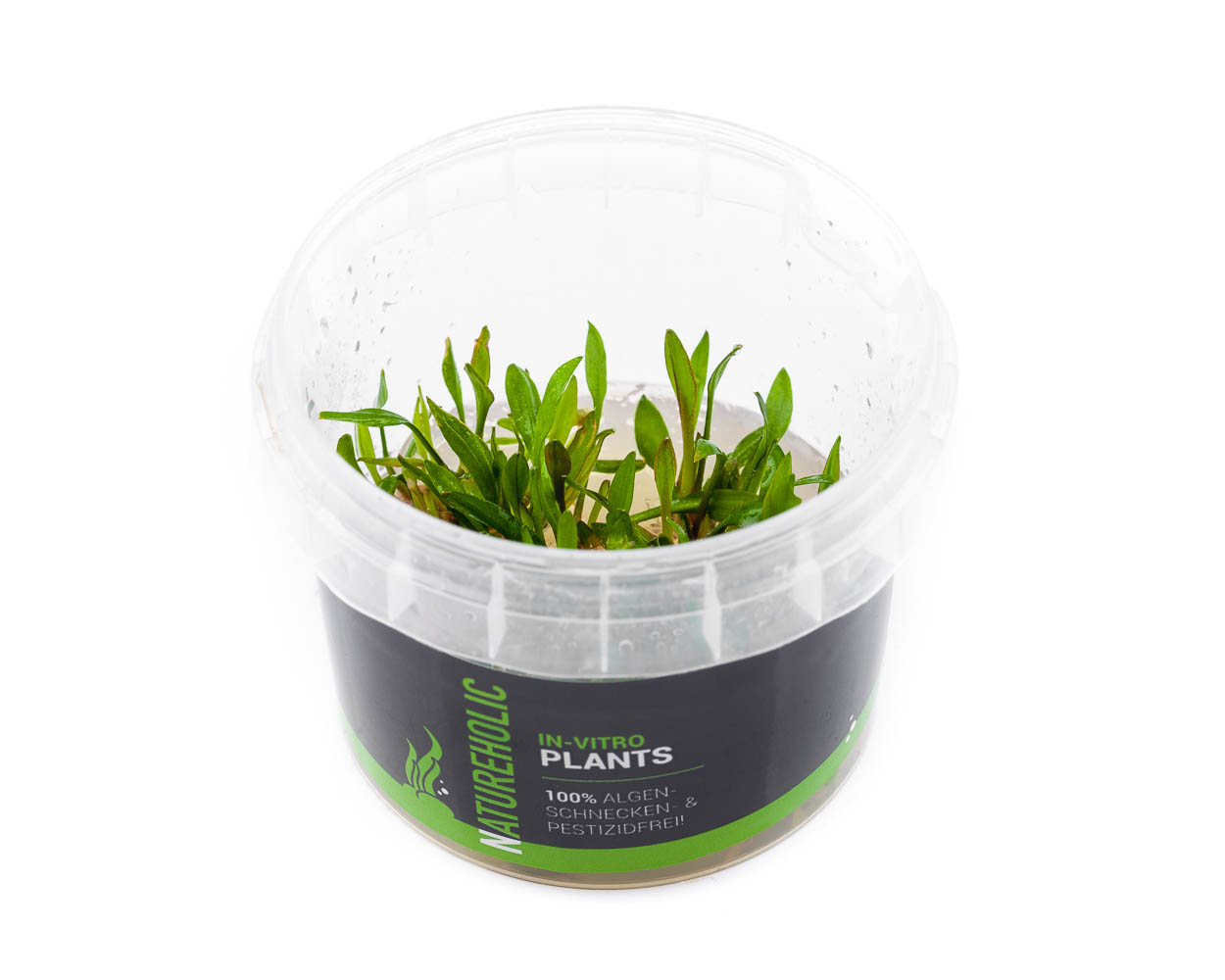
A common beginner response to floating stems or grass-like plants is to bury them deeper. That often compresses the crown, traps debris, and creates another problem. Divide a dense pot into smaller plugs, plant each plug with tweezers, and leave a little space between groups so water can circulate. For plants such as Helanthium, anchor the roots while keeping the crown visible above the substrate. If fish keep uprooting new plants, use small stones around—not on—the roots, or temporarily protect the area with hardscape. In a nano tank, smaller planting groups are easier to reposition and less likely to create a solid wall that blocks circulation.
If algae appears, reduce the imbalance instead of replacing plants
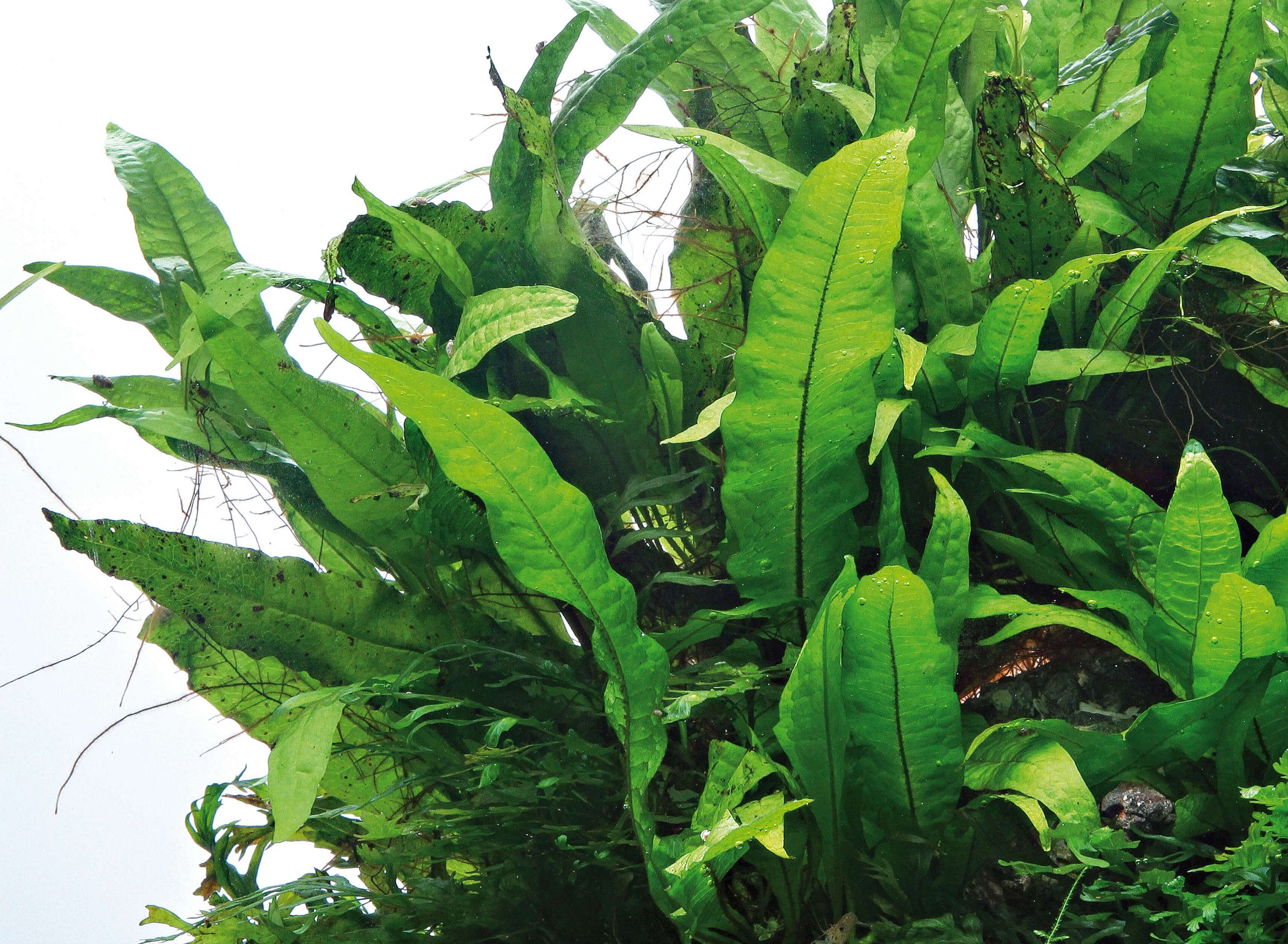
Algae after planting usually signals that light, plant mass, nutrients, and maintenance are out of balance—not that the aquarium needs an instant chemical cure. Start by shortening the light period modestly, removing heavily covered leaves, and checking whether newly planted specimens are actually growing. Avoid increasing fertilizer simply because a plant looks stressed; damaged roots or a transition period can prevent immediate uptake. Slow-growing plants such as Java fern are useful in low-maintenance layouts, but their leaves can collect algae under strong, prolonged lighting. Keep the surface gently moving, clean viewing glass, and make one adjustment at a time so you can identify what helped.
Use fast growers to stabilize a sparse new layout
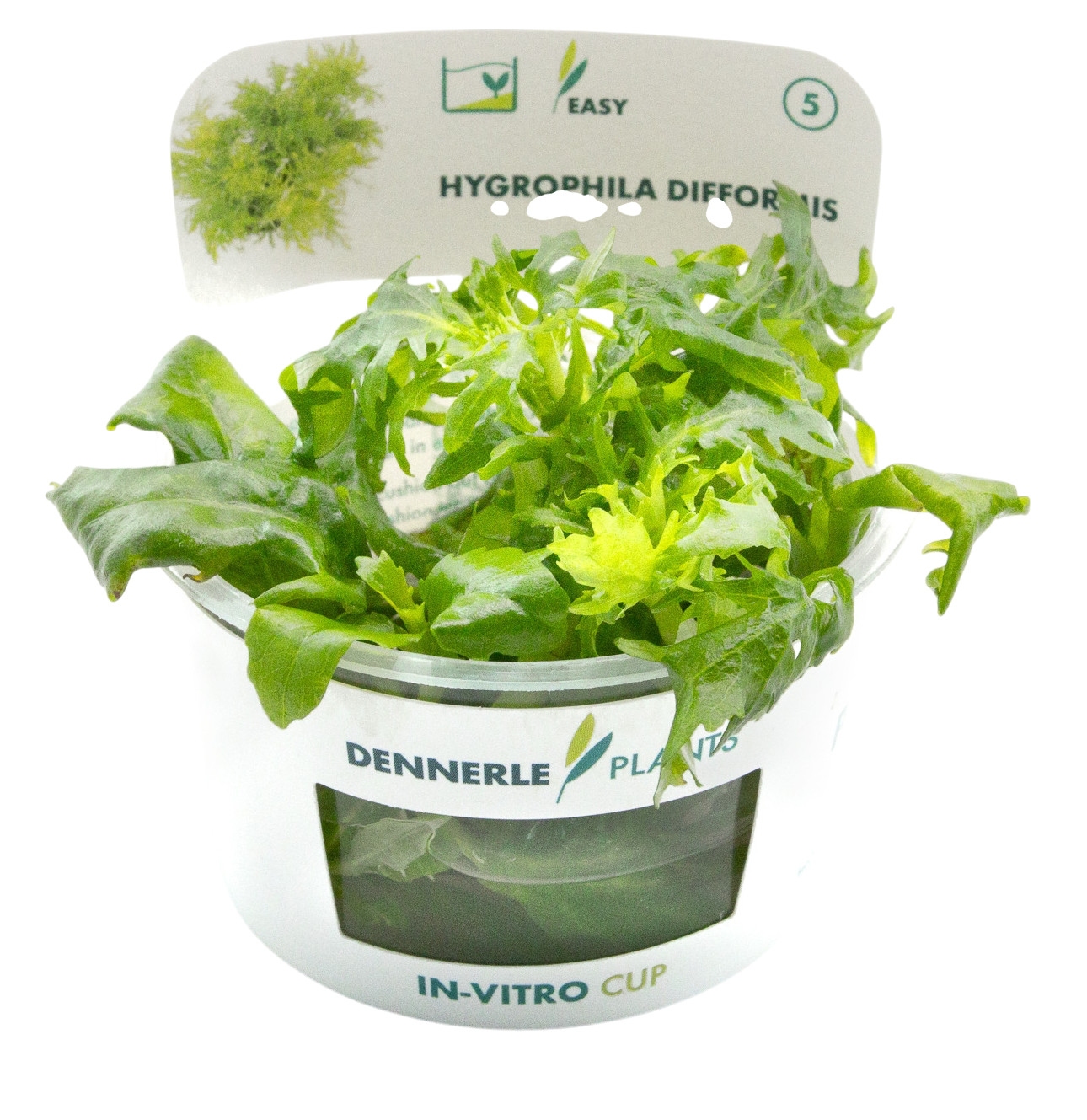
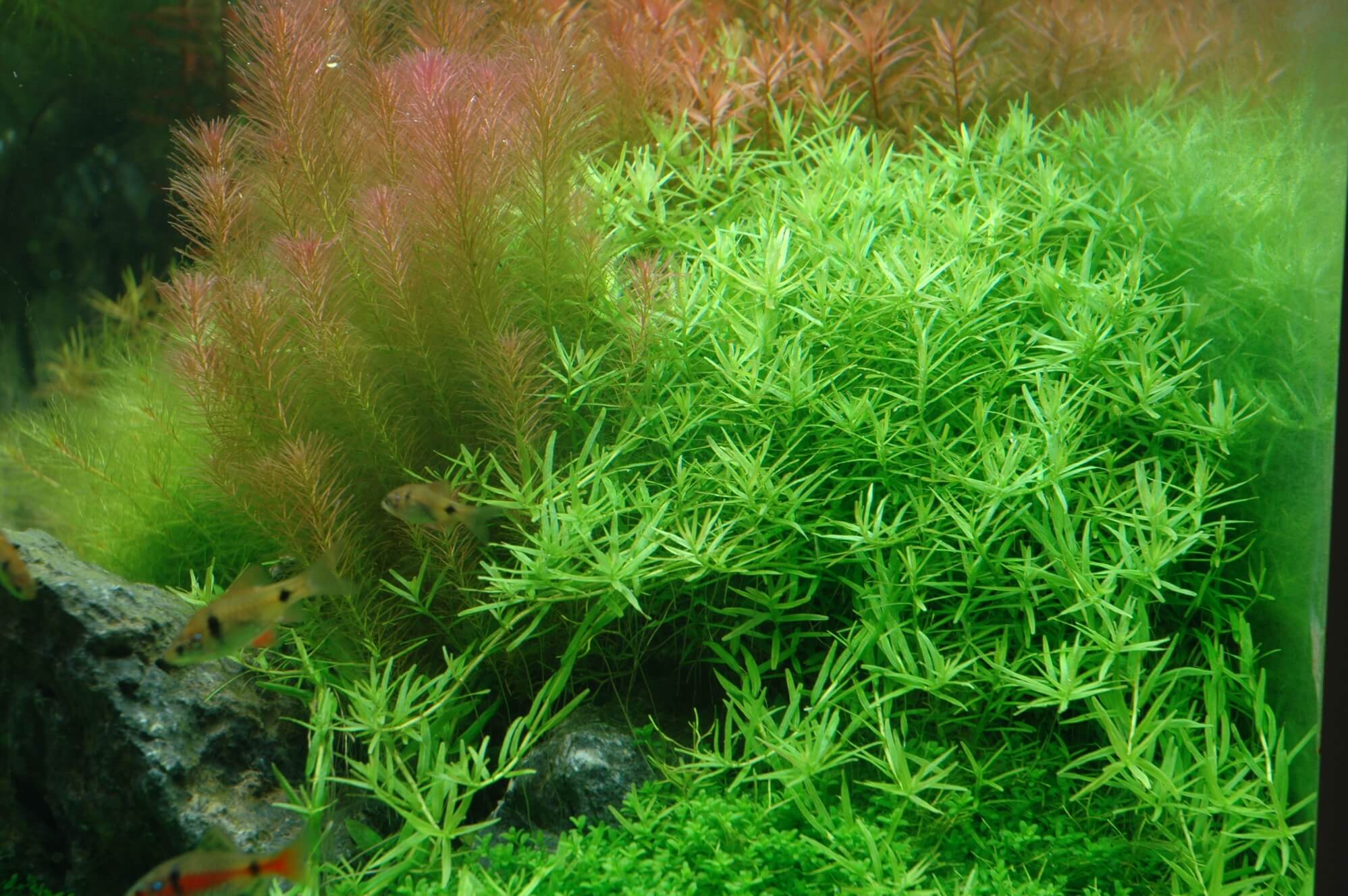
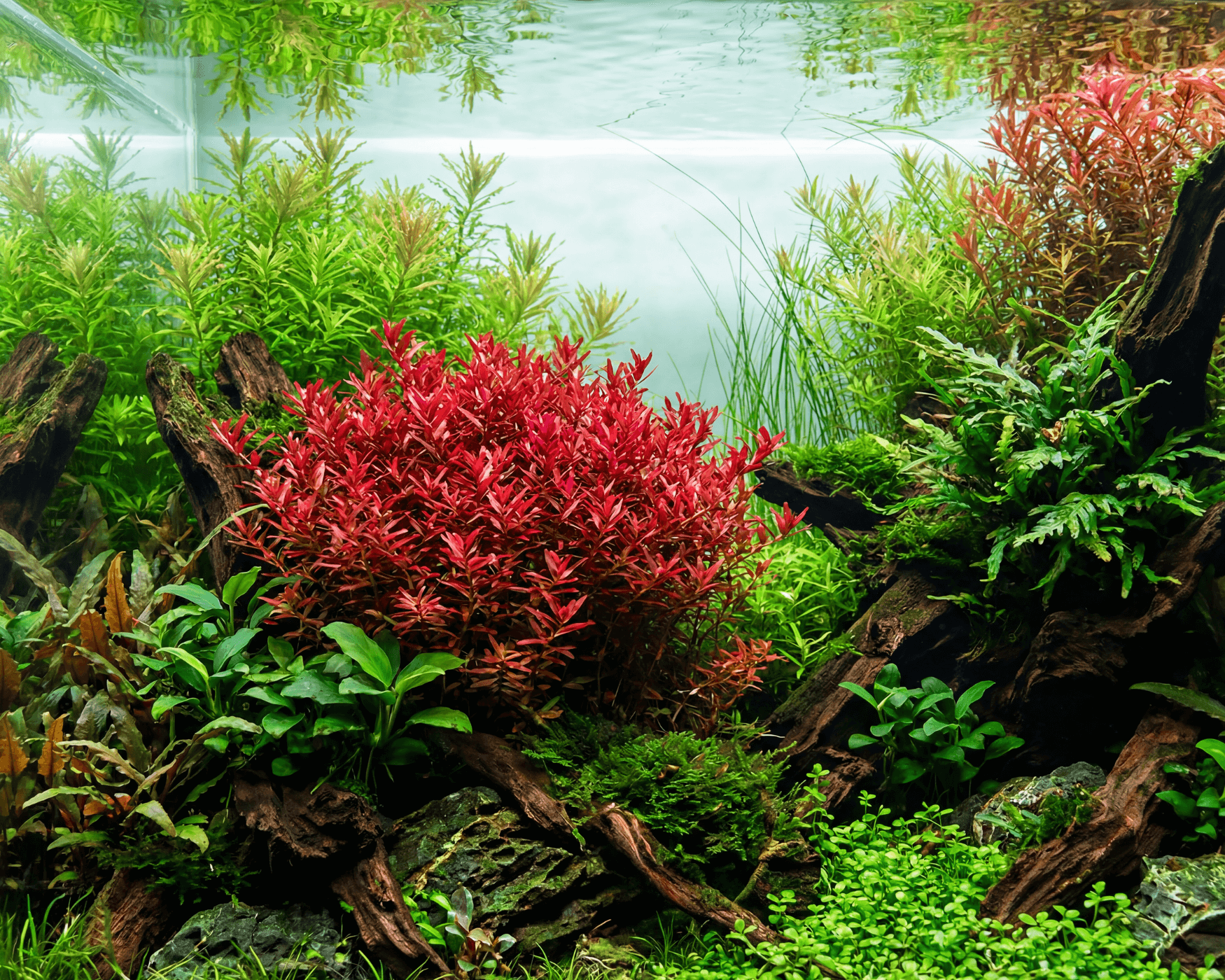
Planting too little at the beginning leaves open space for algae while the aquarium is still settling. You do not need a dense aquascape, but you should combine several growth forms: a rooted background plant, a midground clump, and a surface or hardscape plant. Fast-growing Hygrophila can absorb nutrients while slower Anubias or Bucephalandra establish. In a community tank, dense stems also break sightlines and give timid fish cover. The trade-off is maintenance: fast growers need trimming, and cuttings can shade lower leaves. Replant healthy tops, remove weak lower sections, and keep a clear route for feeding and swimming rather than letting the recovery growth become an overgrown tangle.
Floating plants can protect livestock—or starve the layout of light
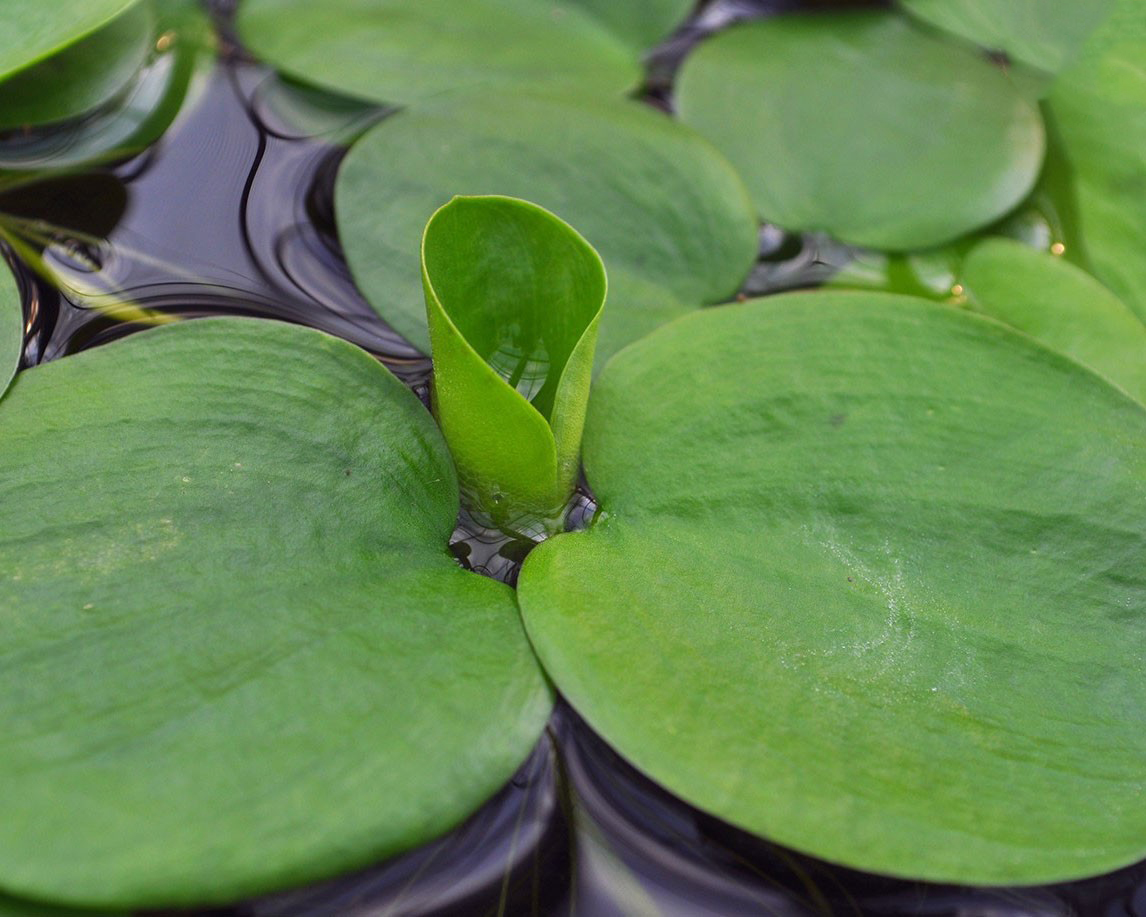
Floating plants are useful recovery tools because they soften light, consume nutrients, and create shelter for shrimp and small fish. They become a mistake when they cover nearly the entire surface. A thick mat can shade lower plants, reduce gas exchange at the surface, and make feeding difficult. Keep an open feeding area and thin the floaters whenever the plants below lose access to light. This is especially important in a nano aquarium, where a small amount of floating cover can change the whole tank’s light pattern. If bottom plants are deteriorating while floaters multiply, remove some surface growth before changing fertilizer or buying a stronger lamp.
Build plant cover around the livestock you actually want
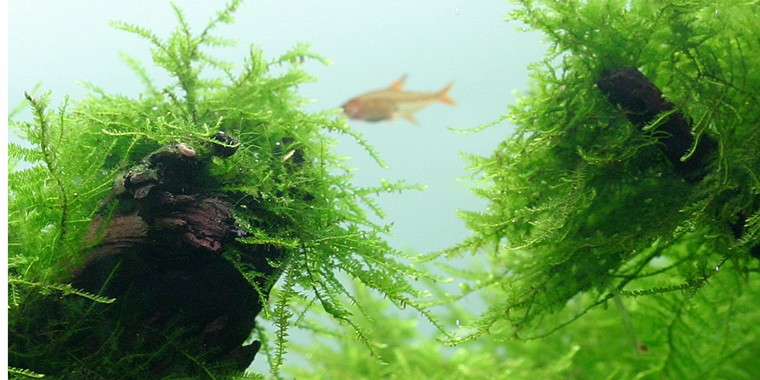
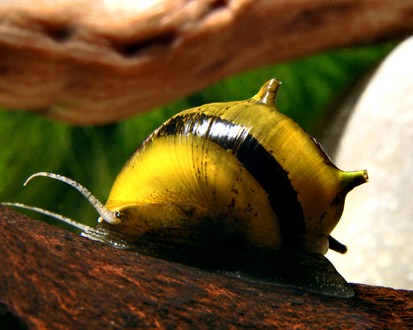
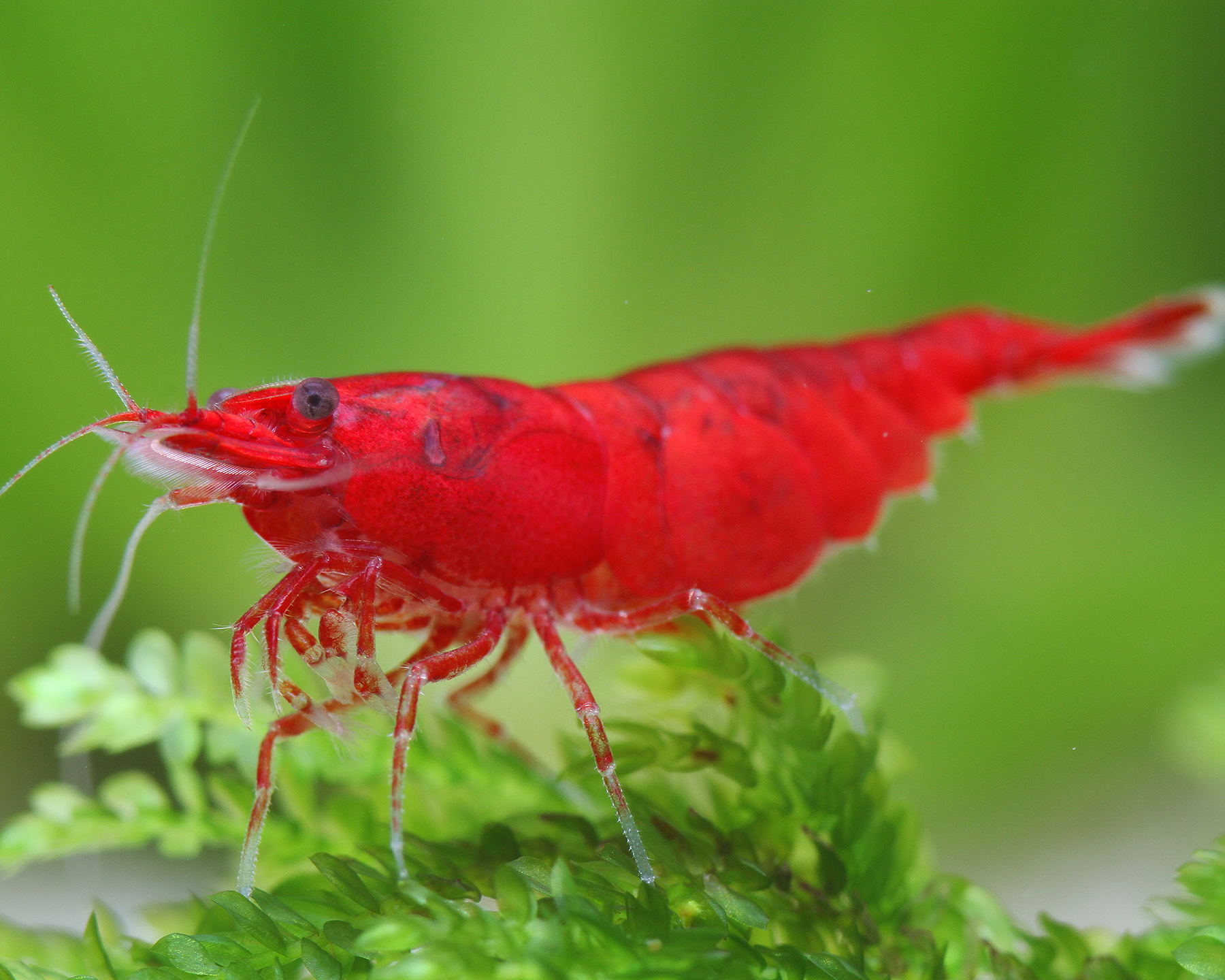
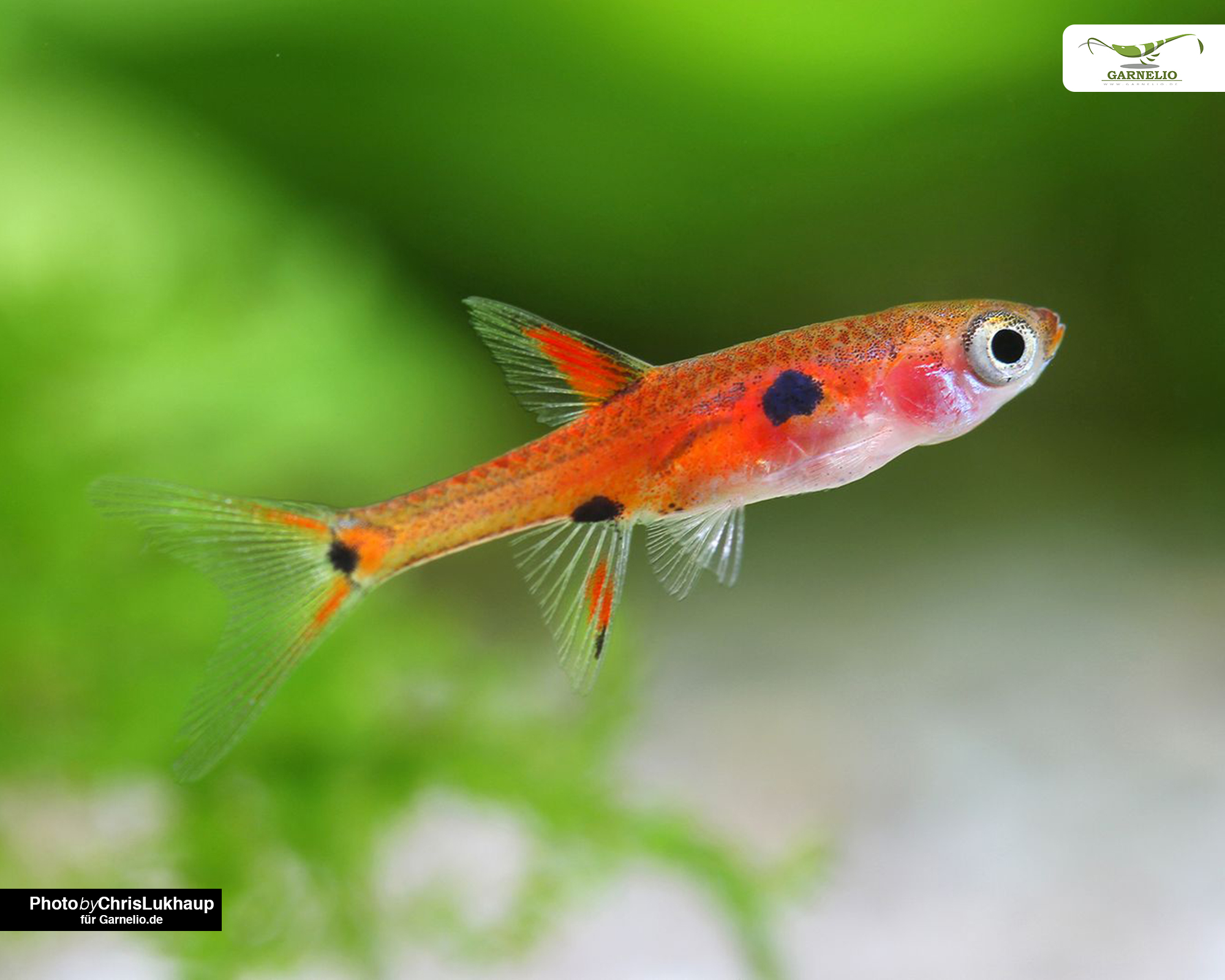
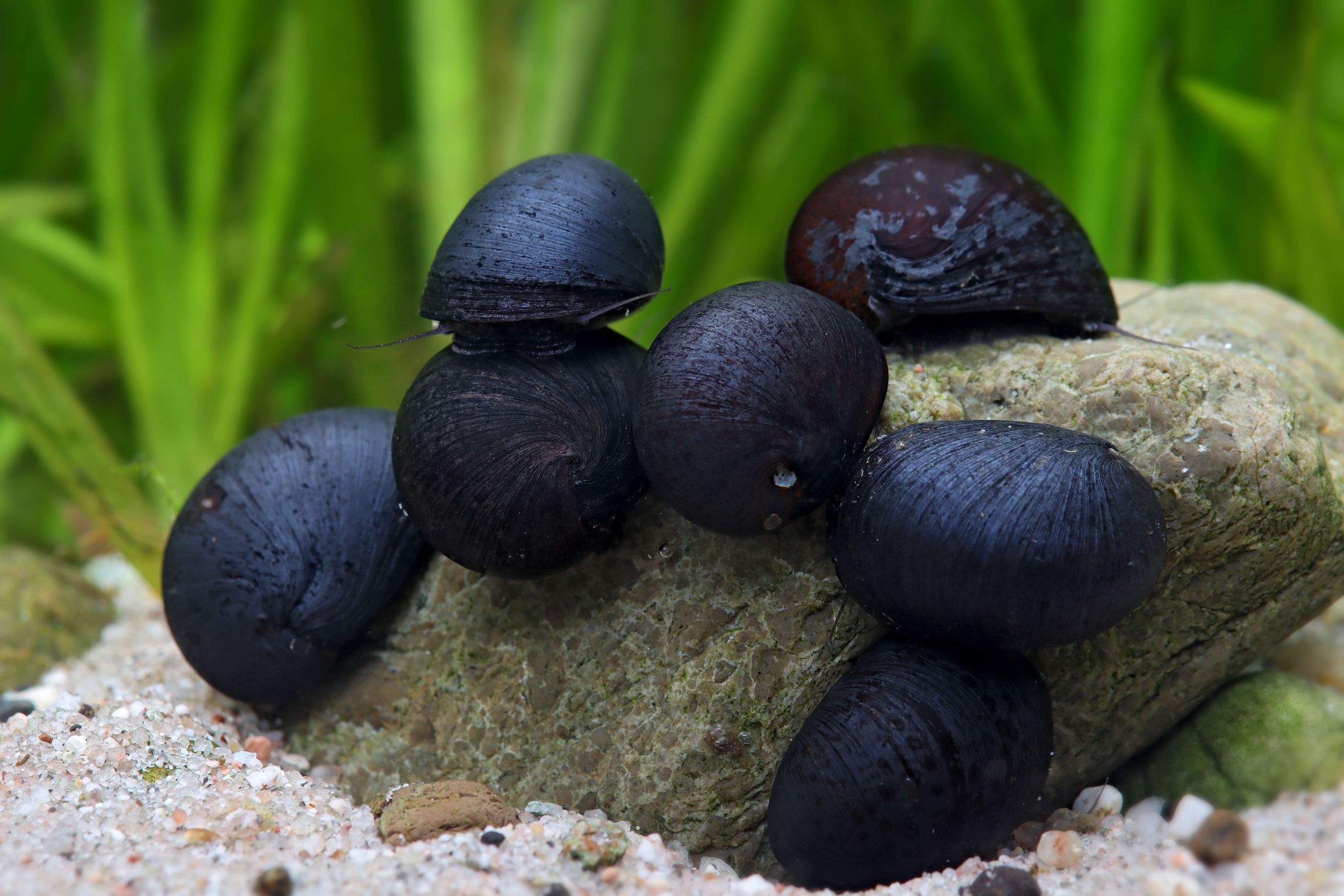
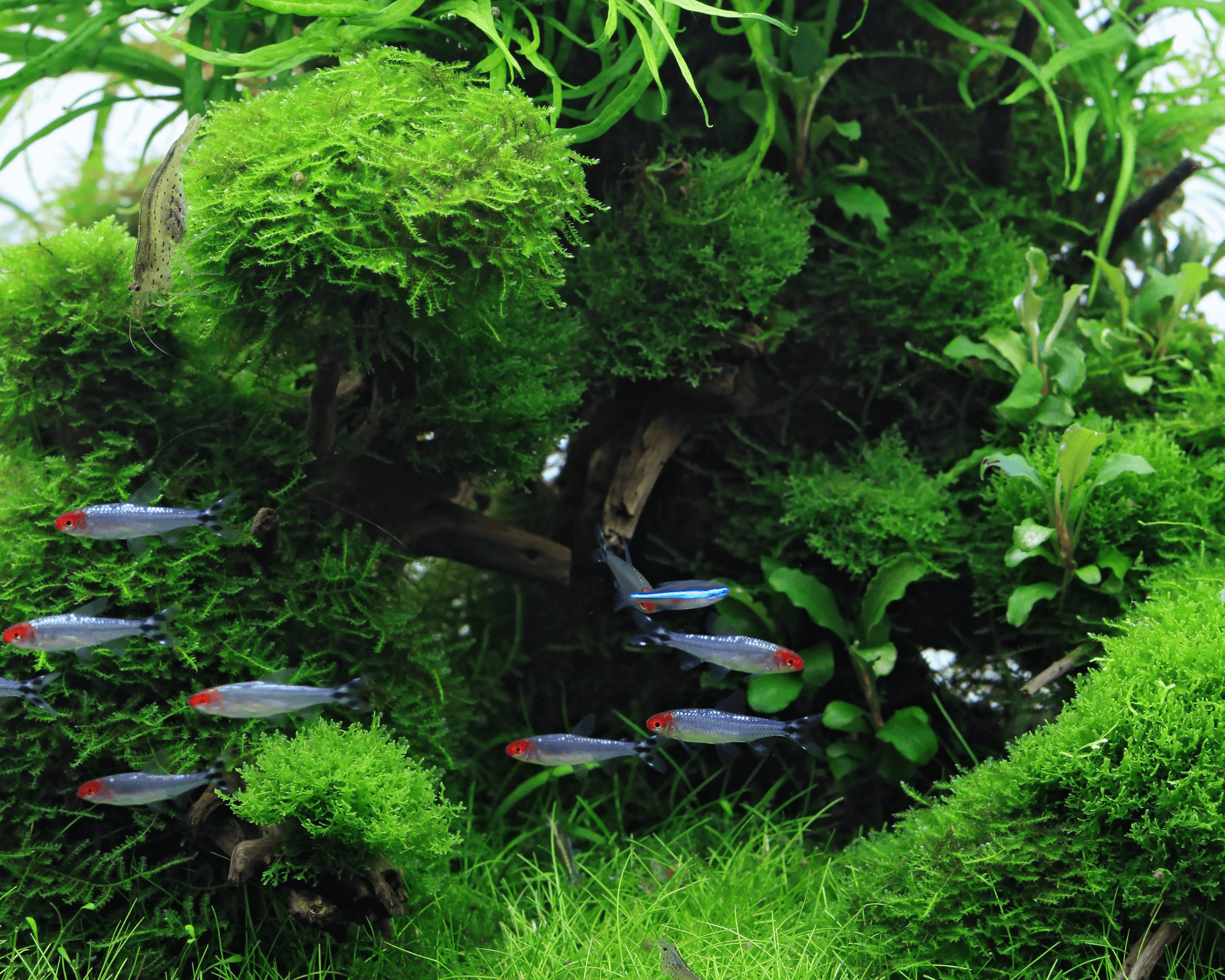
Plant compatibility is not just a question of whether fish, shrimp, and snails tolerate the same water. It is also about behavior and refuge. Moss gives dwarf shrimp grazing surfaces and hiding places for young, while peaceful nano fish may still eat shrimplets if cover is sparse. Snails generally benefit from biofilm and soft algae, but they do not replace water changes or solve a severe algae imbalance. Start with one clear livestock goal: a shrimp-focused colony, a snail-supported planted display, or a small peaceful fish community. Then arrange plants so adults can be seen without exposing every juvenile to open water.
Protect root feeders from constant substrate disturbance
Repeatedly moving plants is a hidden cause of slow recovery. Each replanting can disturb new roots, release trapped debris, and make you misread a normal adjustment as a new problem. Choose a substrate depth that suits the plant, place root feeders once, and avoid vacuuming directly through their crowns. Large rooted plants may benefit from localized root nutrition, while rhizome plants do not need to be buried to feed. If snails or fish loosen plants, stabilize the hardscape and use smaller planting portions rather than pushing every specimen deeper. A stable root zone is usually more valuable than a perfect first-day arrangement.
Use a seven-day recovery check before making another major change
After correcting a planting mistake, give the aquarium a short observation period instead of changing several variables together. Each day, check whether new growth is appearing, whether decaying leaves are increasing, whether algae is spreading, and whether fish or shrimp are behaving normally. Remove obvious dead tissue, maintain regular water changes, and keep feeding restrained while the tank recovers. If conditions are stable but growth remains weak, reassess light, circulation, and nutrients in that order. Trim healthy Rotala tops above a node and replant them only when the original stems are established. Recovery is successful when new growth becomes more noticeable than damaged growth—not when every old leaf looks perfect.
Frequently Asked Questions
Should I throw away aquarium plants that are melting?
Not immediately. Remove leaves that are fully decaying, but keep a firm crown or rhizome in place and watch for new underwater growth. Melting can be a normal transition, while a soft or rotting base indicates a more serious planting problem.
What is the most common aquarium planting mistake?
Burying a rhizome or crown is one of the most common mistakes. Anubias, Bucephalandra, and Java fern should have their rhizomes exposed, while rooted plants need their crown above the substrate.
Can shrimp, snails, and small fish live together in a planted nano aquarium?
Sometimes, but compatibility depends on species, adult size, behavior, water conditions, and available cover. Peaceful fish may still eat shrimplets, so a shrimp colony needs dense moss, fine-leaved plants, or other refuges.
Should I add fertilizer when new plants start melting?
Do not add fertilizer automatically. First remove decaying leaves, confirm that the plant is planted correctly, and check light and water stability. Fertilizer may help genuine nutrient shortages, but it will not repair a buried rhizome or rotting crown.
How long should I wait before changing a newly planted aquarium?
Make urgent corrections immediately when tissue is rotting or livestock are stressed. Otherwise, make one moderate adjustment and observe for about a week. Frequent replanting and simultaneous changes make it difficult to tell whether the tank is recovering.
Leave your comments