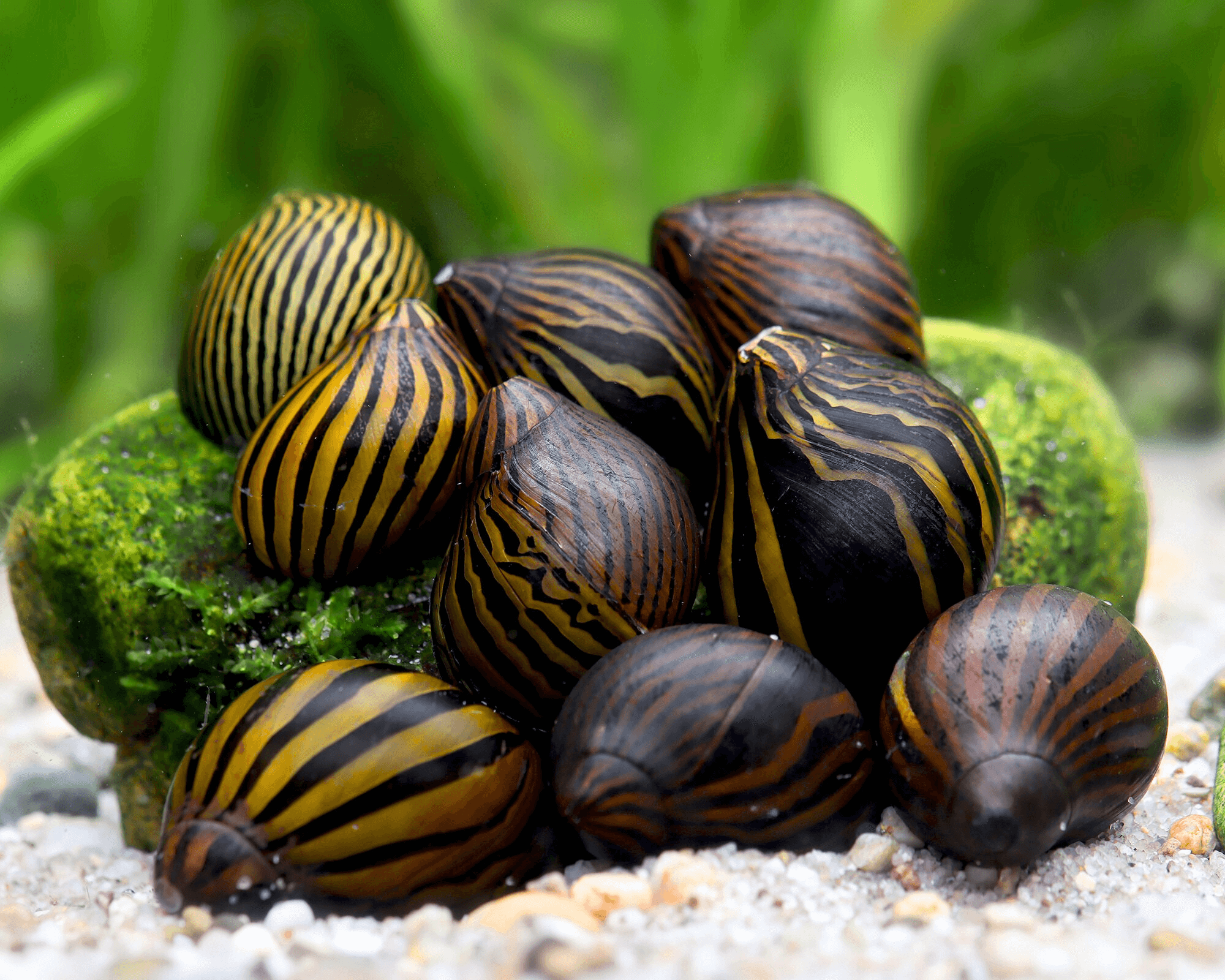
The Efficient Algae Eater: Zebra Racing Snail
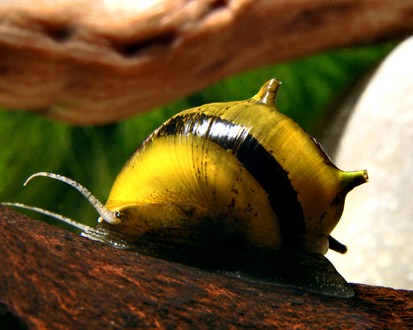
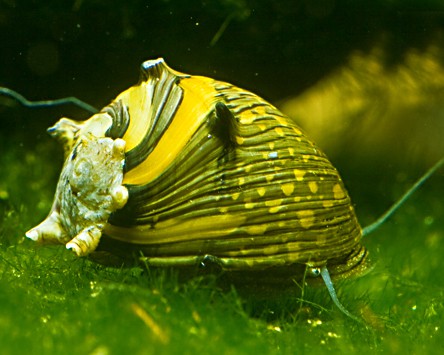
The Zebra Racing Snail (Vittina turrita) is a favorite among aquascapers for its striking black and yellow striped shell. These snails are highly effective at consuming film algae from glass, rocks, and hardscape without damaging your plants. Because they are brackish breeders, they will not overpopulate your freshwater tank, making them a stress-free addition. They thrive in tanks of 10 gallons (38 liters) or larger and appreciate stable parameters. Always ensure your tank has a secure lid, as these active snails are known to occasionally explore outside the water line.
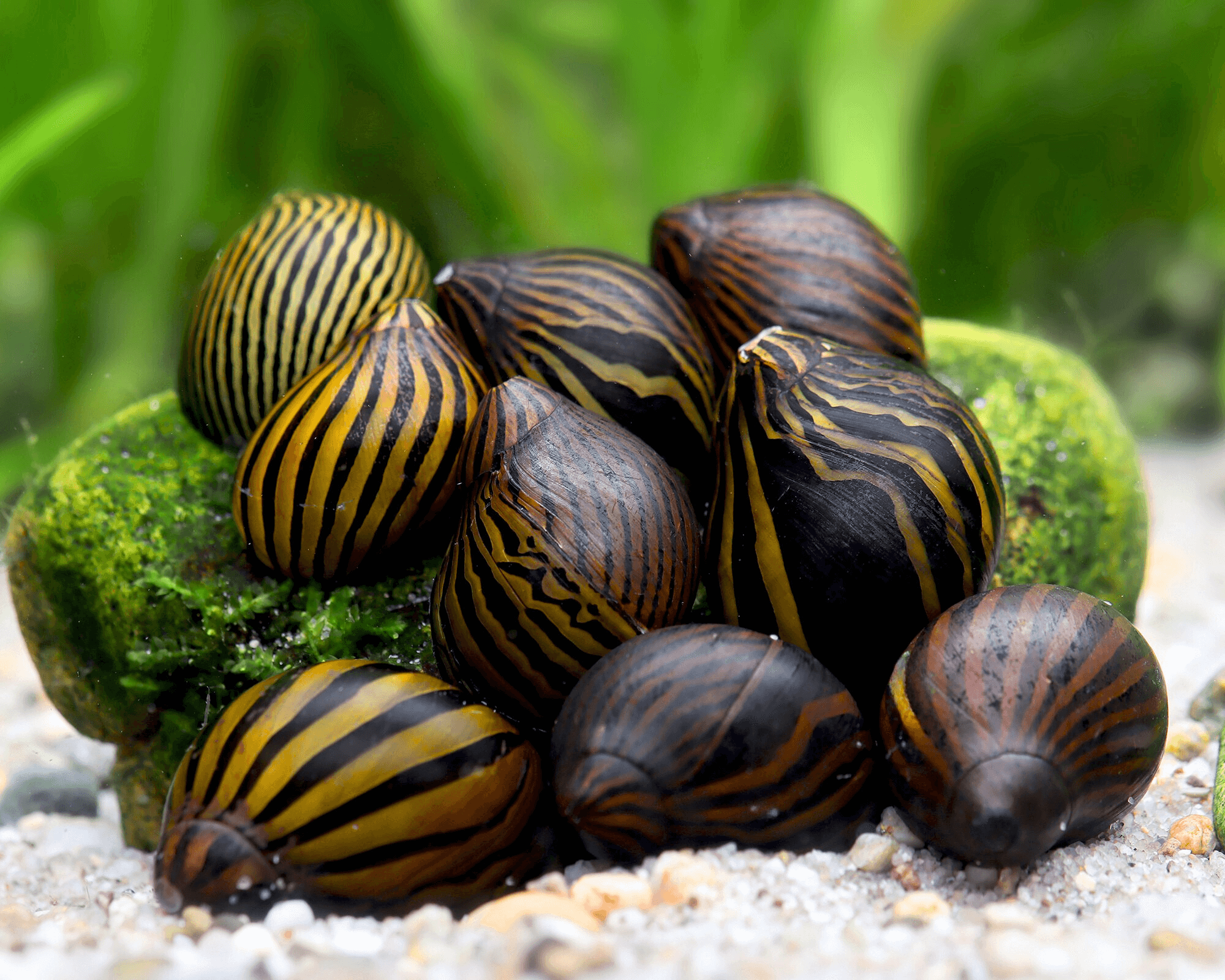
The Elegant Piano Snail
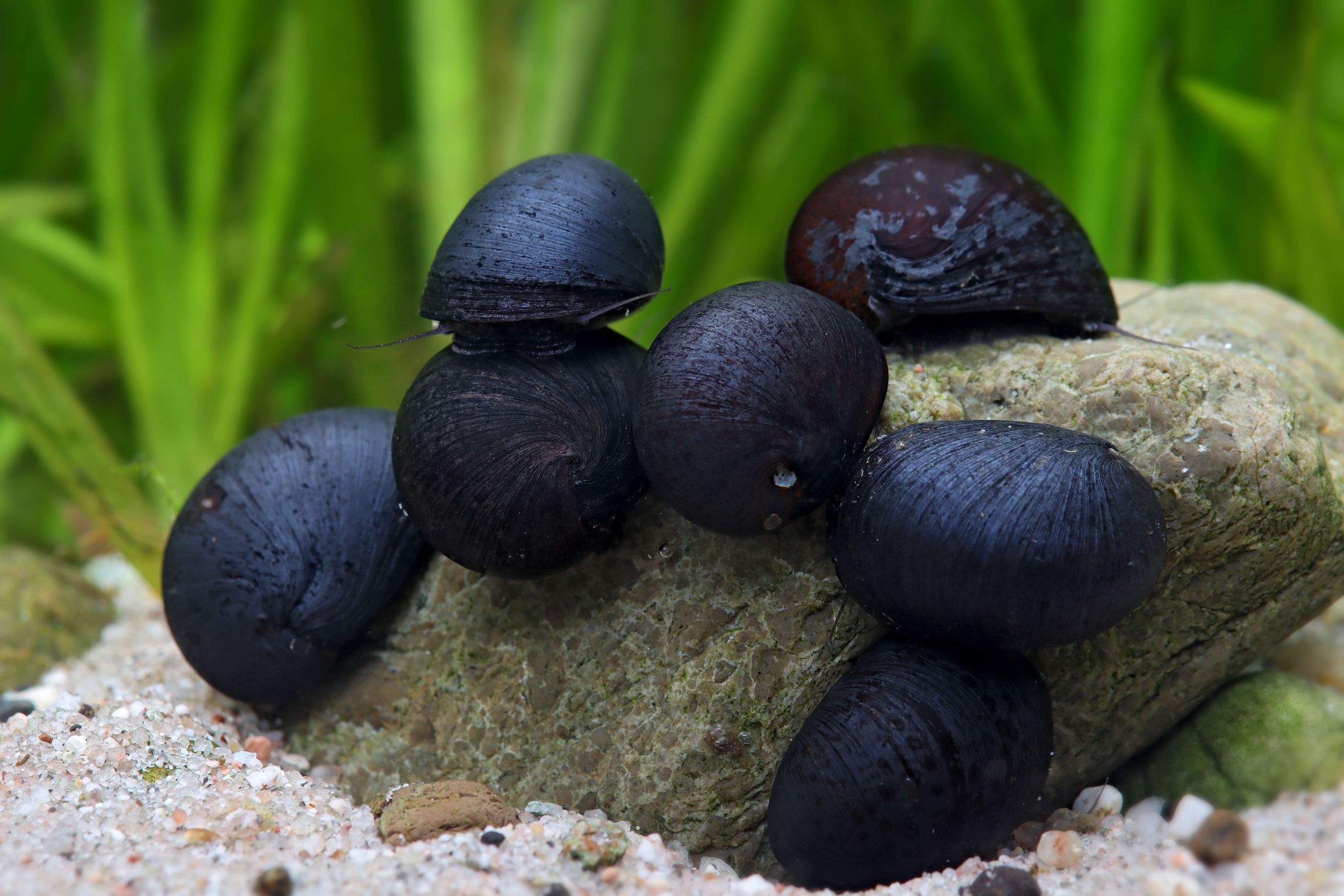
The Piano Snail (Taia naticoides) brings a sophisticated look to any planted aquarium with its unique, dark, spiraled shell. Often called brush algae snails, they are excellent at grazing on surfaces and keeping the environment tidy. They are live-bearers, meaning they produce fully formed juveniles rather than eggs, which helps keep their population growth manageable. These snails prefer a mature tank with plenty of biofilm and algae to graze on. They are generally peaceful and work well in community tanks with small, non-aggressive fish and shrimp.
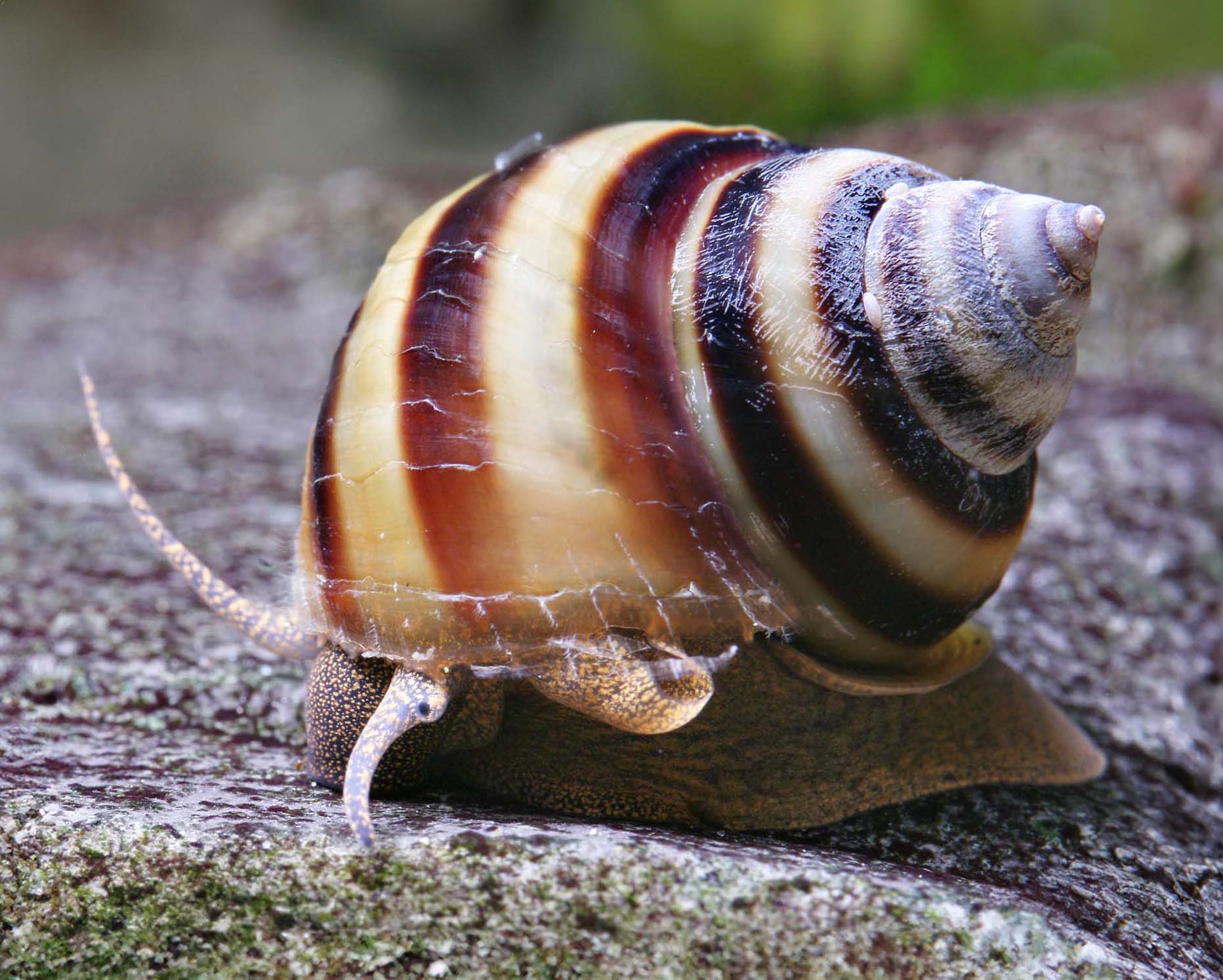
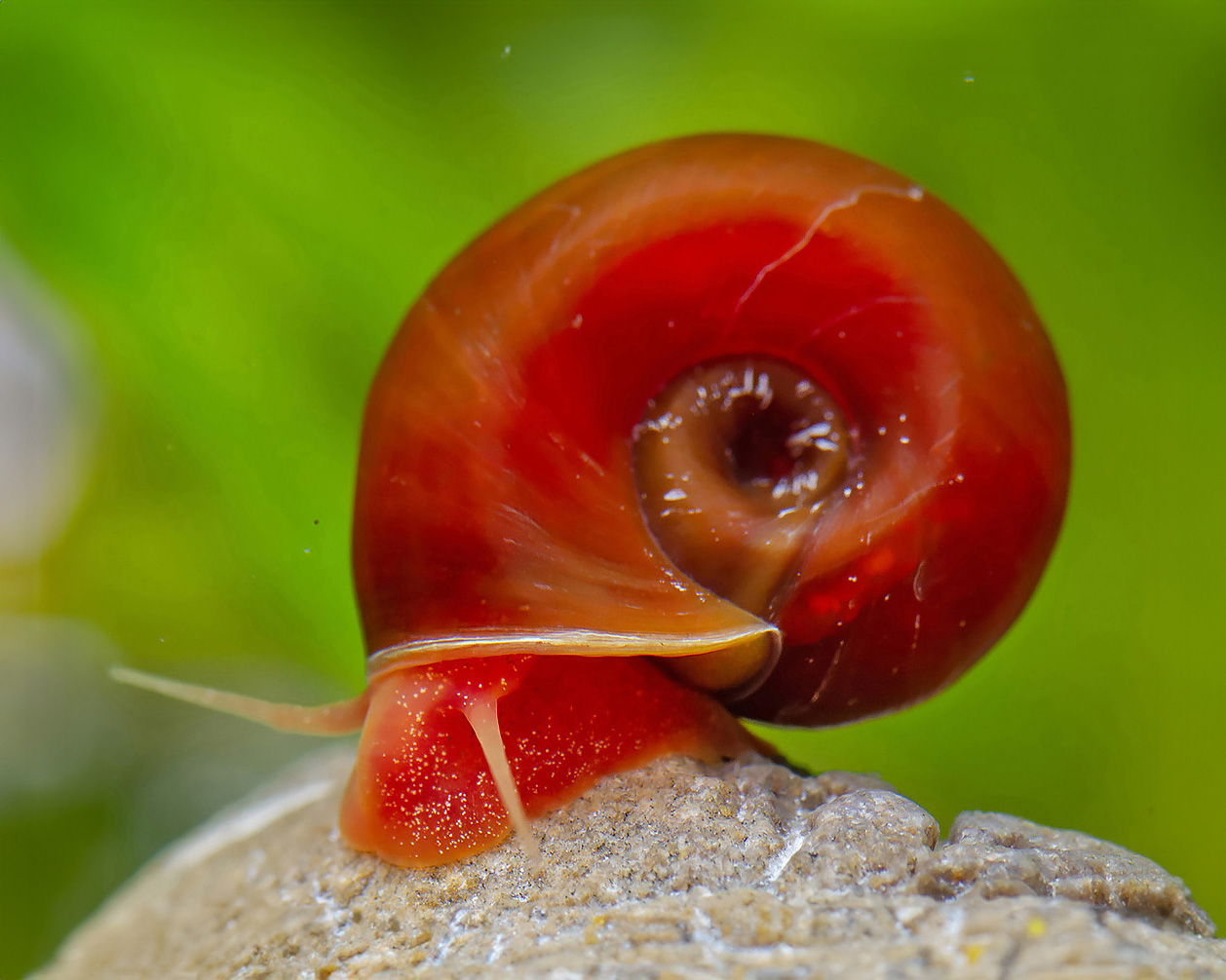
The Vibrant Ramshorn Snail
For hobbyists looking for a pop of color, the Orange Red Ramshorn Snail is an excellent choice. Known for their distinct spiral shape, these snails are active cleaners that help consume decaying plant matter and leftover food. They are incredibly hardy and adapt well to a wide range of water conditions. While they reproduce easily, their population is usually self-regulating based on the amount of available food. They are safe for planted tanks and add a dynamic, colorful element as they navigate through your lush aquatic greenery.
The Hardworking Malaysian Trumpet Snail
If you are concerned about substrate compaction, the Malaysian Trumpet Snail is your best ally. These cone-shaped snails spend much of their time burrowing through the gravel or sand, which helps aerate the soil and prevents the buildup of harmful anaerobic pockets. This behavior is particularly beneficial for plant roots, as it allows for better nutrient circulation. They are nocturnal, so you might see them emerging from the substrate once the lights go out. They are excellent at cleaning up detritus, making them essential for a clean and healthy planted aquarium floor.
The Decorative Antlered Snail
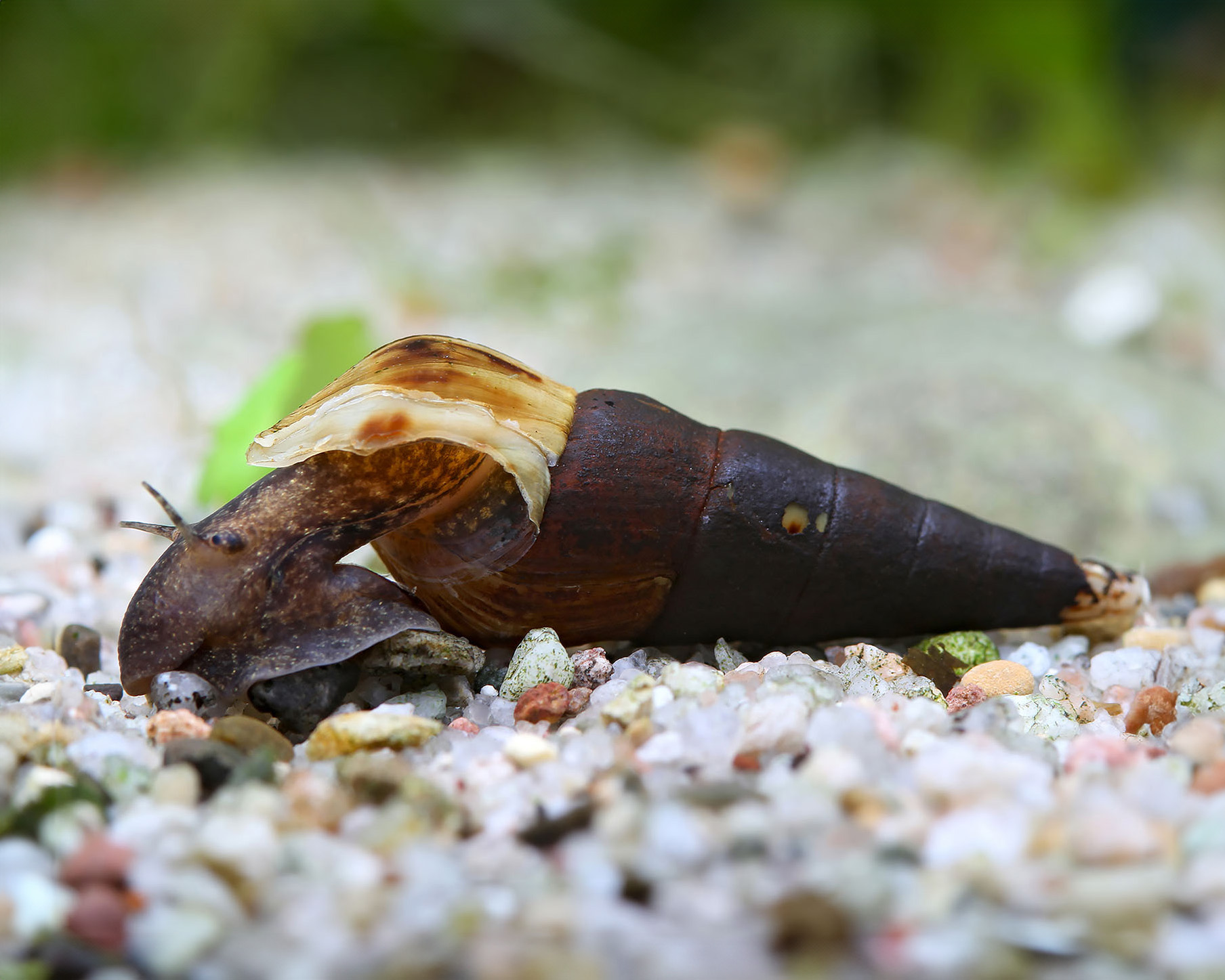
The Antlered Snail, specifically the Black & Gold Clithon diadema, is a small but mighty addition to nano aquariums. Their unique, spiked shells make them a visual standout, while their appetite for algae remains impressive. These snails stay relatively small, usually under 0.5 inches (1.3 cm), making them perfect for smaller planted setups where larger snails might look out of place. They are peaceful and non-destructive, focusing their energy on cleaning surfaces rather than bothering your plants. They are a must-have for anyone looking to combine function with a distinctive, exotic appearance.
The Striking Orange Track Racing Snail
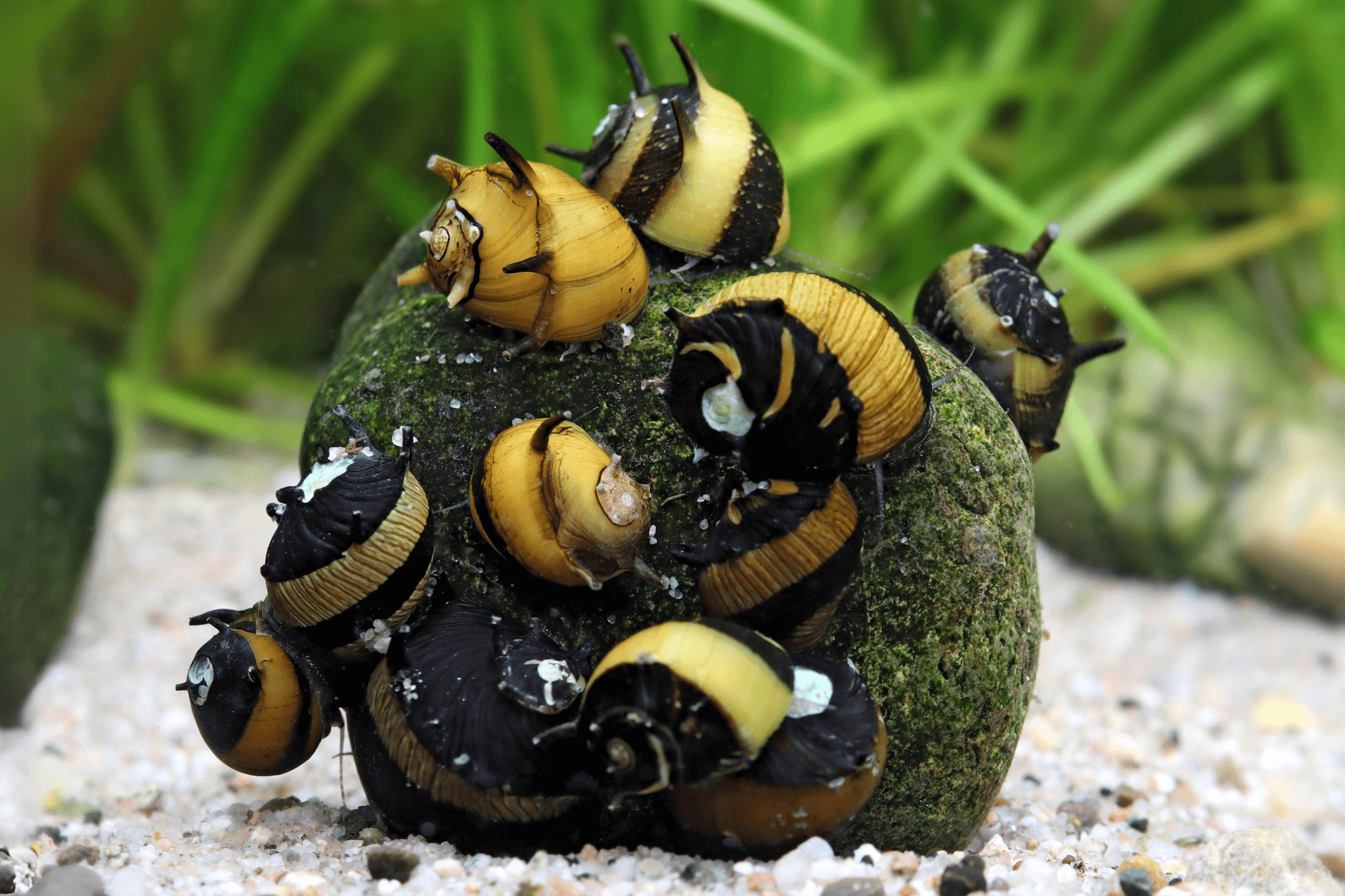
The Orange Track Racing Snail is a visually stunning variety of nerite snail that features bold, horizontal stripes. Like other racing snails, they are top-tier algae consumers, especially effective on flat surfaces like tank glass and stone. Their vibrant orange and black pattern stands out beautifully against green mosses and leafy plants. Because they do not reproduce in freshwater, you do not have to worry about a snail explosion. They require a well-established tank and appreciate a diet supplemented with algae wafers if the natural algae growth in your tank is insufficient.
The Unique Batman Snail
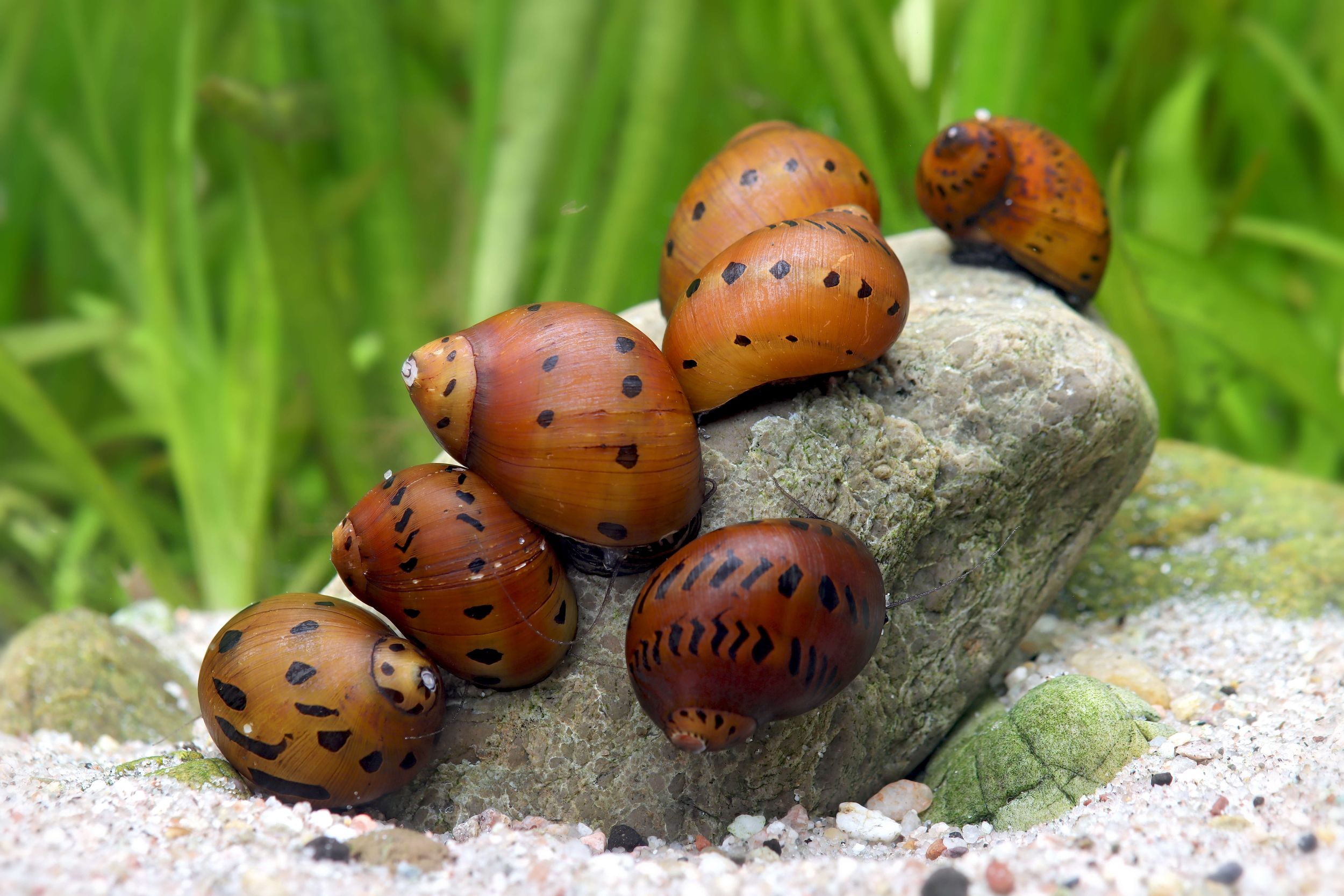
The Batman Snail (Neritpteron taitense) is a fascinating species with a flat, dark shell that helps it blend into natural environments. Their low profile allows them to navigate tight spaces and crevices in your aquascape that other snails might miss. These snails are peaceful, slow-moving, and highly efficient at cleaning algae from hardscape rocks and driftwood. They are a great choice for aquarists who prefer a more natural, subtle aesthetic in their tank. As with most nerite types, they are strictly algae eaters and will not harm your healthy aquarium plants.
%20-%20Neritpteron%20taitense%20-%201.webp)
The Sturdy Cappuccino Snail
The Cappuccino Snail (Faunus ater) is named for its beautiful, dark, coffee-colored shell. This is a larger, more robust species that is highly effective at cleaning up organic debris and leftover fish food. They are generally peaceful and hardy, though they prefer a tank with a soft, sandy substrate to help them move comfortably. Because they grow larger than many other snails, they are best suited for medium to large planted tanks. They are excellent at maintaining a clean environment and provide a unique, bold focal point for your aquarium's bottom layer.
Frequently Asked Questions
Will aquarium snails eat my live plants?
Most popular aquarium snails, such as nerites and ramshorns, will not eat healthy live plants. They primarily consume algae, biofilm, and decaying plant matter. If you notice snails eating your plants, it is often a sign that the plants are already dying or that the snails are not receiving enough supplemental food.
How do I prevent too many snails in my tank?
Population control is primarily managed by controlling the food source. If you overfeed your fish, the excess food will lead to a snail population boom. By feeding in moderation and keeping the tank clean of detritus, you can naturally keep snail numbers at a manageable level.
Do I need to supplement my snails' diet?
Yes, especially in newly established tanks where algae levels are low. You can offer blanched vegetables like zucchini, cucumber, or specialized algae wafers to ensure your snails stay healthy and active.
Leave your comments