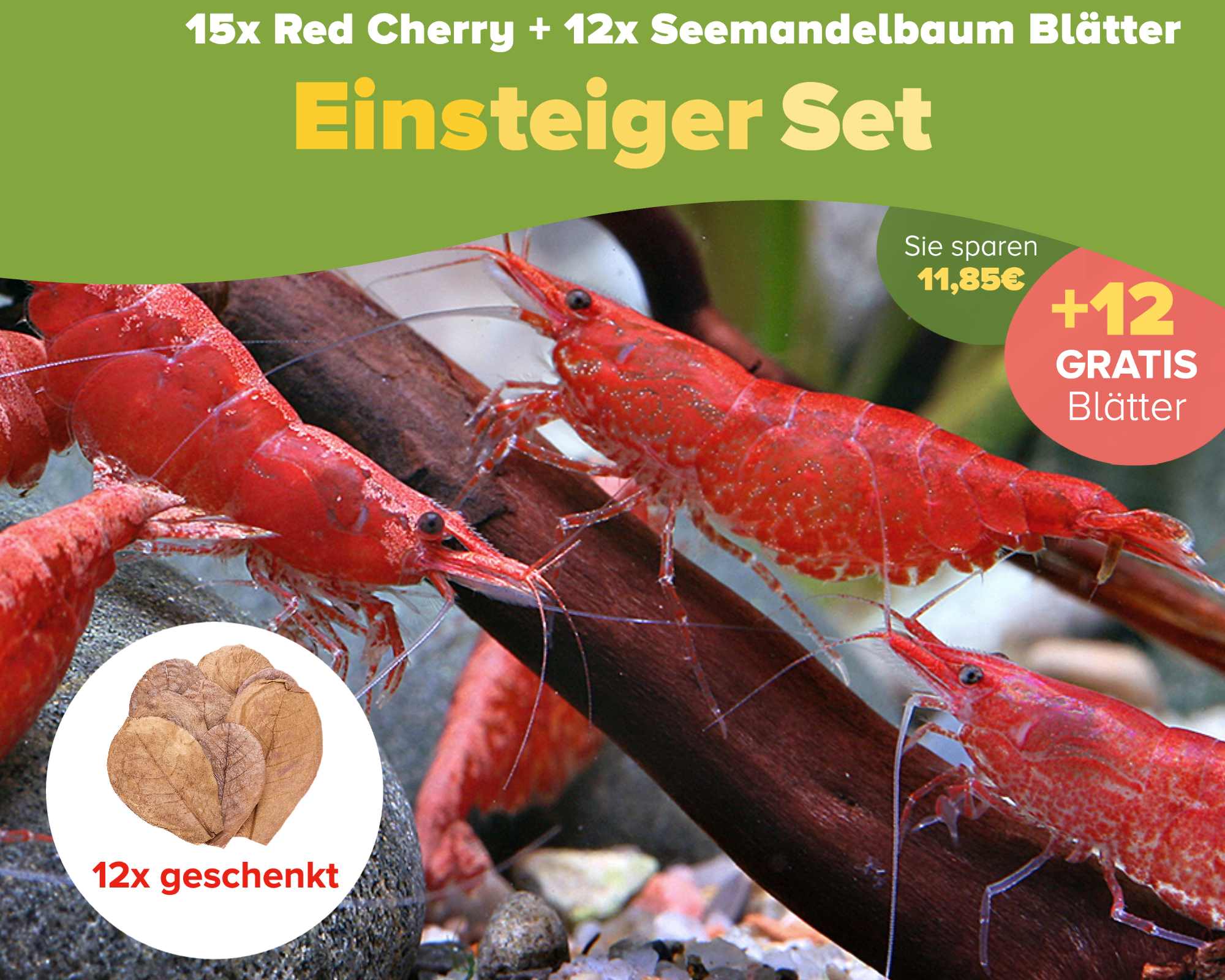
Red Cherry Shrimp: The Beginner Favorite
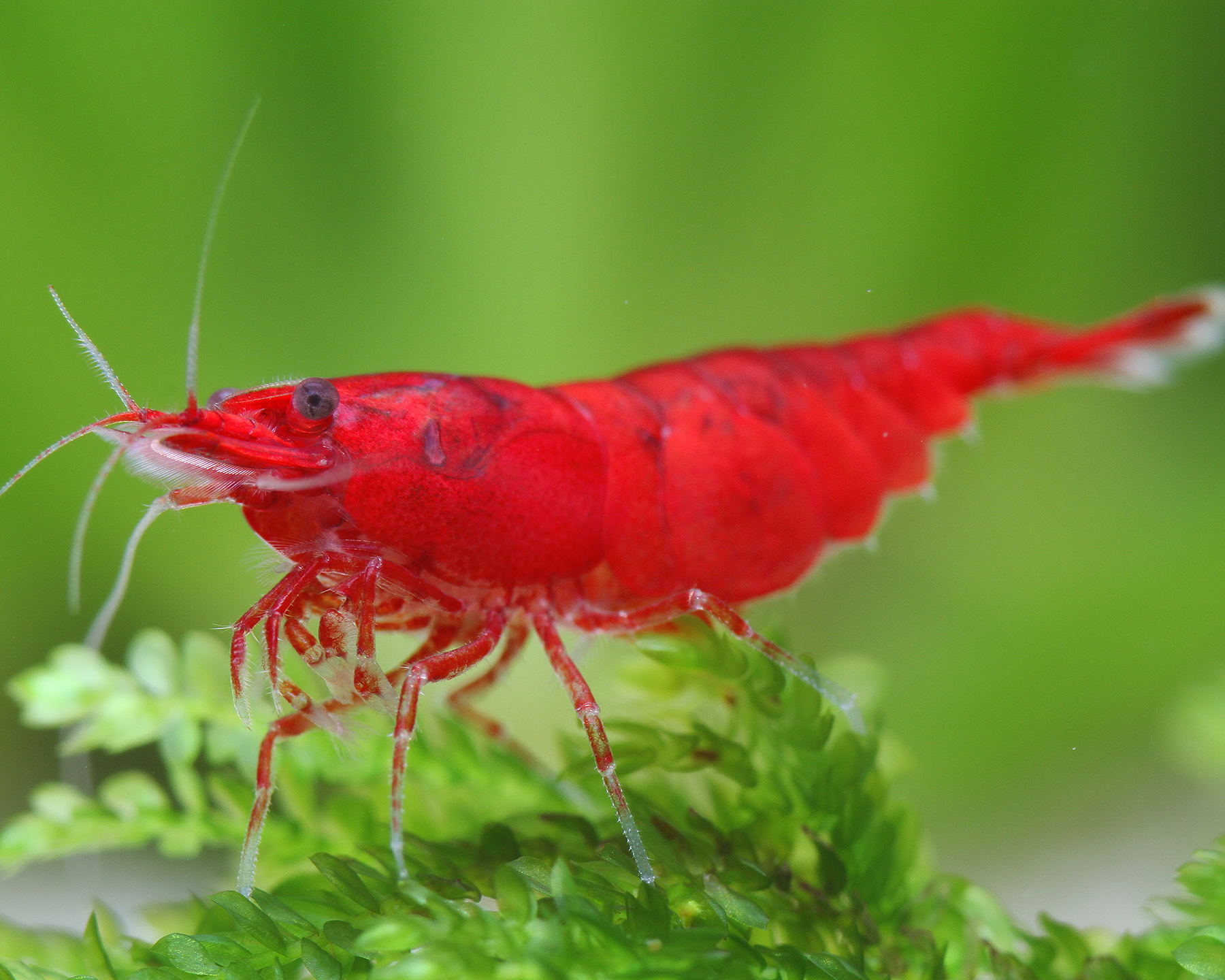
Red Cherry Shrimp are the quintessential choice for anyone starting out with freshwater invertebrates. They are incredibly hardy, adapting to a wide range of water parameters, and their bright red coloration stands out beautifully against green aquatic plants. In a 5-gallon (19-liter) tank or larger, these shrimp will graze on biofilm and algae, helping to keep your tank clean. They are peaceful and can coexist with other small, non-aggressive tank mates like snails or nano fish. Because they breed readily in established tanks, you can often start with a small colony and watch it grow over time.
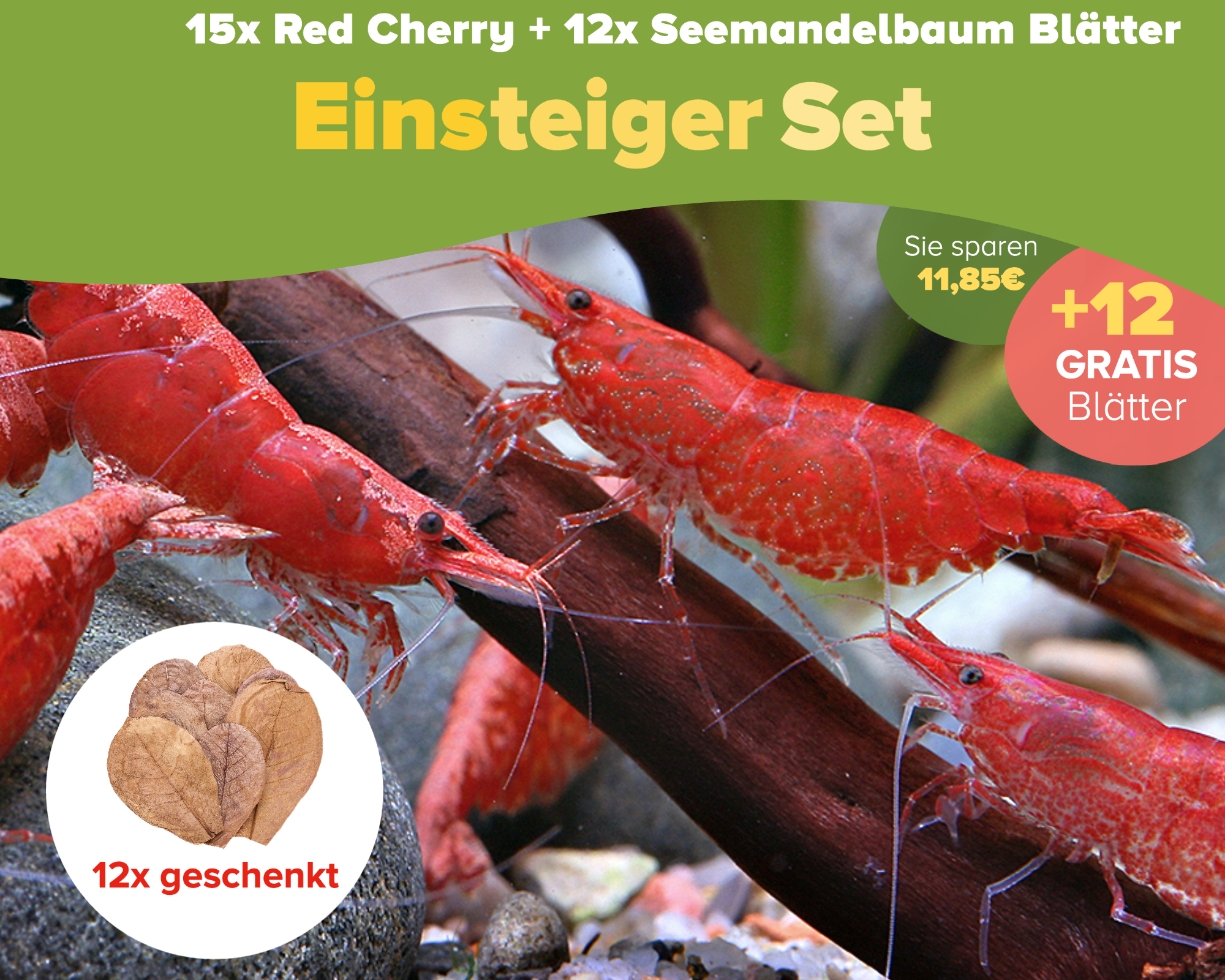
Bloody Mary Shrimp: Deep Red Elegance
If you love the look of red shrimp but want a deeper, more intense coloration, the Bloody Mary shrimp is an excellent choice. Unlike other red varieties, their intense color comes from the tissue itself rather than just the shell, giving them a rich, ruby-like appearance. They are just as easy to care for as standard cherry shrimp and thrive in planted tanks with plenty of moss for grazing. These shrimp are particularly effective at cleaning leaves, making them a dual-purpose addition to your aquascape. Ensure your tank has stable water conditions and plenty of hiding spots for molting.
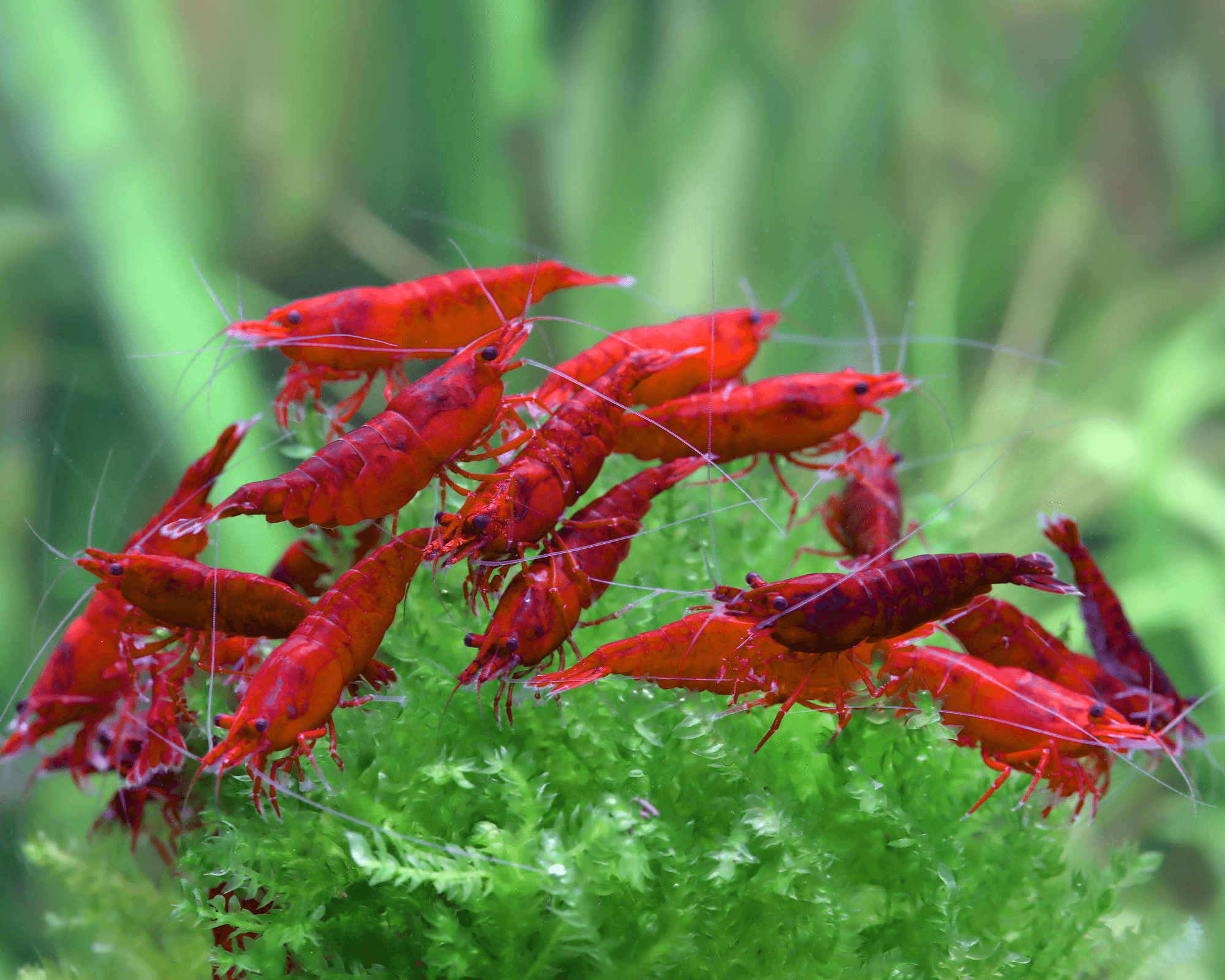
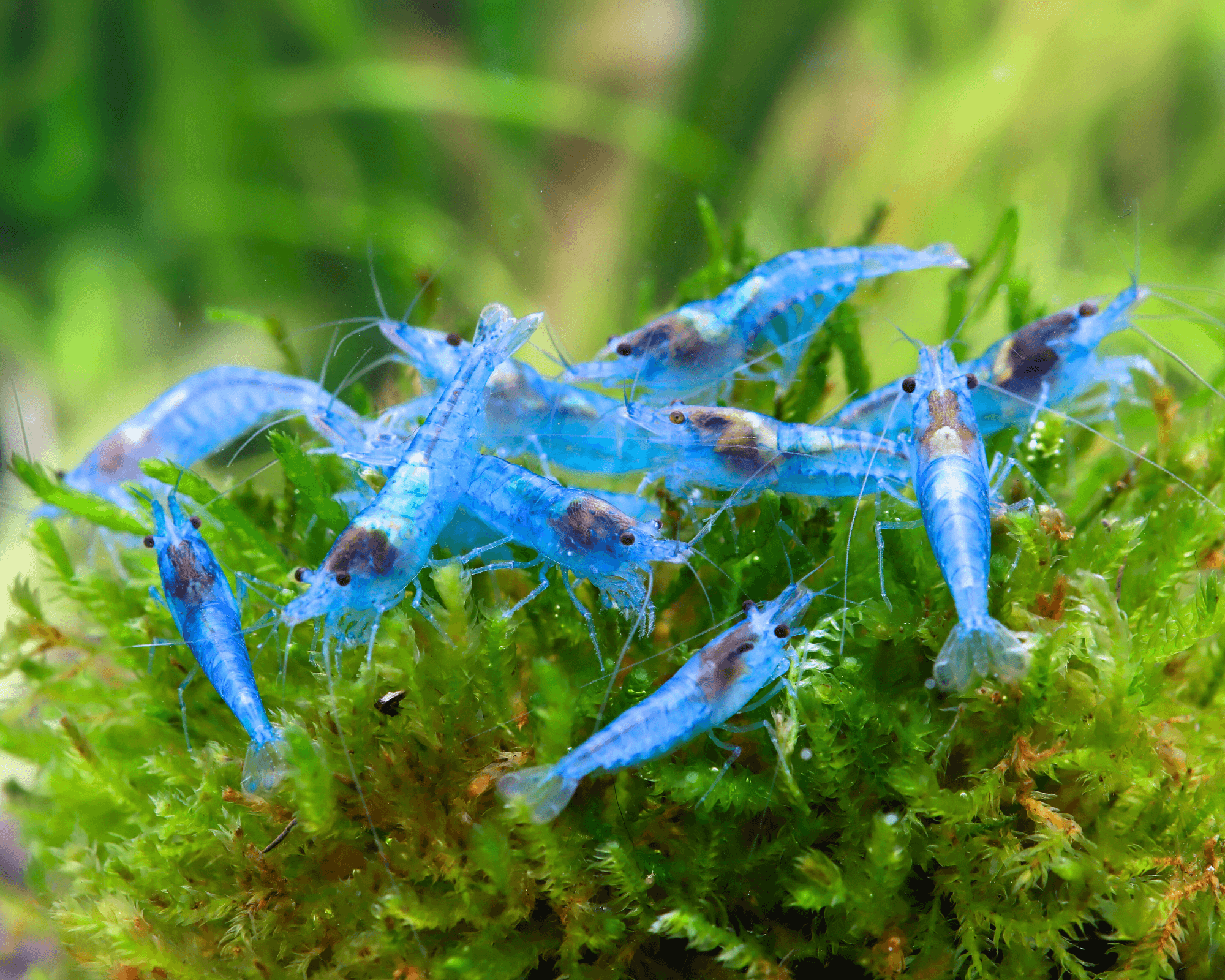
Blue Dream Shrimp: Striking Sapphire Hues
Blue Dream shrimp are highly sought after for their deep, solid blue coloration that creates a stunning contrast against dark substrates or bright green carpeting plants. These shrimp are a color morph of the Neocaridina davidi species, meaning they share the same easy care requirements as their red cousins. They prefer stable water temperatures between 68 and 78 degrees Fahrenheit (20 to 25 degrees Celsius). To keep their blue color vibrant, provide a high-quality diet and keep the water clean. They are perfect for small, heavily planted tanks where their sapphire bodies can be easily observed.
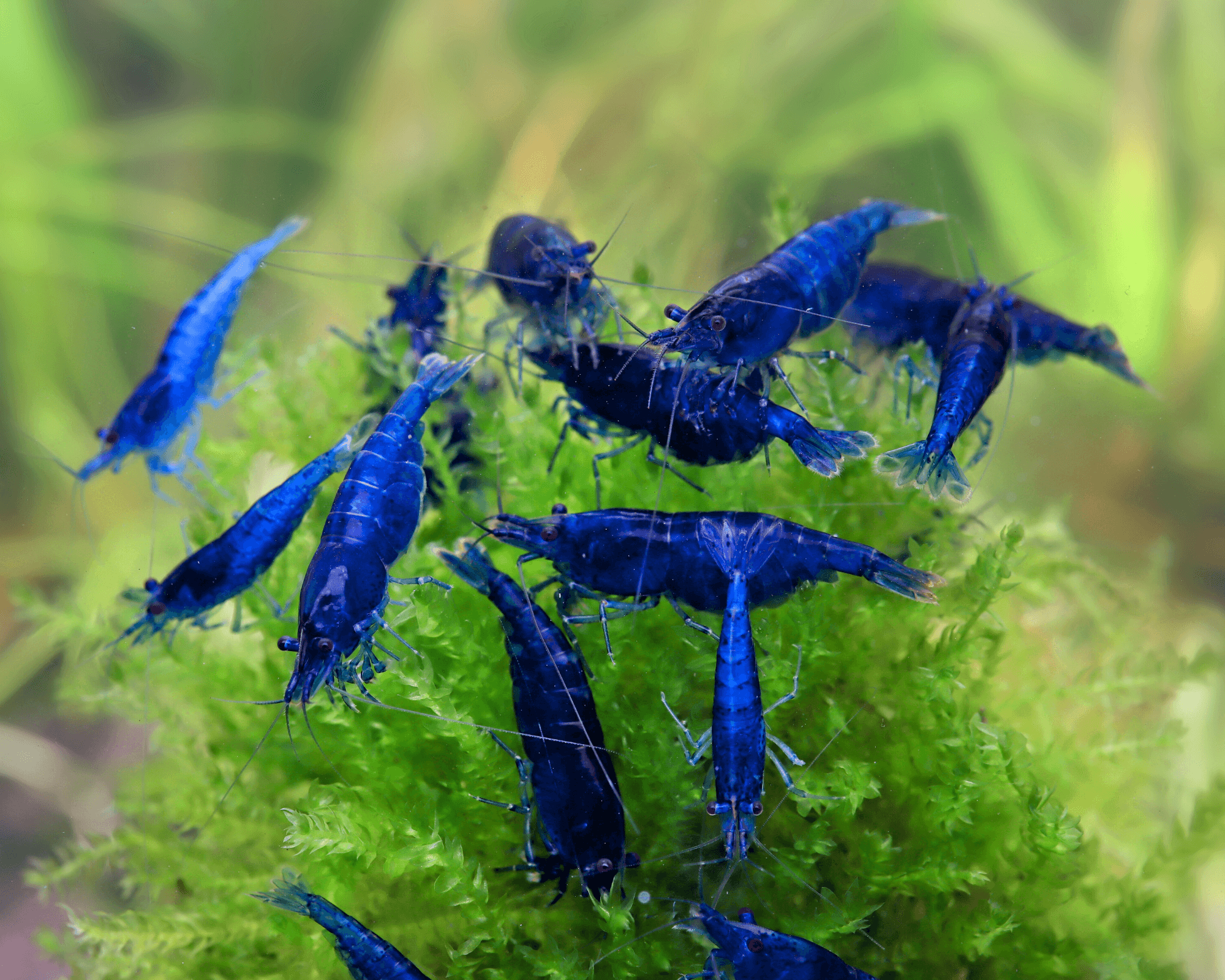
Blue Jelly Shrimp: Translucent Beauty
For a more delicate, ethereal look, the Blue Jelly shrimp offers a semi-translucent, light blue appearance that looks fantastic in minimalist aquascapes. They are active scavengers and will spend most of their time picking at algae on hardscape or plant leaves. Because they are peaceful, they are ideal for community tanks with other small invertebrates. Like all shrimp, they require a well-cycled tank and are sensitive to copper-based medications, so always double-check your products before adding anything to the water. Their subtle beauty makes them a favorite for those who prefer a more natural, less saturated aesthetic in their aquarium.
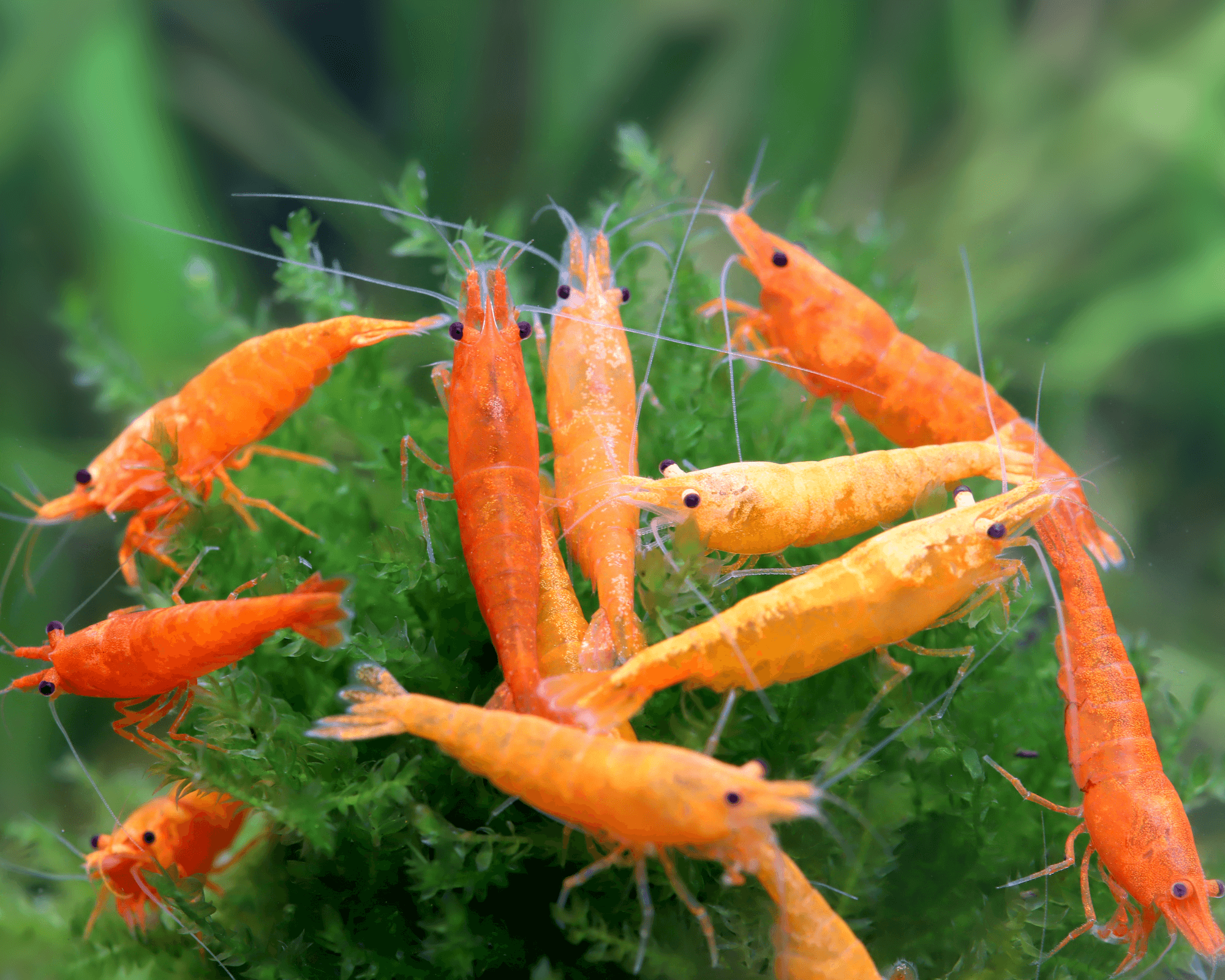
Orange Fire Shrimp: A Burst of Warmth
Adding a pop of orange to your tank can completely change its mood, and the Orange Fire shrimp is the perfect candidate for the job. These vibrant little creatures are hardy and active, making them a joy to watch as they navigate through dense plant forests. They are particularly fond of mosses and fine-leaved plants where they can find microscopic food particles. When keeping them in a nano tank, ensure you have a sponge filter to prevent the tiny shrimplets from being sucked into the intake. A group of these in a tank with contrasting green plants creates a vivid, eye-catching display.
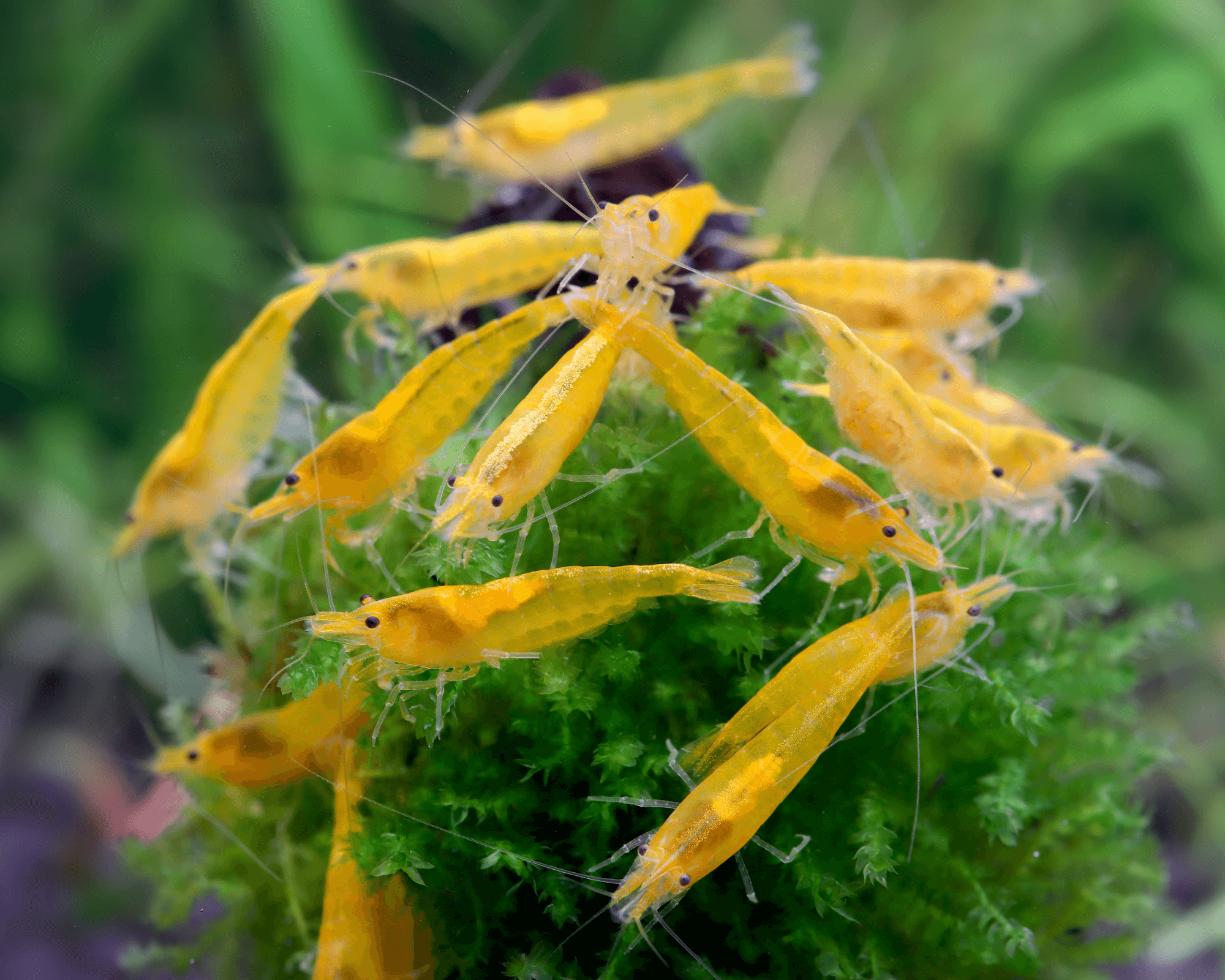
Yellow Fire Shrimp: Bright and Energetic
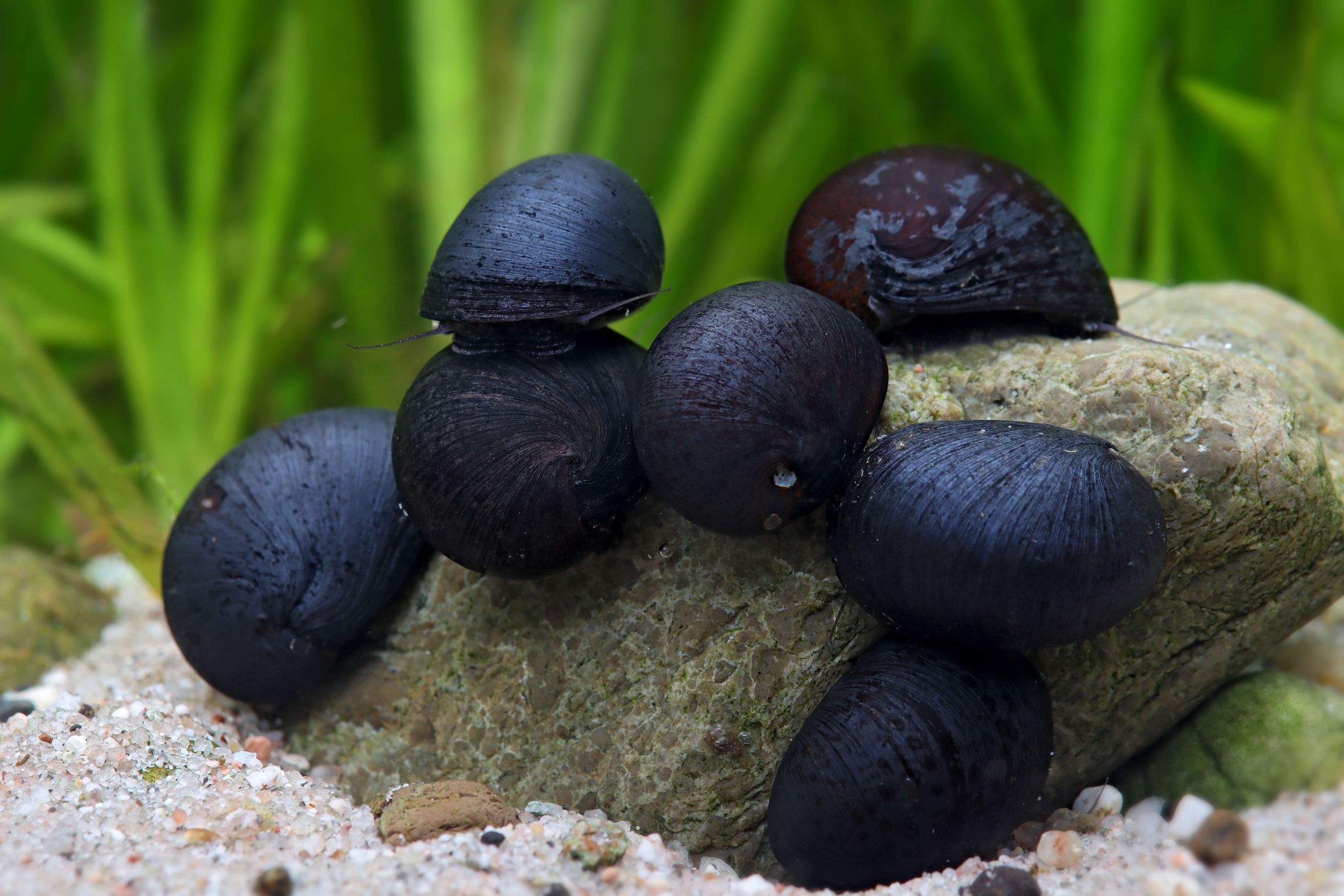
Yellow Fire shrimp are known for their bright, lemon-yellow color that shines even in dimly lit tanks. They are active, curious, and very resilient, making them a great option for beginners who want something other than the standard red varieties. Because they are so active, they are constantly moving across the substrate and plants, which helps prevent detritus buildup in your tank. They are compatible with most peaceful tank mates, including small snails like Nerites. Keep them in a group of at least 10 to ensure they feel secure and exhibit their natural, social behaviors in your planted aquarium.
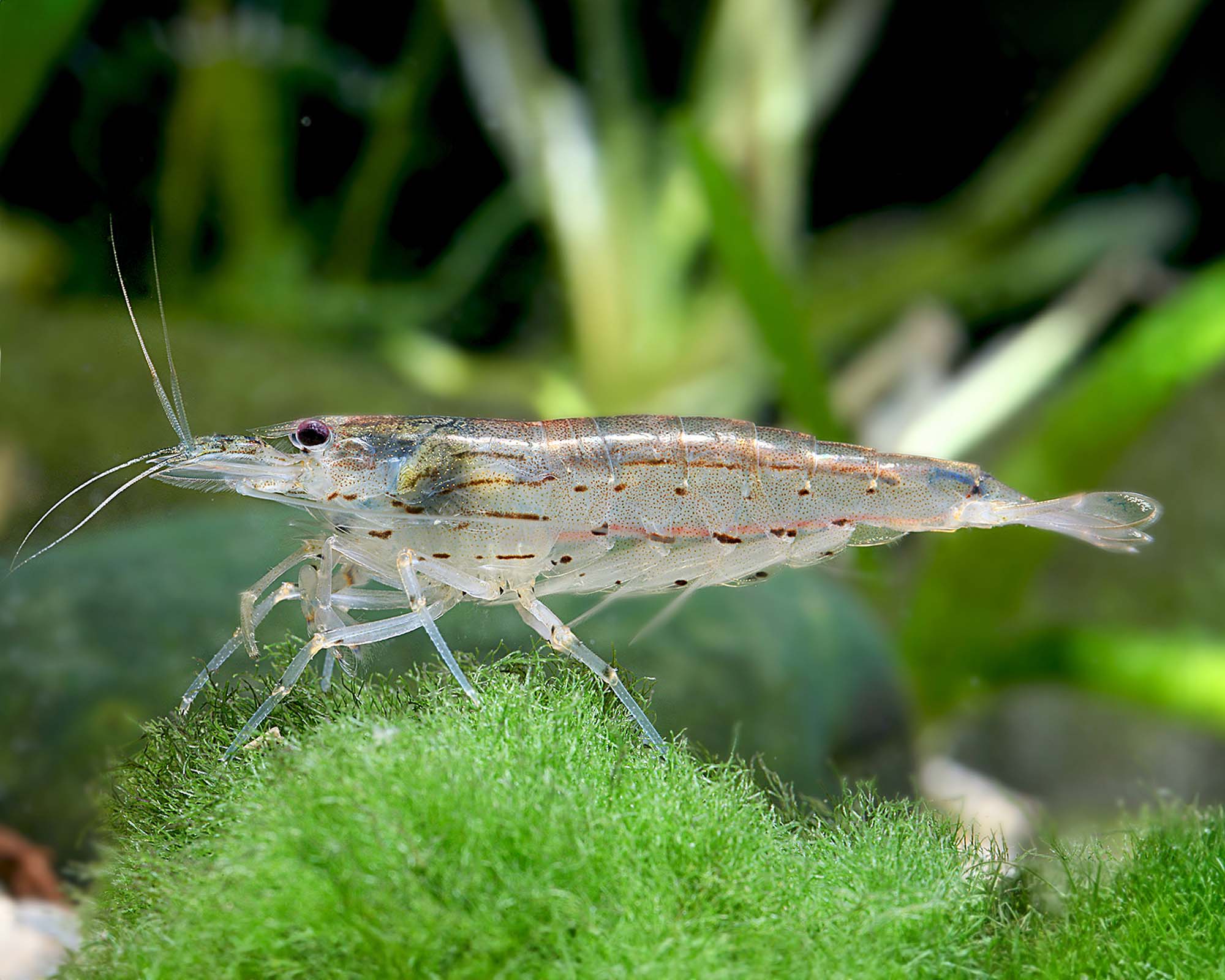
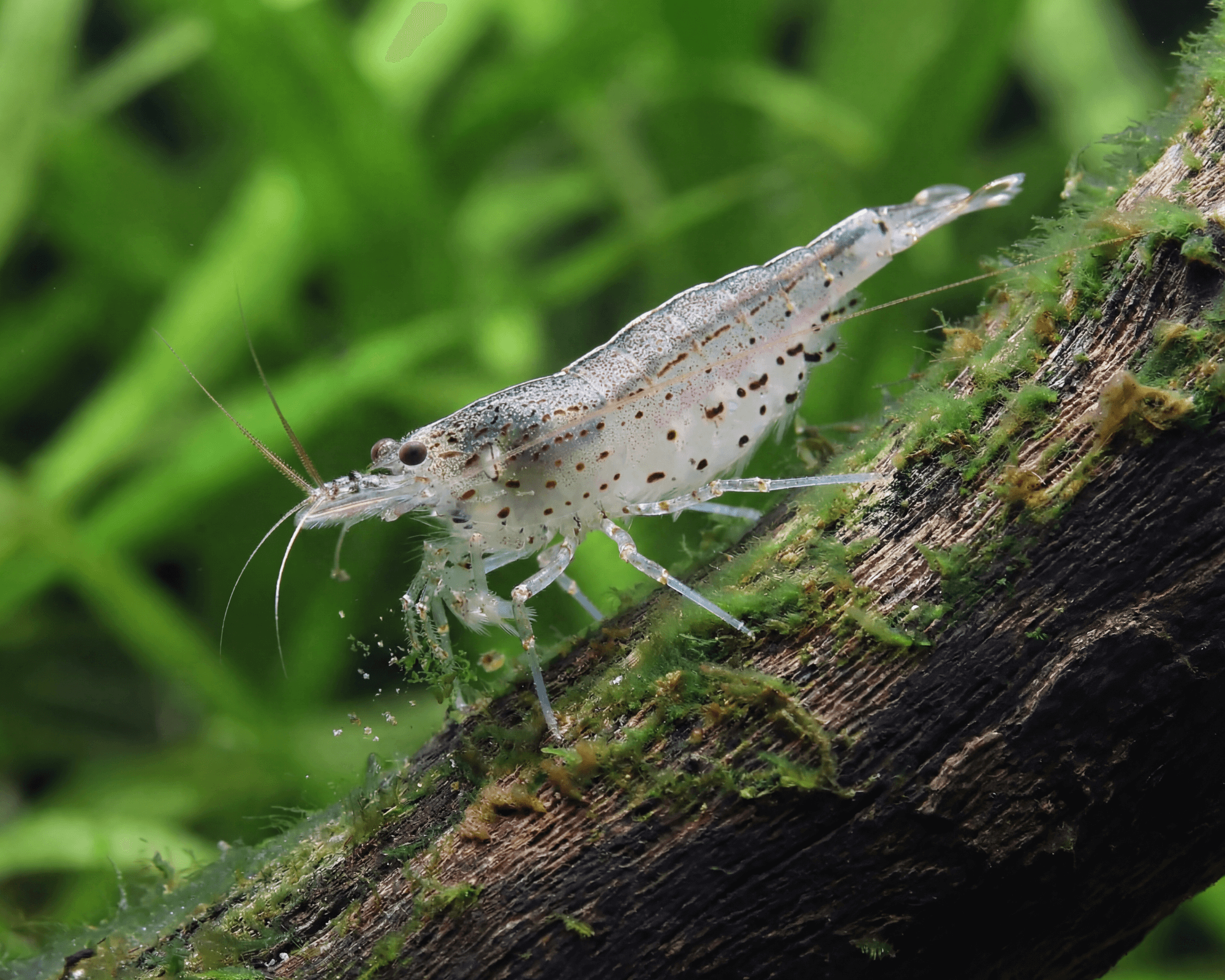
Amano Shrimp: The Ultimate Algae Eaters
If you are struggling with persistent algae, the Amano shrimp is your best friend. Larger and more robust than Neocaridina species, these shrimp are famous for their voracious appetite for hair algae and diatoms. While they do not breed in freshwater, their longevity and hardworking nature make them a staple in professional aquascaping. They are very active and generally safe with plants, though they can be a bit more boisterous than smaller dwarf shrimp. They are excellent for tanks 10 gallons (38 liters) and larger, where they have plenty of room to roam and clean your hardscape.
Carbon Rili Shrimp: Unique Patterning
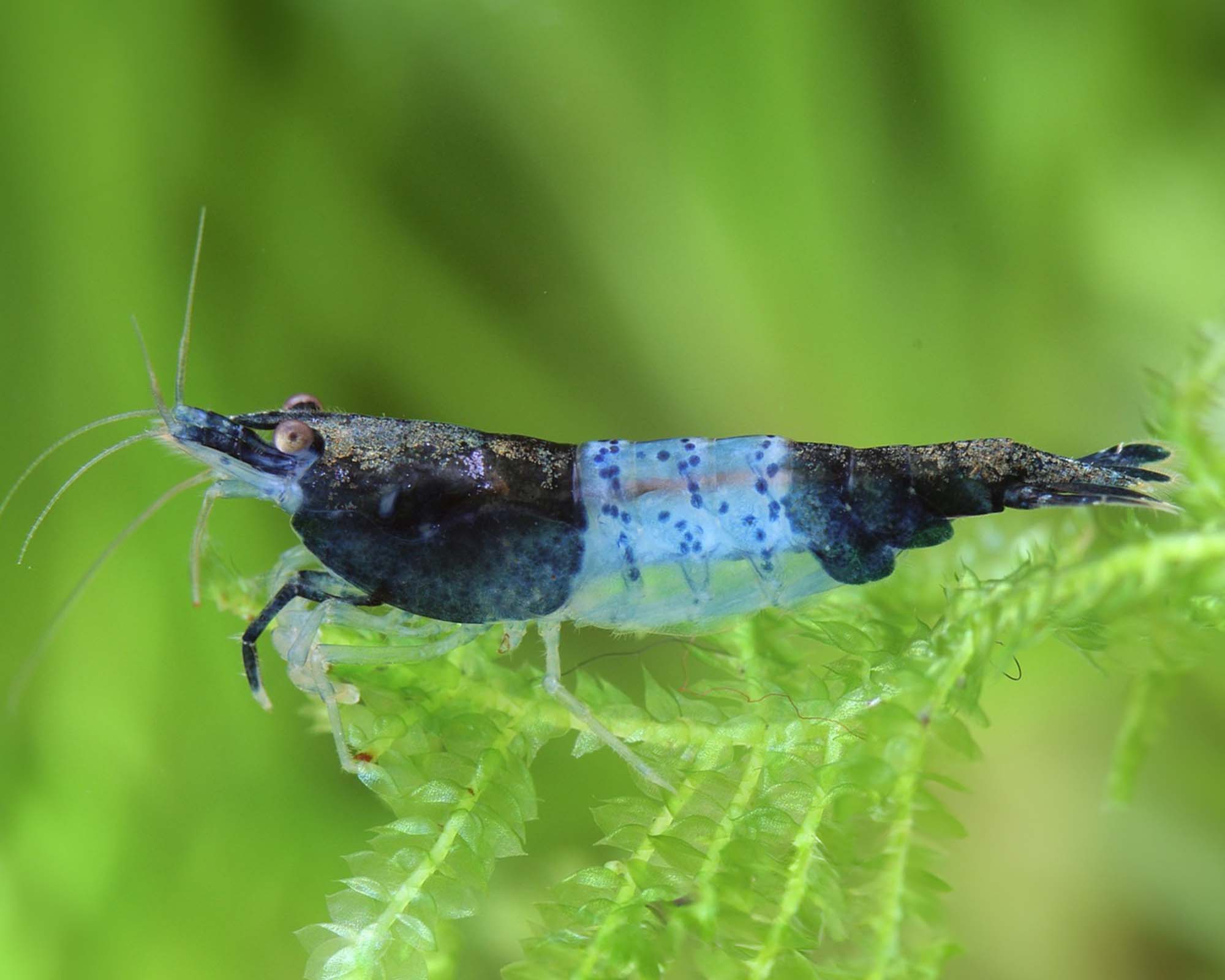
Carbon Rili shrimp are fascinating because of their unique, split-color appearance. They feature deep black or blue-black bands contrasted with translucent, clear sections on their bodies. This striking pattern makes them a centerpiece in any nano tank. Like other Neocaridina, they are easy to keep and will thrive in a wide variety of conditions. They look particularly good in tanks with dark, volcanic rock hardscapes. Because they are visually complex, they are best appreciated in smaller tanks where you can get a close look at their intricate patterns and behaviors as they forage for food.
Green Jade Shrimp: Nature-Inspired Color
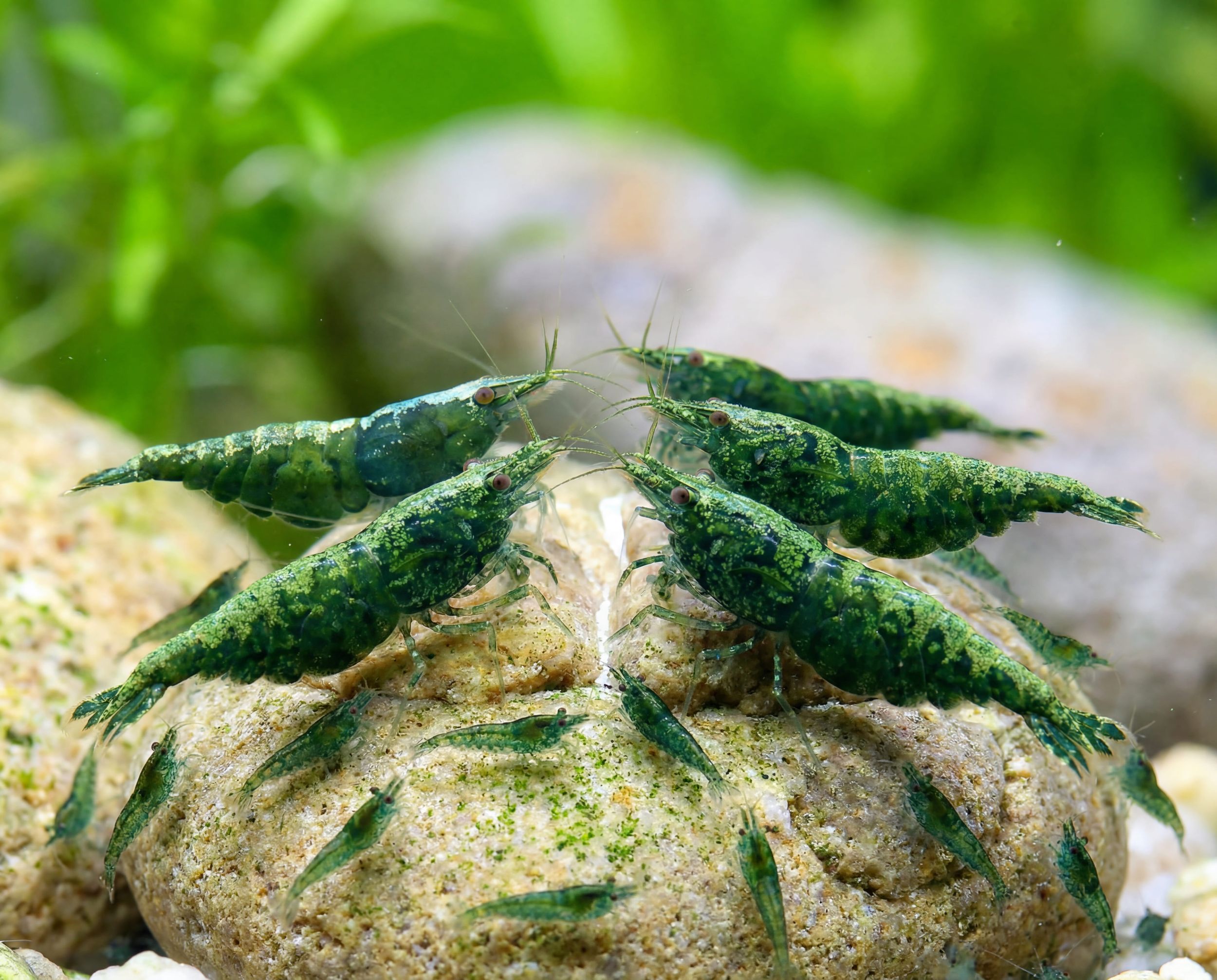
Green Jade shrimp are a relatively newer addition to the hobby, offering a beautiful, deep green color that blends perfectly into a heavily planted tank. They are a great choice for aquascapers who want their livestock to complement the lush vegetation of their tank rather than contrast with it. They are just as hardy as red cherry shrimp and exhibit similar behaviors. To maintain their deep green color, provide them with a varied diet that includes high-quality sinking pellets and occasional blanched vegetables. They are highly social and will spend hours grazing on the biofilm that grows on your aquarium plants.
Red Rili Shrimp: The Perfect Contrast
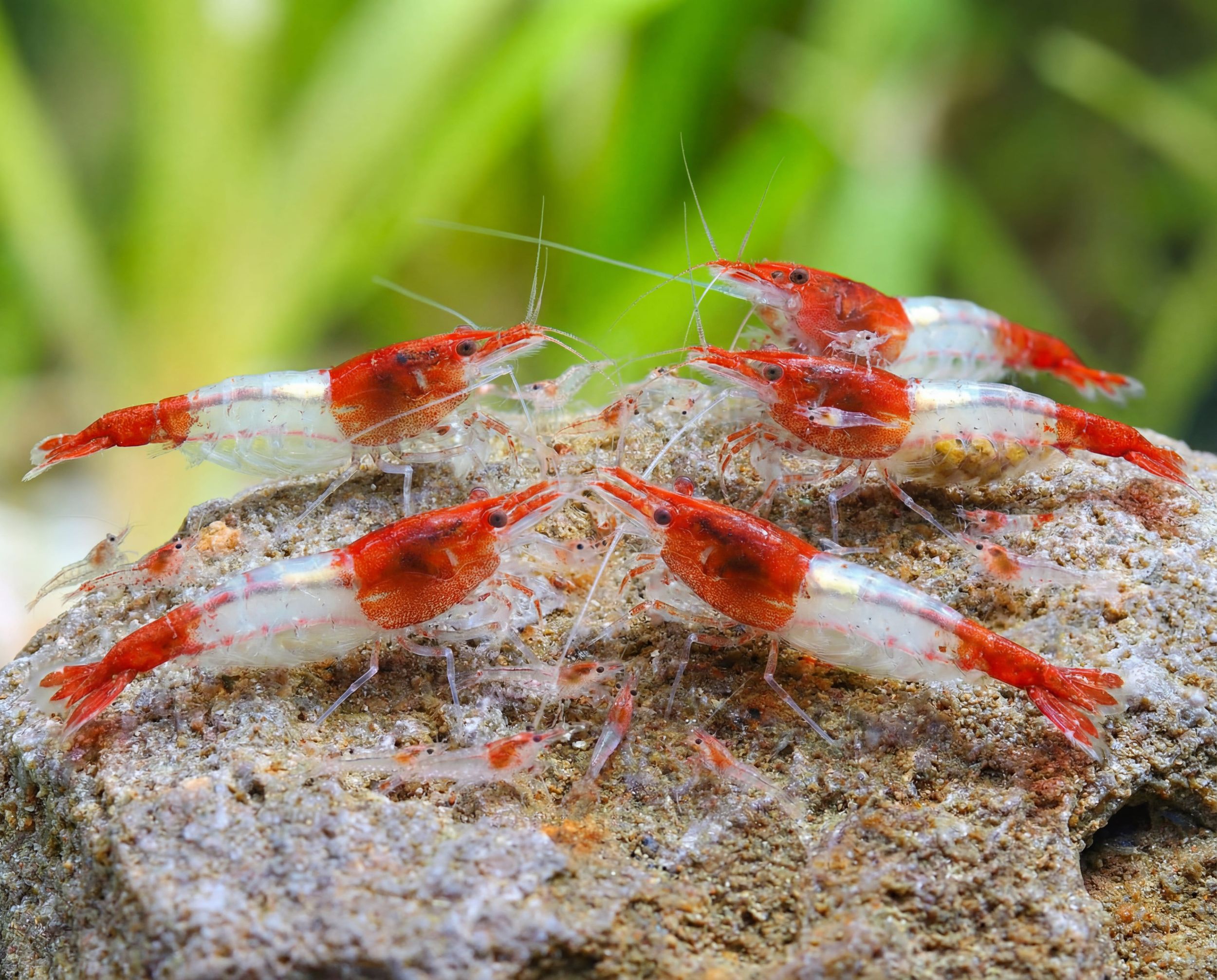
The Red Rili shrimp is a popular variant characterized by its bright red head and tail, with a transparent body in between. This unique look provides a great visual break from solid-colored shrimp. They are very active and spend much of their time on the move, which keeps them visible in your tank. Because they are so hardy, they are perfect for beginners who want to experience the rewarding process of breeding shrimp. Provide them with plenty of hiding spots, such as driftwood or dense plant cover, and you will soon see them thriving and exploring every corner of your planted aquarium.
Frequently Asked Questions
Can I keep different color shrimp together?
Yes, you can keep different colors of the same species (like Neocaridina davidi) together. However, be aware that they will crossbreed, and the offspring will likely revert to a wild, brownish-clear color over several generations.
What is the best tank size for freshwater shrimp?
While shrimp can live in very small containers, a 5-gallon (19-liter) tank is the recommended minimum for beginners. Larger tanks are more stable, making it easier to maintain water quality and prevent sudden spikes in ammonia or nitrates.
Do I need special plants for shrimp?
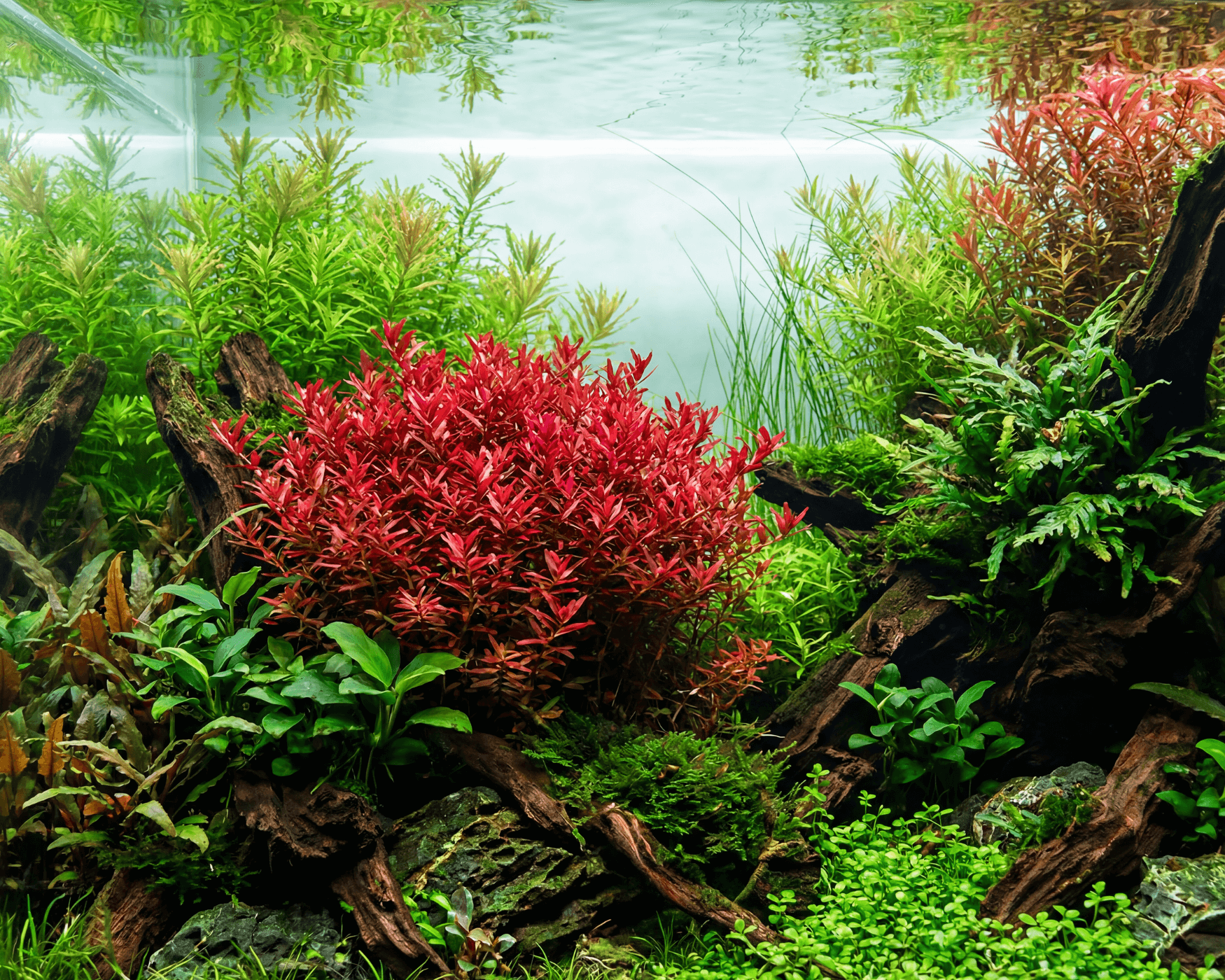
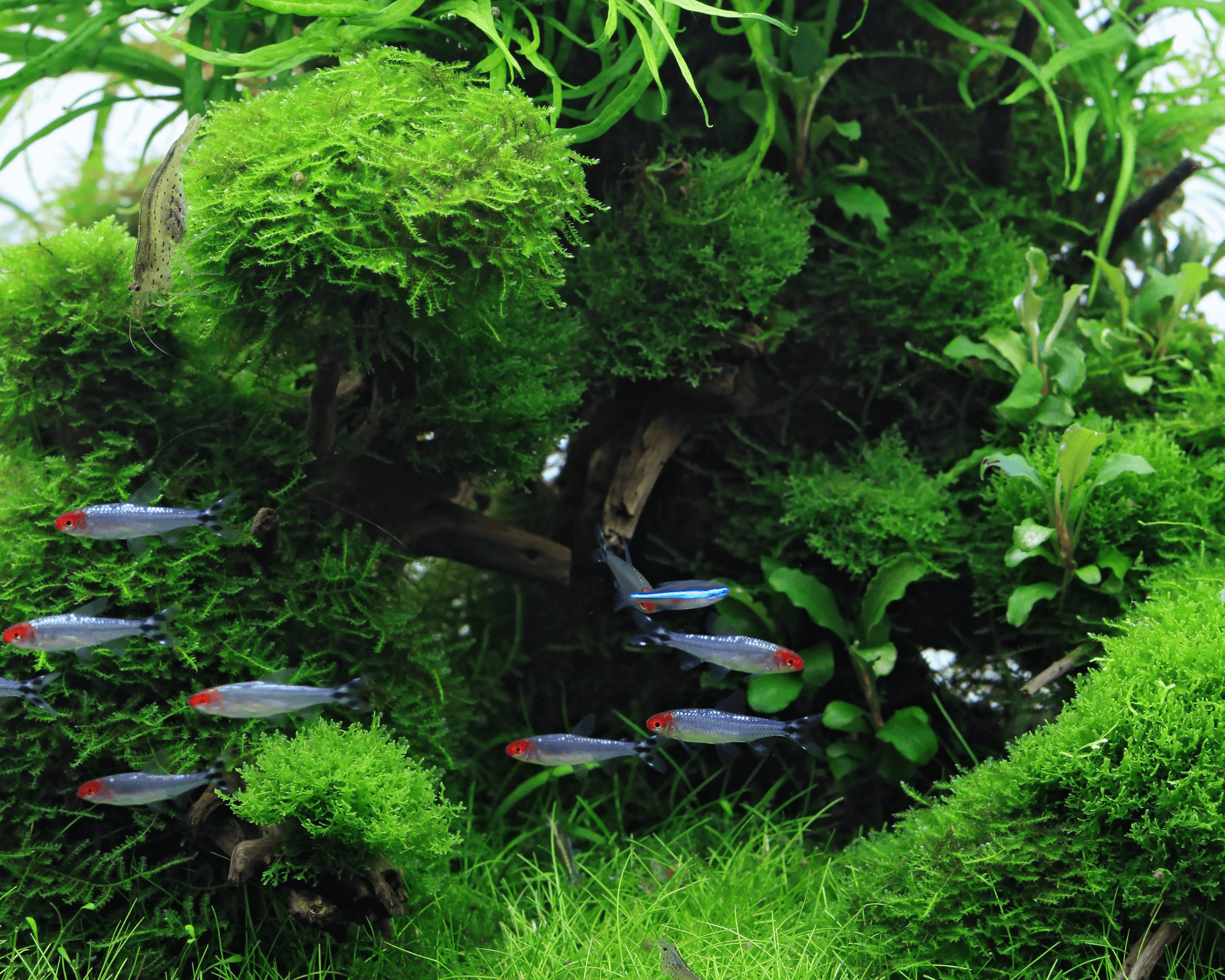
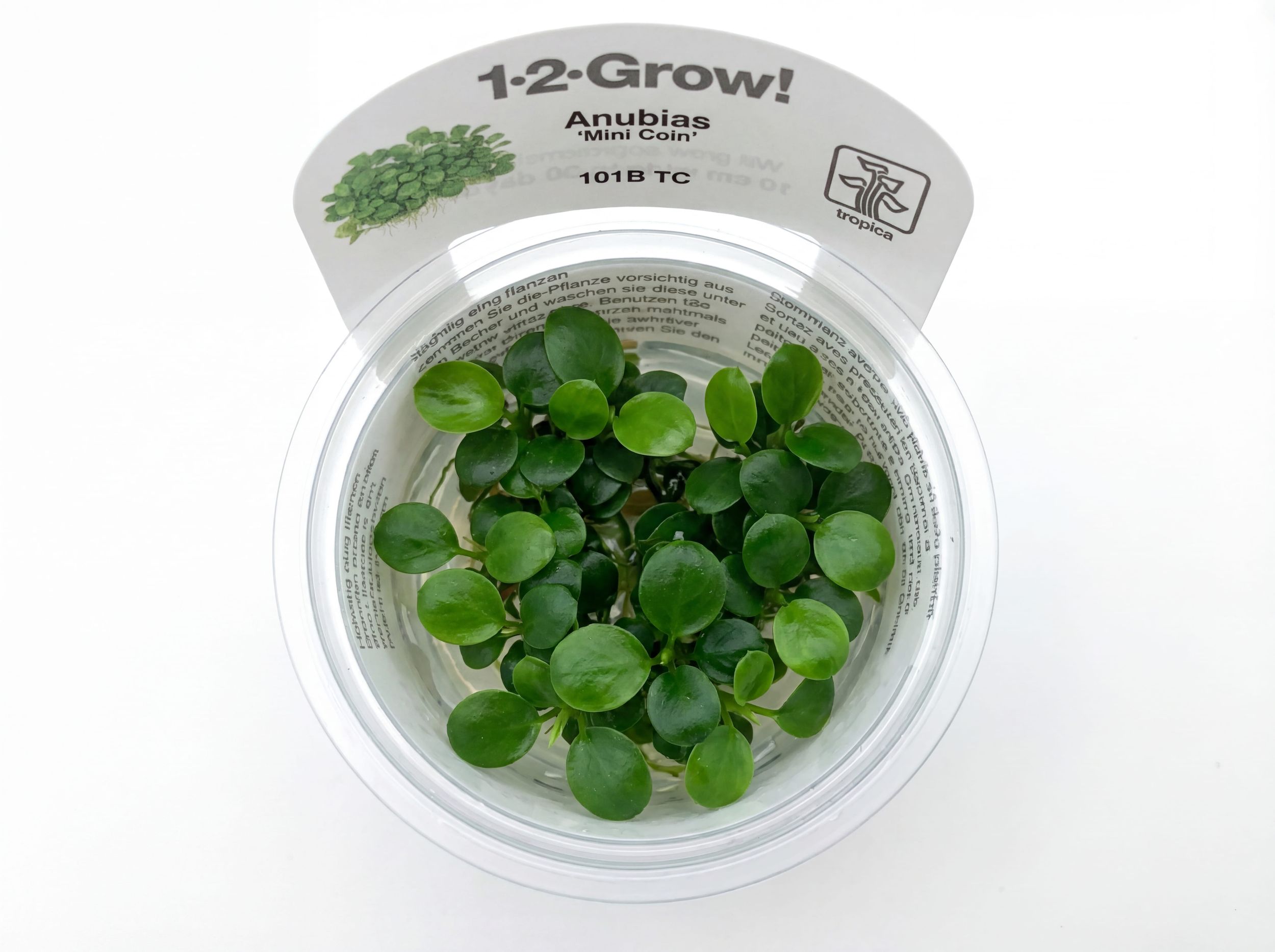
Shrimp love mosses like Java moss or Christmas moss because they provide a surface for biofilm to grow and offer excellent cover for shrimplets. Any easy-to-grow plant like Anubias or Java fern is also great for a shrimp tank.
Leave your comments