Identification
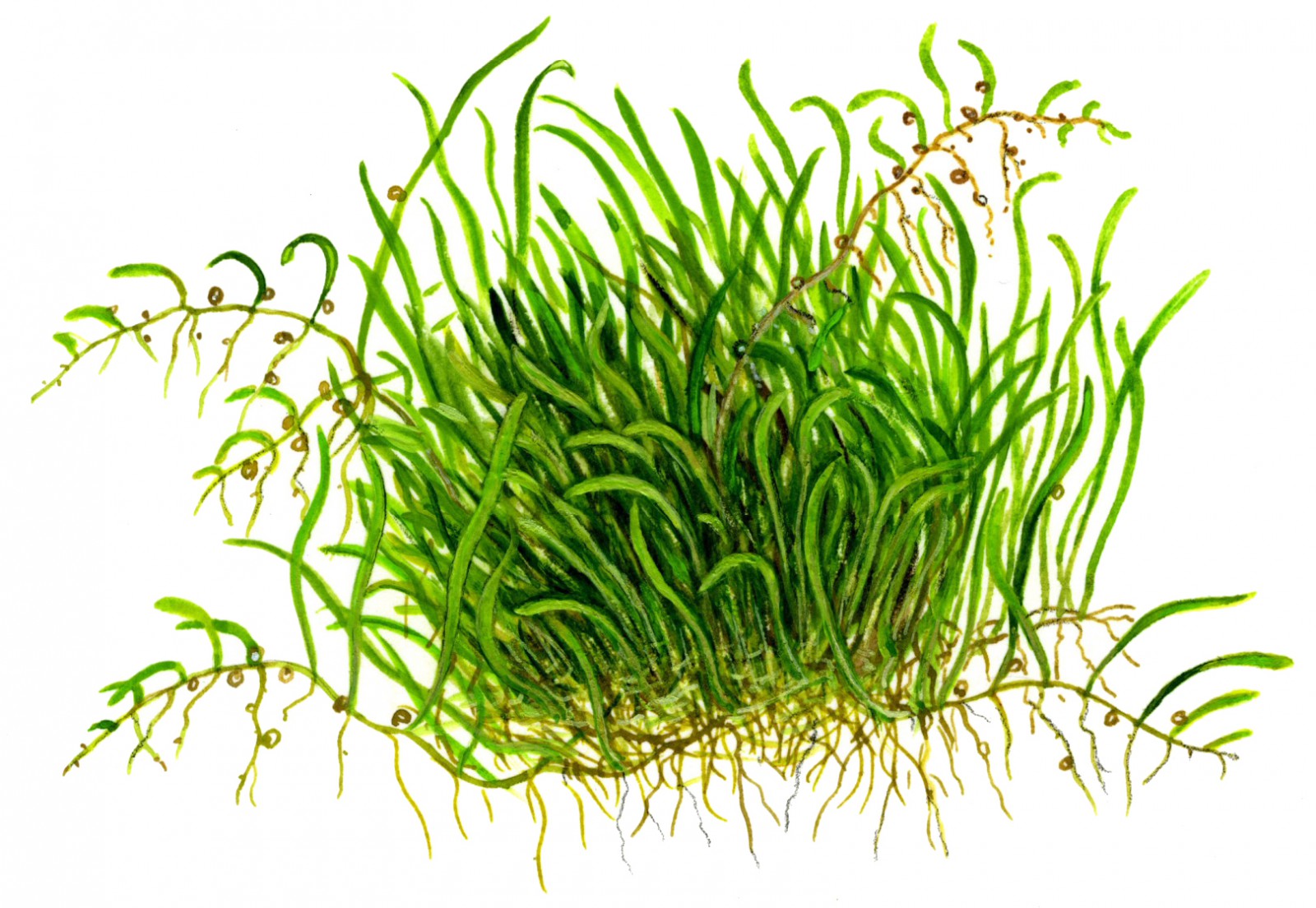
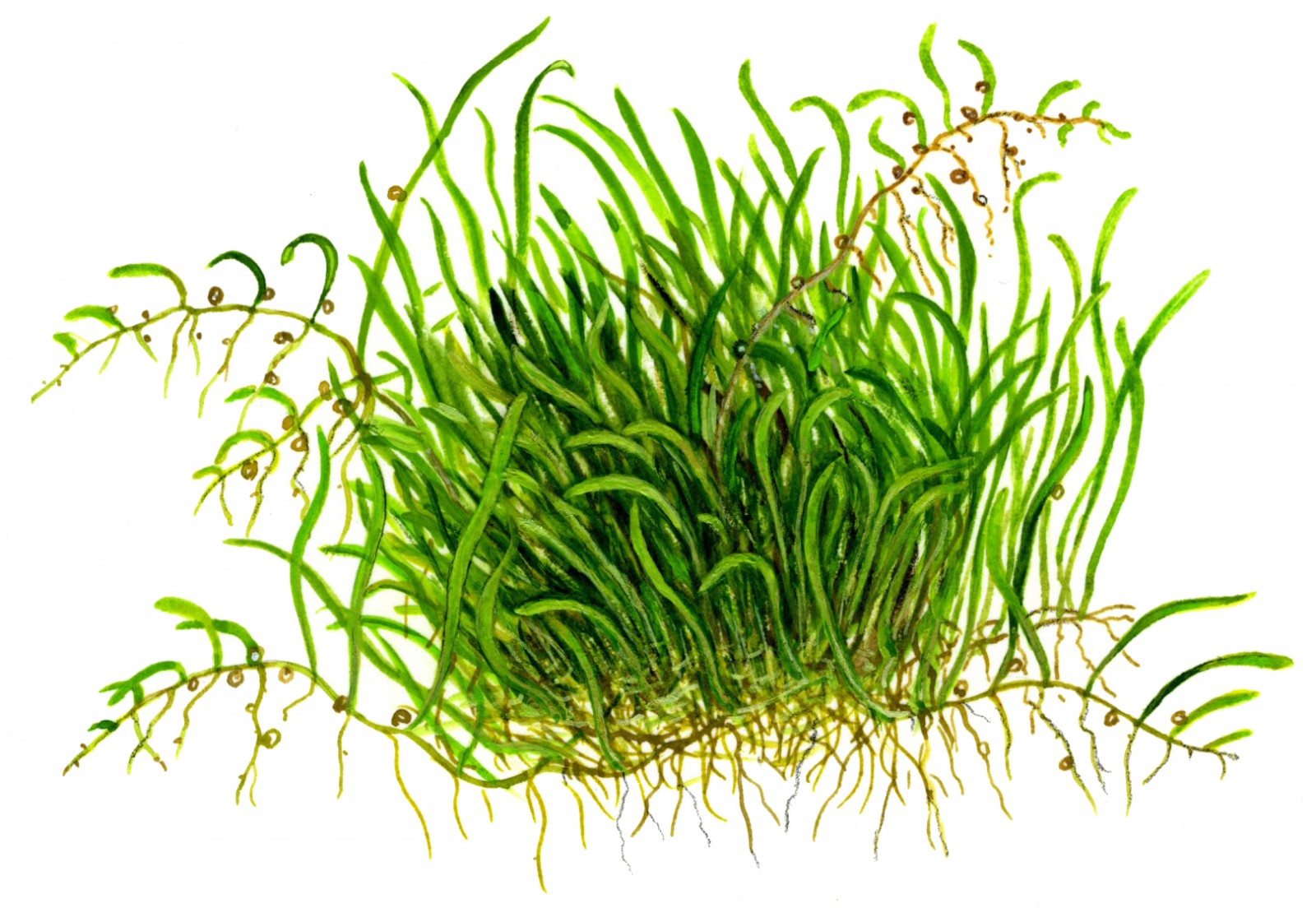
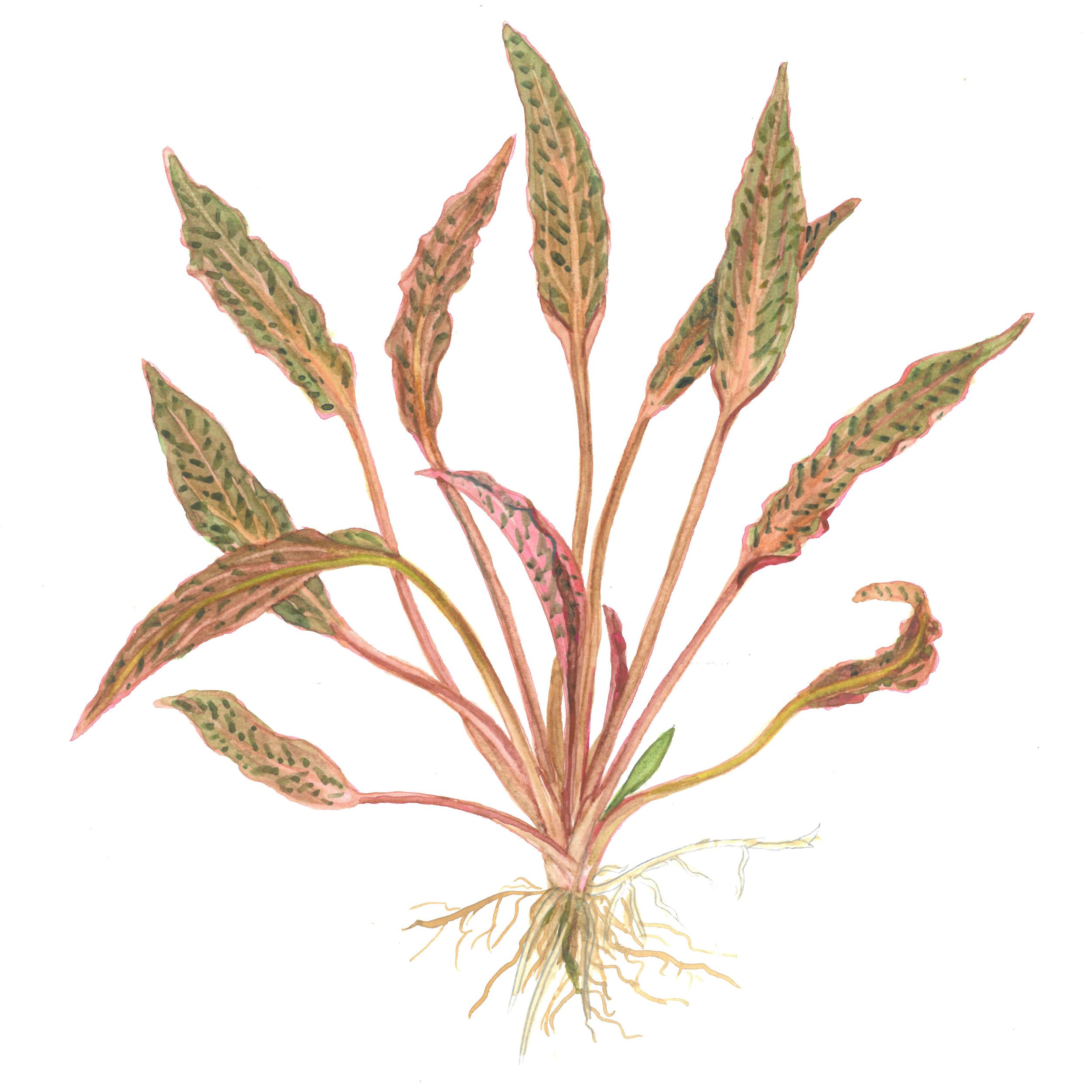
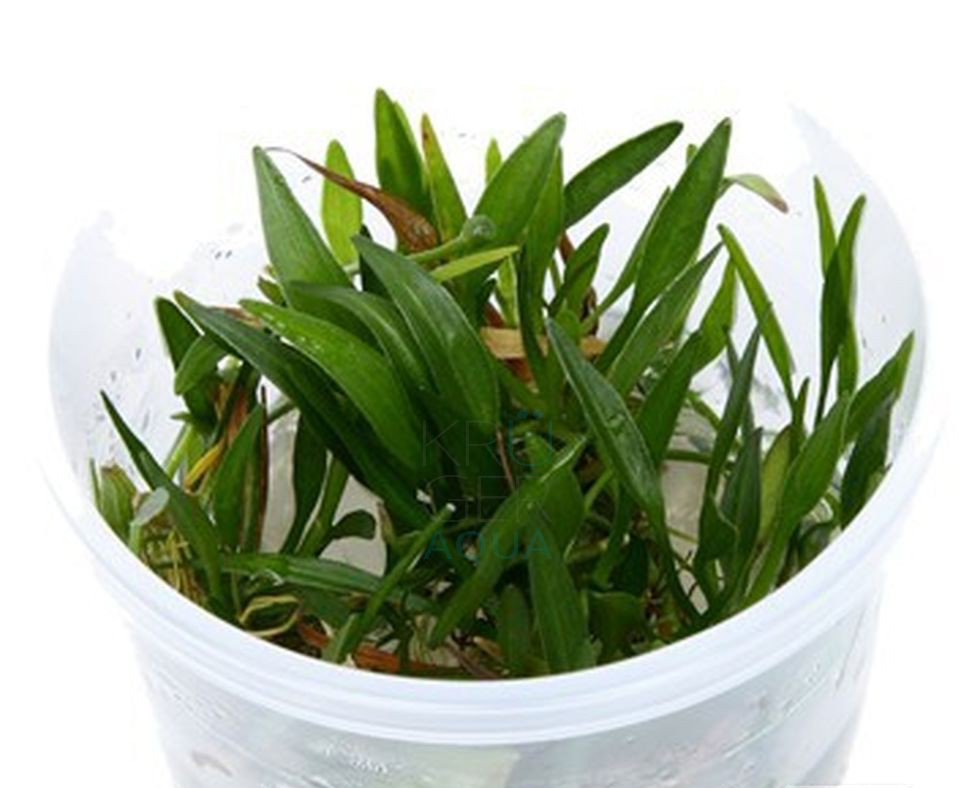
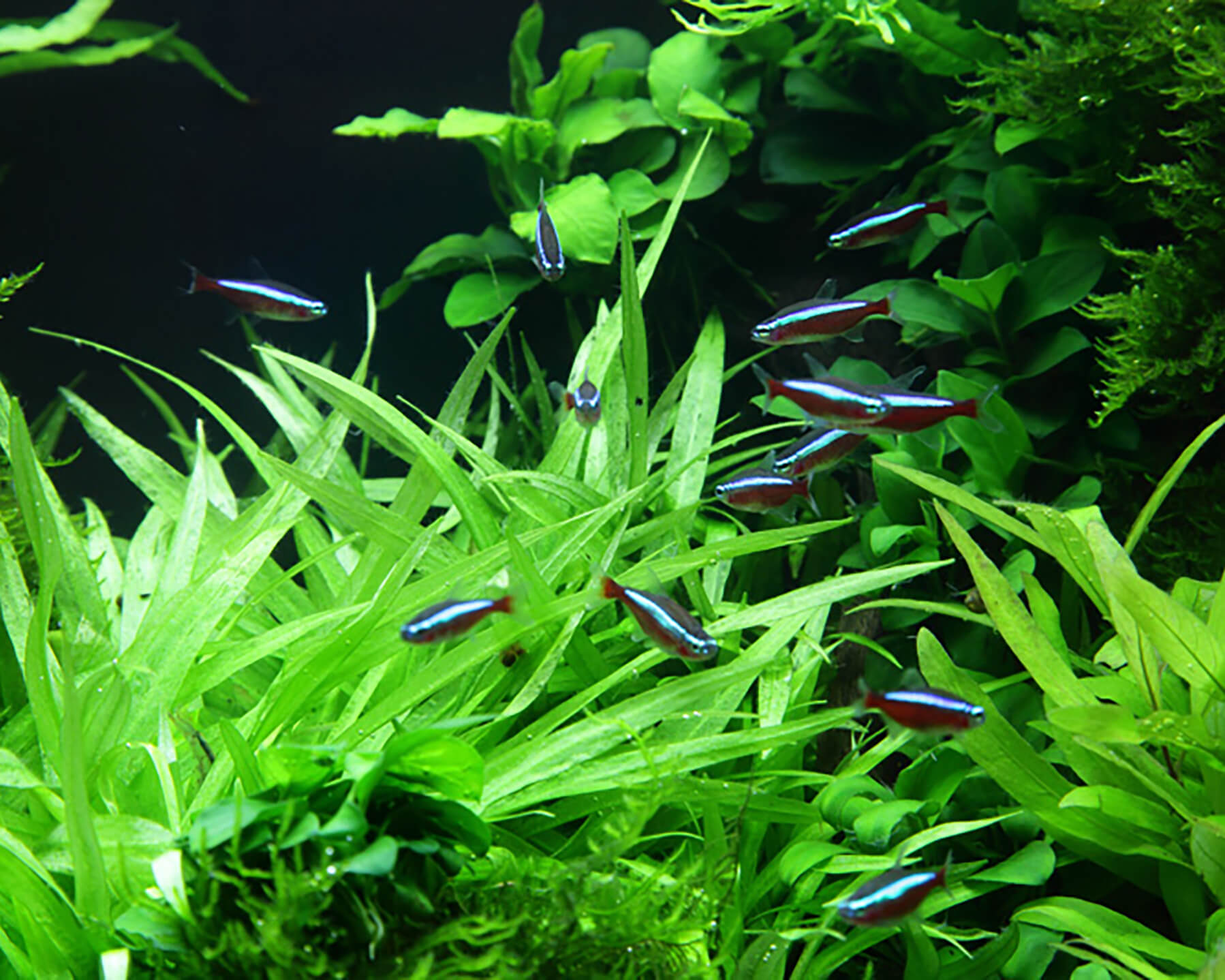
The supplied source identifies this plant as Utricularia graminifolia, commonly called grassy water hose. It forms narrow, grass-like leaves on creeping growth and can develop a compact foreground carpet. Individual aquarium specimens may vary in leaf length and density, so exact appearance is influenced by cultivation conditions.
Placement and planting
Use it as a foreground plant in nutrient-bearing aquatic substrate. Divide a tissue-culture portion or established clump into small pieces and plant them shallowly, leaving the foliage exposed. Avoid burying the entire plant or planting pieces so loosely that they can be lifted by fish, water movement or maintenance.
Lighting and carbon
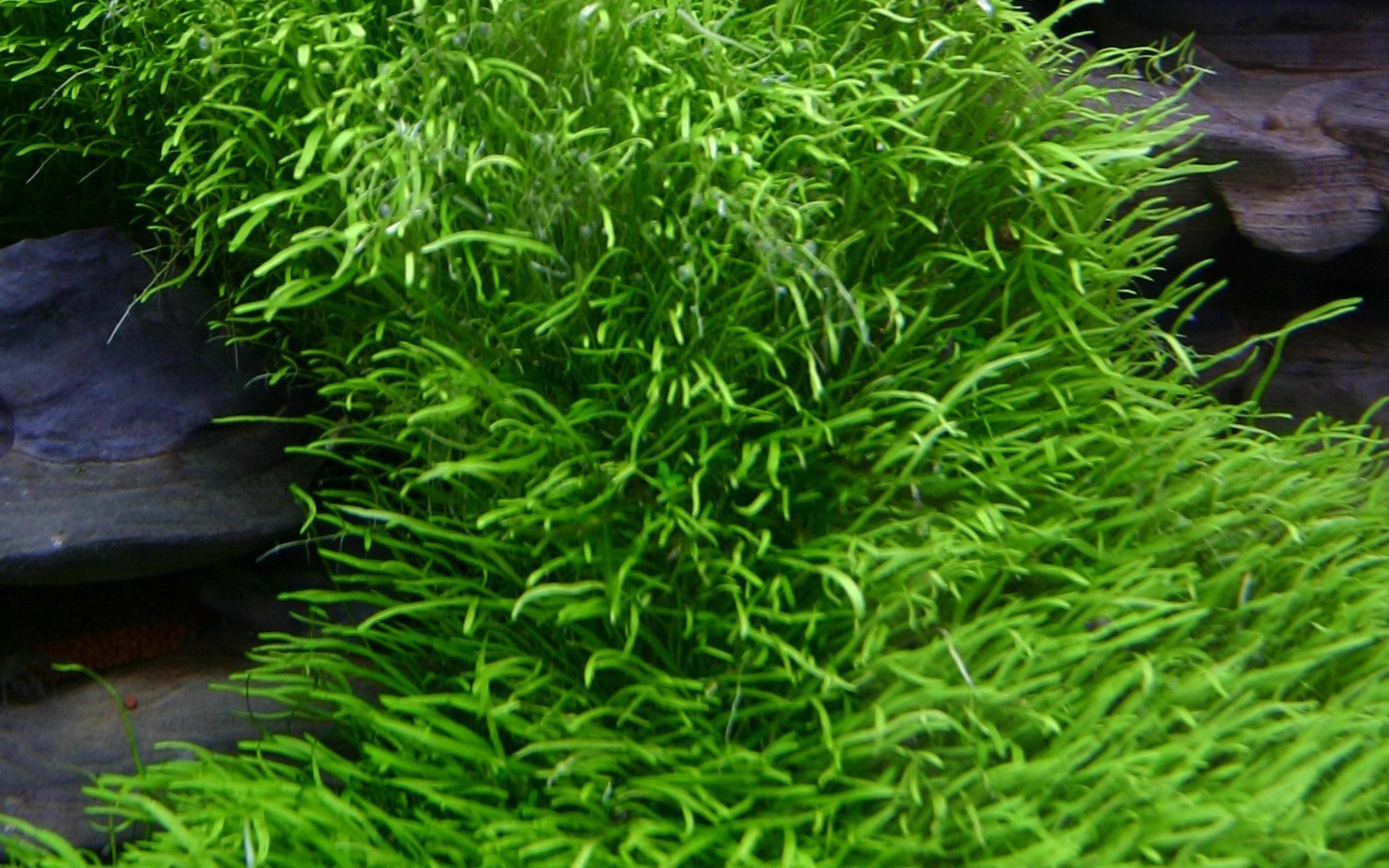
Provide strong, consistent lighting and reliable carbon dioxide availability. High light without adequate carbon and nutrients can encourage algae or produce weak, uneven growth. Good circulation helps distribute carbon dioxide and nutrients through a developing carpet.
Water and nutrition
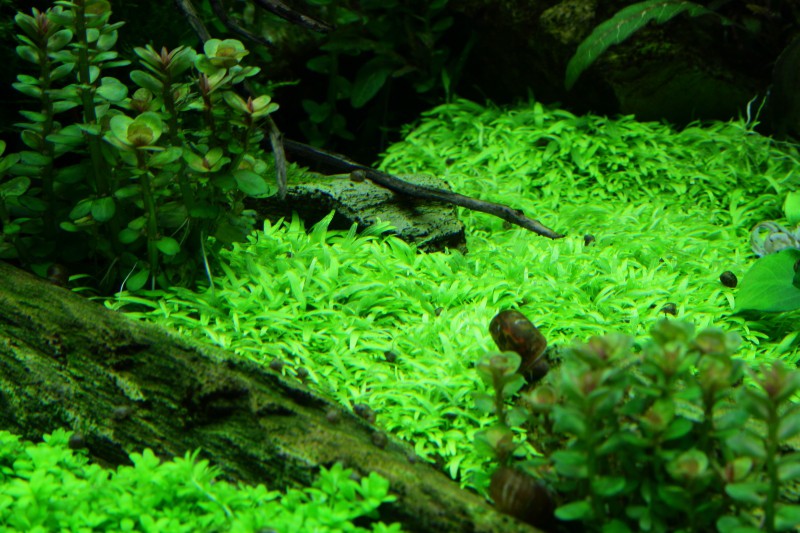
Stable aquarium conditions are more important than a narrowly defined water chemistry. Supply complete nutrients through the water column and, where appropriate, the substrate. Keep the aquarium clean and avoid sudden changes while the plant is establishing, since newly planted portions can temporarily melt or detach.
Maintenance and propagation
Trim the carpet when it becomes too thick or begins shading its lower layers. Remove detached or decaying material promptly so it does not accumulate under the mat. Propagation is normally done by separating healthy creeping portions and replanting them. Growth can be slow during establishment and improve once the plant is rooted and acclimated.
Cultivation note
Although Utricularia graminifolia is carnivorous, its microscopic traps are a botanical feature rather than a feeding requirement in a normal aquarium. Identification is based on the supplied source label and the characteristic aquarium growth form; cultivated material can show variation, so flowering or specialist taxonomic examination would be needed to verify a specimen beyond that identification.
Leave your comments