It’s time to help contribute for biggest aquarium gallery online

SUBMIT HEREVIEW GALLERY

Trigonostigma espei (Lambchop Rasbora)

Overview

The Lambchop Rasbora (Trigonostigma espei), also known as Espe's Rasbora, is a stunning, peaceful schooling fish highly prized in the aquarium hobby. Known for its vibrant copper-orange coloration and distinct black marking, it is an ideal candidate for beautifully aquascaped planted tanks and nano community setups.
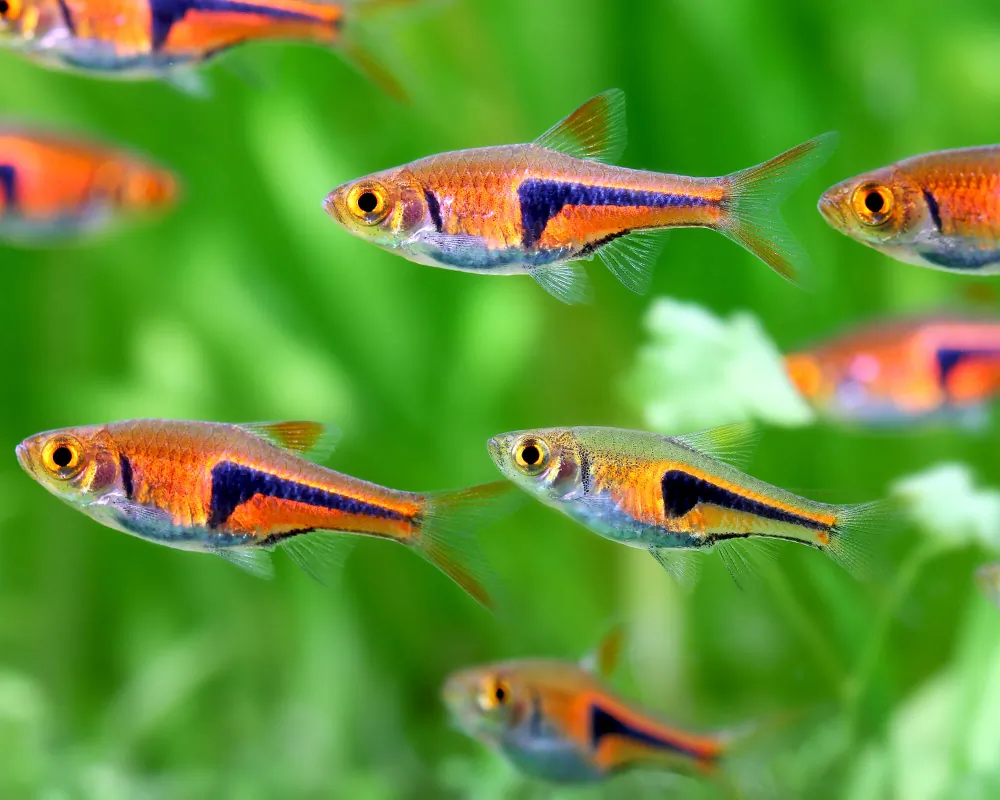
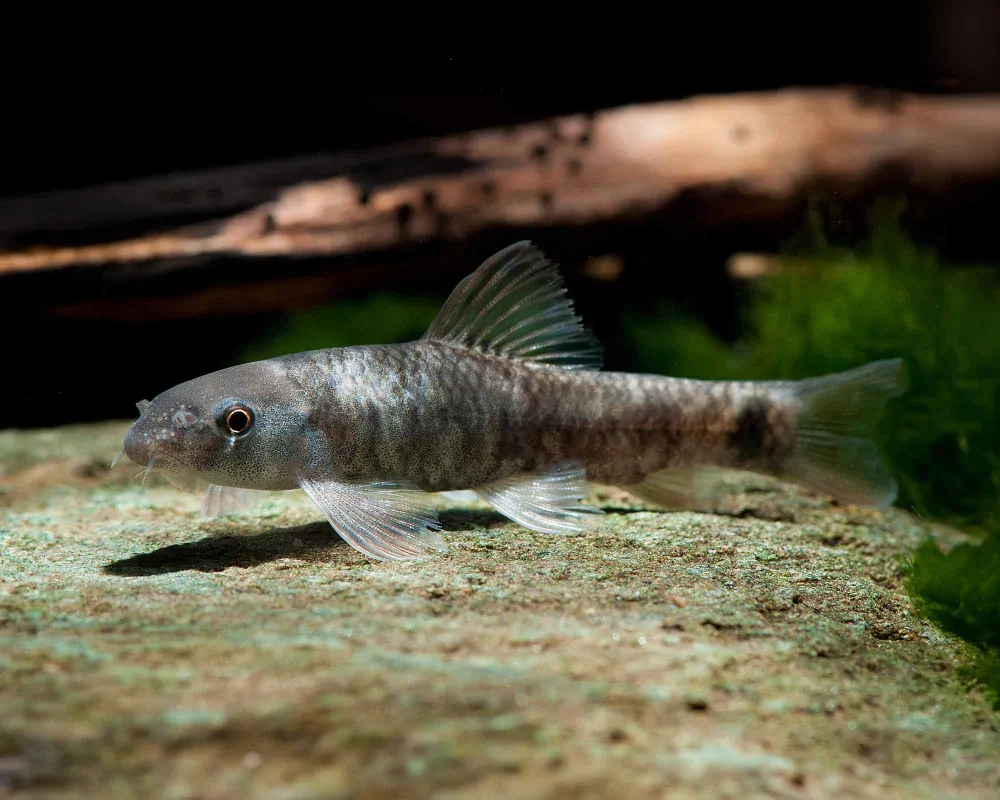
Image of espes wedge spotted danio trigonostigma rasbora espei

Distribution and Habitat

Native to Southeast Asia, specifically Thailand and Cambodia, this species inhabits slow-moving streams, pools, and swampy areas. Their natural waters are typically heavily vegetated and stained with tannins from decaying organic matter, creating a soft, acidic environment.

Description of Lambchop Rasbora
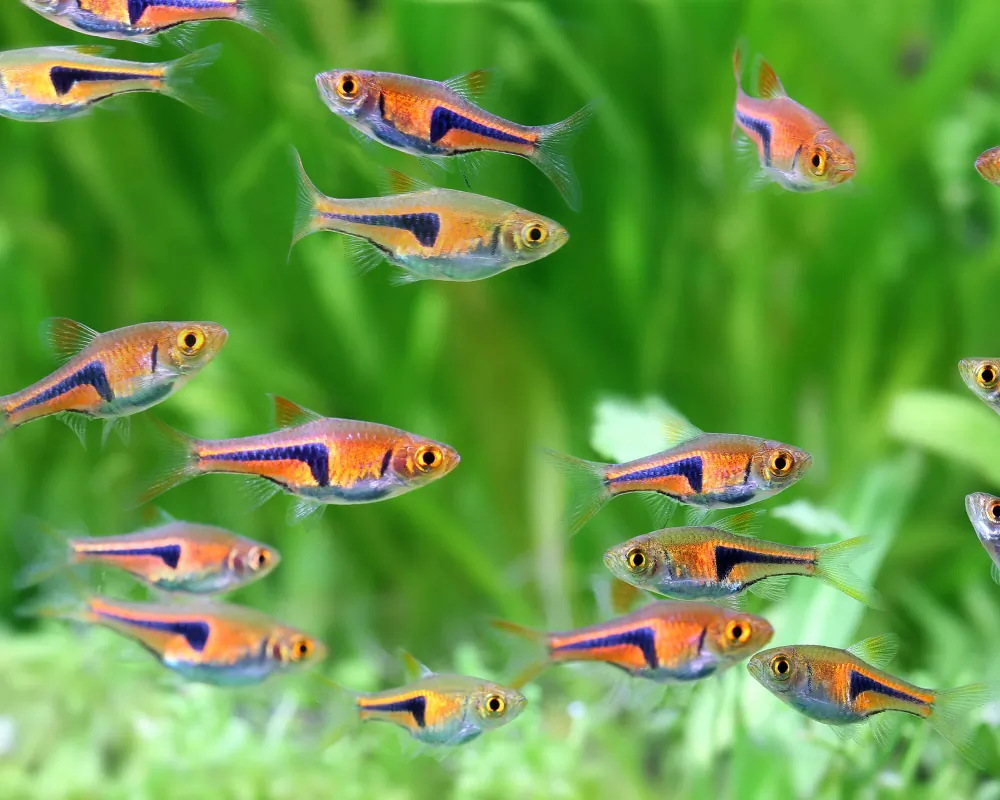
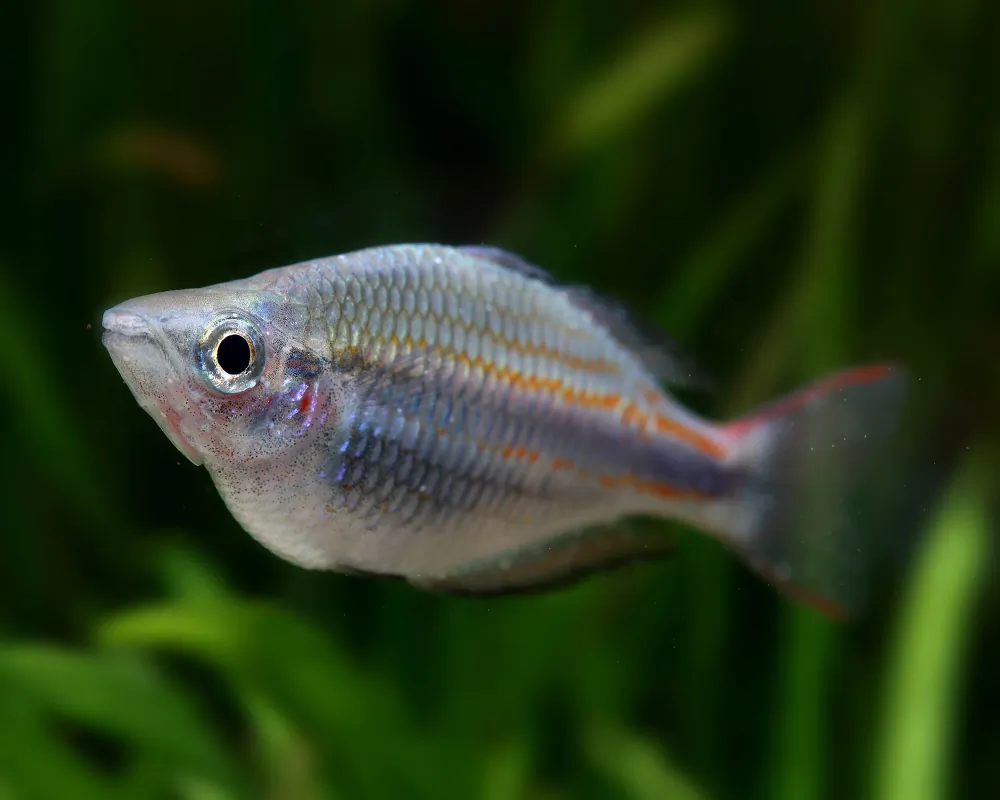
Image of espes wedge spotted danio trigonostigma rasbora espei

Body shape:

They possess a classic torpedo-shaped body that is slightly deep in the midsection, typical of many rasbora species, allowing for agile navigation through dense vegetation.

Color:

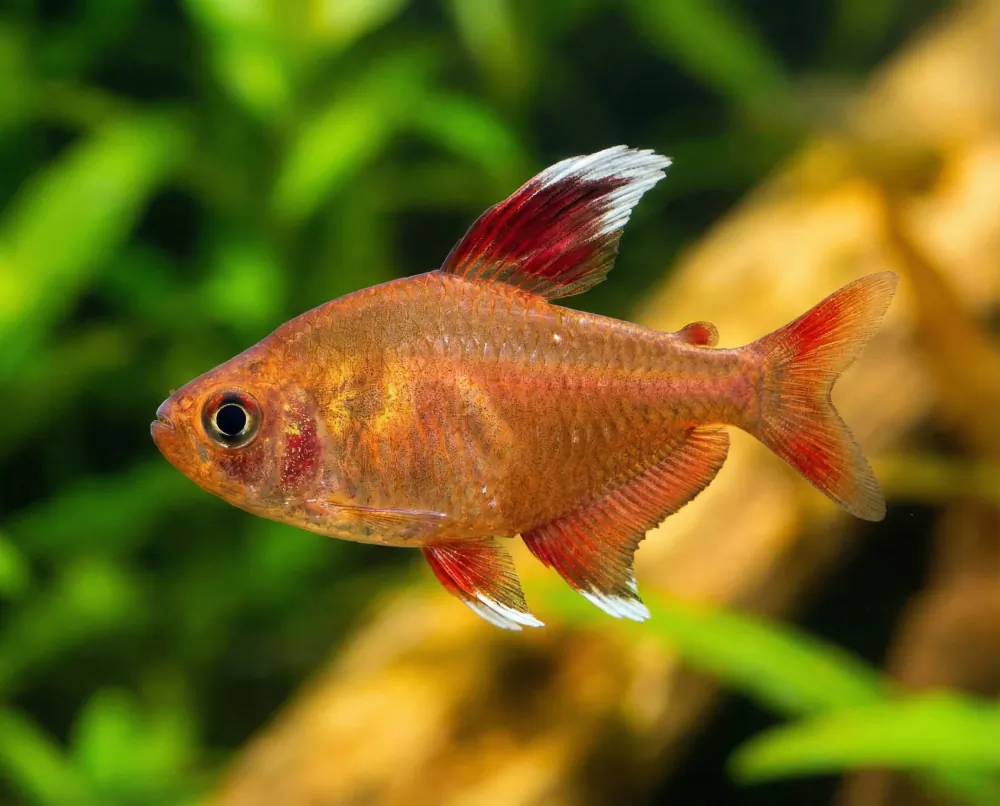
The base color is a striking copper, bronze, or bright orange. Their most distinguishing feature is a black, club-shaped or "lambchop" marking on the rear half of their body, which is notably thinner than that of the closely related Harlequin Rasbora.

Barbels:

Like many small cyprinids, they do not possess barbels.

Snout:

The snout is relatively short and slightly pointed, adapted for feeding on small insects and zooplankton.

Eyes:

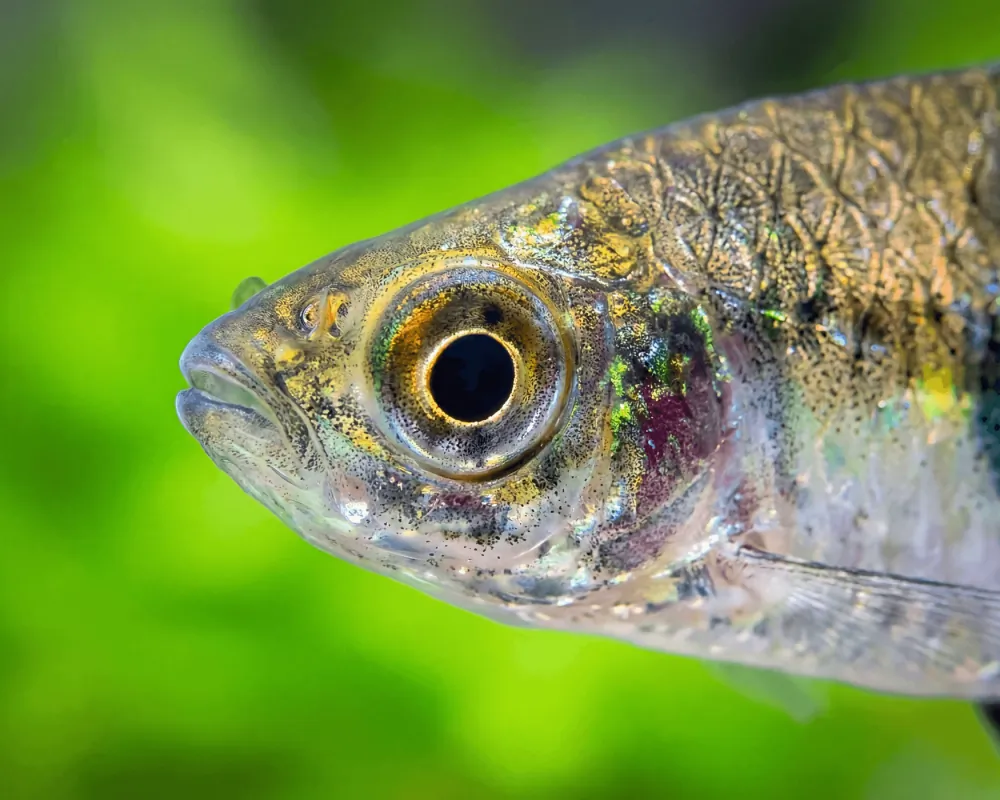
They have proportionally large eyes, often ringed with an iridescent orange or golden hue.

Fins:

The fins are mostly translucent, though the dorsal and caudal fins can exhibit hints of yellow, orange, or red near the base.

The Tail:

The tail is distinctly forked, aiding in their quick, darting swimming movements.

Temper

The Lambchop Rasbora is exceptionally peaceful. They are non-aggressive and make excellent tank mates for other small, docile fish, shrimp, and snails.

Sociality
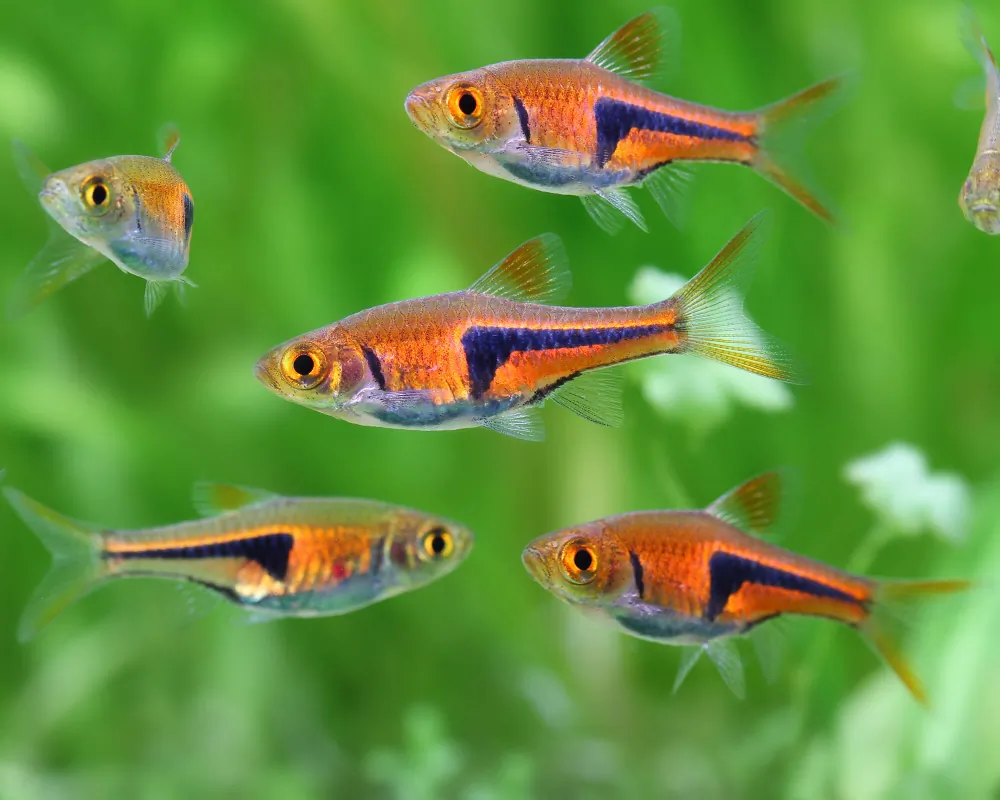
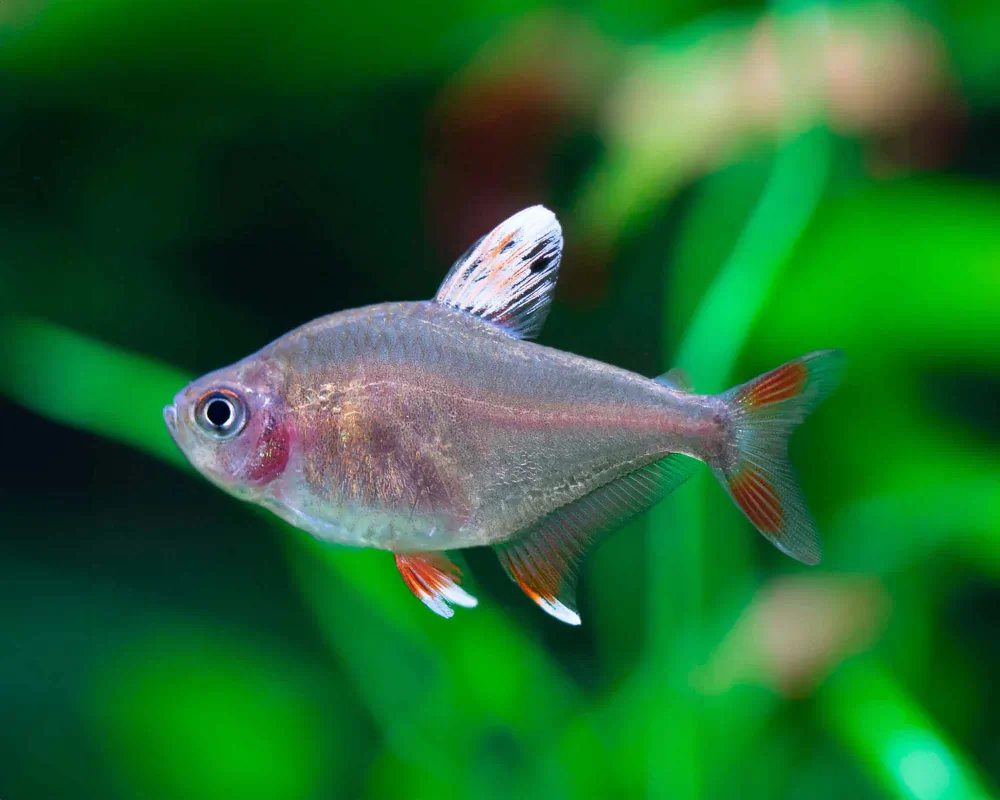
Image of espes wedge spotted danio trigonostigma rasbora espei

This is a highly social, obligate schooling fish. They should be kept in groups of at least 8 to 10 individuals. A larger school not only makes them feel secure but also encourages their most vibrant colors and natural schooling behaviors.

Activity

They are active, mid-level swimmers. They spend most of their time darting around the middle of the water column, especially in areas with open swimming space surrounded by plants.

Keeping and Caring for Lambchop Rasbora
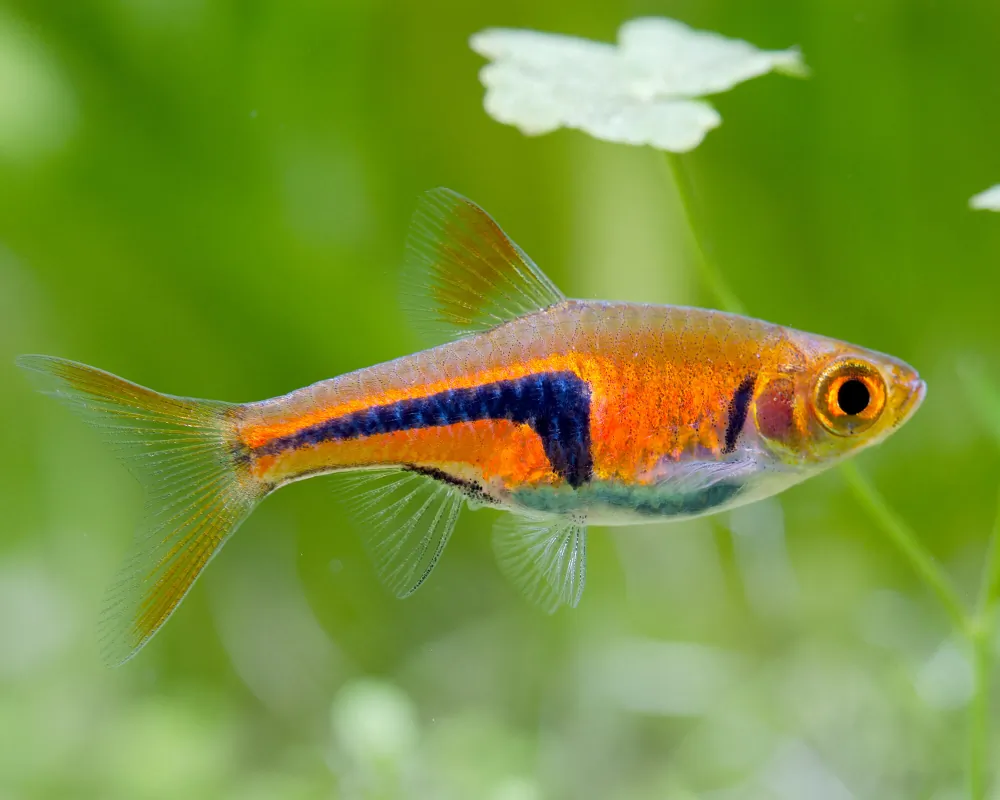
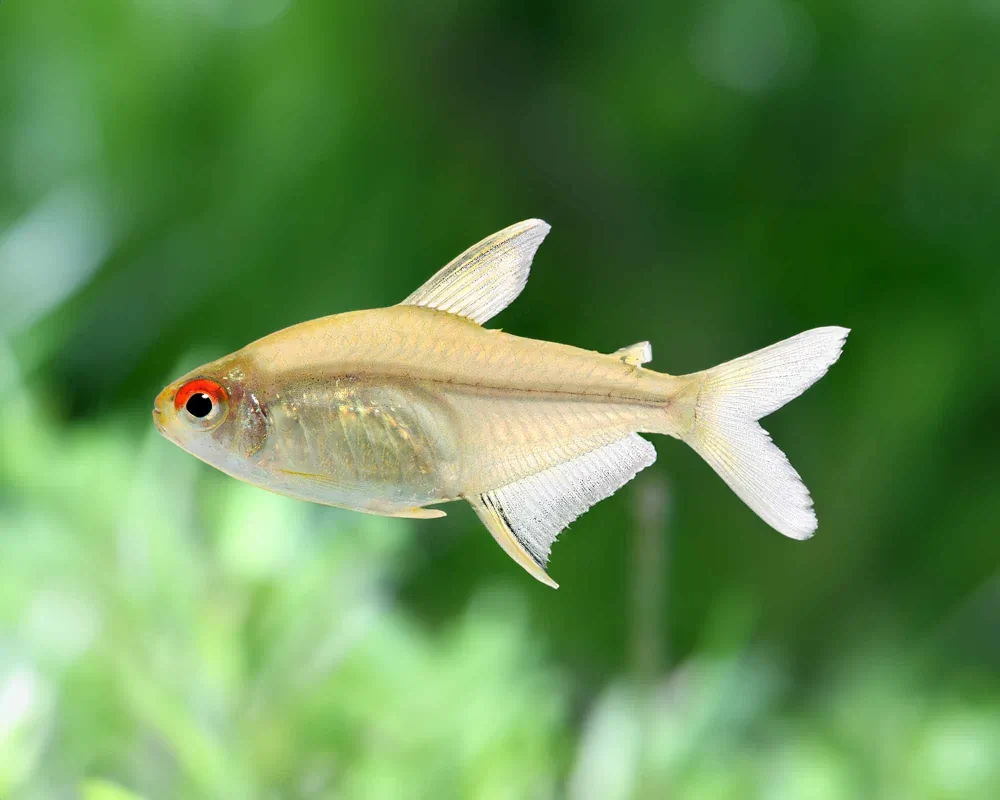
Image of espes wedge spotted danio trigonostigma rasbora espei

Tank size:

A minimum tank size of 10 to 15 gallons is recommended for a small school, though a 20-gallon long tank is ideal to provide ample horizontal swimming space.

Water Parameters:

Temperature

They thrive in tropical temperatures ranging from 23-28°C (73-82°F).

pH

Slightly acidic to neutral water is best, with a pH range of 6.0 to 7.0.

Hardness

Soft water is preferred, ideally between 2 and 10 dGH.

Ammonia, Nitrite, Nitrate

Ammonia and Nitrite must be strictly maintained at 0 ppm. Nitrates should be kept below 20 ppm through regular water changes.

Lighting

Moderate to dim lighting is preferred. Floating plants can be used to diffuse bright lights and mimic their shaded natural habitat.

Water flow

A gentle to moderate water flow is ideal, simulating the slow-moving streams of their origin.

Decorations and Plants

They look and feel their best in heavily planted aquariums. Driftwood, leaf litter (like Indian Almond leaves), and dark substrates will bring out their brightest colors and provide beneficial tannins.
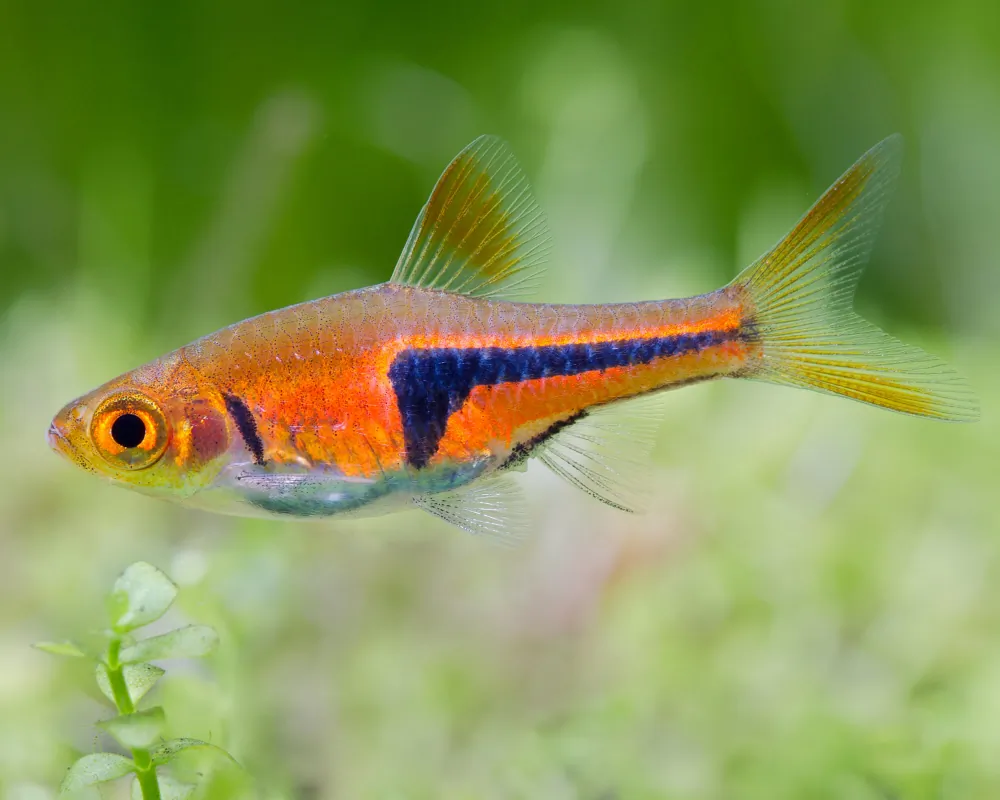
Image of espes wedge spotted danio trigonostigma rasbora espei

Diet

Lambchop Rasboras are omnivorous micro-predators. In the aquarium, they will readily accept high-quality crushed flakes and micro-pellets. Their diet should be supplemented with small live or frozen foods such as daphnia, baby brine shrimp, and bloodworms.

Some Feeding Tips

Feed them small amounts once or twice a day—only what they can consume in a couple of minutes. Because they have small mouths, ensure the food size is appropriately tiny.

Breeding
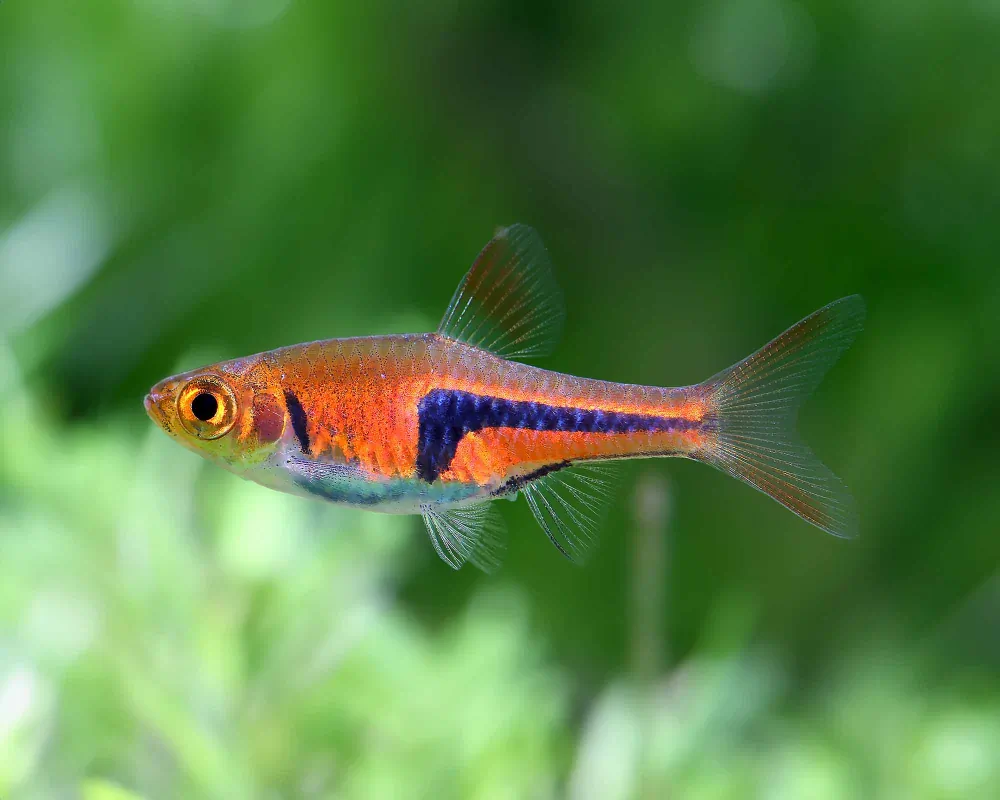
Image of espes wedge spotted danio trigonostigma rasbora espei

Breeding is slightly challenging but possible. They require very soft, acidic water and dim lighting to spawn. Interestingly, like other Trigonostigma species, they do not scatter eggs randomly but instead adhere them to the underside of broad-leaved plants like Cryptocoryne or Anubias. The parents should be removed after spawning to prevent egg predation.

Conclusion

The Lambchop Rasbora is a magnificent, low-maintenance fish that adds a brilliant splash of color and lively movement to the aquarium. Their peaceful demeanor and tight schooling behavior make them a top choice for aquascapers and community tank enthusiasts alike.

Fish info

Care level: Easy
Temperament: Peaceful
Adult size: 3 cm
Life expectancy: 3-5 years
Fish type: Cyprinid
Temperature : 23-28°C
pH: 6.0-7.0
Color Form: Black, Gold, Orange, Red, Silver
Leave your comments
Lastest on Fishs
  • Hyphessobrycon flammeus (Flame Tetra)

    Easy
    Cyprinid
    The Flame Tetra, or Red of Rio, is a captivating freshwater fish originating from the coastal rivers of Brazil. Renowned for its fiery red posterior and peaceful nature, this hardy schooling fish is incredibly popular among both novice and experienced aquarists, bringing vibrant color and active movement to community aquariums.
  • Crossocheilus siamensis (Siamese Algae Eater)

    Easy - Moderate
    Cyprinid
    The Siamese Algae Eater (Crossocheilus siamensis) is a highly sought-after freshwater fish renowned for its insatiable appetite for nuisance algae, including the dreaded black beard algae. Originating from Southeast Asia, this active and relatively peaceful cyprinid is a staple in planted aquariums, offering both utility and energetic charm.
  • Paracheirodon innesi (Neon Tetra)

    Easy
    Cyprinid
    Native to the blackwater streams of the Amazon basin, the Neon Tetra is a dazzling, peaceful schooling fish. Renowned for its vibrant blue and red stripes, it brings incredible life and color to freshwater aquariums, making it an enduring favorite among both beginner and experienced aquarists.
  • Hyphessobrycon herbertaxelrodi (Black Neon Tetra)

    Easy
    Cyprinid
    The Black Neon Tetra is a captivating and hardy schooling fish native to the Paraguay basin in Brazil. Known for its striking black and iridescent greenish-white lateral stripes, this peaceful species is highly popular among aquarists for adding dynamic contrast and lively movement to planted community aquariums.
  • Hemigrammus erythrozonus (Glowlight Tetra)

    Easy
    Cyprinid
    The Glowlight Tetra (Hemigrammus erythrozonus) is a vibrant, peaceful schooling fish native to the Essequibo River in Guyana. Known for the striking iridescent red-orange stripe running along its translucent body, this hardy species is highly popular among aquarists of all levels for adding a luminous touch to community tanks.
  • Boraras maculatus (Dwarf Rasbora)

    Moderate
    Cyprinid
    Hailing from the slow-moving, blackwater streams of Southeast Asia, the Dwarf Rasbora (Boraras maculatus) is a captivating micro-fish. Renowned for its vibrant red-orange hue and striking black spots, this peaceful, schooling species is incredibly popular among aquascapers and nano-tank enthusiasts seeking active, colorful additions to their planted aquariums.
  • Betta splendens (Yellow Dragon Halfmoon Betta)

    Easy - Moderate
    Cyprinid
    The Yellow Dragon Halfmoon Betta is a breathtaking freshwater fish celebrated for its striking contrast. Featuring thick, armor-like white dragon scales across its body and vibrant, sweeping yellow halfmoon fins, this labyrinth fish is a prized centerpiece. Its captivating beauty and bold personality make it a favorite among dedicated aquarists.
  • Betta splendens (Purple Gold Betta Male)

    Easy - Moderate
    Cyprinid
    The Purple Gold Betta Male is a stunning variant of Betta splendens, prized for its breathtaking metallic gold body and rich purple-hued fins. Originally from the shallow waters of Southeast Asia, this labyrinth fish is highly sought after by aquarists for its vibrant colors, bold personality, and captivating territorial displays.
  • Betta splendens (Platinum Crowntail Betta)

    Easy - Moderate
    Cyprinid
    The Platinum Crowntail Betta is a breathtaking freshwater fish celebrated for its pure, iridescent white coloration and dramatic, spike-like fin rays. Originating from Southeast Asia, these labyrinth fish are highly territorial but incredibly popular among aquarists for their striking, crown-like appearance and interactive personalities.
  • Betta splendens (Orange Crowntail Betta Male)

    Easy - Moderate
    Cyprinid
    The Orange Crowntail Betta is a striking variant of the beloved Betta splendens, renowned for its dramatic, spiky finnage and vibrant orange coloration. Originating from Southeast Asia, these labyrinth fish are highly popular among aquarists for their bold personalities, captivating displays, and relative ease of care in small setups.
  • Betta splendens (Orange Betta Male)

    Easy
    Cyprinid
    The Orange Betta Male is a striking variation of the popular Betta splendens. Originating from the shallow, slow-moving waters of Southeast Asia, these labyrinth fish are celebrated for their vibrant, fiery coloration and flowing fins. While highly territorial, their captivating beauty makes them a stunning centerpiece for solitary aquariums.
  • Betta splendens (Halfmoon Copper Betta Male)

    Easy - Moderate
    Cyprinid
    Originating from the shallow waters of Southeast Asia, the Halfmoon Copper Betta is a breathtaking centerpiece for any aquarium. Renowned for its stunning 180-degree tail spread and striking metallic copper scales, this highly popular, intelligent labyrinth fish brings vibrant energy, interactive behavior, and unparalleled beauty to the home hobbyist.
  • Betta splendens (Blood Orange Halfmoon Betta Male)

    Easy - Moderate
    Cyprinid
    The Blood Orange Halfmoon Betta Male, a stunning variant of Betta splendens, captivates aquarists with its vibrant red-orange hues and magnificent 180-degree caudal fin spread. Hailing from the slow-moving waters of Southeast Asia, these labyrinth fish are renowned for their solitary yet engaging personalities and territorial nature, making them a centerpiece in any dedicated aquarium.
  • Betta splendens (Black Starfire Plakat Betta Male)

    Easy - Moderate
    Cyprinid
    The Black Starfire Plakat Betta Male is a stunning variant of the popular Siamese Fighting Fish, *Betta splendens*. Originating from the shallow, slow-moving waters of Southeast Asia, these captivating fish are renowned for their vibrant colors and striking finnage. This particular morph features a short-finned 'Plakat' body adorned with a mesmerizing 'Starfire' pattern of iridescent speckles against a deep black base, making it a highly sought-after centerpiece for any aquarium.
  • Betta splendens (24K Gold Betta Male)

    Easy - Moderate
    Cyprinid
    The 24K Gold Betta Male is a stunning, selectively bred variety of the Siamese Fighting Fish, renowned for its dazzling metallic gold coloration. Hailing from the slow-moving waters of Southeast Asia, these labyrinth fish captivate aquarists with their elaborate finnage and vibrant hues. While males are famously territorial, their individual beauty and engaging personalities make them a cornerstone of the freshwater aquarium hobby.
  • Glass Knifefish - Detailed Guide

    Moderate
    Cyprinid
    Eigenmannia virescens - Glass Knifefish was first described by Valenciennes in 1836. Originally this species received the name Sternachus virescens, this name is currently seen as a synonym. Other synonyms are: Sternopygus tumifrons and Sternopygus lineatus. The name of the genus Eigenmannia refers to the scientist Eigenmann.