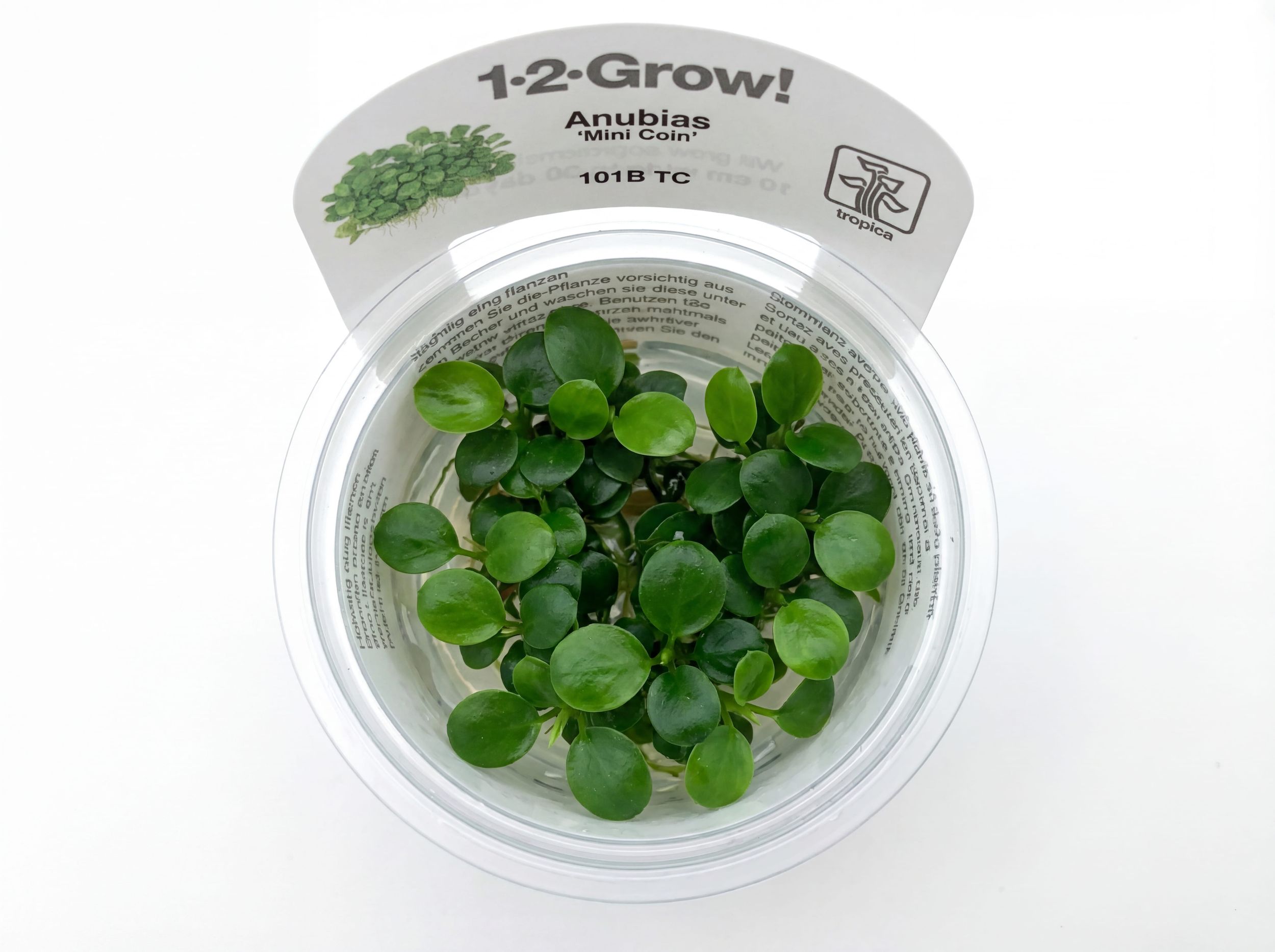
Start with the tank you can realistically maintain
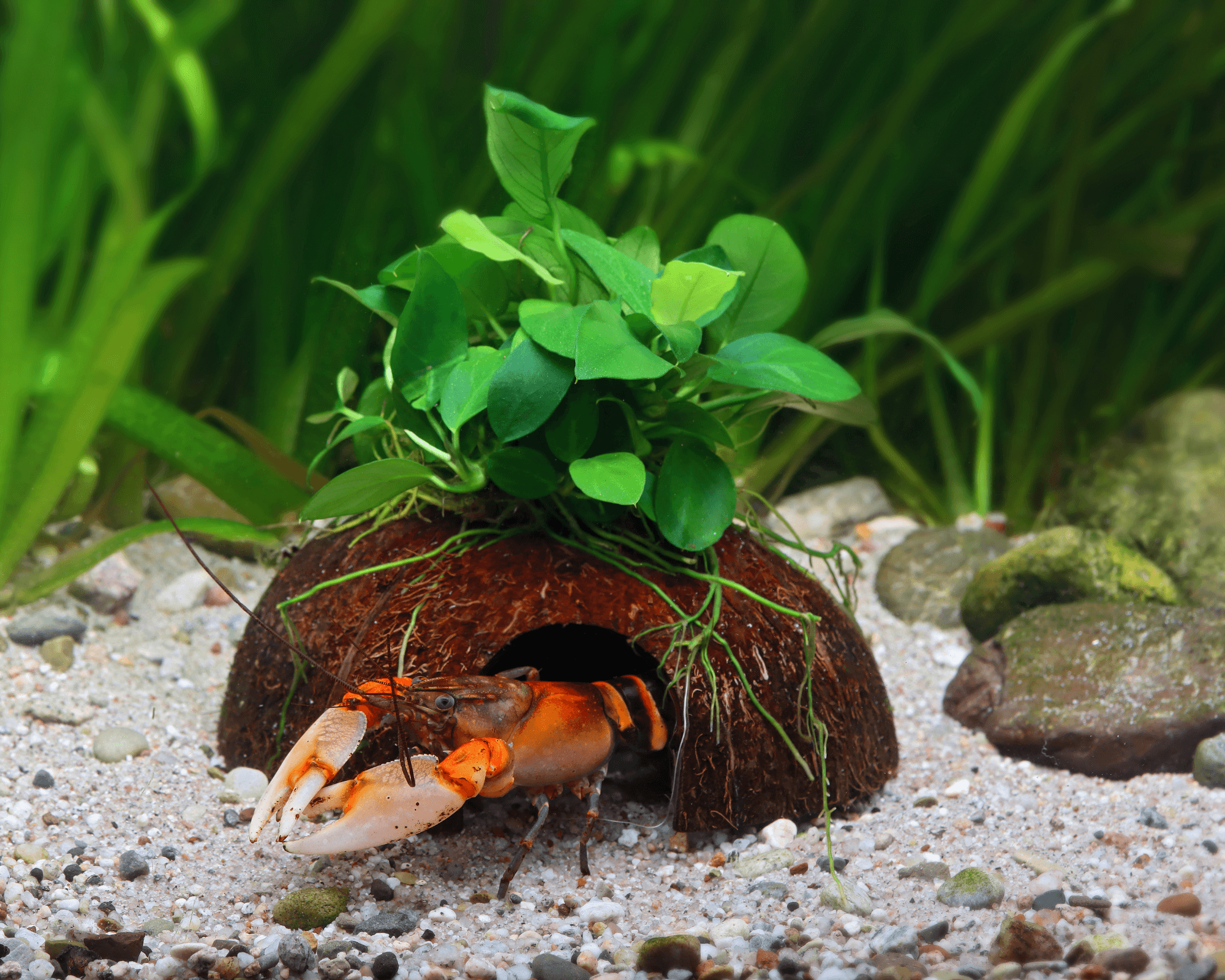
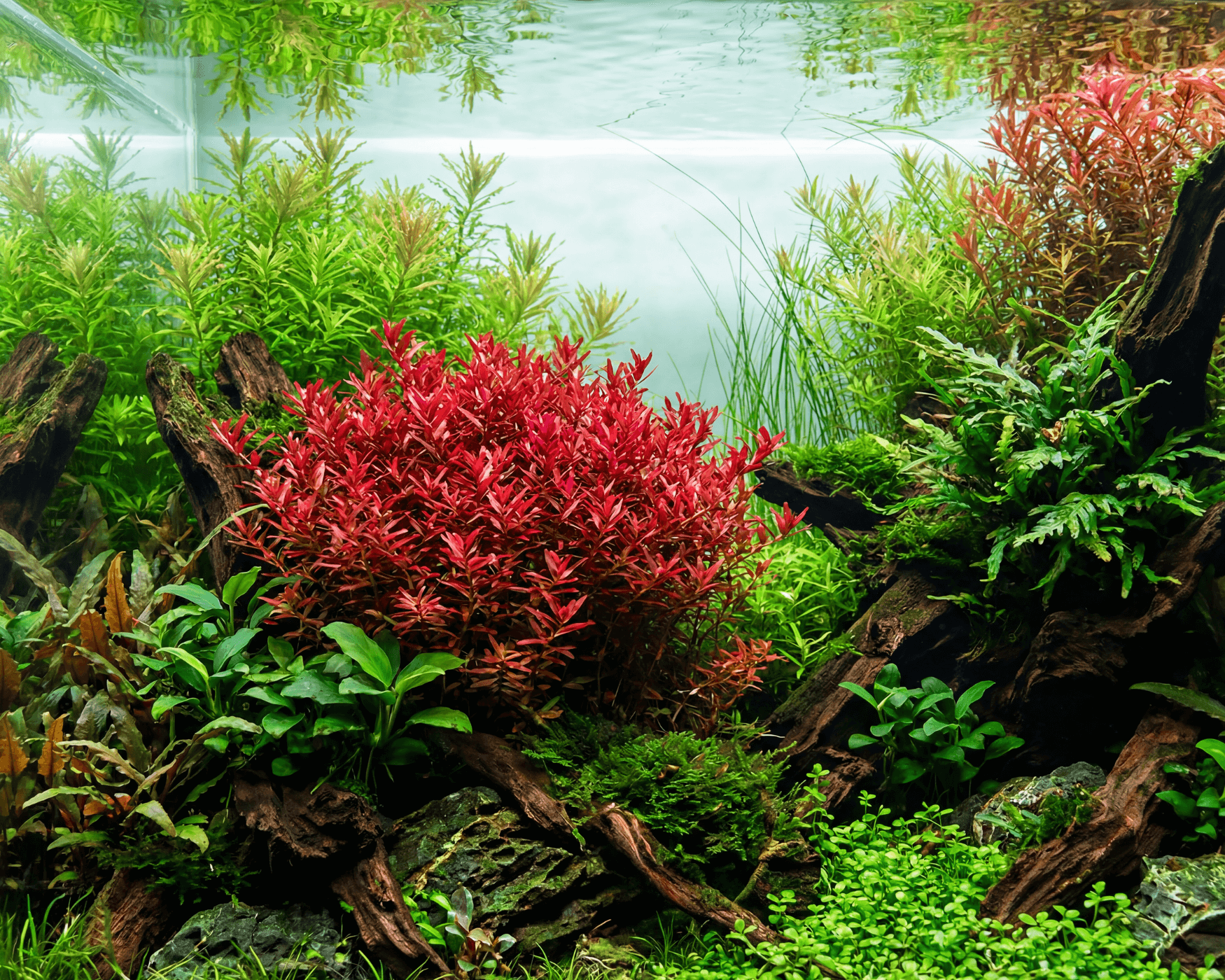
For a first low-tech setup, a tank around 10 gallons (38 liters) or larger is usually more forgiving than an extremely small desktop aquarium. More water gives temperature, chemistry, and nutrient changes a little more room to stabilize. Begin with a simple layout: open swimming space in front, a planted rear corner, and hardscape for attaching rhizome plants. Anubias is useful here because it can be tied or glued to wood and stone rather than buried. Keep its rhizome above the substrate. The goal is not instant density; it is a layout that still looks intentional while slow-growing plants establish.
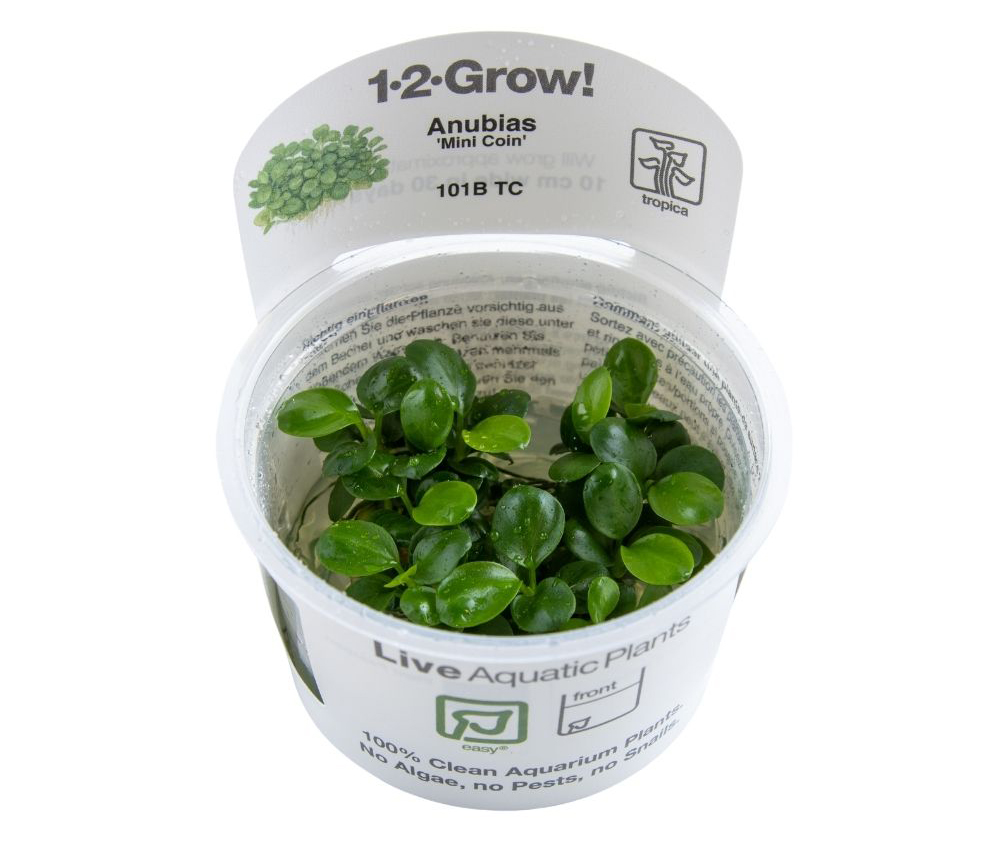
Build the backbone with plants that tolerate slow growth
Java fern is a dependable structural plant for a no-CO2 aquarium because it handles modest light and can grow attached to décor. Use it behind or beside wood, where its leaves create cover without consuming valuable floor space. Expect new leaves gradually rather than weekly transformation. Older leaves may collect algae if the light is too strong or the tank is overfed, so remove damaged foliage instead of increasing the photoperiod. Combine Java fern with Anubias, Bucephalandra, or Cryptocoryne to create several leaf shapes and heights. This backbone gives shrimp and small fish shelter before faster plants fill in.
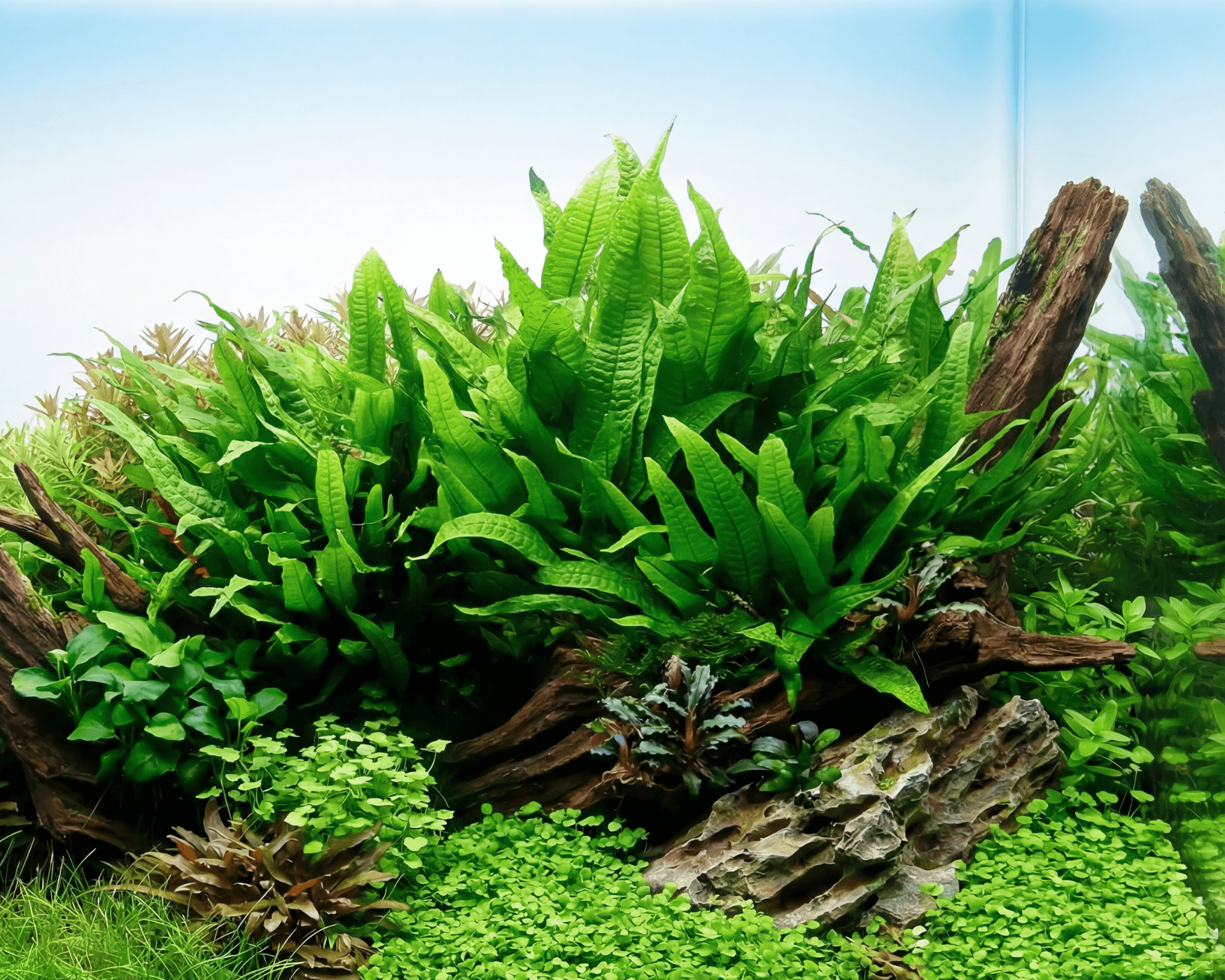
Treat carpeting plants as an optional project, not a promise
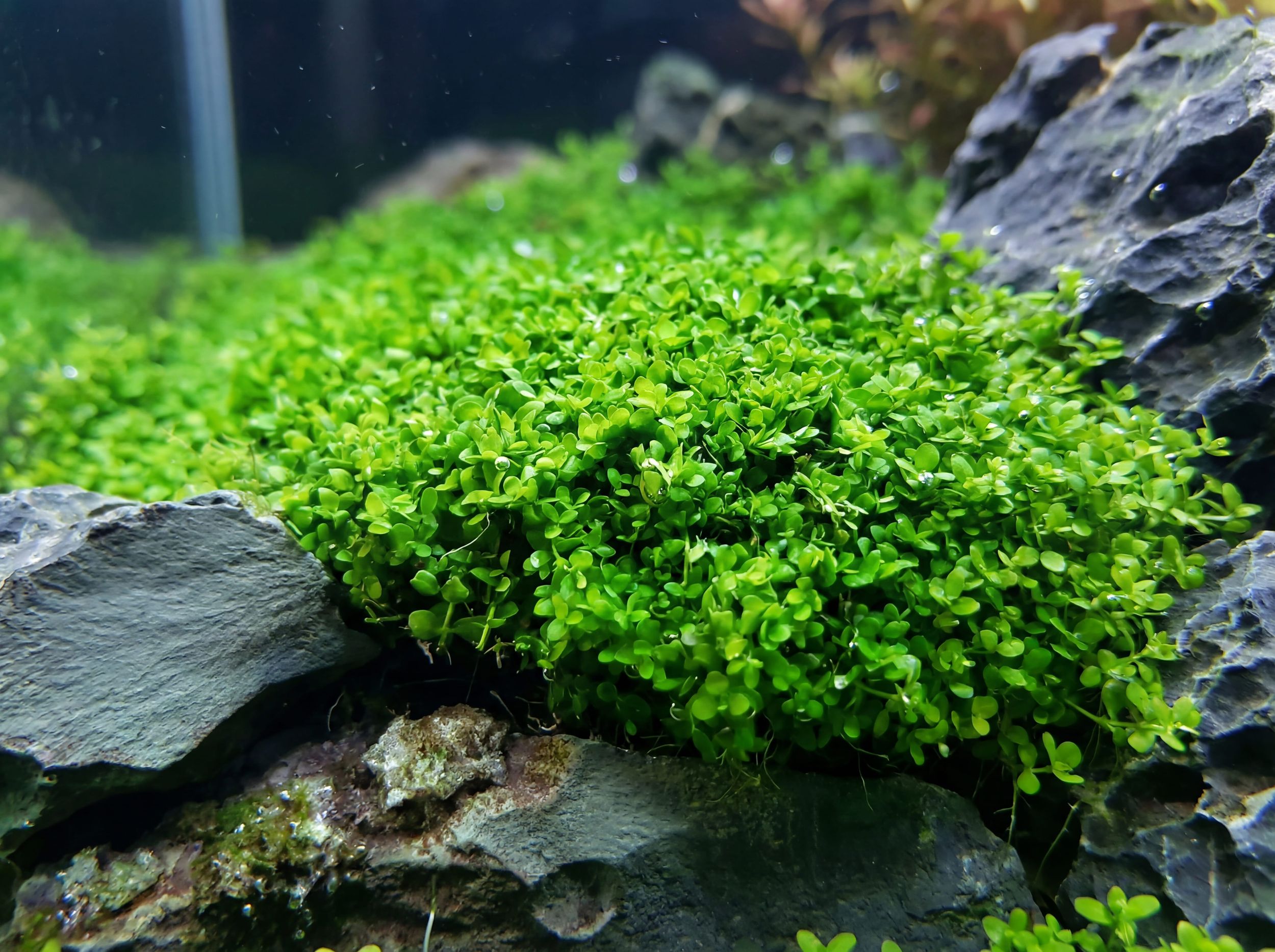
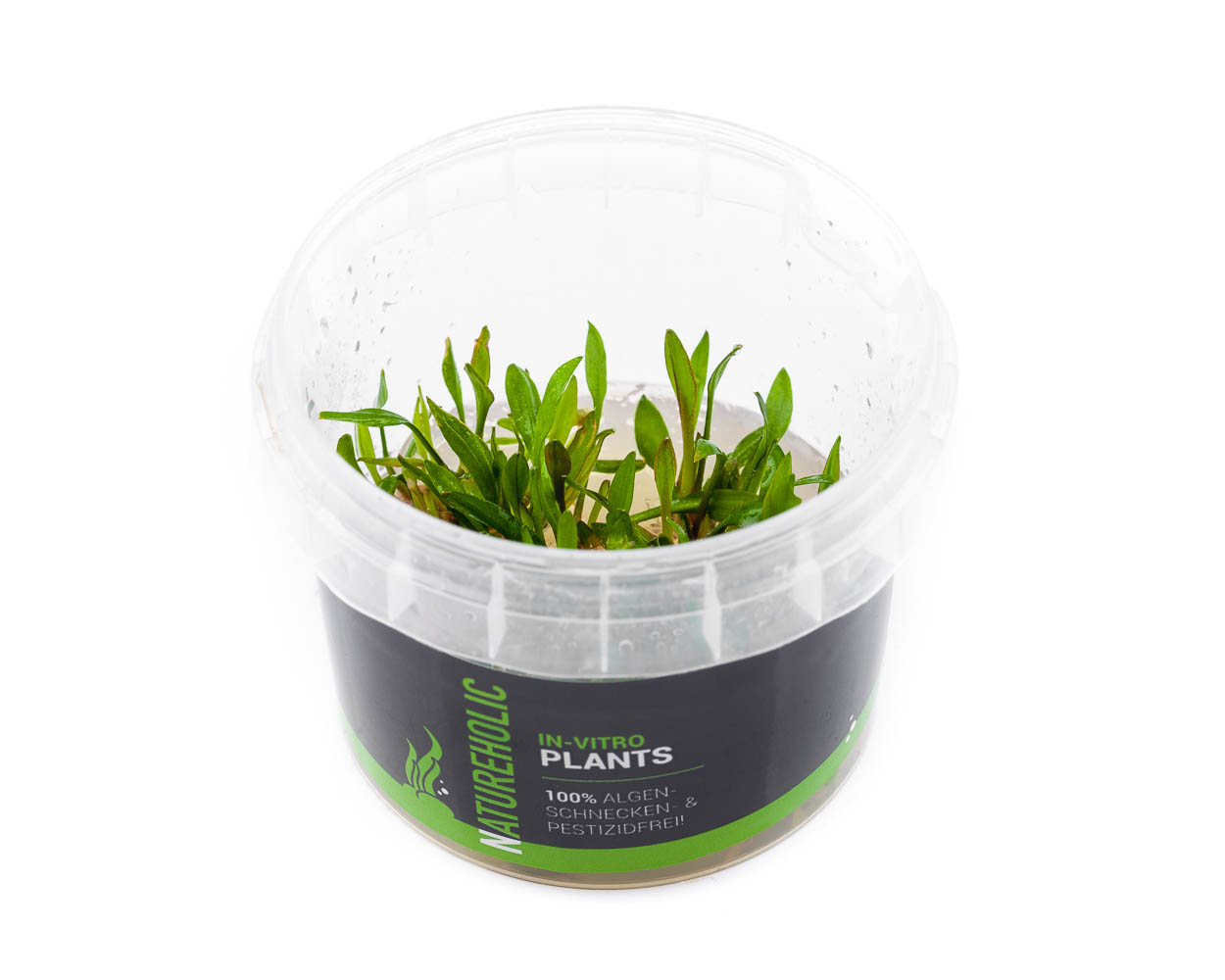
Monte Carlo can sometimes grow without injected CO2, but it is a poor choice if your definition of success is an instant, tightly knit carpet. In a low-tech aquarium, it may spread slowly, grow upward, or leave open patches, especially under weak lighting or heavy shade. Plant small portions with space between them and keep taller plants from blocking the light. If the carpet stalls, resist the temptation to compensate with intense lighting; algae may gain the advantage first. A foreground of gravel, rounded stones, or scattered low plants can look better than forcing a demanding carpet to perform.
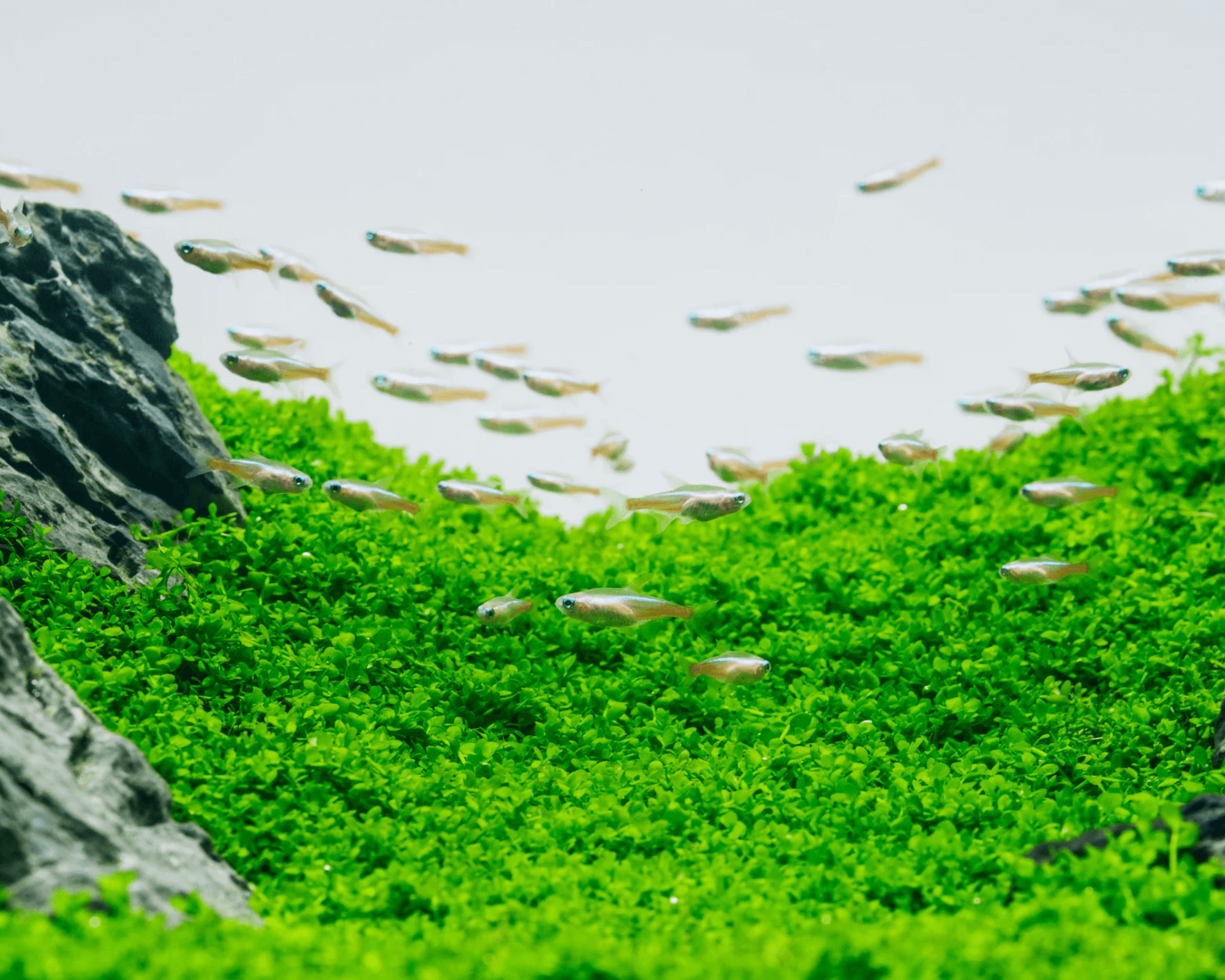
Add color through contrast, not unrealistic expectations
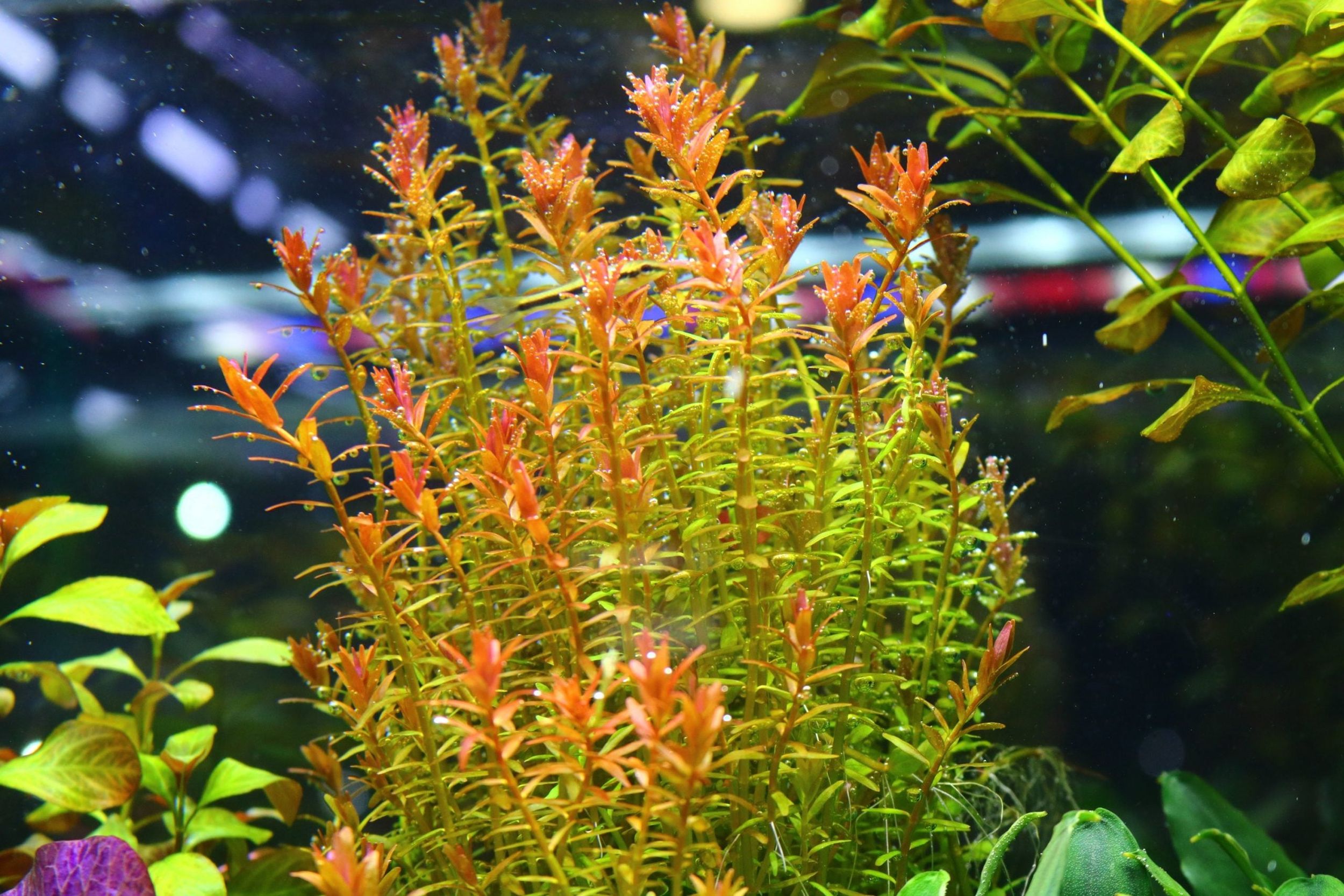
A no-CO2 aquarium can include warm-toned plants, but color is rarely guaranteed. Rotala rotundifolia varieties may show orange or pink highlights when they receive adequate light and consistent nutrition, yet they may remain mostly green in a dim setup. Use a small group as an accent rather than making the entire aquascape depend on red growth. Place it where it will not be shaded by floating plants or broad leaves, and trim it gradually so the lower stems do not become bare. For stronger, steadier color, prioritize healthy growth and balance over chasing a particular catalog photograph.
Use moss to make the tank useful for shrimp
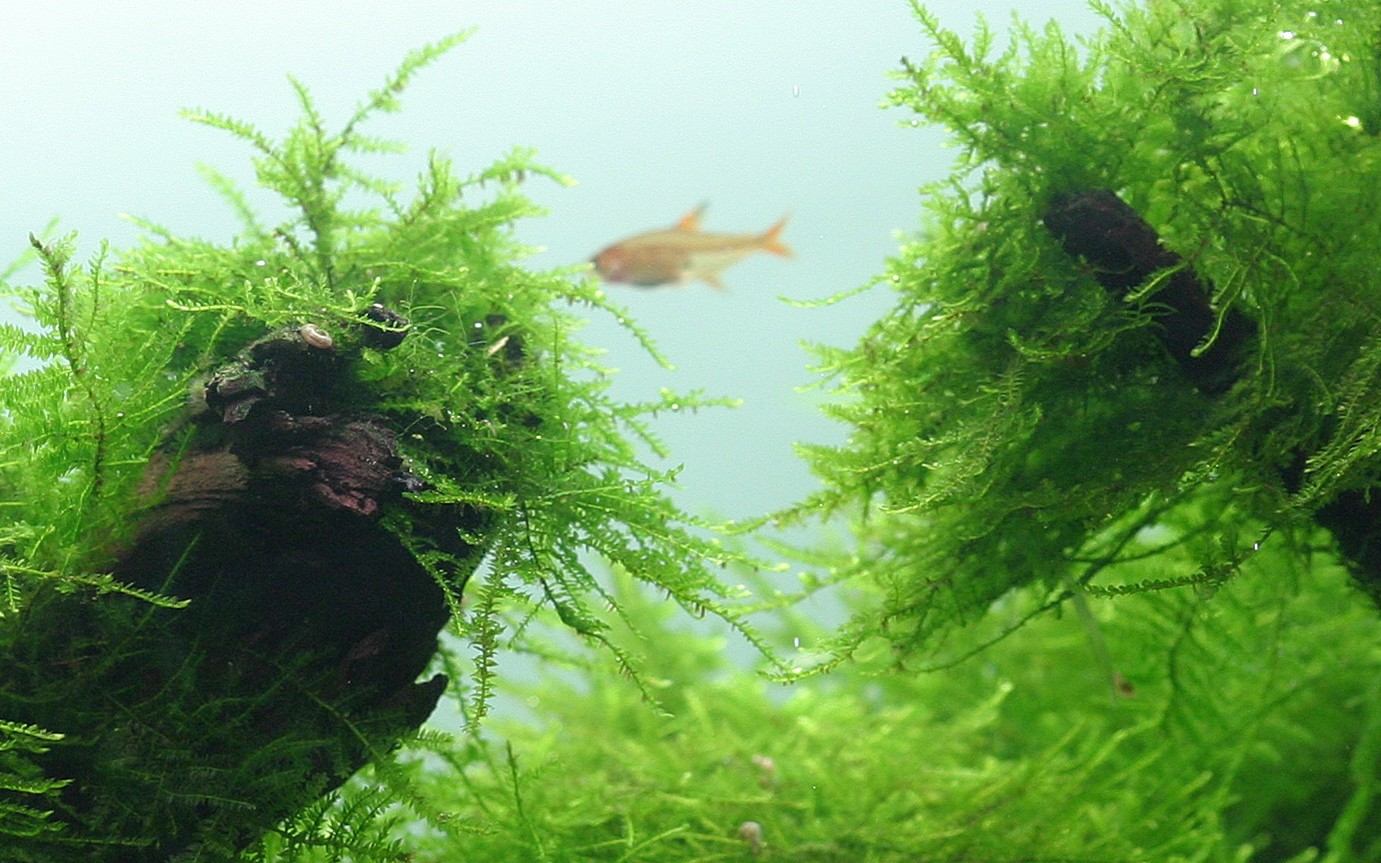
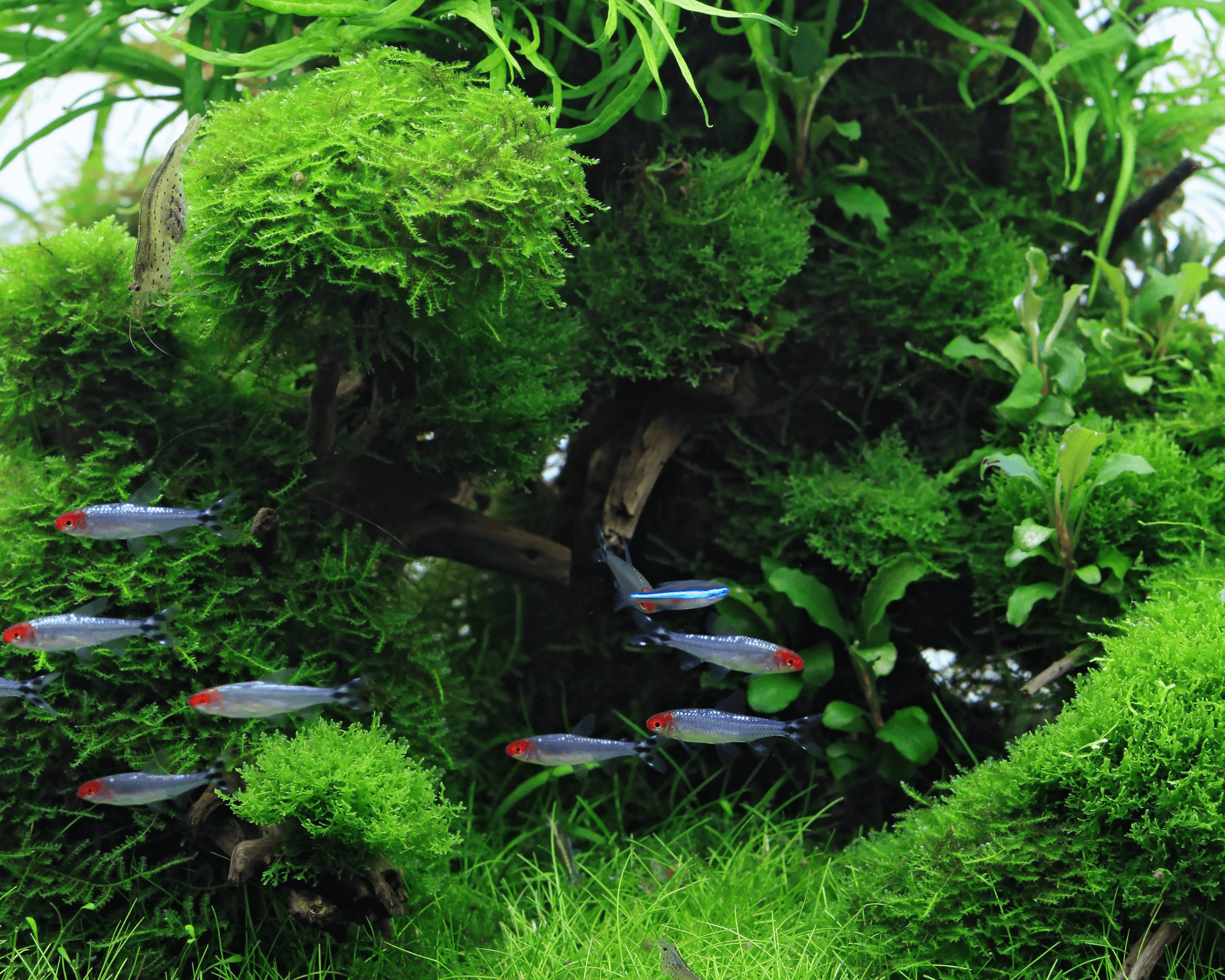
Java moss is one of the most practical additions for a shrimp-focused planted aquarium. Its branching growth catches tiny food particles and creates grazing surfaces where young shrimp can browse. Attach a modest amount to wood, a small rock, or a mesh pad rather than covering every surface. Too much moss becomes difficult to inspect and trim, especially in a nano tank. Moss does not make a tank automatically safe for babies, however. Fish may still eat shrimplets, and unstable water conditions can harm adult shrimp. Think of moss as added structure and refuge, not a substitute for compatible livestock.
Control light and nutrients with floating cover
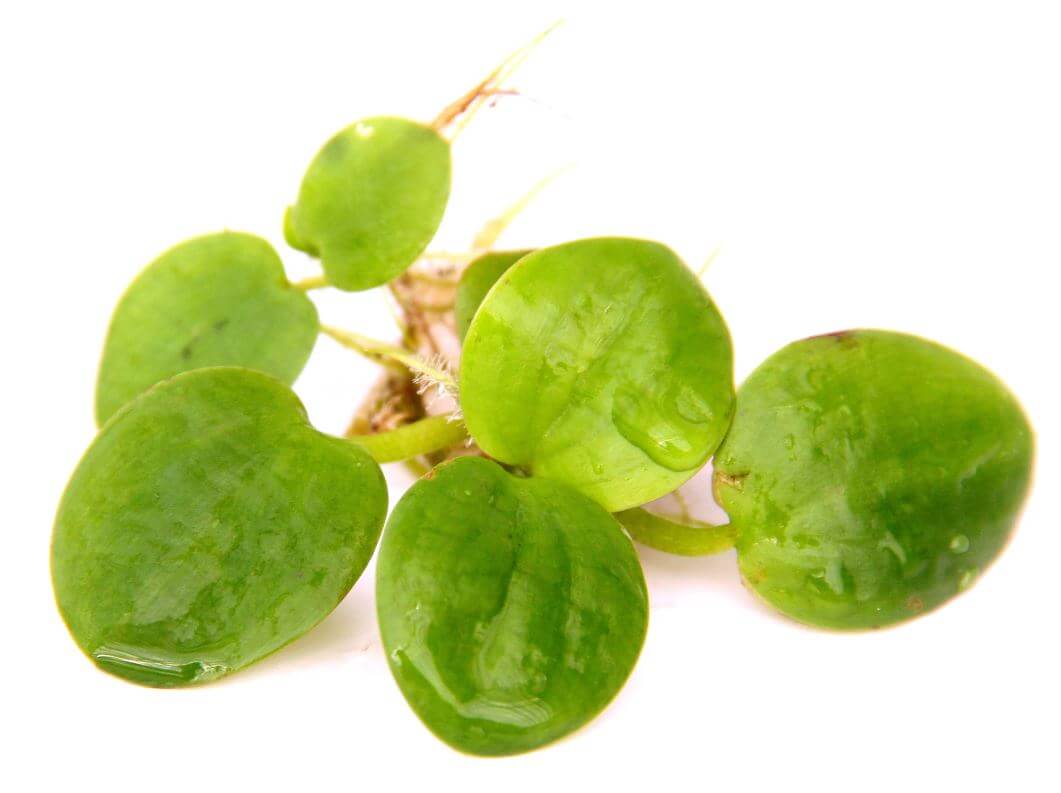
Frogbit can help soften bright light and absorb nutrients from the water column, but it needs regular thinning. In a no-CO2 aquarium, floating plants can be useful because they reduce excess light reaching slow-growing leaves and may limit algae pressure. They can also block too much light, restrict gas exchange if they completely cover the surface, and make feeding awkward. Keep a clear opening for circulation and remove crowded plants before roots dominate the tank. This is especially helpful when keeping shrimp, whose grazing surfaces and calm shaded areas can be more valuable than maximum plant growth.
Match livestock to the plant layout and tank maturity
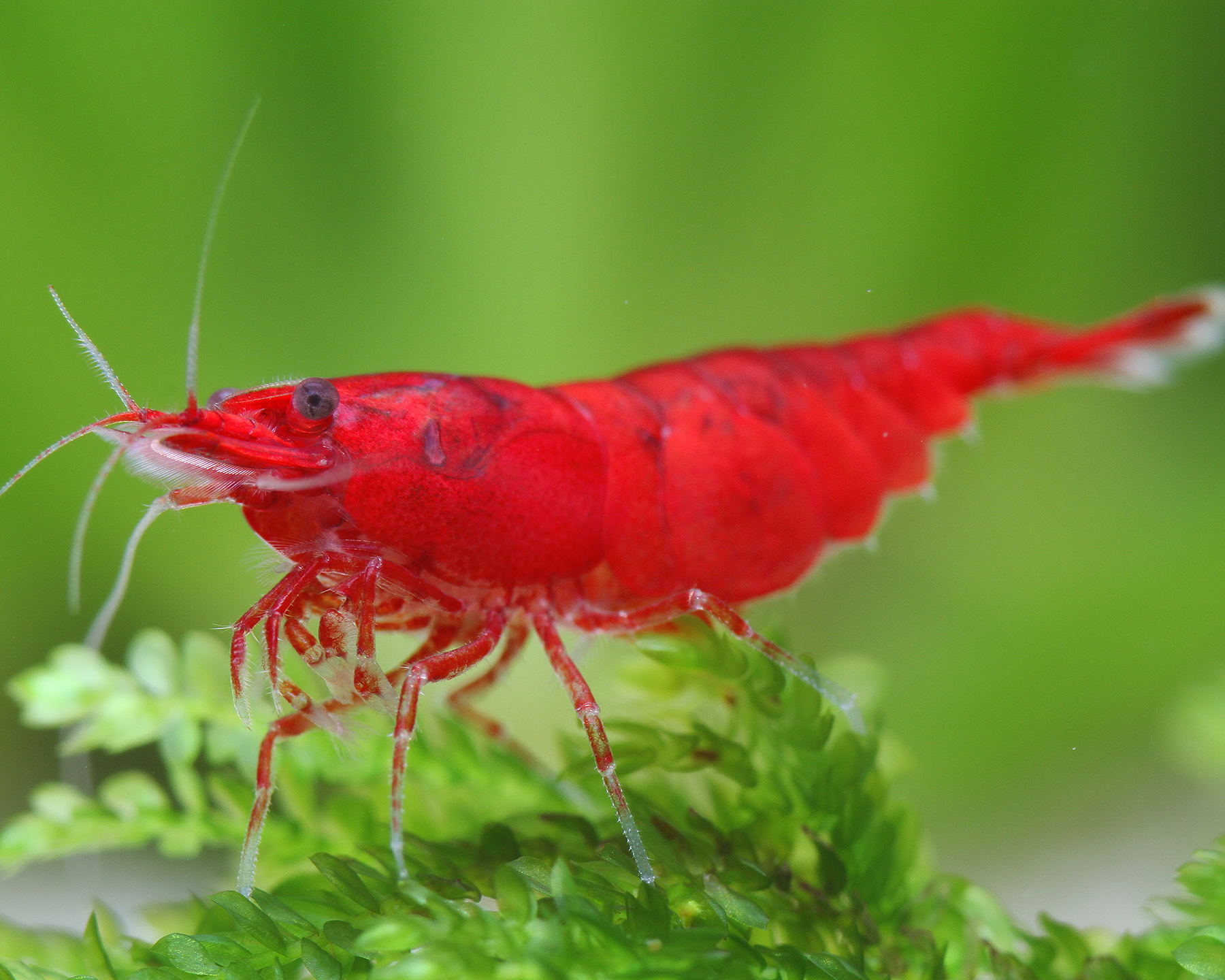
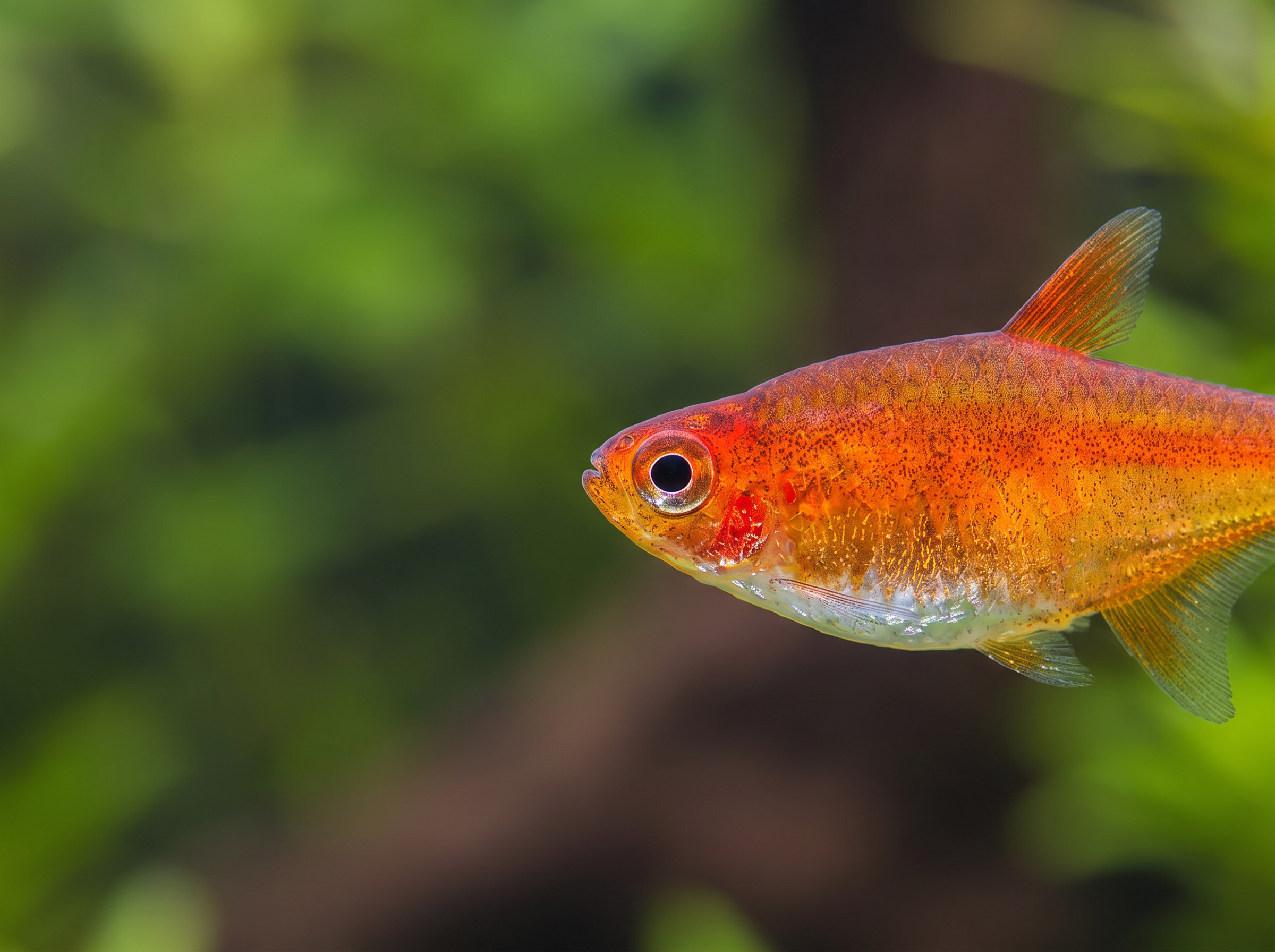
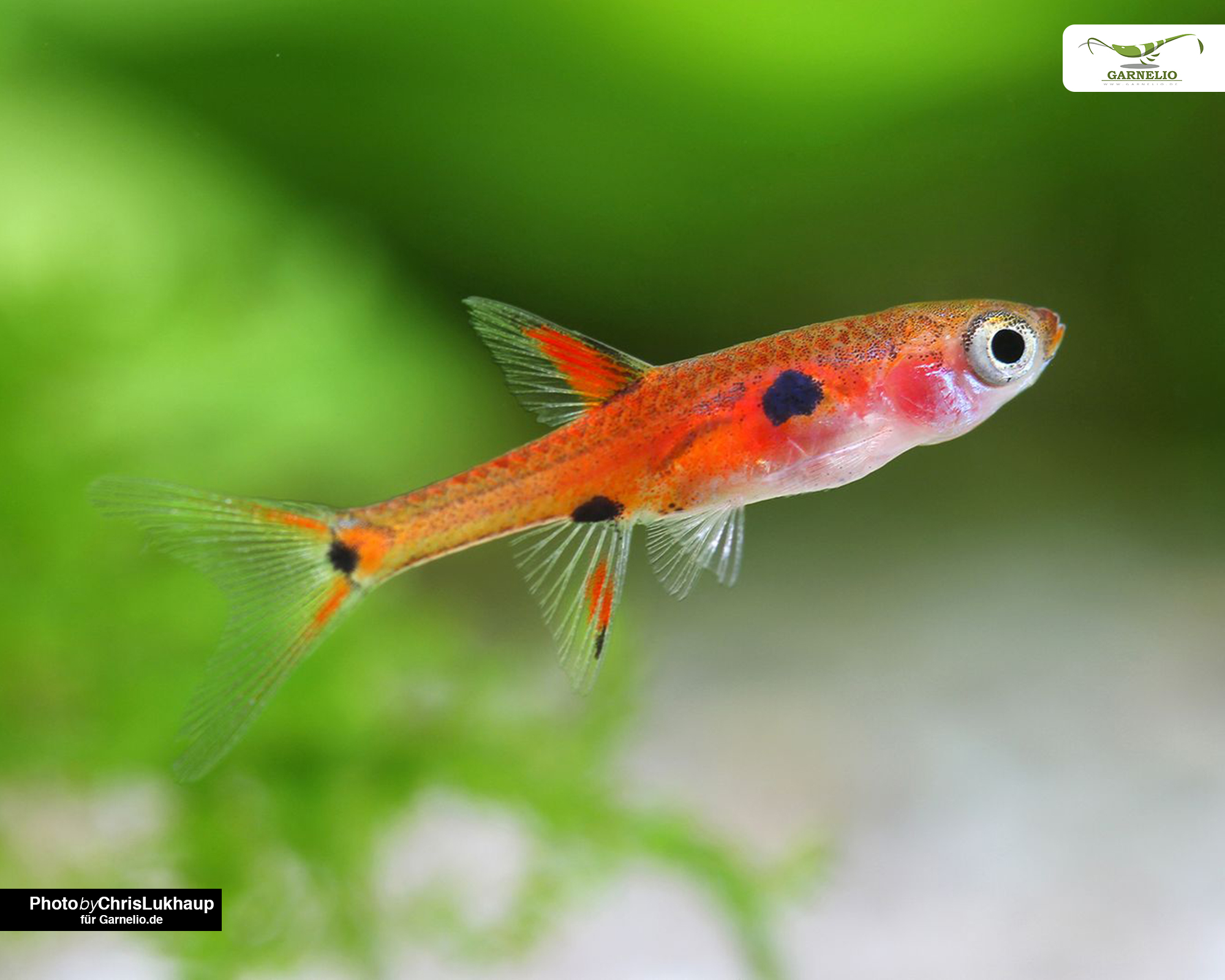
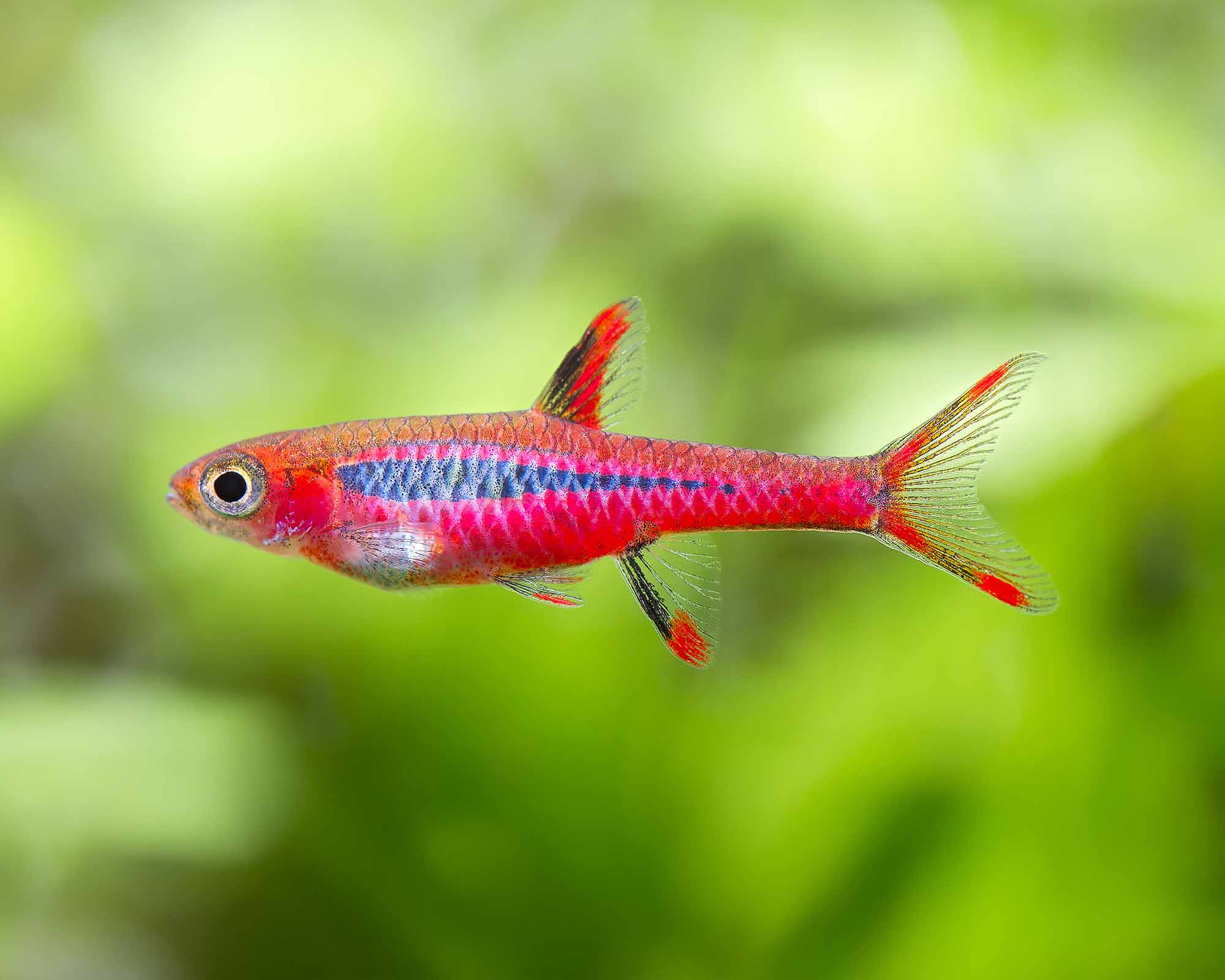
Colorful freshwater shrimp are usually the clearest fit for a planted nano aquarium, particularly when the tank has moss, wood, and stable water. Neocaridina types are commonly chosen for their range of colors, but individual lines can interbreed and produce less predictable offspring. Small snails can assist with leftover food and soft algae, though they still add bioload and should not be treated as a cleaning system. Fish require more caution: even peaceful nano fish may eat shrimplets, and schooling species need adequate swimming length. Add livestock only after plants are rooted and the aquarium has completed cycling.
Choose snails for the job you actually need done
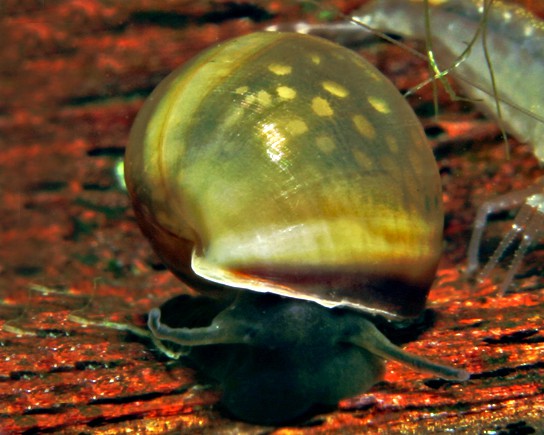
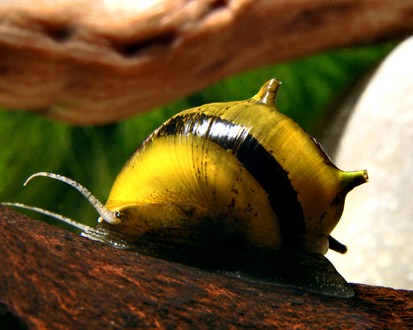
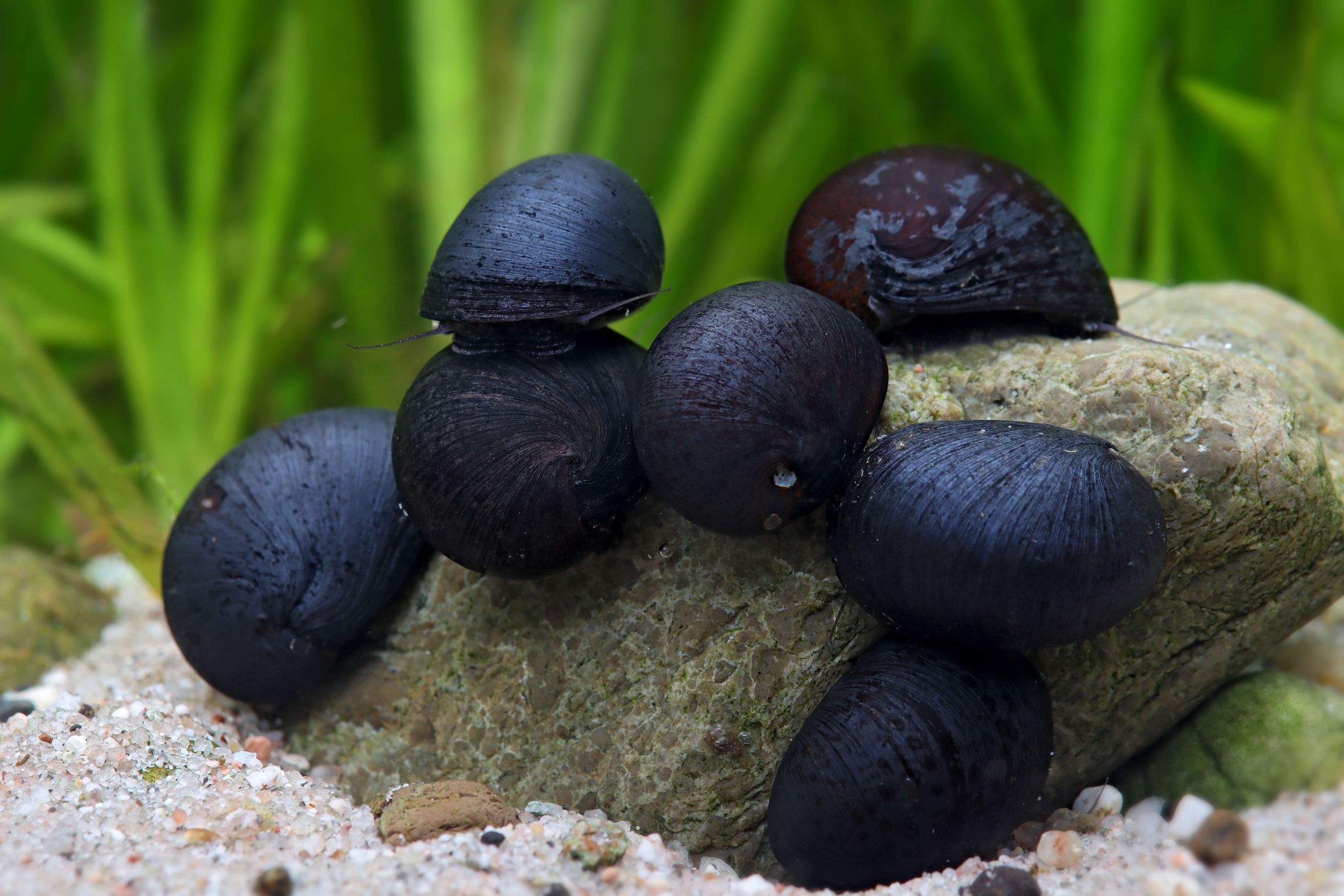
A planted tank may suit different snails for different reasons. Nerite-type snails are often selected for algae grazing and generally do not produce a growing population in freshwater, but they may need supplemental food when the aquarium is very clean. Bladder or ramshorn snails can be useful scavengers and reproduce readily when excess food is available. Their numbers are therefore a maintenance signal, not proof that the tank is dirty or healthy. Avoid adding several species simply for variety in a nano aquarium. Start with a small population, feed lightly, and remove decaying leaves before they become a food source.
Use a slow, repeatable maintenance rhythm
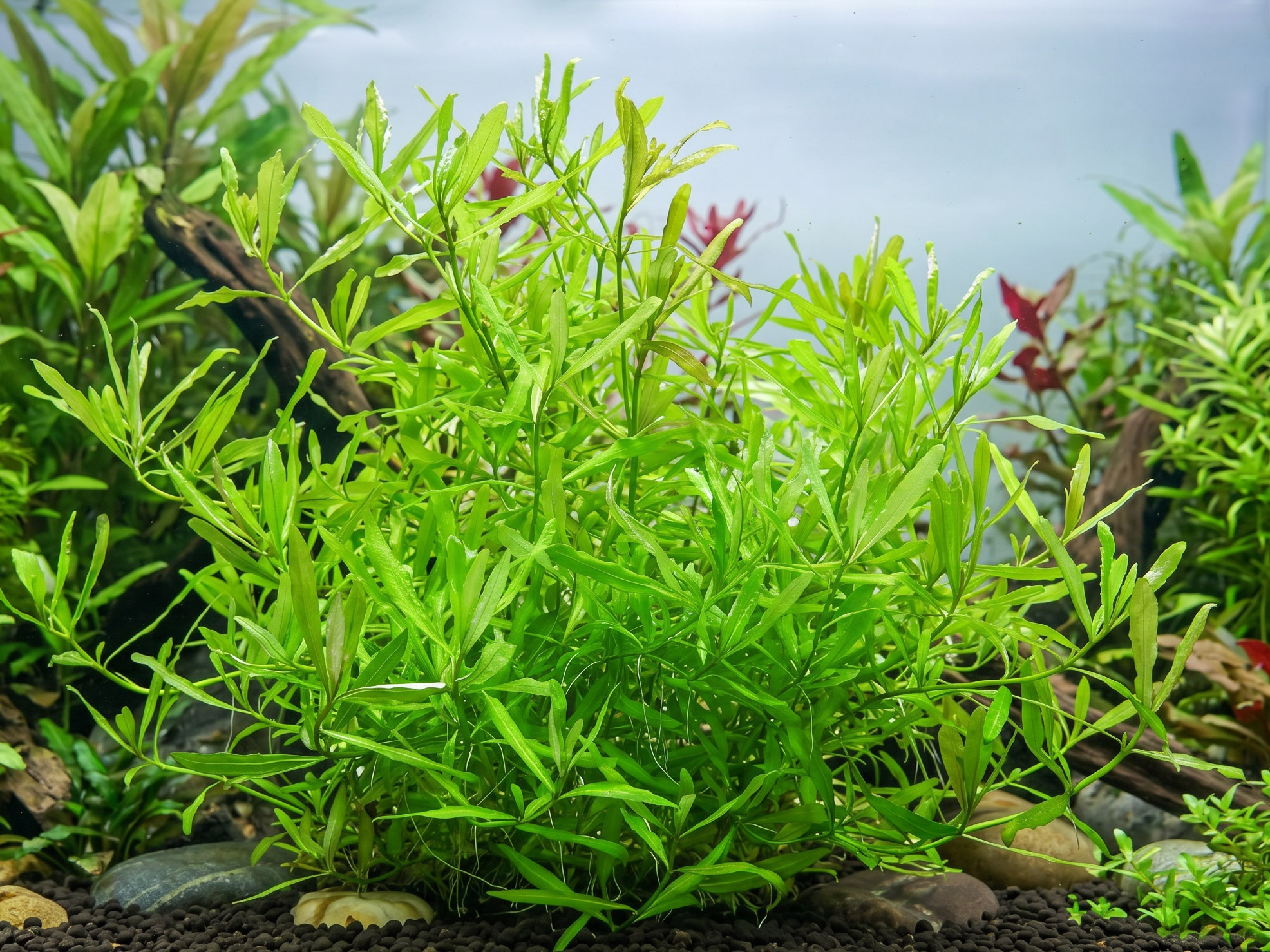
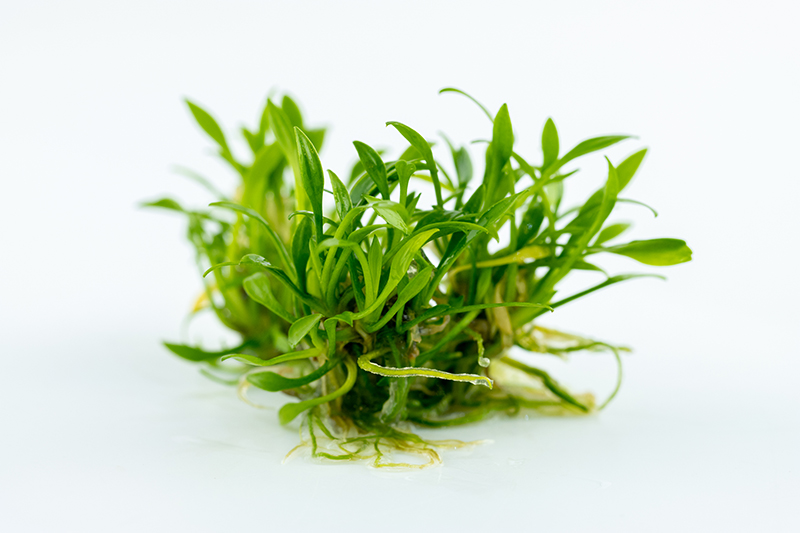
Low-tech does not mean maintenance-free. Begin with a moderate light schedule, observe the plants for several weeks, and change only one variable at a time. Remove melting leaves, trim fast stems before they shade everything below, and perform regular partial water changes rather than waiting for visible problems. A small amount of comprehensive fertilizer may help once plants are actively growing, but dosing should reflect plant mass and livestock waste. Hygrophila polysperma is useful as a fast-growing test plant: if it grows steadily, the tank has a productive base; if it melts or stalls, investigate light, planting, nutrients, and water stability before adding more animals.
Frequently Asked Questions
Can aquarium plants grow well without injected CO2?
Yes. Many Anubias, Java fern, mosses, Cryptocoryne, and selected stem plants can grow without injected CO2 when lighting, nutrients, and water conditions are consistent. Growth is usually slower, and some carpet or high-color plants may remain limited.
What is the easiest livestock for a no-CO2 planted nano aquarium?
A modest shrimp colony and a small number of suitable snails are often simpler than fish because they place less demand on swimming space. Shrimp still require stable water, acclimation, and protection from fish that may eat young.
Can colorful fish, shrimp, and snails live together?
Sometimes, but compatibility depends on adult fish size, mouth shape, temperament, tank dimensions, and the amount of cover. Adult shrimp may survive with peaceful nano fish while shrimplets are vulnerable. Snails are usually ignored, although some fish may harass small species.
Do I need special aquarium soil for low-tech plants?
Not always. Epiphytes such as Anubias and Java fern can grow attached to décor, while rooted plants benefit from a suitable substrate and may appreciate root-feeding fertilizer. Choose the substrate according to the plants you actually plan to grow rather than assuming expensive soil is required.
Why does algae appear in a no-CO2 planted tank?
Algae commonly appears when light, nutrients, plant mass, and carbon availability are out of balance. Reduce excessive light, avoid overfeeding, add or maintain healthy plant growth, remove algae manually, and make changes gradually instead of increasing light to force faster growth.
 - 2.webp)
Leave your comments