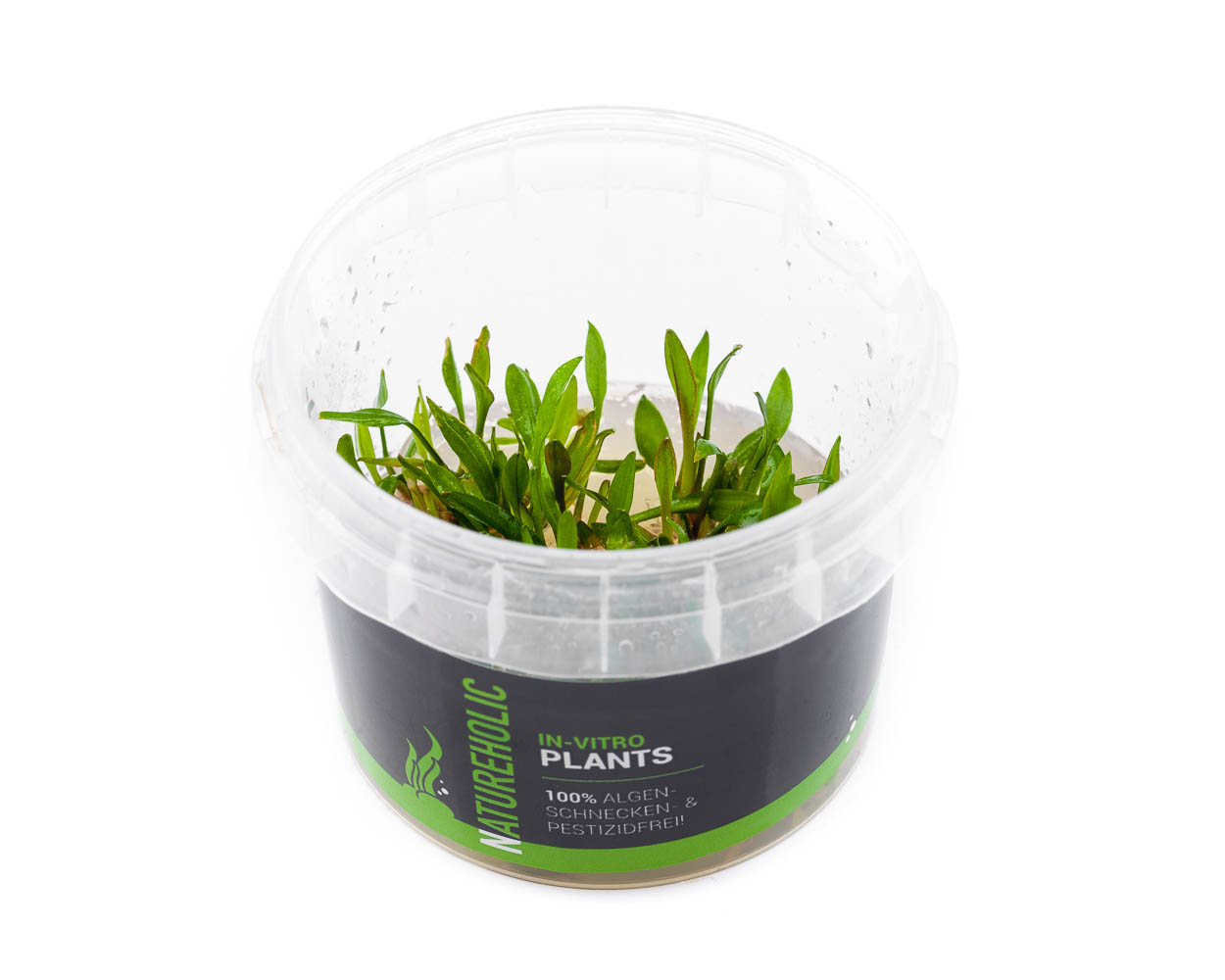
Start with the tank style, not the plant list
For a shrimp-first nano aquarium, define the visual brief before choosing species. A useful target is a low-tech, natural-looking layout with a visible foreground, one strong focal area, and an unobstructed swimming lane. Keep the palette mostly green, then add a small amount of red, bronze, or burgundy as an accent. This approach is easier to maintain than a collector’s layout filled with unrelated textures and growth habits. It also supports livestock: dense plants and moss give shrimp grazing surfaces and shelter, while open areas prevent the aquarium from becoming a tangled mass. Your plant choices should reinforce that style rather than compete for attention.
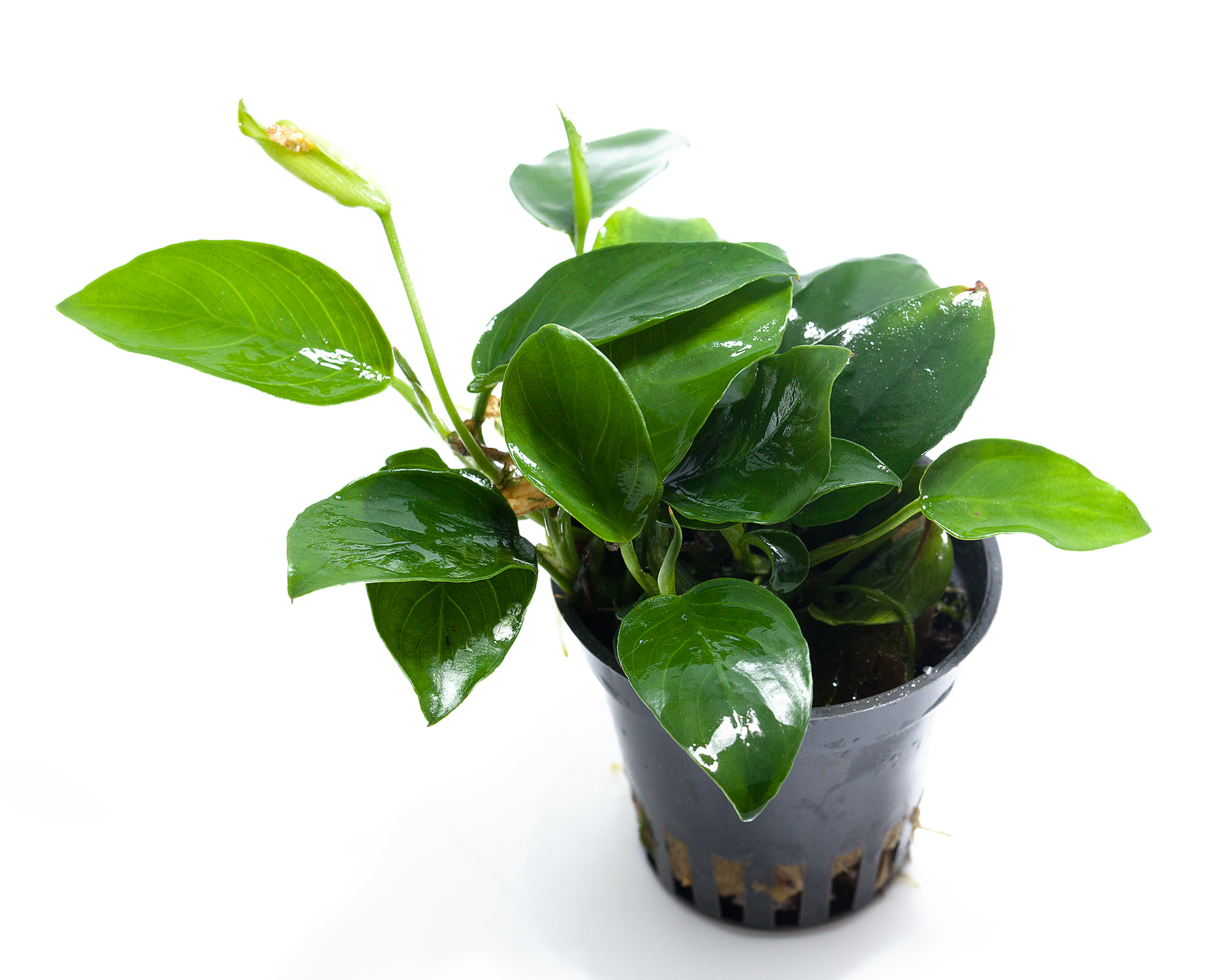
Build the green foundation with dependable shapes
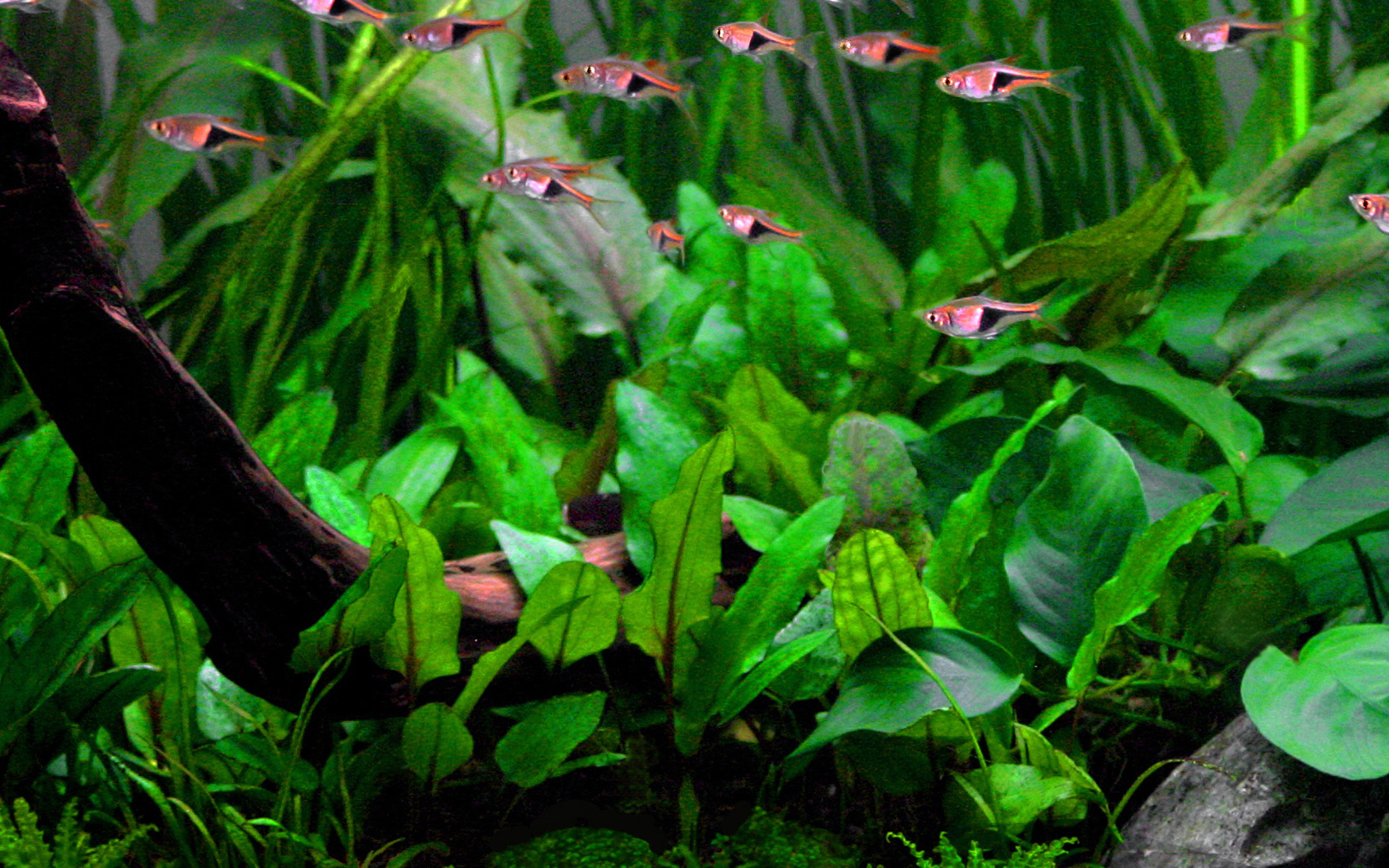
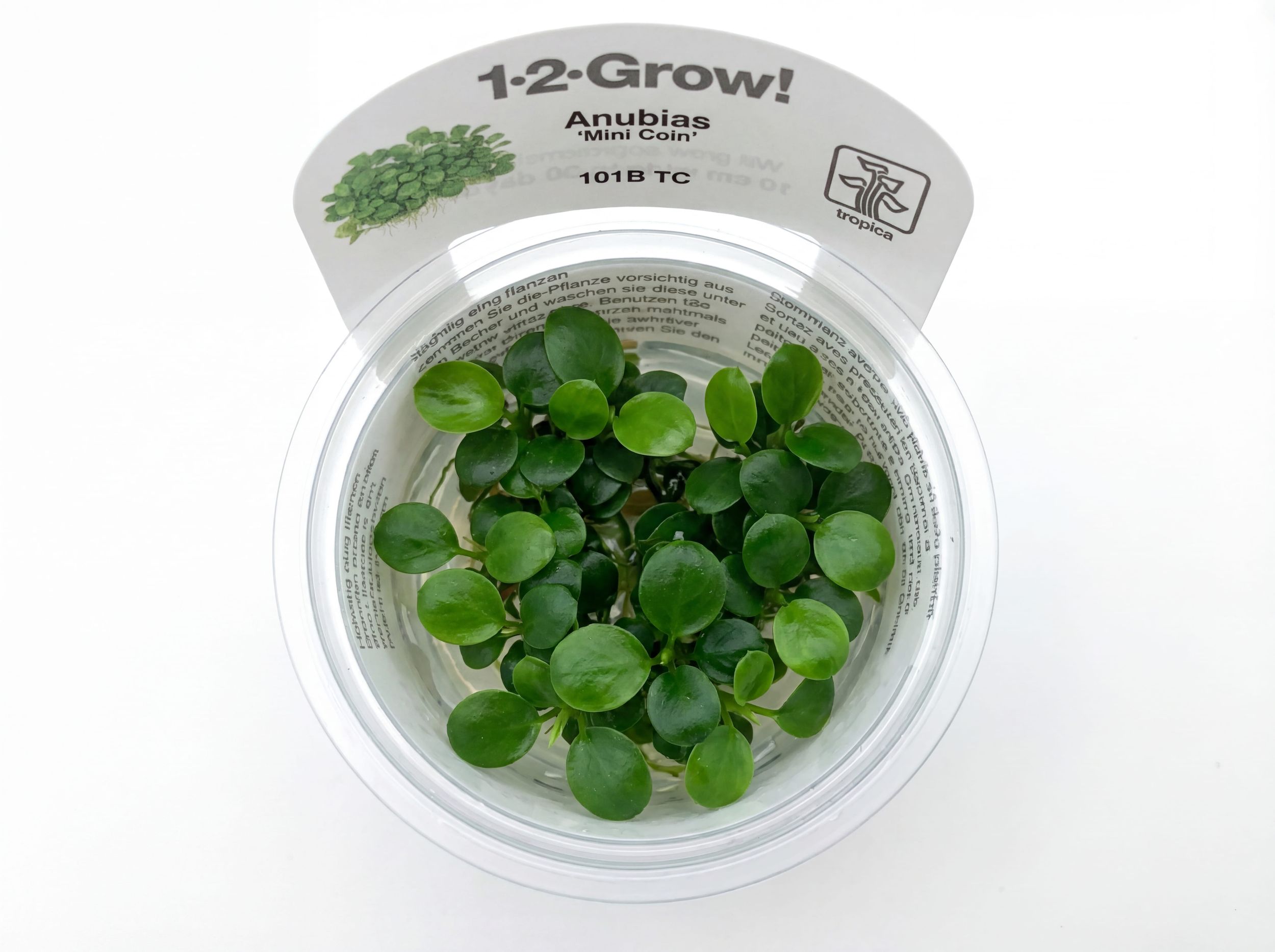
Begin with two or three reliable green forms instead of several similar stem plants. Anubias can anchor wood or rock with broad, slow-growing leaves, while Cryptocoryne adds a rooted midground mass with a softer, more substantial silhouette. Java fern or another attached plant can extend the vertical structure without demanding a deep substrate. The goal is contrast in leaf shape, not a random mix of shades. Place broad leaves near the focal hardscape and finer foliage toward the edges. These plants are useful in beginner aquariums because they can remain attractive while growth is still settling, although light, nutrients, and water conditions still affect their performance.
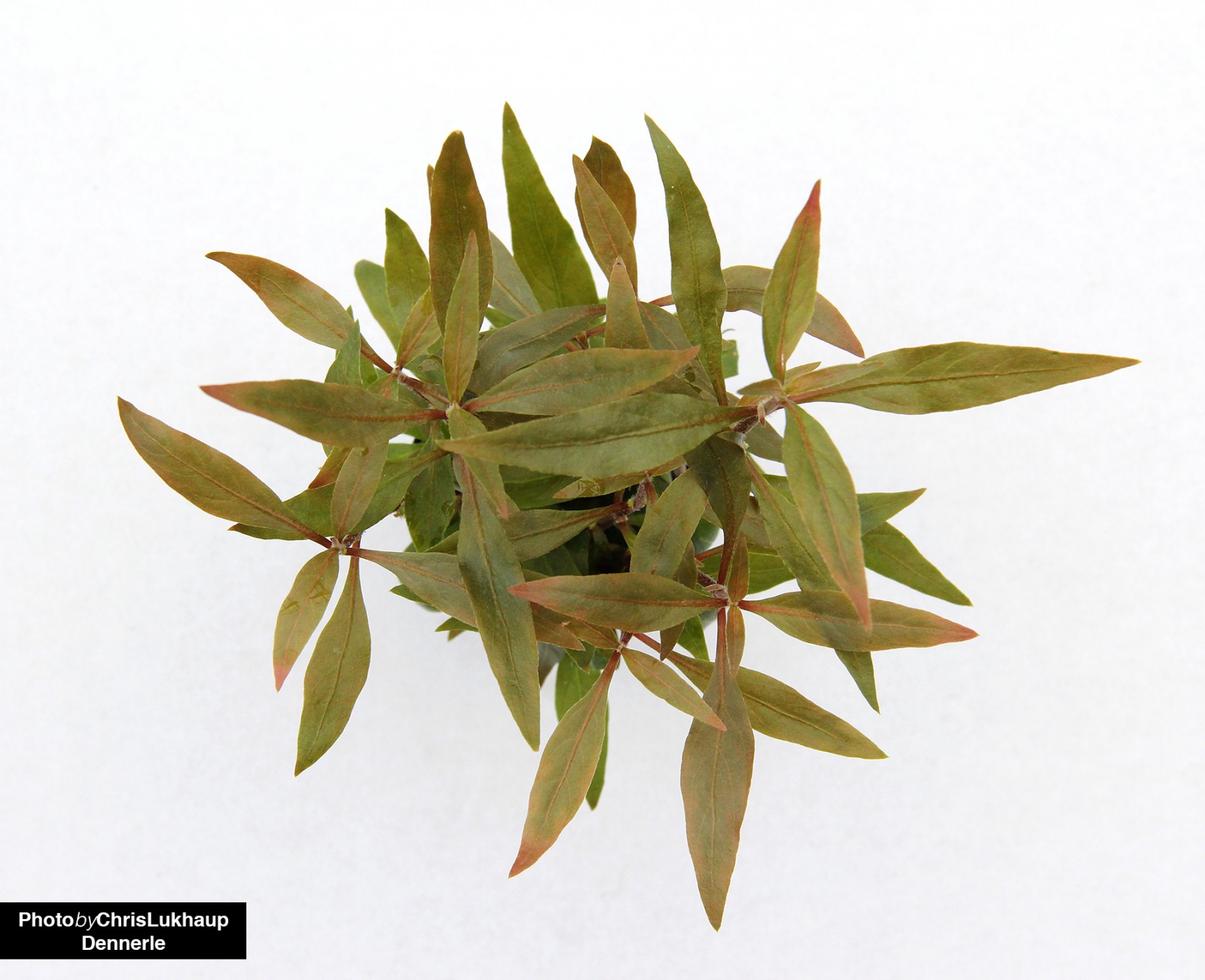
Use red plants as punctuation, not wallpaper
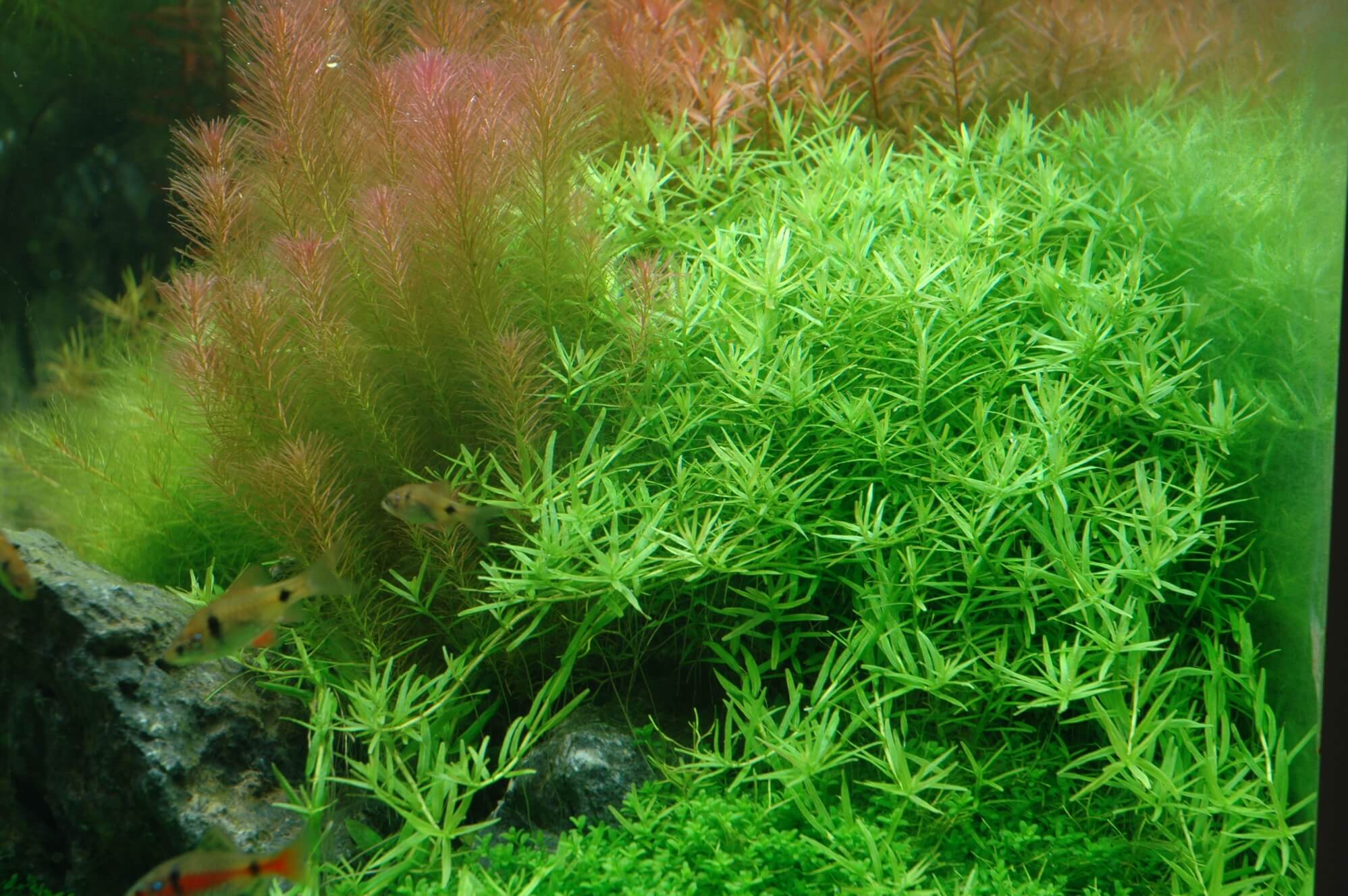
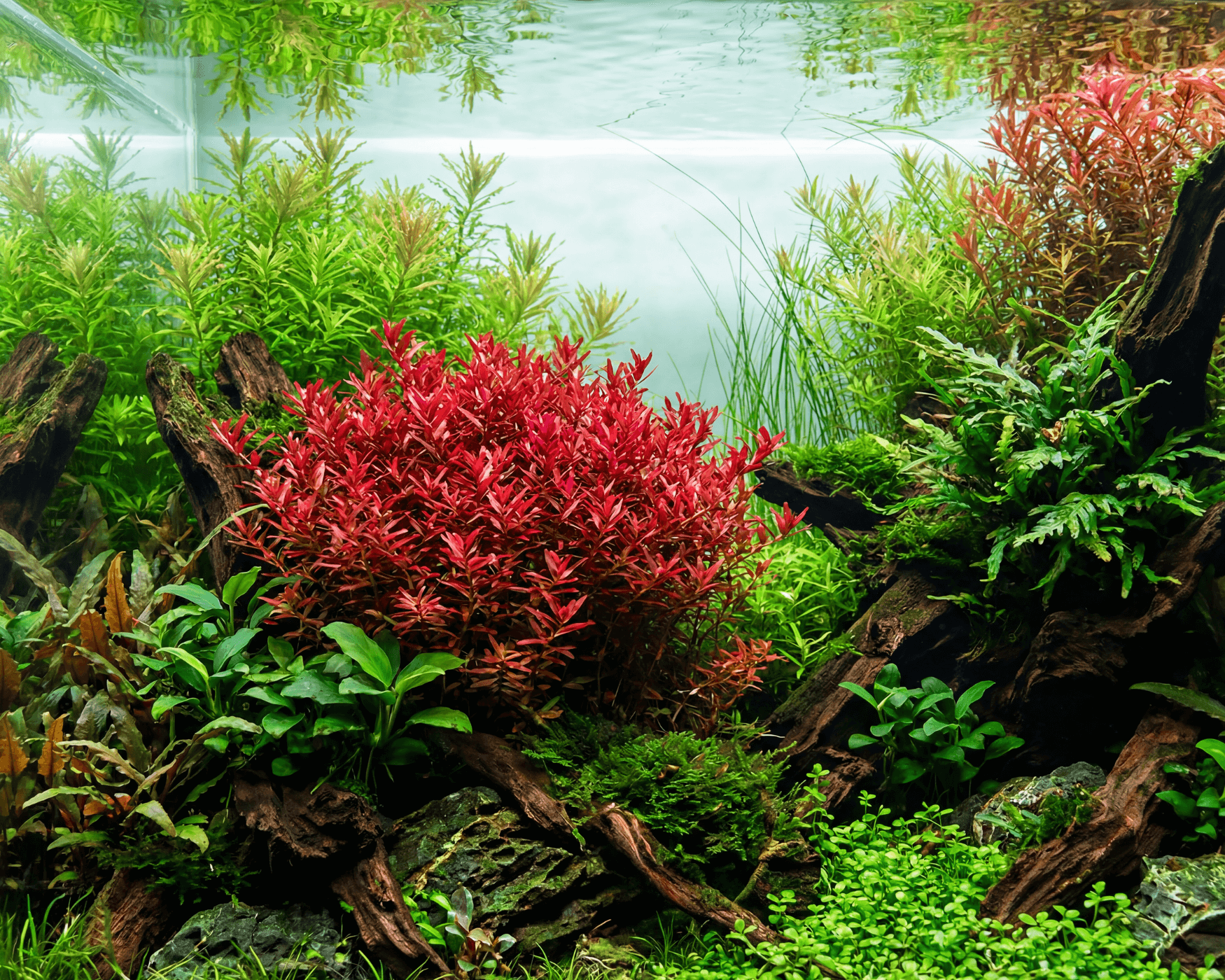
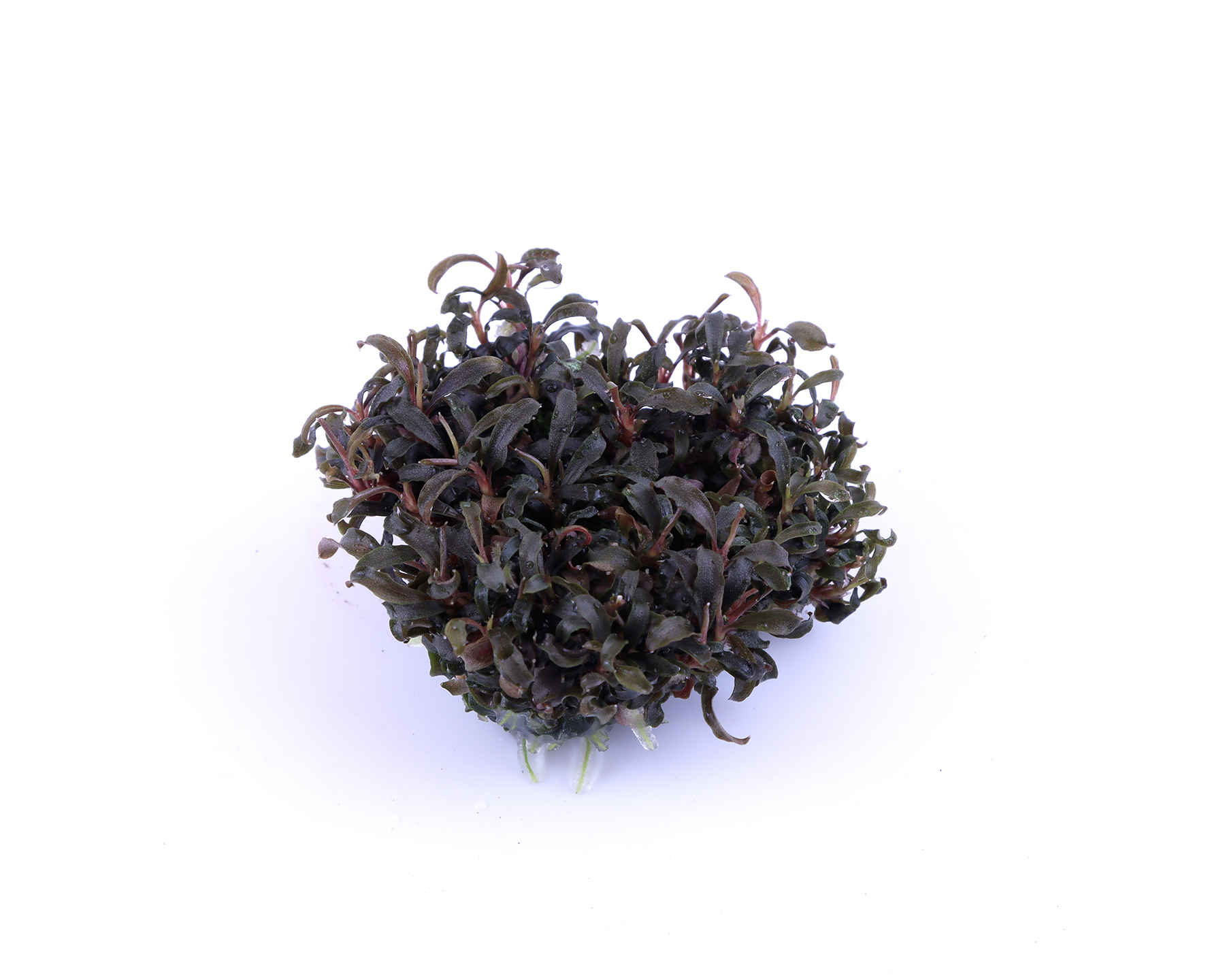
A red plant works best when it has visual space around it. In a small aquarium, one compact group of Alternanthera or a similar red-leaved plant can create a focal accent without turning the entire layout into a color contest. Position it slightly off-center, then repeat a small echo of the same warm tone elsewhere through a smaller plant or hardscape detail. Red growth may become greener under modest light or limited nutrients, so treat the color as a design direction rather than a guarantee. If the plant needs stronger lighting, carbon supplementation, or frequent trimming, decide whether that maintenance fits your shrimp-first plan before buying it.
Add a fine-textured midground to connect the palette
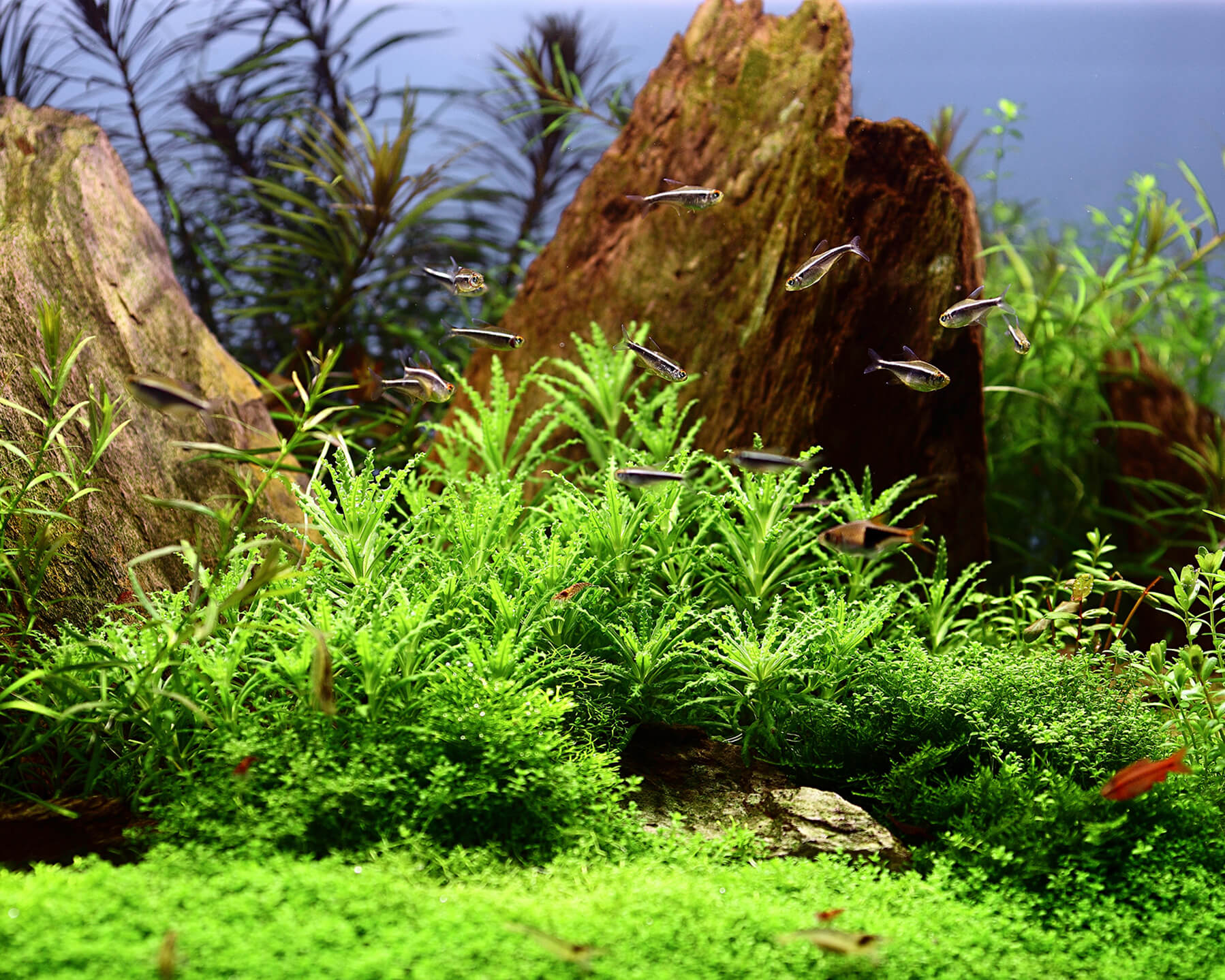
A cohesive palette needs a transition between large background leaves and low foreground plants. Fine-textured species such as Pogostemon helferi can bridge that gap with compact, ruffled growth that contrasts with smooth Anubias or broad Cryptocoryne leaves. Use a small cluster rather than isolated plugs scattered across the tank. Repetition makes the planting look intentional and gives shrimp several surfaces to explore. Keep the cluster away from the main swimming lane so it remains a visual mound instead of becoming a wall. If growth becomes sparse, improve the overall planting conditions rather than automatically adding more species.
Choose a foreground that matches your patience level
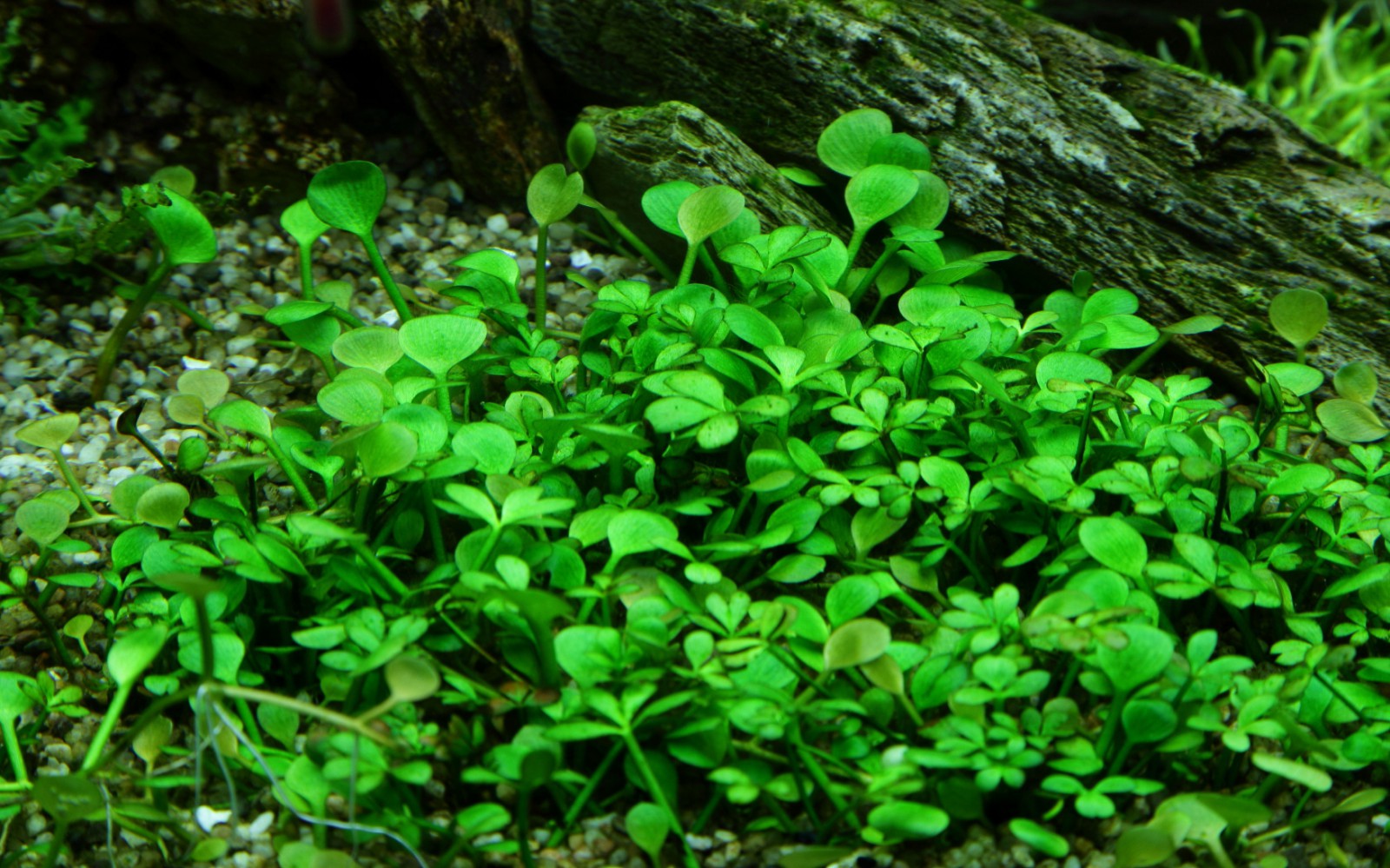
Foreground plants determine whether the aquarium feels open, soft, or densely planted. Marsilea hirsuta is a useful choice for a relaxed low-tech style because its leaf form can vary with conditions and it does not need to look like a perfect carpet immediately. Plant it in small separated portions, leaving room for spreading. A more demanding carpet may look refined under stronger light and added carbon, but it can also increase trimming and algae-management work. For a shrimp-first tank, a broken carpet or planted patches are often more practical than covering every centimeter of substrate. The gaps also create visible foraging areas for shrimp and snails.
Use moss and epiphytes to make hardscape functional
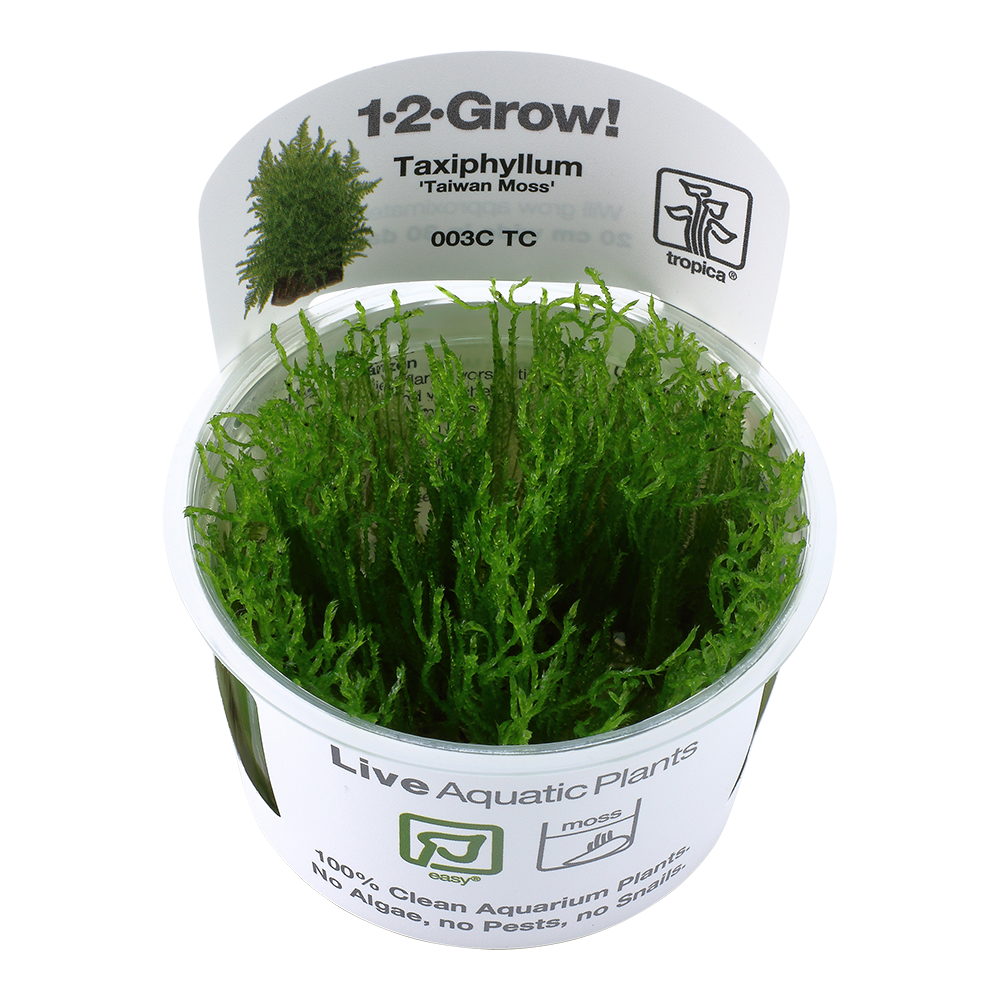
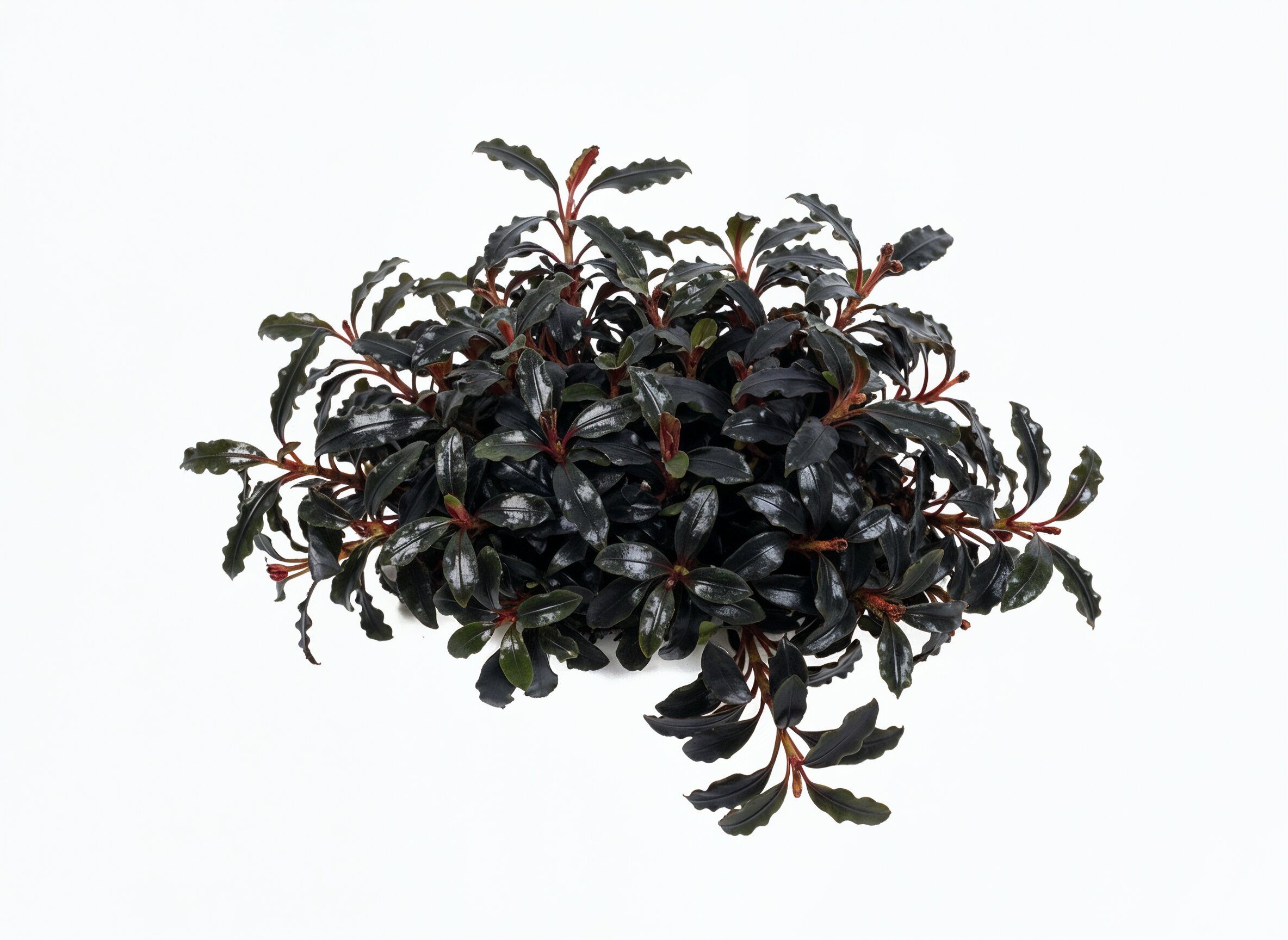
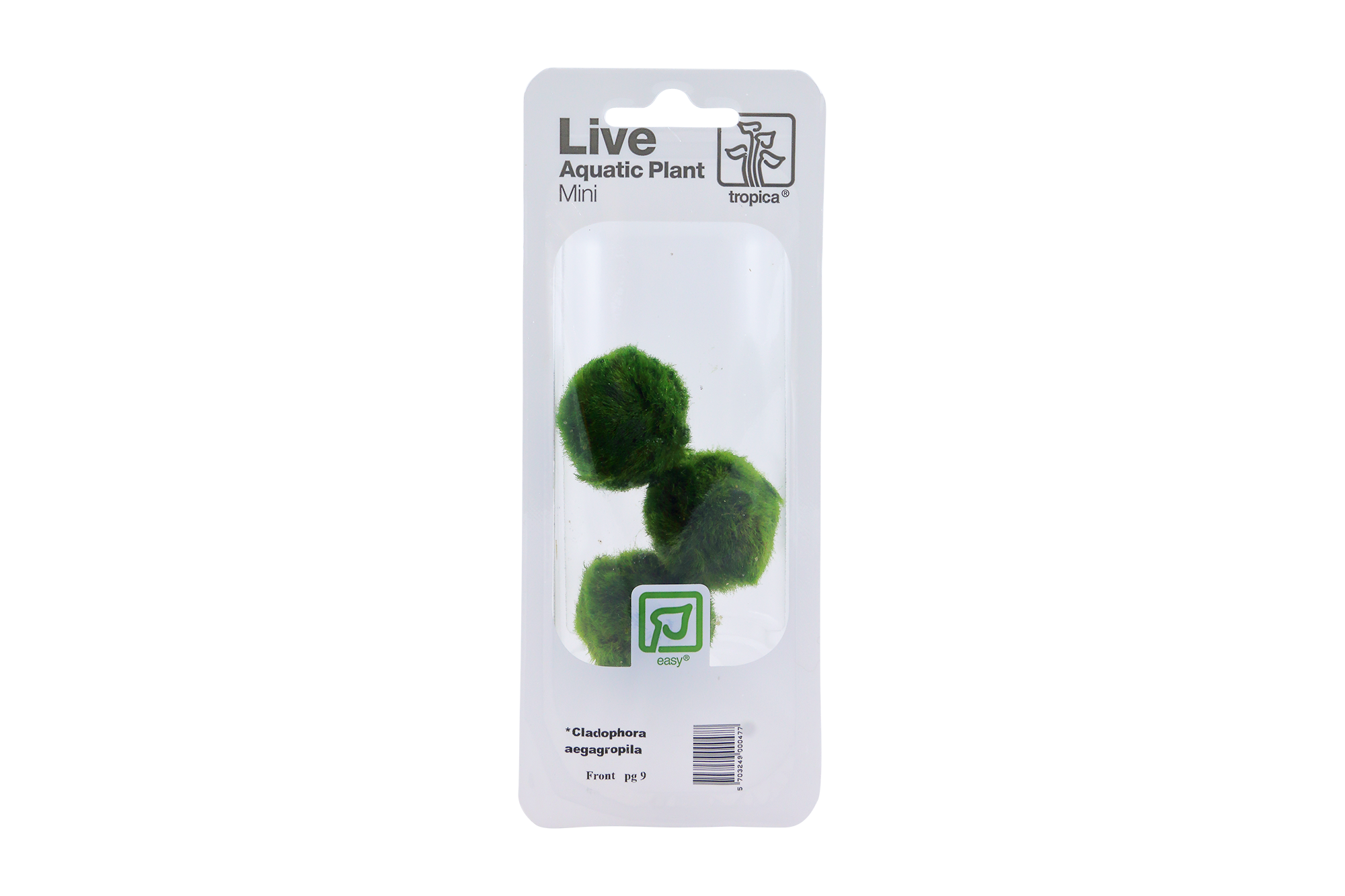
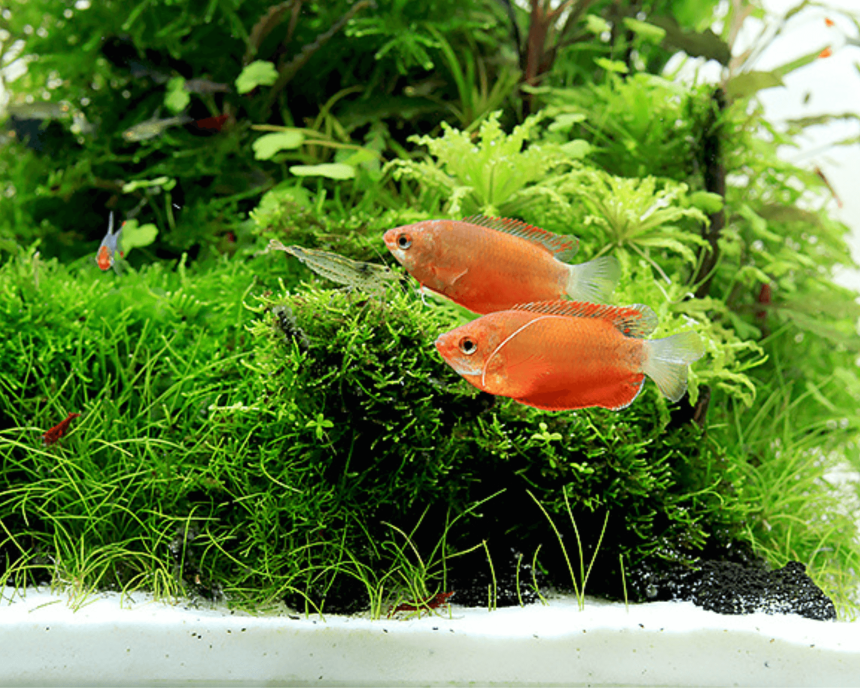
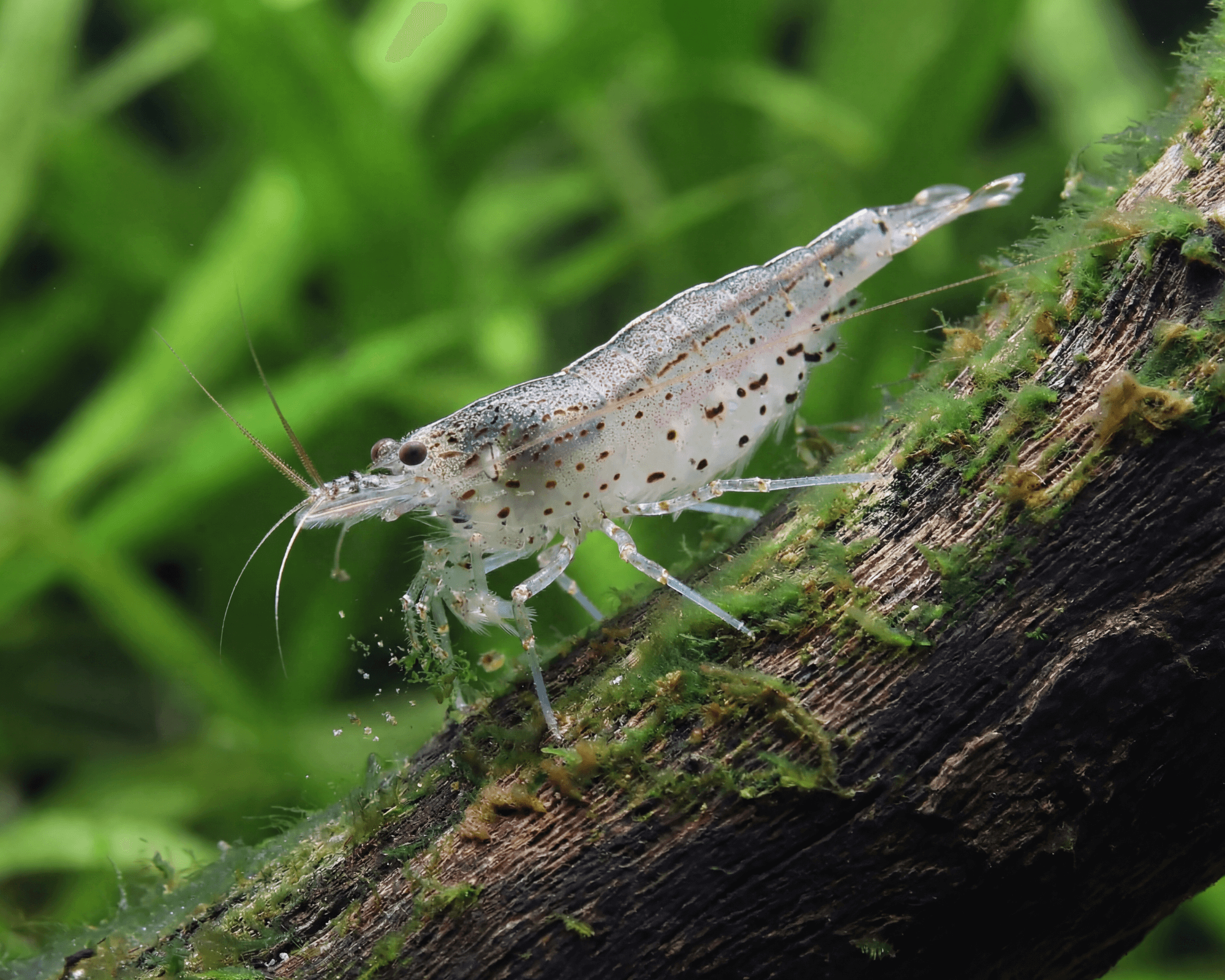
Moss changes a piece of wood or stone from decoration into habitat. Taiwan moss or a similar fine-textured moss can cover branch tips, create sheltered grazing surfaces, and soften hardscape edges. Attach it thinly rather than applying a heavy wad that traps debris and blocks circulation. Combine moss with one or two epiphytes, such as Bucephalandra, so the hardscape has both fine and broad textures. This combination is especially useful when young shrimp are part of the plan, but dense cover does not guarantee survival if fish are predatory or curious. Trim moss before it shades nearby plants and siphon debris carefully around its base.
Let floating plants shape light and livestock behavior
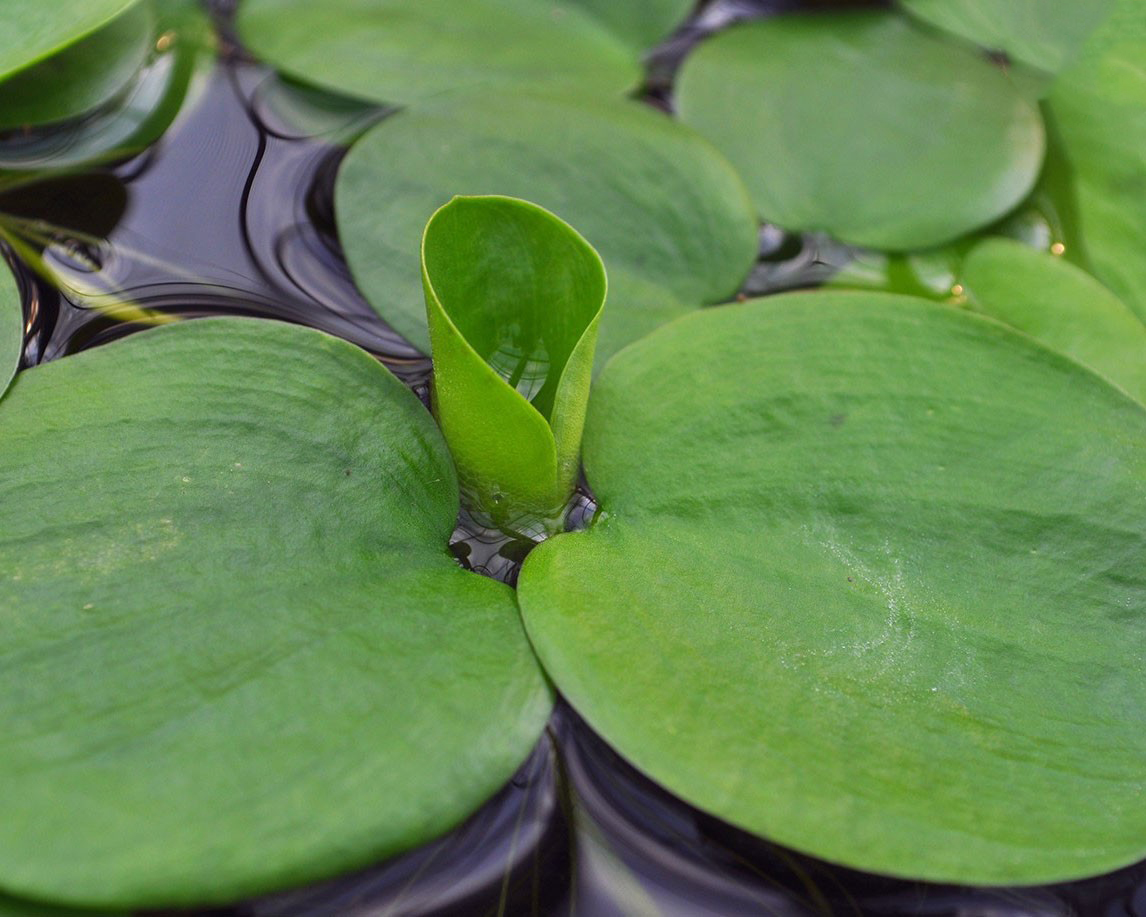
Floating plants can complete a natural palette by adding a soft surface layer and filtering the aquarium’s light. Frogbit or another manageable floater can help shy fish feel secure and give shrimp access to root systems, but it should not cover the entire surface. Leave clear openings for gas exchange, feeding, and observation. Floating growth also changes the color balance: plants beneath it may become greener and more shaded, while red accents can lose intensity. Use a feeding ring or regularly remove excess plants if they spread across the tank. In a nano aquarium, surface control is part of the visual design, not an afterthought.
Match livestock colors to the plant palette carefully
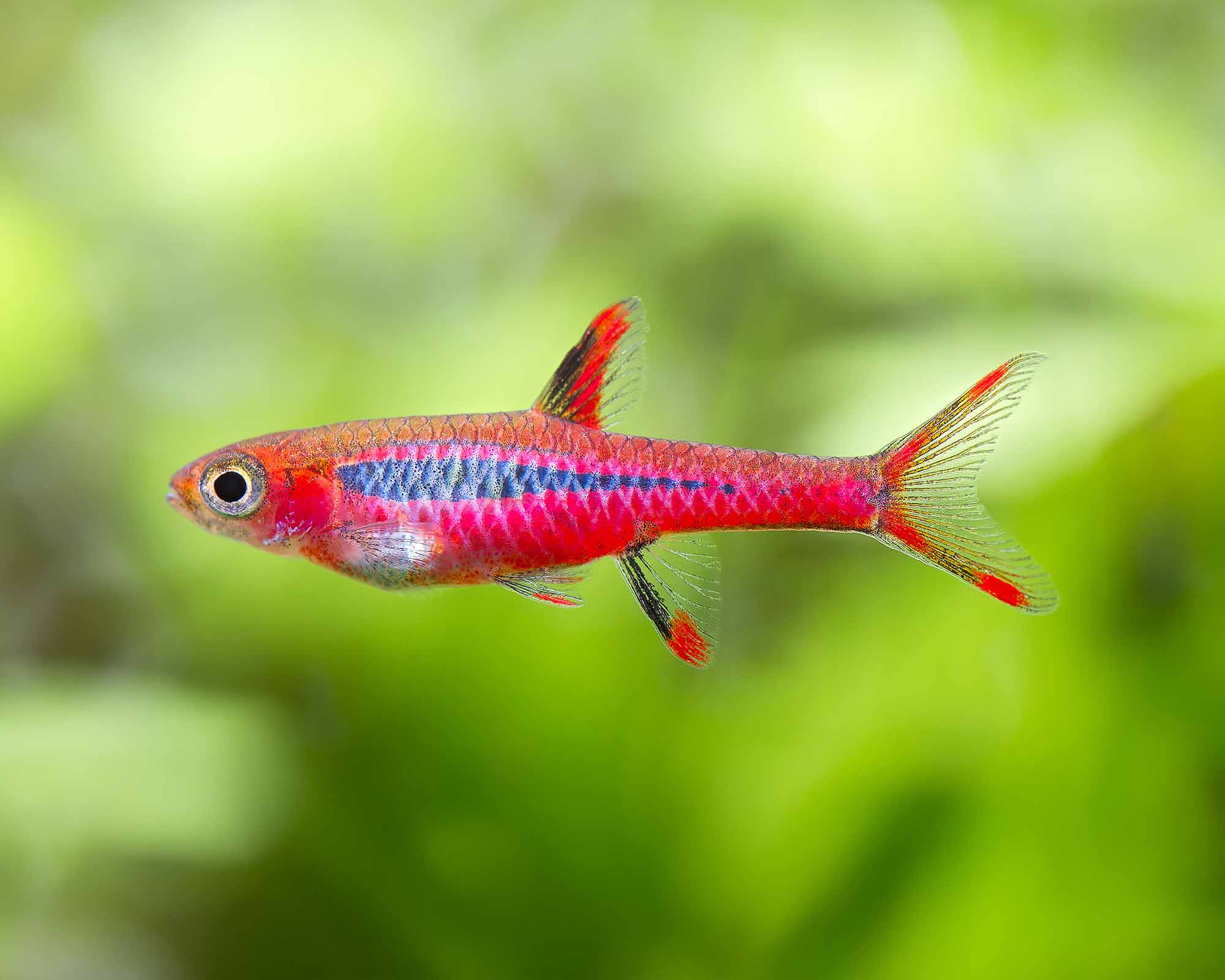
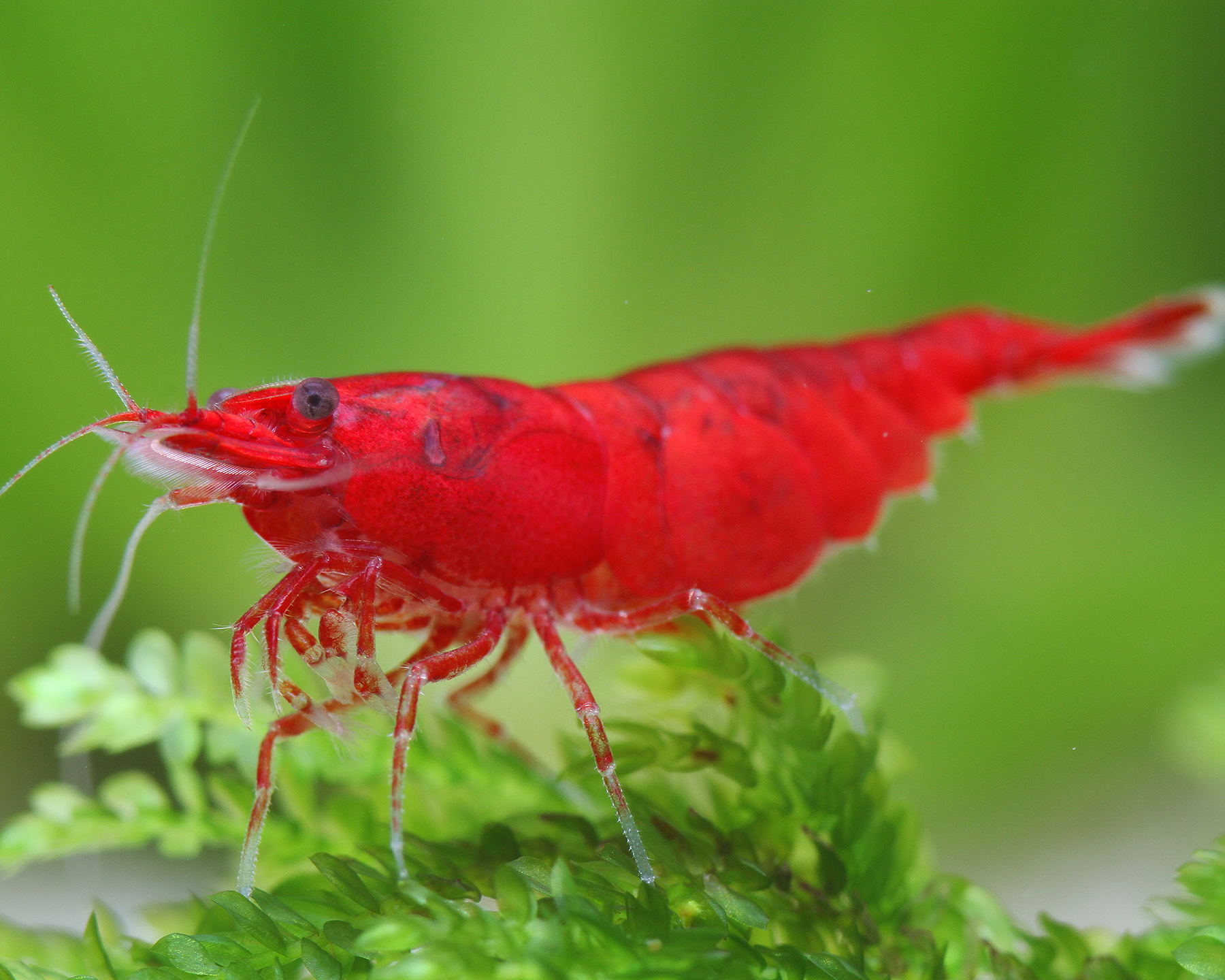
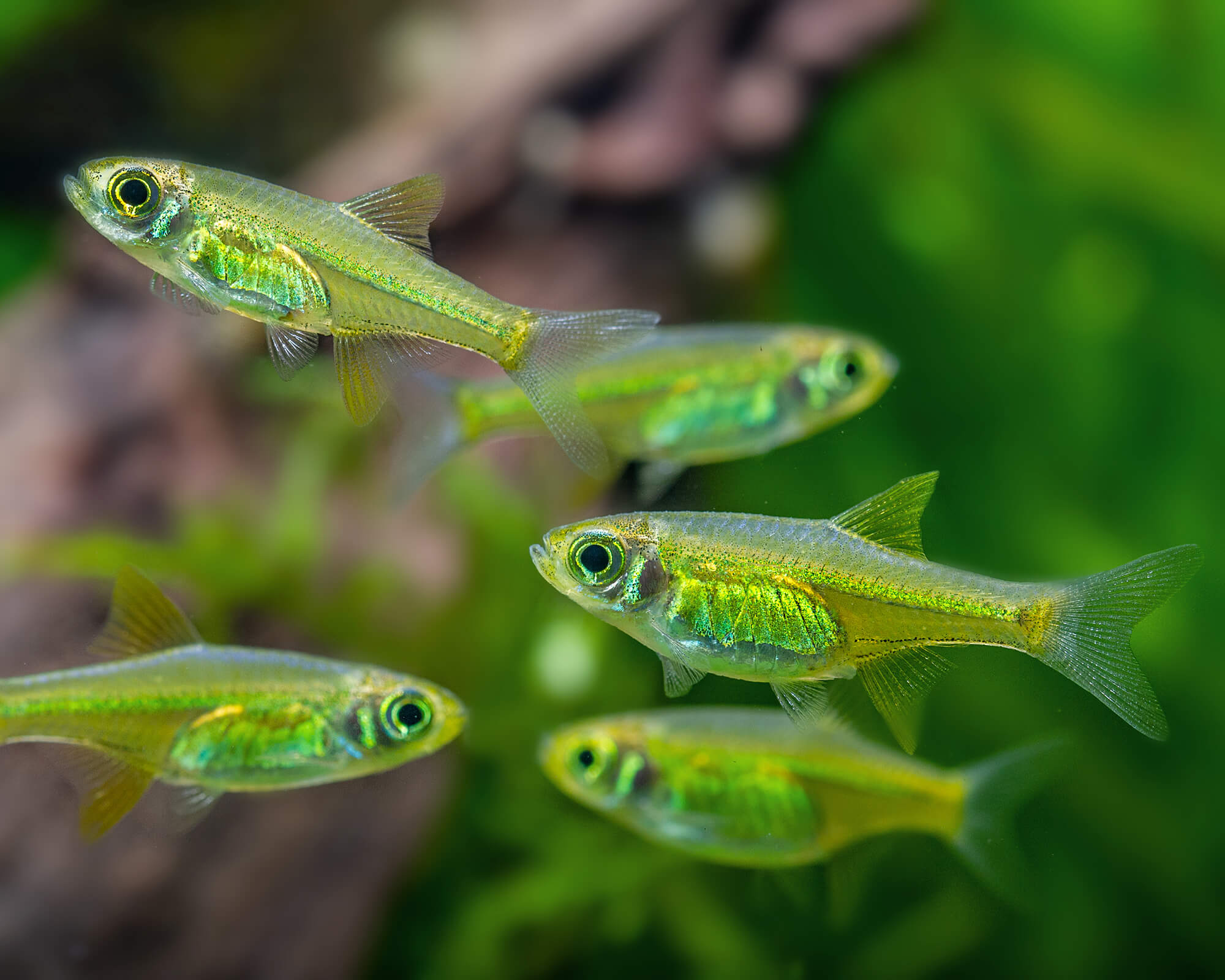
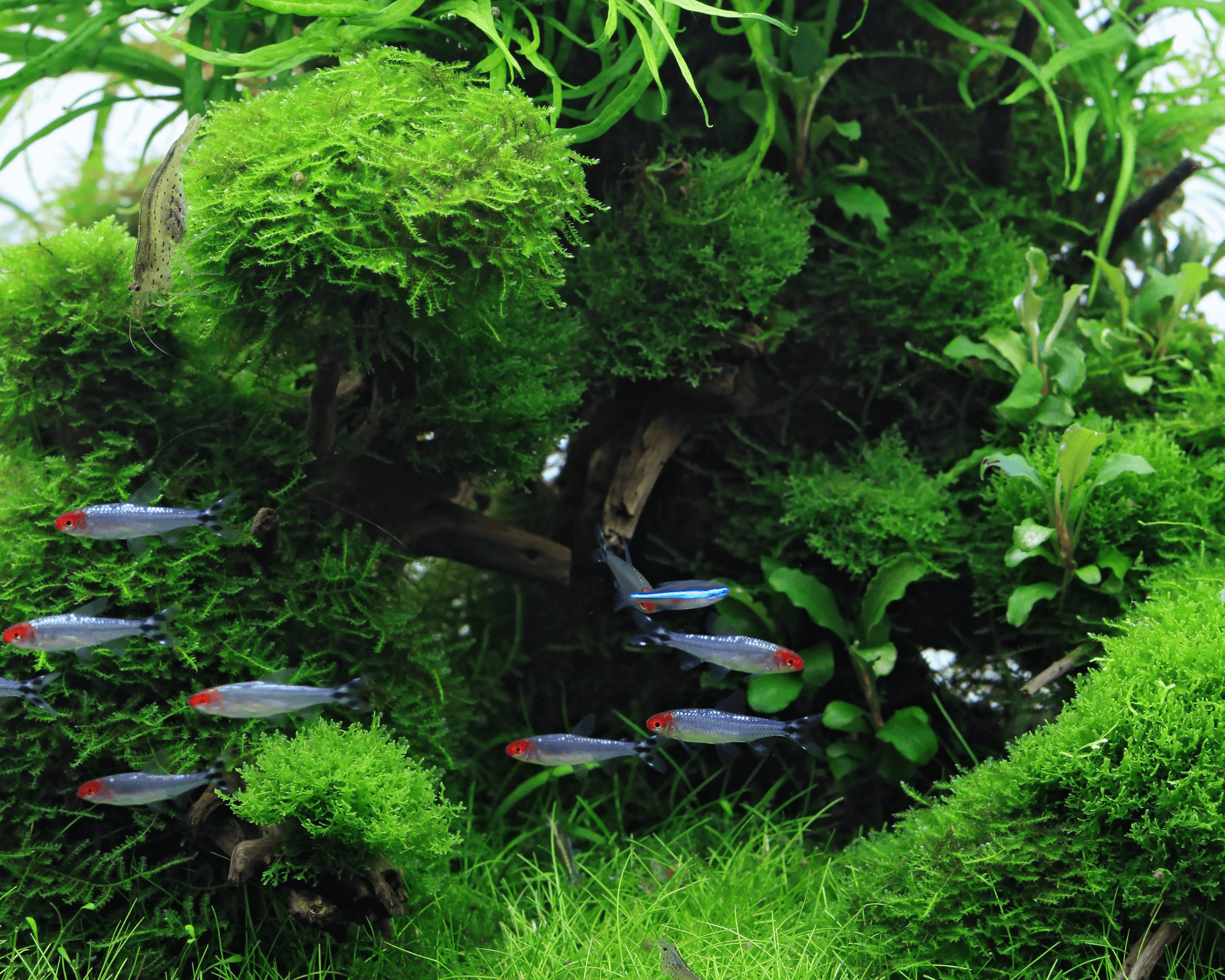
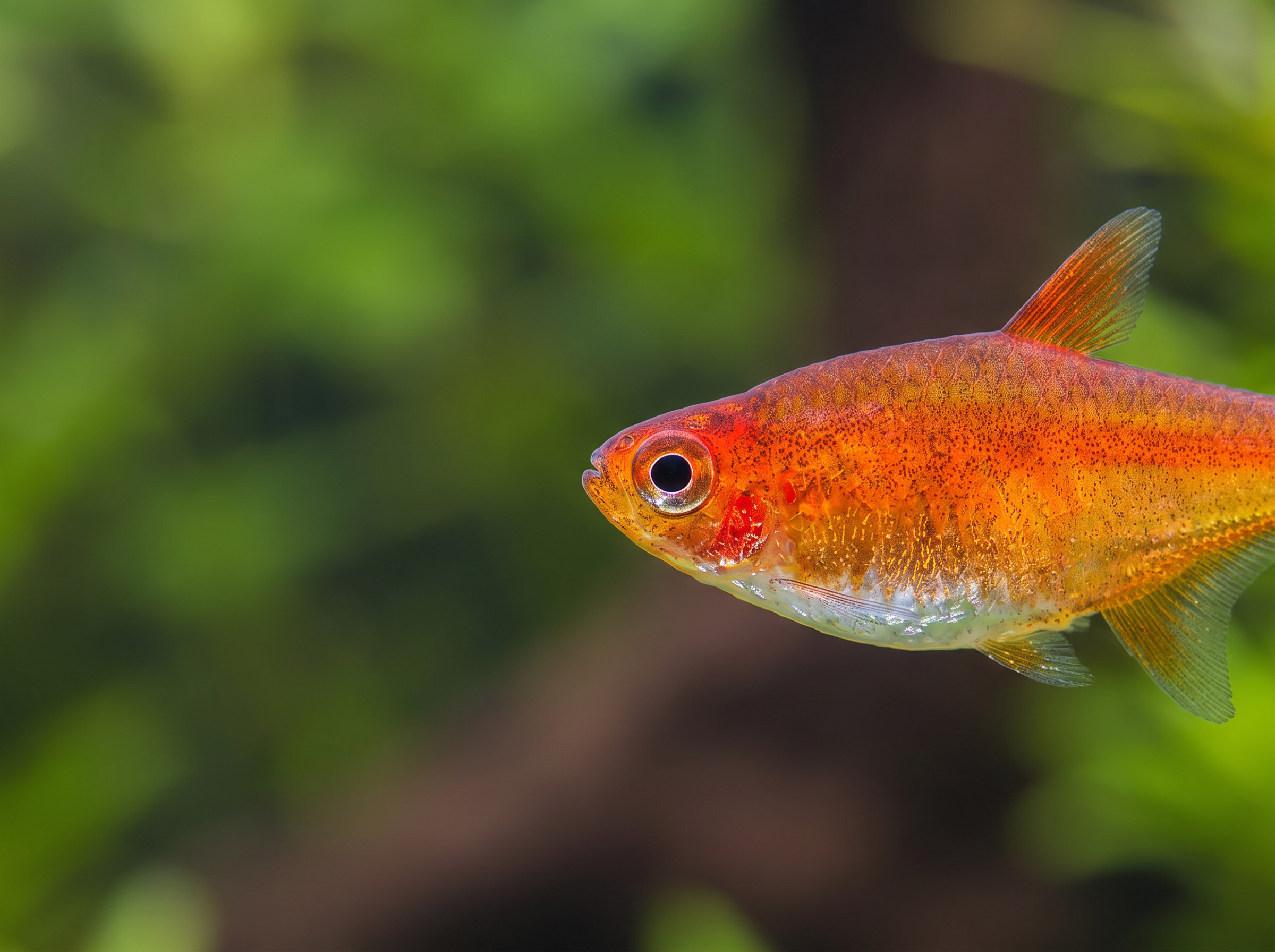
Green plants provide the most flexible background for colorful livestock. Red, orange, or yellow Neocaridina shrimp usually stand out against dark green foliage and wood, while blue shrimp can look especially clear against lighter green plants and pale substrate. Do not choose fish only because their colors match. Small peaceful schooling fish still need appropriate group sizes, swimming length, stable water, and enough space for their behavior. Many fish will eat shrimplets even when adults appear peaceful. If breeding shrimp is the priority, choose a shrimp-and-snail display or accept that a fish community may reduce juvenile survival.
Treat snails as part of the maintenance design
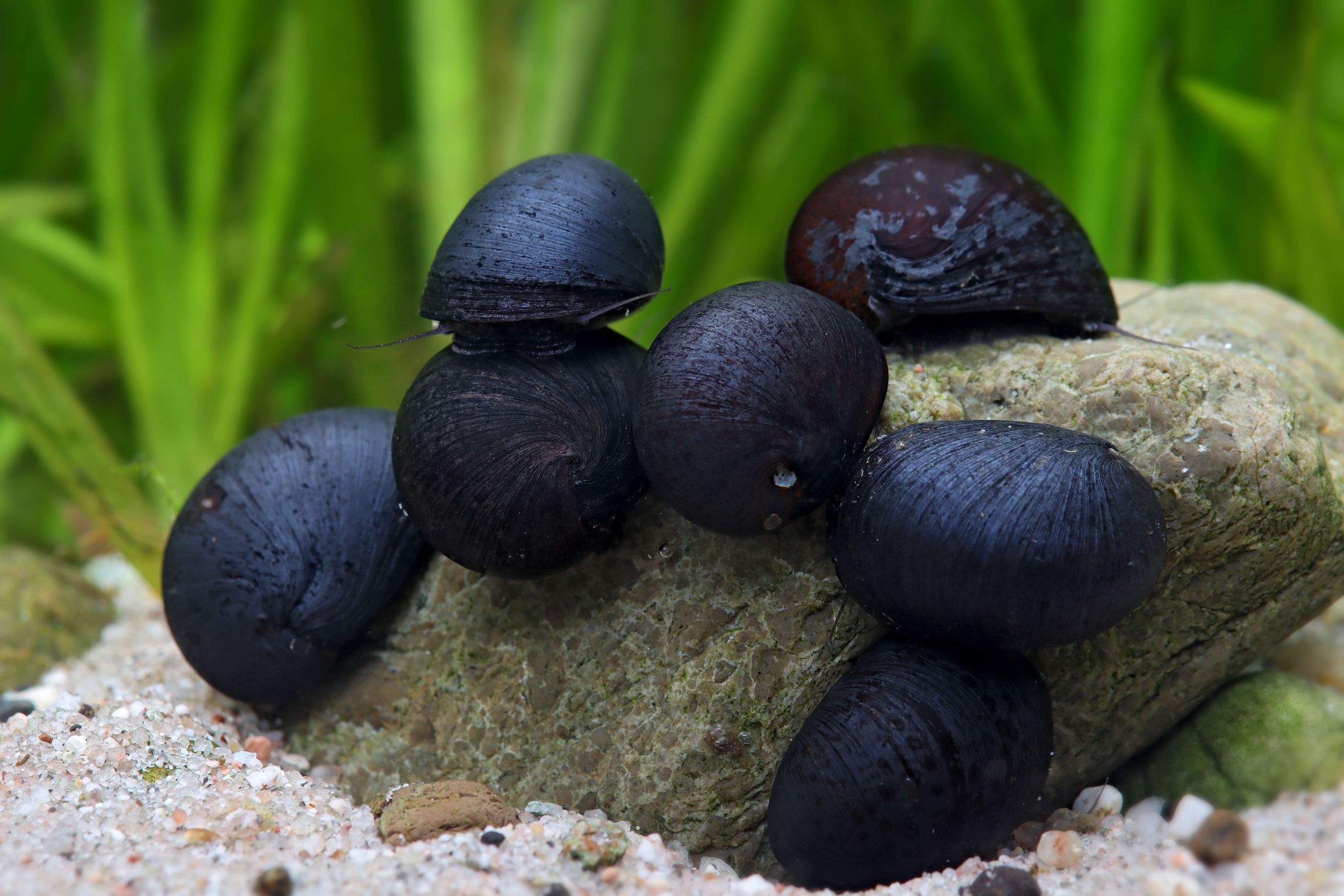
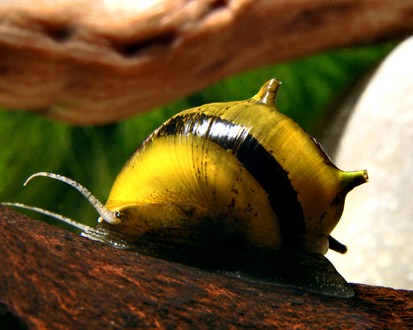
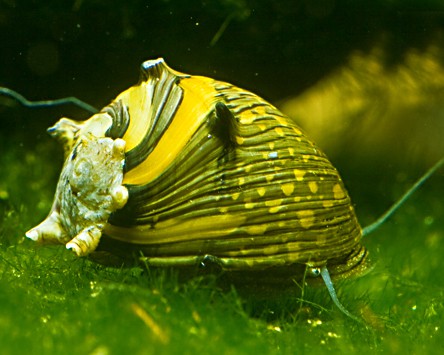
Aquarium snails can support a planted display by consuming leftover food, soft algae, and decaying material, but they do not replace water changes or plant care. Nerite-type snails are often chosen when algae control is desired without expecting a freshwater population explosion, while bladder or ramshorn snails may become numerous when food is abundant. Select the snail based on the tank’s purpose and your tolerance for eggs or population growth. Avoid adding large numbers to a very small aquarium. A balanced palette includes open glass, accessible hardscape, and plant spacing that lets you observe whether snails are helping or simply indicating excess food.
Assemble the layout in layers, then edit ruthlessly
Place hardscape first, leaving one clear side or central lane for movement. Add the largest background plants, then establish the midground cluster, foreground patches, and attached plants. Finish with the red accent and floating plants so you can judge whether the color is overpowering the scene. Photograph the aquarium from the front and remove anything that repeats a shape without adding function. During the first weeks, resist constant rearranging; plants need time to root and adapt. Trim stems before they shade the lower layer, thin floaters before they block light, and keep the palette focused as the aquarium matures.
Know when a beautiful palette is biologically impractical
A plant palette can be visually coherent and still fail as an aquarium plan. Red stems may require more light than your shrimp setup can comfortably support. Dense moss can collect debris. Fast-growing background plants may overwhelm a small tank and demand weekly trimming. Some fish that look perfect against green foliage may hunt shrimp or need more swimming room than a nano footprint provides. Review every plant and animal against light, flow, temperature, water chemistry, adult size, feeding, and maintenance before purchase. The strongest design is not the one with the most colors; it is the one you can keep stable and attractive for months.
Frequently Asked Questions
What is a good basic color palette for a planted nano aquarium?
Use green as the foundation, add one red or bronze accent, and repeat a small amount of that accent rather than mixing many competing colors. Dark wood or rock can improve contrast with shrimp and foliage.
Can colorful fish, shrimp, and snails live together in a planted nano tank?
Sometimes, but compatibility depends on tank size, fish temperament, adult size, water conditions, and whether you want shrimp to breed. Shrimp and snails are generally simpler for very small displays; fish require more careful evaluation.
Which easy plants work well in a shrimp-first layout?
Anubias, Cryptocoryne, Java fern, mosses, and several low-growing plants can work well when matched to the aquarium’s light and maintenance level. Attach rhizome plants to hardscape and avoid burying their rhizomes.
How much red aquarium plant should a beginner use?
Start with one compact group or focal accent. Red coloration depends on the plant, light, nutrients, and sometimes carbon supplementation, so use red as a flexible accent rather than designing the entire tank around an exact shade.
Leave your comments