AquaLibs presents AquaRank Discover the world’s leading aquascapers

Explore transparent rankings built from published results across the world’s leading aquascaping contests.

12 Beneficial Aquarium Snails for a Pristine Planted Tank

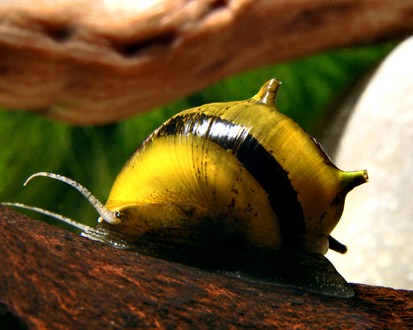
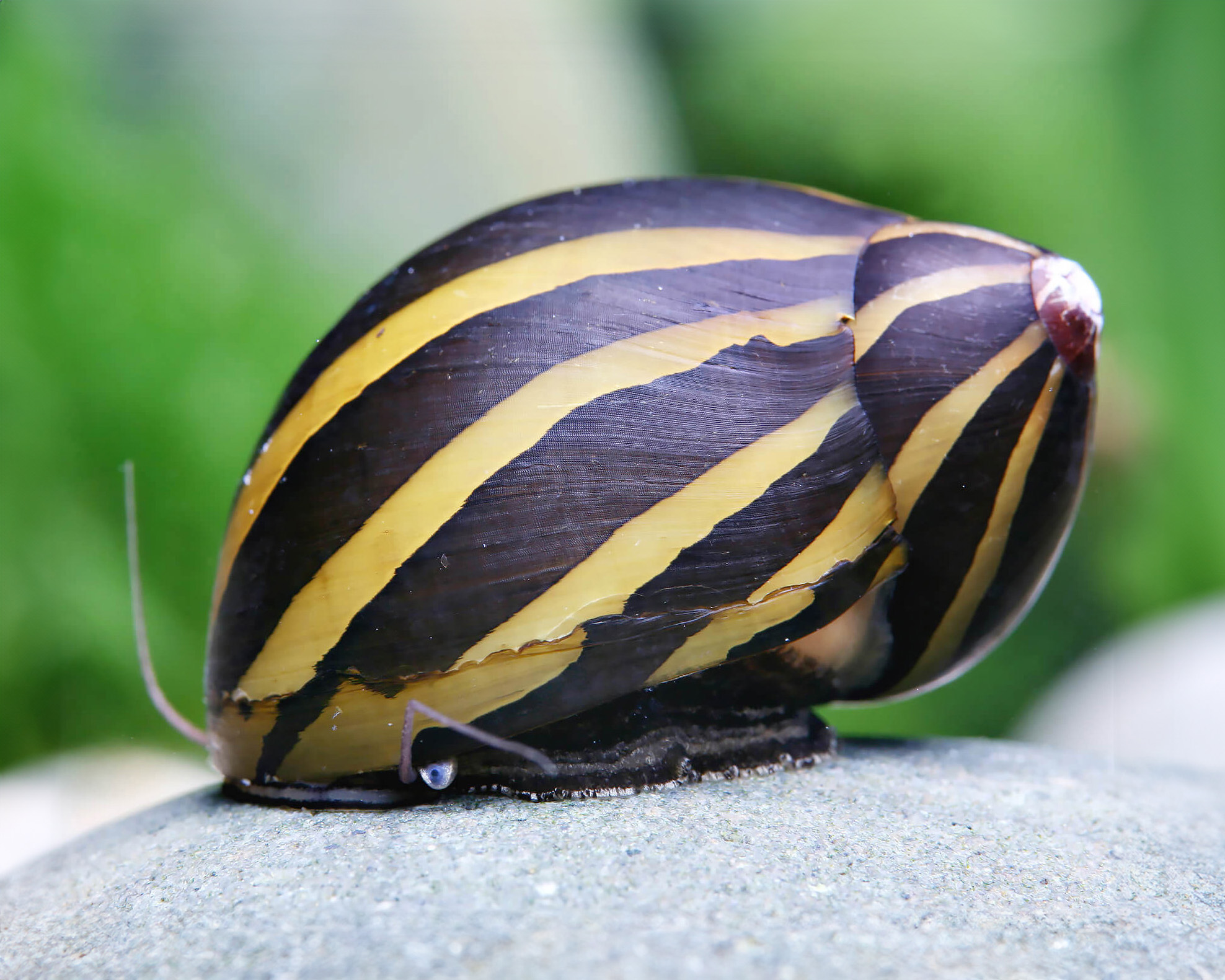
Zebra Racing Snail for Algae Control

The Zebra Racing Snail is a favorite among aquarists for its striking, bold stripes and incredible efficiency at cleaning glass surfaces. These snails are strictly algae eaters and will not harm your delicate aquarium plants. Because they originate from brackish water environments, they do not reproduce in freshwater tanks, making them an excellent choice for hobbyists who want to avoid a snail population explosion. Ensure your tank has plenty of mature algae growth before introducing them, as they may struggle to find sufficient food in a brand-new, sterile aquarium.
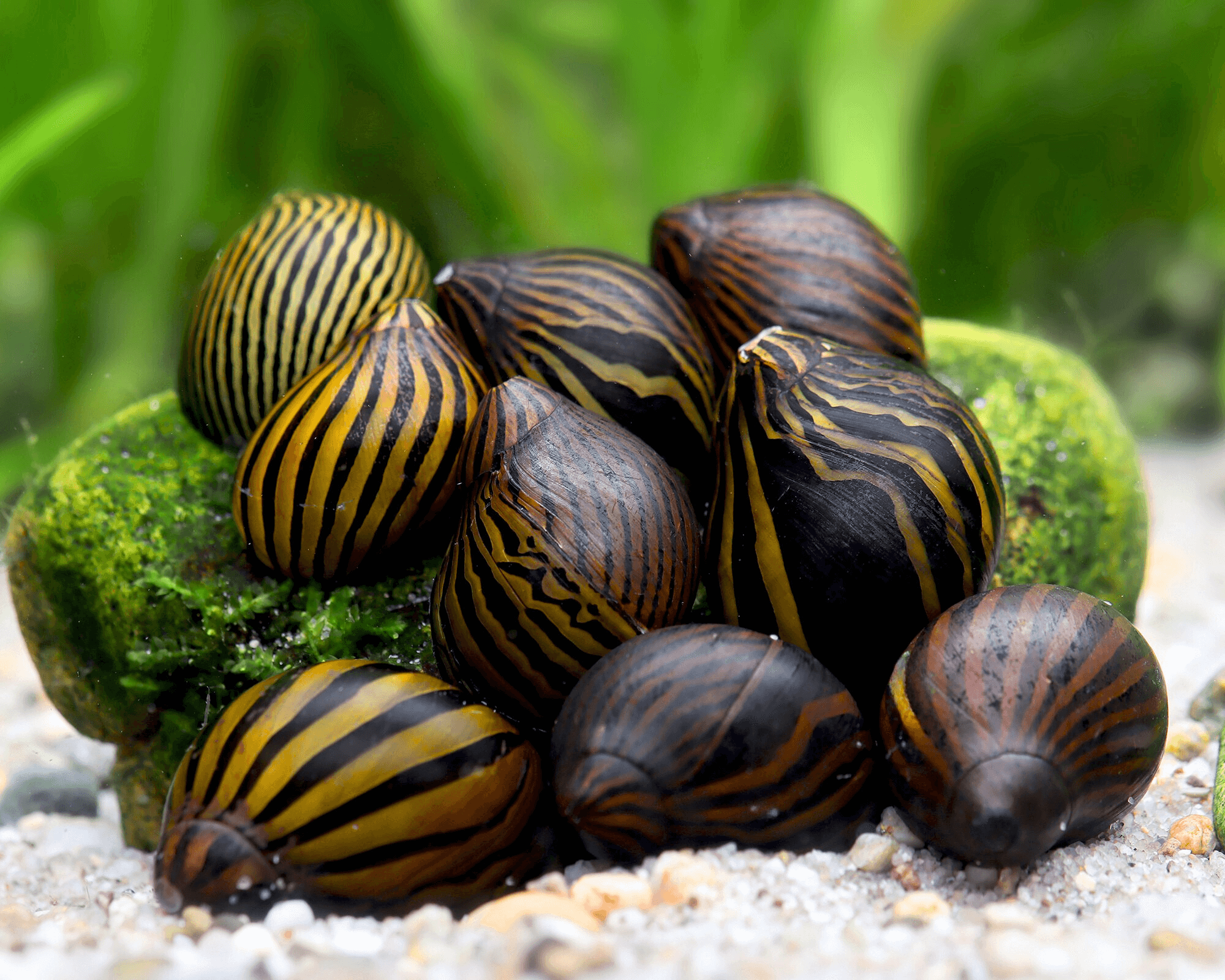
Zebra Racing Snail for Algae Control

Orange Track Racing Snail

Similar to their zebra cousins, the Orange Track racing snail is a powerhouse when it comes to scrubbing surfaces. Their vibrant, golden-orange shells add a warm pop of color to green-heavy planted tanks. They are highly active and will spend most of their time moving across stones, wood, and glass, diligently removing diatoms and green spot algae. They require a stable pH level above 7.0 to maintain their shell health. If your water is soft and acidic, consider adding a mineral supplement or cuttlebone to the tank to provide the calcium they need for strong shell growth.
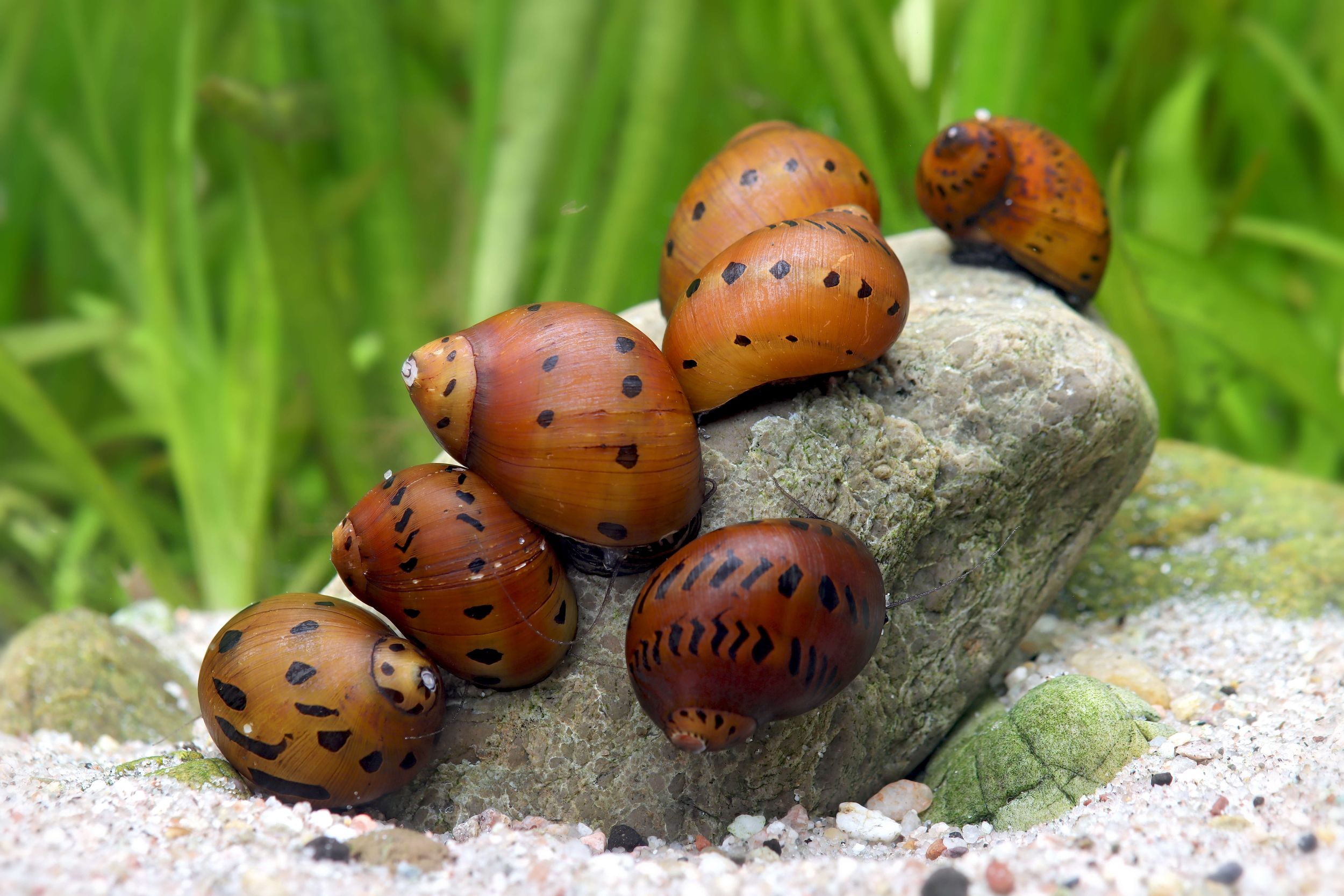
Orange Track Racing Snail

Antlered Snail for Nano Tanks

The Black and Gold Antlered snail is a tiny, fascinating creature perfect for nano setups. Their shells feature small, spike-like protrusions that give them a rugged, prehistoric look. Despite their small size, they are surprisingly effective at clearing algae from plant leaves without damaging them. They are peaceful and compatible with all types of shrimp and nano fish. Because they are small, they can easily navigate through dense carpets of foreground plants, reaching areas that larger cleaners cannot. They are a true staple for any well-maintained aquascape.
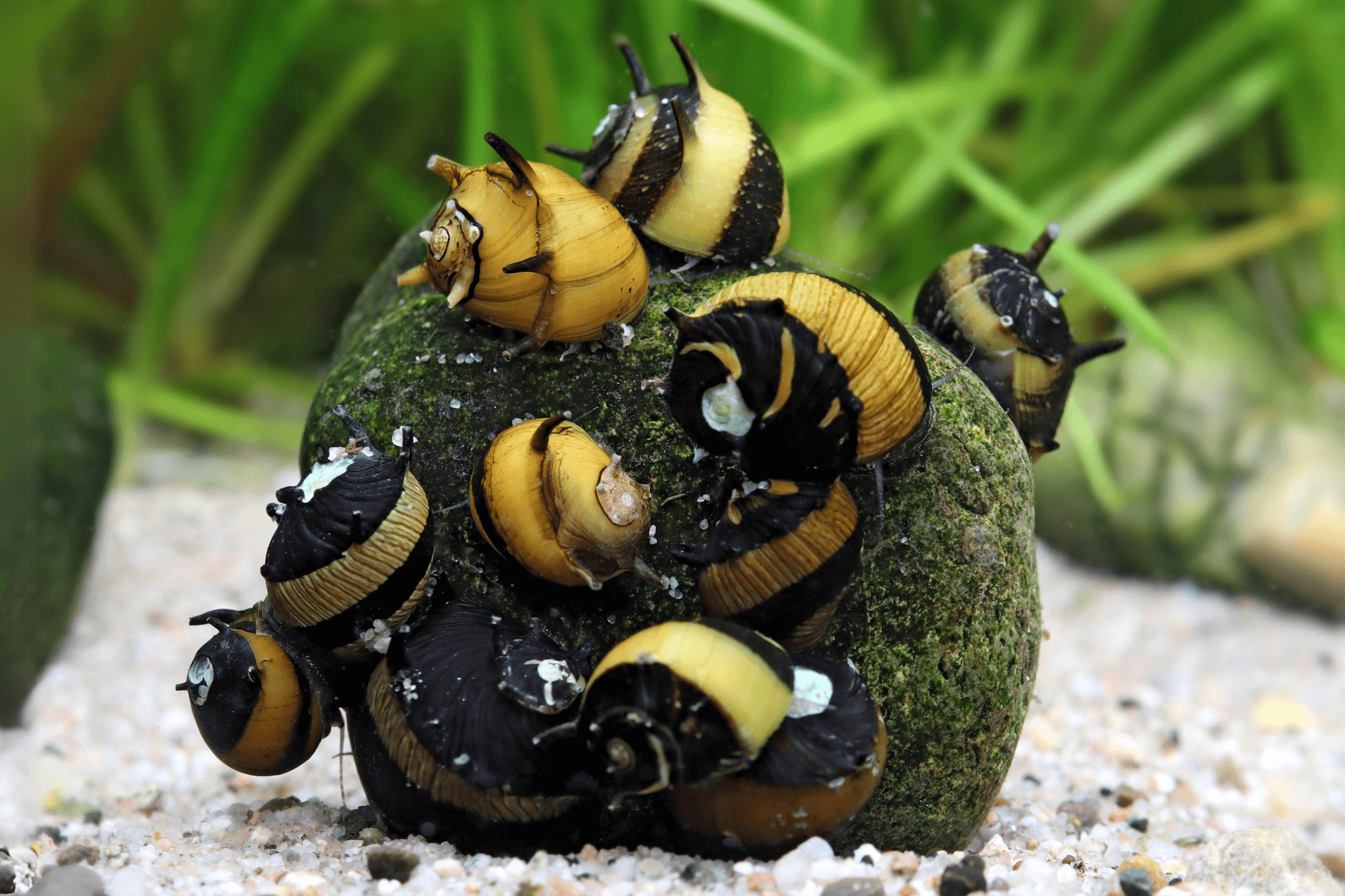
Antlered Snail for Nano Tanks

Cappuccino Snail for Substrate Care

The Cappuccino snail, known for its unique, cone-shaped shell and dark coloration, is a fantastic addition for those who want a snail that focuses on the bottom of the tank. They are excellent at sifting through fine sand or gravel, which helps prevent gas buildup and keeps the substrate healthy for plant roots. While they appreciate some algae, they will also readily accept sinking pellets and blanched vegetables. Their calm demeanor makes them a great companion for peaceful community fish, though they should be kept in tanks with a tight-fitting lid as they are known to occasionally wander.
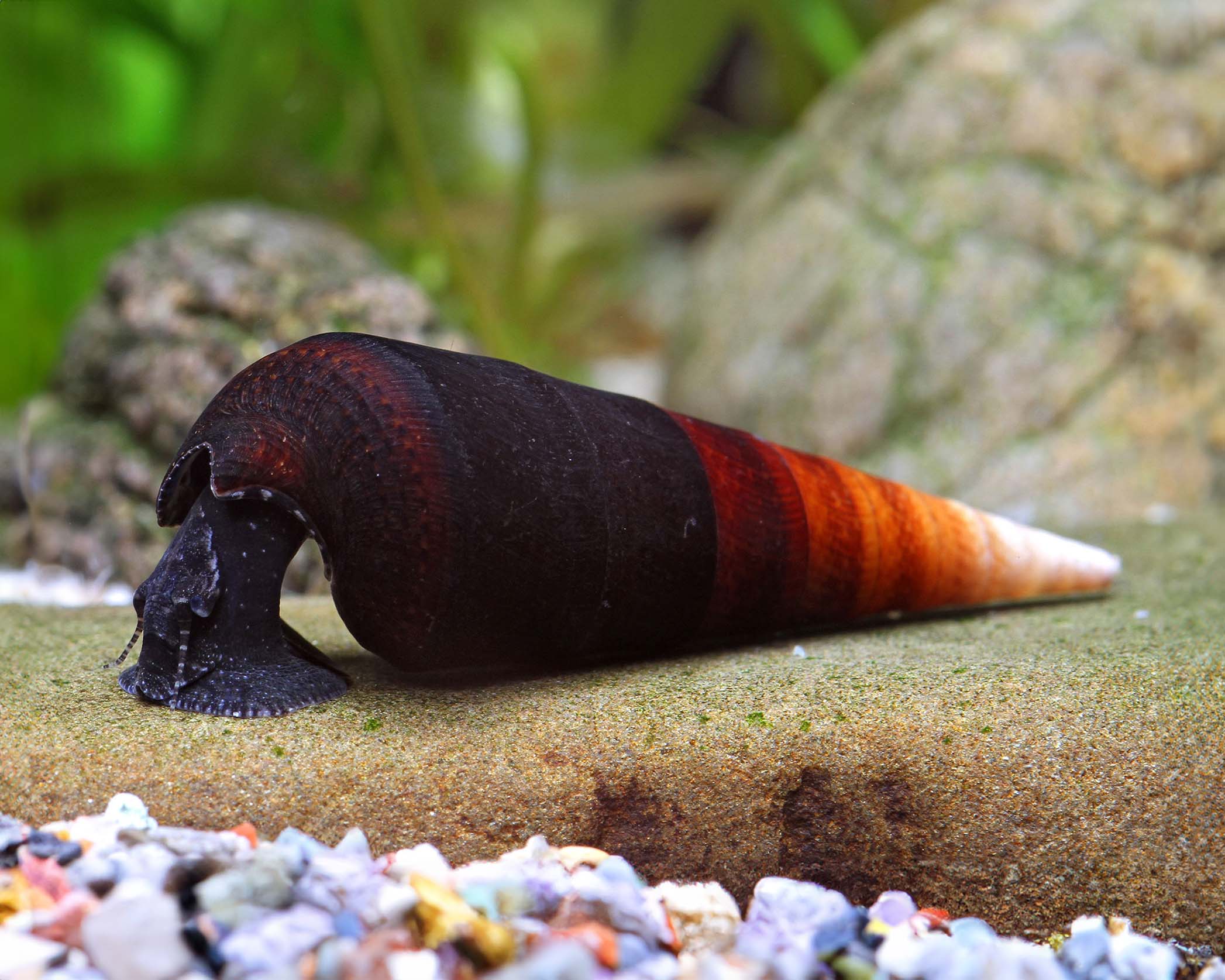
Cappuccino Snail for Substrate Care

Piano Snail for Brush Algae

If you are struggling with stubborn brush or beard algae, the Piano snail is a specialized cleaner that can help. These live-bearing snails are fascinating to observe as they move gracefully across the tank. Unlike many other snails, they are quite hardy and adapt well to a wide range of water conditions. They are most active in the evening, searching for biofilm and soft algae growth. Because they are live-bearers, their population increases very slowly, which allows the aquarist to easily manage their numbers without the risk of an overwhelming infestation.
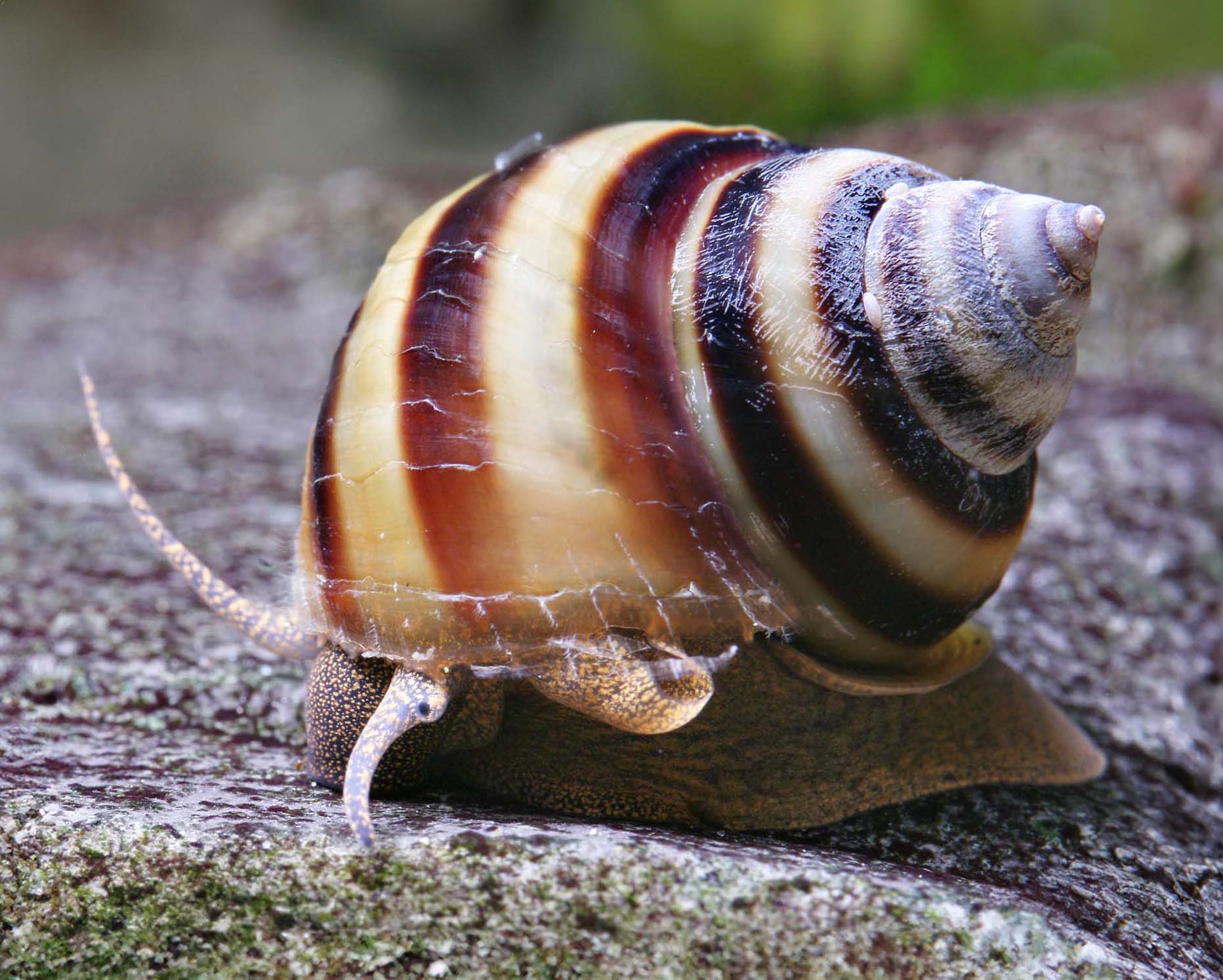
Piano Snail for Brush Algae

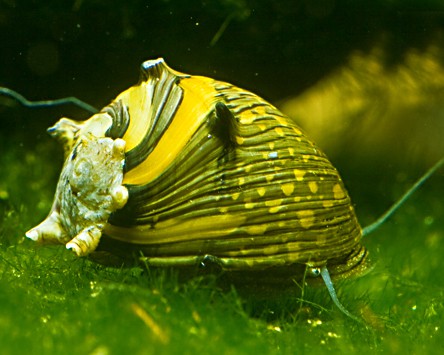
Zebra Apple Snail

The Zebra Apple snail is a unique, active species that stands out for its beautiful, patterned shell. Unlike the common pest snails, these are often sought after for their personality and visual appeal. They are quite large, so they are best suited for tanks of 10 gallons (38 liters) or more. They are omnivorous and will consume leftover fish food, keeping the substrate clean. It is important to ensure they are getting enough calcium in their diet to prevent shell pitting. They are very peaceful and will get along well with almost any community fish that does not nip at long antennae.

Zebra Apple Snail

Yellow Tylomelania for Unique Aesthetics

Tylomelania snails, often referred to as Rabbit snails, are some of the most beautiful invertebrates available for the freshwater hobby. The yellow variety is particularly striking against dark substrate or lush green plants. These snails are highly intelligent and possess a complex personality. They require a bit more space than smaller snails and prefer a temperature range of 75 to 82 degrees Fahrenheit (24 to 28 degrees Celsius). They are not aggressive towards plants, but they do appreciate a well-established tank with plenty of hiding spots and a varied diet consisting of algae wafers and fresh vegetables.
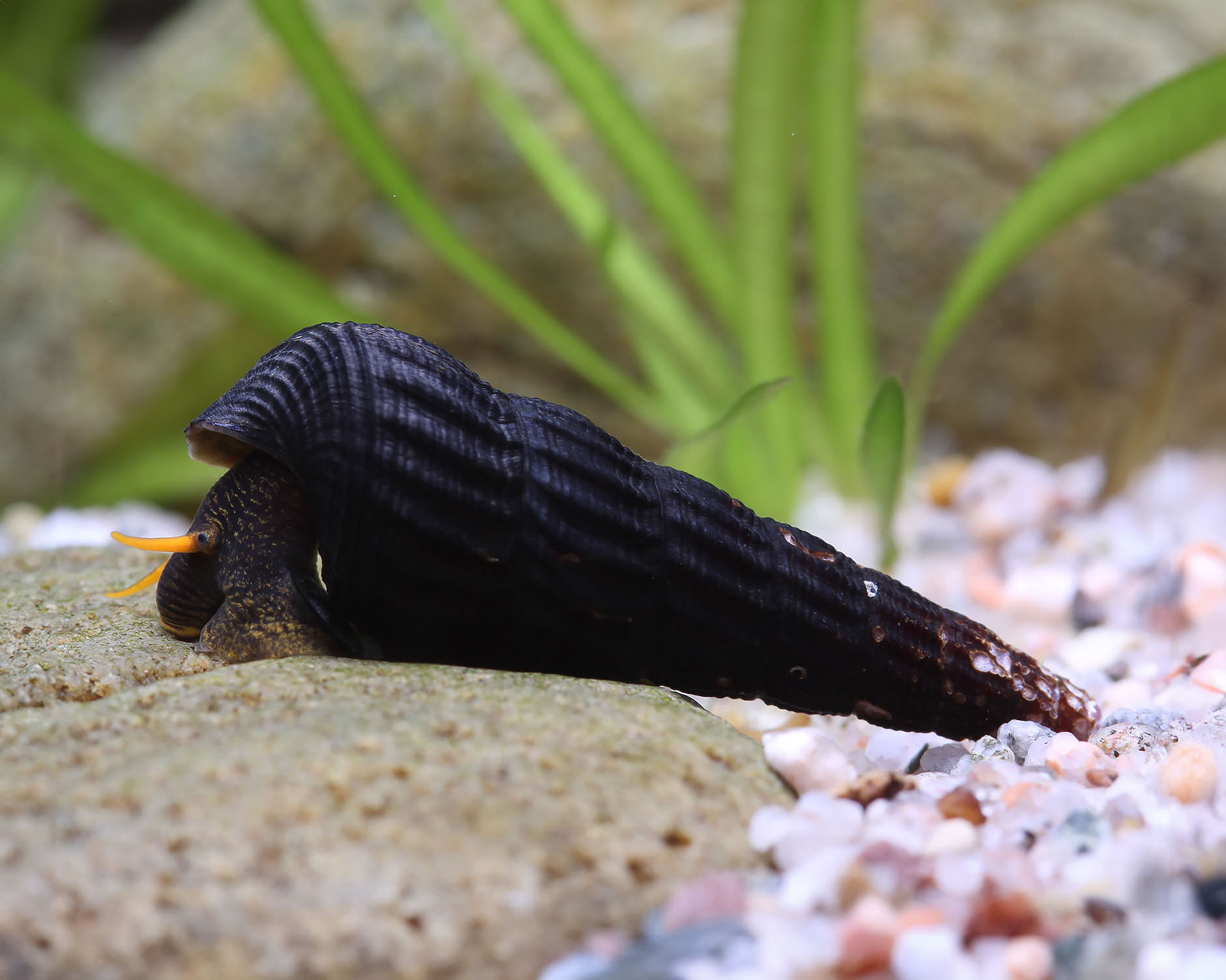
Yellow Tylomelania for Unique Aesthetics

Red Ramshorn Snail

The Red Ramshorn snail is a classic choice for planted tanks due to its vibrant color and ability to clean up decaying plant matter quickly. They are excellent at recycling nutrients back into the water column, which can actually benefit your plants. While they reproduce relatively quickly, their population is easily controlled by limiting the amount of supplemental food provided. They are very hardy and can thrive in almost any freshwater environment. Their bright red shells provide a beautiful contrast against dark green foliage like Anubias or Java Fern, making them both functional and decorative.
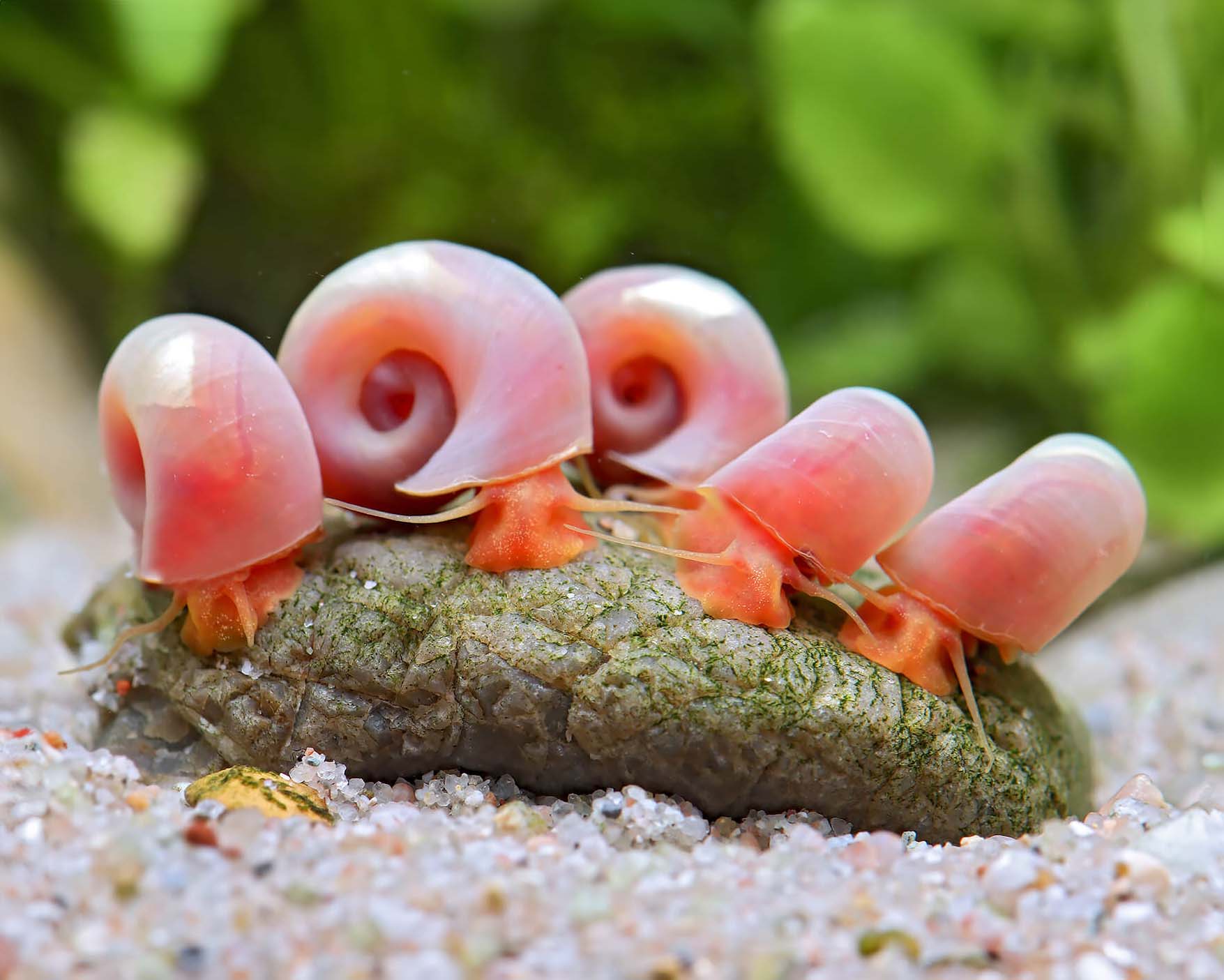
Red Ramshorn Snail

Batman Snail for Hardscape

The Batman snail is a unique species that thrives in high-flow environments, often found clinging tightly to rocks and driftwood. Their flat, shell shape allows them to hide in tight crevices, making them excellent cleaners for complex hardscapes where other snails cannot reach. They are very peaceful and purely algae-focused. Because they are adapted to fast-moving water in the wild, they appreciate a tank with good filtration and oxygenation. They are a great choice for aquascapers who use a lot of stone and wood in their layouts and want a cleaner that will not disturb the overall design.

Batman Snail for Hardscape

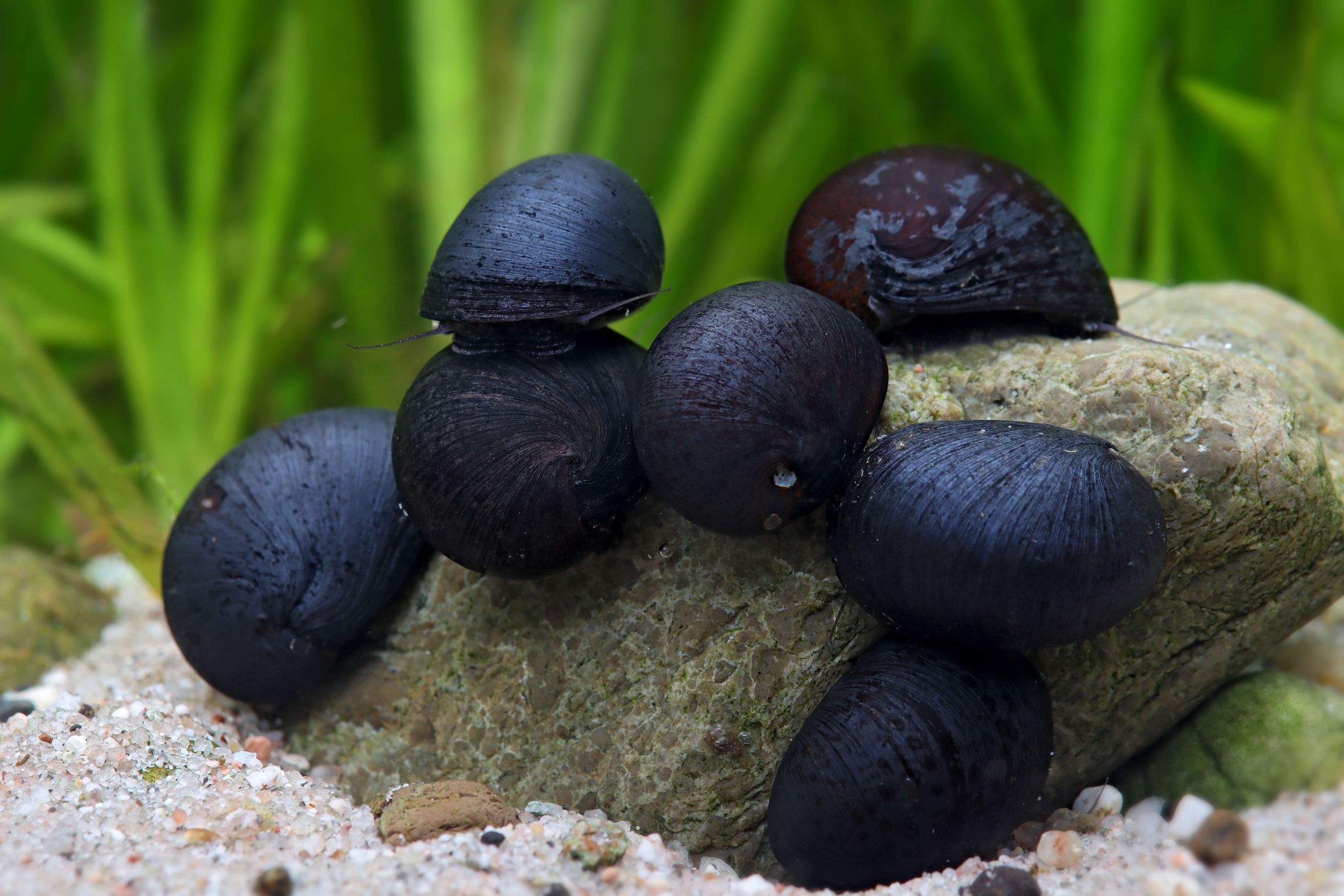
Anthracite Snail for Deep Cleaning

The Anthracite or steel helmet snail is known for its incredible durability and dark, sleek shell. They are among the most effective cleaners for removing hard algae from glass and hardscape materials. They are nocturnal by nature, so you may notice them most active when the tank lights are off. Because they are very efficient, they should be introduced to tanks that already have a developed algae film. They are completely safe for plants and are a great choice for hobbyists who want a low-maintenance, hardworking snail that blends into the background of a natural-looking tank.
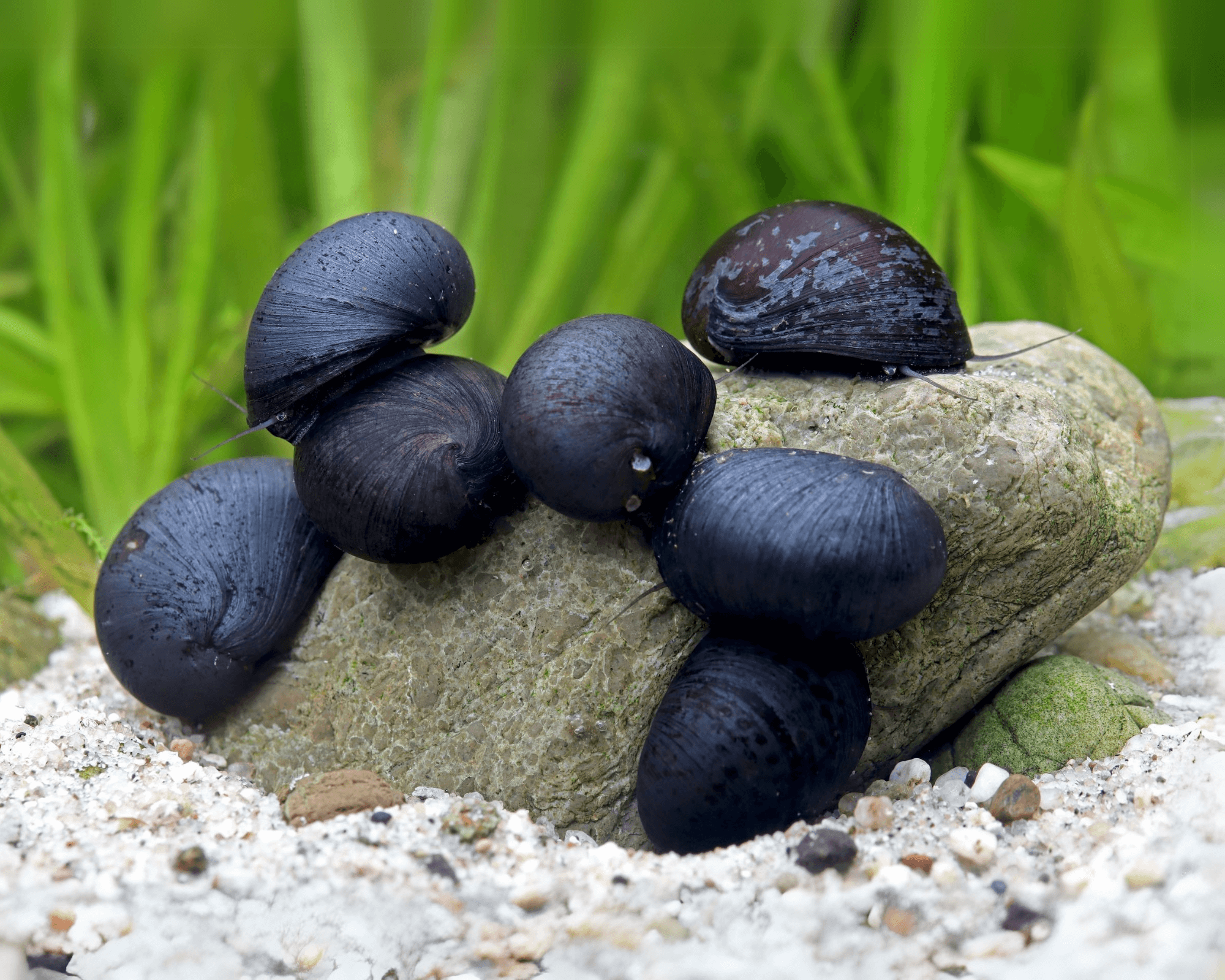
Anthracite Snail for Deep Cleaning

Staghorn Snail for Variety

Staghorn snails offer a distinct look with their unique, antler-like shell growths. They are small and peaceful, making them ideal for nano planted aquariums. These snails are great at grazing on soft algae and biofilm on plant surfaces. They are very hardy and adapt to different water parameters, provided the tank is well-cycled. They are best kept in small groups to encourage natural behavior. Like many nerite-type snails, they will not reproduce in freshwater, so you do not have to worry about them taking over your tank. They are a fun, interesting addition for any invertebrate enthusiast.
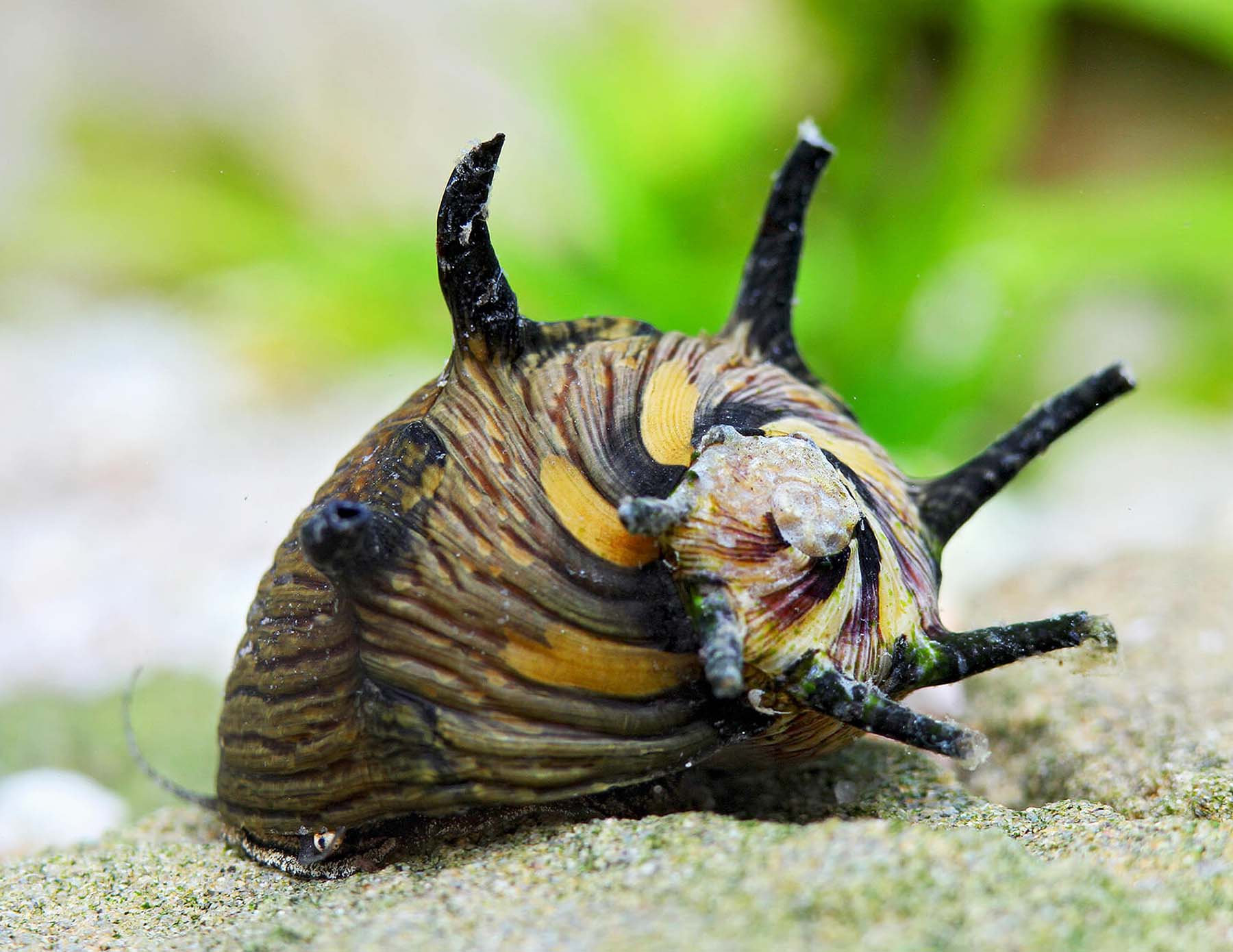
Staghorn Snail for Variety

Malayan Trumpet Snail for Soil Health

The Malayan Trumpet snail is the ultimate burrower. They spend the vast majority of their time underneath the substrate, which makes them invaluable for planted tanks. By tunneling through the soil, they prevent the formation of anaerobic pockets and help distribute nutrients to plant roots. This activity keeps the substrate healthy and prevents the buildup of dangerous gases. They are nocturnal, so you will often see them surfacing after the lights go out. They are extremely hardy and will thrive in almost any planted aquarium setup, providing a hidden service that keeps your entire ecosystem running smoothly.
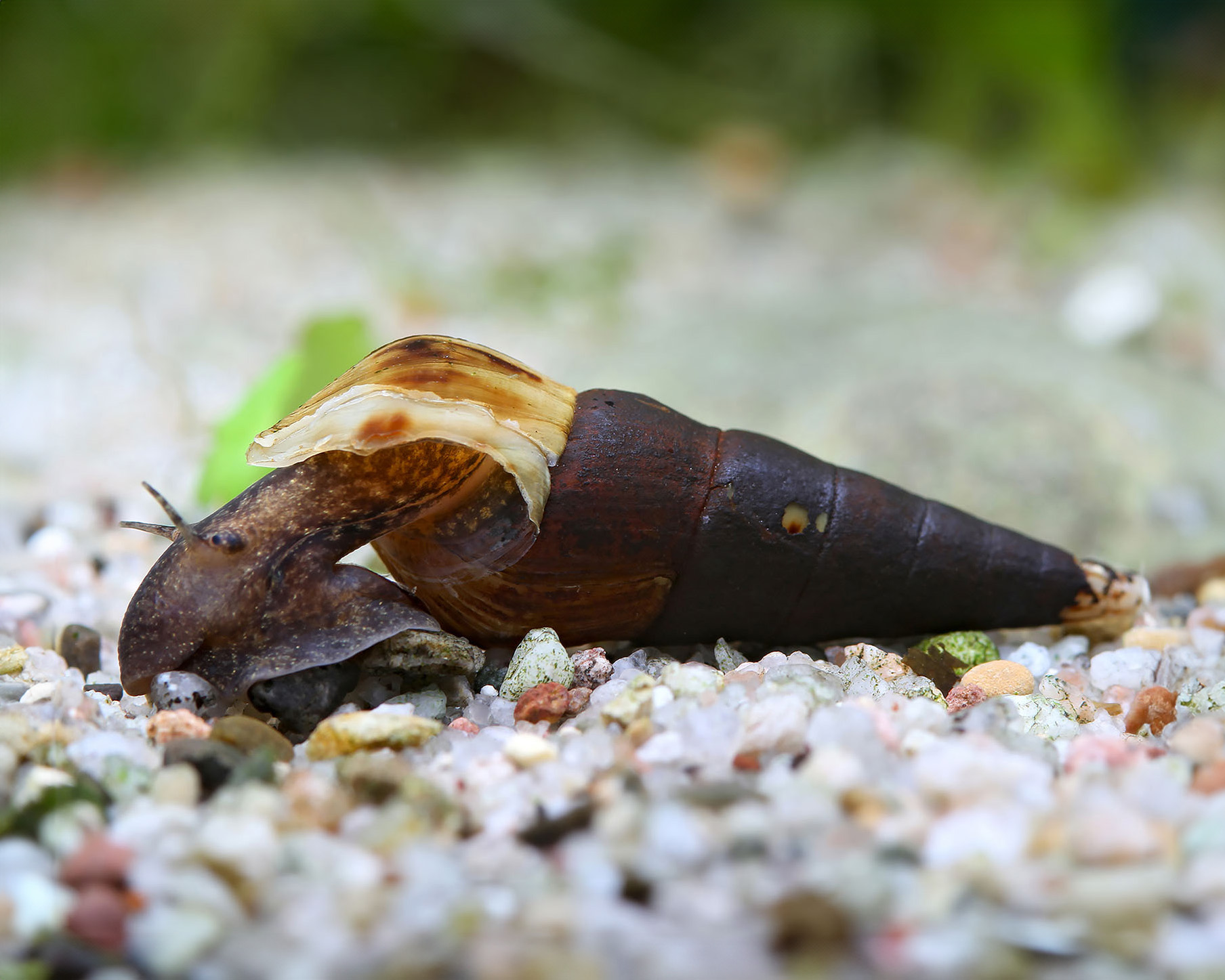
Malayan Trumpet Snail for Soil Health

Frequently Asked Questions

Will these snails eat my aquarium plants?

Most of the snails listed here are strictly algae or detritus eaters and will not eat healthy, living aquarium plants. They may graze on decaying or dying leaves, which actually helps keep your tank clean.

How do I prevent my snails from overpopulating?

Population control is primarily managed by food availability. If you avoid overfeeding your fish and keep the tank clean, snail populations will typically stay at a manageable level. Some species, like nerite snails, do not reproduce in freshwater at all.

Do I need to feed my snails separately?

In a well-established planted tank, many snails will find enough algae and biofilm to survive. However, for larger species like Rabbit snails or in very clean tanks, supplemental feeding with algae wafers or blanched vegetables is recommended.

Are these snails compatible with shrimp?

Yes, all the snails listed are peaceful and fully compatible with freshwater shrimp. They occupy different niches in the tank and will not compete aggressively for resources.
Leave your comments
Latest on Aquarium Base
  • How to Build a Cohesive Plant Palette for a Shrimp-First Nano Aquarium

    How to Build a Cohesive Plant Palette for a Shrimp-First Nano Aquarium

    A planted nano aquarium can look crowded long before it becomes biologically full. The solution is not to buy one of everything, but to design a plant palette around the tank’s intended mood, livestock, and maintenance level. This guide uses a shrimp-first nano community as the model: a low-tech aquarium with a green foundation, one controlled red accent, textured epiphytes, and enough open water for peaceful nano fish. The same framework works for a shrimp-and-snail display or a small planted community tank. Choose plants by role, repeat a few visual traits, and let compatibility decide which animals belong in the finished design.
  • How to Avoid Temperature, Water Chemistry, and Tank-Mate Mistakes in a Colorful Planted Aquarium

    How to Avoid Temperature, Water Chemistry, and Tank-Mate Mistakes in a Colorful Planted Aquarium

    A colorful freshwater aquarium can look peaceful in the store and become stressful at home when fish, shrimp, snails, plants, and water conditions are chosen separately. The most common beginner mistakes are not usually caused by one wrong species. They come from combining animals that need different temperatures, adding livestock before the aquarium is biologically ready, chasing a “perfect” pH, or assuming a small fish cannot eat a small shrimp. This guide uses a compatibility-first method for planted nano and community aquariums. Instead of building around a shopping list, choose one temperature lane, match livestock to your source water, create cover before adding vulnerable animals, and treat tank mates as a behavior decision rather than a color decision.
  • Which Aquarium Snail Fits Your Tank Size and Maintenance Goal?

    Which Aquarium Snail Fits Your Tank Size and Maintenance Goal?

    The right aquarium snail is not simply the prettiest one in the shop. A snail that suits a mature 20-gallon planted aquarium may struggle in a sparsely fed nano tank, while a prolific scavenger can turn a small setup into a population-management project. Start with two questions: how much space and natural food does your tank provide, and what maintenance job should the snail perform? Some snails graze hard surfaces, some process leftover food, some burrow through substrate, and some mainly add movement and color. This guide matches common freshwater snail types to tank size, planted-tank conditions, feeding habits, and tolerance for breeding or extra waste.
  • How to Choose Tank Mates That Let Young Shrimp Survive

    How to Choose Tank Mates That Let Young Shrimp Survive

    A peaceful fish can still be a serious threat to young freshwater shrimp. The real question is not whether a tank mate attacks adult shrimp, but whether it can find and swallow newly hatched shrimplets. This guide uses a practical risk-first approach for planted aquariums: separate adult safety from breeding success, compare fish by mouth size and hunting behavior, and use plants as cover rather than treating them as a guarantee. You will also see where snails, Amano shrimp, Neocaridina varieties, and more demanding Caridina types fit into a community plan.
  • When to Cut, Replant, or Leave an Aquarium Plant Alone

    When to Cut, Replant, or Leave an Aquarium Plant Alone

    A planted aquarium rarely fails because its plants grow too slowly. More often, a stem reaches the surface, a runner crosses the foreground, floating cover blocks light, or a moss clump traps debris before the keeper knows what to cut. The right response depends on how that plant grows. Stem plants are managed differently from rhizome plants, runners, carpets, and floaters. This guide gives beginners a practical way to control mature aquarium plants without stripping away shelter for shrimp, hiding places for small fish, or the biological stability that a dense planted tank provides.
  • How Swimming Space Should Shape a Planted Aquarium Stocking Plan

    How Swimming Space Should Shape a Planted Aquarium Stocking Plan

    A planted aquarium can look spacious in a photograph while offering very little usable room for fish. Dense stems may block a school’s cruising path, driftwood can divide territories, and a tall centerpiece plant may leave bottom dwellers with nowhere to forage. The most reliable stocking plans begin with behavior and swimming space, then use plants to shape movement rather than simply fill empty areas. This guide compares practical layouts for schooling fish, surface-oriented livebearers, bottom groups, bettas, shrimp, and snails. The goal is not to fit the most livestock into a tank, but to create a layout in which every inhabitant has somewhere appropriate to swim, feed, rest, and retreat.
  • What Aquarium Snails Actually Remove From a Planted Tank—and What They Leave Behind

    What Aquarium Snails Actually Remove From a Planted Tank—and What They Leave Behind

    Aquarium snails can make a planted tank look cleaner, but “cleaner” does not always mean fewer nutrients. Their real contribution depends on what they graze, where they forage, and how much food the aquarium receives. Some scrape soft algae from glass and leaves, some consume leftover food and decaying plant tissue, and some work through the substrate. Others are poor algae eaters but useful for population control. This guide separates visible cleanup from actual nutrient removal so you can choose snails for a specific job rather than expecting one species to solve every algae or detritus problem.
  • Why Freshwater Shrimp Die in a Planted Tank—and How to Prevent the Next Crash

    Why Freshwater Shrimp Die in a Planted Tank—and How to Prevent the Next Crash

    Freshwater shrimp rarely fail for just one reason. A colony may look healthy until a water change, new plant, feeding mistake, failed molt, or aggressive tank mate exposes a weakness that was already developing. The useful question is not simply, “What killed my shrimp?” It is, “What changed before the losses began, and how can I remove that trigger?” This guide uses common failure patterns to diagnose planted-tank problems, compare shrimp choices, and build a repeatable prevention plan for Neocaridina, Amano shrimp, and more sensitive Caridina varieties.
  • Which Aquarium Plant Fits Your Tank? A Light, Flow, Substrate, and Time-Matching Guide

    Which Aquarium Plant Fits Your Tank? A Light, Flow, Substrate, and Time-Matching Guide

    The easiest aquarium plant is not automatically the best plant for your aquarium. A slow-growing Anubias may suit a shaded shrimp tank, while a fast stem plant may be better for someone who wants quick nutrient uptake and does not mind weekly trimming. Light, water movement, planting method, substrate and available maintenance time all change the decision. This guide uses those constraints to match plants with colorful freshwater fish, shrimp, snails and nano aquariums without pretending that every species belongs in the same setup. Start with the conditions you can provide, then choose plants that will grow comfortably within them.
  • How to Design a Planted Aquarium Around Color, Movement, and Scale

    How to Design a Planted Aquarium Around Color, Movement, and Scale

    A planted aquarium becomes easier to plan when livestock is treated as part of the aquascape rather than added after it. Color determines where the eye lands, movement creates rhythm, and adult scale controls whether the layout feels spacious or crowded. This design approach is especially useful in nano aquariums, where one active fish or oversized centerpiece can dominate the entire view. Start with the visual effect you want, then match it to compatible behavior, water conditions, tank dimensions and plant cover. The result may be a colorful community of small schooling fish, a shrimp-and-snail display, or a single feature fish surrounded by quiet movement.
  • How to Prevent Snail Shell Erosion in a Planted Aquarium

    How to Prevent Snail Shell Erosion in a Planted Aquarium

    Aquarium snails can look healthy while their shells slowly weaken. Pale patches, pits, rough edges and widening holes are often blamed on a lack of calcium, but shell health depends on a larger system: dissolved minerals, carbonate buffering, acidity, diet, water changes and the snail species itself. This guide helps you choose snails that suit your planted aquarium, identify chemistry problems before they become severe and add minerals without destabilizing shrimp, fish or plants. The goal is not to chase a perfect number. It is to build stable water chemistry that supports shell growth over months and years.
  • How Many Freshwater Shrimp Should You Keep in a Planted Aquarium?

    How Many Freshwater Shrimp Should You Keep in a Planted Aquarium?

    A planted aquarium can turn a small group of freshwater shrimp into a self-sustaining colony, but that success creates a new management question: how many shrimp can the tank support? The answer depends less on a fixed number than on species, plant density, feeding, filtration, tank size, and whether fish share the aquarium. This guide compares practical colony-starting choices, explains why some shrimp reproduce easily while others do not, and shows how to prevent a planted tank from becoming overcrowded without disrupting its natural balance.
  • Can a No-CO2 Nano Aquarium Still Look Lush? A Practical Plant-and-Livestock Plan

    Can a No-CO2 Nano Aquarium Still Look Lush? A Practical Plant-and-Livestock Plan

    A low-tech planted aquarium can be attractive, stable, and full of movement without injected CO2—but it will not behave like a high-light aquascape. Growth is usually slower, carpeting plants may stay patchy, and dramatic red color can depend on light, nutrients, and plant maturity. The most reliable approach is to design around modest expectations: use dependable plants for structure, add moss and cover for shrimp, choose livestock by adult size and behavior, and keep lighting restrained. This guide helps you decide what belongs in a no-CO2 nano aquarium before you buy plants, fish, shrimp, or snails.
  • How to Build a Peaceful Planted Community Tank Without Sacrificing Your Shrimp

    How to Build a Peaceful Planted Community Tank Without Sacrificing Your Shrimp

    A peaceful community aquarium is not created by choosing only small or attractive animals. It depends on matching adult size, swimming level, temperament, water preferences, group needs and hunting behavior. The most important decision is whether your priority is a display of active fish, a growing shrimp colony or a low-maintenance planted habitat with snails. This guide uses a compatibility-first approach for nano and community aquariums, showing where colorful freshwater fish fit, which beginner plants provide useful cover and when a shrimp-and-snail setup is safer than a mixed tank.
  • Do Aquarium Snails Really Clean a Planted Tank? A Myth-Busting Care Guide

    Do Aquarium Snails Really Clean a Planted Tank? A Myth-Busting Care Guide

    Aquarium snails can be useful in planted tanks, but they are not a substitute for testing, water changes, algae control, or sensible feeding. The phrase “cleanup crew” makes them sound like a maintenance service, when each snail has a narrower job: grazing soft algae, scavenging leftovers, processing decaying plant material, or disturbing the substrate. This guide separates popular claims from practical care so you can choose snails based on your tank’s actual needs. It also explains why a sudden snail population boom is usually information about feeding and available food, not proof that the snails themselves are causing the problem.
  • Should You Feed Shrimp in a Planted Tank? A Low-Waste Algae-Control Plan

    Should You Feed Shrimp in a Planted Tank? A Low-Waste Algae-Control Plan

    Freshwater shrimp can help manage algae in a planted aquarium, but feeding them too generously can undermine the balance you are trying to create. The practical goal is not to keep shrimp constantly full. It is to provide enough natural grazing, occasional supplemental food, and stable water conditions without leaving decomposing leftovers behind. This guide explains how to choose shrimp for the job, how to tell whether they need extra food, and how to adjust lighting, planting, stocking, and maintenance when algae becomes excessive. It also separates the needs of Amano shrimp, Neocaridina varieties, and more sensitive Caridina types so your cleanup plan does not create a new water-quality problem.