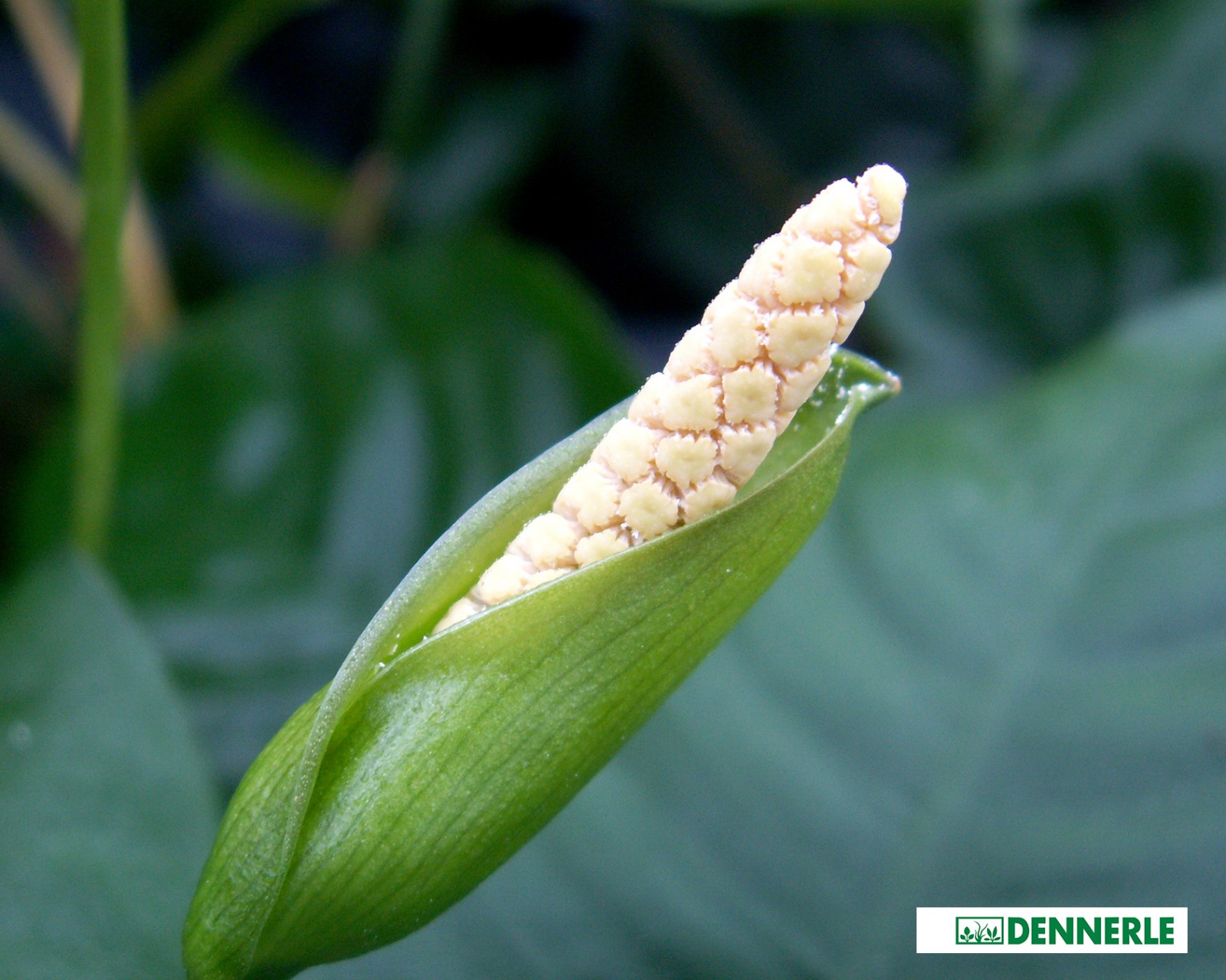
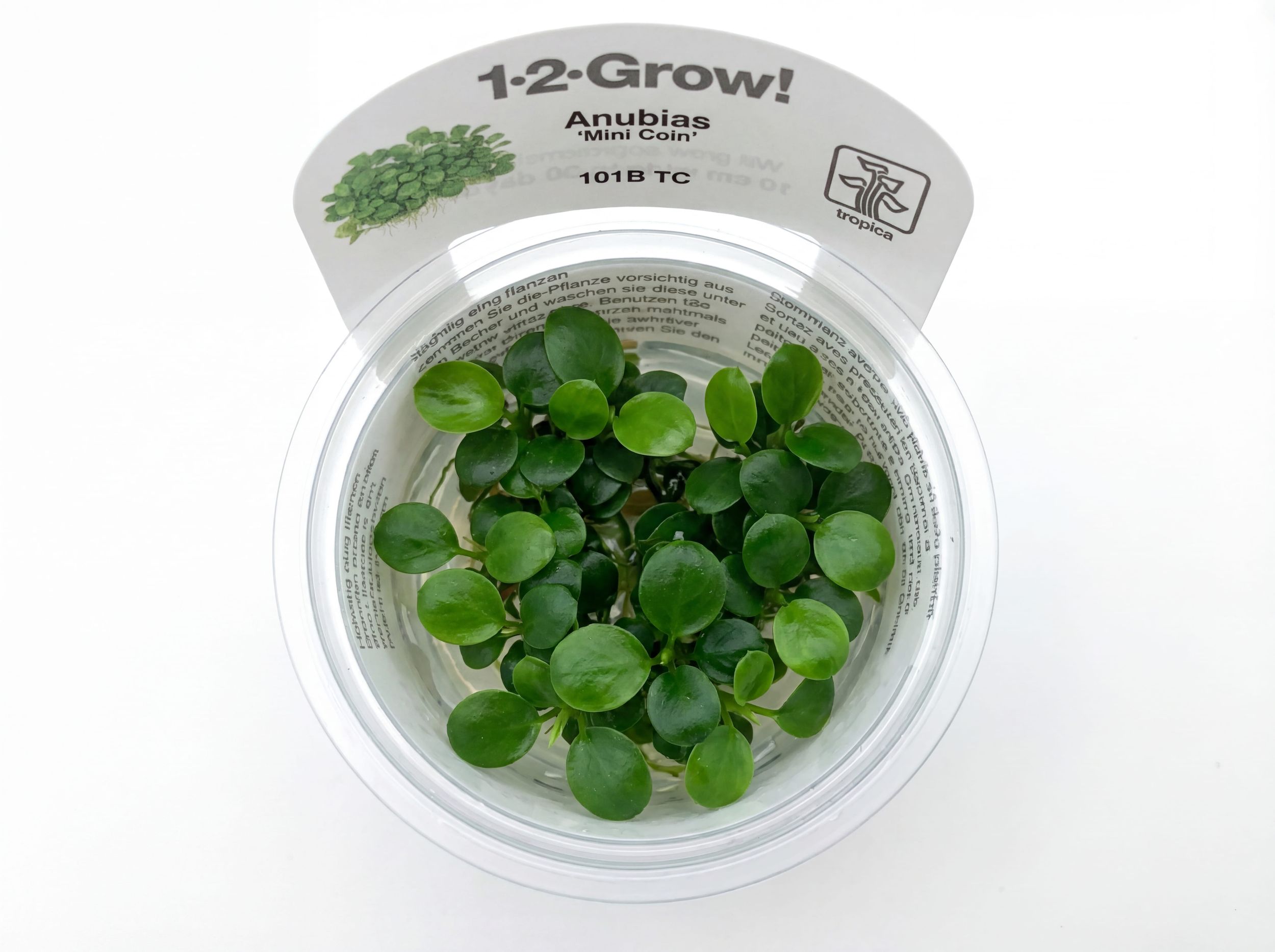
Anubias barteri: The Ultimate Low-Light Anchor
Anubias barteri is a staple for beginners due to its slow growth and resilience in various lighting conditions. This plant thrives when attached to hardscape like driftwood or rocks rather than being buried in the substrate, which prevents root rot. Its thick, dark green leaves are generally unpalatable to most fish, making it an excellent choice for a community tank. Because it is robust, it provides a safe, sturdy resting spot for small fish and a great surface for beneficial biofilm that snails and shrimp love to graze on. Ensure you do not bury the rhizome to allow the plant to breathe properly.
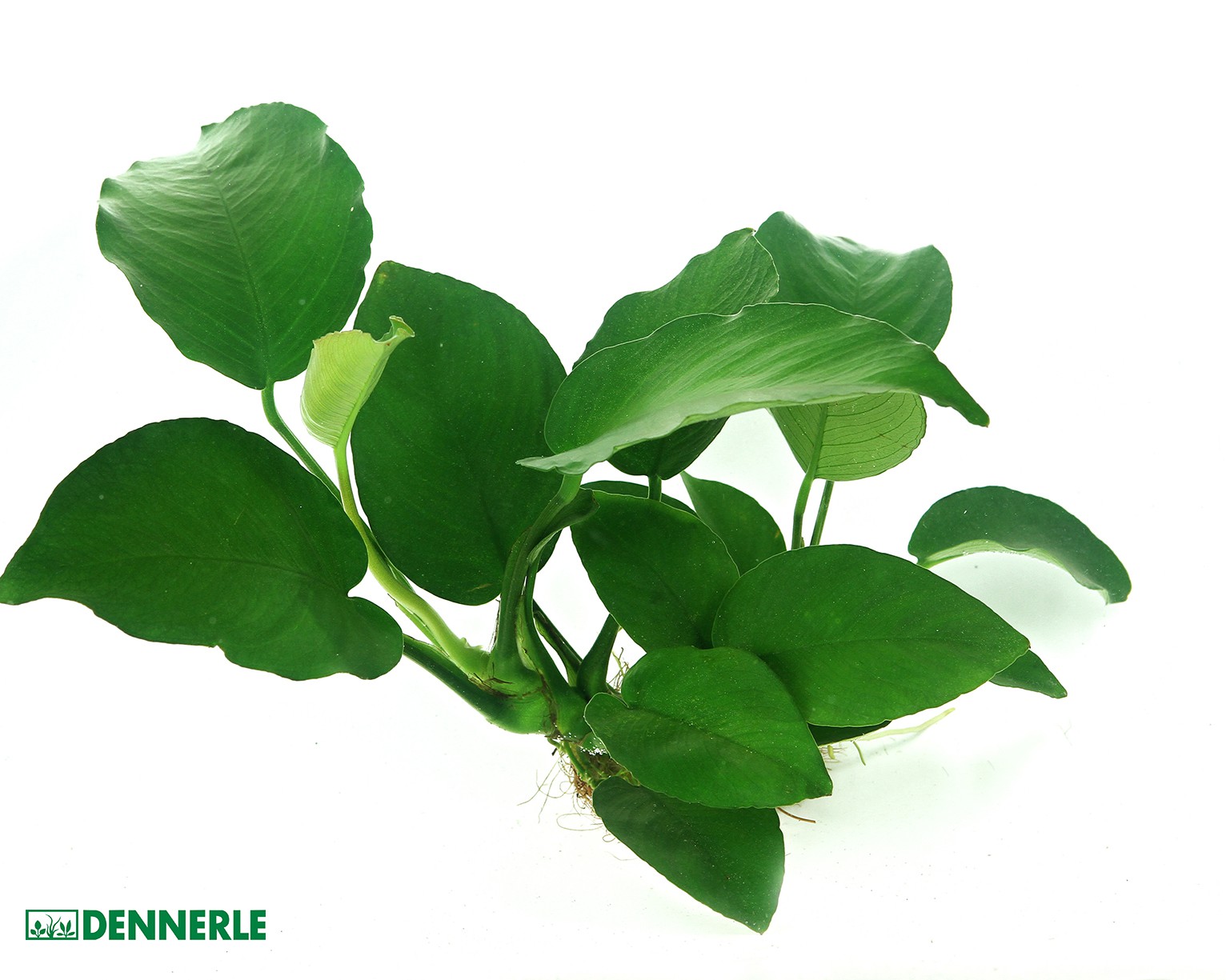
Microsorum pteropus: The Classic Java Fern
Java Fern is another indestructible plant that works perfectly for nano aquariums. It propagates by producing small plantlets on the tips of its leaves, which can eventually be detached to grow new specimens. Like Anubias, it should be tied or glued to hardscape to thrive. Its slightly ruffled texture adds visual interest and creates a dense forest effect that provides cover for shy nano livestock. It is highly adaptable to a wide range of water parameters, making it an ideal choice for a starter tank where chemical stability is still being learned.
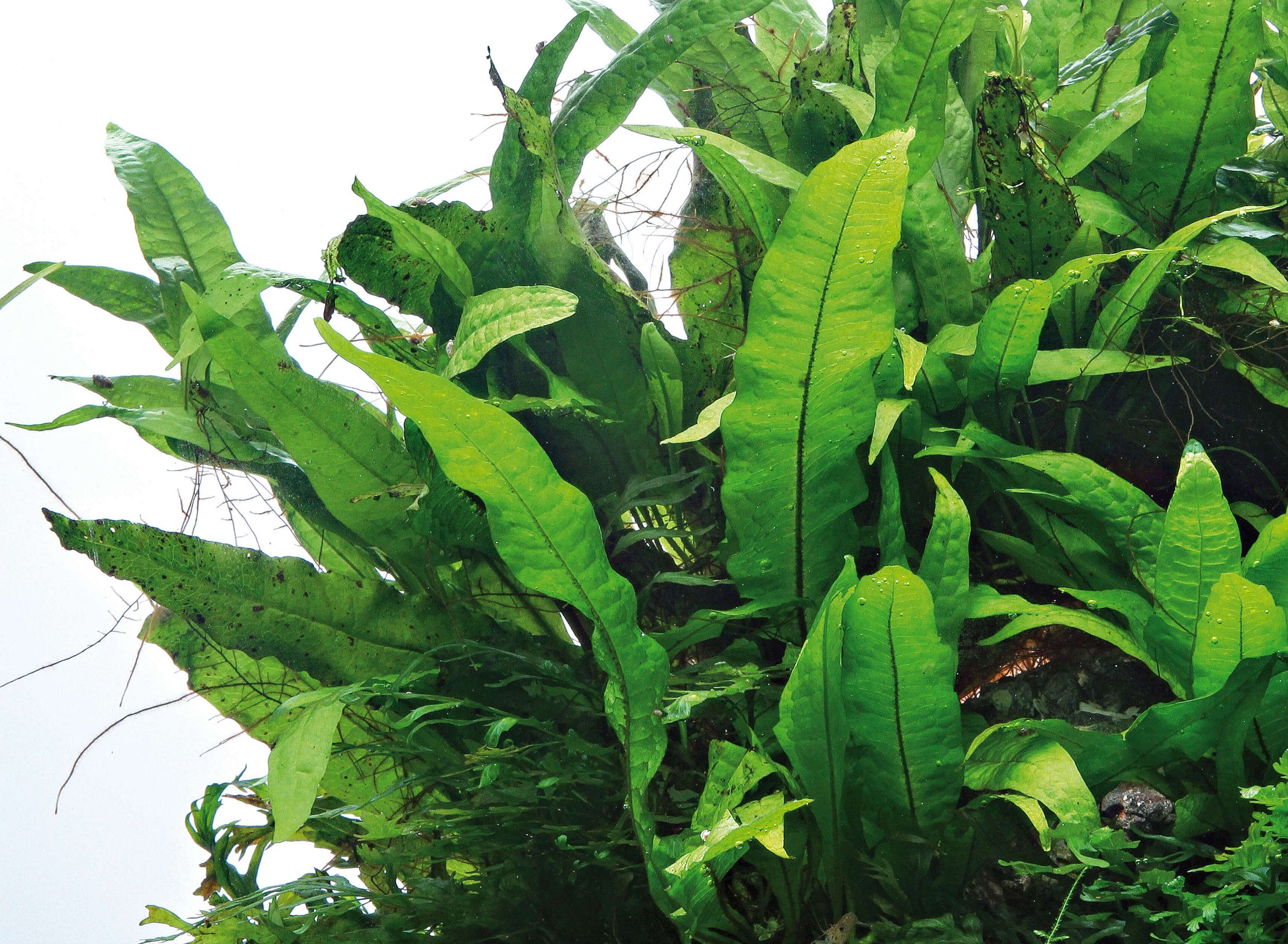
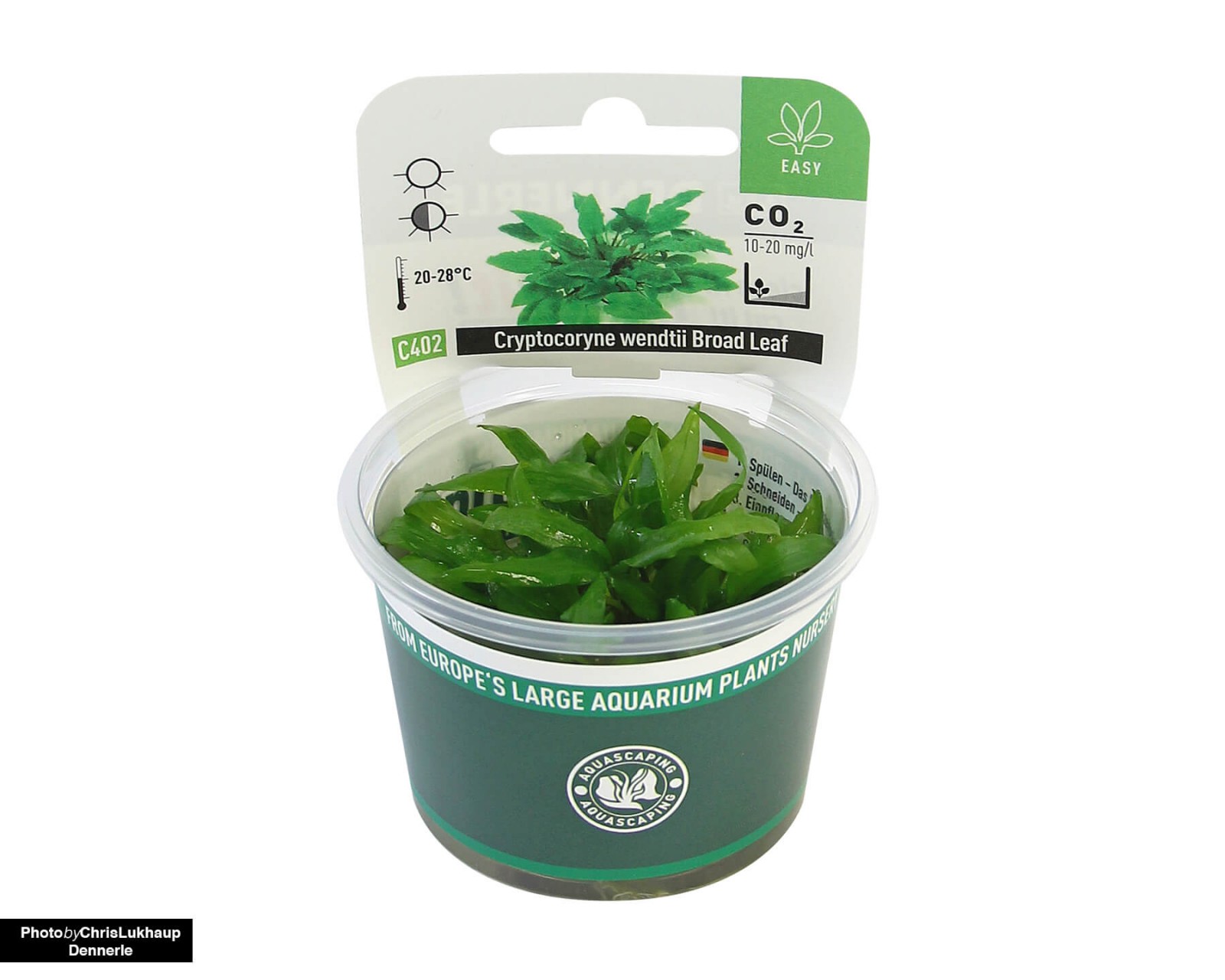
Cryptocoryne wendtii: Versatile Substrate Rooting
For those looking for a plant that roots directly into the substrate, Cryptocoryne wendtii is a fantastic, hardy option. It comes in various shades, from green to bronze, and is known for its ability to tolerate low-light environments. While it may experience a period of melting when first introduced to a new tank, it quickly recovers and sends out new, stronger leaves. These plants are excellent for mid-ground placement. They provide a dense root system that helps stabilize the substrate and creates a natural habitat for bottom-dwelling invertebrates to explore and hide.
Hygrophila polysperma: Rapid Growth for Water Quality
If you struggle with maintaining water quality, fast-growing stem plants like Hygrophila polysperma are your best friends. They absorb excess nutrients from the water column, which helps suppress algae growth. This plant is very easy to propagate; simply snip a stem and replant it in the substrate. It creates a lush, tall background that adds depth to small tanks. Because it grows quickly, it provides a constant source of shelter for baby shrimp and small fish fry. Regular trimming is required to keep it from taking over the entire nano space.
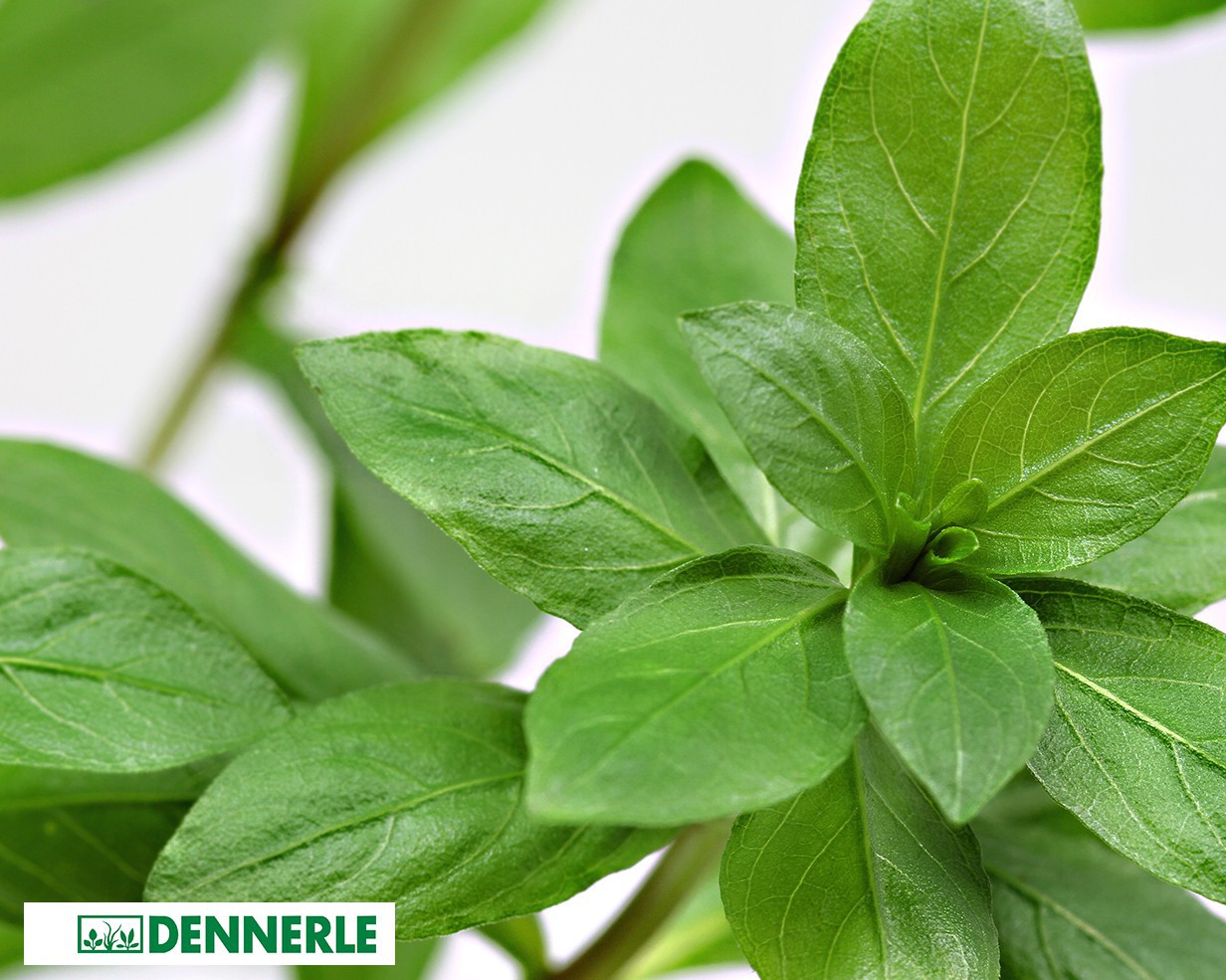
Taxiphyllum barbieri: The Essential Java Moss
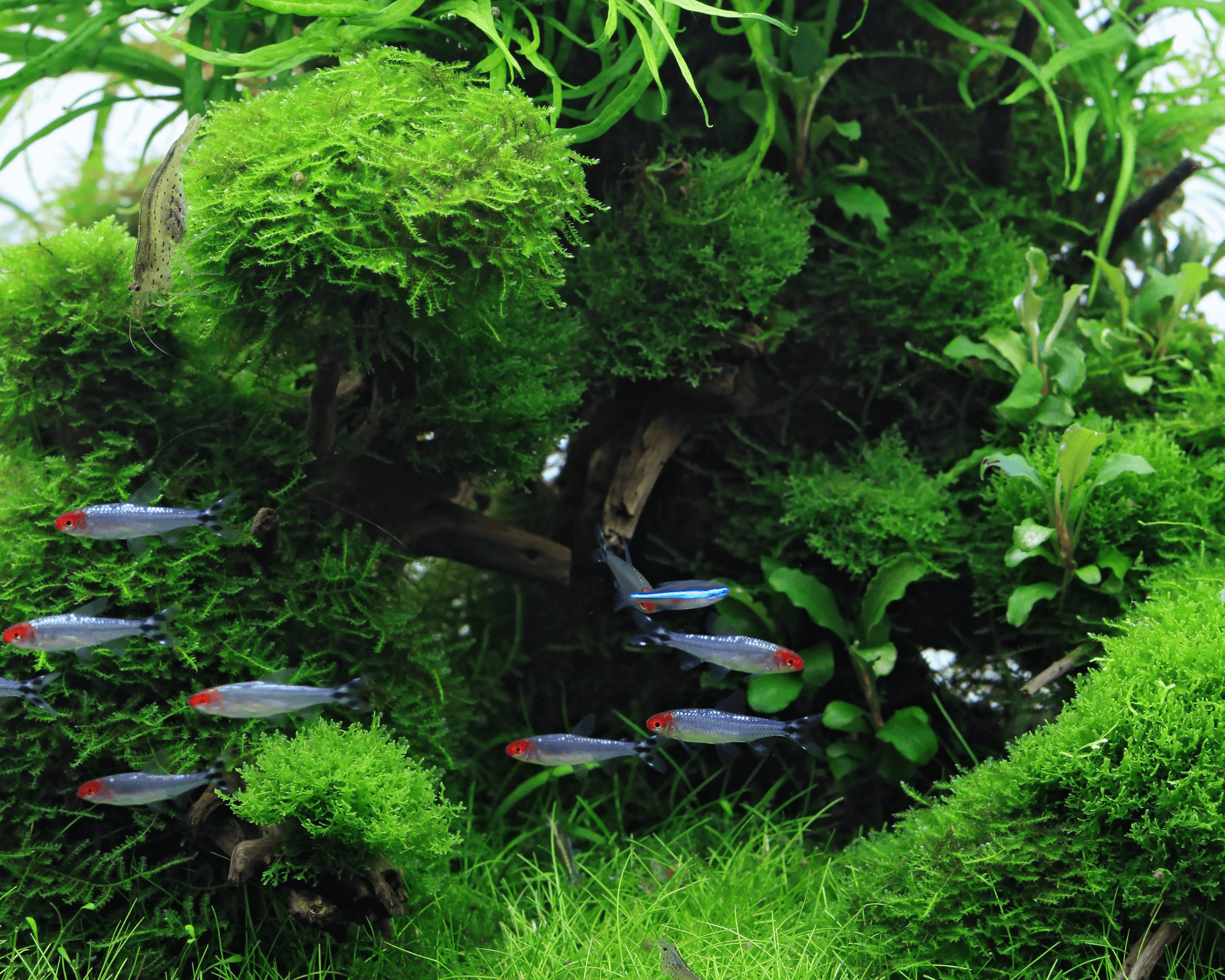
Java Moss is arguably the best plant for shrimp keepers. It forms a dense, fuzzy mat that traps tiny food particles, providing a constant buffet for shrimp and snail fry. It is incredibly easy to maintain and can be attached to almost any surface, including mesh pads or driftwood. In a nano tank, it can be used to create moss walls or carpeted areas. It is very forgiving of different water temperatures and light intensities, making it essentially foolproof for beginners who want to see their invertebrates thrive and breed successfully.
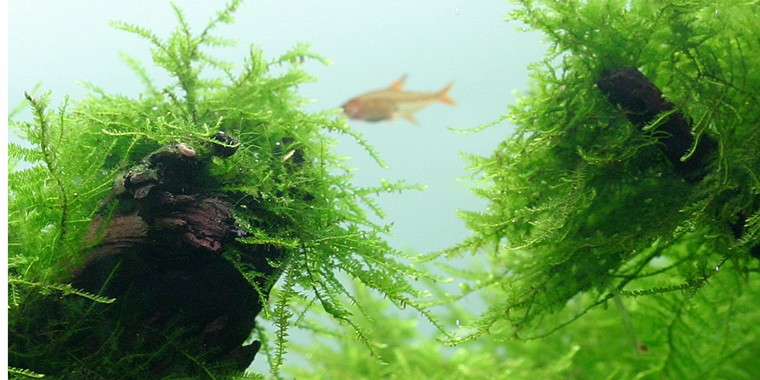
Aegagropila linnaei: The Iconic Marimo Moss Ball
While technically an algae, the Marimo Moss Ball is a must-have for any beginner. These unique, velvety green spheres require almost no maintenance other than an occasional gentle squeeze in clean water and a quick roll to keep their shape. They add a whimsical, modern aesthetic to any nano aquarium. Because they are slow-growing and completely harmless, they are perfectly safe for all shrimp and snail species. They also act as a natural filter by absorbing nitrates, which helps keep the water clean for your more sensitive livestock.
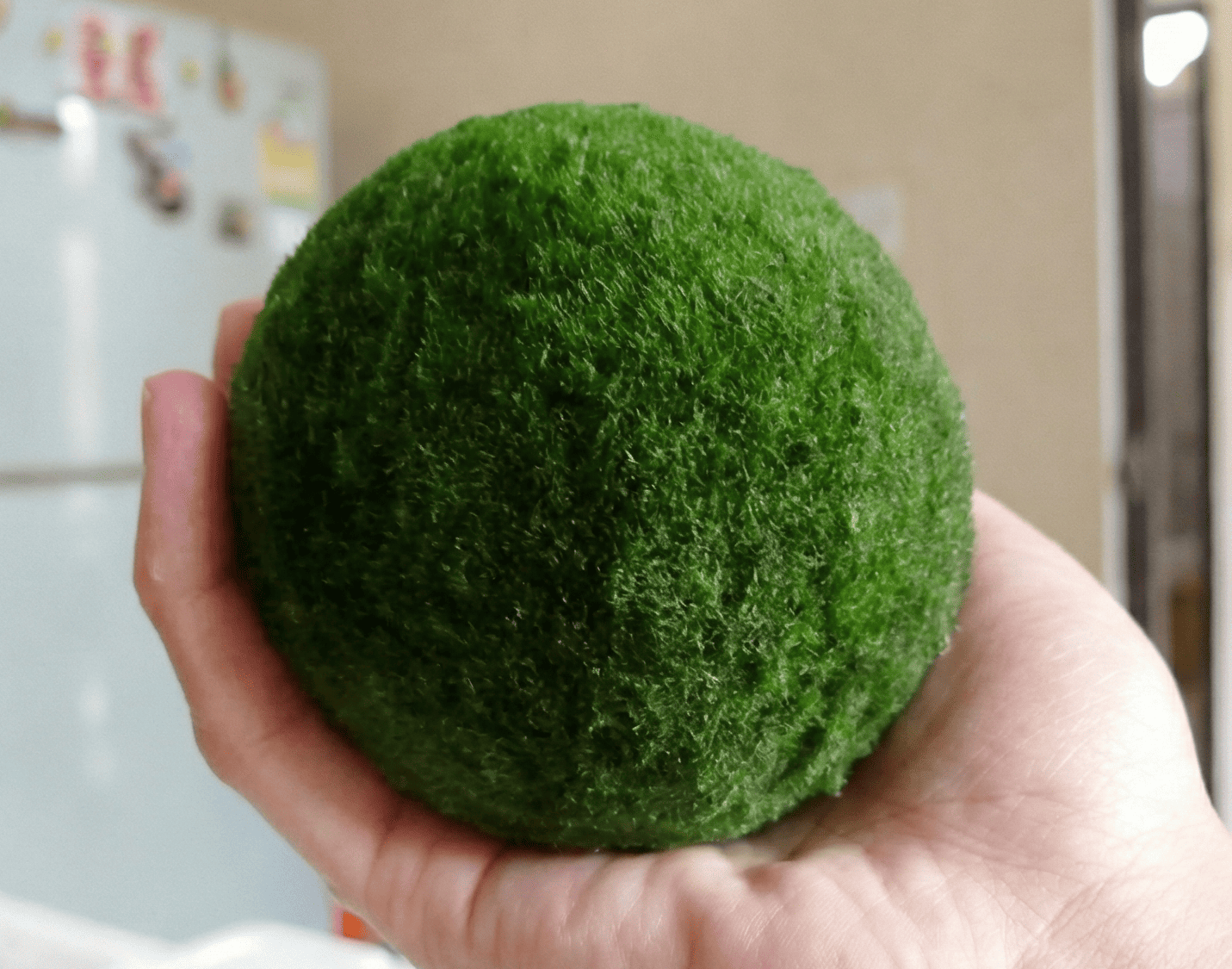
Staurogyne repens: A Hardy Foreground Carpet
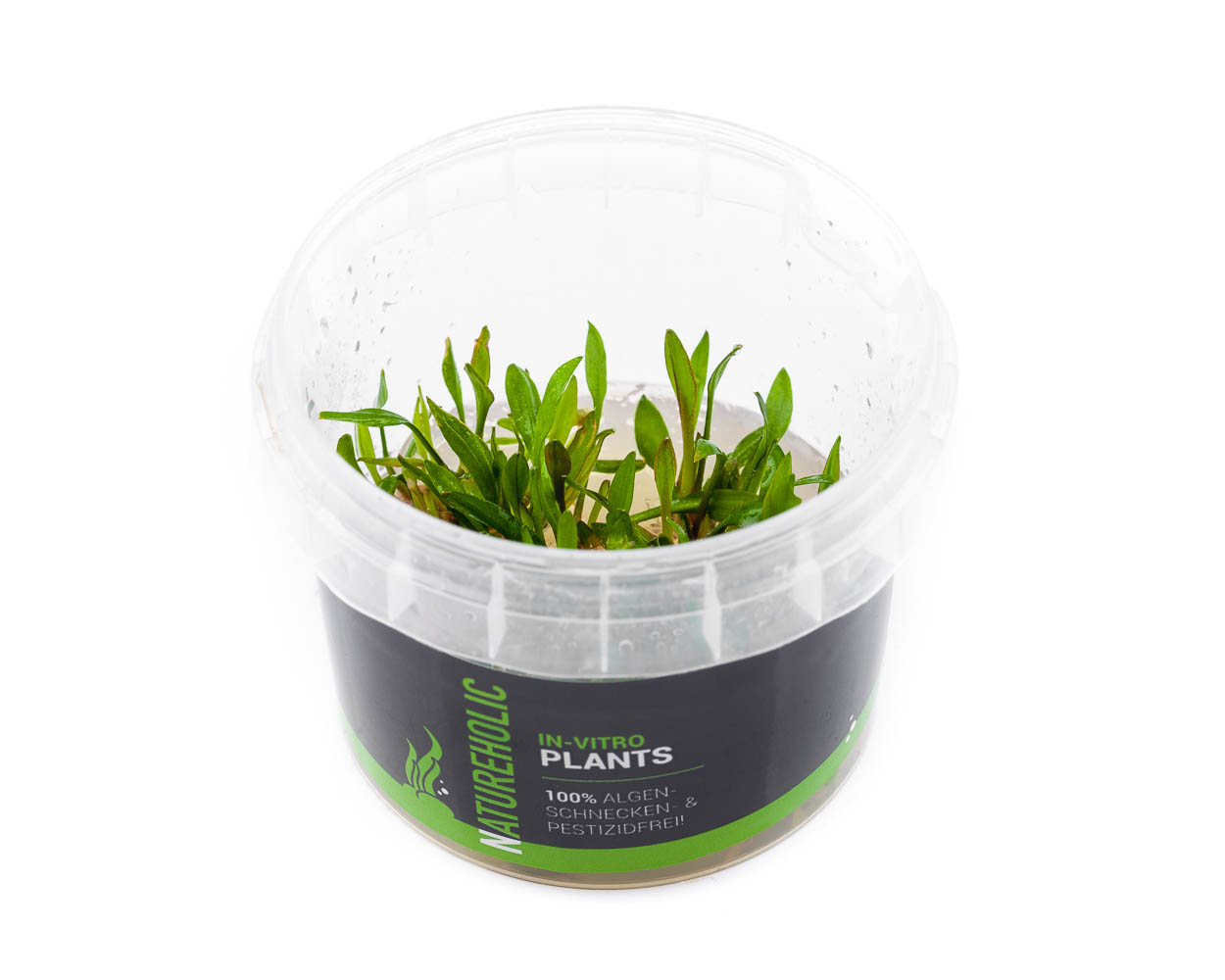
Creating a lush green carpet in a nano tank can be challenging, but Staurogyne repens is one of the most reliable options for beginners. Unlike many other carpeting plants, it does not strictly require high-tech CO2 injection to survive, although it will grow faster with it. It has a compact, bushy growth habit that looks beautiful in the foreground. It is sturdy enough to withstand the activity of curious shrimp and small snails, making it a functional and aesthetic choice for the base of your aquascape.
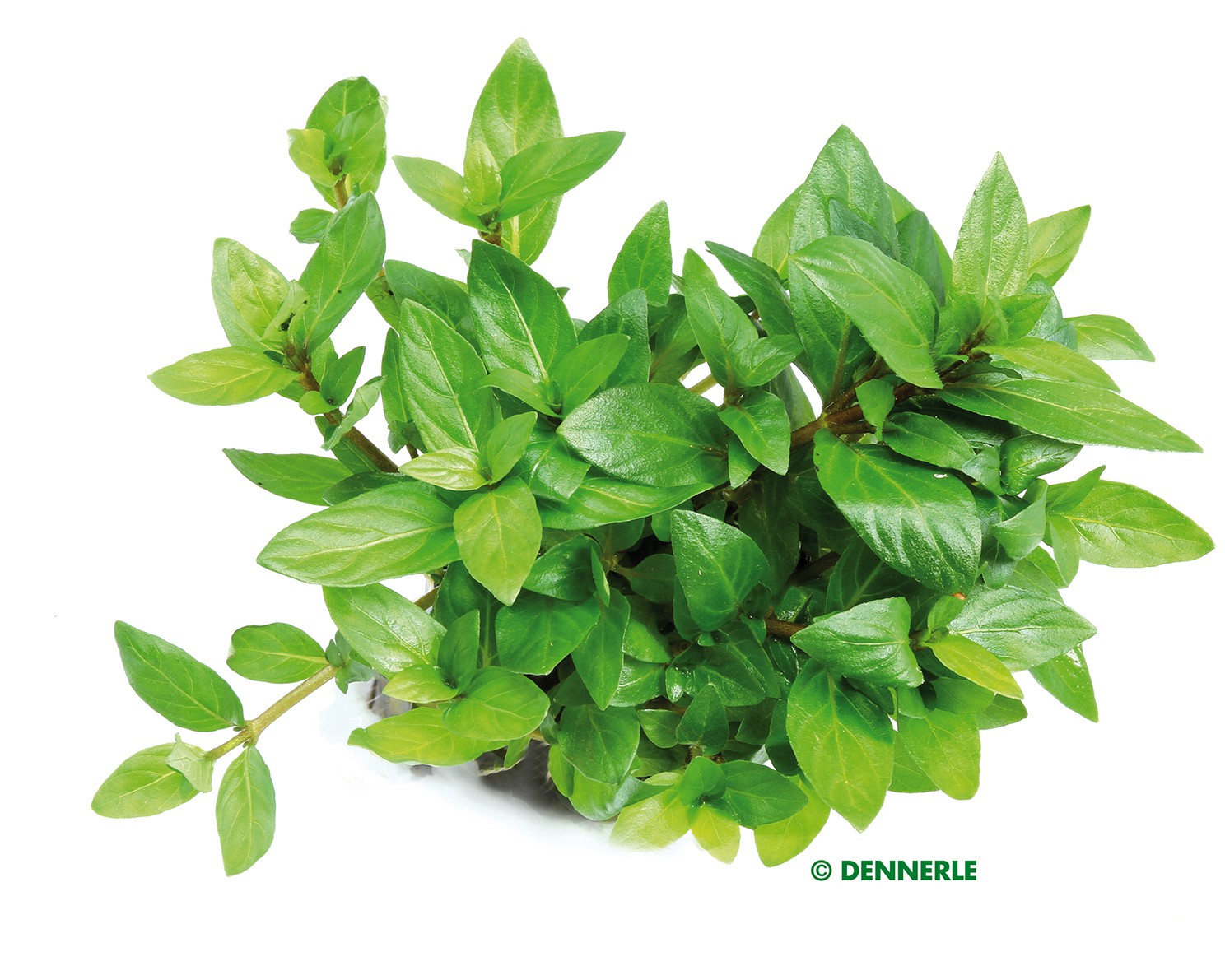
Limnophila sessiliflora: The Feathery Background Plant
Limnophila sessiliflora, often called Ambulia, is a beautiful stem plant with delicate, feathery foliage that adds a soft texture to your aquarium. It is an extremely fast grower that helps oxygenate the water and provides excellent cover for nervous fish. It is very undemanding regarding light and nutrients, making it a great choice for beginners who don't want to manage complex fertilization schedules. Be prepared to prune it regularly, as its rapid growth can quickly reach the surface of a standard nano tank, creating a nice canopy for your fish.
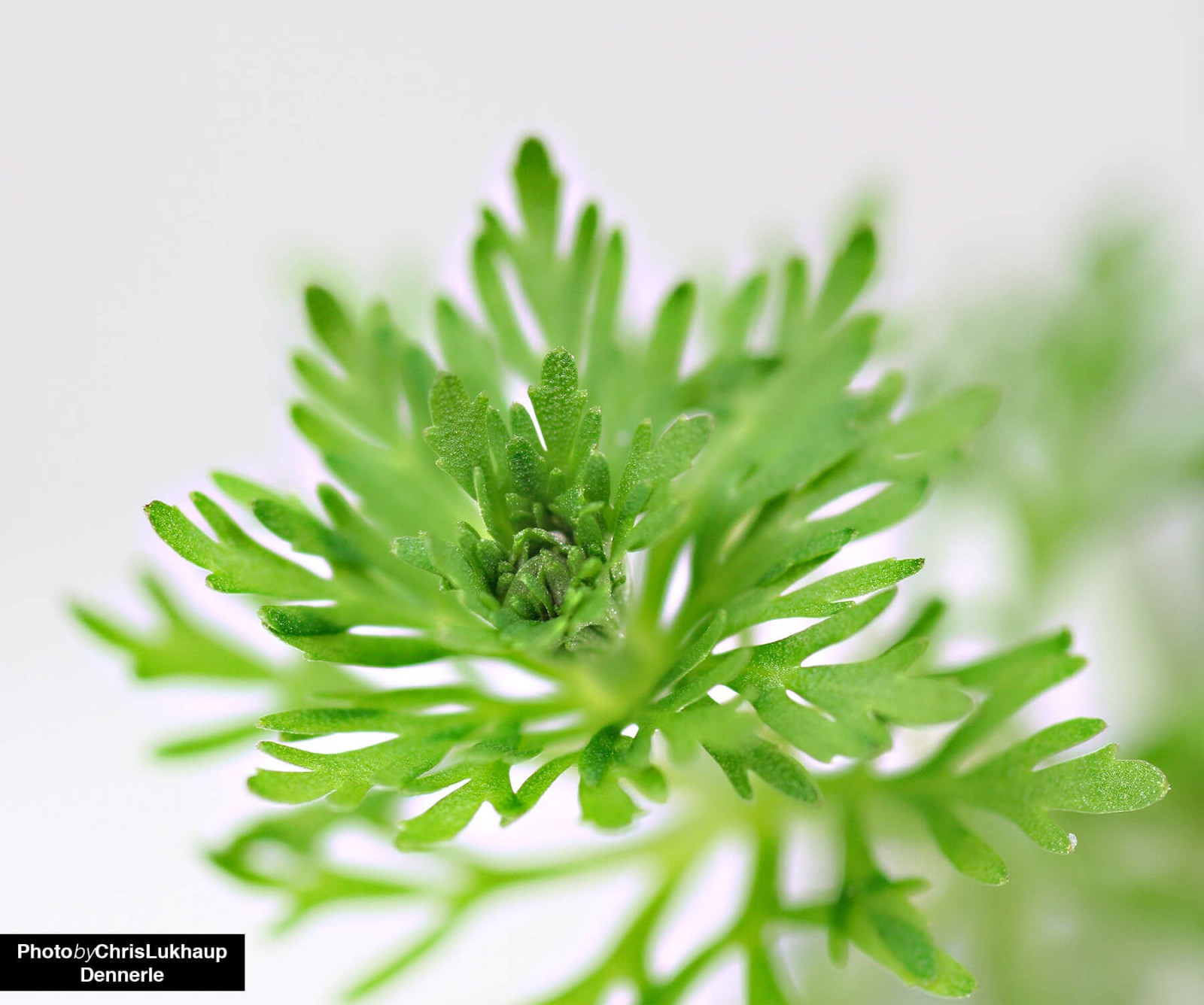
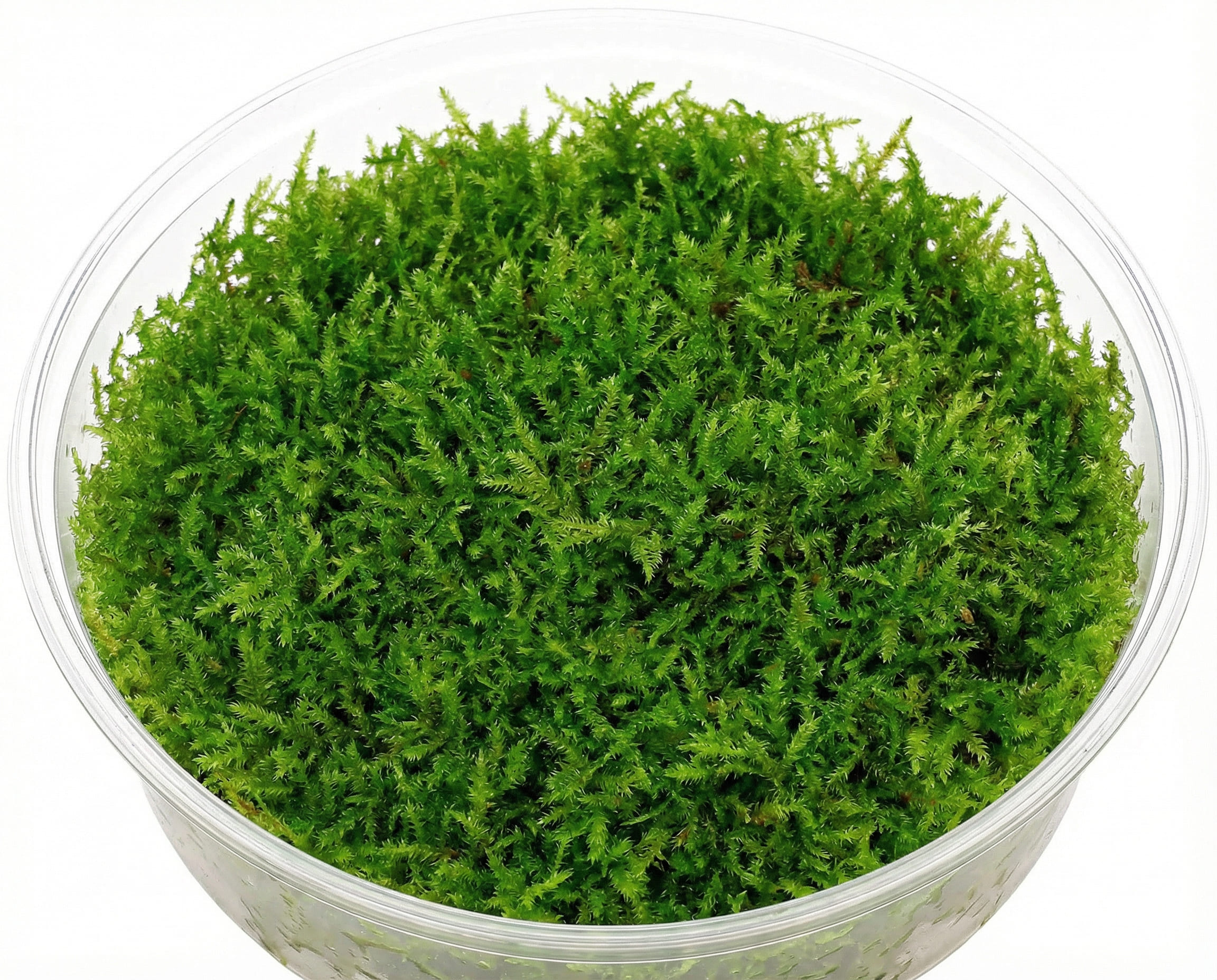
Vesicularia montagnei: Christmas Moss for Texture
Christmas Moss is a stunning variety of aquatic moss that grows in a triangular pattern, resembling the branches of a fir tree. It is slightly more structured than standard Java Moss and looks fantastic when attached to wood or stones. It is highly appreciated by shrimp keepers because it provides a massive surface area for biofilm development. It grows relatively slowly and is very easy to trim, allowing you to maintain precise shapes within your nano aquascape. It is a hardy, reliable plant that adds high-end detail to any beginner setup.
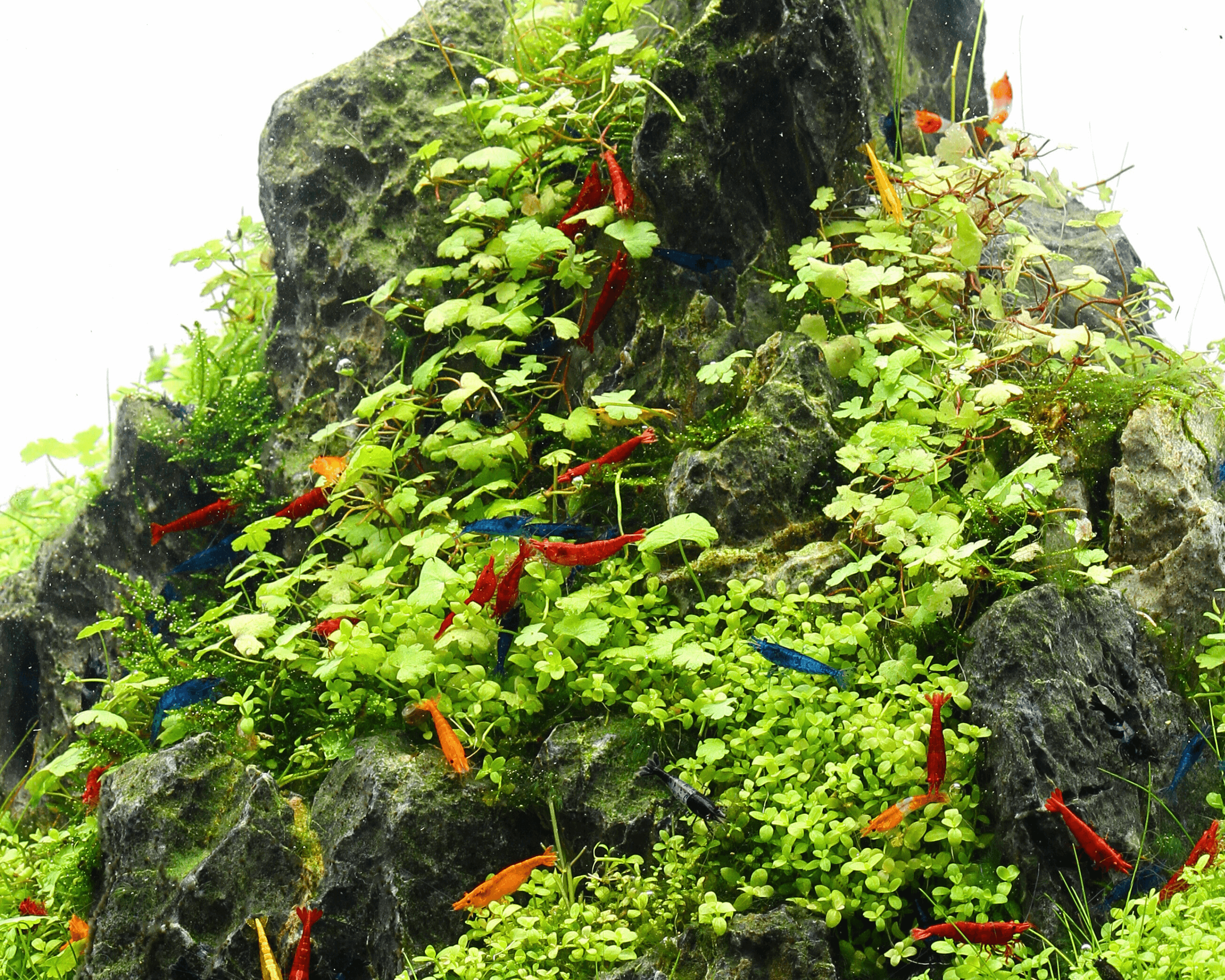
Hydrocotyle tripartita: The Versatile Ground Cover
Hydrocotyle tripartita is a fast-growing, creeping plant that can be used as a foreground carpet or allowed to climb up hardscape. Its clover-like leaves provide a unique, bright green contrast against darker plants like Anubias. It is very adaptable and can handle a wide range of light levels. For beginners, it is an excellent way to add movement and life to the tank. It is also a favorite for shrimp, as the dense, interlaced stems create a complex labyrinth that offers plenty of hiding spots for molting individuals.
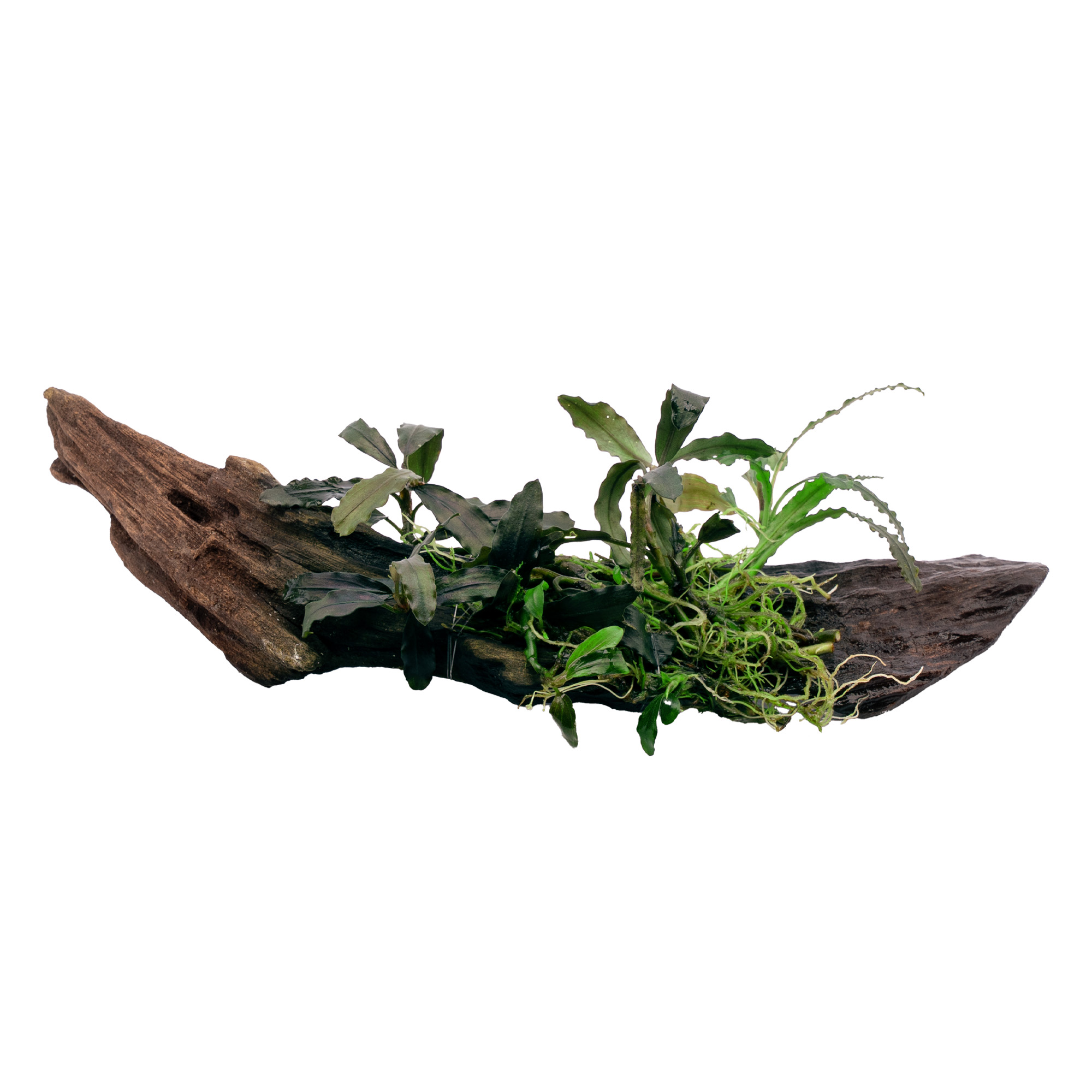
Bucephalandra: The Rare-Looking Beginner Plant
Bucephalandra species are often mistaken for difficult, high-end plants, but many are actually quite hardy. They are slow-growing epiphytes that should be attached to hardscape. Their leaves often shimmer with metallic or iridescent colors, adding a touch of elegance to your nano tank. They are incredibly low-maintenance and will thrive in low-light conditions. Because they don't grow quickly, you won't need to prune them often. They are perfect for placing in small crevices or on high-visibility rocks, serving as the focal point of your aquascape while remaining easy to manage.
Ludwigia repens: Adding a Splash of Red
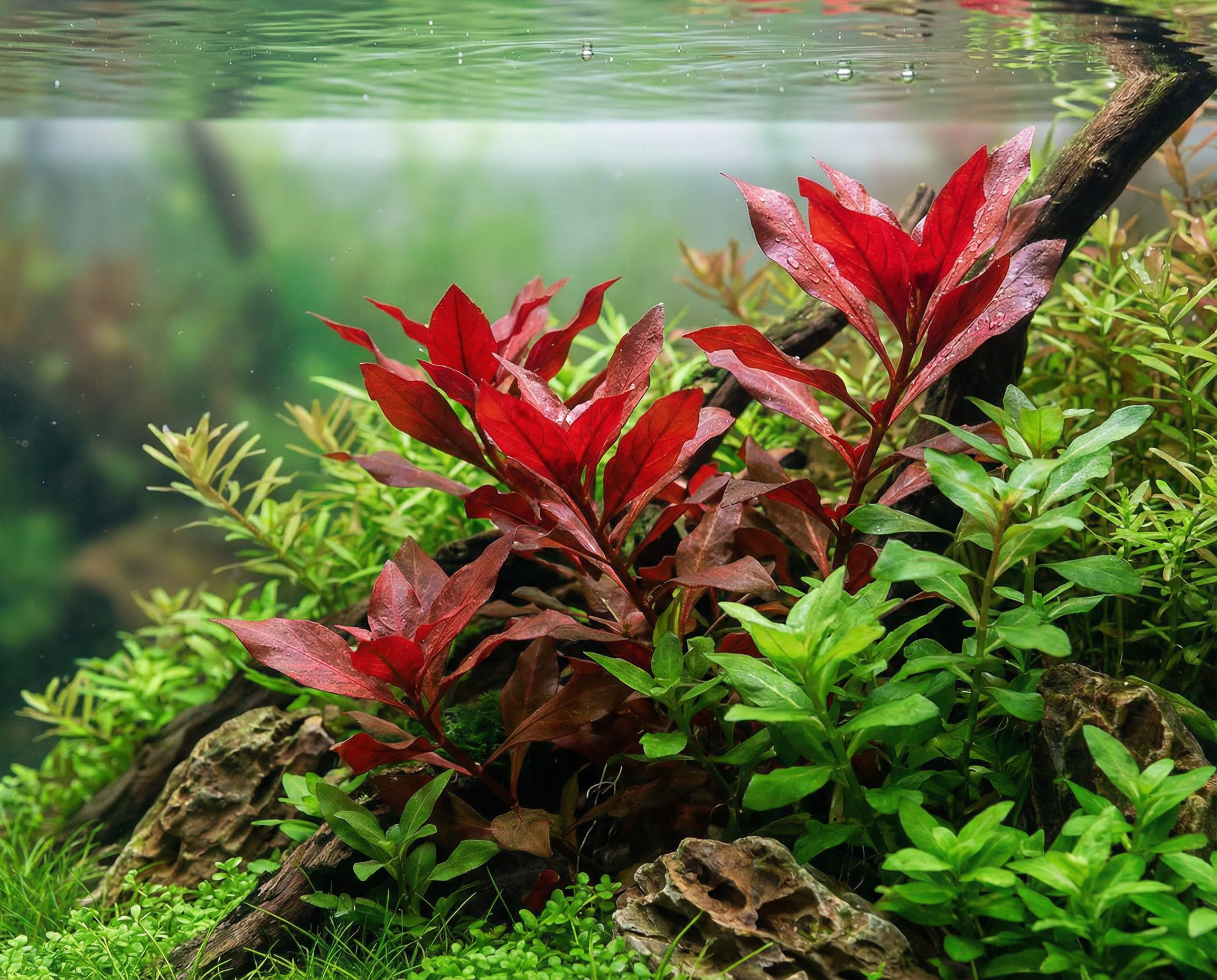
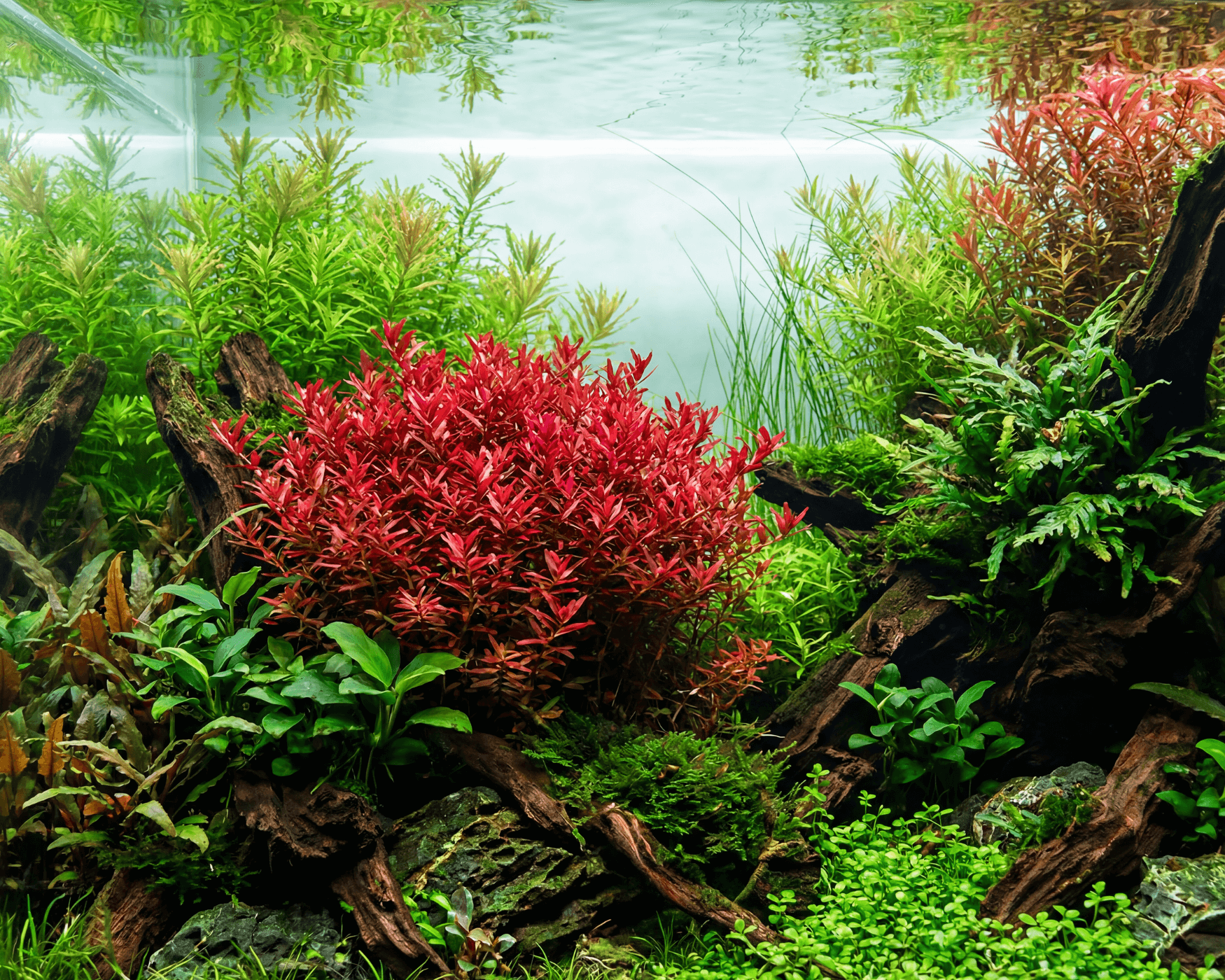
Most beginner tanks are entirely green, but adding a touch of red can make a huge difference in visual impact. Ludwigia repens is one of the easiest red plants to keep. Under moderate lighting, it will maintain a beautiful reddish-brown hue. It grows as a stem plant and is easy to propagate by cuttings. It serves as a great mid-ground or background plant. While it is slightly more demanding of light than some of the other plants on this list, it is still very achievable for a beginner and adds a professional, high-contrast look to your aquarium.
Frequently Asked Questions
Do I need a CO2 system for these plants?
No, all the plants listed above are chosen for their ability to thrive in low-tech setups without the need for supplemental CO2 injection.
Can I keep shrimp and snails together in a nano tank?
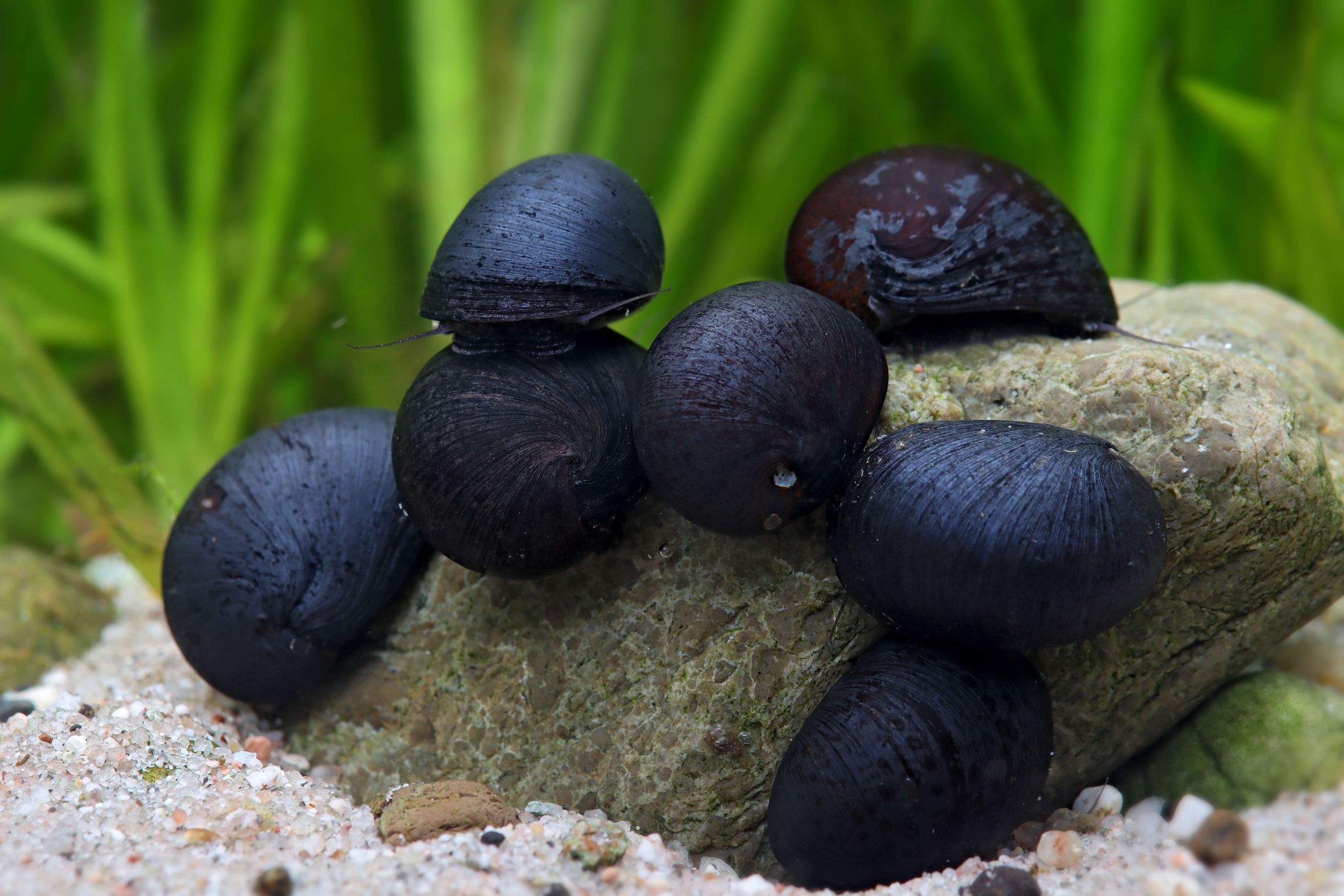
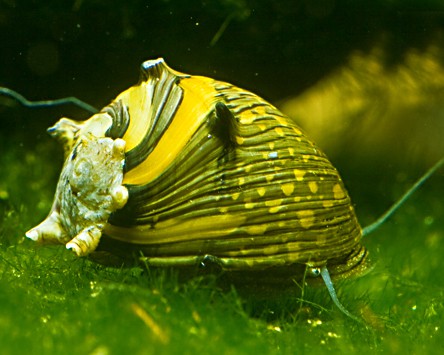
Yes, most freshwater shrimp and aquarium snails are fully compatible and will coexist peacefully, often helping each other keep the tank clean.
How often should I trim my aquarium plants?
Fast-growing stem plants may need trimming every two to three weeks, while slow-growing species like Anubias and Bucephalandra rarely require pruning.
Will my shrimp eat my aquarium plants?
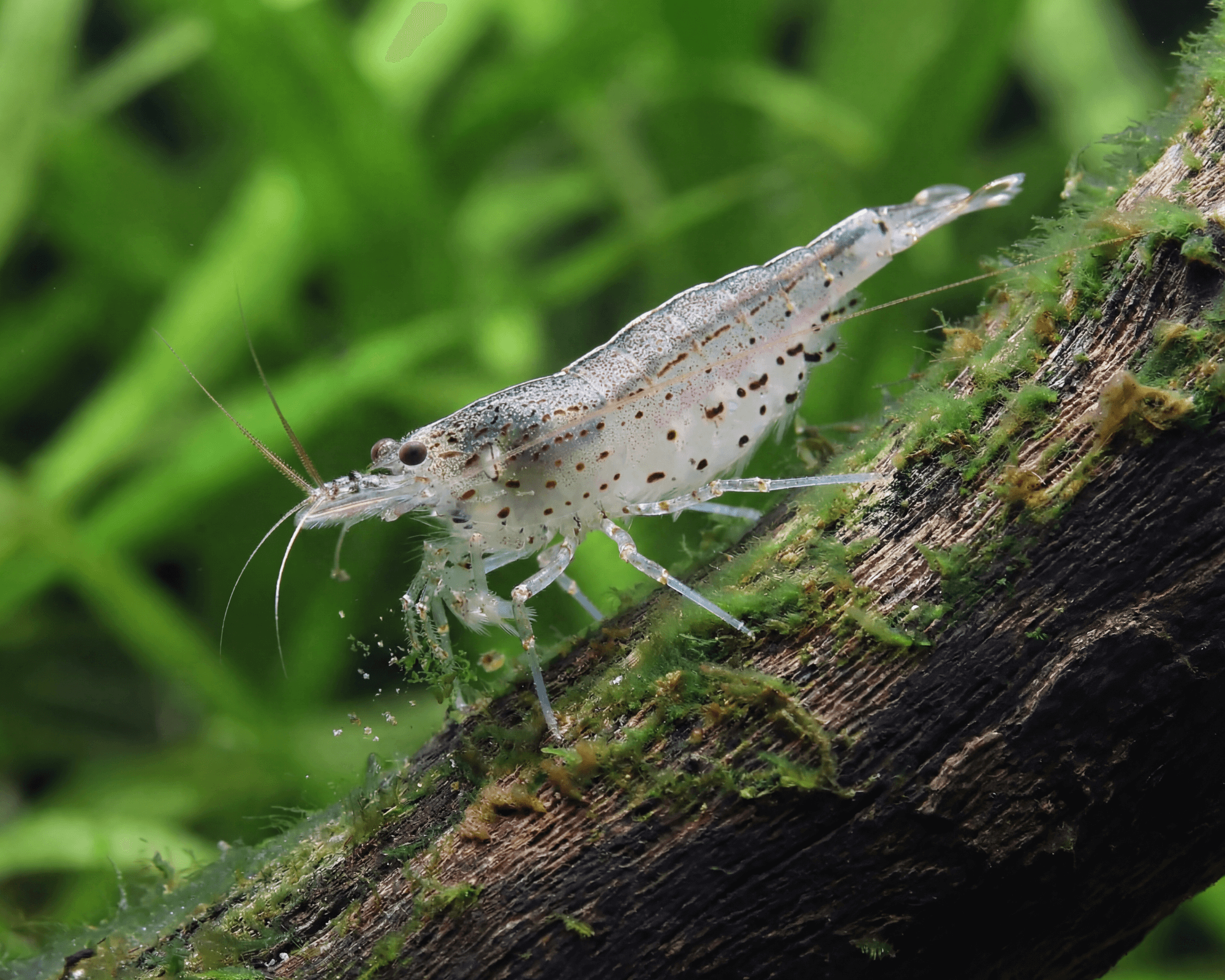
No, most aquarium shrimp are scavengers that eat algae, biofilm, and decaying plant matter, not healthy, living plant tissue.
Leave your comments