Identification
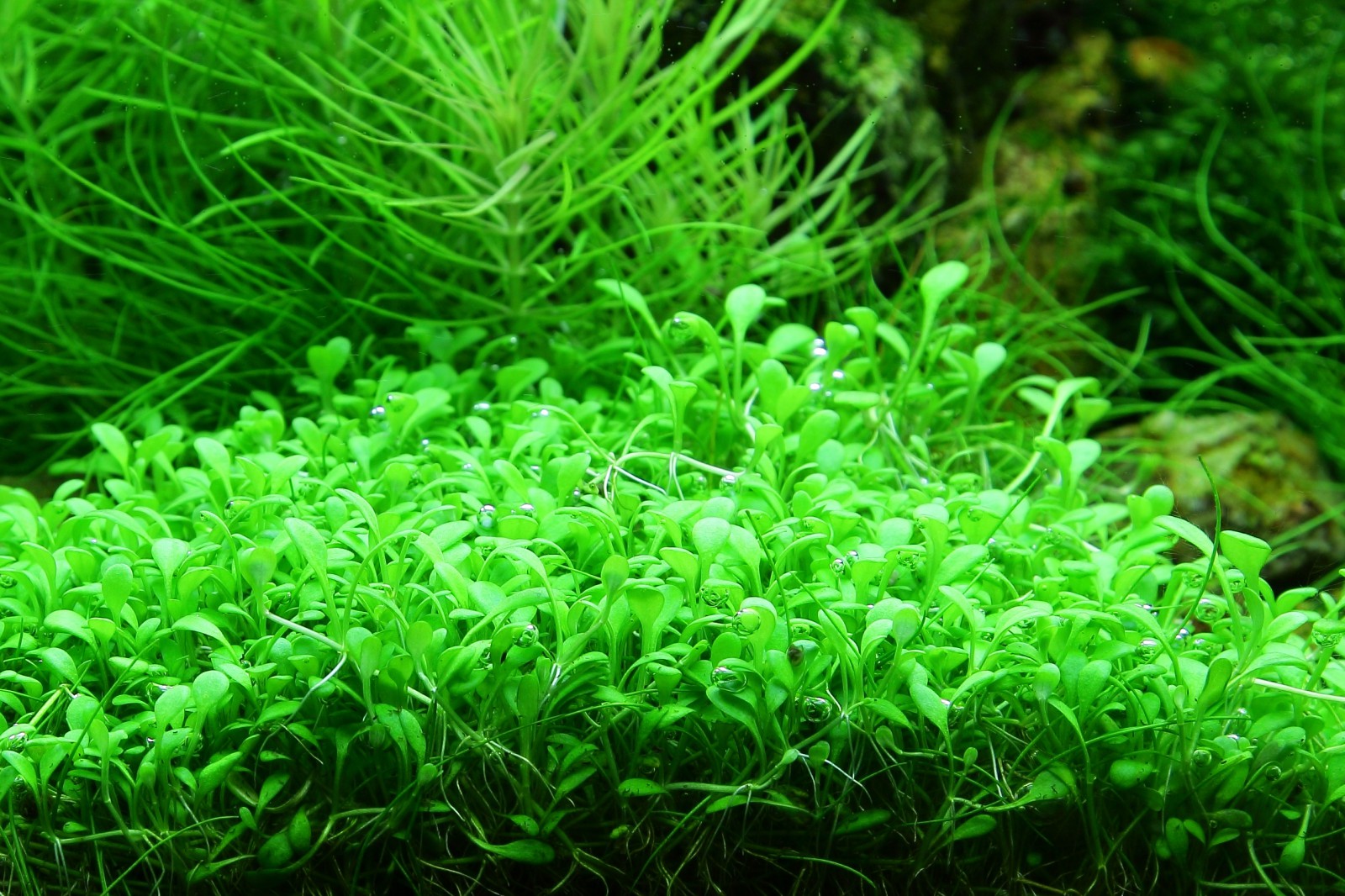
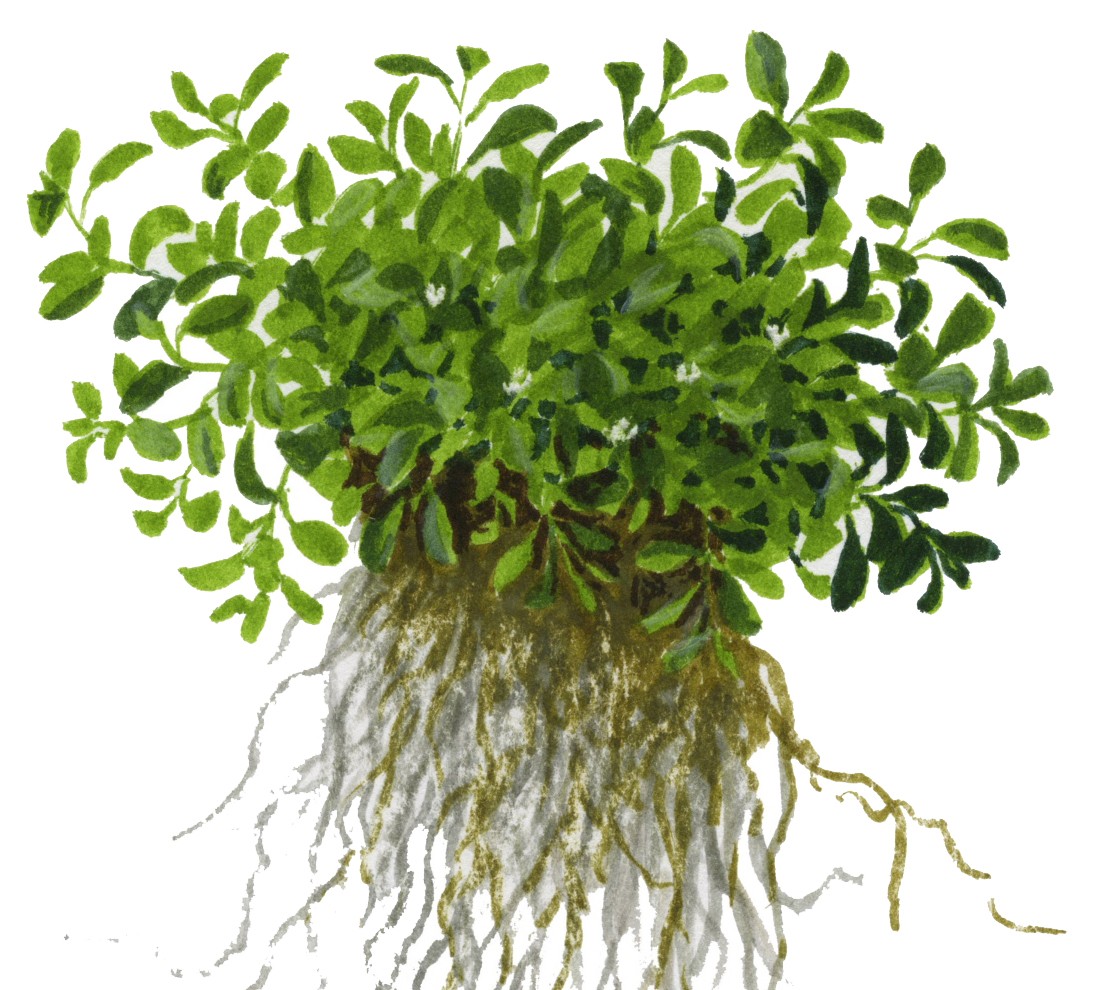
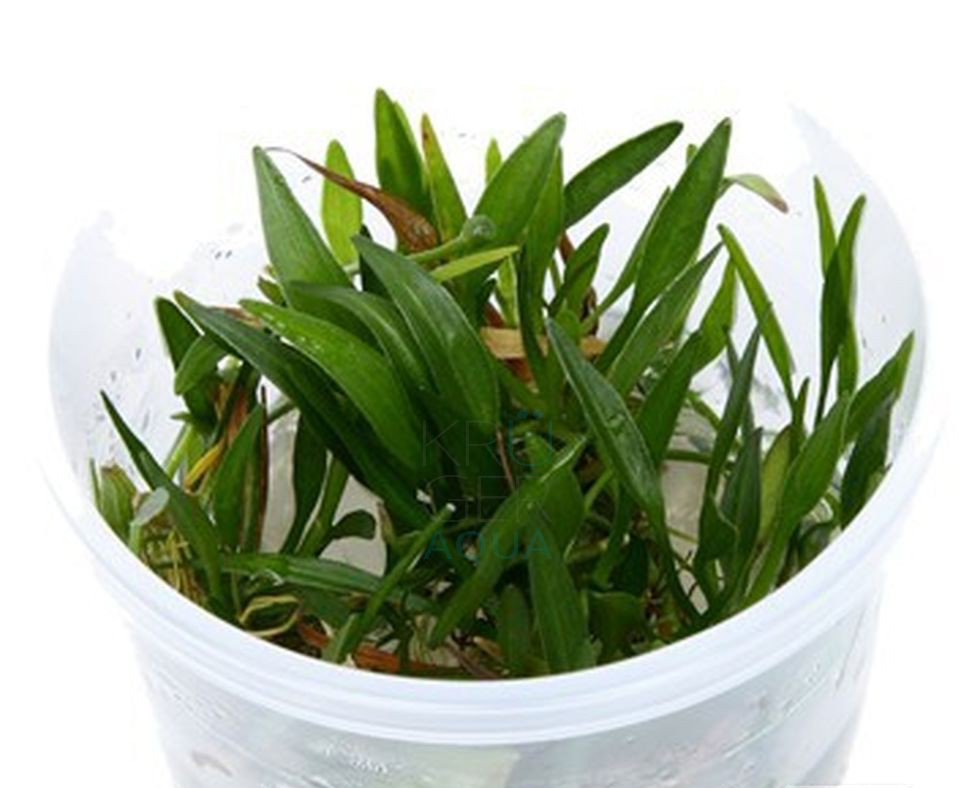
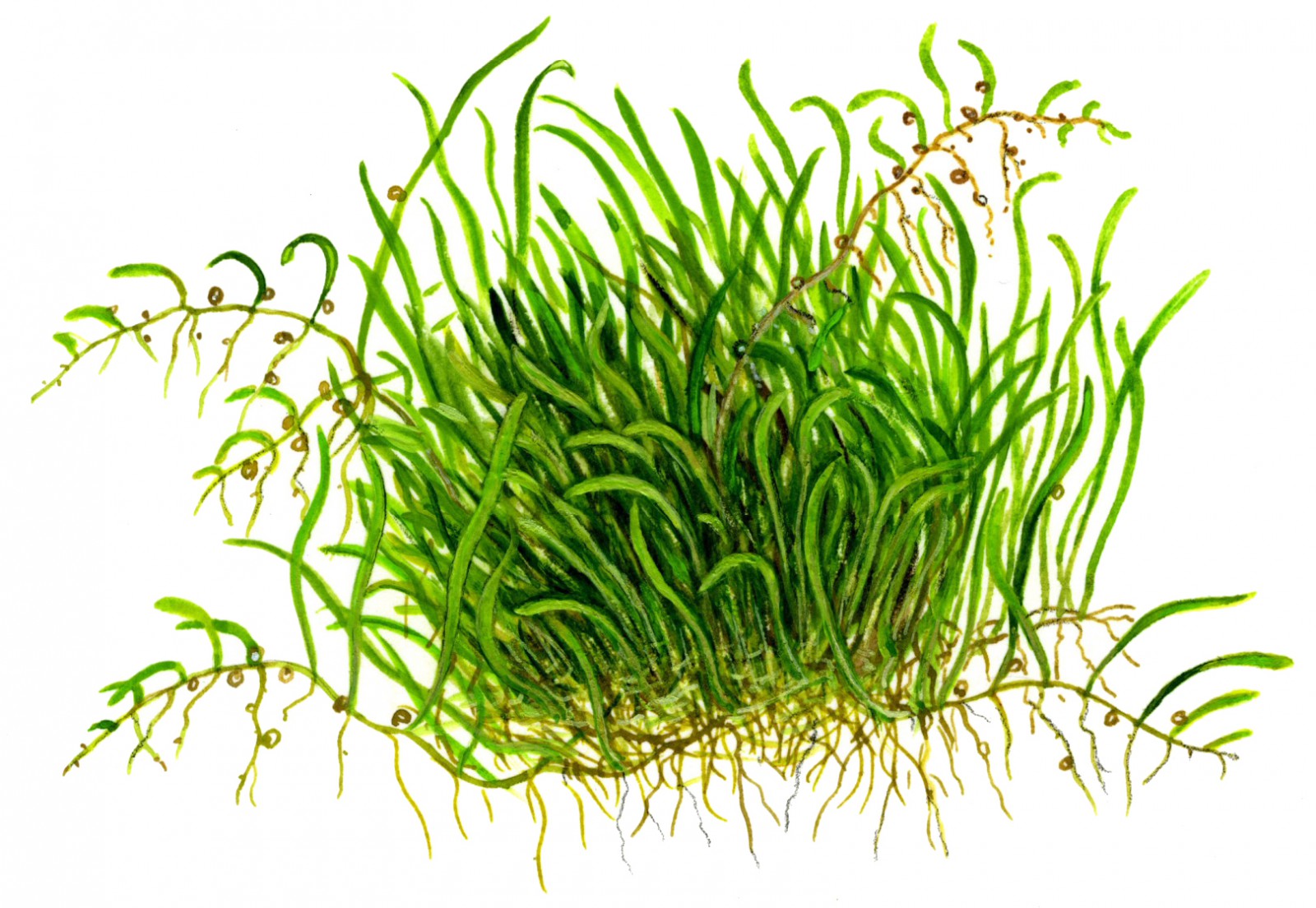
Glossostigma elatinoides is a delicate, creeping amphibious herb with small rounded to spoon-shaped leaves arranged in opposite pairs. In submerged culture, it produces runners that root at the nodes and can form a dense low mat. Aquarium specimens are commonly sold as tissue-cultured portions, but the growth form may vary during transition from emersed to submerged growth.
Planting
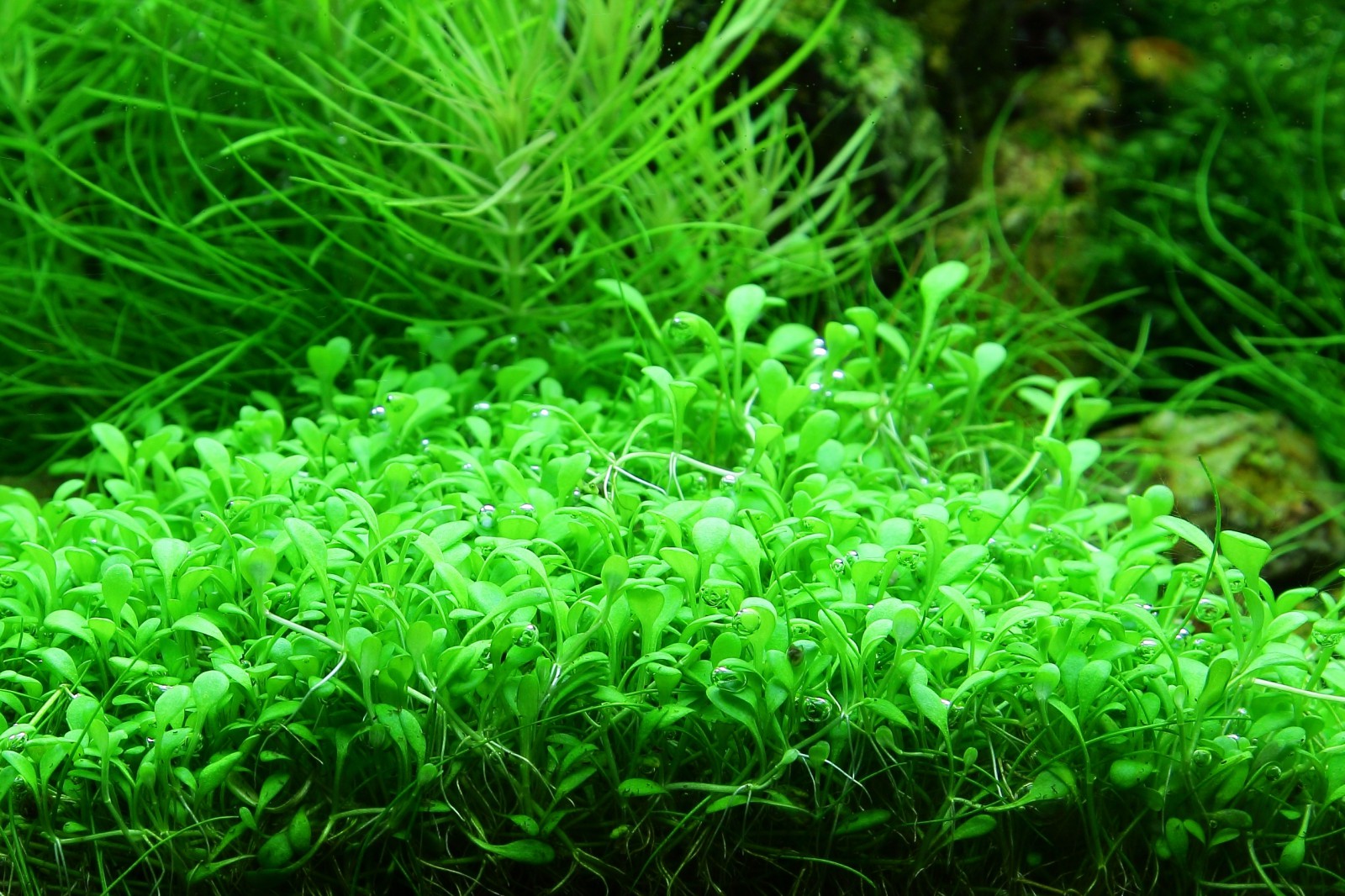
Separate a tissue-culture portion into many small pieces, rinse away the growing medium, and plant each piece shallowly into the substrate with tweezers. Leave enough space between portions for runners to spread. Planting too deeply can bury the crown, while loose planting may allow newly placed pieces to float.
Light and carbon
High light is important for compact horizontal growth. A reliable carbon supply, usually provided through injected carbon dioxide, greatly improves establishment and spreading. Under weak light or inconsistent carbon availability, the plant may grow vertically, become thin, or be outcompeted by algae and taller plants.
Substrate and nutrients
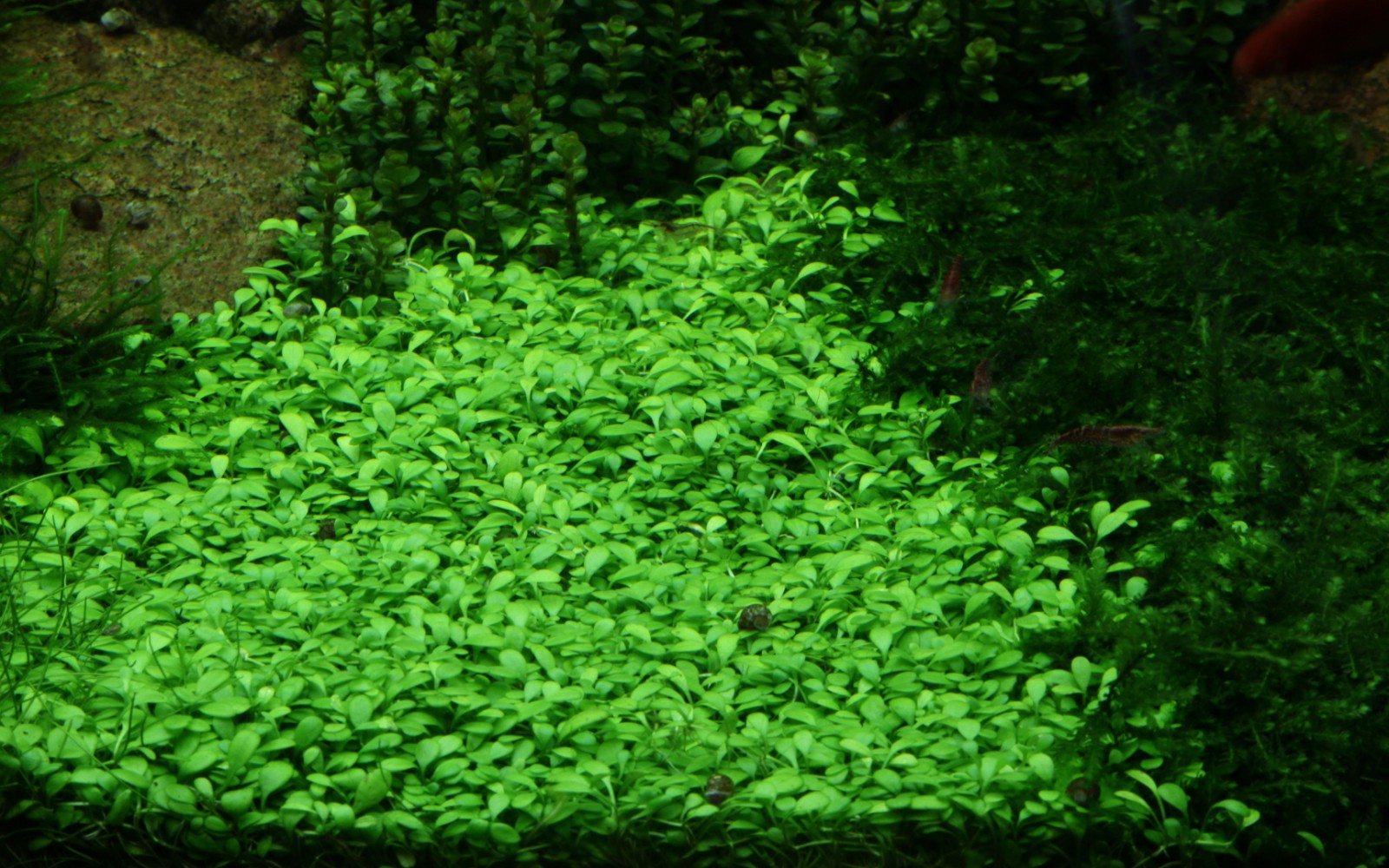
Use a fine-grained substrate that holds small roots and runners without compacting excessively. Maintain steady access to nitrogen, phosphorus, potassium, and trace nutrients through the substrate and water column. Avoid covering the developing carpet with detritus, and maintain good circulation without uprooting the plants.
Trimming and maintenance
Trim the carpet when it becomes too thick or begins to lift from the substrate. Remove lifted sections and replant healthy runners rather than allowing trapped debris to accumulate underneath. Regular removal of algae and dead leaves helps preserve an even, low-growing cover.
Suitability
This species is most reliable in mature, well-lit aquariums with stable carbon dioxide and nutrient levels. It is a demanding foreground plant and is not an ideal first carpeting species for low-tech setups. Identification is consistent with Glossostigma elatinoides, although aquarium plants sold under trade names can vary in form and growing history.
Leave your comments