AquaLibs presents AquaRank Discover the world’s leading aquascapers

Explore transparent rankings built from published results across the world’s leading aquascaping contests.

[TheStoriesOfTop7] Yururi (relaxing) - Hironori Handa / Japan - IAPLC 2018

Yururi (relaxing)" by Mr. Hironori Handa from Japan won the Grand Prix and is ranked No. 1 in the world. Mr. Handa is well known for his strong Nature Aquarium style through a number of his entries in the IAPLC over the years. He finally ranked No. 1 in the world this year. As if he went back to roots, his entry followed the basics of Nature Aquarium faithfully. We would like to express our respect of his commitment to his principles as well. Three judges including ADA chose this layout as the Best Aquarium. Here are the judges' comments.

IAPLC 2018 Gallery - Look back history - World Ranking 0001 - Grand Prize

Yururi (relaxing)

Author: Hironori Handa / Japan

Aquarium Size/W120×D45×H45 (cm)

Aquatic Plants

Micranthemum sp.

Micranthemum unbrosum

Eleocharis parvula

Eleocharis acicularis

Blyxa novoguineensis

Echinodorus tenellus

Echinodorus tenellus sp. "Madeira”

Cryptocoryne wendtii "Green"

Cryptocoryne wendtii "Brown"

Cryptocoryne axelrodi

Microsorum sp. "Narrow Leaf"

Vesicularia sp.

Isoetes sp.

Eriocaulon sp.

Ludwigia arcuata

Ludwigia ovaris

Pogostemon sp. "Dassen"

Didiplis diandra

Fish & Invertebrates

Trigonostigma espei

Crossocheilus oblongus

Caridina multidentata

AWARDS

World Ranking 0001 Grand Prize IAPLC 2018

Comments

I have been participating this contest for years, and every year I remind myself to create a layout not just for getting higher ranking and a good evaluation in the contest, but for satisfying myself first. In resent years, the contest entries have become more complex and eye-catching, using various tech- niques. I expected that the trend would still continue in this year's contest. So, I could not believe my eyes when I opened the envelop and saw the ranking that wasn't anticipated at all. I repeatedly checked the result, but the number seemed quite alien to me even after looking at it over and over again. To be honest, a part of me still cannot believe this. Although time has passed and brought many changes, I kept submitting my entries in the same style as always because I just couldn't change my principles so easily. I suppose it caught judges' attention this year, and brought me such a prestigious award. And if that is the case, I am grateful for what I have done without loosing my style, which in turn resulted in successful outcome. Luckily, I had many opportunities to acquaint myself with Mr. Amano's beliefs, and to learn firsthand that he placed great value on creating an ecosystem in a tank where aquatic plants and fauna co-exist and thrive. I believe that my experience with Mr. Amano greatly helped me achieve this delightfully surprising result. Many thanks to those who gave me the opportunity to participate and win this contest. I also would like to express my deep gratitude to Mr. Amano, who popularized Nature Aquarium around the world as "a relaxing hobby that can been joyed by anyone."

Comment of Mr. Hiroshi Yamada (JAPAN)

This is a very refreshing aquascape. It expresses the natural beauty of aquatic plants very well. The color balance is excellent, and the use of different types of driftwood does not detract from its appeal. The simple arrangement of the driftwood in the center and not growing aquatic plants on the driftwood actually enhanced the elegance of this aquascape significantly. Above all, this layout faithfully follows the basic concept of Nature Aquarium, which is to capture a part of beau- tiful underwater scenery. It makes the viewers sense the expanse of space that does not fit inside an aquarium. A school of Rasbora leads the viewers beyond the aquascape. As the title "Yururi (relaxing)" suggests, this aquascape is a soothing, ideal Nature Aquarium layout that you won't get tired of.

Comment of Ms.Xiao Fang (CHINA)

This is a sort of classic style layout. Aquascape creators must under- stand the ecology and habits of each aquatic plant before planting. They are also required to have the ability of water quality control, and of adjusting the water quality suitable for all plants in the tank so that they will flourish. The composition of the layout should be considered according to the growth of the aquatic plants. Since the composition of this layout is simple, it provides an environment suitable for each aquatic plant with different habits. Both shade plants and sun plants are growing in the best condition. What is common in entries in recent years is that the creators complete the layout in a short time and they put too much focus on composition creation for visual quality. As a result, the most important aquatic planting techniques are disregarded, and this is not a good trend. Although each plant has its unique grow- ing habits, the plants are thriving anywhere in this layout since they are planted in the right places. The layout looks as if it is expressing a 'piece of great nature.' The layout reached a high degree of perfection without easily using cosmetic sand to reduce the difficulty in layout making. It has a harmonious color scheme as well as well-balanced fish population and appearance. This layout makes us feel the warm sun and full of vitality, and it is exactly "Yururi (relaxing)," as titled.

Comment of ADA (JAPAN)

This layout exhibits quite a high degree of perfection in terms of Nature Aquarium style among all the entries this year. Nature Aquarium layouts are evaluated for many criteria, such as a compo- sition balance, well-chosen aquatic plants and coloration, the health and growing condition of the plants, underwater appearance, the recreation of fish habitat, and proper selection of fish types and their quantity. It is evident at a glance that this layout has a well-balanced driftwood arrangement, luxuriant bushes of healthy aquatic plants, and a superb composition with a clearly defined open space. Sun plants such as stem plants and shade plants such as Cryptocoryne are arranged in a well-balanced manner. These plants are healthy and growing harmoniously. The hardscape-focused layouts that have become mainstream in recent years use a large amount of mosses and hardly any bushes of beautiful stem plants. It may be just our reaction to this trend, but the bushes of stem plants in this layout look particularly beautiful in contrast. This layout is an example of how aquatic plants are used in Nature Aquarium in many respects, such as the way stem plants are arranged by taking their coloration into consideration, an effective use of aquatic plants with tape-shaped leaves, the reasonable use of ferns and Cryptocoryne, and healthy underbrush plants. The layout is ideal as the habitat environment for the fish, and the selection of the fish types and the timing of taking the photos are perfect as well. The layout stands out from the rest of high ranking entries because an extremely wide-angel lens is not used and thenrietrast is not overemphasized. Although these factors didn't directly have an influence over the evaluation of the layout, they left a positive impression on us. ADA gave a full mark to this layout for the first time in this contest.
Leave your comments
Latest on News & Press
  • Analyse Spain aquascapes at IAPLC 2026, then explore the country’s results, contributing creators and competition history on AquaRank Nations.

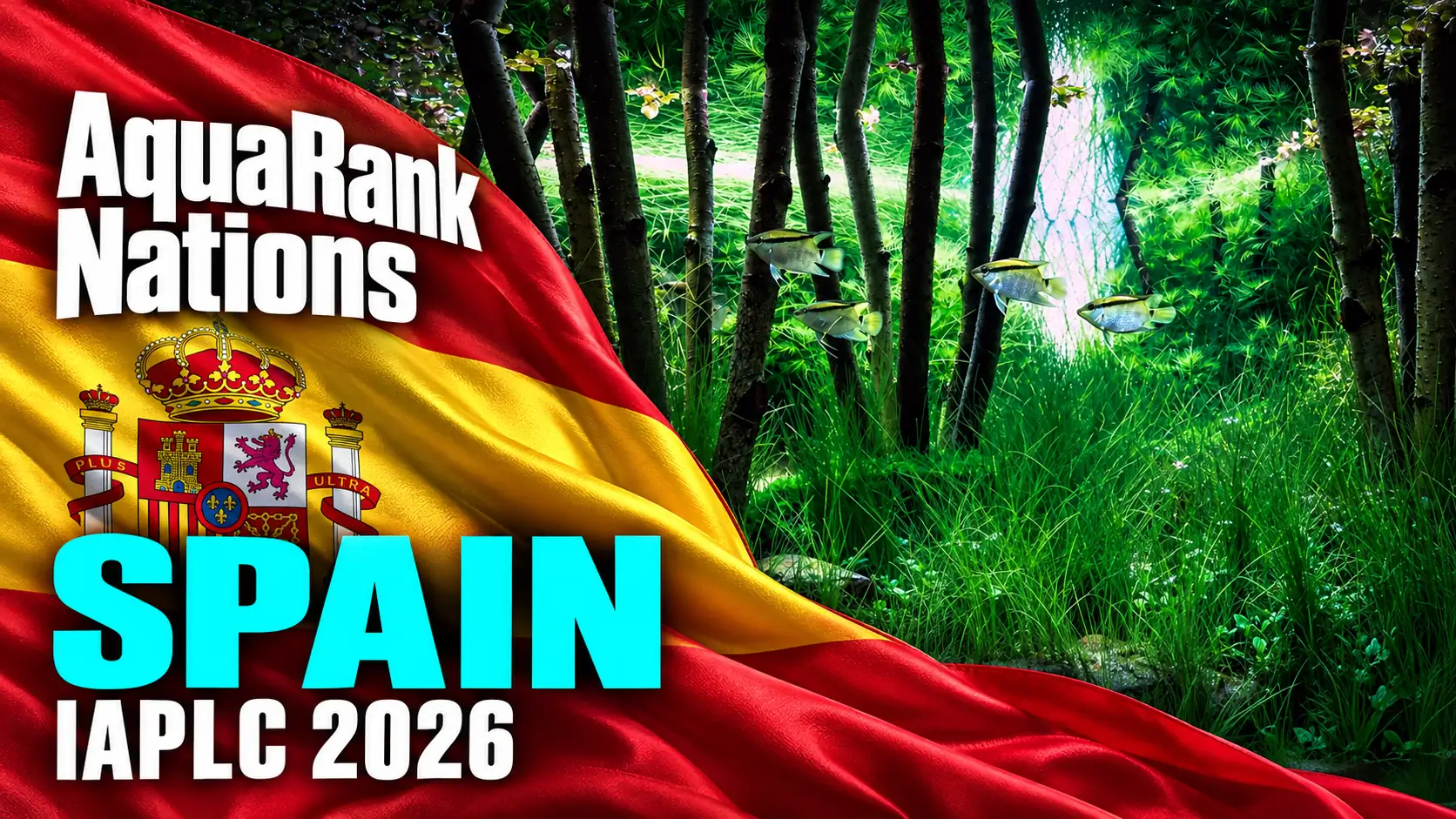
    Spain at IAPLC 2026: Roberto Buenadicha’s Forest and the Space Between Trunks

    Roberto Buenadicha’s aquarium is the only Spanish work in the published ranks 1–300. Its slender dark trunks, fine green planting and conspicuous pale fish make it a rewarding individual study. This instalment returns to the older Spain introduction through one photograph, keeping the scope small enough for the evidence available.
  • Analyse France aquascapes at IAPLC 2026, then explore the country’s results, contributing creators and competition history on AquaRank Nations.

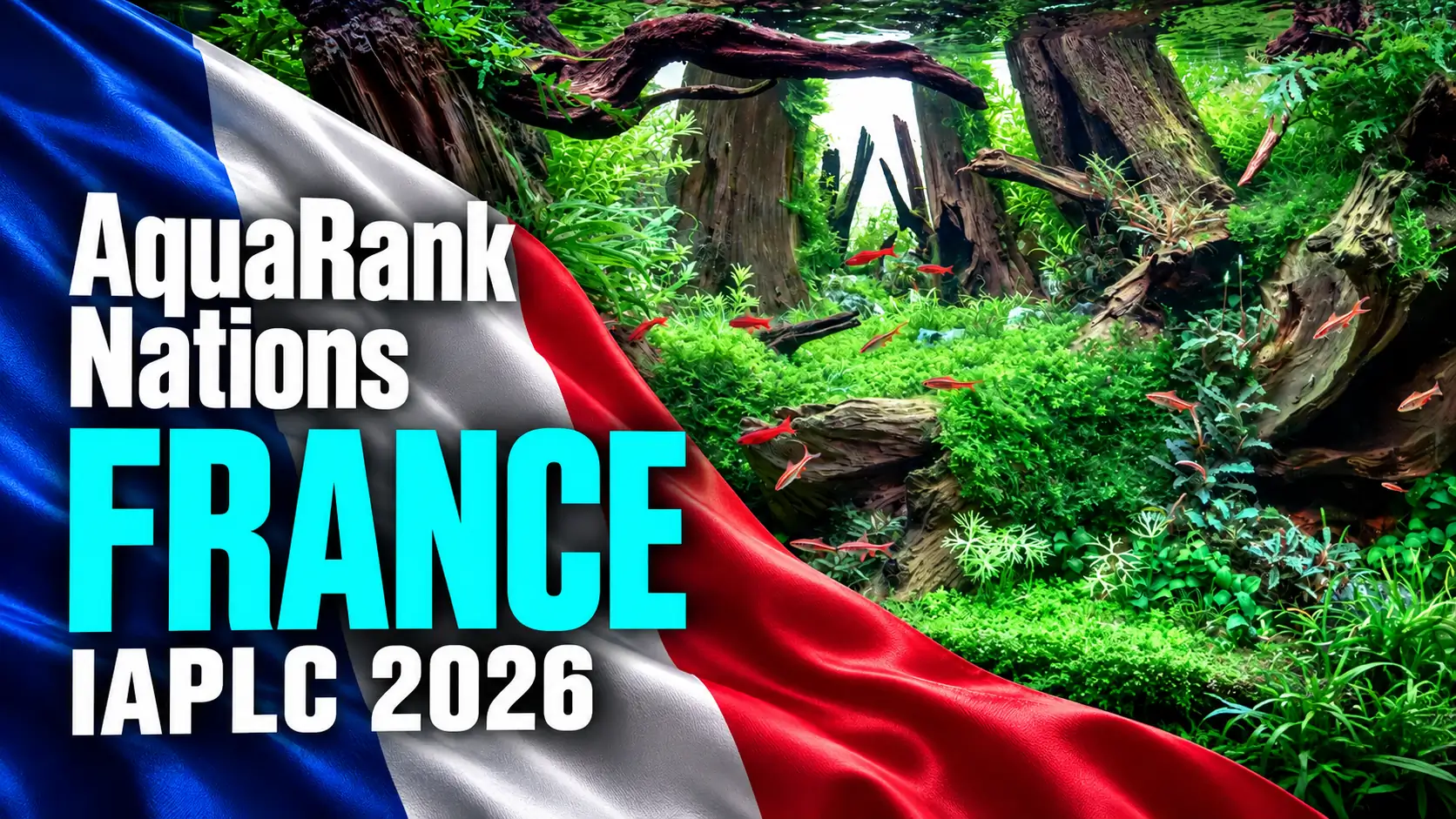
    France at IAPLC 2026: A Close Reading of Jean Christophe Grosset’s Woodland

    Only one French work appears in the published ranks 1–300. That gives this instalment a different task: a close reading of Jean Christophe Grosset’s aquarium, with the older country introduction as context. The photograph deserves attention for its own wood, planting and fish relationships, rather than being made to represent every French aquascaper.
  • Analyse Singapore aquascapes at IAPLC 2026, then explore the country’s results, contributing creators and competition history on AquaRank Nations.

    Singapore at IAPLC 2026: Open Stone and an Enclosed Planted Passage

    Two Singaporean works appear in the published ranks 1–300, and they offer an unusually clear contrast. One makes open water and two main stones central; the other encloses a small rear opening within dense planting and roots. The pair is useful precisely because it does not support one simple visual label.
  • Analyse Hong Kong aquascapes at IAPLC 2026, then explore the country’s results, contributing creators and competition history on AquaRank Nations.

    Hong Kong at IAPLC 2026: Three Studies in Light, Layers and Visual Impact

    A low timber ceiling, blue-toned terraces and converging planted diagonals create three visibly different aquariums. Hong Kong’s represented works at ranks 1–300 offer a compact study of visual impact beyond the season’s leading awards. Looking at them closely is more informative than treating the cutoff count as a verdict on an entire aquascaping community.
  • Analyse Italy aquascapes at IAPLC 2026, then explore the country’s results, contributing creators and competition history on AquaRank Nations.

    Italy at IAPLC 2026: Calm Routes and More Dramatic Planted Frames

    A clear route through planted banks can feel quiet; a coloured ridge beneath a dark frame can feel theatrical. The four Italian photographs selected for this study offer both experiences. Together, they make a useful contemporary comparison with an archive that once placed particular emphasis on calm, enduring-looking compositions.
  •  Analyse United States aquascapes at IAPLC 2026, then explore the country’s results, contributing creators and competition history on AquaRank Nations.

    United States at IAPLC 2026: Four Distinct Readings of a Wooded Aquarium

    The four American photographs selected here all contain important wood structures, yet they do not produce one uniform wooded scene. A broad canopy, a low diagonal, a fine-leaved light window and an exposed timber subject organise attention differently. That variation lets us discuss design diversity through specific decisions rather than a broad national label.
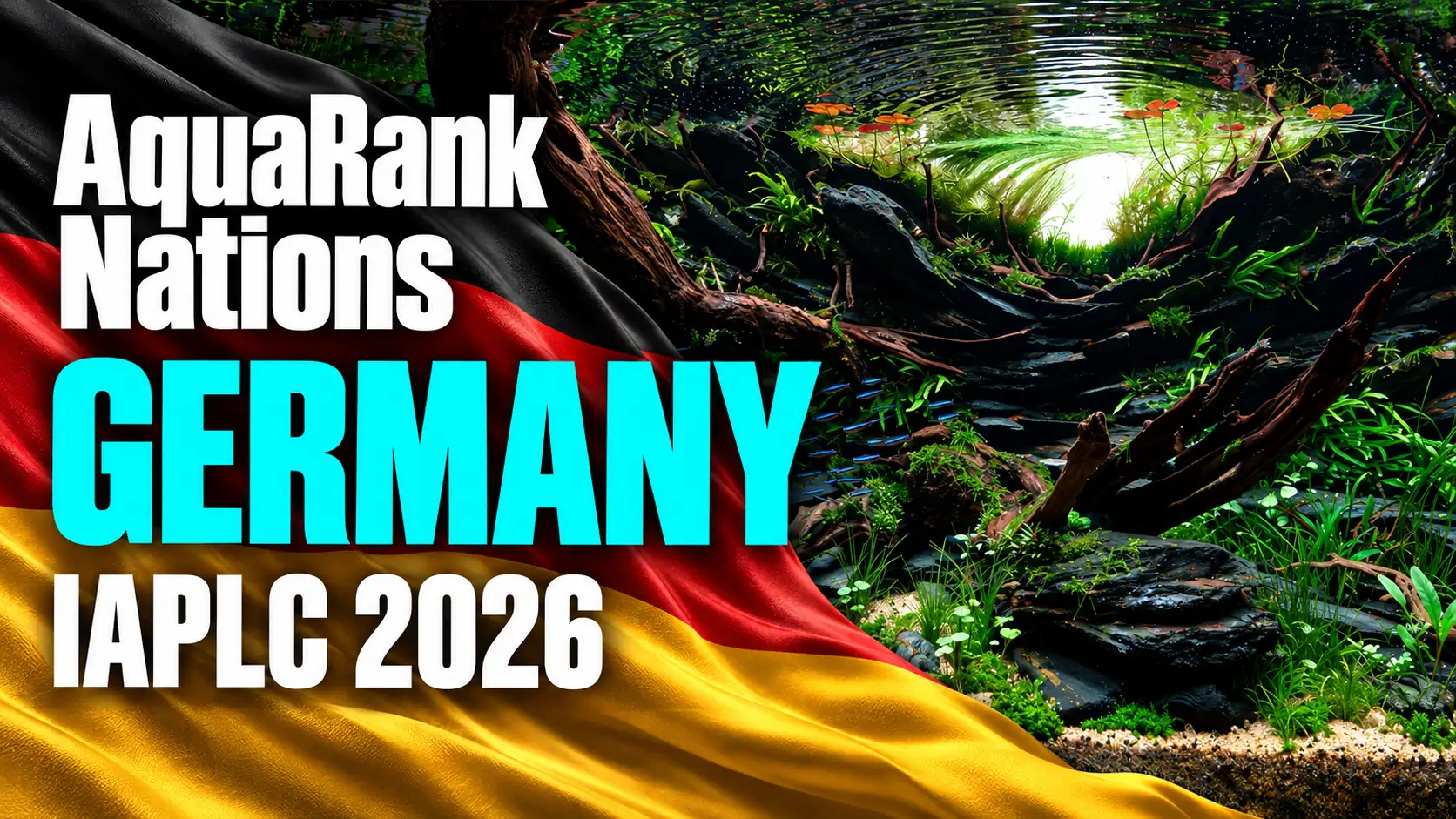
  • Analyse Germany aquascapes at IAPLC 2026, then explore the country’s results, contributing creators and competition history on AquaRank Nations.

    Germany at IAPLC 2026: Four Ways to Balance Hardscape and Open Water

    A dark wooded frame, a rocky valley, a brighter mixed scene and green-covered root contours make this German selection particularly useful for comparison. The photographs share an interest in separating materials from the water around them, but achieve it through different outlines and lighting relationships.
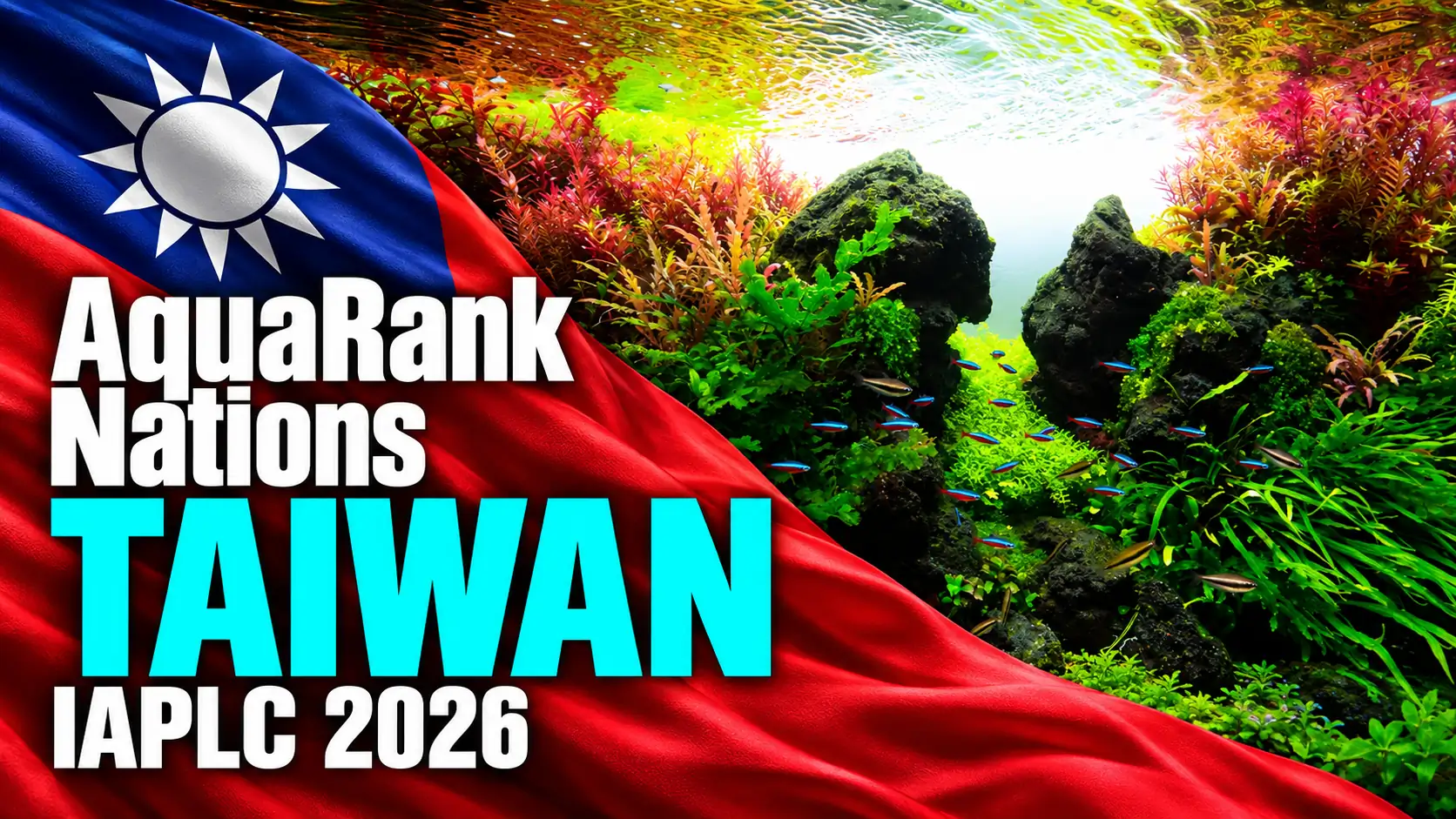
  • Analyse Taiwan aquascapes at IAPLC 2026, then explore the country’s results, contributing creators and competition history on AquaRank Nations.

    Taiwan at IAPLC 2026: Planted Contours and Changing Routes into Depth

    Dense foliage, planted wood ridges and a low central route create different senses of distance in this four-work selection. The photographs are particularly rewarding when viewed through changes in leaf shape and planting height. They offer a present-season comparison with an archive that once described both graceful composition and more contemporary experimentation.
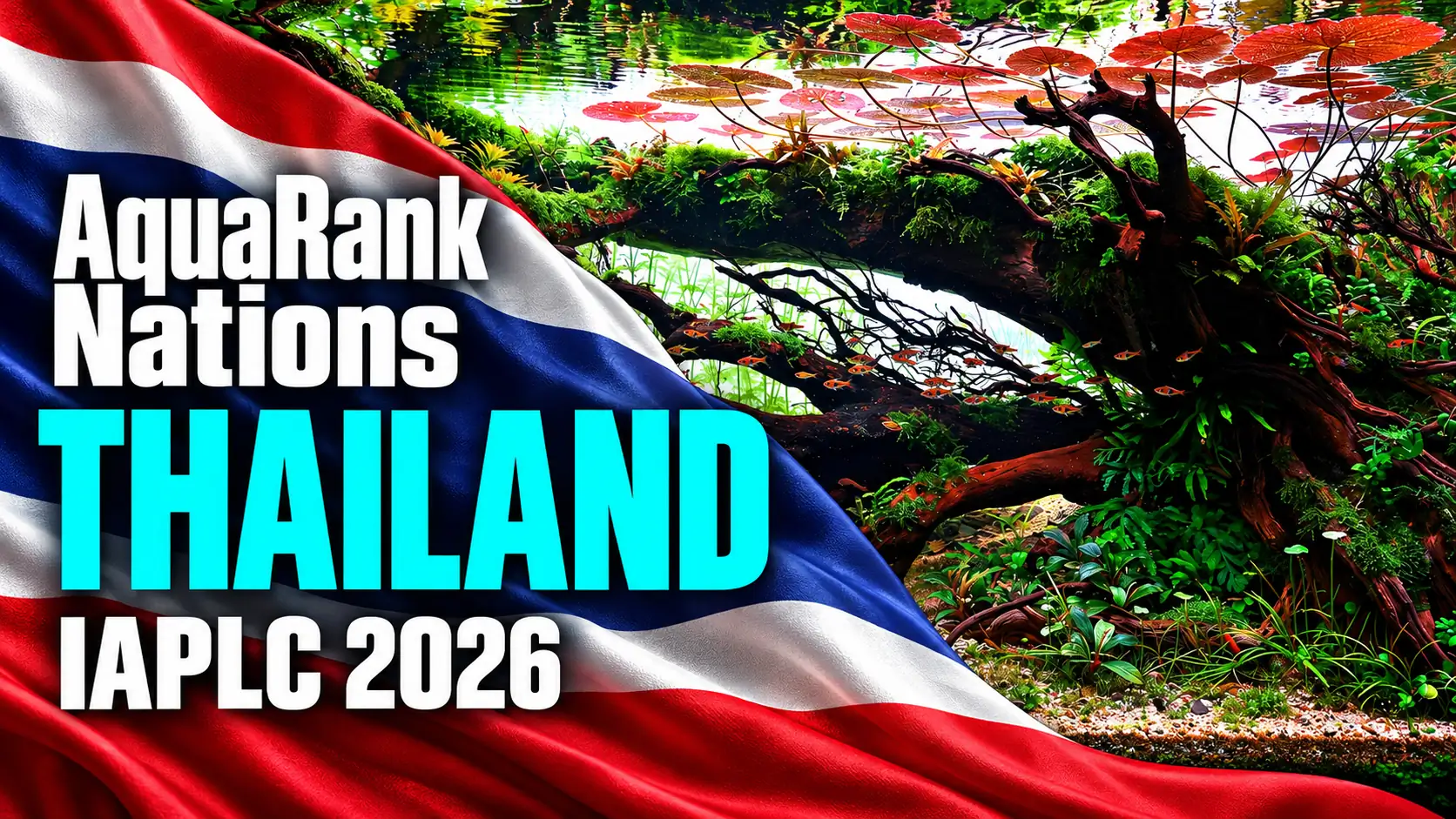
  •  Analyse Thailand aquascapes at IAPLC 2026, then explore the country’s results, contributing creators and competition history on AquaRank Nations.

    Thailand at IAPLC 2026: Surface Colour, Green Arches and Open Rockwork

    Three Thai aquariums in the published Top 300 present contrasting visual priorities. MAGIC LEAVES makes the water surface a signature; another work carries a route beneath planted arches; a third exposes rock peaks against rounded greenery. This small group gives a useful reason to look beyond the first shared award photograph.
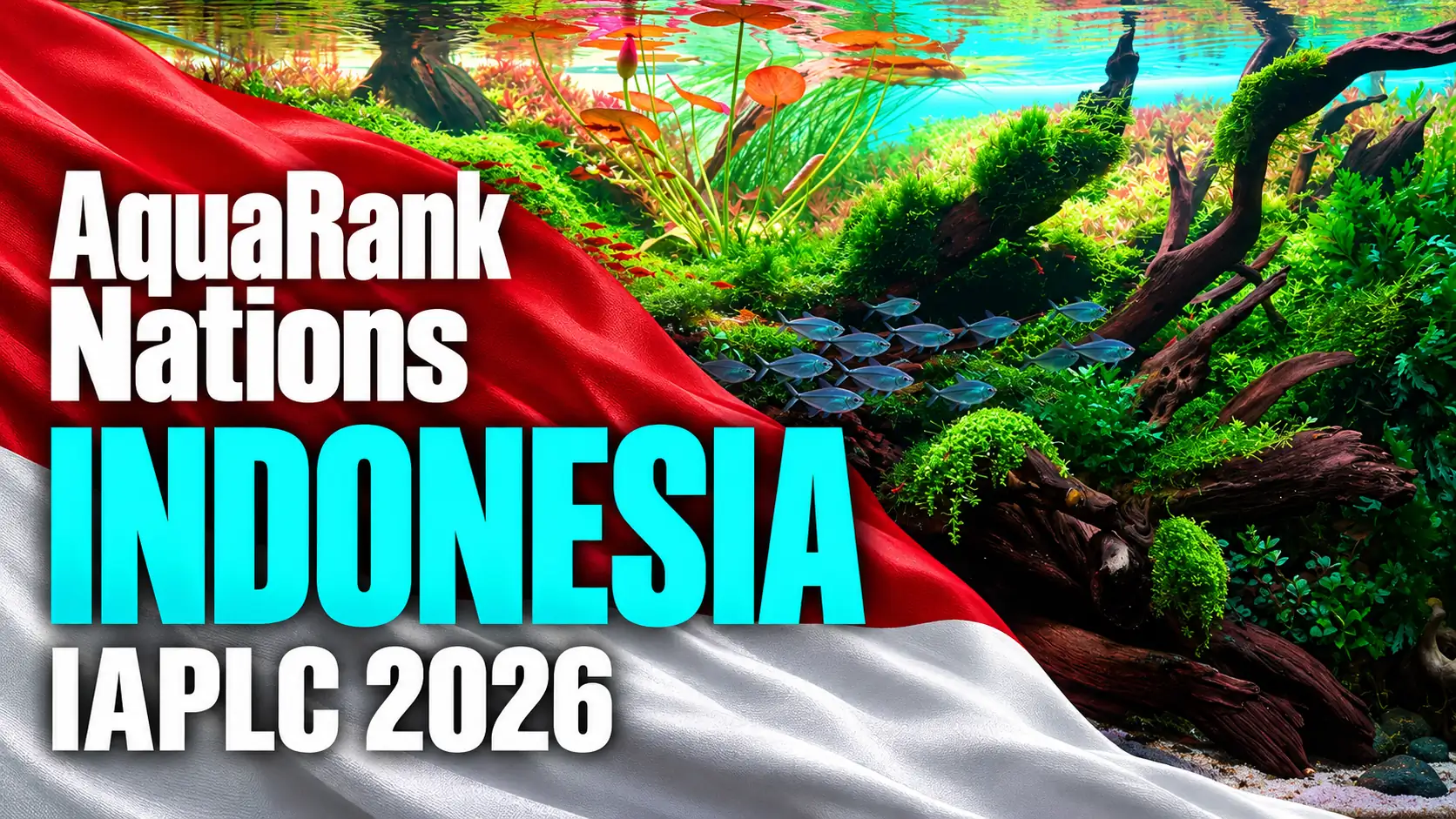
  • Analyse Indonesia aquascapes at IAPLC 2026, then explore the country’s results, contributing creators and competition history on AquaRank Nations.

    Indonesia at IAPLC 2026: Forest Craft Through Four Different Frames

    The four Indonesian works published at ranks 1–300 offer a compact comparison. A coloured surface canopy, a dominant trunk, a dense grove and a wood-and-rock opening all reward close attention. The small group makes it possible to examine every represented work in this range, while keeping the conclusions specific to this season and cutoff.
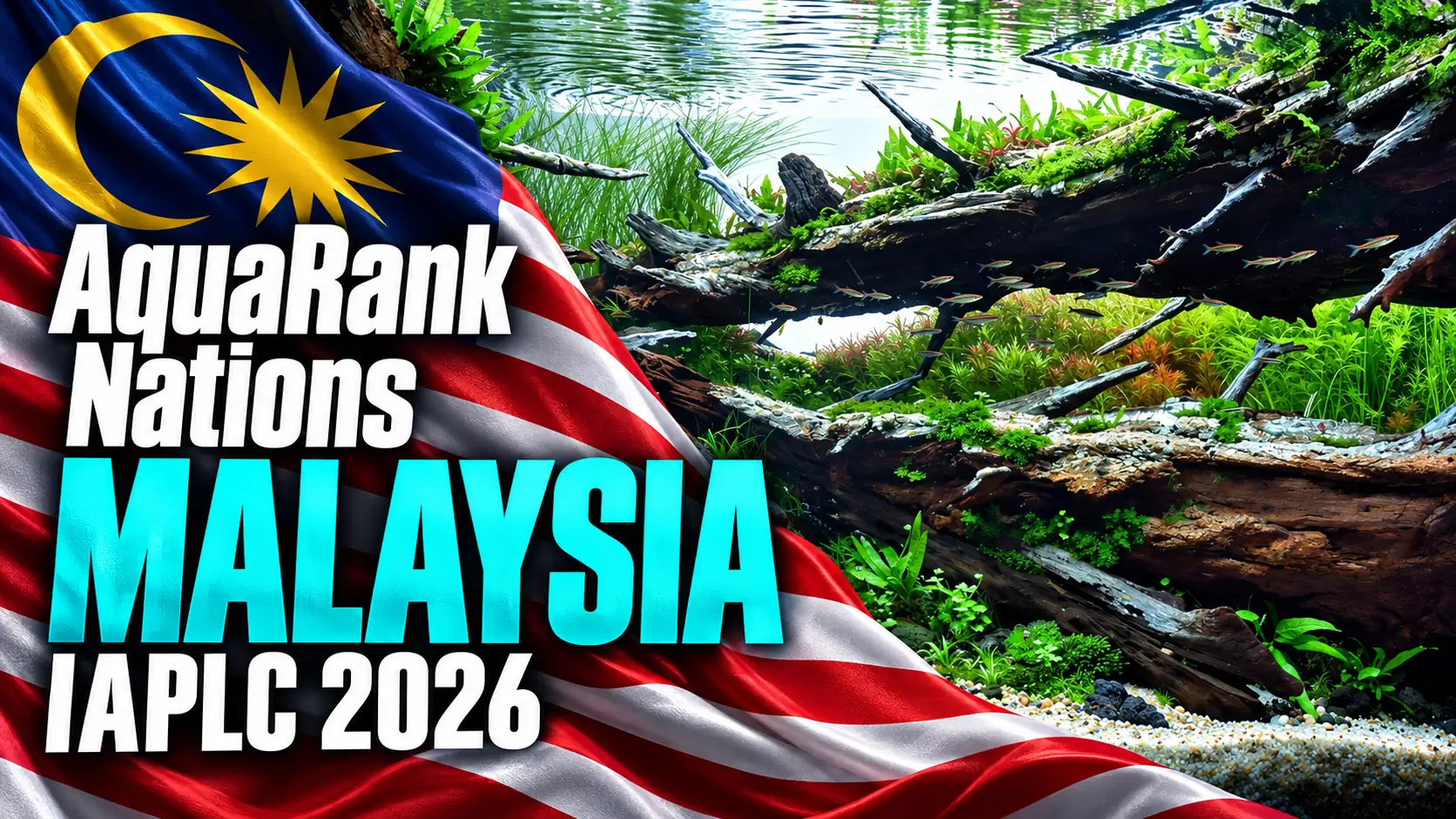
  • Analyse Malaysia aquascapes at IAPLC 2026, then explore the country’s results, contributing creators and competition history on AquaRank Nations.

    Malaysia at IAPLC 2026: Wood, Plant Texture and the Visual Role of Fish

    A bright gap between broad wood layers, a fine-leaved canopy and a conspicuous individual fish offer three different entrances to this Malaysian selection. The photographs invite attention to the space inhabited by fish as well as the hardscape around it. They also show why a creator’s reputation and a new aquarium’s visual decisions should be discussed separately.
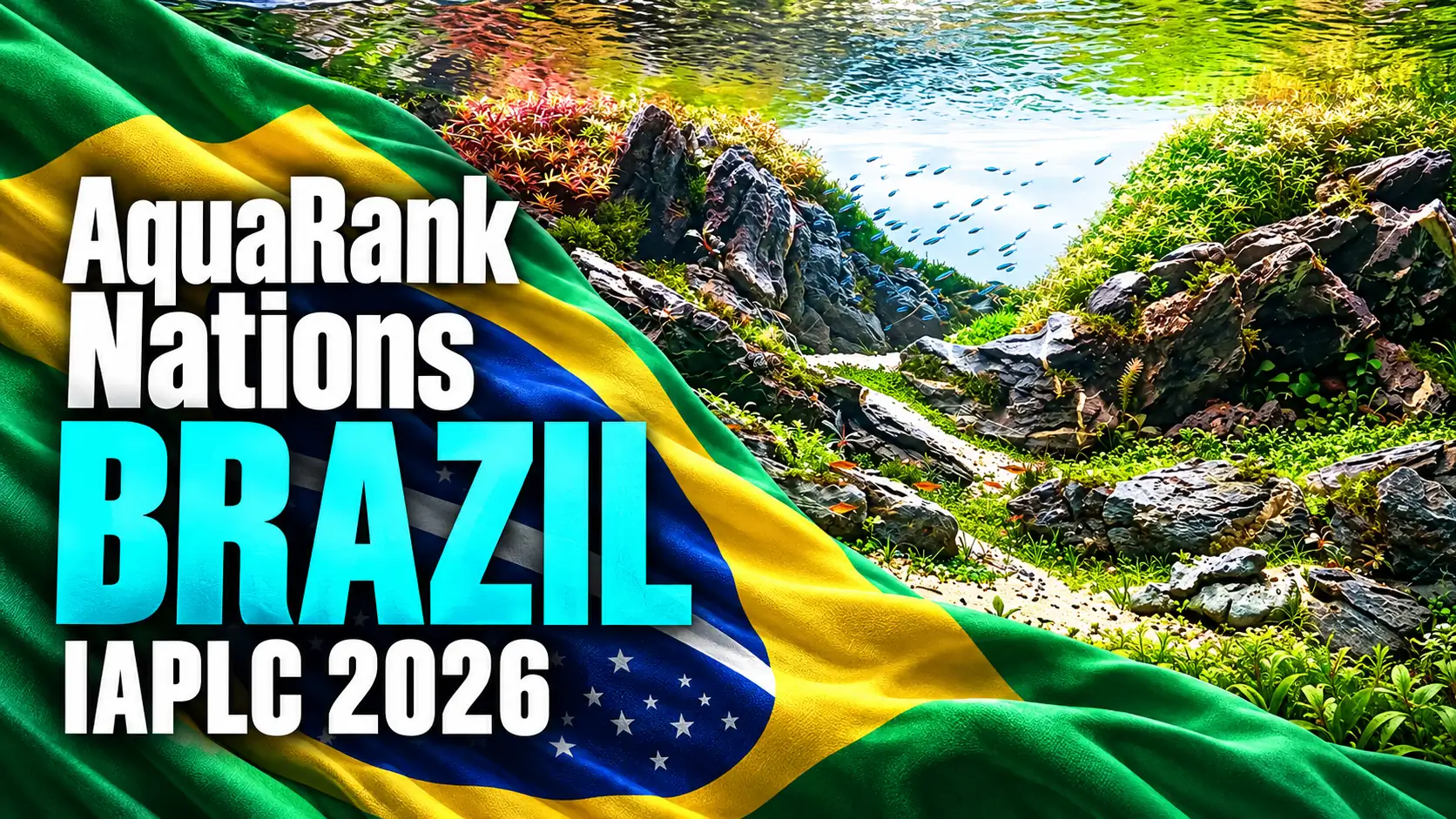
  • Analyse Brazil aquascapes at IAPLC 2026, then explore the country’s results, contributing creators and competition history on AquaRank Nations.

    Brazil at IAPLC 2026: Rock Landscapes and Wood Beyond the Familiar Label

    Enchanted Hills offers an immediately recognisable rock valley, with coloured planting and fish in bright water. Three other selected Brazilian photographs build their scenes around substantial wood. Seeing them together is a useful way to revisit a familiar label without asking individual creators to fit a single national recipe.
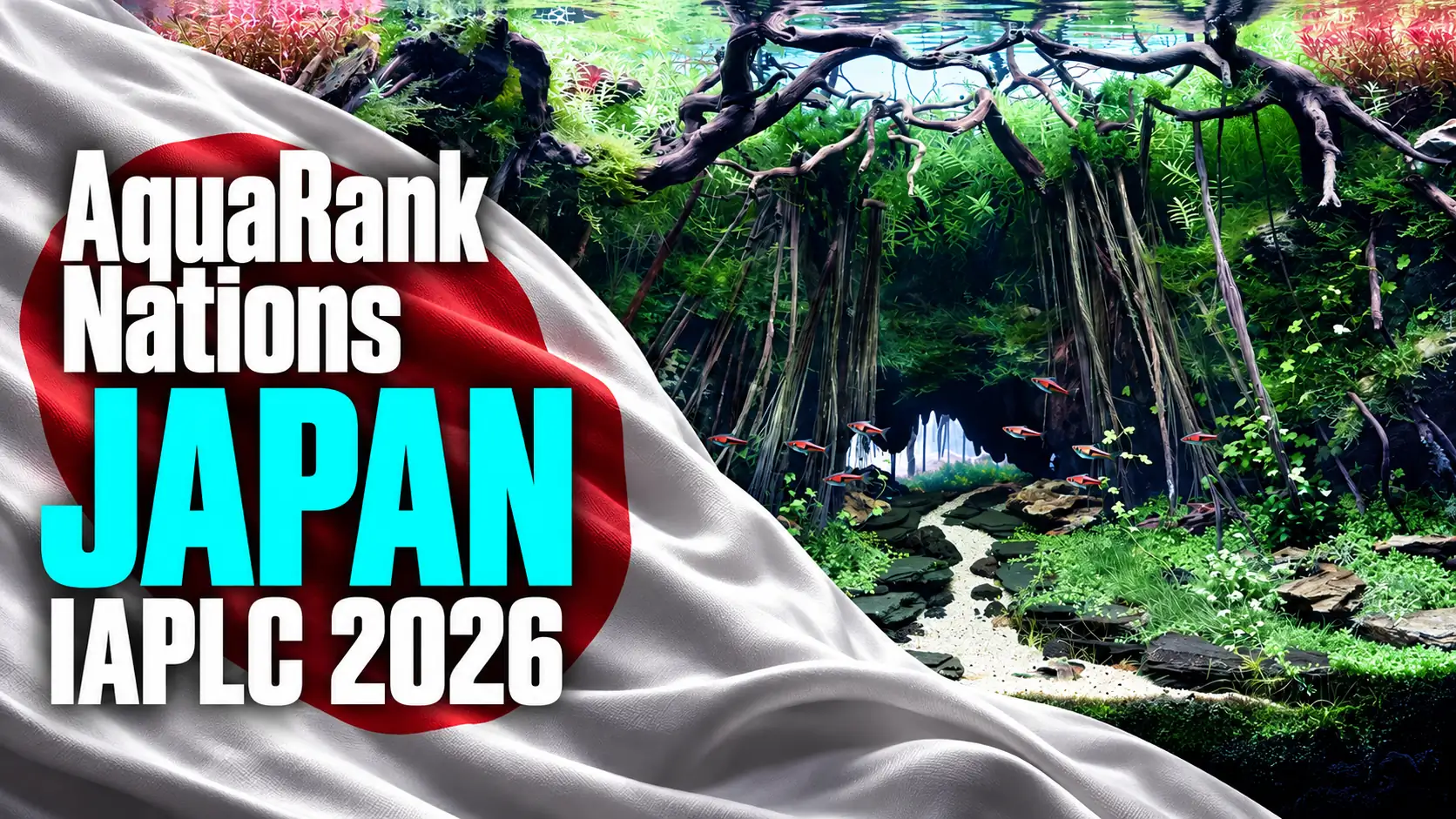
  • Analyse Japan aquascapes at IAPLC 2026, then explore the country’s results, contributing creators and competition history on AquaRank Nations.

    Japan at IAPLC 2026: Nature Aquarium and Many Contemporary Visions

    A pale path through hanging roots and a bright interval between exposed rocks can both make an aquarium feel spacious. Japan’s 2026 selection is rewarding because it places these different approaches beside richly planted foregrounds and coloured slopes. Six photographs offer a practical way to discuss variety within a familiar Nature Aquarium heritage.
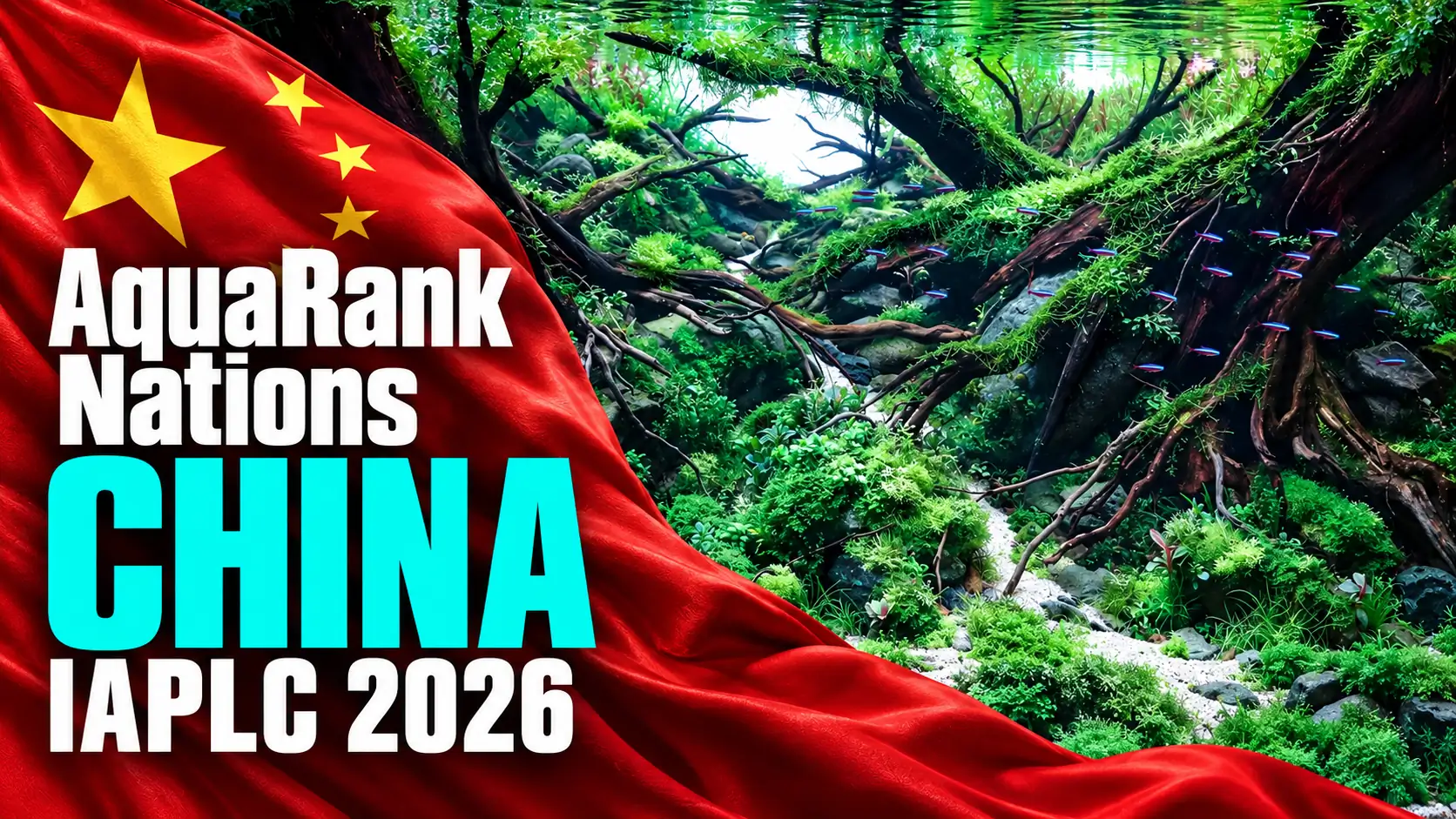
  • Analyse China aquascapes at IAPLC 2026, then explore the country’s results, contributing creators and competition history on AquaRank Nations.

    China at IAPLC 2026: How Layered Wood Creates Convincing Depth

    The Grand Prize photograph gives this study an obvious first stop, but the comparison becomes richer when it reaches beyond the winner. Six selected aquariums show different ways of framing light with wood: unequal trunks, fine leaf curtains, successive arches and repeated vertical roots. Their interest lies in how each arrangement keeps a densely constructed scene readable.
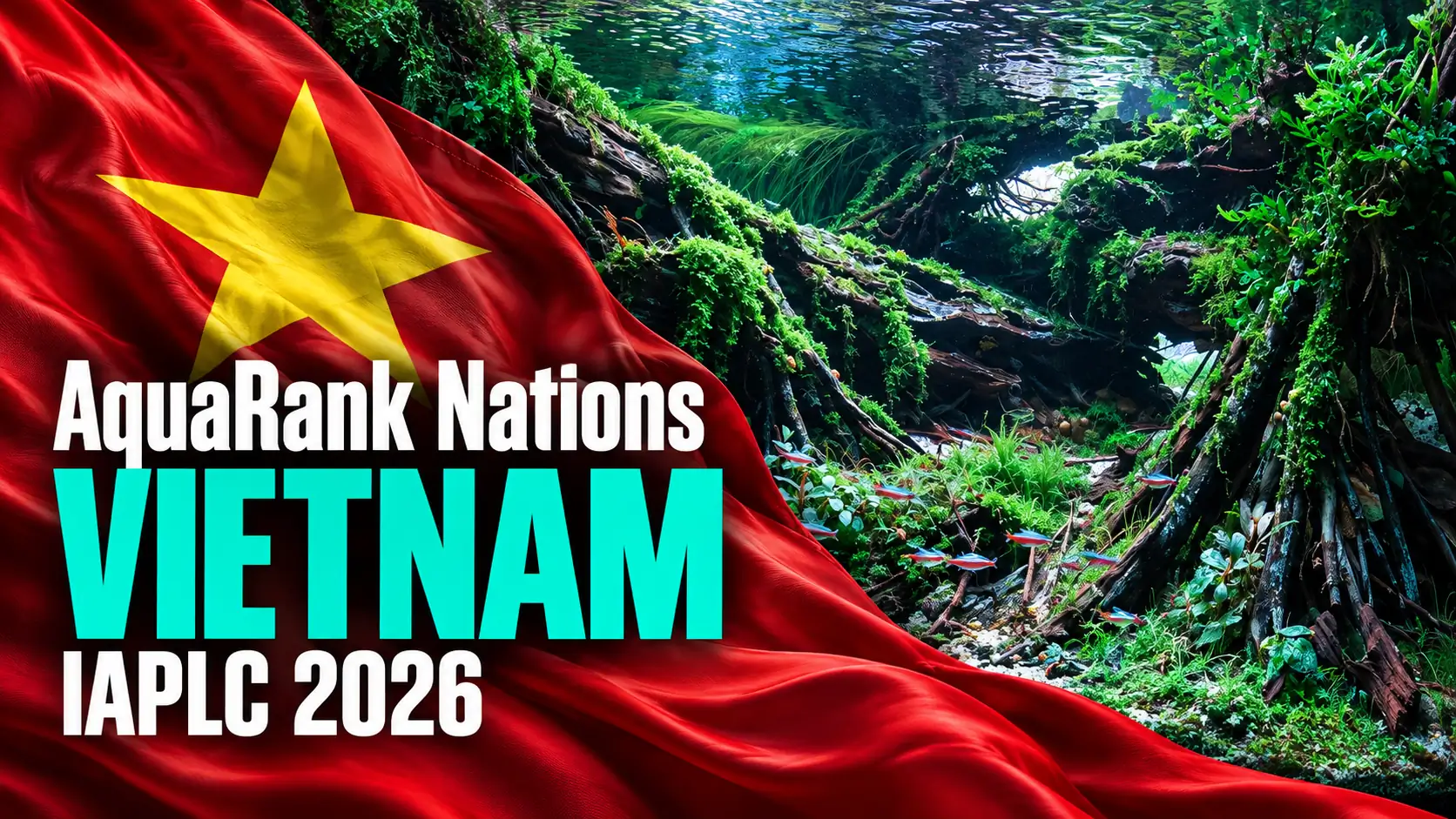
  • Vietnam at IAPLC 2026: Wood, Stone and a Broader Design Identity

    Vietnam’s two leading 2026 awards both invite us into wooded environments. That is an interesting starting point for revisiting an archive which once associated the country strongly with stone. The most useful reading is not that one material has defeated the other. Six selected photographs show several ways of organising planted ground, open water and the route into a scene.
  • Use the existing CIAC cover style with the wording “CIAC 2026 / OFFICIAL RESULTS / RANKINGS TO 119”. Use an actual contest photograph; do not claim “119 entries” or “full results”.

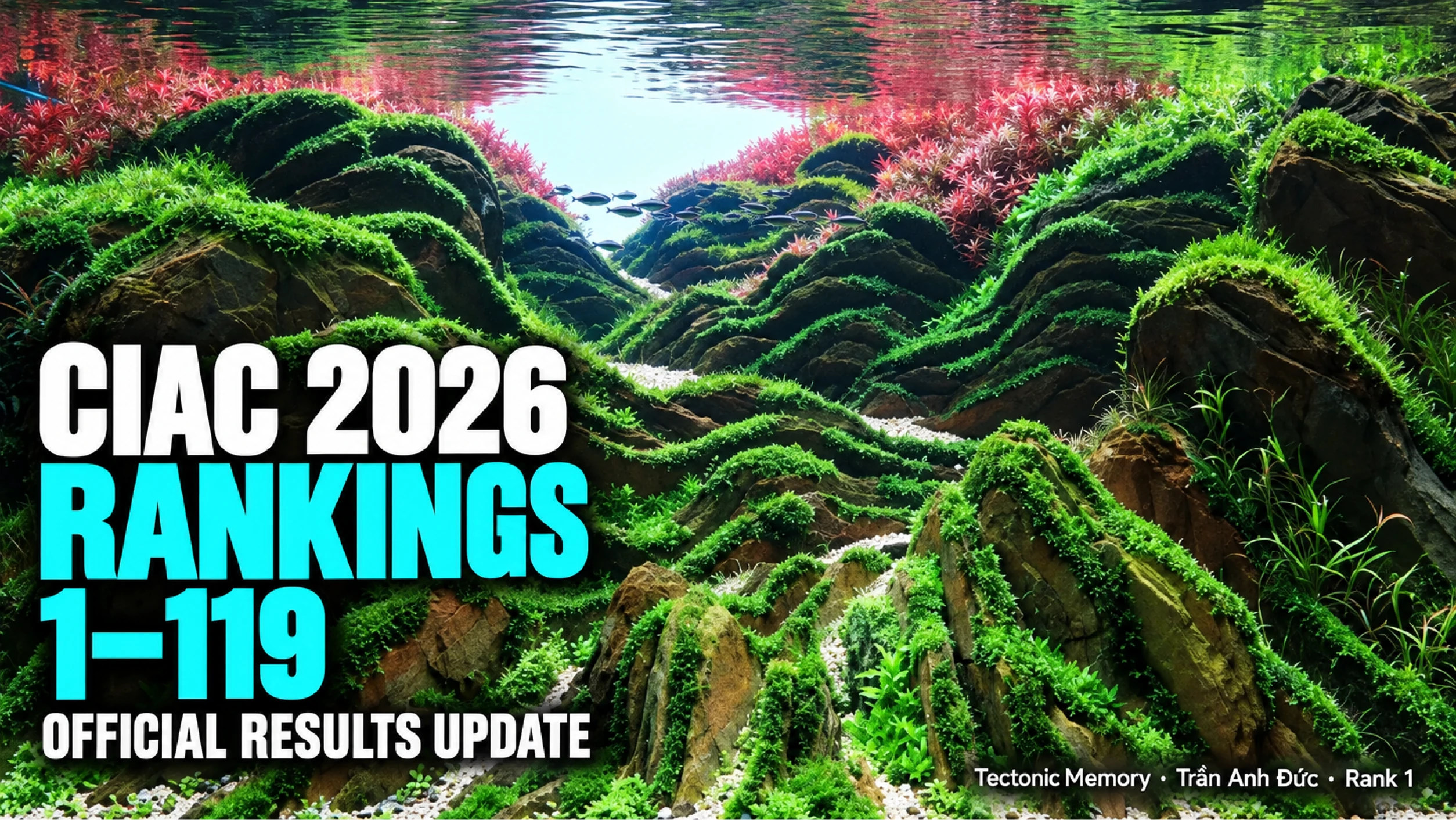
    CIAC 2026 Official Results Update: Rankings Extend to 119

    The CIAC 2026 Aquascaping Category results have received an official update. A results sheet distributed by the organising committee on 14 October lists ranks 14–119, extending the ranking information available beyond the image cards previously covered by AquaLibs.