It’s time to help contribute for biggest aquarium gallery online

SUBMIT HEREVIEW GALLERY

Ambystoma mexicanum (Axolotl)

Overview

The Axolotl (Ambystoma mexicanum) is a fully aquatic amphibian that has become a beloved fixture in the aquarium hobby. Unlike most amphibians, the Axolotl is neotenic, meaning it reaches sexual maturity without undergoing a typical metamorphosis, retaining its aquatic larval features for life. The "DNZ" designation indicates Deutsche Nachzucht (German captive-bred), ensuring a robust specimen adapted to aquarium conditions rather than being wild-caught.

Distribution and Habitat

In the wild, the Axolotl is critically endangered and native exclusively to the high-altitude lake complex of Xochimilco near Mexico City. These waters are naturally cool, heavily vegetated, and relatively murky. Today, almost all Axolotls in the pet trade are captive-bred.

Description of Axolotl

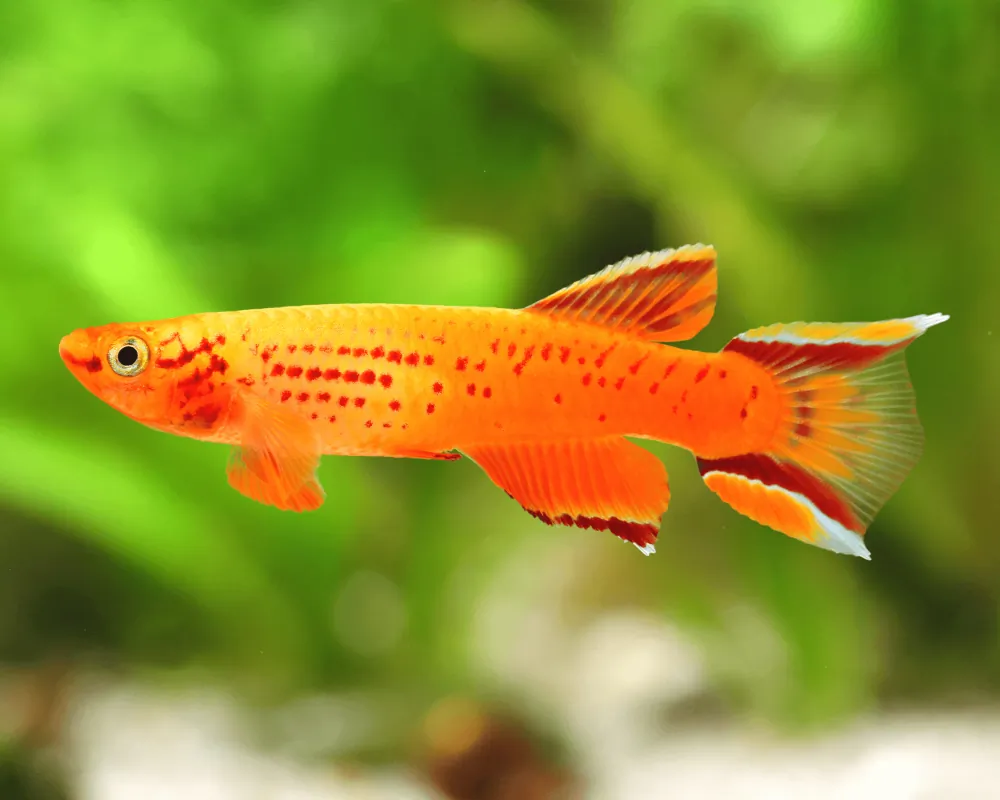
Image of Axolotl   Ambystoma mexicanum   DNZ

Body shape:

They possess a long, stout, and cylindrical body supported by four relatively short, delicate limbs.

Color:

Wild types exhibit a mottled mix of brown, grey, and black. Captive-bred specimens also come in leucistic (pink/white), golden, melanoid, and albino variations.

Barbels:

They do not possess true barbels; instead, they have three pairs of prominent, feathery external gill stalks protruding from the back of their head.

Snout:

The snout is broad, flat, and somewhat blunt, featuring a distinctively wide mouth that gives them a permanent "smile."

Eyes:

Their eyes are small, lidless, and positioned on the sides of the head.

Fins:

A continuous, delicate dorsal fin extends from the back of the head all the way down to the tail.

The Tail:

The tail is laterally compressed and paddle-like, designed for efficient bursts of swimming.

Temper

Axolotls are generally docile but are opportunistic carnivores. They have poor eyesight and will reflexively snap at anything moving that might fit in their mouths.

Sociality

They are best kept in species-only tanks. While they can be housed with other similarly sized Axolotls, juveniles are prone to nipping at each other's gills or limbs, though they possess remarkable regenerative abilities.

Activity

Mainly nocturnal and crepuscular, they spend most of the day resting on the bottom substrate and become much more active during low light periods.

Keeping and Caring for Axolotl

Tank size:

A minimum of 80 liters (20 gallons) is required for a single adult. Floor space is far more important than water depth, as they are primarily bottom-dwellers.

Water Parameters:

Temperature

15-20°C. They are strictly cold-water animals; temperatures exceeding 22°C for prolonged periods can cause severe stress, fungal infections, and even death.

pH

7.4-7.6 is ideal, though they comfortably tolerate a range of 7.0 to 8.0.

Hardness

Moderately hard water (7-14 dGH) is preferred to help maintain a healthy slime coat.

Ammonia, Nitrite, Nitrate

Ammonia and Nitrite must strictly be 0 ppm. Nitrates should be kept below 20 ppm through diligent and regular water changes.

Lighting

Low to moderate lighting is best. Because they lack eyelids, they are highly sensitive to bright, intense lights.

Water flow

Very low flow is crucial. High currents cause significant stress and can physically damage their delicate external gills.

Decorations and Plants

Use fine sand or a completely bare bottom to prevent lethal impaction from swallowed gravel. Provide ample hiding spots using smooth caves, PVC pipes, and sturdy low-light plants like Anubias or Java Fern.

Diet

Axolotls are strictly carnivorous. Their diet should consist of high-quality sinking carnivore pellets, earthworms, nightcrawlers, and occasionally bloodworms or brine shrimp as a treat.

Some Feeding Tips

Feed adult Axolotls 2 to 3 times a week. Using feeding tongs helps ensure they find their food quickly, prevents them from accidentally ingesting substrate, and keeps the tank water cleaner.

Breeding

Breeding is often triggered by a slight drop in water temperature and a change in daylight hours, simulating the arrival of spring. Females will lay hundreds of individual eggs, carefully attaching them to plants or decorations. Adults must be removed from the breeding tank immediately, as they will eat the eggs and resulting larvae.

Conclusion

The Axolotl is a captivating, prehistoric-looking aquatic companion that thrives when its specific cold-water requirements are strictly met. With a proper setup, immaculate water quality, and a nutritious diet, these highly unique amphibians can provide over a decade of interactive enjoyment.

Fish info

Care level: Moderate
Temperament: Moderate
Adult size: 20-30 cm
Life expectancy: 10-15 years
Fish type: Amphibian
Temperature : 15-20°C
pH: 7.0-8.0
Color Form: Black, Brown, Gold, Grey, Pink, White
Leave your comments
Lastest on Fishs
  • Apteronotus albifrons (Black Ghost Knifefish)

    Moderate - Difficult
    Amphibian
    The Black Ghost Knifefish, scientifically known as Apteronotus albifrons, is a mesmerizing nocturnal species native to the Amazon Basin. Renowned for its unique, undulating swimming style and striking black body with contrasting white bands, this scaleless fish uses a weak electrical organ to navigate and hunt, captivating advanced aquarists.
  • Puntius semifasciolatus (Gold Barb)

    Easy
    Amphibian
    The Gold Barb, a stunning captive-bred variant of the Chinese Barb, is a highly popular and active schooling fish. Known for their brilliant golden-yellow coloration and peaceful nature, they are exceptionally hardy, making them a fantastic choice for both beginner and experienced aquarists looking to add vibrant movement.
  • Barbodes semifasciolatus (Brocade Barb)

    Easy
    Amphibian
    The Brocade Barb, widely recognized by its captive-bred golden variant, is a hardy and active schooling fish native to Southeast Asia. With their peaceful demeanor and striking metallic coloration, they are incredibly popular among aquarists, perfect for adding vibrant movement to unheated or community aquariums.
  • Moenkhausia pittieri (Brilliant Tetra / Diamond Tetra)

    Easy
    Amphibian
    The Brilliant Tetra, widely known as the Diamond Tetra (Moenkhausia pittieri), is a stunning freshwater fish celebrated for its iridescent, jewel-like scales. Native to Venezuela, this active and peaceful schooling fish brings a captivating sparkle to community aquariums, making it highly popular among both beginner and experienced aquarists.
  • Hyphessobrycon socolofi (Brazilian Cherry Spotted Tetra)

    Easy
    Amphibian
    The Brazilian Cherry Spotted Tetra (Hyphessobrycon socolofi) is a captivating freshwater fish prized for its striking bright red flank spot and peaceful demeanor. Native to South American river basins, this active schooling fish adds a brilliant flash of color and lively energy, making it a highly popular choice for community aquariums.
  • Melanotaenia lacustris (Blue Rainbowfish)

    Easy - Moderate
    Amphibian
    The Blue Rainbowfish, endemic to Lake Kutubu in Papua New Guinea, is celebrated for its stunning, shifting blue and turquoise hues. This peaceful, active schooling fish is highly sought after by aquarists. Captive-bred specimens (DNZ) are particularly hardy and adaptable, making them a vibrant addition to planted community aquariums.
  • Knodus borki (Blue Peru Tetra)

    Easy - Moderate
    Amphibian
    The Blue Peru Tetra (Knodus borki) is a stunning, highly active schooling fish native to the Peruvian Amazon. Known for its brilliant iridescent blue lateral stripe, this peaceful yet energetic species has gained immense popularity among aquarists seeking vibrant colors and lively movement for their planted community aquariums.
  • Paracheirodon simulans (Blue Neon Tetra)

    Moderate
    Amphibian
    Originating from the blackwater streams of the Orinoco and Negro rivers, the Blue Neon Tetra is a captivating schooling fish. Highly popular among aquascapers, its brilliant, continuous blue-green iridescent stripe pops beautifully in planted nano tanks. They are peaceful, active, and bring a stunning splash of color to soft-water aquariums.
  • Hyphessobrycon melanostichos (Blue Black Banded Tetra)

    Easy - Moderate
    Amphibian
    The Blue Black Banded Tetra (Hyphessobrycon melanostichos), often called the Lapis Tetra, is a striking addition to the aquarium hobby. Originating from Brazil's Rio Tapajós basin, this peaceful schooling fish captivates aquarists with its brilliant iridescent blue body, bold black lateral stripe, and active, engaging schooling behavior.
  • Hyphessobrycon callistus (Blood Tetra Extra Red)

    Easy
    Amphibian
    Originating from the lush Amazon basin, the Extra Red Blood Tetra is a remarkably striking, active schooling fish. Known for its intensely deep crimson coloration and playful energy, this hardy species adds vibrant movement to community aquariums, making it an incredibly popular choice for both beginner and experienced aquarists alike.
  • Hemigrammus stictus (Blood Tail Tetra)

    Easy - Moderate
    Amphibian
    Originating from the slow-moving, tannin-stained waters of South America, the Blood Tail Tetra is a peaceful and active schooling fish. Known for its striking red caudal peduncle and distinct black humeral spot, this hardy species adds a subtle yet captivating splash of color to any planted community aquarium.
  • Astyanax mexicanus (Blind Cave Tetra)

    Easy
    Amphibian
    The Blind Cave Tetra is a fascinating oddball fish that has evolved without eyes or pigmentation to survive in pitch-black subterranean caves. Relying on an advanced lateral line system to navigate and find food, this hardy, active schooling fish makes a captivating and unique addition to the home aquarium.
  • Chilatherina bleheri (Bleher's Rainbowfish)

    Easy - Moderate
    Amphibian
    Chilatherina bleheri, commonly known as Bleher's Rainbowfish, is a stunning freshwater species native to Lake Holmes in Papua, Indonesia. Known for its striking split coloration—featuring a greenish-blue front and a vibrant red-orange back—this active, peaceful schooling fish is highly prized by aquarists for adding dynamic movement and color.
  • Trigonostigma truncata (Truncate Harlequin Rasbora)

    Easy
    Amphibian
    The Truncate Harlequin Rasbora, often referred to as the Blaustrich Keilfleckbarbe, is a captivating and peaceful schooling fish native to Southeast Asia. Known for its distinct black wedge-shaped marking and vibrant orange hues, this active cyprinid is highly popular among aquarists for its hardiness and striking appearance in planted aquariums.
  • Channa andrao (Blue Snakehead)

    Moderate
    Amphibian
    The Blue Snakehead (Channa andrao) is a captivating dwarf species highly sought after by aquarium enthusiasts. Originating from the swamps of India, this rare gem boasts mesmerizing blue hues and fascinating behaviors. Despite its predatory nature, its manageable size makes it an incredible centerpiece for dedicated keepers.
  • Moenkhausia sp. (Blue-Eye Kogal Tetra)

    Easy - Moderate
    Amphibian
    The Blue-Eye Kogal Tetra, an undescribed Moenkhausia species, is a stunning and active schooling fish prized for its striking bright blue eyes and shimmering golden-silver body. Originating from South America, this peaceful yet energetic tetra adds a captivating gleam and dynamic movement to any well-planted community aquarium.