AquaLibs presents AquaRank Discover the world’s leading aquascapers

Explore transparent rankings built from published results across the world’s leading aquascaping contests.

12 Unique Aquarium Snails to Beautify and Maintain Your Planted Tank

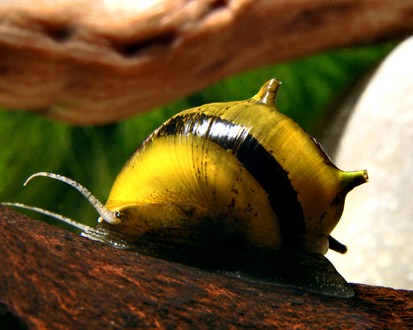
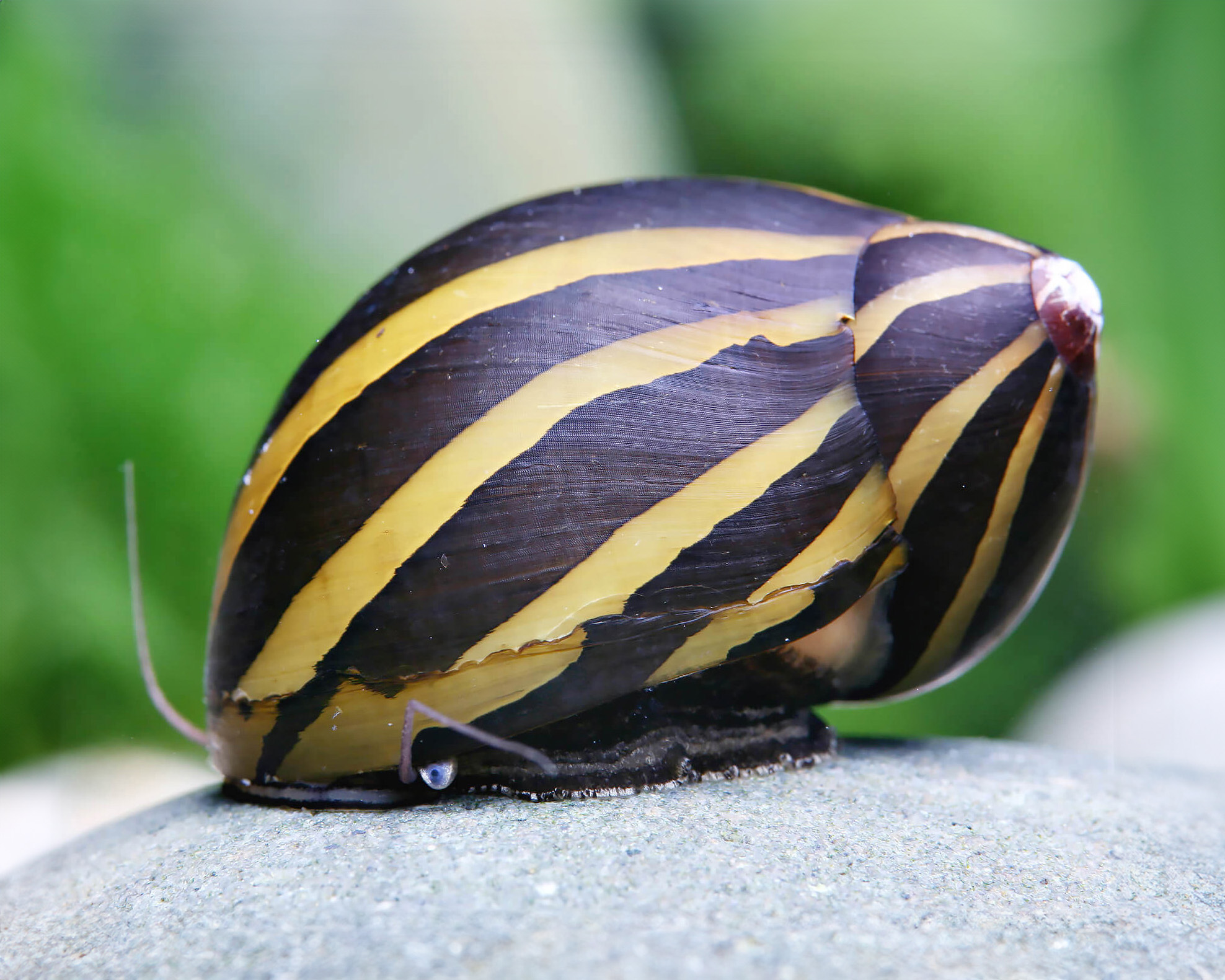
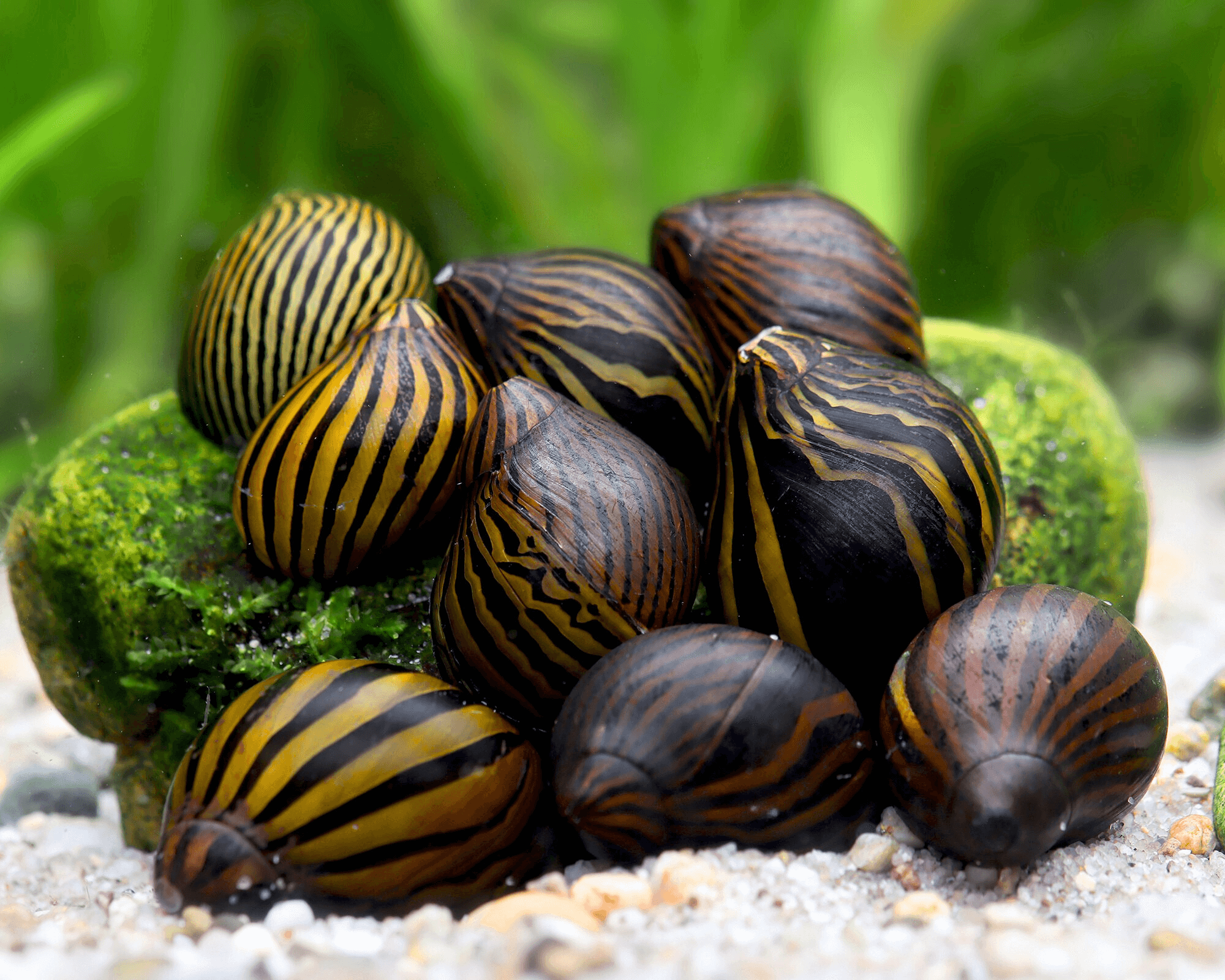
The Efficient Algae Hunter: Zebra Racing Snail

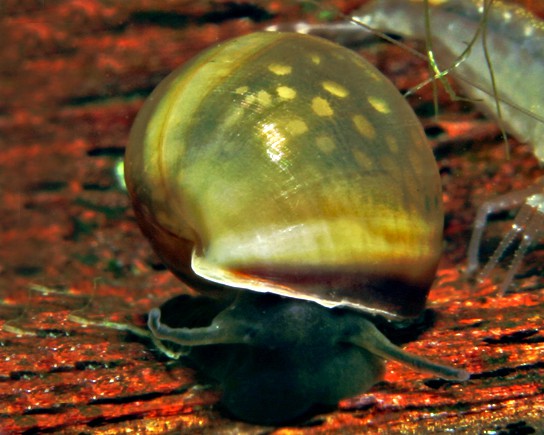
The Zebra Racing Snail, Vittina turrita, is a staple for planted tank enthusiasts who struggle with stubborn algae. These snails are renowned for their relentless work ethic, grazing on glass, rocks, and hardscape without ever touching your live plants. Their striking black and yellow striped shells add a bold aesthetic to any aquascape. Because they require brackish water to breed, you will not have to worry about an uncontrolled population explosion in your freshwater display. Provide them with a stable tank environment, and they will reward you with a cleaner, clearer aquarium.
The Efficient Algae Hunter: Zebra Racing Snail

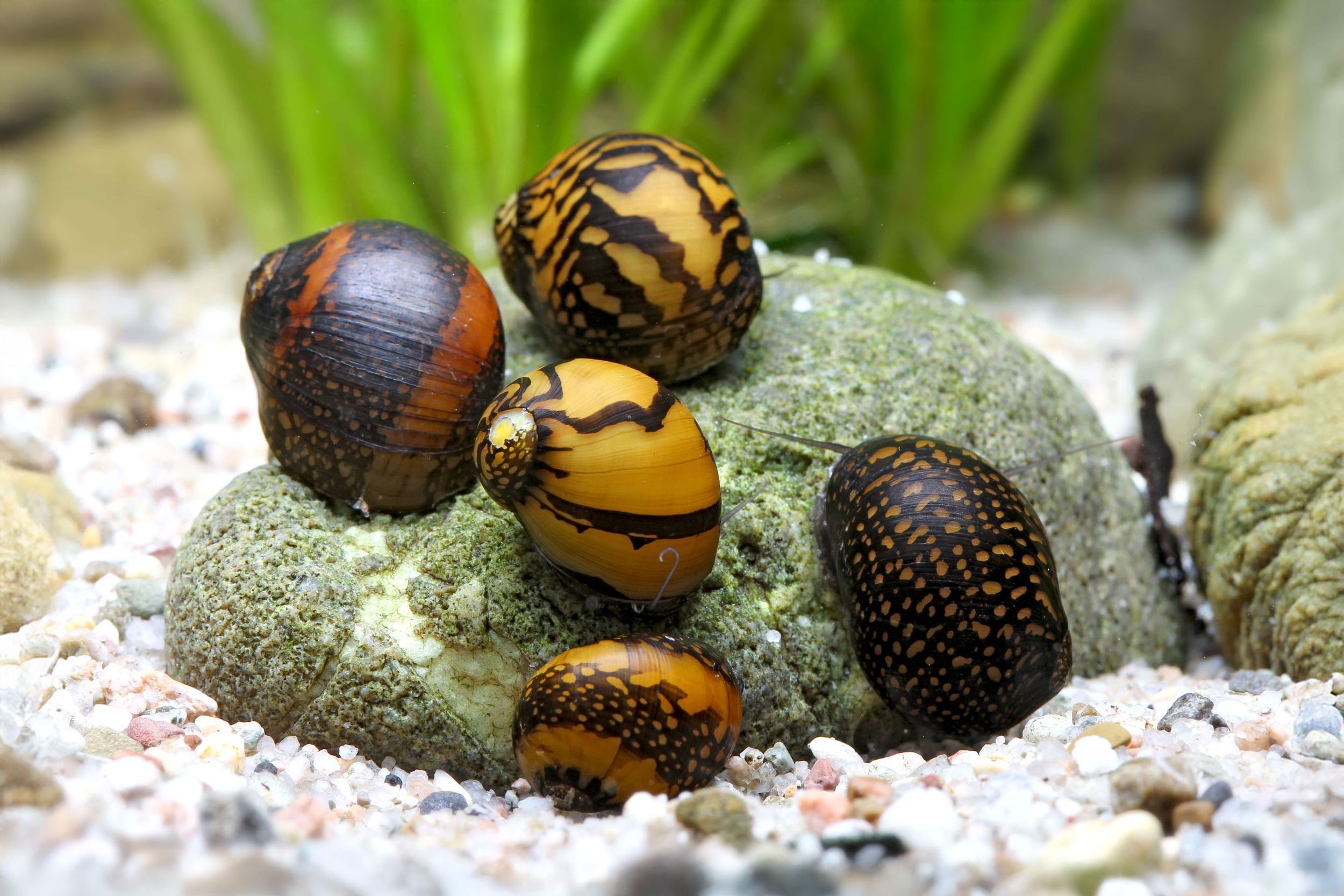
Elegant Cleanup: Batik Snail

Neritina variegata, commonly known as the Batik snail, features intricate, swirling patterns that resemble traditional textile art. These snails are exceptional at cleaning biofilms and soft algae from flat surfaces. They are relatively small, making them perfect for nano tanks where larger snails might look out of place. Like other nerites, they are peaceful and safe for delicate mosses and ferns. Ensure your tank is well-established before adding them, as they prefer grazing on naturally occurring algae rather than synthetic food pellets. They are an ideal choice for those seeking both form and function.
Elegant Cleanup: Batik Snail

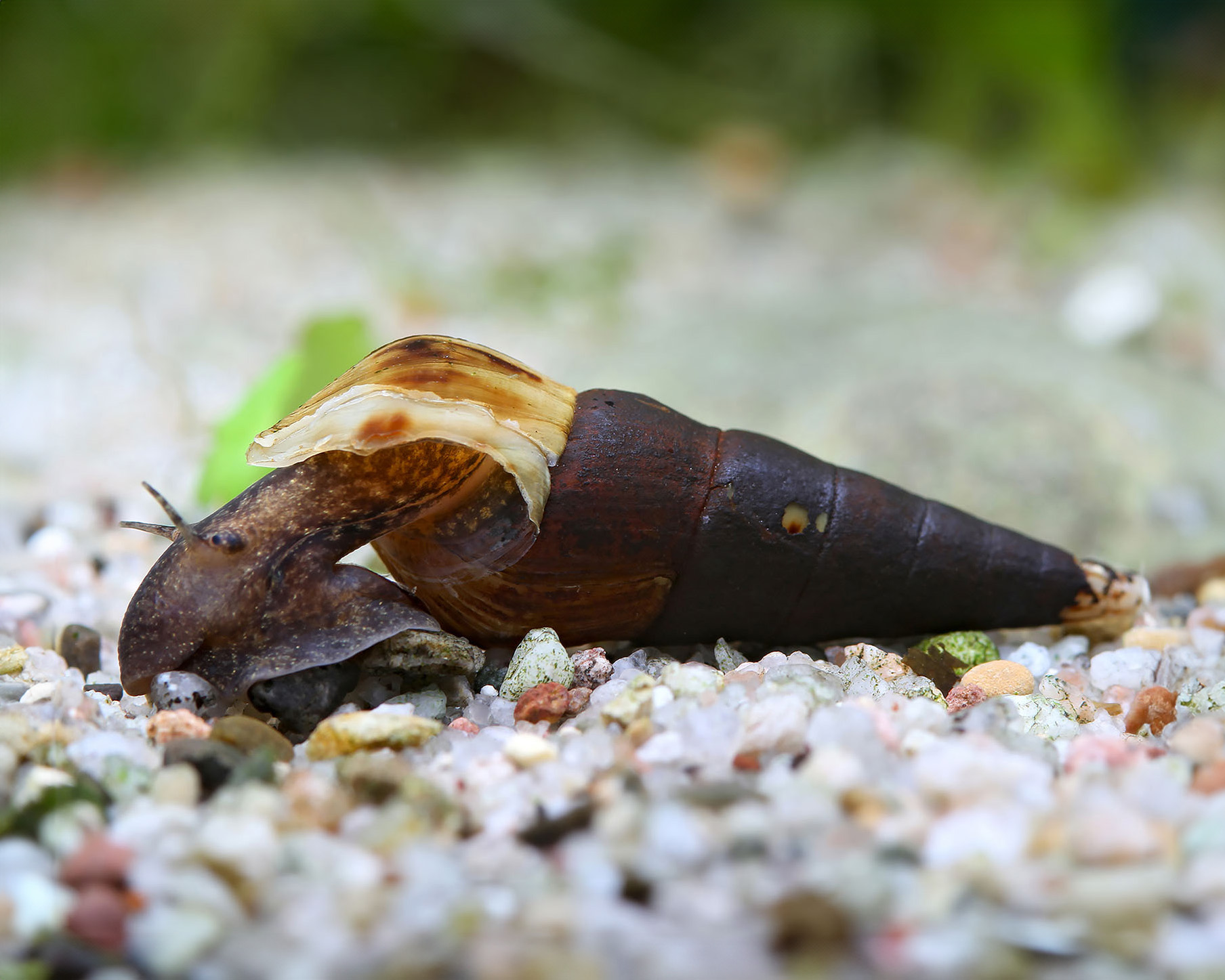
Substrate Health: Malayan Tower Snail

The Indian or Malayan Tower Snail, Melanoides tuberculata, is a secret weapon for any planted tank with a deep substrate layer. These snails spend much of their time burrowing through the soil, which helps prevent the buildup of anaerobic gas pockets and keeps roots healthy. By constantly turning over the substrate, they act as an organic tiller for your plants. While they are prolific breeders, their population typically remains in balance with the amount of available food. They are incredibly hardy and can thrive in a wide range of water parameters, making them a low-maintenance addition to your cleanup crew.
Substrate Health: Malayan Tower Snail

Vibrant Color: Orange Red Ramshorn Snail

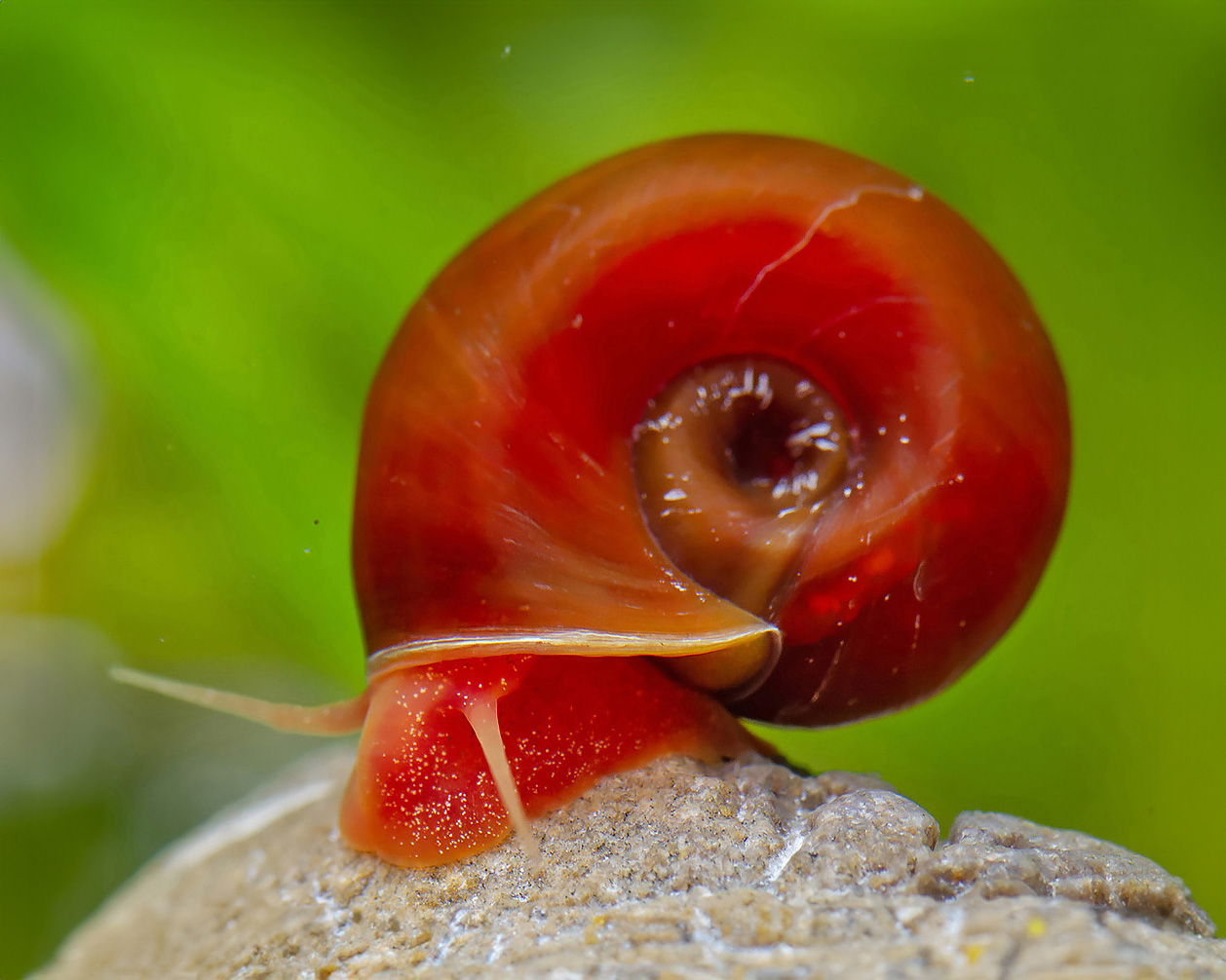
If you want to add a pop of color to your aquarium, the Orange Red Ramshorn snail, Planorbella duryi duryi, is an excellent choice. Their brilliant, translucent shells stand out beautifully against dark aquatic plants. Ramshorn snails are omnivorous scavengers that will help clean up leftover fish food and decaying plant matter, keeping your water quality high. They are very active and fun to watch as they glide across leaves and glass. While they reproduce easily in freshwater, their presence is generally seen as a sign of a healthy, functioning ecosystem, provided you do not overfeed the tank.
Vibrant Color: Orange Red Ramshorn Snail

The Unique Piano Snail

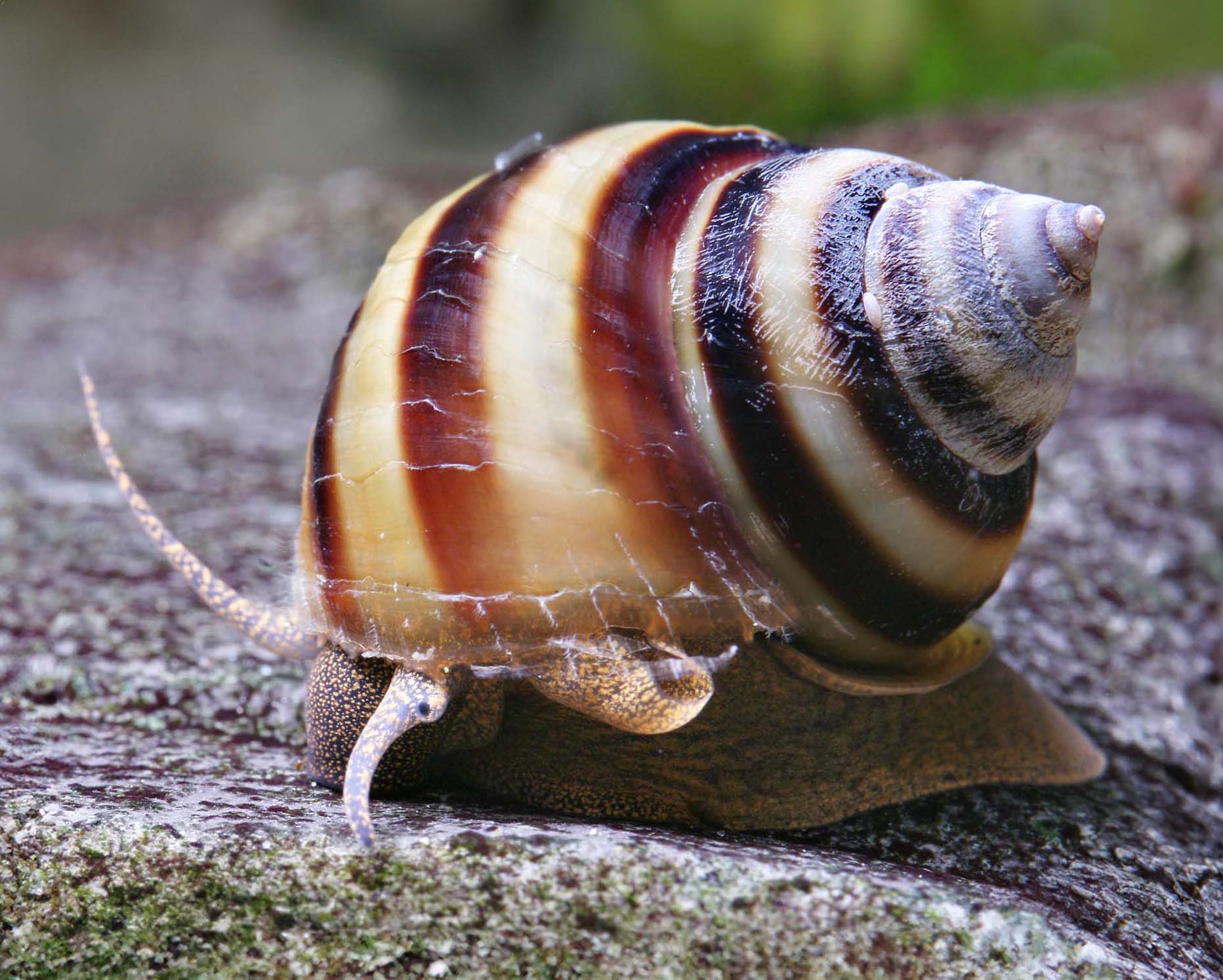
The Piano snail, Taia naticoides, is a fascinating species known for its unique shell shape and live-bearing reproduction. These snails are particularly effective at managing brush algae, which can be difficult for other cleaners to remove. They are peaceful and move at a leisurely pace, making them great companions for shy fish or delicate shrimp. Because they are live-bearers, their offspring are larger and fewer in number compared to egg-laying species, giving you more control over the population. Their muted, elegant shells provide a sophisticated look that complements natural, heavily planted aquariums perfectly.
The Unique Piano Snail

The Striking Orange Track Snail

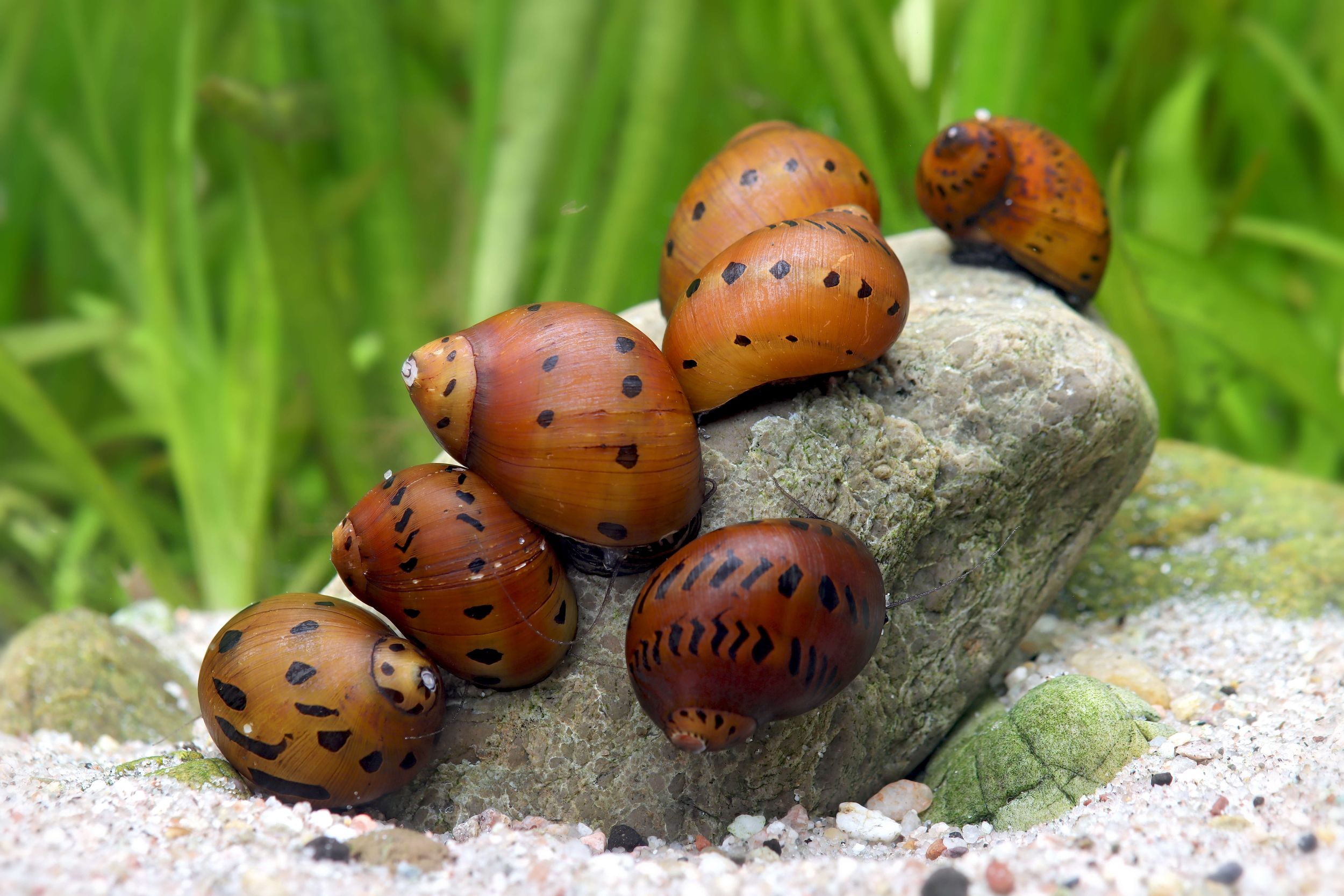
The Orange Track racing snail, Vittina semiconica, is prized for its beautiful orange-tinted shell and dark, contrasting bands. This species is highly effective at scouring algae from hard surfaces, including decorative stones and driftwood. They are quite hardy and adapt well to various lighting conditions, making them versatile for different types of aquascapes. Like other racing snails, they are strictly non-invasive in freshwater environments. Their calm demeanor and striking appearance make them a top choice for aquarists who want to combine aesthetic appeal with a high level of cleaning performance in their community tanks.
The Striking Orange Track Snail

The Artistic Antlered Snail

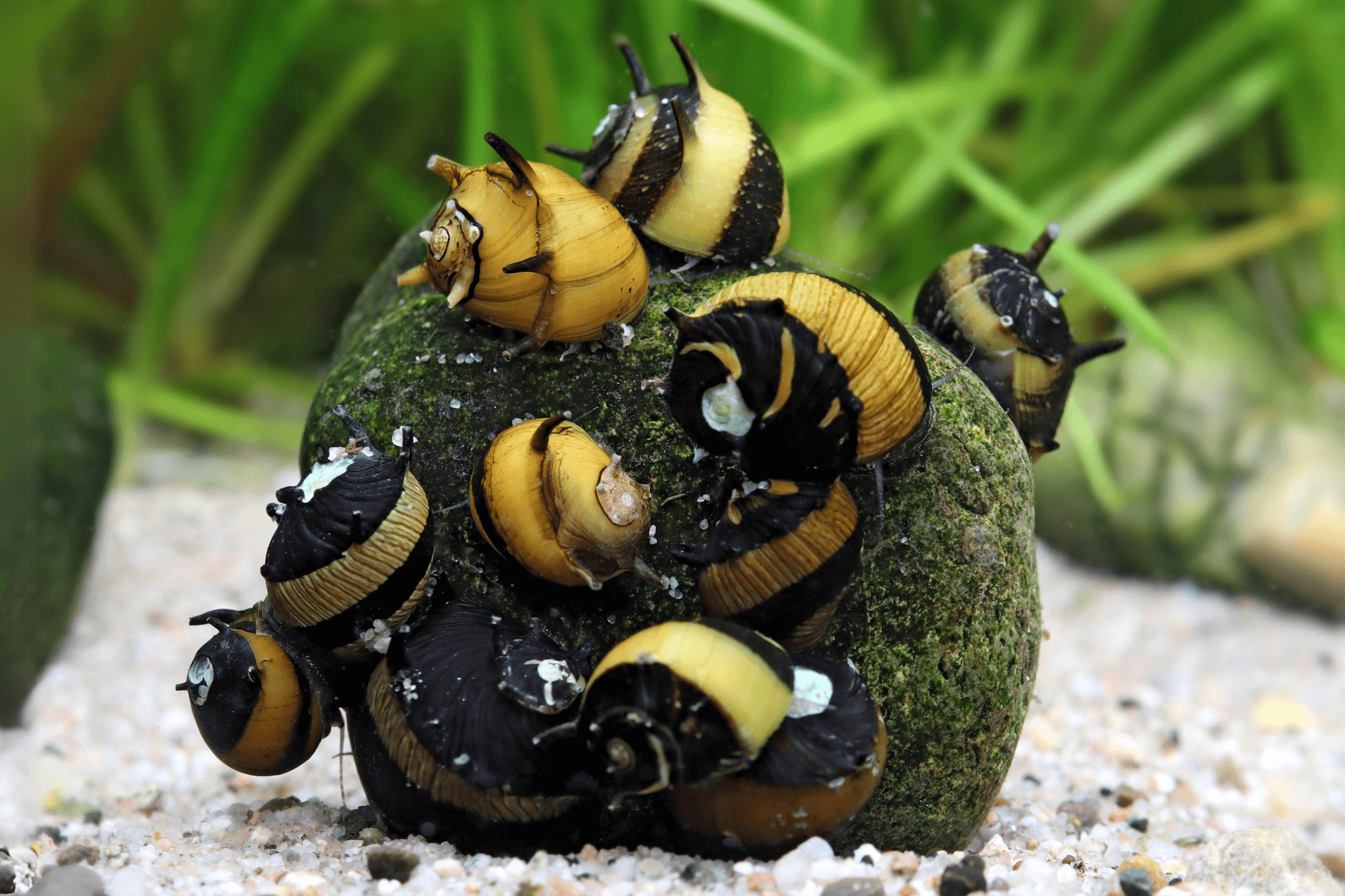
The Antlered snail, Clithon diadema, is famous for the small, horn-like projections on its shell, which serve as a natural defense mechanism. These tiny snails are incredibly effective at cleaning small crevices and tight spaces where larger snails cannot reach. Their small size makes them perfect for nano tanks, where they can navigate through dense plantings without damaging fragile stems. They come in various color morphs, including black and gold, adding character to your tank. Because they are peaceful and small, they are ideal for community setups featuring nano fish or colorful shrimp.
The Artistic Antlered Snail

The Robust Tylomelania Snail

Tylomelania species, often called Rabbit snails, are among the most charismatic invertebrates you can keep. With their long, inquisitive antennae and unique, elongated shells, they are a joy to observe. They are generally peaceful but require a slightly larger tank due to their size and appetite. These snails enjoy a diet of blanched vegetables and high-quality sinking wafers. Because they are relatively slow-moving, it is important to ensure they are not outcompeted for food by faster-moving fish. Their presence adds a sense of grandeur to any medium-to-large planted aquarium, and they are quite hardy once acclimated to your water conditions.
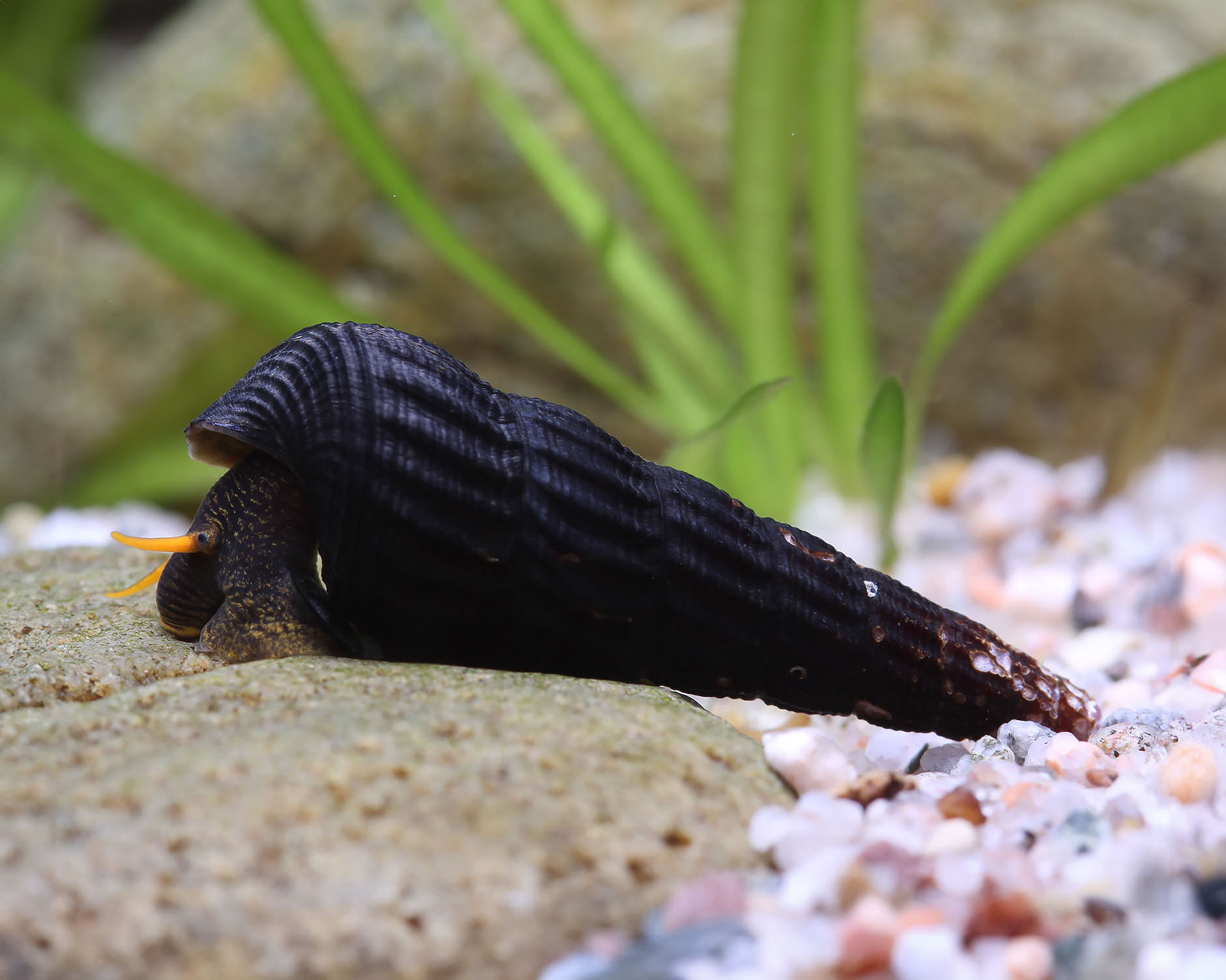
The Robust Tylomelania Snail

Frequently Asked Questions

Do aquarium snails eat live plants?

Most common aquarium snails, like Nerites and Ramshorns, only eat decaying plant matter and algae. They will not harm healthy, thriving plants in your aquarium.

How many snails should I keep in my planted tank?

The number of snails depends on your tank size and available food. A good rule of thumb is to start with a small group to ensure they have enough algae to graze on.

Can I keep snails with freshwater shrimp?

Yes, most peaceful snail species are excellent tank mates for freshwater shrimp, as they share similar water requirements and do not compete for the same resources.

Leave your comments
Latest on Aquarium Base
  • Why Freshwater Shrimp Die in a Planted Tank—and How to Prevent the Next Crash

    Why Freshwater Shrimp Die in a Planted Tank—and How to Prevent the Next Crash

    Freshwater shrimp rarely fail for just one reason. A colony may look healthy until a water change, new plant, feeding mistake, failed molt, or aggressive tank mate exposes a weakness that was already developing. The useful question is not simply, “What killed my shrimp?” It is, “What changed before the losses began, and how can I remove that trigger?” This guide uses common failure patterns to diagnose planted-tank problems, compare shrimp choices, and build a repeatable prevention plan for Neocaridina, Amano shrimp, and more sensitive Caridina varieties.
  • Which Aquarium Plant Fits Your Tank? A Light, Flow, Substrate, and Time-Matching Guide

    Which Aquarium Plant Fits Your Tank? A Light, Flow, Substrate, and Time-Matching Guide

    The easiest aquarium plant is not automatically the best plant for your aquarium. A slow-growing Anubias may suit a shaded shrimp tank, while a fast stem plant may be better for someone who wants quick nutrient uptake and does not mind weekly trimming. Light, water movement, planting method, substrate and available maintenance time all change the decision. This guide uses those constraints to match plants with colorful freshwater fish, shrimp, snails and nano aquariums without pretending that every species belongs in the same setup. Start with the conditions you can provide, then choose plants that will grow comfortably within them.
  • How to Design a Planted Aquarium Around Color, Movement, and Scale

    How to Design a Planted Aquarium Around Color, Movement, and Scale

    A planted aquarium becomes easier to plan when livestock is treated as part of the aquascape rather than added after it. Color determines where the eye lands, movement creates rhythm, and adult scale controls whether the layout feels spacious or crowded. This design approach is especially useful in nano aquariums, where one active fish or oversized centerpiece can dominate the entire view. Start with the visual effect you want, then match it to compatible behavior, water conditions, tank dimensions and plant cover. The result may be a colorful community of small schooling fish, a shrimp-and-snail display, or a single feature fish surrounded by quiet movement.
  • How to Prevent Snail Shell Erosion in a Planted Aquarium

    How to Prevent Snail Shell Erosion in a Planted Aquarium

    Aquarium snails can look healthy while their shells slowly weaken. Pale patches, pits, rough edges and widening holes are often blamed on a lack of calcium, but shell health depends on a larger system: dissolved minerals, carbonate buffering, acidity, diet, water changes and the snail species itself. This guide helps you choose snails that suit your planted aquarium, identify chemistry problems before they become severe and add minerals without destabilizing shrimp, fish or plants. The goal is not to chase a perfect number. It is to build stable water chemistry that supports shell growth over months and years.
  • How Many Freshwater Shrimp Should You Keep in a Planted Aquarium?

    How Many Freshwater Shrimp Should You Keep in a Planted Aquarium?

    A planted aquarium can turn a small group of freshwater shrimp into a self-sustaining colony, but that success creates a new management question: how many shrimp can the tank support? The answer depends less on a fixed number than on species, plant density, feeding, filtration, tank size, and whether fish share the aquarium. This guide compares practical colony-starting choices, explains why some shrimp reproduce easily while others do not, and shows how to prevent a planted tank from becoming overcrowded without disrupting its natural balance.
  • Can a No-CO2 Nano Aquarium Still Look Lush? A Practical Plant-and-Livestock Plan

    Can a No-CO2 Nano Aquarium Still Look Lush? A Practical Plant-and-Livestock Plan

    A low-tech planted aquarium can be attractive, stable, and full of movement without injected CO2—but it will not behave like a high-light aquascape. Growth is usually slower, carpeting plants may stay patchy, and dramatic red color can depend on light, nutrients, and plant maturity. The most reliable approach is to design around modest expectations: use dependable plants for structure, add moss and cover for shrimp, choose livestock by adult size and behavior, and keep lighting restrained. This guide helps you decide what belongs in a no-CO2 nano aquarium before you buy plants, fish, shrimp, or snails.
  • How to Build a Peaceful Planted Community Tank Without Sacrificing Your Shrimp

    How to Build a Peaceful Planted Community Tank Without Sacrificing Your Shrimp

    A peaceful community aquarium is not created by choosing only small or attractive animals. It depends on matching adult size, swimming level, temperament, water preferences, group needs and hunting behavior. The most important decision is whether your priority is a display of active fish, a growing shrimp colony or a low-maintenance planted habitat with snails. This guide uses a compatibility-first approach for nano and community aquariums, showing where colorful freshwater fish fit, which beginner plants provide useful cover and when a shrimp-and-snail setup is safer than a mixed tank.
  • Do Aquarium Snails Really Clean a Planted Tank? A Myth-Busting Care Guide

    Do Aquarium Snails Really Clean a Planted Tank? A Myth-Busting Care Guide

    Aquarium snails can be useful in planted tanks, but they are not a substitute for testing, water changes, algae control, or sensible feeding. The phrase “cleanup crew” makes them sound like a maintenance service, when each snail has a narrower job: grazing soft algae, scavenging leftovers, processing decaying plant material, or disturbing the substrate. This guide separates popular claims from practical care so you can choose snails based on your tank’s actual needs. It also explains why a sudden snail population boom is usually information about feeding and available food, not proof that the snails themselves are causing the problem.
  • Should You Feed Shrimp in a Planted Tank? A Low-Waste Algae-Control Plan

    Should You Feed Shrimp in a Planted Tank? A Low-Waste Algae-Control Plan

    Freshwater shrimp can help manage algae in a planted aquarium, but feeding them too generously can undermine the balance you are trying to create. The practical goal is not to keep shrimp constantly full. It is to provide enough natural grazing, occasional supplemental food, and stable water conditions without leaving decomposing leftovers behind. This guide explains how to choose shrimp for the job, how to tell whether they need extra food, and how to adjust lighting, planting, stocking, and maintenance when algae becomes excessive. It also separates the needs of Amano shrimp, Neocaridina varieties, and more sensitive Caridina types so your cleanup plan does not create a new water-quality problem.
  • Why Aquarium Plants Fail After Planting—and How to Recover Without Starting Over

    Why Aquarium Plants Fail After Planting—and How to Recover Without Starting Over

    A planted aquarium rarely fails because every plant is unsuitable. More often, a good plant is placed incorrectly, exposed to an abrupt change, or paired with livestock before the layout has stabilized. The useful question is not “Which replacement plant should I buy?” but “What changed, and what can I correct without disturbing everything again?” This recovery guide follows that decision from the first planting choice through lighting, algae, substrate, and nano-livestock compatibility. Use the images as visual checkpoints: identify the plant’s growth type, correct the specific mistake, then give the tank time to respond before making another major change.
  • Before You Buy: A Feeding and Bioload Plan for a Planted Freshwater Aquarium

    Before You Buy: A Feeding and Bioload Plan for a Planted Freshwater Aquarium

    A planted aquarium can look self-sustaining, but fish, shrimp and snails still turn food into waste. The most reliable way to choose compatible freshwater livestock is to plan the feeding routine and maintenance burden before choosing the animals. A small group of tiny fish may need specialized foods and frequent observation, while livebearers can create more waste through unexpected fry. Easy plants can help stabilize a tank, but they do not cancel overfeeding or poor stocking decisions. This guide compares practical community options and shows how to build a colorful planted aquarium around the work you can realistically maintain.
  • When Aquarium Snails Multiply: A Planted-Tank Population Control Plan

    When Aquarium Snails Multiply: A Planted-Tank Population Control Plan

    A sudden wave of tiny snails can make a planted aquarium feel out of control, but the population is usually responding to available food rather than attacking the tank. The useful question is not how to eliminate every snail. It is which species reproduce quickly, what is feeding them, and whether their numbers fit your livestock plan. This guide compares common hitchhikers, non-breeding freshwater algae grazers, slower live-bearing snails, and predators so you can choose a control method without damaging plants, shrimp, fish, or beneficial microorganisms.
  • Will Your Freshwater Shrimp Survive the Next Molt? A Water-Quality Decision Guide

    Will Your Freshwater Shrimp Survive the Next Molt? A Water-Quality Decision Guide

    Freshwater shrimp rarely fail because an aquarium is not attractive enough. They fail when the water changes faster than their bodies can adapt, especially during molting. The right shrimp for a planted nano aquarium is therefore not simply the one with the most appealing color. It is the one whose mineral needs match your source water, substrate and maintenance routine. This guide compares practical choices from Neocaridina, Caridina, Amano and Sulawesi groups, then connects each choice to the details that determine survival: GH, KH, TDS, temperature, mature biofilm, safe tank mates and controlled water changes.
  • 12 Beginner-Friendly Aquarium Plants and Invertebrates for Nano Setups

    12 Beginner-Friendly Aquarium Plants and Invertebrates for Nano Setups

    Starting a nano aquarium is an incredibly rewarding hobby, but choosing the right inhabitants and flora is crucial for long-term success. For beginners, the key is selecting hardy, low-maintenance aquatic plants that provide essential oxygen and shelter, paired with peaceful, colorful invertebrates that help keep the tank clean. This guide explores 12 easy-to-care-for aquarium plants and their perfect companions, ensuring your setup remains vibrant and healthy with minimal effort. Whether you are aiming for a lush green carpet or a dense jungle aesthetic, these selections offer the perfect foundation for a thriving community aquarium.
  • 12 Vibrant Freshwater Fish and Invertebrates for a Balanced Planted Nano Tank

    12 Vibrant Freshwater Fish and Invertebrates for a Balanced Planted Nano Tank

    Creating a thriving planted nano aquarium requires a delicate balance of livestock choices. When selecting inhabitants for a smaller system, it is vital to prioritize species that stay small, exhibit peaceful temperaments, and appreciate the lush environments that live plants provide. From shimmering schooling fish to industrious cleaners, the right combination can transform your tank into a mesmerizing underwater ecosystem. This guide explores twelve compatible, colorful, and hardy species that thrive in planted setups, ensuring your nano aquarium remains both beautiful and easy to manage for beginners.
  • 12 Beneficial Aquarium Snails for a Pristine Planted Tank

    12 Beneficial Aquarium Snails for a Pristine Planted Tank

    Adding snails to your planted aquarium is one of the most effective ways to maintain a balanced ecosystem. Beyond their unique aesthetic appeal, these invertebrates serve as nature's cleanup crew, grazing on unwanted algae, consuming decaying plant matter, and aerating the substrate to prevent anaerobic pockets. Whether you are managing a nano tank or a large aquascape, selecting the right snail species ensures your plants stay clean and your water parameters remain stable. This guide explores twelve distinct snail species that are both functional and decorative for your thriving freshwater setup.