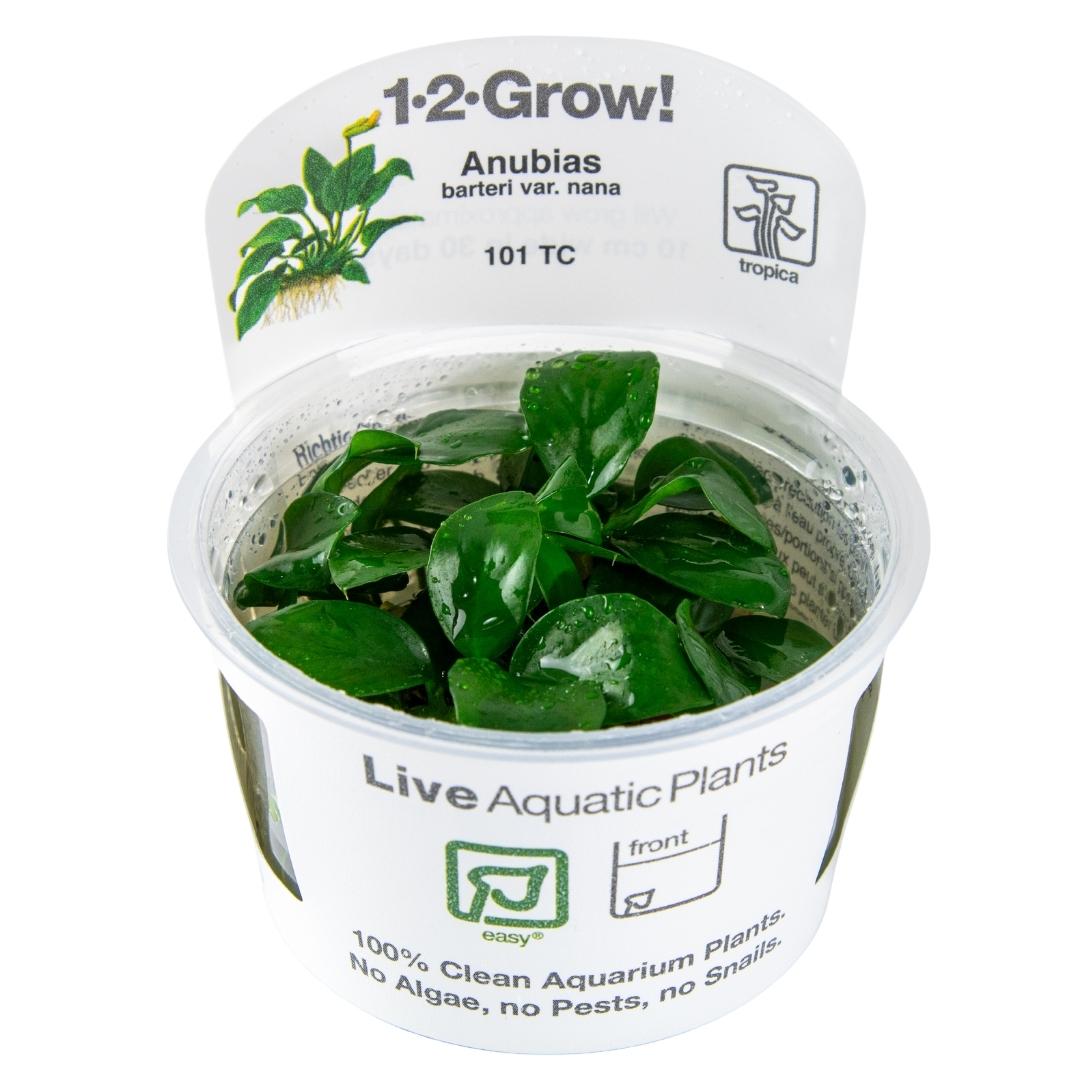
Anubias barteri var. nana: The Ultimate Survivor
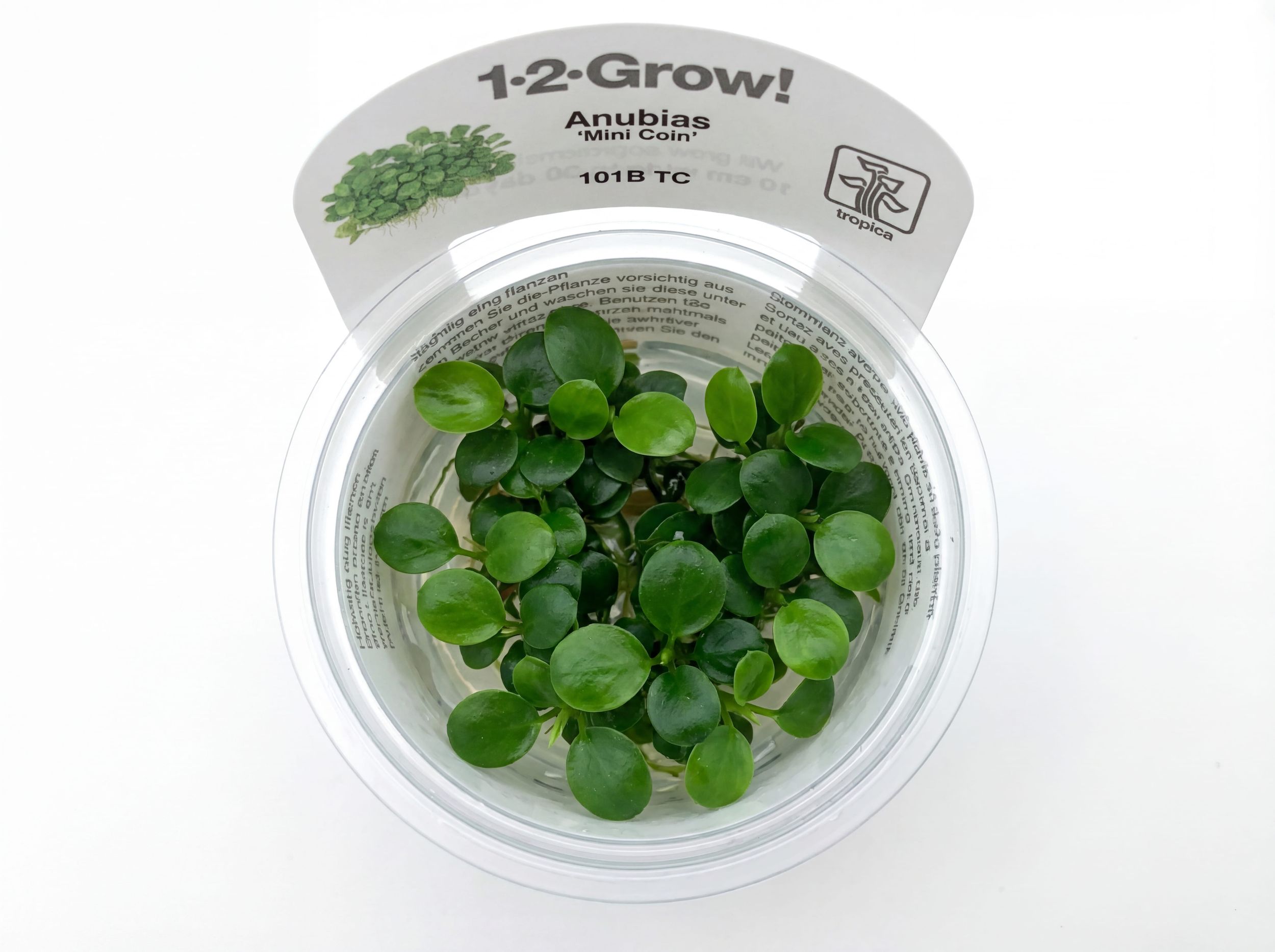
Anubias nana is a staple for any beginner nano tank due to its incredible resilience. This slow-growing epiphyte should be attached to driftwood or rocks rather than buried in the substrate, as its rhizome needs to remain exposed to prevent rot. Its dark, leathery leaves are unpalatable to most fish, making it an excellent choice for tanks with curious inhabitants. Because it thrives in low light, it is perfect for shaded areas of your aquascape. It requires very little maintenance beyond occasional pruning of older, damaged leaves to keep the plant looking fresh and healthy.
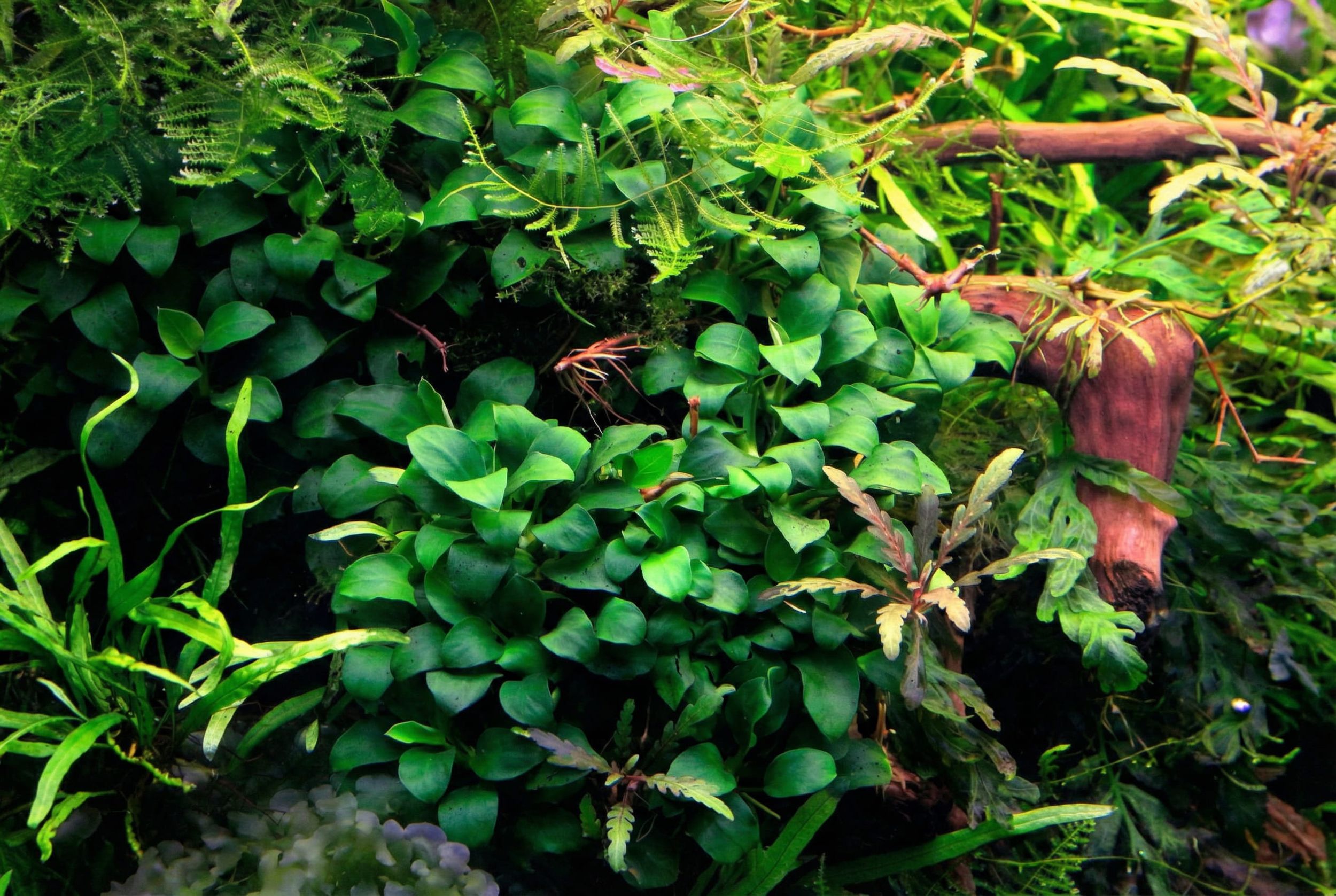
Java Moss: A Versatile Carpet and Shelter
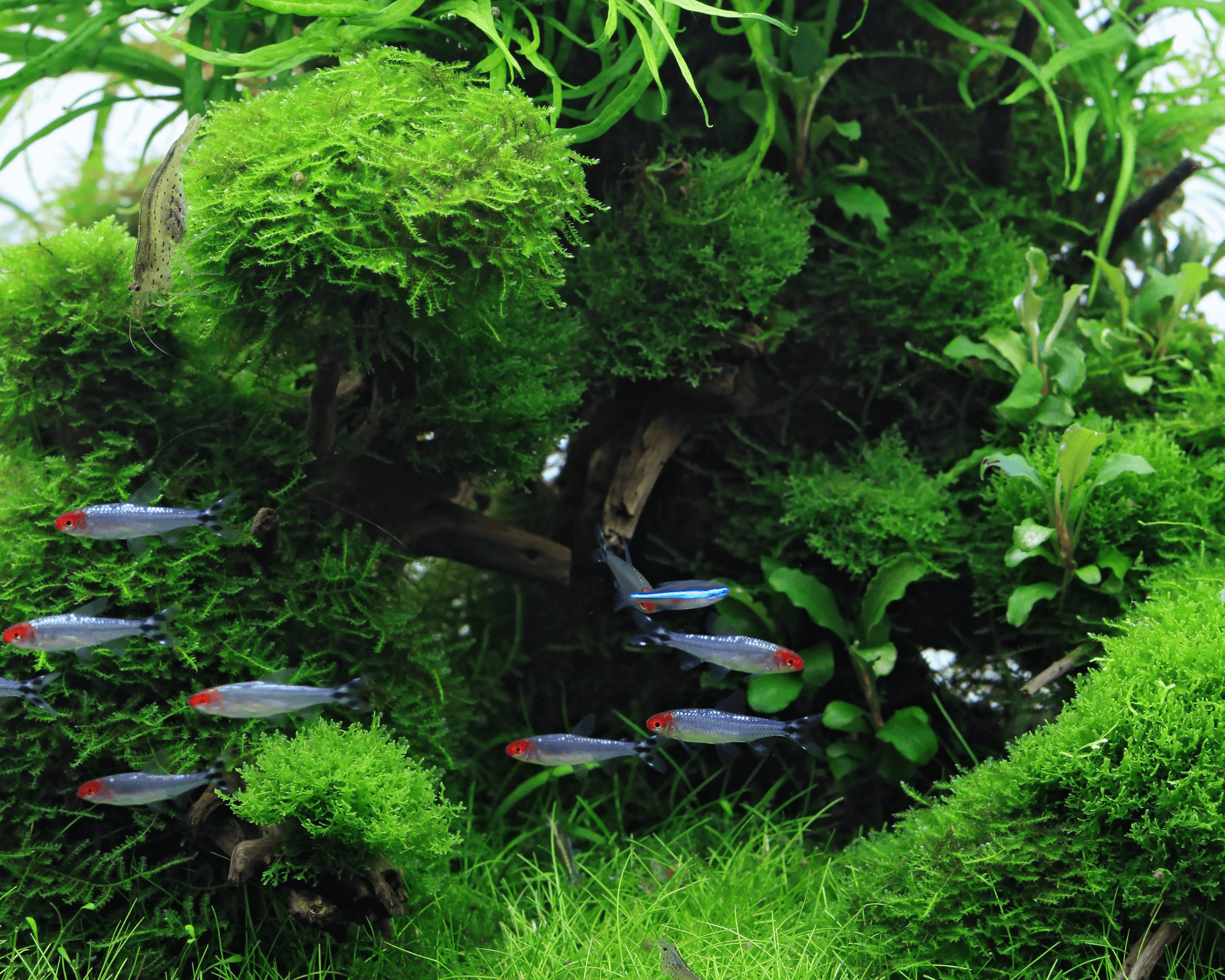
Java moss is perhaps the most versatile plant for a nano aquarium. It grows under almost any lighting condition and can be tied to stones, wood, or even used as a loose carpet for shrimp to forage through. It provides an essential sanctuary for baby shrimp and shy fish, offering them a place to hide and graze on microorganisms. Java moss is very easy to propagate; simply trim it back when it gets too thick and reattach the clippings elsewhere. It is a fantastic choice for those who want a natural, aged look in their tank without the hassle of high-tech maintenance.
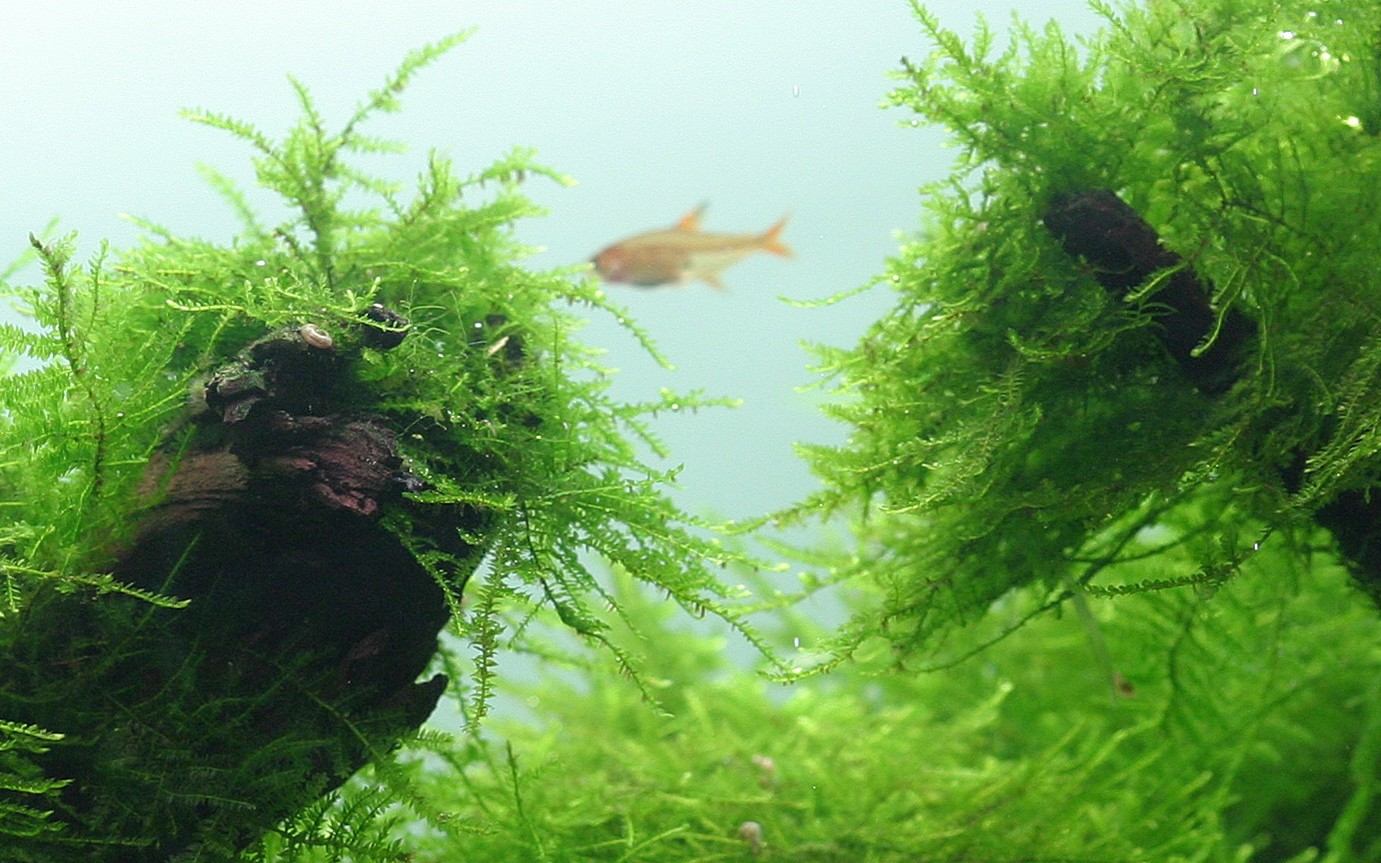
Cryptocoryne wendtii Green: Reliable Background Texture
Cryptocoryne wendtii Green is a classic aquarium plant known for its ability to adapt to a wide variety of water conditions. Once established, these plants form attractive, bushy clumps that add depth to the midground or background of a nano tank. They are heavy root feeders, so placing a root tab near them will encourage robust growth. Unlike some stem plants, they do not require frequent trimming, making them ideal for low-maintenance setups. Be aware that they may experience some leaf melt when first introduced to a new environment, but they will quickly bounce back with new, acclimated growth.
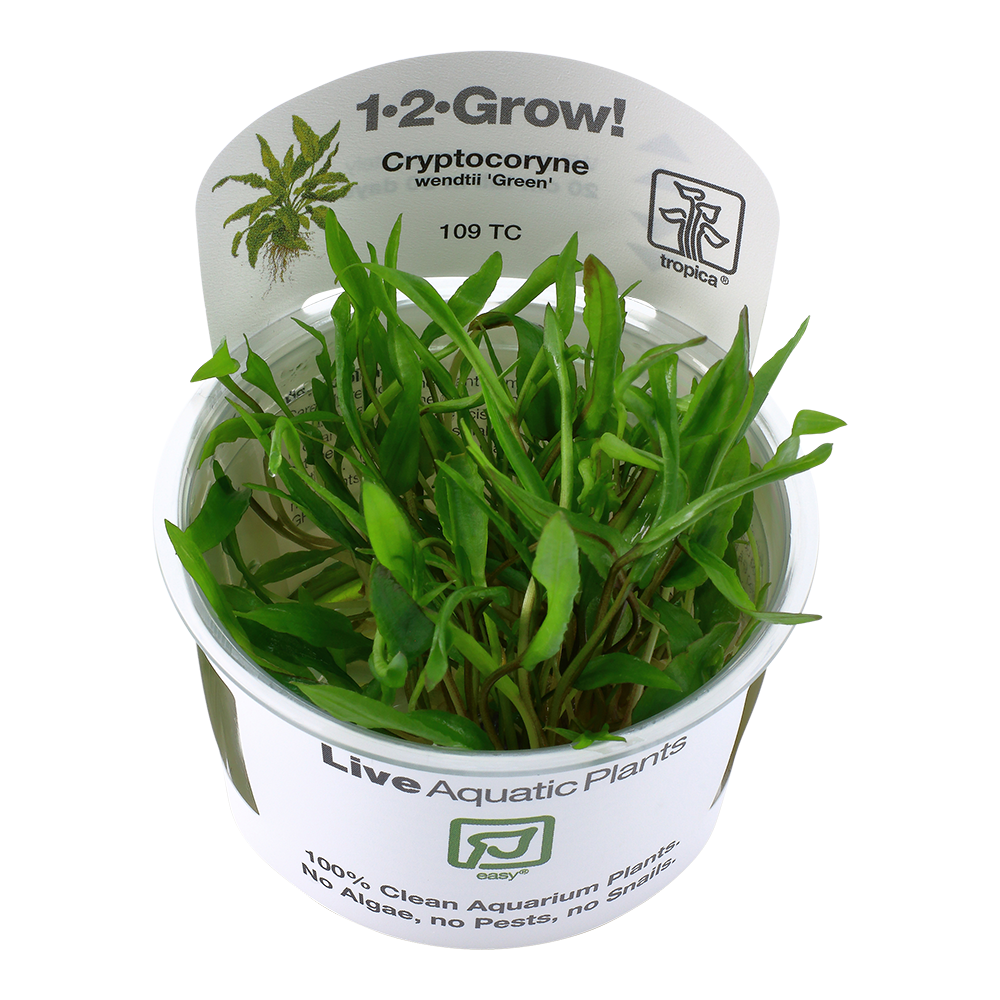
Staurogyne repens: The Perfect Foreground Accent
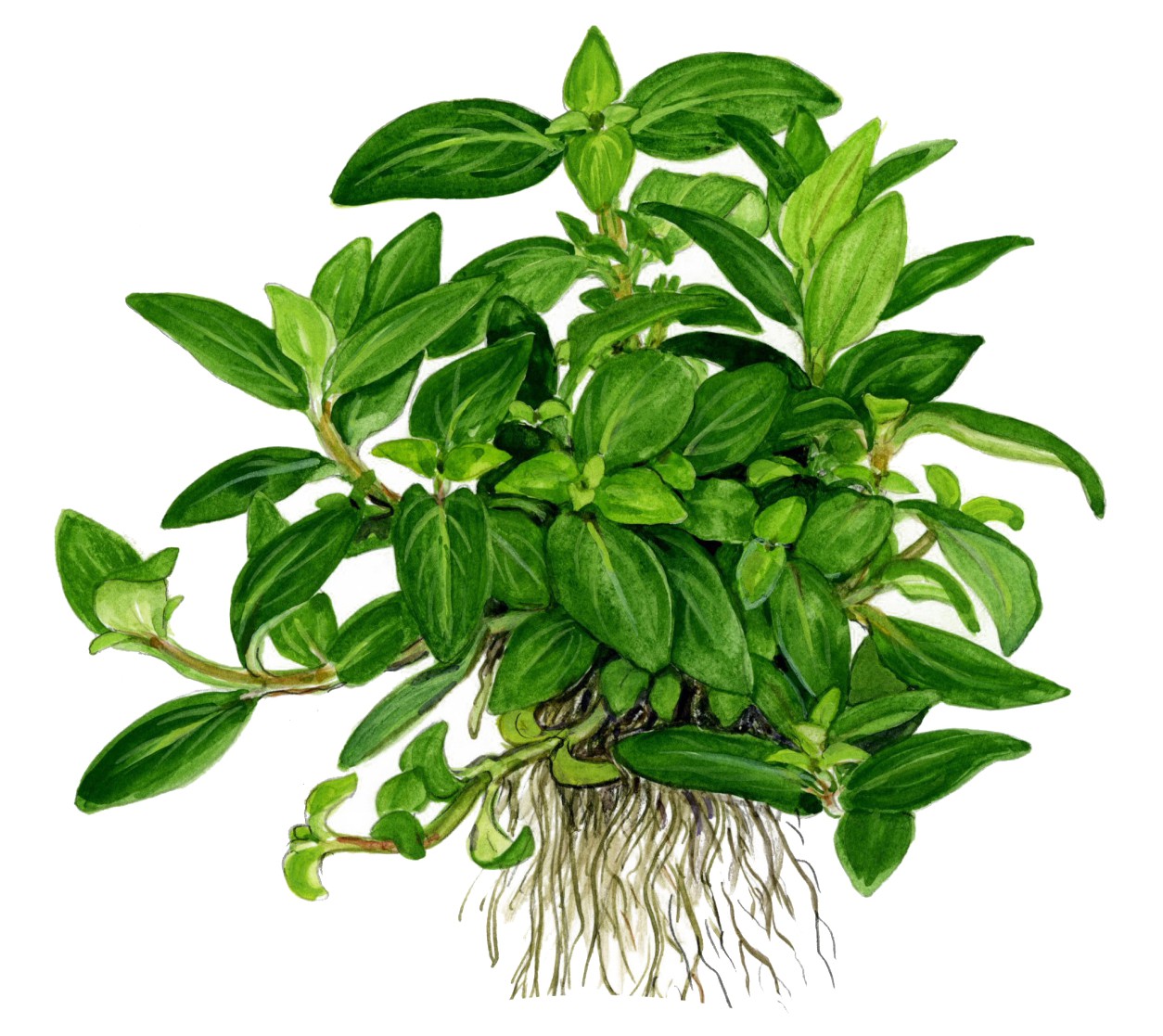
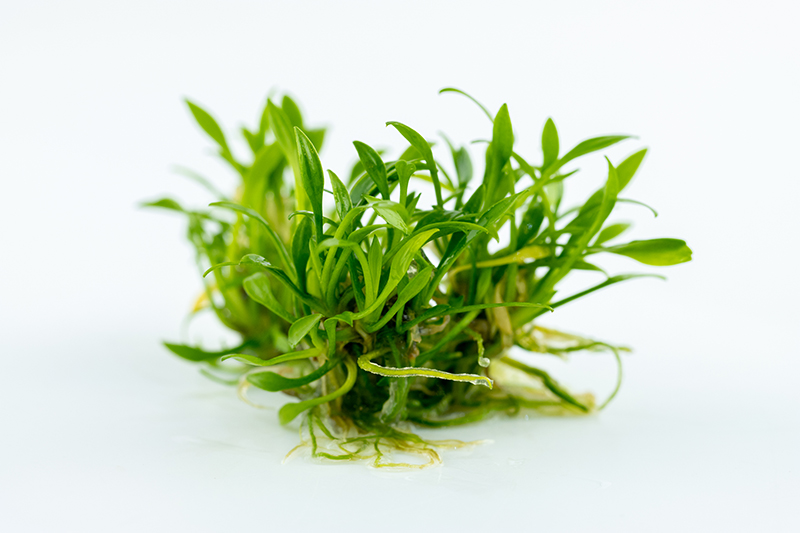
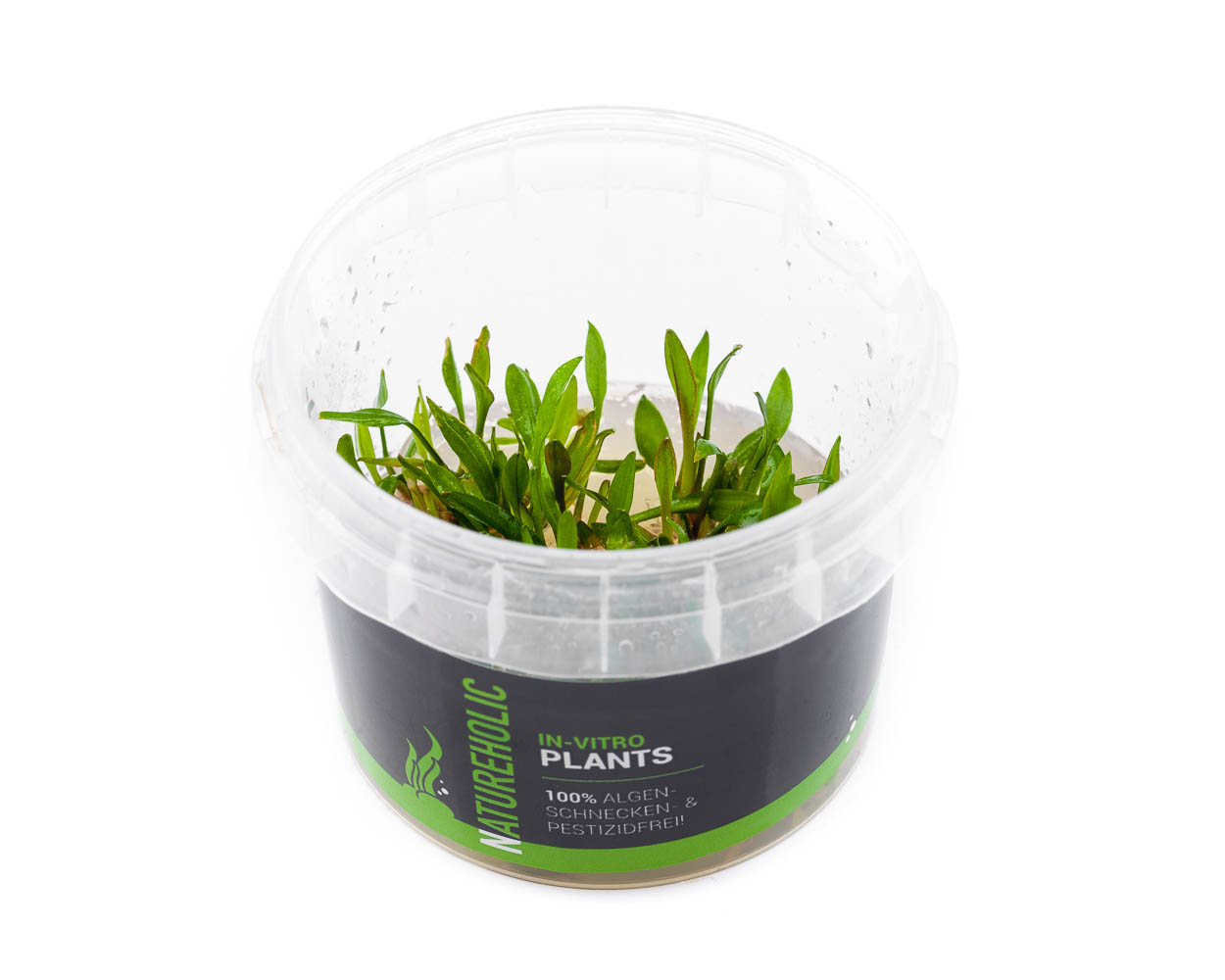
Staurogyne repens is a fantastic alternative for those who want a compact, bushy foreground plant that is much easier to manage than traditional carpeting species. It features bright green, sturdy stems that grow horizontally, allowing it to form a dense, low-growing mat. While it appreciates moderate light, it is surprisingly adaptable and does not demand CO2 supplementation to stay healthy. It is an excellent choice for creating a natural transition between the substrate and larger plants. Regular pruning of the tops will encourage it to spread sideways rather than growing upward, keeping your foreground neat and tidy.
Java Fern: The Hardy Background Classic
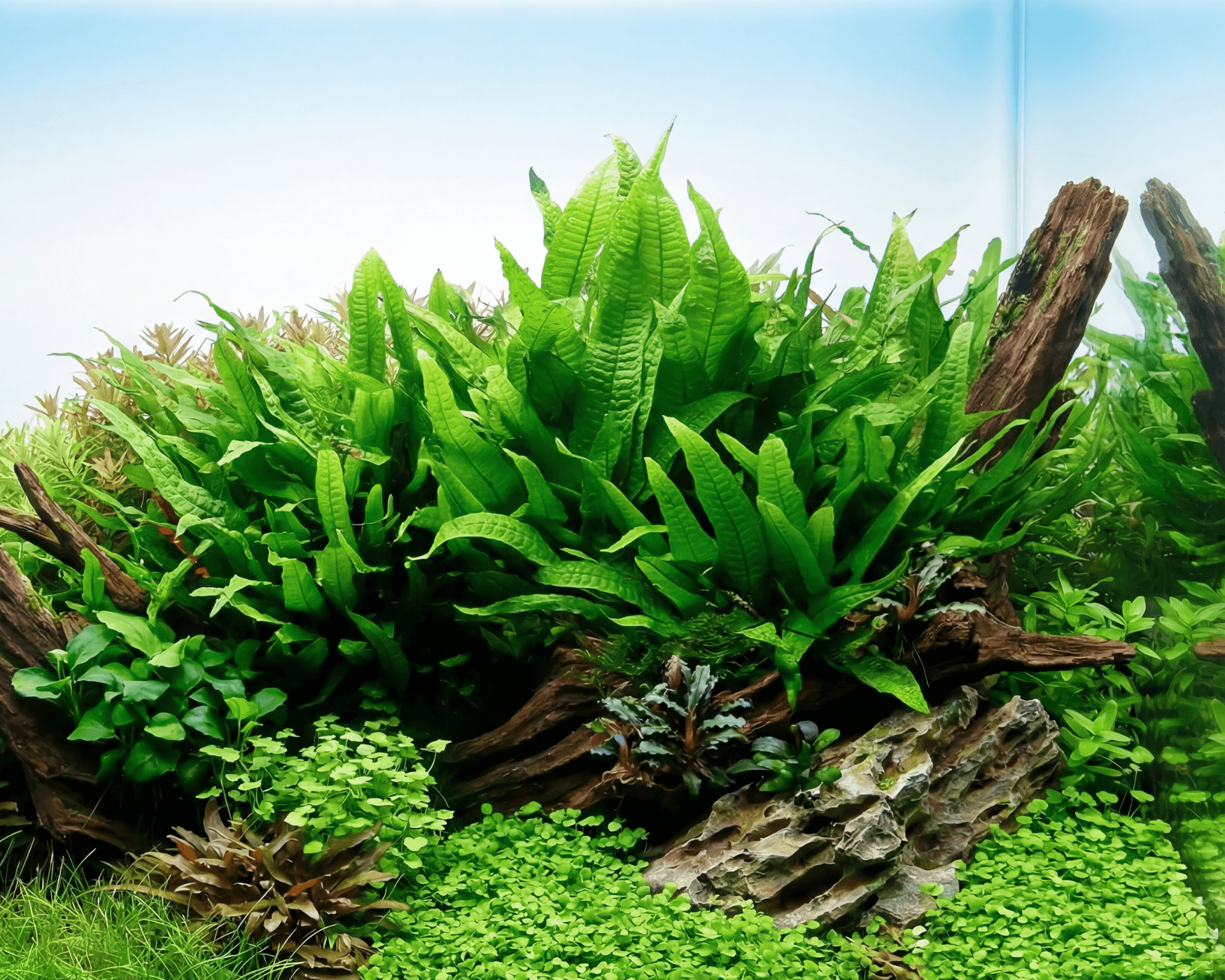
Java fern is a must-have for any low-tech community tank. Similar to Anubias, it should be attached to hardscape rather than planted in the substrate. Its long, flowing leaves add a graceful, wild aesthetic to the background of a nano aquarium. It is extremely hardy and can survive in a wide range of temperatures and pH levels. If you notice small plantlets forming on the tips of the leaves, these are actually baby ferns that you can carefully remove and attach to new spots in the tank. It is a slow grower, so you will rarely need to worry about it taking over your space.
Limnophila sessiliflora: Fast-Growing Greenery
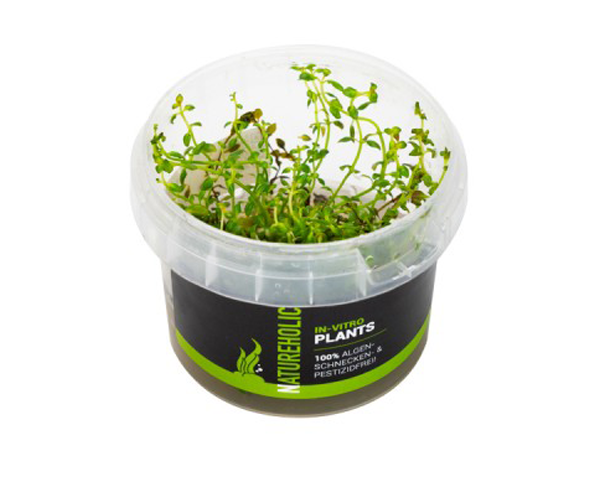
If you are looking for a plant that grows quickly and helps maintain water quality, Limnophila sessiliflora is an excellent candidate. Often called the 'dwarf ambulia,' it features fine, feathery leaves that look beautiful in the background of a nano tank. Because it is a fast grower, it effectively absorbs excess nutrients from the water, which can help prevent algae outbreaks. It is very forgiving and will grow well even in standard aquarium lighting. Simply trim the stems when they reach the surface and replant the tops to create a thicker, more lush appearance in your aquascape.
Marimo Moss Balls: The Easiest Decor
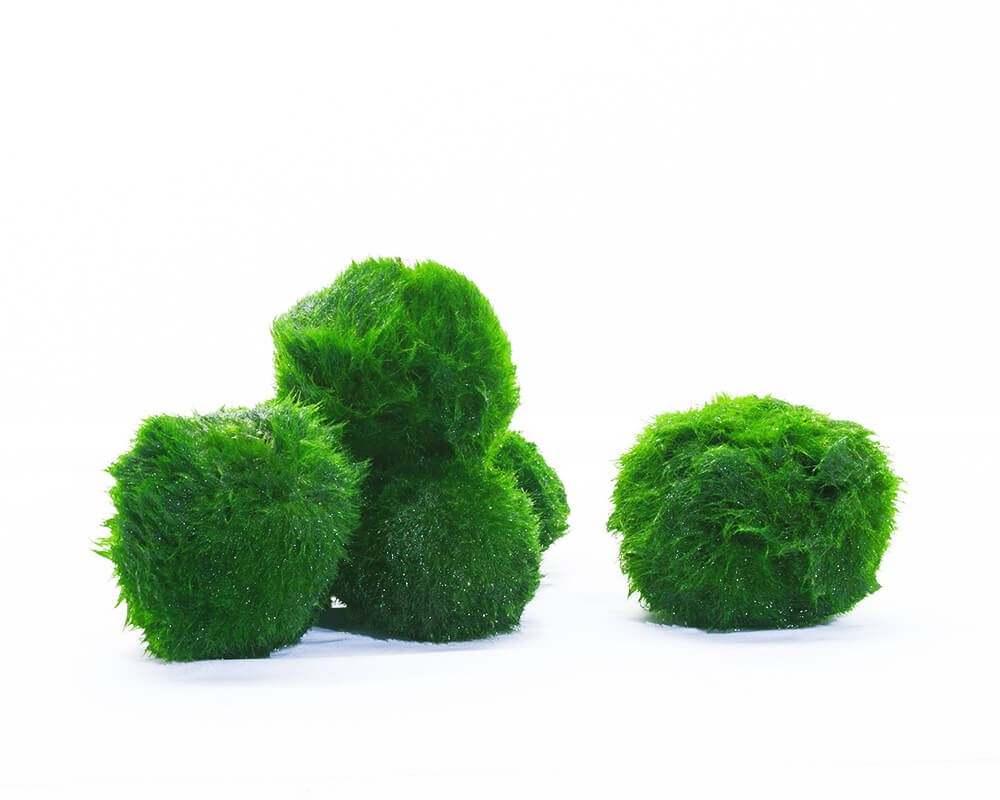
Marimo moss balls are technically a form of filamentous green algae, but they are highly prized in the aquarium hobby for their unique, spherical appearance and extreme ease of care. They require no planting, no trimming, and no special fertilizers. Simply drop them into your tank, and they will sit on the substrate or can be gently squeezed to ensure they don't trap debris. They are completely safe for all nano fish and shrimp, who often enjoy picking at them. Every few weeks, give them a gentle roll during a water change to help them maintain their perfect round shape.
Vallisneria spiralis: Creating a Natural Backdrop
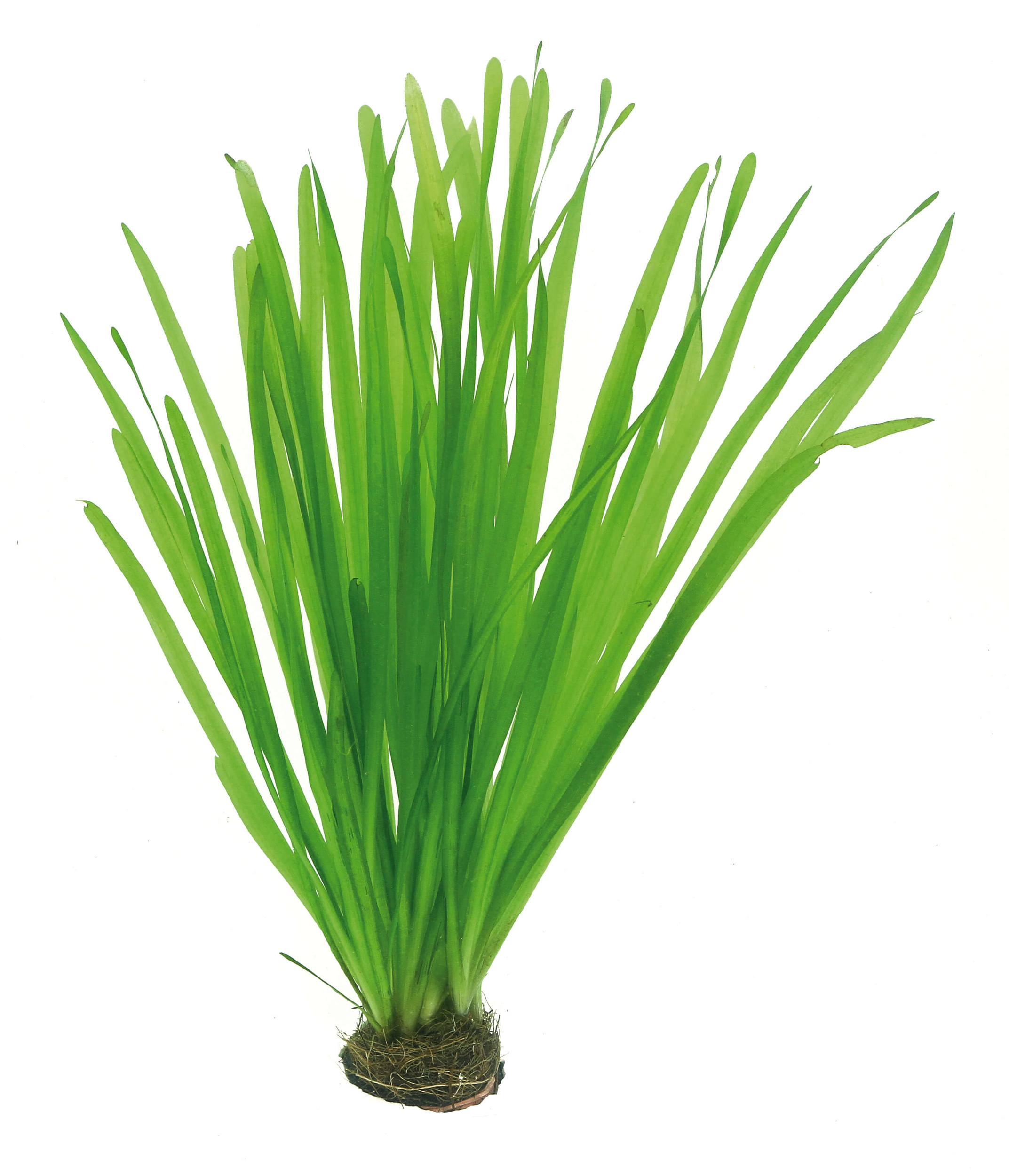
Vallisneria spiralis, or straight-leaf Val, is ideal for creating a tall, grass-like background in your nano tank. It sends out runners, meaning it will naturally propagate and fill in the back of your aquarium over time. It prefers nutrient-rich substrate and can handle a wide variety of water parameters. It is an excellent plant for beginners because it is very hardy and provides a natural environment that many community fish find comforting. If the leaves grow too long for your tank, you can trim them at the surface without harming the plant, though it prefers to be left alone.
Frequently Asked Questions
Do these plants require CO2 injection?
No, all the plants listed above are chosen for their ability to thrive in low-tech setups without the need for supplemental CO2.
Can I keep these plants with shrimp?
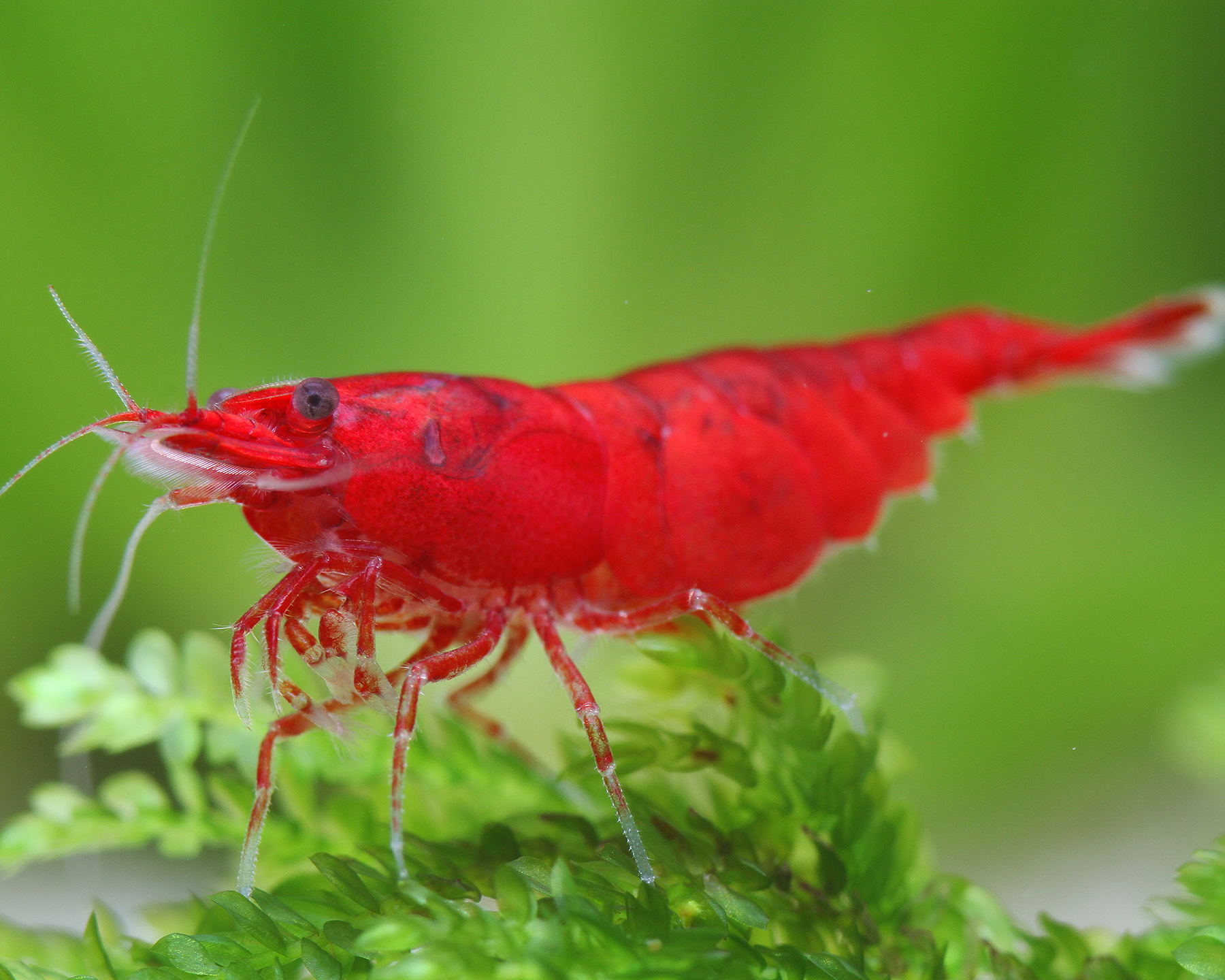
Yes, these plants are perfectly safe for freshwater shrimp. In fact, plants like Java moss are highly recommended for shrimp tanks as they provide grazing surfaces and hiding spots.
How do I attach epiphytes like Anubias and Java fern?
You can use fishing line, cotton thread, or specialized aquarium-safe super glue to attach the rhizomes of these plants to rocks or driftwood.
Leave your comments