Start with the plant-safety question, not the cleanup label
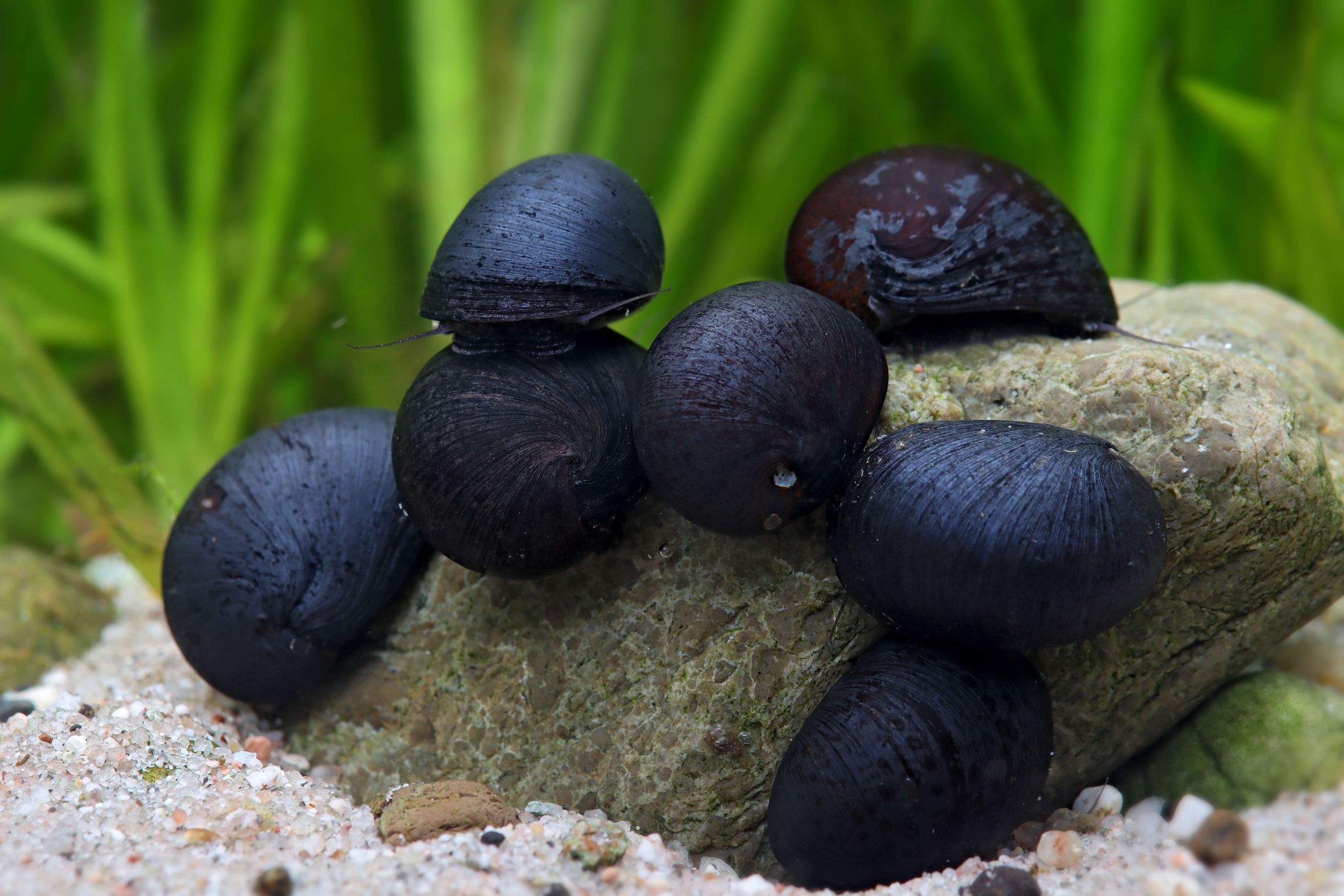
Before choosing a snail, decide which plants must remain untouched and how much supplemental food you are willing to provide. Nerite and horned snails are generally valued for grazing algae and surface film rather than healthy leaves, while ramshorns and bladder snails usually focus on algae, biofilm, leftovers, and weakening plant tissue. The important exception is a hungry snail in a sparse or newly set-up aquarium: even a normally suitable species may investigate soft, damaged, or floating growth. Large apple-snail relatives deserve extra caution because some are active plant eaters. If a snail is repeatedly rasping healthy leaves, identify the animal before adding more food or more snails.
Match the snail to the aquarium’s actual workload
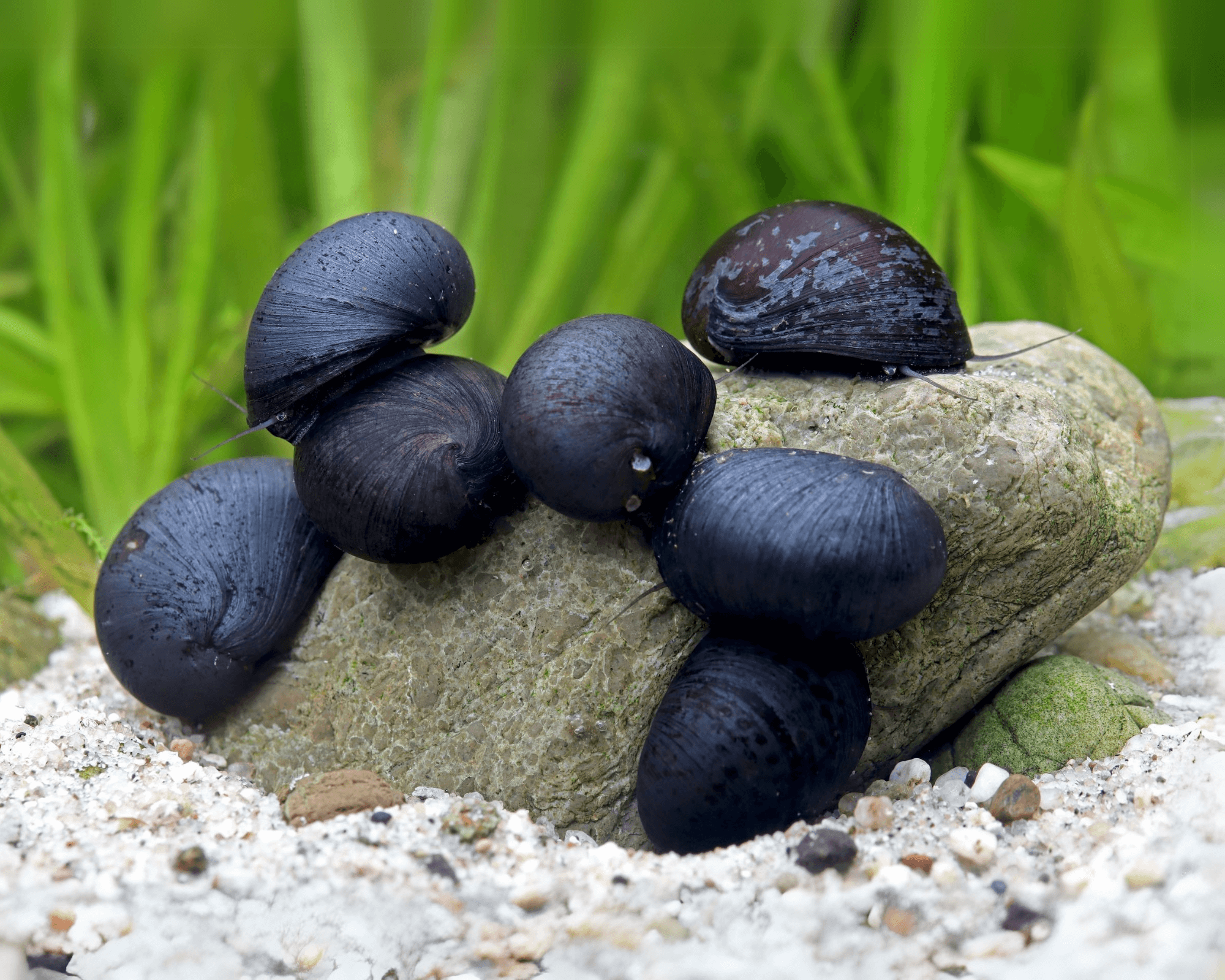
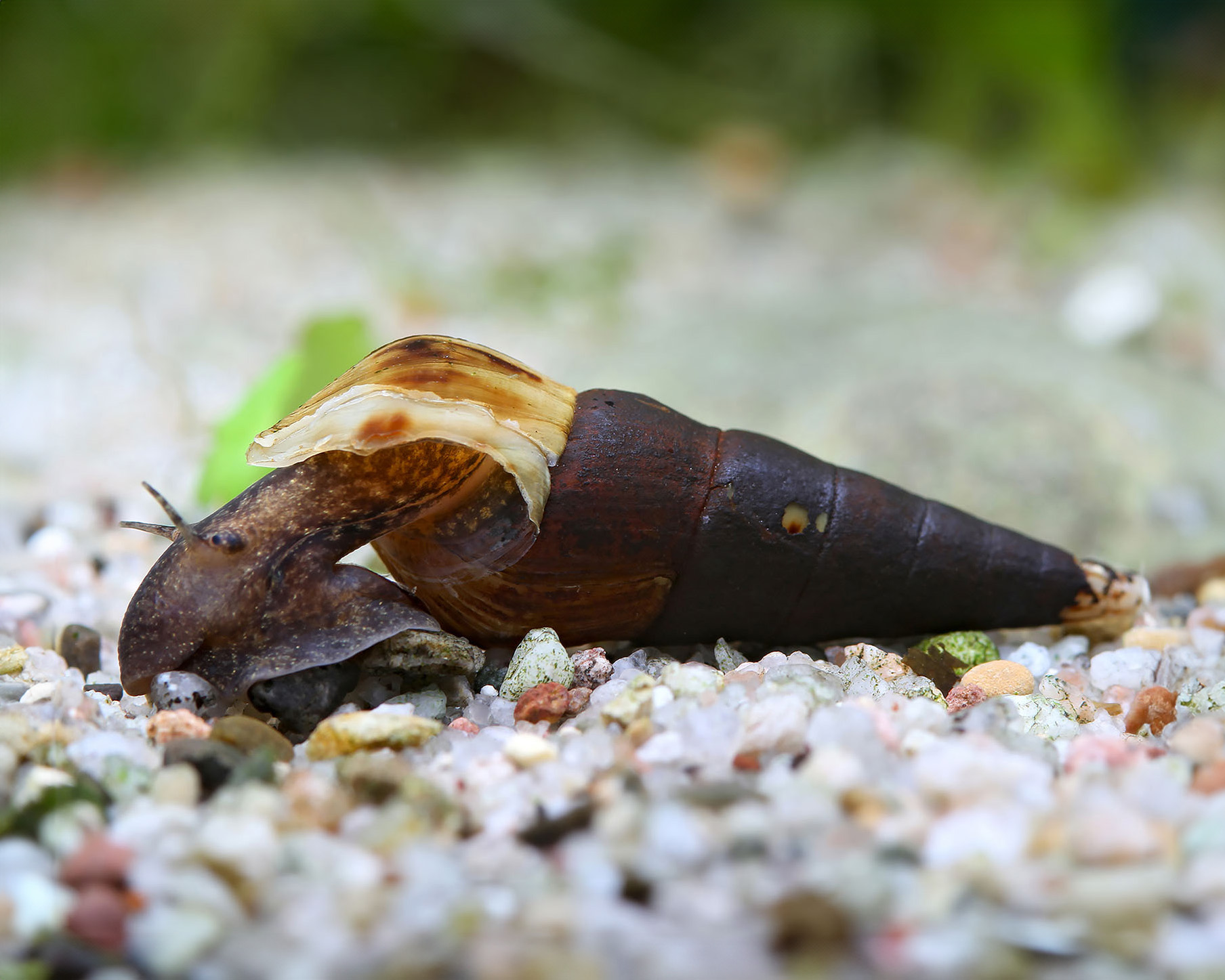
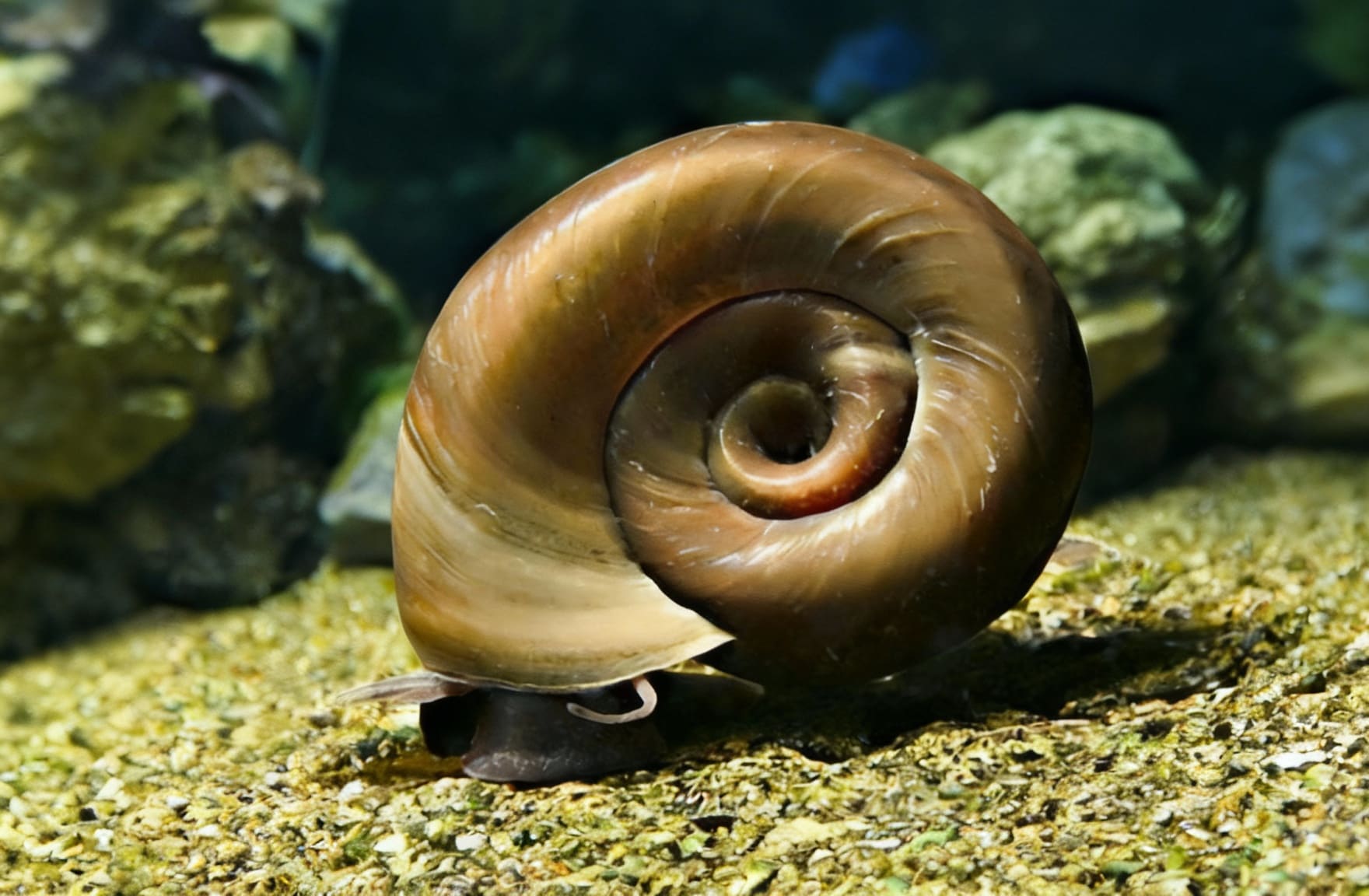
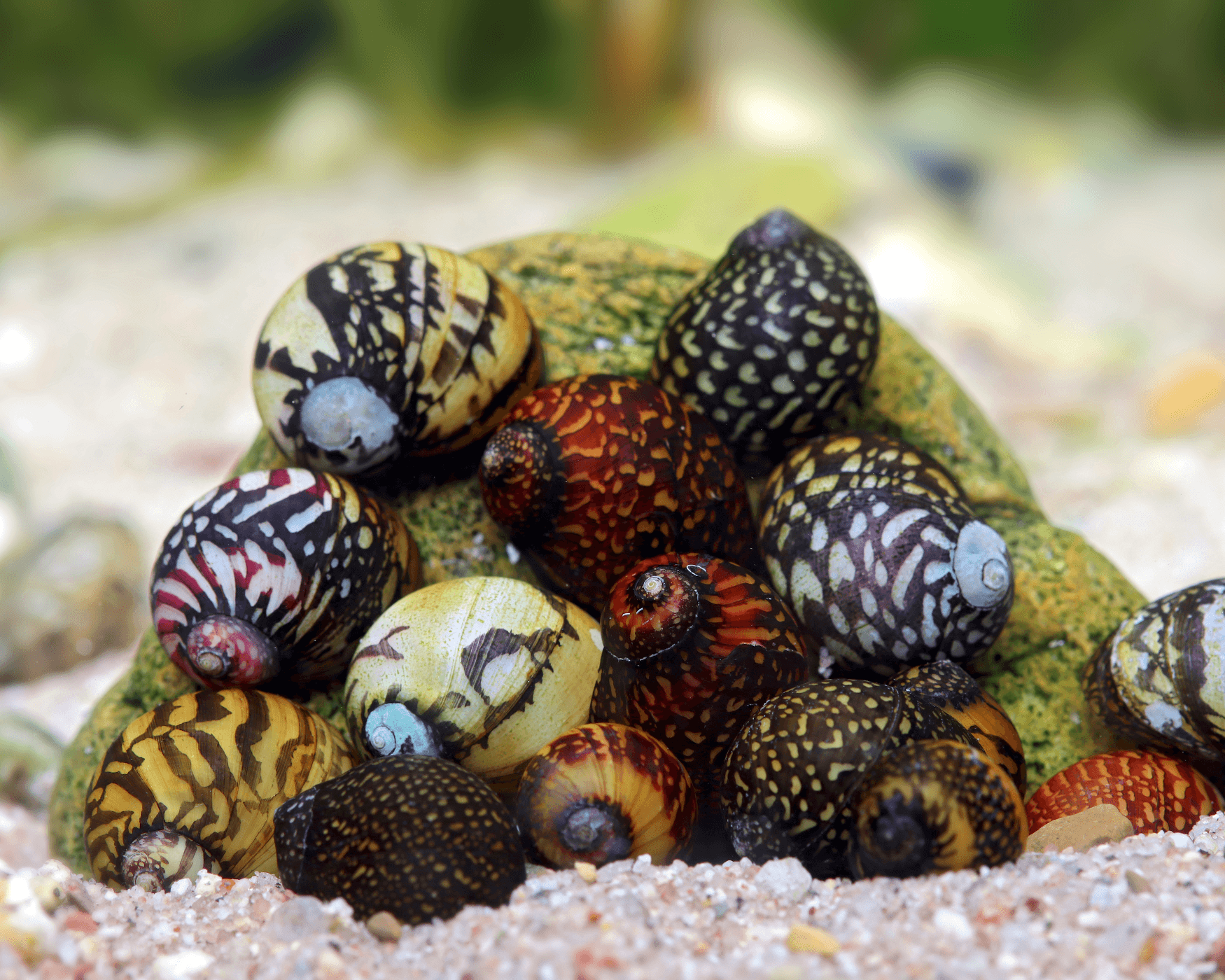
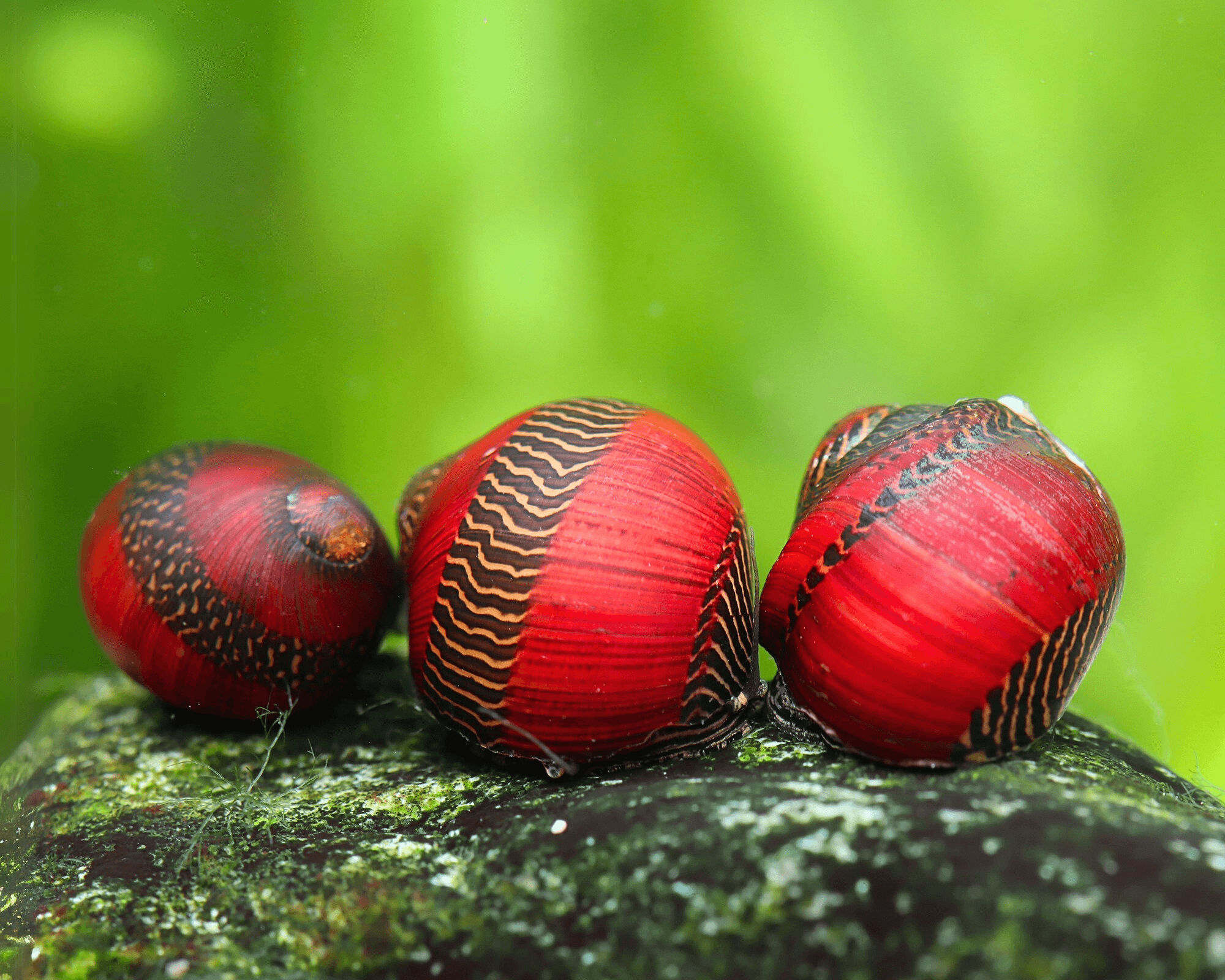
A planted aquarium needs a snail that suits its surface area, maturity, and feeding pattern. Neritina types are useful when you want a modest algae grazer without intentionally creating a breeding colony in freshwater. Ramshorns are adaptable and attractive, but their numbers can rise quickly when fish food and decaying leaves are abundant. Malaysian trumpet snails spend much of their time in the substrate, making them a different design choice from a glass-grazing snail. Tylomelania and other larger snails bring more personality and waste, so they need stronger feeding and maintenance plans. Choose one role first; combining several snail types can make food competition and population control harder.
Treat feeding as a plant-protection tool
The safest snail diet is not unlimited food; it is enough food to prevent starvation without turning the aquarium into a waste reservoir. In a mature planted tank, algae, biofilm, softened leaves, and fish-food crumbs may cover the needs of small scavenging snails. Larger or newly introduced snails may need occasional algae wafers, prepared invertebrate foods, or brief offerings of blanched vegetables. Remove uneaten food before it breaks down. If snails gather at the surface, swarm every feeding, or begin targeting healthy soft leaves, review the food supply and water quality rather than simply increasing portions. A controlled feeding response is more useful than a fixed daily schedule.
Use plant condition to interpret grazing damage
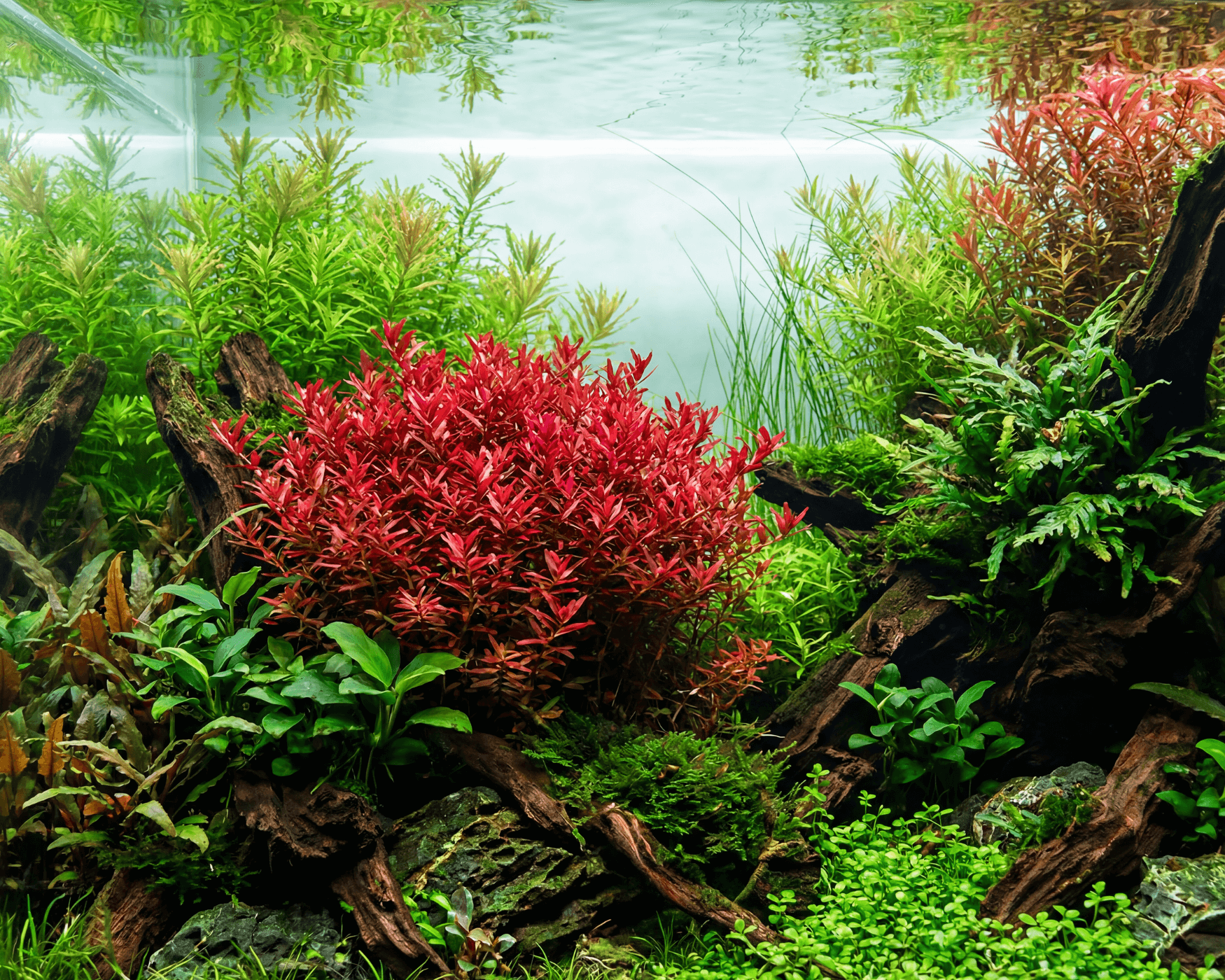
Snail marks do not always mean the snail caused the original problem. Leaves damaged by nutrient shortages, melting after a plant transition, algae overgrowth, or poor circulation become easier to rasp. Thin leaves and floating plants may show damage sooner than tough rhizome plants or established stems. Inspect the timing: clean-edged holes appearing only in old, deteriorating leaves suggest scavenging, while fresh damage on vigorous new growth deserves closer investigation. Remove dying leaves, improve plant growth conditions, and observe the snail at night if necessary. A plant-safe stocking choice still needs healthy plants; no snail can compensate for unstable lighting, poor nutrients, or accumulating organic waste.
Keep shrimp, peaceful fish, and snails on the same side
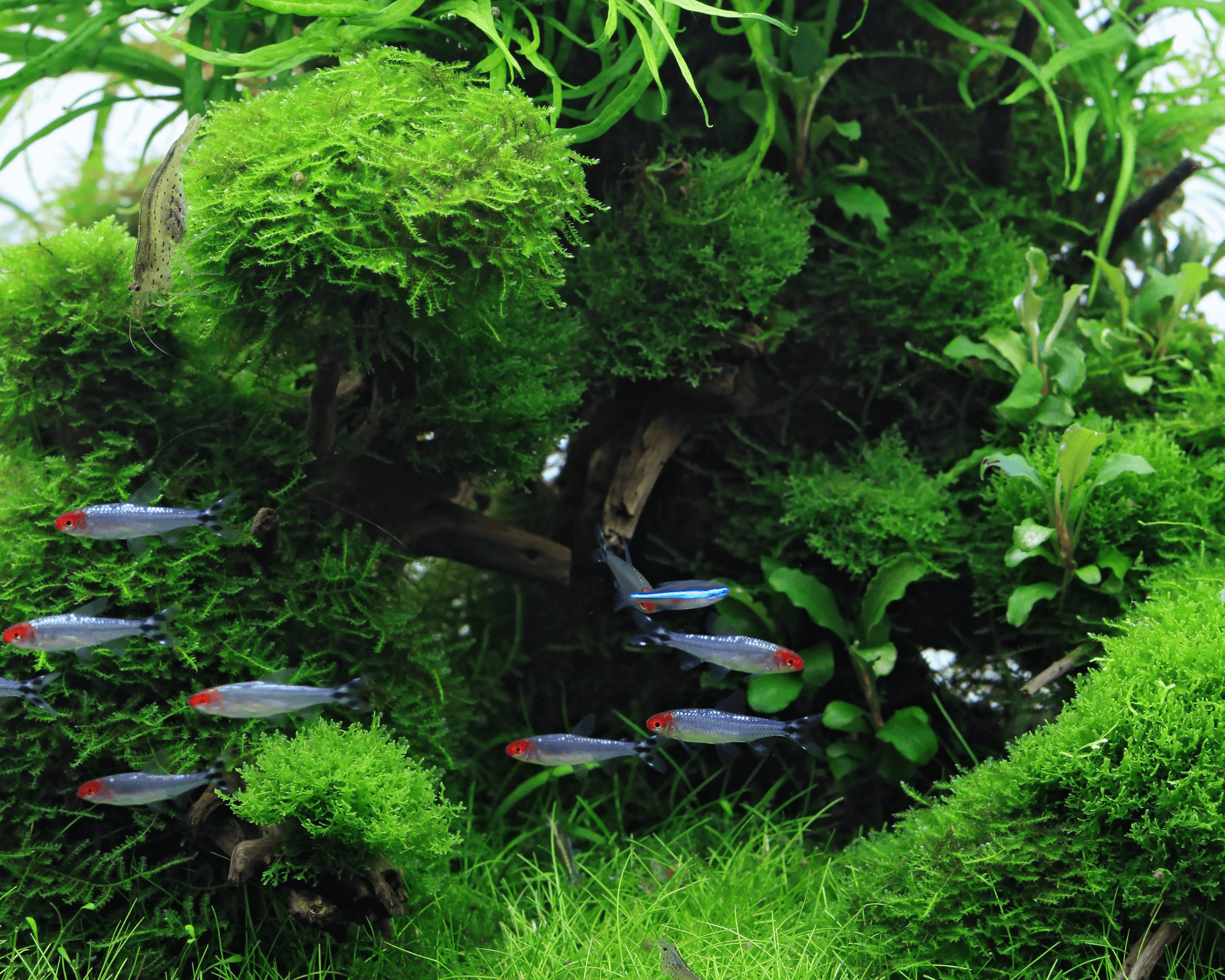
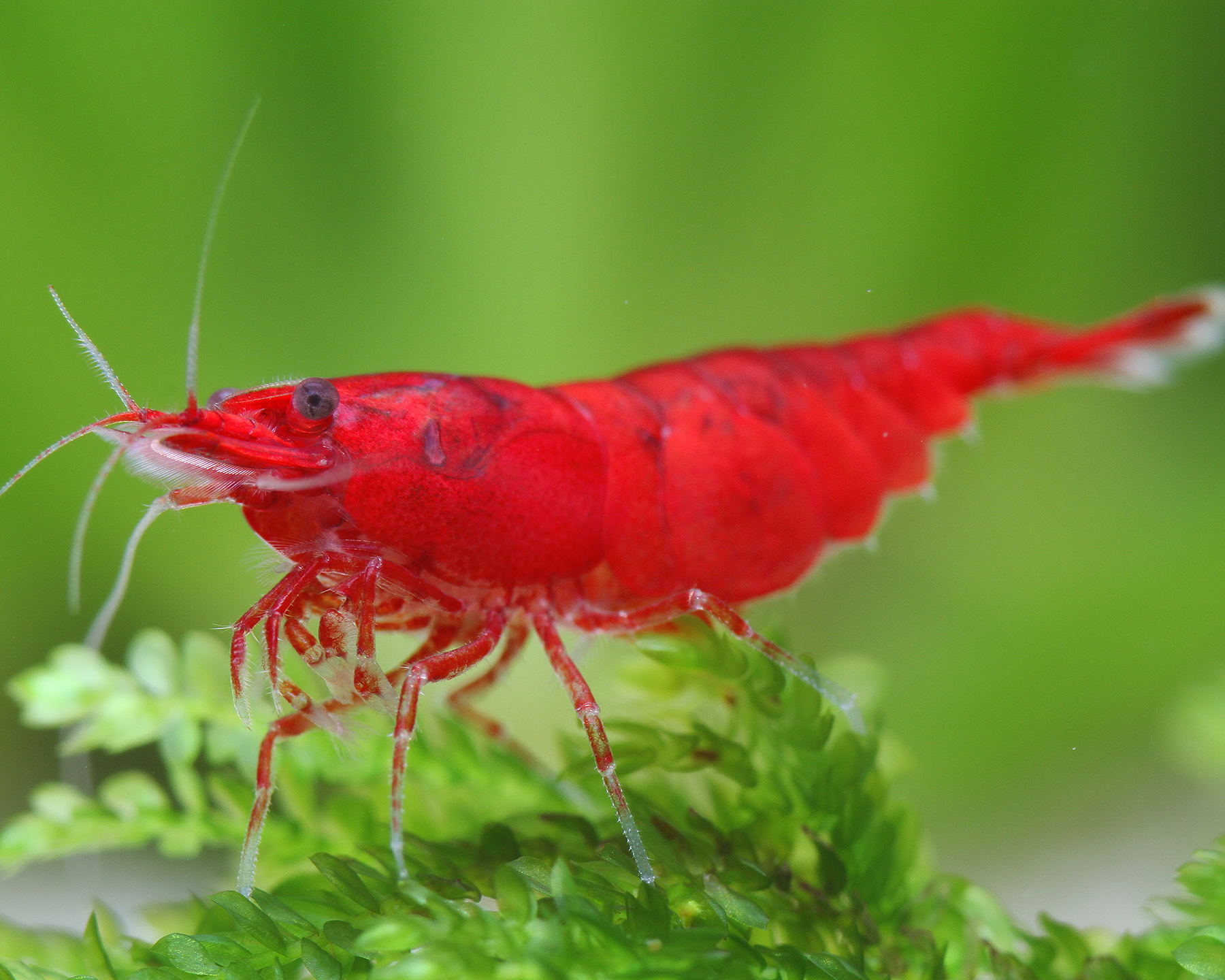
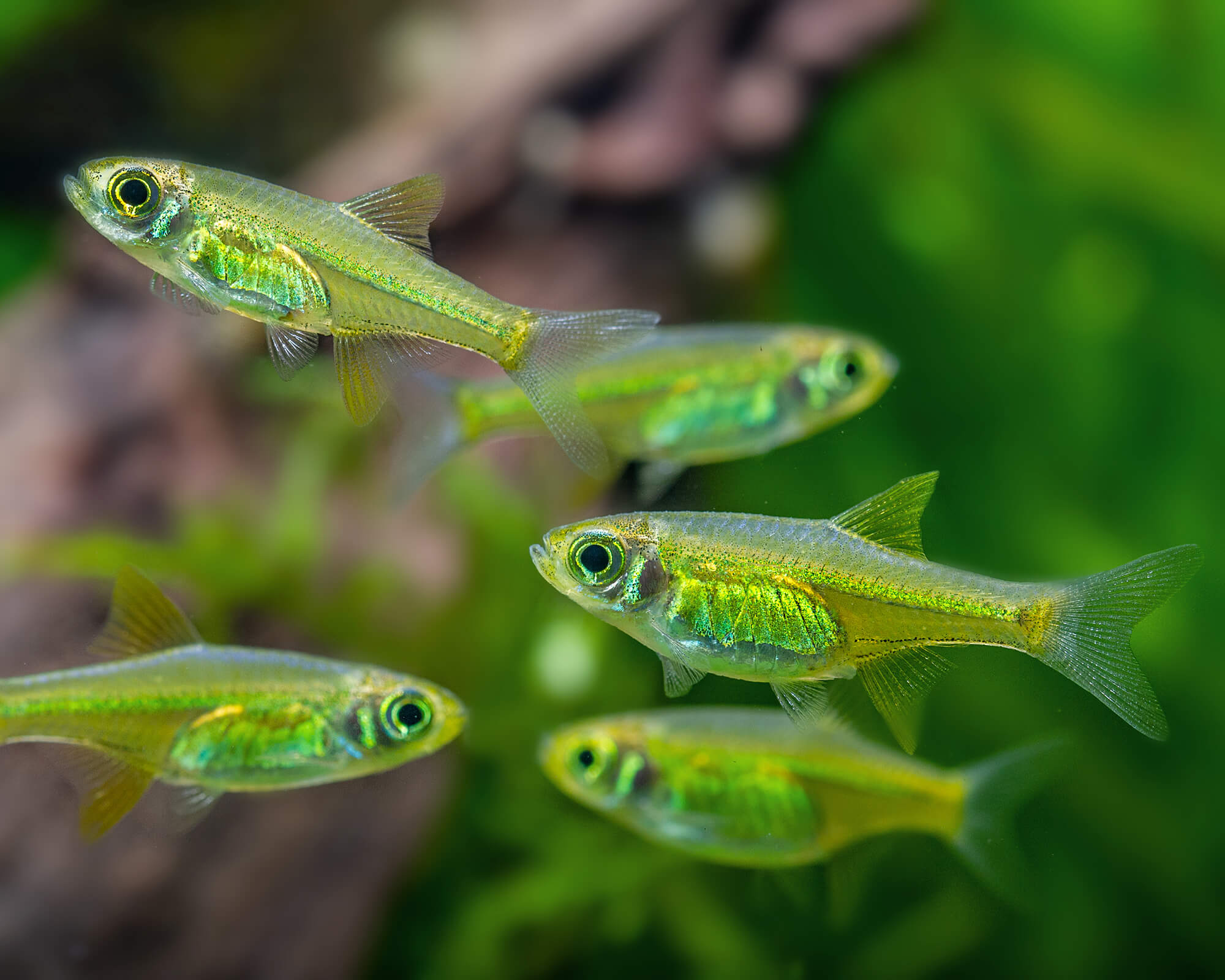
Most small grazing and scavenging snails are compatible with adult freshwater shrimp and peaceful community fish, but compatibility is still a behavior question. Shrimp may share food and surfaces with nerites, ramshorns, and small trumpet snails without direct conflict. Fish that peck at antennae, flip snails, or hunt soft-bodied invertebrates are a poor match. Assassin snails require special planning because they may prey on other snails and can disrupt a peaceful snail community. In shrimp tanks, provide moss, leaf litter, and plant cover so every animal can feed without crowding. In nano aquariums, the safest combination is usually one modest snail type and restrained feeding.
%20-%201.webp)
Be cautious with apple-snail relatives in planted layouts
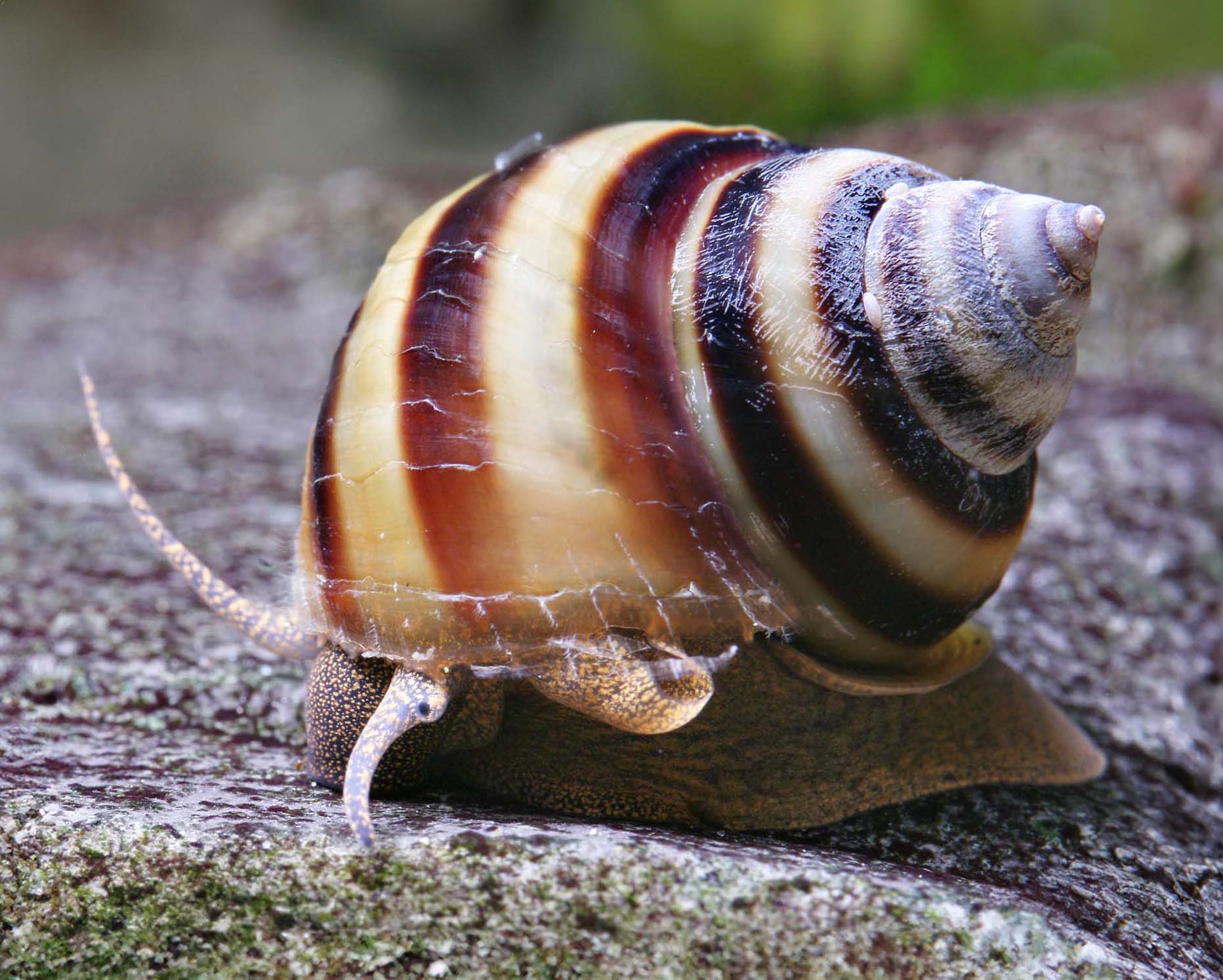
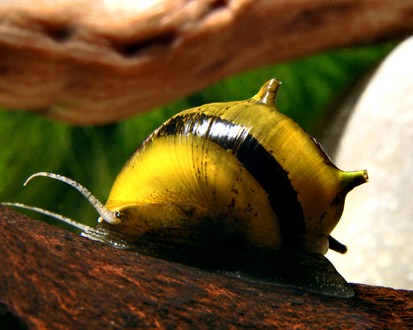
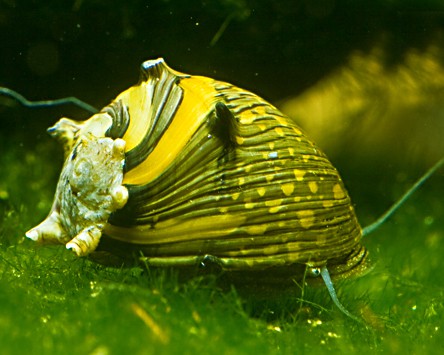
A label that includes “apple snail” should trigger an identification check before the animal enters a display aquascape. Some apple-snail relatives are much more herbivorous than the algae-grazing nerites commonly chosen for planted tanks, and their size can make their feeding impact difficult to hide. The Zebra apple snail label may refer to Asolene spixi, but sellers and hobbyists can use common names inconsistently. Confirm the scientific name, adult size, diet, and legal status in your area. If protecting delicate stems, carpeting plants, or floating vegetation is the priority, choose a clearly identified grazing species instead of relying on a marketplace photo or common name.

Plan population control before adding prolific snails
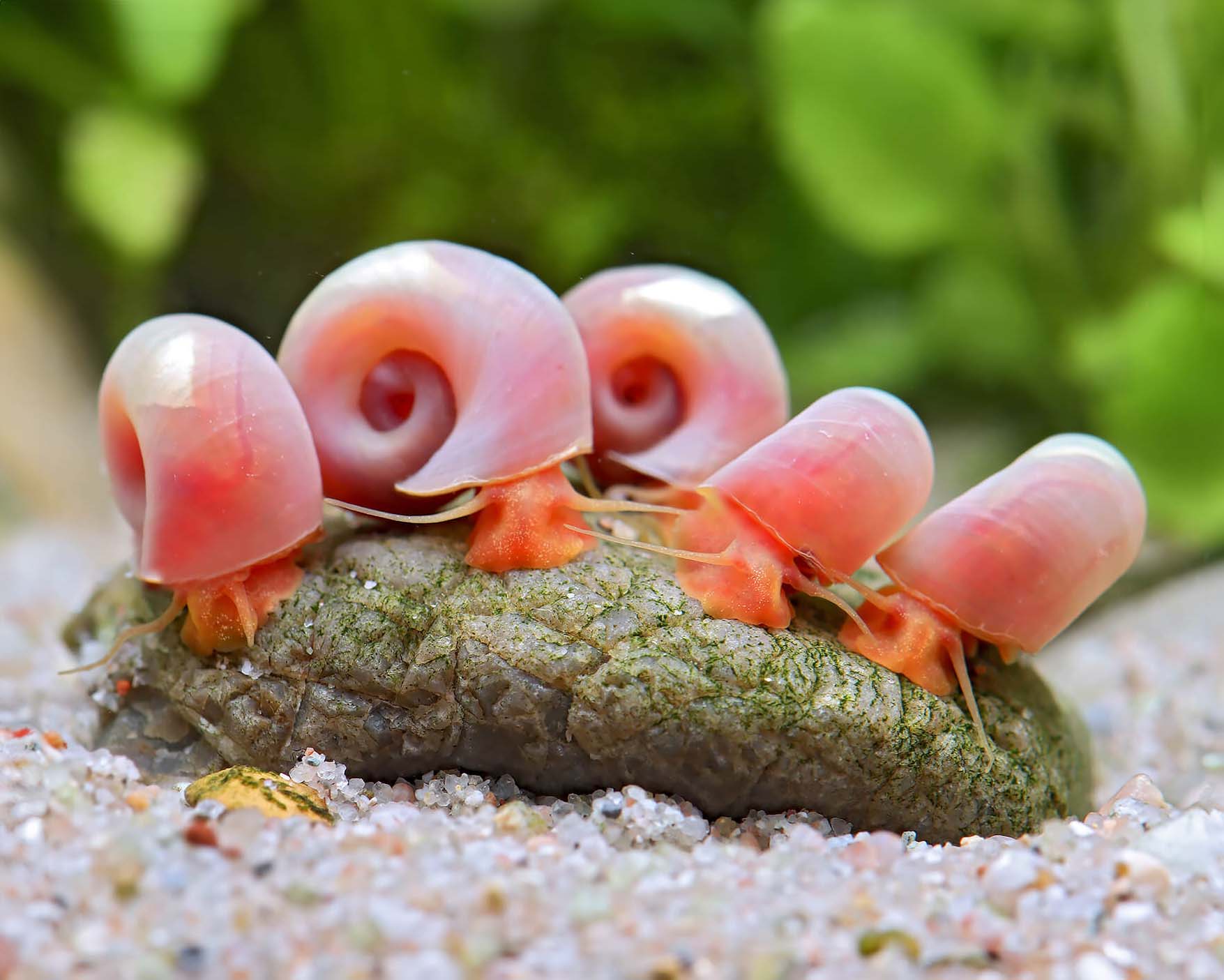
Ramshorns, bladder snails, and similar hitchhikers can become useful members of a planted aquarium, but their population reflects available food. A sudden increase usually points to excess fish food, dead leaves, uneaten vegetables, or a hidden organic pocket rather than a mysterious reproductive event. Control the cause first: reduce portions, remove deteriorating plant matter, clean accessible debris, and manually remove surplus snails. Avoid adding predators automatically, especially in shrimp tanks, because assassin snails may solve one problem while creating another compatibility decision. If you want a predictable display, purchase a known number of snails instead of accepting every hitchhiker that arrives on new plants.
Choose substrate workers for the right reason
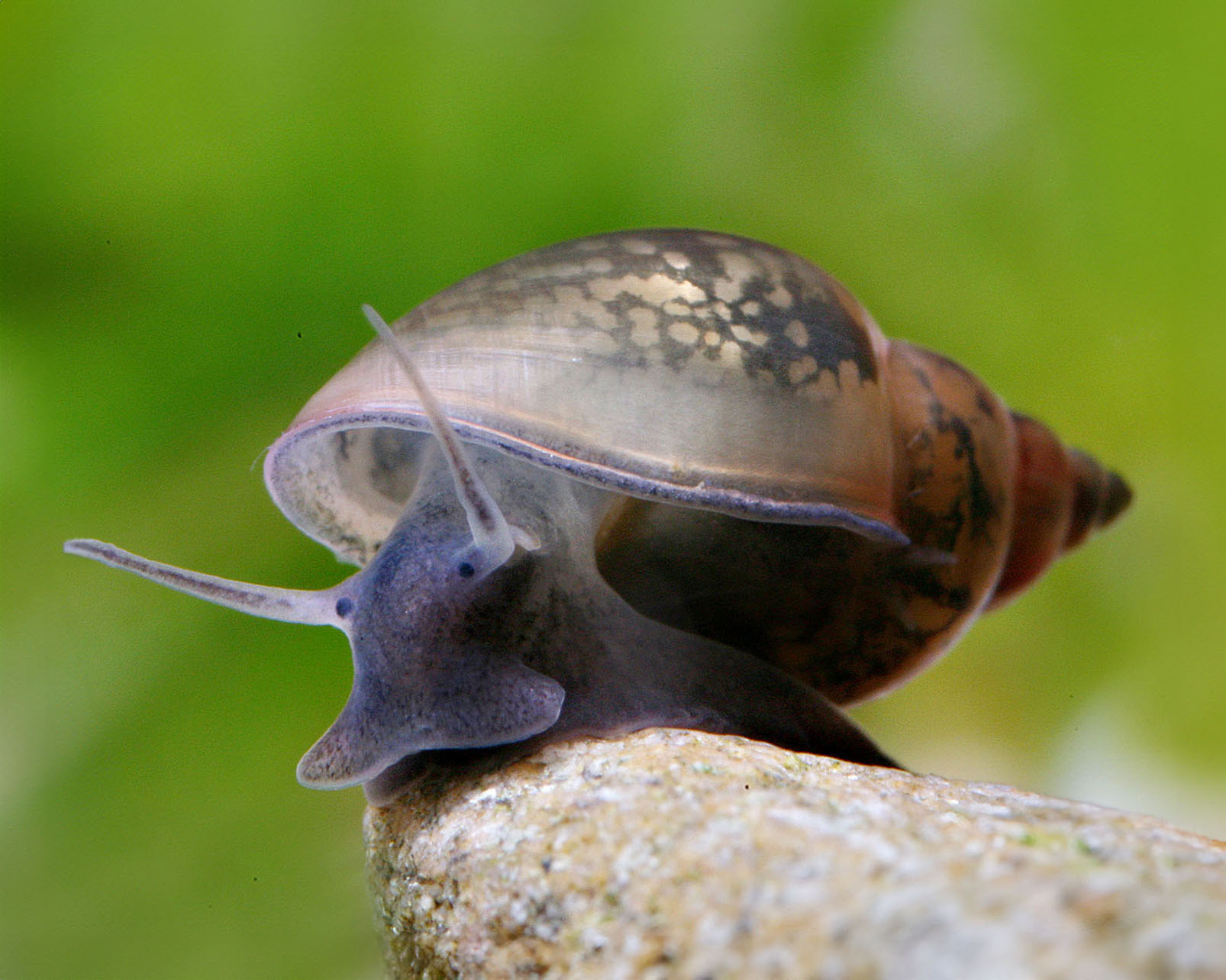
Trumpet-shaped burrowing snails can be valuable in aquariums where you want activity within sand or fine gravel, but they should not be sold as a substitute for substrate maintenance. Their movement may loosen surface material, yet they still produce waste and depend on available food. In a densely planted tank, a small population can coexist with rooted plants; in a lightly stocked nano aquarium, the same species may be more noticeable and more difficult to feed consistently. Avoid deep, neglected substrate zones and inspect for trapped organic matter. Select burrowing snails when their behavior suits your layout, not because you expect them to keep every substrate problem solved.
Protect shells while keeping plants and shrimp stable
Snails need mineral availability for shell growth, but adding random calcium products can create unnecessary chemistry swings. Stable water, appropriate hardness for the chosen species, and regular maintenance matter more than chasing a single number. Very soft or acidic water can contribute to shell wear, while neglected waste and overfeeding can harm the entire aquarium. This is especially important when keeping snails with shrimp, because both groups respond poorly to sudden changes. Test source and aquarium water, make gradual adjustments, and confirm the needs of the species you bought. If shell erosion is progressing, pause livestock additions and correct stability before increasing food or adding supplements.
Use a simple decision test before purchase
Ask four questions before adding any snail: Will it eat the food my tank naturally produces? Could it damage the plants I care about most? Is its adult size appropriate for the aquarium? Can its behavior coexist with my shrimp and fish? For a mature planted tank that needs algae grazing, a nerite or horned snail may be a sensible direction. For a tank where population control is acceptable, a small group of ramshorns may fit. For substrate activity, consider a restrained trumpet-snail population. If the aquarium is new, spotless, or heavily stocked, delay the purchase until food availability and water stability are clear.
Frequently Asked Questions
Do aquarium snails eat healthy live plants?
Many commonly kept planted-tank snails focus on algae, biofilm, leftover food, and dying tissue rather than vigorous leaves. Damage is more likely when the snail is hungry, the plant is already weakening, or the species is naturally herbivorous. Identify the snail and inspect plant health before assuming all snails are plant-safe.
Which aquarium snails are usually safest for planted tanks?
Nerite and horned snails are commonly selected for algae grazing without intentional freshwater population growth. Ramshorns and trumpet snails can also work, but they may reproduce readily when food is abundant. The best choice depends on plant softness, tank size, food supply, water chemistry, and tank mates.
How often should I feed aquarium snails?
There is no universal schedule. Mature tanks may provide enough algae, biofilm, and soft organic matter for small snails, while larger or newly added snails may need occasional supplemental food. Offer small portions, remove leftovers, and adjust based on activity, body condition, plant damage, and population growth.
Can aquarium snails live with freshwater shrimp?
Most small grazing and scavenging snails can coexist with adult freshwater shrimp because they use different surfaces and do not normally hunt shrimp. Avoid fish that attack invertebrates, and be cautious with assassin snails because they prey on other snails. Plant cover and restrained feeding improve compatibility.
Why are my snails multiplying in a planted tank?
A growing snail population usually indicates abundant food, including excess fish food, dead leaves, algae, or decaying organic matter. Reduce feeding, remove deteriorating plant material, clean accessible debris, and manually remove extras. Do not rely on predators until you have considered their effect on shrimp and other snails.
Leave your comments