Begin with a depth map, not a shopping list
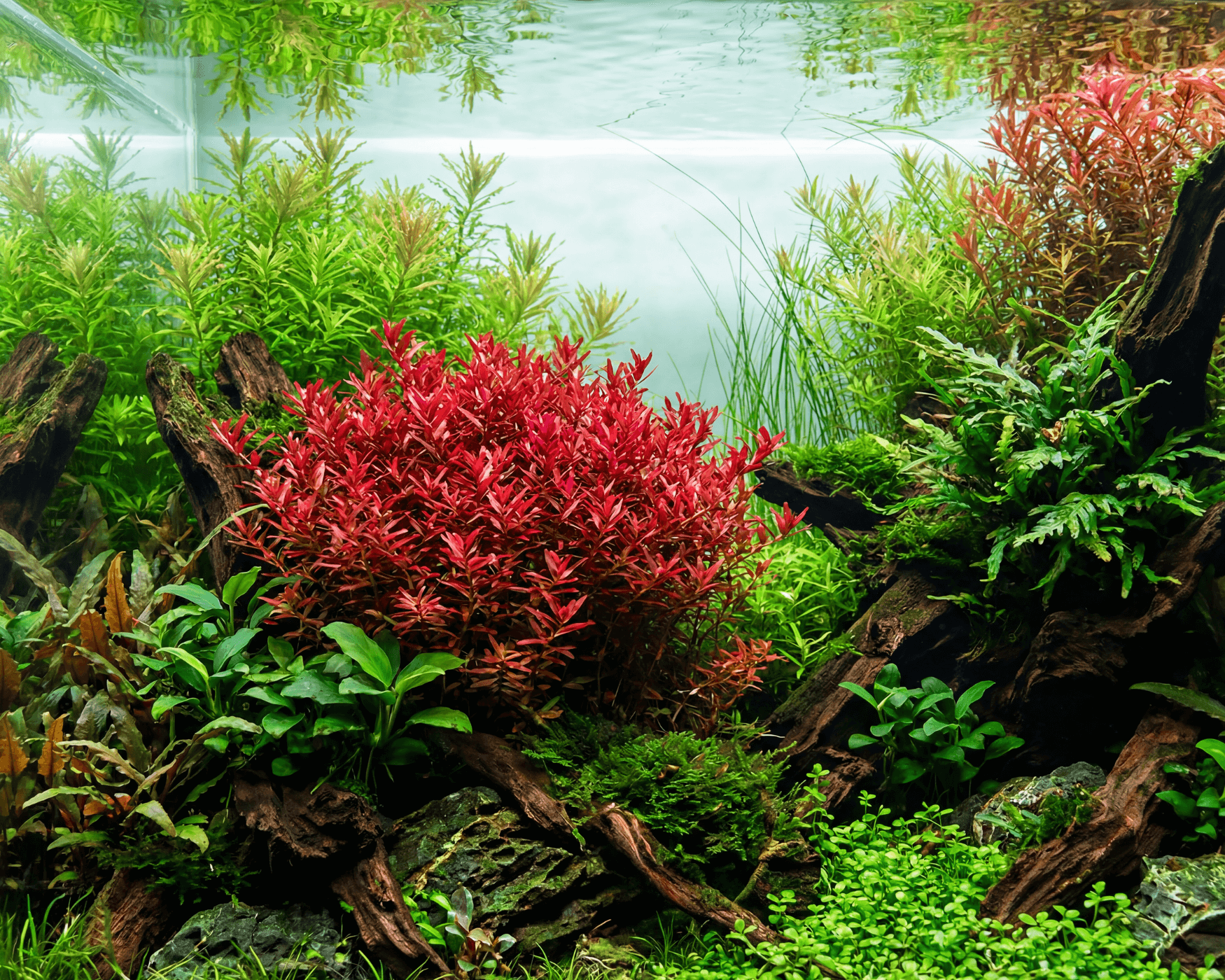
Before buying plants, divide the aquarium into three visual zones: a low foreground, a structured middle, and a taller background. This does not mean creating rigid stripes. Let the zones overlap so the eye moves gradually from the front glass toward the rear. In a small aquarium, even a few inches of height difference can create depth. Reserve one side or central channel for open swimming space, then place the main plant mass off-center. This layout gives small schooling fish somewhere to move and keeps shrimp and snails visible on the hardscape. A simple depth map also prevents the common mistake of buying several attractive plants that all occupy the same height.
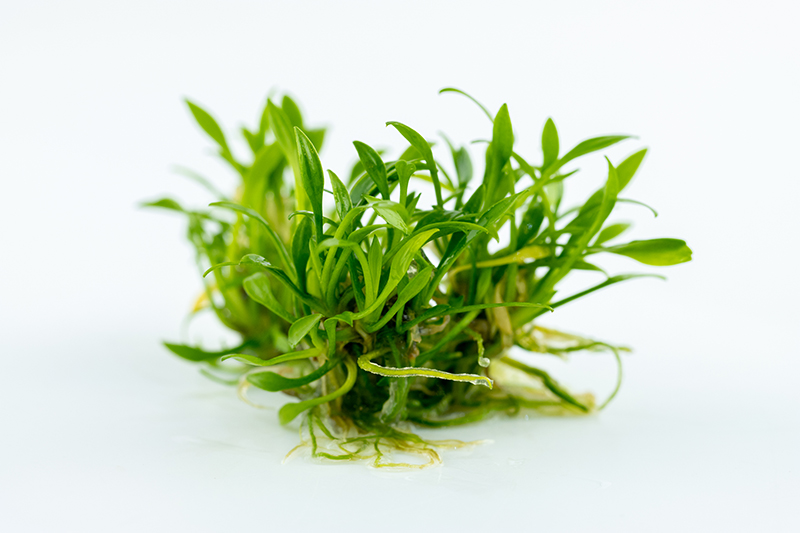
Use fine foreground texture to establish scale
Fine leaves near the front make the rest of the aquarium appear larger. Brazilian grass, dwarf hairgrass, or another low-growing plant can form a soft visual carpet without becoming the only feature. Plant small clumps with gaps between them rather than making a solid wall immediately. The gaps show substrate, create routes for shrimp, and make growth easier to monitor. A foreground plant that needs intense light or injected carbon dioxide may not suit a low-tech beginner setup, so choose according to your equipment rather than the photograph on the label. For nano tanks, a partial carpet is often more practical than covering the entire front pane.

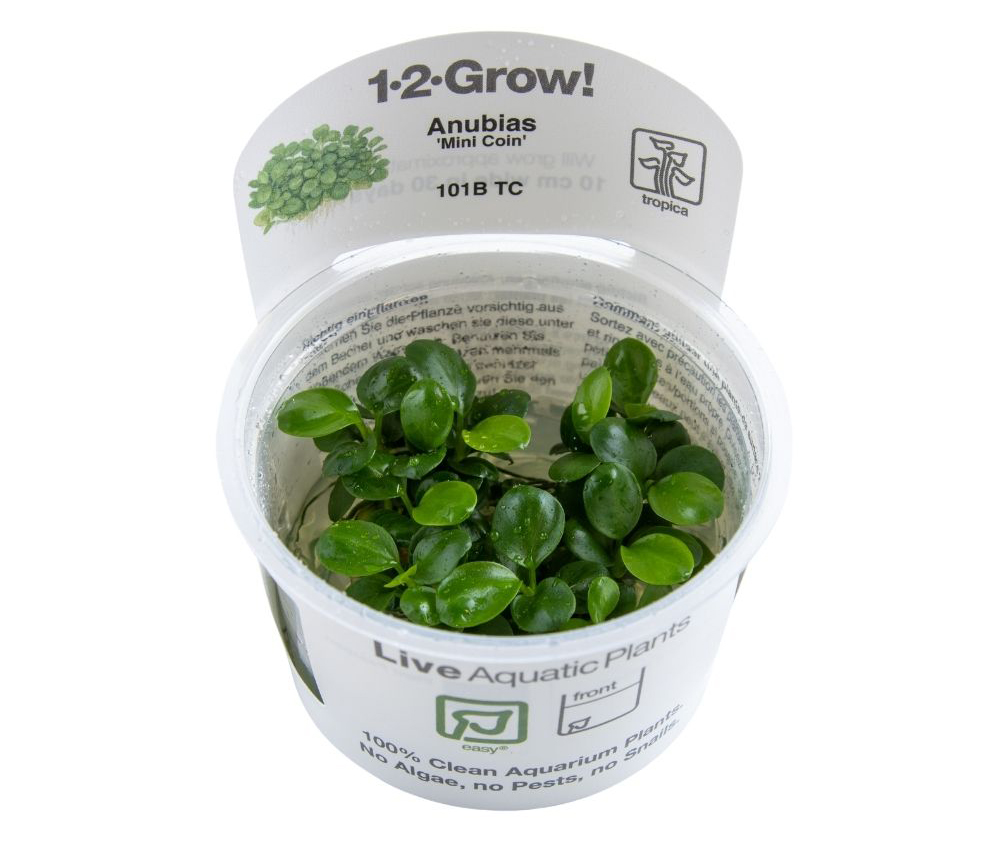
Add broad leaves where the foreground needs a visual anchor
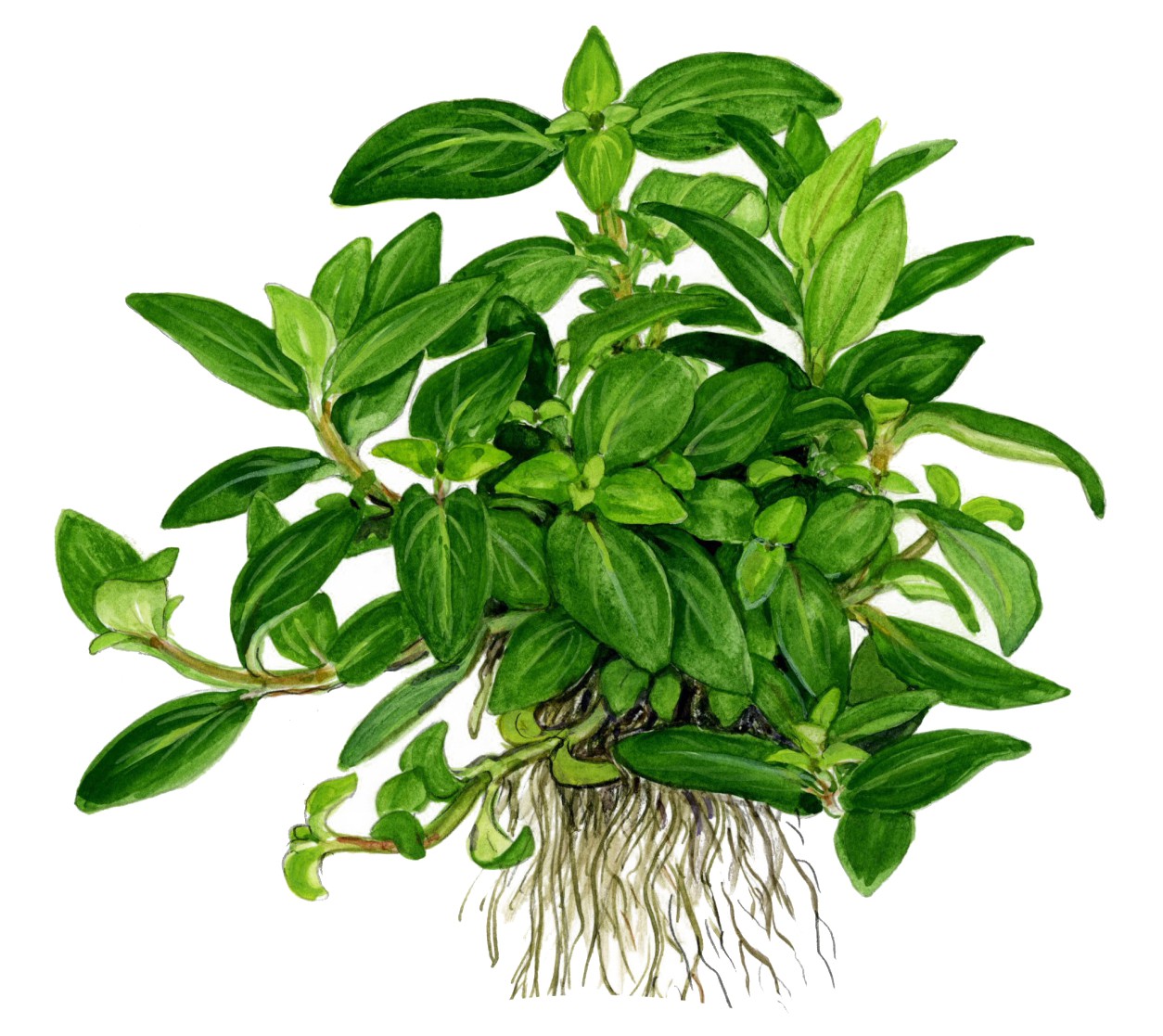
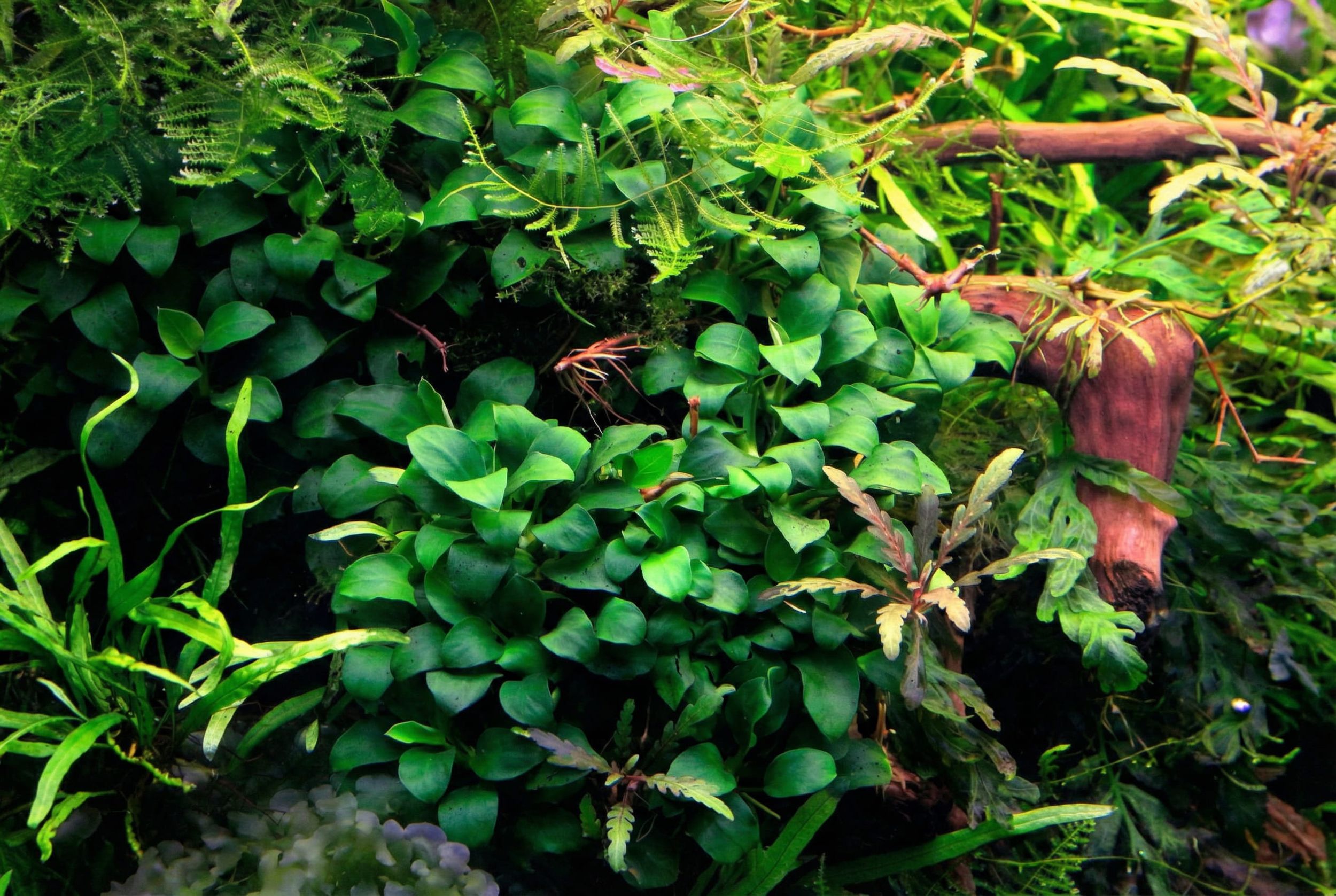
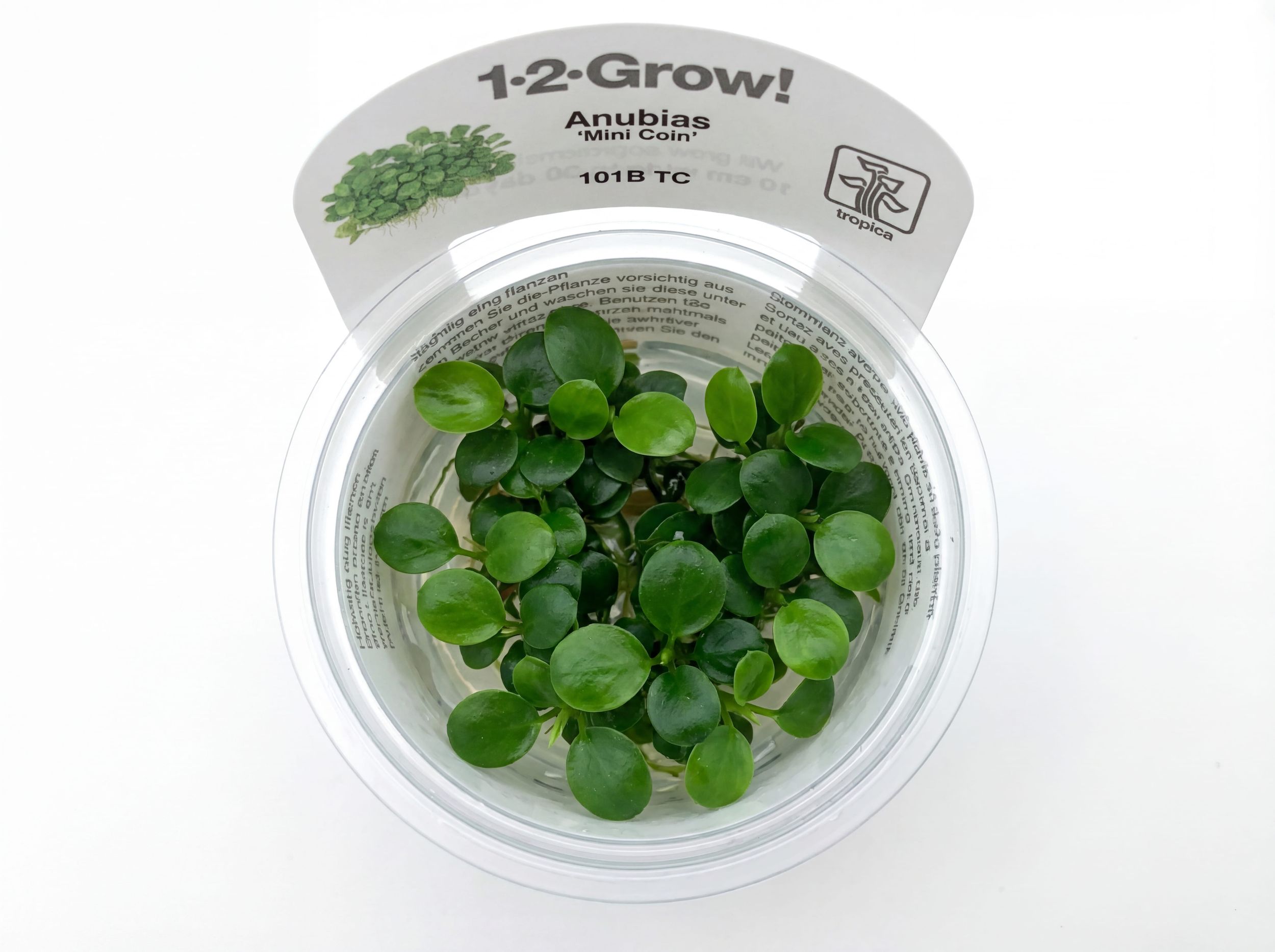
Fine foreground plants can look delicate or repetitive unless they meet a larger, calmer form. Small Anubias with rounded leaves provides that contrast and is useful around stones, wood, or shaded planting pockets. Its slow growth makes it easier for beginners to maintain, but the rhizome should remain above the substrate rather than being buried. Broad leaves also create useful perches and grazing surfaces for shrimp, while small fish can swim around the edges. Keep several leaves visible instead of hiding the plant inside a dense stem thicket. The contrast between a low fine carpet and a few broad leaves gives the front half of the aquarium a readable scale.
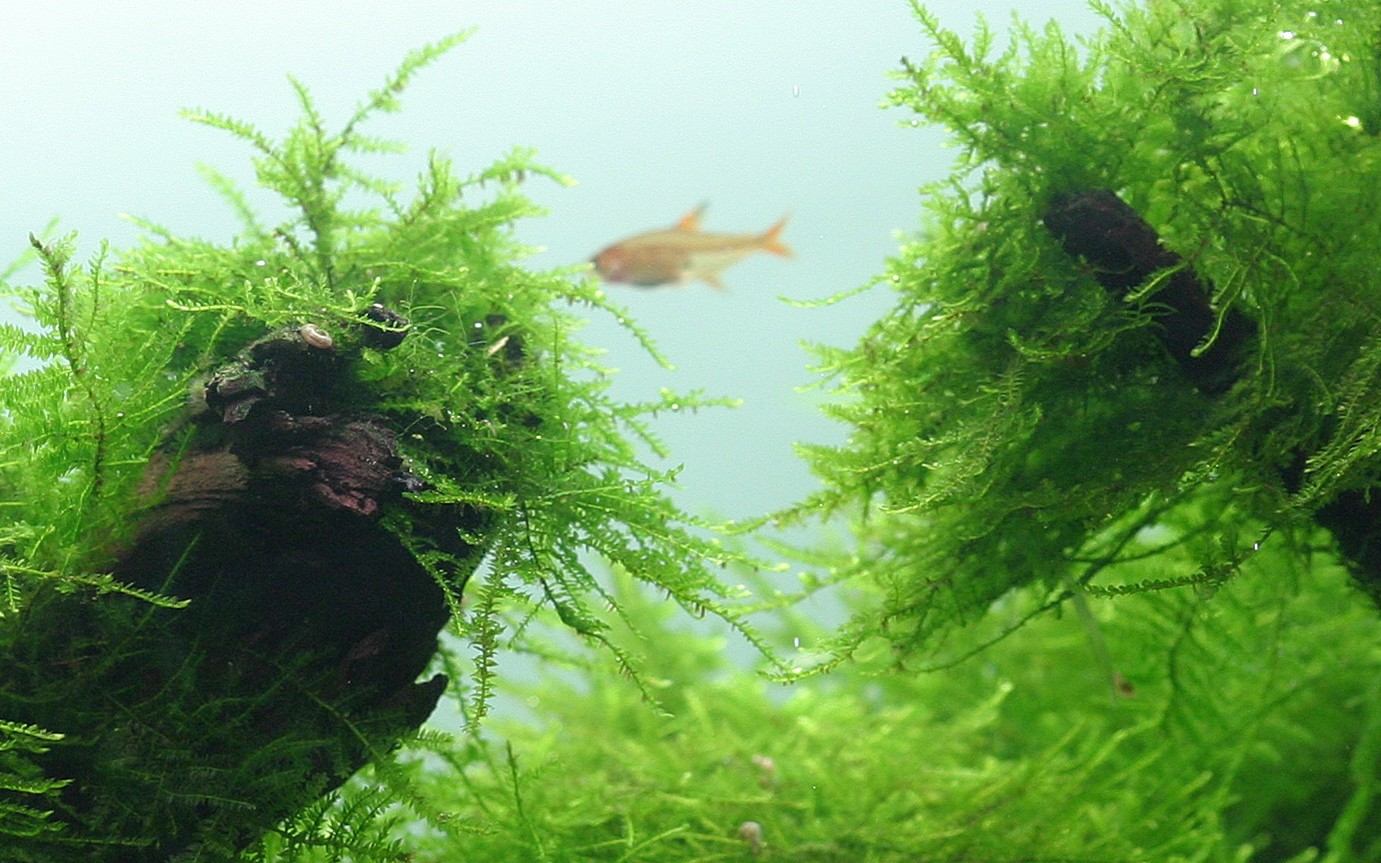
Use moss to soften hardscape and create a tactile middle layer
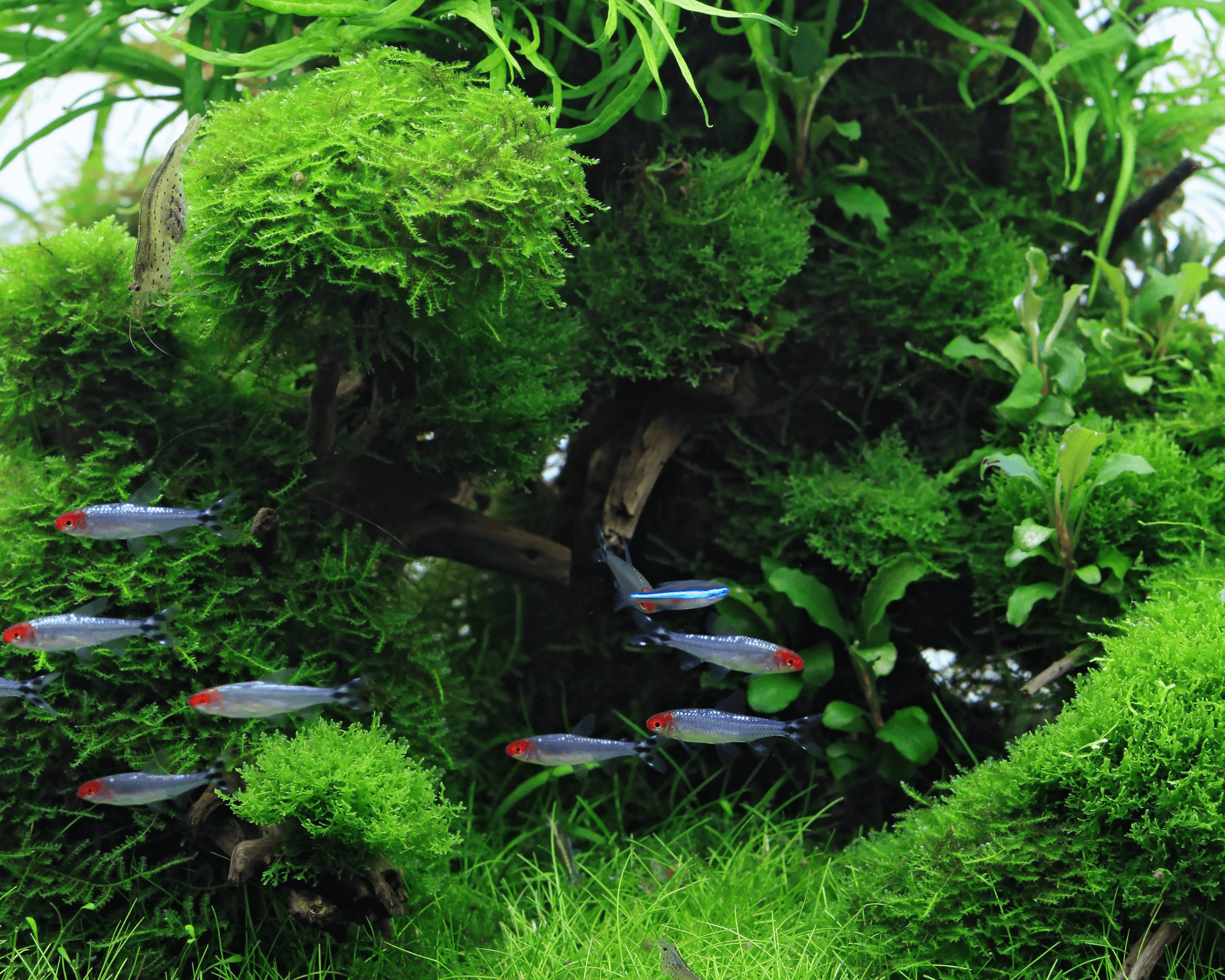
Moss adds a different texture from rooted plants: soft, branching, and visually irregular. Java moss can be attached to wood or stone to blur hard edges and make the hardscape look older and more integrated. It also creates small surfaces where shrimp can pick at biofilm, although it should not be treated as a complete food source. Trim moss before it blocks circulation or traps debris. In a small aquarium, a thin layer on one branch often creates more depth than a thick blanket across every surface. Leave some bare rock or wood exposed so the moss reads as a middle layer rather than visual clutter.
Choose fine background stems for distance, not just height
A background plant should frame the aquarium without turning it into a solid green curtain. Rotala rotundifolia can provide narrow foliage and a vertical rhythm behind broader midground plants. Plant stems in grouped areas, leaving a deliberate opening for equipment access and water movement. Prune by removing the oldest or most crowded stems rather than repeatedly cutting every plant to the same level. This creates a varied edge that feels deeper. In a beginner tank, green growth is usually easier to manage than demanding red growth, so treat color changes as a bonus rather than the main reason to choose a stem plant.
Let one red or warm-toned plant act as a depth marker
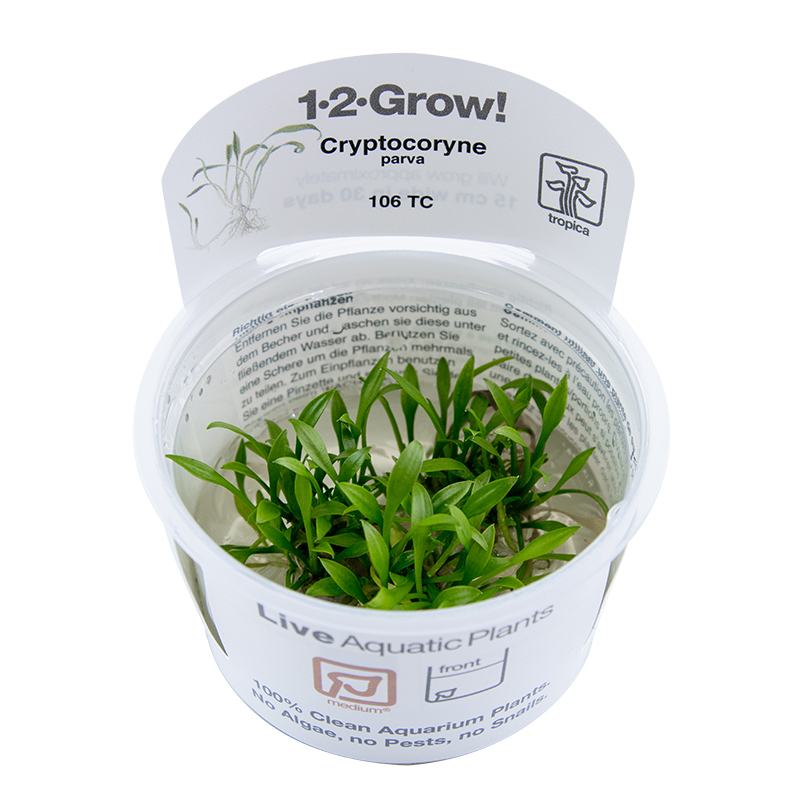
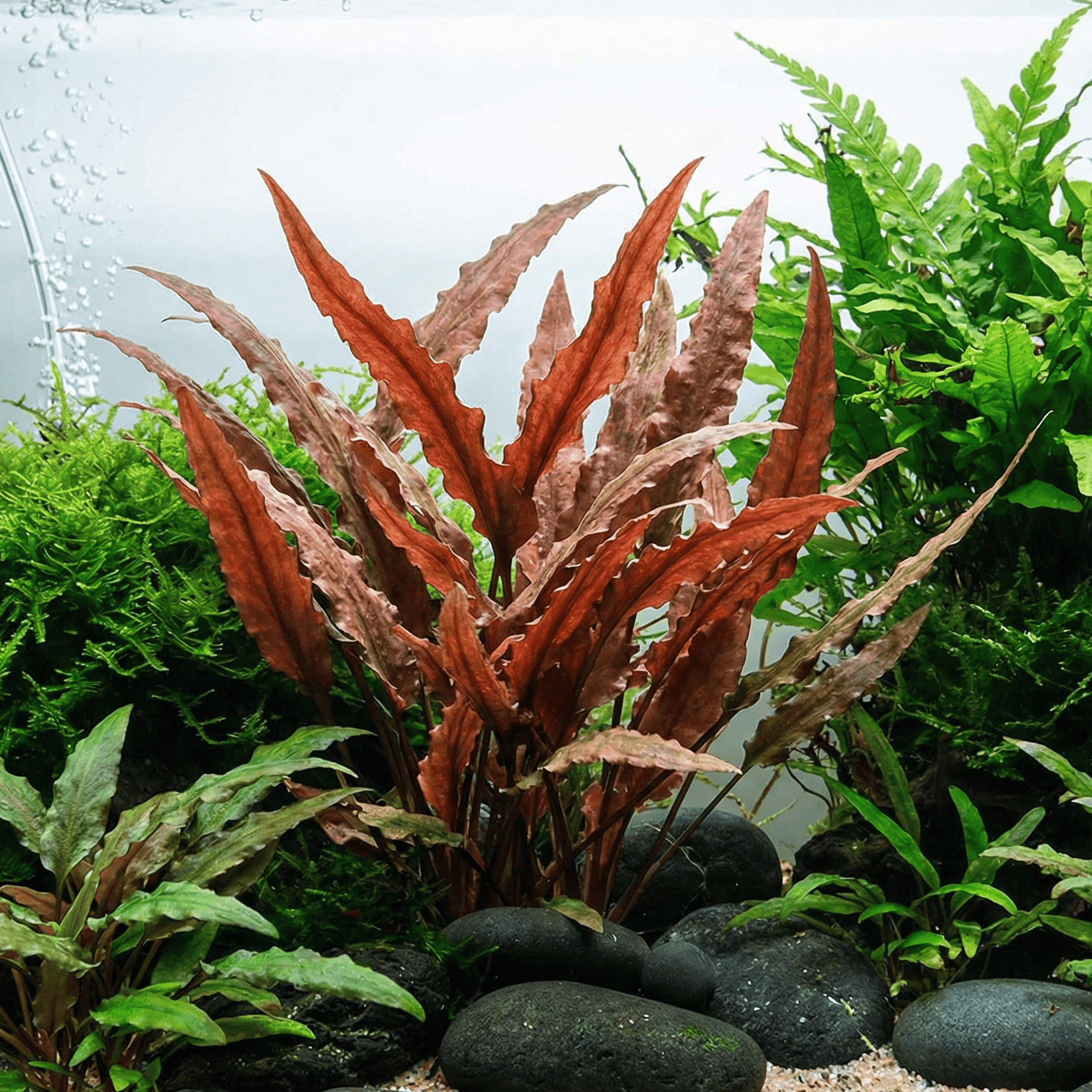
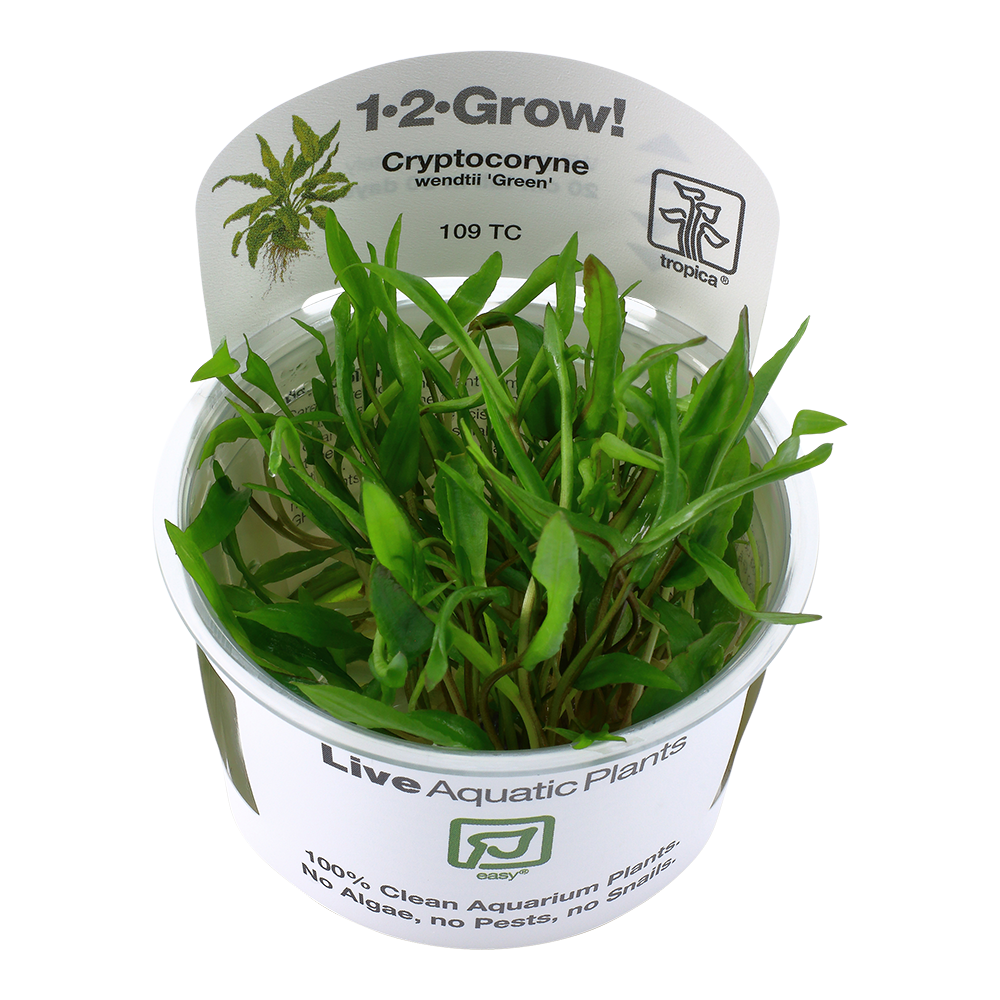
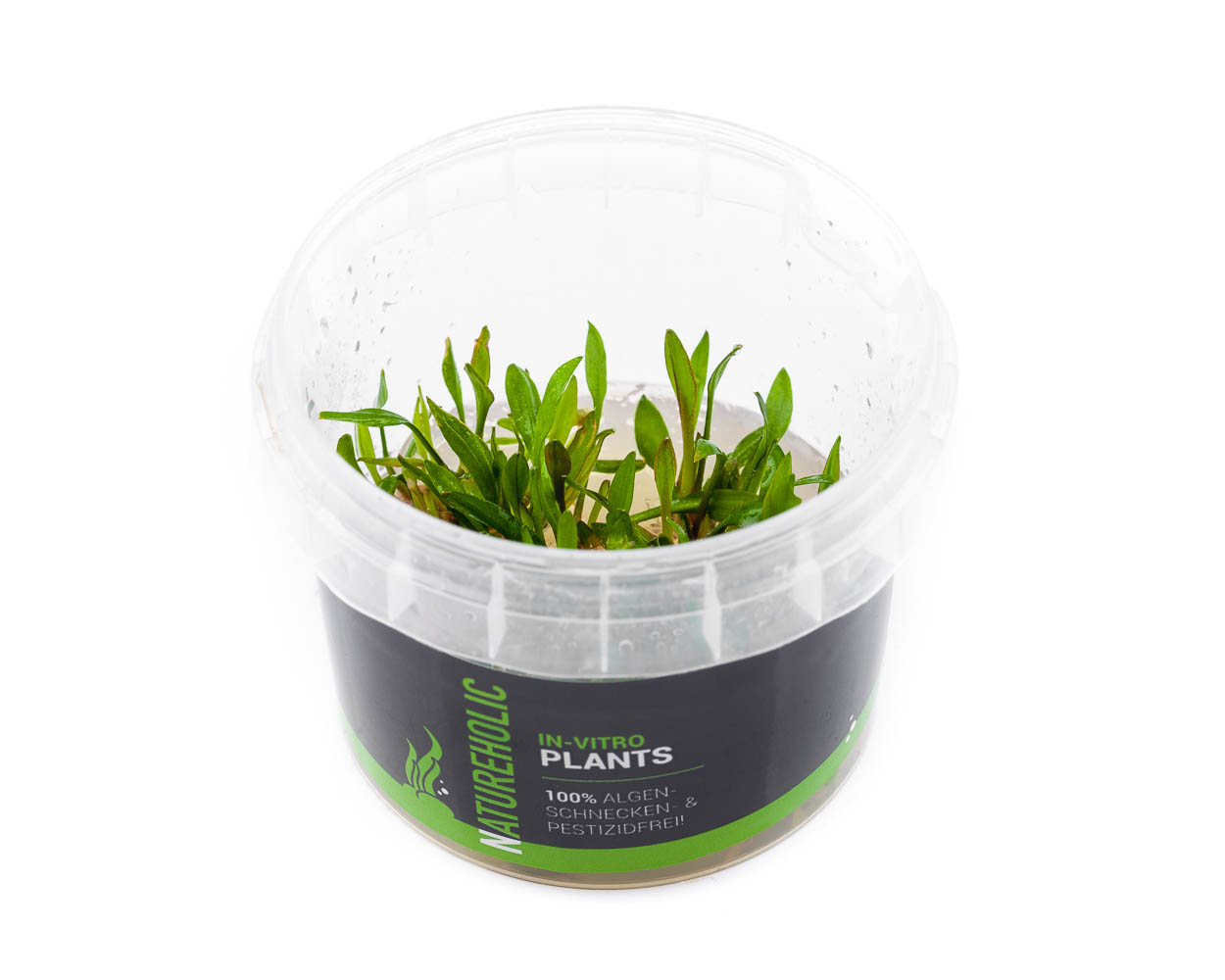
Red foliage is most effective when it has a job. A compact red Cryptocoryne can mark the transition between foreground and background, draw attention to one side of the layout, or echo a warm stone or piece of wood. It should not be scattered evenly throughout the aquarium, because repeated bright accents flatten the visual hierarchy. Cryptocoryne may lose older leaves after planting or a major change, then regrow when conditions stabilize. Avoid moving it repeatedly during this period. A single warm accent surrounded by greens often looks more intentional than several red species competing for attention.
Balance leaf shape before adding more color
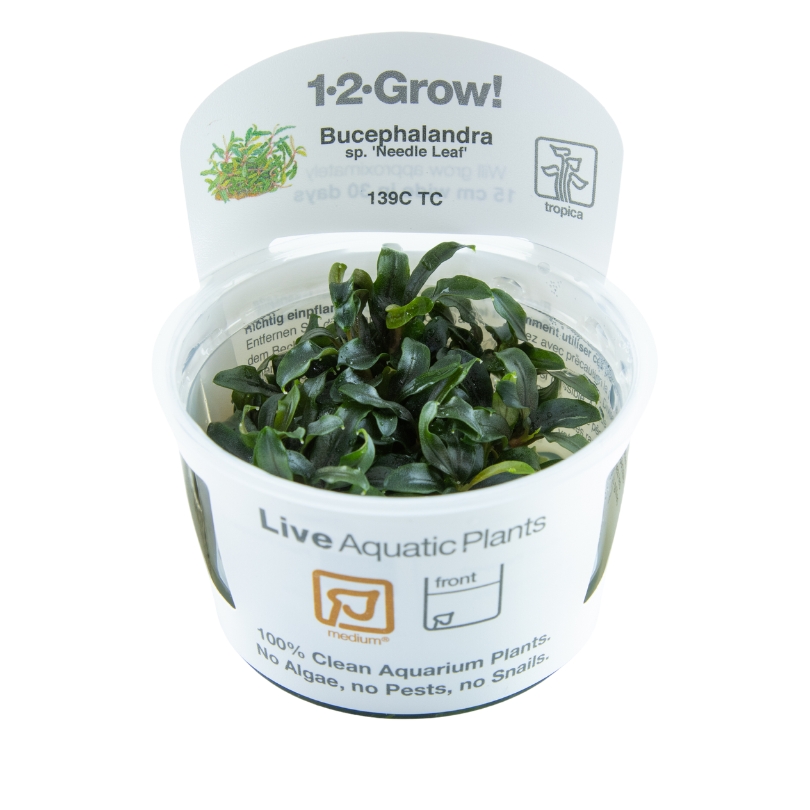
When a layout feels dull, the solution is not always another red plant. Compare leaf shape first. A narrow, upright plant beside a rounded-leaf plant creates separation even when both are green. Bucephalandra with narrow leaves can occupy small crevices on wood or rock and provide a detailed transition between moss and larger plants. Attach it without burying the rhizome, and allow time for slow establishment. Its compact form suits many nano layouts, but the plant should not be packed so tightly that the attachment surface becomes impossible to clean. Texture and silhouette can carry the composition while color remains restrained.
Protect an open lane for compatible community fish
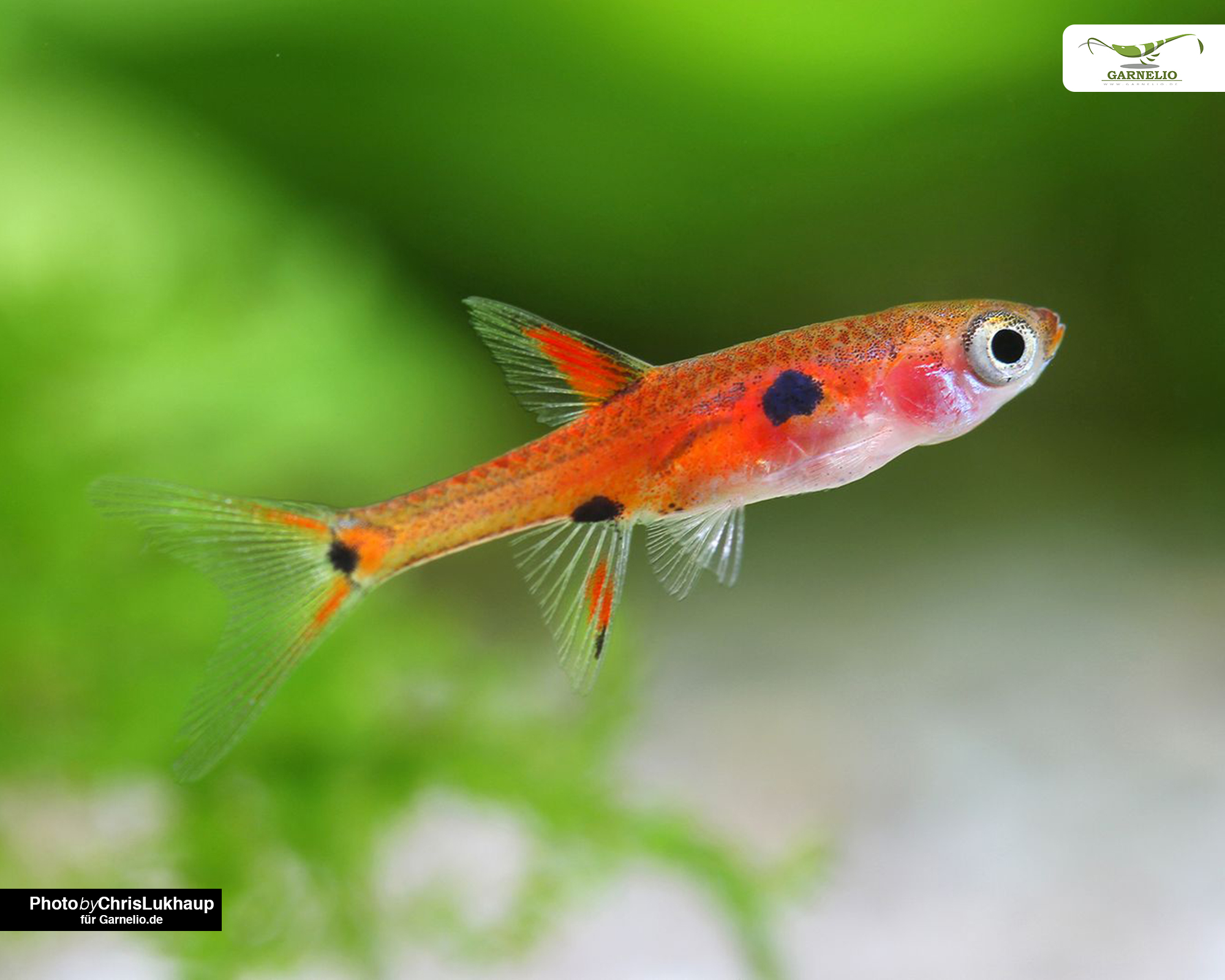
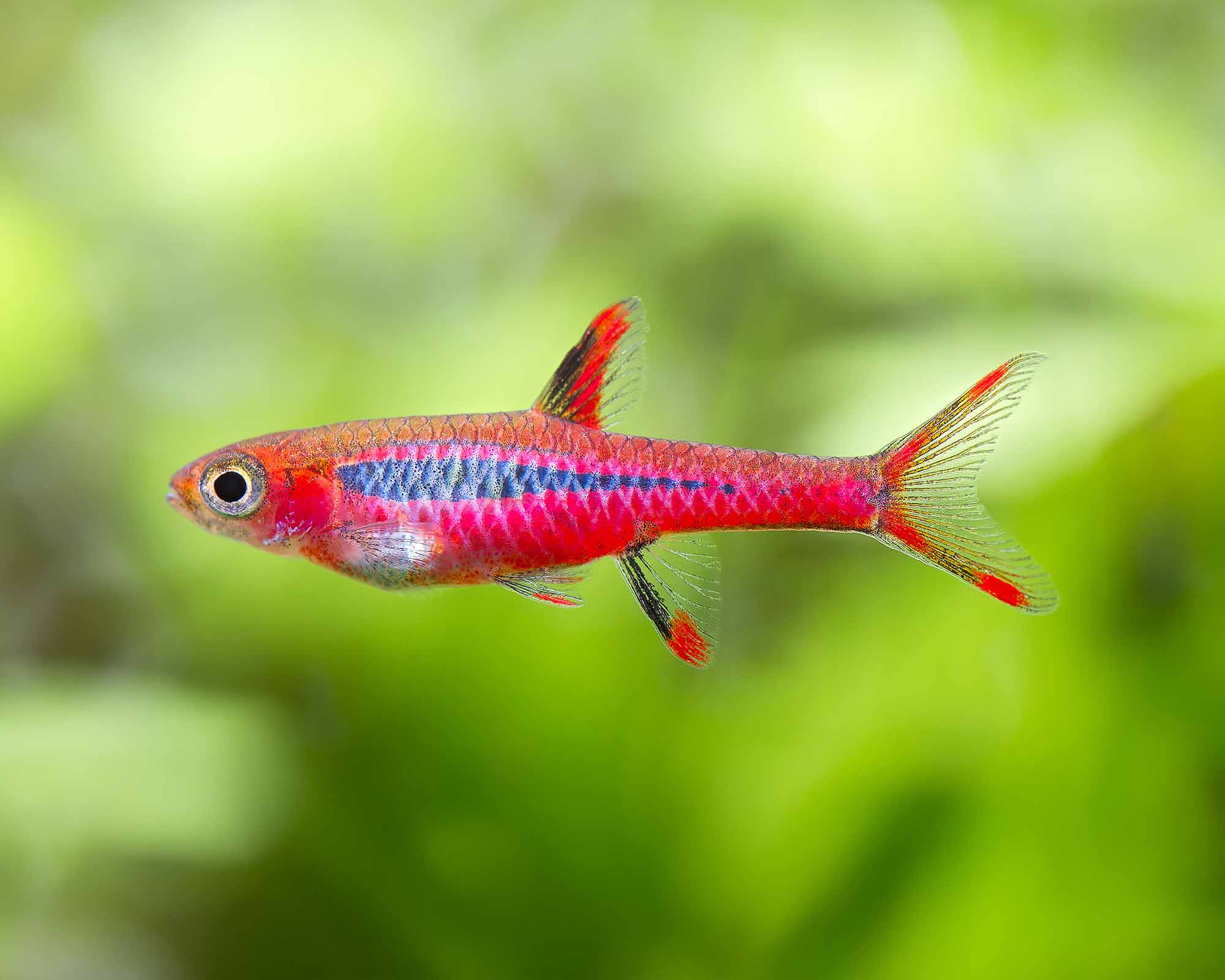
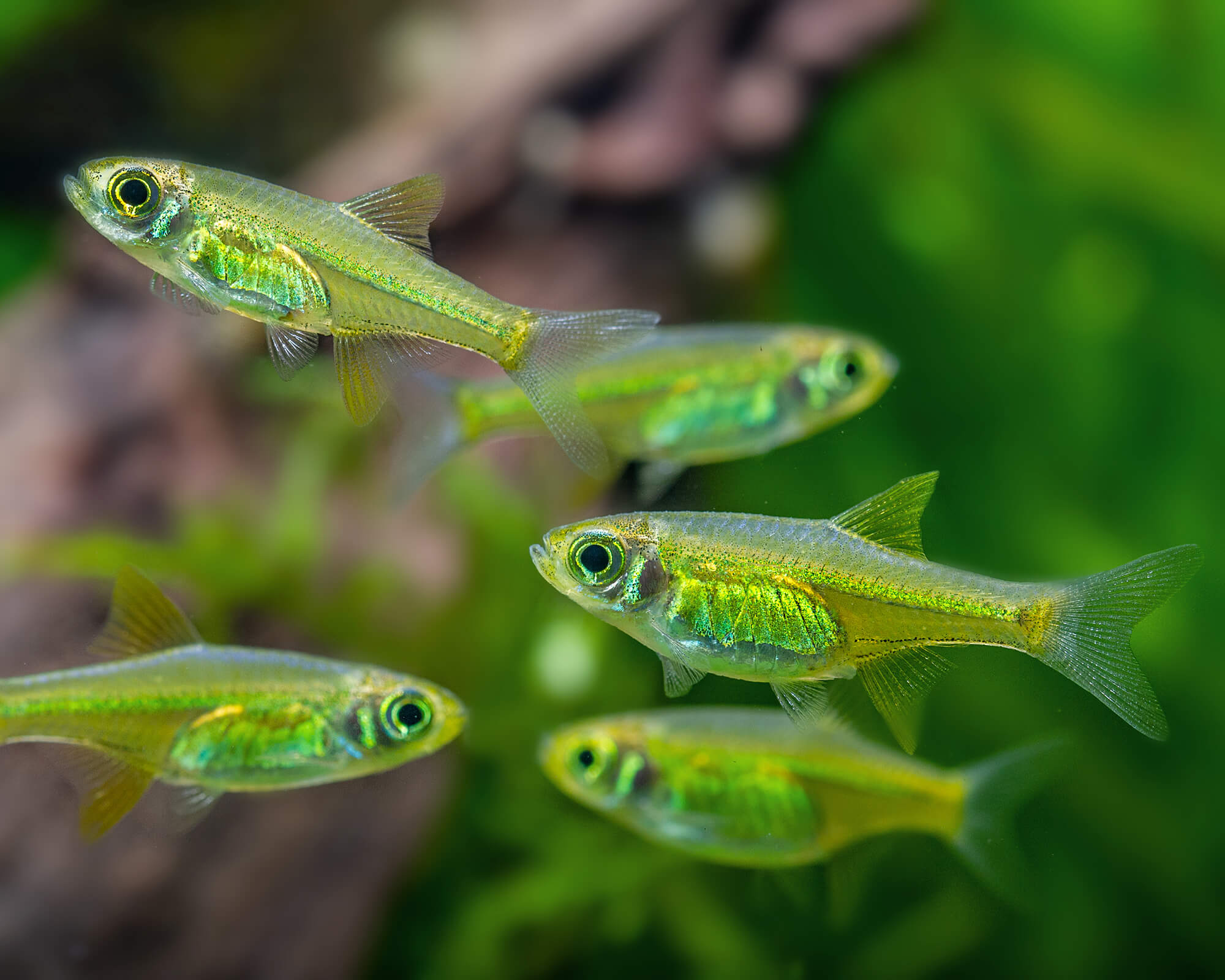
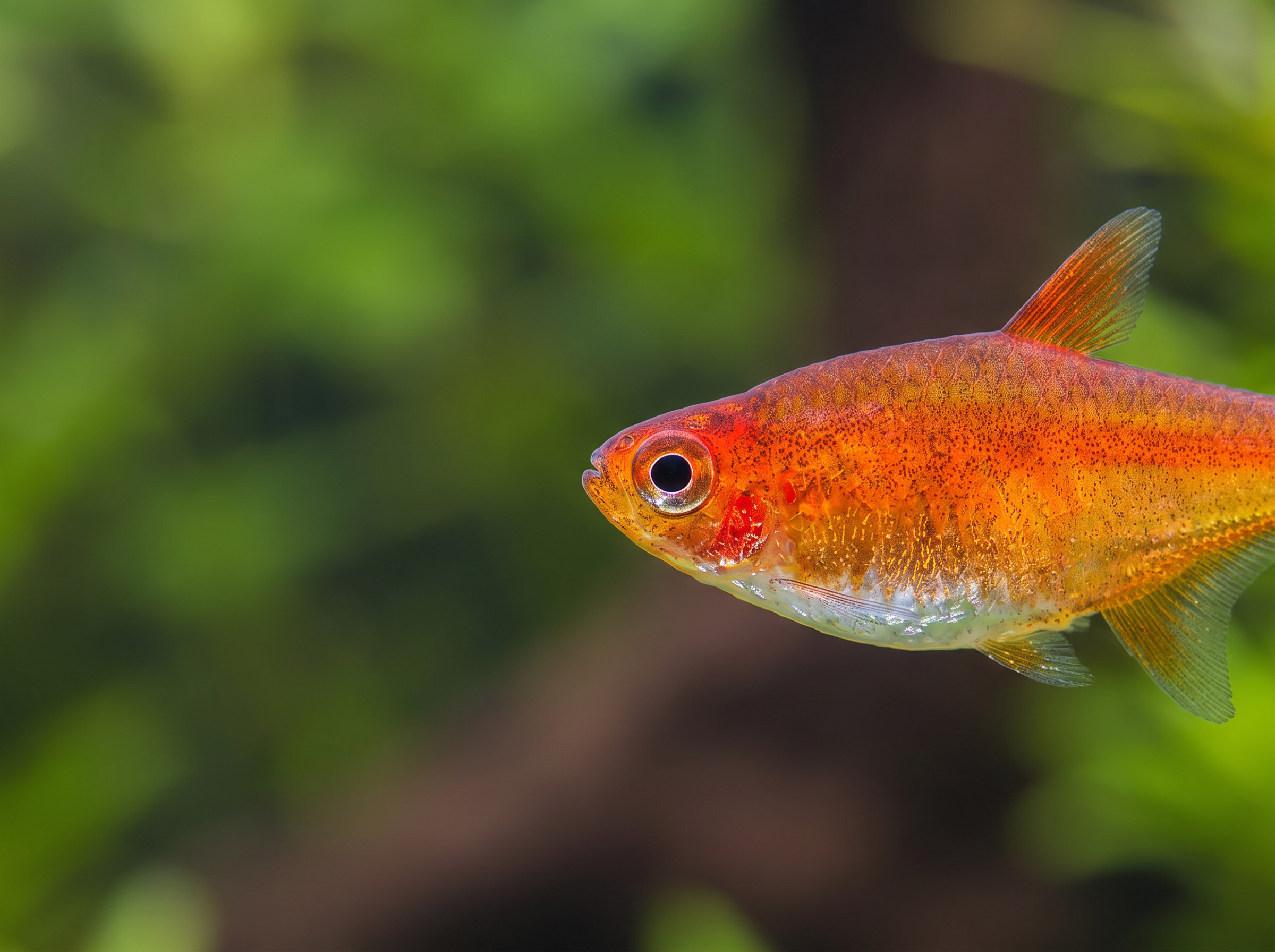
Depth only works when livestock can move through it. Leave a clear swimming lane across the front or center, especially if you plan to keep small schooling fish such as ember tetras, chili rasboras, or other species suited to the aquarium’s volume and water conditions. Do not assume every colorful fish is a safe nano community choice; temperament, adult size, temperature, and group needs matter more than color. Dense plants can provide cover, but they cannot compensate for a tank that is too small or a fish that hunts tank mates. In a shrimp-focused aquarium, choose peaceful microfish carefully because adults may coexist while shrimplets remain vulnerable.
Build shrimp cover with layered, not crowded, planting
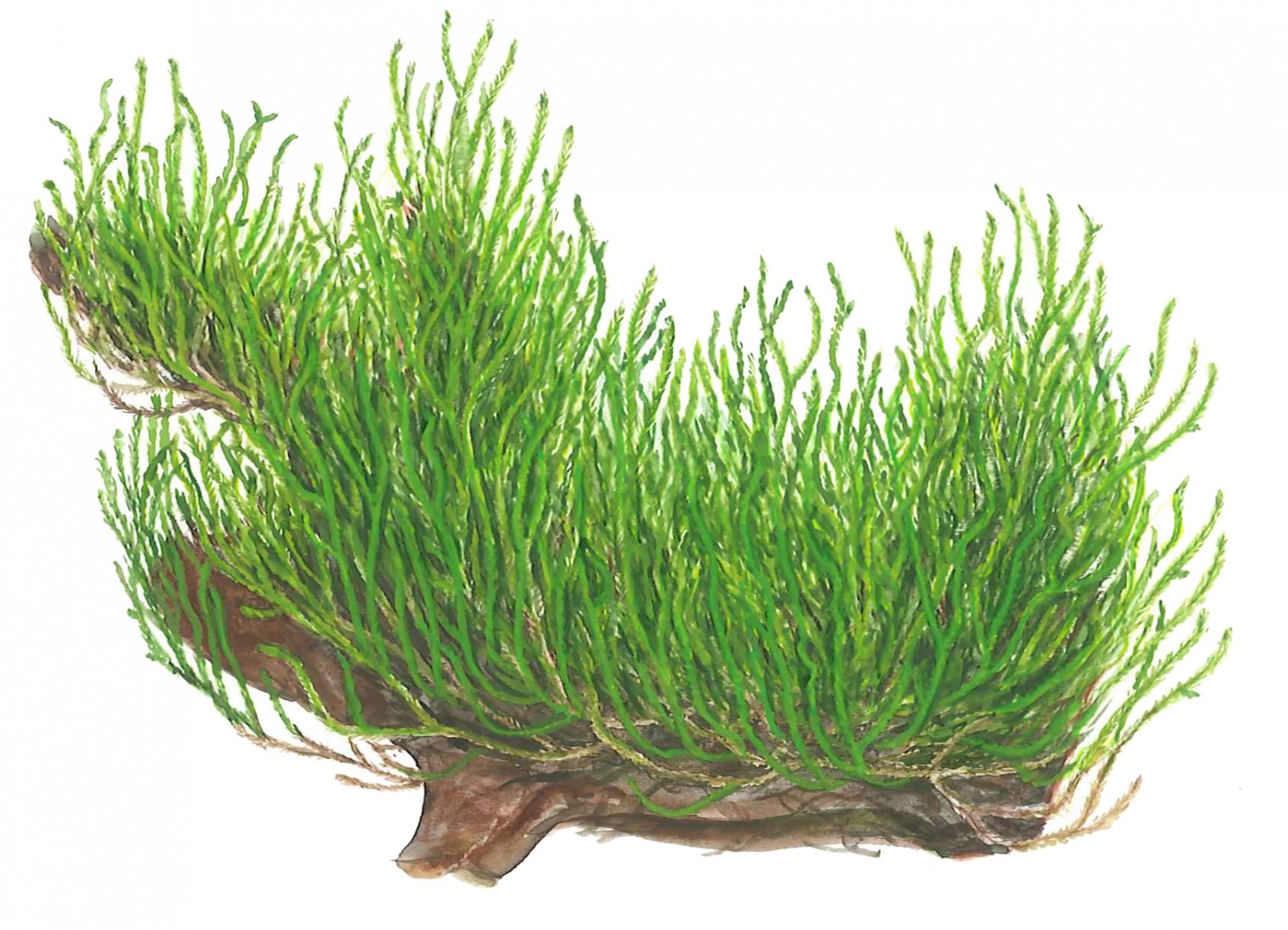
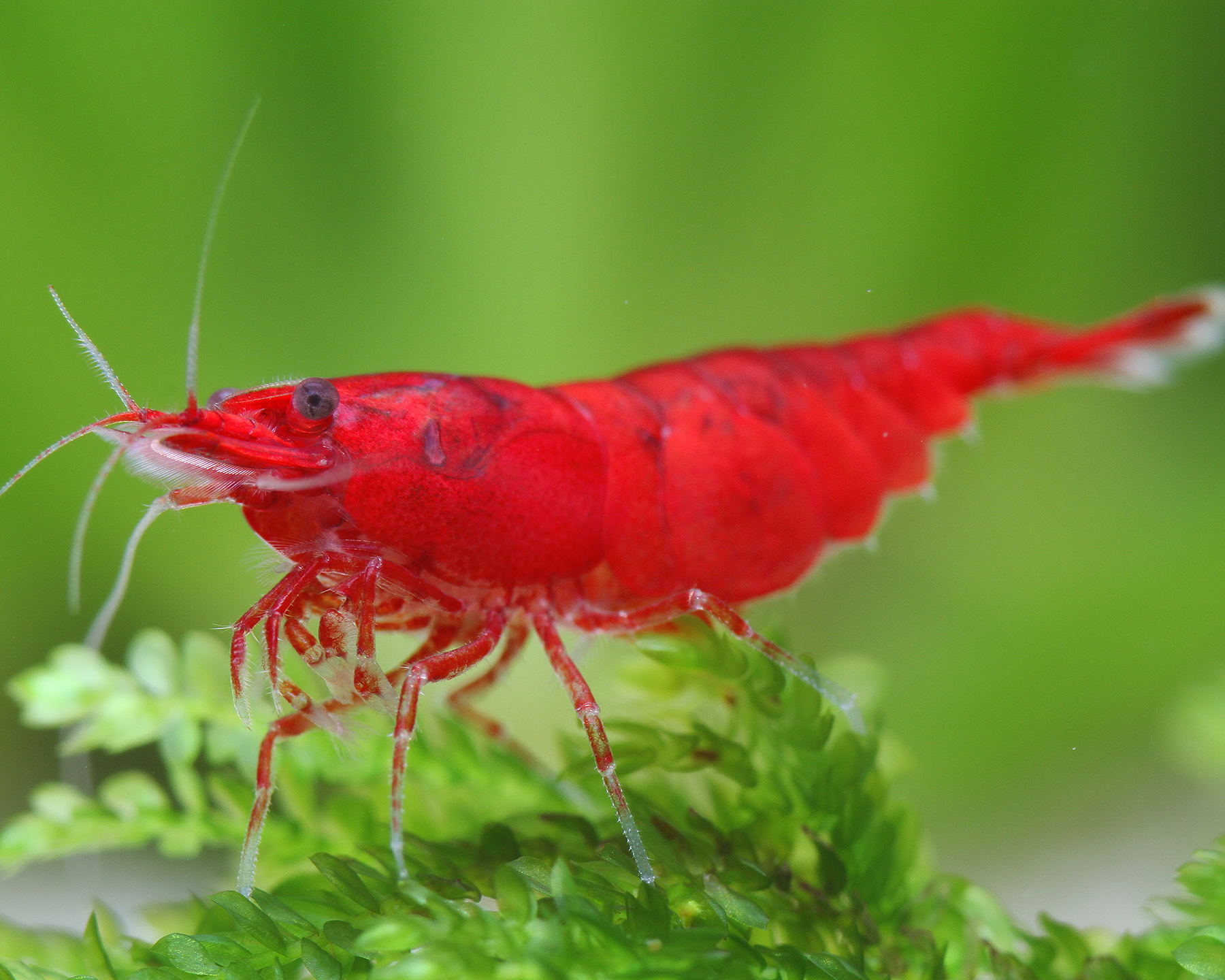
Shrimp benefit from surfaces that collect biofilm and from places where they can retreat during molting. Flame moss can create a vertical or diagonal texture on wood, giving the hardscape more dimension while offering small areas of cover. Keep the moss open enough for observation and gentle flow. Avoid turning every gap into a hiding place if you also want to see the colony. Peaceful shrimp may share a planted aquarium with small snails and carefully selected fish, but fish can eat newly hatched or juvenile shrimp. If breeding success matters, prioritize moss, dense plant structure, and a fish-free or shrimp-first stocking plan.
Use crypts and snails to keep the lower layer calm
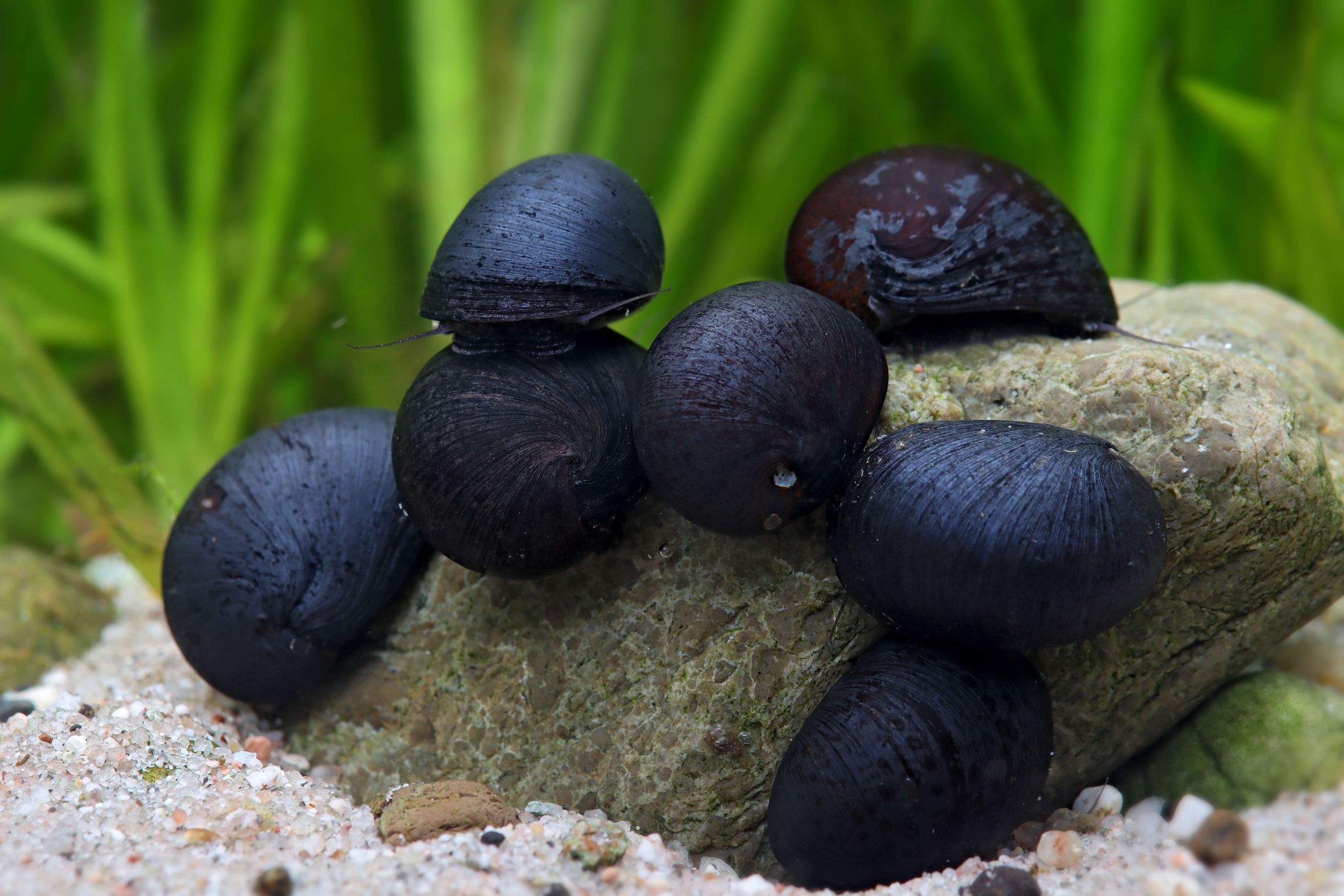
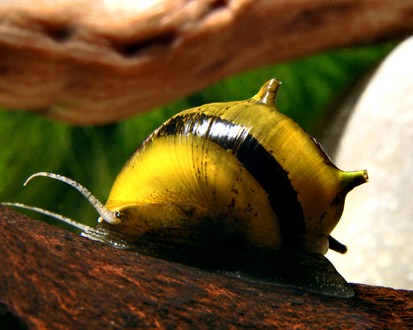
A low, broad Cryptocoryne can fill a shadowed midground pocket without creating the fast, tangled growth associated with some stem plants. Its leaves add mass and a different texture from moss and fine grasses. This kind of stable planting works well with small snails that graze surfaces and consume leftover food, but snails are not a substitute for maintenance. Population increases usually reflect available food, so control feeding and remove decaying material rather than relying on chemical treatments. Most common planted-tank snails are compatible with live plants, although large or hungry species and poorly anchored plants can create exceptions.
Use floating or tall growth only where it improves proportion
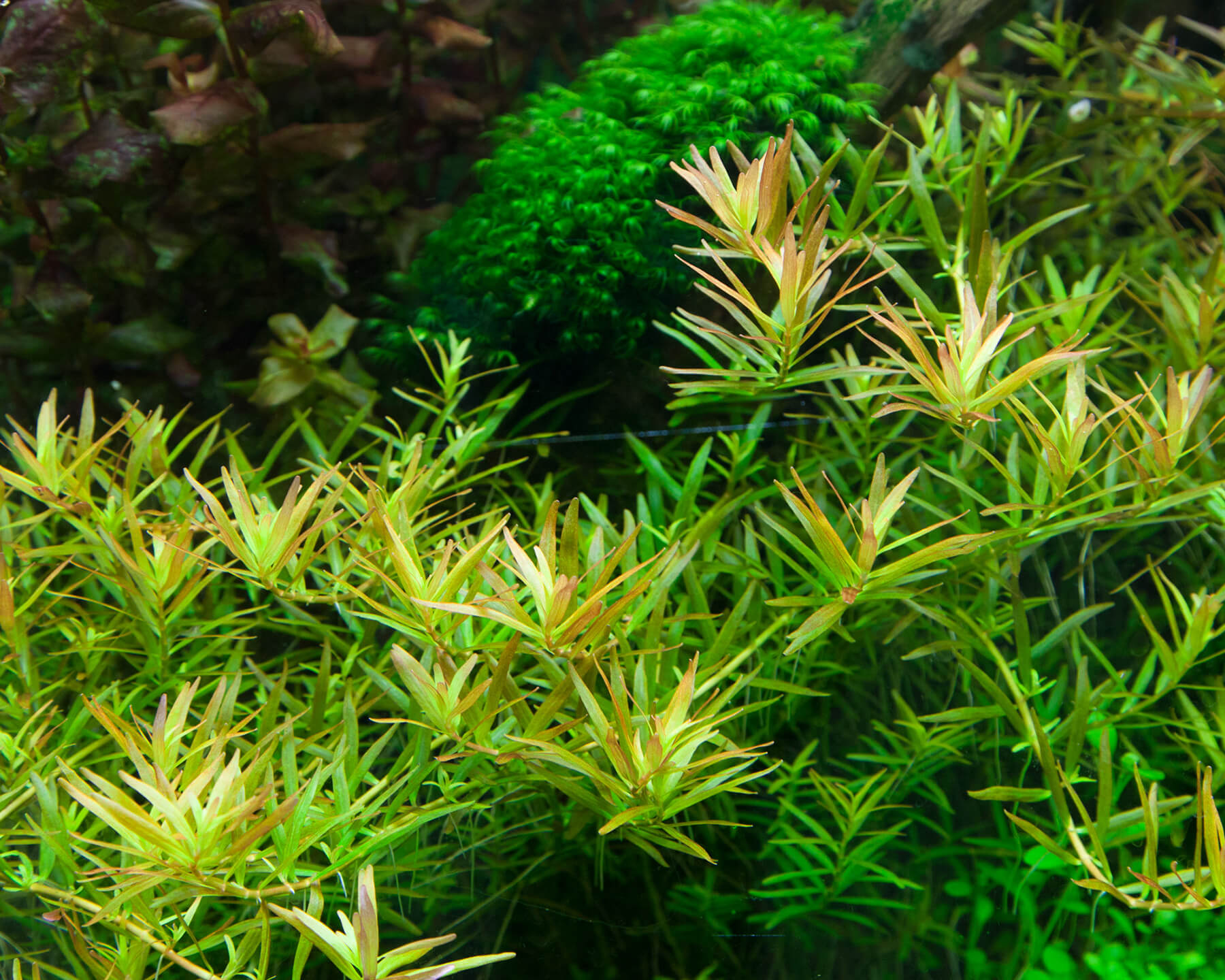
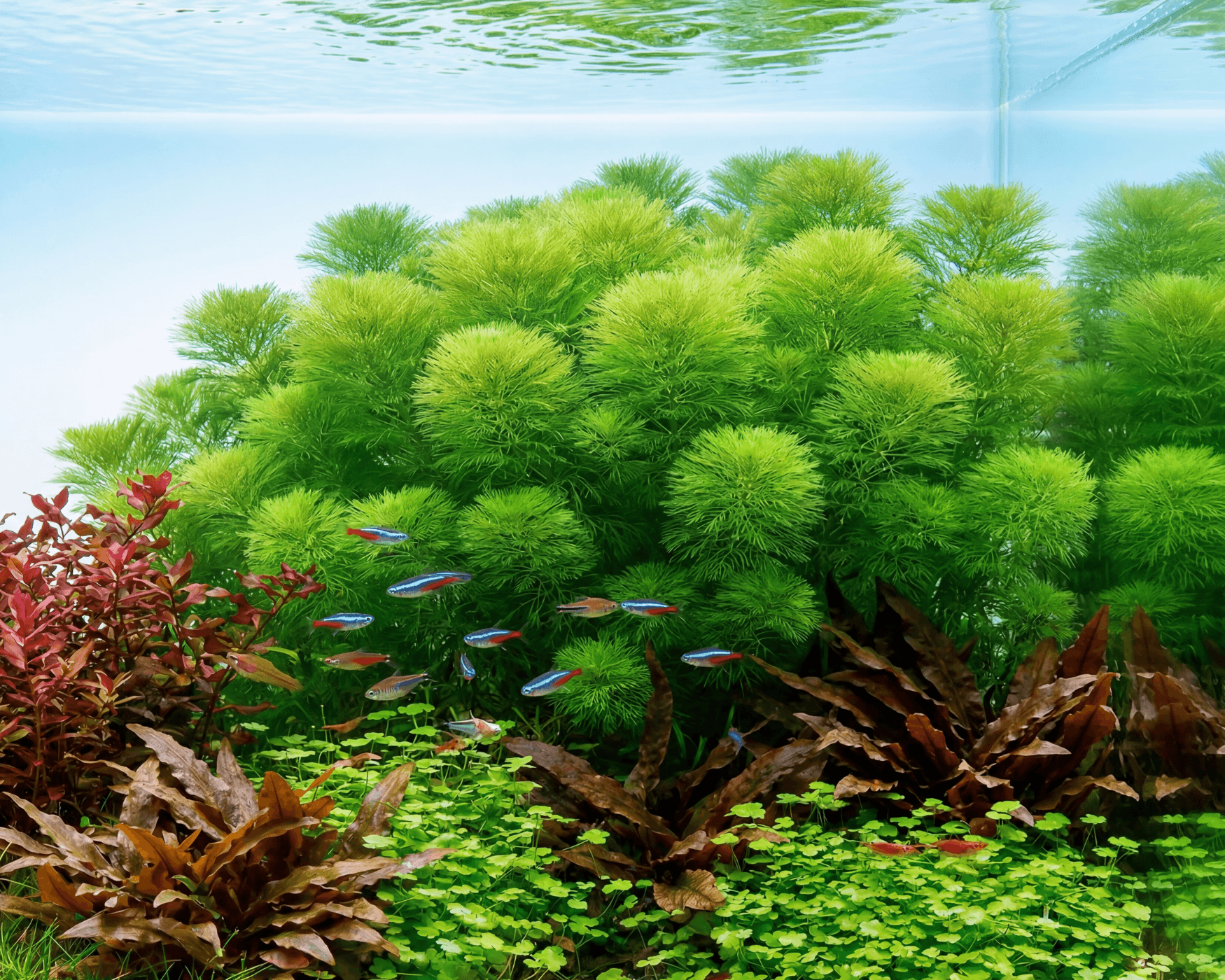
Tall, feathery plants can make the back of a tank feel distant, but they can also shade lower plants and reduce the open-water effect. Limnophila aquatica is best treated as a controlled background mass rather than a plant for every corner. Place it behind the main hardscape or toward the rear side, then prune before it reaches the surface and spreads across the layout. This gives fish cover without eliminating sight lines. In a shrimp-and-snail aquarium, keep enough light and circulation reaching the lower levels for plants, biofilm, and easy observation. Remove excess trimmings so decaying leaves do not add unnecessary waste.
Finish with a repeatable livestock and planting check
Before adding animals, review the aquarium in this order: Can you see a foreground, middle layer, and background? Is at least one swimming route open? Are the brightest colors limited to a few focal points? Do shrimp have textured cover, and can snails reach grazing surfaces without uprooting plants? Finally, check each animal against adult size, behavior, temperature, water chemistry, and group requirements. A planted layout can support colorful fish, freshwater shrimp, and snails, but compatibility is never guaranteed by plant density alone. Add livestock gradually after the aquarium is stable, and let the plants mature before judging the final depth.
Frequently Asked Questions
What creates the most depth in a planted aquarium?
The strongest combination is a low foreground, a distinct midground, and taller background growth separated by open water. Varying leaf size and texture usually creates more depth than adding many colors.
Can colorful fish, shrimp, and snails live together in one planted tank?
Sometimes. Peaceful small fish may coexist with adult shrimp and common plant-safe snails, but many fish eat shrimplets. Match every species by adult size, temperament, water conditions, temperature, and group needs.
Which aquarium plants are easiest to use for layered depth?
Anubias, Java moss, many Cryptocoryne varieties, and suitable Hygrophila or Rotala species can cover different visual layers. Choose based on light, flow, substrate, and whether you use carbon dioxide.
How much red aquarium plant should a beginner use?
Start with one compact red or warm-toned accent and place it where you want the eye to pause. If the plant struggles, simplify the layout rather than adding more demanding red species.
Leave your comments