AquaLibs presents AquaRank Discover the world’s leading aquascapers

Explore transparent rankings built from published results across the world’s leading aquascaping contests.

 Why is aquascaping such a popular hobby?


The Science Behind It:

Studies have shown that observing aquatic life has a profound impact on our mental health. The vibrant colors of aquatic plants and the graceful movements of fish can significantly reduce stress, anxiety, and improve mood.

 Why is aquascaping such a popular hobby

Humans have an innate desire to care for living creatures, especially those with unique and adorable appearances. Caring for an aquarium stimulates the release of endorphins, 

 Why is aquascaping such a popular hobby

I remember staying up late, carefully rearranging rocks and plants, spending an entire week perfecting my setup. It was so addictive!

 Why is aquascaping such a popular hobby

The Art of Aquascaping:

An aquarium isn't just a container filled with water and fish; it's a miniature ecosystem teeming with diversity and color. From tiny fish to delicate plants and sparkling gravel, every element contributes to a vibrant and artistic masterpiece.

 Why is aquascaping such a popular hobby

 Why is aquascaping such a popular hobby

Aquascaping is the enchanting practice of crafting miniature underwater worlds using aquatic plants. With a vast array of styles to choose from, the possibilities are endless. If you're searching for inspiration, this video will guide you to find your aquatic masterpiece.

 Why is aquascaping such a popular hobby

The beauty of aquascaping lies in its versatility. Aquascapers can unleash their creativity by designing unique layouts and selecting diverse plant species. The joy of cultivating a thriving underwater ecosystem is akin to nurturing a living masterpiece.

 Why is aquascaping such a popular hobby

Aquascaping is an art form that allows you to unleash your creativity and design a unique underwater world. The satisfaction of nurturing your aquatic masterpiece is unparalleled. And let's not forget that the process of aquascaping requires focus, helping you clear your mind and improve concentration.

 Why is aquascaping such a popular hobby

Connecting with Nature:

Aquascaping is a canvas for creativity, allowing hobbyists to reinvent their underwater worlds every few months. Choosing the right layout and plants demands a thorough knowledge of their growth habits and ideal conditions. The journey of discovery and learning is a rewarding way to reconnect with nature and find inner peace.

 Why is aquascaping such a popular hobby

Building Patience and Discipline:

Designing a beautiful aquarium is just the beginning. Maintaining a thriving aquatic plant community demands precision and skill. Temperature, water chemistry, and lighting are paramount. The dedication required to care for an aquarium cultivates discipline and patience.

 Why is aquascaping such a popular hobby

 Why is aquascaping such a popular hobby

The ancient wisdom, "Keeping fish nourishes the soul, keeping birds sharpens the mind, and keeping plants soothes the spirit," highlights the profound benefits of these timeless hobbies. Aquascaping, in particular, offers a serene escape and a fascinating journey into the underwater world. It not only beautifies our living spaces but also fosters creativity and a sense of tranquility.

 Why is aquascaping such a popular hobby

 Why is aquascaping such a popular hobby

Conclusion:

Aquariums offer more than just a hobby; they provide a journey of discovery into the mesmerizing underwater world. With the numerous benefits they offer, it's no wonder so many people are captivated by them. If you're looking for a relaxing and rewarding pastime, why not start your own aquatic adventure?

Leave your comments
Latest on News & Press
  • Serenity · Adam Dziadek · CIAC 2026

    When Minimalism Is Harder: What 2026 Iwagumi Entries Reveal About Competition-Ready Design

    Iwagumi looks simple because it removes visual clutter. In practice, that restraint makes every stone angle, substrate line, plant mass and patch of empty water easier to judge. This visual case study examines stone-led and Iwagumi-inspired layouts from the supplied 2026 CIAC and AGA catalogue. No IAPLC image was supplied, so the IAPLC comparison is limited to general design principles rather than named works or results.
  • Why CIAC 2026 Puts Plant Condition Ahead of Aquascape Drama

    Why CIAC 2026 Puts Plant Condition Ahead of Aquascape Drama

    The published scoring structure for the CIPS International Aquascaping Contest makes one priority clear: a dramatic layout is not enough if the plants are weak, faded, or poorly maintained. Aquatic plant condition is worth 60 points, compared with 30 for maintenance skills and 10 for photography. That balance gives contestants a practical preparation plan—grow a healthy aquarium first, then present it clearly.
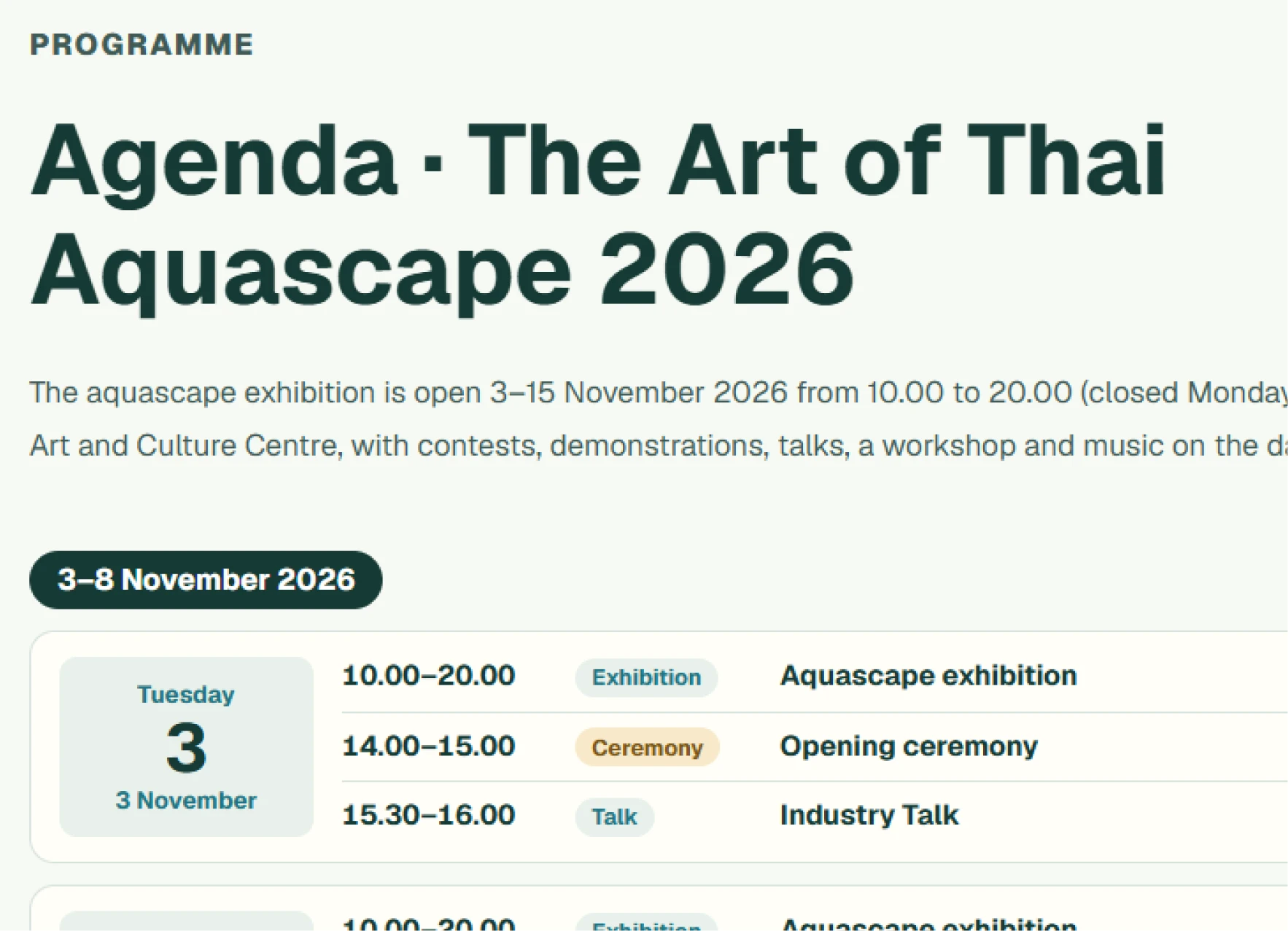
  • The Art of Thai Aquascape 2026: What a Public Aquascaping Festival Can Teach Tank Builders

    The Art of Thai Aquascape 2026: What a Public Aquascaping Festival Can Teach Tank Builders

    The Art of Thai Aquascape 2026 will turn the Bangkok Art and Culture Centre into a public showcase from November 3 to 15, 2026. Its programme combines an exhibition with professional and newcomer contests, demonstrations, talks, a photography workshop and performances. For hobbyists, that mix offers more than a reason to visit: it provides a useful framework for building, refining and presenting a planted aquarium.
  • EAPLC 2026 Aquascape Lessons by Tank Size: From Nano Focal Points to Large-Scale Perspective

    EAPLC 2026 Aquascape Lessons by Tank Size: From Nano Focal Points to Large-Scale Perspective

    The official EAPLC 2026 results offer more than a list of category winners. They provide useful case studies in how composition, planting, hardscape, and livestock work together at different scales. These observations are not fixed rules or mandatory formulas, but practical ideas aquascapers can adapt to their own tanks.
  • AGA 2026 Results: Chuanwei Yu Wins Best of Show

    AGA 2026 Results: Chuanwei Yu Wins Best of Show

    Chuanwei Yu (余传威) of China has won Best of Show at the 2026 AGA International Aquascaping Contest with All Begins to Nature (万物自然). The Aquatic Garden 220L+ winner also took first place in the combined Aquatic Garden standings. Announced on November 7, the official AGA 2026 results cover 422 entries from 343 contestants across 54 countries.
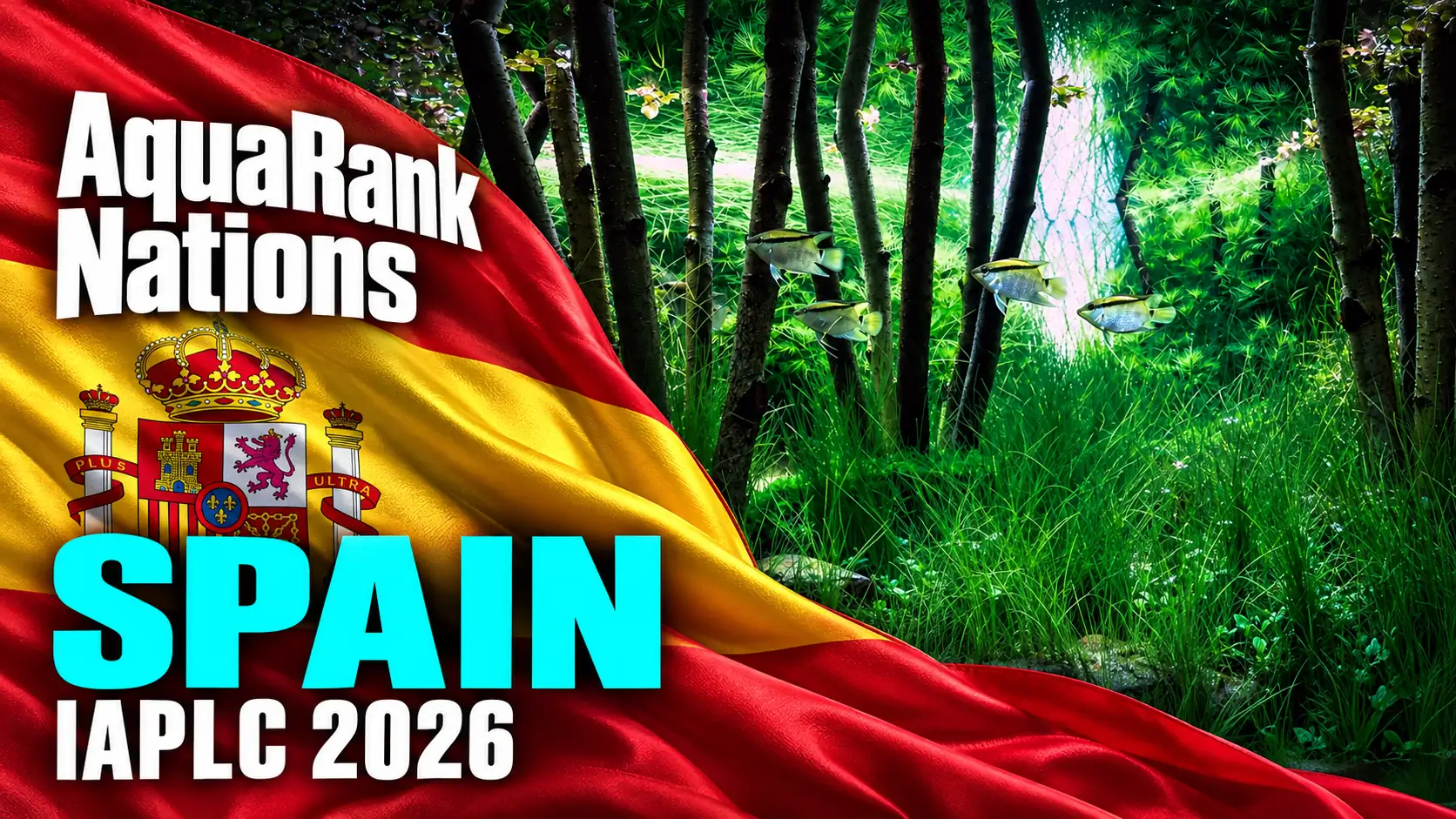
  • Analyse Spain aquascapes at IAPLC 2026, then explore the country’s results, contributing creators and competition history on AquaRank Nations.

    Spain at IAPLC 2026: Roberto Buenadicha’s Forest and the Space Between Trunks

    Roberto Buenadicha’s aquarium is the only Spanish work in the published ranks 1–300. Its slender dark trunks, fine green planting and conspicuous pale fish make it a rewarding individual study. This instalment returns to the older Spain introduction through one photograph, keeping the scope small enough for the evidence available.
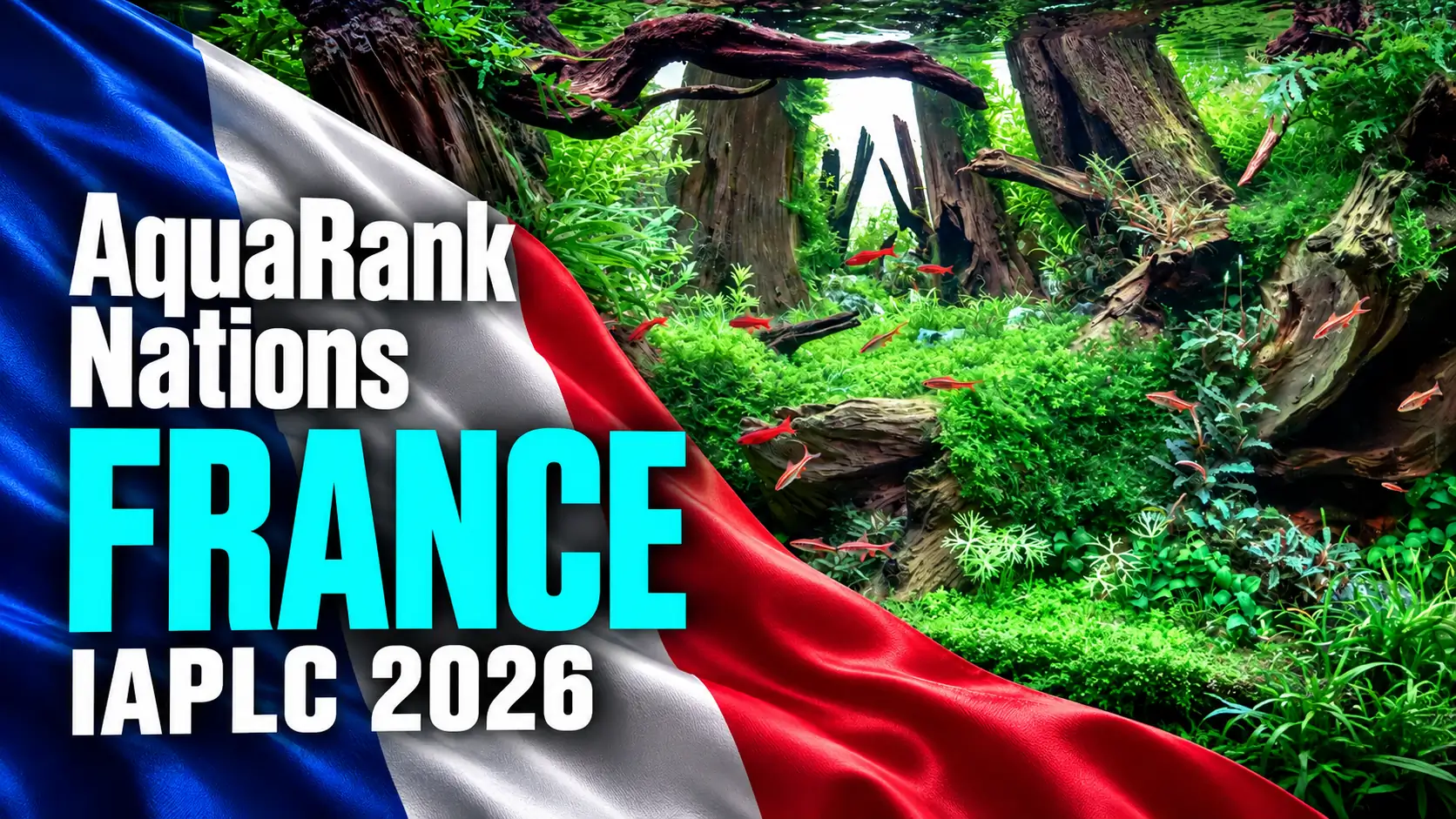
  • Analyse France aquascapes at IAPLC 2026, then explore the country’s results, contributing creators and competition history on AquaRank Nations.

    France at IAPLC 2026: A Close Reading of Jean Christophe Grosset’s Woodland

    Only one French work appears in the published ranks 1–300. That gives this instalment a different task: a close reading of Jean Christophe Grosset’s aquarium, with the older country introduction as context. The photograph deserves attention for its own wood, planting and fish relationships, rather than being made to represent every French aquascaper.
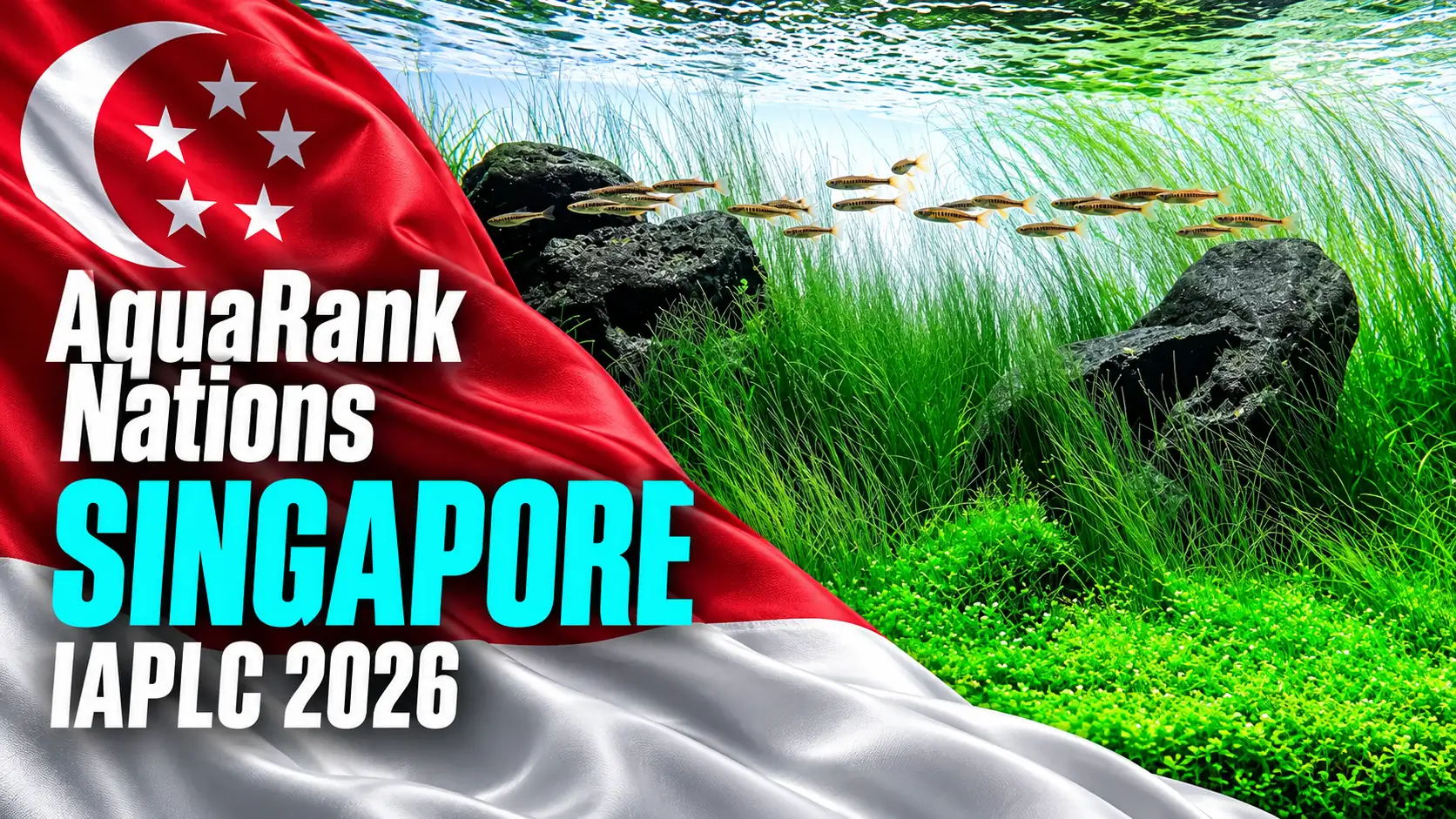
  • Analyse Singapore aquascapes at IAPLC 2026, then explore the country’s results, contributing creators and competition history on AquaRank Nations.

    Singapore at IAPLC 2026: Open Stone and an Enclosed Planted Passage

    Two Singaporean works appear in the published ranks 1–300, and they offer an unusually clear contrast. One makes open water and two main stones central; the other encloses a small rear opening within dense planting and roots. The pair is useful precisely because it does not support one simple visual label.
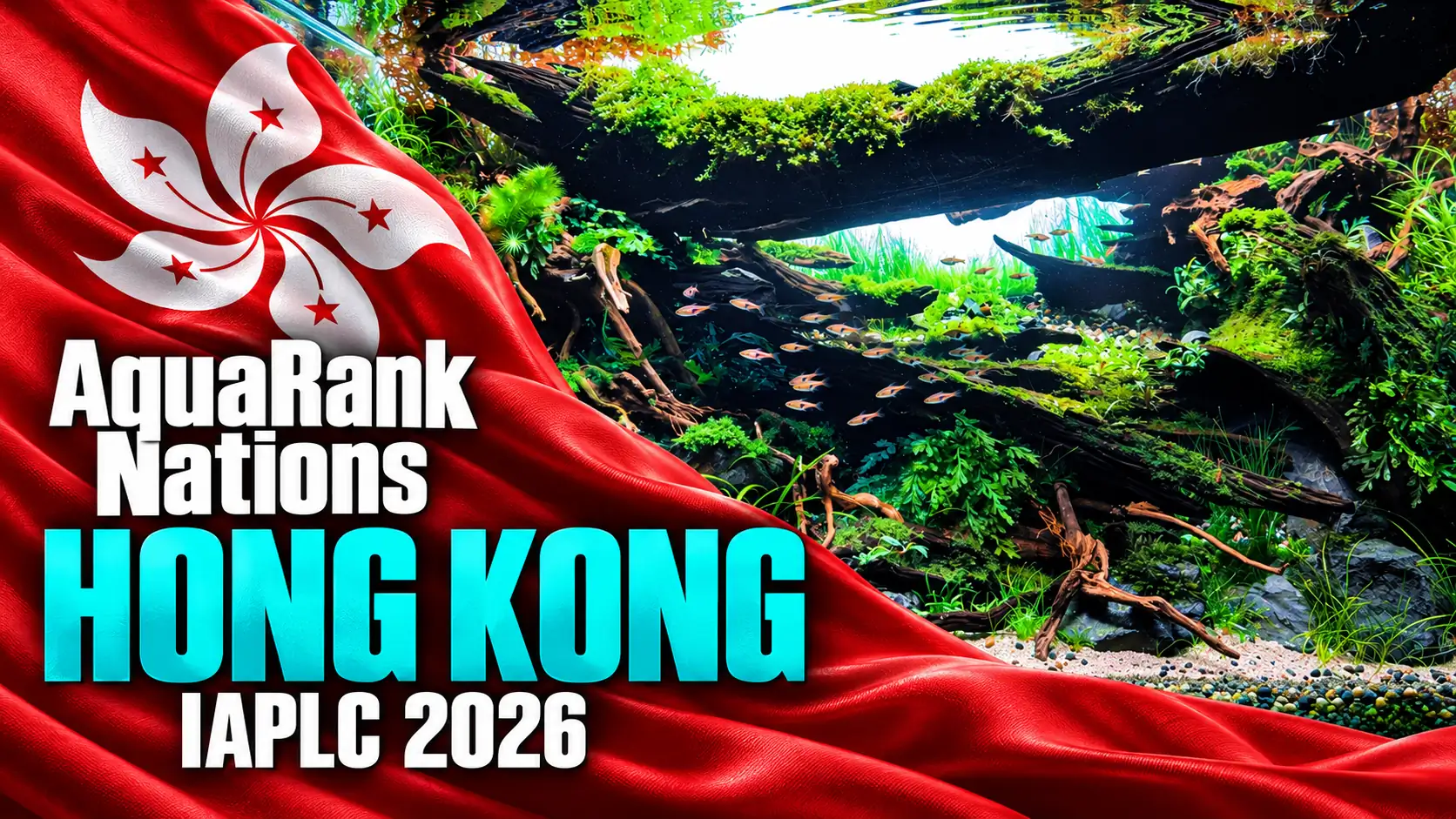
  • Analyse Hong Kong aquascapes at IAPLC 2026, then explore the country’s results, contributing creators and competition history on AquaRank Nations.

    Hong Kong at IAPLC 2026: Three Studies in Light, Layers and Visual Impact

    A low timber ceiling, blue-toned terraces and converging planted diagonals create three visibly different aquariums. Hong Kong’s represented works at ranks 1–300 offer a compact study of visual impact beyond the season’s leading awards. Looking at them closely is more informative than treating the cutoff count as a verdict on an entire aquascaping community.
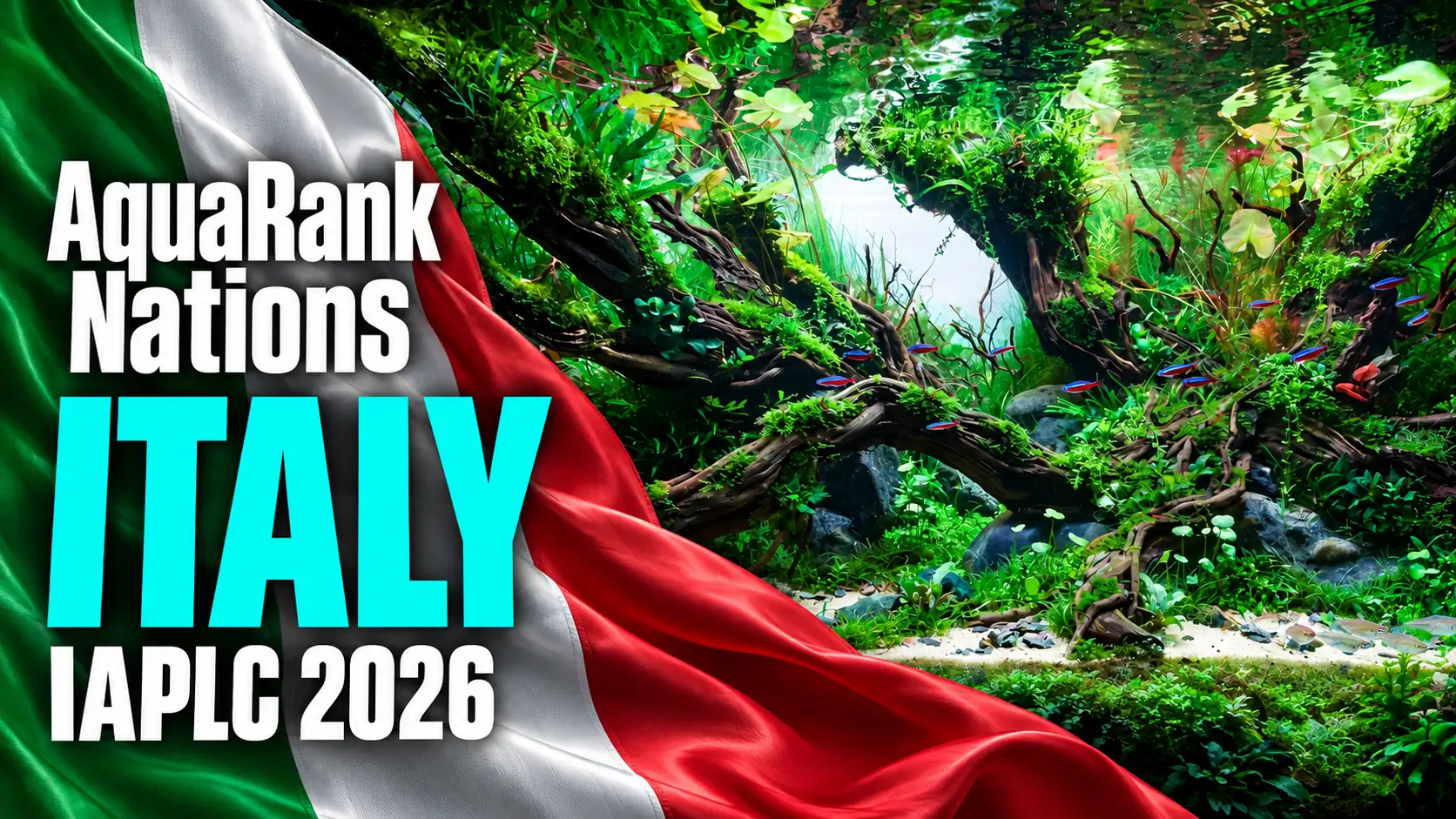
  • Analyse Italy aquascapes at IAPLC 2026, then explore the country’s results, contributing creators and competition history on AquaRank Nations.

    Italy at IAPLC 2026: Calm Routes and More Dramatic Planted Frames

    A clear route through planted banks can feel quiet; a coloured ridge beneath a dark frame can feel theatrical. The four Italian photographs selected for this study offer both experiences. Together, they make a useful contemporary comparison with an archive that once placed particular emphasis on calm, enduring-looking compositions.
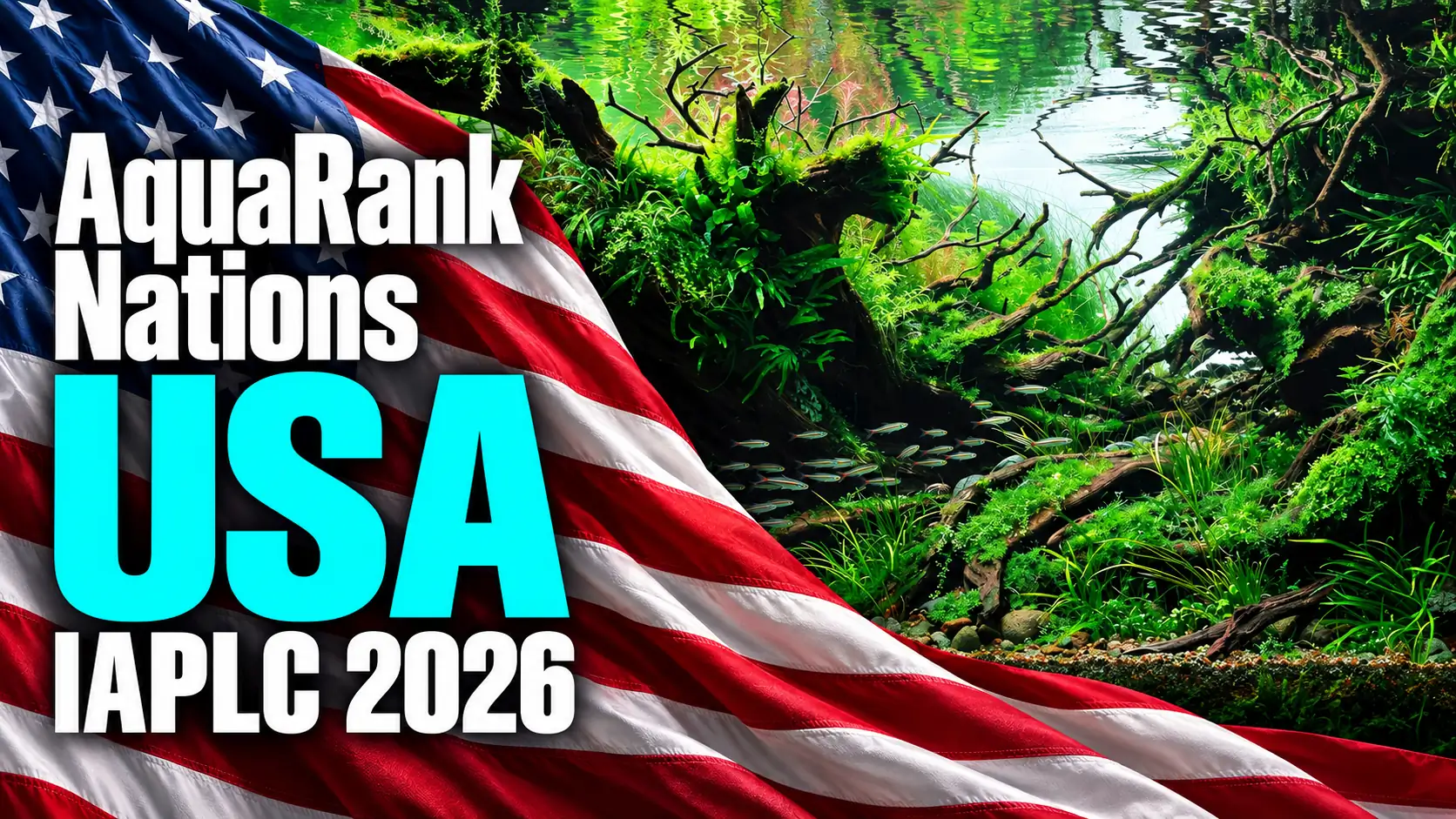
  •  Analyse United States aquascapes at IAPLC 2026, then explore the country’s results, contributing creators and competition history on AquaRank Nations.

    United States at IAPLC 2026: Four Distinct Readings of a Wooded Aquarium

    The four American photographs selected here all contain important wood structures, yet they do not produce one uniform wooded scene. A broad canopy, a low diagonal, a fine-leaved light window and an exposed timber subject organise attention differently. That variation lets us discuss design diversity through specific decisions rather than a broad national label.
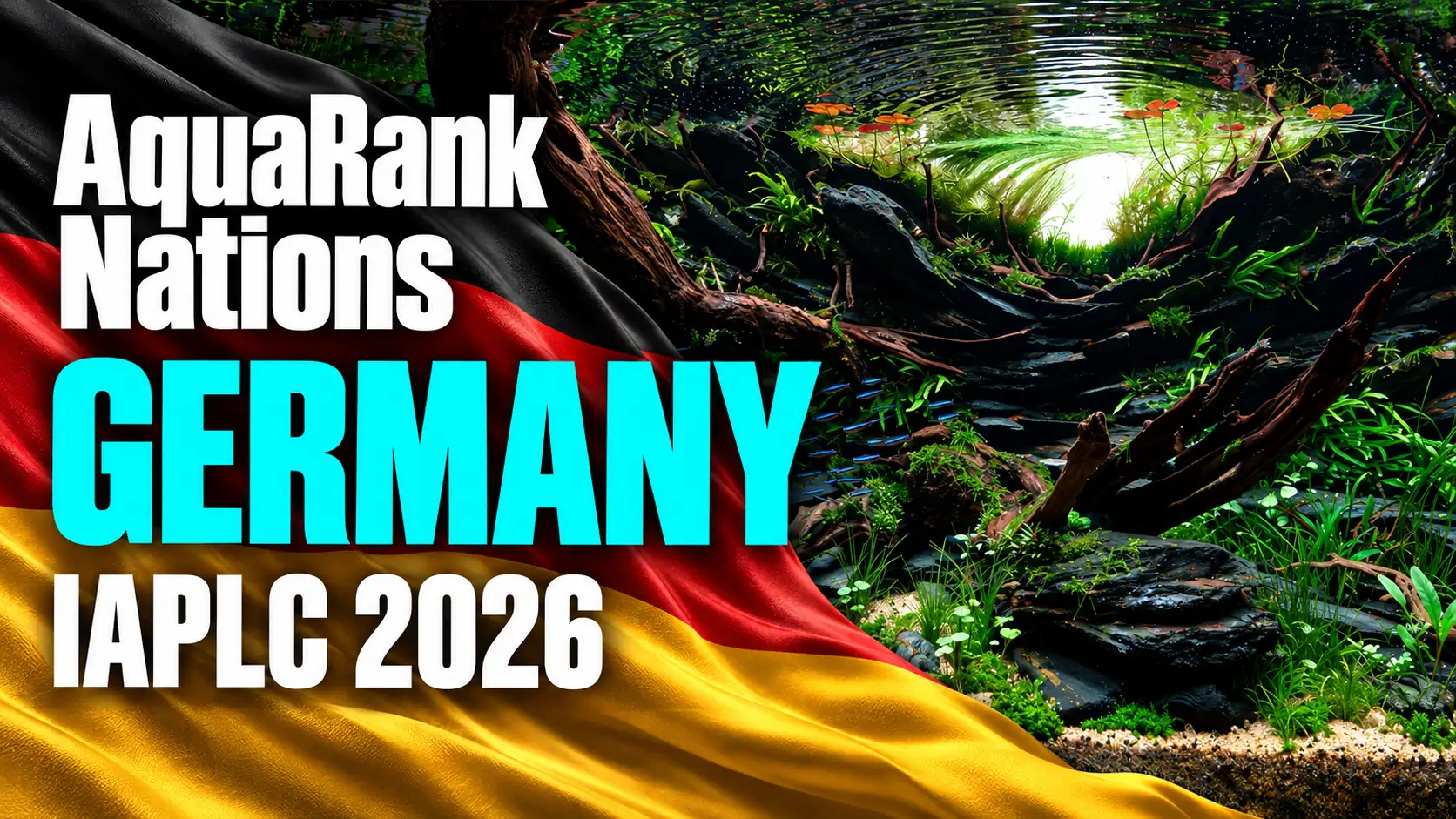
  • Analyse Germany aquascapes at IAPLC 2026, then explore the country’s results, contributing creators and competition history on AquaRank Nations.

    Germany at IAPLC 2026: Four Ways to Balance Hardscape and Open Water

    A dark wooded frame, a rocky valley, a brighter mixed scene and green-covered root contours make this German selection particularly useful for comparison. The photographs share an interest in separating materials from the water around them, but achieve it through different outlines and lighting relationships.
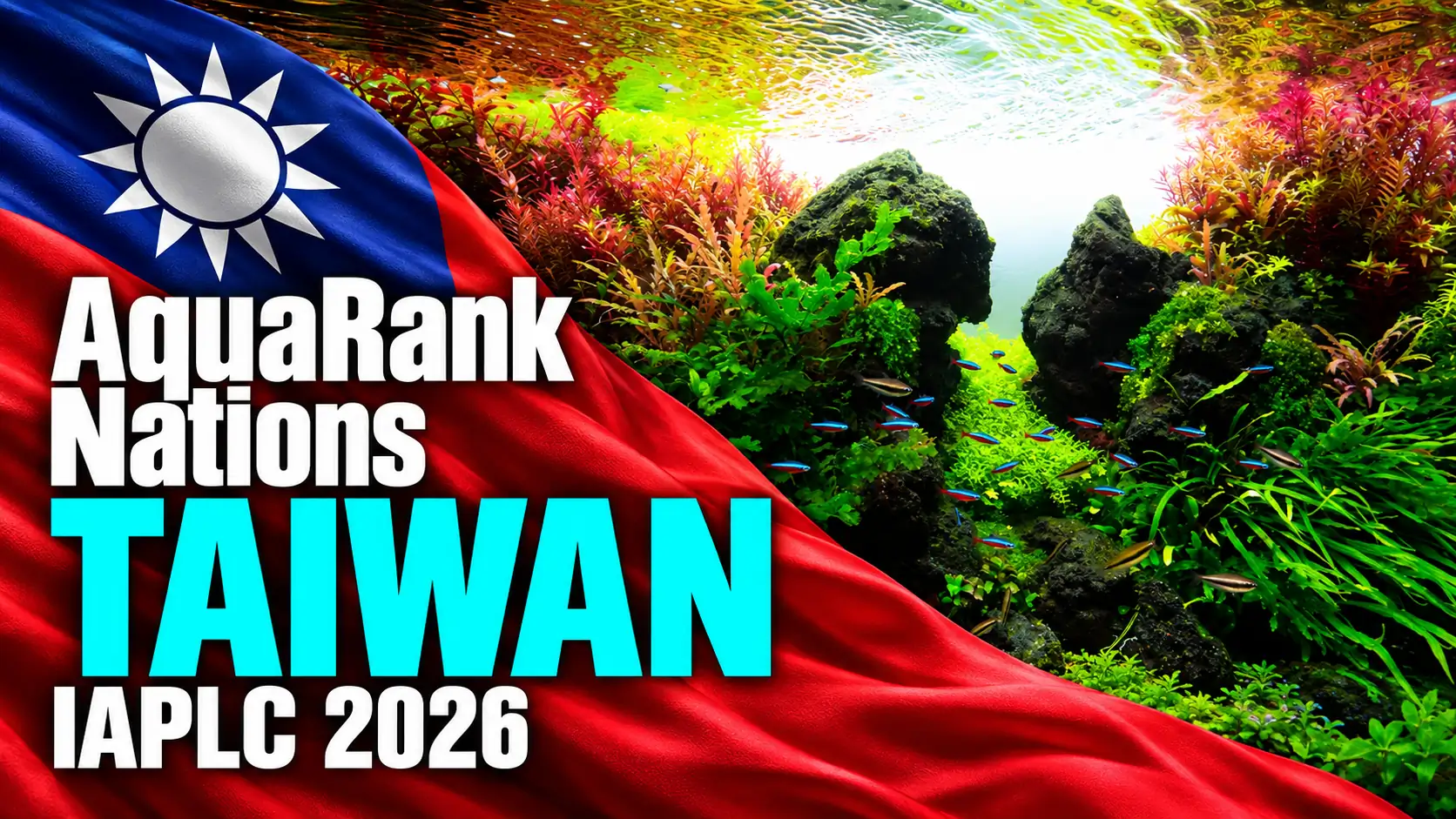
  • Analyse Taiwan aquascapes at IAPLC 2026, then explore the country’s results, contributing creators and competition history on AquaRank Nations.

    Taiwan at IAPLC 2026: Planted Contours and Changing Routes into Depth

    Dense foliage, planted wood ridges and a low central route create different senses of distance in this four-work selection. The photographs are particularly rewarding when viewed through changes in leaf shape and planting height. They offer a present-season comparison with an archive that once described both graceful composition and more contemporary experimentation.
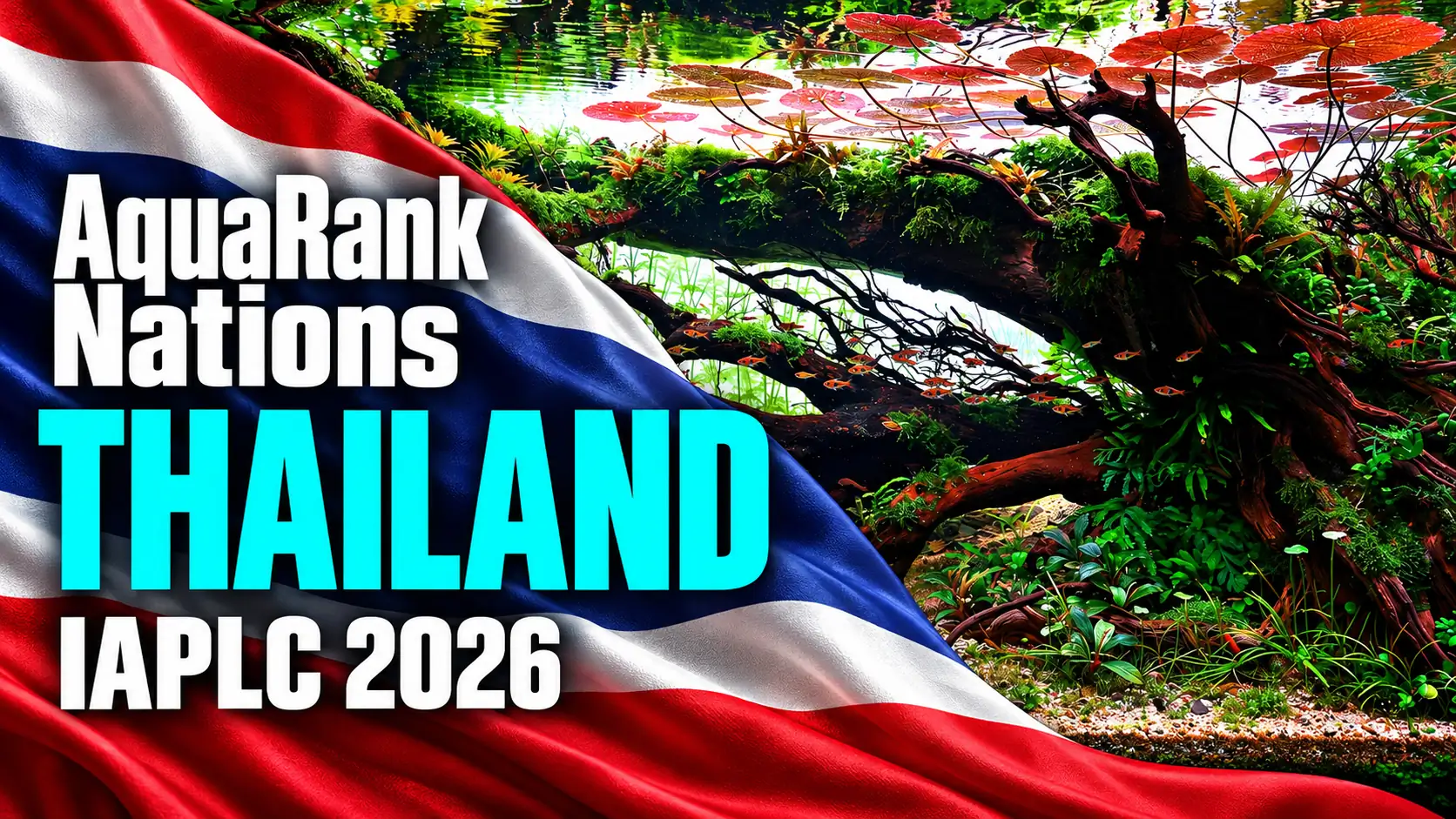
  •  Analyse Thailand aquascapes at IAPLC 2026, then explore the country’s results, contributing creators and competition history on AquaRank Nations.

    Thailand at IAPLC 2026: Surface Colour, Green Arches and Open Rockwork

    Three Thai aquariums in the published Top 300 present contrasting visual priorities. MAGIC LEAVES makes the water surface a signature; another work carries a route beneath planted arches; a third exposes rock peaks against rounded greenery. This small group gives a useful reason to look beyond the first shared award photograph.
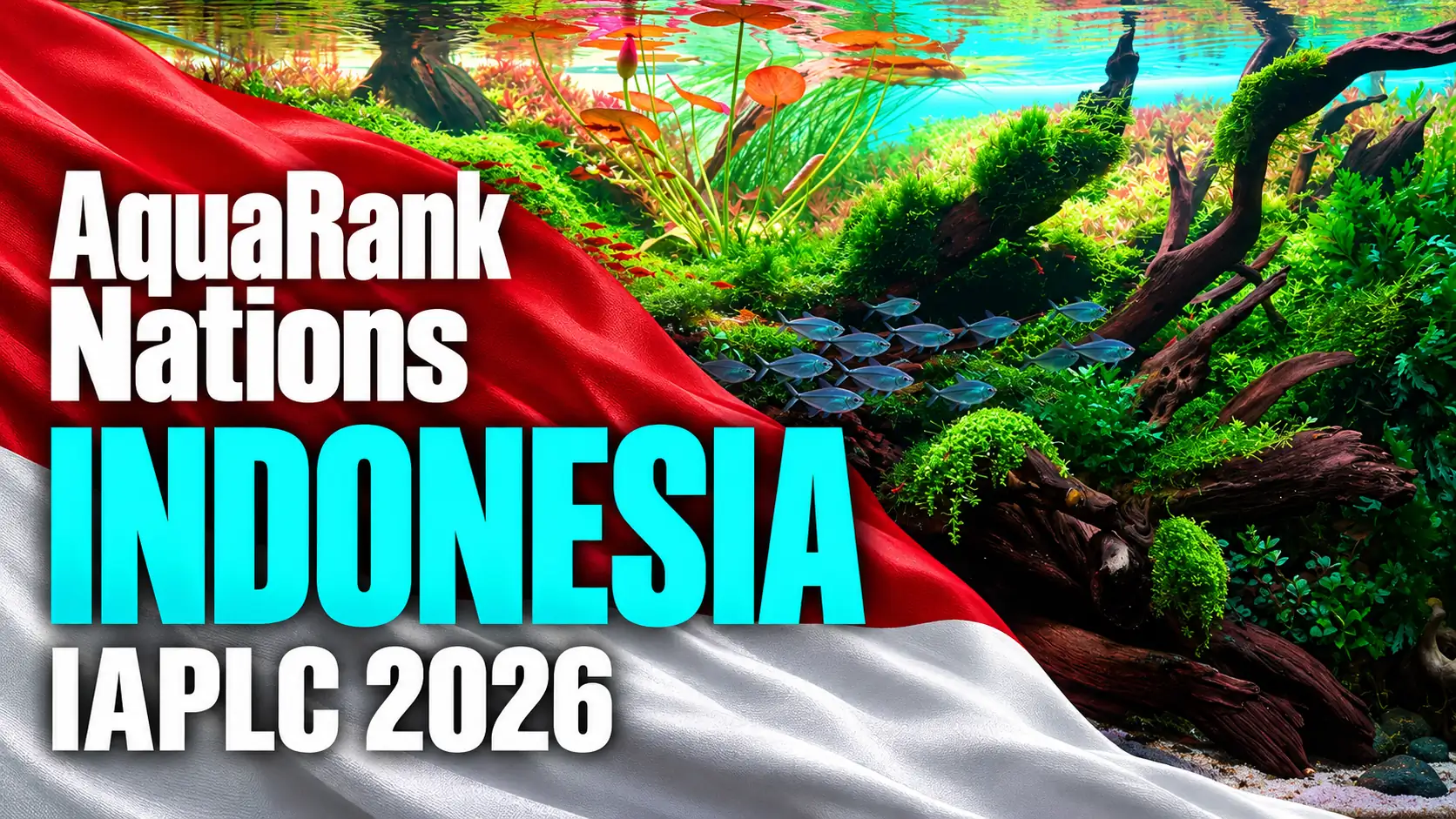
  • Analyse Indonesia aquascapes at IAPLC 2026, then explore the country’s results, contributing creators and competition history on AquaRank Nations.

    Indonesia at IAPLC 2026: Forest Craft Through Four Different Frames

    The four Indonesian works published at ranks 1–300 offer a compact comparison. A coloured surface canopy, a dominant trunk, a dense grove and a wood-and-rock opening all reward close attention. The small group makes it possible to examine every represented work in this range, while keeping the conclusions specific to this season and cutoff.
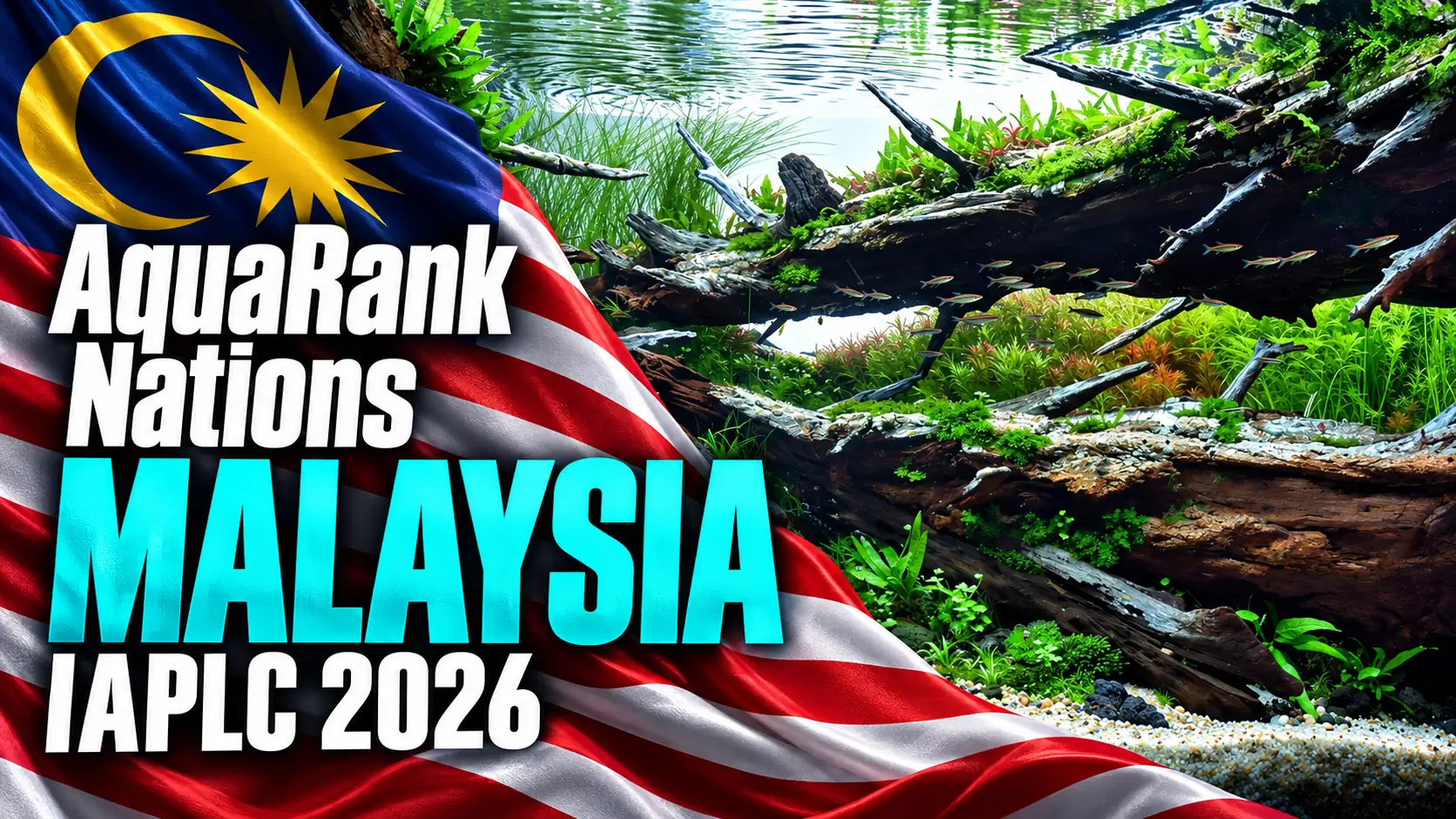
  • Analyse Malaysia aquascapes at IAPLC 2026, then explore the country’s results, contributing creators and competition history on AquaRank Nations.

    Malaysia at IAPLC 2026: Wood, Plant Texture and the Visual Role of Fish

    A bright gap between broad wood layers, a fine-leaved canopy and a conspicuous individual fish offer three different entrances to this Malaysian selection. The photographs invite attention to the space inhabited by fish as well as the hardscape around it. They also show why a creator’s reputation and a new aquarium’s visual decisions should be discussed separately.