AquaLibs presents AquaRank Discover the world’s leading aquascapers

Explore transparent rankings built from published results across the world’s leading aquascaping contests.

Introduction about VietNam Aquascaping

Vietnam's 10 years IAPLC history would send shivers down our spines! Take a look at the record of their top scapers in IAPLC for the past 10 years, only 1 year (2015) they failed to register a Top7 individual ranking, this is a record only the immortal Japanese can match!! Not to mention that Vietnamese scapers produced 3 Grand Champions in the last 10 years (2009, 2011, 2013), similarly, they shared this crazy record with only Japan!! One more ridiculous record they have - from all the top5 scapers in last 10 years, only 2 were out of top100 ranking, which mean 96% (48/50) of their top5 scaper are within the top100 ranking!!! What a team!!

One of the reason for this incredible achievement behind Vietnam's aquascaping history is that they have in their team, 2 of the most decorated and talented aquascapers in the IAPLC history, their undisputed leaders. These 2 world renown aquascapers not only become the backbones of the Vietnamese team that provide stability and assurance, their leadership presence in the team also give their young scapers sense of direction, support and hope! If you are familiar with Vietnamese aquascaping scenes, you would know that their 2 world-class leaders are not only the mentors and teachers to the younger members, but also as big brothers and motivators.

However, in a team event, Vietnam's achievement is not limited to the contribution of their leaders. If you dig deeper into Vietnam's IAPLC history, you would notice that Vietnam is one of the very few countries capable of surprising the world with relatively "unknown" young scapers that break into top7 ranking out of nowhere!! 2009, 2010, 2011, 2013 and as recent as 2018, Vietnam produced top7 scapers from fresh faces, young scapers that were unheard of in the past. This situation only tells us one thing: Vietnam boosts many diamonds in the rough that are waiting to be discovered, this is a country full of raw talents!!

Vietnam has a diversified aquascaping style, but they are more commonly being regarded as a "rock" country rather than wood! Out of their top layouts so far, perhaps 70-80% are layouts predominantly with rocks. Their 2 leaders also have quite different styles, both are fantastic with rocks, but one is more towards NA while the other is more modern and futuristic. We do notice that the younger generation of Vietnamese scapers are more skewed towards using woods but the trend is not clear yet!

Introduction about VietNam Aquascaping

Introduction about VietNam Aquascaping

Introduction about VietNam Aquascaping

Introduction about VietNam Aquascaping

Introduction about VietNam Aquascaping

Introduction about VietNam Aquascaping

Introduction about VietNam Aquascaping

Introduction about VietNam Aquascaping

Introduction about VietNam Aquascaping

Strength and Weakness

Due to the strong leadership in the team, we can feel the unity of the Vietnamese scapers! Their leaders has provided strong supports and guidances for their young blood and this is quite evident in the proactive approach of the Vietnamese aquascaping group. Vietnam is never known for having high number of IAPLC participants, in the last 10 years, Vietnamese participants are stabilized at around 40, not a high number but we do always observe quality layouts coming out from this country! Another strong point of Vietnam is the group of their young talents - as mentioned earlier they have the ability to surprise everybody, maybe even themselves , in the world competition. If this is happening once or twice, it may just be pure luck or coincident.

But this situation has happened 5 times in the last 10 years (a newcomers from Vietnam entering Top7), we believe this is no longer just luck but it demonstrate the pure talent of this Vietnamese team.

However, we do also see the longevity issue of the young Vietnamese scapers. Apart from their veteran leaders, not many young scapers that used to grace the top7/top27 are currently still in the competitive scene - they risen very fast and faded equally fast. Perhaps due to the lure of the commercial world or simply losing interest in this hobby, we are not sure. Imagine if Vietnam can retain all of their top young talents in the past and continue to produce more young blood now, how strong can they be? A "scary" thought to all their rival nations.

Author: IAPLC Nations Challenge
Leave your comments
Latest on News & Press
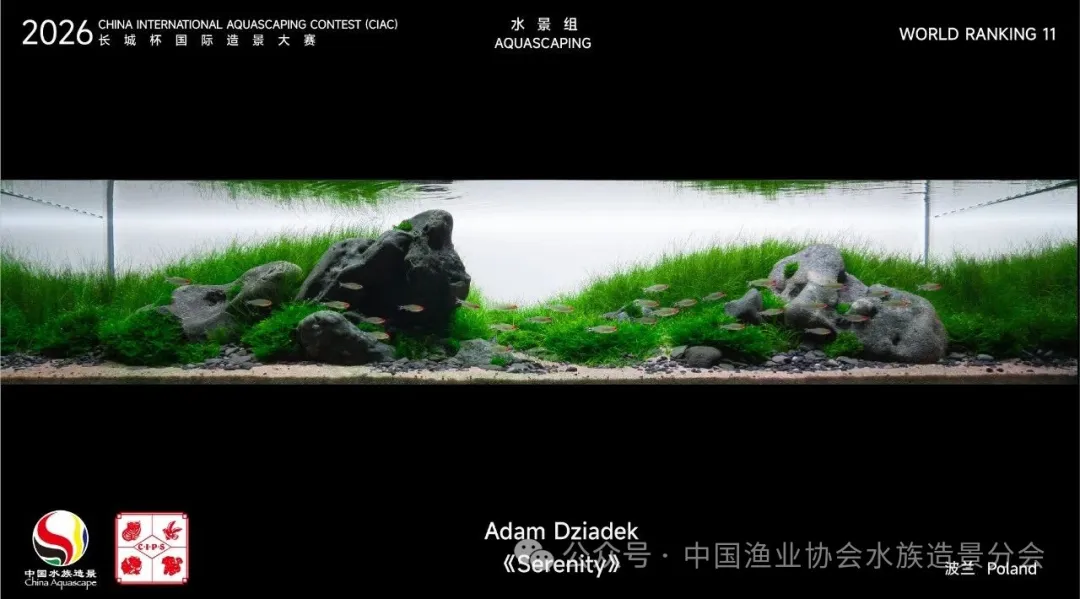
  • Serenity · Adam Dziadek · CIAC 2026

    When Minimalism Is Harder: What 2026 Iwagumi Entries Reveal About Competition-Ready Design

    Iwagumi looks simple because it removes visual clutter. In practice, that restraint makes every stone angle, substrate line, plant mass and patch of empty water easier to judge. This visual case study examines stone-led and Iwagumi-inspired layouts from the supplied 2026 CIAC and AGA catalogue. No IAPLC image was supplied, so the IAPLC comparison is limited to general design principles rather than named works or results.
  • Why CIAC 2026 Puts Plant Condition Ahead of Aquascape Drama

    Why CIAC 2026 Puts Plant Condition Ahead of Aquascape Drama

    The published scoring structure for the CIPS International Aquascaping Contest makes one priority clear: a dramatic layout is not enough if the plants are weak, faded, or poorly maintained. Aquatic plant condition is worth 60 points, compared with 30 for maintenance skills and 10 for photography. That balance gives contestants a practical preparation plan—grow a healthy aquarium first, then present it clearly.
  • The Art of Thai Aquascape 2026: What a Public Aquascaping Festival Can Teach Tank Builders

    The Art of Thai Aquascape 2026: What a Public Aquascaping Festival Can Teach Tank Builders

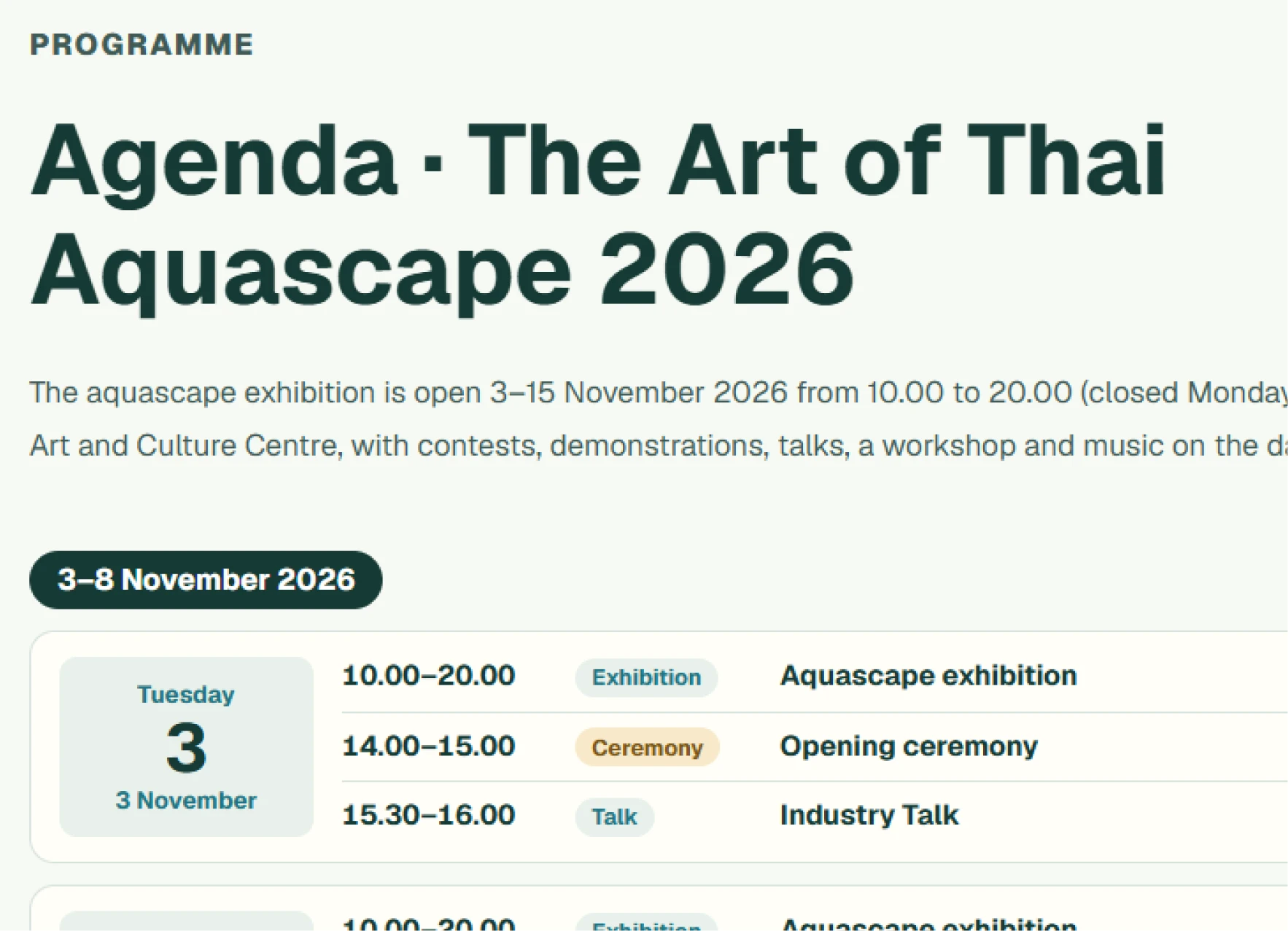
    The Art of Thai Aquascape 2026 will turn the Bangkok Art and Culture Centre into a public showcase from November 3 to 15, 2026. Its programme combines an exhibition with professional and newcomer contests, demonstrations, talks, a photography workshop and performances. For hobbyists, that mix offers more than a reason to visit: it provides a useful framework for building, refining and presenting a planted aquarium.
  • EAPLC 2026 Aquascape Lessons by Tank Size: From Nano Focal Points to Large-Scale Perspective

    EAPLC 2026 Aquascape Lessons by Tank Size: From Nano Focal Points to Large-Scale Perspective

    The official EAPLC 2026 results offer more than a list of category winners. They provide useful case studies in how composition, planting, hardscape, and livestock work together at different scales. These observations are not fixed rules or mandatory formulas, but practical ideas aquascapers can adapt to their own tanks.
  • AGA 2026 Results: Chuanwei Yu Wins Best of Show

    AGA 2026 Results: Chuanwei Yu Wins Best of Show

    Chuanwei Yu (余传威) of China has won Best of Show at the 2026 AGA International Aquascaping Contest with All Begins to Nature (万物自然). The Aquatic Garden 220L+ winner also took first place in the combined Aquatic Garden standings. Announced on November 7, the official AGA 2026 results cover 422 entries from 343 contestants across 54 countries.
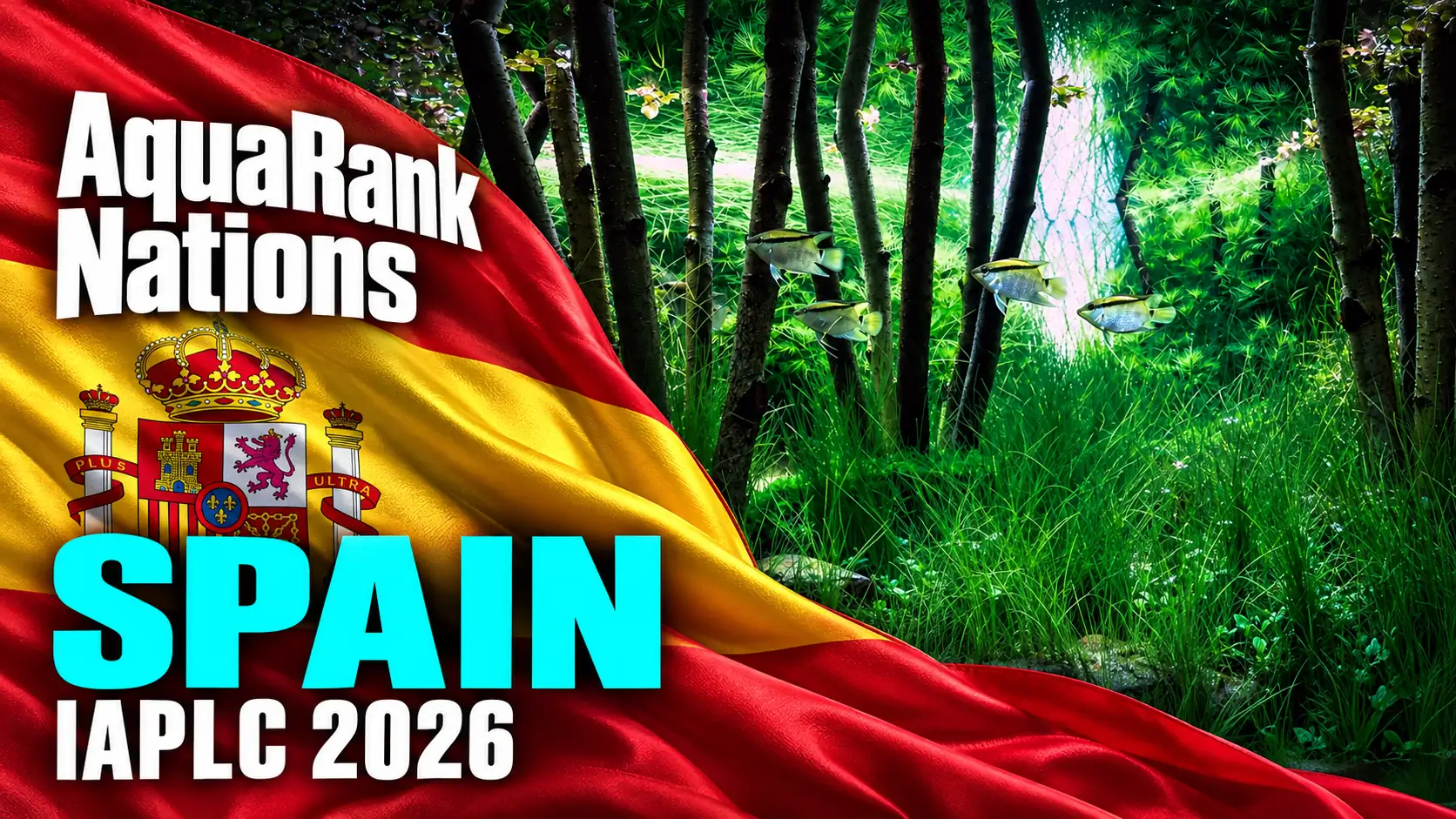
  • Analyse Spain aquascapes at IAPLC 2026, then explore the country’s results, contributing creators and competition history on AquaRank Nations.

    Spain at IAPLC 2026: Roberto Buenadicha’s Forest and the Space Between Trunks

    Roberto Buenadicha’s aquarium is the only Spanish work in the published ranks 1–300. Its slender dark trunks, fine green planting and conspicuous pale fish make it a rewarding individual study. This instalment returns to the older Spain introduction through one photograph, keeping the scope small enough for the evidence available.
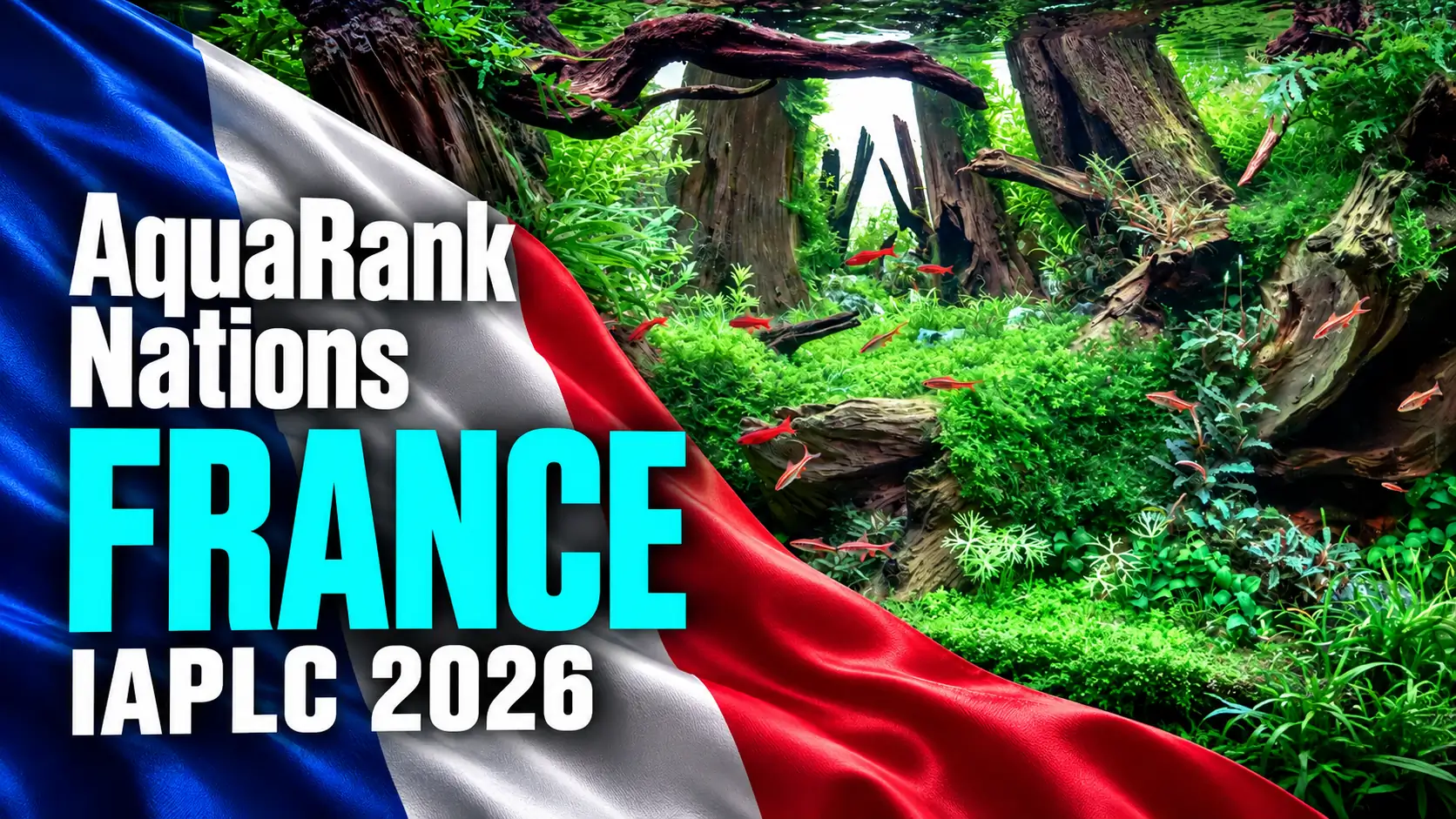
  • Analyse France aquascapes at IAPLC 2026, then explore the country’s results, contributing creators and competition history on AquaRank Nations.

    France at IAPLC 2026: A Close Reading of Jean Christophe Grosset’s Woodland

    Only one French work appears in the published ranks 1–300. That gives this instalment a different task: a close reading of Jean Christophe Grosset’s aquarium, with the older country introduction as context. The photograph deserves attention for its own wood, planting and fish relationships, rather than being made to represent every French aquascaper.
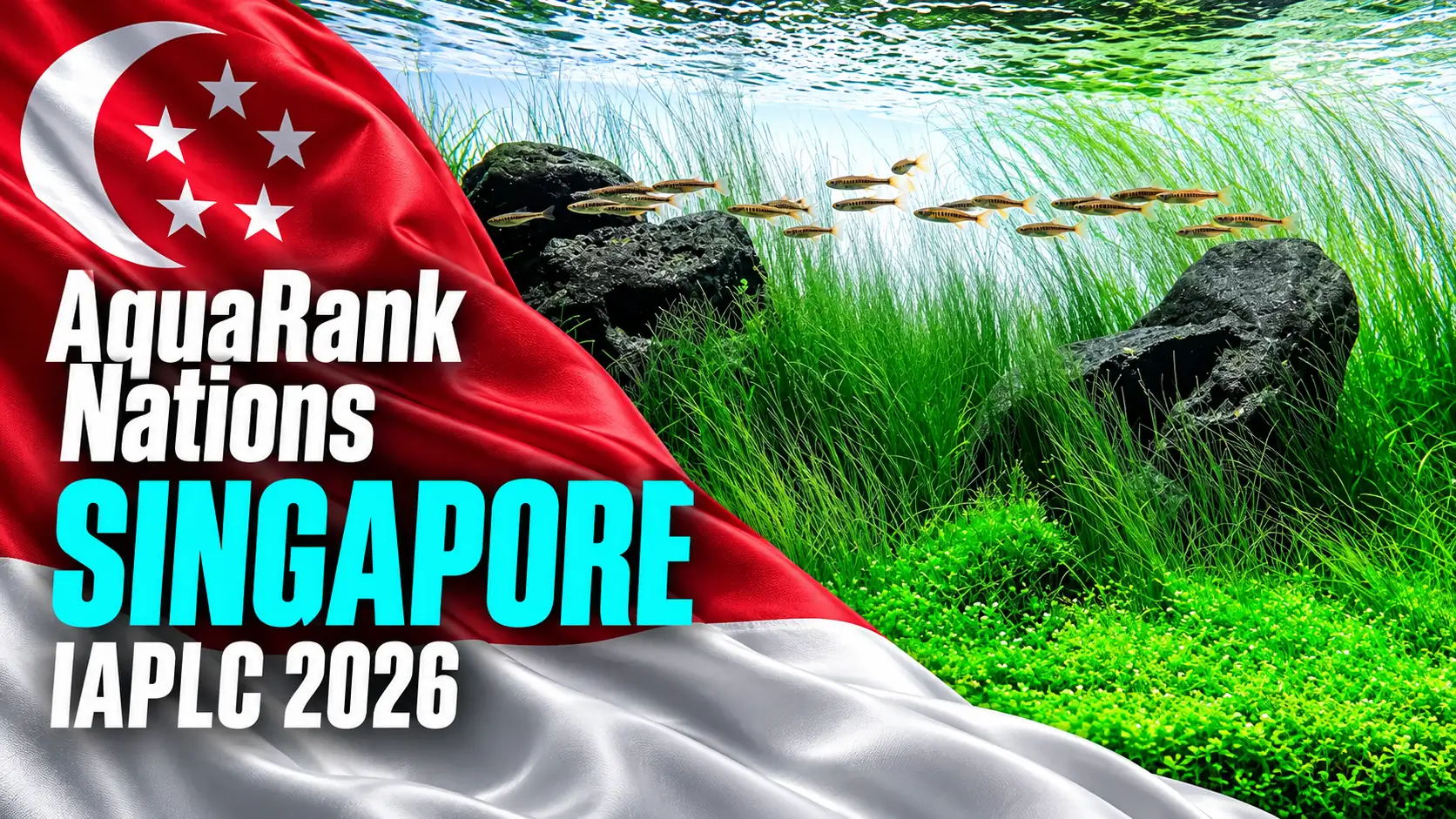
  • Analyse Singapore aquascapes at IAPLC 2026, then explore the country’s results, contributing creators and competition history on AquaRank Nations.

    Singapore at IAPLC 2026: Open Stone and an Enclosed Planted Passage

    Two Singaporean works appear in the published ranks 1–300, and they offer an unusually clear contrast. One makes open water and two main stones central; the other encloses a small rear opening within dense planting and roots. The pair is useful precisely because it does not support one simple visual label.
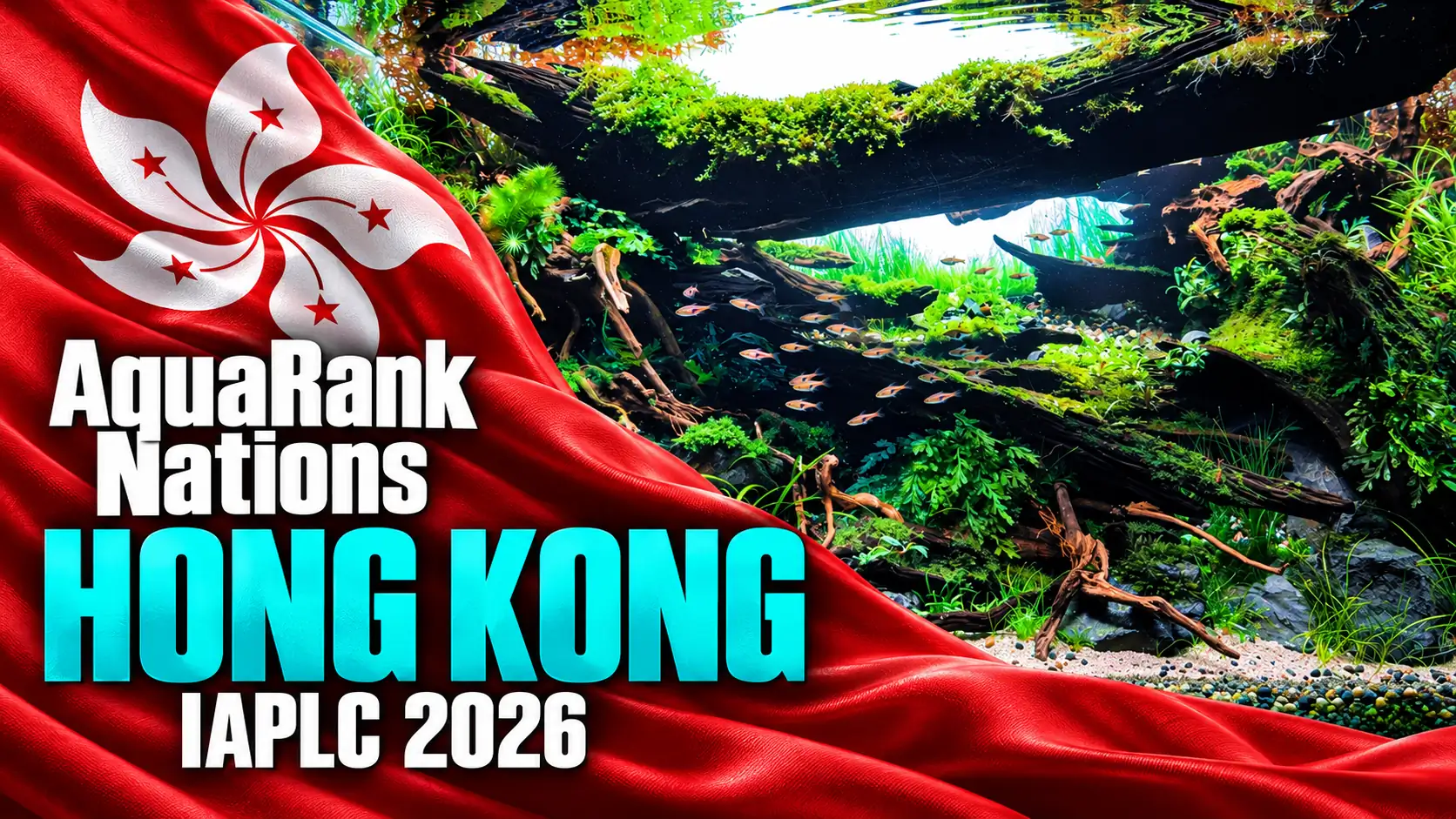
  • Analyse Hong Kong aquascapes at IAPLC 2026, then explore the country’s results, contributing creators and competition history on AquaRank Nations.

    Hong Kong at IAPLC 2026: Three Studies in Light, Layers and Visual Impact

    A low timber ceiling, blue-toned terraces and converging planted diagonals create three visibly different aquariums. Hong Kong’s represented works at ranks 1–300 offer a compact study of visual impact beyond the season’s leading awards. Looking at them closely is more informative than treating the cutoff count as a verdict on an entire aquascaping community.
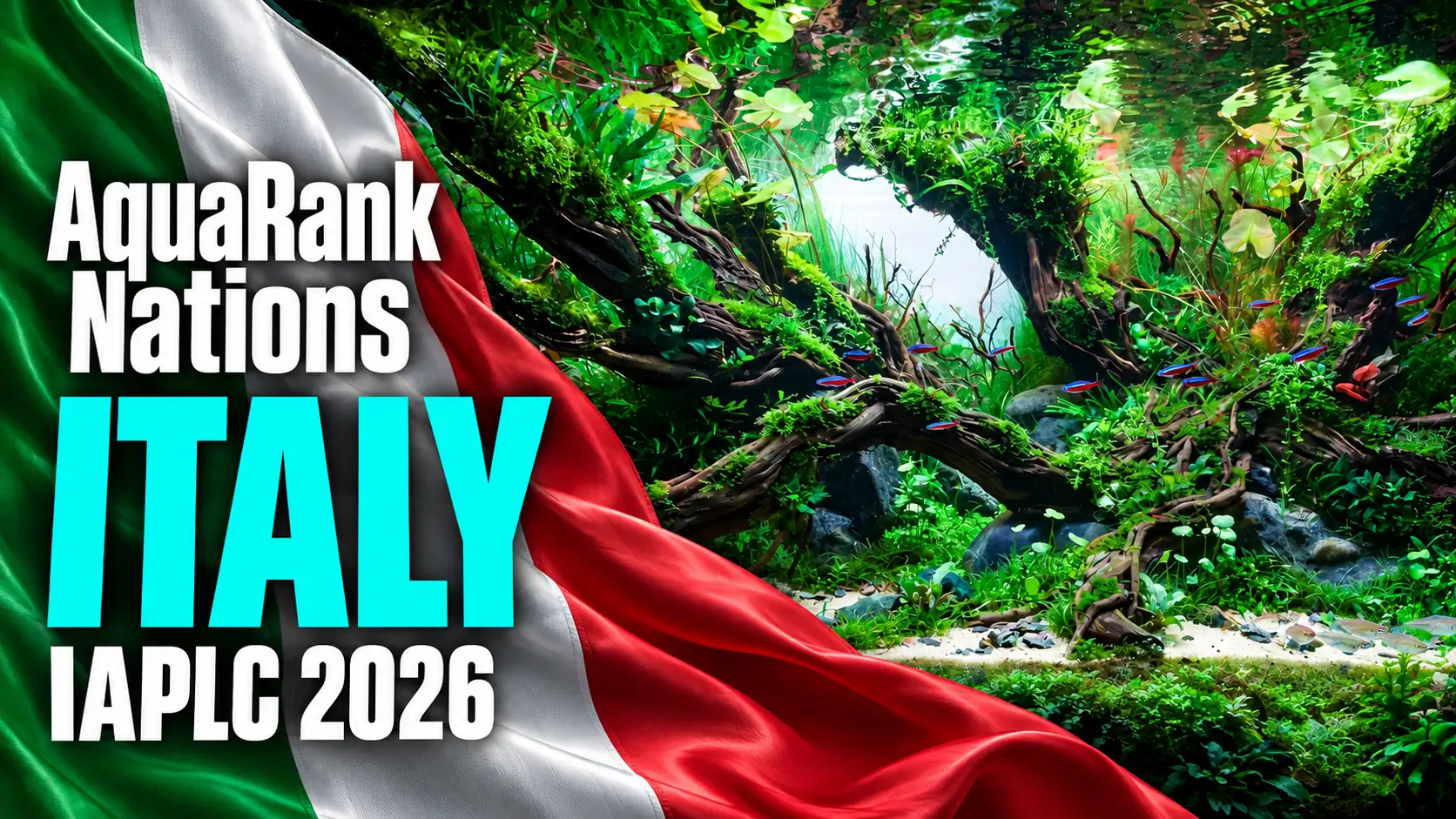
  • Analyse Italy aquascapes at IAPLC 2026, then explore the country’s results, contributing creators and competition history on AquaRank Nations.

    Italy at IAPLC 2026: Calm Routes and More Dramatic Planted Frames

    A clear route through planted banks can feel quiet; a coloured ridge beneath a dark frame can feel theatrical. The four Italian photographs selected for this study offer both experiences. Together, they make a useful contemporary comparison with an archive that once placed particular emphasis on calm, enduring-looking compositions.
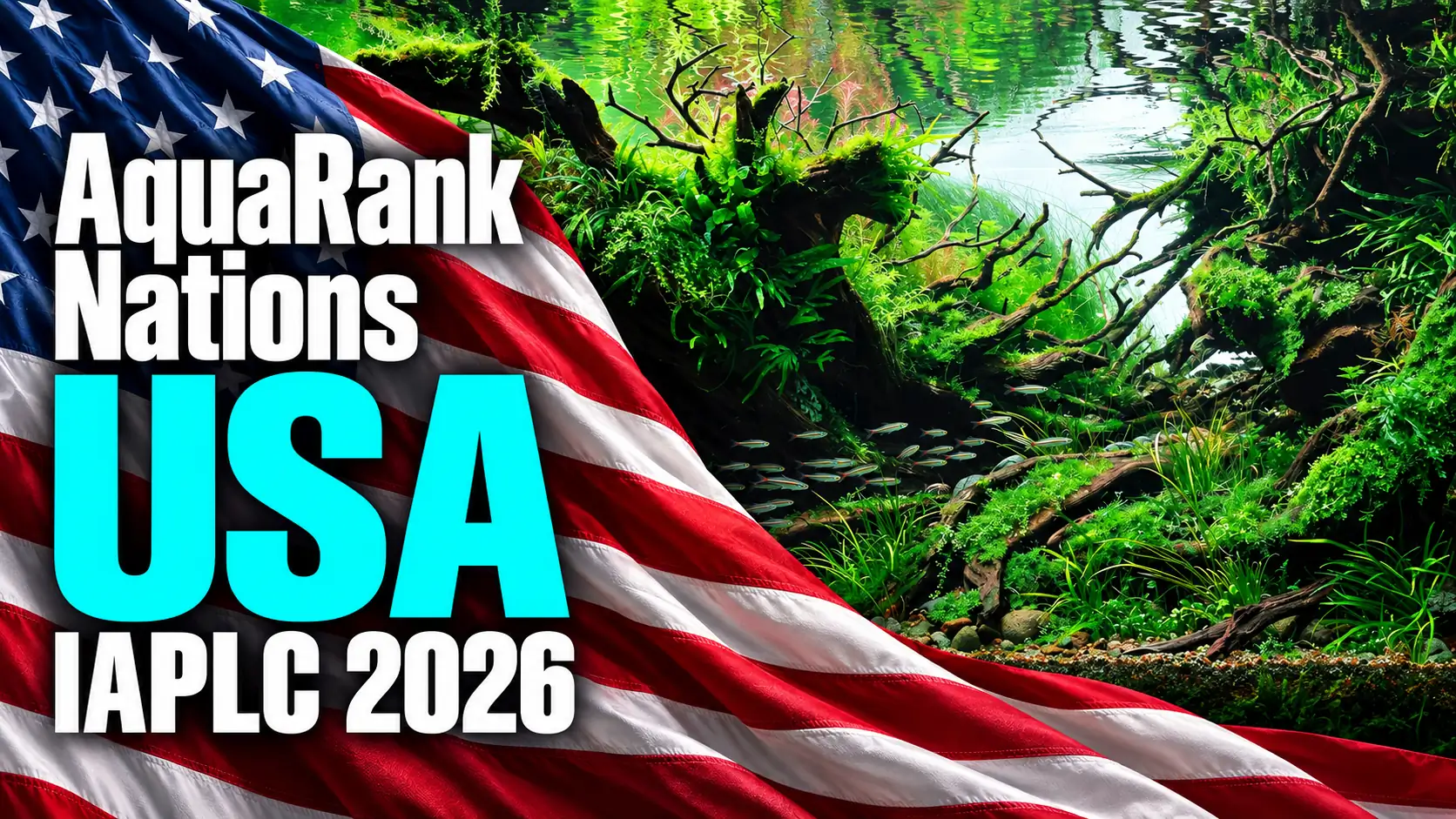
  •  Analyse United States aquascapes at IAPLC 2026, then explore the country’s results, contributing creators and competition history on AquaRank Nations.

    United States at IAPLC 2026: Four Distinct Readings of a Wooded Aquarium

    The four American photographs selected here all contain important wood structures, yet they do not produce one uniform wooded scene. A broad canopy, a low diagonal, a fine-leaved light window and an exposed timber subject organise attention differently. That variation lets us discuss design diversity through specific decisions rather than a broad national label.
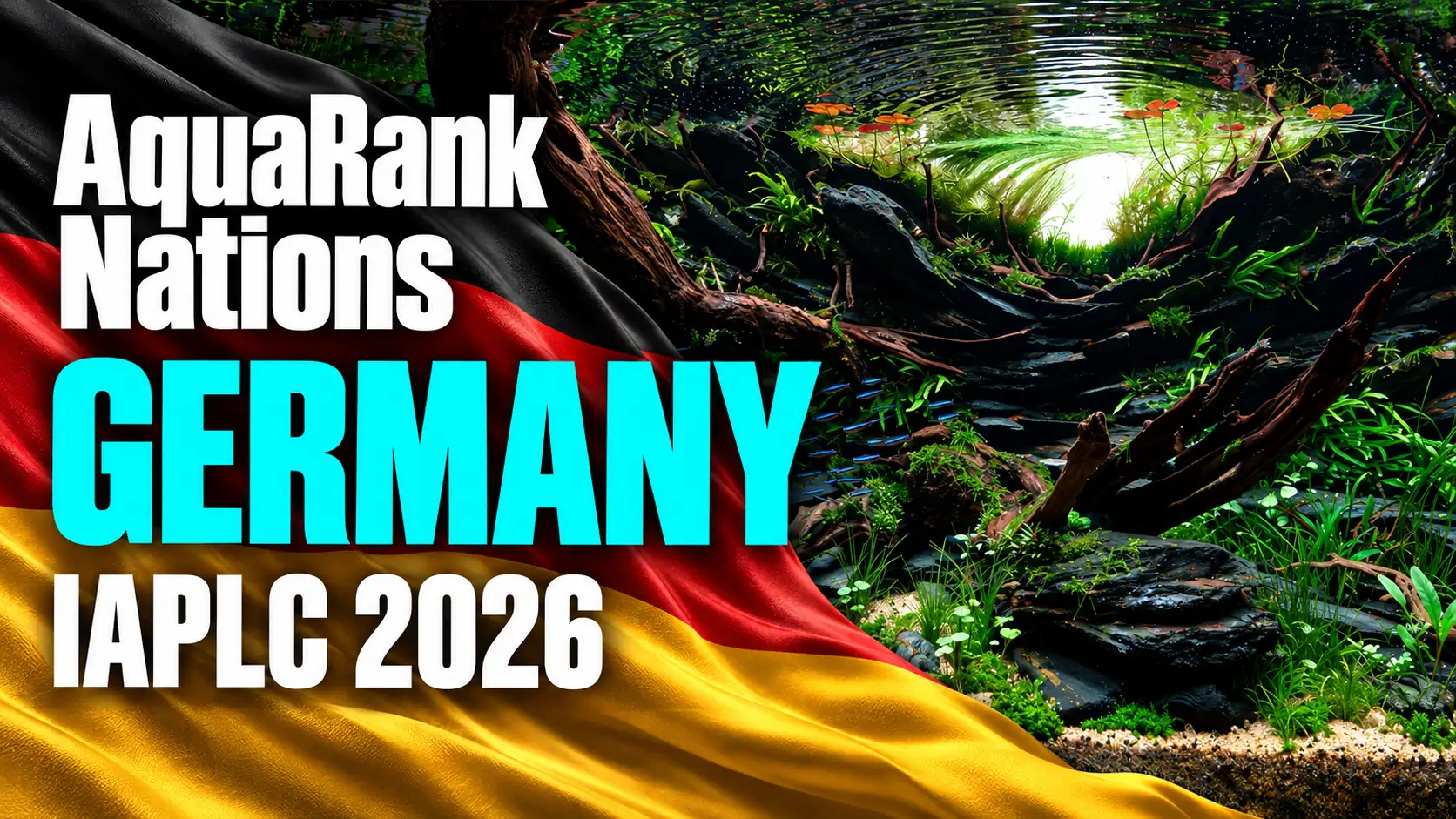
  • Analyse Germany aquascapes at IAPLC 2026, then explore the country’s results, contributing creators and competition history on AquaRank Nations.

    Germany at IAPLC 2026: Four Ways to Balance Hardscape and Open Water

    A dark wooded frame, a rocky valley, a brighter mixed scene and green-covered root contours make this German selection particularly useful for comparison. The photographs share an interest in separating materials from the water around them, but achieve it through different outlines and lighting relationships.
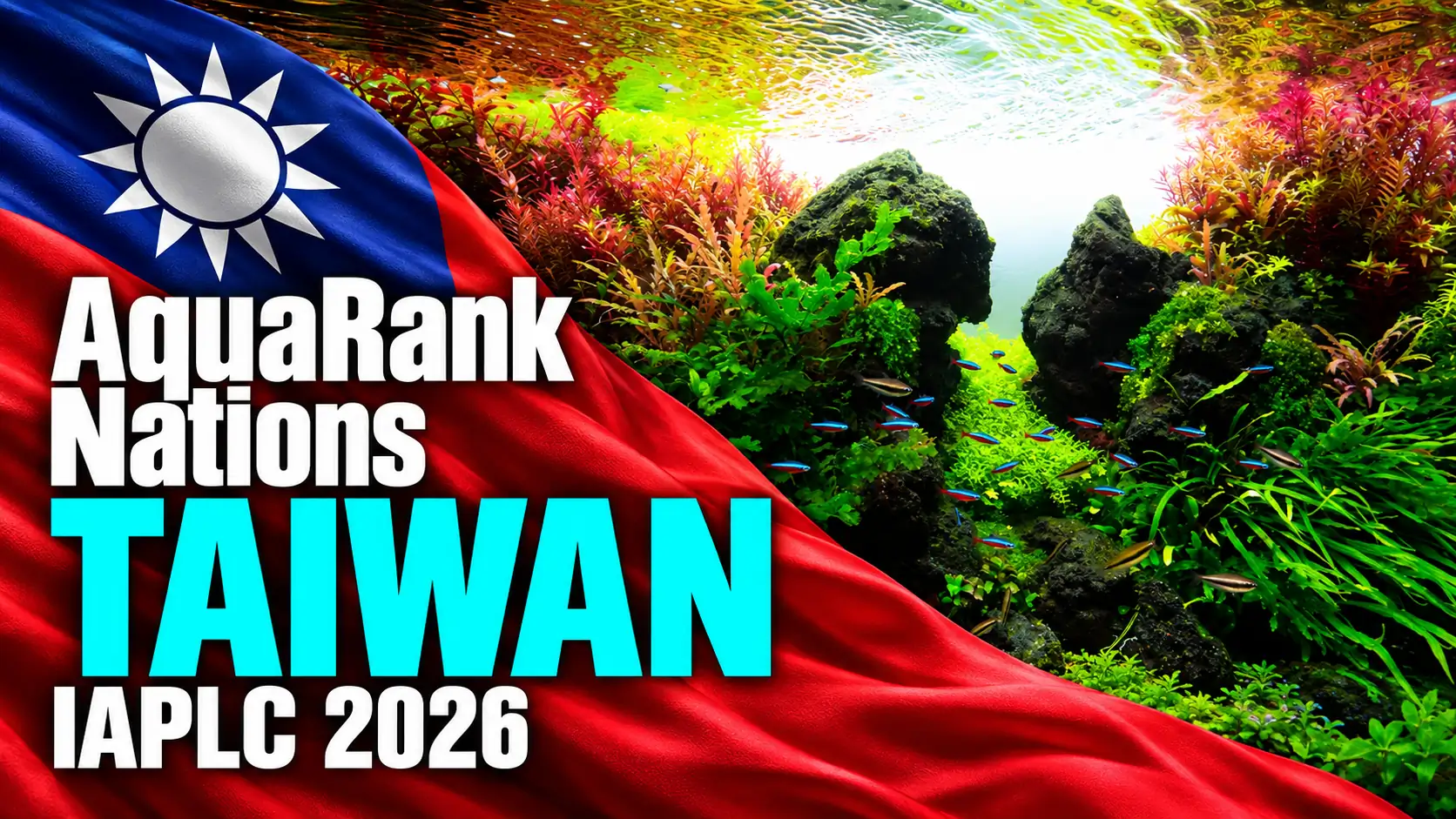
  • Analyse Taiwan aquascapes at IAPLC 2026, then explore the country’s results, contributing creators and competition history on AquaRank Nations.

    Taiwan at IAPLC 2026: Planted Contours and Changing Routes into Depth

    Dense foliage, planted wood ridges and a low central route create different senses of distance in this four-work selection. The photographs are particularly rewarding when viewed through changes in leaf shape and planting height. They offer a present-season comparison with an archive that once described both graceful composition and more contemporary experimentation.
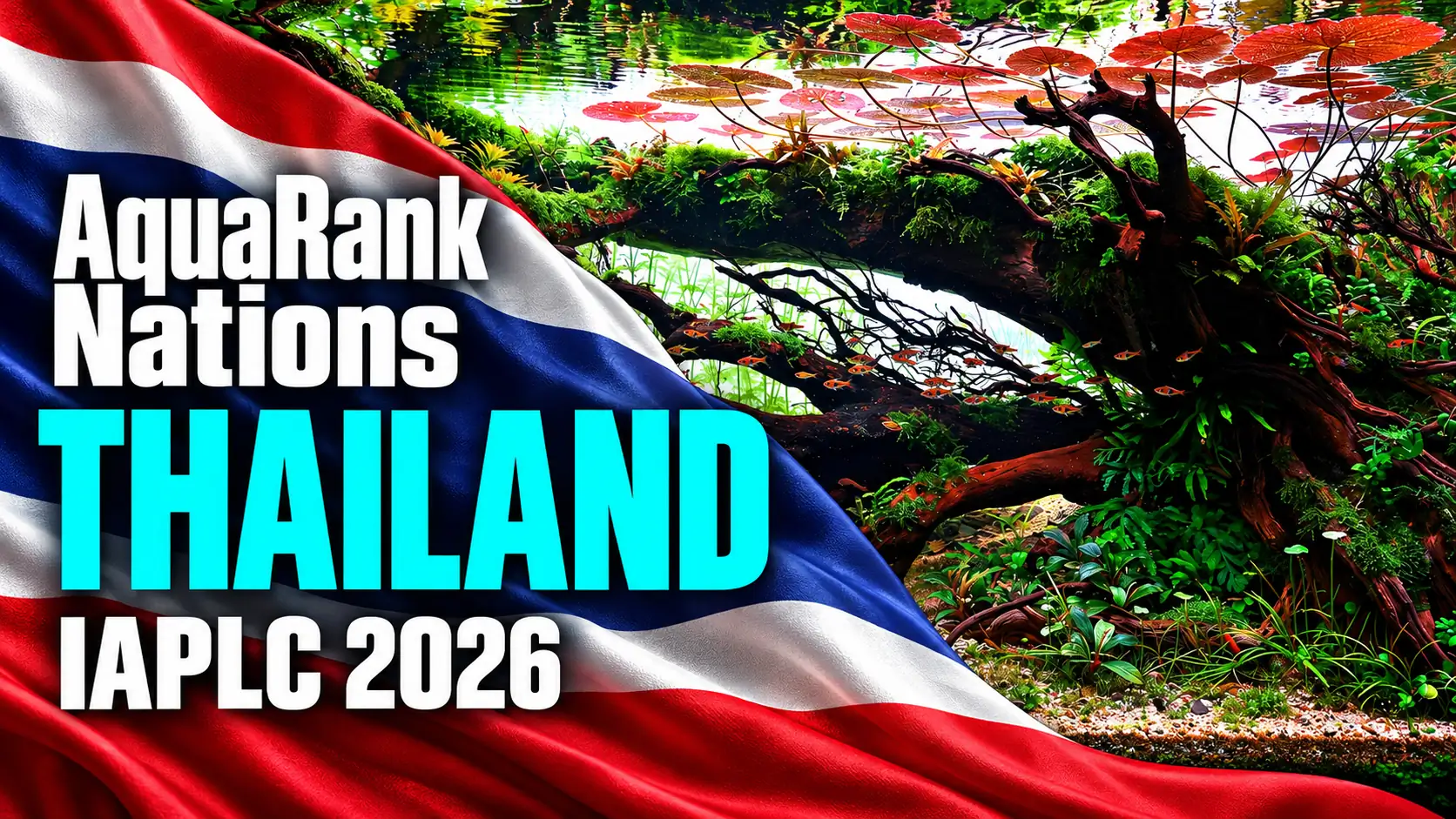
  •  Analyse Thailand aquascapes at IAPLC 2026, then explore the country’s results, contributing creators and competition history on AquaRank Nations.

    Thailand at IAPLC 2026: Surface Colour, Green Arches and Open Rockwork

    Three Thai aquariums in the published Top 300 present contrasting visual priorities. MAGIC LEAVES makes the water surface a signature; another work carries a route beneath planted arches; a third exposes rock peaks against rounded greenery. This small group gives a useful reason to look beyond the first shared award photograph.
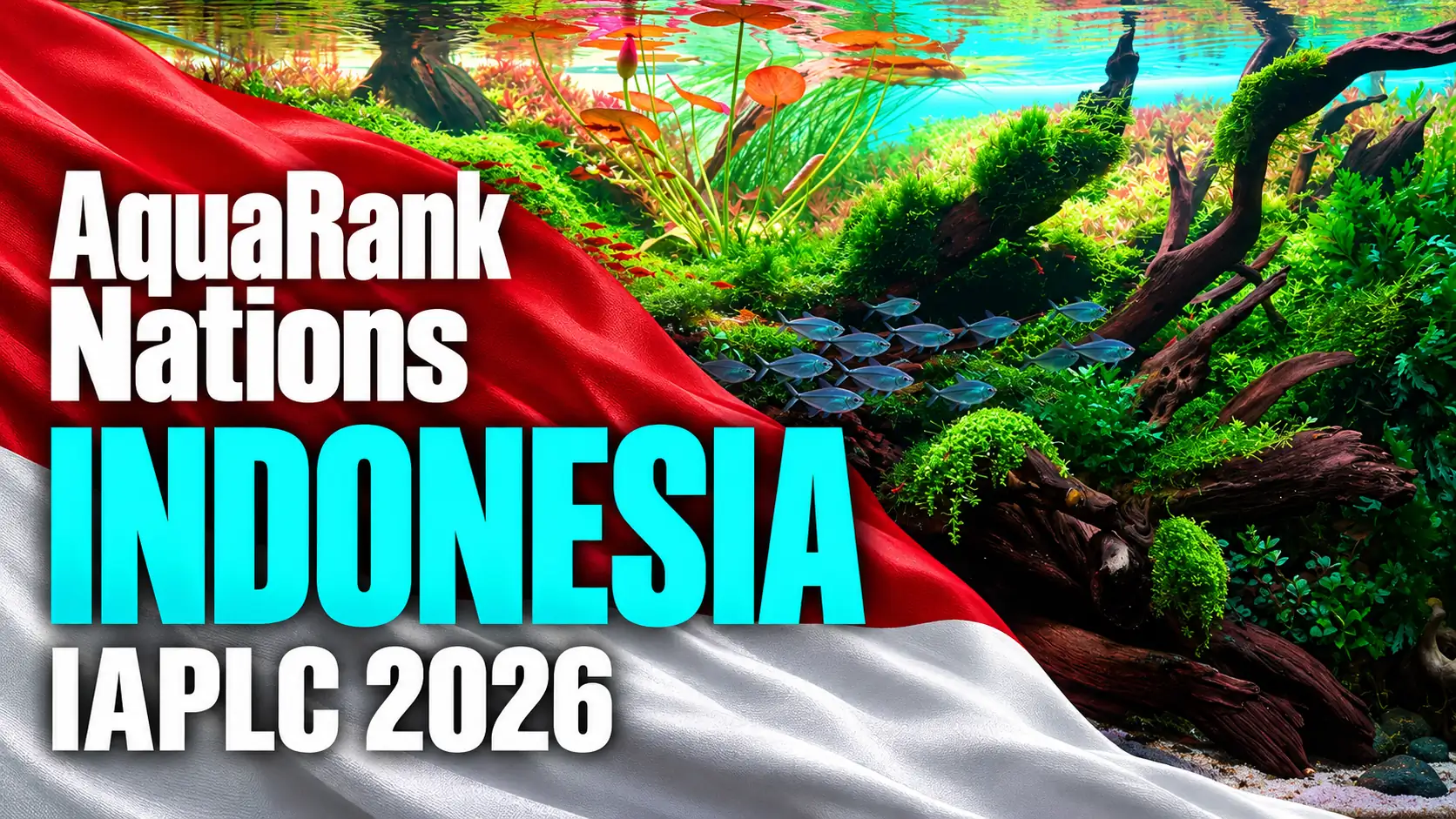
  • Analyse Indonesia aquascapes at IAPLC 2026, then explore the country’s results, contributing creators and competition history on AquaRank Nations.

    Indonesia at IAPLC 2026: Forest Craft Through Four Different Frames

    The four Indonesian works published at ranks 1–300 offer a compact comparison. A coloured surface canopy, a dominant trunk, a dense grove and a wood-and-rock opening all reward close attention. The small group makes it possible to examine every represented work in this range, while keeping the conclusions specific to this season and cutoff.
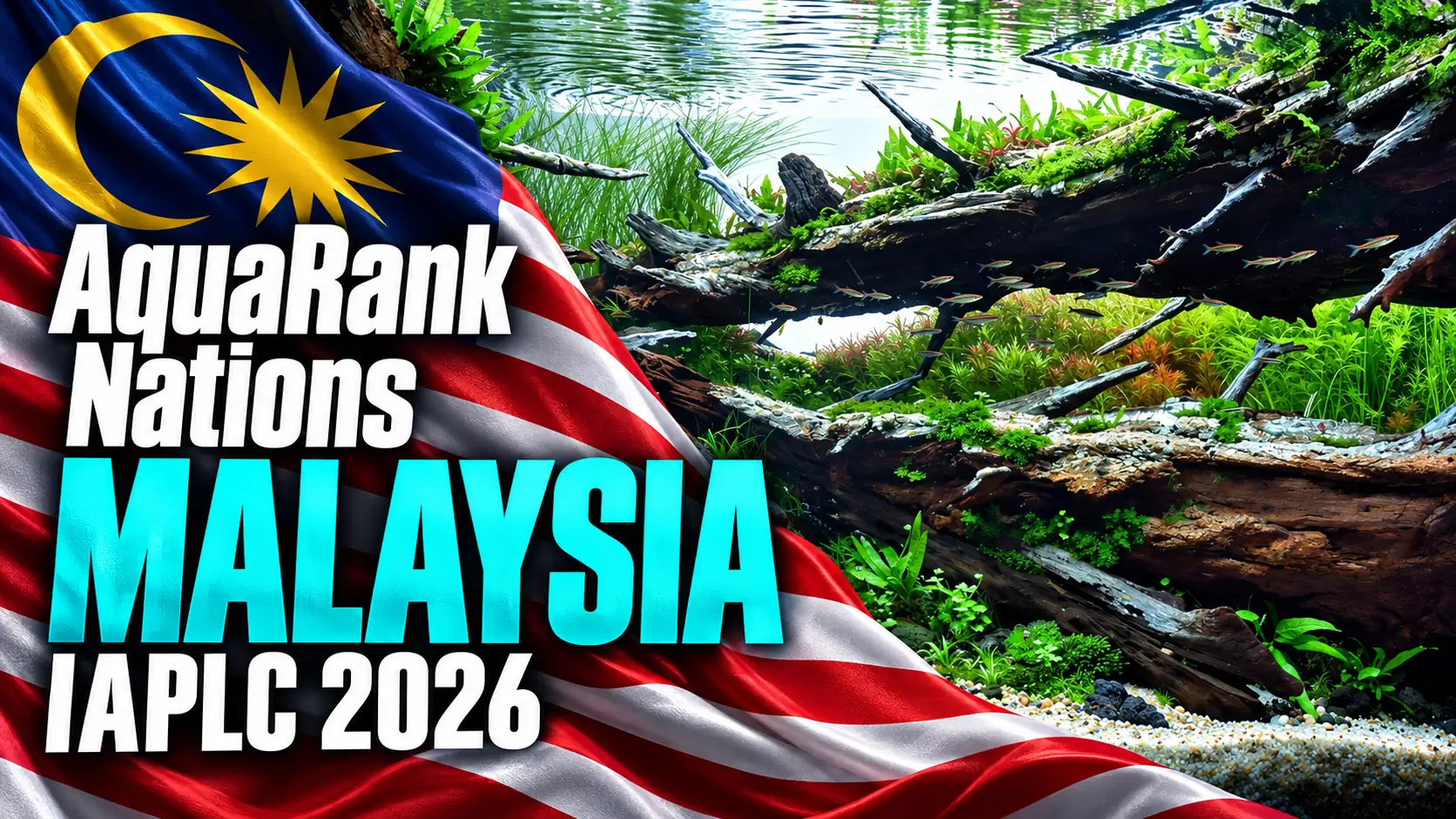
  • Analyse Malaysia aquascapes at IAPLC 2026, then explore the country’s results, contributing creators and competition history on AquaRank Nations.

    Malaysia at IAPLC 2026: Wood, Plant Texture and the Visual Role of Fish

    A bright gap between broad wood layers, a fine-leaved canopy and a conspicuous individual fish offer three different entrances to this Malaysian selection. The photographs invite attention to the space inhabited by fish as well as the hardscape around it. They also show why a creator’s reputation and a new aquarium’s visual decisions should be discussed separately.