It’s time to help contribute for biggest aquarium gallery online

SUBMIT HEREVIEW GALLERY

Osteoglossum bicirrhosum (Silver Arowana)

Overview

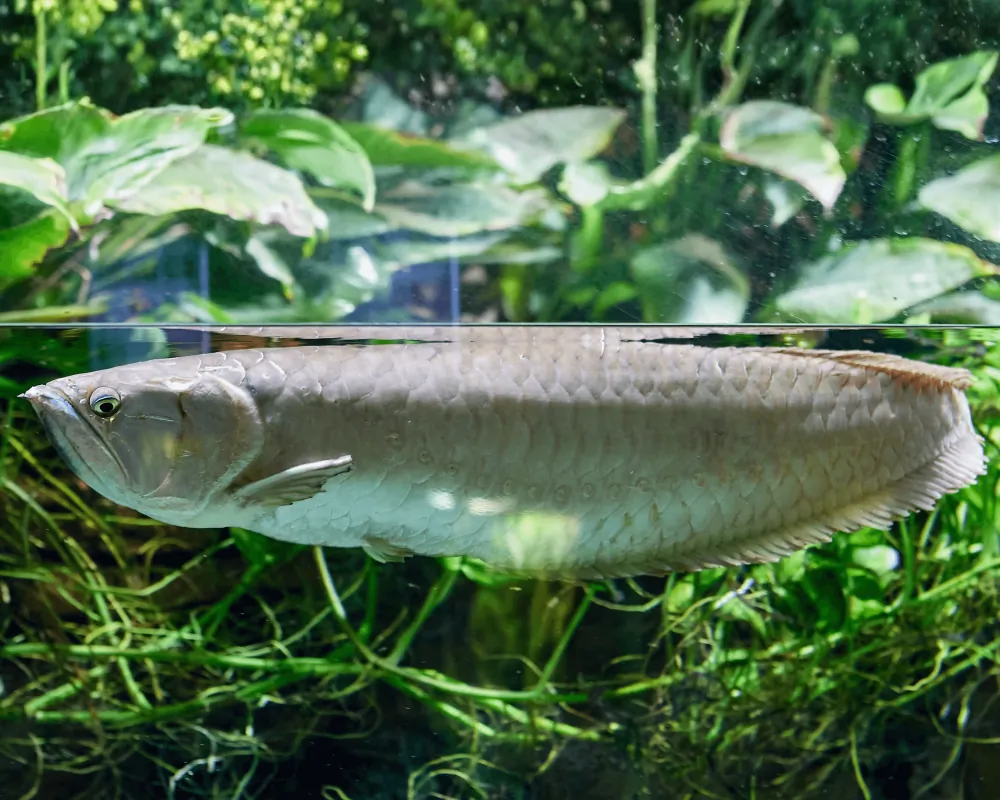
Image of gabelbart osteoglossum bicirrhosum raritaet

The Silver Arowana, often referred to in German as "Gabelbart" (fork-beard), is an iconic, prehistoric-looking freshwater fish. Known for its massive size and surface-dwelling habits, it is a highly sought-after centerpiece for monster fish keepers. Due to its specific needs, it requires a dedicated and experienced aquarist.

Distribution and Habitat

Native to the Amazon River basin in South America, this species thrives in slow-moving waters, flooded forests, and swamps. They are specifically adapted to hunting near the water's surface, where they leap to catch insects and small prey from overhanging branches.

Description of Silver Arowana

Body shape:

They possess an elongated, laterally compressed, and ribbon-like body that allows them to glide effortlessly just below the water's surface.

Color:

Juveniles often have a bluish tint, but adults develop a brilliant, uniform metallic silver coloration with large, distinct, armor-like scales.

Barbels:

They have two distinct, fleshy barbels protruding from the tip of their lower jaw, which act as sensory organs to detect vibrations on the water surface.

Snout:

The snout features a steep, upward-pointing (superior) mouth with a pronounced lower jaw, perfectly designed for surface feeding.

Eyes:

Their large eyes are positioned to look upward, though they are prone to a condition called "drop eye" in captivity if their diet or environment is suboptimal.

Fins:

The dorsal and anal fins are exceptionally long, starting near the middle of the body and extending almost all the way to the caudal peduncle.

The Tail:

The tail (caudal fin) is relatively small and rounded, seamlessly blending with the overall streamlined profile of the fish.

Temper

While inherently predatory, they are generally peaceful toward tank mates that are too large to be considered food. However, they can be highly territorial towards other Arowanas.

Sociality

They are best kept as solitary centerpieces or in a massive community tank with other large, robust species like large catfish, pacus, or large cichlids. Any fish small enough to fit in their mouth will be eaten.

Activity

Silver Arowanas are active, constant swimmers that patrol the upper levels of the aquarium. They are also notorious and powerful jumpers, often leaping to catch prey or when startled.

Keeping and Caring for Silver Arowana

Tank size:

A massive aquarium is required. A minimum of 250 gallons (approx. 1000 liters) is needed for an adult, with a footprint of at least 8 feet long and 3 feet wide to allow them to turn comfortably.

Water Parameters:

Temperature

Keep the water warm, ideally between 24-28°C (75-82°F).

pH

They prefer slightly acidic to neutral water, with a pH range of 6.0 to 7.0.

Hardness

Soft to moderately hard water is best, ranging from 1 to 8 dGH.

Ammonia, Nitrite, Nitrate

Ammonia and Nitrite must be strictly at 0 ppm. Nitrates should be kept below 20 ppm through large, regular water changes, as they are highly sensitive to poor water quality.

Lighting

Moderate to dim lighting is preferred. Sudden bright lights can startle them, causing them to jump and potentially injure themselves.

Water flow

A moderate water flow mimics their natural riverine environment and helps keep the tank well-oxygenated without pushing them around.

Decorations and Plants

The upper half of the tank must remain completely open for swimming. Bottom decorations like smooth rocks and driftwood are fine. A heavy, tightly secured lid is the most critical piece of equipment to prevent jumping.

Diet

They are carnivorous surface feeders. In captivity, they should be fed a varied diet of high-quality floating pellets, insects (crickets, mealworms), earthworms, and occasional thawed frozen fish or shrimp.

Some Feeding Tips

Avoid feeding them mammalian or avian meats (like beef heart or chicken), as they cannot digest the fats properly. Feed juveniles once or twice a day, and adults every other day to prevent obesity and water fouling.

Breeding

Silver Arowanas are paternal mouthbrooders. The male carries the eggs and fry in his mouth for several weeks. Breeding in home aquaria is exceedingly rare due to the monumental tank size required for a compatible pair to spawn.

Conclusion

The Silver Arowana is a breathtaking "monster fish" that offers a rewarding experience for expert aquarists. If you have the space, budget, and dedication to meet their enormous housing requirements, they make a truly majestic and lifelong aquatic pet.

Fish info

Care level: Difficult
Temperament: Semi-aggressive
Adult size: 90-120 cm
Life expectancy: 10-20 years
Fish type: Arowana
Temperature : 24-28°C
pH: 6.0-7.0
Color Form: Grey, Platinum, Silver, White
Leave your comments
Lastest on Fishs
  • Bagrus meridionalis (Kapango)

    Expert Only
    Arowana
    The Kapango (Bagrus meridionalis) is a highly sought-after and rare predatory catfish endemic to Lake Malawi. Known for its impressive size and fascinating parental care in the wild, this magnificent species is a true rarity in the aquarium hobby, requiring massive setups and specialized care from dedicated aquarists.
  • Aphyosemion australe (Golden Lyretail Killifish)

    Moderate
    Arowana
    The Golden Lyretail Killifish, a stunning selectively bred variant of the Cape Lopez Killifish, originates from West Africa. Renowned for its vibrant orange-gold coloration and elegant lyre-shaped tail, this non-annual killifish is highly prized by aquarists. It exhibits peaceful behavior but requires a well-planted, tightly covered aquarium to thrive.
  • Garra rufa (Kangal Nibble Fish)

    Moderate
    Arowana
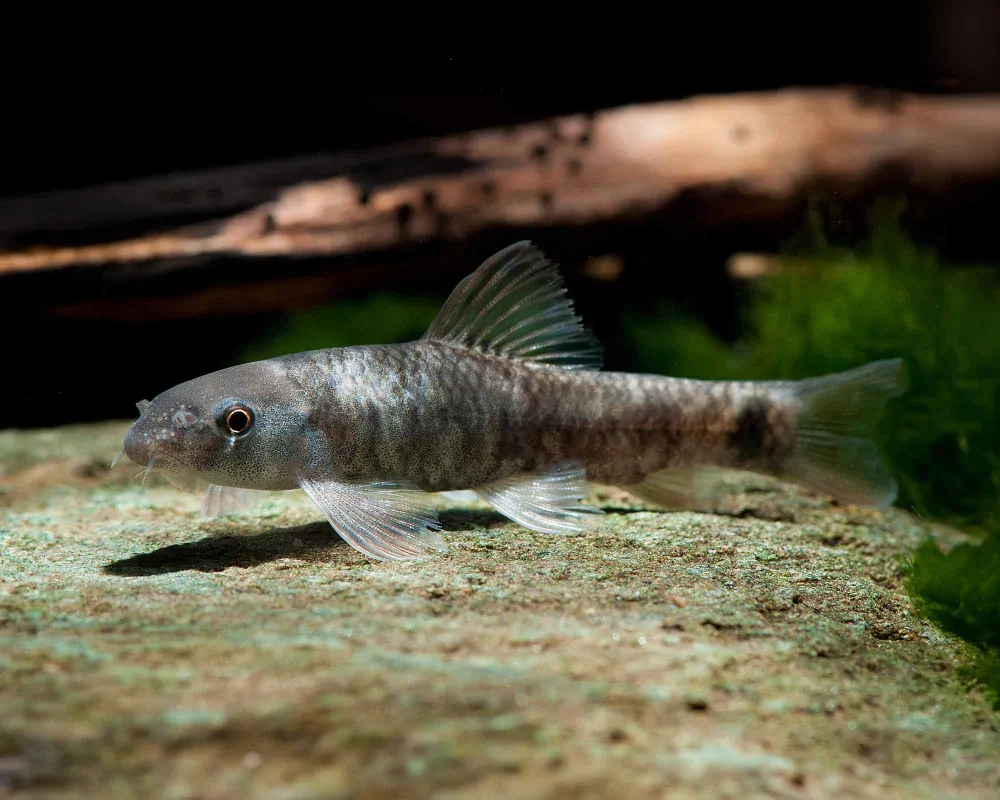
    Famous worldwide as the "Doctor Fish" used in spa treatments, the Kangal Nibble Fish is a fascinating, active bottom-dweller native to the Middle East. In the aquarium, they are prized for their peaceful nature, constant grazing on algae, and unique, highly engaging behaviors.
  • Melanotaenia trifasciata (Banded Rainbowfish)

    Easy - Moderate
    Arowana
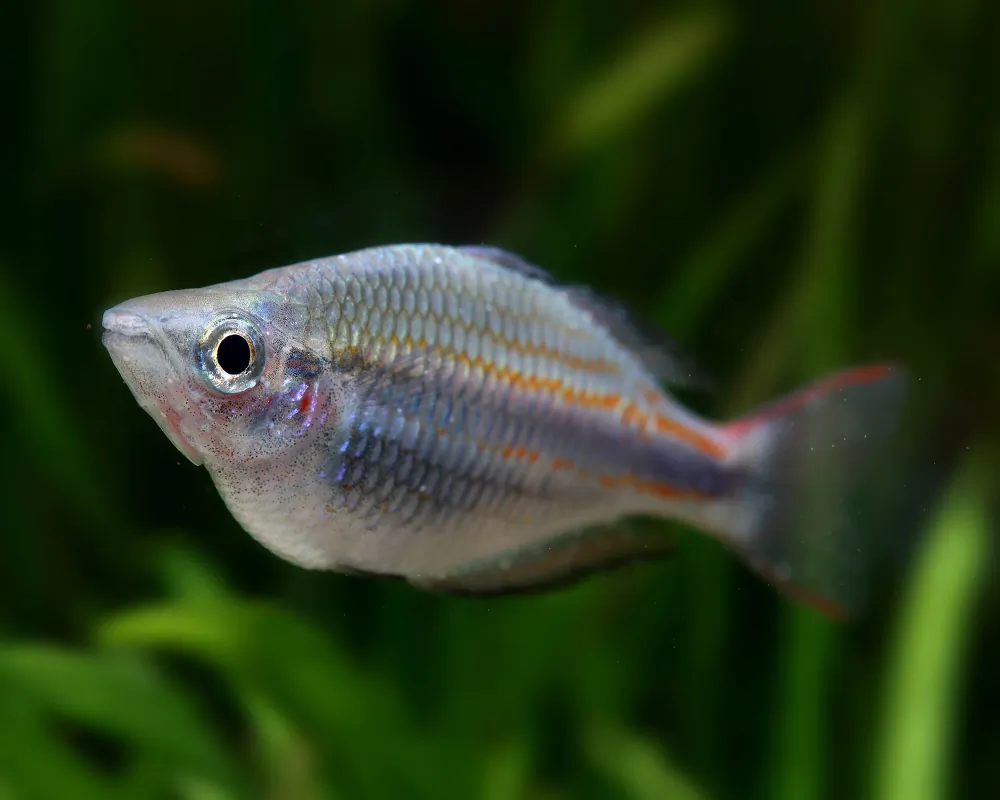
    The Banded Rainbowfish, also known as the Jewel Rainbowfish, is a stunning, active schooling fish native to Northern Australia. Renowned for its dazzling, location-specific color variations and peaceful nature, it brings vibrant energy to any large community aquarium. Captive-bred specimens (DNZ) are particularly hardy and adaptable to home aquariums.
  • Hyphessobrycon bentosi (White Fin Ornate Tetra)

    Easy
    Arowana
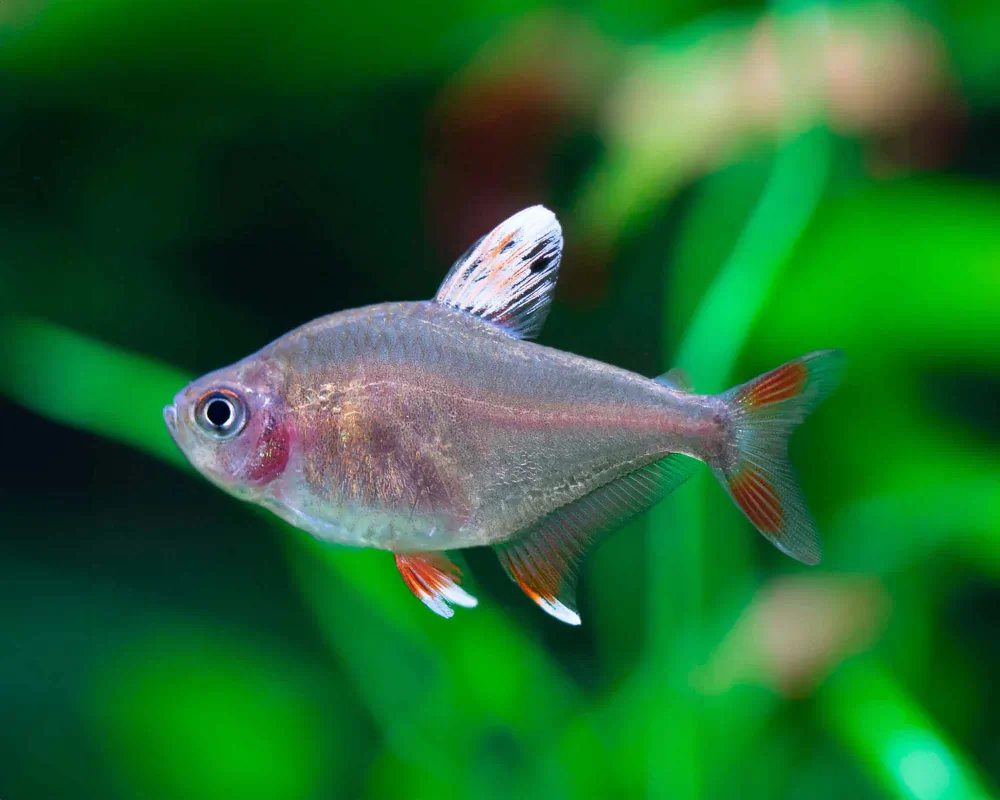
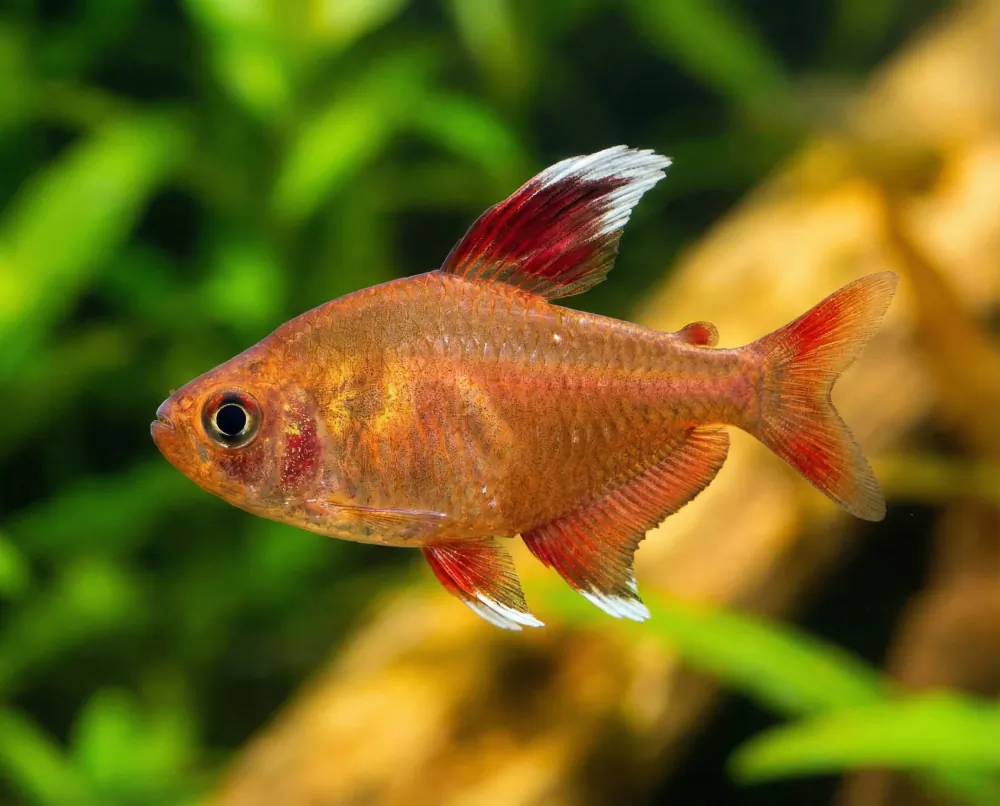
    The White Fin Ornate Tetra, a stunning captive-bred variant of the classic Jewel Tetra, is prized for its striking white-tipped fins and rosy-silver body. Native to the Amazon basin, this peaceful, schooling species brings active charm and vibrant contrast to heavily planted community aquariums.
  • Hyphessobrycon bentosi (Jewel Tetra)

    Easy
    Arowana
    Originating from the Amazon basin, the Jewel Tetra (Hyphessobrycon bentosi) is a captivating, peaceful schooling fish. Known for its striking finnage and energetic behavior, it thrives in planted aquariums. Its hardiness and striking appearance make it a highly popular choice for both beginner and experienced aquarists alike.
  • Hyphessobrycon bentosi (Jewel Tetra)

    Easy
    Arowana
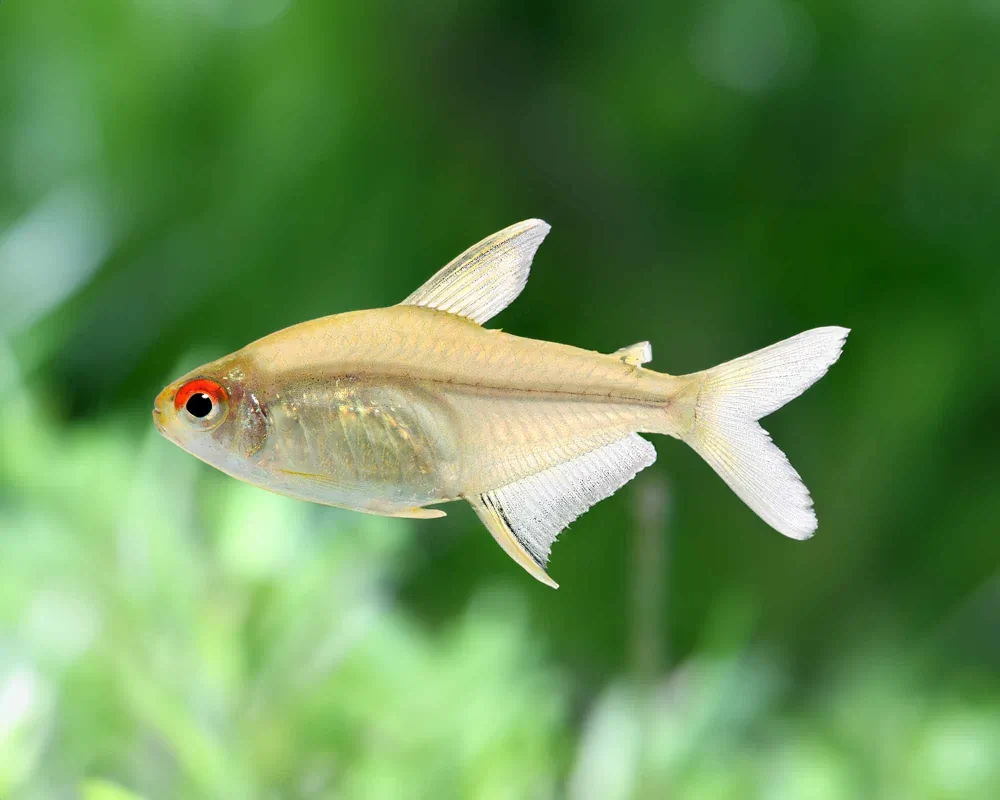
    The Jewel Tetra (Hyphessobrycon bentosi), often captive-bred for optimal health, is a stunning freshwater fish native to the Amazon basin. Known for its deep, rosy-red body and striking white-tipped fins, this peaceful schooling fish adds vibrant color and lively, yet gentle, activity to any planted community aquarium.
  • Pseudomugil ivantsoffi (Ivantsoff's Blue Eye)

    Moderate
    Arowana
    Hailing from the pristine rainforest streams of West Papua and Papua New Guinea, Ivantsoff's Blue Eye is a captivating micro-predator. Known for its energetic schooling behavior and stunning neon-blue eyes contrasting with a vibrant golden-orange body, this peaceful nano fish is highly sought after by planted aquarium enthusiasts.
  • Carinotetraodon travancoricus (Pea Puffer)

    Moderate
    Arowana
    Endemic to the Western Ghats of India, the Pea Puffer (Carinotetraodon travancoricus) is a highly popular, fully freshwater micro-predator. Despite their tiny size, these intelligent fish boast massive personalities. Known for their helicopter-like swimming and insatiable appetite for pest snails, they make captivating additions to heavily planted, species-only aquariums.
  • Parambassis ranga (Indian Glass Perch)

    Moderate
    Arowana
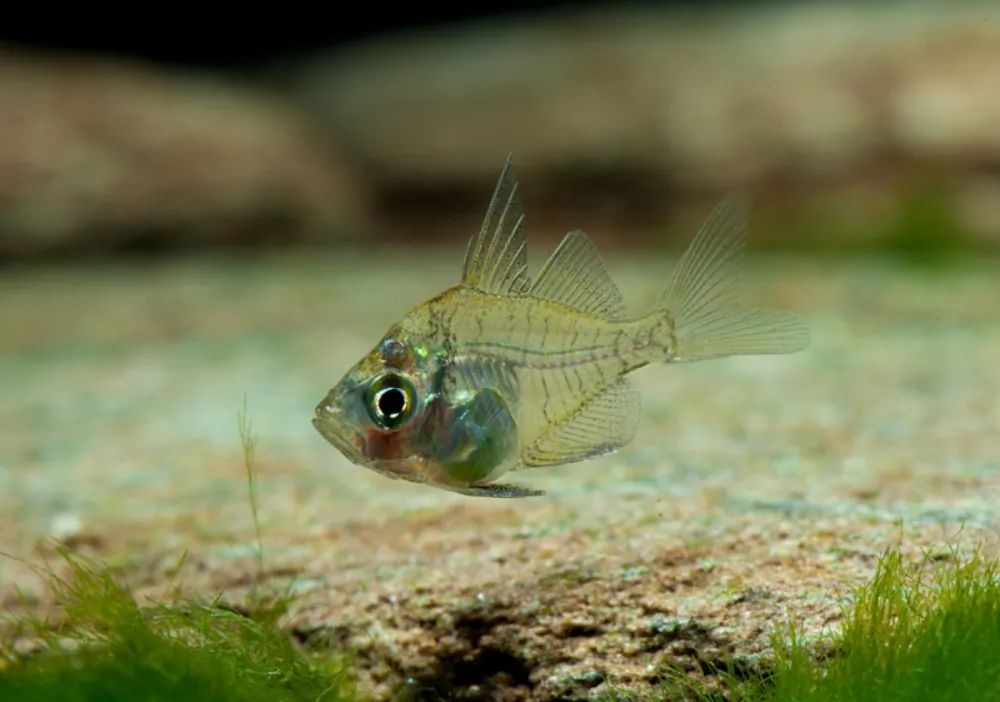
    The Indian Glass Perch, native to South Asia, is a captivating schooling fish famous for its remarkably transparent body that reveals its internal organs. Peaceful but somewhat shy, this unique species adds a fascinating, ghostly elegance to freshwater and slightly brackish aquariums, making it highly popular among dedicated aquarists.
  • Ctenolucius hujeta (Hujeta Pike Characin)

    Moderate
    Arowana
    The Hujeta Pike Characin, or Freshwater Barracuda, is a fascinating predatory fish native to South America. Known for its elongated, gar-like body and stealthy hunting behavior, it is a popular rarity among advanced aquarists. Despite its fearsome appearance, it is relatively peaceful with appropriately sized tank mates.
  • Dermogenys pusillus (Half Billed Pike)

    Moderate
    Arowana
    The Half Billed Pike, or Wrestling Halfbeak, is a fascinating surface-dwelling livebearer native to Southeast Asia. Known for its unique elongated lower jaw and the males' combative 'wrestling' behavior, this slender fish adds dynamic top-level activity to planted or slightly brackish aquariums, captivating aquarists with its distinctive appearance.
  • Hyphessobrycon hyanuary (Costello Tetra)

    Easy
    Arowana
    The Costello Tetra, scientifically known as Hyphessobrycon hyanuary, is a peaceful and active schooling fish native to the Amazon basin. Known for its subtle greenish-gold lateral stripe and distinctive black tail spot, this hardy tetra is a popular and undemanding choice for community aquariums.
  • Pethia canius (Green Dwarf Barb)

    Easy
    Arowana
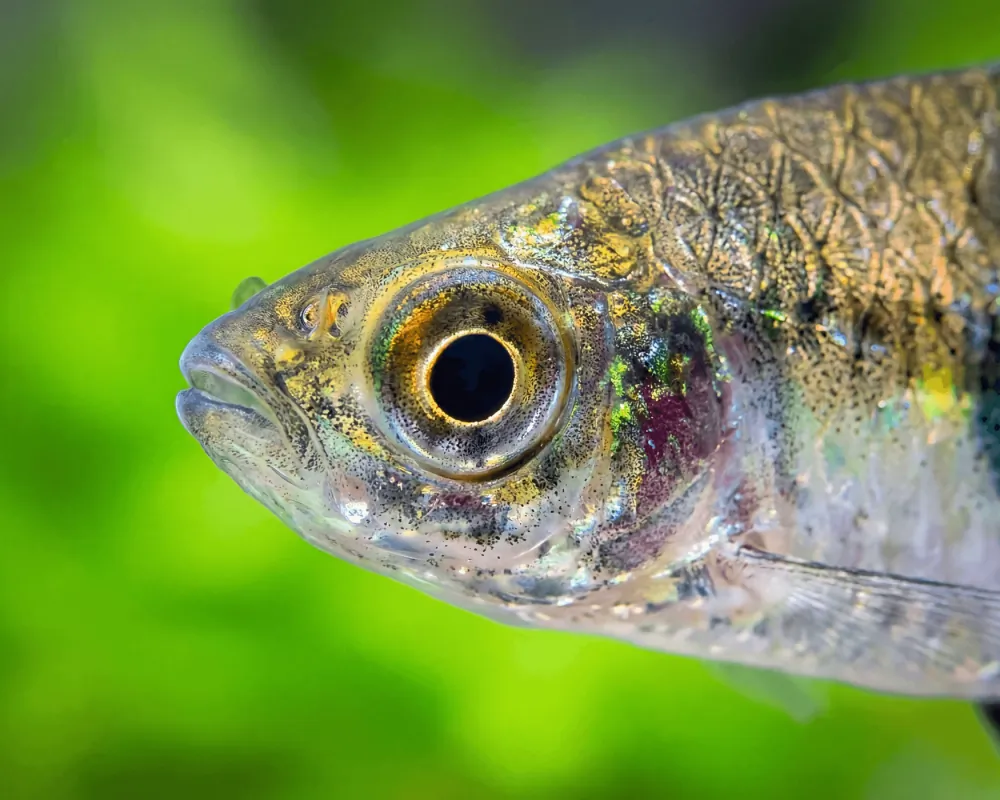
    The Green Dwarf Barb (Pethia canius) is a captivating, peaceful micro-fish native to the densely vegetated waters of India and Bangladesh. Known for its shimmering golden-green scales and distinct black spots, this active schooling cyprinid adds life and vibrant color to any well-planted nano or community aquarium.
  • Tetraodon nigroviridis (Green Spotted Puffer)

    Difficult
    Arowana
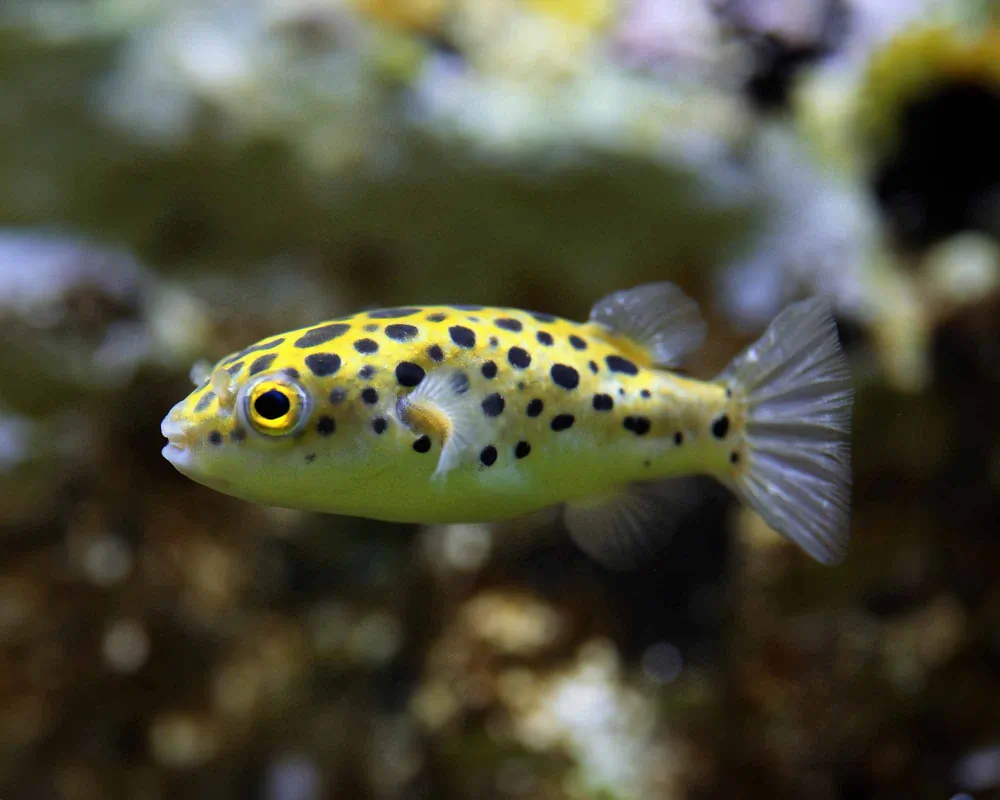
    Hailing from the coastal estuaries of Southeast Asia, the Green Spotted Puffer is a highly intelligent and interactive fish. Famous for its vibrant green-yellow coloration and distinct black spots, this brackish-water species demands specialized care but rewards dedicated aquarists with its unique, puppy-like personality and fascinating hunting behaviors.
  • Leporinus affinis (Banded Leporinus)

    Moderate
    Arowana
    The Banded Leporinus (Leporinus affinis) is a striking, torpedo-shaped freshwater fish native to the vibrant rivers of South America. Known for its bold black and yellow stripes, this active and intelligent species adds a dynamic presence to large aquariums, captivating aquarists with its unique head-down swimming behavior and energetic personality.