It’s time to help contribute for biggest aquarium gallery online

SUBMIT HEREVIEW GALLERY

Gnathonemus petersii (Elephant Trunk Fish)

Overview

The Elephant Trunk Fish (Gnathonemus petersii) is an extraordinary freshwater species beloved by oddball fish enthusiasts. Known for its unique appearance and high intelligence, this fish uses a weak electrical field to navigate, communicate, and find food in murky waters. Its brain-to-body mass ratio is remarkably high, comparable to that of humans.

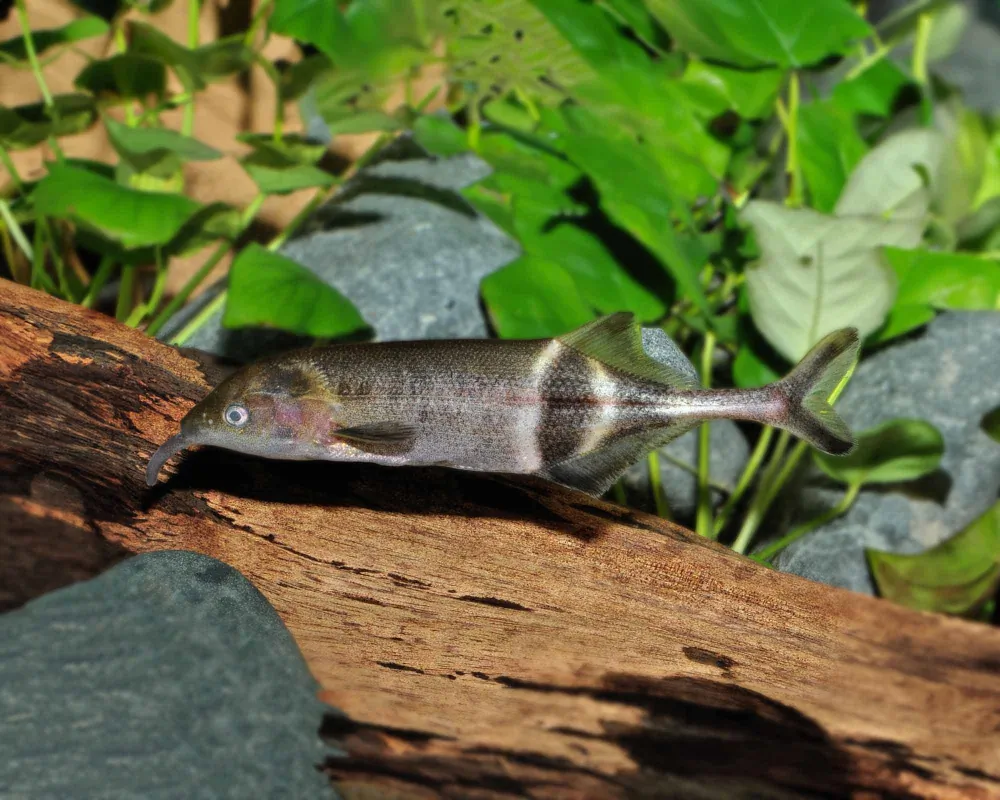
Image of elephant trunk fish gnathonemus petersii

Distribution and Habitat

This species is native to the heavily vegetated, slow-moving rivers and muddy basins of West and Central Africa, primarily found in the Niger and Congo river basins. They inhabit dark, murky waters where visibility is low, relying on their electroreceptors rather than eyesight to survive.

Description of Elephant Trunk Fish

Body shape:

They possess an elongated, laterally compressed body that is somewhat stiff, making them less flexible than many other fish.

Color:

The body is generally dark brown to grey or black, featuring two prominent vertical white or silvery stripes located between the dorsal and anal fins.

Barbels:

They lack traditional barbels; instead, they have their characteristic trunk-like extension.

Snout:

The "trunk" is actually an elongated extension of the lower jaw, known as a Schnauzenorgan. It is highly sensitive, packed with electroreceptors, and used for rooting through the substrate for food.

Eyes:

Their eyes are relatively small and offer poor vision, an adaptation to their dark, turbid natural habitats.

Fins:

The dorsal and anal fins are set far back on the body, positioned almost symmetrically opposite each other, closely preceding the tail.

The Tail:

The caudal peduncle is very narrow, leading to a deeply forked, V-shaped tail fin.

Temper

They are generally peaceful towards other species but can be highly territorial and aggressive toward their own kind or similarly shaped fish. They are best kept singly unless housed in a massive aquarium.

Sociality

While peaceful with different species, they do best in community tanks with quiet, non-aggressive tank mates. Avoid keeping them with aggressive eaters or highly active, boisterous fish that might outcompete them for food or cause stress.

Activity

Elephant Trunk Fish are primarily nocturnal. They will spend most of the day hiding in caves, pipes, or dense vegetation, becoming highly active foragers during the evening and night.

Keeping and Caring for Elephant Trunk Fish

Tank size:

Due to their adult size and active swimming habits, a minimum tank size of 200 liters (about 50 gallons) is required for a single specimen.

Water Parameters:

They are sensitive to water quality and require pristine conditions. Regular water changes are essential.

Temperature

Maintain the water temperature between 23-28°C (73-82°F).

pH

They prefer slightly acidic to neutral water, ideally between 6.5 and 7.2.

Hardness

Soft to moderately hard water is best, ranging from 5 to 15 dGH.

Ammonia, Nitrite, Nitrate

Ammonia and Nitrite must always be at 0 ppm. Nitrates should be kept strictly below 20 ppm, as they are scaleless and highly sensitive to poor water quality and medications.

Lighting

Dim or subdued lighting is strongly recommended to mimic their natural habitat and encourage daytime activity.

Water flow

A gentle to moderate water flow is ideal, avoiding overly turbulent conditions.

Decorations and Plants

A soft, sandy substrate is absolutely mandatory to prevent damage to their delicate trunk. Provide plenty of hiding spots using smooth rocks, driftwood, PVC pipes, and dense live plants.

Diet

They are carnivorous bottom-feeders. In the aquarium, they heavily prefer live or frozen foods such as bloodworms, blackworms, brine shrimp, and daphnia. They rarely accept dry flakes or pellets.

Some Feeding Tips

Since they are nocturnal, it is best to feed them just before turning the aquarium lights off or shortly after. Ensure competitive tank mates do not steal their food before they can find it.

Breeding

Breeding the Elephant Trunk Fish in a home aquarium is considered nearly impossible. They rely on complex environmental cues, including seasonal flooding and specific electrical field interactions, to trigger spawning, which has not been successfully replicated by hobbyists.

Conclusion

The Elephant Trunk Fish is a truly unique and rewarding pet for the experienced aquarist. While they require specific care, a soft substrate, and specialized feeding, their incredible intelligence and fascinating behaviors make them a standout centerpiece for a specialized community tank.
Fish info

Care level: Moderate - Difficult
Temperament: Semi-aggressive
Adult size: 20-25 cm
Life expectancy: 6-10 years
Fish type: Elephantfish
Temperature : 23-28°C
pH: 6.5-7.2
Color Form: Black, Brown, Grey
Leave your comments
Lastest on Fishs
  • Garra rufa (Kangal Nibble Fish)

    Moderate
    Elephantfish
    Famous worldwide as the "Doctor Fish" used in spa treatments, the Kangal Nibble Fish is a fascinating, active bottom-dweller native to the Middle East. In the aquarium, they are prized for their peaceful nature, constant grazing on algae, and unique, highly engaging behaviors.
  • Melanotaenia trifasciata (Banded Rainbowfish)

    Easy - Moderate
    Elephantfish
    The Banded Rainbowfish, also known as the Jewel Rainbowfish, is a stunning, active schooling fish native to Northern Australia. Renowned for its dazzling, location-specific color variations and peaceful nature, it brings vibrant energy to any large community aquarium. Captive-bred specimens (DNZ) are particularly hardy and adaptable to home aquariums.
  • Hyphessobrycon bentosi (White Fin Ornate Tetra)

    Easy
    Elephantfish
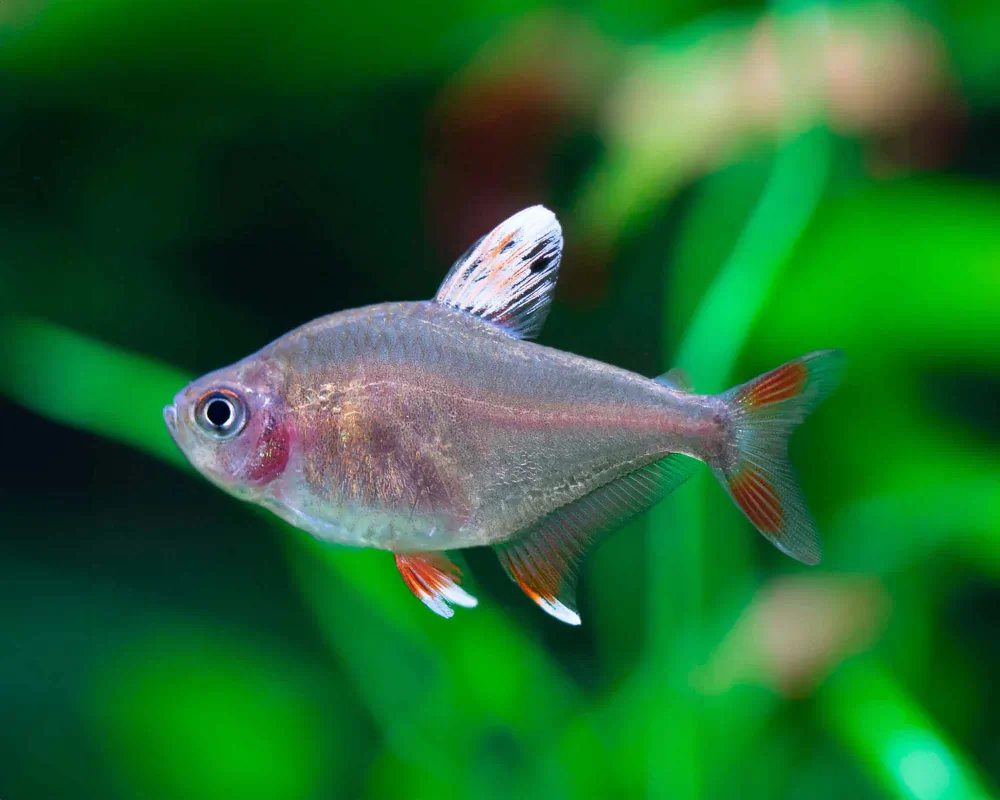
    The White Fin Ornate Tetra, a stunning captive-bred variant of the classic Jewel Tetra, is prized for its striking white-tipped fins and rosy-silver body. Native to the Amazon basin, this peaceful, schooling species brings active charm and vibrant contrast to heavily planted community aquariums.
  • Hyphessobrycon bentosi (Jewel Tetra)

    Easy
    Elephantfish
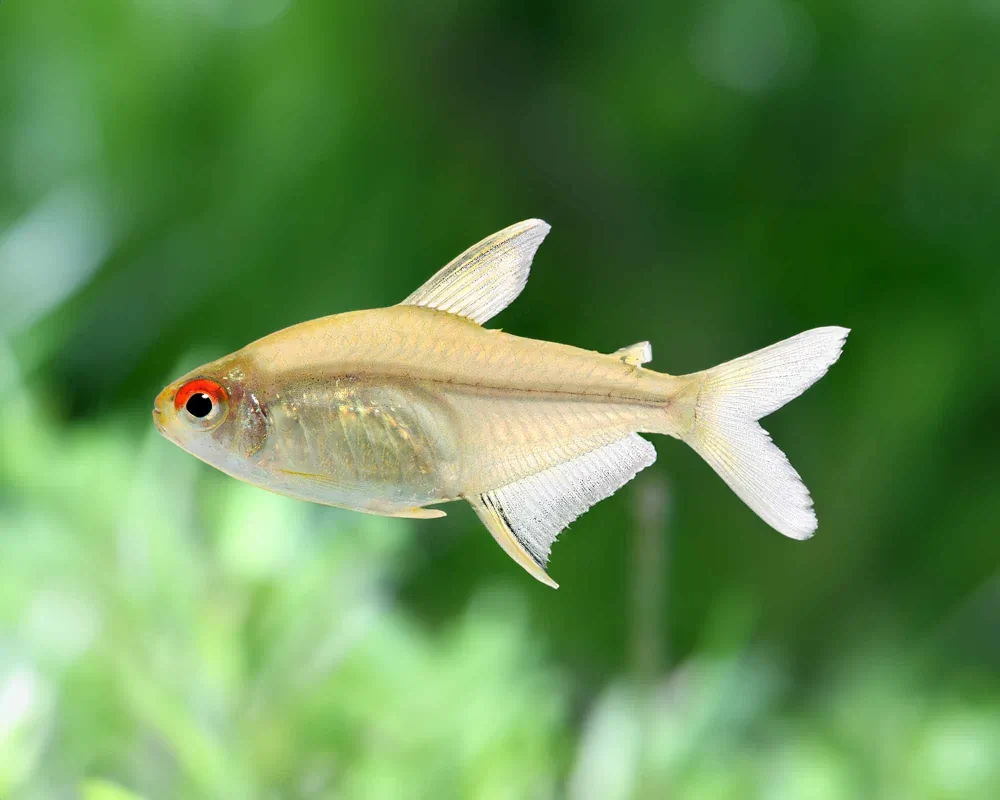
    Originating from the Amazon basin, the Jewel Tetra (Hyphessobrycon bentosi) is a captivating, peaceful schooling fish. Known for its striking finnage and energetic behavior, it thrives in planted aquariums. Its hardiness and striking appearance make it a highly popular choice for both beginner and experienced aquarists alike.
  • Hyphessobrycon bentosi (Jewel Tetra)

    Easy
    Elephantfish
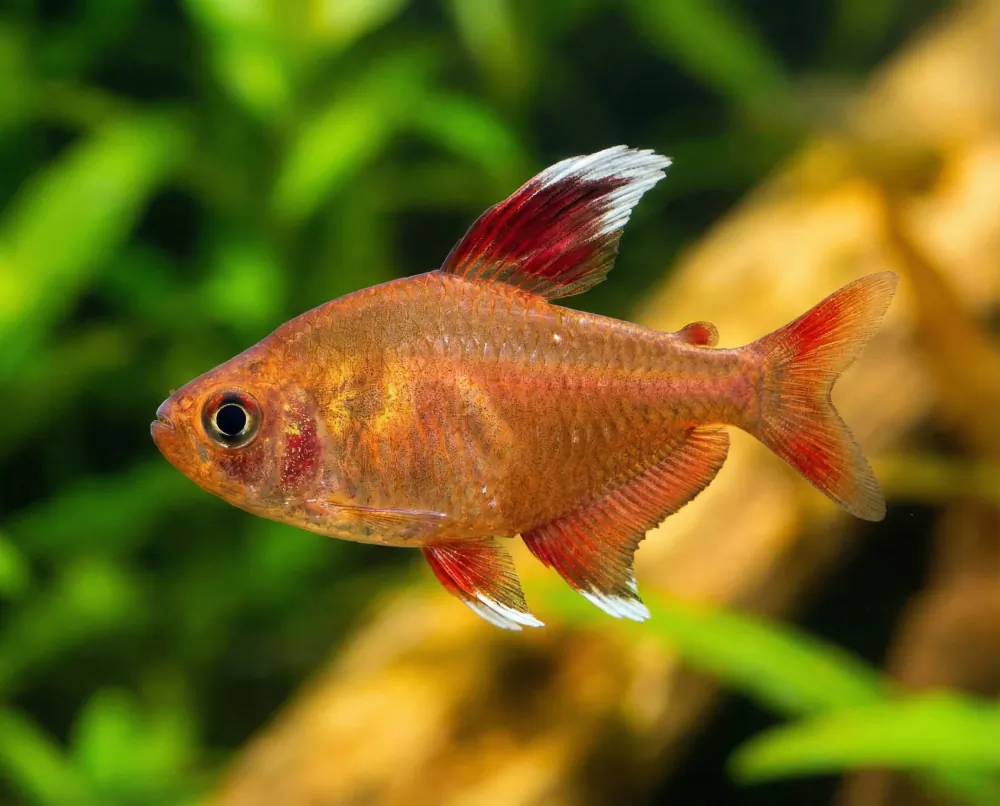
    The Jewel Tetra (Hyphessobrycon bentosi), often captive-bred for optimal health, is a stunning freshwater fish native to the Amazon basin. Known for its deep, rosy-red body and striking white-tipped fins, this peaceful schooling fish adds vibrant color and lively, yet gentle, activity to any planted community aquarium.
  • Pseudomugil ivantsoffi (Ivantsoff's Blue Eye)

    Moderate
    Elephantfish
    Hailing from the pristine rainforest streams of West Papua and Papua New Guinea, Ivantsoff's Blue Eye is a captivating micro-predator. Known for its energetic schooling behavior and stunning neon-blue eyes contrasting with a vibrant golden-orange body, this peaceful nano fish is highly sought after by planted aquarium enthusiasts.
  • Carinotetraodon travancoricus (Pea Puffer)

    Moderate
    Elephantfish
    Endemic to the Western Ghats of India, the Pea Puffer (Carinotetraodon travancoricus) is a highly popular, fully freshwater micro-predator. Despite their tiny size, these intelligent fish boast massive personalities. Known for their helicopter-like swimming and insatiable appetite for pest snails, they make captivating additions to heavily planted, species-only aquariums.
  • Parambassis ranga (Indian Glass Perch)

    Moderate
    Elephantfish
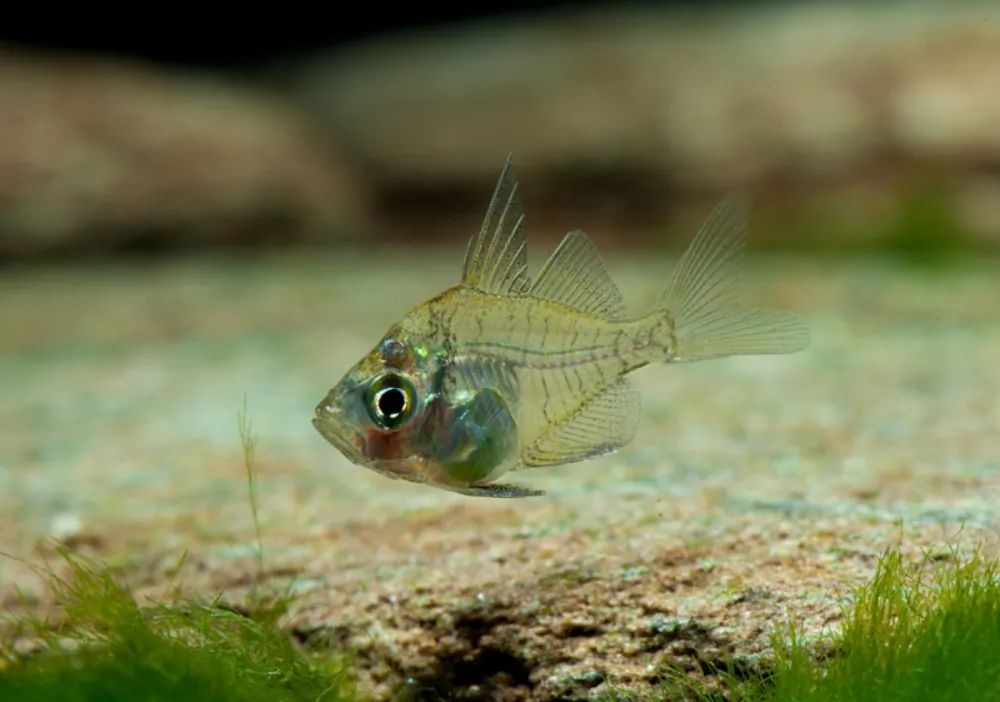
    The Indian Glass Perch, native to South Asia, is a captivating schooling fish famous for its remarkably transparent body that reveals its internal organs. Peaceful but somewhat shy, this unique species adds a fascinating, ghostly elegance to freshwater and slightly brackish aquariums, making it highly popular among dedicated aquarists.
  • Ctenolucius hujeta (Hujeta Pike Characin)

    Moderate
    Elephantfish
    The Hujeta Pike Characin, or Freshwater Barracuda, is a fascinating predatory fish native to South America. Known for its elongated, gar-like body and stealthy hunting behavior, it is a popular rarity among advanced aquarists. Despite its fearsome appearance, it is relatively peaceful with appropriately sized tank mates.
  • Dermogenys pusillus (Half Billed Pike)

    Moderate
    Elephantfish
    The Half Billed Pike, or Wrestling Halfbeak, is a fascinating surface-dwelling livebearer native to Southeast Asia. Known for its unique elongated lower jaw and the males' combative 'wrestling' behavior, this slender fish adds dynamic top-level activity to planted or slightly brackish aquariums, captivating aquarists with its distinctive appearance.
  • Hyphessobrycon hyanuary (Costello Tetra)

    Easy
    Elephantfish
    The Costello Tetra, scientifically known as Hyphessobrycon hyanuary, is a peaceful and active schooling fish native to the Amazon basin. Known for its subtle greenish-gold lateral stripe and distinctive black tail spot, this hardy tetra is a popular and undemanding choice for community aquariums.
  • Pethia canius (Green Dwarf Barb)

    Easy
    Elephantfish
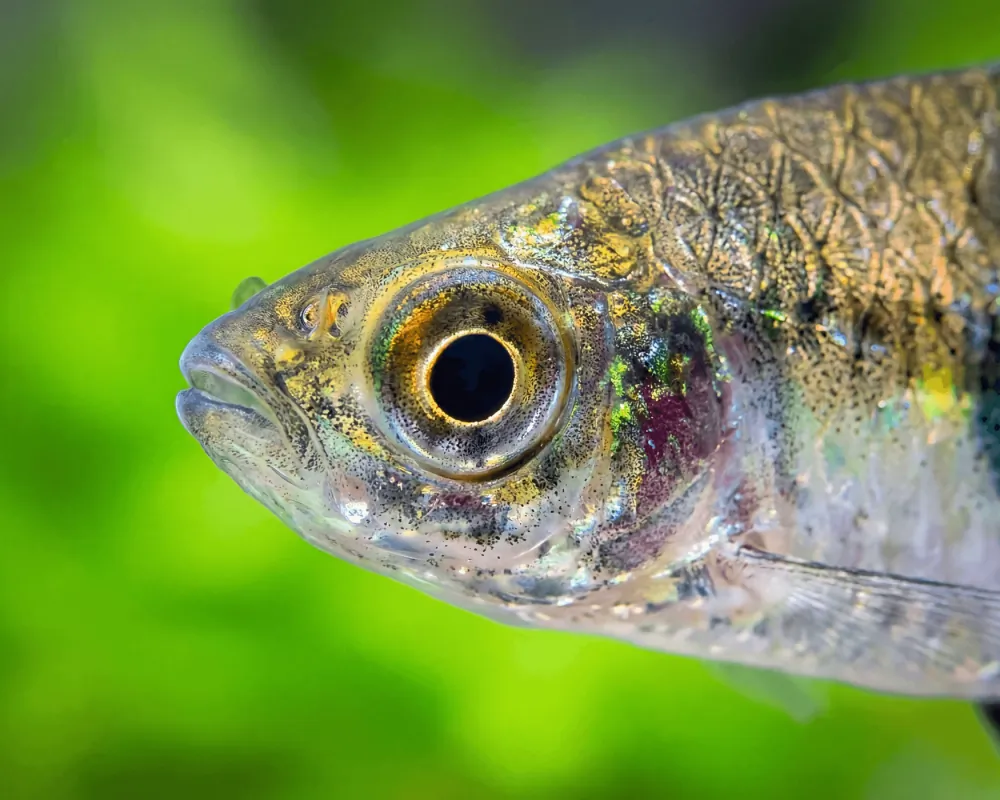
    The Green Dwarf Barb (Pethia canius) is a captivating, peaceful micro-fish native to the densely vegetated waters of India and Bangladesh. Known for its shimmering golden-green scales and distinct black spots, this active schooling cyprinid adds life and vibrant color to any well-planted nano or community aquarium.
  • Tetraodon nigroviridis (Green Spotted Puffer)

    Difficult
    Elephantfish
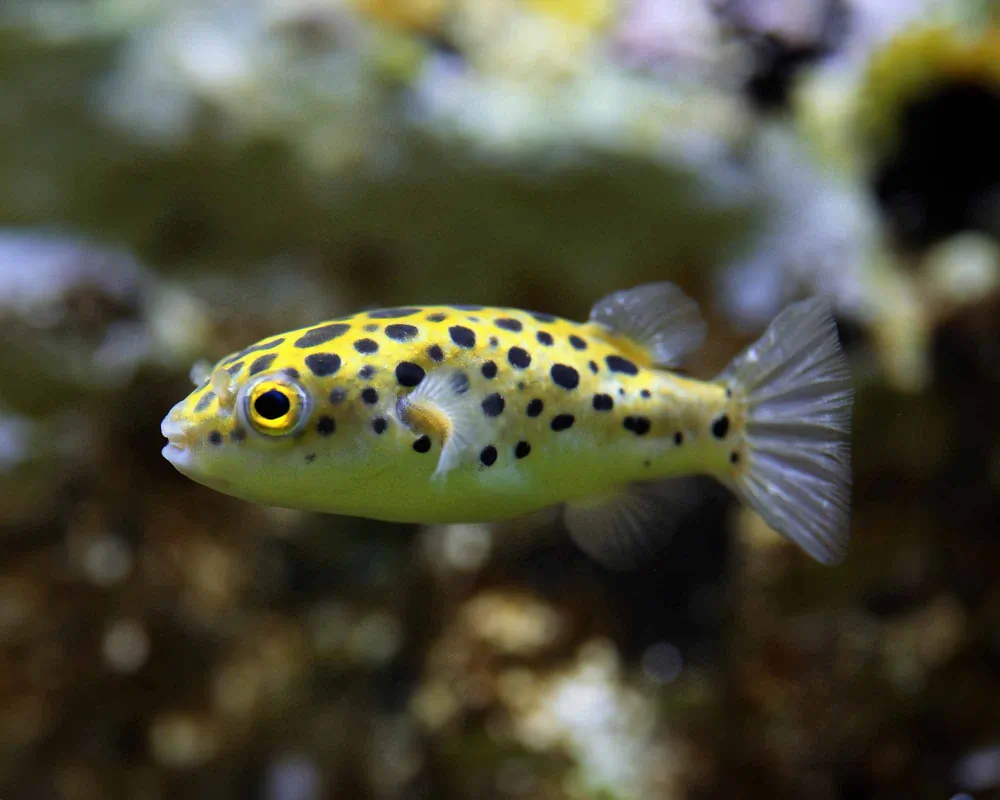
    Hailing from the coastal estuaries of Southeast Asia, the Green Spotted Puffer is a highly intelligent and interactive fish. Famous for its vibrant green-yellow coloration and distinct black spots, this brackish-water species demands specialized care but rewards dedicated aquarists with its unique, puppy-like personality and fascinating hunting behaviors.
  • Leporinus affinis (Banded Leporinus)

    Moderate
    Elephantfish
    The Banded Leporinus (Leporinus affinis) is a striking, torpedo-shaped freshwater fish native to the vibrant rivers of South America. Known for its bold black and yellow stripes, this active and intelligent species adds a dynamic presence to large aquariums, captivating aquarists with its unique head-down swimming behavior and energetic personality.
  • Epalzeorhynchos frenatum (Green Fringe Lark / Rainbow Shark)

    Moderate
    Elephantfish
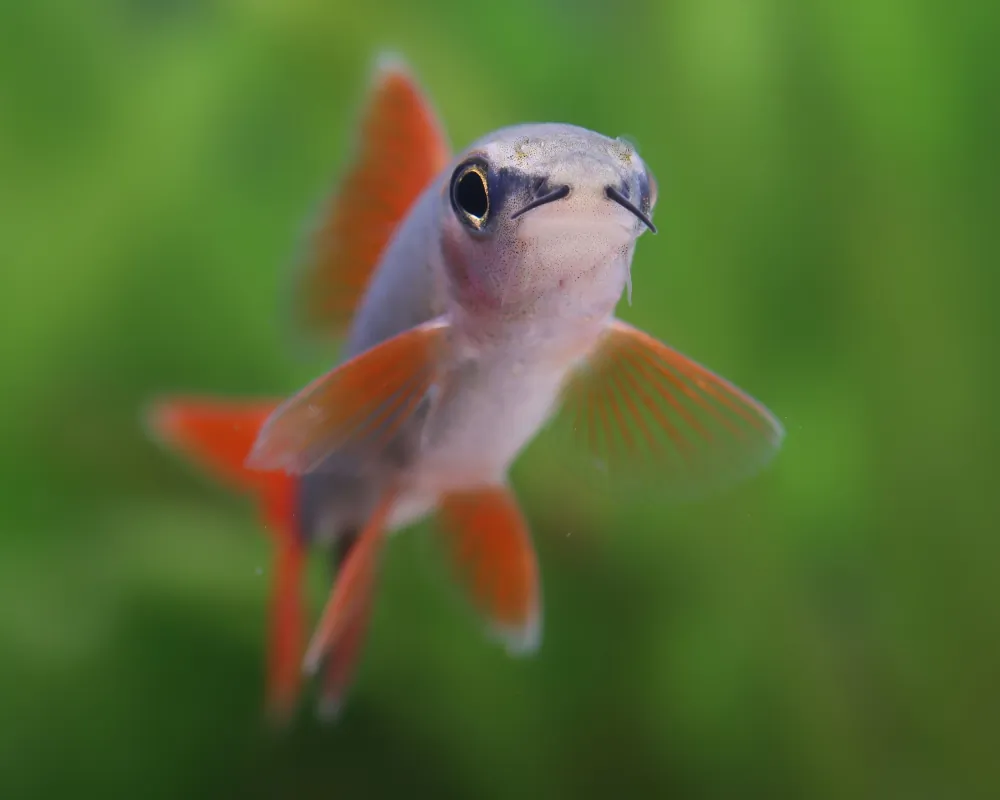
    The Green Fringe Lark, widely known as the Rainbow Shark, is a striking freshwater cyprinid native to Southeast Asia. Famous for its vibrant red fins contrasting against a dark body, this semi-aggressive bottom-dweller brings dynamic activity to large aquariums, though its territorial nature requires careful tank mate selection.
  • Tetraodon mbu (Mbu Pufferfish)

    Expert Only
    Elephantfish
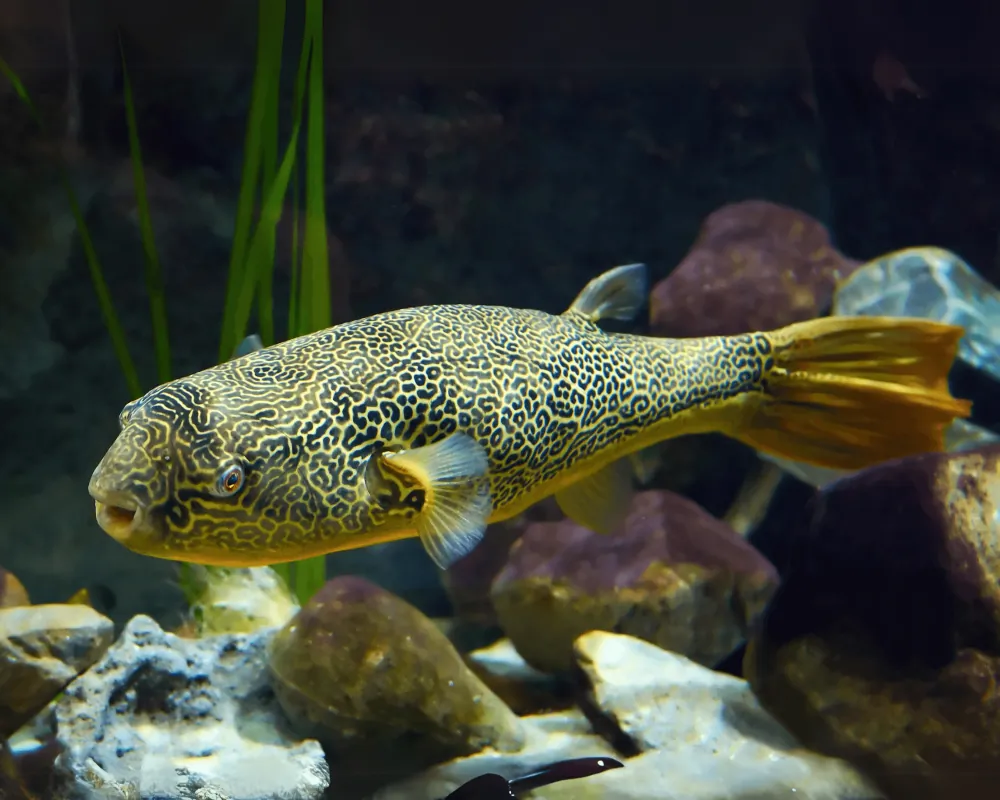
    The Mbu Pufferfish, native to the Congo River basin, is a true freshwater giant known for its striking maze-like patterns and highly intelligent, interactive personality. Due to their massive adult size and specialized diet, they are highly sought after but require expert care and enormous aquariums to thrive.