AquaLibs presents AquaRank Discover the world’s leading aquascapers

Explore transparent rankings built from published results across the world’s leading aquascaping contests.

[TheStoriesOfTop7] TURO DE L'HOME - Bernat Hosta Rovira / ANDORRA - IAPLC 2018

The 6th place (Bronze Prize) in the world ranking was awarded to "TURO DEL'HOME" by Mr.Bernat Hosta from Andorra. It is a great work that appears like a painting. Three judges selected this aquascape as their best aquarium. Their comments are listed below:

IAPLC 2018 Gallery - Look back history - World Ranking 0006 - Bronze Prize

TURO DE L'HOME

Author: Bernat Hosta Rovira / ANDORRA

Aquarium Size/W90×D50×H43(cm)

Aquatic Plants

Hemianthus callitrichoides 'Cuba'

Micranthemum sp.

Rotala rotundifolia

Bucephalandra sp.

Ceratopteris pteridoides

Cryptocoryne parva

Cryptocoryne petchii

Hydrocotyle tripartita

Eleocharis parvula

Anubias barteri var. nana "Pangolino”

Anubias barteri var. nana

Fish & Invertebrates

Trigonostigma espei

AWARDS

World Ranking 0006 Bronze Prize IAPLC 2018

1st Place AGA 2018 Aquatic Garden 120~200L 

Comments

I checked the mailbox in the morning and Surprise !!! There was the post notification from ADA Japan!! At that moment I knew I could have a very good rank, so I felt very proud and very satisfied. Since I couldn't go for the letter until afternoon, I spent all the day with different emotions and thinking, trying to be patient until then. Later, I went to pick up the letter from the post office being very nervous and anxious. Once I had the letter on my hands I wanted to share this moment with my two daughters who were waiting for me in the car. I gave it to my older daughter to open and read it for me because I was too excited to do anything. She was nervous and excited, too. To open this kind of envelop is not easy, and it becomes much more difficult when you are nervous. Finally she opened and read it and told us "6th"... It was an explosion of mixed emotions : happiness, pride and excitement for all. It was a special moment for me and my daughters that we immediately shared with my wife who was out of the city at that moment. Then I informed my aquascaper friends about it and enjoyed the fabulous news

Comment of Mr. Huang Yu-Fa (TAIWAN)

This layout has originality and it is particularly prominent among the top 127 layouts. The composition of the layout and the arrangement of the aquatic plants are delicate, and especially the colour of aquatic plants is expressed well. This is the layout that you can enjoy both in your eyes and heart as if you are seeing a certain land- scape, and you want to see it again and again. The patience of the creator can be seen in the layout. Taking advantage of his extensive knowledge of aquatic plants, he successfully makes the most of each plant's characteristics in the layout. I can also see confidence in his handling of the plants attached to the driftwood. They look just like tree leaves; a new and clever technique of expression. I gave my highest rating to this layout

Comment of Mr. David Boruchowitz (U.S.A.)

The contest entries always demonstrate the principles that Mr. Amano taught, including among others observing the Golden Ratio, exploiting perspective to create depth, attaching plants to rocks and wood, utilizing floating plant species as foreground substrate plants, and the use of differently colored soils and sands. My number one aquatic plant layout this year is an outstanding example of how these principles can recreate the beauty of Nature. At first glance one this layout resembles a photograph of a beautiful forest brook with birds flying over. But then you see that it is a painstakingly sculpted aquarium garden with a school of fish. The fish have the freedom of a detailed but open layout, a natural-like habitat. They can travel freely around the setup confident that there is always a nearby plant into which they can dive if they feel threatened. The "stream" divides the layout into the Golden Ratio. This concept, which is found in many places in Nature, provides a balance without the boring symmetry of a design divided exactly in half. Stones, wood, and plants are meticulously placed to give the illusion of great depth. Close inspection reveals an extremely careful arrangement of sticks with smaller and smaller diameters to represent tree trunks, and in the far background the sticks become extremely thin and are then replaced by very small plants. The view seems to go for kilome- ters to the horizon. Central is a "pool" or widening of the stream. This clever trompe l'oeil is created by a small mirror, and the effect is the perfect crowning touch. Although I scored this layout the highest, there were several extremely close behind, and the overall quality of the entries was stupendous

Comment of Mr. Armando Miguel Alves (BRAZIL)

I identify myself with this work of art. The state of nature portrayed here shows the image of great harmony and calmness in the tree shadows of the beautiful valley, and even in the existence of a lake! The fish floating above it look as if they were birds flying in a clear blue sky. Taking a look at the composition, I can tell how happy the artist was about the composition of this beautiful painting because the harmonious balance of its components is perfect. I even believe that this is the most beautiful layout I have ever evaluated to this day! It has a clean design, a breathing area, and synchronization of images and colors, giving it a real special effect. In my opinion, when an artist wants to 'imprint' his skills and knowledge on a work as diverse as this, he thinks of an image and portrays it in a drawing. But when he materializes this image into a real aquarium, there are so many variables, such as growth of the plants, the size of the fish, the balance of the water, the sand, the lighting, etc. The artist's talent is evident. Going through so many simultaneous events, the cold drawing turns into a warm, living realization of his imagination with enriched details and his admiration for the creatures. It is a privilege to be part of an event like this even in a coadjuvant role, and to admire great works before many others will do. Congratulations to the artist of this work!

Comment from Jeff Miotke

Exceptional skill in recreating this scene. Planting is very strong to reinforce the overall feel. Great job!

Comment from Dennis Wong

Execution is outstanding. Plant textures and placement fits the perspective work and sense of scale perfectly.

Comment from André Longarco

This work is almost perfect. A diorama. I liked the look and feel of the layout very much. It looks like an enchanted forest. The strong point of this work was the sensitivity of the author to work magnificently the trunks and crowns of the trees. Sensational masterwork. The bushes and shrubs were also very well represented. They seem real. The only caveat I make in this masterpiece is the back part where I believe the pebbles could be replaced by plants or have a smoother more natural skyline. Awesome work.


Comment from Karen Randall

I think you did an amazing job replicating the terrestrial painting you chose. And what a marvelous tribute to a wonderful man! This is a fresh new look at the “woodland” aquarium. The detail is wonderful it is light and bright and uses a lovely variety of plants rather than the moss and Buce that we see in so many darker woodland scapes. Well done!
Leave your comments
Latest on News & Press
  • Analyse Spain aquascapes at IAPLC 2026, then explore the country’s results, contributing creators and competition history on AquaRank Nations.

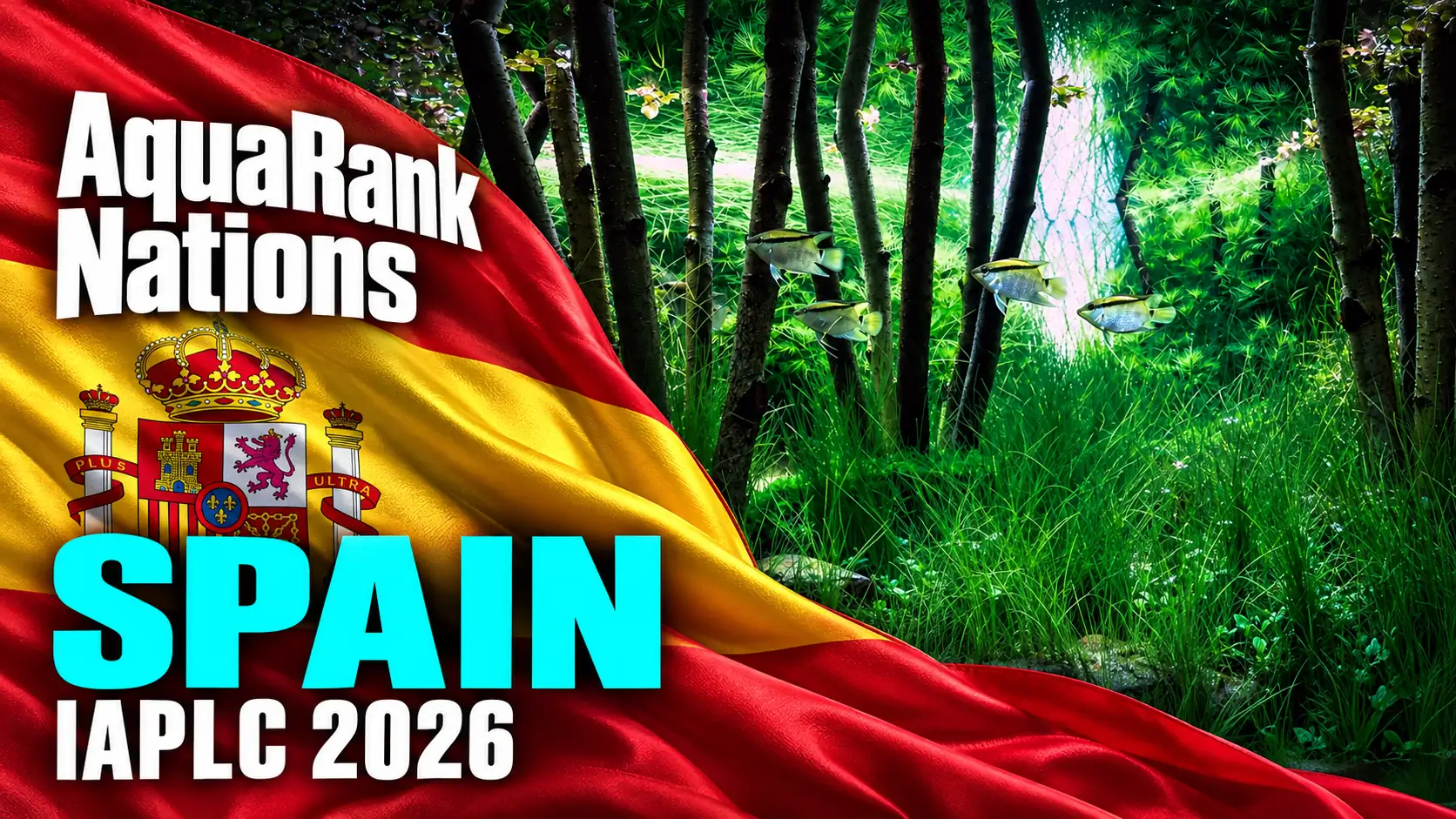
    Spain at IAPLC 2026: Roberto Buenadicha’s Forest and the Space Between Trunks

    Roberto Buenadicha’s aquarium is the only Spanish work in the published ranks 1–300. Its slender dark trunks, fine green planting and conspicuous pale fish make it a rewarding individual study. This instalment returns to the older Spain introduction through one photograph, keeping the scope small enough for the evidence available.
  • Analyse France aquascapes at IAPLC 2026, then explore the country’s results, contributing creators and competition history on AquaRank Nations.

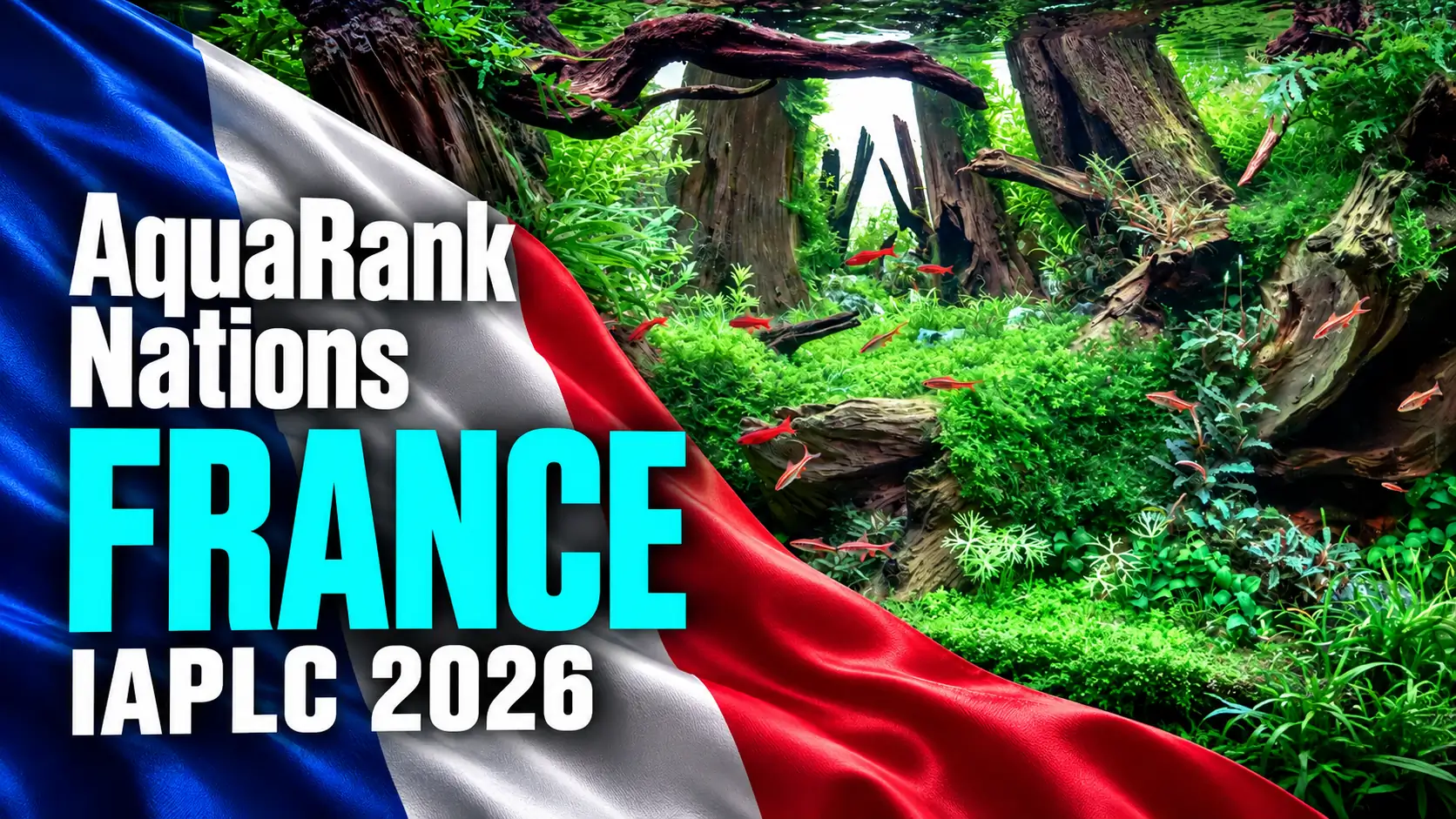
    France at IAPLC 2026: A Close Reading of Jean Christophe Grosset’s Woodland

    Only one French work appears in the published ranks 1–300. That gives this instalment a different task: a close reading of Jean Christophe Grosset’s aquarium, with the older country introduction as context. The photograph deserves attention for its own wood, planting and fish relationships, rather than being made to represent every French aquascaper.
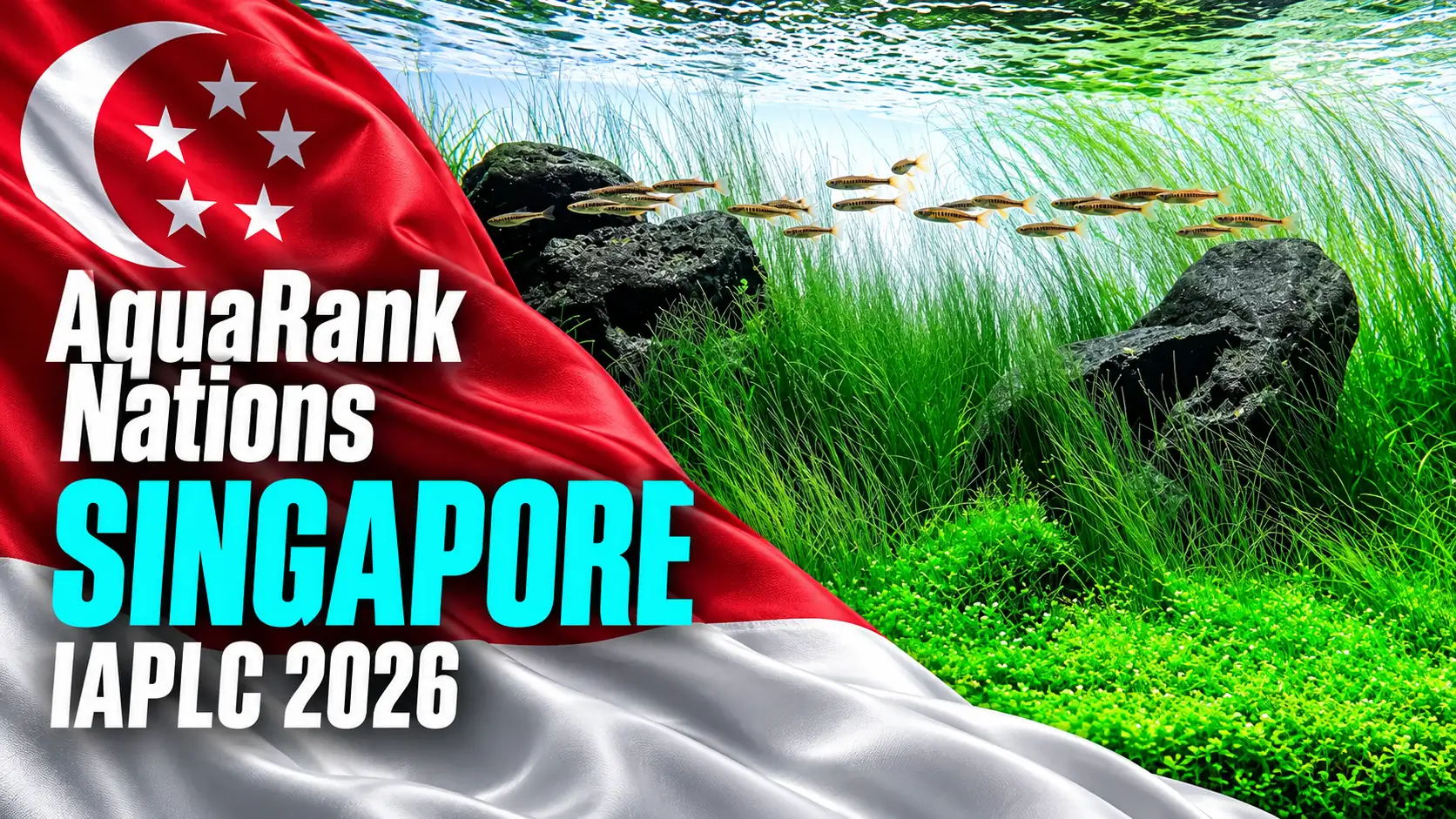
  • Analyse Singapore aquascapes at IAPLC 2026, then explore the country’s results, contributing creators and competition history on AquaRank Nations.

    Singapore at IAPLC 2026: Open Stone and an Enclosed Planted Passage

    Two Singaporean works appear in the published ranks 1–300, and they offer an unusually clear contrast. One makes open water and two main stones central; the other encloses a small rear opening within dense planting and roots. The pair is useful precisely because it does not support one simple visual label.
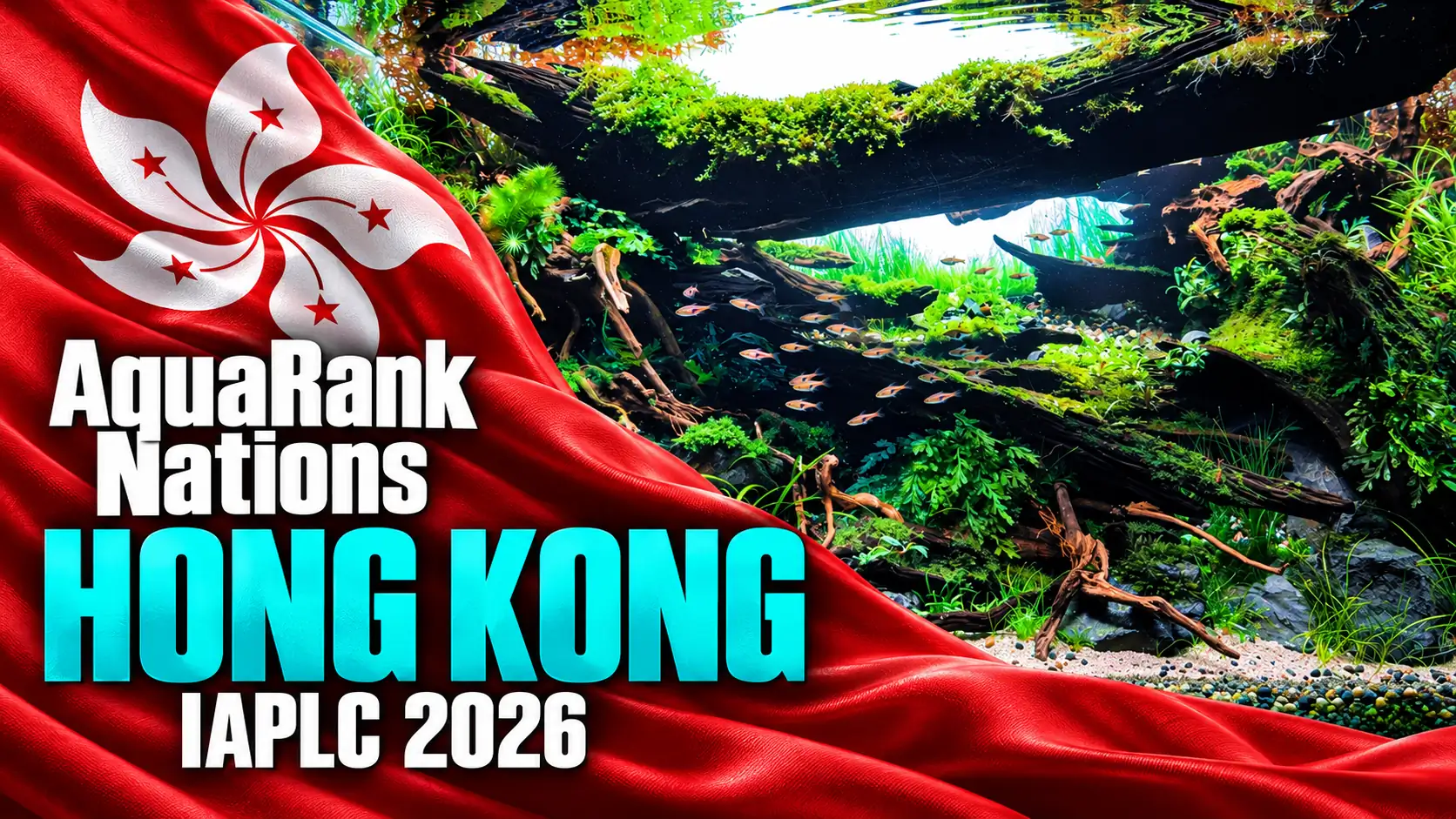
  • Analyse Hong Kong aquascapes at IAPLC 2026, then explore the country’s results, contributing creators and competition history on AquaRank Nations.

    Hong Kong at IAPLC 2026: Three Studies in Light, Layers and Visual Impact

    A low timber ceiling, blue-toned terraces and converging planted diagonals create three visibly different aquariums. Hong Kong’s represented works at ranks 1–300 offer a compact study of visual impact beyond the season’s leading awards. Looking at them closely is more informative than treating the cutoff count as a verdict on an entire aquascaping community.
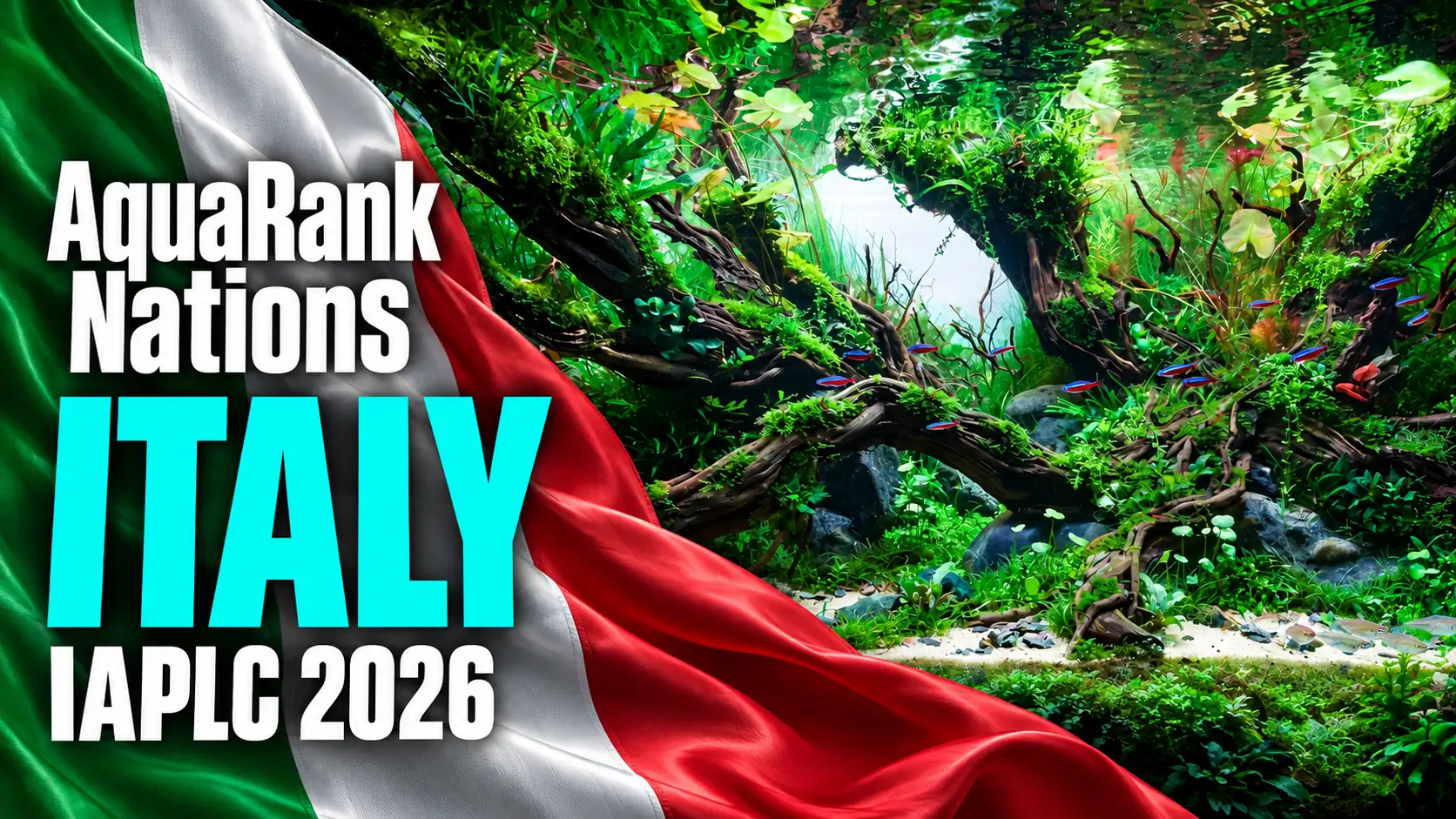
  • Analyse Italy aquascapes at IAPLC 2026, then explore the country’s results, contributing creators and competition history on AquaRank Nations.

    Italy at IAPLC 2026: Calm Routes and More Dramatic Planted Frames

    A clear route through planted banks can feel quiet; a coloured ridge beneath a dark frame can feel theatrical. The four Italian photographs selected for this study offer both experiences. Together, they make a useful contemporary comparison with an archive that once placed particular emphasis on calm, enduring-looking compositions.
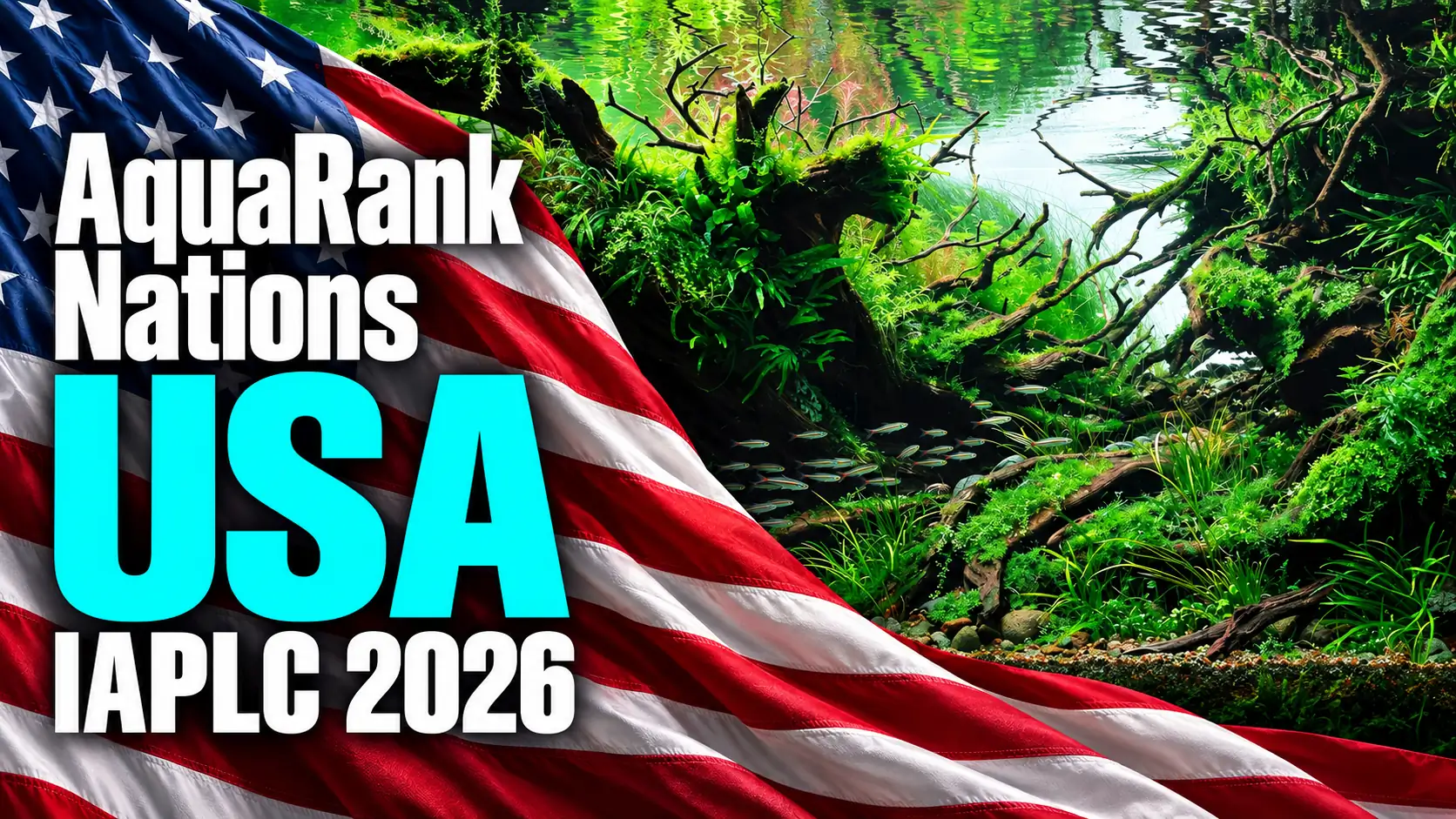
  •  Analyse United States aquascapes at IAPLC 2026, then explore the country’s results, contributing creators and competition history on AquaRank Nations.

    United States at IAPLC 2026: Four Distinct Readings of a Wooded Aquarium

    The four American photographs selected here all contain important wood structures, yet they do not produce one uniform wooded scene. A broad canopy, a low diagonal, a fine-leaved light window and an exposed timber subject organise attention differently. That variation lets us discuss design diversity through specific decisions rather than a broad national label.
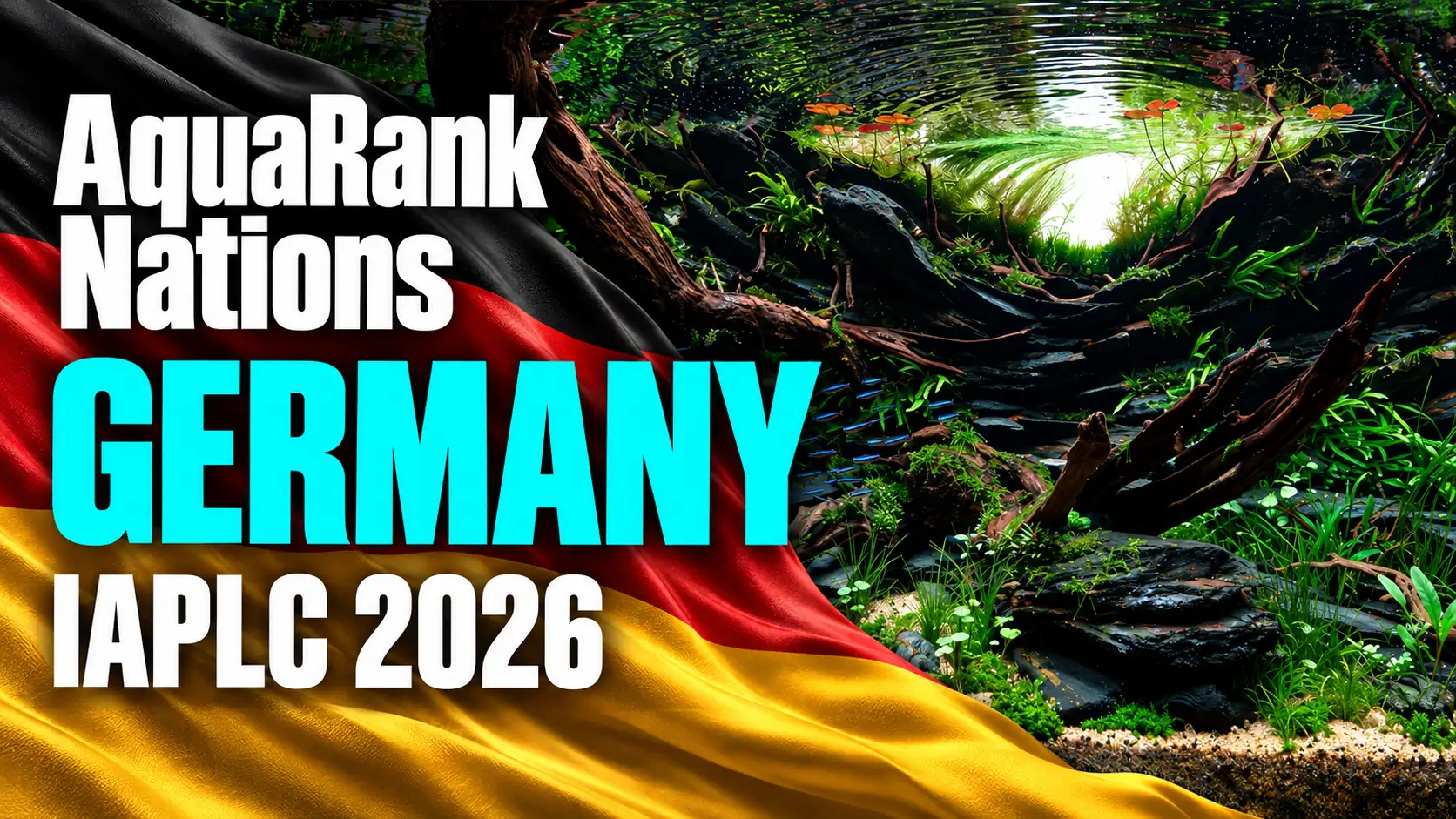
  • Analyse Germany aquascapes at IAPLC 2026, then explore the country’s results, contributing creators and competition history on AquaRank Nations.

    Germany at IAPLC 2026: Four Ways to Balance Hardscape and Open Water

    A dark wooded frame, a rocky valley, a brighter mixed scene and green-covered root contours make this German selection particularly useful for comparison. The photographs share an interest in separating materials from the water around them, but achieve it through different outlines and lighting relationships.
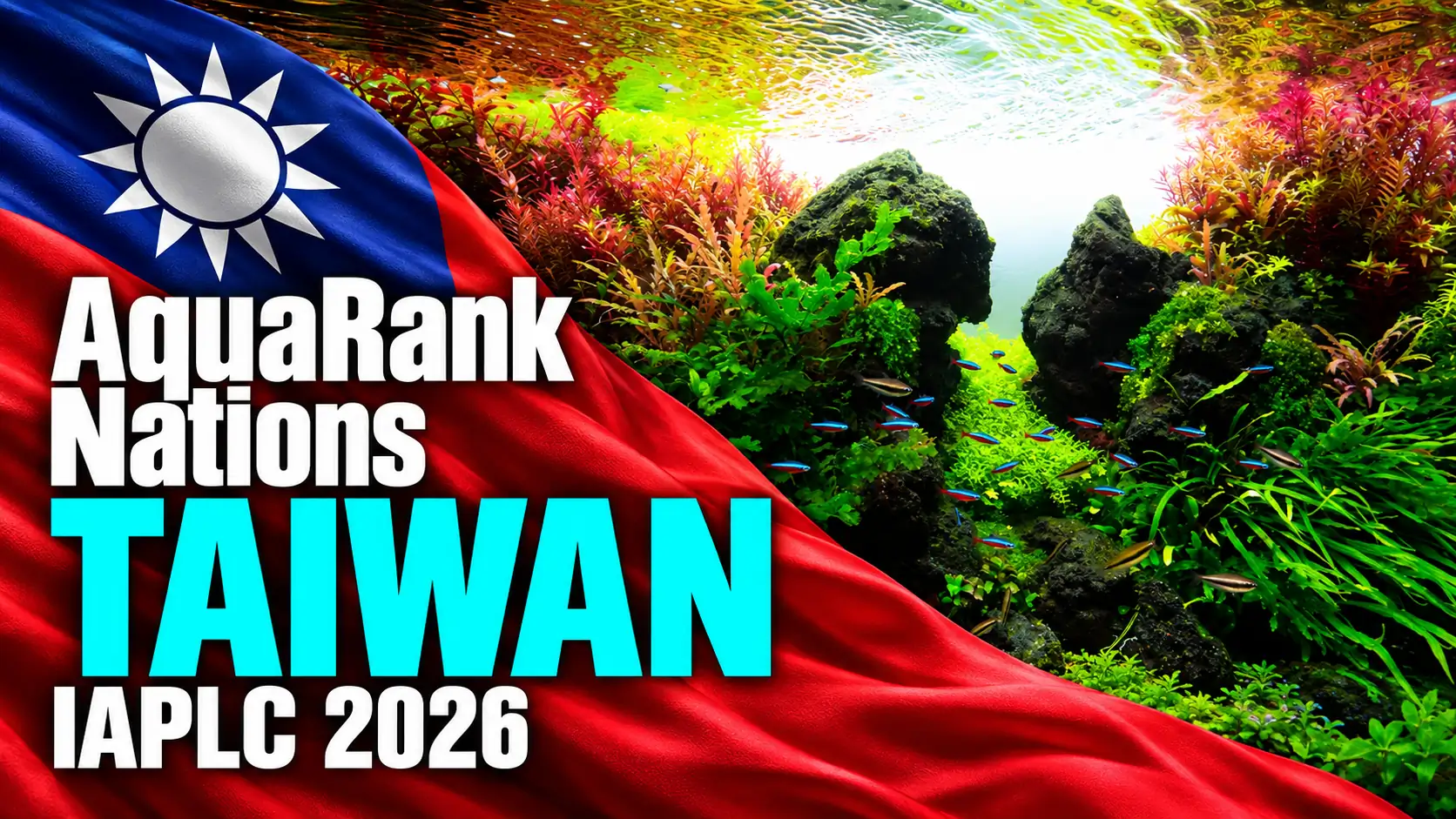
  • Analyse Taiwan aquascapes at IAPLC 2026, then explore the country’s results, contributing creators and competition history on AquaRank Nations.

    Taiwan at IAPLC 2026: Planted Contours and Changing Routes into Depth

    Dense foliage, planted wood ridges and a low central route create different senses of distance in this four-work selection. The photographs are particularly rewarding when viewed through changes in leaf shape and planting height. They offer a present-season comparison with an archive that once described both graceful composition and more contemporary experimentation.
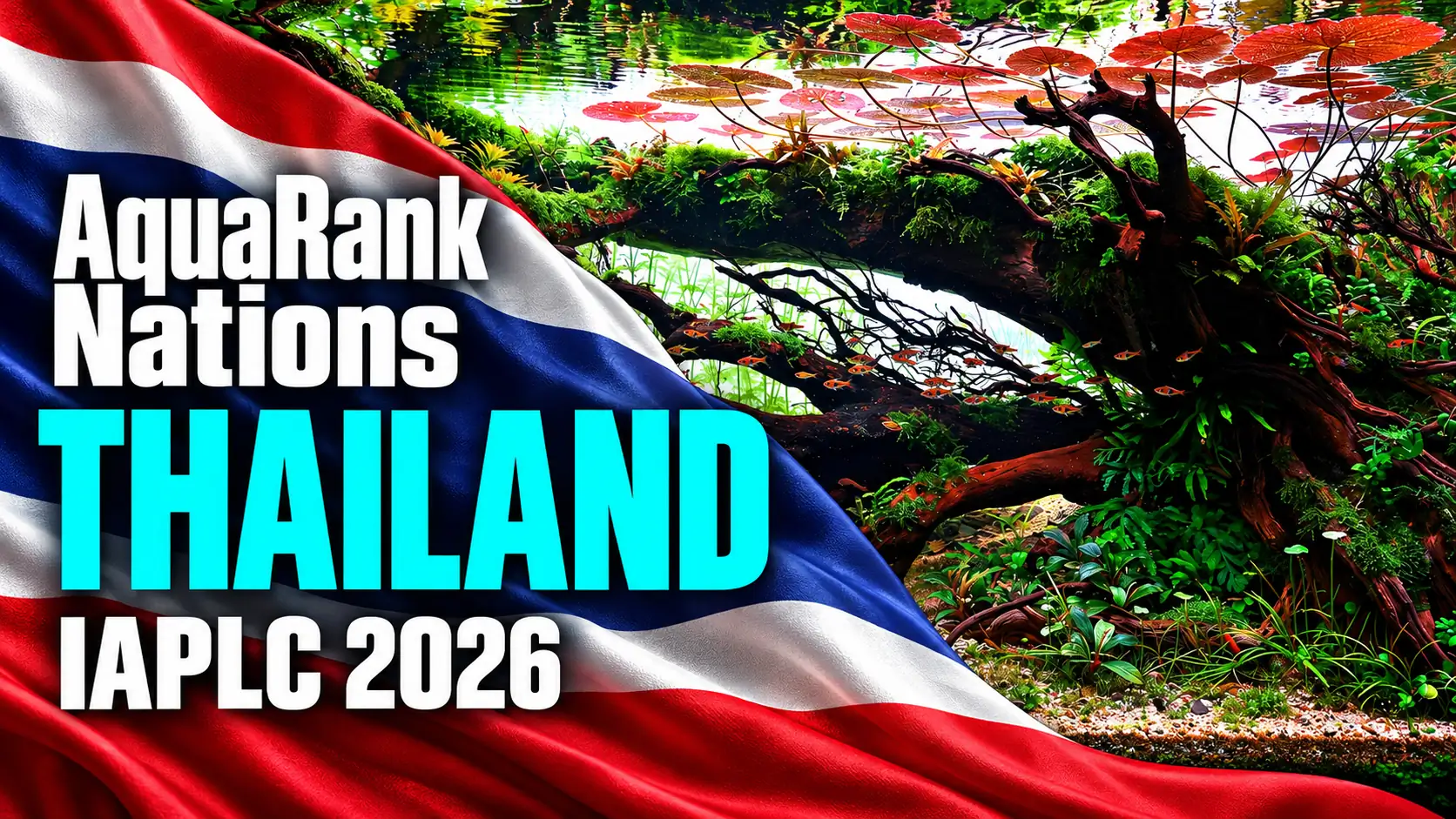
  •  Analyse Thailand aquascapes at IAPLC 2026, then explore the country’s results, contributing creators and competition history on AquaRank Nations.

    Thailand at IAPLC 2026: Surface Colour, Green Arches and Open Rockwork

    Three Thai aquariums in the published Top 300 present contrasting visual priorities. MAGIC LEAVES makes the water surface a signature; another work carries a route beneath planted arches; a third exposes rock peaks against rounded greenery. This small group gives a useful reason to look beyond the first shared award photograph.
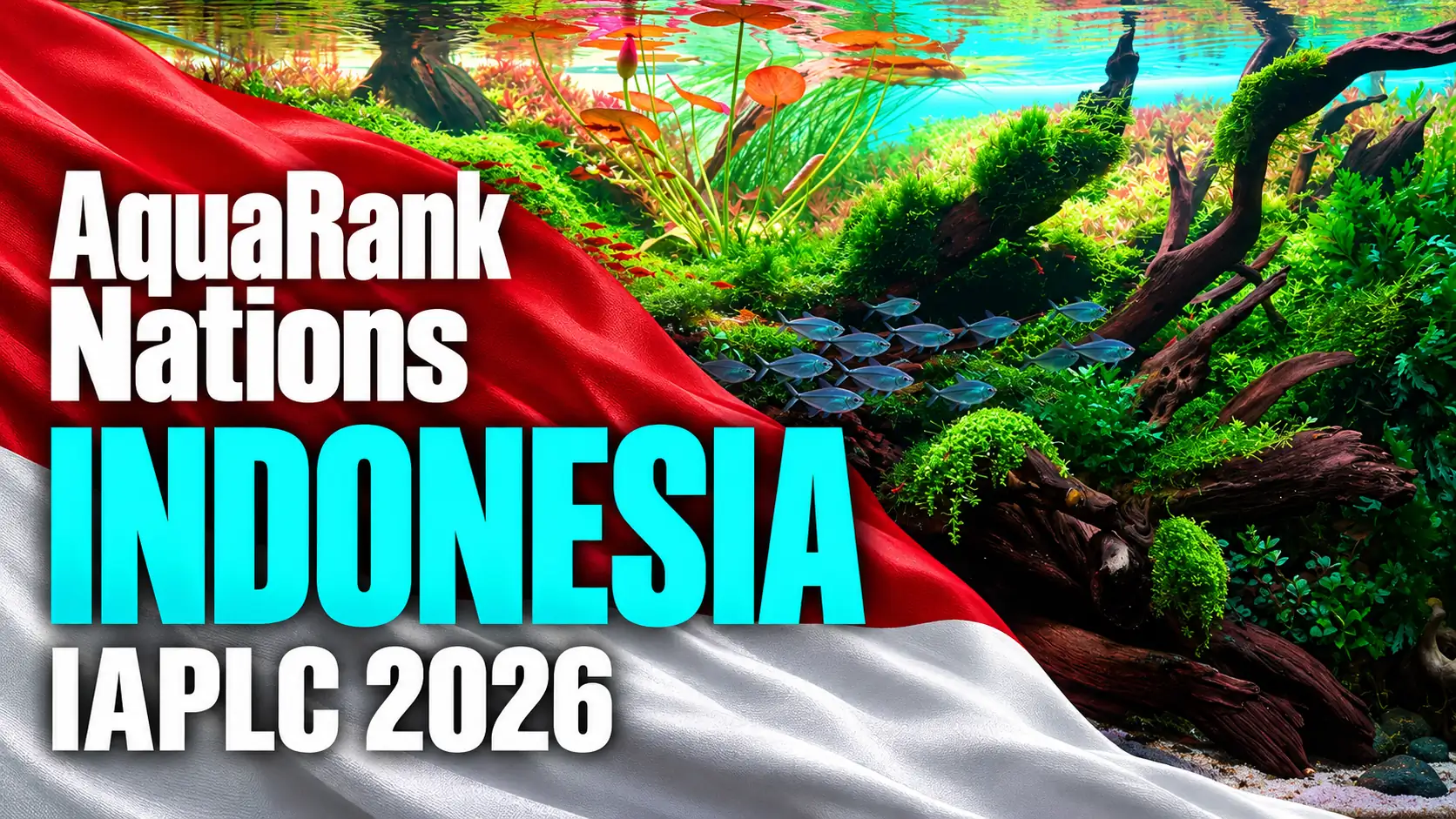
  • Analyse Indonesia aquascapes at IAPLC 2026, then explore the country’s results, contributing creators and competition history on AquaRank Nations.

    Indonesia at IAPLC 2026: Forest Craft Through Four Different Frames

    The four Indonesian works published at ranks 1–300 offer a compact comparison. A coloured surface canopy, a dominant trunk, a dense grove and a wood-and-rock opening all reward close attention. The small group makes it possible to examine every represented work in this range, while keeping the conclusions specific to this season and cutoff.
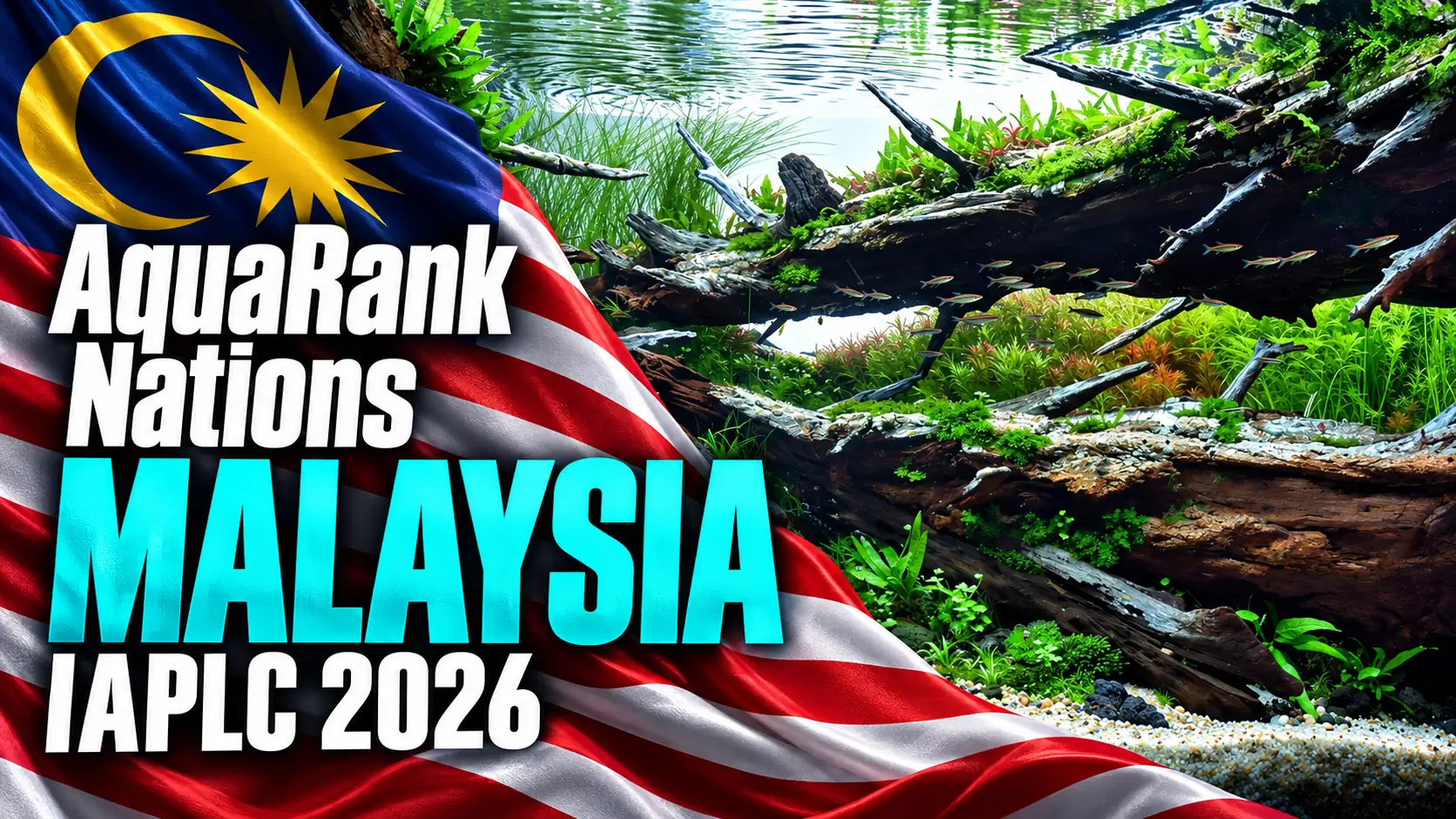
  • Analyse Malaysia aquascapes at IAPLC 2026, then explore the country’s results, contributing creators and competition history on AquaRank Nations.

    Malaysia at IAPLC 2026: Wood, Plant Texture and the Visual Role of Fish

    A bright gap between broad wood layers, a fine-leaved canopy and a conspicuous individual fish offer three different entrances to this Malaysian selection. The photographs invite attention to the space inhabited by fish as well as the hardscape around it. They also show why a creator’s reputation and a new aquarium’s visual decisions should be discussed separately.
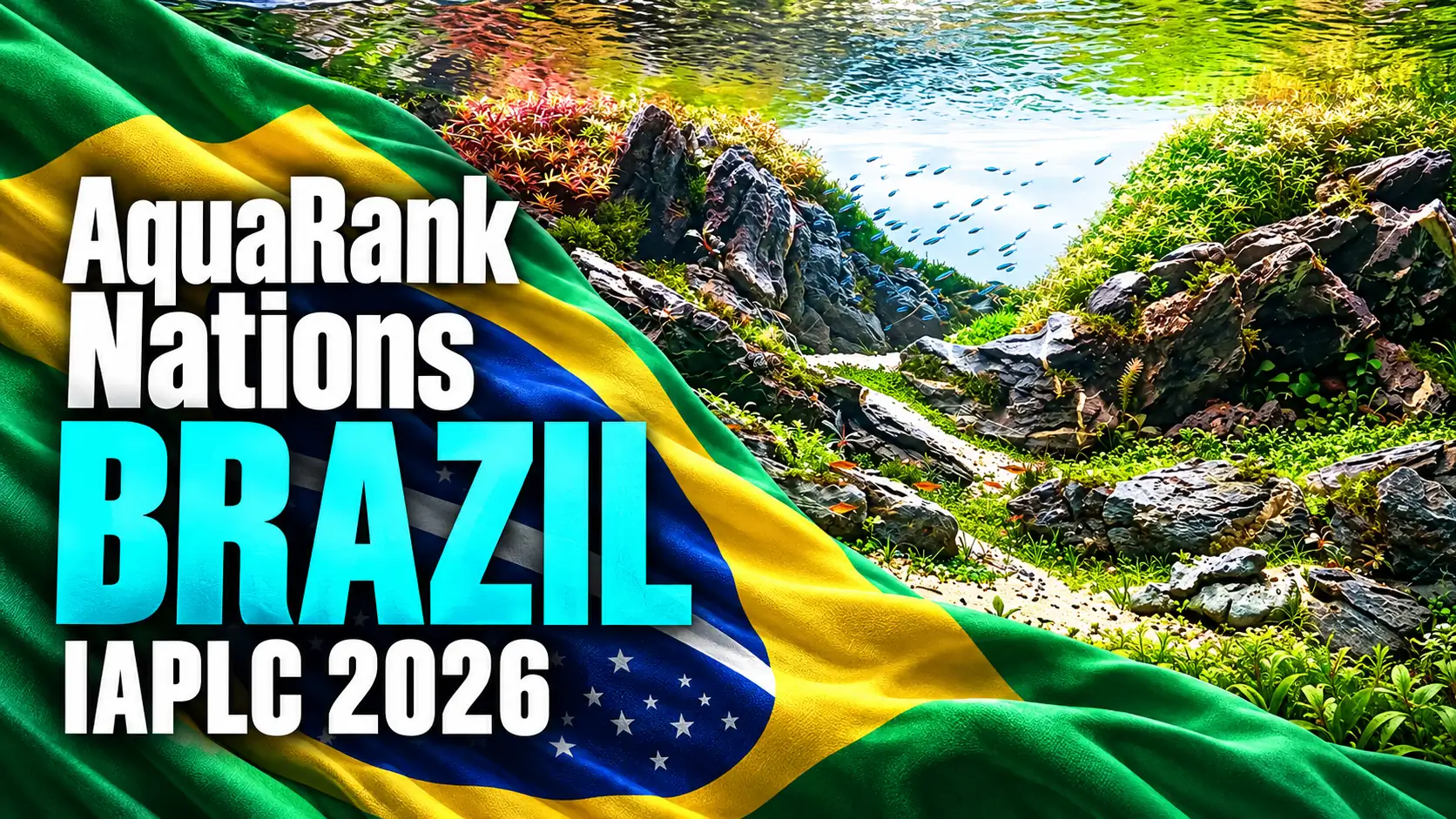
  • Analyse Brazil aquascapes at IAPLC 2026, then explore the country’s results, contributing creators and competition history on AquaRank Nations.

    Brazil at IAPLC 2026: Rock Landscapes and Wood Beyond the Familiar Label

    Enchanted Hills offers an immediately recognisable rock valley, with coloured planting and fish in bright water. Three other selected Brazilian photographs build their scenes around substantial wood. Seeing them together is a useful way to revisit a familiar label without asking individual creators to fit a single national recipe.
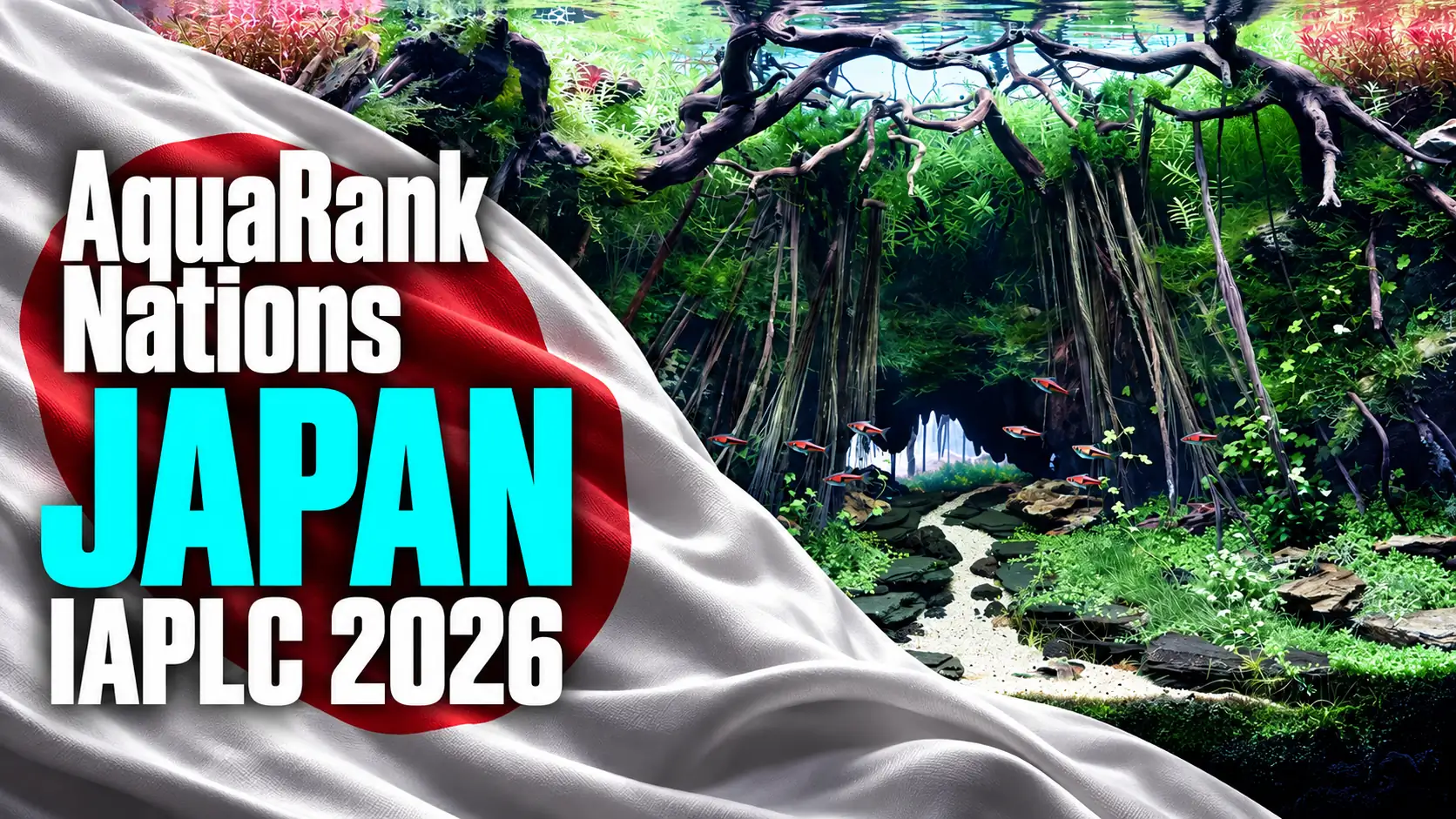
  • Analyse Japan aquascapes at IAPLC 2026, then explore the country’s results, contributing creators and competition history on AquaRank Nations.

    Japan at IAPLC 2026: Nature Aquarium and Many Contemporary Visions

    A pale path through hanging roots and a bright interval between exposed rocks can both make an aquarium feel spacious. Japan’s 2026 selection is rewarding because it places these different approaches beside richly planted foregrounds and coloured slopes. Six photographs offer a practical way to discuss variety within a familiar Nature Aquarium heritage.
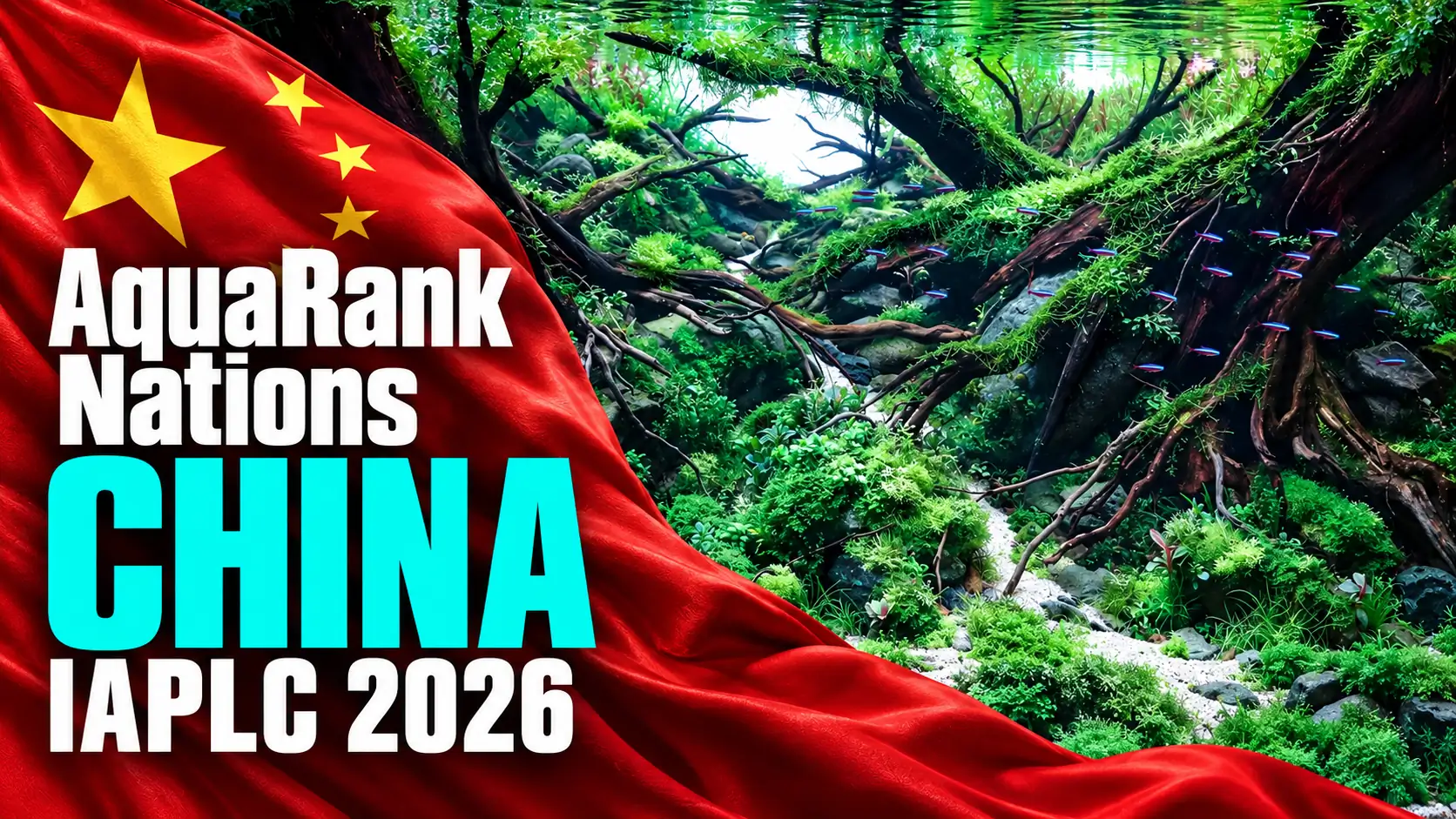
  • Analyse China aquascapes at IAPLC 2026, then explore the country’s results, contributing creators and competition history on AquaRank Nations.

    China at IAPLC 2026: How Layered Wood Creates Convincing Depth

    The Grand Prize photograph gives this study an obvious first stop, but the comparison becomes richer when it reaches beyond the winner. Six selected aquariums show different ways of framing light with wood: unequal trunks, fine leaf curtains, successive arches and repeated vertical roots. Their interest lies in how each arrangement keeps a densely constructed scene readable.
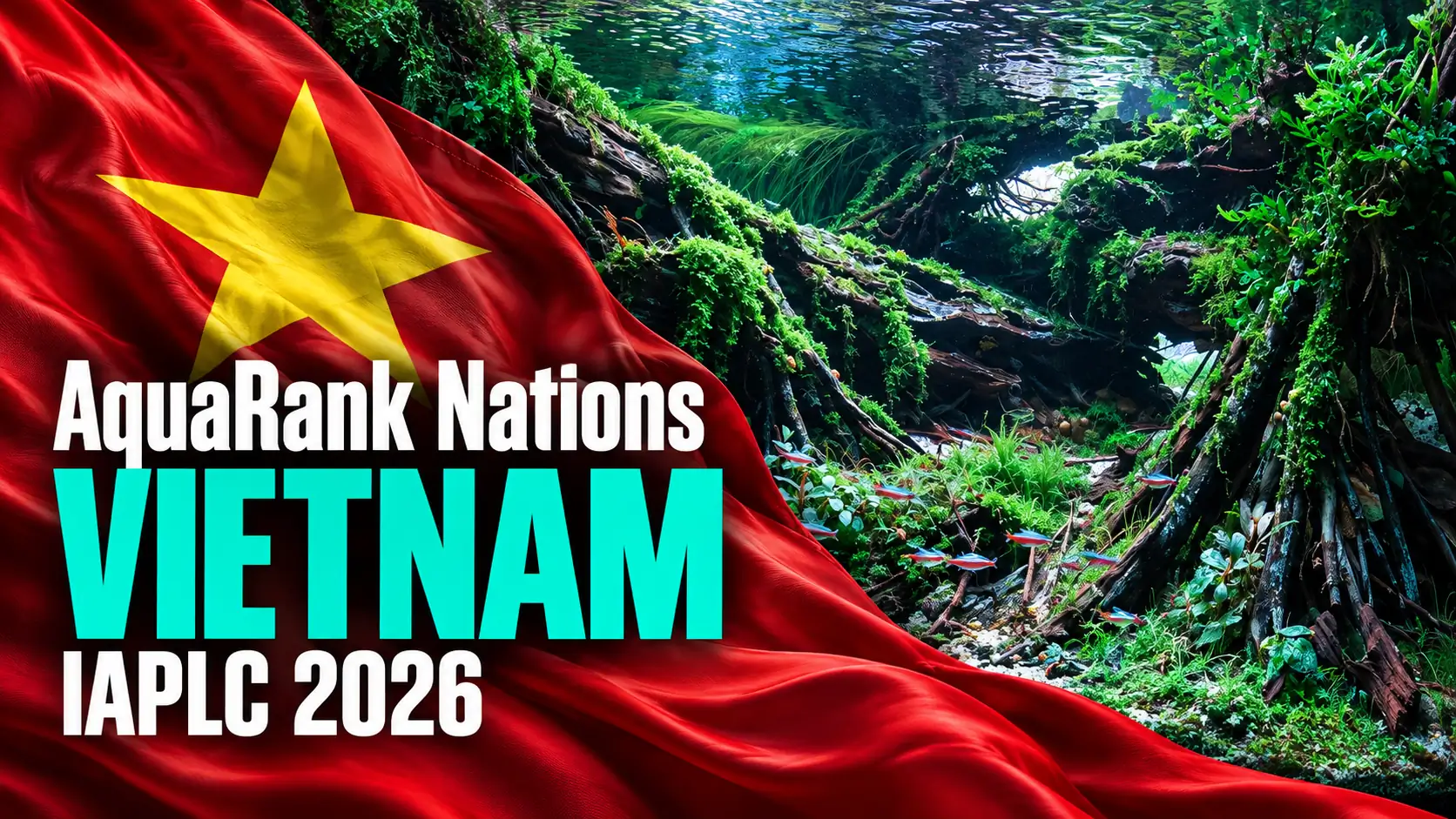
  • Vietnam at IAPLC 2026: Wood, Stone and a Broader Design Identity

    Vietnam’s two leading 2026 awards both invite us into wooded environments. That is an interesting starting point for revisiting an archive which once associated the country strongly with stone. The most useful reading is not that one material has defeated the other. Six selected photographs show several ways of organising planted ground, open water and the route into a scene.
  • Use the existing CIAC cover style with the wording “CIAC 2026 / OFFICIAL RESULTS / RANKINGS TO 119”. Use an actual contest photograph; do not claim “119 entries” or “full results”.

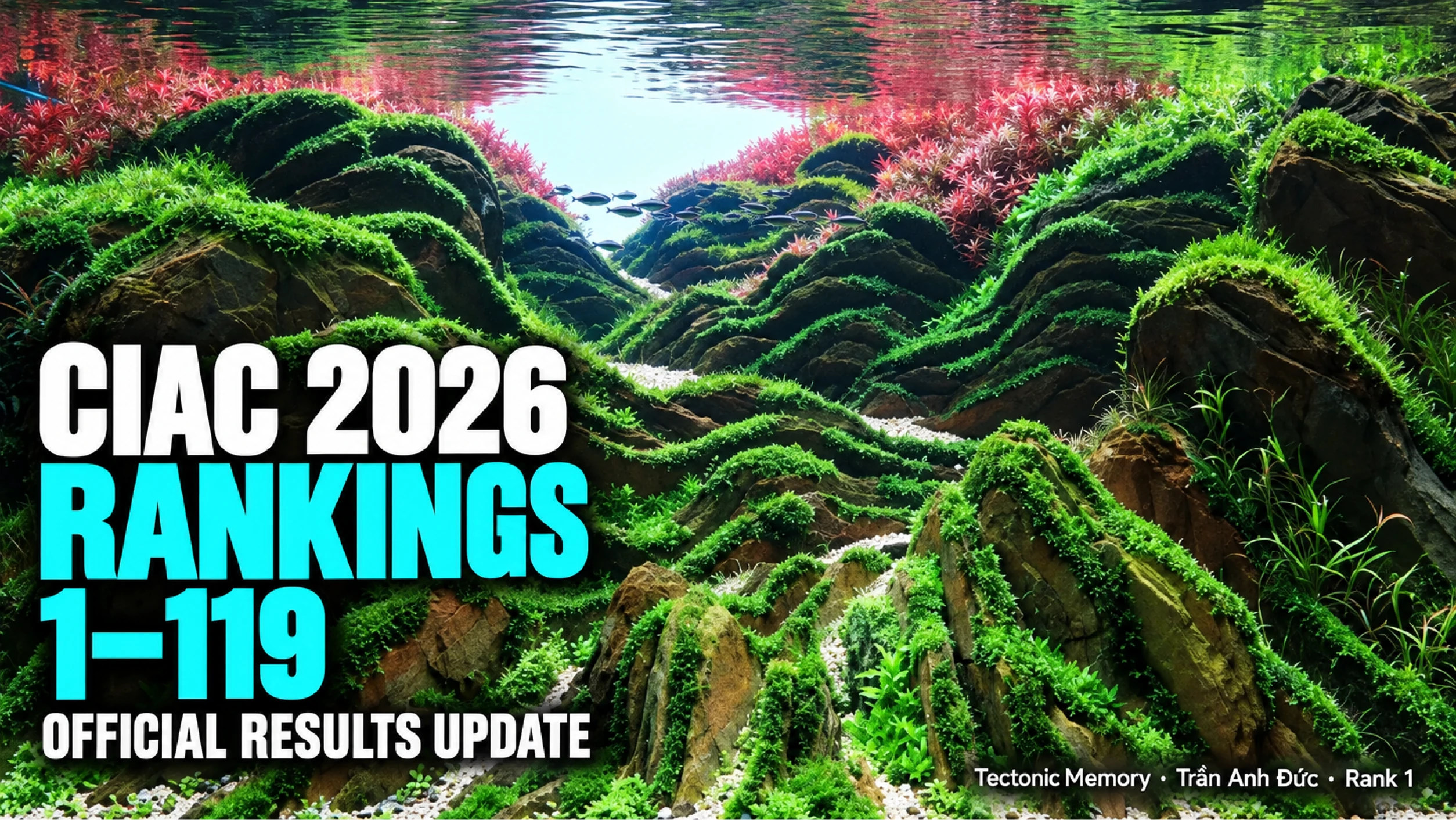
    CIAC 2026 Official Results Update: Rankings Extend to 119

    The CIAC 2026 Aquascaping Category results have received an official update. A results sheet distributed by the organising committee on 14 October lists ranks 14–119, extending the ranking information available beyond the image cards previously covered by AquaLibs.