AquaLibs presents AquaRank Discover the world’s leading aquascapers

Explore transparent rankings built from published results across the world’s leading aquascaping contests.

[TheStoriesOfTop7] Mighty Cave - Takayuki Fukada / Japan - IAPLC 2016

What is noteworthy about this work are the contrast between the unique-shaped rocks in front and the distant view at the back of it and the perspective emphasized by a white-sand trail leading towards the background. Furthermore, it is worthy of praise that the creator used a high-level originality to make this superb aquascape while using various conventional techniques including the expressions of sheer cliff and stone pillar, weeds and moss grown around them, and hanging vines. The fish species selected perfectly match the atmosphere of this layout.

Mr. Takayuki Fukada won the first place in the World Ranking with his "Mighty Cave". He won the Grand Prize for two consecutive years and this is the first successive victory in IAPLC history. Three judges chose this layout as their Best Aquarium and highly valued Mr. Fukada's outstanding layout formation and expressions. Another factor that made this layout stand out was the presence of fish as the main figure of aquascape. In this regard, the judges who selected this layout as Best Aquarium stated as follows:

IAPLC 2016 Gallery - Look back history - World Ranking 0001 - Grand Prize 

Mighty Cave

Author: Takayuki Fukada / Japan

Aquarium Size/W120×D60×H55 (cm)

Aquatic Plants

Bolbitis sp.

Hemianthus Callitrichoides "Cuba"

Fontinalis antipyretica

Vesicularia sp.

Riccardia chamedryfolia

Fissidens japonicus

Monosolenium tenerum

Fissidens fontanus

Lilaeopsis novae-zelandiae

Fish & Invertebrates

Kryptopterus bicirrhis

AWARDS

World Ranking 0001 Grand Prize IAPLC 2016

Comments

Each year when I receive the notice of IAPLC result, my heart beats so fast, I get restless and cannot open the envelope imme- diately. This year, too, I held the envelope under the light of a metal halide lamp and tried to see the results through the enve- lope, which has become like a ritual to me. It took quite a long time until I checked my ranking. When I saw the number "1" on the notice, I didn't understand what it was and even doubted that the number was actually "7" but it just looked like "1" because of the font used. And then, only when I saw the word "Grand Prize", I finally understood what happened to me. At the same time, I couldn't believe that I won the Grand Prize again this year and I got a little scared. This result was too heavy for me and it would take some time for me to digest it together with happiness. I feel immense gratitude towards my fellow hobbyists who pushed me to this height. My gratitude also goes to all the IAPLC participants from all over the world whom I can have friendly competition with. I could never achieve this result alone. Once again, I extend my deepest gratitude and appreciation to fellow hobbyists as well as IAPLC judges and IAPLC Steering Committee members who organized this wonderful event. Thank you.

Comment of Dr. Sergei M. Kochetov (RUSSIA)

Choosing the Best Aquarium at the Contest was not an easy task just like proceeding with the entire evaluation. With this purpose, I selected top 5 aquariums, where the difference in preliminary estimates didn't exceed one point. In the long run, they were narrowed down to auts which have environmy were narrowed such as natural beauty and real biotopes, according to the ditionsing Criteria & Guidelines". As far as I remember I've seen some- thing of the kind while diving in freshwater lakes and river of former USSR. Both aquariums were beautifully and tastefully deco- rated, and I had to analyze fish population, which ultimately deter- mined the choice. I also would like to note that the names of tanks and their sizes also gave a somewhat different mode of perception and, accordingly, evaluation. In the end the best was chosen — the aquarium populated with glass catfishes, called "Mighty Cave". Compared to traditional Red Neons and Rasboras in the alternative, another tank ("Dreamland" *ranked in the 2nd place), that was in my opinion a clear priority. The composition of the layout repro- duces the overhanging plants washed away by water flow shore. Everything is performed very naturally with proper asymmetry increasing the volume and the perception of the aquarium as the compact corner of nature. The shoal of glass catfish was photo- graphed at the right moment.

Comment of Mr. David Boruchowitz (U.S.A.)

When I evaluate the layouts, I take each criterion on which our judgments are made, and rank all of the entries. Then I go to the next criterion, and so on. I find this helps me remain objective, as I don't pay attention to the total score until I have finished judging. Of course, each time I go through the layouts, certain ones are more aesthetically pleasing to me than others, and I always expect that the highest scorer will be one of these. Sometimes I can pick a favorite, and this is usually the top scoring layout, but this year there were more layouts than ever that I would have not been sur- prised to see get the highest ranking. When there are so many simply gorgeous aquarium layouts, I cannot pick a favorite, so I rely on the analytic breakdown of each entry to identify the best one. This year that layout, for me, was a hauntingly beautiful and peaceful aquascape, and one that capitalized on the precept that simplicity and a very tight focus can be as spell-binding as com- plex, intricate creations-or even more so. My favorite? No, but one of the several layouts that completely won me over. A truly beautiful aquarium.

Comment of Mr. Friedrich Bitter (GERMANY)

Again it hasn't been easy to choose just one work out of many good ones, but finally each of us had to find his personal favorite. And herewith I want to present the work I admire the most: the "Mighty Cave". It is the view of a bizarre landscape, as known for example from several regions in Asia. Formed by nature within eons of time, giant rockformations of limestone are dominating the picture. Their surface isn't plain, but rough and rugged; they are an ideal area for many epiphyte plants and bushes. This impression has been put into practice by using similar materials as in nature, even the terres- trial plants had to be replaced by water plants. Probably the creator arranged everything with a lot of passion and attention to every single detail: even from a distance you can discern the long roots, growing into the air. The special dimensions of the aquarium (120x60x55 cm) are helpful to enhance the work's perspective. Fur- thermore the substrate isn't uniform. From bigger pebbles in the foreground it is changing backwards into fine sand. Little pieces of rock, placed in the right way, are important design elements and round up the general picture. Ferns and mosses are mainly used to replace terrestrial plants. Regarding size and structure they are arranged in a similar way as rocks and substrate. That is another good way to enhance the perspective impression. In contrast to other works, the creator of this layout uses just a handful of plant species. Surely with this action he can minimize the duration of working time that is necessary to keep the layout in perfect shape. On the other hand, it is a good tool to increase the lifetime of the whole arrangement. Last but not least: the fish. We shouldn't forget, especially these little creatures are in focus. Again no problem for the creator. He decided to try a species, completely different from the mainstream in aquascaping. Glass catfishes are fascinating animals, especially when they are feeling good and are kept in a whole group. Then they can swim around all together absolutely relaxed. They prefer areas with open water and flow, but also like calm, shady areas, where they can retreat from social contacts within the group. The layout has a lot of those comfort zones; the fish can even hide behind the big rocks. Because the layout is also inter- nally very consistent, there is just one choice left for me: The "Mighty Cave" is my favorite at the IAPLC 2016. And I'm sure, many people will be thrilled like me. Congratulations!


Leave your comments
Latest on News & Press
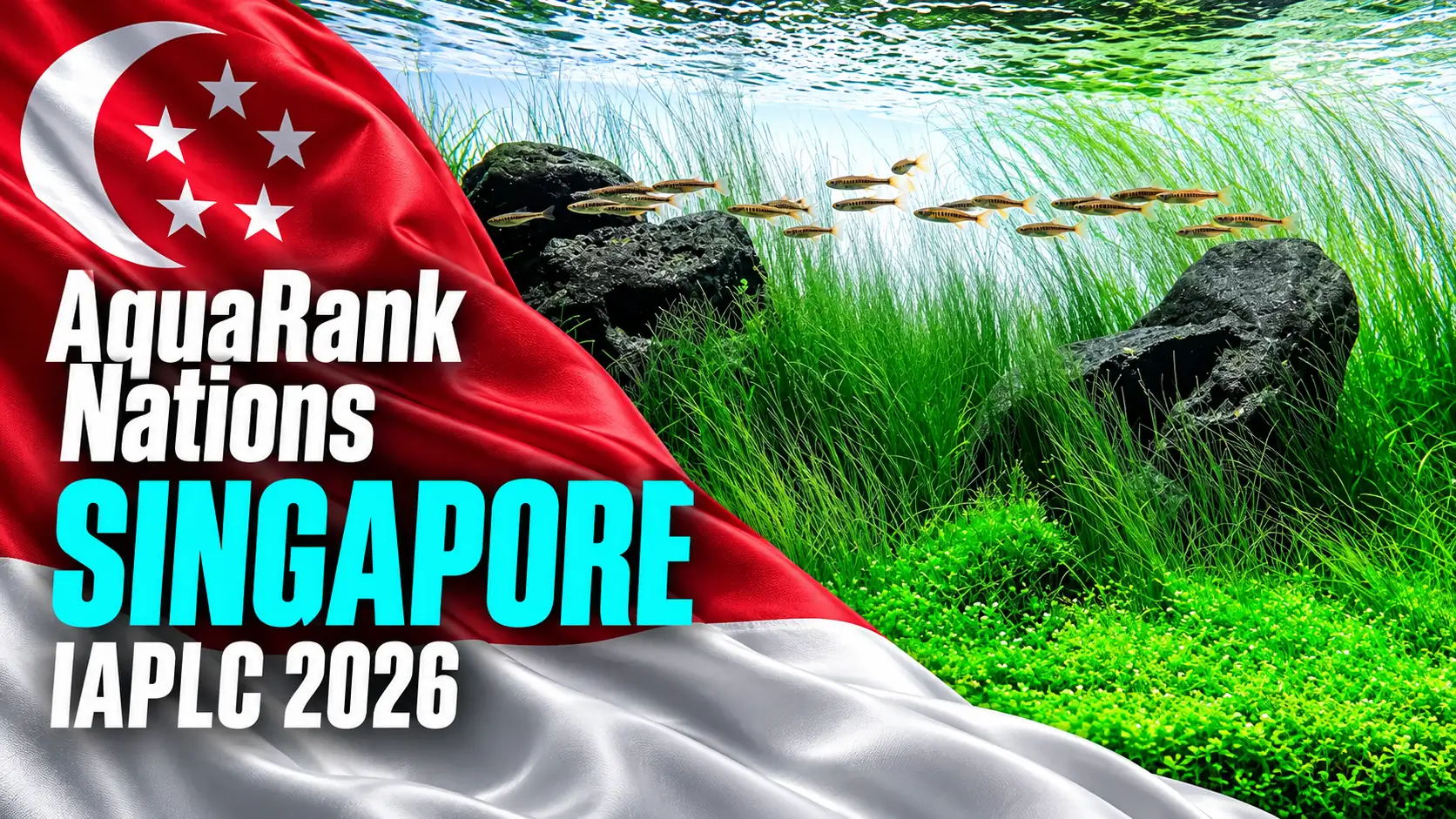
  • Analyse Singapore aquascapes at IAPLC 2026, then explore the country’s results, contributing creators and competition history on AquaRank Nations.

    Singapore at IAPLC 2026: Open Stone and an Enclosed Planted Passage

    Two Singaporean works appear in the published ranks 1–300, and they offer an unusually clear contrast. One makes open water and two main stones central; the other encloses a small rear opening within dense planting and roots. The pair is useful precisely because it does not support one simple visual label.
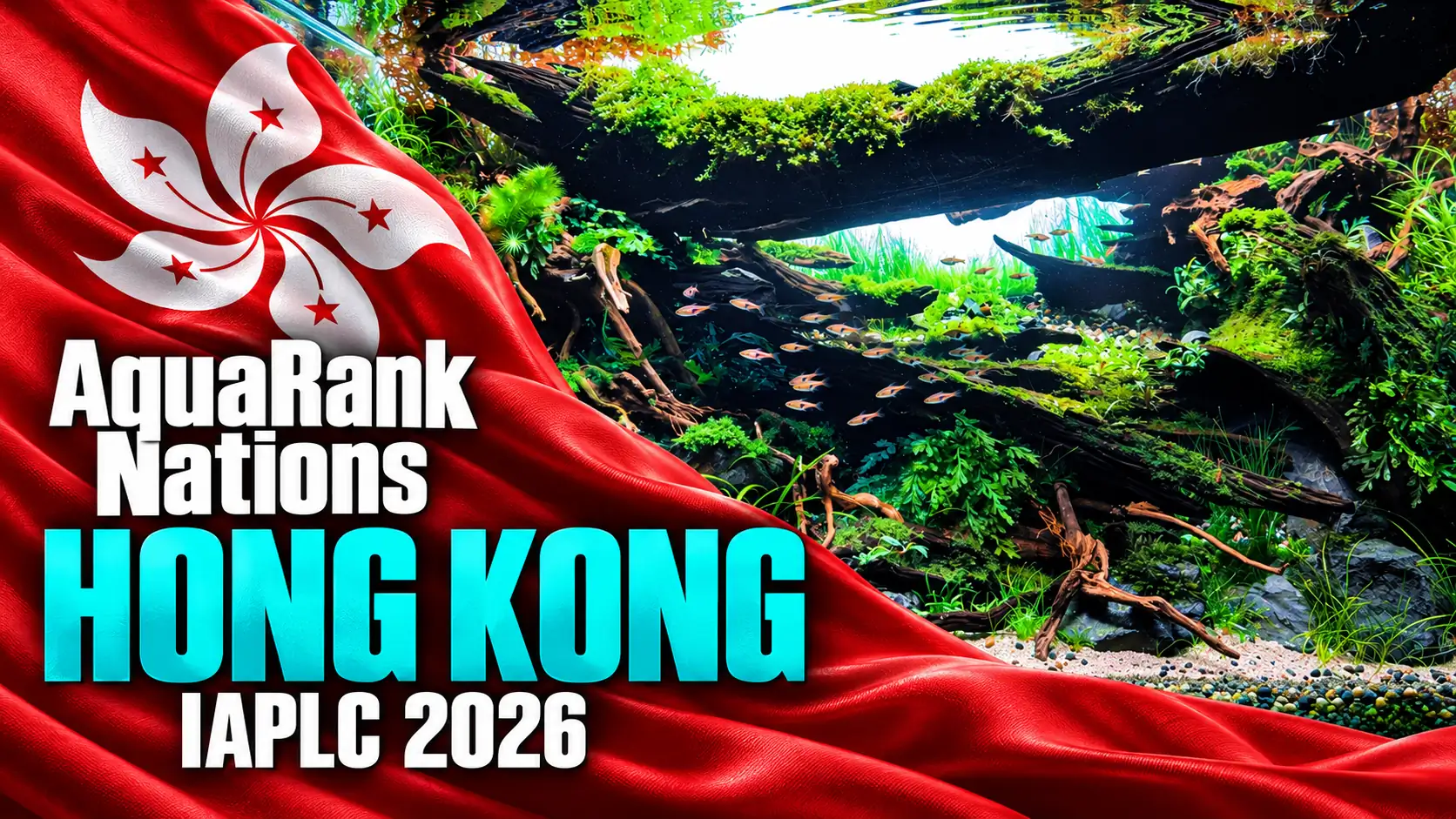
  • Analyse Hong Kong aquascapes at IAPLC 2026, then explore the country’s results, contributing creators and competition history on AquaRank Nations.

    Hong Kong at IAPLC 2026: Three Studies in Light, Layers and Visual Impact

    A low timber ceiling, blue-toned terraces and converging planted diagonals create three visibly different aquariums. Hong Kong’s represented works at ranks 1–300 offer a compact study of visual impact beyond the season’s leading awards. Looking at them closely is more informative than treating the cutoff count as a verdict on an entire aquascaping community.
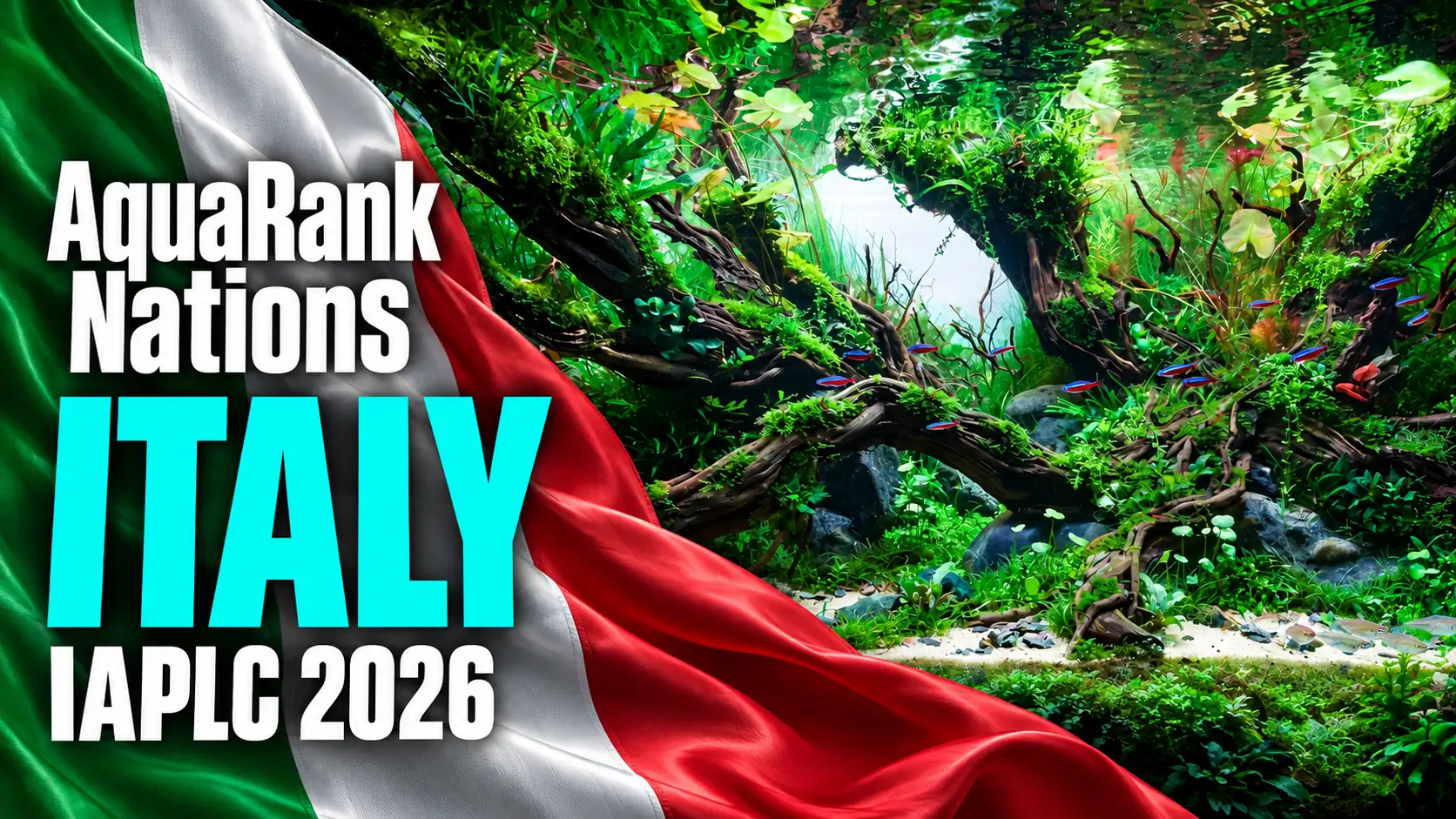
  • Analyse Italy aquascapes at IAPLC 2026, then explore the country’s results, contributing creators and competition history on AquaRank Nations.

    Italy at IAPLC 2026: Calm Routes and More Dramatic Planted Frames

    A clear route through planted banks can feel quiet; a coloured ridge beneath a dark frame can feel theatrical. The four Italian photographs selected for this study offer both experiences. Together, they make a useful contemporary comparison with an archive that once placed particular emphasis on calm, enduring-looking compositions.
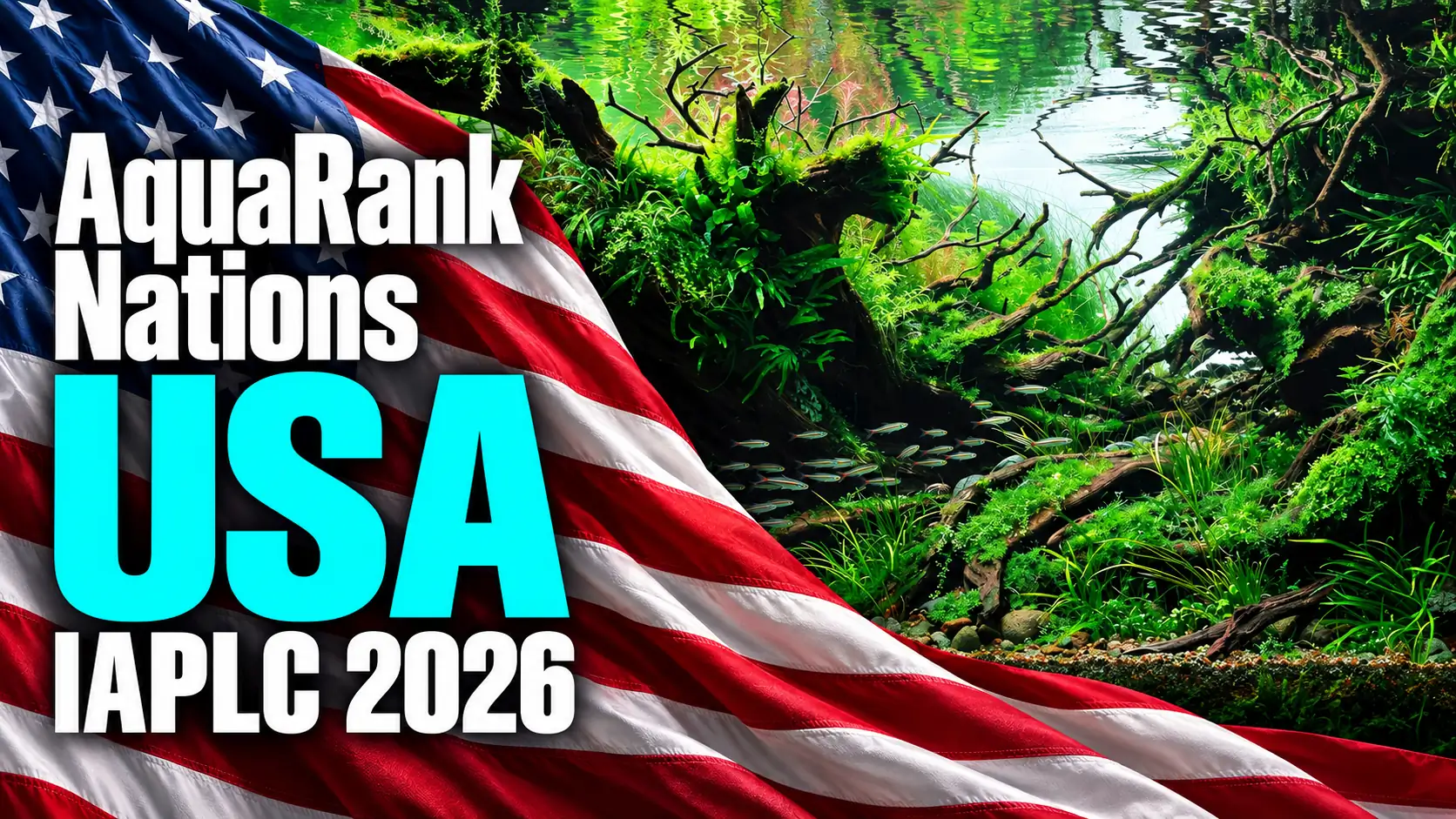
  •  Analyse United States aquascapes at IAPLC 2026, then explore the country’s results, contributing creators and competition history on AquaRank Nations.

    United States at IAPLC 2026: Four Distinct Readings of a Wooded Aquarium

    The four American photographs selected here all contain important wood structures, yet they do not produce one uniform wooded scene. A broad canopy, a low diagonal, a fine-leaved light window and an exposed timber subject organise attention differently. That variation lets us discuss design diversity through specific decisions rather than a broad national label.
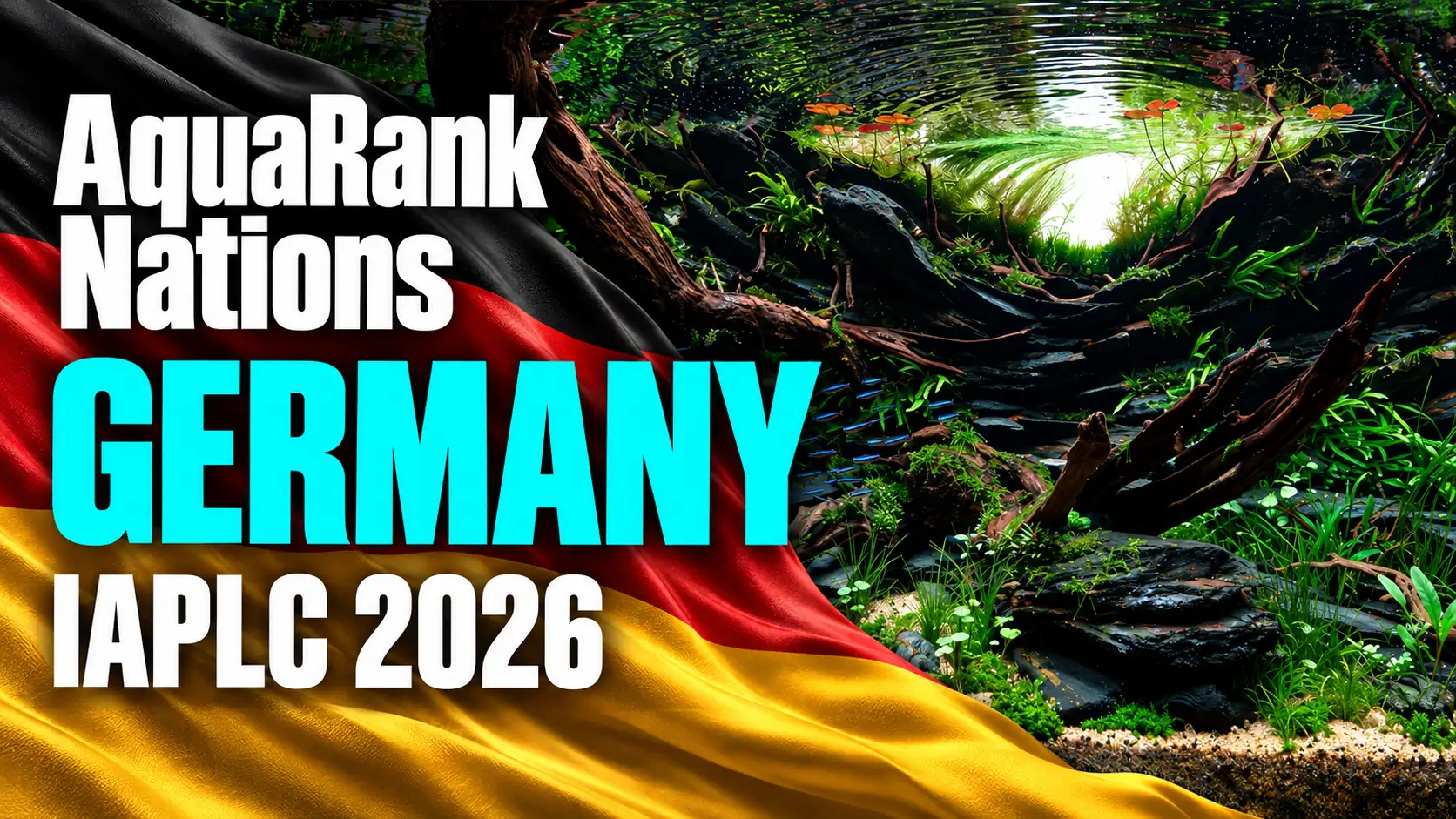
  • Analyse Germany aquascapes at IAPLC 2026, then explore the country’s results, contributing creators and competition history on AquaRank Nations.

    Germany at IAPLC 2026: Four Ways to Balance Hardscape and Open Water

    A dark wooded frame, a rocky valley, a brighter mixed scene and green-covered root contours make this German selection particularly useful for comparison. The photographs share an interest in separating materials from the water around them, but achieve it through different outlines and lighting relationships.
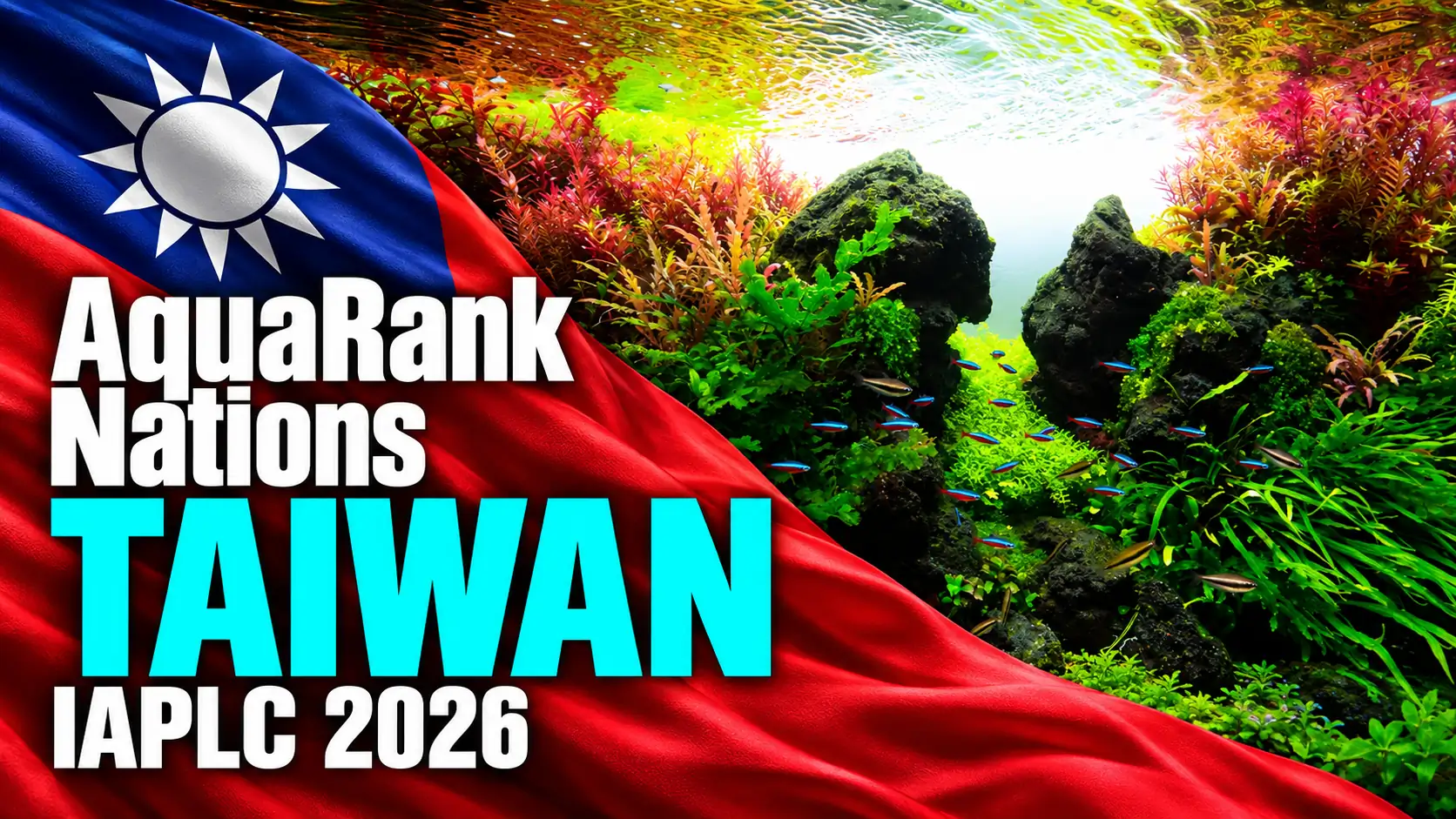
  • Analyse Taiwan aquascapes at IAPLC 2026, then explore the country’s results, contributing creators and competition history on AquaRank Nations.

    Taiwan at IAPLC 2026: Planted Contours and Changing Routes into Depth

    Dense foliage, planted wood ridges and a low central route create different senses of distance in this four-work selection. The photographs are particularly rewarding when viewed through changes in leaf shape and planting height. They offer a present-season comparison with an archive that once described both graceful composition and more contemporary experimentation.
  •  Analyse Thailand aquascapes at IAPLC 2026, then explore the country’s results, contributing creators and competition history on AquaRank Nations.

    Thailand at IAPLC 2026: Surface Colour, Green Arches and Open Rockwork

    Three Thai aquariums in the published Top 300 present contrasting visual priorities. MAGIC LEAVES makes the water surface a signature; another work carries a route beneath planted arches; a third exposes rock peaks against rounded greenery. This small group gives a useful reason to look beyond the first shared award photograph.
  • Analyse Indonesia aquascapes at IAPLC 2026, then explore the country’s results, contributing creators and competition history on AquaRank Nations.

    Indonesia at IAPLC 2026: Forest Craft Through Four Different Frames

    The four Indonesian works published at ranks 1–300 offer a compact comparison. A coloured surface canopy, a dominant trunk, a dense grove and a wood-and-rock opening all reward close attention. The small group makes it possible to examine every represented work in this range, while keeping the conclusions specific to this season and cutoff.
  • Analyse Malaysia aquascapes at IAPLC 2026, then explore the country’s results, contributing creators and competition history on AquaRank Nations.

    Malaysia at IAPLC 2026: Wood, Plant Texture and the Visual Role of Fish

    A bright gap between broad wood layers, a fine-leaved canopy and a conspicuous individual fish offer three different entrances to this Malaysian selection. The photographs invite attention to the space inhabited by fish as well as the hardscape around it. They also show why a creator’s reputation and a new aquarium’s visual decisions should be discussed separately.
  • Analyse Brazil aquascapes at IAPLC 2026, then explore the country’s results, contributing creators and competition history on AquaRank Nations.

    Brazil at IAPLC 2026: Rock Landscapes and Wood Beyond the Familiar Label

    Enchanted Hills offers an immediately recognisable rock valley, with coloured planting and fish in bright water. Three other selected Brazilian photographs build their scenes around substantial wood. Seeing them together is a useful way to revisit a familiar label without asking individual creators to fit a single national recipe.
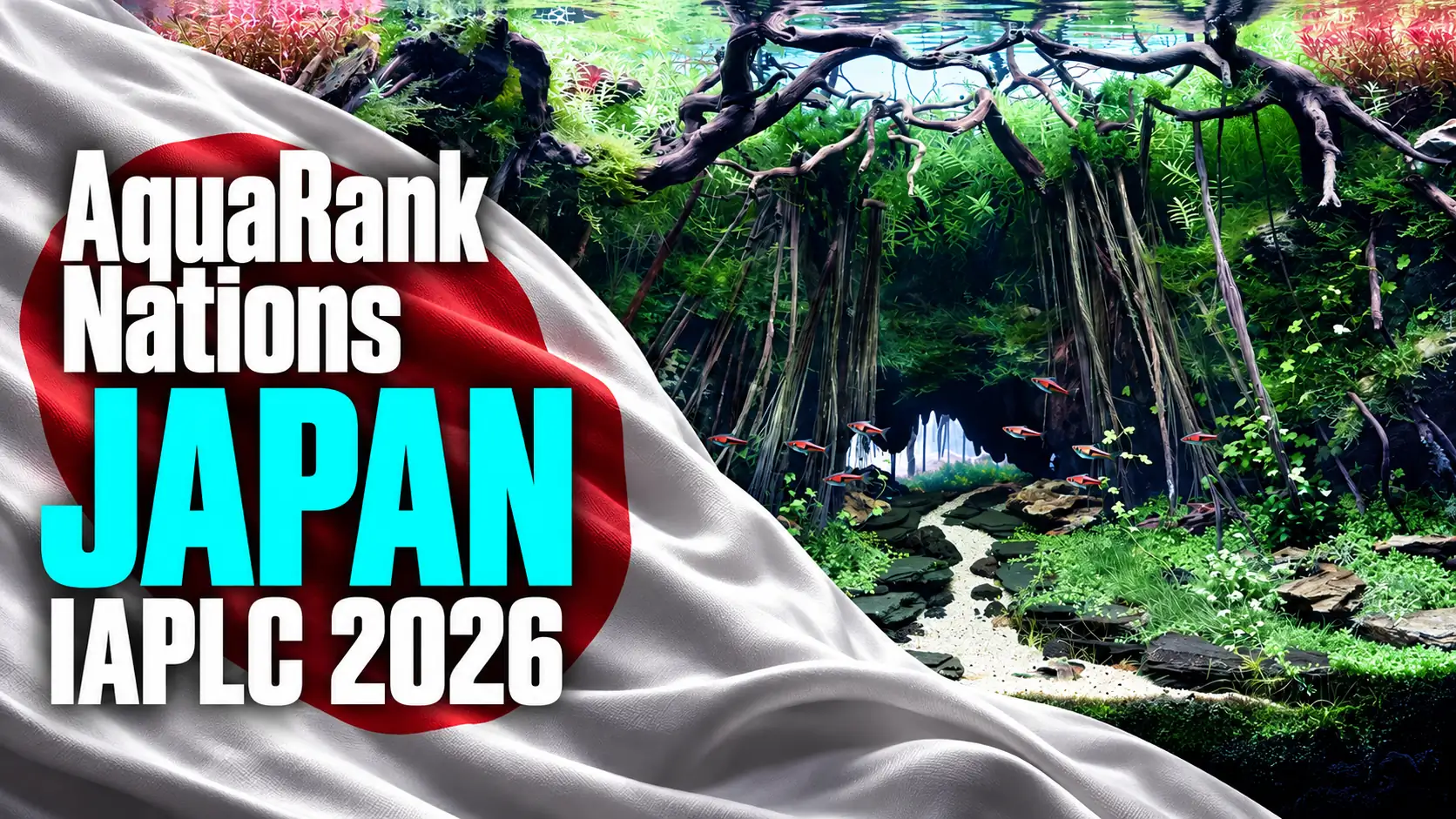
  • Analyse Japan aquascapes at IAPLC 2026, then explore the country’s results, contributing creators and competition history on AquaRank Nations.

    Japan at IAPLC 2026: Nature Aquarium and Many Contemporary Visions

    A pale path through hanging roots and a bright interval between exposed rocks can both make an aquarium feel spacious. Japan’s 2026 selection is rewarding because it places these different approaches beside richly planted foregrounds and coloured slopes. Six photographs offer a practical way to discuss variety within a familiar Nature Aquarium heritage.
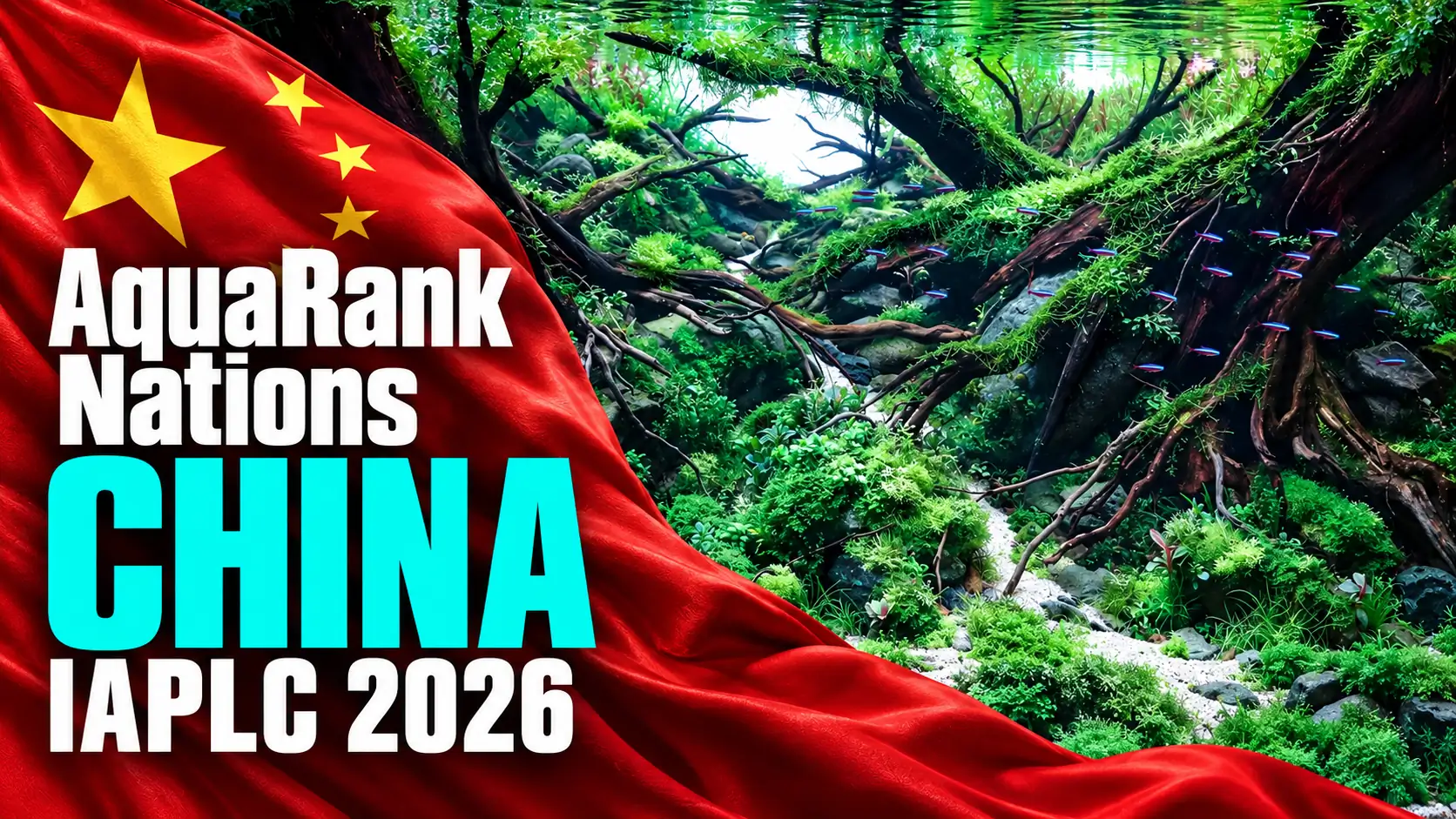
  • Analyse China aquascapes at IAPLC 2026, then explore the country’s results, contributing creators and competition history on AquaRank Nations.

    China at IAPLC 2026: How Layered Wood Creates Convincing Depth

    The Grand Prize photograph gives this study an obvious first stop, but the comparison becomes richer when it reaches beyond the winner. Six selected aquariums show different ways of framing light with wood: unequal trunks, fine leaf curtains, successive arches and repeated vertical roots. Their interest lies in how each arrangement keeps a densely constructed scene readable.
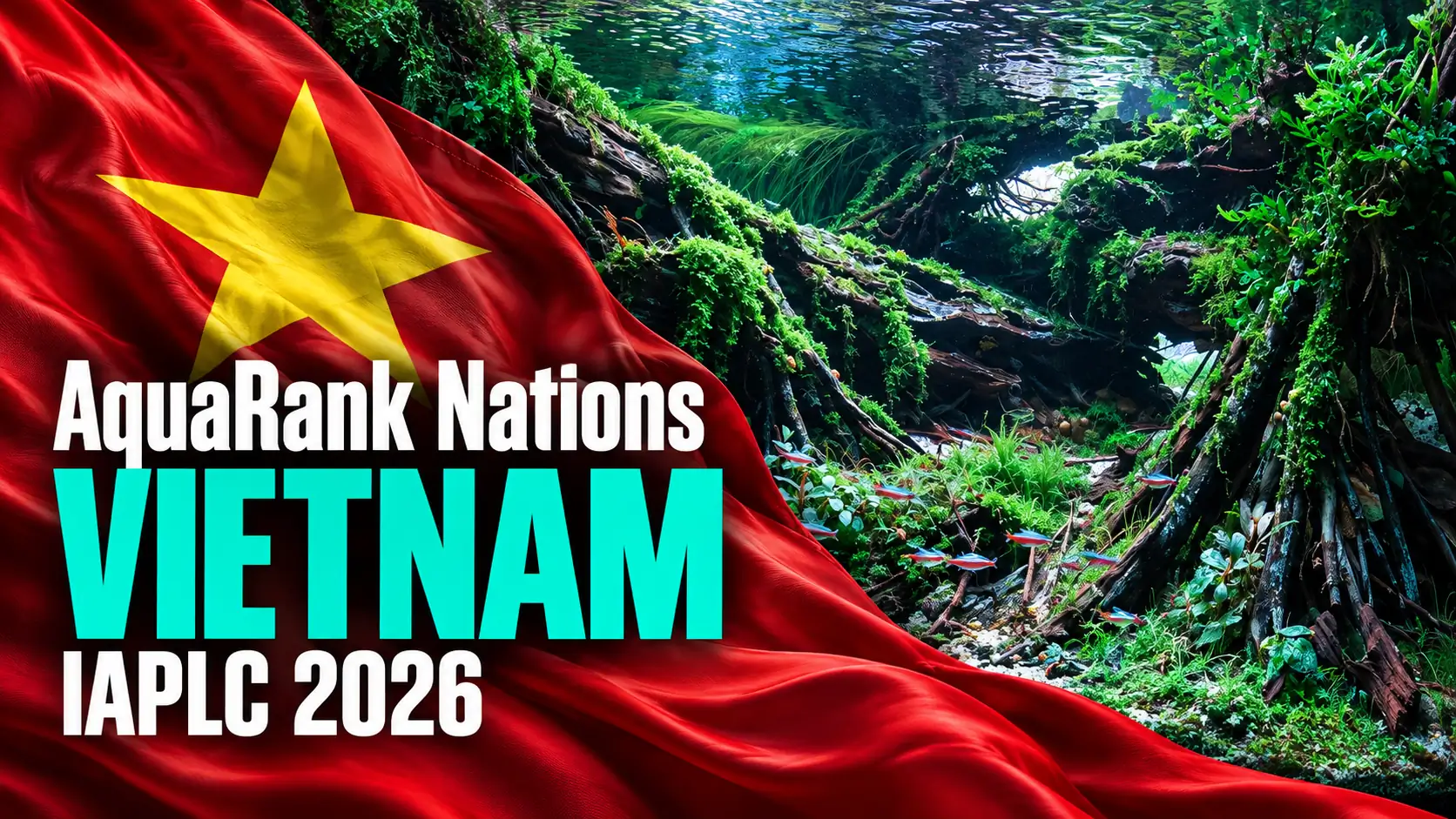
  • Vietnam at IAPLC 2026: Wood, Stone and a Broader Design Identity

    Vietnam’s two leading 2026 awards both invite us into wooded environments. That is an interesting starting point for revisiting an archive which once associated the country strongly with stone. The most useful reading is not that one material has defeated the other. Six selected photographs show several ways of organising planted ground, open water and the route into a scene.
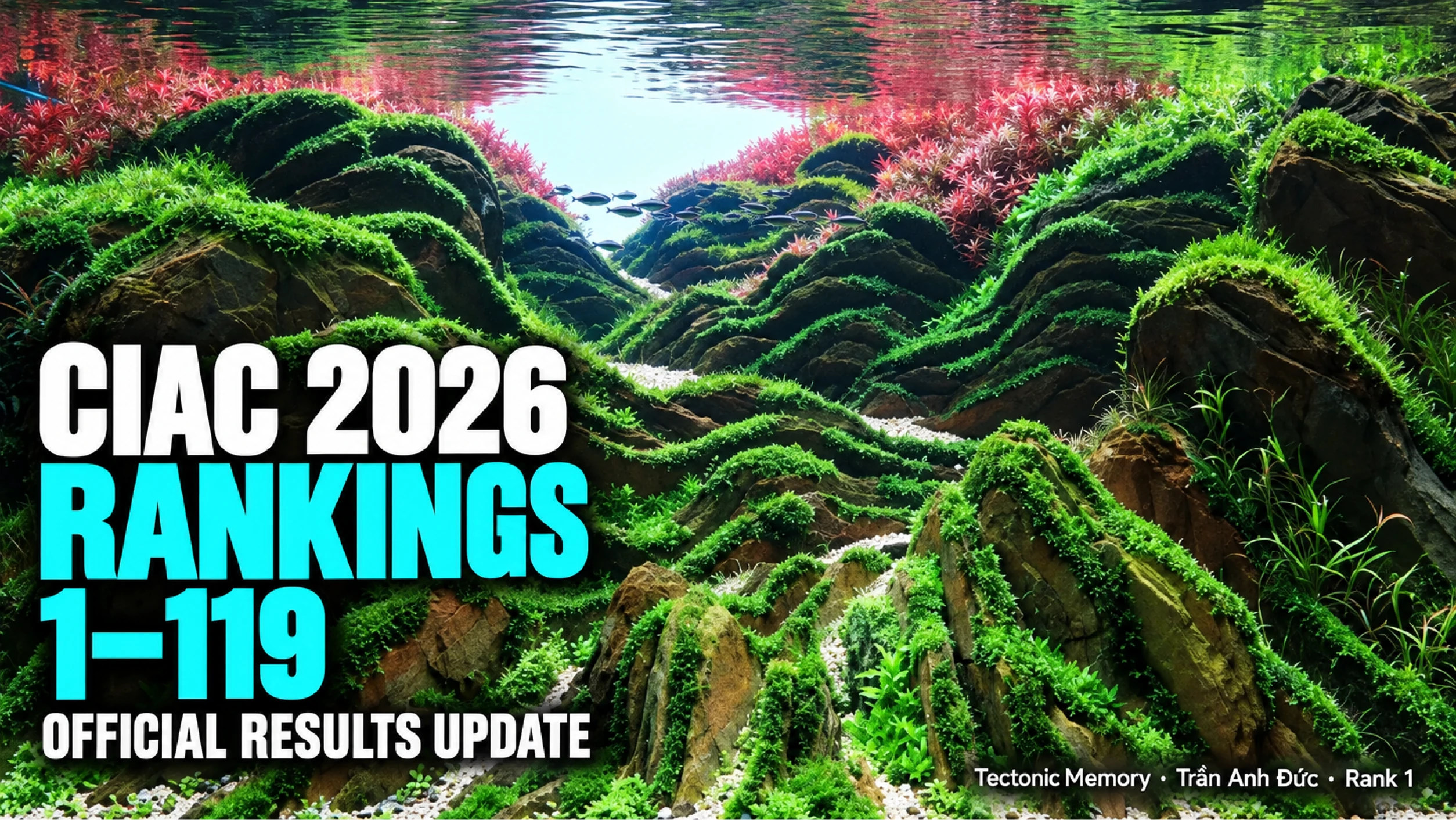
  • Use the existing CIAC cover style with the wording “CIAC 2026 / OFFICIAL RESULTS / RANKINGS TO 119”. Use an actual contest photograph; do not claim “119 entries” or “full results”.

    CIAC 2026 Official Results Update: Rankings Extend to 119

    The CIAC 2026 Aquascaping Category results have received an official update. A results sheet distributed by the organising committee on 14 October lists ranks 14–119, extending the ranking information available beyond the image cards previously covered by AquaLibs.
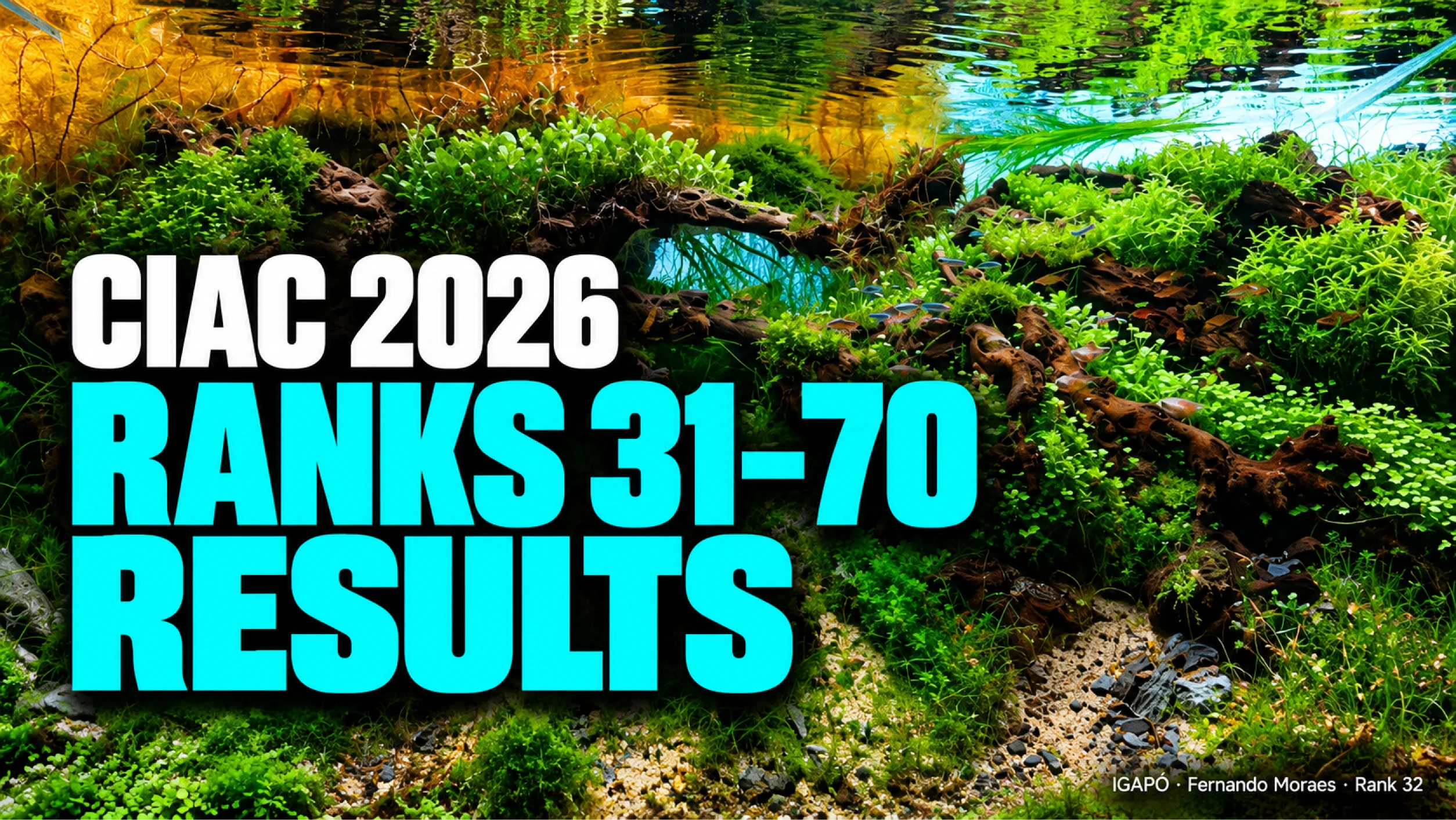
  • CIAC 2026 results, ranks 31–70 — Beyond the Top 30

    CIAC 2026 Results: Beyond the Top 30, Ranks 31–70

    The CIAC 2026 story continues beyond the Top 30. This AquaLibs report brings together the contest image cards labelled 31–70, introducing more creators and forty positions to explore.
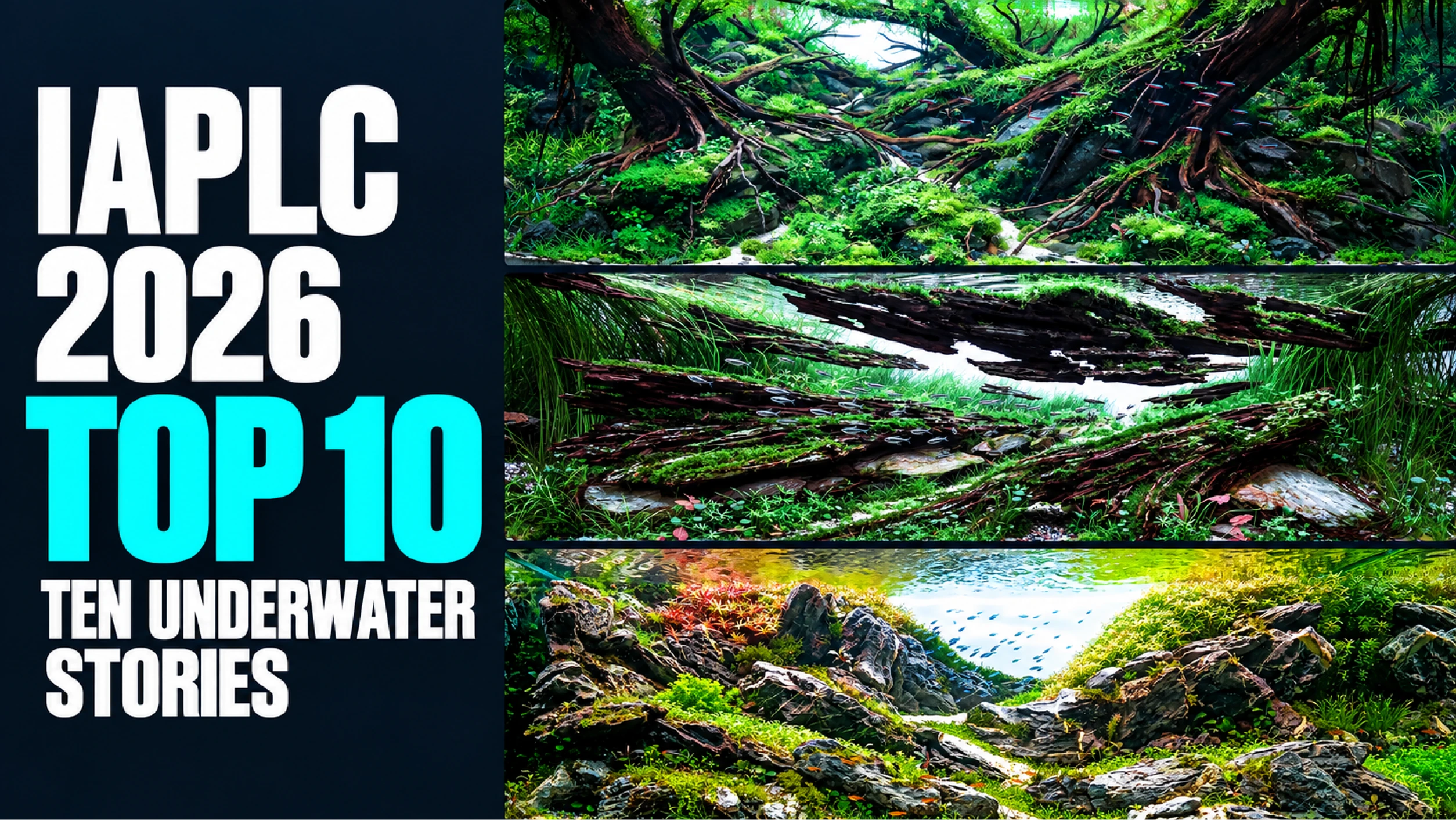
  • IAPLC 2026 Top 10 cover featuring three contrasting aquascapes with large white and turquoise lettering.

    IAPLC 2026 Top 10: Ten Aquascapes, Ten Underwater Stories

    Ten aquariums can draw us underwater in ten different ways. A luminous forest opening, a red surface canopy or an exposed rock valley changes where we look—and what we discover next.