AquaLibs presents AquaRank Discover the world’s leading aquascapers

Explore transparent rankings built from published results across the world’s leading aquascaping contests.

[TheStoriesOfTop7] Hidden Land - Bowen Fan / China - IAPLC 2015

"Hidden Land" by Mr. Bowen Fan from China won the 2nd place. The layout is associated with gigantic old trees. The driftwood is impressively used, and the planting arrangement is meticulously performed. There is no wonder that the 4 judges chose this work as their Best Aquarium.

IAPLC 2015 Gallery - Look back history - World Ranking 0002

Hidden Land

Author: Bowen Fan / China 

Aquarium Size: W150×D55×H50 (cm)

Aquatic Plants

Lomariopsis lineata
Echinodorus tenellus
Micranthemum sp. "Montecarlo"
Riccia fluitans
Hygrophila pinnatifida
Bucephalandra sp.
Anubias barteri var. nana
Cryptocoryne parva
Eleocharis acicularis
Ludwigia arcuata
Didiplis diandra

Fish & Invertebrates

Paracheirodon simulans
Hyphessobrycon amandae

Comments

When I received EMS informing the contest result from Japan, I was very surprised to see my ranking. I double checked but it was not a mis- take - I was the second in the world ranking! I could hardly control my excitement and immedi- ately informed my father. My father was extremely happy about this news. I do not have much experience in planted aquarium yet, but I have been watching my father making planted aquariums and I loved to see the fish swimming freely in the tank. Since I was a small child, I always wanted to make my own planted aquarium one day, but my father did not agree to it because of my young age. When I became a high school student, I finally got permission from my father and started to create planted aquari- ums. The layout for this year's contest was com- pleted with kind advice from my father. I am filled with joy and happiness to receive such a wonderful result.

Comment of Mr. Hajime Ozaki (JAPAN)

This aquascape is reminiscent of "Kongo cedar tree, Dancing in the Wind", a representative photograph contained in Mr. Takashi Amano's photobook "SADO - To Pristine Forest from Bottom of Sea". The center of the composition is slightly off-center to the left and the large, dynamic driftwood stretching the branches across the aquarium overwhelms the entire layout. The presence of old drift- wood is particularly awesome with complicatedly tangled branches from the thick trunk with many nodes to the cane-like fine branch tips. Unlike other obviously-intentional driftwood arrangements, this driftwood has a remarkable shape for its old age. When looked closely, there are fine stem plants, Hair Grass (Eleocharis parvula) and small Cryptocoryne mixed in the carpet of soft foreground plants. This delicate planting provides a good contrast which is suitable for the habitat environment for fish. Only things not up to par are too new and nice moss-like plants attached to the branches and blank space in the background. This white blank space somewhat spoils the depth and powerfulness of this layout. It might be off the subject, but I seek strong wind or flow in this layout because of excessively strong impression of above mentioned Mr. Amano's photo which captured the swaying branches in the strong wind. Will the fine branches sway violently an instant later? At that time, how will the small fish around the branches escape and hide them- selves? This layout brings us the fun of imagination.

Comment of Mr. Seong Soo Han (SOUTH KOREA)

Among the layouts entered in IAPLC 2015, this layout stimulated my imagination the most, since it is not perfectly beautiful but it is created perfectly just by using limited materials available. The creator's excel- lent skills can be felt from the composition made of fine branches. Furthermore, it is a fantastic layout without any shortcomings in terms of planting of aquatic plants enjoyable for those who see it, as well as swimming fish and photography of aquascape. It is no surprise that the layouts created using fantastic layout materials will be ranked among the top layouts. I personally believe it is innovative and awe- some to create a layout by using the great ideas for the effective use of the materials having some restrictions. This year, I was excited and really enjoyed selecting my Best Aquarium after a long time.

Comment of Mr. Frantisek Kolin (CZECH REPUBLIC)

This layout I selected had succeeded in creating a natural aquascape based on the unique composition to effectively use the framework of the aquarium. The W150×D55×H50 (cm) tank used is a meaningful choice of size in which driftwood roots fill the open space and provide safe havens to fish. In addition, the roots stretch to the water surface and create shade for fish. With such an environ- ment in place, we can see fish swimming comfortably and gracefully.
in an aquarium. I also found it interesting to see the combination of foreground plants and the plants located at the top portion of the tank. Mild and light style of composition, which was realized despite the use of a large amount of driftwood roots, has an effect of allowing flexible movement of fish. One of its excellent points is making those who see it feel the impressive depth and width. Thriving aquatic plants add an enhanced natural feel to the layout as they grow.

Comment of Mr. Philippe Chevoleau (FRANCE)

Regarding the layout itself and the overall impression it gives, I was impressed by the large driftwood pieces that make the main attrac- tion. But to my opinion, it was quite risky: these driftwood can be seen as depicting large old trees in an imaginary forest or jungle. So it can give the sensation it is more an earth landscape than an underwater one. And sorry to say that, but I'm not very sensitive to the re-creation of an earth landscape in an aquarium. It's quite the opposite. I feel this kind of layout very artificial and I just can't see it as an aquarium layout. But the aquascaper did very well: thanks to the moss, its forest seems to be just a swamp forest where the base of the trunk is traditionally underwater. So we can see this layout as a earth imagery, but also as a – almost - usual underwater photograph where the fish can be seen "swimming from tree to tree” in some "igarape” (a small body of water in the Brazilian rainforest) in the Amazon region. The composition is perfect. Despite the fact the largest trunk is in front and in a central position, it's just a little on the left. There is a good balance between the occupied ground completely colonized by small plants and the large open spaces between the trunks. The branches are only at the highest level, on top, near and at the surface. There's a sensation of a roof protecting this little world of harmony. But also, by emerging through the surface, the branches invite us to discover the land world so close to us. It enhances the sensation of an open world, so the layout isn't just defined by the aquarium glass. The highest branches of the driftwood are colonized by moss. This is a good way to make us feel this layout has grown patiently for months. It also demonstrates the creator's skills, being able to keep and grow plants at the best. Congratulations to the aquascaper who did a very good job here and demonstrates that he can have a good sense of aes- thetic and be a talented aquarist at the same time.


Leave your comments
Latest on News & Press
  • Analyse Spain aquascapes at IAPLC 2026, then explore the country’s results, contributing creators and competition history on AquaRank Nations.

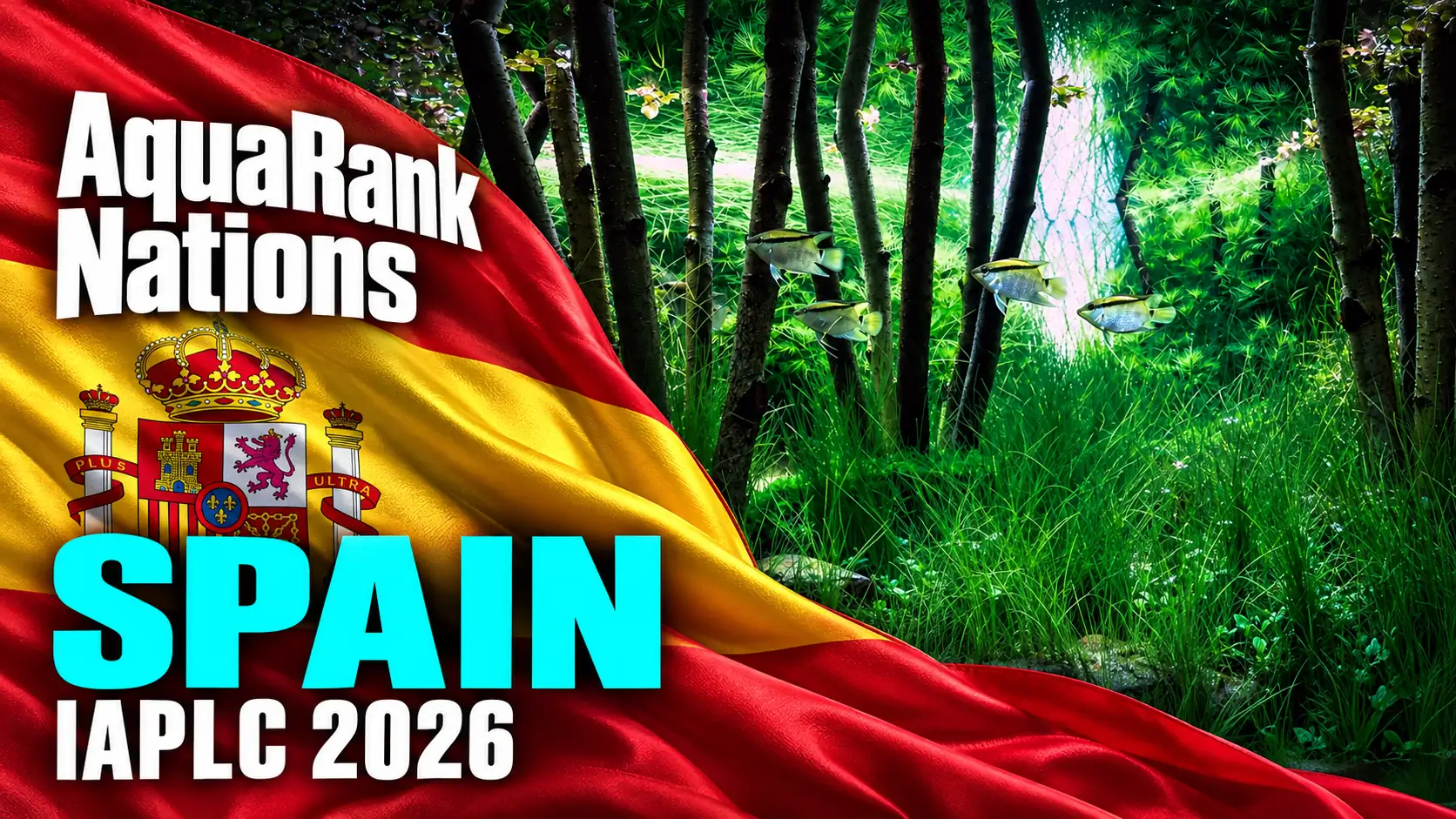
    Spain at IAPLC 2026: Roberto Buenadicha’s Forest and the Space Between Trunks

    Roberto Buenadicha’s aquarium is the only Spanish work in the published ranks 1–300. Its slender dark trunks, fine green planting and conspicuous pale fish make it a rewarding individual study. This instalment returns to the older Spain introduction through one photograph, keeping the scope small enough for the evidence available.
  • Analyse France aquascapes at IAPLC 2026, then explore the country’s results, contributing creators and competition history on AquaRank Nations.

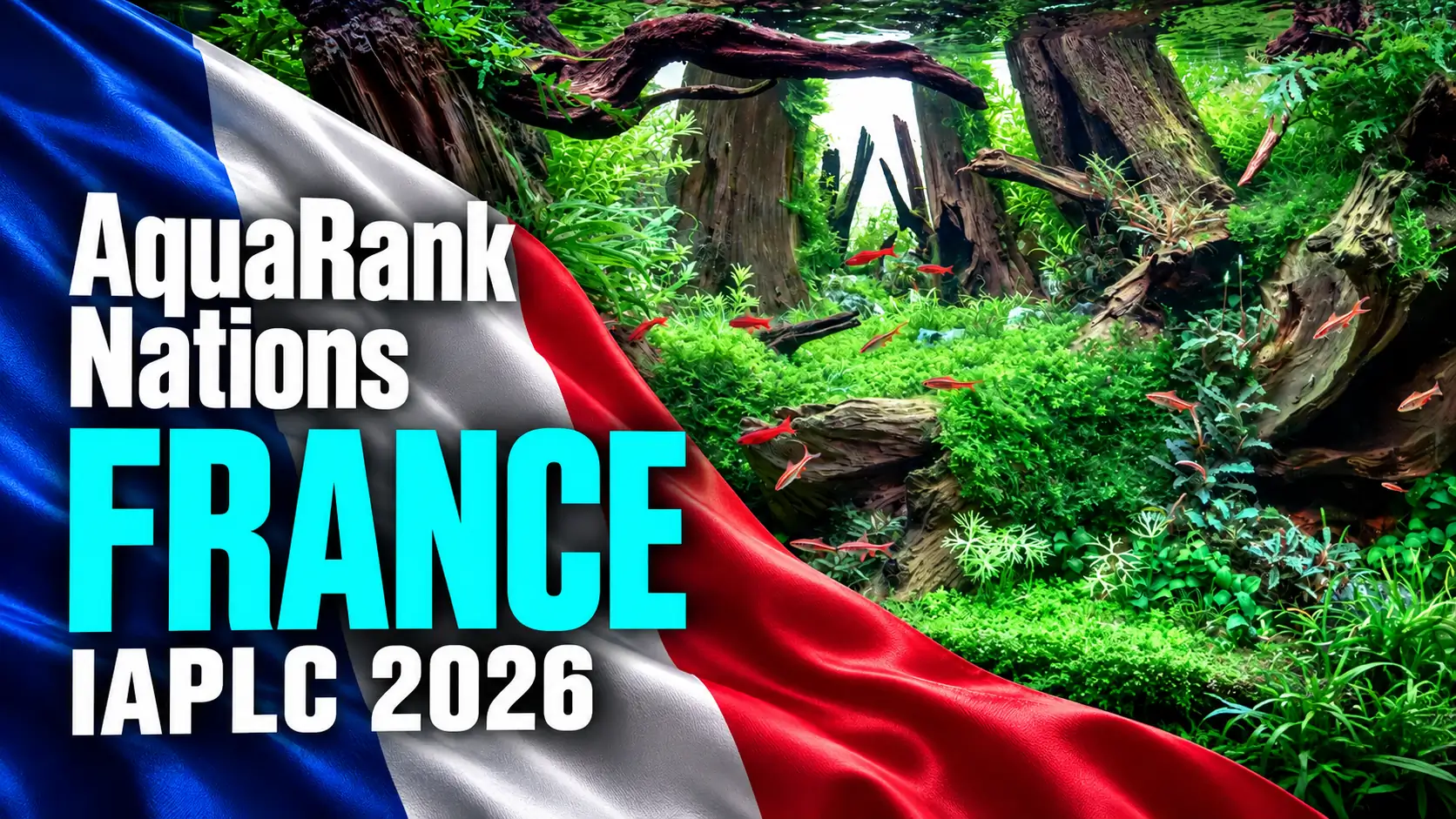
    France at IAPLC 2026: A Close Reading of Jean Christophe Grosset’s Woodland

    Only one French work appears in the published ranks 1–300. That gives this instalment a different task: a close reading of Jean Christophe Grosset’s aquarium, with the older country introduction as context. The photograph deserves attention for its own wood, planting and fish relationships, rather than being made to represent every French aquascaper.
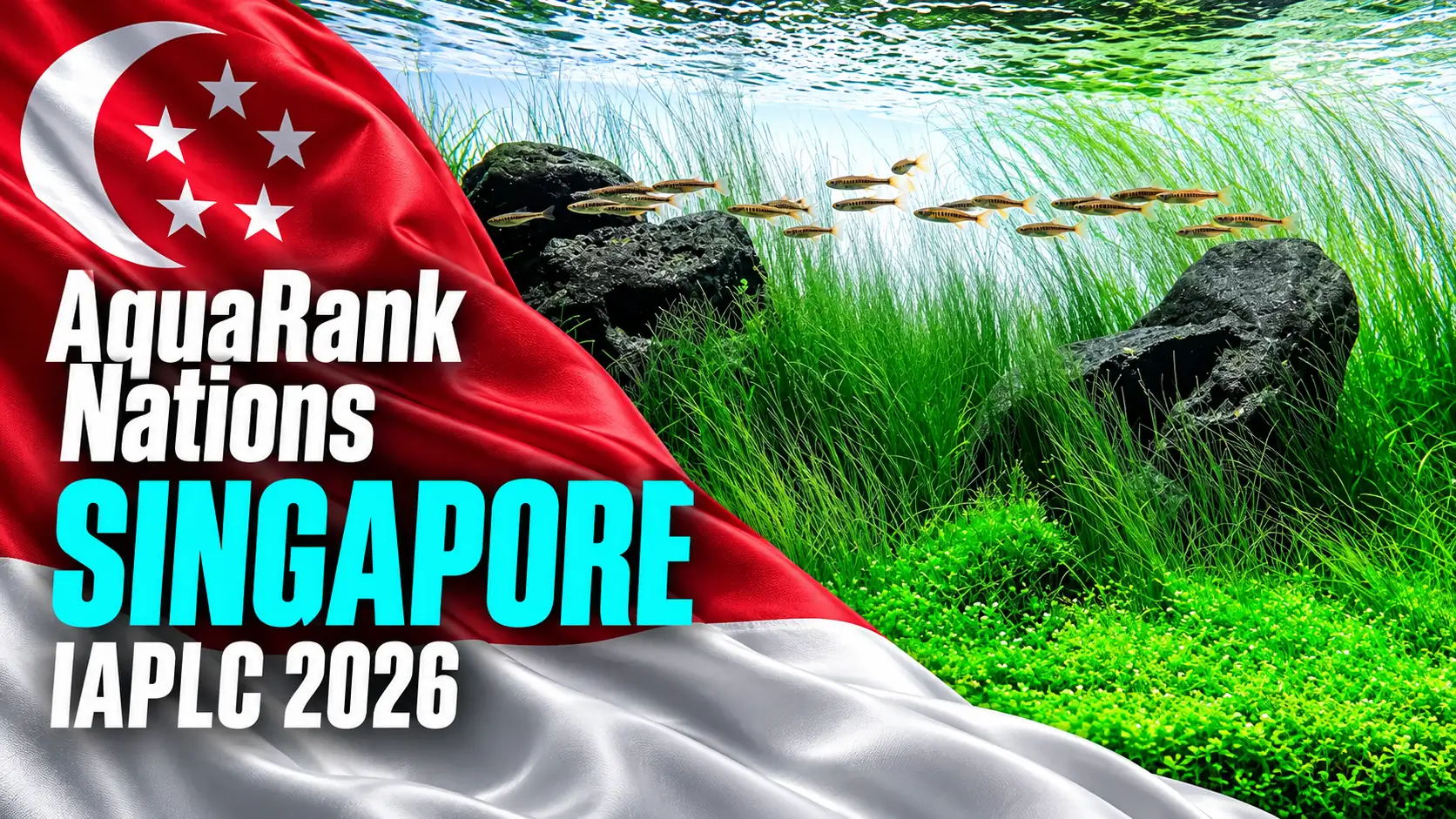
  • Analyse Singapore aquascapes at IAPLC 2026, then explore the country’s results, contributing creators and competition history on AquaRank Nations.

    Singapore at IAPLC 2026: Open Stone and an Enclosed Planted Passage

    Two Singaporean works appear in the published ranks 1–300, and they offer an unusually clear contrast. One makes open water and two main stones central; the other encloses a small rear opening within dense planting and roots. The pair is useful precisely because it does not support one simple visual label.
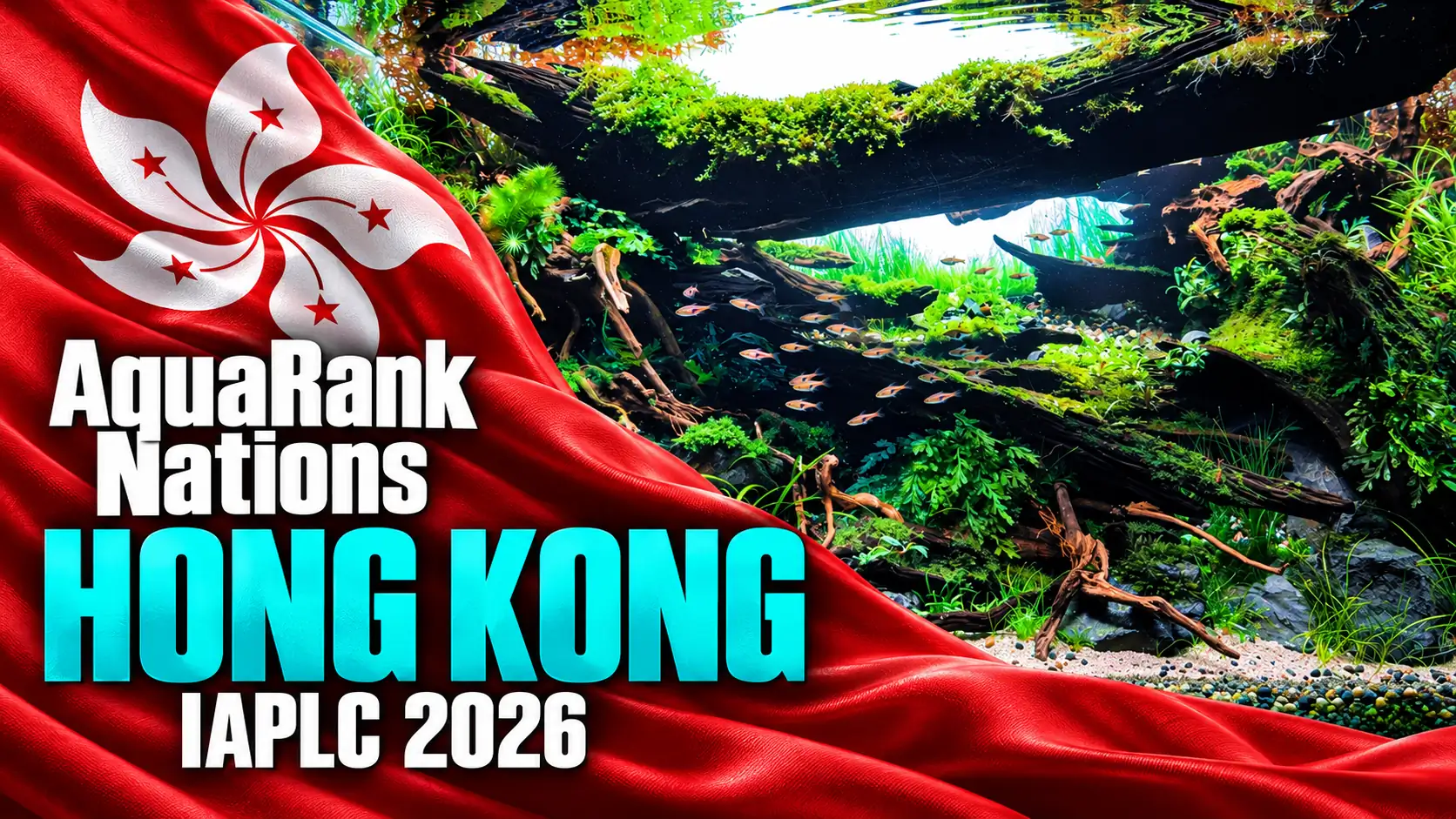
  • Analyse Hong Kong aquascapes at IAPLC 2026, then explore the country’s results, contributing creators and competition history on AquaRank Nations.

    Hong Kong at IAPLC 2026: Three Studies in Light, Layers and Visual Impact

    A low timber ceiling, blue-toned terraces and converging planted diagonals create three visibly different aquariums. Hong Kong’s represented works at ranks 1–300 offer a compact study of visual impact beyond the season’s leading awards. Looking at them closely is more informative than treating the cutoff count as a verdict on an entire aquascaping community.
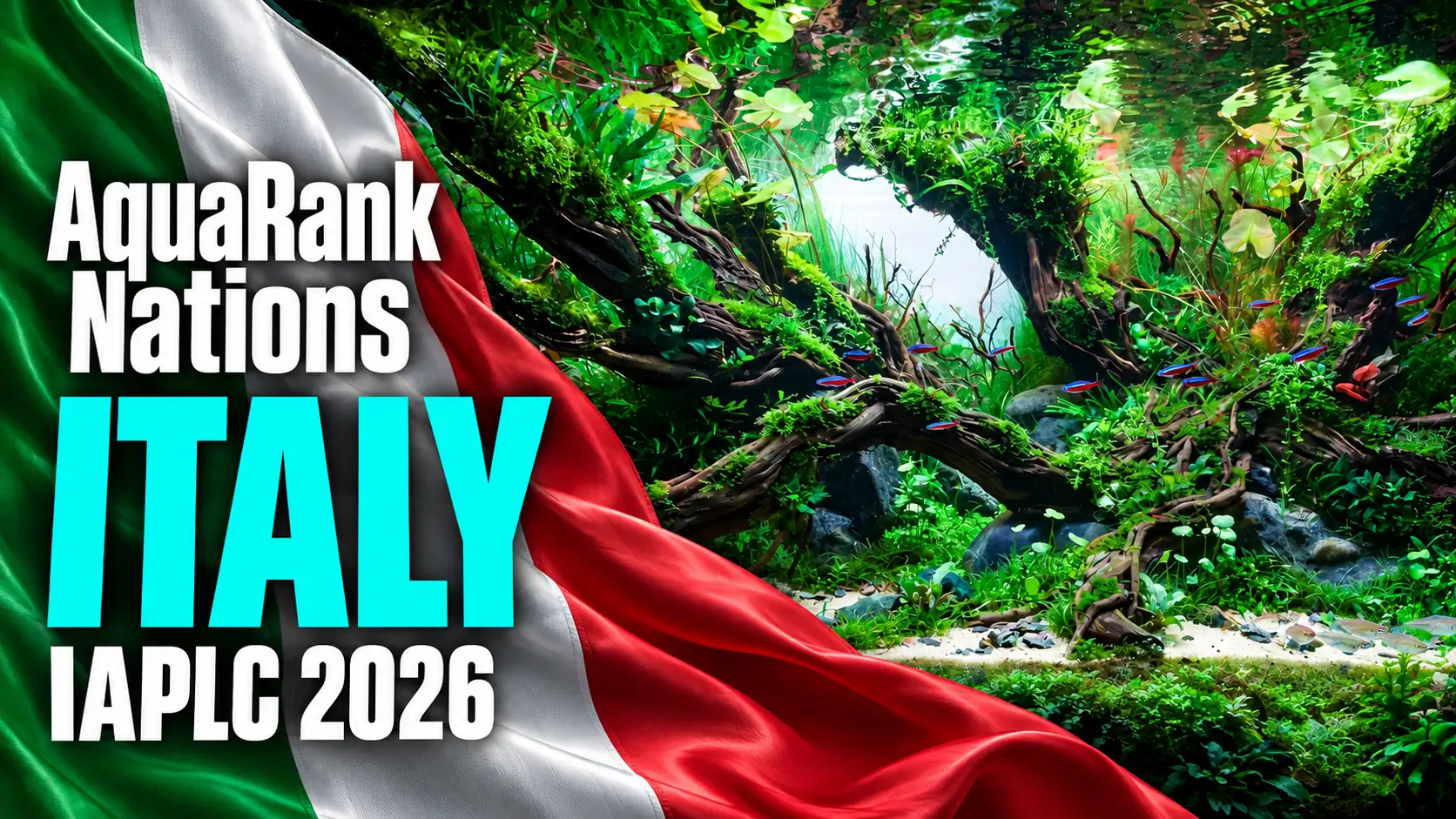
  • Analyse Italy aquascapes at IAPLC 2026, then explore the country’s results, contributing creators and competition history on AquaRank Nations.

    Italy at IAPLC 2026: Calm Routes and More Dramatic Planted Frames

    A clear route through planted banks can feel quiet; a coloured ridge beneath a dark frame can feel theatrical. The four Italian photographs selected for this study offer both experiences. Together, they make a useful contemporary comparison with an archive that once placed particular emphasis on calm, enduring-looking compositions.
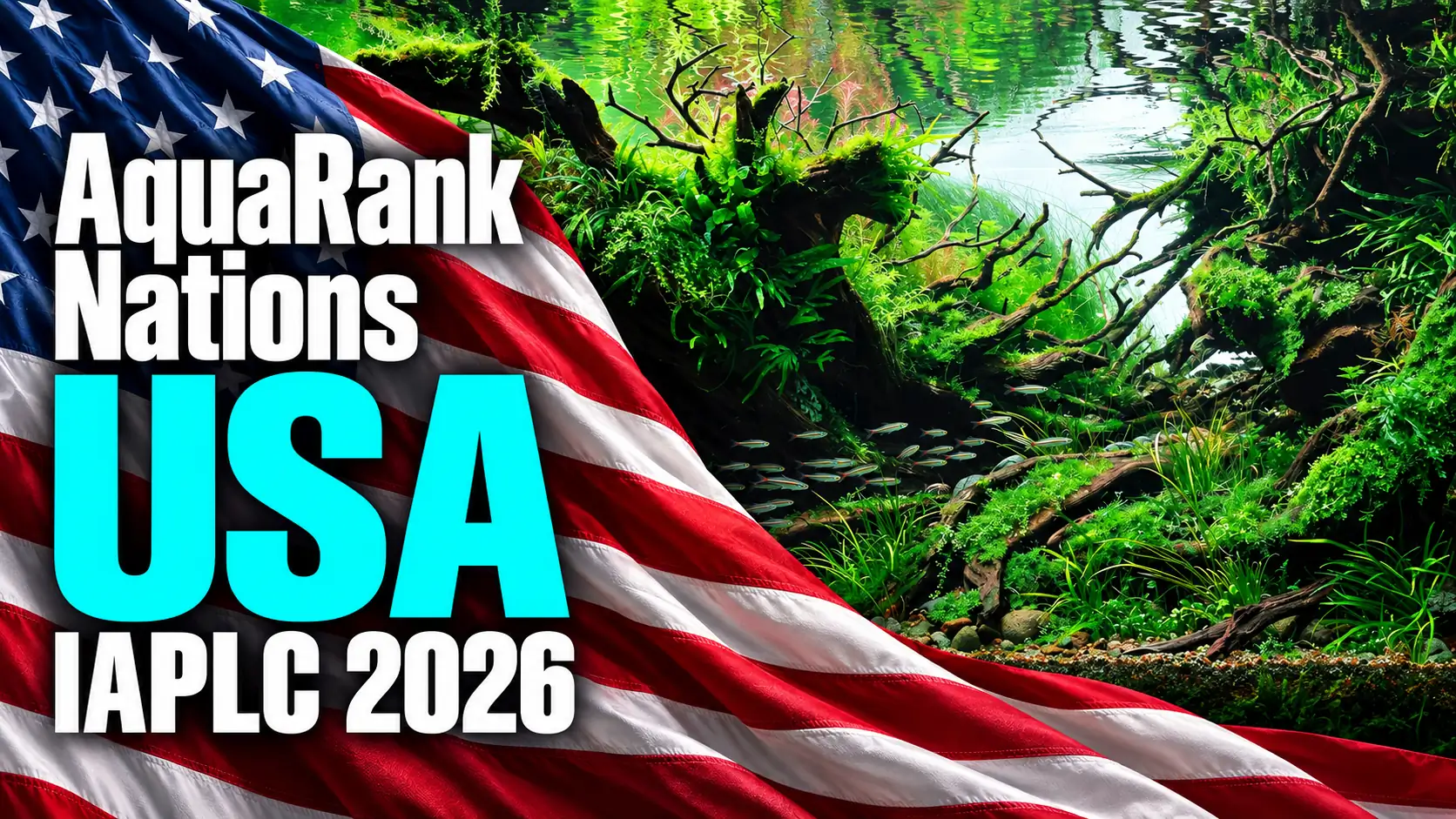
  •  Analyse United States aquascapes at IAPLC 2026, then explore the country’s results, contributing creators and competition history on AquaRank Nations.

    United States at IAPLC 2026: Four Distinct Readings of a Wooded Aquarium

    The four American photographs selected here all contain important wood structures, yet they do not produce one uniform wooded scene. A broad canopy, a low diagonal, a fine-leaved light window and an exposed timber subject organise attention differently. That variation lets us discuss design diversity through specific decisions rather than a broad national label.
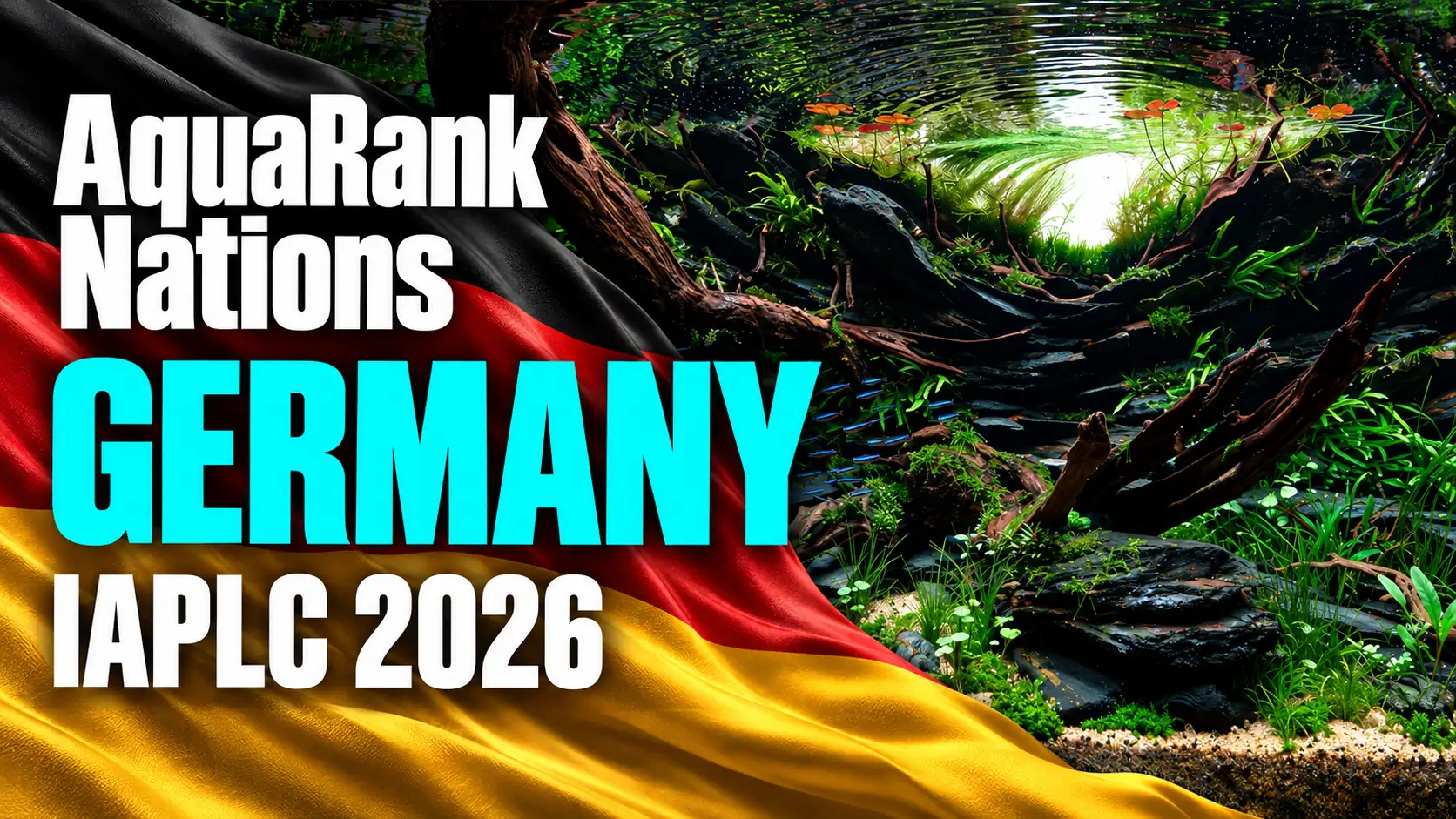
  • Analyse Germany aquascapes at IAPLC 2026, then explore the country’s results, contributing creators and competition history on AquaRank Nations.

    Germany at IAPLC 2026: Four Ways to Balance Hardscape and Open Water

    A dark wooded frame, a rocky valley, a brighter mixed scene and green-covered root contours make this German selection particularly useful for comparison. The photographs share an interest in separating materials from the water around them, but achieve it through different outlines and lighting relationships.
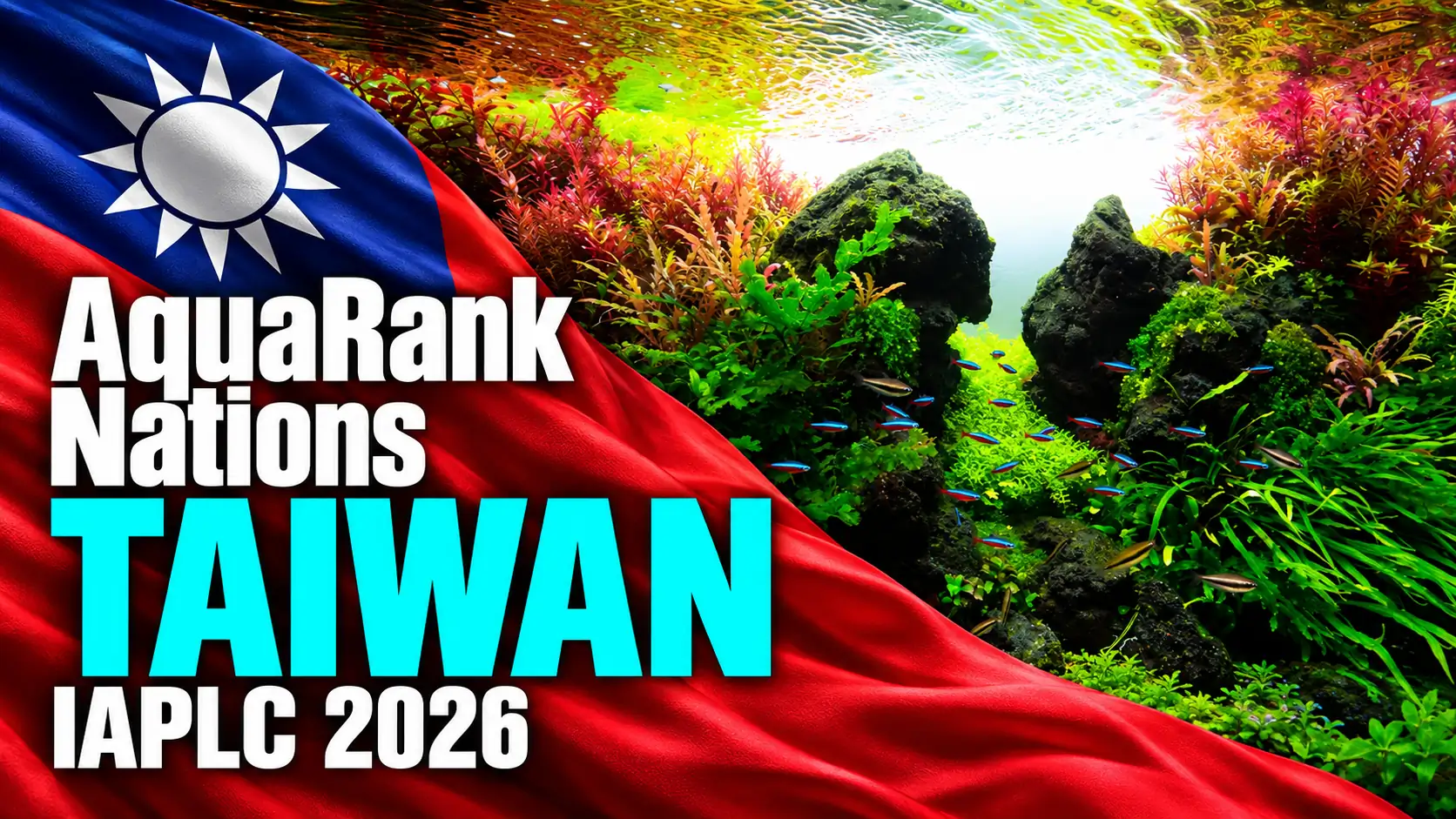
  • Analyse Taiwan aquascapes at IAPLC 2026, then explore the country’s results, contributing creators and competition history on AquaRank Nations.

    Taiwan at IAPLC 2026: Planted Contours and Changing Routes into Depth

    Dense foliage, planted wood ridges and a low central route create different senses of distance in this four-work selection. The photographs are particularly rewarding when viewed through changes in leaf shape and planting height. They offer a present-season comparison with an archive that once described both graceful composition and more contemporary experimentation.
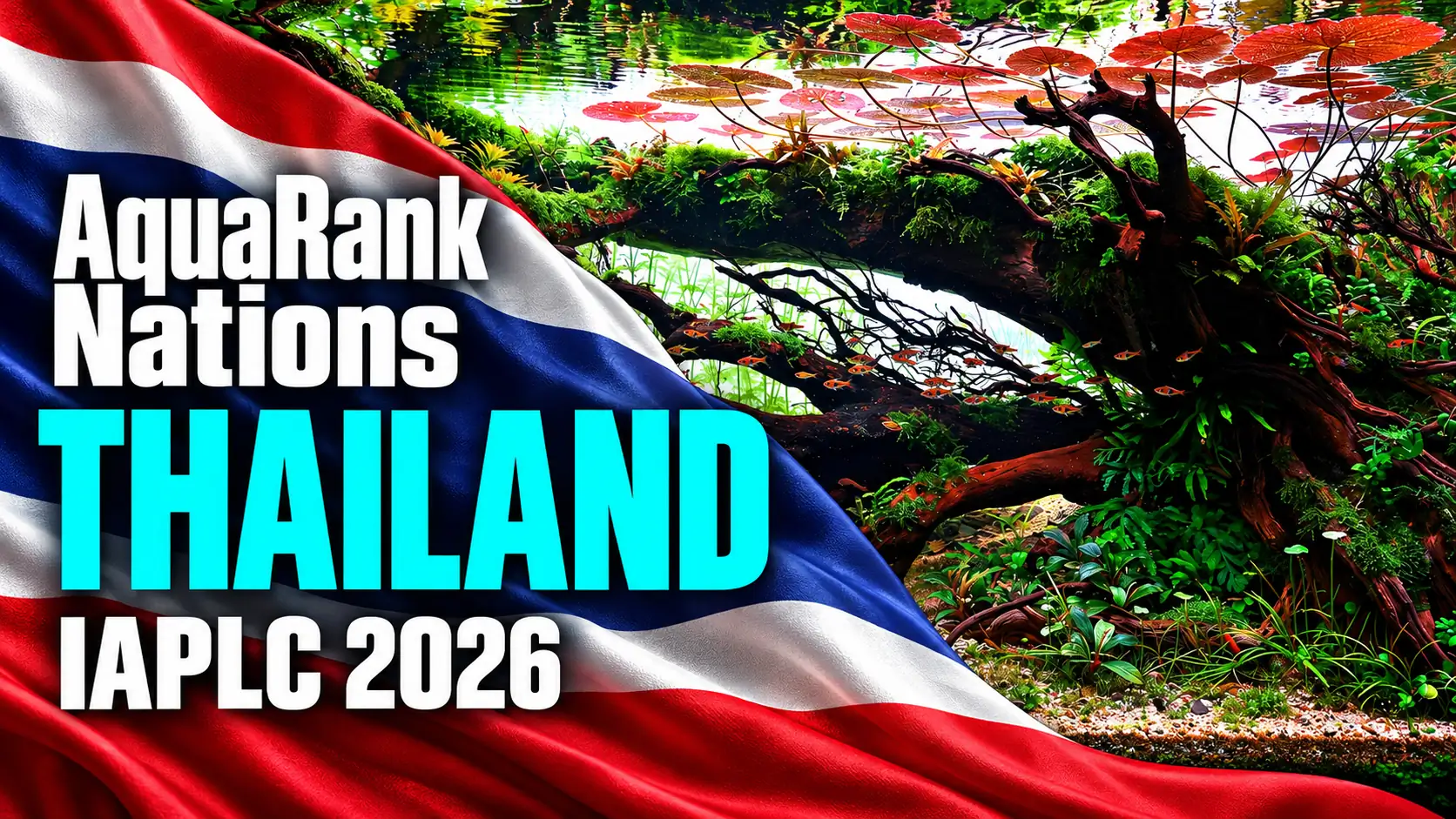
  •  Analyse Thailand aquascapes at IAPLC 2026, then explore the country’s results, contributing creators and competition history on AquaRank Nations.

    Thailand at IAPLC 2026: Surface Colour, Green Arches and Open Rockwork

    Three Thai aquariums in the published Top 300 present contrasting visual priorities. MAGIC LEAVES makes the water surface a signature; another work carries a route beneath planted arches; a third exposes rock peaks against rounded greenery. This small group gives a useful reason to look beyond the first shared award photograph.
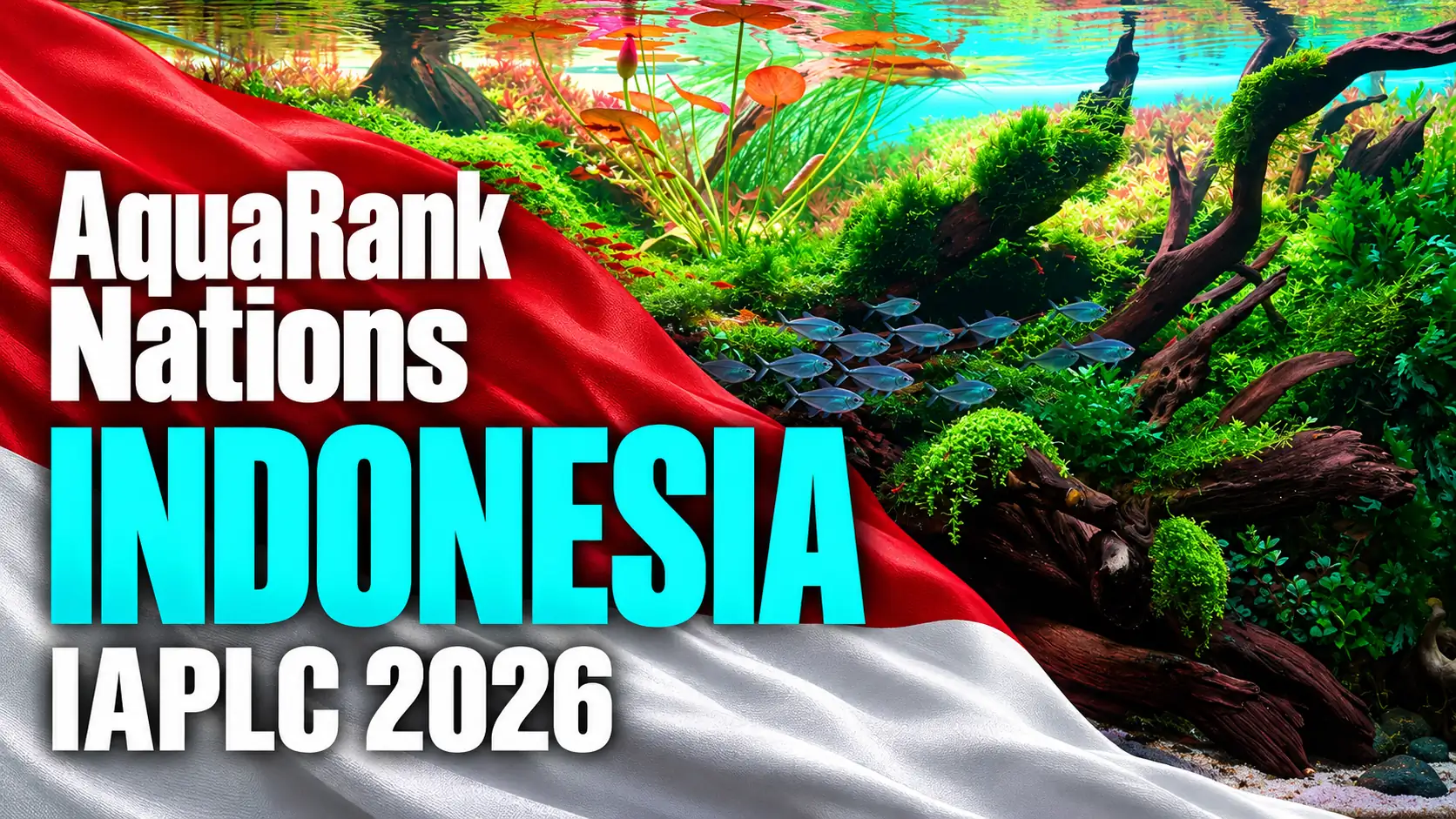
  • Analyse Indonesia aquascapes at IAPLC 2026, then explore the country’s results, contributing creators and competition history on AquaRank Nations.

    Indonesia at IAPLC 2026: Forest Craft Through Four Different Frames

    The four Indonesian works published at ranks 1–300 offer a compact comparison. A coloured surface canopy, a dominant trunk, a dense grove and a wood-and-rock opening all reward close attention. The small group makes it possible to examine every represented work in this range, while keeping the conclusions specific to this season and cutoff.
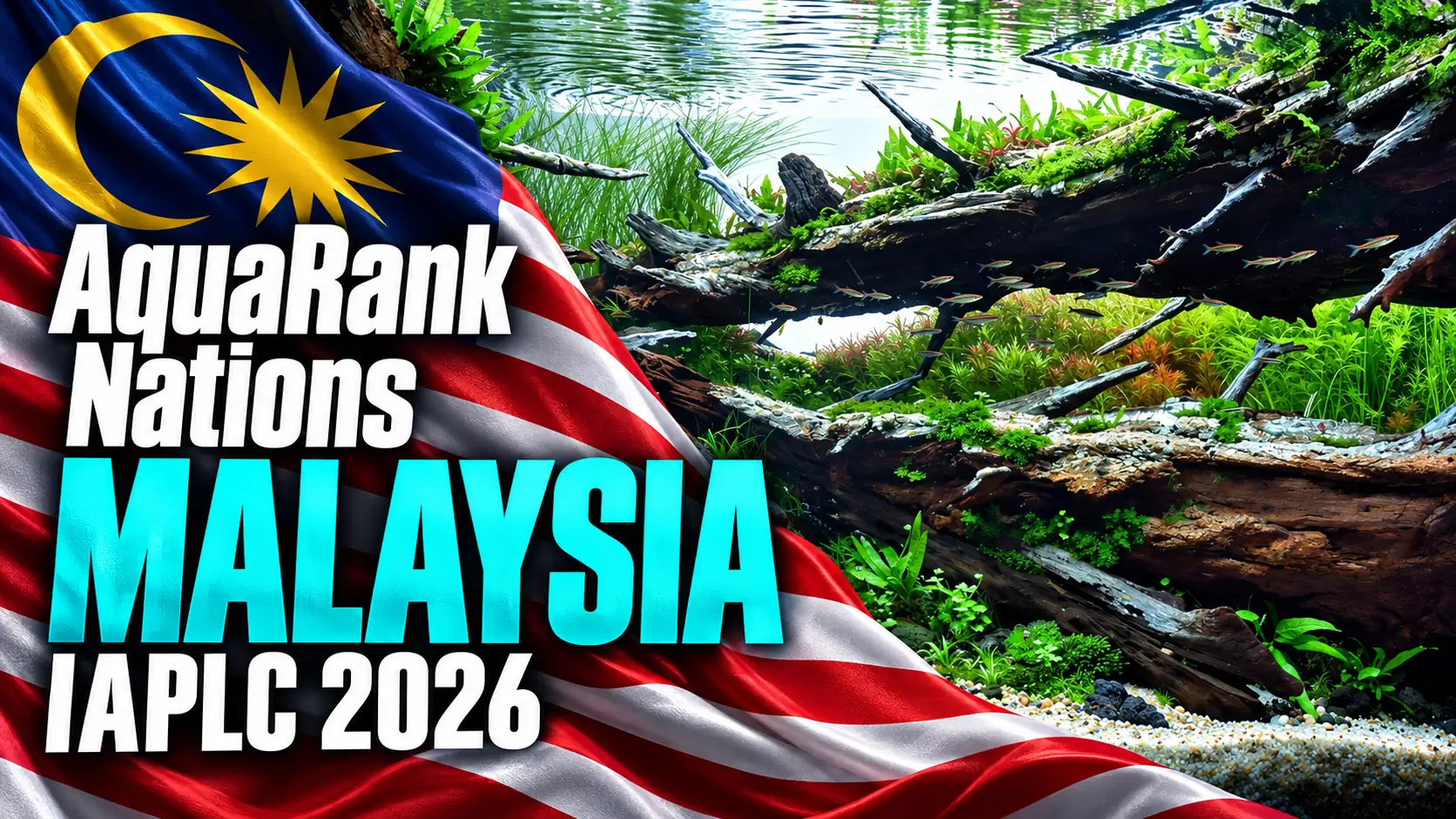
  • Analyse Malaysia aquascapes at IAPLC 2026, then explore the country’s results, contributing creators and competition history on AquaRank Nations.

    Malaysia at IAPLC 2026: Wood, Plant Texture and the Visual Role of Fish

    A bright gap between broad wood layers, a fine-leaved canopy and a conspicuous individual fish offer three different entrances to this Malaysian selection. The photographs invite attention to the space inhabited by fish as well as the hardscape around it. They also show why a creator’s reputation and a new aquarium’s visual decisions should be discussed separately.
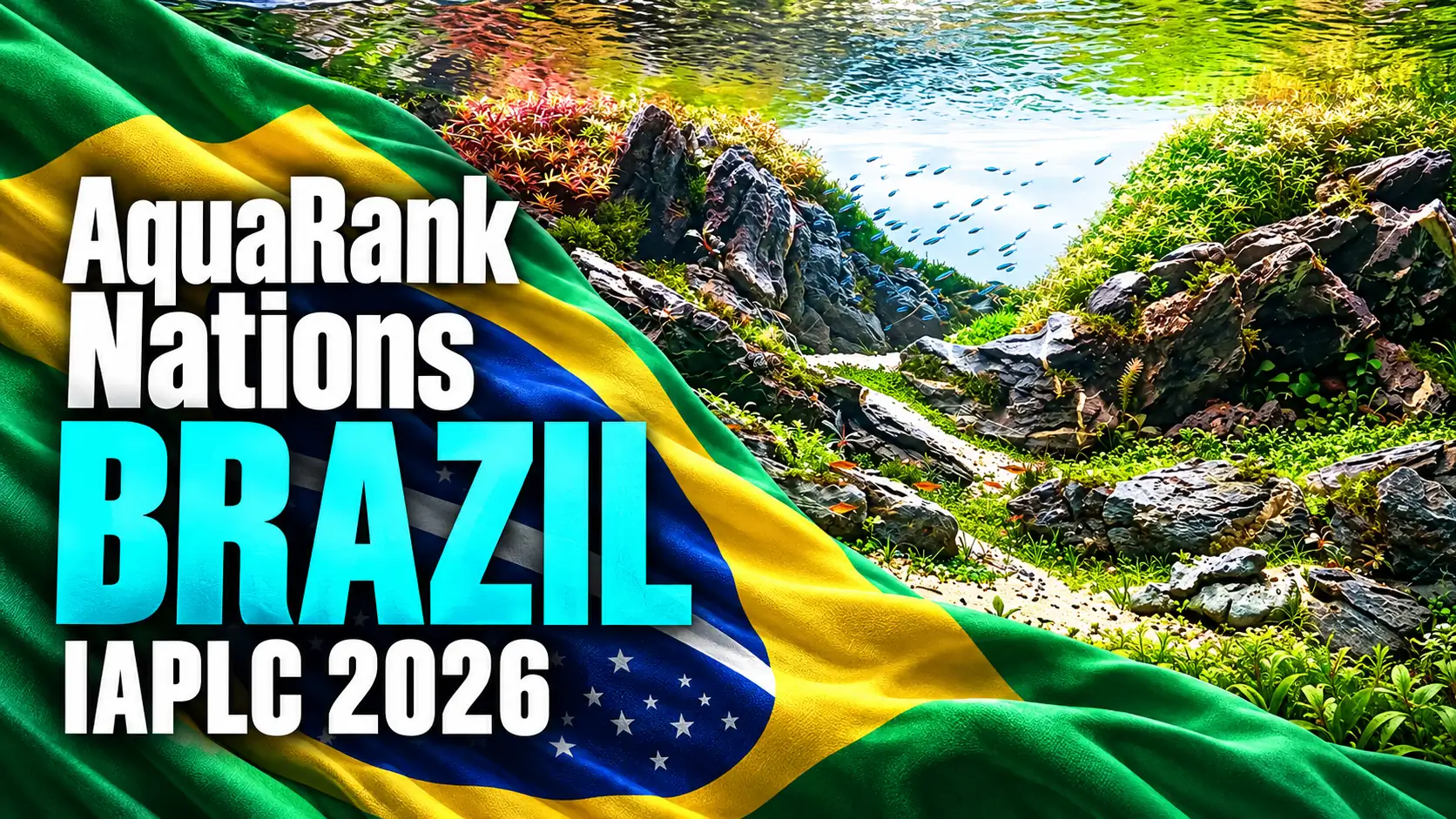
  • Analyse Brazil aquascapes at IAPLC 2026, then explore the country’s results, contributing creators and competition history on AquaRank Nations.

    Brazil at IAPLC 2026: Rock Landscapes and Wood Beyond the Familiar Label

    Enchanted Hills offers an immediately recognisable rock valley, with coloured planting and fish in bright water. Three other selected Brazilian photographs build their scenes around substantial wood. Seeing them together is a useful way to revisit a familiar label without asking individual creators to fit a single national recipe.
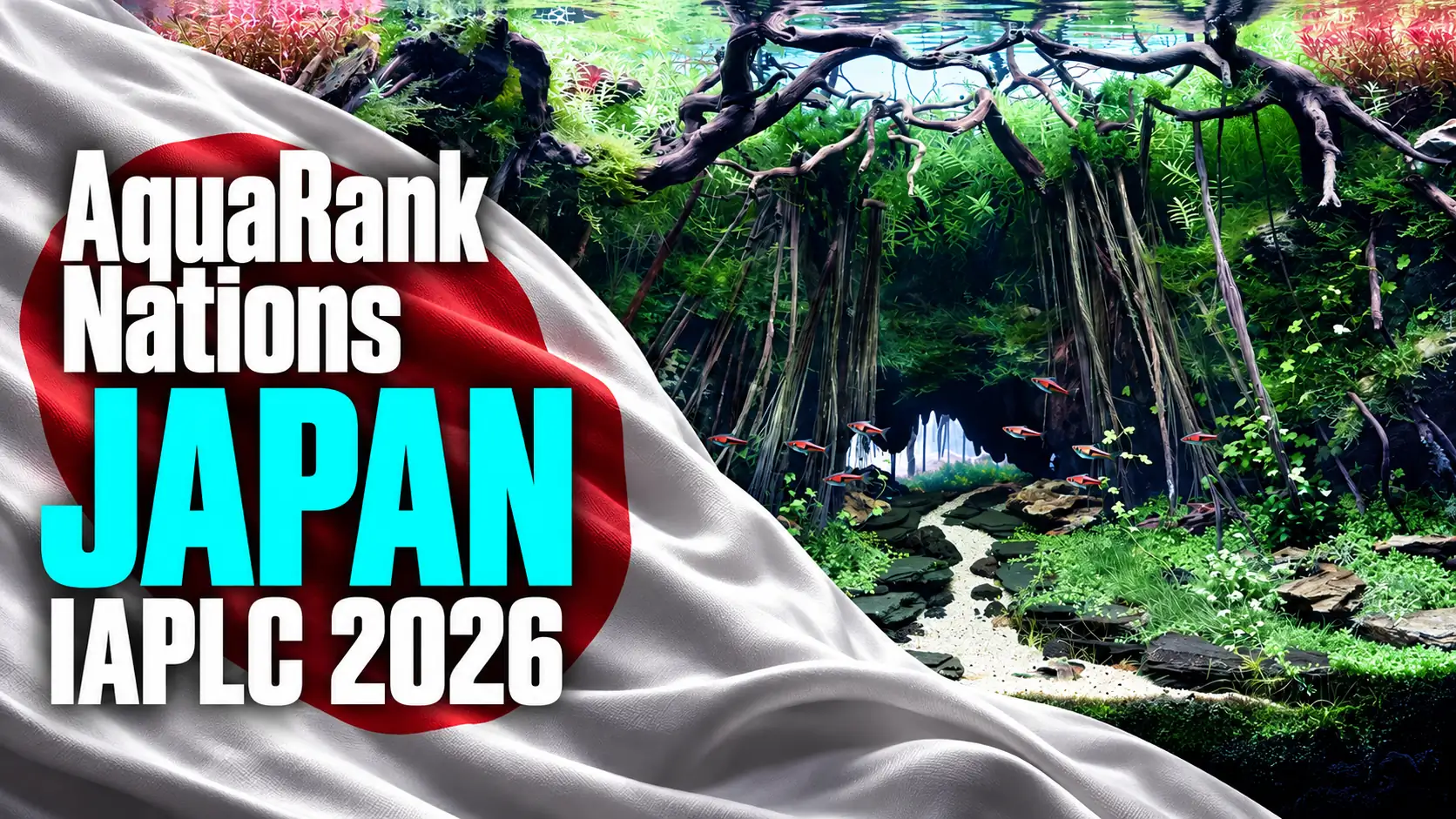
  • Analyse Japan aquascapes at IAPLC 2026, then explore the country’s results, contributing creators and competition history on AquaRank Nations.

    Japan at IAPLC 2026: Nature Aquarium and Many Contemporary Visions

    A pale path through hanging roots and a bright interval between exposed rocks can both make an aquarium feel spacious. Japan’s 2026 selection is rewarding because it places these different approaches beside richly planted foregrounds and coloured slopes. Six photographs offer a practical way to discuss variety within a familiar Nature Aquarium heritage.
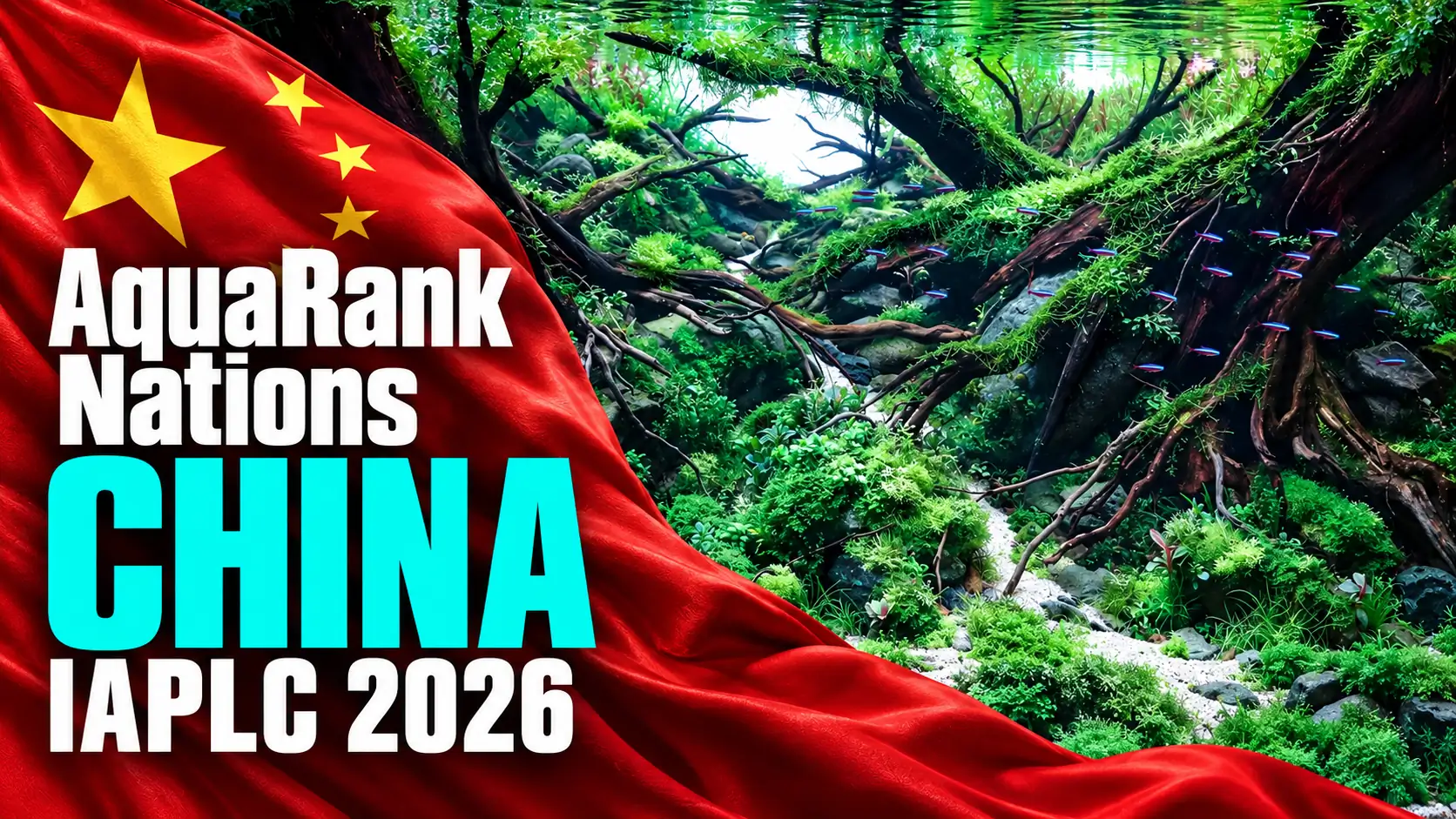
  • Analyse China aquascapes at IAPLC 2026, then explore the country’s results, contributing creators and competition history on AquaRank Nations.

    China at IAPLC 2026: How Layered Wood Creates Convincing Depth

    The Grand Prize photograph gives this study an obvious first stop, but the comparison becomes richer when it reaches beyond the winner. Six selected aquariums show different ways of framing light with wood: unequal trunks, fine leaf curtains, successive arches and repeated vertical roots. Their interest lies in how each arrangement keeps a densely constructed scene readable.
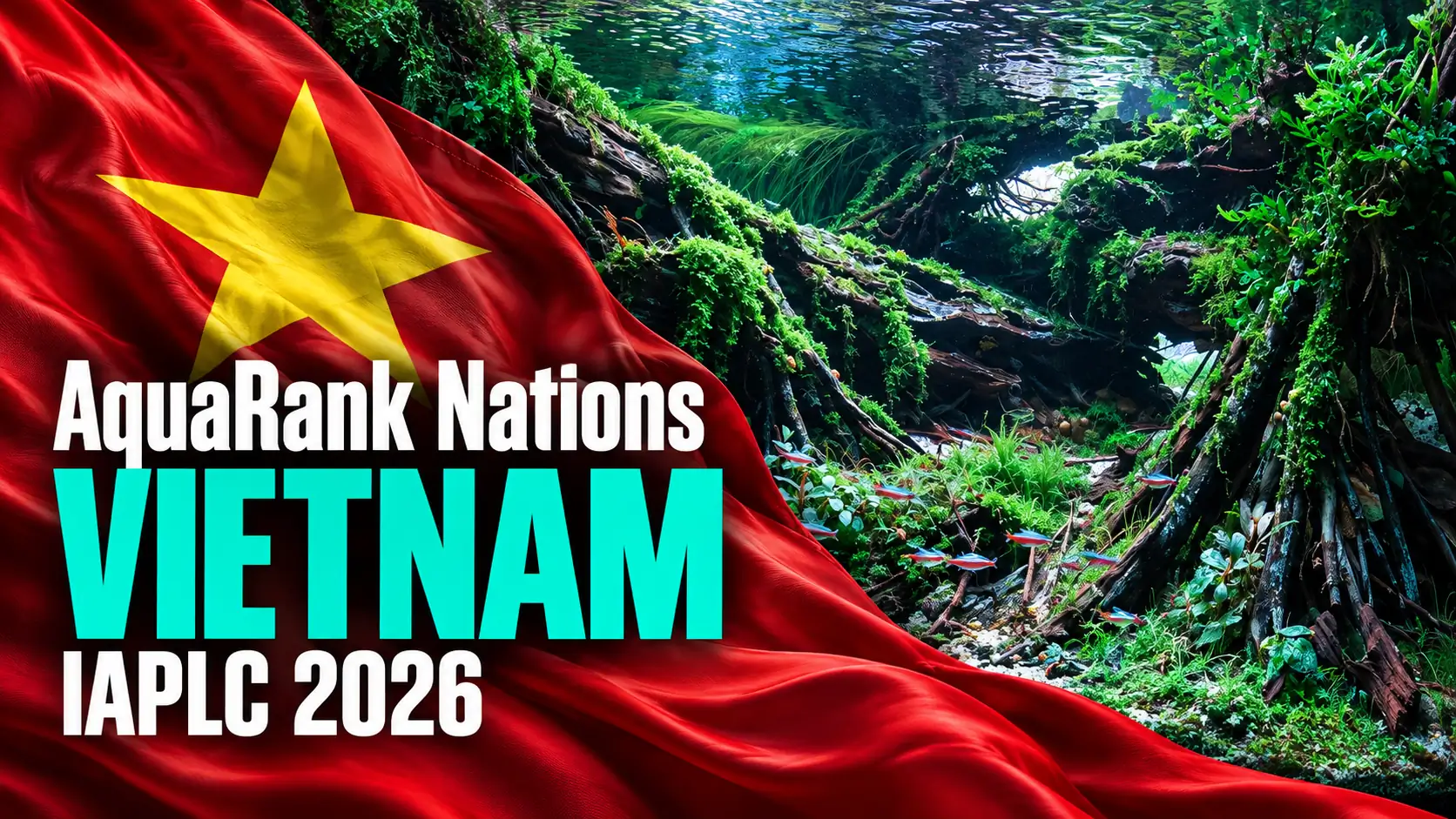
  • Vietnam at IAPLC 2026: Wood, Stone and a Broader Design Identity

    Vietnam’s two leading 2026 awards both invite us into wooded environments. That is an interesting starting point for revisiting an archive which once associated the country strongly with stone. The most useful reading is not that one material has defeated the other. Six selected photographs show several ways of organising planted ground, open water and the route into a scene.
  • Use the existing CIAC cover style with the wording “CIAC 2026 / OFFICIAL RESULTS / RANKINGS TO 119”. Use an actual contest photograph; do not claim “119 entries” or “full results”.

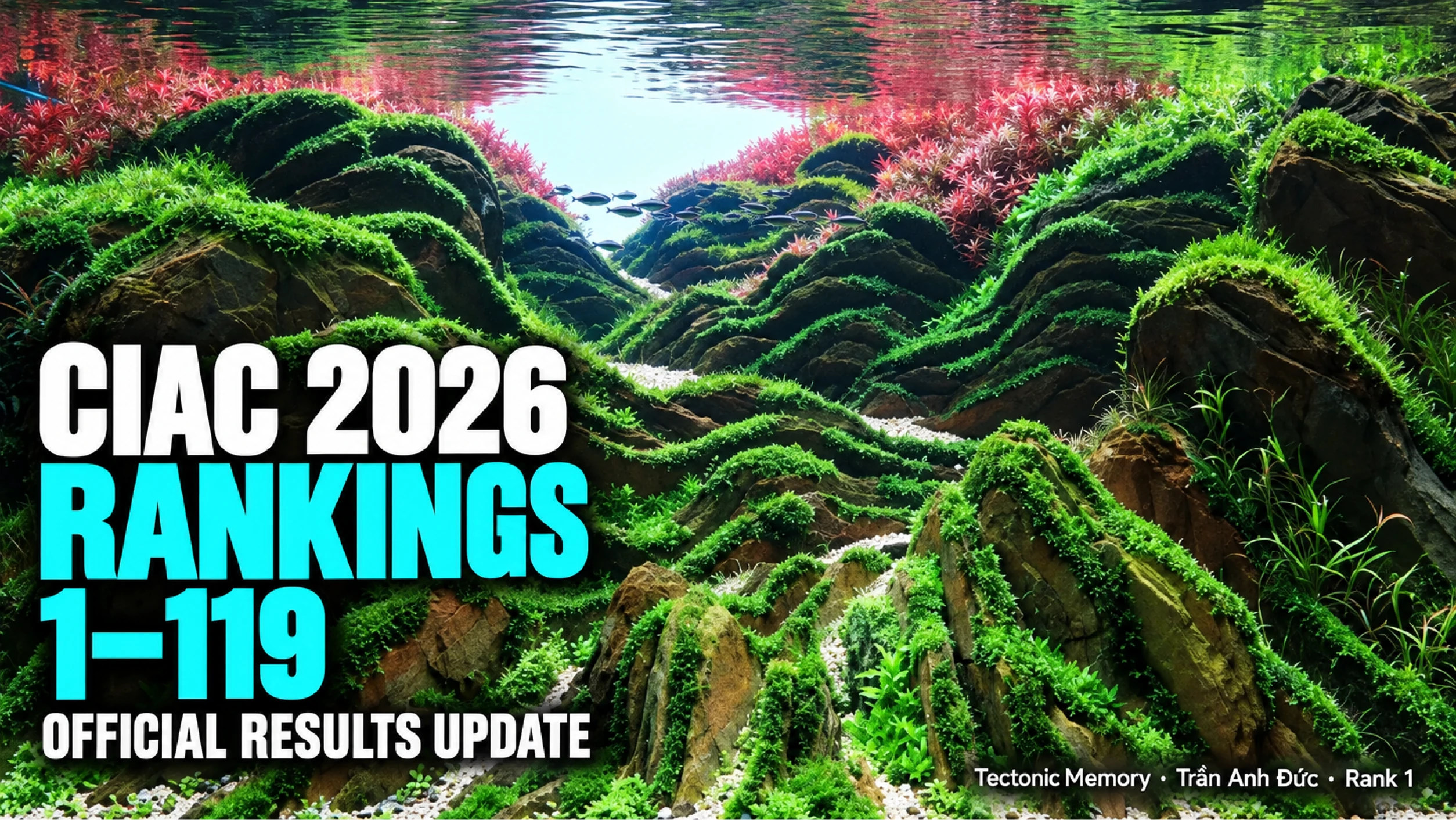
    CIAC 2026 Official Results Update: Rankings Extend to 119

    The CIAC 2026 Aquascaping Category results have received an official update. A results sheet distributed by the organising committee on 14 October lists ranks 14–119, extending the ranking information available beyond the image cards previously covered by AquaLibs.